

The DOI matches its Crossref record; 207 of the 207 references it cites were found in a registry or an index.
Reactive oxygen species in the pathogenesis of sarcopenia
Open accessAbstract
One of the most critical factors impacting healthspan in the elderly is the loss of muscle mass and function, clinically referred to as sarcopenia. Muscle atrophy and weakness lead to loss of mobility, increased risk of injury, metabolic changes and loss of independence. Thus, defining the underlying mechanisms of sarcopenia is imperative to enable the development of effective interventions to preserve muscle function and quality in the elderly and improve healthspan. Over the past few decades, understanding the roles of mitochondrial dysfunction and oxidative stress has been a major focus of studies seeking to reveal critical molecular pathways impacted during aging. In this review, we will highlight how oxidative stress might contribute to sarcopenia by discussing the impact of oxidative stress on the loss of innervation and alteration in the neuromuscular junction (NMJ), on muscle mitochondrial function and atrophy pathways, and finally on muscle contractile function.
Overview
The claims and statistics of this paper haven’t been checked yet.
Run the check — free, no account needed. It reads the open-access text and checks the sources it cites.
Integrity signals
Registry
Cites
Statistics
Figures
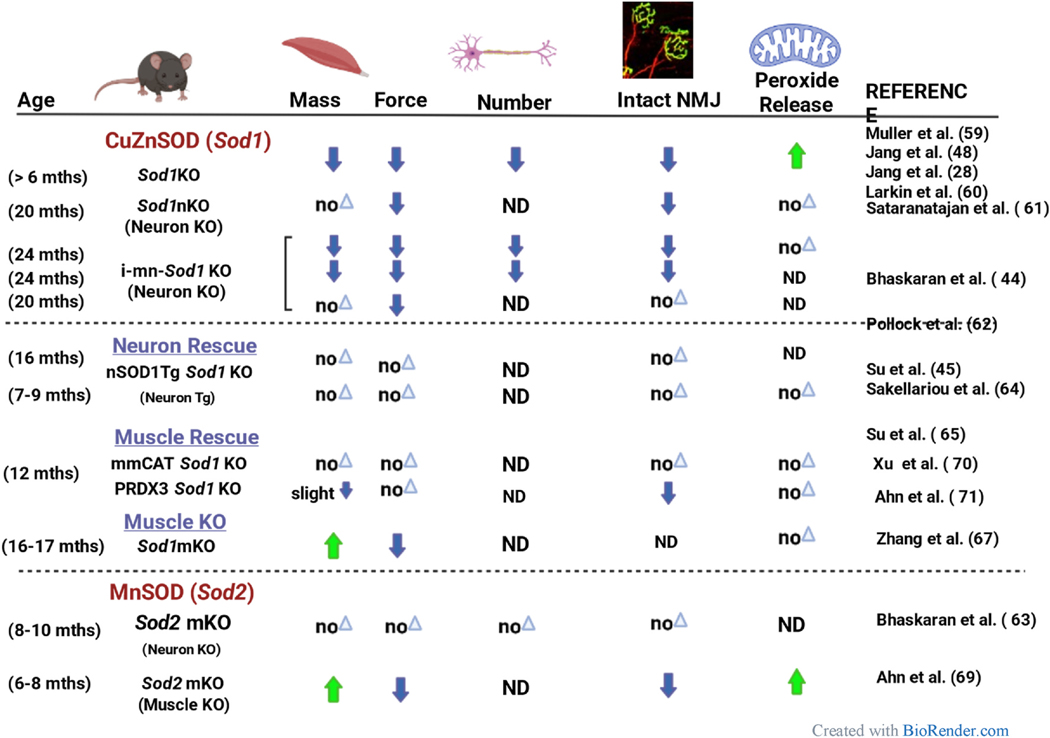
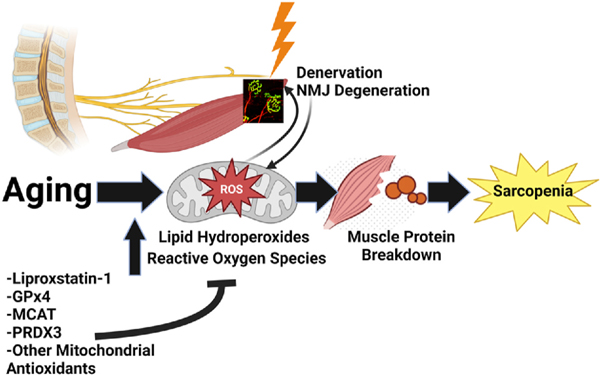
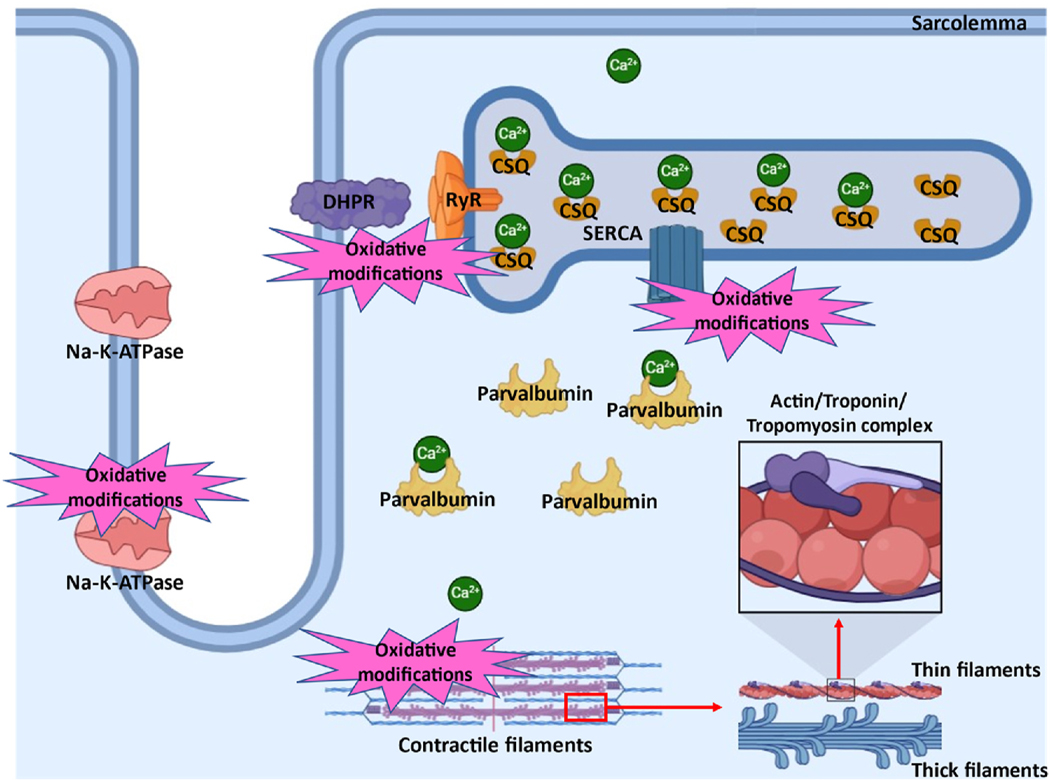
Verification
Claims the paper makes
The claims and statistics of this paper haven’t been checked yet.
Run the check — free, no account needed. It reads the open-access text and checks the sources it cites.
Claims other papers make about this one
Each is checked against this paper’s own text: does it say what the citing paper says it does?
The source backs part of the claim, not all of it — or backs it for a different population, condition or comparison.
In the citing paper
“Mitochondrial dysfunction leads to decreased energy production in muscle cells, impairing their ability to maintain mass and function [7,8].”
From A Narrative Review on GLP-1 Receptor Agonists for Obesity in Older Women: Maximizing Weight Loss While Preserving Lean Mass (2026) · cites this paper as [7]
Experimental — accuracy not yet measured
Self-check
Percentages, sums and reported differences re-computed from the paper’s own numbers.
The self-check needs the paper’s full text.
Citations
Cites
Ferroptosis: An Iron-Dependent Form of Nonapoptotic Cell Death
Dixon, S. J., Lemberg, K. M., Lamprecht, M. R., Skouta, R., Zaitsev, E. M., Gleason, C. E., Patel, D. N., Bauer, A. J., Cantley, A. M., Yang, W. S., et al. (2012) · Cell · doi:10.1016/j.cell.2012.03.042 · Cited by 18,691
McCord, J. M., & Fridovich, I. (1969) · Journal of Biological Chemistry · doi:10.1016/s0021-9258(18)63504-5 · Cited by 12,952
Aging: a theory based on free radical and radiation chemistry
Harman, D. (1956) · Journal of Gerontology · doi:10.1093/geronj/11.3.298 · Cited by 8,567
[1] Role of free radicals and catalytic metal ions in human disease: An overview
Halliwell, B., & Gutteridge, J. M. C. (1990) · Methods in Enzymology · doi:10.1016/0076-6879(90)86093-b · Cited by 4,994
Itoh, K., Chiba, T., Takahashi, S., Ishii, T., Igarashi, K., Katoh, Y., Oyake, T., Hayashi, N., Satoh, K., Hatayama, I., et al. (1997) · Biochemical and Biophysical Research Communications · doi:10.1006/bbrc.1997.6943 · Cited by 3,999
Fiber Types in Mammalian Skeletal Muscles
Schiaffino, S., & Reggiani, C. (2011) · Physiological Reviews · doi:10.1152/physrev.00031.2010 · Cited by 3,022
NRF2 plays a critical role in mitigating lipid peroxidation and ferroptosis
Dodson, M., Castro-Portuguez, R., & Zhang, D. D. (2019) · Redox Biology · doi:10.1016/j.redox.2019.101107 · Cited by 2,435
Protein carbonyl groups as biomarkers of oxidative stress
Dalle‐Donne, I., Rossi, R., Giustarini, D., Milzani, A., & Colombo, R. (2003) · Clinica Chimica Acta · doi:10.1016/s0009-8981(03)00003-2 · Cited by 2,352
Oxidative damage and mitochondrial decay in aging.
Shigenaga, M. K., Hagen, T. M., & Ames, B. N. (1994) · Proceedings of the National Academy of Sciences · doi:10.1073/pnas.91.23.10771 · Cited by 2,055
Structure of the actin-myosin complex and its implications for muscle contraction
Rayment, I., Holden, H. M., Whittaker, M., Yohn, C. B., Lorenz, M., Holmes, K. C., & Milligan, R. A. (1993) · Science · doi:10.1126/science.8316858 · Cited by 1,815
Sarcopenia: Aging-Related Loss of Muscle Mass and Function
Larsson, L., Degens, H., Li, M., Salviati, L., Lee, Y. I., Thompson, W., Kirkland, J. L., & Sandri, M. (2019) · Physiological Reviews · doi:10.1152/physrev.00061.2017 · Cited by 1,797
Generation of superoxide anion by the NADH dehydrogenase of bovine heart mitochondria
Turrens, J. F., & Boveris, A. (1980) · Biochemical Journal · doi:10.1042/bj1910421 · Cited by 1,601
Halliwell, B. (2001) · Drugs & Aging · doi:10.2165/00002512-200118090-00004 · Cited by 1,502
Seiler, A., Schneider, M., Förster, H., Roth, S., Wirth, E. K., Culmsee, C., Plesnila, N., Kremmer, E., Rådmark, O., Wurst, W., et al. (2008) · Cell Metabolism · doi:10.1016/j.cmet.2008.07.005 · Cited by 1,470
Anderson, E. J., Lustig, M. E., Boyle, K. E., Woodlief, T. L., Kane, D. A., Lin, C.-T., Price, J. W., Kang, L., Rabinovitch, P. S., Szeto, H. H., et al. (2009) · Journal of Clinical Investigation · doi:10.1172/jci37048 · Cited by 1,253
Lipid hydroperoxide generation, turnover, and effector action in biological systems
Girotti, A. W. (1998) · Journal of Lipid Research · doi:10.1016/s0022-2275(20)32182-9 · Cited by 1,215
Ubisemiquinone is the electron donor for superoxide formation by complex III of heart mitochondria
Turrens, J. F., Alexandre, A., & Lehninger, A. L. (1985) · Archives of Biochemistry and Biophysics · doi:10.1016/0003-9861(85)90293-0 · Cited by 1,214
Oxidants and human disease: some new concepts 1
Halliwell, B. B. (1987) · The FASEB Journal · doi:10.1096/fasebj.1.5.2824268 · Cited by 1,205
Exercise-induced BCL2-regulated autophagy is required for muscle glucose homeostasis
He, C., Bassik, M. C., Moresi, V., Sun, K., Wei, Y., Zou, Z., An, Z., Loh, J., Fisher, J., Sun, Q., et al. (2012) · Nature · doi:10.1038/nature10758 · Cited by 1,136
Mechanism of Oxidative Stress in Neurodegeneration
Gandhi, S., & Abramov, A. Y. (2012) · Oxidative Medicine and Cellular Longevity · doi:10.1155/2012/428010 · Cited by 964
Oxygen poisoning and x-irradiation: a mechanism in common
Gerschman, R., Gilbert, D. L., Nye, S. W., Dwyer, P., & Fenn, W. O. (1954) · Science · doi:10.1126/science.119.3097.623 · Cited by 961
Three myosin heavy chain isoforms in type 2 skeletal muscle fibres
Schiaffino, S., Gorza, L., Sartore, S., Saggin, L., Ausoni, S., Vianello, M., Gundersen, K., & Lømo, T. (1989) · Journal of Muscle Research and Cell Motility · doi:10.1007/bf01739810 · Cited by 960
AN INSTANCE OF TRIVALENT CARBON: TRIPHENYLMETHYL.
Gomberg, M. (1900) · Journal of the American Chemical Society · doi:10.1021/ja02049a006 · Cited by 916
DNA glycosylases in the base excision repair of DNA
Krokan, H. E., Standal, R., & Slupphaug, G. (1997) · Biochemical Journal · doi:10.1042/bj3250001 · Cited by 868
Cadenas, E., Boveris, A., Ragan, C. I., & Stoppani, A. O. M. (1977) · Archives of Biochemistry and Biophysics · doi:10.1016/0003-9861(77)90035-2 · Cited by 855
AGE‐RELATED CHANGES IN THE STRUCTURE AND FUNCTION OF SKELETAL MUSCLES
Faulkner, J. A., Larkin, L. M., Claflin, D. R., & Brooks, S. V. (2007) · Clinical and Experimental Pharmacology and Physiology · doi:10.1111/j.1440-1681.2007.04752.x · Cited by 802
Contractile properties of skeletal muscles from young, adult and aged mice.
Brooks, S. V., & Faulkner, J. A. (1988) · The Journal of Physiology · doi:10.1113/jphysiol.1988.sp017279 · Cited by 777
S-Glutathiolation by peroxynitrite activates SERCA during arterial relaxation by nitric oxide
Adachi, T. K., Weisbrod, R. M., Pimentel, D. R., Ying, J., Sharov, V. S., Schöneich, C., & Cohen, R. A. (2004) · Nature Medicine · doi:10.1038/nm1119 · Cited by 662
The mitochondrial energy transduction system and the aging process
Navarro, A., & Boveris, A. (2007) · American Journal of Physiology-Cell Physiology · doi:10.1152/ajpcell.00213.2006 · Cited by 646
Effect of Lipid Peroxidation on the Properties of Lipid Bilayers: A Molecular Dynamics Study
Wong-ekkabut, J., Xu, Z., Triampo, W., Tang, I., Tieleman, D. P., & Monticelli, L. (2007) · Biophysical Journal · doi:10.1529/biophysj.107.112565 · Cited by 645
Sites of reactive oxygen species generation by mitochondria oxidizing different substrates
Quinlan, C. L., Perevoshchikova, I. V., Hey‐Mogensen, M., Orr, A. L., & Brand, M. D. (2013) · Redox Biology · doi:10.1016/j.redox.2013.04.005 · Cited by 608
Sun, Y., Zheng, Y., Wang, C., & Liu, Y. (2018) · Cell Death and Disease · doi:10.1038/s41419-018-0794-4 · Cited by 560
The Utility of Superoxide Dismutase in Studying Free Radical Reactions
McCord, J. M., & Fridovich, I. (1969) · Journal of Biological Chemistry · doi:10.1016/s0021-9258(18)63505-7 · Cited by 559
Mechanisms of lipid peroxidation
Girotti, A. W. (1985) · Journal of Free Radicals in Biology & Medicine · doi:10.1016/0748-5514(85)90011-x · Cited by 557
Reactive Oxygen Species: Impact on Skeletal Muscle
Powers, S. K., Ji, L. L., Kavazis, A. N., & Jackson, M. J. (2011) · Comprehensive physiology · doi:10.1002/cphy.c100054 · Cited by 532
Shackelford, R. E., Kaufmann, W. K., & Paules, R. S. (2000) · Free Radical Biology and Medicine · doi:10.1016/s0891-5849(00)00224-0 · Cited by 527
Thomas, J. P., Maiorino, M., Ursini, F., & Girotti, A. W. (1990) · Journal of Biological Chemistry · doi:10.1016/s0021-9258(19)40252-4 · Cited by 522
Mitochondrial oxidative stress in aging and healthspan
Dai, D., Chiao, Y. A., Marcinek, D. J., Szeto, H. H., & Rabinovitch, P. S. (2014) · Longevity & Healthspan · doi:10.1186/2046-2395-3-6 · Cited by 496
Müller, F. L., Song, W., Liu, Y., Chaudhuri, A. R., Pieke-Dahl, S., Strong, R., Huang, T., Epstein, C. J., Roberts, L. J., CSETE, M. E., et al. (2006) · Free Radical Biology and Medicine · doi:10.1016/j.freeradbiomed.2006.01.036 · Cited by 466
Aging and acute exercise enhance free radical generation in rat skeletal muscle
Bejma, J., & Ji, L. L. (1999) · Journal of Applied Physiology · doi:10.1152/jappl.1999.87.1.465 · Cited by 445
Ryanodine receptor oxidation causes intracellular calcium leak and muscle weakness in aging
Andersson, D. C., Betzenhauser, M. J., Reiken, S., Meli, A. C., Umanskaya, A., Xie, W., Shiomi, T., Zalk, R., Lacampagne, A., & Marks, A. R. (2011) · Cell Metabolism · doi:10.1016/j.cmet.2011.05.014 · Cited by 424
Innervation and neuromuscular control in ageing skeletal muscle
Hepple, R. T., & Rice, C. L. (2015) · The Journal of Physiology · doi:10.1113/jp270561 · Cited by 417
The cross-bridge cycle and skeletal muscle fatigue
Fitts, R. H. (2007) · Journal of Applied Physiology · doi:10.1152/japplphysiol.01200.2007 · Cited by 408
SOD2 in mitochondrial dysfunction and neurodegeneration
Flynn, J. M., & Melov, S. (2013) · Free Radical Biology and Medicine · doi:10.1016/j.freeradbiomed.2013.05.027 · Cited by 390
Migliavacca, E., Tay, S. K. H., Patel, H. P., Sonntag, T., Civiletto, G., McFarlane, C., Forrester, T., Barton, S. J., Leow, M. K., Antoun, E., et al. (2019) · Nature Communications · doi:10.1038/s41467-019-13694-1 · Cited by 365 · cited 1×
“Patients experiencing sarcopenia have reduced expression and activity of mitochondrial respiratory complexes and downregulated oxidative phosphorylation and mitochondrial protein homeostasis genes in skeletal muscle when compared to patients without sarcopenia [74].”
Muller, F. L., Song, W., Jang, Y. C., Liu, Y., Sabia, M., Richardson, A., & Van Remmen, H. (2007) · American Journal of Physiology-Regulatory, Integrative and Comparative Physiology · doi:10.1152/ajpregu.00767.2006 · Cited by 355
Cellular thiols and redox-regulated signal transduction
Sen, C. K. (2001) · Current topics in cellular regulation · doi:10.1016/s0070-2137(01)80001-7 · Cited by 343
The myosin swinging cross-bridge model
Spudich, J. A. (2001) · Nature Reviews Molecular Cell Biology · doi:10.1038/35073086 · Cited by 341
Li, Y.-P., Chen, Y., Li, A. S., & Reid, M. B. (2003) · American Journal of Physiology-Cell Physiology · doi:10.1152/ajpcell.00129.2003 · Cited by 334
Skeletal muscle: Energy metabolism, fiber types, fatigue and adaptability
Westerblad, H., Bruton, J. D., & Katz, A. (2010) · Experimental Cell Research · doi:10.1016/j.yexcr.2010.05.019 · Cited by 334
Intracellular Acidosis Enhances the Excitability of Working Muscle
Pedersen, T. H., Nielsen, O. B., Lamb, G. D., & Stephenson, D. G. (2004) · Science · doi:10.1126/science.1101141 · Cited by 306
van Diepen, J. A., Berbée, J. F. P., Havekes, L. M., & Rensen, P. C. N. (2013) · Atherosclerosis · doi:10.1016/j.atherosclerosis.2013.02.028 · Cited by 297
Jang, Y. C., Lustgarten, M. S., Liu, Y., Müller, F. L., Bhattacharya, A., Liang, H., Salmon, A. B., Brooks, S. V., Larkin, L. M., Hayworth, C. R., et al. (2009) · The FASEB Journal · doi:10.1096/fj.09-146308 · Cited by 290
Ryanodine Receptors: Structure and Function
Petegem, F. V. (2012) · Journal of Biological Chemistry · doi:10.1074/jbc.r112.349068 · Cited by 290
Leeuwenburgh, C., Fiebig, R., Chandwaney, R. H., & Ji, L. (1994) · American Journal of Physiology-Regulatory, Integrative and Comparative Physiology · doi:10.1152/ajpregu.1994.267.2.r439 · Cited by 289
Skeletal muscle aging: influence of oxidative stress and physical exercise
Gomes, M. J., Martinez, P. F., Pagan, L. U., Damatto, R. L., Mariano Cezar, M. D., Ruiz Lima, A. R., Okoshi, K., & Okoshi, M. P. (2017) · Oncotarget · doi:10.18632/oncotarget.14670 · Cited by 285
Mitchell, P. D., & Moyle, J. (1965) · Nature · doi:10.1038/208147a0 · Cited by 278
Effects of ageing on the motor unit
Larsson, L., & Ansved, T. (1995) · Progress in Neurobiology · doi:10.1016/0301-0082(95)98601-z · Cited by 274
The lipid peroxidation product 4-hydroxy-2-nonenal: Advances in chemistry and analysis
Spickett, C. M. (2013) · Redox Biology · doi:10.1016/j.redox.2013.01.007 · Cited by 269
Age-associated alterations of the neuromuscular junction
Jang, Y. C., & Remmen, H. V. (2010) · Experimental Gerontology · doi:10.1016/j.exger.2010.08.029 · Cited by 258
Oxidative stress and frailty: A systematic review and synthesis of the best evidence
Soysal, P., Isik, A. T., Carvalho, A. F., Fernandes, B. S., Solmi, M., Schofield, P., Veronese, N., & Stubbs, B. (2017) · Maturitas · doi:10.1016/j.maturitas.2017.01.006 · Cited by 252
Neural control of aging skeletal muscle
Delbono, O. (2003) · Aging Cell · doi:10.1046/j.1474-9728.2003.00011.x · Cited by 248
Oxidative stress and disuse muscle atrophy
Powers, S. K., Smuder, A. J., & Judge, A. R. (2012) · Current Opinion in Clinical Nutrition & Metabolic Care · doi:10.1097/mco.0b013e328352b4c2 · Cited by 234
Ryanodine Receptor of Skeletal Muscle Is a Gap Junction-Type Channel
Ma, J., Fill, M., Knudson, C. M., Campbell, K. P., & Coronado, R. (1988) · Science · doi:10.1126/science.2459777 · Cited by 234
Hyatt, H. W., Deminice, R., Yoshihara, T., & Powers, S. K. (2018) · Archives of Biochemistry and Biophysics · doi:10.1016/j.abb.2018.11.005 · Cited by 226
Excitation-calcium release uncoupling in aged single human skeletal muscle fibers
Delbono, O., O’Rourke, K. S., & Ettinger, W. H. (1995) · The Journal of Membrane Biology · doi:10.1007/bf00235039 · Cited by 221
Oxidation enhances myofibrillar protein degradation via calpain and caspase-3
Smuder, A. J., Kavazis, A. N., Hudson, M. B., Nelson, W. B., & Powers, S. K. (2010) · Free Radical Biology and Medicine · doi:10.1016/j.freeradbiomed.2010.06.025 · Cited by 217
Free radical generation by skeletal muscle of adult and old mice: effect of contractile activity
Vasilaki, A., Mansouri, A., Remmen, H. V., van der Meulen, J. H., Larkin, L. M., Richardson, A. G., McArdle, A., Faulkner, J. A., & Jackson, M. J. (2006) · Aging Cell · doi:10.1111/j.1474-9726.2006.00198.x · Cited by 215
DeHart, D. N., Fang, D., Heslop, K. A., Li, L., Lemasters, J. J., & Maldonado, E. N. (2017) · Biochemical Pharmacology · doi:10.1016/j.bcp.2017.12.022 · Cited by 210
Dupuis, L., de Aguilar, J. G., Echaniz‐Laguna, A., Eschbach, J., René, F., Oudart, H., Halter, B., Huzé, C., Schaeffer, L., Bouillaud, F., et al. (2009) · PLoS ONE · doi:10.1371/journal.pone.0005390 · Cited by 209
Schwarzer, E., Arese, P., & Skorokhod, O. A. (2015) · Oxidative Medicine and Cellular Longevity · doi:10.1155/2015/638416 · Cited by 202
Mitigation of muscular dystrophy in mice by SERCA overexpression in skeletal muscle
Goonasekera, S. A., Lam, C. K., Millay, D. P., Sargent, M. A., Hajjar, R. J., Kranias, E. G., & Molkentin, J. D. (2011) · Journal of Clinical Investigation · doi:10.1172/jci43844 · Cited by 201
Gehlert, S., Bloch, W., & Suhr, F. (2015) · International Journal of Molecular Sciences · doi:10.3390/ijms16011066 · Cited by 200
Schnurr, K., Belkner, J., Ursini, F., SCHEWE, T., & Kühn, H. (1996) · Journal of Biological Chemistry · doi:10.1074/jbc.271.9.4653 · Cited by 198
Oxidative Stress and Sarcomeric Proteins
Steinberg, S. F. (2013) · Circulation Research · doi:10.1161/circresaha.111.300496 · Cited by 195
Cozza, G., Rossetto, M., Bosello-Travain, V., Maiorino, M., Roveri, A., Toppo, S., Zaccarin, M., Zennaro, L., & Ursini, F. (2017) · Free Radical Biology and Medicine · doi:10.1016/j.freeradbiomed.2017.07.010 · Cited by 188
Hydrogen Peroxide Promotes Injury-Induced Peripheral Sensory Axon Regeneration in the Zebrafish Skin
Rieger, S., & Sagasti, A. (2011) · PLoS Biology · doi:10.1371/journal.pbio.1000621 · Cited by 177
Kański, J., Hong, S. J., & Schöneich, C. (2005) · Journal of Biological Chemistry · doi:10.1074/jbc.m501773200 · Cited by 177
Role of mitochondrial homeostasis and dynamics in Alzheimer's disease
Selfridge, J. E., E, L., Lu, J., & Swerdlow, R. H. (2013) · Neurobiology of Disease · doi:10.1016/j.nbd.2011.12.057 · Cited by 175
A Refined Analysis of Superoxide Production by Mitochondrial sn-Glycerol 3-Phosphate Dehydrogenase
Orr, A. L., Quinlan, C. L., Perevoshchikova, I. V., & Brand, M. D. (2012) · Journal of Biological Chemistry · doi:10.1074/jbc.m112.397828 · Cited by 165
Murphy, R. M., Larkins, N. T., Mollica, J. P., Beard, N. A., & Lamb, G. D. (2008) · The Journal of Physiology · doi:10.1113/jphysiol.2008.163162 · Cited by 165
Biomarkers of oxidative stress are associated with frailty: the Framingham Offspring Study
Liu, C. K., Lyass, A., Larson, M. G., Massaro, J. M., Wang, N., D’Agostino, R. B., Benjamin, E. J., & Murabito, J. M. (2016) · AGE · doi:10.1007/s11357-015-9864-z · Cited by 157
Inglés, M., Gambini, J., Carnicero, J. A. C., García‐García, F. J., Rodríguez‐Mañas, L., González, G. O., Dromant, M., Borrás, C., & Viña, J. (2014) · Journal of the American Geriatrics Society · doi:10.1111/jgs.12876 · Cited by 157
SelR reverses Mical-mediated oxidation of actin to regulate F-actin dynamics
Hung, R., Spaeth, C. S., Yesilyurt, H. G., & Terman, J. R. (2013) · Nature Cell Biology · doi:10.1038/ncb2871 · Cited by 155
MTOR, PIK3C3, and autophagy: Signaling the beginning from the end
Munson, M. J., & Ganley, I. G. (2015) · Autophagy · doi:10.1080/15548627.2015.1106668 · Cited by 155
Picard, M. A., Ritchie, D., Thomas, M. M., Wright, K. J., & Hepple, R. T. (2011) · Aging Cell · doi:10.1111/j.1474-9726.2011.00745.x · Cited by 154
GUTMANN, E., & Hanzlíková, V. (1966) · Nature · doi:10.1038/209921b0 · Cited by 152
Oda, K. (1984) · Journal of the Neurological Sciences · doi:10.1016/0022-510x(84)90021-2 · Cited by 151
Miller, C. J., Gounder, S. S., Kannan, S., Karan, G., Muthusamy, V. R., Firpo, M. A., Symons, J. D., Paine, R., Hoidal, J. R., & Rajasekaran, N. S. (2012) · Biochimica et Biophysica Acta (BBA) - Molecular Basis of Disease · doi:10.1016/j.bbadis.2012.02.007 · Cited by 149
Canton, M., Skyschally, A., Menabò, R., Boengler, K., Gres, P., Schulz, R., Haude, M., Erbel, R. M., Lisa, F. D., & Heusch, G. (2006) · European Heart Journal · doi:10.1093/eurheartj/ehi751 · Cited by 149
Canton, M., Neverova, I., Menabò, R., Eyk, J. E. V., & Lisa, F. D. (2004) · American Journal of Physiology-Heart and Circulatory Physiology · doi:10.1152/ajpheart.00714.2003 · Cited by 148
Aging, cytochrome oxidase activity, and hydrogen peroxide release by mitochondria
Sohal, R. S. (1993) · Free Radical Biology and Medicine · doi:10.1016/0891-5849(93)90139-l · Cited by 138
Calpain-1 is required for hydrogen peroxide-induced myotube atrophy
McClung, J. M., Judge, A. R., Talbert, E. E., & Powers, S. K. (2008) · American Journal of Physiology-Cell Physiology · doi:10.1152/ajpcell.00497.2008 · Cited by 137
Hyatt, H. W., & Powers, S. K. (2021) · Antioxidants · doi:10.3390/antiox10040588 · Cited by 134
Mitochondrial dysfunction and skeletal muscle atrophy: Causes, mechanisms, and treatment strategies
Kubat, G. B., Bouhamida, E., Ülger, Ö., Türkel, İ., Pedriali, G., Ramaccini, D., Ekinci, Ö., Özerkliğ, B., Atalay, Ö., Patergnani, S., et al. (2023) · Mitochondrion · doi:10.1016/j.mito.2023.07.003 · Cited by 134
Reggiani, C., Potma, E. J., Bottinelli, R., Canepari, M., Pellegrino, M. A., & Stienen, G. J. M. (1997) · The Journal of Physiology · doi:10.1111/j.1469-7793.1997.449bk.x · Cited by 130
Sarcopenia: Molecular Pathways and Potential Targets for Intervention
Pascual-Fernández, J., Fernández-Montero, A., Córdova-Martínez, A., Pastor, D., Martínez-Rodríguez, A., & Roche, E. (2020) · International Journal of Molecular Sciences · doi:10.3390/ijms21228844 · Cited by 125
Morphological changes in the human end plate with age
Wokke, J. H. J., Jennekens, F. G. I., van den Oord, C. J. M., Veldman, H., Smit, L. M. E., & Leppink, G. J. (1990) · Journal of the Neurological Sciences · doi:10.1016/0022-510x(90)90076-y · Cited by 125
Qin, F., Siwik, D. A., Lancel, S., Zhang, J., Kuster, G. M., Luptak, I., Wang, L., Tong, X., Kang, Y. J., Cohen, R. A., et al. (2013) · Journal of the American Heart Association · doi:10.1161/jaha.113.000184 · Cited by 122
Oxidative stress by monoamine oxidases is causally involved in myofiber damage in muscular dystrophy
Menazza, S., Blaauw, B., Tiepolo, T., Toniolo, L., Braghetta, P., Spolaore, B., Reggiani, C., Lisa, F. D., Bonaldo, P., & Canton, M. (2010) · Human Molecular Genetics · doi:10.1093/hmg/ddq339 · Cited by 119
Baylor, S. M., & Hollingworth, S. (2012) · The Journal of General Physiology · doi:10.1085/jgp.201210773 · Cited by 117
Skeletal muscle excitation–contraction coupling: Who are the dancing partners?
Rebbeck, R. T., Karunasekara, Y., Philip G. Board, Beard, N. A., Casarotto, M. G., & Dulhunty, A. F. (2013) · The International Journal of Biochemistry & Cell Biology · doi:10.1016/j.biocel.2013.12.001 · Cited by 114
Sohal, R. S. (2002) · Free Radical Biology and Medicine · doi:10.1016/s0891-5849(02)00885-7 · Cited by 113
Activation of NF- κ B by Reactive Oxygen Intermediates in the Nervous System
Kaltschmidt, B., Sparna, T., & Kaltschmidt, C. (1999) · Antioxidants and Redox Signaling · doi:10.1089/ars.1999.1.2-129 · Cited by 112
Schwann Cells in Neuromuscular Junction Formation and Maintenance
Barik, A., Li, L., Sathyamurthy, A., Xiong, W., & Mei, L. (2016) · Journal of Neuroscience · doi:10.1523/jneurosci.0174-16.2016 · Cited by 111
Brütsch, S. H., Wang, C. C., Li, L., Stender, H., Neziroglu, N., Richter, C., Kühn, H., & Borchert, A. (2014) · Antioxidants and Redox Signaling · doi:10.1089/ars.2014.5967 · Cited by 108
Failed reinnervation in aging skeletal muscle
Aare, S., Spendiff, S., Vuda, M., Elkrief, D., Pérez, A., Wu, Q., Mayaki, D., Hussain, S. N. A., Hettwer, S., & Hepple, R. T. (2016) · Skeletal Muscle · doi:10.1186/s13395-016-0101-y · Cited by 106
Saum, K.-U., Dieffenbach, A. K., Jansen, E. H. J. M., Schöttker, B., Holleczek, B., Hauer, K. A., & Brenner, H. (2015) · Gerontology · doi:10.1159/000380881 · Cited by 105
Mollica, J. P., Dutka, T. L., Merry, T. L., Lamboley, C. R. H., McConell, G. K., McKenna, M. J., Murphy, R. M., & Lamb, G. D. (2012) · The Journal of Physiology · doi:10.1113/jphysiol.2011.224535 · Cited by 105
Diabetic Muscular Atrophy: Molecular Mechanisms and Promising Therapies
Shen, Y., Li, M., Wang, K., Qi, G., Liu, H., Wang, W., Ji, Y., Chang, M., Deng, C., Xu, F., et al. (2022) · Frontiers in Endocrinology · doi:10.3389/fendo.2022.917113 · Cited by 104
Denervation drives mitochondrial dysfunction in skeletal muscle of octogenarians
Spendiff, S., Vuda, M., Gouspillou, G., Aare, S., Pérez, A., Morais, J. A., Jagoe, R. T., Filion, M., Glicksman, R., Kapchinsky, S., et al. (2016) · The Journal of Physiology · doi:10.1113/jp272487 · Cited by 101
Jang, Y. C., Liu, Y., Hayworth, C. R., Bhattacharya, A., Lustgarten, M. S., Müller, F. L., Chaudhuri, A. R., Qi, W., Li, Y., Huang, J., et al. (2012) · Aging Cell · doi:10.1111/j.1474-9726.2012.00843.x · Cited by 100
Larkin, L. M., Davis, C. S., Sims‐Robinson, C., Kostrominova, T. Y., Remmen, H. V., Richardson, A. G., Feldman, E. L., & Brooks, S. V. (2011) · American Journal of Physiology-Regulatory, Integrative and Comparative Physiology · doi:10.1152/ajpregu.00093.2011 · Cited by 97
Qaisar, R., Bhaskaran, S., Premkumar, P., Ranjit, R., Natarajan, K. S., Ahn, B., Riddle, K., Claflin, D. R., Richardson, A., Brooks, S. V., et al. (2018) · Journal of Cachexia, Sarcopenia and Muscle · doi:10.1002/jcsm.12339 · Cited by 95
Self-citationNrf2 deficiency exacerbates age-related contractile dysfunction and loss of skeletal muscle mass
Ahn, B., Pharaoh, G. A., Premkumar, P., Huseman, K., Ranjit, R., Kinter, M. T., Szweda, L. I., Kiss, T., Fülöp, G. Á., Tarantini, S., et al. (2018) · Redox Biology · doi:10.1016/j.redox.2018.04.004 · Cited by 94
Maiorino, M., Thomas, J. P., Girotti, A. W., & Ursini, F. (1991) · Free Radical Research Communications · doi:10.3109/10715769109145777 · Cited by 94
Restoration of SERCA ATPase prevents oxidative stress-related muscle atrophy and weakness
Qaisar, R., Bhaskaran, S., Ranjit, R., Sataranatarajan, K., Premkumar, P., Huseman, K., & Remmen, H. V. (2018) · Redox Biology · doi:10.1016/j.redox.2018.09.018 · Cited by 92
Self-citationNeuromuscular plasticity during and following 3 wk of human forearm cast immobilization
Clark, B. C., Issac, L. C., Lane, J. L., Damron, L. A., & Hoffman, R. L. (2008) · Journal of Applied Physiology · doi:10.1152/japplphysiol.90530.2008 · Cited by 91
Sakellariou, G. K., Davis, C. S., Shi, Y., Ivannikov, M. V., Zhang, Y., Vasilaki, A., Macleod, G. T., Richardson, A. G., Remmen, H. V., Jackson, M. J., et al. (2013) · The FASEB Journal · doi:10.1096/fj.13-240390 · Cited by 90
Szeto, H. H., & Liu, S. (2018) · Archives of Biochemistry and Biophysics · doi:10.1016/j.abb.2018.10.013 · Cited by 89
Oxidative stress and muscle homeostasis
Musarò, A., Fulle, S., & Fanò, G. (2010) · Current Opinion in Clinical Nutrition & Metabolic Care · doi:10.1097/mco.0b013e3283368188 · Cited by 89
Nrf2 deficiency promotes apoptosis and impairs PAX7/MyoD expression in aging skeletal muscle cells
Narasimhan, M., Hong, J., Atieno, N., Muthusamy, V. R., Davidson, C. J., Abu-Rmaileh, N., Richardson, R. S., Gomes, A. V., Hoidal, J. R., & Rajasekaran, N. S. (2014) · Free Radical Biology and Medicine · doi:10.1016/j.freeradbiomed.2014.02.023 · Cited by 88
Delbono, O., Rodrigues, A. C. Z., Bonilla, H. J., & Messi, M. L. (2021) · Ageing Research Reviews · doi:10.1016/j.arr.2021.101305 · Cited by 86
Mitochondrial Mechanisms of Neuromuscular Junction Degeneration with Aging
Anagnostou, M., & Hepple, R. T. (2020) · Cells · doi:10.3390/cells9010197 · Cited by 84
Prolonged Oxidative Stress on Actin
Milzani, A., Dalle‐Donne, I., & Colombo, R. (1997) · Archives of Biochemistry and Biophysics · doi:10.1006/abbi.1996.9847 · Cited by 84
Calorie restriction delays lipid oxidative damage in Drosophila melanogaster
Zheng, J., Mutcherson, R. J., & Helfand, S. L. (2005) · Aging Cell · doi:10.1111/j.1474-9726.2005.00159.x · Cited by 83
Posterino, G. S., Cellini, M. A., & Lamb, G. D. (2003) · The Journal of Physiology · doi:10.1111/j.1469-7793.2003.00807.x · Cited by 81
Pararasa, C., Ikwuobe, J., Shigdar, S. M., Boukouvalas, A., Nabney, I. T., Brown, J. E. P., Devitt, A., Bailey, C. J., Bennett, S. J., & Griffiths, H. R. (2015) · Aging Cell · doi:10.1111/acel.12416 · Cited by 81
Self-citationXu, H., Ranjit, R., Richardson, A. G., & Remmen, H. V. (2021) · Journal of Cachexia Sarcopenia and Muscle · doi:10.1002/jcsm.12768 · Cited by 81
Self-citationAccelerated sarcopenia in Cu/Zn superoxide dismutase knockout mice
Deepa, S. S., Van Remmen, H., Brooks, S. V., Faulkner, J. A., Larkin, L., McArdle, A., Jackson, M. J., Vasilaki, A., & Richardson, A. (2019) · Free Radical Biology and Medicine · doi:10.1016/j.freeradbiomed.2018.06.032 · Cited by 78
Lamb, G. D. (2002) · Journal of Muscle Research and Cell Motility · doi:10.1023/a:1019932730457 · Cited by 78
Control of calcium release and the effect of ryanodine in skinned muscle fibres of the toad.
Lamb, G. D., & Stephenson, D. G. (1990) · The Journal of Physiology · doi:10.1113/jphysiol.1990.sp018037 · Cited by 77
Fatiguing contractions increase protein S-glutathionylation occupancy in mouse skeletal muscle
Kramer, P. A., Duan, J., Gaffrey, M. J., Shukla, A. K., Wang, L., Bammler, T. K., Qian, W., & Marcinek, D. J. (2018) · Redox Biology · doi:10.1016/j.redox.2018.05.011 · Cited by 77
Acid sphingomyelinase promotes mitochondrial dysfunction due to glutamate-induced regulated necrosis
Novgorodov, S. A., Voltin, J. R., Gooz, M. A., Li, L., Lemasters, J. J., & Gudz, T. I. (2017) · Journal of Lipid Research · doi:10.1194/jlr.m080374 · Cited by 77
Emerging importance of oxidative stress in regulating striated muscle elasticity
Beckendorf, L., & Linke, W. A. (2014) · Journal of Muscle Research and Cell Motility · doi:10.1007/s10974-014-9392-y · Cited by 77
Zhang, Y., Davis, C. S., Sakellariou, G., Shi, Y., Kayani, A. C., Pulliam, D. A., Bhattacharya, A., Richardson, A. G., Jackson, M. J., McArdle, A., et al. (2013) · The FASEB Journal · doi:10.1096/fj.13-228130 · Cited by 76
Myocardial infarction in mice alters sarcomeric function via post-translational protein modification
Avner, B. S., Shioura, K. M., Scruggs, S. B., Grachoff, M., Geenen, D. L., Helseth, D. L., Farjah, M., Goldspink, P. H., & Solaro, R. J. (2011) · Molecular and Cellular Biochemistry · doi:10.1007/s11010-011-1172-z · Cited by 76
Dias, I. H. K., Brown, C. L. R., Polidori, M. C., Lip, G. Y. H., & Griffiths, H. R. (2015) · Clinical Science · doi:10.1042/cs20150351 · Cited by 75
Redox regulation of autophagy in skeletal muscle
Rodney, G. G., Pal, R., & Abo‐Zahrah, R. (2016) · Free Radical Biology and Medicine · doi:10.1016/j.freeradbiomed.2016.05.010 · Cited by 75
Flucher, B. E., Conti, A., Takeshima, H., & Sorrentino, V. (1999) · The Journal of Cell Biology · doi:10.1083/jcb.146.3.621 · Cited by 74
Zabłocka-Słowińska, K., Płaczkowska, S., Skórska, K., Prescha, A., Pawełczyk, K., Porębska, I., Kosacka, M., & Grajeta, H. (2019) · PLOS ONE · doi:10.1371/journal.pone.0215246 · Cited by 74
Heusch, P., Canton, M., Aker, S., van de Sand, A., Konietzka, I., Rassaf, T., Menazza, S., Brodde, O. E., Lisa, F. D., Heusch, G., et al. (2010) · British Journal of Pharmacology · doi:10.1111/j.1476-5381.2010.00793.x · Cited by 72
Changes in Redox Signaling in the Skeletal Muscle with Aging
Szentesi, P., Csernoch, L., Dux, L., & Keller-Pintér, A. (2019) · Oxidative Medicine and Cellular Longevity · doi:10.1155/2019/4617801 · Cited by 71
Ahn, B., Ranjit, R., Premkumar, P., Pharaoh, G. A., Piekarz, K. M., Matsuzaki, S., Claflin, D. R., Riddle, K., Judge, J., Bhaskaran, S., et al. (2019) · Journal of Cachexia Sarcopenia and Muscle · doi:10.1002/jcsm.12375 · Cited by 70
Self-citationDremina, E. S., Sharov, V. S., Davies, M. J., & Schöneich, C. (2007) · Chemical Research in Toxicology · doi:10.1021/tx700108w · Cited by 68
Thin Filament Structure and the Steric Blocking Model
Lehman, W. (2016) · Comprehensive physiology · doi:10.1002/cphy.c150030 · Cited by 68
Javadov, S. A., Jang, S., Rodriguez, N., Rodríguez‐Zayas, A. E., Hernández, J. S., Krainz, T., Wipf, P., & Frontera, W. R. (2015) · Oncotarget · doi:10.18632/oncotarget.5783 · Cited by 67
Neuron specific reduction in cuznsod is not sufficient to initiate a full sarcopenia phenotype
Sataranatarajan, K., Qaisar, R., Davis, C., Sakellariou, G. K., Vasilaki, A., Zhang, Y., Liu, Y., Bhaskaran, S., McArdle, A., Jackson, M., et al. (2015) · Redox Biology · doi:10.1016/j.redox.2015.04.005 · Cited by 67
Self-citationThe physiological and clinical importance of sodium potassium ATPase in cardiovascular diseases
Yan, Y., & Shapiro, J. I. (2016) · Current Opinion in Pharmacology · doi:10.1016/j.coph.2016.01.009 · Cited by 67
Redox Sensitivities of Global Cellular Cysteine Residues under Reductive and Oxidative Stress
Araki, K., Kusano, H., Sasaki, N., Tanaka, R., Hatta, T., Fukui, K., & Natsume, T. (2016) · Journal of Proteome Research · doi:10.1021/acs.jproteome.6b00087 · Cited by 63
SERCA1 overexpression minimizes skeletal muscle damage in dystrophic mouse models
Mázala, D. A. G., Pratt, S. J. P., Chen, D., Molkentin, J. D., Lovering, R. M., & Chin, E. R. (2015) · American Journal of Physiology-Cell Physiology · doi:10.1152/ajpcell.00341.2014 · Cited by 62
Neuron‐specific deletion of CuZnSOD leads to an advanced sarcopenic phenotype in older mice
Bhaskaran, S., Pollock, N., Macpherson, P. C. D., Ahn, B., Piekarz, K. M., Staunton, C. A., Brown, J. L., Qaisar, R., Vasilaki, A., Richardson, A. G., et al. (2020) · Aging Cell · doi:10.1111/acel.13225 · Cited by 61
Self-citationPosterino, G. S., & Lamb, G. D. (1996) · The Journal of Physiology · doi:10.1113/jphysiol.1996.sp021729 · Cited by 60
Czyżowska, A., Brown, J. L., Xu, H., Sataranatarajan, K., Kinter, M. T., Tyrrell, V. J., O’Donnell, V. B., & Remmen, H. V. (2023) · Redox Biology · doi:10.1016/j.redox.2023.102761 · Cited by 58
Self-citationQaisar, R., Pharaoh, G. A., Bhaskaran, S., Xu, H., Ranjit, R., Bian, J., Ahn, B., Georgescu, C., Wren, J. D., & Remmen, H. V. (2020) · International Journal of Molecular Sciences · doi:10.3390/ijms22010037 · Cited by 57
Self-citationThe Role of Oxidative Stress in Nervous System Aging
Sims‐Robinson, C., Hur, J., Hayes, J. M., Dauch, J. R., Keller, P. J., Brooks, S. V., & Feldman, E. L. (2013) · PLoS ONE · doi:10.1371/journal.pone.0068011 · Cited by 56
Ahn, B., Ranjit, R., Kneis, P., Xu, H., Piekarz, K. M., Freeman, W. M., Kinter, M. T., Richardson, A. G., Ran, Q., Brooks, S. V., et al. (2022) · Aging Cell · doi:10.1111/acel.13569 · Cited by 56
Self-citationIsoprostanes: an emerging role in vascular physiology and disease?
Cracowski, J. (2003) · Chemistry and Physics of Lipids · doi:10.1016/j.chemphyslip.2003.10.006 · Cited by 54
Phospholipid oxidation and carotenoid supplementation in Alzheimer’s disease patients
Ademowo, O. S., Dias, I. H. K., Milic, I., Devitt, A., Moran, R., Mulcahy, R., Howard, A. N., Nolan, J. M., & Griffiths, H. R. (2017) · Free Radical Biology and Medicine · doi:10.1016/j.freeradbiomed.2017.03.008 · Cited by 54
Bartlett, D. E., Miller, R. B., Thiesfeldt, S., Lakhani, H. V., Shapiro, J. I., & Sodhi, K. (2018) · International Journal of Molecular Sciences · doi:10.3390/ijms19072139 · Cited by 52
Sakellariou, G. K., McDonagh, B., Porter, H., Giakoumaki, I. I., Earl, K. E., Nye, G., Vasilaki, A., Brooks, S. V., Richardson, A. G., Remmen, H. V., et al. (2017) · Antioxidants and Redox Signaling · doi:10.1089/ars.2017.7249 · Cited by 52
Oxidative Stress and Skeletal Muscle Dysfunction with Aging
Aoi, W., & Sakuma, K. (2011) · Current Aging Science · doi:10.2174/1874609811104020101 · Cited by 51
Redox homeostasis and age‐related deficits in neuromuscular integrity and function
Sakellariou, G. K., Lightfoot, A. P., Earl, K. E., Stofanko, M., & McDonagh, B. (2017) · Journal of Cachexia Sarcopenia and Muscle · doi:10.1002/jcsm.12223 · Cited by 51
Pin, F., Huot, J. R., & Bonetto, A. (2022) · Frontiers in Cell and Developmental Biology · doi:10.3389/fcell.2022.861622 · Cited by 51
Targeting Mitochondrial Bioenergetics for Alzheimers Prevention and Treatment
Yao, J., & Brinton, R. D. (2011) · Current Pharmaceutical Design · doi:10.2174/138161211798072517 · Cited by 50
Asselin, C., Bouchard, B., Tardif, J., & Rosiers, C. D. (2006) · Free Radical Biology and Medicine · doi:10.1016/j.freeradbiomed.2006.03.011 · Cited by 46
SERCA stimulation: A potential approach in therapeutics
Rahate, K., Bhatt, L. K., & Prabhavalkar, K. S. (2019) · Chemical Biology & Drug Design · doi:10.1111/cbdd.13620 · Cited by 46
Ubiquitin Ligases in Longevity and Aging Skeletal Muscle
Hughes, D. C., Baehr, L. M., Waddell, D. S., Sharples, A. P., & Bodine, S. C. (2022) · International Journal of Molecular Sciences · doi:10.3390/ijms23147602 · Cited by 45
Alzheimer’s Pathogenesis and Its Link to the Mitochondrion
Simoncini, C., Orsucci, D., Ienco, E. C., Siciliano, G., Bonuccelli, U., & Mancuso, M. (2015) · Oxidative Medicine and Cellular Longevity · doi:10.1155/2015/803942 · Cited by 45
Vasilaki, A., Richardson, A. G., Remmen, H. V., Brooks, S. V., Larkin, L. M., McArdle, A., & Jackson, M. J. (2017) · The Journal of Physiology · doi:10.1113/jp274336 · Cited by 44
Molecular mechanism of actin-myosin motor in muscle
Koubassova, N. A., & Tsaturyan, A. K. (2011) · Biochemistry (Moscow) · doi:10.1134/s0006297911130086 · Cited by 43
Targeting cPLA2 derived lipid hydroperoxides as a potential intervention for sarcopenia
Pharaoh, G. A., Brown, J. L., Sataranatarajan, K., Kneis, P., Bian, J., Ranjit, R., Hadad, N., Georgescu, C., Rabinovitch, P. S., Ran, Q., et al. (2020) · Scientific Reports · doi:10.1038/s41598-020-70792-7 · Cited by 43
Self-citationJang, Y. C., Rodriguez, K. A., Lustgarten, M. S., Müller, F. L., Bhattacharya, A., Pierce, A. P., Choi, J. J., Lee, N. H., Chaudhuri, A. R., Richardson, A. G., et al. (2020) · GeroScience · doi:10.1007/s11357-020-00200-5 · Cited by 43
Larouche, J. A., Mohiuddin, M., Choi, J. J., Ulintz, P., Fraczek, P. M., Sabin, K., Pitchiaya, S., Kurpiers, S. J., Castor‐Macias, J. A., Liu, W., et al. (2021) · eLife · doi:10.7554/elife.66749 · Cited by 42
[11] Structural analysis of ATP synthase from bovine heart mitochondria
Walker, J. E., Collinson, I. R., van Raaij, M. J., & Runswick, M. J. (1995) · Methods in enzymology on CD-ROM/Methods in enzymology · doi:10.1016/0076-6879(95)60136-8 · Cited by 41
Staurosporin induces neurite outgrowth through ROS generation in HN33 hippocampal cell lines
Min, J. Y., Park, M. H., Park, M. K., Park, K. W., Lee, N. W., Kim, T., Kim, H. J., & Lee, D. H. (2006) · Journal of Neural Transmission · doi:10.1007/s00702-006-0500-z · Cited by 41
Ošťádal, P., Elmoselhi, A. B., Zdobnicka, I., Lukas, A., Elimban, V., & Dhalla, N. S. (2004) · Antioxidants and Redox Signaling · doi:10.1089/ars.2004.6.914 · Cited by 40
Lipid hydroperoxides and oxylipins are mediators of denervation induced muscle atrophy
Brown, J. L., Peelor, F. F., Georgescu, C., Wren, J. D., Kinter, M. T., Tyrrell, V. J., O’Donnell, V. B., Miller, B. F., & Remmen, H. V. (2022) · Redox Biology · doi:10.1016/j.redox.2022.102518 · Cited by 39
Self-citationScreening for increased protein thiol oxidation in oxidatively stressed muscle tissue
El‐Shafey, A., ARMSTRONG, A. A., Terrill, J. R., Grounds, M. D., & Arthur, P. G. (2011) · Free Radical Research · doi:10.3109/10715762.2011.590136 · Cited by 39
Bhaskaran, S., Kumar, G., Thadathil, N., Piekarz, K. M., Mohammed, S., Domínguez-López, S., Qaisar, R., Walton, D. A., Brown, J. L., Murphy, A., et al. (2022) · Redox Biology · doi:10.1016/j.redox.2022.102550 · Cited by 36
Self-citationThompson, L. V. (1999) · Aging Clinical and Experimental Research · doi:10.1007/bf03399649 · Cited by 31
Sataranatarajan, K., Pharaoh, G. A., Brown, J. L., Ranjit, R., Piekarz, K. M., Street, K., Wren, J. D., Georgescu, C., Kinter, C. S., Kinter, M. T., et al. (2020) · GeroScience · doi:10.1007/s11357-020-00189-x · Cited by 31
Self-citationPerhydroxyl Radical (HO2•) as Inducer of the Isoprostane Lipid Peroxidation in Mitochondria
Panov, A. V. (2018) · Molecular Biology · doi:10.1134/s0026893318020097 · Cited by 29
Michelucci, A., Boncompagni, S., Canato, M., Reggiani, C., & Protasi, F. (2017) · Oxidative Medicine and Cellular Longevity · doi:10.1155/2017/6936897 · Cited by 27
Parvalbumin as a Pleomorphic Protein
Permyakov, E. A., Uversky, V. N., & Permyakov, S. E. (2016) · Current Protein and Peptide Science · doi:10.2174/1389203717666161213115746 · Cited by 27
Adaptive changes in structure of skeletal muscles from adult Sod1 homozygous knockout mice
Kostrominova, T. Y., Pasyk, K. A., Remmen, H. V., Richardson, A. G., & Faulkner, J. A. (2006) · Cell and Tissue Research · doi:10.1007/s00441-006-0297-y · Cited by 26
Xu, H., Ahn, B., & Remmen, H. V. (2022) · Science Advances · doi:10.1126/sciadv.add7377 · Cited by 25
Self-citationThe redox environment and mitochondrial dysfunction in age-related skeletal muscle atrophy
Shally, A., & McDonagh, B. (2020) · Biogerontology · doi:10.1007/s10522-020-09879-7 · Cited by 24
Jackson, M. J. (2020) · Free Radical Biology and Medicine · doi:10.1016/j.freeradbiomed.2020.10.026 · Cited by 24
Modulation of sarcopenia phenotypes by glutathione peroxidase 4 overexpression in mice
Xu, H., Czyżowska, A., Remmen, H. V., & Brown, J. L. (2023) · The Journal of Physiology · doi:10.1113/jp285259 · Cited by 23
Self-citationLower levels of F2-isoprostanes in serum and livers of long-lived Ames dwarf mice
Choksi, K. B., Roberts, L. J., DeFord, J. H., Rabek, J. P., & Papaconstantinou, J. (2007) · Biochemical and Biophysical Research Communications · doi:10.1016/j.bbrc.2007.10.100 · Cited by 22
Zhang, W., You, B., Qi, D., Qiu, L., Ripley-Gonzalez, J. W., Zheng, F., Fu, S., Li, C., Dun, Y., & Liu, S. (2021) · Scientific Reports · doi:10.1038/s41598-021-98771-6 · Cited by 22
Emerging molecular mediators and targets for age-related skeletal muscle atrophy
Brown, L. A., Guzman, S. D., & Brooks, S. V. (2020) · Translational research · doi:10.1016/j.trsl.2020.03.001 · Cited by 22
Su, Y., Ahn, B., Macpherson, P. C. D., Ranjit, R., Claflin, D. R., Remmen, H. V., & Brooks, S. V. (2021) · Free Radical Biology and Medicine · doi:10.1016/j.freeradbiomed.2021.01.047 · Cited by 21
Force generated by myosin cross-bridges is reduced in myofibrils exposed to ROS/RNS
Persson, M., Steinz, M. M., Westerblad, H., Lanner, J. T., & Rassier, D. E. (2019) · American Journal of Physiology-Cell Physiology · doi:10.1152/ajpcell.00272.2019 · Cited by 20
Su, Y., Claflin, D. R., Huang, M., Davis, C. S., Macpherson, P. C. D., Richardson, A. G., Remmen, H. V., & Brooks, S. V. (2021) · International Journal of Molecular Sciences · doi:10.3390/ijms221910735 · Cited by 19
Panov, A. V. (2018) · Molecular Biology · doi:10.7868/s0026898418030011 · Cited by 18
Physiological and biochemical characteristics of skeletal muscles in sedentary and active rats
Xu, H., Ren, X., Lamb, G. D., & Murphy, R. M. (2018) · Journal of Muscle Research and Cell Motility · doi:10.1007/s10974-018-9493-0 · Cited by 17
Self-citationGarcía-Flores, L. A., Medina, S., Martínez-Hernández, P., Oger, C., Galano, J., Durand, T., Casas, T., Ferreres, F., & Gil‐Izquierdo, Á. (2017) · Redox Biology · doi:10.1016/j.redox.2017.01.008 · Cited by 17
Pollock, N., Macpherson, P. C. D., Staunton, C. A., Hemmings, K., Davis, C. S., Owen, E., Vasilaki, A., Remmen, H. V., Richardson, A. G., McArdle, A., et al. (2023) · eNeuro · doi:10.1523/eneuro.0086-22.2023 · Cited by 15
Research works printed but not linked: 2
- Xu, 2021, Muscle mitochondrial catalase expression prevents neuromuscular junction disruption, atrophy, and weakness in a mouse model of accelerated sarcopenia, J. Cachexia Sarcopenia Muscle., 12, 1582, 10.1002/jcsm.12768 · DOI
- McClung, 2009, Calpain-1 is required for hydrogen peroxide-induced myotube atrophy, Am. J. Physiol. Cell Physiol., 296, C363, 10.1152/ajpcell.00497.2008 · DOI
Cited by
Sorted by citations
Pathological and Inflammatory Consequences of Aging
García‐Domínguez, M. (2025) · Biomolecules · doi:10.3390/biom15030404 · Cited by 78
Papadopoulos, E., Irving, B. A., Brown, J. C., Heymsfield, S. B., Sattar, S., Alibhai, S. M. H., Williams, G. R., & Dunne, R. F. (2025) · Drugs & Aging · doi:10.1007/s40266-025-01252-y · Cited by 28
Self-citationCui, X., Liu, H., Liu, Y., Yu, Z., Wang, D., Wei, W., & Wang, S. (2025) · Frontiers in Medicine · doi:10.3389/fmed.2025.1665708 · Cited by 24
Analysis of the mechanism of skeletal muscle atrophy from the pathway of decreased protein synthesis
Chen, P., Jia, F., Wang, M., & Yang, S. (2025) · Frontiers in Physiology · doi:10.3389/fphys.2025.1533394 · Cited by 17
Moscucci, F., Baratta, F., Pastori, D., Menichelli, D., Mattioli, A. V., Gallina, S., Lospinuso, I., Sciomer, S., Piccirillo, G., & Desideri, G. (2026) · Nutrients · doi:10.3390/nu18040632 · Cited by 11
“This decline in muscle mass, combined with the accumulation of visceral fat, creates a dangerous interplay that exacerbates frailty and reduces functional capacity [6,7].”
Metadata
- Authors
- Xu, H., Brown, J. L., Bhaskaran, S., & Van Remmen, H.
- Affiliations
- Oklahoma Medical Research Foundation (US)
- Venue
- Free Radical Biology and Medicine
- Publisher
- Elsevier BV
- Published
- 2025-02
- Volume
- 227
- Pages
- 446-458
- ISSN
- 0891-5849 (ISSN-L)
- PMC
- PMC11816180
- OpenAlex
- W4404813617
- Cited by
- 61
- References
- 206
- Citations by year
- 2026: 34 · 2025: 27
- FWCI
- 2.49
- Type
- journal article
- Language
- en
- Open access
- hybrid
- doi.org
- Licence
- Locations
- Free Radical Biology and Medicine (publishedVersion, cc-by-nc-nd)
- PubMed (publishedVersion)
- PubMed Central (acceptedVersion, cc-by-nc-nd)
- Funders
- National Institute on Aging
- US Department of Veterans Affairs
- Topics
- Life Sciences › Biochemistry, Genetics and Molecular Biology › Molecular Biology › Muscle Physiology and Disorders
- Health Sciences › Medicine › Physiology (medical) › Nutrition and Health in Aging
- Health Sciences › Medicine › Physiology (medical) › Exercise and Physiological Responses
- Keywords
- sarcopenia, reactive oxygen species, oxidative stress, muscle atrophy, muscle weakness, mitochondrial dysfunction, neuromuscular junction, aging, healthspan, muscle contractility, older adults
- MeSH terms
- Aging, Animals, Humans, Mitochondria, Mitochondria, Muscle, Muscle Contraction, Muscular Atrophy, Neuromuscular Junction, Reactive Oxygen Species, Oxidative Stress, Muscle, Skeletal, Sarcopenia
About these checks
Registry, retraction, Cites and statistics results are computed, not judged, with one exception: a printed reference that no index lists is read once by a model before it counts as a citation error. Claims are extracted by a model and kept only when their quote appears verbatim in the text; each cited source is then checked, with a model’s help, for whether it says what the claim relies on. Those verdicts can be wrong — read the claim’s quote and the cited source before relying on one.
Statistics and arithmetic are recomputed, not judged.
Confidence bands are shown only for fields calibrated on our annotated test set. None is calibrated yet, so no band is shown.
What counts as a claim ›How we measure confidence ›How we check this ›
Are you an author, or do you see a problem with this page? Request a review
