

The DOI matches its Crossref record; 11 of the 11 references it cites were found in a registry or an index.
Hepatic mTORC1 signaling activates ATF4 as part of its metabolic response to feeding and insulin
Published version of a preprint
Overview
The claims and statistics of this paper haven’t been checked yet.
Run the check — free, no account needed. It reads the open-access text and checks the sources it cites.
Integrity signals
Registry
Cites
Statistics
Figures
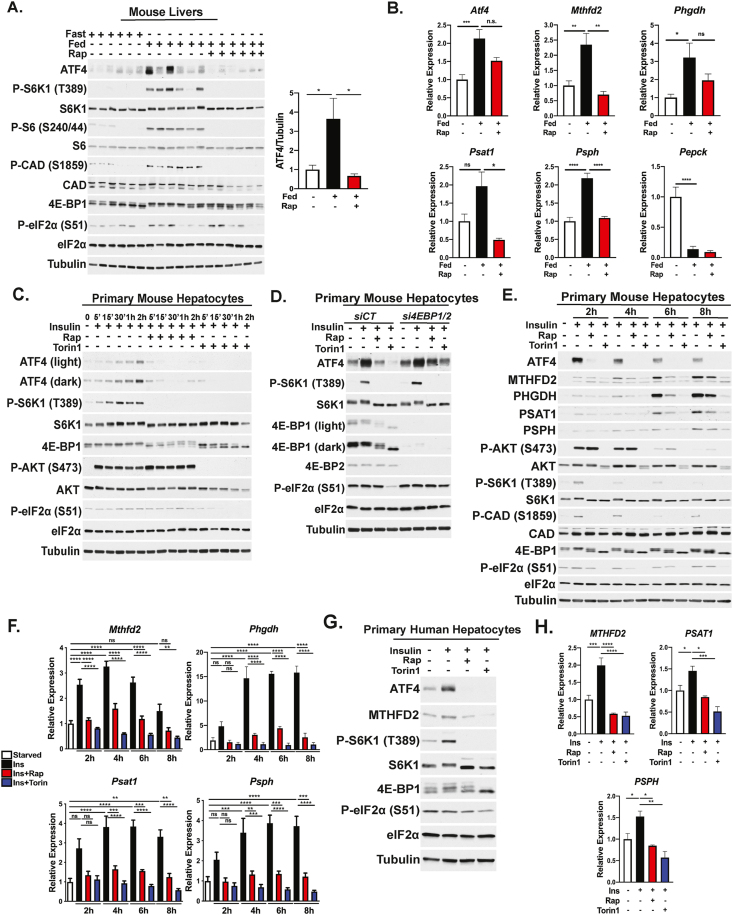
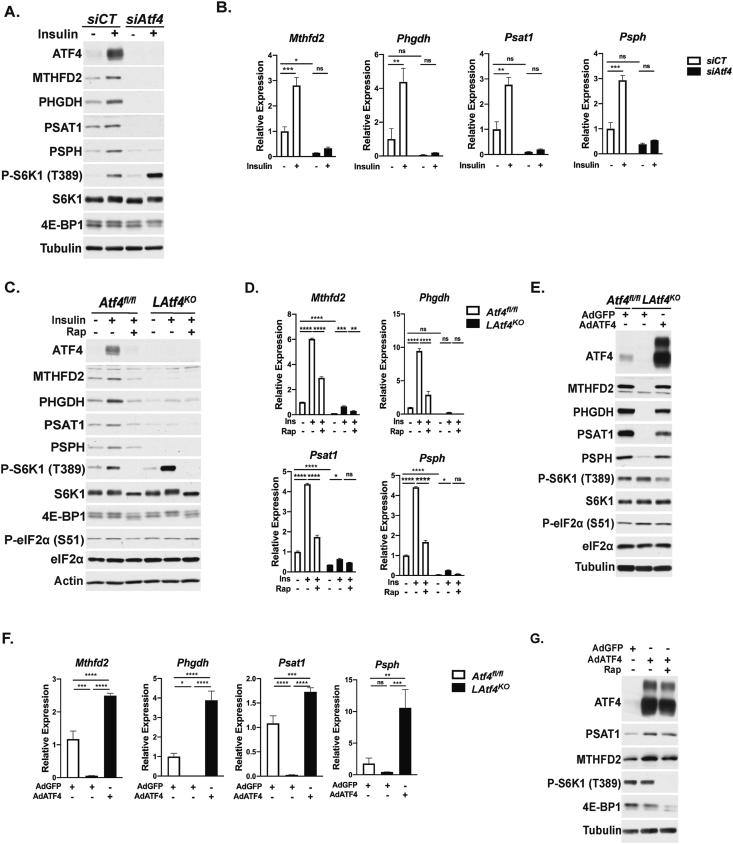
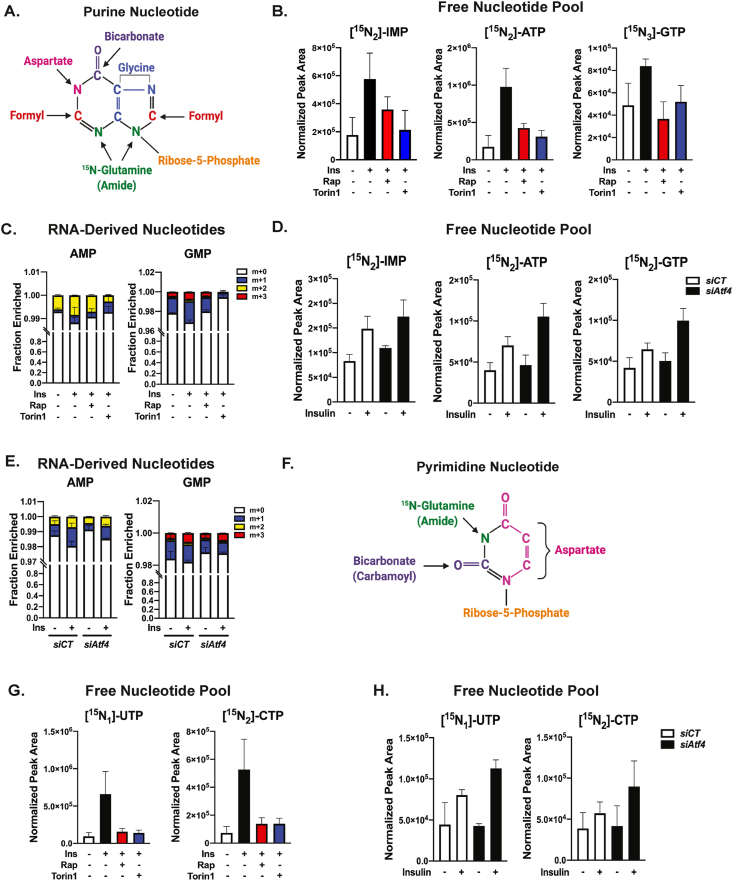
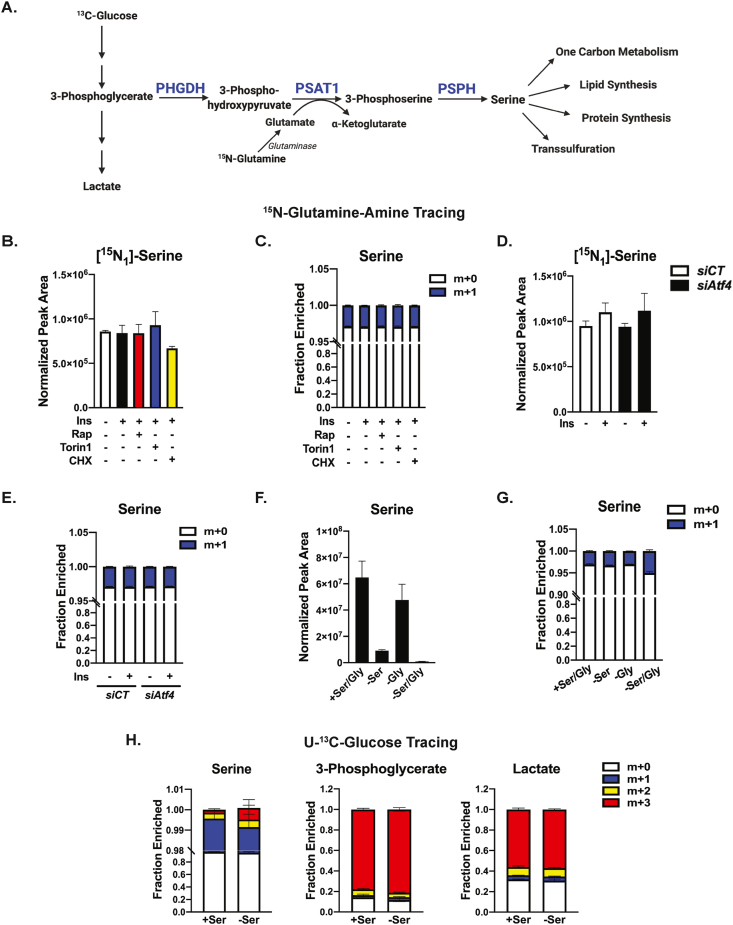
Verification
Claims the paper makes
The claims and statistics of this paper haven’t been checked yet.
Run the check — free, no account needed. It reads the open-access text and checks the sources it cites.
Claims other papers make about this one
Each is checked against this paper’s own text: does it say what the citing paper says it does?
The source backs part of the claim, not all of it — or backs it for a different population, condition or comparison.
In the citing paper
“It is not clear if this system is conserved in mammals because in mammals mTORC1 inhibition decreases translation of the mammalian homologue of Gcn4, ATF4 58,59.”
From Targeting the biology of aging with mTOR inhibitors (2023) · cites this paper as [59]
Experimental — accuracy not yet measured
Self-check
Percentages, sums and reported differences re-computed from the paper’s own numbers.
The self-check needs the paper’s full text.
Citations
Cites
ER-stress-induced transcriptional regulation increases protein synthesis leading to cell death
Han, J., Back, S. H., Hur, J., Lin, Y.-H., Gildersleeve, R., Shan, J., Yuan, C. L., Krokowski, D., Wang, S., Hatzoglou, M., et al. (2013) · Nature Cell Biology · doi:10.1038/ncb2738 · Cited by 1,691
A unifying model for mTORC1-mediated regulation of mRNA translation
Thoreen, C. C., Chantranupong, L., Keys, H. R., Wang, T., Gray, N. S., & Sabatini, D. M. (2012) · Nature · doi:10.1038/nature11083 · Cited by 1,477
mTORC1 induces purine synthesis through control of the mitochondrial tetrahydrofolate cycle
Ben-Sahra, I., Hoxhaj, G., Ricoult, S. J. H., Asara, J. M., & Manning, B. D. (2016) · Science · doi:10.1126/science.aad0489 · Cited by 795
Self-citationMetabolic Flexibility as an Adaptation to Energy Resources and Requirements in Health and Disease
Smith, R. L., Soeters, M. R., Wüst, R. C. I., & Houtkooper, R. H. (2018) · Endocrine Reviews · doi:10.1210/er.2017-00211 · Cited by 787 · cited 1×
“Introduction The liver is a central effector of systemic metabolic flexibility with a critical role in coupling shifts in glucose, lipid and amino acid metabolism to nutrient fluctuations that occur with fasting and feeding [1].”
BackgroundLi, S., Brown, M. S., & Goldstein, J. L. (2010) · Proceedings of the National Academy of Sciences · doi:10.1073/pnas.0914798107 · Cited by 733 · cited 3×
“The LAtf4 livers displayed comparable levels of mTORC1 activation to the Atf4 control livers upon refeeding, which correlated with a robust increase in both full length and processed forms of SREBP1c, a known effector of hepatic mTORC1 with feeding [4, 6, 20] (Figure 6A).”
BackgroundSerine is a natural ligand and allosteric activator of pyruvate kinase M2
Chaneton, B., Hillmann, P., Zheng, L., Martin, A. C. L., Maddocks, O. D. K., Chokkathukalam, A., Coyle, J. E., Jankevics, A., Holding, F. P., Vousden, K. H., et al. (2012) · Nature · doi:10.1038/nature11540 · Cited by 661
mTORC1 controls fasting-induced ketogenesis and its modulation by ageing
Sengupta, S., Peterson, T. R., Laplante, M., Oh, S., & Sabatini, D. M. (2010) · Nature · doi:10.1038/nature09584 · Cited by 646
Cunningham, J. T., Moreno, M. V., Lodi, A., Ronen, S. M., & Ruggero, D. (2014) · Cell · doi:10.1016/j.cell.2014.03.052 · Cited by 260
Stress-induced Skeletal Muscle Gadd45a Expression Reprograms Myonuclei and Causes Muscle Atrophy
Ebert, S. M., Dyle, M. C., Kunkel, S. D., Bullard, S. A., Bongers, K. S., Fox, D. K., Dierdorff, J. M., Foster, E. D., & Adams, C. M. (2012) · Journal of Biological Chemistry · doi:10.1074/jbc.m112.374777 · Cited by 221
Self-citationmTORC1 Promotes Metabolic Reprogramming by the Suppression of GSK3-dependent Foxk1 Phosphorylation
He, L., Gomes, A. P., Wang, X., Yoon, S. O., Lee, G., Nagiec, M. J., Cho, S., Chavez, A., Islam, T., Yu, Y., et al. (2018) · Molecular Cell · doi:10.1016/j.molcel.2018.04.024 · Cited by 145
Integrated Stress Response Modulates Cellular Redox State via Induction of Cystathionine γ-Lyase
Dickhout, J. G., Carlisle, R. E., Jerome, D. E., Mohammed-Ali, Z., Jiang, H., Yang, G., Mani, S., Garg, S. K., Banerjee, R., Kaufman, R. J., et al. (2012) · Journal of Biological Chemistry · doi:10.1074/jbc.m111.304576 · Cited by 129
Research works printed but not linked: 72
- Howell, 2011, mTOR couples cellular nutrient sensing to organismal metabolic homeostasis, Trends in Endocrinology and Metabolism, 22, 94, 10.1016/j.tem.2010.12.003 · DOI
- Saxton, 2017, mTOR signaling in growth, metabolism, and disease, Cell, 168, 960, 10.1016/j.cell.2017.02.004 · DOI · Paper page
- Yecies, 2011, Akt stimulates hepatic SREBP1c and lipogenesis through parallel mTORC1-dependent and independent pathways, Cell Metabolism, 14, 21, 10.1016/j.cmet.2011.06.002 · DOI
- Peterson, 2011, mTOR complex 1 regulates lipin 1 localization to control the SREBP pathway, Cell, 146, 408, 10.1016/j.cell.2011.06.034 · DOI
- Naito, 2013, Differential contribution of insulin and amino acids to the mTORC1-autophagy pathway in the liver and muscle, Journal of Biological Chemistry, 288, 21074, 10.1074/jbc.M113.456228 · DOI
- Kimball, 2000, Feeding stimulates protein synthesis in muscle and liver of neonatal pigs through an mTOR-dependent process, American Journal of Physiology. Endocrinology and Metabolism, 279, E1080, 10.1152/ajpendo.2000.279.5.E1080 · DOI
- Ma, 2009, Molecular mechanisms of mTOR-mediated translational control, Nature Reviews Molecular Cell Biology, 10, 307, 10.1038/nrm2672 · DOI · Paper page
- Valvezan, 2019, Molecular logic of mTORC1 signalling as a metabolic rheostat, Nature Metabolism, 1, 321, 10.1038/s42255-019-0038-7 · DOI
- Ben-Sahra, 2013, Stimulation of de Novo pyrimidine synthesis by growth signaling through mTOR and S6K1, Science, 339, 1323, 10.1126/science.1228792 · DOI · Paper page
- Robitaille, 2013, Quantitative phosphoproteomics reveal mTORC1 activates de Novo pyrimidine synthesis, Science, 339, 1320, 10.1126/science.1228771 · DOI · Paper page
- Brugarolas, 2003, TSC2 regulates VEGF through mTOR-dependent and -independent pathways, Cancer Cell, 4, 147, 10.1016/S1535-6108(03)00187-9 · DOI · Paper page
- Hudson, 2002, Regulation of hypoxia-inducible factor 1alpha expression and function by the mammalian target of rapamycin, Molecular and Cellular Biology, 22, 7004, 10.1128/MCB.22.20.7004-7014.2002 · DOI · Paper page
- Düvel, 2010, Activation of a metabolic gene regulatory network downstream of mTOR complex 1, Molecular Cell, 39, 171, 10.1016/j.molcel.2010.06.022 · DOI · Paper page
- Porstmann, 2008, SREBP activity is regulated by mTORC1 and contributes to Akt-dependent cell growth, Cell Metabolism, 8, 224, 10.1016/j.cmet.2008.07.007 · DOI · Paper page
- Ricoult, 2016, Oncogenic PI3K and K-Ras stimulate de novo lipid synthesis through mTORC1 and SREBP, Oncogene, 35, 1250, 10.1038/onc.2015.179 · DOI
- Zhang, 2014, Coordinated regulation of protein synthesis and degradation by mTORC1, Nature, 513, 440, 10.1038/nature13492 · DOI · Paper page
- Kenerson, 2011, Tuberous sclerosis complex-1 deficiency attenuates diet-induced hepatic lipid accumulation, PloS One, 6, 10.1371/journal.pone.0018075 · DOI
- Titchenell, 2016, Direct hepatocyte insulin signaling is required for lipogenesis but is dispensable for the suppression of glucose production, Cell Metabolism, 23, 1154, 10.1016/j.cmet.2016.04.022 · DOI
- Quinn, 2017, mTORC1 stimulates phosphatidylcholine synthesis to promote triglyceride secretion, Journal of Clinical Investigation, 127, 4207, 10.1172/JCI96036 · DOI
- Pakos-Zebrucka, 2016, The integrated stress response, EMBO Reports, 17, 1374, 10.15252/embr.201642195 · DOI · Paper page
- Harding, 2003, An integrated stress response regulates amino acid metabolism and resistance to oxidative stress, Molecular Cell, 11, 619, 10.1016/S1097-2765(03)00105-9 · DOI
- Adams, 2007, Role of the transcription factor ATF4 in the anabolic actions of insulin and the anti-anabolic actions of glucocorticoids, Journal of Biological Chemistry, 282, 16744, 10.1074/jbc.M610510200 · DOI
- Park, 2017, mTORC1 balances cellular amino acid supply with demand for protein synthesis through post-transcriptional control of ATF4, Cell Reports, 19, 1083, 10.1016/j.celrep.2017.04.042 · DOI · Paper page
- Torrence, 2021, The mTORC1-mediated activation of ATF4 promotes protein and glutathione synthesis downstream of growth signals, Elife, 10, 10.7554/eLife.63326 · DOI
- Fusakio, 2016, Transcription factor ATF4 directs basal and stress-induced gene expression in the unfolded protein response and cholesterol metabolism in the liver, Molecular Biology of the Cell, 27, 1536, 10.1091/mbc.E16-01-0039 · DOI
- Wang, 2015, Hepatic ANGPTL3 regulates adipose tissue energy homeostasis, Proceedings of the National Academy of Sciences of the U S A, 112, 11630, 10.1073/pnas.1515374112 · DOI · Paper page
- Yuan, 2012, A positive/negative ion-switching, targeted mass spectrometry-based metabolomics platform for bodily fluids, cells, and fresh and fixed tissue, Nature Protocols, 7, 872, 10.1038/nprot.2012.024 · DOI
- Martin, 2011, Cutadapt removes adapter sequencing from high-throughput sequencing reads, EMBnet.Journal, 17, 10, 10.14806/ej.17.1.200 · DOI · Paper page
- Dobin, 2013, STAR: ultrafast universal RNA-seq aligner, Bioinformatics, 29, 15, 10.1093/bioinformatics/bts635 · DOI · Paper page
- García-Alcalde, 2012, Qualimap: evaluating next-generation sequencing alignment data, Bioinformatics, 28, 2678, 10.1093/bioinformatics/bts503 · DOI
- Liao, 2014, featureCounts: an efficient general purpose program for assigning sequence reads to genomic features, Bioinformatics, 30, 923, 10.1093/bioinformatics/btt656 · DOI · Paper page
- Patro, 2017, Salmon provides fast and bias-aware quantification of transcript expression, Nature Methods, 14, 417, 10.1038/nmeth.4197 · DOI · Paper page
- Love, 2014, Moderated estimation of fold change and dispersion for RNA-seq data with DESeq2, Genome Biology, 15, 550, 10.1186/s13059-014-0550-8 · DOI · Paper page
- Yu, 2012, clusterProfiler: an R package for comparing biological themes among gene clusters, OMICS, 16, 284, 10.1089/omi.2011.0118 · DOI · Paper page
- Selvarajah, 2019, mTORC1 amplifies the ATF4-dependent de novo serine-glycine pathway to supply glycine during TGF-β, Science Signaling, 12, 10.1126/scisignal.aav3048 · DOI
- Ye, 2015, GCN2 sustains mTORC1 suppression upon amino acid deprivation by inducing Sestrin2, Genes & Development, 29, 2331, 10.1101/gad.269324.115 · DOI
- Condon, 2021, Genome-wide CRISPR screens reveal multitiered mechanisms through which mTORC1 senses mitochondrial dysfunction, Proceedings of the National Academy of Sciences of the U S A, 118, 10.1073/pnas.2022120118 · DOI · Paper page
- Xu, 2020, ATF4-Mediated upregulation of REDD1 and Sestrin2 suppresses mTORC1 activity during prolonged leucine deprivation, Journal of Nutrition, 150, 1022, 10.1093/jn/nxz309 · DOI
- Luo, 2018, De-silencing Grb10 contributes to acute ER stress-induced steatosis in mouse liver, Journal of Molecular Endocrinology, 60, 285, 10.1530/JME-18-0018 · DOI
- Pelletier, 2018, Ribosome biogenesis in cancer: new players and therapeutic avenues, Nature Reviews Cancer, 18, 51, 10.1038/nrc.2017.104 · DOI
- Ye, 2012, Pyruvate kinase M2 promotes de novo serine synthesis to sustain mTORC1 activity and cell proliferation, Proceedings of the National Academy of Sciences of the U S A, 109, 6904, 10.1073/pnas.1204176109 · DOI
- Maddocks, 2013, Serine starvation induces stress and p53-dependent metabolic remodelling in cancer cells, Nature, 493, 542, 10.1038/nature11743 · DOI · Paper page
- Pacold, 2016, A PHGDH inhibitor reveals coordination of serine synthesis and one-carbon unit fate, Nature Chemical Biology, 12, 452, 10.1038/nchembio.2070 · DOI · Paper page
- Corrales, 2002, Regulation of mammalian liver methionine adenosyltransferase, Journal of Nutrition, 132, 2377S, 10.1093/jn/132.8.2377S · DOI
- Sanderson, 2019, Methionine metabolism in health and cancer: a nexus of diet and precision medicine, Nature Reviews Cancer, 19, 625, 10.1038/s41568-019-0187-8 · DOI
- Villa, 2021, mTORC1 stimulates cell growth through SAM synthesis and m6A mRNA-dependent control of protein synthesis., Molecular Cell, 81, 2076, 10.1016/j.molcel.2021.03.009 · DOI
- Yang, 2018, ATF4 regulates CD4 + T cell immune responses through metabolic reprogramming, Cell Reports, 23, 1754, 10.1016/j.celrep.2018.04.032 · DOI
- Park, 2017, mTORC1 balances cellular amino acid supply with demand for protein synthesis through post-transcriptional control of ATF4, Cell Reports, 19, 1083, 10.1016/j.celrep.2017.04.042 · DOI · Paper page
- Nikonorova, 2017, Obesity challenges the hepatoprotective function of the integrated stress response to asparaginase exposure in mice, Journal of Biological Chemistry, 292, 6786, 10.1074/jbc.M116.768408 · DOI
- Li, 2011, ATF4 deficiency protects mice from high-carbohydrate-diet-induced liver steatosis, Biochemical Journal, 438, 283, 10.1042/BJ20110263 · DOI
- Xiao, 2013, ATF4 protein deficiency protects against high fructose-induced hypertriglyceridemia in mice, Journal of Biological Chemistry, 288, 25350, 10.1074/jbc.M113.470526 · DOI
- Masuoka, 2002, Targeted disruption of the activating transcription factor 4 gene results in severe fetal anemia in mice, Blood, 99, 736, 10.1182/blood.V99.3.736 · DOI
- Knight, 2013, Active regulator of SIRT1 is required for ribosome biogenesis and function, Nucleic Acids Research, 41, 4185, 10.1093/nar/gkt129 · DOI
- Xie, 2018, Further evidence for the genetic association between CACNA1I and schizophrenia, Hereditas, 155, 16, 10.1186/s41065-017-0054-0 · DOI
- Nikonorova, 2018, Time-resolved analysis of amino acid stress identifies eIF2 phosphorylation as necessary to inhibit mTORC1 activity in liver, Journal of Biological Chemistry, 293, 5005, 10.1074/jbc.RA117.001625 · DOI
- Al-Baghdadi, 2017, Role of activating transcription factor 4 in the hepatic response to amino acid depletion by asparaginase, Scientific Reports, 7, 1272, 10.1038/s41598-017-01041-7 · DOI
- Li, 2016, Liver-specific gene inactivation of the transcription factor ATF4 alleviates alcoholic liver steatosis in mice, Journal of Biological Chemistry, 291, 18536, 10.1074/jbc.M116.726836 · DOI
- Brouwers, 2021, Loss of Furin in beta cells induces an mTORC1-ATF4 anabolic pathway that leads to beta cell dysfunction, Diabetes, 70, 492, 10.2337/db20-0474 · DOI
- Ben-Sahra, 2017, mTORC1 signaling and the metabolic control of cell growth, Current Opinion in Cell Biology, 45, 72, 10.1016/j.ceb.2017.02.012 · DOI
- Trefts, 2017, The liver, Current Biology, 27, R1147, 10.1016/j.cub.2017.09.019 · DOI · Paper page
- Kang, 2020, PHGDH supports liver ceramide synthesis and sustains lipid homeostasis, Cancer & Metabolism, 8, 6, 10.1186/s40170-020-00212-x · DOI
- Sbodio, 2019, Regulators of the transsulfuration pathway, British Journal of Pharmacology, 176, 583, 10.1111/bph.14446 · DOI
- Ripps, 2012, Review: taurine: a “very essential” amino acid, Molecular Vision, 18, 2673
- Hettmann, 2000, Microphthalmia due to p53-mediated apoptosis of anterior lens epithelial cells in mice lacking the CREB-2 transcription factor, Developmental Biology, 222, 110, 10.1006/dbio.2000.9699 · DOI
- Horiguchi, 2012, Stress-regulated transcription factor ATF4 promotes neoplastic transformation by suppressing expression of the INK4a/ARF cell senescence factors, Cancer Research, 72, 395, 10.1158/0008-5472.CAN-11-1891 · DOI
- Horiguchi, 2013, Rhythmic control of the ARF-MDM2 pathway by ATF4 underlies circadian accumulation of p53 in malignant cells, Cancer Research, 73, 2639, 10.1158/0008-5472.CAN-12-2492 · DOI
- Kim, 2007, Active regulator of SIRT1 cooperates with SIRT1 and facilitates suppression of p53 activity, Molecular Cell, 28, 277, 10.1016/j.molcel.2007.08.030 · DOI
- Fox, 2014, p53 and ATF4 mediate distinct and additive pathways to skeletal muscle atrophy during limb immobilization, American Journal of Physiology. Endocrinology and Metabolism, 307, E245, 10.1152/ajpendo.00010.2014 · DOI
- Ebert, 2015, Identification and small molecule inhibition of an activating transcription factor 4 (ATF4)-dependent pathway to age-related skeletal muscle weakness and atrophy, Journal of Biological Chemistry, 290, 25497, 10.1074/jbc.M115.681445 · DOI
- Khamzina, 2005, Increased activation of the mammalian target of rapamycin pathway in liver and skeletal muscle of obese rats: possible involvement in obesity-linked insulin resistance, Endocrinology, 146, 1473, 10.1210/en.2004-0921 · DOI · Paper page
- Ozcan, 2004, Endoplasmic reticulum stress links obesity, insulin action, and type 2 diabetes, Science, 306, 457, 10.1126/science.1103160 · DOI · Paper page
- Ozcan, 2013, Activation of calcium/calmodulin-dependent protein kinase II in obesity mediates suppression of hepatic insulin signaling, Cell Metabolism, 18, 803, 10.1016/j.cmet.2013.10.011 · DOI
Cited by
Sorted by citations
Targeting the biology of aging with mTOR inhibitors
Mannick, J. B., & Lamming, D. W. (2023) · Nature Aging · doi:10.1038/s43587-023-00416-y · Cited by 372
Metadata
- Authors
- Byles, V., Cormerais, Y., Kalafut, K., Barrera, V., Hughes Hallett, J. E., Sui, S. H., Asara, J. M., Adams, C. M., Hoxhaj, G., Ben-Sahra, I., & Manning, B. D.
- Venue
- Molecular Metabolism
- Publisher
- Elsevier BV
- Published
- 2021-11
- Volume
- 53
- Pages
- 101309
- ISSN
- 2212-8778
- PMC
- PMC8368025
- Cited by
- 44
- References
- 11
- Language
- en
- Licence
- Funders
- National Institutes of Health
- DOD (I01BX00976)
- U.S. Department of Veterans Affairs
- Joslin Diabetes Center (P01-CA120964, R01-AG060637, R01-AR071762, R35-CA197459, T32-NK007260, W81XWH-18-1-0659)
- Zafgen
About these checks
Registry, retraction, Cites and statistics results are computed, not judged, with one exception: a printed reference that no index lists is read once by a model before it counts as a citation error. Claims are extracted by a model and kept only when their quote appears verbatim in the text; each cited source is then checked, with a model’s help, for whether it says what the claim relies on. Those verdicts can be wrong — read the claim’s quote and the cited source before relying on one.
Statistics and arithmetic are recomputed, not judged.
Confidence bands are shown only for fields calibrated on our annotated test set. None is calibrated yet, so no band is shown.
What counts as a claim ›How we measure confidence ›How we check this ›
Are you an author, or do you see a problem with this page? Request a review
