

The DOI matches its Crossref record; 75 of the 75 references it cites were found in a registry or an index.
Antibody structure prediction using interpretable deep learning
Open accessPublished version of a preprint
Abstract
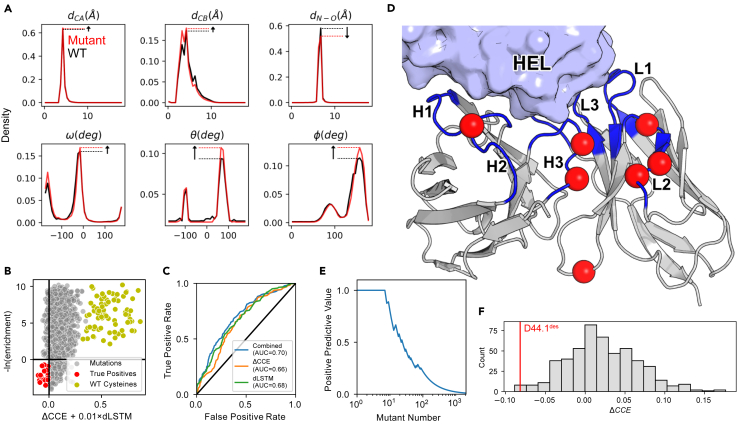
Abstract Therapeutic antibodies make up a rapidly growing segment of the biologics market. However, rational design of antibodies is hindered by reliance on experimental methods for determining antibody structures. In recent years, deep learning methods have driven significant advances in general protein structure prediction. Here, we present DeepAb, a deep learning method for predicting accurate antibody F V structures from sequence. We evaluate DeepAb on two benchmark sets – one balanced for structural diversity and the other composed of clinical-stage therapeutic antibodies – and find that our method consistently outperforms the leading alternatives. Previous deep learning methods have operated as “black boxes” and offered few insights into their predictions. By introducing a directly interpretable attention mechanism, we show that our network attends to physically important residue pairs. For example, in prediction of one CDR H3 residue conformation, the network attends to proximal aromatics and a key hydrogen bonding interaction that constrain the loop conformation. Finally, we present a novel mutant scoring metric derived from network confidence and show that for a particular antibody, all eight of the top-ranked mutations improve binding affinity. These results suggest that this model will be useful for a broad range of antibody prediction and design tasks. Significance Accurate structure models are critical for understanding the properties of potential therapeutic antibodies. Conventional methods for protein structure determination require significant investments of time and resources and may fail. Although greatly improved, methods for general protein structure prediction still cannot consistently provide the accuracy necessary to understand or design antibodies. We present a deep learning method for antibody structure prediction and demonstrate improvement over alternatives on diverse, therapeutically relevant benchmarks. In addition to its improved accuracy, our method reveals interpretable outputs about specific amino acids and residue interactions that should facilitate design of novel therapeutic antibodies.
Overview
The claims and statistics of this paper haven’t been checked yet.
Run the check — free, no account needed. It reads the open-access text and checks the sources it cites.
Integrity signals
Registry
Cites
Statistics
Figures
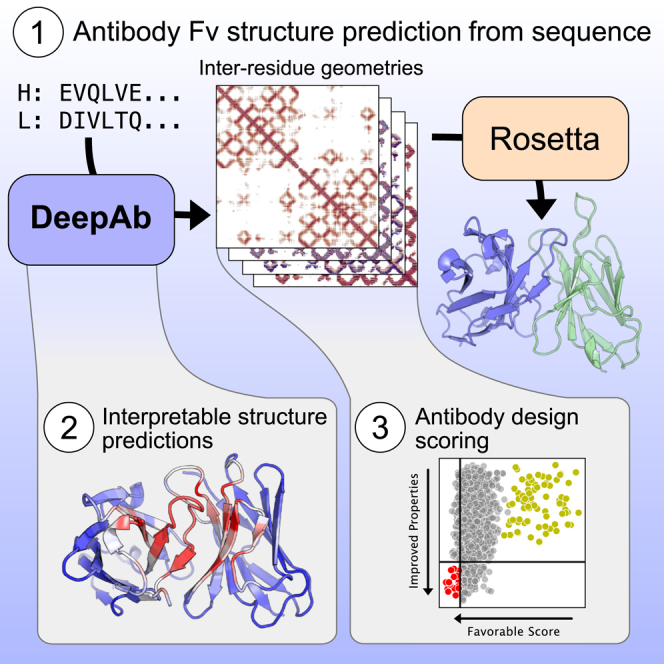
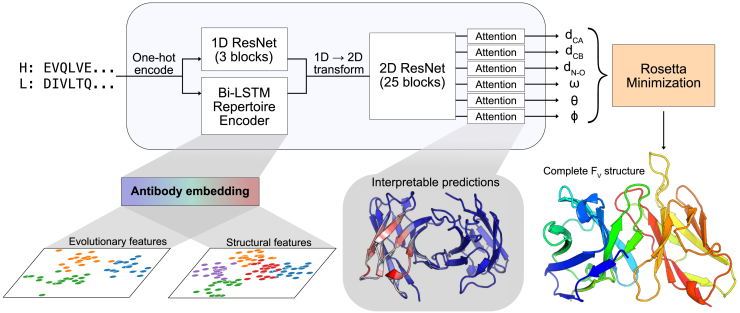
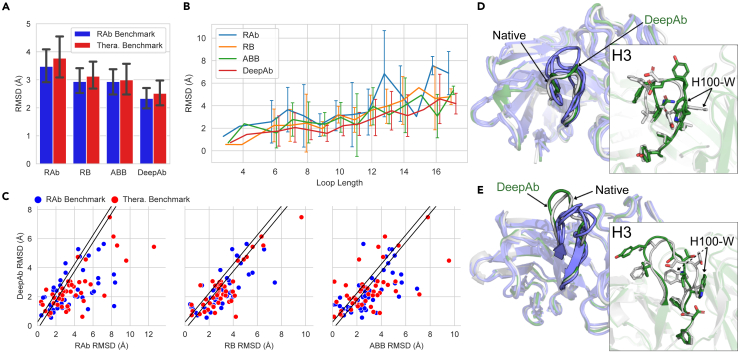
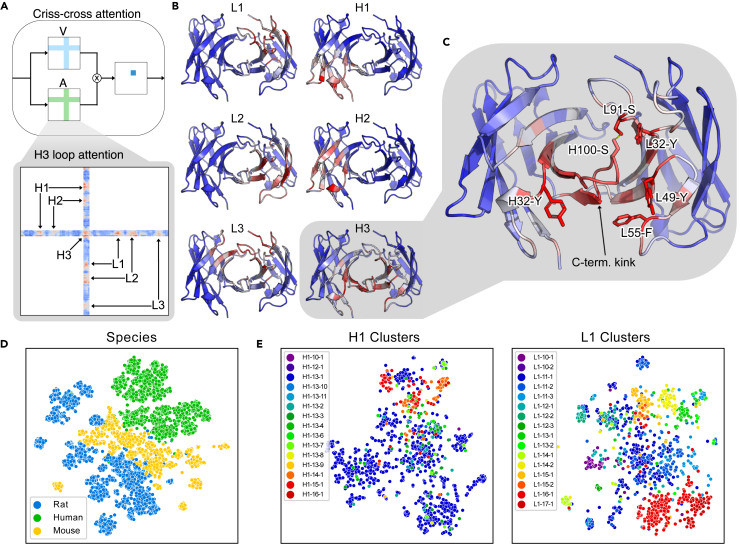
Verification
Claims the paper makes
The claims and statistics of this paper haven’t been checked yet.
Run the check — free, no account needed. It reads the open-access text and checks the sources it cites.
Self-check
Percentages, sums and reported differences re-computed from the paper’s own numbers.
The self-check needs the paper’s full text.
Citations
Cites
Adam: A Method for Stochastic Optimization
Kingma, D. P., & Ba, J. (2014) · arXiv · doi:10.48550/arxiv.1412.6980 · Cited by 98,946
Highly accurate protein structure prediction with AlphaFold
Jumper, J., Evans, R., Pritzel, A., Green, T., Figurnov, M., Ronneberger, O., Tunyasuvunakool, K., Bates, R., Žídek, A., Potapenko, A., et al. (2021) · Nature · doi:10.1038/s41586-021-03819-2 · Cited by 43,764
(2008) · Journal of Machine Learning Research · Cited by 33,051
Focal Loss for Dense Object Detection
Lin, T.-Y., Goyal, P., Girshick, R., He, K., & Dollar, P. (2017) · 2017 IEEE International Conference on Computer Vision (ICCV) · doi:10.1109/iccv.2017.324 · Cited by 30,581
Learning Phrase Representations using RNN Encoder–Decoder for Statistical Machine Translation
Cho, K., van Merrienboer, B., Gulcehre, C., Bahdanau, D., Bougares, F., Schwenk, H., & Bengio, Y. (2014) · Proceedings of the 2014 Conference on Empirical Methods in Natural Language Processing (EMNLP) · doi:10.3115/v1/d14-1179 · Cited by 25,545
Learning to Forget: Continual Prediction with LSTM
Gers, F. A., Schmidhuber, J., & Cummins, F. (2000) · Neural Computation · doi:10.1162/089976600300015015 · Cited by 6,122
Accurate prediction of protein structures and interactions using a 3-track network
Baek, M., DiMaio, F., Anishchenko, I., Dauparas, J., Ovchinnikov, S., Lee, G. R., Wang, J., Cong, Q., Kinch, L. N., Schaeffer, R. D., et al. (2021) · doi:10.1101/2021.06.14.448402 · Cited by 5,549
Lipton, Z. C. (2018) · Queue · doi:10.1145/3236386.3241340 · Cited by 5,427
Floyd, R. W. (1962) · Communications of the ACM · doi:10.1145/367766.368168 · Cited by 4,137
Improved protein structure prediction using potentials from deep learning
Senior, A. W., Evans, R., Jumper, J., Kirkpatrick, J., Sifre, L., Green, T., Qin, C., Žídek, A., Nelson, A. W. R., Bridgland, A., et al. (2020) · Nature · doi:10.1038/s41586-019-1923-7 · Cited by 3,378
Research works printed but not linked: 1
- Linder, 2020, Fast differentiable DNA and protein sequence optimization for molecular design, arXiv
Cited by
Sorted by citations
Fast, accurate antibody structure prediction from deep learning on massive set of natural antibodies
Ruffolo, J. A., Chu, L., Mahajan, S. P., & Gray, J. J. (2023) · Nature Communications · doi:10.1038/s41467-023-38063-x · Cited by 364
Self-citationImmuneBuilder: Deep-Learning models for predicting the structures of immune proteins
Abanades, B., Wong, W. K., Boyles, F., Georges, G. J., Bujotzek, A., & Deane, C. M. (2023) · Communications Biology · doi:10.1038/s42003-023-04927-7 · Cited by 323
Designing antibodies as therapeutics
Carter, P. J., & Rajpal, A. (2022) · Cell · doi:10.1016/j.cell.2022.05.029 · Cited by 282
Drug discovery and development: introduction to the general public and patient groups
Singh, N., Vayer, P., Tanwar, S., Poyet, J., Tsaioun, K., & Villoutreix, B. O. (2023) · Frontiers in Drug Discovery · doi:10.3389/fddsv.2023.1201419 · Cited by 235
Computational and artificial intelligence-based methods for antibody development
Kim, J., McFee, M., Fang, Q., Abdin, O., & Kim, P. M. (2023) · Trends in Pharmacological Sciences · doi:10.1016/j.tips.2022.12.005 · Cited by 178
ABlooper: fast accurate antibody CDR loop structure prediction with accuracy estimation
Abanades, B., Georges, G., Bujotzek, A., & Deane, C. M. (2022) · Bioinformatics · doi:10.1093/bioinformatics/btac016 · Cited by 157
Deciphering the language of antibodies using self-supervised learning
Leem, J., Mitchell, L., Farmery, J. H. R., Barton, J., & Galson, J. D. (2022) · Patterns · doi:10.1016/j.patter.2022.100513 · Cited by 161
Luo, S., Su, Y., Peng, J., Wang, S., Peng, J., & Ma, J. (2022) · neural information processing systems · doi:10.52202/068431-0709 · Cited by 160
Luo, S., Su, Y., Peng, X., Wang, S., Peng, J., & Ma, J. (2022) · doi:10.1101/2022.07.10.499510 · Cited by 151
Artificial Intelligence in Pharmaceutical Sciences
Lu, M., Yin, J., Zhu, Q., Lin, G., Mou, M., Liu, F., Pan, Z., You, N., Lian, X., Li, F., et al. (2023) · Engineering · doi:10.1016/j.eng.2023.01.014 · Cited by 144
Development of therapeutic antibodies for the treatment of diseases
Wang, Z., Wang, G., Lu, H., Li, H., Tang, M., & Tong, A. (2022) · Molecular Biomedicine · doi:10.1186/s43556-022-00100-4 · Cited by 145
Development and use of machine learning algorithms in vaccine target selection
Bravi, B. (2024) · npj Vaccines · doi:10.1038/s41541-023-00795-8 · Cited by 139
Ig-VAE: Generative modeling of protein structure by direct 3D coordinate generation
Eguchi, R. R., Choe, C. A., & Huang, P.-S. (2022) · PLOS Computational Biology · doi:10.1371/journal.pcbi.1010271 · Cited by 141
Disease diagnostics using machine learning of B cell and T cell receptor sequences
Zaslavsky, M., Craig, E., Michuda, J., Sehgal, N., Ram-Mohan, N., Lee, J.-Y., Nguyen, K. D., Hoh, R. A., Pham, T. D., Röltgen, K., et al. (2025) · Science · doi:10.1126/science.adp2407 · Cited by 132
Akbar, R., Bashour, H., Rawat, P., Robert, P. A., Smorodina, E., Cotet, T., Karlsen, K. F., Frank, R., Mehta, B. B., Vu, M. H., et al. (2022) · mAbs · doi:10.1080/19420862.2021.2008790 · Cited by 120
Advances in computational structure-based antibody design
Hummer, A. M., Abanades, B., & Deane, C. M. (2022) · Current Opinion in Structural Biology · doi:10.1016/j.sbi.2022.102379 · Cited by 109
Assessing developability early in the discovery process for novel biologics
Fernández‐Quintero, M. L., Ljungars, A., Waibl, F., Greiff, V., Andersen, J. T., Gjølberg, T. T., Jenkins, T. P., Voldborg, B. G. R., Grav, L. M., Kumar, S., et al. (2023) · mAbs · doi:10.1080/19420862.2023.2171248 · Cited by 101
NanoNet: Rapid and accurate end-to-end nanobody modeling by deep learning
Cohen, T., Halfon, M., & Schneidman‐Duhovny, D. (2022) · Frontiers in Immunology · doi:10.3389/fimmu.2022.958584 · Cited by 92
In silico proof of principle of machine learning-based antibody design at unconstrained scale
Akbar, R., Robert, P. A., Weber, C. R., Widrich, M., Frank, R., Pavlović, M., Scheffer, L., Chernigovskaya, M., Snapkov, I., Slabodkin, A., et al. (2022) · mAbs · doi:10.1080/19420862.2022.2031482 · Cited by 94
Nanobodies: Robust miniprotein binders in biomedicine
Kim, J. Y. J., Sang, Z., Xiang, Y., Shen, Z., & Shi, Y. (2023) · Advanced Drug Delivery Reviews · doi:10.1016/j.addr.2023.114726 · Cited by 82
Wilman, W., Wróbel, S., Bielska, W., Deszyński, P., Dudzic, P., Jaszczyszyn, I., Kaniewski, J., Młokosiewicz, J., Rouyan, A., Satława, T., et al. (2022) · Briefings in Bioinformatics · doi:10.1093/bib/bbac267 · Cited by 85
Guarra, F., & Colombo, G. (2023) · Journal of Chemical Theory and Computation · doi:10.1021/acs.jctc.3c00513 · Cited by 82
Antibody variable region engineering for improving cancer immunotherapy
Lou, H., & Cao, X. (2022) · 癌症:英文版 · doi:10.1002/cac2.12330 · Cited by 78
Automated optimisation of solubility and conformational stability of antibodies and proteins
Rosace, A., Bennett, A., Oeller, M., Mortensen, M. M., Sakhnini, L. I., Lorenzen, N., Poulsen, C., & Sormanni, P. (2023) · Nature Communications · doi:10.1038/s41467-023-37668-6 · Cited by 69
Robert, P. A., Akbar, R., Frank, R., Pavlović, M., Widrich, M., Snapkov, I., Slabodkin, A., Chernigovskaya, M., Scheffer, L., Smorodina, E., et al. (2022) · Nature Computational Science · doi:10.1038/s43588-022-00372-4 · Cited by 69
Bachas, S. T., Rakocevic, G., Spencer, D., Sastry, A. V., Haile, R. G., Sutton, J. M., Kasun, G. W., Stachyra, A. L., Gutierrez, J. M., Yassine, E., et al. (2022) · bioRxiv (Cold Spring Harbor Laboratory) · doi:10.1101/2022.08.16.504181 · Cited by 63
Affinity fine-tuning anti-CAIX CAR-T cells mitigate on-target off-tumor side effects
Wang, Y., Buck, A., Piel, B. P., Zerefa, L., Murugan, N., Coherd, C. D., Miklosi, A. G., Johal, H., Bastos, R. N., Huang, K., et al. (2024) · Molecular Cancer · doi:10.1186/s12943-024-01952-w · Cited by 69
A new era of antibody discovery: an in-depth review of AI-driven approaches
Cheng, J., Liang, T., Xie, X., Feng, Z., & Meng, L. (2024) · Drug Discovery Today · doi:10.1016/j.drudis.2024.103984 · Cited by 63
Li, T., Li, Y., Zhu, X., He, Y., Wu, Y., Ying, T., & Xie, Z. (2023) · Seminars in Cancer Biology · doi:10.1016/j.semcancer.2023.02.007 · Cited by 60
Adaptive immune receptor repertoire analysis
Mhanna, V., Bashour, H., Quý, K. L., Barennes, P., Rawat, P., Greiff, V., & Mariotti‐Ferrandiz, E. (2024) · Nature Reviews Methods Primers · doi:10.1038/s43586-023-00284-1 · Cited by 63
Next generation of multispecific antibody engineering
Kéri, D., Walker, M., Singh, I., Nishikawa, K. K., & Garcés, F. (2023) · Antibody Therapeutics · doi:10.1093/abt/tbad027 · Cited by 59
Challenges in antibody structure prediction
Fernández-Quintero, M. L., Kokot, J., Waibl, F., Fischer, A.-L. M., Quoika, P. K., Deane, C. M., & Liedl, K. R. (2023) · mAbs · doi:10.1080/19420862.2023.2175319 · Cited by 55
Bai, G., Sun, C., Guo, Z., Wang, Y., Zeng, X., Su, Y., Zhao, Q., & Ma, B. (2023) · Seminars in Cancer Biology · doi:10.1016/j.semcancer.2023.06.005 · Cited by 57
Dewaker, V., Morya, V. K., Kim, Y. H., Park, S. T., Kim, H. S., & Koh, Y. H. (2025) · Biomarker Research · doi:10.1186/s40364-025-00764-4 · Cited by 61
Linguistically inspired roadmap for building biologically reliable protein language models
Vu, M. H., Akbar, R., Robert, P. A., Świątczak, B., Sandve, G. K., Greiff, V., & Haug, D. T. T. (2023) · Nature Machine Intelligence · doi:10.1038/s42256-023-00637-1 · Cited by 59
Antibody design using deep learning: from sequence and structure design to affinity maturation
Joubbi, S., Micheli, A., Milazzo, P., Maccari, G., Ciano, G., Cardamone, D., & Medini, D. (2024) · Briefings in Bioinformatics · doi:10.1093/bib/bbae307 · Cited by 56
Deep mutational scanning for therapeutic antibody engineering
Hanning, K. R., Minot, M., Warrender, A. K., Kelton, W., & Reddy, S. T. (2021) · Trends in Pharmacological Sciences · doi:10.1016/j.tips.2021.11.010 · Cited by 50
The RESP AI model accelerates the identification of tight-binding antibodies
Parkinson, J., Hard, R. L., & Wang, W. (2023) · Nature Communications · doi:10.1038/s41467-023-36028-8 · Cited by 52
Comparison of hydrophobicity scales for predicting biophysical properties of antibodies
Waibl, F., Fernández‐Quintero, M. L., Wedl, F. S., Kettenberger, H., Georges, G. J., & Liedl, K. R. (2022) · Frontiers in Molecular Biosciences · doi:10.3389/fmolb.2022.960194 · Cited by 46
EquiFold: Protein Structure Prediction with a Novel Coarse-Grained Structure RepresentationPreprint
Lee, J. H., Yadollahpour, P., Watkins, A. M., Frey, N. C., Leaver‐Fay, A., Ra, S., Cho, K., Gligorijević, V., Regev, A., & Bonneau, R. (2022) · bioRxiv (Cold Spring Harbor Laboratory) · doi:10.1101/2022.10.07.511322 · Cited by 57
Predicting antibody binders and generating synthetic antibodies using deep learning
Lim, Y. W., Adler, A. S., & Johnson, D. S. (2022) · mAbs · doi:10.1080/19420862.2022.2069075 · Cited by 49
Harmalkar, A., Rao, R., Xie, Y. R., Honer, J., Deisting, W., Anlahr, J., Hoenig, A., Czwikla, J., Sienz-Widmann, E., Rau, D., et al. (2023) · mAbs · doi:10.1080/19420862.2022.2163584 · Cited by 48
Self-citationLi, J., Kang, G., Wang, J., Yuan, H., Wu, Y., Meng, S., Wang, P., Zhang, M., Wang, Y., Feng, Y., et al. (2023) · International Journal of Biological Macromolecules · doi:10.1016/j.ijbiomac.2023.125733 · Cited by 49
Technological advancements in antibody-based therapeutics for treatment of diseases
Lu, R., Chiang, H.-L., Yuan, J. P., Wang, H.-H., Chen, C.-Y., Panda, S. S., Liang, K.-H., Peng, H., Ko, S.-H., Hsu, H.-J., et al. (2025) · Journal of Biomedical Science · doi:10.1186/s12929-025-01190-2 · Cited by 58
Single-sequence protein structure prediction by integrating protein language models
Jing, X., Wu, F., Luo, X., & Xu, J. (2024) · Proceedings of the National Academy of Sciences · doi:10.1073/pnas.2308788121 · Cited by 51
Nanobodies: From Discovery to AI-Driven Design
Zhu, H., & Ding, Y. (2025) · Biology · doi:10.3390/biology14050547 · Cited by 44
Applications of artificial intelligence to lipid nanoparticle delivery
Yuan, Y., Wu, Y., Cheng, J., Yang, K., Xia, Y., Wu, H., & Pan, X. (2023) · Particuology · doi:10.1016/j.partic.2023.11.014 · Cited by 43
AI models for protein design are driving antibody engineering
Chungyoun, M., & Gray, J. J. (2023) · Current Opinion in Biomedical Engineering · doi:10.1016/j.cobme.2023.100473 · Cited by 38
Self-citationParthiban, S., Vijeesh, T., Thashanamoorthi, G., Shanmugaraj, B., Sharma, A. K., & Ramalingam, S. (2023) · Frontiers in Plant Science · doi:10.3389/fpls.2023.1252166 · Cited by 43
Lai, P. (2022) · Computational and Structural Biotechnology Journal · doi:10.1016/j.csbj.2022.04.035 · Cited by 39
Svilenov, H. L., Arosio, P., Menzen, T., Tessier, P. M., & Sormanni, P. (2023) · mAbs · doi:10.1080/19420862.2022.2164459 · Cited by 41
ABodyBuilder3: improved and scalable antibody structure predictions
Kenlay, H., Dreyer, F. A., Cutting, D., Nissley, D. A., & Deane, C. M. (2024) · Bioinformatics · doi:10.1093/bioinformatics/btae576 · Cited by 44
Lu, Y., Huang, W., Li, Y., Xu, Y., Wei, Q., Sha, C., & Guo, P. (2025) · npj Precision Oncology · doi:10.1038/s41698-025-01159-2 · Cited by 43
Accurate prediction of antibody function and structure using bio-inspired antibody language model
Jing, H., Gao, Z., Xu, S. Y., Shen, T., Peng, Z., He, S., You, T., Ye, S., Lin, W. J., & Sun, S. (2024) · Briefings in Bioinformatics · doi:10.1093/bib/bbae245 · Cited by 34
Kim, D. N., McNaughton, A. D., & Kumar, N. (2024) · Bioengineering · doi:10.3390/bioengineering11020185 · Cited by 34
Applications of Artificial Intelligence in Biotech Drug Discovery and Product Development
Liu, Y., Zhang, L., Jiang, Z., Tian, X., Li, P., Wu, P., Du, W., Yuan, B., Xie, C., Bu, G., et al. (2025) · MedComm · doi:10.1002/mco2.70317 · Cited by 37
Park, E., & Izadi, S. (2024) · mAbs · doi:10.1080/19420862.2024.2362788 · Cited by 32
ImmuneBuilder: Deep-Learning models for predicting the structures of immune proteinsPreprint
Abanades, B., Wong, W. K., Boyles, F., Georges, G. J., Bujotzek, A., & Deane, C. M. (2022) · bioRxiv (Cold Spring Harbor Laboratory) · doi:10.1101/2022.11.04.514231 · Cited by 32
Fast, accurate antibody structure prediction from deep learning on massive set of natural antibodiesPreprint
Ruffolo, J. A., Chu, L., Mahajan, S. P., & Gray, J. J. (2022) · bioRxiv (Cold Spring Harbor Laboratory) · doi:10.1101/2022.04.20.488972 · Cited by 33
Self-citationMock, M. L., Jacobitz, A. W., LANGMEAD, C. J., Sudom, A. M., Yoo, D., Humphreys, S. C., Alday, M., Alekseychyk, L., Angell, N., Bi, V., et al. (2023) · mAbs · doi:10.1080/19420862.2023.2256745 · Cited by 29
D’Orsi, L., Capasso, B., Lamacchia, G., Pizzichini, P., Ferranti, S., Liverani, A., Fontana, C., Panunzi, S., Gaetano, A. D., & Presti, E. L. (2024) · International Journal of Molecular Sciences · doi:10.3390/ijms252111588 · Cited by 29
DeepSP: Deep learning-based spatial properties to predict monoclonal antibody stability
Kalejaye, L. A., Wu, I.-E., Terry, T., & Lai, P. (2024) · Computational and Structural Biotechnology Journal · doi:10.1016/j.csbj.2024.05.029 · Cited by 26
Artificial intelligence-driven computational methods for antibody design and optimization
Vecchietti, L. F., Wijaya, B. N., Armanuly, A., Hangeldiyev, B., Jung, H., Lee, S., Cha, M., & Kim, H. M. (2025) · mAbs · doi:10.1080/19420862.2025.2528902 · Cited by 29
Spoendlin, F. C., Abanades, B., Raybould, M. I. J., Wong, W. K., Georges, G., & Deane, C. M. (2023) · Frontiers in Molecular Biosciences · doi:10.3389/fmolb.2023.1237621 · Cited by 26
tFold-Ab: Fast and Accurate Antibody Structure Prediction without Sequence HomologsPreprint
Wu, J., Wu, F., Jiang, B., Liu, W., & Zhao, P. (2022) · bioRxiv (Cold Spring Harbor Laboratory) · doi:10.1101/2022.11.10.515918 · Cited by 26
Crowdsourced Protein Design: Lessons From the Adaptyv EGFR Binder CompetitionPreprint
Cotet, T., Krawczuk, I., Stocco, F., Ferruz, N., Gitter, A., Kurumida, Y., Machado, L. D. A., Paesani, F., Calia, C. N., Challacombe, C. A., et al. (2025) · bioRxiv (Cold Spring Harbor Laboratory) · doi:10.1101/2025.04.17.648362 · Cited by 32
An integrated technology for quantitative wide mutational scanning of human antibody Fab libraries
Petersen, B. M., Kirby, M. B., Chrispens, K. M., Irvin, O. M., Strawn, I. K., Haas, C. M., Walker, A. M., Baumer, Z. T., Ulmer, S. A., Ayala, E., et al. (2024) · Nature Communications · doi:10.1038/s41467-024-48072-z · Cited by 24
AlphaFold2 in biomedical research: facilitating the development of diagnostic strategies for disease
Zhang, H., Lan, J., Wang, H., Lu, R., Zhang, N., He, X., Yang, J., & Chen, L. (2024) · Frontiers in Molecular Biosciences · doi:10.3389/fmolb.2024.1414916 · Cited by 24
AI-driven innovation in antibody-drug conjugate design
Noriega, H. A., & Wang, X. S. (2025) · Frontiers in Drug Discovery · doi:10.3389/fddsv.2025.1628789 · Cited by 26
Generative AI for the Design of Molecules: Advances and Challenges
Sun, Y., Chen, L., Jing, Z., Li, Y. Y., Kim, D., Gao, J.-Y., Noroozi, R., Yi, G. Y., Feugmo, C. G. T., Klinkova, A., et al. (2025) · Journal of Chemical Information and Modeling · doi:10.1021/acs.jcim.5c02234 · Cited by 29
Jaszczyszyn, I., Bielska, W., Gawłowski, T., Dudzic, P., Satława, T., Kończak, J., Wilman, W., Janusz, B., Wróbel, S., Chomicz, D., et al. (2023) · Frontiers in Molecular Biosciences · doi:10.3389/fmolb.2023.1214424 · Cited by 24
Deep learning in preclinical antibody drug discovery and development
Zhou, Y., Huang, Z., Li, W., Wei, J., Jiang, Q., Yang, W., & Huang, J. H. (2023) · Methods · doi:10.1016/j.ymeth.2023.07.003 · Cited by 25
Moriyama, S., Anraku, Y., Taminishi, S., Adachi, Y., Kuroda, D., Kita, S., Higuchi, Y., Kirita, Y., Kotaki, R., Tonouchi, K., et al. (2023) · Nature Communications · doi:10.1038/s41467-023-39890-8 · Cited by 22
Hutchinson, M., Ruffolo, J. A., Haskins, N., Iannotti, M., Vozza, G., Pham, T., Mehzabeen, N., Shandilya, H., Rickert, K., Croasdale-Wood, R., et al. (2024) · mAbs · doi:10.1080/19420862.2024.2362775 · Cited by 22
Self-citationSimultaneous prediction of antibody backbone and side-chain conformations with deep learning
Akpinaroglu, D., Ruffolo, J. A., Mahajan, S. P., & Gray, J. J. (2022) · PLOS ONE · doi:10.1371/journal.pone.0258173 · Cited by 21
Self-citationLearned features of antibody-antigen binding affinity
Miller, N. L., Clark, T., Raman, R., & Sasisekharan, R. (2023) · Frontiers in Molecular Biosciences · doi:10.3389/fmolb.2023.1112738 · Cited by 22
Hallucinating structure-conditioned antibody libraries for target-specific binders
Mahajan, S. P., Ruffolo, J. A., Frick, R., & Gray, J. J. (2022) · Frontiers in Immunology · doi:10.3389/fimmu.2022.999034 · Cited by 20
Self-citationStructure-based neural network protein–carbohydrate interaction predictions at the residue level
Canner, S. W., Shanker, S., & Gray, J. J. (2023) · Frontiers in Bioinformatics · doi:10.3389/fbinf.2023.1186531 · Cited by 12
Self-citationEfficient isolation of rare B cells using next-generation antigen barcoding
Hurtado, J., Flynn, C., Lee, J. H., Salcedo, E., Cottrell, C. A., Skog, P. D., Burton, D. R., Nemazee, D. A., Schief, W. R., Landais, E., et al. (2023) · Frontiers in Cellular and Infection Microbiology · doi:10.3389/fcimb.2022.962945 · Cited by 19
Castel, J.-G., Delaux, S., Hernandez‐Alba, O., & Cianférani, S. (2023) · Journal of Pharmaceutical and Biomedical Analysis · doi:10.1016/j.jpba.2023.115696 · Cited by 21
VHH Structural Modelling Approaches: A Critical Review
Vishwakarma, P., Vattekatte, A. M., Shinada, N. K., Diharce, J., Martins, C., Cadet, F., Gardebien, F., Etchebest, C., Nadaradjane, A. A., & de Brevern, A. G. (2022) · International Journal of Molecular Sciences · doi:10.3390/ijms23073721 · Cited by 19
Boorla, V. S., Chowdhury, R., Ramasubramanian, R., Ameglio, B., Frick, R., Gray, J. J., & Maranas, C. D. (2022) · Proteins Structure Function and Bioinformatics · doi:10.1002/prot.26422 · Cited by 18
Self-citationSimplifying complex antibody engineering using machine learning
Makowski, E. K., Chen, H.-T., & Tessier, P. M. (2023) · Cell Systems · doi:10.1016/j.cels.2023.04.009 · Cited by 18
Structure and Dynamics Guiding Design of Antibody Therapeutics and Vaccines
Fernández‐Quintero, M. L., Pomarici, N. D., Fischer, A.-L. M., Hoerschinger, V. J., Kroell, K. B., Riccabona, J. R., Kamenik, A. S., Loeffler, J. R., Ferguson, J. A., Perrett, H. R., et al. (2023) · Antibodies · doi:10.3390/antib12040067 · Cited by 21
NanoBERTa-ASP: predicting nanobody paratope based on a pretrained RoBERTa model
Li, S., Meng, X., Li, R., Huang, B., & Wang, X. (2024) · BMC Bioinformatics · doi:10.1186/s12859-024-05750-5 · Cited by 18
Das, N. C., Chakraborty, P., Bayry, J., & Mukherjee, S. (2023) · Antibodies · doi:10.3390/antib12010017 · Cited by 17
An outlook on structural biology after A lpha F old: tools, limits and perspectives
Rosignoli, S., Pacelli, M., Manganiello, F., & Paiardini, A. (2024) · FEBS Open Bio · doi:10.1002/2211-5463.13902 · Cited by 21
De novo design of epitope-specific antibodies via a structure-driven computational workflow
Wu, F., Zhao, Y. S., Wu, J., Jiang, B., He, B., Huang, L.-K., Qin, C., Xiao, Y., Yang, F., Wang, R., et al. (2025) · Nature Communications · doi:10.1038/s41467-025-67361-9 · Cited by 18
Artificial intelligence for antibody reading comprehension: AntiBERTa
Choi, Y. (2022) · Patterns · doi:10.1016/j.patter.2022.100535 · Cited by 16
A penultimate classification of canonical antibody CDR conformationsPreprint
Kelow, S. P., Faezov, B., Xu, Q., Parker, M. I., Adolf‐Bryfogle, J., & Dunbrack, R. L. (2022) · bioRxiv (Cold Spring Harbor Laboratory) · doi:10.1101/2022.10.12.511988 · Cited by 17
Fast and accurate modeling and design of antibody-antigen complex using tFoldPreprint
Wu, F., Zhao, Y. S., Wu, J., Jiang, B., He, B., Huang, L.-K., Qin, C., Yang, F., Huang, N., Xiao, Y., et al. (2024) · bioRxiv (Cold Spring Harbor Laboratory) · doi:10.1101/2024.02.05.578892 · Cited by 16
AAontology: An Ontology of Amino Acid Scales for Interpretable Machine Learning
Breimann, S., Kamp, F., Steiner, H., & Frishman, D. (2024) · Journal of Molecular Biology · doi:10.1016/j.jmb.2024.168717 · Cited by 15
Advances in antibody discovery from human BCR repertoires
Xu, Z., Ismanto, H. S., Zhou, H., Saputri, D. S., Sugihara, F., & Standley, D. M. (2022) · Frontiers in Bioinformatics · doi:10.3389/fbinf.2022.1044975 · Cited by 17
Innovations and trends in antibody repertoire analysis
Townsend, D. R., Towers, D. M., Lavinder, J. J., & Ippolito, G. C. (2024) · Current Opinion in Biotechnology · doi:10.1016/j.copbio.2024.103082 · Cited by 15
A comprehensive overview of recent advances in generative models for antibodies
Meng, F., Zhou, N., Guangchun, H., Liu, R., Zhang, Y., Jing, M., & Hou, Q. (2024) · Computational and Structural Biotechnology Journal · doi:10.1016/j.csbj.2024.06.016 · Cited by 17
Michalewicz, K., Barahona, M., & Bravi, B. (2024) · Structure · doi:10.1016/j.str.2024.10.001 · Cited by 15
Learning the Language of Antibody HypervariabilityPreprint
Singh, R., Im, C., Qiu, Y., Mackness, B. C., Gupta, A., Sorenson, T., Sledzieski, S., Erlach, L., Wendt, M., Fomekong‐Nanfack, Y., et al. (2023) · bioRxiv (Cold Spring Harbor Laboratory) · doi:10.1101/2023.04.26.538476 · Cited by 16
Metadata
- Authors
- Ruffolo, J. A., Sulam, J., & Gray, J. J.
- Affiliations
- Johns Hopkins University (US)
- Corresponding author
- Gray, Jeffrey J.
- Venue
- Patterns
- Publisher
- Elsevier BV
- Published
- 2022-02
- Volume
- 3
- Issue
- 2
- Pages
- 100406
- ISSN
- 2666-3899 (ISSN-L)
- PMC
- PMC8848015
- OpenAlex
- W4226108318
- Cited by
- 216
- References
- 75
- Citations by year
- 2026: 26 · 2025: 42 · 2024: 50 · 2023: 58 · 2022: 37
- FWCI
- 11.62
- Type
- journal article
- Language
- en
- Open access
- gold
- doi.org
- Licence
- Locations
- Patterns (publishedVersion, cc-by-nc-nd)
- bioRxiv (Cold Spring Harbor Laboratory) (acceptedVersion, cc-by-nc)
- PubMed Central (publishedVersion, cc-by-nc-nd)
- PubMed (publishedVersion)
- Funders
- Maryland Advanced Research Computing Center
- National Institutes of Health (R01-GM078221, T32-GM008403)
- AstraZeneca plc
- Topics
- Life Sciences › Biochemistry, Genetics and Molecular Biology › Molecular Biology › Protein Structure and Dynamics
- Life Sciences › Immunology and Microbiology › Immunology › Monoclonal and Polyclonal Antibodies Research
- Life Sciences › Biochemistry, Genetics and Molecular Biology › Molecular Biology › vaccines and immunoinformatics approaches
- Keywords
- antibody structure prediction, therapeutic antibodies, explainable deep learning, attention mechanism, binding affinity, rational antibody design, hydrogen bonding
About these checks
Registry, retraction, Cites and statistics results are computed, not judged, with one exception: a printed reference that no index lists is read once by a model before it counts as a citation error. Claims are extracted by a model and kept only when their quote appears verbatim in the text; each cited source is then checked, with a model’s help, for whether it says what the claim relies on. Those verdicts can be wrong — read the claim’s quote and the cited source before relying on one.
Statistics and arithmetic are recomputed, not judged.
Confidence bands are shown only for fields calibrated on our annotated test set. None is calibrated yet, so no band is shown.
What counts as a claim ›How we measure confidence ›How we check this ›
Are you an author, or do you see a problem with this page? Request a review
