

The DOI matches its Crossref record; 200 of the 200 references it cites were found in a registry or an index.
Interaction of language, auditory and memory brain networks in auditory verbal hallucinations
Open accessAbstract
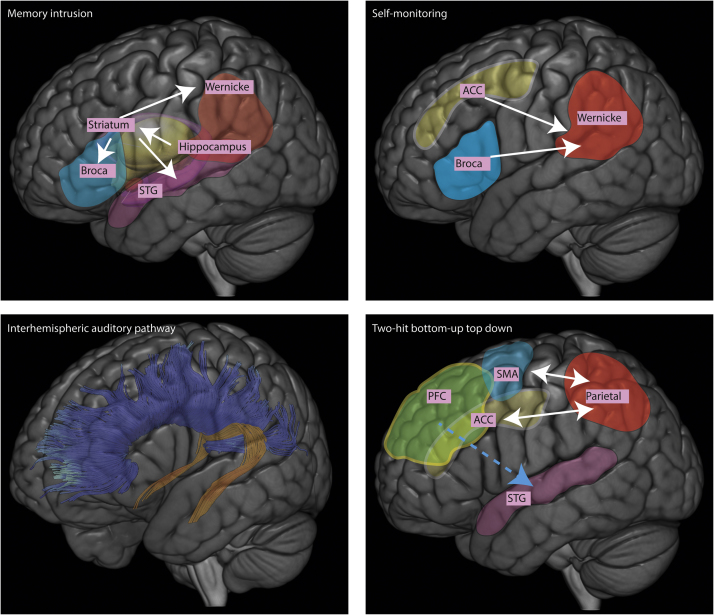
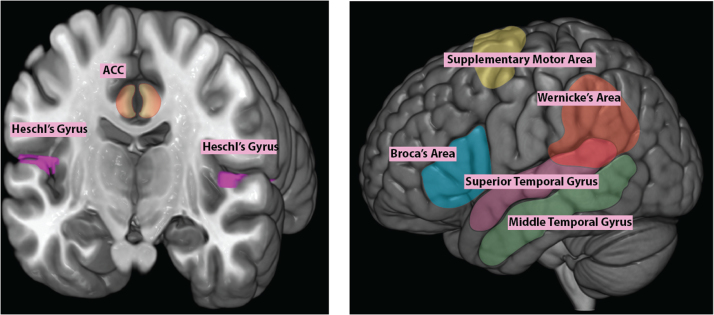
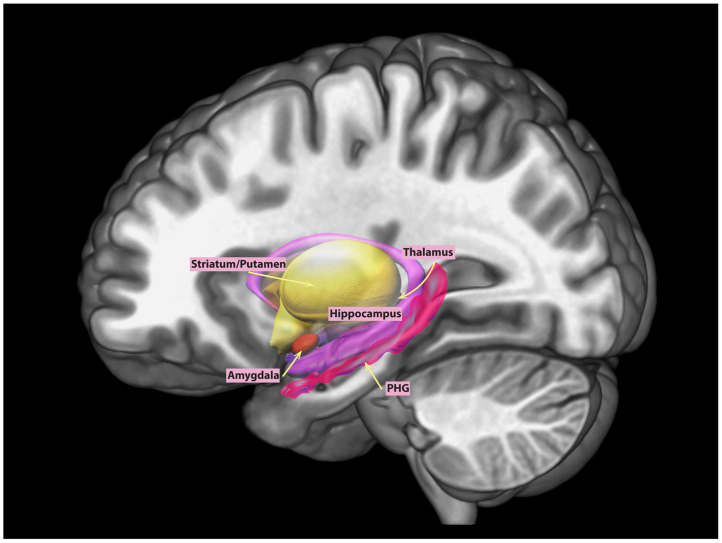
Auditory verbal hallucinations (AVH) occur in psychotic disorders, but also as a symptom of other conditions and even in healthy people. Several current theories on the origin of AVH converge, with neuroimaging studies suggesting that the language, auditory and memory/limbic networks are of particular relevance. However, reconciliation of these theories with experimental evidence is missing. We review 50 studies investigating functional (EEG and fMRI) and anatomic (diffusion tensor imaging) connectivity in these networks, and explore the evidence supporting abnormal connectivity in these networks associated with AVH. We distinguish between functional connectivity during an actual hallucination experience (symptom capture) and functional connectivity during either the resting state or a task comparing individuals who hallucinate with those who do not (symptom association studies). Symptom capture studies clearly reveal a pattern of increased coupling among the auditory, language and striatal regions. Anatomical and symptom association functional studies suggest that the interhemispheric connectivity between posterior auditory regions may depend on the phase of illness, with increases in non-psychotic individuals and first episode patients and decreases in chronic patients. Leading hypotheses involving concepts as unstable memories, source monitoring, top-down attention, and hybrid models of hallucinations are supported in part by the published connectivity data, although several caveats and inconsistencies remain. Specifically, possible changes in fronto-temporal connectivity are still under debate. Precise hypotheses concerning the directionality of connections deduced from current theoretical approaches should be tested using experimental approaches that allow for discrimination of competing hypotheses.
Overview
The claims and statistics of this paper haven’t been checked yet.
Run the check — free, no account needed. It reads the open-access text and checks the sources it cites.
Integrity signals
Registry
Cites
Statistics
Figures
Verification
Claims the paper makes
The claims and statistics of this paper haven’t been checked yet.
Run the check — free, no account needed. It reads the open-access text and checks the sources it cites.
Claims other papers make about this one
Each is checked against this paper’s own text: does it say what the citing paper says it does?
In the citing paper
“In addition, evidence supports the hypothesis that hallucinations arise from release of those sensory signals by reduced top-down inhibition from higher-order centers such as frontal areas and their connections with the thalamus. 40-43”
From Towards an Integrative Account of Potential Mechanisms Mediating the Path From Sleep Dysfunction to Hallucinations (2025) · cites this paper as [41]
Self-check
Percentages, sums and reported differences re-computed from the paper’s own numbers.
The self-check needs the paper’s full text.
Citations
Cites
The organization of the human cerebral cortex estimated by intrinsic functional connectivity
Thomas Yeo, B. T., Krienen, F. M., Sepulcre, J., Sabuncu, M. R., Lashkari, D., Hollinshead, M., Roffman, J. L., Smoller, J. W., Zöllei, L., Polimeni, J. R., et al. (2011) · Journal of Neurophysiology · doi:10.1152/jn.00338.2011 · Cited by 9,182
The organization of the human cerebellum estimated by intrinsic functional connectivity
Buckner, R. L., Krienen, F. M., Castellanos, A., Diaz, J. C., & Yeo, B. T. T. (2011) · Journal of Neurophysiology · doi:10.1152/jn.00339.2011 · Cited by 7,304
Cognitive and emotional influences in anterior cingulate cortex
Bush, G., Luu, P., & Posner, M. I. (2000) · Trends in Cognitive Sciences · doi:10.1016/s1364-6613(00)01483-2 · Cited by 6,259 · cited 1×
“It comprises the following areas: the anterior cingulate, involved in error monitoring and emotional processing and learning (Bush et al., 2000); the hippocampus, generally involved in memory processes (Squire et al.”
BackgroundThe brainweb: phase synchronization and large-scale integration
Varela, F., Lachaux, J.-P., Rodriguez, E., & Martinerie, J. (2001) · Nature Reviews Neuroscience · doi:10.1038/35067550 · Cited by 4,761 · cited 1×
“It has been proposed that a potential mechanism for information processing by the brain is synchronization of distant neuronal assemblies (Varela et al., 2001; Fries, 2005; David and Friston, 2003).”
BackgroundThe basis of anisotropic water diffusion in the nervous system—A technical review.
Beaulieu, C. (2002) · NMR in Biomedicine · doi:10.1002/nbm.782 · Cited by 4,628
Friston, K. J., Harrison, L., & Penny, W. (2003) · NeuroImage · doi:10.1016/s1053-8119(03)00202-7 · Cited by 4,583
A mechanism for cognitive dynamics: neuronal communication through neuronal coherence.
Fries, P. (2005) · Trends in Cognitive Sciences · doi:10.1016/j.tics.2005.08.011 · Cited by 4,284 · cited 1×
“It has been proposed that a potential mechanism for information processing by the brain is synchronization of distant neuronal assemblies (Varela et al., 2001; Fries, 2005; David and Friston, 2003).”
BackgroundFunctional and Effective Connectivity: A Review
Friston, K. J. (2011) · Brain Connectivity · doi:10.1089/brain.2011.0008 · Cited by 3,415 · cited 2×
“EC approaches allow inferences about the influence one neural system exerts over another (Friston, 2011), have been used, to a lesser extent.”
BackgroundMethodContributions of the Amygdala to Emotion Processing: From Animal Models to Human Behavior
Phelps, E. A., & LeDoux, J. E. (2005) · Neuron · doi:10.1016/j.neuron.2005.09.025 · Cited by 3,203 · cited 1×
“These comprise the amygdala and “the memory regions”: the hippocampus, the para-hippocampal gyrus involved in emotional memory (Phelps and LeDoux, 2005; LeDoux, 1996; McGaugh et al., 1996) and together with striatum in associative memory (Sperling et al.”
BackgroundLarge-scale neurocognitive networks and distributed processing for attention, language, and memory
Mesulam, M. (1990) · Annals of Neurology · doi:10.1002/ana.410280502 · Cited by 2,684
Research works printed but not linked: 1
- Mulert, 2011, Hearing voices: a role of interhemispheric auditory connectivity?, World J. Biol. Psychiatry, 1
Cited by
Sorted by citations
Li, S., Hu, N., Zhang, W., Bo, T., Dai, J., Gong, Y., Tan, Y., Cai, D., & Lui, S. (2019) · Frontiers in Psychiatry · doi:10.3389/fpsyt.2019.00482 · Cited by 212
Network Localization of State and Trait of Auditory Verbal Hallucinations in Schizophrenia
Mo, F., Zhao, H., Li, Y., Cai, H., Song, Y., Wang, R., Yu, Y., & Zhu, J. (2024) · Schizophrenia Bulletin · doi:10.1093/schbul/sbae020 · Cited by 135
Kalmady, S. V., Greiner, R., Agrawal, R., Shivakumar, V., Narayanaswamy, J. C., Brown, M. R. G., Greenshaw, A. J., Dursun, S. M., & Venkatasubramanian, G. (2019) · Schizophrenia · doi:10.1038/s41537-018-0070-8 · Cited by 131
Lesions causing hallucinations localize to one common brain network
Kim, N. Y., Hsu, J., Talmasov, D., Joutsa, J., Soussand, L., Wu, O., Rost, N. S., Morenas‐Rodríguez, E., Martí‐Fábregas, J., Pascual‐Leone, Á., et al. (2019) · Molecular Psychiatry · doi:10.1038/s41380-019-0565-3 · Cited by 118
Orlov, N. D., Giampietro, V., O’Daly, O., Lam, S.-L., Barker, G. J., Rubia, K., McGuire, P. K., Shergill, S. S., & Allen, P. (2018) · Translational Psychiatry · doi:10.1038/s41398-017-0067-5 · Cited by 101
Mallikarjun, P. K., Lalousis, P. A., Dunne, T. F., Heinze, K., Reniers, R. L. E. P., Broome, M. R., Farmah, B., Oyebode, F., Wood, S. J., & Upthegrove, R. (2018) · Translational Psychiatry · doi:10.1038/s41398-018-0118-6 · Cited by 91
Evolutionary modifications in human brain connectivity associated with schizophrenia
van den Heuvel, M. P., Scholtens, L. H., de Lange, S. C., Pijnenburg, R., Cahn, W., van Haren, N. E. M., Sommer, I. E., Bozzali, M., Koch, K., Boks, M. P., et al. (2019) · Brain · doi:10.1093/brain/awz330 · Cited by 84
Understanding visual hallucinations: A new synthesis
Collerton, D., Barnes, J., Diederich, N. J., Dudley, R., ffytche, D., Friston, K., Goetz, C. G., Goldman, J. G., Jardri, R., Kulisevsky, J., et al. (2023) · Neuroscience & Biobehavioral Reviews · doi:10.1016/j.neubiorev.2023.105208 · Cited by 83
Self-citationBauer, C. C. C., Okano, K., Ghosh, S., Lee, Y. J., Melero, H., Angeles, C. D. L., Nestor, P. G., del Re, E. C., Northoff, G., Niznikiewicz, M. A., et al. (2020) · Psychiatry Research · doi:10.1016/j.psychres.2020.112770 · Cited by 78
Auditory Verbal Hallucinations in Schizophrenia From a Levels of Explanation Perspective.
Hugdahl, K., & Sommer, I. (2018) · Schizophrenia bulletin · doi:10.1093/schbul/sbx142 · Cited by 83
Kantrowitz, J. T., Sehatpour, P., Avissar, M., Horga, G., Gwak, A., Hoptman, M. J., Beggel, O., Girgis, R. R., Vail, B., Silipo, G. S., et al. (2019) · Brain stimulation · doi:10.1016/j.brs.2019.03.003 · Cited by 66
Barber, L., Reniers, R. L. E. P., & Upthegrove, R. (2021) · Translational Psychiatry · doi:10.1038/s41398-021-01670-7 · Cited by 63
“[9] found that the FA of white matter tracts was generally increased in participants with acute psychosis but decreased in those with chronic psychosis.”
BackgroundInfluentialGuttesen, L. L., Albert, N., Nordentoft, M., & Hjorthøj, C. R. (2021) · Journal of Psychiatric Research · doi:10.1016/j.jpsychires.2021.09.001 · Cited by 59
Brain connectivity alterations in early psychosis: from clinical to neuroimaging staging
Griffa, A., Baumann, P., Klauser, P., Mullier, E., Cleusix, M., Jenni, R., van den Heuvel, M. P., Kim, Q., Conus, P., & Hagmann, P. (2019) · Translational Psychiatry · doi:10.1038/s41398-019-0392-y · Cited by 54
Dynamic Functional Connectivity Patterns in Schizophrenia and the Relationship With Hallucinations
Weber, S., Johnsen, E., Kroken, R. A., Løberg, E., Kandilarova, S., Stoyanov, D., Kompus, K., & Hugdahl, K. (2020) · Frontiers in Psychiatry · doi:10.3389/fpsyt.2020.00227 · Cited by 58
Homotopic functional connectivity disruptions in schizophrenia and their associated gene expression
Cai, M., Ji, Y., Zhao, Q., Xue, H., Sun, Z., Wang, H., Zhang, Y., Chen, Y., Zhao, Y., Zhang, Y., et al. (2024) · NeuroImage · doi:10.1016/j.neuroimage.2024.120551 · Cited by 46
Duggento, A., Passamonti, L., Valenza, G., Barbieri, R., Guerrisi, M., & Toschi, N. (2018) · Scientific Reports · doi:10.1038/s41598-018-23996-x · Cited by 45
Rollins, C. P. E., Garrison, J., Simons, J., Rowe, J., O'Callaghan, C., Murray, G., & Suckling, J. (2018) · bioRxiv · doi:10.1016/j.eclinm.2019.01.012 · Cited by 39
“Obtaining differentiating evidence is difficult as these models are not mutually exclusive, each drawing upon a similar repertoire of constituents, making it non-trivial to derive corresponding predictions [42].”
BackgroundI am Me: Brain systems integrate and segregate to establish a multidimensional sense of self
Plinio, S. D., Perrucci, M. G., Aleman, A., & Ebisch, S. J. H. (2019) · NeuroImage · doi:10.1016/j.neuroimage.2019.116284 · Cited by 45
Pérez-Rando, M., Elvira, U. K., García‐Martí, G., Gadea, M., Aguilar, E. J., Escartí, M. J., Ahulló-Fuster, M.-A., Grasa, E., Corripio, I., Sanjuán, J., et al. (2022) · NeuroImage Clinical · doi:10.1016/j.nicl.2022.103070 · Cited by 43
“These nuclei establish sparse connections with the auditory cortex, as shown by tracer studies performed in primates (de la Mothe et al., 2012; Scott et al., 2017), and they receive inputs from Broca’s area, indicating an involvement in language processing (Goldman-Rakic and Porrino, 1985).”
BackgroundAllen, P., Sommer, I. E., Jardri, R., Eysenck, M. W., & Hugdahl, K. (2019) · Neuroscience & Biobehavioral Reviews · doi:10.1016/j.neubiorev.2019.02.004 · Cited by 43
“Functional connectivity between Wernicke’s area and Broca’s areas, for example, is disrupted during inner-speech processing in schizophrenia patients who hear voices (Curcic-Blake et al., 2017).”
The interhemispheric miscommunication theory of auditory verbal hallucinations in schizophrenia
Steinmann, S., Leicht, G., & Mulert, C. (2019) · International Journal of Psychophysiology · doi:10.1016/j.ijpsycho.2019.02.002 · Cited by 44
Kubera, K. M., Rashidi, M., Schmitgen, M. M., Barth, A., Hirjak, D., Sambataro, F., Calhoun, V. D., & Wolf, R. C. (2019) · Progress in Neuro-Psychopharmacology and Biological Psychiatry · doi:10.1016/j.pnpbp.2019.03.007 · Cited by 45
Dauwan, M., Linszen, M. M. J., Lemstra, A. W., Scheltens, P., Stam, C. J., & Sommer, I. E. (2018) · Neurobiology of Aging · doi:10.1016/j.neurobiolaging.2018.03.013 · Cited by 37
Zhang, Z., Zhuo, K., Xiang, Q., Sun, Y. M., Suckling, J., Wang, J., Liu, D., & Sun, Y. (2021) · Translational Psychiatry · doi:10.1038/s41398-021-01398-4 · Cited by 41
Alamian, G., Hincapié, A.-S., Pascarella, A., Thiery, T., Combrisson, E., Saive, A.-L., Martel, V., Altukhov, D., Haesebaert, F., & Jerbi, K. (2017) · Clinical Neurophysiology · doi:10.1016/j.clinph.2017.06.246 · Cited by 38
Toward personalized treatment of hallucinations
Sommer, I. E., Kleijer, H., & Hugdahl, K. (2018) · Current Opinion in Psychiatry · doi:10.1097/yco.0000000000000416 · Cited by 41
Auditory Hallucinations as Translational Psychiatry: Evidence from Magnetic Resonance Imaging
Hugdahl, K. (2017) · Balkan Medical Journal · doi:10.4274/balkanmedj.2017.1226 · Cited by 30
“Finally, with regard to the paradoxical finding of competition between inner and outer voices, I think that this was nicely summarized by (21) in their recent review of imaging studies of auditory hallucinations.”
BackgroundResultZhang, X., Gao, J., Zhu, F., Wang, W., Fan, Y., Ma, Q., Ma, X., & Yang, J. (2018) · Psychiatry Research Neuroimaging · doi:10.1016/j.pscychresns.2018.01.002 · Cited by 34
Emerging Temporal Lobe Dysfunction in People at Clinical High Risk for Psychosis
Allen, P., Moore, H., Corcoran, C., Gilleen, J., Kozhuharova, P., Reichenberg, A., & Malaspina, D. (2019) · Frontiers in Psychiatry · doi:10.3389/fpsyt.2019.00298 · Cited by 35
“(87) for review] and auditory verbal hallucinations (10, 84, 85).”
BackgroundEffects of age and sex on clinical high-risk for psychosis in the community
Schultze-Lutter, F., Schimmelmann, B. G., Flückiger, R., & Michel, C. (2020) · World Journal of Psychiatry · doi:10.5498/wjp.v10.i5.101 · Cited by 34
Abnormal functional connectivity of high-frequency rhythms in drug-naïve schizophrenia
Takahashi, T., Goto, T., Nobukawa, S., Tanaka, Y., Kikuchi, M., Higashima, M., & Wada, Y. (2017) · Clinical Neurophysiology · doi:10.1016/j.clinph.2017.11.004 · Cited by 34
Intrinsic 40Hz-phase asymmetries predict tACS effects during conscious auditory perception
Meier, J., Nolte, G., Schneider, T. R., Engel, A. K., Leicht, G., & Mulert, C. (2019) · PLoS ONE · doi:10.1371/journal.pone.0213996 · Cited by 31
Lavigne, K. M., & Woodward, T. S. (2017) · Human Brain Mapping · doi:10.1002/hbm.23934 · Cited by 32
“…patients at rest (Alderson-Day et al., 2016; Shinn, Baker, Cohen, & €Ong€ur, 2013); however, findings of task-based trait studies are less consistent (Ćurčić-Blake et al., 2017), with some reporting hypoactivity (Kompus, Westerhausen, 1A clear distinction between coordinated hyperactivity and…”
BackgroundMethodResultInfluentialThiebes, S., Steinmann, S., Ćurić, S., Polomac, N., Andreou, C., Eichler, I.-C., Eichler, L., Zöllner, C., Gallinat, J., Leicht, G., et al. (2018) · Neuropsychopharmacology · doi:10.1038/s41386-018-0014-z · Cited by 32
Shinn, A. K., Wolff, J. D., Hwang, M., Lebois, L. A. M., Robinson, M. A., Winternitz, S. R., Öngür, D., Ressler, K. J., & Kaufman, M. L. (2020) · Frontiers in Psychiatry · doi:10.3389/fpsyt.2019.01011 · Cited by 31
Hjelmervik, H., Craven, A., Sinceviciute, I., Johnsen, E., Kompus, K., Bless, J., Kroken, R., Løberg, E., Ersland, L., Grüner, R., et al. (2019) · Schizophrenia bulletin · doi:10.1093/schbul/sbz099 · Cited by 33
Modality-general and modality-specific processes in hallucinations
Fernyhough, C. (2019) · Psychological Medicine · doi:10.1017/s0033291719002496 · Cited by 27
Sasabayashi, D., Takahashi, T., Takayanagi, Y., Nemoto, K., Ueno, M., Furuichi, A., Higuchi, Y., Mizukami, Y., Kobayashi, H., Yuasa, Y., et al. (2023) · Cerebral Cortex · doi:10.1093/cercor/bhad131 · Cited by 32
Abnormal dynamic resting-state brain network organization in auditory verbal hallucination
Geng, H., Xu, P., Sommer, I. E., Luo, Y., Aleman, A., & Ćurĉić‐Blake, B. (2020) · Brain Structure and Function · doi:10.1007/s00429-020-02119-1 · Cited by 27
Decoding Activity in Broca's Area Predicts the Occurrence of Auditory Hallucinations Across Subjects
Fovet, T., Yger, P., Lopes, R., de Pierrefeu, A., Duchesnay, É., Houenou, J., Thomas, P., Szaffarczyk, S., Domenech, P., & Jardri, R. (2021) · Biological Psychiatry · doi:10.1016/j.biopsych.2021.08.024 · Cited by 28
Steinmann, S., Amselberg, R., Cheng, B., Thomalla, G., Engel, A. K., Leicht, G., & Mulert, C. (2018) · Scientific Reports · doi:10.1038/s41598-018-33586-6 · Cited by 30
Gimenez, U., Boulan, B., Mauconduit, F., Taurel, F., Leclercq, M., Denarier, É., Brocard, J., Gory‐Fauré, S., Andrieux, A., Lahrech, H., et al. (2017) · Scientific Reports · doi:10.1038/s41598-017-10544-2 · Cited by 27
Scott, M. R., & Meador‐Woodruff, J. H. (2019) · Molecular Psychiatry · doi:10.1038/s41380-019-0359-7 · Cited by 27
Brain‐based ranking of cognitive domains to predict schizophrenia
Karrer, T. M., Bassett, D. S., Derntl, B., Gruber, O., Aleman, A., Jardri, R., Laird, A. R., Fox, P. T., Eickhoff, S. B., Grisel, O., et al. (2019) · Human Brain Mapping · doi:10.1002/hbm.24716 · Cited by 26
fMRI capture of auditory hallucinations: Validation of the two‐steps method
Leroy, A., Foucher, J., Pins, D., Delmaire, C., Thomas, P., Roser, M. M., Lefebvre, S., Amad, A., Fovet, T., Jaafari, N., et al. (2017) · Human Brain Mapping · doi:10.1002/hbm.23707 · Cited by 25
“Again, the consideration that hallucinations may result from neural dysconnectivity (e.g., Ćurčić-Blake et al., 2017) favors ICA over more conventional activation-based approaches, such as GLM.”
de Pierrefeu, A., Fovet, T., Hadj‐Selem, F., Löfstedt, T., Ciuciu, P., Lefebvre, S., Thomas, P., Lopes, R., Jardri, R., & Duchesnay, É. (2018) · Human Brain Mapping · doi:10.1002/hbm.23953 · Cited by 25
Jaroszynski, C., Amorim-Leite, R., Deman, P., Perrone‐Bertolotti, M., Chabert, F., Job-Chapron, A.-S., Minotti, L., Hoffmann, D., Olivier David, A., & Kahane, P. (2022) · Brain stimulation · doi:10.1016/j.brs.2022.08.002 · Cited by 25
Language-Related Neurophysiological Deficits in Schizophrenia
Hirano, S., Spencer, K., Onitsuka, T., & Hirano, Y. (2019) · Clinical EEG and Neuroscience · doi:10.1177/1550059419886686 · Cited by 27
Hugdahl, K., Craven, A. R., Johnsen, E., Ersland, L., Stoyanov, D., Kandilarova, S., Sandøy, L. B., Kroken, R. A., Løberg, E., & Sommer, I. E. (2022) · Schizophrenia Bulletin · doi:10.1093/schbul/sbac028 · Cited by 26
Cognitive neurophysiology of the prefrontal cortex
Helfrich, R. F., & Knight, R. T. (2019) · Handbook of clinical neurology · doi:10.1016/b978-0-12-804281-6.00003-3 · Cited by 25
Xie, S., Liu, B., Wang, J., Zhou, Y., Cui, Y. J., Song, M., Chen, Y., Li, P., Lü, L., Lv, L., et al. (2018) · Schizophrenia Research · doi:10.1016/j.schres.2018.12.024 · Cited by 23
Recent findings on neurofeedback training for auditory hallucinations in schizophrenia
Hirano, Y., & Tamura, S. (2021) · Current Opinion in Psychiatry · doi:10.1097/yco.0000000000000693 · Cited by 18
“self-monitoring hypothesis, reduced sense of control, executive and inhibitory control, unstable memories, source monitoring hypothesis, interhemispheric miscommunication, top-down effect and bottom-up prediction deficits, and a hybrid model of spontaneous activations and self-monitoring deficits) in schizophrenia [7,…”
BackgroundShi, K., Pang, X., Wang, Y., Li, C., Long, Q., & Zheng, J. (2021) · Neuroradiology · doi:10.1007/s00234-021-02706-x · Cited by 23
Auditory verbal hallucination and the auditory network: From molecules to connectivity
Huang, J., Zhuo, C., Xu, Y. J., & Lin, X. (2019) · Neuroscience · doi:10.1016/j.neuroscience.2019.04.051 · Cited by 21
Wei, Y., Han, S., Chen, J., Wang, C., Wang, W., Li, H., Song, X., Xue, K., Zhang, Y., & Cheng, J. (2022) · Human Brain Mapping · doi:10.1002/hbm.25958 · Cited by 20
Jonak, K., Krukow, P., Jonak, K. E., Grochowski, C., & Karakuła‐Juchnowicz, H. (2018) · Clinical EEG and Neuroscience · doi:10.1177/1550059418807372 · Cited by 20
“These and subsequent studies4 gave way to a disconnection hypothesis of psychotic disorders, which formed the basis for a model of aberrant modulation of synaptic efficacy.5,6 According to this hypothesis, patients with SZ have an impaired functional and structural connections between brain structures, hence it is pos…”
BackgroundRössler, J., Unterassner, L., Wyss, T., Haker, H., Brugger, P., Rössler, W., & Wotruba, D. (2019) · Schizophrenia Bulletin · doi:10.1093/schbul/sby079 · Cited by 20
Auditory Hallucinations: Does a Continuum of Severity Entail Continuity in Mechanism?
Waters, F., & Fernyhough, C. (2019) · Schizophrenia Bulletin · doi:10.1093/schbul/sbz002 · Cited by 20
Mondino, M., Fonteneau, C., Simon, L., Dondé, C., Haesebaert, F., Poulet, E., & Brunelin, J. (2020) · European Archives of Psychiatry and Clinical Neuroscience · doi:10.1007/s00406-020-01149-4 · Cited by 19
Default mode network alterations underlie auditory verbal hallucinations in schizophrenia
Marino, M., Spironelli, C., Mantini, D., Craven, A. R., Ersland, L., Angrilli, A., & Hugdahl, K. (2022) · Journal of Psychiatric Research · doi:10.1016/j.jpsychires.2022.08.006 · Cited by 21
Humpston, C. S., & Woodward, T. S. (2024) · The Lancet Psychiatry · doi:10.1016/s2215-0366(24)00061-0 · Cited by 19
Zhuo, C., Xiao, B., Ji, F., Lin, X., Jiang, D., Tian, H., Xu, Y. J., Wang, W., & Chen, C. (2020) · Brain Imaging and Behavior · doi:10.1007/s11682-020-00351-1 · Cited by 19
Frajman, A., Maggio, N., Muler, I., Haroutunian, V. H., Katsel, P., Yitzhaky, A., Weiser, M., & Hertzberg, L. (2020) · Schizophrenia Research · doi:10.1016/j.schres.2020.04.027 · Cited by 20
Visual Hallucinations in Psychosis: The Curious Absence of the Primary Visual Cortex
van Ommen, M. M., van Laar, T., Renken, R. J., Cornelissen, F. W., & Bruggeman, R. (2023) · Schizophrenia Bulletin · doi:10.1093/schbul/sbac140 · Cited by 18
Dixon, B. J., Kumar, J., & Danielmeier, C. (2021) · Neuroscience & Biobehavioral Reviews · doi:10.1016/j.neubiorev.2021.11.010 · Cited by 21
Do patients with hallucinations imagine speech right?
Altamura, M., Prete, G., Elia, A., Angelini, E., Padalino, F. A., Bellomo, A., Tommasi, L., & Fairfield, B. (2020) · Neuropsychologia · doi:10.1016/j.neuropsychologia.2020.107567 · Cited by 17
Curtis, M. T., Coffman, B. A., & Salisbury, D. F. (2020) · Human Brain Mapping · doi:10.1002/hbm.25256 · Cited by 16
Zhuo, C., Fang, T., Chen, C., Chen, M., Sun, Y., Ma, X., Li, R., Tian, H., & Ping, J. (2020) · Brain and Behavior · doi:10.1002/brb3.1991 · Cited by 17
“…brain include important areas of the executive control network, attention network, memory network, and emotional network, and default mode network (Alderson-Day et al., 2015; Ćurčić-Blake et al., 2017; Hugdahl, 2017), damaged GM is often associated with the first-episode and chronic schizophrenia.”
BackgroundMartin, A. M. S., Bartolomeo, L. A., Howell, J. M., Hetrick, W. P., Bolbecker, A. R., Breier, A. F., Kidd, G. R., & O’Donnell, B. F. (2017) · European Archives of Psychiatry and Clinical Neuroscience · doi:10.1007/s00406-017-0839-1 · Cited by 17
“These heterogeneous results may reflect the variety of neurobiological mechanisms and responses to treatment which modulate the experience of hallucinations [13, 30].”
Patient, interrupted: MEG oscillation dynamics reveal temporal dysconnectivity in schizophrenia
Alamian, G., Pascarella, A., Lajnef, T., Knight, L., Walters, J., Singh, K. D., & Jerbi, K. (2020) · NeuroImage Clinical · doi:10.1016/j.nicl.2020.102485 · Cited by 16
“, 1994; Uhlhaas and Singer, 2010) have probed structural and functional alterations among schizophrenia patients and have found significant and consistent differences in terms of the physical properties and connectivity patterns of their neural signal compared to controls (multimodal reviews: Alamian et al., 2017; Ćur…”
Richards, S., Hughes, M., Woodward, T., Rossell, S., & Carruthers, S. (2021) · Neuroscience and Biobehavioral Reviews · doi:10.1016/j.neubiorev.2021.09.006 · Cited by 14
Cheng Ann, C. H. E. N., Huang, H., Qin, X., Zhang, L., Rong, B., Wang, G., & Wang, H. (2022) · Frontiers in Psychiatry · doi:10.3389/fpsyt.2022.956895 · Cited by 16
Zhuo, C., Zhou, C., Lin, X., Tian, H., Wang, L., Chen, C., Ji, F., Xu, Y. J., & Jian, D. (2019) · Progress in Neuro-Psychopharmacology and Biological Psychiatry · doi:10.1016/j.pnpbp.2019.109738 · Cited by 16
Weber, S., Hjelmervik, H., Craven, A., Johnsen, E., Kroken, R., Løberg, E., Ersland, L., Kompus, K., & Hugdahl, K. (2021) · Frontiers in Psychiatry · doi:10.3389/fpsyt.2021.643564 · Cited by 17
“Based on findings of impaired cognitive control in patients with AVH during an auditory task (33) as well as abnormal connectivity between the ACC and the STG (2), it has been suggested that AVH arise from impaired top-down control of prefrontal areas over bottom-up processes in auditory areas (2, 22, 29).”
BackgroundSun, Q., Fang, Y., Shi, Y., Wang, L., Peng, X., & Tan, L. (2021) · Frontiers in Psychiatry · doi:10.3389/fpsyt.2021.544746 · Cited by 16
Liang, N., Liu, S., Li, X.-R., Wen, D., Li, Q.-Q., Tong, Y., & Xu, Y. (2022) · Frontiers in Neuroscience · doi:10.3389/fnins.2022.865738 · Cited by 15
Gill, K., Percival, C. M., Roes, M., Arreaza, L., Chinchani, A. M., Sanford, N., Sena, W., Mohammadsadeghi, H., Menon, M., Hughes, M. E., et al. (2022) · Schizophrenia Bulletin Open · doi:10.1093/schizbullopen/sgac050 · Cited by 19
“Component 3 is characterized by bilateral deactivation in occipital areas such as the occipital pole (xyz: −27, −91, 16; 15, −88, 28).”
BackgroundGao, J., Zhang, D., Wang, L., Wang, W., Fan, Y., Tang, M., Zhang, X., Lei, X., Wang, Y., Yang, J., et al. (2020) · Frontiers in Psychiatry · doi:10.3389/fpsyt.2020.00575 · Cited by 17
“In previous models including the “memory intrusion”, “selfmonitoring”, “two hit bottom-up and top-down”, and hybrid models, language, auditory, and memory brain networks were closely associated with AVH in patients with schizophrenia (4).”
BackgroundOkuneye, V. T., Meda, S., Pearlson, G., Clementz, B., Keshavan, M., Tamminga, C., Ivleva, E., Sweeney, J., Gershon, E., & Keedy, S. (2020) · NeuroImage: Clinical · doi:10.1016/j.nicl.2020.102358 · Cited by 14
“The models include hypersensitivity or activation of auditory cortex including primary and association auditory cortex, and/or adjacent polymodal association cortex of the inferior parietal lobe, dysregulation of receptive auditory cortex by disrupted top-down influences especially from frontal speech areas, altered i…”
Strawson, W., Wang, H.-T., Quadt, L., Sherman, M. T., Larsson, D. E. O., Davies, G., Mckeown, B., Silva, M., Fielding-Smith, S. F., Bibby-Jones, A.-M., et al. (2021) · The International Journal of Neuropsychopharmacology · doi:10.1093/ijnp/pyab093 · Cited by 14
“Symptom-capture studies of AVH echo the involvement of temporal language regions: meta-analyses support greater activation in STG and adjacent temporo-parietal language regions during AVH experience in patients with schizophrenia (Ćurčić-Blake et al., 2017).”
BackgroundMethodUncovering hidden resting state dynamics: A new perspective on auditory verbal hallucinations
Honcamp, H., Schwartze, M., Linden, D. E. J., El‐Deredy, W., & Kotz, S. A. (2022) · NeuroImage · doi:10.1016/j.neuroimage.2022.119188 · Cited by 12
“The altered FC between IFG and parahippocampal regions in non-clinical voice-hearers might facilitate memory retrieval, thereby providing additional evidence for the hypothesized intrusion of long-term memory into ongoing cognitive processes (Ćurčić-Blake et al., 2017; Diederen et al., 2012).”
BackgroundAn integrative perspective on the role of touch in the development of intersubjectivity
Plinio, S. D., Scalabrini, A., & Ebisch, S. J. H. (2022) · Brain and Cognition · doi:10.1016/j.bandc.2022.105915 · Cited by 15
Draining the pond and catching the fish: Uncovering the ecosystem of auditory verbal hallucinations
Looijestijn, J., Blom, J. D., Hoek, H. W., Renken, R. J., Liemburg, E. J., Sommer, I. E., Aleman, A., & Goekoop, R. (2018) · NeuroImage Clinical · doi:10.1016/j.nicl.2018.09.016 · Cited by 13
Zhuo, C., Li, G., Ji, F., Chen, C., Jiang, D., Lin, X., Xu, Y. J., Tian, H., Wang, L., Zhou, C., et al. (2020) · Brain Imaging and Behavior · doi:10.1007/s11682-019-00210-8 · Cited by 13
“In recent years, based on studies of AVH and NVAH in patients with schizophrenia, many researchers have proposed that AVH are caused by disturbances in brain circuits and networks (Curcic-Blake et al. 2017).”
BackgroundChen, Y., Guo, Z., Wang, Y., Yin, H., Zhang, S., & Liu, W. (2023) · Frontiers in Neurology · doi:10.3389/fneur.2023.1102927 · Cited by 12
“The STG processes auditory signals from the primary auditory cortex and then via the thalamus sends them to higher-order areas and other language areas (33).”
BackgroundInteractive mapping of language and memory with the GE2REC protocol
Banjac, S., Roger, É., Cousin, É., Perrone‐Bertolotti, M., Haldin, C., Pichat, C., Lamalle, L., Minotti, L., Kahane, P., & Baciu, M. (2020) · Brain Imaging and Behavior · doi:10.1007/s11682-020-00355-x · Cited by 12
“Furthermore, there are disorders such as post-stroke aphasia (Schuchard and Thompson 2014) or conditions that cause auditory hallucinations ( Ć ur č i ć -Blake et al. 2017) in which language regions are impaired, but the symptoms also manifest in the memory domain.”
BackgroundHe, J., Ren, H., Li, J., Dong, M., Dai, L., Li, Z., Miao, Y., Li, Y., Tan, P., Gu, L., et al. (2022) · Frontiers in Neuroscience · doi:10.3389/fnins.2022.831714 · Cited by 12
Altered language network lateralization in euthymic bipolar patients: a pilot study
Romeo, Z., Marino, M., Angrilli, A., Semenzato, I., Favaro, A., Magnolfi, G., Padovan, G. B., Mantini, D., & Spironelli, C. (2022) · Translational Psychiatry · doi:10.1038/s41398-022-02202-7 · Cited by 12
“At the same time, past findings suggested that AVH are associated with increased connectivity among inferior frontal gyrus, Wernicke’s area, and striatal brain regions, also distributed to right hemisphere homologs [72].”
BackgroundRieger, K., Rarra, M.-H., Hernandez, L. D., Hubl, D., & Koenig, T. W. (2018) · Clinical EEG and Neuroscience · doi:10.1177/1550059418765810 · Cited by 12
“6 In the first pre-session (1), patients were fully informed about the experimental procedure and inclusion and exclusion criteria were evaluated.”
MethodFalkenberg, L. E., Westerhausen, R., Johnsen, E., Kroken, R., Løberg, E., Bereśniewicz, J., Kazimierczak, K., Kompus, K., Ersland, L., Sandøy, L. B., et al. (2020) · Psychiatry research. Neuroimaging · doi:10.1016/j.pscychresns.2020.111088 · Cited by 11
Hwang, M., Roh, Y. S., Talero, J., Cohen, B. M., Baker, J. T., Brady, R. O., Öngür, D., & Shinn, A. K. (2021) · NeuroImage Clinical · doi:10.1016/j.nicl.2021.102893 · Cited by 15
Zhuo, C., Ji, F., Lin, X. J., Tian, H., Wang, L., Xu, Y. J., Wang, W., Zhong, B., & Lin, X. (2020) · European Archives of Psychiatry and Clinical Neuroscience · doi:10.1007/s00406-020-01102-5 · Cited by 11
“In summary, our findings of this pilot study are more inclined to support the “imbalance in top-down/bottom-up influences” hypothesis of AVH [35, 41, 43, 45].”
BackgroundResultInfluentialFrancis, A. M., Knott, V., Labelle, A., & Fisher, D. J. (2020) · Frontiers in Psychiatry · doi:10.3389/fpsyt.2020.540738 · Cited by 11
“It has been previously shown that AHs are reduced when external speech is present (20–22), with a corresponding deactivation of auditory cortex suggesting generalized cortical hypofunction due to sensory overload when AHs compete with external auditory stimulation (98, 99).”
BackgroundCircular inference predicts nonuniform overactivation and dysconnectivity in brain-wide connectomes
Bouttier, V., Duttagupta, S., Denève, S., & Jardri, R. (2021) · Schizophrenia Research · doi:10.1016/j.schres.2020.12.045 · Cited by 14
Sato, Y., Sakuma, A., Ohmuro, N., Katsura, M., Abe, K., Tomimoto, K., Iizuka, K., Ito, F., Tomita, H., & Matsumoto, K. (2021) · Schizophrenia Bulletin Open · doi:10.1093/schizbullopen/sgab015 · Cited by 9
Zhuo, C., Tian, H., Fang, T., Li, R., Li, Y., Kong, L., Cai, Z., Zheng, L., Lin, X., & Chen, C. (2020) · Europe PMC (PubMed Central) · Cited by 9
Bereśniewicz, J., Craven, A., Hugdahl, K., Løberg, E., Kroken, R., Johnsen, E., & Grüner, R. (2021) · Diagnostics · doi:10.3390/diagnostics11010139 · Cited by 8
“Several studies suggest that the left arcuate fasciculus, which is the critical pathway of the language network, show reduced FA-values in AVH+ patients [6,17,61,62].”
BackgroundResultAubonnet, R., Banea, O. C., Sirica, R., Wassermann, E. M., Yassine, S., Jacob, D., Magnúsdóttir, B. B., Haraldsson, M. H., Stefánsson, S. B., Jónasson, V. D., et al. (2020) · Frontiers in Neuroscience · doi:10.3389/fnins.2020.575538 · Cited by 9
Hu, J.-H., Xǔ, J., Shang, S., Chen, H., Yin, X., Qi, J., & Wu, Y. (2021) · Frontiers in Neuroscience · doi:10.3389/fnins.2021.752419 · Cited by 10
Metadata
- Authors
- Ćurčić-Blake, B., Ford, J. M., Hubl, D., Orlov, N. D., Sommer, I. E., Waters, F., Allen, P., Jardri, R., Woodruff, P. W., David, O., Mulert, C., Woodward, T. S., & Aleman, A.
- Affiliations
- San Francisco VA Medical Center (US)
- University of Bern (CH)
- King's College London (GB)
- University Medical Center Utrecht (NL)
- The University of Western Australia (AU)
- Centre National de la Recherche Scientifique (FR)
- University of Sheffield (GB)
- University Medical Center Hamburg-Eppendorf (DE)
- University of British Columbia (CA)
- University Medical Center Groningen (NL)
- ORCID
- Venue
- Progress in Neurobiology
- Publisher
- Elsevier BV
- Published
- 2017-01
- Volume
- 148
- Pages
- 1-20
- ISSN
- 0301-0082 (ISSN-L)
- PMC
- PMC5240789
- OpenAlex
- W2552561399
- Cited by
- 224
- References
- 200
- Citations by year
- 2026: 13 · 2025: 21 · 2024: 20 · 2023: 18 · 2022: 21 · 2021: 28 · 2020: 34 · 2019: 35 · 2018: 20 · 2017: 13
- FWCI
- 2.43
- Type
- journal article
- Language
- en
- Open access
- hybrid
- doi.org
- Licence
- Locations
- Progress in Neurobiology (publishedVersion, cc-by-nc-nd)
- Europe PMC (PubMed Central) (publishedVersion, cc-by-nc-nd)
- PubMed Central (publishedVersion, cc-by-nc-nd)
- PubMed (publishedVersion)
- University of Groningen research database (University of Groningen / Centre for Information Technology) (publishedVersion, cc-by-nc-nd)
- HAL (submittedVersion, cc-by-nc-nd)
- UWA Profiles and Research Repository (UWA) (submittedVersion, cc-by-nc-nd)
- BORIS (University Library Bern) (submittedVersion, cc-by-nc-nd)
- Utrecht University Repository (Utrecht University) (submittedVersion, other-oa)
- Research Portal (King's College London) (submittedVersion, cc-by-nc-nd)
- LillOA (Université de Lille (University Of Lille)) (submittedVersion, cc-by-nc-nd)
- University of Groningen research database (University of Groningen / Centre for Information Technology) (submittedVersion, cc-by-nc-nd)
- Open Access CRIS of the University of Bern
- Funders
- NWO VICI (453-11-004)
- Topics
- Life Sciences › Neuroscience › Cognitive Neuroscience › Hallucinations in medical conditions
- Health Sciences › Medicine › Psychiatry and Mental health › Schizophrenia research and treatment
- Life Sciences › Neuroscience › Cognitive Neuroscience › Functional Brain Connectivity Studies
- Keywords
- auditory verbal hallucinations, language network, auditory network, functional connectivity, structural connectivity, symptom association, interhemispheric connectivity, striatum, source monitoring, top-down attention, psychosis, first-episode psychosis, chronic psychosis, fronto-temporal connectivity
- MeSH terms
- Auditory Perception, Hallucinations, Humans, Language, Memory, Nerve Net
About these checks
Registry, retraction, Cites and statistics results are computed, not judged, with one exception: a printed reference that no index lists is read once by a model before it counts as a citation error. Claims are extracted by a model and kept only when their quote appears verbatim in the text; each cited source is then checked, with a model’s help, for whether it says what the claim relies on. Those verdicts can be wrong — read the claim’s quote and the cited source before relying on one.
Statistics and arithmetic are recomputed, not judged.
Confidence bands are shown only for fields calibrated on our annotated test set. None is calibrated yet, so no band is shown.
What counts as a claim ›How we measure confidence ›How we check this ›
Are you an author, or do you see a problem with this page? Request a review
