

A Mouse Model of Hepatocellular Carcinoma
Open accessThe DOI matches its Crossref record, with a small difference in title or year; 71 of the 77 references it cites were found in a registry or an index.
Abstract
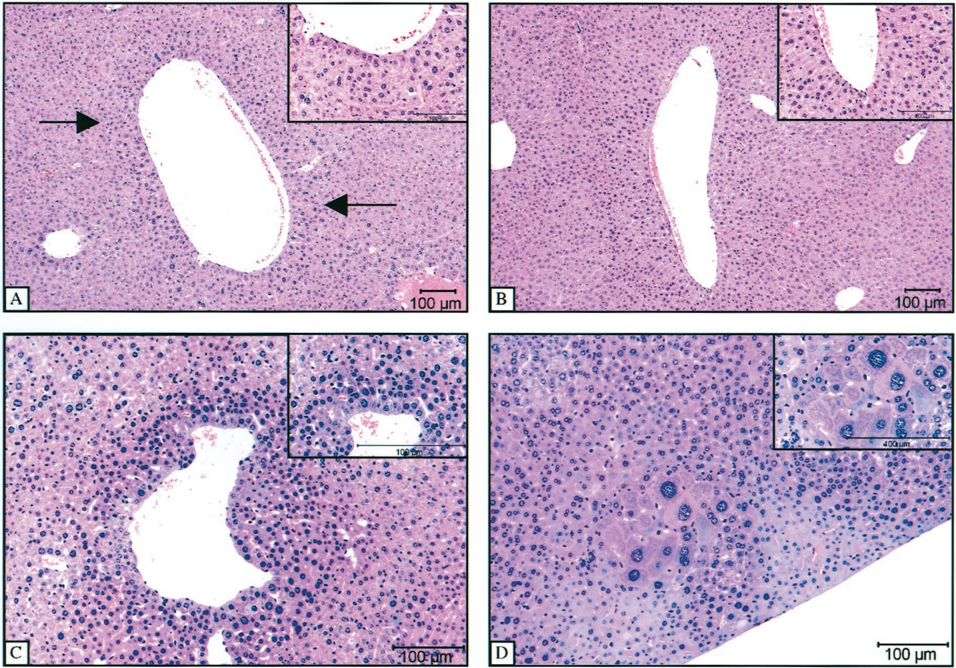
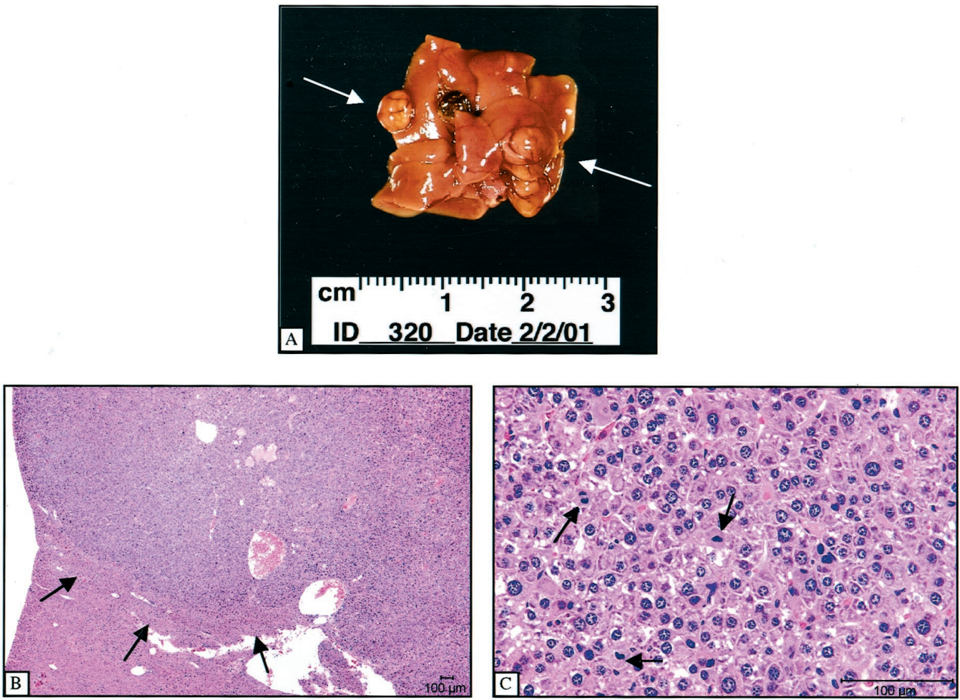
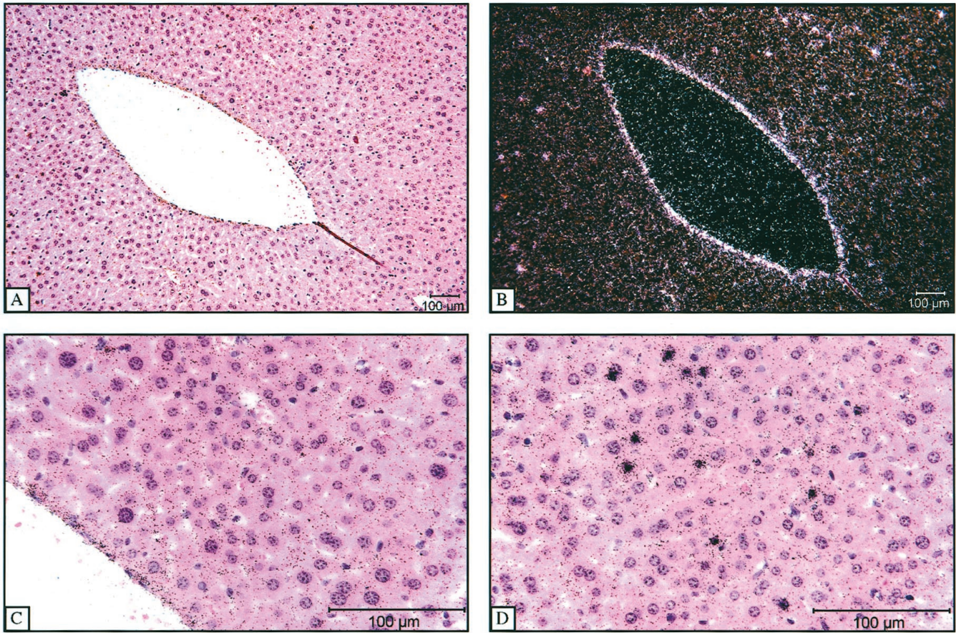
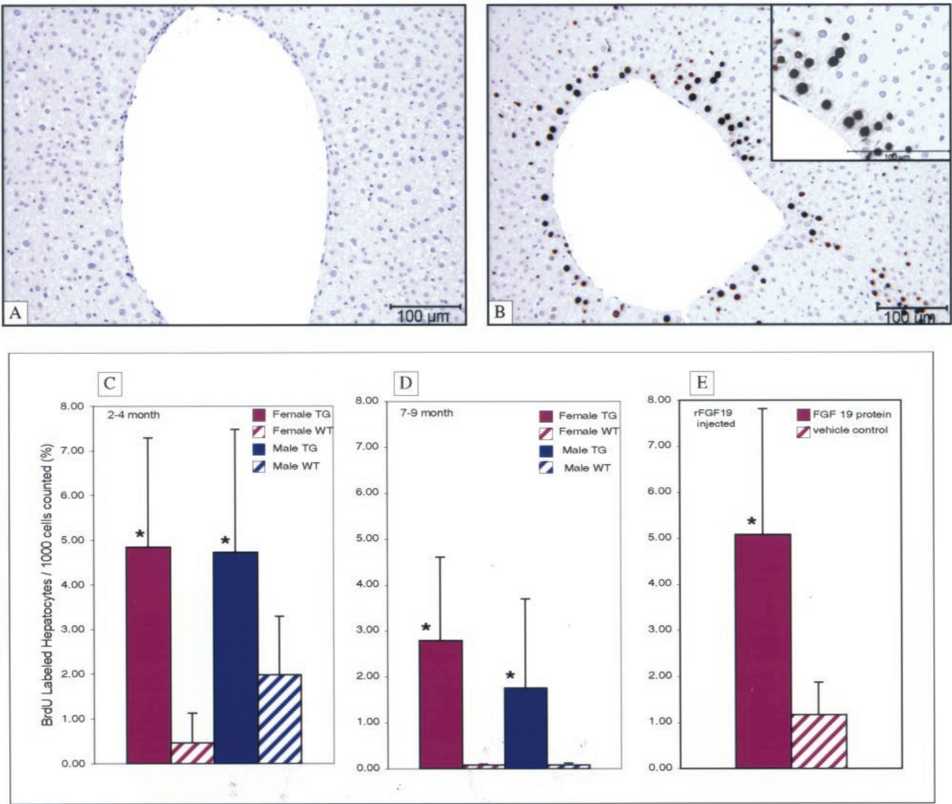
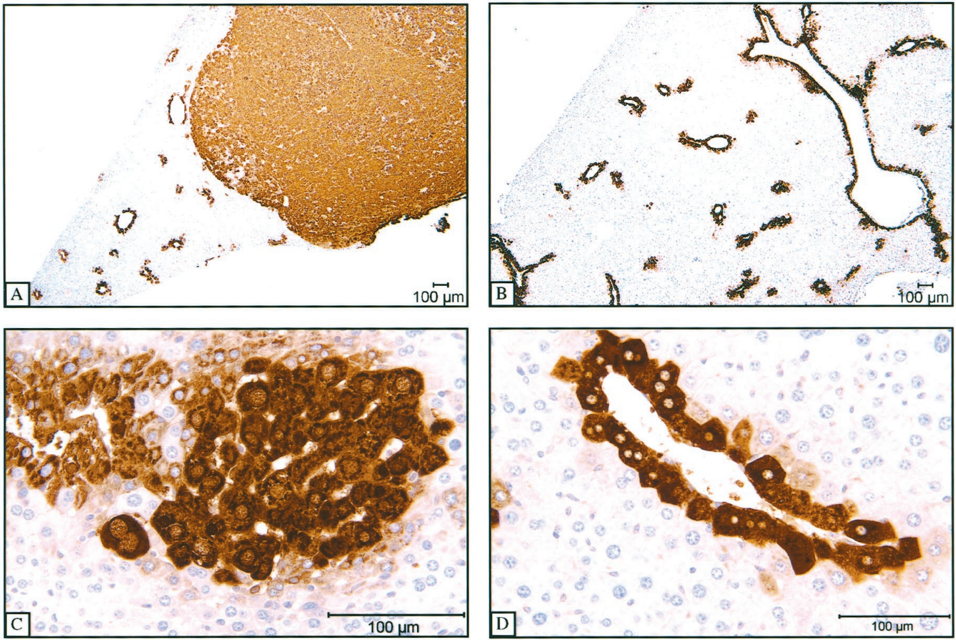
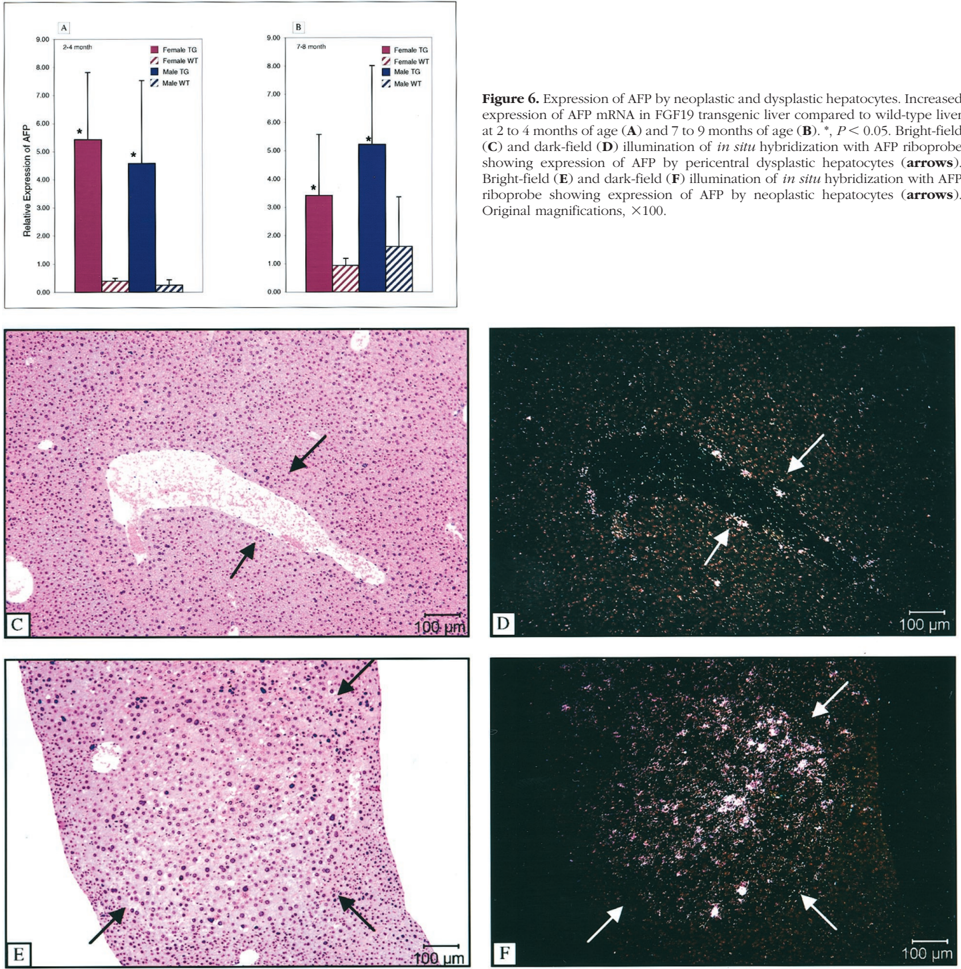
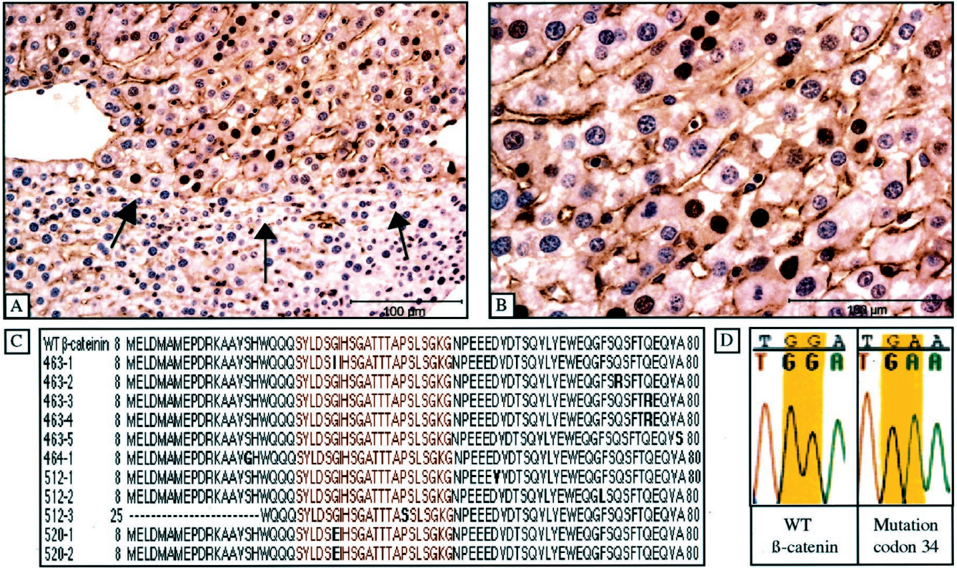
Most mouse models of hepatocellular carcinoma have expressed growth factors and oncogenes under the control of a liver-specific promoter. In contrast, we describe here the formation of liver tumors in transgenic mice overexpressing human fibroblast growth factor 19 (FGF19) in skeletal muscle. FGF19 transgenic mice had elevated hepatic alpha-fetoprotein mRNA as early as 2 months of age, and hepatocellular carcinomas were evident by 10 months of age. Increased proliferation of pericentral hepatocytes was demonstrated by 5-bromo-2'-deoxyuridine incorporation in the FGF19 transgenic mice before tumor formation and in nontransgenic mice injected with recombinant FGF19 protein. Areas of small cell dysplasia were initially evident pericentrally, and dysplastic/neoplastic foci throughout the hepatic lobule were glutamine synthetase-positive, suggestive of a pericentral origin. Consistent with chronic activation of the Wingless/Wnt pathway, 44% of the hepatocellular tumors from FGF19 transgenic mice had nuclear staining for beta-catenin. Sequencing of the tumor DNA encoding beta-catenin revealed point mutations that resulted in amino acid substitutions. These findings suggest a previously unknown role for FGF19 in hepatocellular carcinomas.
Overview
The claims and statistics of this paper haven’t been checked yet.
Free: it reads the open-access text and checks the first 5 claims that cite a source we can check. Create a free account to check every claim.
Integrity signals
Registry
Cites
Statistics
Figures
Verification
Claims the paper makes
The claims and statistics of this paper haven’t been checked yet.
Free: it reads the open-access text and checks the first 5 claims that cite a source we can check. Create a free account to check every claim.
Claims other papers make about this one
Each is checked against this paper’s own text: does it say what the citing paper says it does?
The cited source says what the claim attributes to it.
In the citing paper
“However, the therapeutic potential of FGF19 has been hindered by its effect on potential occurrence of HCC, since mice expressing an FGF19 transgene developed liver tumors while tumor FGF19 hepatic mRNA expression was an independent prognostic factor for overall and disease-free survival [259,260].”
From Gut-pancreas-liver Axis as a target for treatment of NAFLD/NASH (2020) · cites this paper as [259]
The cited source says what the claim attributes to it.
In the citing paper
“Given that mice expressing a FGF19 transgene develop hepatocellular carcinomas,14 the potential risk of tumorigenicity in patients treated with FXR agonists may need to be monitored.”
From NGM282 for Treatment of Patients With Primary Biliary Cholangitis: A Multicenter, Randomized, Double‐Blind, Placebo‐Controlled Trial (2018) · cites this paper as [14]
The check wasn’t confident either way, so it gives no verdict — never disputed.
In the citing paper
“However, the therapeutic potential of FGF19 has been hindered by its effect on potential occurrence of HCC, since mice expressing an FGF19 transgene developed liver tumors while tumor FGF19 hepatic mRNA expression was an independent prognostic factor for overall and disease-free survival [259,260].”
From Gut-pancreas-liver Axis as a target for treatment of NAFLD/NASH (2020) · cites this paper as [259]
Experimental — accuracy not yet measuredIn the citing paper
“However, the therapeutic potential of FGF19 is limited by concerns about tumorigenicity, as ectopic overexpression of FGF19 in mice results in the development of hepatocellular carcinoma.14”
From NGM282 for Treatment of Patients With Primary Biliary Cholangitis: A Multicenter, Randomized, Double‐Blind, Placebo‐Controlled Trial (2018) · cites this paper as [14]
In the citing paper
“Similarly, expression of fibroblast growth factor 19 (FGF19) by skeletal muscle cells has been shown to induce hepatocellular carcinomas, which acquire somatic mutations in β-catenin (Ctnnb1).53”
From Paracrine roles of cellular senescence in promoting tumourigenesis (2018) · cites this paper as [53]
Self-check
Percentages, sums and reported differences re-computed from the paper’s own numbers.
The self-check needs the paper’s full text.
Citations
Cites
Mortality by cause for eight regions of the world: Global Burden of Disease Study
Murray, C. J., & Lopez, A. D. (1997) · The Lancet · doi:10.1016/s0140-6736(96)07493-4 · Cited by 4,043 · cited 1×
“Primary cancer of the liver, or HCC, is the third most frequent cause of death by cancer in the world.(15) Consistent with the observation that oncogenes, growth factors, or viral genes are frequently up-regulated in human HCC, it is not surprising that overexpression of these genes in the liver also causes HCC in tra…”
Backgroundβ-catenin is a target for the ubiquitin–proteasome pathway
Aberle, H., Bauer, A., Stappert, J., Kispert, A., & Kemler, R. (1997) · The EMBO Journal · doi:10.1093/emboj/16.13.3797 · Cited by 2,529
Ornitz, D. M., & Itoh, N. (2001) · Genome biology · doi:10.1186/gb-2001-2-3-reviews3005 · Cited by 2,305
Estimates of the worldwide incidence of 25 major cancers in 1990
Parkin, Pisani, P., & Ferlay, J. (1999) · International Journal of Cancer · doi:10.1002/(sici)1097-0215(19990315)80:6<827::aid-ijc6>3.0.co;2-p · Cited by 2,037
Smit, J. J. M., Schinkel, A. H., Elferink, R. P. J. O., Groen, A. K., Wagenaar, E., van Deemter, L., Mol, C. A. A. M., Ottenhoff, R., van der Lugt, N. M. T., van Roon, M. A., et al. (1993) · Cell · doi:10.1016/0092-8674(93)90380-9 · Cited by 1,456 · cited 1×
“Inflammation is also prominent in mice lacking the mdr2 gene that results in failure to transport phosphatidyl choline into the bile and inability to emulsify biliary components leading to inflammation, hepatocellular proliferation, and HCC by 18 months of age.(30) Similarly, mice lacking peroxisomal fatty acyl-CoA ox…”
BackgroundMichael, M. D., Kulkarni, R. N., Postic, C., Previs, S. F., Shulman, G. I., Magnuson, M. A., & Kahn, C. R. (2000) · Molecular Cell · doi:10.1016/s1097-2765(05)00015-8 · Cited by 1,296
Yost, C., Torres, M., Miller, J. R., Huang, E., Kimelman, D., & Moon, R. T. (1996) · Genes & Development · doi:10.1101/gad.10.12.1443 · Cited by 1,165
Somatic mutations of the β-catenin gene are frequent in mouse and human hepatocellular carcinomas
Coste, A. D. L., Romagnolo, B., Billuart, P., Renard, C.-A., Buendia, M.-A., Soubrane, O., Fabre, M., Chelly, J., Beldjord, C., Kahn, A., et al. (1998) · Proceedings of the National Academy of Sciences · doi:10.1073/pnas.95.15.8847 · Cited by 1,121
Fausto, N. (2000) · Journal of Hepatology · doi:10.1016/s0168-8278(00)80412-2 · Cited by 1,022
Distribution of methyl and ethyl adducts following alkylation with monofunctional alkylating agents
Beranek, D. T. (1990) · Mutation Research - Fundamental and Molecular Mechanisms of Mutagenesis · doi:10.1016/0027-5107(90)90173-2 · Cited by 899 · cited 2×
“For example, diethylnitrosamine induces pericentral foci of small dysplastic hepatocytes(55,56) and acts by ethylating nucleophilic sites in DNA.(57) Diethylnitrosamine-induced HCCs are also glutamine synthetase-positive suggesting that the neoplasFigure 5.”
Background
Research works printed but not linked: 1
- 54. Harada T, Enomoto A, Boorman GA, Maronpot RR: Liver and Gallbladder. Pathology of the Mouse. Edited by RR Maronpot, GA Boorman, BW Gaul. Vienna, Cache River Press, 1999, pp 119-183
Cited by
Items 201–300 of 369
Buhmeida, A. S., Dallol, A., Merdad, A. A., Al-Maghrabi, J. A., Gari, M. A., Abu-Elmagd, M. M., Chaudhary, A., Abuzenadah, A. M., Nedjadi, T., Ermiah, E., et al. (2013) · Tumor Biology · doi:10.1007/s13277-013-1374-y · Cited by 37
“[25] have shown that ectopic expression of FGF19 in transgenic mice led to the development of liver carcinoma suggesting that targeting FGF19 could be of therapeutic value [26].”
BackgroundFGFR redundancy limits the efficacy of FGFR4-selective inhibitors in hepatocellular carcinoma
Tao, Z., Cui, Y., Xu, X., & Han, T. (2022) · Proceedings of the National Academy of Sciences · doi:10.1073/pnas.2208844119 · Cited by 39
Nuclear receptors and metabolism: from feast to famine
Hong, S.-H., Ahmadian, M., Yu, R. T., Atkins, A. R., Downes, M., & Evans, R. M. (2014) · Diabetologia · doi:10.1007/s00125-014-3209-9 · Cited by 34
“While FGF23, through its interaction with the vitamin D receptor, has been shown to be critical for controlling vitamin D metabolism, we will focus on the FXR–FGF19 and PPAR–FGF21 signalling pathways because of their relevance during feast and famine [56] (Fig.”
BackgroundInfluentialPrimary Biliary Cholangitis and Primary Sclerosing Cholangitis Therapy Landscape
Bhushan, S. R., Sohal, A., & Kowdley, K. V. (2024) · The American Journal of Gastroenterology · doi:10.14309/ajg.0000000000003174 · Cited by 35
Non-Alcoholic Steatohepatitis: From Pathophysiology to Novel Therapies
Jahn, D., Rau, M., Wohlfahrt, J., Hermanns, H. M., & Geier, A. (2016) · Digestive Diseases · doi:10.1159/000444547 · Cited by 35
Hegade, V. S., Jones, D. E., & Hirschfield, G. M. (2017) · Digestive Diseases · doi:10.1159/000450988 · Cited by 33
Pleiotropic roles of FXR in liver and colorectal cancers
Huang, X., Fan, M., & Huang, W. (2022) · Molecular and Cellular Endocrinology · doi:10.1016/j.mce.2021.111543 · Cited by 33
FGF21 as a Therapeutic Reagent
Zhao, Y., Dunbar, J. D., & Kharitonenkov, A. (2012) · Advances in experimental medicine and biology · doi:10.1007/978-1-4614-0887-1_14 · Cited by 37
Is it time for chronopharmacology in NASH?
Marjot, T., Ray, D. W., & Tomlinson, J. (2022) · Journal of Hepatology · doi:10.1016/j.jhep.2021.12.039 · Cited by 35
Gao, Y., Lin, J., Ye, C., Guo, S., & Jiang, C. (2023) · Liver Research · doi:10.1016/j.livres.2023.09.002 · Cited by 36
“51,158,159 FGF19 ampli fi cation drove hepatocarcinogenesis in humans, and ectopic expression of FGF19 in mice led to evident HCCs. 160,161 Notably, the roles of BA regulation and tumor promotion can be separated.”
Potential therapeutic strategies for MASH: from preclinical to clinical development
Xie, Z., Li, Y., Cheng, L., Huang, Y., Rao, W., Shi, H., & Li, J. (2024) · Life Metabolism · doi:10.1093/lifemeta/loae029 · Cited by 33
New insights in hepatocellular carcinoma: from bench to bedside.
Minicis, S. D., Marzioni, M., Benedetti, A., & Svegliati‐Baroni, G. (2013) · PubMed Central · doi:10.3978/j.issn.2305-5839.2013.01.06 · Cited by 40
“Mutations in growth factor genes, such as Tumor Growth Factor α (TGFα), Epidermal growth factor, Fibroblast growth factor 19, Platelet-derived growth factor (PDGF) and TGFβ1, have been recognized as involved in HCC development (25,26).”
BackgroundPotential of Intestine-Selective FXR Modulation for Treatment of Metabolic Disease
van Zutphen, T., Bertolini, A., de Vries, H. D., Bloks, V. W., de Boer, J. F., Jonker, J. W., & Kuipers, F. (2019) · Handbook of experimental pharmacology · doi:10.1007/164_2019_233 · Cited by 33
Yang, Y., Zhou, Y., Lü, M., An, Y., Li, R., Chen, Y., Lu, D., Li, J., Zhou, W., Qian, J., et al. (2011) · Molecular Carcinogenesis · doi:10.1002/mc.20805 · Cited by 31
New Therapeutic Targets in Autoimmune Cholangiopathies
Gerussi, A., Luca, M. D., Cristoferi, L., Ronca, V., Mancuso, C., Milani, C., D’Amato, D., O'Donnell, S. E., Carbone, M., & Invernizzi, P. (2020) · Frontiers in Medicine · doi:10.3389/fmed.2020.00117 · Cited by 31
“Preclinical data have shown a higher risk of hepatocellular carcinoma (HCC) in transgenic mice with ectopic expression of FGF19 in the skeletal muscle of transgenic mice (18).”
BackgroundCurtailing FGF19’s mitogenicity by suppressing its receptor dimerization ability
Niu, J., Zhao, J., Wu, J., Qiao, G., Gu, J., Zhou, C., Li, Q., Lei, Y., Wang, D., Lin, H., et al. (2020) · Proceedings of the National Academy of Sciences · doi:10.1073/pnas.2010984117 · Cited by 31
“Consistent with previous reports (25, 28), we did not observe any increase in the expression of known hepatocellular carcinoma biomarkers such as AFP, EGFR, and CCNA2 following a 4-wk treatment of db/db mice with FGF19 or FGF19 (SI Appendix, Fig.”
ResultThe gut–liver axis in hepatocarcinoma: a focus on the nuclear receptor FXR and the enterokine FGF19
Piglionica, M., Cariello, M., & Moschetta, A. (2018) · Current Opinion in Pharmacology · doi:10.1016/j.coph.2018.08.005 · Cited by 31
Fibroblast Growth Factor Family in the Progression of Prostate Cancer
Teishima, J., Hayashi, T., Nagamatsu, H., Shoji, K., Shikuma, H., Yamanaka, R., Sekino, Y., Goto, K., Inoue, S., & Matsubara, A. (2019) · Journal of Clinical Medicine · doi:10.3390/jcm8020183 · Cited by 30
Wang, H., Yang, J., Zhang, K., Liu, J., Li, Y., Su, W., & Song, N. (2021) · Frontiers in Pharmacology · doi:10.3389/fphar.2021.650388 · Cited by 34
Alteration in the serum concentrations of FGF19, FGFR4 and βKlotho in patients with thyroid cancer
Motylewska, E., Stępień, T., Borkowska, M., Kuzdak, K., Siejka, A., Komorowski, J., Stepien, H., & Ławnicka, H. (2018) · Cytokine · doi:10.1016/j.cyto.2018.02.013 · Cited by 29
“FGF19 signaling has been reported to be important in promoting hepatocellular cancer (HCC) in mice [16,17] by β-catenin activation [16].”
BackgroundShizu, R., Abe, T., Benoki, S., Takahashi, M., Kodama, S., Miayata, M., Matsuzawa, A., & Yoshinari, K. (2016) · Biochemical Journal · doi:10.1042/bj20150734 · Cited by 31
Li, Q., Zhao, Q., Zhang, C., Zhang, P., Hu, A., Zhang, L., Schroder, P. M., Ma, Y., Guo, Z., Zhu, X., et al. (2018) · Journal of Physiology and Biochemistry · doi:10.1007/s13105-018-0610-8 · Cited by 31
“A recent HCC study has shown that FGF19 enhances Cyclin D1 through the βcatenin pathway [22, 33].”
InfluentialLoss of FGF21 in diabetic mouse during hepatocellular carcinogenetic transformation.
Zhang, Q., Yan, L., Liang, T., Lu, X., Liu, X., Zhang, C., Jiang, X. M., Martin, R. C. G., Cheng, M., & Cai, L. (2015) · Europe PMC (PubMed Central) · Cited by 34
Fibroblast Growth Factor Binding Protein 3 (FGFBP3) impacts carbohydrate and lipid metabolism
Tassi, E., Garman, K. A., Schmidt, M. O., Ma, X., Kabbara, K. W., Üren, A., Tomita, Y. A., Goetz, R. M., Mohammadi, M., Wilcox, C. S., et al. (2018) · Scientific Reports · doi:10.1038/s41598-018-34238-5 · Cited by 28
Yu, X., Yan, N., Li, Z., Hua, Y., & Chen, W. (2019) · Clinical and Experimental Pharmacology and Physiology · doi:10.1111/1440-1681.13103 · Cited by 28
Cubero, F. J., Woitok, M. M., Zoubek, M. E., de Bruin, A., Hatting, M., & Trautwein, C. (2019) · Cell Death and Disease · doi:10.1038/s41419-019-1391-x · Cited by 26
Farnesoid X receptor and fibroblast growth factor 15/19 as pharmacological targets
Maliha, S., & Guo, G. L. (2021) · Liver Research · doi:10.1016/j.livres.2021.02.002 · Cited by 24
Microbial Players in Primary Sclerosing Cholangitis: Current Evidence and Concepts
Özdirik, B., & Schnabl, B. (2023) · Cellular and Molecular Gastroenterology and Hepatology · doi:10.1016/j.jcmgh.2023.12.005 · Cited by 27
van de Wiel, S. M. W., de Waart, D. R., Elferink, R. P. J. O., & van de Graaf, S. F. J. (2017) · Cellular and Molecular Gastroenterology and Hepatology · doi:10.1016/j.jcmgh.2017.11.011 · Cited by 30
Fibroblast growth factor 19-targeted therapies for the treatment of metabolic disease
Rysz, J., Gluba-Brzózka, A., Mikhailidis, D. P., & Banach, M. (2015) · Expert Opinion on Investigational Drugs · doi:10.1517/13543784.2015.1006357 · Cited by 28
“In some studies, the expression of FGF19 in mice stimulated hepatocyte proliferation, hepatocellular dysplasia and neoplasia, whereas in humans, the involvement of FGF19 in HCC was suggested [5,6,54,55].”
BackgroundLin, Z., Hsu, C., Jeng, Y., Hu, F., Pan, H., Wu, Y., Hsu, H., & Cheng, A. (2019) · Liver International · doi:10.1111/liv.14055 · Cited by 26
Zweers, S. J. L. B., de Vries, E. M., Leníček, M., Tolenaars, D., de Waart, D. R., Koelfat, K. V. K., Groen, A. K., Damink, S. W. M. O., Beuers, U. H., Ponsioen, C. Y., et al. (2016) · Hepatology International · doi:10.1007/s12072-016-9769-7 · Cited by 29
Cholestatic liver diseases: An era of emerging therapies
Samant, H. V., Manatsathit, W., Dies, D. F., Shokouh-Amiri, H. M., Zibari, G. B., Boktor, M., & Alexander, J. S. (2019) · World Journal of Clinical Cases · doi:10.12998/wjcc.v7.i13.1571 · Cited by 28
Dynamic folding modulation generates FGF21 variant against diabetes
Zhu, L., Zhao, H., Liu, J., Cai, H., Wu, B., Liu, Z., Zhou, S., Liu, Q., Li, X., Bao, B., et al. (2020) · EMBO Reports · doi:10.15252/embr.202051352 · Cited by 25
“…tissues and performs its function as an endocrine hormone, it interacts with cognate receptor in the assistance of b -klotho (Goetz et al , 2007; Ogawa et al , 2007; Kharitonenkov et al , 2008; Suzuki et al , 2008; Beenken & Mohammadi, 2012; Ding et al , 2012; Yie et al , 2012; Chen et al ,…”
Nakamura, M., Uehara, Y., Asada, M., Honda, E., Nagai, N., Kimata, K., Suzuki, M., & Imamura, T. (2011) · Journal of Biological Chemistry · doi:10.1074/jbc.m111.251140 · Cited by 25
FGF19 functions as autocrine growth factor for hepatoblastoma
Elzi, D. J., Song, M., Blackman, B., Weintraub, S. T., Lopez-Terrada, D. H., Chen, Y., Tomlinson, G. E., & Shiio, Y. (2016) · Genes & Cancer · doi:10.18632/genesandcancer.101 · Cited by 24
“FGF19 is mitogenic to hepatocytes [8] and muscle-specific FGF19 transgenic mice develop liver cancer by 10 months of age [9].”
BackgroundBartz, R., Fukuchi, K., Ohtsuka, T., Lange, T., Grüner, K., Watanabe, I., Hayashi, S., Oda, Y., Kawaida, R., Komori, H., et al. (2019) · Molecular Cancer Therapeutics · doi:10.1158/1535-7163.mct-18-0048 · Cited by 24
Therapeutic utilities of fibroblast growth factor 19
Wu, X., & Li, Y. (2011) · Expert Opinion on Therapeutic Targets · doi:10.1517/14728222.2011.624514 · Cited by 25
“In situ hybridization analysis of FGFR4 clearly showed a similar pericentral distribution pattern, which coincided with the BrdU staining pattern [25].”
BackgroundInfluentialThe Enterokine Fibroblast Growth Factor 15/19 in Bile Acid Metabolism
Cariello, M., Piglionica, M., Gadaleta, R. M., & Moschetta, A. (2019) · Handbook of experimental pharmacology · doi:10.1007/164_2019_235 · Cited by 25
Targeting the Wnt Pathway in Cancer
Goss, K. H., & Kahn, M. R. (2011) · Springer eBooks · doi:10.1007/978-1-4419-8023-6 · Cited by 24
Modulation of Metabolic Syndrome by Fibroblast Growth Factor 19 (FGF19)?
Strack, A. M., & Myers, R. W. (2004) · Endocrinology · doi:10.1210/en.2004-0367 · Cited by 25
“However, it is now clear that FGF19 transgenic mice develop hepatic adrenocarcinomas with age, and rFGF19-treated mice exhibit proliferation of hepatocytes (25).”
BackgroundInsight into the design of FGFR4 selective inhibitors in cancer therapy: Prospects and challenges
Chen, X., Huang, Y., Chen, B., Liu, H., Cai, Y., & Yang, Y. (2023) · European Journal of Medicinal Chemistry · doi:10.1016/j.ejmech.2023.115947 · Cited by 22
Kong, B., & Guo, G. L. (2011) · PLoS ONE · doi:10.1371/journal.pone.0020307 · Cited by 24
“Over-expression of FGF19 in FGF19-transgenic mice results in liver tumor formation, increased energy expenditure, decreased adiposity, and resistance to weight gain in response to a high fat diet [5,6].”
Cubero, F. J., Zhao, G., Nevzorova, Y. A., Hatting, M., Masaoudi, M. A., Verdier, J., Peng, J., Schaefer, F. M., Hermanns, N., Boekschoten, M. V., et al. (2014) · Journal of Hepatology · doi:10.1016/j.jhep.2014.08.029 · Cited by 22
“HCC is the fifth most common solid cancer, which affects one million people per year representing the third cause of mortality by cancer worldwide [1,2].”
BackgroundWu, X., & Li, Y. (2012) · Advances in experimental medicine and biology · doi:10.1007/978-1-4614-0887-1_13 · Cited by 21
Bile Acid Diarrhea and NAFLD: Shared Pathways for Distinct Phenotypes
Weaver, M. J., Mchenry, S. A., Sayuk, G. S., Gyawali, C. P., & Davidson, N. O. (2020) · Hepatology Communications · doi:10.1002/hep4.1485 · Cited by 21
“The clinical use of recombinant FGF19 was initially perceived to be limited, given concerns with potential hepatocarcinogenicity caused by FGFR4/ KLB receptor signaling through the signal transducer and activator of transcription 3 (STAT3) pathway.(79) However, NGM282, a bioengineered mutant variant of FGF19, does not…”
BackgroundSun, Y. X., Zhu, M., Zhao, H., Ni, X., Chang, R., Su, J., Huang, H., Cui, S., Wang, X., Yuan, J., et al. (2020) · BioMed Research International · doi:10.1155/2020/1751989 · Cited by 20
Shigesawa, T., Suda, G., Kimura, M., Shimazaki, T., Maehara, O., Yamada, R., Kitagataya, T., Suzuki, K., Nakamura, A., Ohara, M., et al. (2020) · JGH Open · doi:10.1002/jgh3.12339 · Cited by 21
New therapies target the toxic consequences of cholestatic liver disease
Jansen, P. L. M. (2018) · Expert Review of Gastroenterology & Hepatology · doi:10.1080/17474124.2018.1424538 · Cited by 19
“human FGF19 in mdr2-/- mice, and other mouse models, has been shown to lead to hepatocellular carcinoma [85].”
BackgroundFibroblast growth factors 19 and 21 in acute liver damage
Shan, Z., Álvarez‐Sola, G., Uriarte, I., Arechederra, M., Fernández‐Barrena, M. G., Berasain, C., Ju, C., & Avila, M. A. (2018) · Annals of Translational Medicine · doi:10.21037/atm.2018.05.26 · Cited by 19
“Similar pharmacological approaches also evidenced a potent trophic effect for FGF19 in skeletal muscle (42) and hepatocytes (43).”
BackgroundWilliams, C. M., Calderon, J. H., Hock, E., Jimenez, Y., Barringer, K., Carbonaro, M., Molina‐Portela, M. D. P., Thurston, G., Li, Z., & Daly, C. (2021) · The FASEB Journal · doi:10.1096/fj.202002203r · Cited by 20
Wang, X., Klaassen, C. D., Chen, X., & Zhang, Y. (2025) · Pharmacological Reviews · doi:10.1016/j.pharmr.2025.100073 · Cited by 18
Okubo, H., Kushiyama, A., Nakatsu, Y., Yamamotoya, T., Matsunaga, Y., Fujishiro, M., Sakoda, H., Ohno, H., Yoneda, M., & Asano, T. (2018) · International Journal of Molecular Sciences · doi:10.3390/ijms19103064 · Cited by 23
Present and emerging pharmacotherapies for non-alcoholic steatohepatitis in adults
Ogawa, Y., Yoneda, M., Kobayashi, T., Honda, Y., Kessoku, T., Imajo, K., Saito, S., & Nakajima, A. (2018) · Expert Opinion on Pharmacotherapy · doi:10.1080/14656566.2018.1543403 · Cited by 20
“Mice expressing an FGF19 transgene developed HCC [74].”
BackgroundInfluentialAlteration in serum concentrations of FGF19, FGF21, and FGF23 in patients with urothelial carcinoma
Li, J., Chiu, K., Ou, Y., Wang, S., Chen, C., Yang, C., Ho, H., Cheng, C., Yang, C., Chen, C., et al. (2018) · BioFactors · doi:10.1002/biof.1460 · Cited by 18
Targeting FGFR Pathways in Gastrointestinal Cancers: New Frontiers of Treatment
Ratti, M., Orlandi, E., Hahne, J. C., Vecchia, S., Citterio, C., Anselmi, E., Toscani, I., & Ghidini, M. (2023) · Biomedicines · doi:10.3390/biomedicines11102650 · Cited by 17
FGF19 Contributes to Tumor Progression in Gastric Cancer by Promoting Migration and Invasion
Wang, S., Zhao, D., Tian, R., Shi, H., Chen, X., Liu, W., & Wei, L. (2016) · Oncology Research Featuring Preclinical and Clinical Cancer Therapeutics · doi:10.3727/096504016x14537290676919 · Cited by 17
“Although there have been studies focusing on the mechanism of its role in tumor growth (9,12), a perspicuous picture of FGF19’s mechanism, especially that of migration and invasion, remains largely elusory.”
BackgroundA Unique FGF23 with the Ability to Activate FGFR Signaling through Both αKlotho and βKlotho
Wu, X., Weiszmann, J., Ge, H., Baribault, H., Stevens, J. L., Hawkins, N., Vonderfecht, S. L., Gardner, J., Gupte, J., Sheng, J., et al. (2012) · Journal of Molecular Biology · doi:10.1016/j.jmb.2012.02.027 · Cited by 17
Nuclear hormone and peptide hormone therapeutics for NAFLD and NASH
Finan, B., Parlee, S. D., & Yang, B. S. (2020) · Molecular Metabolism · doi:10.1016/j.molmet.2020.101153 · Cited by 17
“By nature of its action via hepatic FGFR4, the therapeutic potential of FGF19 is limited because of a correlation of increased circulating levels with hepatic mitogenicity in rodents [114].”
BackgroundShen, B., Shi, J.-P., Zhu, Z., He, Z., Liu, S., Shi, W., Zhang, Y., Ying, H., Wang, J., Xu, R.-F., et al. (2023) · Molecular Cancer Therapeutics · doi:10.1158/1535-7163.mct-23-0096 · Cited by 15
EWS-WT1 Chimeric Protein in Desmoplastic Small Round Cell Tumor is a Potent Transactivator of FGFR4
Saito, T. (2012) · Journal of Cancer Science & Therapy · doi:10.4172/1948-5956.1000164 · Cited by 15
“On the other hand, it has been shown that FGF19 expression correlates with tumor progression and poorer prognosis of hepatocellular carcinoma [26], and that therapeutic inactivation of FGF19 could be beneficial for the treatment of colon and liver cancer [41].”
BackgroundFibroblast growth factor–mediated crosstalk in cancer etiology and treatment
Clayton, N. S., Wilson, A. S., Laurent, E. P., Grose, R. P., & Carter, E. P. (2017) · Developmental Dynamics · doi:10.1002/dvdy.24514 · Cited by 16
“Ectopic expression of FGF19 in mouse skeletal muscle resulted in the development of HCC, which was recapitulated in wild-type mice administered FGF19 by intraperitoneal injection (Nicholes et al., 2002).”
BackgroundSuppressive Effect of Autocrine FGF21 on Autophagy-Deficient Hepatic Tumorigenesis
Kim, J., Lee, S., & Lee, M. (2022) · Frontiers in Oncology · doi:10.3389/fonc.2022.832804 · Cited by 15
Ghanem, M., Archer, G., Crestani, B., & Mailleux, A. (2024) · Pharmacology & Therapeutics · doi:10.1016/j.pharmthera.2024.108669 · Cited by 14
Isoform-specific inhibition of FGFR signaling achieved by a de-novo-designed mini-protein
Park, J. S., Choi, J., Cao, L., Mohanty, J., Suzuki, Y., Park, A., Baker, D. A., Schlessinger, J., & Lee, S. (2022) · Cell Reports · doi:10.1016/j.celrep.2022.111545 · Cited by 14
“Aberrant expression of FGF19 in the liver, however, can lead to HCC where its constitutive signaling promotes uncontrolled proliferation in an autocrine-paracrine manner through FGFR4 (Desnoyers et al., 2008; French et al., 2012; Lin and Desnoyers, 2012; Nicholes et al., 2002; Sawey et al., 2011).”
BackgroundCrosstalk of the Wnt Signaling Pathway
Thompson, M., Nejak‐Bowen, K. N., & Monga, S. P. (2010) · Springer eBooks · doi:10.1007/978-1-4419-8023-6_4 · Cited by 17
A variant of FGF19 for treatment of disorders of cholestasis and bile acid metabolism.
Walters, J. R. F., & Appleby, R. (2015) · PubMed · doi:10.3978/j.issn.2305-5839.2015.03.38 · Cited by 13
“In a transgenic mouse model, overexpression of human FGF19 in skeletal muscle (to levels many hundred times those normally found) resulted in increased hepatocyte proliferation and hepatocellular carcinomas, and increased proliferation also occurred after injection of supraphysiological amounts (30 μg/mouse) of recomb…”
BackgroundNovel therapeutic targets and predictive markers for hepatocellular carcinoma
Chan, S. L., Chan, A. W. H., & Yeo, W. (2015) · Expert Opinion on Therapeutic Targets · doi:10.1517/14728222.2015.1031109 · Cited by 12
“Transgenic mice expressing FGF19, under the control of a muscle-specific promoter, could promote hepatocellular dysplasia and neoplasia [40].”
BackgroundO’Brien, A., Zhou, T., White, T. K., Medford, A., Chen, L., Kyritsi, K., Wu, N., Childs, J. R., Stiles, D., Ceci, L., et al. (2022) · Hepatology Communications · doi:10.1002/hep4.1909 · Cited by 12
To Investigate Growth Factor Receptor Targets and Generate Cancer Targeting Inhibitors
Basu, D., Pal, R., Sarkar, M., Barma, S., Halder, S., Roy, H., Nandi, S., & Samadder, A. (2023) · Current Topics in Medicinal Chemistry · doi:10.2174/0115680266261150231110053650 · Cited by 13
Prometheus’ little helper, a novel role for fibroblast growth factor 15 in compensatory liver growth
Schaap, F. G., Leclercq, I. A., Jansen, P. L. M., & Damink, S. W. M. O. (2013) · Journal of Hepatology · doi:10.1016/j.jhep.2013.07.013 · Cited by 13
“Pre-neoplastic changes in the liver (after 4 months) and development of hepatocellular carcinoma at 10–12 months of age, are apparent in mice with chronic overexpression of FGF19 [15].”
BackgroundInterrupting the FGF19-FGFR4 Axis to Therapeutically Disrupt Cancer Progression
Lang, L., Shull, A. Y., & Teng, Y. (2018) · Current Cancer Drug Targets · doi:10.2174/1568009618666180319091731 · Cited by 12
FGF19 and its analog Aldafermin cooperate with MYC to induce aggressive hepatocarcinogenesis
Ursic-Bedoya, J., Desandré, G., Chavey, C., Marie, P., Polizzi, A., Rivière, B., Guillou, H., Assenat, E., Hibner, U., & Gregoire, D. (2024) · EMBO Molecular Medicine · doi:10.1038/s44321-023-00021-x · Cited by 11
“Thus, with circulating FGF19 levels 6 to 100-fold lower than in previously described mouse models of FGF19 overexpression (Zhou et al , 2017b; Nicholes et al , 2002), we confirmed the previously reported moderate oncogenic effect of FGF19.”
BackgroundZhang, J., Li, Y., Liu, Y., Ma, N., Qian, S., Chen, Y., Duan, Y., Xiang, X., & He, Y. (2024) · Cell & Bioscience · doi:10.1186/s13578-024-01267-9 · Cited by 11
“Although it has been reported that pharmacologically use of FGF15/19 leads to liver cell growth and neoplasia [128], NGM282, a full FGFR4 agonist, due to its inability to activate STAT3 pathway, it lacks tumor-promoting activity in mice [126, 132].”
BackgroundLin, H., Zhou, C., Hou, Y., Li, Q., Qiao, G., Wang, Y., Huang, Z., & Niu, J. (2019) · Frontiers in Pharmacology · doi:10.3389/fphar.2019.01515 · Cited by 11
“However, the development of a FGF19-based therapy is challenged with regard to its unwanted mitogenic activity and tumorgenicity (Nicholes et al., 2002; Wu et al., 2010).”
BackgroundSignaling Pathways in Liver Cancer
Wu, X., & Li, Y. (2012) · InTech eBooks · doi:10.5772/31381 · Cited by 12
“First evidence connecting FGF19 with HCC came from a transgenic FGF19 mice model, where human FGF19 driven by myosin promoters was overexpressed from skeleton muscle, resulting in elevated serum FGF19 protein levels (Nicholes et al., 2002).”
BackgroundInfluentialFGF19 and its analog Aldafermin cooperate with MYC to induce aggressive hepatocarcinogenesis
Ursic-Bedoya, J., Desandré, G., Chavey, C., Marie, P., Polizzi, A., Rivière, B., Guillou, H., Assenat, E., Hibner, U., & Gregoire, D. (2023) · doi:10.1101/2023.09.15.557921 · Cited by 11
Zhan, T., Feng, X., Huang, H., Zhan, J.-C., Liu, X.-K., & Cheng, Q. (2025) · World Journal of Gastrointestinal Oncology · doi:10.4251/wjgo.v17.i9.108649 · Cited by 10
Update on Emerging Treatment Options for Primary Biliary Cholangitis
Aguilar, M. T., & Chascsa, D. M. H. (2020) · Hepatic Medicine Evidence and Research · doi:10.2147/hmer.s205431 · Cited by 11
Liu, H., Zheng, S., Hou, X., Liu, X., Du, K., Lv, X., Li, Y., Yang, F., Li, W., & Sui, J. (2020) · Cancer Science · doi:10.1111/cas.14353 · Cited by 10
Xu, J., Sun, P., Zhu, W., Liu, X., & Ma, L. (2025) · Theranostics · doi:10.7150/thno.121601 · Cited by 9
Yan, K., Zhang, D., Chen, Y., Lu, W., Huang, M., Cai, J., Chen, S., Bei, T., Bai, Y., Lv, J., et al. (2023) · Frontiers in Immunology · doi:10.3389/fimmu.2023.1116057 · Cited by 10
Younis, M. A., & Harashima, H. (2024) · Pharmacogenomics and Personalized Medicine · doi:10.2147/pgpm.s431346 · Cited by 12
“41 Molecular studies have revealed that FGF19 induces several cellular signaling pathways in HCC, which include Wnt/β-Catenin, EGF, Stat3/IL-6, and Ras-ERK-Mnk1.”
BackgroundFibroblast growth factor family as a potential target in the treatment of hepatocellular carcinoma
Grose, R. P., Coleman, S. J., & Kocher, H. M. (2014) · Journal of Hepatocellular Carcinoma · doi:10.2147/jhc.s48958 · Cited by 9
“However, ectopic expression of FGF19 (in skeletal muscle) but not FGF21 in mice, is sufficient to induce hepatocyte proliferation, dysplasia, and neoplasia, suggesting that specific aberration in FGF19-FGF receptor 4 signaling may have a strong pathophysiological impact in the liver.(85,86) Indeed, recent reports have…”
BackgroundA short report on NGM282/aldafermin for the treatment of nonalcoholic steatohepatitis (NASH)
Roberts, S. K., & Majeed, A. (2021) · Expert Opinion on Therapeutic Targets · doi:10.1080/14728222.2021.1999416 · Cited by 9
Evaluation of hepatocellular carcinoma models for preclinical studies
Kramer, M. G., Hernández-Alcoceba, R., Qian, C., & Prìeto, J. (2005) · Drug Discovery Today Disease Models · doi:10.1016/j.ddmod.2005.05.009 · Cited by 9
Fibroblast Growth Factor 19, a Double-Edged Sword
Jansen, P. L. M. (2017) · Hepatic Oncology · doi:10.2217/hep-2017-0008 · Cited by 9
A primer on the pleiotropic endocrine fibroblast growth factor FGF19/FGF15
Bouju, A., Nusse, R., & Wu, P. V. (2024) · Differentiation · doi:10.1016/j.diff.2024.100816 · Cited by 10
FGFR4 inhibitors for the treatment of hepatocellular carcinoma: a synopsis of therapeutic potential
Xie, H., Alem, D., & Kim, R. D. (2021) · Expert Opinion on Investigational Drugs · doi:10.1080/13543784.2022.2017879 · Cited by 10
“proliferation and escape of cell death mechanisms by upregulating IL-6 induced STAT3 expression and phosphorylation [37].”
BackgroundBioengineering of FGFs and New Drug Developments
Li, X. (2018) · Elsevier eBooks · doi:10.1016/b978-0-12-816142-5.00008-4 · Cited by 9
Novel Therapies in Primary Biliary Cholangitis
Buchanan-Peart, K.-A., & Levy, C. (2022) · Clinics in Liver Disease · doi:10.1016/j.cld.2022.06.013 · Cited by 7
FGF19 Protects Colonic Epithelial Cells against Hydrogen Peroxide
Uchiyama, K., Naito, Y., Takagi, T., Mizushima, K., Hayashi, N., Handa, O., Ishikawa, T., Yagi, N., Kokura, S., & Yoshikawa, T. (2011) · Digestion · doi:10.1159/000321809 · Cited by 7
Luo, W., Lin, X., Wang, T., Cai, J., Zeng, X., Zhu, C., Li, R., Wang, H., & Wu, X. (2018) · Journal of Cellular Physiology · doi:10.1002/jcp.26780 · Cited by 6
“Moreover, unlike FGF19, which exhibits proliferative activity and has the potential risk of tumorigenicity, FGF21 has no proliferative activity, and is considered as a promising candidate for therapeutic development (Itoh, Ohta, & Konishi, 2015; Nicholes et al., 2002; Wu et al., 2010).”
BackgroundNakamura, M., Uehara, Y., Asada, M., Suzuki, M., & Imamura, T. (2012) · SLAS DISCOVERY · doi:10.1177/1087057112463820 · Cited by 8
“This is noteworthy because hFGF19 exhibits potential utility for the treatment of metabolic diseases in humans,(3,8,9) but efforts to apply hFGF19 clinically have been discouraged by the development of liver tumors in transgenic mice expressing high levels of hFGF19 and in mice administered a high dose of hFGF19.(17,1…”
BackgroundRejali, L., Piroozkhah, M., Jahanbin, M., Jalali, P., Khanabadi, B., Abkenar, E. D., Tavallaei, M., Niasar, M. S., Hashemi, M., Sadeghi, A., et al. (2024) · Scientific Reports · doi:10.1038/s41598-024-79341-y · Cited by 5
Labgaa, I., Torrecilla, S., Martinez-Quetglas, I., & Sia, D. (2017) · Digestive Disease Interventions · doi:10.1055/s-0037-1603577 · Cited by 6
The case for combining treatments for primary sclerosing cholangitis
Abbing, R. L. P. R., de Lannoy, L. M., & van de Graaf, S. F. J. (2018) · The Lancet. Gastroenterology & hepatology · doi:10.1016/s2468-1253(18)30173-0 · Cited by 5
Zhang, L., Cao, Y., Jia, D., & Wei, M. (2019) · Biochemical and Biophysical Research Communications · doi:10.1016/j.bbrc.2019.02.112 · Cited by 6
Fibroblast growth factor 19 stimulates water intake
Bedoya, J. U., Chavey, C., Desandré, G., Meunier, L., Dupuy, A., Dopeso‐Reyes, I. G., Tordjmann, T., Assénat, E., Hibner, U., & Grégoire, D. (2022) · Molecular Metabolism · doi:10.1016/j.molmet.2022.101483 · Cited by 5
“It is unclear why the drinking phenotype has not been previously described in FGF19 overexpressing mice [37,38].”
BackgroundBok, J., Kim, K.-J., Park, M., Cho, S.-H., Lee, H., Lee, E., Park, C., & Lee, J. (2012) · BMB Reports · doi:10.5483/bmbrep.2012.45.6.279 · Cited by 5
“observed the development of liver tumors in FGF19 transgenic mice and suggested that FGF19 acts directly as an HCC tumor promoter (25).”
Background
Metadata
- Authors
- Nicholes, K., Guillet, S., Tomlinson, E., Hillan, K., Wright, B., Frantz, G. D., Pham, T. A., Dillard-Telm, L., Tsai, S. P., Stephan, J.-P., Stinson, J., Stewart, T., & French, D. M.
- Affiliations
- Genentech (US)
- ORCID
- Tsai, Siao Ping
- Venue
- The American Journal of Pathology
- Publisher
- Elsevier BV
- Published
- 2002-06
- Volume
- 160
- Issue
- 6
- Pages
- 2295-2307
- ISSN
- 0002-9440 (ISSN-L)
- PMC
- PMC1850847
- OpenAlex
- W1539520316
- Semantic Scholar
- 7629d8223dcfa70684829195889029225177dc31
- Cited by
- 359
- References
- 77
- Citations by year
- 2026: 7 · 2025: 9 · 2024: 18 · 2023: 14 · 2022: 21 · 2021: 24 · 2020: 30 · 2019: 29 · 2018: 29 · 2017: 22 · 2016: 18 · 2015: 29 · 2014: 16 · 2013: 14 · 2012: 24
- FWCI
- 1.39
- Type
- journal article
- Language
- en
- Open access
- green
- www.ncbi.nlm.nih.gov
- Licence
- www.elsevier.com/tdm/userlicense/1.0/ (tdm)
- Locations
- American Journal Of Pathology (publishedVersion)
- PubMed Central (publishedVersion)
- PubMed (publishedVersion)
- Topics
- Life Sciences › Biochemistry, Genetics and Molecular Biology › Molecular Biology › Fibroblast Growth Factor Research
- Health Sciences › Medicine › Hepatology › Hepatocellular Carcinoma Treatment and Prognosis
- Health Sciences › Medicine › Hepatology › Liver physiology and pathology
- Keywords
- hepatocellular carcinoma, FGF19, transgenic mice, alpha-fetoprotein, hepatocyte proliferation, glutamine synthetase, β-catenin, Wnt signaling, CTNNB1 mutation, tumor origin
- MeSH terms
- Amino Acid Sequence, Animals, Bromodeoxyuridine, Cell Division, Cytoskeletal Proteins, Disease Models, Animal, DNA, Neoplasm, Enzyme-Linked Immunosorbent Assay, Fibroblast Growth Factors, Humans, Immunohistochemistry, Liver, Liver Neoplasms, Experimental, Mice, Transgenic, Molecular Sequence Data, Mutation, Proto-Oncogene Proteins, Recombinant Proteins, Trans-Activators, Receptors, Fibroblast Growth Factor, Muscle, Skeletal, Amino Acid Substitution, Zebrafish Proteins, Wnt Proteins, beta Catenin, Mice, Receptor, Fibroblast Growth Factor, Type 4
About these checks
Registry, retraction, Cites and statistics results are computed, not judged, with one exception: a printed reference that no index lists is read once by a model before it counts as a citation error. Claims are extracted by a model and kept only when their quote appears verbatim in the text; each cited source is then checked, with a model’s help, for whether it says what the claim relies on. Those verdicts can be wrong — read the claim’s quote and the cited source before relying on one.
Statistics and arithmetic are recomputed, not judged.
Confidence bands are shown only for fields calibrated on our annotated test set. None is calibrated yet, so no band is shown.
What counts as a claim ›How we measure confidence ›How we check this ›
Are you an author, or do you see a problem with this page? Request a review
Data sources
Bibliographic data: Semantic Scholar, OpenAlex, Crossref.
Contains information from the Semantic Scholar Academic Graph Datasets, made available under the ODC Attribution License (ODC-BY 1.0).
Semantic Scholar’s data is described in: Kinney, R., et al. (2023). The Semantic Scholar Open Data Platform. arXiv:2301.10140.
