

A Mouse Model of Hepatocellular Carcinoma
Open accessThe DOI matches its Crossref record, with a small difference in title or year; 71 of the 77 references it cites were found in a registry or an index.
Abstract
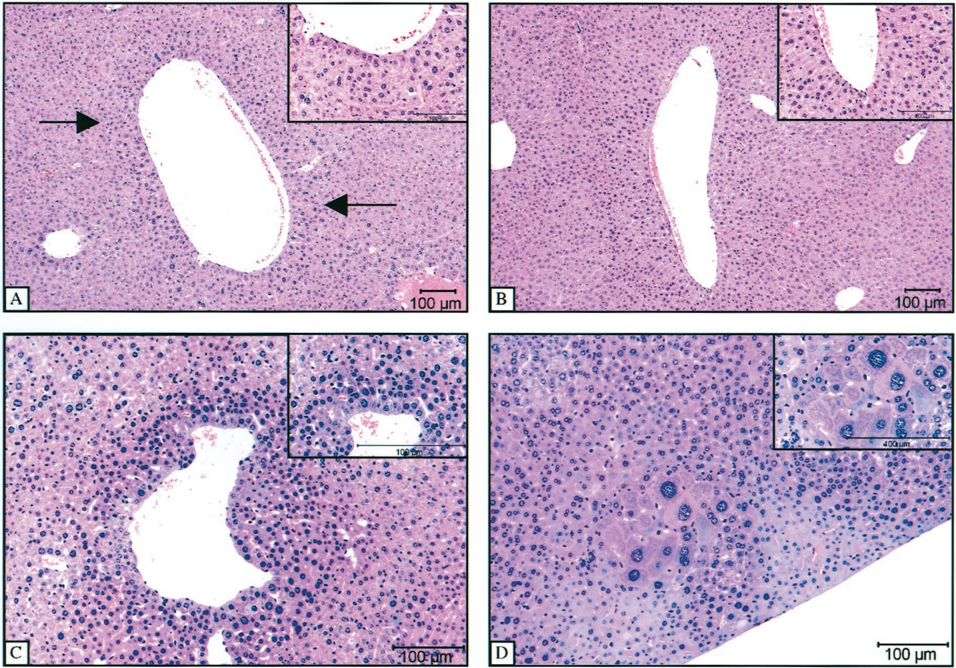
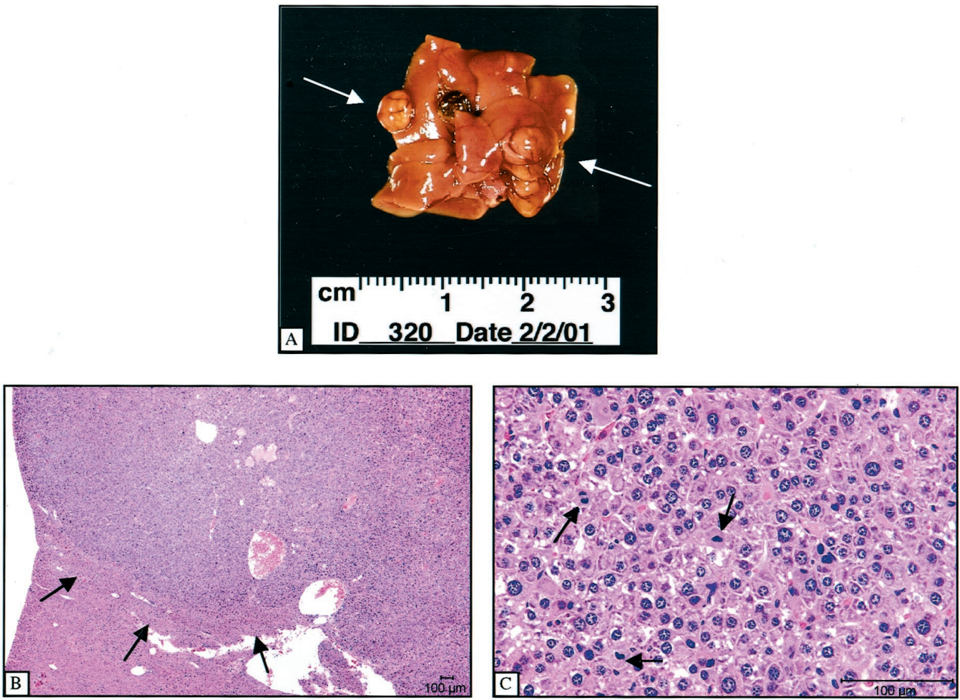
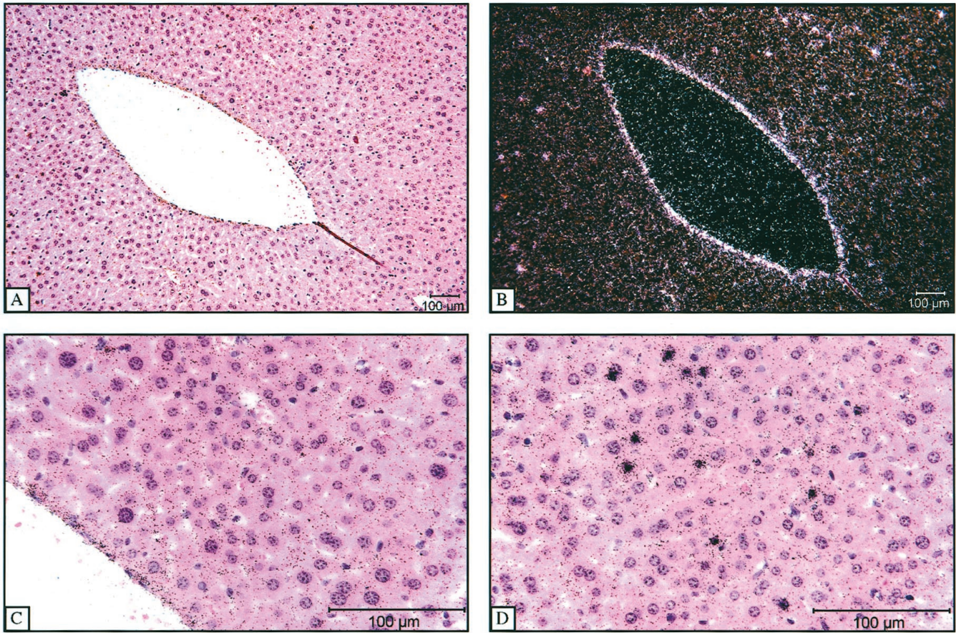
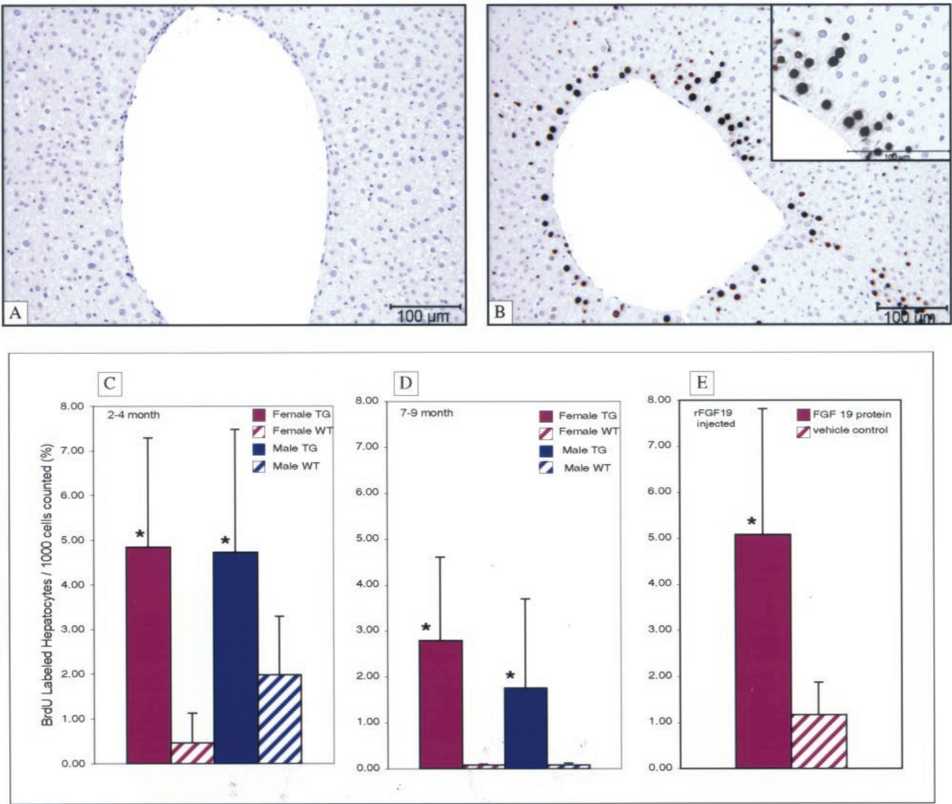
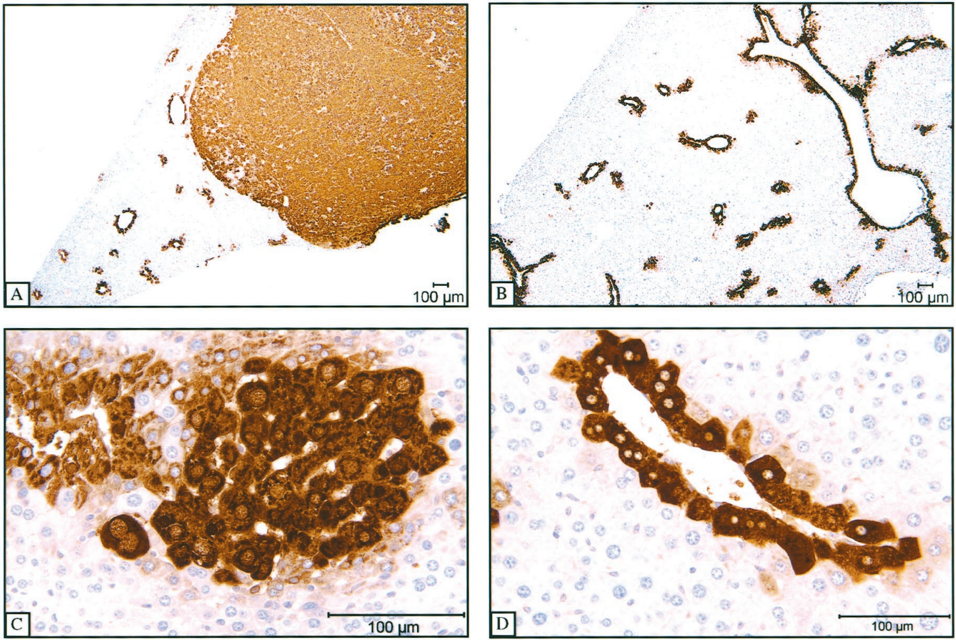
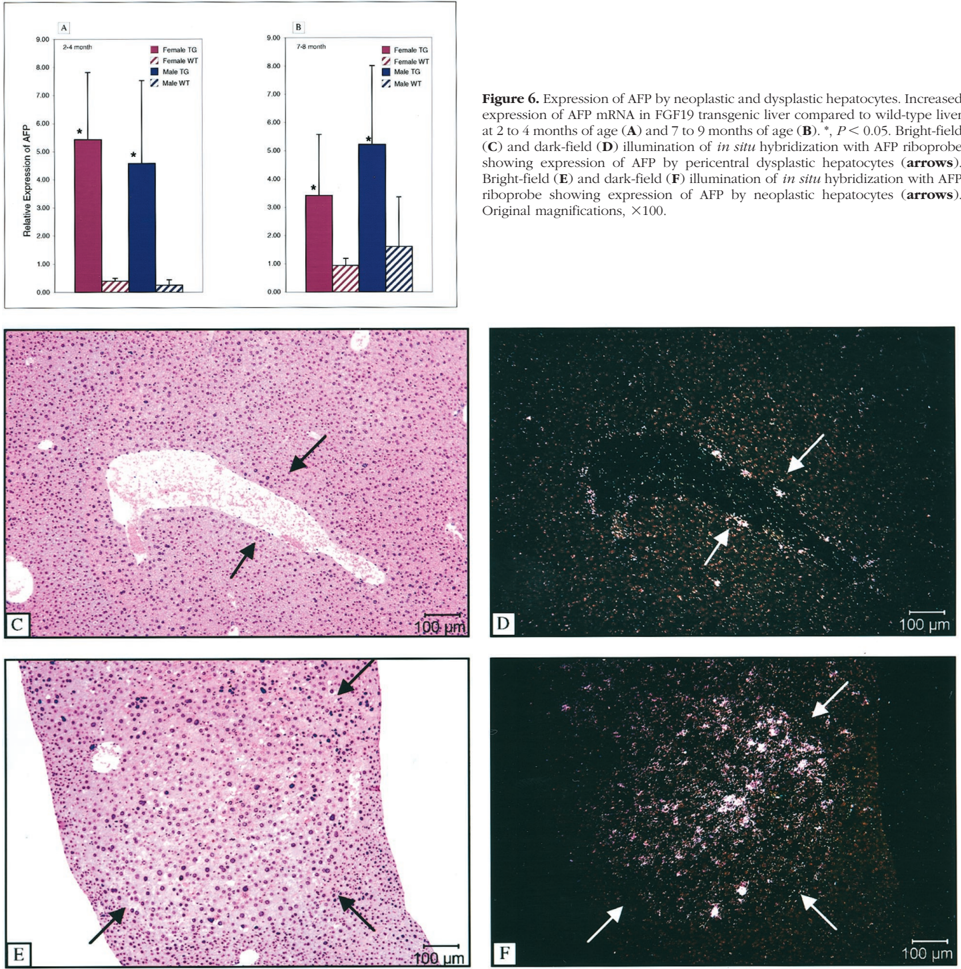
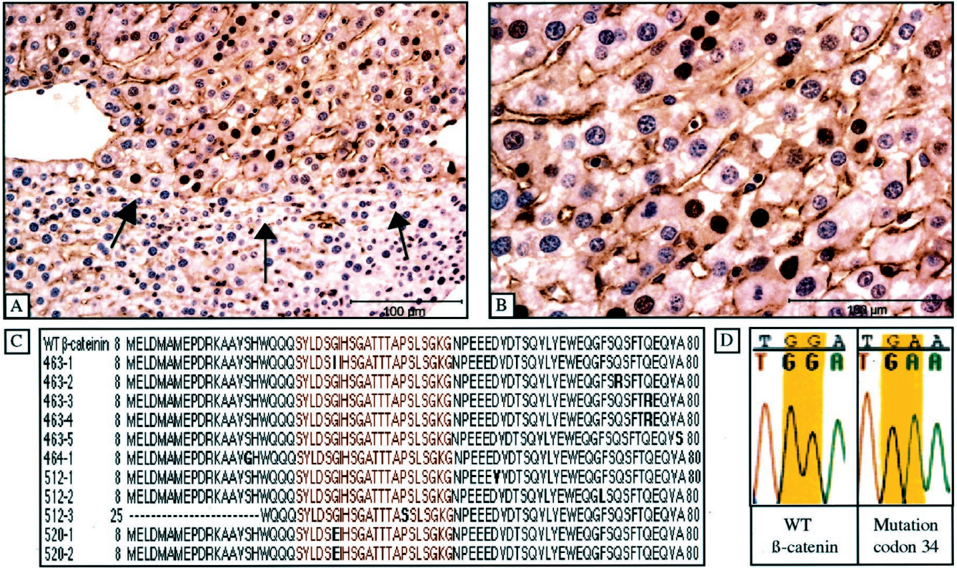
Most mouse models of hepatocellular carcinoma have expressed growth factors and oncogenes under the control of a liver-specific promoter. In contrast, we describe here the formation of liver tumors in transgenic mice overexpressing human fibroblast growth factor 19 (FGF19) in skeletal muscle. FGF19 transgenic mice had elevated hepatic alpha-fetoprotein mRNA as early as 2 months of age, and hepatocellular carcinomas were evident by 10 months of age. Increased proliferation of pericentral hepatocytes was demonstrated by 5-bromo-2'-deoxyuridine incorporation in the FGF19 transgenic mice before tumor formation and in nontransgenic mice injected with recombinant FGF19 protein. Areas of small cell dysplasia were initially evident pericentrally, and dysplastic/neoplastic foci throughout the hepatic lobule were glutamine synthetase-positive, suggestive of a pericentral origin. Consistent with chronic activation of the Wingless/Wnt pathway, 44% of the hepatocellular tumors from FGF19 transgenic mice had nuclear staining for beta-catenin. Sequencing of the tumor DNA encoding beta-catenin revealed point mutations that resulted in amino acid substitutions. These findings suggest a previously unknown role for FGF19 in hepatocellular carcinomas.
Overview
The claims and statistics of this paper haven’t been checked yet.
Free: it reads the open-access text and checks the first 5 claims that cite a source we can check. Create a free account to check every claim.
Integrity signals
Registry
Cites
Statistics
Figures
Verification
Claims the paper makes
The claims and statistics of this paper haven’t been checked yet.
Free: it reads the open-access text and checks the first 5 claims that cite a source we can check. Create a free account to check every claim.
Claims other papers make about this one
Each is checked against this paper’s own text: does it say what the citing paper says it does?
The cited source says what the claim attributes to it.
In the citing paper
“However, the therapeutic potential of FGF19 has been hindered by its effect on potential occurrence of HCC, since mice expressing an FGF19 transgene developed liver tumors while tumor FGF19 hepatic mRNA expression was an independent prognostic factor for overall and disease-free survival [259,260].”
From Gut-pancreas-liver Axis as a target for treatment of NAFLD/NASH (2020) · cites this paper as [259]
The cited source says what the claim attributes to it.
In the citing paper
“Given that mice expressing a FGF19 transgene develop hepatocellular carcinomas,14 the potential risk of tumorigenicity in patients treated with FXR agonists may need to be monitored.”
From NGM282 for Treatment of Patients With Primary Biliary Cholangitis: A Multicenter, Randomized, Double‐Blind, Placebo‐Controlled Trial (2018) · cites this paper as [14]
The check wasn’t confident either way, so it gives no verdict — never disputed.
In the citing paper
“However, the therapeutic potential of FGF19 has been hindered by its effect on potential occurrence of HCC, since mice expressing an FGF19 transgene developed liver tumors while tumor FGF19 hepatic mRNA expression was an independent prognostic factor for overall and disease-free survival [259,260].”
From Gut-pancreas-liver Axis as a target for treatment of NAFLD/NASH (2020) · cites this paper as [259]
Experimental — accuracy not yet measuredIn the citing paper
“However, the therapeutic potential of FGF19 is limited by concerns about tumorigenicity, as ectopic overexpression of FGF19 in mice results in the development of hepatocellular carcinoma.14”
From NGM282 for Treatment of Patients With Primary Biliary Cholangitis: A Multicenter, Randomized, Double‐Blind, Placebo‐Controlled Trial (2018) · cites this paper as [14]
In the citing paper
“Similarly, expression of fibroblast growth factor 19 (FGF19) by skeletal muscle cells has been shown to induce hepatocellular carcinomas, which acquire somatic mutations in β-catenin (Ctnnb1).53”
From Paracrine roles of cellular senescence in promoting tumourigenesis (2018) · cites this paper as [53]
Self-check
Percentages, sums and reported differences re-computed from the paper’s own numbers.
The self-check needs the paper’s full text.
Citations
Cites
Mortality by cause for eight regions of the world: Global Burden of Disease Study
Murray, C. J., & Lopez, A. D. (1997) · The Lancet · doi:10.1016/s0140-6736(96)07493-4 · Cited by 4,043 · cited 1×
“Primary cancer of the liver, or HCC, is the third most frequent cause of death by cancer in the world.(15) Consistent with the observation that oncogenes, growth factors, or viral genes are frequently up-regulated in human HCC, it is not surprising that overexpression of these genes in the liver also causes HCC in tra…”
Backgroundβ-catenin is a target for the ubiquitin–proteasome pathway
Aberle, H., Bauer, A., Stappert, J., Kispert, A., & Kemler, R. (1997) · The EMBO Journal · doi:10.1093/emboj/16.13.3797 · Cited by 2,529
Ornitz, D. M., & Itoh, N. (2001) · Genome biology · doi:10.1186/gb-2001-2-3-reviews3005 · Cited by 2,305
Estimates of the worldwide incidence of 25 major cancers in 1990
Parkin, Pisani, P., & Ferlay, J. (1999) · International Journal of Cancer · doi:10.1002/(sici)1097-0215(19990315)80:6<827::aid-ijc6>3.0.co;2-p · Cited by 2,037
Smit, J. J. M., Schinkel, A. H., Elferink, R. P. J. O., Groen, A. K., Wagenaar, E., van Deemter, L., Mol, C. A. A. M., Ottenhoff, R., van der Lugt, N. M. T., van Roon, M. A., et al. (1993) · Cell · doi:10.1016/0092-8674(93)90380-9 · Cited by 1,456 · cited 1×
“Inflammation is also prominent in mice lacking the mdr2 gene that results in failure to transport phosphatidyl choline into the bile and inability to emulsify biliary components leading to inflammation, hepatocellular proliferation, and HCC by 18 months of age.(30) Similarly, mice lacking peroxisomal fatty acyl-CoA ox…”
BackgroundMichael, M. D., Kulkarni, R. N., Postic, C., Previs, S. F., Shulman, G. I., Magnuson, M. A., & Kahn, C. R. (2000) · Molecular Cell · doi:10.1016/s1097-2765(05)00015-8 · Cited by 1,296
Yost, C., Torres, M., Miller, J. R., Huang, E., Kimelman, D., & Moon, R. T. (1996) · Genes & Development · doi:10.1101/gad.10.12.1443 · Cited by 1,165
Somatic mutations of the β-catenin gene are frequent in mouse and human hepatocellular carcinomas
Coste, A. D. L., Romagnolo, B., Billuart, P., Renard, C.-A., Buendia, M.-A., Soubrane, O., Fabre, M., Chelly, J., Beldjord, C., Kahn, A., et al. (1998) · Proceedings of the National Academy of Sciences · doi:10.1073/pnas.95.15.8847 · Cited by 1,121
Fausto, N. (2000) · Journal of Hepatology · doi:10.1016/s0168-8278(00)80412-2 · Cited by 1,022
Distribution of methyl and ethyl adducts following alkylation with monofunctional alkylating agents
Beranek, D. T. (1990) · Mutation Research - Fundamental and Molecular Mechanisms of Mutagenesis · doi:10.1016/0027-5107(90)90173-2 · Cited by 899 · cited 2×
“For example, diethylnitrosamine induces pericentral foci of small dysplastic hepatocytes(55,56) and acts by ethylating nucleophilic sites in DNA.(57) Diethylnitrosamine-induced HCCs are also glutamine synthetase-positive suggesting that the neoplasFigure 5.”
Background
Research works printed but not linked: 1
- 54. Harada T, Enomoto A, Boorman GA, Maronpot RR: Liver and Gallbladder. Pathology of the Mouse. Edited by RR Maronpot, GA Boorman, BW Gaul. Vienna, Cache River Press, 1999, pp 119-183
Cited by
Items 301–369 of 369
The role of FGF19–FGFR4 signaling pathway in liver health and disease: Guardian or destroyer
Wu, Z., Wang, Y., Zhang, J., Li, S., Wen, J., Hu, D., Jiang, J., Zhang, Z., Luo, X., & Xia, L. (2025) · Genes & Diseases · doi:10.1016/j.gendis.2025.101989 · Cited by 4
“112 FGF19 serves as a prognostic indicator for the early relapse of HCC and signifies an unfavorable outcome following curative hepatectomy.”
The role of β-Klotho in FGF signaling: from molecular insights to therapeutic innovations
Yan, F., Yang, C., Huang, S., Yuan, L., Qiu, Y., Liu, T., Peng, X., & Yang, Y. (2026) · American Journal of Physiology-Endocrinology and Metabolism · doi:10.1152/ajpendo.00042.2026 · Cited by 4
Koelfat, K. V. K., Schaap, F. G., van Mierlo, K. M. C., Leníček, M., Sauer, I., van der Kroft, G., Roeth, A. A., Bednarsch, J., Amygdalos, I., Lurje, G., et al. (2024) · Hepatology Communications · doi:10.1097/hc9.0000000000000445 · Cited by 4
“[10,11] FGF19 contributes to bile salt homeostasis by repressing the gateway biosynthetic enzyme cholesterol-7-α -hydroxylase ( CYP7A1 ), with CYP7A1 activity reflected by plasma levels of 7-α - hydroxy-4-cholesten-3-one (C4, a stable intermediate).”
BackgroundQureshi, H. A., Pearl, J. A., Anderson, K. A., & Green, R. M. (2014) · Journal of Liver · doi:10.4172/2167-0889.1000158 · Cited by 4
“In addition, hepatocyte proliferation is also increased in the presence of FGF19 [23-25].”
BackgroundRole of FGF15 in Hepatic Surgery in the Presence of Tumorigenesis: Dr. Jekyll or Mr. Hyde?
Caballeria-Casals, A., Micó-Carnero, M., Rojano-Alfonso, C., Maroto-Serrat, C., Casillas-Ramírez, A., Álvarez‐Mercado, A. I., Gracia‐Sancho, J., & Peralta, C. (2021) · Cells · doi:10.3390/cells10061421 · Cited by 5
“constitutively expressing the human fgf19 gene [78].”
Fibroblast Growth Factor 19 Induced Changes in Non-malignant Cholangiocytes
Yang, J., Sontag, D., Kung, S., & Minuk, G. Y. (2021) · Journal of Clinical and Translational Hepatology · doi:10.14218/jcth.2021.00087 · Cited by 5
“J Clin Transl Hepatol 2021;9(6):909– 916.”
Fibroblast growth factor and kidney disease: Updates for emerging novel therapeutics
Trivedi, N., & Kumar, D. (2021) · Journal of Cellular Physiology · doi:10.1002/jcp.30497 · Cited by 4
“The main concern that limits the application of FGF is that they are associated with cellular proliferation and tumor formation (Gospodarowicz, 1975; Nicholes et al., 2002; Schumacher et al., 1998).”
BackgroundBudkowska, M., Ostrycharz, E., Cecerska‐Heryć, E., Dołęgowska, K., Siennicka, A., Nazarewski, Ł., Rykowski, P., & Dołęgowska, B. (2025) · International Journal of Molecular Sciences · doi:10.3390/ijms26031299 · Cited by 3
Myers, J., Granger, L., Keeton, S., Liu, C., & Johnston, A. N. (2021) · American Journal of Veterinary Research · doi:10.2460/ajvr.82.8.676 · Cited by 3
Unal, H. U., Demiralay, E., Tepeoğlu, M., Fidan, C., & Kılıçkap, S. (2013) · Asian Pacific Journal of Cancer Prevention · doi:10.7314/apjcp.2013.14.5.3151 · Cited by 3
“…proliferative and chemotactic effects on cancer cells and increases motility, extends survival, stimulates angiogenesis and also increases adhesion (Nicholes et al., 2002; Miyake et al., 2005; Engstrom et al., 2006; Desnoyers et al., 2008; Pai et al., 2008; Siffroi-Fernandez et al., 2008; Wu et…”
BackgroundInfluentialPharmacology of Gut Hormone Mimetics for Obesity and Diabetes
Lafferty, R. A., O'Harte, F. P. M., Irwin, N., Flatt, P. R., & Gault, V. A. (2021) · Elsevier eBooks · doi:10.1016/b978-0-12-820472-6.00035-9 · Cited by 3
Lefkowitch, J. H. (2003) · Current Opinion in Gastroenterology · doi:10.1097/00001574-200305000-00002 · Cited by 4
Fibroblast Growth Factor 19, an Anticholestatic Drug Produced by Human Liver
Jansen, P. L. M., Schaap, F. G., & Beuers, U. H. (2012) · Gastroenterology · doi:10.1053/j.gastro.2012.01.027 · Cited by 3
Pandora's box opens for cholestatic liver disease
Jansen, P. L. M., & Schaap, F. G. (2015) · Hepatology · doi:10.1002/hep.28364 · Cited by 3
“However, the downside is that FGF19 induces hepatocyte proliferation and, on prolonged exposure, can cause hepatocellular carcinoma (HCC), as has been shown in mice.((4)) FGF19 also stimulates growth and invasiveness in prostate and colon carcinoma cell lines.”
BackgroundKrones, E., & Wagner, M. (2016) · Hepatology · doi:10.1002/hep.28691 · Cited by 3
“The favorable metabolic effects of FGF19, however, come at the price of a promitogenic and tumorigenic feature,((1,5)) which is shared by insulin but not by FGF21.”
BackgroundNakamura, I., Zakharia, K., Banini, B. A., Mikhail, D. S., Kim, T. H., Yang, J. D., Moser, C. D., Shaleh, H. M., Thornburgh, S. R., Walters, I. B., et al. (2015) · PLoS ONE · doi:10.1371/journal.pone.0142355 · Cited by 3
Progress of Pyruvate Kinase M2 in Hepatocellular Carcinoma-Associated Signaling Pathway
Wan, Q., Zhao, C., & Zhao, R. (2025) · Tissue Engineering Part C Methods · doi:10.1089/ten.tec.2024.0368 · Cited by 2
“Inhibiting PKM2 or the FGF19/FGFR4 axis could thus disrupt the metabolic support for tumor growth and offer a targeted approach to managing HCC. 29”
FGF19/FGFR4 axis drives immunosuppressive macrophage plasticity in hepatocellular carcinoma
Zhang, Y., Xiao, Y., Wang, C., Liu, X., He, J., Zhou, Y., Chen, Y., Zhao, H., & Li, Y. (2026) · Fundamental Research · doi:10.1016/j.fmre.2026.03.004 · Cited by 2
Schneider, K. M., & Trautwein, C. (2020) · Wiener klinisches Magazin · doi:10.1007/s00740-020-00353-1 · Cited by 3
Razmi, H., Tarighat‐Esfanjani, A., Payahoo, L., Mobasseri, M., Amirpour, M., Mirzaei, E., & Ghoreishi, Z. (2021) · Hormone Molecular Biology and Clinical Investigation · doi:10.1515/hmbci-2020-0075 · Cited by 2
What if Prometheus had steatosis? Potential use of FGF19 to promote regeneration of the fatty liver
Brown, P. M., & Rotman, Y. (2017) · Gut · doi:10.1136/gutjnl-2017-313712 · Cited by 2
Fibroblast Growth Factor 21 as a Novel Metabolic Regulator
Micanovic, R., Dunbar, J. D., & Kharitonenkov, A. (2011) · Wiley eBooks · doi:10.1002/9780470910016.ch14 · Cited by 2
Dey, J. H. (2010) · edoc (University of Basel) · doi:10.5451/unibas-005213494 · Cited by 2
Signaling of Mitogenic and Metabolic Activities by Fibroblast Growth Factors
Okoto, P. S., Alraawi, Z., & Kumar, T. K. S. (2025) · Journal of Cellular Signaling · doi:10.33696/signaling.6.127 · Cited by 2
“In mice, ectopic expression of FGF19 controls hepatocyte proliferation, hepatocellular dysplasia, and neoplasia, while upregulated FGF19 expression is related to tumor progression and poor prognosis in patients with hepatocellular carcinoma (HCC) [20,50,51].”
Beardsley, J. M., Rohr, M., Goode, J. A., Nakkina, S. P., Parikh, J. G., & Altomare, D. A. (2026) · Molecular Oncology · doi:10.1002/1878-0261.70212 · Cited by 1
Fibroblast Growth Factor 19: An Overview of its Diverse Physiological Functions
Ghosh, A. (2015) · Journal of Gastrointestinal & Digestive System · doi:10.4172/2161-069x.1000285 · Cited by 1
“Increased proliferation was observed as early as 2-4 months of age, and the mice finally developed HCC within 12 months [37].”
BackgroundMouse Models of Craniopharyngioma
Apps, J. R., & Martínez-Barberá, J. P. (2020) · Springer eBooks · doi:10.1007/978-3-030-41176-3_2 · Cited by 1
Wäse, K., Bartels, T., Schwahn, U., & Kabiri, M. (2023) · Toxicologic Pathology · doi:10.1177/01926233231164097 · Cited by 1
Li, X. (2024) · Elsevier eBooks · doi:10.1016/b978-0-443-15793-6.00001-9 · Cited by 1
Emerging drugs for the treatment of hepatic fibrosis on nonalcoholic steatohepatitis
Iwaki, M., Yoneda, M., Wada, N., Otani, T., Kobayashi, T., Nogami, A., Saito, S., & Nakajima, A. (2024) · Expert Opinion on Emerging Drugs · doi:10.1080/14728214.2024.2328036 · Cited by 1
“However, FGF19 has hepatocyte proliferative effects, and there are reports of hepatocarcino-genesis in FGF19 transgenic mice and of FGF19 gene amplification functioning as an oncogenic driver in human hepatocellular carcinoma [61,62].”
BackgroundHanssens, C., Mouna, O., Meyers, M., & Hendlisz, A. (2024) · Current Opinion in Oncology · doi:10.1097/cco.0000000000001047 · Cited by 1
Roles of ABCG5 ABCG8 cholesterol transporter in lipid homeostasis
Wang, Y. (2015) · UKnowledge (University of Kentucky)
New Insights in Hepatocellular Carcinoma
Witjes, C. D. M. (2012) · EUR Research Repository (Erasmus University Rotterdam)
The role of the farnesoid X receptor in metabolic control
Stroeve, J. H. M. (2011) · University of Groningen research database (University of Groningen / Centre for Information Technology)
Harnessing the Action of Fibroblast Growth Factor21 as a Therapeutic Agent
Brunetti, L., & Kagan, L. (2017) · Current Pharmacology Reports · doi:10.1007/s40495-017-0080-7
Bile Acids and FGF19 in the Remission of Type 2 Diabetes After Sleeve Gastrectomy and Gastric Bypass
Nemati, R. (2017) · Tuwhera (Auckland University of Technology) · Cited by 1
Bile acid metabolism in humans : regulation of synthesis and circadian rhythms
Al-Khaifi, A. (2018) · Figshare
Schneider, K. M., & Trautwein, C. (2020) · Die Gastroenterologie · doi:10.1007/s11377-019-00402-0 · Cited by 1
Experimental Models of Liver Cancer
Yim, S. Y., Shim, J., Sohn, B. H., & Lee, J. (2020) · Wiley eBooks · doi:10.1002/9781119436812.ch58
Patel, K., Chung, C., & Myers, R. P. (2020) · Hepatology · doi:10.1002/hep.31402
Shivaprasad, N. (2019) · DigitalGeorgetown (Georgetown University Library)
The pathophysiology of gut–liver connection
Maroni, L., Fianchi, F., Miele, L., & Svegliati‐Baroni, G. (2021) · Elsevier eBooks · doi:10.1016/b978-0-12-821927-0.00002-4
Developmental signaling pathways in adult energy homeostasis
Antonellis, P. J. (2021) · Purdue e-Pubs (Purdue University System) · doi:10.25394/pgs.15062292.v1
Wean, J. (2021) · UKnowledge (University of Kentucky) · doi:10.13023/etd.2021.383
Glutamine synthetase as a target of β-catenin: new insights into hepatic heterogeneity
Gebhardt, R., Ueberham, E., & Gaunitz, F. (2007) · Springer eBooks · doi:10.1007/1-4020-4456-9_30
Terapias usuales y emergentes en colangitis biliar primaria
Díaz-Duque, J. C., Palacio-Valencia, V., Suárez-Meneses, J., Montaña-López, J. A., & Palacio-Sánchez, E. (2022) · Hepatología · doi:10.52784/27112330.156
Li, X. (2024) · Elsevier eBooks · doi:10.1016/b978-0-443-15793-6.00000-7
Endocrine fibroblast growth factors in domestic animals
Brinker, E. J., Hardcastle, M., Dittmer, K. E., & Graff, E. C. (2024) · Domestic Animal Endocrinology · doi:10.1016/j.domaniend.2024.106872
The Role of the Intestinal Microbiota in NAFLD Onset and Progression
Pinheiro, I. (2024) · IntechOpen eBooks · doi:10.5772/intechopen.1007741
Ravikumar, L., Velmurugan, R., Yokesh, S., & Maha swetha, K. (2025) · Asian Journal of Pharmaceutical and Clinical Research · doi:10.22159/ajpcr.2025v18i5.54026 · Cited by 1
Transgenic and Knockout Mouse Models of Liver Cancer
Calvisi, D. F., Factor, V. M., & Thorgeirsson, S. S. (2010) · Springer eBooks · doi:10.1007/978-1-4419-6082-5_9
Chan, S. L., Schuler, M., Kang, Y.-K., Yen, C., Edeline, J., Choo, S. P., Lin, C.-C., Okusaka, T., Weiss, K.-H., Macarulla, T. M., et al. (2022) · Figshare · doi:10.6084/m9.figshare.19980543
Chan, S. L., Schuler, M., Kang, Y.-K., Yen, C., Edeline, J., Choo, S. P., Lin, C.-C., Okusaka, T., Weiss, K.-H., Macarulla, T. M., et al. (2022) · Figshare · doi:10.6084/m9.figshare.19980537
The fibroblast growth factor-Klotho endocrine system in health and disease
Makoto, K.-O. (2026) · Elsevier eBooks · doi:10.1016/b978-0-443-13683-2.00034-7
Protéine HBx du Virus de l’Hépatite B : impact sur la prolifération et la carcinogenèse hépatique
Quétier, I. (2012) · theses.fr (ABES) · doi:10.70675/8d199e58za748z4c1dzad75zb74c56ac8dbc
Implication de FGF9 et de FGF19 dans la fibrose pulmonaire idiopathique
Justet, A. (2020) · theses.fr (ABES) · doi:10.70675/6e72f095z0cb6z4dd3zb204z88d1b08b9910
Coopération oncogénique et effets métaboliques de FGF19 dans le carcinome hépatocellulaire
Bedoya, J. U. (2021) · theses.fr (ABES) · doi:10.70675/d2df913bz04e7z457dzb21dzf6ae23303e0c
Rôle des FGFs endocrines et leurs récepteurs au cours de la fibrose pulmonaire idiopathique
Ghanem, M. (2023) · theses.fr (ABES) · doi:10.70675/fd0d64f8zacf4z4856z9b1az66d4df37a332
Peptide hormone-based combinational pharmacotherapies for chronic metabolic diseases
Chui, Z. S. W., Xue, Y., Wu, X., & Xu, A. (2026) · Pharmacological Reviews · doi:10.1016/j.pharmr.2026.100150
Elazab, M., Hussien, M. A., Elshennawy, E. M., Nosair, N. A. E.-A., & Amer, I. F. (2026) · Egyptian Liver Journal · doi:10.1186/s43066-026-00530-7
“Experimental studies have shown that FGF19 overexpression can induce HCC formation, whereas therapeutic targeting of the FGF19-FGFR4 axis has shown promising antitumor activity [9, 10].”
Multi-tissue transcriptomic atlas reveals systemic effects of FGF19 on metabolism and immunity
Xiao, Y., Kuang, L., He, J., Liu, X., Yi, Y., Song, M., Xia, J., Zhou, Y., Lei, J., Chen, Y., et al. (2026) · Biochemical Pharmacology · doi:10.1016/j.bcp.2026.118384
Tran, N. H., Palmer, M. E., Ulrich, A., McCue, S. A., Mahipal, A., Ma, W. W., Babiker, H. M., Majeed, U., Halfdanarson, T. R., McWilliams, R. R., et al. (2026) · The Oncologist · doi:10.1093/oncolo/oyag343
“14,15 Clinically, FGF-19 amplification is associated with poor prognostic factors and worse outcomes, including higher recurrence risk and shorter survival.”
Beardsley, J. M. (2026) · STARS (University of Central Florida)
Starrett, J. H., Bensen, D. C., Swanson, R. V., & Hudkins, R. L. (2026) · Journal of Medicinal Chemistry · doi:10.1021/acs.jmedchem.6c01963
Metadata
- Authors
- Nicholes, K., Guillet, S., Tomlinson, E., Hillan, K., Wright, B., Frantz, G. D., Pham, T. A., Dillard-Telm, L., Tsai, S. P., Stephan, J.-P., Stinson, J., Stewart, T., & French, D. M.
- Affiliations
- Genentech (US)
- ORCID
- Tsai, Siao Ping
- Venue
- The American Journal of Pathology
- Publisher
- Elsevier BV
- Published
- 2002-06
- Volume
- 160
- Issue
- 6
- Pages
- 2295-2307
- ISSN
- 0002-9440 (ISSN-L)
- PMC
- PMC1850847
- OpenAlex
- W1539520316
- Semantic Scholar
- 7629d8223dcfa70684829195889029225177dc31
- Cited by
- 359
- References
- 77
- Citations by year
- 2026: 7 · 2025: 9 · 2024: 18 · 2023: 14 · 2022: 21 · 2021: 24 · 2020: 30 · 2019: 29 · 2018: 29 · 2017: 22 · 2016: 18 · 2015: 29 · 2014: 16 · 2013: 14 · 2012: 24
- FWCI
- 1.39
- Type
- journal article
- Language
- en
- Open access
- green
- www.ncbi.nlm.nih.gov
- Licence
- www.elsevier.com/tdm/userlicense/1.0/ (tdm)
- Locations
- American Journal Of Pathology (publishedVersion)
- PubMed Central (publishedVersion)
- PubMed (publishedVersion)
- Topics
- Life Sciences › Biochemistry, Genetics and Molecular Biology › Molecular Biology › Fibroblast Growth Factor Research
- Health Sciences › Medicine › Hepatology › Hepatocellular Carcinoma Treatment and Prognosis
- Health Sciences › Medicine › Hepatology › Liver physiology and pathology
- Keywords
- hepatocellular carcinoma, FGF19, transgenic mice, alpha-fetoprotein, hepatocyte proliferation, glutamine synthetase, β-catenin, Wnt signaling, CTNNB1 mutation, tumor origin
- MeSH terms
- Amino Acid Sequence, Animals, Bromodeoxyuridine, Cell Division, Cytoskeletal Proteins, Disease Models, Animal, DNA, Neoplasm, Enzyme-Linked Immunosorbent Assay, Fibroblast Growth Factors, Humans, Immunohistochemistry, Liver, Liver Neoplasms, Experimental, Mice, Transgenic, Molecular Sequence Data, Mutation, Proto-Oncogene Proteins, Recombinant Proteins, Trans-Activators, Receptors, Fibroblast Growth Factor, Muscle, Skeletal, Amino Acid Substitution, Zebrafish Proteins, Wnt Proteins, beta Catenin, Mice, Receptor, Fibroblast Growth Factor, Type 4
About these checks
Registry, retraction, Cites and statistics results are computed, not judged, with one exception: a printed reference that no index lists is read once by a model before it counts as a citation error. Claims are extracted by a model and kept only when their quote appears verbatim in the text; each cited source is then checked, with a model’s help, for whether it says what the claim relies on. Those verdicts can be wrong — read the claim’s quote and the cited source before relying on one.
Statistics and arithmetic are recomputed, not judged.
Confidence bands are shown only for fields calibrated on our annotated test set. None is calibrated yet, so no band is shown.
What counts as a claim ›How we measure confidence ›How we check this ›
Are you an author, or do you see a problem with this page? Request a review
Data sources
Bibliographic data: Semantic Scholar, OpenAlex, Crossref.
Contains information from the Semantic Scholar Academic Graph Datasets, made available under the ODC Attribution License (ODC-BY 1.0).
Semantic Scholar’s data is described in: Kinney, R., et al. (2023). The Semantic Scholar Open Data Platform. arXiv:2301.10140.
