

Frontal and parietal participation in problem solving in the Tower of London: fMRI and computational modeling of planning and high-level perception
Open accessThe DOI matches its Crossref record; 50 of the 52 references it cites were found in a registry or an index.
Abstract
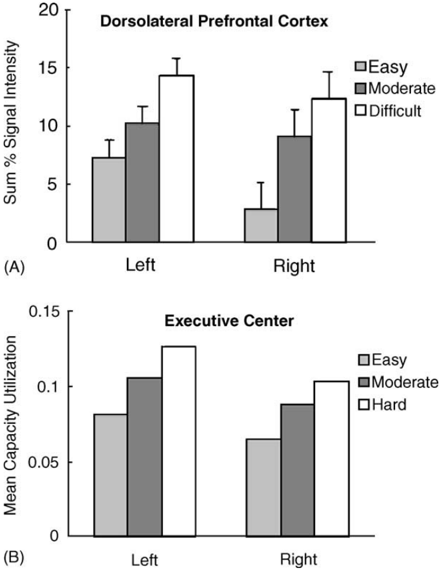
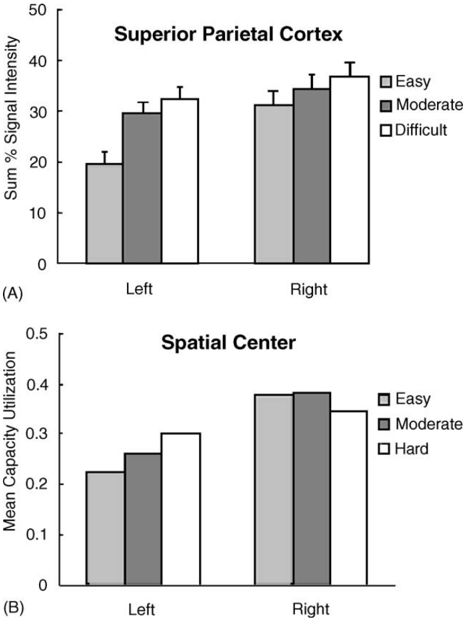
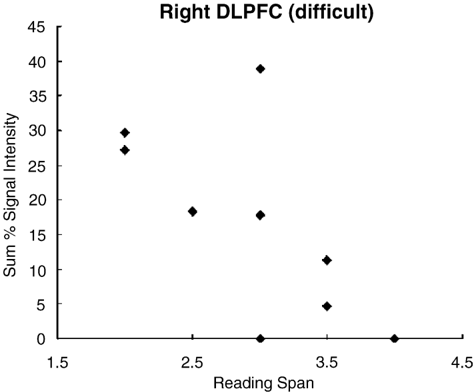
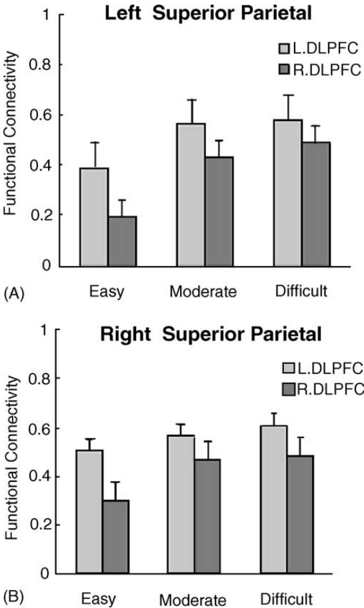
This study triangulates executive planning and visuo-spatial reasoning in the context of the Tower of London (TOL) task by using a variety of methodological approaches. These approaches include functional magnetic resonance imaging (fMRI), functional connectivity analysis, individual difference analysis, and computational modeling. A graded fMRI paradigm compared the brain activation during the solution of problems with varying path lengths: easy (1 and 2 moves), moderate (3 and 4 moves) and difficult (5 and 6 moves). There were three central findings regarding the prefrontal cortex: (1) while both the left and right prefrontal cortices were equally involved during the solution of moderate and difficult problems, the activation on the right was differentially attenuated during the solution of the easy problems; (2) the activation observed in the right prefrontal cortex was highly correlated with individual differences in working memory (measured independently by the reading span task); and (3) different patterns of functional connectivity were observed in the left and right prefrontal cortices. Results obtained from the superior parietal region also revealed left/right differences; only the left superior parietal region revealed an effect of difficulty. These fMRI results converged upon two hypotheses: (1) the right prefrontal area may be more involved in the generation of a plan, whereas the left prefrontal area may be more involved in plan execution; and (2) the right superior parietal region is more involved in attention processes while the left homologue is more of a visuo-spatial workspace. A 4CAPS computational model of the cognitive processes and brain activation in the TOL task integrated these hypothesized mechanisms, and provided a reasonably good fit to the observed behavioral and brain activation data. The multiple research approaches presented here converge on a deepening understanding of the combination of perceptual and conceptual processes in this type of visual problem solving.
Overview
The claims and statistics of this paper haven’t been checked yet.
Free: it reads the open-access text and checks the first 5 claims that cite a source we can check. Create a free account to check every claim.
Integrity signals
Registry
Cites
Statistics
Figures

Verification
Claims the paper makes
The claims and statistics of this paper haven’t been checked yet.
Free: it reads the open-access text and checks the first 5 claims that cite a source we can check. Create a free account to check every claim.
Claims other papers make about this one
Each is checked against this paper’s own text: does it say what the citing paper says it does?
The source backs part of the claim, not all of it — or backs it for a different population, condition or comparison.
In the citing paper
“Neuroimaging studies have shown that EF tasks similar to those used in our study activate a variety of areas within the prefrontal cortex [28,31,98] and in addition to this, activate areas with important connections to the prefrontal cortex, such as the caudate nucleus, the putamen, thalamic areas [30], cingulate and parietal cortex [29,99].”
From Neurocognitive functions in pathological gambling: a comparison with alcohol dependence, Tourette syndrome and normal controls (2006) · cites this paper as [99]
Experimental — accuracy not yet measured
Self-check
Percentages, sums and reported differences re-computed from the paper’s own numbers.
The self-check needs the paper’s full text.
Citations
Cites
Individual differences in working memory and reading
Daneman, M., & Carpenter, P. A. (1980) · Journal of Verbal Learning and Verbal Behavior · doi:10.1016/s0022-5371(80)90312-6 · Cited by 6,336 · cited 1×
“The Daneman and Carpenter (1980)reading span test was administered to 10 of 12 participants.”
MethodSelf-citation(1991) · Choice Reviews Online · doi:10.5860/choice.28-5376 · Cited by 4,207
A capacity theory of comprehension: individual differences in working memory
Just, M. A., & Carpenter, P. A. (1992) · Psychological Review · doi:10.1037/0033-295x.99.1.122 · Cited by 4,153 · cited 1×
“…of the prominent ones, including Soar (Newell, 1990), ACT-R (Anderson, 1993), EPIC (Meyer & Kieras, 1997) and 3CAPS (Goel, Pullara, & Grafman, 2001; Just & Carpenter, 1992), account for the error patterns and processing times in problem solving, reasoning, decision making, memory and learning,…”
Self-citationSpecific impairments of planning
Shallice, T. (1982) · Philosophical Transactions of the Royal Society of London. B, Biological Sciences · doi:10.1098/rstb.1982.0082 · Cited by 3,741 · cited 2×
“…and right prefrontal cortices were equally involved during the solution of moderate and difficult problems, the activation on the right was differentially attenuated during the solution of the easy problems; (2) the activation observed in the right prefrontal cortex was highly correlated with…”
ResultMacDonald, A. W., Cohen, J. D., Stenger, V. A., & Carter, C. S. (2000) · Science · doi:10.1126/science.288.5472.1835 · Cited by 3,666
Mesulam, M. (1998) · Brain · doi:10.1093/brain/121.6.1013 · Cited by 3,072
Large-scale neurocognitive networks and distributed processing for attention, language, and memory
Mesulam, M. (1990) · Annals of Neurology · doi:10.1002/ana.410280502 · Cited by 2,684
Functional and effective connectivity in neuroimaging: a synthesis
Friston, K. J. (1994) · Human Brain Mapping · doi:10.1002/hbm.460020107 · Cited by 2,452 · cited 1×
“The synchronization is taken as evidence of functional connectivity[or effective connectivity(Buchel, Coull, & Friston, 1999; Friston, 1994; Horwitz, Rumsey, & Donohue, 1998)].”
Time course EPI of human brain function during task activation
Bandettini, P. A., Wong, E. C., Hinks, R. S., Tikofsky, R. S., & Hyde, J. S. (1992) · Magnetic Resonance in Medicine · doi:10.1002/mrm.1910250220 · Cited by 1,935
(1993) · Medical Entomology and Zoology · Cited by 1,882
Research works printed but not linked: 4
- D'Esposito, M., Deter, J. A., Aguirre, G. K., Stallcup, M., Alsop, D. C., Tippet, L. J., & Farah, M. J. (1997). A functional MRI study of mental imagery generation. Neuropsychologia, 35, 715-730.
- Just, M. A., Carpenter, P. A., & Varma, S. (1999). Computational modeling of high-level cognition and brain function. Human Brain Mapping, 8, 128-136. · doi:10.1002/(sici)1097-0193(1999)8:2/3<128::aid-hbm10>3.0.co;2-g
- Rosenbloom, P. S., Laird, J. E., & Newell, A. (1993a). The Soarpapers: Research in integrated intelligence: Vol. 1. Cambridge, MA: MIT Press.
- Rosenbloom, P. S., Laird, J. E., & Newell, A. (1993b). The Soarpapers: Research in integrated intelligence: Vol. 2. Cambridge, MA: MIT Press.
Cited by
Items 201–300 of 401
Common and specific neural correlates underlying insight and ordinary problem solving
Lin, J., Wen, X., Cui, X., Xiang, Y., Xie, J., Chen, Y., Huang, R., & Mo, L. (2020) · Brain Imaging and Behavior · doi:10.1007/s11682-020-00337-z · Cited by 21
Neurofunctional Correlates of Ethical, Food-Related Decision-Making
Cherry, J. B. C., Bruce, J. M., Lusk, J. L., Crespi, J. M., Lim, S.-L., & Bruce, A. S. (2015) · PLoS ONE · doi:10.1371/journal.pone.0120541 · Cited by 20
A Theory of Autism Based on Frontal- Posterior Underconnectivity
(2013) · Psychology Press eBooks · doi:10.4324/9780203073353-11 · Cited by 20
Haebich, K. M., Willmott, C., Scratch, S. E., Pascoe, L., Lee, K. J., Spencer‐Smith, M. M., Cheong, J. L. Y., Inder, T. E., Doyle, L. W., Thompson, D. K., et al. (2019) · Brain Imaging and Behavior · doi:10.1007/s11682-019-00039-1 · Cited by 18
Association of Chronic Subjective Tinnitus with Neuro-Cognitive Performance
Gudwani, S., Munjal, S. K., Panda, N. K., & Kohli, A. (2017) · The International Tinnitus Journal · doi:10.5935/0946-5448.20170018 · Cited by 19
Brain bases of individual differences in cognition
Prat, C. S., & Just, M. A. (2008) · PsycEXTRA Dataset · doi:10.1037/e553882011-002 · Cited by 16
“We have proposed that a set of at least three cortical network–level attributes underlie individual differences in cognitive performance1 (Newman & Just, 2005; Prat, Keller, & Just, 2007), namely: 1. efficient use of neural resources, 2. high synchronization (coordination) between cortical centers,…”
BackgroundSelf-citationTower of London: Planning Development in Children from 6 to 13 Years of Age
Injoque‐Ricle, I., Barreyro, J. P., Calero, A. D., & Burín, D. I. (2014) · The Spanish Journal of Psychology · doi:10.1017/sjp.2014.83 · Cited by 18
Yuan, Y., Li, G., Ren, H., & Chen, W. (2021) · Phenomics · doi:10.1007/s43657-021-00010-5 · Cited by 16
“Previous studies have concluded that the activation of the right DLPFC may be due to its sensitivity to the difficulty of the task (Newman et al. 2003).”
BackgroundNeuropsychological Activations and Networks While Performing Visual and Kinesthetic Motor Imagery
Kwon, S., Kim, J., & Kim, T. (2023) · Brain Sciences · doi:10.3390/brainsci13070983 · Cited by 22
Differences in cognitive ability and apparent sex differences in corpus callosum size
Newman, S. D. (2015) · Psychological Research · doi:10.1007/s00426-015-0688-3 · Cited by 19
Self-citationCerebellar development and its mediation role in cognitive planning in childhood
Kipping, J., Xie, Y., & Qiu, A. (2018) · Human Brain Mapping · doi:10.1002/hbm.24346 · Cited by 16
“Functional MRI studies on the Tower of London task have found both the prefrontal cortex (Beauchamp et al., 2003; Newman et al., 2003; Nitschke et al., 2017; Schall et al., 2003; Wagner et al., 2006) and the lateral posterior cerebellum to be involved (Beauchamp et al.”
BackgroundMacAllister, W. S., Maiman, M., Marsh, M., Whitman, L. A., Vasserman, M., Cohen, R. J., & Salinas, C. M. (2017) · Child Neuropsychology · doi:10.1080/09297049.2016.1265101 · Cited by 17
Functional connectivity of brain networks during semantic processing in older adults
Garcia, A. M., Cohen, R. A., Porges, E. C., Williamson, J. B., & Woods, A. J. (2022) · Frontiers in Aging Neuroscience · doi:10.3389/fnagi.2022.814882 · Cited by 16
“, 2022), problem solving (Grossman et al., 2002; Newman et al., 2003; Cazalis et al., 2006; Feng et al., 2021), judgment and decision making (Zysset et al.”
BackgroundIntentional signal in prefrontal cortex generalizes across different sensory modalities
Choi, K., & Torres, E. B. (2013) · Journal of Neurophysiology · doi:10.1152/jn.00505.2013 · Cited by 12
Mielacher, C., Schultz, J., Kiebs, M., Dellert, T., Metzner, A., Graute, L., Högenauer, H., Maier, W., Lamm, C., & Hurlemann, R. (2020) · Personalized Medicine in Psychiatry · doi:10.1016/j.pmip.2020.100066 · Cited by 14
“This task is usually associated with prefrontal activity [54], but there is evidence for hippocampal engagement as a function of task difficulty [55], which might reflect additional demand for spatial memory capacities.”
BackgroundWhat Brain Imaging Reveals About the Nature of Multitasking
Just, M. A., & Buchweitz, A. (2014) · Oxford University Press eBooks · doi:10.1093/oxfordhb/9780199842193.013.4 · Cited by 15
“The autism group, hypothesized to have a compromised cortical bandwidth, displayed a specific deficit in multitasking.”
Self-citationInterregional synchrony of visuomotor tracking: Perturbation effects and individual differences
Spapé, M., & Serrien, D. J. (2010) · Behavioural Brain Research · doi:10.1016/j.bbr.2010.05.029 · Cited by 14
“That superior output relied on an intensified distinctive circuit is a result consistent with capacity accounts of brain-behaviour associations that propose that relative processing availability underlies enhanced performance [43,44].”
EEG-based neurophysiological indices for expert psychomotor performance – a review
Morrone, J. M., & Pedlar, C. R. (2024) · Brain and Cognition · doi:10.1016/j.bandc.2024.106132 · Cited by 20
“Although some have shown stronger fronto-parietal activation with cognitive performance (Gray et al., 2003; Newman et al., 2003), overall weaker fronto-parietal activation has presented as a salient marker of cognitive performance, such as intelligence.”
BackgroundExecutive dysfunction in a survival environment
Porter, H., & Leach, J. (2009) · Applied Cognitive Psychology · doi:10.1002/acp.1542 · Cited by 14
The impact of inverted text on visual word processing: An fMRI study
Sussman, B. L., Reddigari, S., & Newman, S. D. (2018) · Brain and Cognition · doi:10.1016/j.bandc.2018.02.004 · Cited by 15
Self-citationKollmann, B., Yuen, K. S. L., Scholz, V., & Wessa, M. (2019) · Neuropharmacology · doi:10.1016/j.neuropharm.2019.03.028 · Cited by 14
The coupling of short sleep duration and high sleep need predicts riskier decision making
Lau, E. Y. Y., Wong, M. L., Rusak, B., Lam, Y. C., Wing, Y. K., Tseng, C., & Lee, T. M. C. (2019) · Psychology and Health · doi:10.1080/08870446.2019.1594807 · Cited by 14
Analyzing Complex Problem Solving by Dynamic Brain Networks
Alchihabi, A., Ekmekci, O., Kivilcim, B. B., Newman, S. D., & Vural, F. T. Y. (2021) · Frontiers in Neuroinformatics · doi:10.3389/fninf.2021.670052 · Cited by 16
“The right prefrontal cortex is involved in constructing the plan for solving the TOL problem while the left prefrontal cortex is involved in supervising the execution of that plan (Newman et al., 2003, 2009).”
BackgroundMethodInfluentialSelf-citationTadayyoni, H., Campos, M. S. R., Uribe-Quevedo, Á., & Murphy, B. A. (2024) · Brain Sciences · doi:10.3390/brainsci14050470 · Cited by 19
“…as possible so that factors such as effort, motivation, engagement, mental exertion, cognitive demand, and interest would be similar for both puzzles; however, it is possible that these factors did vary between puzzle versions, and thus, impacted the results of the machine learning approaches.”
ResultExecutive ability in relation to blood pressure in residents of homes for the elderly
Oosterman, J. M., DEVRIES, K., & Scherder, E. (2007) · Archives of Clinical Neuropsychology · doi:10.1016/j.acn.2007.06.001 · Cited by 13
Shechter, A., Hershman, R., & Share, D. L. (2022) · Scientific Reports · doi:10.1038/s41598-022-14536-9 · Cited by 13
Neural Activity in the Human Brain Signals Logical Rule Identification
Tachibana, K., Suzuki, K., Mori, E., Miura, N., Kawashima, R., Horie, K., Sato, S., Tanji, J., & Mushiake, H. (2009) · Journal of Neurophysiology · doi:10.1152/jn.90659.2008 · Cited by 14
Maladaptive Behavior in Survivors: Dysexecutive Survivor Syndrome
Leach, J. (2012) · Aviation Space and Environmental Medicine · doi:10.3357/asem.3199.2012 · Cited by 19
Different Roles of COMT and HTR2A Genotypes in Working Memory Subprocesses
Kondo, H. M., Nomura, M., & Kashino, M. (2015) · PLoS ONE · doi:10.1371/journal.pone.0126511 · Cited by 15
Methoden der Denk- und Problemlöseforschung
Funke, J., & Spering, M. (2006) · Cited by 27
What do neuropsychological tests assess?
Ardila, A., & Ostrosky, F. (2019) · Applied Neuropsychology Adult · doi:10.1080/23279095.2019.1699099 · Cited by 13
Tournikioti, K., Alevizaki, M., Michopoulos, I., Mantzou, A., Soldatos, C. R., Douzenis, A., Dikeos, D. G., & Ferentinos, P. P. (2021) · Psychiatry Research · doi:10.1016/j.psychres.2021.114301 · Cited by 13
Planning in amnestic mild cognitive impairment: an fMRI study
Lejko, N., Tumati, S., Opmeer, E. M., Marsman, J.-B. C., Reesink, F. E., Deyn, P. P. D., Aleman, A., & Ćurĉić‐Blake, B. (2021) · Experimental Gerontology · doi:10.1016/j.exger.2021.111673 · Cited by 13
“We were only able to identify one study that measured functional connectivity during planning, and it showed that connectivity between the DLPFC and the superior parietal cortex was positively related to task complexity (Newman et al., 2003).”
BackgroundRomanczuk‐Seiferth, N., Thienel, R., & Kircher, T. T. J. (2007) · Springer eBooks · doi:10.1007/978-3-540-68558-6_18 · Cited by 16
Memoria de Trabajo y Planificación en niños: validación de la prueba Torre de Londres
Injoque‐Ricle, I. (2011) · Revista Neuropsicologia Latinoamericana · doi:10.5579/rnl.2011.0065 · Cited by 22
Abnormal spontaneous brain activity in females with autism spectrum disorders
Xie, J., Zhang, W., Shen, Y. M., Wei, W., Bai, Y., Zhang, G., Meng, N., Yue, X., Wang, X., Zhang, X., et al. (2023) · Frontiers in Neuroscience · doi:10.3389/fnins.2023.1189087 · Cited by 10
A dynamic network representation of fMRI for modeling and analyzing the problem solving task
Alchihabi, A., Kivilcim, B. B., Newman, S. D., & Vural, F. T. Y. (2018) · IEEE International Symposium on Biomedical Imaging (ISBI) · doi:10.1109/isbi.2018.8363535 · Cited by 10
“Also, the activation patterns of the dorsolateral and rostrolateral subregions of the prefrontal cortex during planning have been explored [4, 5].”
BackgroundSelf-citationIndividual Resonant Frequencies at Low-Gamma Range and Cognitive Processing Speed
Parčiauskaitė, V., Pipinis, E., Voicikas, A., Bjekić, J., Potapovas, M., Jurkuvėnas, V., & Griškova-Bulanova, I. (2021) · Journal of Personalized Medicine · doi:10.3390/jpm11060453 · Cited by 11
Husain, F. T., & Horwitz, B. (2006) · Journal of Physiology-Paris · doi:10.1016/j.jphysparis.2006.09.006 · Cited by 9
Set-shifting as a component process of goal-directed problem-solving
Cooper, R., & Marsh, V. (2015) · Psychological Research · doi:10.1007/s00426-015-0652-2 · Cited by 12
“The dual-task studies of Phillips et al. (1999) and Cheetham et al.”
MethodDomic‐Siede, M., Irani, M., Ramos‐Henderson, M., Calderón, C., Ossandón, T., & Perrone‐Bertolotti, M. (2022) · Terapia psicológica · doi:10.4067/s0718-48082022000300367 · Cited by 22
Differential topographic pattern of EEG coherence between simultaneous and successive coding tasks
Okuhata, S., Okazaki, S., & Maekawa, H. (2007) · International Journal of Psychophysiology · doi:10.1016/j.ijpsycho.2007.06.002 · Cited by 10
The Effect of Strategy on Problem Solving: An fMRI Study
Newman, S. D., Pruce, B., Rusia, A., & Burns, T. (2010) · The Journal of Problem Solving · doi:10.7771/1932-6246.1076 · Cited by 11
“There is extensive neuroimaging and neuropsychological data to support the posterior parietal cortices’ involvement in these processes (Carpenter et al., 1999; Newman et al., 2007, 2003; Zacks et al., 2008).”
InfluentialSelf-citationThe building blocks of social communication
Niznikiewicz, M. A. (2013) · Advances in Cognitive Psychology · doi:10.5709/acp-0145-6 · Cited by 10
Erker, T. D., Arif, Y., John, J. A., Embury, C. M., Kress, K. A., Springer, S. D., Okelberry, H. J., McDonald, K. M., Picci, G., Wiesman, A. I., et al. (2024) · The Journal of Physiology · doi:10.1113/jp286004 · Cited by 9
“Abstract reasoning and G f more broadly are thought to be served by a widespread network of regions, with the superior parietal, intraparietal sulcus and the dorsolateral prefrontal cortex (DLPFC) playing prominent roles (Jung & Haier, 2007; Lee et al., 2006; Newman et al., 2003).”
BackgroundThe impact of psychophysiological well being on executive functions among anaesthesia residents
Boscolo, A., Queirolo, L., Navalesi, P., & the PADOVA Stress Group (2024) · European Journal of Anaesthesiology · doi:10.1097/eja.0000000000002106 · Cited by 8
Multiplexity of human brain oscillations as a personal brain signature
Dimitriadis, S. I., Routley, B., Linden, D. E. J., & Singh, K. D. (2023) · Human Brain Mapping · doi:10.1002/hbm.26466 · Cited by 9
“, 2004) and function (Grabner et al., 2007; Newman et al., 2003; Rypma & D'Esposito, 1999) are highly variable.”
BackgroundInfluentialGranato, G., & Baldassarre, G. (2024) · Neural Networks · doi:10.1016/j.neunet.2024.106292 · Cited by 12
Li, Q., Qin, S., Rao, L., Zhang, W., Ying, X., Guo, X., Guo, C., Ding, J., Li, S., & Luo, J. (2011) · PLoS ONE · doi:10.1371/journal.pone.0017544 · Cited by 9
Cruz, S. G. R., Olivares, T., Expósito, S. H., Bolívar-Barón, H. D., Dowens, M. G., & Betancort, M. (2018) · Applied Neuropsychology Child · doi:10.1080/21622965.2018.1503959 · Cited by 9
“Some studies have associated the functioning of this system to activation of the dorsolateral prefrontal cortex, rostro-lateral cortex, medial-caudal orbitofrontal cortex, and the area that joins the anterior insula and the inferior frontal gyrus (Newman, Carpenter, Varma, & Just, 2003).”
BackgroundGender and Rapid Alterations of Hemispheric Dominance during Planning
Schuepbach, D., Skotchko, T., Duschek, S., Theodoridou, A., Grimm, S., Boeker, H., & Seifritz, E. (2012) · Neuropsychobiology · doi:10.1159/000339562 · Cited by 8
De ontwikkeling van executieve functies tussen kindertijd en jongvolwassenheid
Huizinga, M. (2007) · Neuropraxis · doi:10.1007/bf03079129 · Cited by 26
Cutini, S., Ferdinando, A. D., Basso, D., Bisiacchi, P. S., & Zorzi, M. (2008) · Cognitive Neuropsychology · doi:10.1080/02643290701606408 · Cited by 10
“These results are consistent with the notion that the PFC is a crucial brain area for planning processes and strategy formation (for recent neuroimaging evidence, see Fincham, Carter, van Veen, Stenger, & Anderson, 2002 ; Newman, Carpenter, Varma, & Just, 2003 ) and that its lesion is associated with planning deficits…”
ResultA computational model of tower of hanoi problem solving
McNamara, T. P., & Varma, S. (2006) · Cited by 9
Self-citationHeterogenous brain activations across individuals localize to a common network
Peng, S., Cui, Z., Zhong, S., Zhang, Y., Cohen, A. L., Fox, M., & Gong, G. (2024) · Communications Biology · doi:10.1038/s42003-024-06969-x · Cited by 9
“Theinferiorparietallobulesofthe ANM identi fi ed WM network have been implicated in multiple problem-solving and visual-spatial tasks, both of which rely heavily on WM 56 – 58 .”
Putative cortical dopamine levels affect cortical recruitment during planning
Fallon, S. J., Hampshire, A., Williams‐Gray, C. H., Barker, R., & Owen, A. M. (2013) · Neuropsychologia · doi:10.1016/j.neuropsychologia.2013.07.016 · Cited by 9
“…with this, several studies have highlighted the heterogeneous nature of the planning problems that occur in the TOL, and that different types of planning problems require the use of different strategies and preferentially recruit distinct cortical areas (Kaller et al., 2011; Newman et al., 2003).”
Baumard, J., Etcharry‐Bouyx, F., Chauviré, V., Boussard, D., Lesourd, M., Remigereau, C., Rossetti, Y., Osiurak, F., & Gall, D. L. (2019) · Neuropsychological Rehabilitation · doi:10.1080/09602011.2019.1607397 · Cited by 8
Kollndorfer, K., Novak, A., Nenning, K., Fischmeister, F. P. S., Seidl, R., Langs, G., Kasprian, G. J., Prayer, D., & Bartha, L. (2023) · Frontiers in Psychology · doi:10.3389/fpsyg.2023.1196707 · Cited by 8
“Lesion studies have identified the dorsolateral prefrontal cortex (DLPFC) as a crucial brain area for planning in adults (Lazeron et al., 2000; Cazalis et al., 2003; Newman et al., 2003).”
BackgroundRau, H., Suchy, Y., Butner, J., & Williams, P. (2015) · Psychological Research · doi:10.1007/s00426-015-0706-5 · Cited by 9
Planning: Fixed-foreperiod event-related potentials during the Tower of London task
Byrd, D. L., Case, K., & Berg, W. K. (2011) · Neuropsychologia · doi:10.1016/j.neuropsychologia.2011.02.025 · Cited by 10
Nakai, T., Nakatani, H., Hosoda, C., Nonaka, Y., & Okanoya, K. (2017) · PLoS ONE · doi:10.1371/journal.pone.0168661 · Cited by 10
Decoding cognitive subtasks of complex problem solving using fMRI signals
Alchihabi, A., Kivilcim, B. B., Ekmekci, O., Newman, S. D., & Vural, F. T. Y. (2018) · Signal Processing and Communications Applications Conference (SIU) · doi:10.1109/siu.2018.8404666 · Cited by 8
“cused on the hemispheric differences in the per-frontal cortex during planning and execution as well as the contribution of the superior parietal region to spatial working memory [7].”
BackgroundSelf-citationBasso, D., & Saracini, C. (2019) · Neuropsychologia · doi:10.1016/j.neuropsychologia.2019.107260 · Cited by 11
Constructing Compact Signatures for Individual Fingerprinting of Brain Connectomes
Ravindra, V., Drineas, P., & Grama, A. Y. (2021) · Frontiers in Neuroscience · doi:10.3389/fnins.2021.549322 · Cited by 12
“However, it has long been known that structural and functional differences are observable within a cohort of patients (Rypma and D’Esposito, 1999; Amunts et al., 2000; Newman et al., 2003; Mangin et al., 2004).”
BackgroundA single 1,500 m freestyle at maximal speed decreases cognitive function in athletes
Lai, Z., Huang, W., Lin, W., Weng, X., Mao, Y.-H., & Xu, G. (2023) · Frontiers in Psychology · doi:10.3389/fpsyg.2023.1283585 · Cited by 6
Duration of mood effects following a Japanese version of the mood induction task
Monno, Y., Nawa, N. E., & Yamagishi, N. (2024) · PLoS ONE · doi:10.1371/journal.pone.0293871 · Cited by 7
Stability of Network Communities as a Function of Task Complexity
Fuertinger, S., & Simonyan, K. (2016) · Journal of Cognitive Neuroscience · doi:10.1162/jocn_a_01026 · Cited by 6
Kotseruba, I., & Tsotsos, J. K. (2025) · Oxford University Press eBooks · doi:10.1093/oso/9780192844835.003.0005 · Cited by 6
On the Entropy of Brain Anatomic Regions for Complex Problem Solving
Değirmendereli, G. G., Newman, S. D., & Vural, F. T. Y. (2019) · IEEE International Conference on Bioinformatics and Bioengineering (BIBE) · doi:10.1109/bibe.2019.00115 · Cited by 6
“generation, while the left part might be more related to the plan execution [5].”
BackgroundSelf-citationSmart, P. R. (2010) · ePrints Soton (University of Southampton) · Cited by 7
Li, S., Li, K., Liu, J., Huang, S., Wang, C., Tu, Y., Wang, B., Zhang, P., Luo, Y., Zhang, Y., et al. (2025) · Frontiers in Computational Neuroscience · doi:10.3389/fncom.2025.1564932 · Cited by 6
“This function has a direct impact on writing fluency, which in turn affects writing efficiency (Newman et al., 2003).”
Zhou, J., Zhu, H., Wang, J., & Sun, J. (2023) · IEEE Transactions on Neural Systems and Rehabilitation Engineering · doi:10.1109/tnsre.2023.3276896 · Cited by 7
Hill, J., Korponay, C. H., Salmeron, B. J., Ross, T. J., & Janes, A. C. (2024) · Human Brain Mapping · doi:10.1002/hbm.70086 · Cited by 4
“While the DMN plays a critical role in processes requiring internally focused attention such as episodic In a follow-up analysis, we confirmed that in addition to enhancing time spent in DMN and DAN, MPH strengthens static DMN-DAN anti-correlation.”
Individual variability in functional connectivity of human auditory cortex
Luo, J., Qin, P., Bi, Q., Wu, K., & Gong, G. (2024) · Cerebral Cortex · doi:10.1093/cercor/bhae007 · Cited by 4
Peattie, A. R. D., Manktelow, A. E., Sahakian, B. J., Menon, D. K., & Stamatakis, E. A. (2024) · Journal of Clinical Medicine · doi:10.3390/jcm13030771 · Cited by 6
“The prefrontal cortex is entrenched in additional cortico-cortical loops, i.e., frontoparietal areas, which are crucial for working memory and visuospatial planning [25,153,184].”
BackgroundIllness-related variables and abnormalities of resting-state brain activity in schizophrenia
Giuliani, L., Pezzella, P., Giordano, G. M., Fazio, L., Mucci, A., Perrottelli, A., Blasi, G., Amore, M., Rocca, P., Rossi, A., et al. (2024) · Frontiers in Psychiatry · doi:10.3389/fpsyt.2024.1458624 · Cited by 7
Qin, Y., Xiang, J., Wang, R., Zhou, H., Li, K., & Zhong, N. (2012) · PsyCh Journal · doi:10.1002/pchj.15 · Cited by 5
4CAPS: An adaptive architecture for human information processing
Varma, S., & Just, M. A. (2006) · National Conference on Artificial Intelligence · Cited by 10
Self-citationFunciones ejecutivas en adolescentes con conducta antisocial
Broche‐Pérez, Y., & Cortés-González, L. (2015) · Archivos de Neurociencias · doi:10.31157/archneurosciencesmex.v20i2.80 · Cited by 9
Palma, B. A., & Cosmelli, D. J. (2008) · Dialnet (Universidad de la Rioja) · Cited by 2
Assisted cycle therapy (ACT): Implications for improvements in motor control
Ringenbach, S. D. R., Albert, A. R., Lichtsinn, K. C., Chen, C., & Alberts, J. L. (2013) · Cited by 5
Frontal Activity of Recent Suicide Attempters: EEG spectrum Power Performing Raven Task
Rasouli, N., Malakouti, S. K., Bayat, M., Mahjoubnavaz, F., Fallahinia, N., & Khosrowabadi, R. (2024) · Clinical EEG and Neuroscience · doi:10.1177/15500594241273125 · Cited by 4
“In addition, signi fi cant differences were observed in the alpha band, which was signi fi cantly increased in the left frontal region, including dlPFC (ba9, ba10).”
InfluentialThe Computational Evolution of Cognitive Architectures
Kotseruba, I., & Tsotsos, J. K. (2025) · doi:10.1093/oso/9780192844835.001.0001 · Cited by 7
Spatial Planning: An ACT-R Model for the Tower of London Task
Albrecht, R., & Ragni, M. (2014) · Lecture notes in computer science · doi:10.1007/978-3-319-11215-2_16 · Cited by 5
Interventions to Improve Cognitive Functioning After TBI
Chen, A. J.-W., & Novakovic-Agopian, T. (2012) · Springer eBooks · doi:10.1007/978-0-387-87887-4_15 · Cited by 5
Kipping, J., Margulies, D. S., Eickhoff, S. B., Lee, A., & Qiu, A. (2018) · NeuroImage · doi:10.1016/j.neuroimage.2018.04.067 · Cited by 5
Estimating Static and Dynamic Brain Networks by Kulback-Leibler Divergence from fMRI Data
Değirmendereli, G. G., & Vural, F. T. Y. (2021) · Proceedings - International Conference on Pattern Recognition/Proceedings/International Conference on Pattern Recognition · doi:10.1109/icpr48806.2021.9413047 · Cited by 4
“These results are mostly compatible with the results of various fMRI studies on TOL problem solving [1][4][5][7][8][9].”
ResultRomanczuk‐Seiferth, N., & Thienel, R. (2013) · Springer eBooks · doi:10.1007/978-3-642-29800-4_22 · Cited by 4
Shi, Y., Johnson, C., Xia, P., Kang, J., Tyagi, O., Mehta, R. K., & Du, J. (2022) · Journal of Computing in Civil Engineering · doi:10.1061/(asce)cp.1943-5487.0001031 · Cited by 6
Reserva cognitiva y déficit en la planificación en pacientes con esclerosis múltiple
Mestas, L., Salvador, J., & León, F. G. (2012) · Revista de la Asociación Española de Neuropsiquiatría · doi:10.4321/s0211-57352012000100005 · Cited by 9
Oxygenation of the Prefrontal Cortex during Sequential Planning in the Tower of London
Craig, C. M., Klein, M. I., & Rinaldo, S. B. (2015) · Proceedings of the Human Factors and Ergonomics Society Annual Meeting · doi:10.1177/1541931215591024 · Cited by 5
Long-term effects of adaptive customization support on elderly people
Hooshyar, D., Lee, S., Yang, Y., Jo, J., & Lim, H. (2018) · Cognition Technology & Work · doi:10.1007/s10111-018-0516-9 · Cited by 7
Biomimetic Sensing for Robotic Manipulation
Petroff, N. (2006) · Figshare · doi:10.7274/nv935140x04 · Cited by 4
Frontal Midline Theta Reflects Cognitive Control During PlanningPreprint
Domic‐Siede, M., Irani, M., Valdés, J., Perrone‐Bertolotti, M., & Ossandón, T. (2019) · bioRxiv (Cold Spring Harbor Laboratory) · doi:10.1101/648758 · Cited by 4
Individual differences shape conceptual representation in the brainPreprint
Castello, M. V. D. O., la Tour, T. D., & Gallant, J. L. (2025) · bioRxiv (Cold Spring Harbor Laboratory) · doi:10.1101/2025.08.22.671848 · Cited by 11
“Because the test dataset is created by averaging across repetitions of the same stimulus (see Methods) and participants had different numbers of repetitions (min 2, max 4), for this analysis the test model prediction accuracy was computed on the average of only two stimulus repetitions for all…”
Cohen, M. A., Johnston, P., Ehlkes, T., Fulham, W. R., Ward, P. B., Thienel, R., Rasser, P. E., Carr, V. J., Baker, A., & Schall, U. (2014) · Neurology Psychiatry and Brain Research · doi:10.1016/j.npbr.2014.09.002 · Cited by 4
Ustárroz, J. T., Céspedes, J. M. M., & Lapedriza, N. P. (2008) · Elsevier eBooks · doi:10.1016/b978-84-458-1776-6.50020-4 · Cited by 3
Dockery, C. A. (2013) · Trends in augmentation of human performance · doi:10.1007/978-94-007-6253-4_8 · Cited by 3
Goel, V., Gossai, D., Smith, K. W., Goel, N., Raymont, V., Krüeger, F., & Grafman, J. H. (2023) · Cortex · doi:10.1016/j.cortex.2023.09.016 · Cited by 4
“Patients with lesions to PFC are also reported to have dif-ficulties with the Tower of London task (Andrews et al., 2014; Newman et al., 2003; Owen et al., 1990; Rowe et al., 2001; Shallice, 1982; Ward & Allport, 1997).”
Executive Dysfunction: A Contributor to Subtypes of Violence or General Criminality?
Hancock, M. (2014) · Scholarship@Western (Western University) · Cited by 6
Metadata
- Authors
- Newman, S. D., Carpenter, P. A., Varma, S., & Just, M. A.
- Affiliations
- Carnegie Mellon University (US)
- Corresponding author
- Newman, Sharlene D
- Venue
- Neuropsychologia
- Publisher
- Elsevier BV
- Published
- 2003-01
- Volume
- 41
- Issue
- 12
- Pages
- 1668-1682
- ISSN
- 0028-3932 (ISSN-L)
- OpenAlex
- W2156102858
- Semantic Scholar
- a10fae85620ec8203f44588f9bbcef7d57d82cd9
- Cited by
- 400
- References
- 52
- Citations by year
- 2026: 9 · 2025: 22 · 2024: 15 · 2023: 13 · 2022: 10 · 2021: 15 · 2020: 10 · 2019: 29 · 2018: 19 · 2017: 10 · 2016: 11 · 2015: 23 · 2014: 18 · 2013: 20 · 2012: 19
- FWCI
- 8.33
- Type
- journal article
- Language
- en
- Open access
- green
- figshare.com
- Licence
- cc-by
- www.elsevier.com/tdm/userlicense/1.0/ (tdm)
- Locations
- Neuropsychologia (publishedVersion)
- PubMed (publishedVersion)
- Figshare (submittedVersion, cc-by)
- KiltHub Repository (submittedVersion)
- KiltHub Repository
- Funders
- Carnegie Institution of Washington
- National Institutes of Health
- Office of Naval Research (N00014)
- National Institute of Mental Health (MH 00661, MH 00662)
- Topics
- Life Sciences › Neuroscience › Cognitive Neuroscience › Neural and Behavioral Psychology Studies
- Social Sciences › Psychology › Experimental and Cognitive Psychology › Cognitive Abilities and Testing
- Social Sciences › Psychology › Experimental and Cognitive Psychology › Cognitive Functions and Memory
- Keywords
- Tower of London task, executive planning, prefrontal cortex, right prefrontal cortex, left prefrontal cortex, superior parietal cortex, functional connectivity, problem difficulty, plan generation, plan execution, attention, computational cognitive modeling, visual problem solving
- MeSH terms
- Adolescent, Adult, Cognition, Female, Frontal Lobe, Goals, Humans, Magnetic Resonance Imaging, Male, Memory, Models, Psychological, Parietal Lobe, Problem Solving
About these checks
Registry, retraction, Cites and statistics results are computed, not judged, with one exception: a printed reference that no index lists is read once by a model before it counts as a citation error. Claims are extracted by a model and kept only when their quote appears verbatim in the text; each cited source is then checked, with a model’s help, for whether it says what the claim relies on. Those verdicts can be wrong — read the claim’s quote and the cited source before relying on one.
Statistics and arithmetic are recomputed, not judged.
Confidence bands are shown only for fields calibrated on our annotated test set. None is calibrated yet, so no band is shown.
What counts as a claim ›How we measure confidence ›How we check this ›
Are you an author, or do you see a problem with this page? Request a review
Data sources
Bibliographic data: Semantic Scholar, OpenAlex, Crossref.
Contains information from the Semantic Scholar Academic Graph Datasets, made available under the ODC Attribution License (ODC-BY 1.0).
Semantic Scholar’s data is described in: Kinney, R., et al. (2023). The Semantic Scholar Open Data Platform. arXiv:2301.10140.
