

Frontal and parietal participation in problem solving in the Tower of London: fMRI and computational modeling of planning and high-level perception
Open accessThe DOI matches its Crossref record; 50 of the 52 references it cites were found in a registry or an index.
Abstract
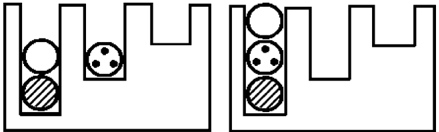
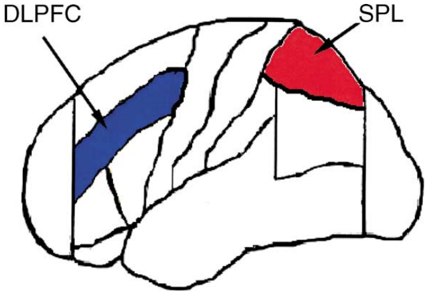
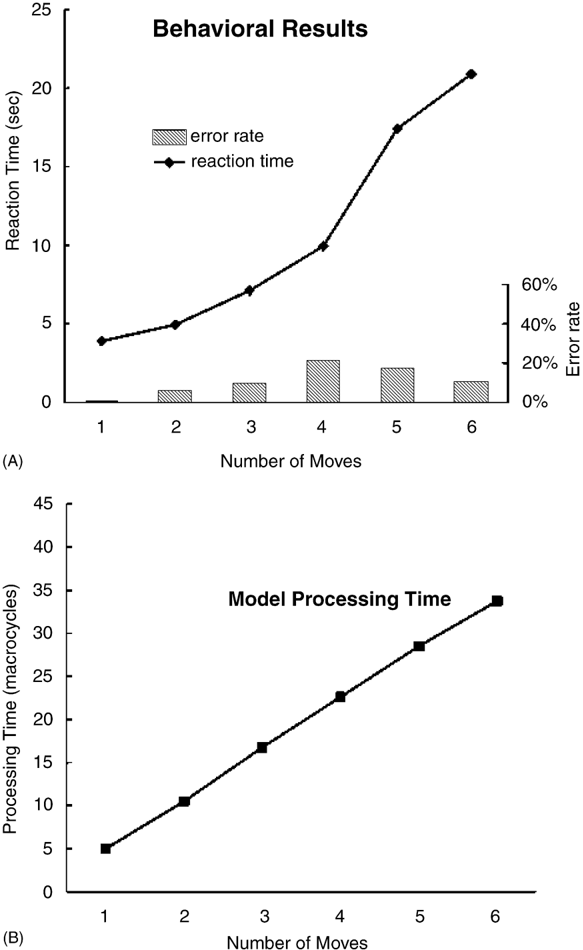
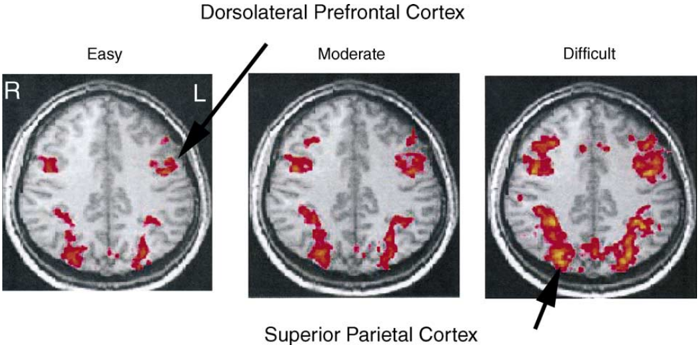
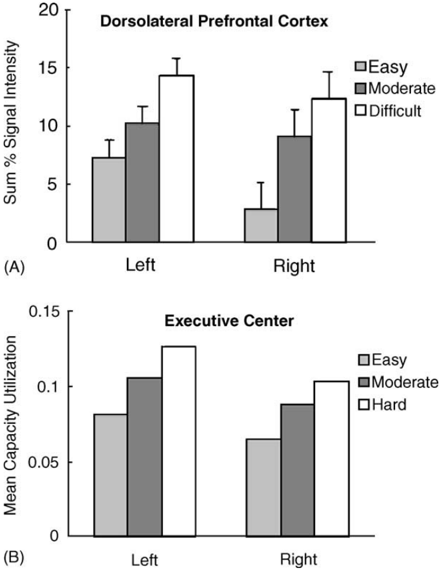
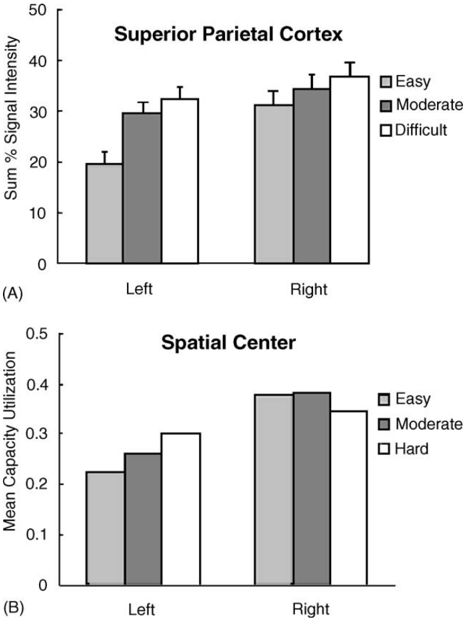
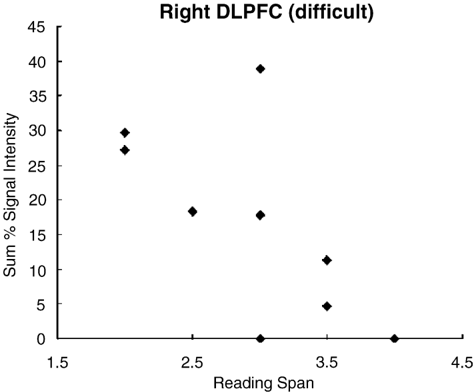
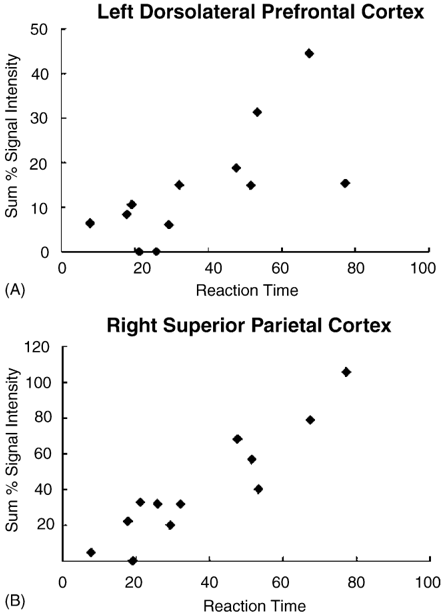
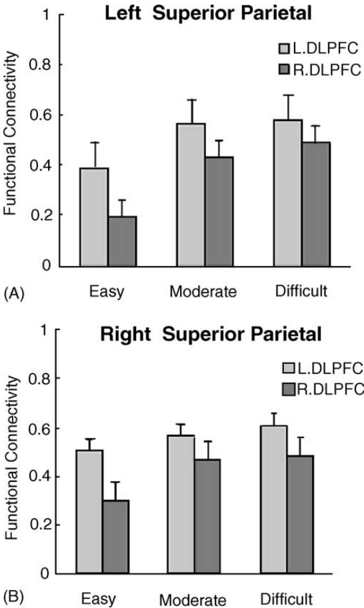
This study triangulates executive planning and visuo-spatial reasoning in the context of the Tower of London (TOL) task by using a variety of methodological approaches. These approaches include functional magnetic resonance imaging (fMRI), functional connectivity analysis, individual difference analysis, and computational modeling. A graded fMRI paradigm compared the brain activation during the solution of problems with varying path lengths: easy (1 and 2 moves), moderate (3 and 4 moves) and difficult (5 and 6 moves). There were three central findings regarding the prefrontal cortex: (1) while both the left and right prefrontal cortices were equally involved during the solution of moderate and difficult problems, the activation on the right was differentially attenuated during the solution of the easy problems; (2) the activation observed in the right prefrontal cortex was highly correlated with individual differences in working memory (measured independently by the reading span task); and (3) different patterns of functional connectivity were observed in the left and right prefrontal cortices. Results obtained from the superior parietal region also revealed left/right differences; only the left superior parietal region revealed an effect of difficulty. These fMRI results converged upon two hypotheses: (1) the right prefrontal area may be more involved in the generation of a plan, whereas the left prefrontal area may be more involved in plan execution; and (2) the right superior parietal region is more involved in attention processes while the left homologue is more of a visuo-spatial workspace. A 4CAPS computational model of the cognitive processes and brain activation in the TOL task integrated these hypothesized mechanisms, and provided a reasonably good fit to the observed behavioral and brain activation data. The multiple research approaches presented here converge on a deepening understanding of the combination of perceptual and conceptual processes in this type of visual problem solving.
Overview
The claims and statistics of this paper haven’t been checked yet.
Free: it reads the open-access text and checks the first 5 claims that cite a source we can check. Create a free account to check every claim.
Integrity signals
Registry
Cites
Statistics
Figures

Verification
Claims the paper makes
The claims and statistics of this paper haven’t been checked yet.
Free: it reads the open-access text and checks the first 5 claims that cite a source we can check. Create a free account to check every claim.
Claims other papers make about this one
Each is checked against this paper’s own text: does it say what the citing paper says it does?
The source backs part of the claim, not all of it — or backs it for a different population, condition or comparison.
In the citing paper
“Neuroimaging studies have shown that EF tasks similar to those used in our study activate a variety of areas within the prefrontal cortex [28,31,98] and in addition to this, activate areas with important connections to the prefrontal cortex, such as the caudate nucleus, the putamen, thalamic areas [30], cingulate and parietal cortex [29,99].”
From Neurocognitive functions in pathological gambling: a comparison with alcohol dependence, Tourette syndrome and normal controls (2006) · cites this paper as [99]
Experimental — accuracy not yet measured
Self-check
Percentages, sums and reported differences re-computed from the paper’s own numbers.
The self-check needs the paper’s full text.
Citations
Cites
Individual differences in working memory and reading
Daneman, M., & Carpenter, P. A. (1980) · Journal of Verbal Learning and Verbal Behavior · doi:10.1016/s0022-5371(80)90312-6 · Cited by 6,336 · cited 1×
“The Daneman and Carpenter (1980)reading span test was administered to 10 of 12 participants.”
MethodSelf-citation(1991) · Choice Reviews Online · doi:10.5860/choice.28-5376 · Cited by 4,207
A capacity theory of comprehension: individual differences in working memory
Just, M. A., & Carpenter, P. A. (1992) · Psychological Review · doi:10.1037/0033-295x.99.1.122 · Cited by 4,153 · cited 1×
“…of the prominent ones, including Soar (Newell, 1990), ACT-R (Anderson, 1993), EPIC (Meyer & Kieras, 1997) and 3CAPS (Goel, Pullara, & Grafman, 2001; Just & Carpenter, 1992), account for the error patterns and processing times in problem solving, reasoning, decision making, memory and learning,…”
Self-citationSpecific impairments of planning
Shallice, T. (1982) · Philosophical Transactions of the Royal Society of London. B, Biological Sciences · doi:10.1098/rstb.1982.0082 · Cited by 3,741 · cited 2×
“…and right prefrontal cortices were equally involved during the solution of moderate and difficult problems, the activation on the right was differentially attenuated during the solution of the easy problems; (2) the activation observed in the right prefrontal cortex was highly correlated with…”
ResultMacDonald, A. W., Cohen, J. D., Stenger, V. A., & Carter, C. S. (2000) · Science · doi:10.1126/science.288.5472.1835 · Cited by 3,666
Mesulam, M. (1998) · Brain · doi:10.1093/brain/121.6.1013 · Cited by 3,072
Large-scale neurocognitive networks and distributed processing for attention, language, and memory
Mesulam, M. (1990) · Annals of Neurology · doi:10.1002/ana.410280502 · Cited by 2,684
Functional and effective connectivity in neuroimaging: a synthesis
Friston, K. J. (1994) · Human Brain Mapping · doi:10.1002/hbm.460020107 · Cited by 2,452 · cited 1×
“The synchronization is taken as evidence of functional connectivity[or effective connectivity(Buchel, Coull, & Friston, 1999; Friston, 1994; Horwitz, Rumsey, & Donohue, 1998)].”
Time course EPI of human brain function during task activation
Bandettini, P. A., Wong, E. C., Hinks, R. S., Tikofsky, R. S., & Hyde, J. S. (1992) · Magnetic Resonance in Medicine · doi:10.1002/mrm.1910250220 · Cited by 1,935
(1993) · Medical Entomology and Zoology · Cited by 1,882
Research works printed but not linked: 4
- D'Esposito, M., Deter, J. A., Aguirre, G. K., Stallcup, M., Alsop, D. C., Tippet, L. J., & Farah, M. J. (1997). A functional MRI study of mental imagery generation. Neuropsychologia, 35, 715-730.
- Just, M. A., Carpenter, P. A., & Varma, S. (1999). Computational modeling of high-level cognition and brain function. Human Brain Mapping, 8, 128-136. · doi:10.1002/(sici)1097-0193(1999)8:2/3<128::aid-hbm10>3.0.co;2-g
- Rosenbloom, P. S., Laird, J. E., & Newell, A. (1993a). The Soarpapers: Research in integrated intelligence: Vol. 1. Cambridge, MA: MIT Press.
- Rosenbloom, P. S., Laird, J. E., & Newell, A. (1993b). The Soarpapers: Research in integrated intelligence: Vol. 2. Cambridge, MA: MIT Press.
Cited by
An Integrated Theory of the Mind.
Anderson, J. R., Bothell, D., Byrne, M. D., Douglass, S., Lebiere, C., & Qin, Y. (2004) · Psychological Review · doi:10.1037/0033-295x.111.4.1036 · Cited by 2,978
Functional connectome fingerprinting: Identifying individuals using patterns of brain connectivity
Finn, E. S., Shen, X., Scheinost, D., Rosenberg, M. D., Huang, J., Chun, M. M., Papademetris, X., & Constable, R. T. (2015) · Nature Neuroscience · doi:10.1038/nn.4135 · Cited by 2,747
Spreng, R. N., Stevens, W. D., Chamberlain, J. P., Gilmore, A. W., & Schacter, D. L. (2010) · NeuroImage · doi:10.1016/j.neuroimage.2010.06.016 · Cited by 1,256
“Consistent with previous observations, we also observed activity in the dorsal attention network while subjects engaged in visuospatial planning (Baker et al., 1996; Morris et al., 1993; Newman et al., 2003).”
InfluentialJust, M. A., Cherkassky, V. L., Keller, T. A., Kana, R. K., & Minshew, N. J. (2007) · Cerebral Cortex · doi:10.1093/cercor/bhl006 · Cited by 1,081
Self-citationEvaluative and generative modes of thought during the creative process
Ellamil, M., Dobson, C., Beeman, M., & Christoff, K. (2012) · NeuroImage · doi:10.1016/j.neuroimage.2011.08.008 · Cited by 611
“Although questions remain, the findings provide a valuable starting point for future studies that can provide an even more detailed account of how the brain supports creative thinking and the types of processes that facilitate it.”
BackgroundAutism as a neural systems disorder: A theory of frontal-posterior underconnectivity
Just, M. A., Keller, T. A., Malave, V. L., Kana, R. K., & Varma, S. (2012) · Neuroscience & Biobehavioral Reviews · doi:10.1016/j.neubiorev.2012.02.007 · Cited by 578
Self-citationMeyer-Lindenberg, A. S., Olsen, R. K., Kohn, P. D., Brown, T., Egan, M. F., Weinberger, D. R., & Berman, K. F. (2005) · Archives of General Psychiatry · doi:10.1001/archpsyc.62.4.379 · Cited by 574
Goudriaan, A. E., Oosterlaan, J., De Beurs, E., & Van Den Brink, W. (2006) · Addiction · doi:10.1111/j.1360-0443.2006.01380.x · Cited by 467
“Neuroimaging studies have shown that EF tasks similar to those used in our study activate a variety of areas within the prefrontal cortex [28,31,98] and in addition to this, activate areas with important connections to the prefrontal cortex, such as the caudate nucleus, the putamen, thalamic areas [30], cingulate and…”
Exploration of the neural substrates of executive functioning by functional neuroimaging
Collette, F., Hogge, M., Salmon, E., & Van der Linden, M. (2006) · Neuroscience · doi:10.1016/j.neuroscience.2005.05.035 · Cited by 464
“…demonstrated that many cerebral areas (including both anterior and posterior regions) were highlighted when activity in the control task was subtracted from that in the executive task, making it quite difficult to attribute a functional role to these regions (see, however, Newman et al., 2003).”
BackgroundFrontal-striatal dysfunction during planning in obsessive-compulsive disorder
van den Heuvel, O. A., Veltman, D. J., Groenewegen, H. J., Cath, D. C., van Balkom, A. J. L. M., van Hartskamp, J., Barkhof, F., & van Dyck, R. (2005) · Archives of General Psychiatry · doi:10.1001/archpsyc.62.3.301 · Cited by 417
Cristofori, I., Cohen-Zimerman, S., & Grafman, J. (2019) · Handbook of Clinical Neurology · doi:10.1016/b978-0-12-804281-6.00011-2 · Cited by 378
MCAULEY, T., CHEN, S., GOOS, L., SCHACHAR, R., & CROSBIE, J. (2010) · Journal of the International Neuropsychological Society · doi:10.1017/s1355617710000093 · Cited by 345
Neural correlates of cognitive efficiency
Rypma, B., Berger, J. S., Prabhakaran, V., Martin Bly, B., Kimberg, D. Y., Biswal, B. B., & D'Esposito, M. (2006) · NeuroImage · doi:10.1016/j.neuroimage.2006.05.065 · Cited by 334
“Our strategy was to relate neural efficiency and processing speed as directly as possible by observing fMRI activation while individuals performed a relatively simple task with known processing speed sensitivity, the DSST, in a specific frontoparietal network where performance-related variation in neural activity has…”
BackgroundMethodResultInfluentialExecutive functions and ADHD in adults: evidence for selective effects on ADHD symptom domains
Nigg, J. T., Stavro, G., Ettenhofer, M., Hambrick, D. Z., Miller, T., & Henderson, J. M. (2005) · Journal of Abnormal Psychology · doi:10.1037/0021-843x.114.3.706 · Cited by 312
“This task activates prefrontal cortex and associated neural regions (Newman et al., 2003).”
BackgroundBasten, U., Hilger, K., & Fiebach, C. J. (2015) · Intelligence · doi:10.1016/j.intell.2015.04.009 · Cited by 285
Neural correlates of superior intelligence: Stronger recruitment of posterior parietal cortex
Lee, K. H., Choi, Y. Y., Gray, J. R., Cho, S. H., Chae, J.-H., Lee, S., & Kim, K. (2006) · NeuroImage · doi:10.1016/j.neuroimage.2005.07.036 · Cited by 278
“These g-task-related neural substrates were most likely to be the fronto-parietal network that was previously reported to constitute the neural bases for fluid reasoning and working memory (Ghatan et al., 1995; Gray et al., 2003; Newman et al., 2003; Prabhakaran et al., 1997).”
BackgroundThe neuropsychology of borderline personality disorder: A meta-analysis and review
Ruocco, A. C. (2005) · Psychiatry Research · doi:10.1016/j.psychres.2005.07.004 · Cited by 274
“A large effect size for the planning domain and medium-to-large effect size for the visuospatial domain also suggests frontal and possible parietal lobe pathology (Fincham et al., 2002; Jacobs and Anderson, 2002; Aleman et al., 2002; Zago and Tzourio-Mazoyer, 2002; Newman et al., 2003), while deficits in learning and…”
BackgroundBudson, A. E., & Price, B. H. (2005) · New England Journal of Medicine · doi:10.1056/nejmra041071 · Cited by 249
The implications of brain connectivity in the neuropsychology of autism
Maximo, J. O., Cadena, E. J., & Kana, R. K. (2014) · Neuropsychology Review · doi:10.1007/s11065-014-9250-0 · Cited by 259
“For example, executive functioning, especially problem-solving, may involve the coordination between dorsolateral prefrontal cortex (DLPFC) and inferior parietal lobule (IPL), two regions that are spatially distant (Newman et al. 2003).”
Action Outcomes Are Represented in Human Inferior Frontoparietal Cortex
de C. Hamilton, A. F., & Grafton, S. T. (2008) · Cerebral Cortex · doi:10.1093/cercor/bhm150 · Cited by 254
“Right IPL is robustly activated in tasks requiring multistep planning such as the Tower of London task (Baker et al. 1996; Newman et al. 2003) and when participants must plan and remember future actions (den Ouden et al. 2005).”
BackgroundDisrupted cortical connectivity theory as an explanatory model for autism spectrum disorders
Kana, R. K., Libero, L. E., & Moore, M. S. (2011) · Physics of Life Reviews · doi:10.1016/j.plrev.2011.10.001 · Cited by 251
Dissociable Contributions of Left and Right Dorsolateral Prefrontal Cortex in Planning
Kaller, C. P., Rahm, B., Spreer, J., Weiller, C., & Unterrainer, J. M. (2011) · Cerebral Cortex · doi:10.1093/cercor/bhq096 · Cited by 236
Deconstructing Insight: EEG Correlates of Insightful Problem Solving
Sandkühler, S., & Bhattacharya, J. (2008) · PLoS ONE · doi:10.1371/journal.pone.0001459 · Cited by 221
“Recent fMRI studies of healthy participants [82,83] also implicated the right prefrontal cortex in mental restructuring that leads to an abrupt gain of explicit knowledge producing an insight.”
BackgroundDecision‐Making Impairments in Patients with Parkinson’s Disease
Brand, M., Labudda, K., Kalbe, E., Hilker, R., Emmans, D., Fuchs, G., Kessler, J., & Markowitsch, H. J. (2004) · Behavioural Neurology · doi:10.1155/2004/578354 · Cited by 221
“[29]), neuroimaging investigations on healthy subjects [40] and patient studies [22], executive functions depend primarily on dorsolateral prefrontal cortex functions (and additionally on other cortical regions such as posterior parietal lobe as well as parts of basal ganglia).”
BackgroundAbbott, A. E., Nair, A., Keown, C. L., Datko, M., Jahedi, A., Fishman, I., & Müller, R.-A. (2016) · Cerebral Cortex · doi:10.1093/cercor/bhv191 · Cited by 214
“…making (Stephan et al. 2003), right-hemisphere regions are more active during visuospatial orientation and attention (Kinsbourne 1987; Stephan et al. 2003) and have been shown to engage more than the left executive control regions during difficult goal-oriented planning (Newman et al. 2003).”
BackgroundDefault Network Modulation and Large-Scale Network Interactivity in Healthy Young and Old Adults
Spreng, R. N., & Schacter, D. L. (2012) · Cerebral Cortex · doi:10.1093/cercor/bhr339 · Cited by 214
“Consistent with prior reports, visuospatial planning engaged the attention network (e.g. Morris et al. 1993; Baker et al. 1996; Newman et al. 2003; Spreng, Stevens, et al. 2010).”
ResultLimited activity monitoring in toddlers with autism spectrum disorder
Shic, F., Bradshaw, J., Klin, A., Scassellati, B., & Chawarska, K. (2011) · Brain Research · doi:10.1016/j.brainres.2010.11.074 · Cited by 214
Just, M. A., & Varma, S. (2007) · Cognitive, Affective, & Behavioral Neuroscience · doi:10.3758/cabn.7.3.153 · Cited by 214
“In sum, the 4CAPS model of TOL problem solving accounts well for the behavioral and brain imaging data of one study (Newman et al., 2003).”
InfluentialSelf-citationFunctional neuroimaging in obsessive-compulsive disorder
Del Casale, A., Kotzalidis, G. D., Rapinesi, C., Serata, D., Ambrosi, E., Simonetti, A., Pompili, M., Ferracuti, S., Tatarelli, R., & Girardi, P. (2011) · Neuropsychobiology · doi:10.1159/000325223 · Cited by 210
Visual symptoms in Parkinson's disease and Parkinson's disease dementia
Archibald, N. K., Clarke, M. P., Mosimann, U. P., & Burn, D. J. (2011) · Movement Disorders · doi:10.1002/mds.23891 · Cited by 207
Babiloni, C., Marzano, N., Infarinato, F., Iacoboni, M., Rizza, G., Aschieri, P., Cibelli, G., Soricelli, A., Eusebi, F., & Del Percio, C. (2010) · Behavioural Brain Research · doi:10.1016/j.bbr.2009.10.034 · Cited by 203
Interactions of Pain Intensity and Cognitive Load: The Brain Stays on Task
Seminowicz, D. A., & Davis, K. D. (2007) · Cerebral Cortex · doi:10.1093/cercor/bhl052 · Cited by 194
Metacognition: ideas and insights from neuro- and educational sciences
Fleur, D. S., Bredeweg, B., & van den Bos, W. (2021) · npj Science of Learning · doi:10.1038/s41539-021-00089-5 · Cited by 180
Goel, V., & Vartanian, O. (2005) · Cerebral Cortex · doi:10.1093/cercor/bhh217 · Cited by 184
“This dissociation between right ventral lateral PFC and right dorsal lateral PFC is consistent with findings from an fMRI study of the Tower of London task (Newman et al., 2003).”
ResultSELF-RATED EXECUTIVE FUNCTION: DEVELOPMENT OF THE EXECUTIVE FUNCTION INDEX
SPINELLA, M. (2005) · International Journal of Neuroscience · doi:10.1080/00207450590524304 · Cited by 181
Executive function in early-treated phenylketonuria: Profile and underlying mechanisms☆☆☆
Christ, S. E., Huijbregts, S. C. J., de Sonneville, L. M. J., & White, D. A. (2010) · Molecular Genetics and Metabolism · doi:10.1016/j.ymgme.2009.10.007 · Cited by 181
“In fMRI studies of healthy individuals, performance on tower tasks resulted in increased activation in frontal and parietal regions of the brain [83,84].”
BackgroundWilliams-Gray, C. H., Hampshire, A., Robbins, T. W., Owen, A. M., & Barker, R. A. (2007) · The Journal of Neuroscience · doi:10.1523/jneurosci.0774-07.2007 · Cited by 180
Yaple, Z. A., Stevens, W. D., & Arsalidou, M. (2019) · NeuroImage · doi:10.1016/j.neuroimage.2019.03.074 · Cited by 179
White matter microstructure correlates of mathematical giftedness and intelligence quotient
Navas‐Sánchez, F. J., Alemán‐Gómez, Y., Sánchez‐Gonzalez, J., Guzmán‐De‐Villoria, J. A., Franco, C., Robles, O., Arango, C., & Desco, M. (2014) · Human Brain Mapping · doi:10.1002/hbm.22355 · Cited by 177
Turner, G. R., & Spreng, R. N. (2015) · Journal of Cognitive Neuroscience · doi:10.1162/jocn_a_00869 · Cited by 169
Metaphor comprehension in Alzheimer’s disease: Novelty matters
Amanzio, M., Geminiani, G., Leotta, D., & Cappa, S. (2008) · Brain and Language · doi:10.1016/j.bandl.2007.08.003 · Cited by 162
Orthographic and phonological processing of Chinese characters: an fMRI study
Kuo, W.-J., Yeh, T.-C., Lee, J.-R., Chen, L.-F., Lee, P.-L., Chen, S.-S., Ho, L.-T., Hung, D. L., Tzeng, O. J.-L., & Hsieh, J.-C. (2004) · NeuroImage · doi:10.1016/j.neuroimage.2003.12.007 · Cited by 161
“FJ additionally taxes the frontoparietal networks and dorsal-ventral streams for finer visual analysis of unfamiliar and novel nonsense figures (Corbetta and Shulman, 2002; Newman et al., 2003).”
BackgroundVisuo‐attentional and sensorimotor alpha rhythms are related to visuo‐motor performance in athletes
Del Percio, C., Babiloni, C., Bertollo, M., Marzano, N., Iacoboni, M., Infarinato, F., Lizio, R., Stocchi, M., Robazza, C., Cibelli, G., et al. (2009) · Human Brain Mapping · doi:10.1002/hbm.20776 · Cited by 157
“However, the neural efficiency hypothesis has been challenged by other neuroimaging evidence showing that fronto-parietal cortical activation is stronger in subjects with high cognitive performance [Gray et al., 2003; Newman et al., 2003].”
ResultCerebral atrophy in Parkinson's disease patients with visual hallucinations
Ramírez‐Ruiz, B., Martí, M. ‐., Tolosa, E., Giménez, M., Bargalló, N., Valldeoriola, F., & Junqué, C. (2007) · European Journal of Neurology · doi:10.1111/j.1468-1331.2007.01768.x · Cited by 157
“Functional MRI studies have implicated the superior parietal lobe in visuo-spatial working memory [28], mental imagery [29,30] and, in conjunction with frontal lobe, with spatial and nonspatial visual attentional tasks [31,32].”
BackgroundIntuition and Deliberation: Two Systems for Strategizing in the Brain
Kuo, W.-J., Sjöström, T., Chen, Y.-P., Wang, Y.-H., & Huang, C.-Y. (2009) · Science · doi:10.1126/science.1165598 · Cited by 152
Cognitive processes in the development of TOL performance
Asato, M. R., Sweeney, J. A., & Luna, B. (2006) · Neuropsychologia · doi:10.1016/j.neuropsychologia.2006.05.010 · Cited by 149
Prat, C. S., Keller, T. A., & Just, M. A. (2007) · Journal of Cognitive Neuroscience · doi:10.1162/jocn.2007.19.12.1950 · Cited by 142
Self-citationIs there a “neural efficiency” in athletes? A high-resolution EEG study
Percio, C. D., Rossini, P. M., Marzano, N., Iacoboni, M., Infarinato, F., Aschieri, P., Lino, A., Fiore, A., Toràn, G., Babiloni, C., et al. (2008) · NeuroImage · doi:10.1016/j.neuroimage.2008.05.061 · Cited by 160
“However, the “neural efficiency” hypothesis has been challenged by other neuroimaging evidence showing that task-related fronto-parietal cortical activation was stronger in subjects best-scorers to cognitive tasks (Newman et al., 2003; Gray et al., 2003).”
Puberty suppression and executive functioning: An fMRI-study in adolescents with gender dysphoria
Staphorsius, A. S., Kreukels, B. P. C., Cohen‐Kettenis, P. T., Veltman, D. J., Burke, S., Schagen, S. E. E., Wouters, F. M., de Waal, H. A. D., & Bakker, J. (2015) · Psychoneuroendocrinology · doi:10.1016/j.psyneuen.2015.03.007 · Cited by 132
Judgment of actions in experts: A high-resolution EEG study in elite athletes
Babiloni, C., Percio, C. D., Rossini, P. M., Marzano, N., Iacoboni, M., Infarinato, F., Lizio, R., Piazza, M., Pirritano, M., Berlutti, G., et al. (2008) · NeuroImage · doi:10.1016/j.neuroimage.2008.11.035 · Cited by 137
“However, the “neural efficiency” hypothesis has been challenged by other neuroimaging evidence showing that fronto-parietal cortical activation was stronger in subjects with high cognitive performance (Newman et al., 2003; Gray et al., 2003).”
Corpus Callosum Volume and Neurocognition in Autism
Keary, C. J., Minshew, N. J., Bansal, R., Goradia, D., Fedorov, S., Keshavan, M. S., & Hardan, A. Y. (2009) · Journal of Autism and Developmental Disorders · doi:10.1007/s10803-009-0689-4 · Cited by 114
“…CC function, the WCST and ToH test both show bilateral frontal cortical activation during task performance in normal individuals (Smith et al. 2004; Newman et al. 2003) Poor performance on perseverative error measures of the WCST, displaying an underlying deficit in concept formation and…”
BackgroundImagining material versus geometric properties of objects: an fMRI study
Newman, S. D., Klatzky, R. L., Lederman, S. J., & Just, M. A. (2005) · Cognitive Brain Research · doi:10.1016/j.cogbrainres.2004.10.020 · Cited by 109
“Several studies have shown that the region in and around the intraparietal sulcus (IPS) is involved in visuo-spatial processing [5,9,14,18,19,33], particularly as it relates to visual imagery [14,19].”
BackgroundSelf-citationPercio, C. D., Infarinato, F., Iacoboni, M., Marzano, N., Soricelli, A., Aschieri, P., Eusebi, F., & Babiloni, C. (2010) · Clinical Neurophysiology · doi:10.1016/j.clinph.2009.12.004 · Cited by 124
Peña‐Casanova, J., Quiñones-Úbeda, S., Gramunt, N., Quintana, M., Aguilar, M., Molinuevo, J. L., Serradell, M., Robles, A., Barquero, M. S., Payno, M., et al. (2009) · Archives of Clinical Neuropsychology · doi:10.1093/arclin/acp043 · Cited by 142
Ally, B. A., & Budson, A. E. (2007) · NeuroImage · doi:10.1016/j.neuroimage.2006.11.023 · Cited by 118
“Many studies have shown more difficult tasks involving working memory require bilateral activation, regardless of the nature of the material being manipulated, and that there is also an increase in the number of activated brain regions as the complexity of the task increases (Newman et al., 2003; Jaeggi et al., 2003;…”
BackgroundRandomized placebo-controlled study of lovastatin in children with neurofibromatosis type 1
Payne, J. M., Barton, B., Ullrich, N. J., Cantor, A., Hearps, S. J. C., Cutter, G., Rosser, T., Walsh, K. S., Gioia, G. A., Wolters, P. L., et al. (2016) · Neurology · doi:10.1212/wnl.0000000000003435 · Cited by 102
“Human lesion and functional neuroimaging studies suggest that performance on this task maps to the prefrontal cortex.(22) Because neurofibromin has been shown to regulate prefrontal inhibitory networks through activitydependent GABA release in Nf1 mice, it is appealing to conclude that the mechanism of action of lovas…”
BackgroundRasser, P. E., Johnston, P., Lagopoulos, J., Ward, P. B., Schall, U., Thienel, R., Bender, S., Toga, A. W., & Thompson, P. M. (2005) · NeuroImage · doi:10.1016/j.neuroimage.2004.11.054 · Cited by 110
“Newman et al. (2003) reported that the left and right prefrontal cortices were equally involved during the solution of moderate and difficult TOL problems while only right prefrontal activation was highly correlated with individual differences in working memory (as measured independently by the…”
BackgroundMyung, W., Han, C. E., Fava, M., Mischoulon, D., Papakostas, G. I., Heo, J.-Y., Kim, K. W., Kim, S. T., Kim, D. J. H., Kim, D. K., et al. (2016) · Translational Psychiatry · doi:10.1038/tp.2016.110 · Cited by 101
Tracing Problem Solving in Real Time: fMRI Analysis of the Subject-paced Tower of Hanoi
Anderson, J. R., Albert, M. V., & Fincham, J. M. (2005) · Journal of Cognitive Neuroscience · doi:10.1162/0898929055002427 · Cited by 101
“The TOH and the somewhat similar Tower of London (TOL) have been widely used in studies of patient populations as well (Owen, Downs, Shahakian, Polkly, & Robbins, 1990; Shallice, 1982), whereas most recent neuroimaging studies have used the TOL ( Newman, Carpenter, Varma, & Just, 2003; Dagher, Owen, Boecker, & Brooks,…”
N -back Working Memory Task: Meta-analysis of Normative fMRI Studies With Children
Yaple, Z., & Arsalidou, M. (2018) · Child Development · doi:10.1111/cdev.13080 · Cited by 100
Desco, M., Navas-Sánchez, F. J., Sánchez‐Gonzalez, J., Reig, S., Robles, O., Franco, C., Guzmán‐De‐Villoria, J. A., Garcia-Barreno, P., & Arango, C. (2011) · NeuroImage · doi:10.1016/j.neuroimage.2011.03.063 · Cited by 147
“…orientation (left is left); b) is the right hemisphere. and processing task complexity (Champod and Petrides, 2007; Dehaene et al., 2003; Knauff et al., 2002; Lee et al., 2006; Newman et al., 2003; Perfetti et al., 2009; Prabhakaran et al., 1997; Todd and Marois, 2004; van den Heuvel et al., 2003).”
InfluentialBitsios, P., Giakoumaki, S. G., Theou, K., & Frangou, S. (2006) · Neuropsychologia · doi:10.1016/j.neuropsychologia.2006.04.001 · Cited by 110
Rypma, B., & Prabhakaran, V. (2009) · Intelligence · doi:10.1016/j.intell.2008.12.004 · Cited by 94
“Other studies using similarly complex tasks have also shown divergent results (e.g., Tower-of-London; Newman et al., 2003; Sternberg-type WM; Rypma et al., 1999; backward digit-span; Larson et al., 1995).”
ResultLateralisation of striatal function: evidence from 18F-dopa PET in Parkinson's disease
Cheesman, A. L. (2005) · Journal of Neurology, Neurosurgery & Psychiatry · doi:10.1136/jnnp.2004.055079 · Cited by 86
“Although corresponding neural networks in the two cerebral hemispheres may both be engaged in performing a task, they may be differentially involved in distinct aspects of cognitive processing.”
BackgroundPlanning, decision-making and the COMT rs4818 polymorphism in healthy males
Roussos, P., Giakoumaki, S. G., Pavlakis, S., & Bitsios, P. (2008) · Neuropsychologia · doi:10.1016/j.neuropsychologia.2007.10.009 · Cited by 85
Disorders in planning and strategy application in frontal lobe lesion patients
Gouveia, P. A. R., Brucki, S. M. D., Malheiros, S. M. F., & Bueno, O. F. A. (2006) · Brain and Cognition · doi:10.1016/j.bandc.2006.09.001 · Cited by 98
The effect of gender on planning: An fMRI study using the Tower of London task
Boghi, A., Rasetti, R., Avidano, F., Manzone, C., Orsi, L., D’Agata, F., Caroppo, P., Bergui, M., Rocca, P., Pulvirenti, L., et al. (2006) · NeuroImage · doi:10.1016/j.neuroimage.2006.07.022 · Cited by 105
“Some of these studies focused on frontal activity in both normal (Fincham et al., 2002; Newman et al., 2003; Van den Heuvel et al., 2003) and schizophrenic subjects (Andreasen et al., 1992; Rasser et al., 2005), highlighting the crucial role of those brain areas, and thus corroborating the…”
BackgroundResultInfluentialThe role of executive control in human drug addiction
Hester, R., Lubman, D. I., & Yücel, M. (2010) · Current Topics in Behavioral Neurosciences · doi:10.1007/7854_2009_28 · Cited by 83
“Consistent with these findings, functional imaging studies of “classic” executive tasks such as the Tower of London, the Wisconsin Card Sorting Task, and Stroop Test reveal extensive activation in the frontal lobes, as well as in temporal, parietal, occipital, and cerebellar regions (Berman et al. 1995; Prabhakaran et…”
ResultOculomotor Function in Chronic Traumatic Brain Injury
Kraus, M. F., Little, D. M., Donnell, A. J., Reilly, J. L., Simonian, N., & Sweeney, J. A. (2007) · Cognitive and Behavioral Neurology · doi:10.1097/wnn.0b013e318142badb · Cited by 92
Causse, M., Chua, Z. K., & Rémy, F. (2019) · Scientific Reports · doi:10.1038/s41598-019-44082-w · Cited by 94
Frontoparietal Network in Executive Functioning in Autism Spectrum Disorder
May, K. E., & Kana, R. K. (2020) · Autism Research · doi:10.1002/aur.2403 · Cited by 98
“The lack of parietal activation may also reflect a broader deficit in attentional control that mediates EF impairments, considering the role of the parietal network in attention regulation [Corbetta & Shulman, 2002; Newman et al., 2003].”
BackgroundMethodInfluentialToward a biosocial theory of offender rehabiltiation: Why does cognitive-behavioral therapy work?
Vaske, J. C., Galyean, K., & Cullen, F. T. (2011) · Journal of Criminal Justice · doi:10.1016/j.jcrimjus.2010.12.006 · Cited by 95
Reviewing the impact of problem structure on planning: A software tool for analyzing tower tasks
Kaller, C. P., Rahm, B., Schumacher, L. V., & Unterrainer, J. M. (2010) · Behavioural Brain Research · doi:10.1016/j.bbr.2010.07.029 · Cited by 95
BRAIN LOCALIZATION OF MEMORY CHUNKS IN CHESSPLAYERS
Campitelli, G., Gobet, F. R., Head, K. E., Buckley, M. J., & Parker, A. J. (2007) · International Journal of Neuroscience · doi:10.1080/00207450601041955 · Cited by 90
Nitschke, K., Köstering, L., Finkel, L., Weiller, C., & Kaller, C. P. (2017) · Human Brain Mapping · doi:10.1002/hbm.23368 · Cited by 76
“Newman et al. [Newman et al., 2003, 2009; Newman and Pittman, 2007] systematically manipulated structural problem parameters of the ToL.”
Developmental shifts in fMRI activations during visuospatial relational reasoning
Eslinger, P. J., Blair, C., Wang, J., Lipovsky, B., Realmuto, J., Baker, D., Thorne, S., Gamson, D., Zimmerman, E., Rohrer, L., et al. (2009) · Brain and Cognition · doi:10.1016/j.bandc.2008.04.010 · Cited by 75
Age-related change in neural processing of time-dependent stimulus features
Kisley, M. A., Davalos, D. B., Engleman, L. L., Guinther, P. M., & Davis, H. P. (2005) · Cognitive Brain Research · doi:10.1016/j.cogbrainres.2005.09.014 · Cited by 87
Understanding Memory Dysfunction
Budson, A. E. (2009) · The Neurologist · doi:10.1097/nrl.0b013e318188040d · Cited by 96
“Memory dysfunction can be caused by a diverse group of neurologic disorders, including neurodegenerative diseases, strokes, tumors, head trauma, hypoxia, cardiac surgery, malnutrition, attention deficit hyperactivity disorder, depression, anxiety, and medication effects.(1,2) Memory function can also be altered by nor…”
BackgroundExecutive Functioning Theory and Autism
Geurts, H. M., de Vries, M., & van den Bergh, S. F. W. M. (2013) · Springer eBooks · doi:10.1007/978-1-4614-8106-5_8 · Cited by 97
Neuropsychological performance in OCD: A study in medication-naïve patients
Krishna, R., Udupa, S., George, C. M., Kumar, K. J., Viswanath, B., Kandavel, T., Venkatasubramanian, G., & Reddy, Y. C. J. (2011) · Progress in Neuro-Psychopharmacology and Biological Psychiatry · doi:10.1016/j.pnpbp.2011.09.009 · Cited by 69
Domic‐Siede, M., Irani, M., Valdés, J., Perrone‐Bertolotti, M., & Ossandón, T. (2020) · NeuroImage · doi:10.1016/j.neuroimage.2020.117557 · Cited by 86
Cattie, J. E., Doyle, K. L., Weber, E., Grant, I., Woods, S. P., & Ce, T. H. N. R. (2012) · Journal of Clinical and Experimental Neuropsychology · doi:10.1080/13803395.2012.692772 · Cited by 74
“At the neural level, planning processes recruit the prefrontal regions bilaterally (particularly the anterior medial and dorsolateral systems), as well as the basal ganglia and posterior parietal cortex ( Koechlin, Corrado, Pietrini, & Grafman, 2000 ; Newman, Carpenter, Varma, & Just, 2003 ; Stuss & Levine, 2002 ).”
BackgroundDell’Osso, B., Berlin, H. A., Serati, M., & Altamura, A. C. (2010) · Neuropsychobiology · doi:10.1159/000297734 · Cited by 69
Giakoumaki, S. G., Bitsios, P., & Frangou, S. (2006) · Brain Research · doi:10.1016/j.brainres.2006.01.056 · Cited by 75
Brand, M. (2008) · Journal of Neuropsychology · doi:10.1348/174866407x220607 · Cited by 67
An fMRI study of the Tower of London: A look at problem structure differences
Newman, S. D., Greco, J. A., & Lee, D. (2009) · Brain Research · doi:10.1016/j.brainres.2009.06.031 · Cited by 75
Self-citationThe dynamic network subserving the three phases of cognitive procedural learning
Hubert, V., Beaunieux, H., Chételat, G., Platel, H., Landeau, B., Danion, J., Viader, F., Desgranges, B., & Eustache, F. (2007) · Human Brain Mapping · doi:10.1002/hbm.20354 · Cited by 85
“Executive functions (inhibition, flexibility, planning, and working memory) were assessed using the last subtest of the Stroop Test [Stroop, 1935], the Trail Making test [Reitan, 1958], an adapted version of the Tower of London [Shallice, 1982], and a Simple/Choice Reaction Time test.”
ResultInfluentialInfluence of acute combined physical and cognitive exercise on cognitive function: an NIRS study
Ji, Z., Feng, T., Mei, L., Li, A.-M., & Zhang, C. (2019) · PeerJ · doi:10.7717/peerj.7418 · Cited by 79
“A previous task-based fMRI study (Newman et al., 2003) showed that although both the right and left PFC were activated by a planning task, the activation in the right DLPFC was sensitive to task difficulty.”
MethodWhen Planning Fails: Individual Differences and Error-related Brain Activity in Problem Solving
Unterrainer, J. M. (2004) · Cerebral Cortex · doi:10.1093/cercor/bhh100 · Cited by 63
“In contrast, other theorists state that the right parietal cortex is mostly involved in attention processes, while the left homologue is supposed to be more important for mental imagery processing (Newman et al., 2003).”
InfluentialDynamic weighted hypergraph convolutional network for brain functional connectome analysis
Wang, J., Li, H., Qu, G., Cecil, K. M., Dillman, J. R., Parikh, N. A., & He, L. (2023) · Medical Image Analysis · doi:10.1016/j.media.2023.102828 · Cited by 85
Delli Pizzi, S., Franciotti, R., Tartaro, A., Caulo, M., Thomas, A., Onofrj, M., & Bonanni, L. (2014) · PLoS ONE · doi:10.1371/journal.pone.0086624 · Cited by 60
Cognitive function predicts neural activity associated with pre-attentive temporal processing
Foster, S. M., Kisley, M. A., Davis, H. P., Diede, N. T., Campbell, A., & Davalos, D. B. (2012) · Neuropsychologia · doi:10.1016/j.neuropsychologia.2012.09.017 · Cited by 68
Ruocco, A. C., Rodrigo, A. H., Lam, J., Domenico, S. I. D., Graves, B., & Ayaz, H. (2014) · Frontiers in Human Neuroscience · doi:10.3389/fnhum.2014.00185 · Cited by 70
Percio, C. D., Infarinato, F., Marzano, N., Iacoboni, M., Aschieri, P., Lizio, R., Soricelli, A., Limatola, C., Rossini, P. M., & Babiloni, C. (2011) · International Journal of Psychophysiology · doi:10.1016/j.ijpsycho.2011.09.005 · Cited by 63
An fMRI Study of the Impact of Block Building and Board Games on Spatial Ability
Newman, S. D., Hansen, M. T., & Gutierrez, A. (2016) · Frontiers in Psychology · doi:10.3389/fpsyg.2016.01278 · Cited by 73
Self-citationWaldman, I. D., Nigg, J. T., Gizer, I. R., Park, L. C., Rappley, M. D., & Friderici, K. H. (2006) · Cognitive Affective & Behavioral Neuroscience · doi:10.3758/cabn.6.1.18 · Cited by 71
A Functional Neuroimaging Analysis of the Trail Making Test-B: Implications for Clinical Application
Allen, M. D., Owens, T. E., Fong, A. K., & Richards, D. R. (2011) · Behavioural Neurology · doi:10.1155/2011/476893 · Cited by 61
Circuitry underlying temporally extended spatial working memory
Geier, C. F., Garver, K. E., & Luna, B. (2006) · NeuroImage · doi:10.1016/j.neuroimage.2006.12.022 · Cited by 60
“VSWM bridges retrospective sensory and prospective motor processing (e.g., Curtis et al., 2004; Curtis, 2006) and underlies a wide range of complex, higher-order behaviors including spatial reasoning and problem solving (e.g., Newman et al., 2003).”
Garavan, H., & Weierstall, K. (2012) · Preventive Medicine · doi:10.1016/j.ypmed.2012.05.018 · Cited by 59
Specht, K., Lie, C., Shah, N. J., & Fink, G. R. (2009) · Human Brain Mapping · doi:10.1002/hbm.20637 · Cited by 53
“Generally, the prefrontal activations observed nicely overlap with those areas, reported in problem-solving studies [see Bunge, 2004; Newman et al., 2003; van den Heuvel et al., 2003] for further references] and patient studies [Reverberi et al.”
Metadata
- Authors
- Newman, S. D., Carpenter, P. A., Varma, S., & Just, M. A.
- Affiliations
- Carnegie Mellon University (US)
- Corresponding author
- Newman, Sharlene D
- Venue
- Neuropsychologia
- Publisher
- Elsevier BV
- Published
- 2003-01
- Volume
- 41
- Issue
- 12
- Pages
- 1668-1682
- ISSN
- 0028-3932 (ISSN-L)
- OpenAlex
- W2156102858
- Cited by
- 400
- References
- 52
- Citations by year
- 2026: 9 · 2025: 22 · 2024: 15 · 2023: 13 · 2022: 10 · 2021: 15 · 2020: 10 · 2019: 29 · 2018: 19 · 2017: 10 · 2016: 11 · 2015: 23 · 2014: 18 · 2013: 20 · 2012: 19
- FWCI
- 8.33
- Type
- journal article
- Language
- en
- Open access
- green
- figshare.com
- Licence
- cc-by
- www.elsevier.com/tdm/userlicense/1.0/ (tdm)
- Locations
- Neuropsychologia (publishedVersion)
- PubMed (publishedVersion)
- Figshare (submittedVersion, cc-by)
- KiltHub Repository (submittedVersion)
- KiltHub Repository
- Funders
- Carnegie Institution of Washington
- National Institutes of Health
- Office of Naval Research (N00014)
- National Institute of Mental Health (MH 00661, MH 00662)
- Topics
- Life Sciences › Neuroscience › Cognitive Neuroscience › Neural and Behavioral Psychology Studies
- Social Sciences › Psychology › Experimental and Cognitive Psychology › Cognitive Abilities and Testing
- Social Sciences › Psychology › Experimental and Cognitive Psychology › Cognitive Functions and Memory
- Keywords
- Tower of London task, executive planning, prefrontal cortex, right prefrontal cortex, left prefrontal cortex, superior parietal cortex, functional connectivity, problem difficulty, plan generation, plan execution, attention, computational cognitive modeling, visual problem solving
- MeSH terms
- Adolescent, Adult, Cognition, Female, Frontal Lobe, Goals, Humans, Magnetic Resonance Imaging, Male, Memory, Models, Psychological, Parietal Lobe, Problem Solving
About these checks
Registry, retraction, Cites and statistics results are computed, not judged, with one exception: a printed reference that no index lists is read once by a model before it counts as a citation error. Claims are extracted by a model and kept only when their quote appears verbatim in the text; each cited source is then checked, with a model’s help, for whether it says what the claim relies on. Those verdicts can be wrong — read the claim’s quote and the cited source before relying on one.
Statistics and arithmetic are recomputed, not judged.
Confidence bands are shown only for fields calibrated on our annotated test set. None is calibrated yet, so no band is shown.
What counts as a claim ›How we measure confidence ›How we check this ›
Are you an author, or do you see a problem with this page? Request a review
Data sources
Bibliographic data: Semantic Scholar, OpenAlex, Crossref.
Contains information from the Semantic Scholar Academic Graph Datasets, made available under the ODC Attribution License (ODC-BY 1.0).
Semantic Scholar’s data is described in: Kinney, R., et al. (2023). The Semantic Scholar Open Data Platform. arXiv:2301.10140.
