

Frontal and parietal participation in problem solving in the Tower of London: fMRI and computational modeling of planning and high-level perception
Open accessThe DOI matches its Crossref record; 50 of the 52 references it cites were found in a registry or an index.
Abstract
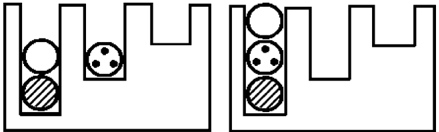
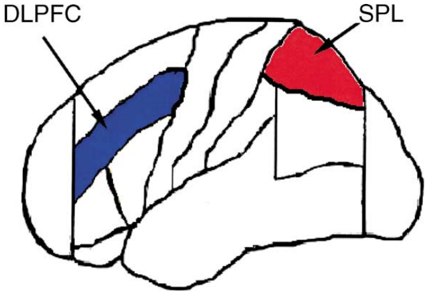
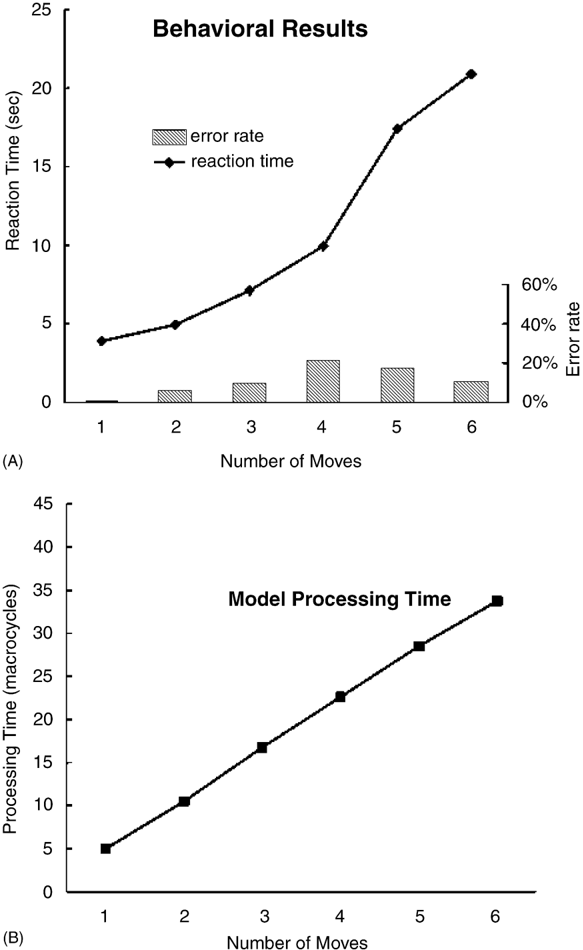
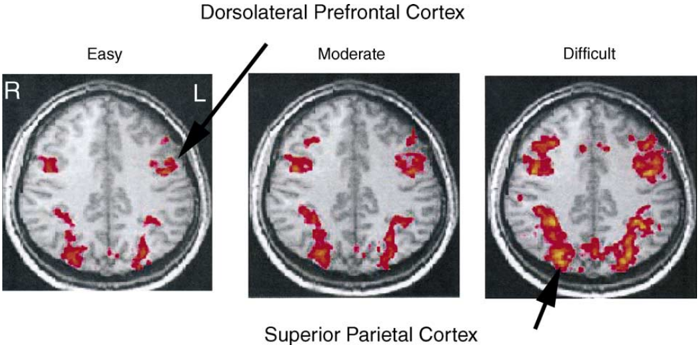
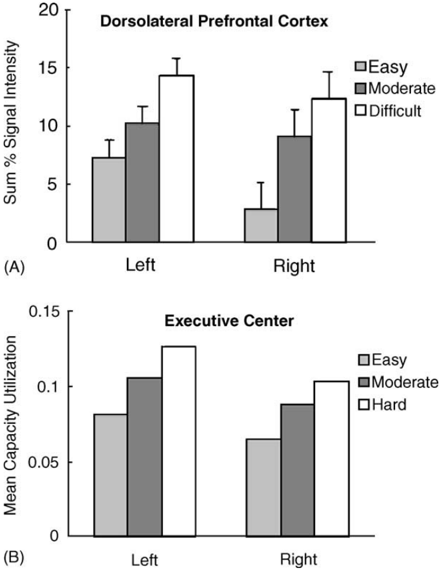
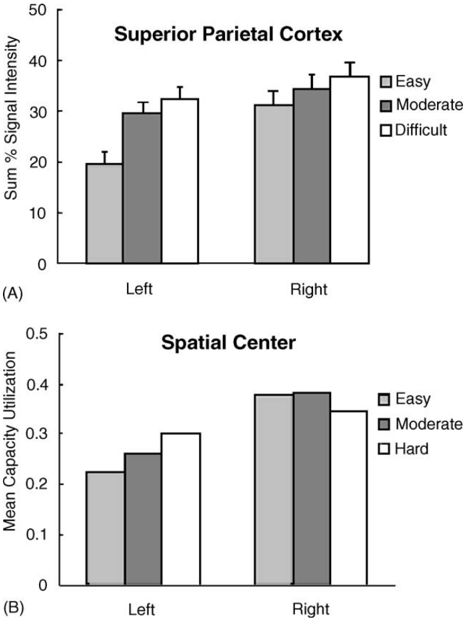
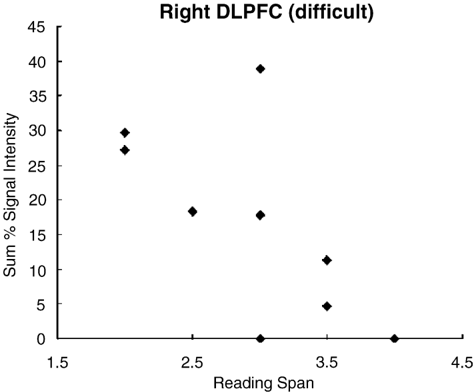
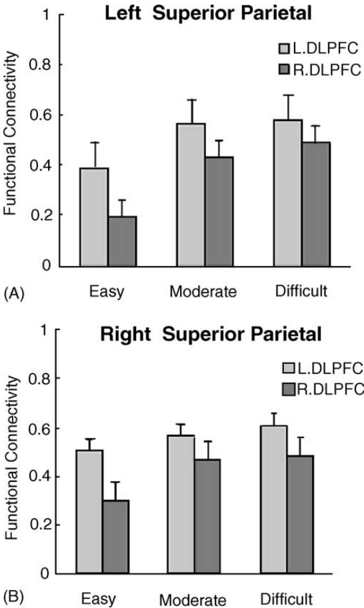
This study triangulates executive planning and visuo-spatial reasoning in the context of the Tower of London (TOL) task by using a variety of methodological approaches. These approaches include functional magnetic resonance imaging (fMRI), functional connectivity analysis, individual difference analysis, and computational modeling. A graded fMRI paradigm compared the brain activation during the solution of problems with varying path lengths: easy (1 and 2 moves), moderate (3 and 4 moves) and difficult (5 and 6 moves). There were three central findings regarding the prefrontal cortex: (1) while both the left and right prefrontal cortices were equally involved during the solution of moderate and difficult problems, the activation on the right was differentially attenuated during the solution of the easy problems; (2) the activation observed in the right prefrontal cortex was highly correlated with individual differences in working memory (measured independently by the reading span task); and (3) different patterns of functional connectivity were observed in the left and right prefrontal cortices. Results obtained from the superior parietal region also revealed left/right differences; only the left superior parietal region revealed an effect of difficulty. These fMRI results converged upon two hypotheses: (1) the right prefrontal area may be more involved in the generation of a plan, whereas the left prefrontal area may be more involved in plan execution; and (2) the right superior parietal region is more involved in attention processes while the left homologue is more of a visuo-spatial workspace. A 4CAPS computational model of the cognitive processes and brain activation in the TOL task integrated these hypothesized mechanisms, and provided a reasonably good fit to the observed behavioral and brain activation data. The multiple research approaches presented here converge on a deepening understanding of the combination of perceptual and conceptual processes in this type of visual problem solving.
Overview
The claims and statistics of this paper haven’t been checked yet.
Free: it reads the open-access text and checks the first 5 claims that cite a source we can check. Create a free account to check every claim.
Integrity signals
Registry
Cites
Statistics
Figures

Verification
Claims the paper makes
The claims and statistics of this paper haven’t been checked yet.
Free: it reads the open-access text and checks the first 5 claims that cite a source we can check. Create a free account to check every claim.
Claims other papers make about this one
Each is checked against this paper’s own text: does it say what the citing paper says it does?
The source backs part of the claim, not all of it — or backs it for a different population, condition or comparison.
In the citing paper
“Neuroimaging studies have shown that EF tasks similar to those used in our study activate a variety of areas within the prefrontal cortex [28,31,98] and in addition to this, activate areas with important connections to the prefrontal cortex, such as the caudate nucleus, the putamen, thalamic areas [30], cingulate and parietal cortex [29,99].”
From Neurocognitive functions in pathological gambling: a comparison with alcohol dependence, Tourette syndrome and normal controls (2006) · cites this paper as [99]
Experimental — accuracy not yet measured
Self-check
Percentages, sums and reported differences re-computed from the paper’s own numbers.
The self-check needs the paper’s full text.
Citations
Cites
Individual differences in working memory and reading
Daneman, M., & Carpenter, P. A. (1980) · Journal of Verbal Learning and Verbal Behavior · doi:10.1016/s0022-5371(80)90312-6 · Cited by 6,336 · cited 1×
“The Daneman and Carpenter (1980)reading span test was administered to 10 of 12 participants.”
MethodSelf-citation(1991) · Choice Reviews Online · doi:10.5860/choice.28-5376 · Cited by 4,207
A capacity theory of comprehension: individual differences in working memory
Just, M. A., & Carpenter, P. A. (1992) · Psychological Review · doi:10.1037/0033-295x.99.1.122 · Cited by 4,153 · cited 1×
“…of the prominent ones, including Soar (Newell, 1990), ACT-R (Anderson, 1993), EPIC (Meyer & Kieras, 1997) and 3CAPS (Goel, Pullara, & Grafman, 2001; Just & Carpenter, 1992), account for the error patterns and processing times in problem solving, reasoning, decision making, memory and learning,…”
Self-citationSpecific impairments of planning
Shallice, T. (1982) · Philosophical Transactions of the Royal Society of London. B, Biological Sciences · doi:10.1098/rstb.1982.0082 · Cited by 3,741 · cited 2×
“…and right prefrontal cortices were equally involved during the solution of moderate and difficult problems, the activation on the right was differentially attenuated during the solution of the easy problems; (2) the activation observed in the right prefrontal cortex was highly correlated with…”
ResultMacDonald, A. W., Cohen, J. D., Stenger, V. A., & Carter, C. S. (2000) · Science · doi:10.1126/science.288.5472.1835 · Cited by 3,666
Mesulam, M. (1998) · Brain · doi:10.1093/brain/121.6.1013 · Cited by 3,072
Large-scale neurocognitive networks and distributed processing for attention, language, and memory
Mesulam, M. (1990) · Annals of Neurology · doi:10.1002/ana.410280502 · Cited by 2,684
Functional and effective connectivity in neuroimaging: a synthesis
Friston, K. J. (1994) · Human Brain Mapping · doi:10.1002/hbm.460020107 · Cited by 2,452 · cited 1×
“The synchronization is taken as evidence of functional connectivity[or effective connectivity(Buchel, Coull, & Friston, 1999; Friston, 1994; Horwitz, Rumsey, & Donohue, 1998)].”
Time course EPI of human brain function during task activation
Bandettini, P. A., Wong, E. C., Hinks, R. S., Tikofsky, R. S., & Hyde, J. S. (1992) · Magnetic Resonance in Medicine · doi:10.1002/mrm.1910250220 · Cited by 1,935
(1993) · Medical Entomology and Zoology · Cited by 1,882
Research works printed but not linked: 4
- D'Esposito, M., Deter, J. A., Aguirre, G. K., Stallcup, M., Alsop, D. C., Tippet, L. J., & Farah, M. J. (1997). A functional MRI study of mental imagery generation. Neuropsychologia, 35, 715-730.
- Just, M. A., Carpenter, P. A., & Varma, S. (1999). Computational modeling of high-level cognition and brain function. Human Brain Mapping, 8, 128-136. · doi:10.1002/(sici)1097-0193(1999)8:2/3<128::aid-hbm10>3.0.co;2-g
- Rosenbloom, P. S., Laird, J. E., & Newell, A. (1993a). The Soarpapers: Research in integrated intelligence: Vol. 1. Cambridge, MA: MIT Press.
- Rosenbloom, P. S., Laird, J. E., & Newell, A. (1993b). The Soarpapers: Research in integrated intelligence: Vol. 2. Cambridge, MA: MIT Press.
Cited by
Items 101–200 of 401
den Braber, A., van 't Ent, D., Cath, D. C., Wagner, J., Boomsma, D. I., & de Geus, E. J. C. (2010) · Brain · doi:10.1093/brain/awq229 · Cited by 51
“The Tower of London paradigm has been found to activate the dorsolateral prefrontal cortex, anterior cingulate cortex, caudate nucleus, (pre)cuneus, supramarginal and angular gyrus of the parietal lobe, and frontal opercular areas of the insula (Dagher et al., 1999; Lazeron et al., 2000; Newman et al., 2003; van den H…”
BackgroundMethodExecutive functions and prefrontal cortex: a matter of persistence?
Ball, G., Stokes, P. R., Rhodes, R. A., Bose, S. K., Rezek, I., Wink, A.-M., Lord, L.-D., Mehta, M. A., Grasby, P. M., & Turkheimer, F. E. (2011) · Frontiers in Systems Neuroscience · doi:10.3389/fnsys.2011.00003 · Cited by 50
“Frontiers in Systems Neuroscience www.frontiersin.org January 2011 | Volume 5 | Article 3 | 8 have attempted to delineate structures underlying the cognitive subprocesses involved (Lazeron et al., 2000; Rowe et al., 2001; Newman et al., 2003; Schall et al., 2003).”
Anselmetti, S., Cavallaro, R., Bechi, M., Angelone, S. M., Ermoli, E., Cocchi, F., & Smeraldi, E. (2007) · Psychiatry Research · doi:10.1016/j.psychres.2005.12.004 · Cited by 53
Koiliari, E. I., Roussos, P., Pasparakis, E. L., Lencz, T., Malhotra, A. K., Siever, L. J., Giakoumaki, S. G., & Bitsios, P. (2014) · Schizophrenia Research · doi:10.1016/j.schres.2014.02.017 · Cited by 61
Information-processing modules and their relative modality specificity
Anderson, J. R., Qin, Y., Jung, K.-J., & Carter, C. S. (2007) · Cognitive Psychology · doi:10.1016/j.cogpsych.2006.06.003 · Cited by 50
A new method for detecting causality in fMRI data of cognitive processing
Londei, A., D’Ausilio, A., Basso, D., & Belardinelli, M. O. (2005) · Cognitive Processing · doi:10.1007/s10339-005-0019-5 · Cited by 51
“Functional neuroimaging literature describes many higher processes as circuits of regions, interacting by means of feedback and feed-forward connections, e.g., planning ( Newman et al. 2003; Basso 2005), emotion recognition (Adolphs 2002) and language processing (Tettamanti et al. 2005).”
BackgroundAn fMRI study in monozygotic twins discordant for obsessive–compulsive symptoms
den Braber, A., Ent, D. V. ‘., Blokland, G. A. M., Grootheest, D. S. V., Cath, D. C., Veltman, D. J., de Ruiter, M. B., & Boomsma, D. I. (2008) · Biological Psychology · doi:10.1016/j.biopsycho.2008.01.010 · Cited by 54
“The dlPFC is importantly involved in executive functions including cognitive planning, inhibitory control and decision making (Rosenberg and Keshavan, 1998; Faw, 2003; Newman et al., 2003; Remijnse et al., 2006).”
Griebling, J., Minshew, N. J., Bodner, K., Libove, R., Bansal, R., Konasale, P., Keshavan, M. S., & Hardan, A. (2010) · Journal of Child Neurology · doi:10.1177/0883073809351313 · Cited by 48
“The Tower of Hanoi task challenges problem solving and concept formation and has been shown to activate prefrontal and parietal areas in healthy individuals.(17) Several investigations have reported that individuals with autism show impaired performance on this task over time.”
Bernal, B., & Altman, N. (2009) · International Journal of Neuroscience · doi:10.1080/00207450802333029 · Cited by 48
Cortical Thinning and Cognitive Impairment in Parkinson's Disease without Dementia
Zhang, L., Wang, M., Sterling, N. W., Lee, E., Eslinger, P. J., Wagner, D., Du, G., Lewis, M. M., Truong, Y. K.-N., Bowman, F. D., et al. (2015) · IEEE Transactions on Computational Biology and Bioinformatics · doi:10.1109/tcbb.2015.2465951 · Cited by 48
The Physiology of Executive Functioning
Chung, H. J., Weyandt, L. L., & Swentosky, A. J. (2013) · Springer eBooks · doi:10.1007/978-1-4614-8106-5_2 · Cited by 84
“In general, studies suggest that the physiology of executive function is not limited to the prefrontal cortex as hypothesized in previous studies (e.g., Birn et al., 2010 ; Fassbender et al., 2011 ; Newman et al., 2003 ; Osaka et al., 2004 ; Unterrainer et al., 2004 ).”
Berti, B., Momi, D., Sprugnoli, G., Neri, F., Bonifazi, M., Rossi, A., Muscettola, M., Benocci, R., Santarnecchi, E., & Rossi, S. (2019) · Neural Plasticity · doi:10.1155/2019/6807978 · Cited by 52
“Neuroimaging studies using fMRI have shown that frontoparietal cortical activation is stronger in subjects with high cognitive performance [52], and Babiloni and colleagues [15] showed that elite karate athletes have lower alpha Event-Related Desynchronization (ERD) than controls in parietal and occipital regions duri…”
BackgroundLinking coordinative and executive dysfunctions to atrophy in spinocerebellar ataxia 2 patients
D’Agata, F., Caroppo, P., Boghi, A., Coriasco, M., Caglio, M., Baudino, B., Sacco, K., Cauda, F., Geda, E., Bergui, M., et al. (2011) · Brain Structure and Function · doi:10.1007/s00429-011-0310-4 · Cited by 55
“Functional studies demonstrated the activation of a fronto-parietal–occipital network including the DorsoLateral PreFrontal cortex, and the Inferior Parietal Lobe during a ToL task and decision-making task (Schall et al. 2003; Andreasen et al. 1992; Morris et al. 1993; Baker et al. 1996; Dagher et al. 1999; Lazeron et…”
BackgroundTask-Dependent Individual Differences in Prefrontal Connectivity
Biswal, B. B., Eldreth, D. A., Motes, M. A., & Rypma, B. (2010) · Cerebral Cortex · doi:10.1093/cercor/bhp284 · Cited by 55
“Other studies have also shown divergent results (e.g., Tower of London; Newman et al. 2003; Sternberg-type WM; Rypma et al. 1999; backward digit span; Larson et al. 1995).”
BackgroundResultExecutive deficits and regional brain metabolism in Alzheimer's disease
Woo, B. K. P., Harwood, D. G., Melrose, R. J., Mandelkern, M. A., Campa, O., Walston, A., & Sultzer, D. L. (2010) · International Journal of Geriatric Psychiatry · doi:10.1002/gps.2452 · Cited by 49
Risky decision-making under risk in schizophrenia: A deliberate choice?
Pedersen, A., Göder, R., Tomczyk, S., & Ohrmann, P. (2016) · Journal of Behavior Therapy and Experimental Psychiatry · doi:10.1016/j.jbtep.2016.08.004 · Cited by 51
Investigating Neural Efficiency in the Visuo-Spatial Domain: An fmri Study
Lipp, I., Benedek, M., Fink, A., Koschutnig, K., Reishofer, G., Bergner, S., Ischebeck, A. K., Ebner, F., & Neubauer, A. C. (2012) · PLoS ONE · doi:10.1371/journal.pone.0051316 · Cited by 52
“Some studies found evidence for a negative relationship between brain activation and intelligence, and most of the correlations were found in frontal and parietal regions [23–29].”
BackgroundA Double Dissociation in the Roles of Serotonin and Mood in Healthy Subjects
Robinson, O. J., & Sahakian, B. J. (2009) · Biological Psychiatry · doi:10.1016/j.biopsych.2008.10.001 · Cited by 43
The influence of sex differences and individual task performance on brain activation during planning
Unterrainer, J. M., Ruff, C. C., Rahm, B., Kaller, C. P., Spreer, J., Schwarzwald, R., & Halsband, U. (2004) · NeuroImage · doi:10.1016/j.neuroimage.2004.09.020 · Cited by 50
Brand, M., Kalbe, E., Kracht, L. W., Riebel, U., Münch, J., Kessler, J., & Markowitsch, H. J. (2004) · Neurocase · doi:10.1080/13554790490894002 · Cited by 43
“The dorsolateral prefrontal cortex and the cingulate gyrus are seen to be involved in executive functions (Godefroy, 2003; Newman et al., 2003) and the cingulate gyrus is also associated with emotional processing (Masterman and Cummings, 1997).”
BackgroundEye movements and visuospatial problem solving: Identifying separable phases of complex cognition
Kaller, C. P., Rahm, B., Bolkenius, K., & Unterrainer, J. M. (2009) · Psychophysiology · doi:10.1111/j.1469-8986.2009.00821.x · Cited by 49
Srovnalová, H., Mareček, R., Kubíková, R., & Rektorová, I. (2012) · Experimental Brain Research · doi:10.1007/s00221-012-3255-9 · Cited by 48
“Furthermore, Newman et al. (2003) showed that the right DLPFC was less involved than the left DLPFC during problem-solving with shorter path lengths, but substantially involved when the demands on strategic planning increased, that is, the right DLPFC was specifically more involved in planning with…”
BackgroundDefault mode network engagement beyond self-referential internal mentation
Vatansever, D., Manktelow, A., Sahakian, B. J., Menon, D. K., & Stamatakis, E. A. (2018) · Brain Connectivity · doi:10.1089/brain.2017.0489 · Cited by 42
“Moreover, in line with previous TOL studies (Newman et al., 2003; New-man et al., 2009; Schall et al., 2003), the task activation analysis for the 4-moves > count contrast revealed regions commonly associated with planning tasks, including the pre-cuneus, bilateral inferior/superior parietal lobes,…”
Two networks involved in producing and realizing plans
Crescentini, C., Seyed‐Allaei, S., Vallesi, A., & Shallice, T. (2012) · Neuropsychologia · doi:10.1016/j.neuropsychologia.2012.03.005 · Cited by 45
Impaired planning in P arkinson's disease is reflected by reduced brain activation and connectivity
Trujillo, J. P., Gerrits, N. J. H. M., Vriend, C., Berendse, H. W., van den Heuvel, O. A., & van der Werf, Y. D. (2015) · Human Brain Mapping · doi:10.1002/hbm.22873 · Cited by 43
“This may in part explain the impaired performance seen in PD patients, as the fronto-parietal system is implicated in successful ToL problem solving [Baker et al., 1996; Newman et al., 2003].”
BackgroundThe Tower of London: A study of the effect of problem structure on planning
Newman, S. D., & Pittman, G. (2007) · Journal of Clinical and Experimental Neuropsychology · doi:10.1080/13803390701249051 · Cited by 45
Self-citationDavydov, D. M., & Polunina, A. G. (2004) · Progress in Neuro-Psychopharmacology and Biological Psychiatry · doi:10.1016/j.pnpbp.2004.06.006 · Cited by 39
Vecchio, F., Buffo, P., Sergio, S., Iacoviello, D., Rossini, P. M., & Babiloni, C. (2011) · Clinical Neurophysiology · doi:10.1016/j.clinph.2011.06.019 · Cited by 42
“Only few neuroimaging studies have challenged these results (Newman et al., 2003; Gray et al., 2003).”
ResultLange, J. J. D.-D., Liemburg, E. J., Bais, L., Renken, R. J., Knegtering, H., & Aleman, A. (2015) · Schizophrenia Research · doi:10.1016/j.schres.2015.06.018 · Cited by 41
Ringenbach, S. D. R., Albert, A. R., Chen, C., & Alberts, J. L. (2014) · Intellectual and developmental disabilities · doi:10.1352/1934-9556-52.2.124 · Cited by 44
Meade, C. S., Bell, R. P., Towe, S. L., & Hall, S. A. (2019) · Drug and Alcohol Dependence · doi:10.1016/j.drugalcdep.2019.107757 · Cited by 47
“These regions map onto the lateralized frontoparietal network that is critical for planning and other complex attentional tasks (Huettel et al., 2005; Laird et al., 2011; Majdandzic et al., 2007; Newman et al., 2003; Reyna and Huettel, 2014).”
BackgroundSpecific Impairments of Selective Attention in Mild Alzheimer’s Disease
Pignatti, R., Rabuffetti, M., Imbornone, E., Mantovani, F., Alberoni, M., Farina, E., & Canal, N. (2005) · Journal of Clinical and Experimental Neuropsychology · doi:10.1080/13803390490520427 · Cited by 37
“Damage to the frontal lobe is closely related to the ability of the Central Executive to generate and execute plans of visual action ( Newman, Carpenter, Varma, & Just, 2003 ).”
BackgroundMorrison, R. (2005) · Cited by 42
Ouerchefani, R., Ouerchefani, N., Allain, P., Rejeb, M. R. B., & Gall, D. L. (2018) · Journal of Neuropsychology · doi:10.1111/jnp.12156 · Cited by 43
Brain structure links trait conscientiousness to academic performance
Wang, S., Zhao, Y., Li, J., Wang, X., Luo, K., & Gong, Q. (2019) · Scientific Reports · doi:10.1038/s41598-019-48704-1 · Cited by 42
Takahashi, S., Ukai, S., Kose, A., Hashimoto, T., Iwatani, J., Okumura, M., Tsuji, T., & Shinosaki, K. (2013) · Schizophrenia Research · doi:10.1016/j.schres.2013.02.033 · Cited by 41
“, 2006) and visuo-spatial process (Newman et al., 2003) as well as working memory, and depends on functional interactions among multiple cortical and subcortical regions (Unterrainer and Owen, 2006).”
BackgroundPrefrontal executive function associated coupling relates to Huntington's disease stage
Unschuld, P. G., Liu, X., Shanahan, M. R., Margolis, R. L., Bassett, S. S., Brandt, J., Schretlen, D. J., Redgrave, G. W., Hua, J., Höck, C., et al. (2013) · Cortex · doi:10.1016/j.cortex.2013.05.015 · Cited by 44
Differentiating Subtypes of Apathy to Improve Person-Centered Care in Frontotemporal Degeneration
Massimo, L. M., Evans, L. K., & Grossman, M. (2014) · Journal of Gerontological Nursing · doi:10.3928/00989134-20140827-01 · Cited by 43
Tayeb, Y. E., & Lavidor, M. (2015) · Neuroscience · doi:10.1016/j.neuroscience.2015.11.050 · Cited by 38
“, 2000) or problem solving (Newman et al., 2003) and should be considered when one aims to enhance cognitive ability using brain stimulation.”
BackgroundZhao, J. L., Liu, J., Jiang, X., Zhou, G., Chen, G., Ding, X. P., Fu, G., & Lee, K. (2016) · Frontiers in Neuroscience · doi:10.3389/fnins.2016.00452 · Cited by 42
HTR1B as a risk profile maker in psychiatric disorders: a review through motivation and memory
Drago, A., Alboni, S., Brunello, N., Ronchi, D. D., & Serretti, A. (2009) · European Journal of Clinical Pharmacology · doi:10.1007/s00228-009-0724-6 · Cited by 38
“Nonetheless, the most difficult tasks activate all the brain regions in a fashion that is independent of the kind of stimulus [109].”
BackgroundPlanning Following Stroke: A Relational Complexity Approach Using the Tower of London
Andrews, G., Halford, G. S., Chappell, M., Maujean, A., & Shum, D. (2014) · Frontiers in Human Neuroscience · doi:10.3389/fnhum.2014.01032 · Cited by 35
“Moves to solution is widely used as a metric of TOL problem difficulty that has been employed in brain imaging studies and computational approaches to planning and problem solving in the TOL (e.g., Dehaene and Changeux, 1997; Newman et al., 2003).”
MethodA revisit of the amygdala theory of autism: Twenty years after
Wang, S., & Li, X. (2023) · Neuropsychologia · doi:10.1016/j.neuropsychologia.2023.108519 · Cited by 45
Tangram solved? Prefrontal cortex activation analysis during geometric problem solving
Ayaz, H., Shewokis, P. A., İzzetoğlu, M., Cakir, M. P., & Onaral, B. (2012) · Annual International Conference of the IEEE Engineering in Medicine and Biology Society (EMBC) · doi:10.1109/embc.2012.6347022 · Cited by 45
Dynamics of Prefrontal and Cingulate Activity during a Reward-Based Logical Deduction Task
Landmann, C., Dehaene, S., Pappata, S., Jobert, A., Bottlaender, M., Roumenov, D., & Le Bihan, D. (2006) · Cerebral Cortex · doi:10.1093/cercor/bhk028 · Cited by 33
An adaptable UI/UX considering user’s cognitive and behavior information in distributed environment
Ji, H., Yun, Y.-D., Lee, S., Kim, K., & Lim, H. (2017) · Cluster Computing · doi:10.1007/s10586-017-0999-9 · Cited by 47
“Sensory and athletic performance indicators included vision test, an exercise test using the Tab task [14], Edinburgh handedness inventory [15] for the cognitive test, Video Caption Location task, Word span task [16], Color lexical decision test [17], Tower of London task [18], Visual field task [19] and a satisfactio…”
MethodHeinze, K., Ruh, N., Nitschke, K., Reis, J., Fritsch, B., Unterrainer, J. M., Rahm, B., Weiller, C., & Kaller, C. P. (2014) · Biological Psychology · doi:10.1016/j.biopsycho.2014.07.019 · Cited by 41
Changes in brain activity in response to problem solving during the abstinence from online game play
Kim, S. M., Han, D. H., Lee, Y. S., Kim, J. E., & Renshaw, P. F. (2012) · Journal of Behavioral Addictions · doi:10.1556/jba.1.2012.2.1 · Cited by 36
“The right side of the prefrontal region seems to be more important for making plans, while the left side of the prefrontal region seems to be more engaged with the execution of plans (Newman et al., 2003).”
BackgroundZhu, Y., Liu, X. E., Wang, H., Jiang, T., Fang, Y., Hu, H., Wang, G., Wang, X., Liu, Z., & Zhang, K. (2010) · Neuroscience Letters · doi:10.1016/j.neulet.2010.05.003 · Cited by 37
The effect of problem structure on problem-solving: An fMRI study of word versus number problems
Newman, S. D., Willoughby, G., & Pruce, B. (2011) · Brain Research · doi:10.1016/j.brainres.2011.06.053 · Cited by 36
Self-citationBrain Activation in the Prefrontal Cortex during Motor and Cognitive Tasks in Adults
Liang, L.-Y., Shewokis, P. A., & Getchell, N. (2016) · Journal of Behavioral and Brain Science · doi:10.4236/jbbs.2016.612042 · Cited by 37
“The finding corresponded with previous studies exploring the involvement of the PFC in problem solving tasks using fMRI, in which activations of the DLPFC have been observed during Tower of London task [25] [26] [27] [28].”
ResultParks, M. H., Greenberg, D. S., Nickel, M. K., Dietrich, M. S., Rogers, B. P., & Martin, P. (2010) · Alcoholism Clinical and Experimental Research · doi:10.1111/j.1530-0277.2010.01186.x · Cited by 33
“Imaging and electrophysiological evaluation of brain functions during performance of more complex tasks, such as the Tower of London (Lazeron et al., 2000; Newman et al., 2003) and the Tower of Hanoi (Fincham et al.”
MethodWirebring, L. K., Lithner, J., Jonsson, B., Liljekvist, Y., Norqvist, M., & Nyberg, L. H. (2015) · Trends in Neuroscience and Education · doi:10.1016/j.tine.2015.03.002 · Cited by 44
The Neural Basis of Aversive Pavlovian Guidance during Planning
Lally, N., Huys, Q. J. M., Eshel, N., Faulkner, P., Dayan, P., & Roiser, J. P. (2017) · Journal of Neuroscience · doi:10.1523/jneurosci.0085-17.2017 · Cited by 35
“These brain regions are frequently implicated in planning tasks that require cognitive control (Newman et al., 2003) and in goal-directed approaches to problem solving (Solway and Botvinick, 2012).”
BackgroundInfluentialCognitive Architectures as Lakatosian Research Programs: Two Case Studies
Cooper, R. (2006) · Philosophical Psychology · doi:10.1080/09515080500462388 · Cited by 31
“, 2004), 4-CAPS (Just et al., 1999; Newman et al., 2003) and EPIC (Kieras & Meyer, 1997; Meyer & Kieras, 1997).”
den Braber, A., Ent, D. V. ‘., Boomsma, D. I., Cath, D. C., Veltman, D. J., Thompson, P. M., & de Geus, E. J. C. (2011) · Biological Psychiatry · doi:10.1016/j.biopsych.2011.03.029 · Cited by 33
Neural basis of thinking: laboratory problems versus real‐world problems
Goel, V. (2010) · WIREs Cognitive Science · doi:10.1002/wcs.71 · Cited by 29
Model-free fMRI group analysis using FENICA
Schöpf, V., Windischberger, C., Robinson, S., Kasess, C. H., Fischmeister, F. P. S., Lanzenberger, R. R., Albrecht, J., Kleemann, A. M., Kopietz, R., Wiesmann, M., et al. (2010) · NeuroImage · doi:10.1016/j.neuroimage.2010.11.010 · Cited by 30
“…widely used to assess executive functions such as planning and working memory (Baker et al., 1996; Berg and Byrd, 2002; Carder et al., 2004; Dagher et al., 1999; Morris et al., 1993; Owen et al., 1990; Shallice, 1982; Newman and Pittman, 2007; Newman et al., 2003; Unterrainer et al., 2003, 2004).”
Procedural Learning Impairments Identified via Predictive Saccades in Chronic Traumatic Brain Injury
Kraus, M. F., Little, D. M., Wojtowicz, S. M., & Sweeney, J. A. (2010) · Cognitive and Behavioral Neurology · doi:10.1097/wnn.0b013e3181cefe2e · Cited by 29
Behmer, L. P., & Fournier, L. R. (2013) · Behavioural Brain Research · doi:10.1016/j.bbr.2013.11.031 · Cited by 34
Ruh, N., Rahm, B., Unterrainer, J. M., Weiller, C., & Kaller, C. P. (2012) · Brain and Cognition · doi:10.1016/j.bandc.2012.02.012 · Cited by 34
“In this respect, a substantially increased activity of right dlPFC for increased numbers of minimal moves (Newman et al., 2003) parallels our assumption of right dlPFC being involved in planning processes proper.”
BackgroundDebelak, R., Egle, J., Schumacher, L. V., & Kaller, C. P. (2016) · Neuropsychology · doi:10.1037/neu0000238 · Cited by 38
Caffeine Effect on Cognitive Function during a Stroop Task: fNIRS Study
Yuan, Y., Li, G., Ren, H., & Chen, W. (2020) · Neural Plasticity · doi:10.1155/2020/8833134 · Cited by 32
“Previous studies concluded that the activation of the right DLPFC may be due to the sensitivity in task difficulty [48].”
BackgroundPotter, G. G., Blackwell, A. D., McQuoid, D. R., Payne, M. E., Steffens, D. C., Sahakian, B. J., Welsh-Bohmer, K. A., & Krishnan, K. R. (2007) · Neuropsychopharmacology · doi:10.1038/sj.npp.1301339 · Cited by 28
Ohoshi, Y., Takahashi, S., Yamada, S., Ishida, T., Tsuda, K., Tsuji, T., Terada, M., Shinosaki, K., & Ukai, S. (2019) · Brain and Behavior · doi:10.1002/brb3.1357 · Cited by 27
Acute effects of cocaine and cannabis on reversal learning as a function of COMT and DRD2 genotype
Spronk, D. B., van der Schaaf, M. E., Cools, R., de Bruijn, E. R. A., Franke, B., van Wel, J. H. P., Ramaekers, J. G., & Verkes, R. J. (2015) · Psychopharmacology · doi:10.1007/s00213-015-4141-5 · Cited by 31
“Forward planning implicates the prefrontal cortex and striatal dopamine, as evidenced by studies with patients with Parkinson’s disease, characterized primarily by severe striatal dopamine depletion and psychopharmacological studies using drugs that act primarily on striatal dopamine receptors (Newman et al. 2003; Rav…”
BackgroundPietrini, P., & Bambini, V. (2009) · International Journal of Law and Psychiatry · doi:10.1016/j.ijlp.2009.04.005 · Cited by 31
A Comparative Study of Tower of London Scoring Systems and Normative Data
Michalec, J., Bezdíček, O., Nikolai, T., Harsa, P., Jech, R., Šilhán, P., Hýža, M., Růžička, E., & Shallice, T. (2017) · Archives of Clinical Neuropsychology · doi:10.1093/arclin/acw111 · Cited by 29
Wang, S., Zhou, M., Chen, T., Yang, X., Chen, G., Wang, M., & Gong, Q. (2017) · Scientific Reports · doi:10.1038/s41598-017-00677-9 · Cited by 30
Multiple Kernel Learning Model for Relating Structural and Functional Connectivity in the Brain
Surampudi, S. G., Naik, S., Bapi, R. S., Jirsa, V., Sharma, A. K., & Roy, D. (2018) · Scientific Reports · doi:10.1038/s41598-018-21456-0 · Cited by 27
“ Τ Τ σ −Λ a e dt { } (14) t k t k k e t I 0 2 2/ n”
Capotosto, P., Perrucci, M. G., Brunetti, M., Gratta, C. D., Doppelmayr, M. M., Grabner, R. H., Klimesch, W., Neubauer, A. C., Neuper, C., Pfurtscheller, G., et al. (2009) · Behavioural Brain Research · doi:10.1016/j.bbr.2009.07.032 · Cited by 24
Li, Y., Zhang, L., Long, K., Gong, H., & Lei, H. C. (2018) · Journal of Biophotonics · doi:10.1002/jbio.201700308 · Cited by 31
Manning, L., Pierot, L., & Dufour, A. (2005) · European Journal of Neurology · doi:10.1111/j.1468-1331.2005.01012.x · Cited by 37
“Recently, Newman et al. (2003) demonstrated, most elegantly, the involvement of the parietal lobe in the resolution of the Tower of London.”
An Overview of Brain Fingerprint Identification Based on Various Neuroimaging Technologies
Zhang, S., Yang, W., Mou, H., Pei, Z., Li, F., & Wu, X. (2023) · IEEE Transactions on Cognitive and Developmental Systems · doi:10.1109/tcds.2023.3314155 · Cited by 29
“W ITH the development of biology and neuroscience, researchers have recognized that individual differences exist in both the structure [1], [2], [3] and function [4], [5], [6] of the human brain.”
BackgroundBisbing, T. A., Olm, C. A., McMillan, C. T., Rascovsky, K., Baehr, L. A., Ternes, K., Irwin, D. J., Clark, R., & Grossman, M. (2015) · Frontiers in Human Neuroscience · doi:10.3389/fnhum.2015.00317 · Cited by 26
Age, sex, and verbal abilities affect location of linguistic connectivity in ventral visual pathway
Burman, D. D., Minas, T., Bolger, D. J., & Booth, J. R. (2013) · Brain and Language · doi:10.1016/j.bandl.2012.12.007 · Cited by 22
Byrd, D. L., Reuther, E. T., McNamara, J. P. H., DeLucca, T. L., & Berg, W. K. (2015) · Frontiers in Psychology · doi:10.3389/fpsyg.2014.01470 · Cited by 31
Kelly, M., McDonald, S., & Kellett, D. (2014) · Journal of Clinical and Experimental Neuropsychology · doi:10.1080/13803395.2014.955784 · Cited by 26
Bey, K., Kaufmann, C., Lennertz, L., Riesel, A., Klawohn, J., Heinzel, S., Grützmann, R., Kathmann, N., & Wagner, M. (2018) · Journal of Anxiety Disorders · doi:10.1016/j.janxdis.2018.05.009 · Cited by 22
Meyer, G. F., Spray, A., Fairlie, J., & Uomini, N. (2014) · Frontiers in Psychology · doi:10.3389/fpsyg.2014.00552 · Cited by 28
Xiang, Y., Li, Y., Shu, C., Liu, Z., Wang, H., & Wang, G. (2021) · Frontiers in Psychiatry · doi:10.3389/fpsyt.2021.709875 · Cited by 25
“Our research focused on the PFC, and some MRI studies found that the TOL task also activated the frontostriatal and the parietal cortex (29, 30).”
BackgroundResultKaller, C. P., Reisert, M., Katzev, M., Umarova, R. M., Mader, I., Hennig, J., Weiller, C., & Köstering, L. (2013) · Cerebral Cortex · doi:10.1093/cercor/bht276 · Cited by 25
Pereira, T. S., Castro, M. A., Villafaina, S., Santos, A. C., & García, J. P. F. (2020) · Sensors · doi:10.3390/s20143917 · Cited by 25
“Several studies have demonstrated the importance of the frontal lobe, and particularly the PFC, in problem-solving tasks [8,9] including playing chess games [10].”
BackgroundA mathematical model and a computer tool for the Tower of Hanoi and Tower of London puzzles
Hinz, A., Kostov, A., Kneißl, F., Sürer, F., & Danek, A. (2009) · Information Sciences · doi:10.1016/j.ins.2009.04.010 · Cited by 22
Cognitive estimation in mild Alzheimer’s disease
Barabássy, Á., Beinhoff, U., & Riepe, M. W. (2007) · Journal of Neural Transmission · doi:10.1007/s00702-007-0752-2 · Cited by 23
“, 2002) and the parietal and frontal cortex have been found in another task in concerted action of executive planning and visuo-spatial reasoning (Godefroy, 2003; Newman et al., 2003).”
Modeling Brain Dynamics During Virtual Reality-Based Emergency Response Learning Under Stress
Tyagi, O., Hopko, S. K., Kang, J., Shi, Y., Du, J., & Mehta, R. K. (2021) · Human Factors The Journal of the Human Factors and Ergonomics Society · doi:10.1177/00187208211054894 · Cited by 20
“…(fNIRS) and Electroencephalography, have been used in naturalistic or laboratory environments to assess cognitive states such as fatigue, workload, and stress (Ayaz et al., 2012; Borghetti et al., 2017; Newman et al., 2003), in addition to monitoring the learning process (Basso Moro et al., 2013).”
BackgroundMethodProgramming experience associated with neural efficiency during figural reasoning
Helmlinger, B., Sommer, M., Feldhammer-Kahr, M., Wood, G. M. D. O., Arendasy, M. E., & Kober, S. E. (2020) · Scientific Reports · doi:10.1038/s41598-020-70360-z · Cited by 25
The Neural Bases of Intelligence: A Perspective Based on Functional Neuroimaging
Newman, S. D., & Just, M. A. (2004) · Cambridge University Press eBooks · doi:10.1017/cbo9780511607073.006 · Cited by 23
“There is evidence that lends support to the efficiency hypothesis: several PET studies have reported negative correlations between psychometricallymeasured abilities and the volume of cortical activation produced by tasks that draw upon these abilities (Just et al., 2003; Haier et al., 1988; Parks et al., 1988, 1989;…”
Self-citationFrauenfelder, B. A., Schuepbach, D., Baumgartner, R. W., & Hell, D. (2004) · NeuroImage · doi:10.1016/j.neuroimage.2004.03.008 · Cited by 22
Mitani, K., Rathnayake, N., Rathnayake, U., Dang, T. L., & Hoshino, Y. (2022) · Sensors · doi:10.3390/s22218283 · Cited by 24
“On the other hand, several other studies employing the ToH task have reported that the frontal pole is related to executive function [10,22].”
BackgroundPercio, C. D., Franzetti, M., Matti, A. J. D., Noce, G., Lizio, R., Lopez, S., Soricelli, A., Ferri, R., Pascarelli, M. T., Rizzo, M., et al. (2019) · Frontiers in Psychology · doi:10.3389/fpsyg.2019.00890 · Cited by 22
Hu, Z., Lam, K.-F., & Yuan, Z. (2019) · Neuroscience · doi:10.1016/j.neuroscience.2019.09.021 · Cited by 20
Schweizer, T. A., Al‐Khindi, T., & Macdonald, R. L. (2012) · Clinical Neurology and Neurosurgery · doi:10.1016/j.clineuro.2011.12.045 · Cited by 18
Prevalence and risk factors for visual hallucinations in Chinese patients with Parkinson's disease
Zhu, J., Shen, B., Lu, L., Lan, W., Pan, Y., Zhang, L., Dong, J., Wang, M., & Zhang, L. (2016) · Journal of the Neurological Sciences · doi:10.1016/j.jns.2016.10.043 · Cited by 20
Cognitive Analysis of Constructing Algebraic Proof Processes: A Mixed Method Research
Öztürk, M., & Kaplan, A. (2018) · TED EĞİTİM VE BİLİM · doi:10.15390/eb.2018.7504 · Cited by 23
Newman, S. D., & Green, S. (2015) · Elsevier eBooks · doi:10.1016/b978-0-12-397025-1.00282-7 · Cited by 19
“…differentially contribute to problem solving states that the right prefrontal cortex is involved in constructing the plan for solving the TOL problem, whereas the left prefrontal cortex is involved in control processes necessary to supervise the execution of the plan (Newman et al., 2003).”
BackgroundMethodInfluentialSelf-citationCognitive Neuroscience of Thinking
Goel, V. (2009) · Wiley eBooks · doi:10.1002/9780470478509.neubb001022 · Cited by 23
Peng, Z., Xu, L., Wang, H., Song, T., Shao, Y., Liu, Q., & Weng, X. (2022) · Brain Sciences · doi:10.3390/brainsci12121607 · Cited by 18
“However, the current research reports on neural efficiency are inconsistent [42,43], especially for challenging cognitive tasks (even if neural efficiency is somewhat transferable) [44,45].”
BackgroundExecutive Functioning: A Comparison of the Tower of LondonDXand the D-KEFS Tower Test
Larochette, A.-C., Benn, K., & Harrison, A. G. (2009) · Applied Neuropsychology · doi:10.1080/09084280903098695 · Cited by 24
“These domains have historically been associated with frontal lobe functioning (Newman, Carpenter, Varma, & Just, 2003 ) and have an impact on specific behaviors, such as impulsivity, emotional control, and lack of organization.”
BackgroundVyshedskiy, A., Dunn, R., & Piryatinsky, I. (2017) · Research Ideas and Outcomes · doi:10.3897/rio.3.e13239 · Cited by 16
“It is also clear that the lateral PFC is not working alone, but is relying on the sensory information encoded in the posterior cortex (occipital, temporal, and parietal lobes) (Fuster 2008; Ghatan et al. 1995; Gray et al. 2003; Haier et al. 1988; Houdé and Tzourio-Mazoyer 2003; Kroger et al. 2002; Newman et al. 2003;…”
Background
Metadata
- Authors
- Newman, S. D., Carpenter, P. A., Varma, S., & Just, M. A.
- Affiliations
- Carnegie Mellon University (US)
- Corresponding author
- Newman, Sharlene D
- Venue
- Neuropsychologia
- Publisher
- Elsevier BV
- Published
- 2003-01
- Volume
- 41
- Issue
- 12
- Pages
- 1668-1682
- ISSN
- 0028-3932 (ISSN-L)
- OpenAlex
- W2156102858
- Semantic Scholar
- a10fae85620ec8203f44588f9bbcef7d57d82cd9
- Cited by
- 400
- References
- 52
- Citations by year
- 2026: 9 · 2025: 22 · 2024: 15 · 2023: 13 · 2022: 10 · 2021: 15 · 2020: 10 · 2019: 29 · 2018: 19 · 2017: 10 · 2016: 11 · 2015: 23 · 2014: 18 · 2013: 20 · 2012: 19
- FWCI
- 8.33
- Type
- journal article
- Language
- en
- Open access
- green
- figshare.com
- Licence
- cc-by
- www.elsevier.com/tdm/userlicense/1.0/ (tdm)
- Locations
- Neuropsychologia (publishedVersion)
- PubMed (publishedVersion)
- Figshare (submittedVersion, cc-by)
- KiltHub Repository (submittedVersion)
- KiltHub Repository
- Funders
- Carnegie Institution of Washington
- National Institutes of Health
- Office of Naval Research (N00014)
- National Institute of Mental Health (MH 00661, MH 00662)
- Topics
- Life Sciences › Neuroscience › Cognitive Neuroscience › Neural and Behavioral Psychology Studies
- Social Sciences › Psychology › Experimental and Cognitive Psychology › Cognitive Abilities and Testing
- Social Sciences › Psychology › Experimental and Cognitive Psychology › Cognitive Functions and Memory
- Keywords
- Tower of London task, executive planning, prefrontal cortex, right prefrontal cortex, left prefrontal cortex, superior parietal cortex, functional connectivity, problem difficulty, plan generation, plan execution, attention, computational cognitive modeling, visual problem solving
- MeSH terms
- Adolescent, Adult, Cognition, Female, Frontal Lobe, Goals, Humans, Magnetic Resonance Imaging, Male, Memory, Models, Psychological, Parietal Lobe, Problem Solving
About these checks
Registry, retraction, Cites and statistics results are computed, not judged, with one exception: a printed reference that no index lists is read once by a model before it counts as a citation error. Claims are extracted by a model and kept only when their quote appears verbatim in the text; each cited source is then checked, with a model’s help, for whether it says what the claim relies on. Those verdicts can be wrong — read the claim’s quote and the cited source before relying on one.
Statistics and arithmetic are recomputed, not judged.
Confidence bands are shown only for fields calibrated on our annotated test set. None is calibrated yet, so no band is shown.
What counts as a claim ›How we measure confidence ›How we check this ›
Are you an author, or do you see a problem with this page? Request a review
Data sources
Bibliographic data: Semantic Scholar, OpenAlex, Crossref.
Contains information from the Semantic Scholar Academic Graph Datasets, made available under the ODC Attribution License (ODC-BY 1.0).
Semantic Scholar’s data is described in: Kinney, R., et al. (2023). The Semantic Scholar Open Data Platform. arXiv:2301.10140.
