

Fenfluramine hydrochloride for the treatment of seizures in Dravet syndrome: a randomised, double-blind, placebo-controlled trial
Open accessThe DOI matches its Crossref record; 39 of the 39 references it cites were found in a registry or an index.
Abstract
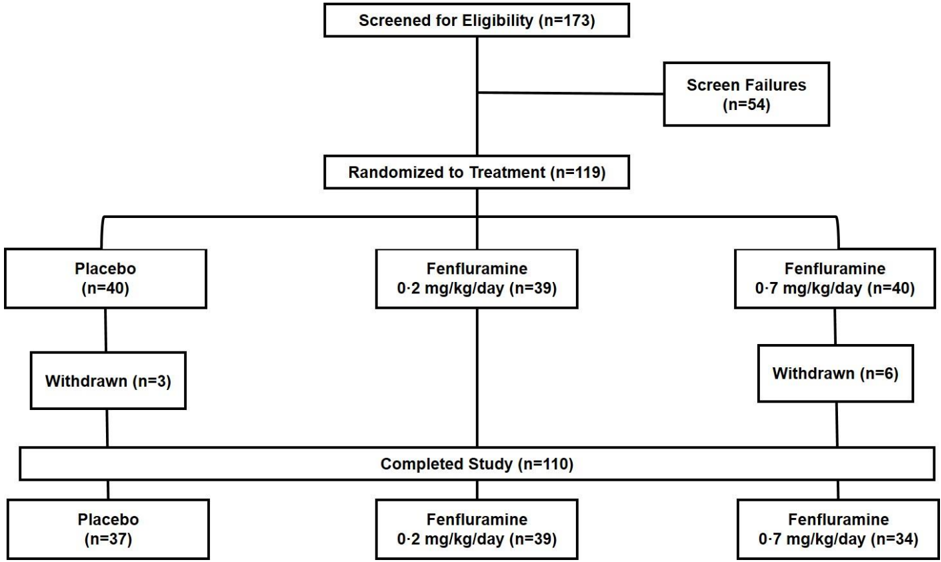
Background Dravet syndrome is a rare, treatment-resistant developmental epileptic encephalopathy characterised by multiple types of frequent, disabling seizures. Fenfluramine has been reported to have antiseizure activity in observational studies of photosensitive epilepsy and Dravet syndrome. The aim of the present study was to assess the efficacy and safety of fenfluramine in patients with Dravet syndrome.Methods In this randomised, double-blind, placebo-controlled clinical trial, we enrolled children and young adults with Dravet syndrome. After a 6-week observation period to establish baseline monthly convulsive seizure frequency (MCSF; convulsive seizures were defined as hemiclonic, tonic, clonic, tonic-atonic, generalised tonic-clonic, and focal with clearly observable motor signs), patients were randomly assigned through an interactive web response system in a 1:1:1 ratio to placebo, fenfluramine 0·2 mg/kg per day, or fenfluramine 0·7 mg/kg per day, added to existing antiepileptic agents for 14 weeks. The primary outcome was the change in mean monthly frequency of convulsive seizures during the treatment period compared with baseline in the 0·7 mg/kg per day group versus placebo; 0·2 mg/kg per day versus placebo was assessed as a key secondary outcome. Analysis was by modified intention to treat. Safety analyses included all participants who received at least one dose of study medication. This trial is registered with ClinicalTrials.gov with two identical protocols NCT02682927 and NCT02826863.Findings Between Jan 15, 2016, and Aug 14, 2017, we assessed 173 patients, of whom 119 patients (mean age 9·0 years, 64 [54%] male) were randomly assigned to receive either fenfluramine 0·2 mg/kg per day (39), fenfluramine 0·7 mg/kg per day (40) or placebo (40). During treatment, the median reduction in seizure frequency was 74·9% in the fenfluramine 0·7 mg/kg group (from median 20·7 seizures per 28 days to 4·7 seizures per 28 days), 42·3% in the fenfluramine 0·2 mg/kg group (from median 17·5 seizures per 28 days to 12·6 per 28 days), and 19·2% in the placebo group (from median 27·3 per 28 days to 22·0 per 28 days). The study met its primary efficacy endpoint, with fenfluramine 0·7 mg/kg per day showing a 62·3% greater reduction in mean MCSF compared with placebo (95% CI 47·7-72·8, p<0·0001); fenfluramine 0·2 mg/kg per day showed a 32·4% reduction in mean MCSF compared with placebo (95% CI 6·2-52·3, p=0·0209). The most common adverse events (occurring in at least 10% of patients and more frequently in the fenfluramine groups) were decreased appetite, diarrhoea, fatigue, lethargy, somnolence, and decreased weight. Echocardiographic examinations revealed valve function within the normal physiological range in all patients during the trial and no signs of pulmonary arterial hypertension.Interpretation In Dravet syndrome, fenfluramine provided significantly greater reduction in convulsive seizure frequency compared with placebo and was generally well tolerated, with no observed valvular heart disease or pulmonary arterial hypertension. Fenfluramine could be an important new treatment option for patients with Dravet syndrome.Funding Zogenix.
Overview
The claims and statistics of this paper haven’t been checked yet.
Free: it reads the open-access text and checks the first 5 claims that cite a source we can check. Create a free account to check every claim.
Integrity signals
Registry
Cites
Statistics
Figures
Verification
Claims the paper makes
The claims and statistics of this paper haven’t been checked yet.
Free: it reads the open-access text and checks the first 5 claims that cite a source we can check. Create a free account to check every claim.
Claims other papers make about this one
Each is checked against this paper’s own text: does it say what the citing paper says it does?
The cited source says what the claim attributes to it.
In the citing paper
“In the first of two RCTs, fenfluramine in two different doses was added to antiseizure regimens without stiripentol 197 .”
From Developmental and epileptic encephalopathies (2024) · cites this paper as [197]
The cited source says what the claim attributes to it.
In the citing paper
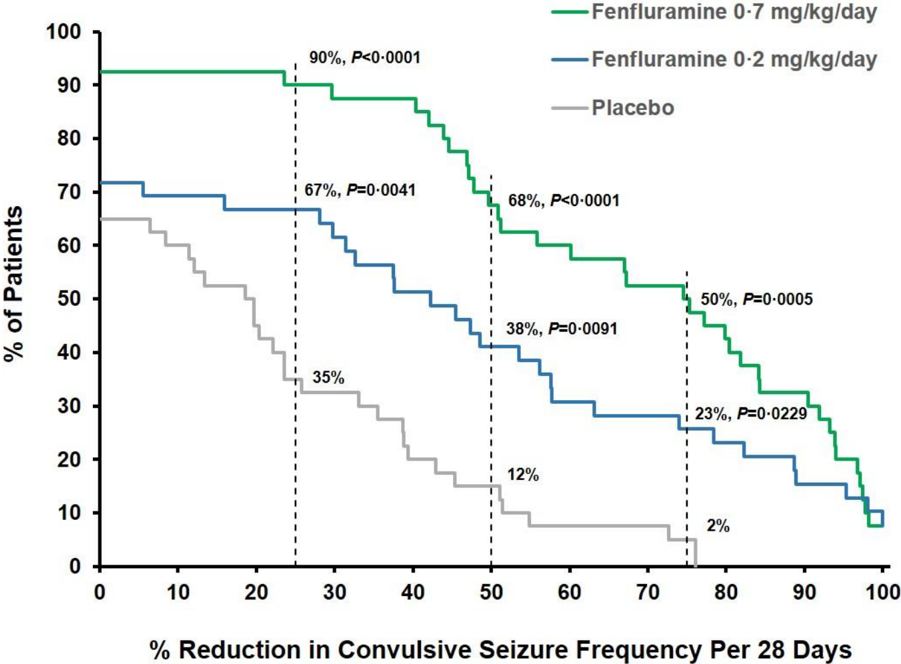
“The higher dose of fenfluramine was associated with a significantly greater likelihood of achieving a >50% (68% versus 12% placebo) and a >75% reduction (50% versus 2% placebo) in convulsive seizure frequency.”
From Developmental and epileptic encephalopathies (2024) · cites this paper as [197]
The cited source says what the claim attributes to it.
In the citing paper
“This randomised controlled trial showed that fenfluramine is highly efficacious in Dravet syndrome, highlighting that trials targeting a repurposed drug in specific epilepsy syndrome can offer major improvements to clinical care.”
From Developmental and epileptic encephalopathies (2024) · cites this paper as [197]
Self-check
Percentages, sums and reported differences re-computed from the paper’s own numbers.
The self-check needs the paper’s full text.
Citations
Cites
Varni, J. W., Seid, M., & Kurtin, P. S. (2001) · Medical Care · doi:10.1097/00005650-200108000-00006 · Cited by 5,131
Recommendations for Noninvasive Evaluation of Native Valvular Regurgitation
Zoghbi, W. A., Adams, D., Bonow, R. O., Enriquez-Sarano, M., Foster, E., Grayburn, P. A., Hahn, R. T., Han, Y., Hung, J., Lang, R. M., et al. (2017) · Journal of the American Society of Echocardiography · doi:10.1016/j.echo.2017.01.007 · Cited by 3,556
Trial of Cannabidiol for Drug-Resistant Seizures in the Dravet Syndrome
Devinsky, O., Cross, J. H., Laux, L., Marsh, E., Miller, I., Nabbout, R., Scheffer, I. E., Thiele, E. A., & Wright, S. (2017) · New England Journal of Medicine · doi:10.1056/nejmoa1611618 · Cited by 1,711
Self-citationValvular heart disease associated with fenfluramine-phentermine
Connolly, H. M., Crary, J. L., McGoon, M. D., Hensrud, D. D., Edwards, B. S., Edwards, W. D., & Schaff, H. V. (1997) · New England Journal of Medicine · doi:10.1056/nejm199708283370901 · Cited by 1,632
Lancellotti, P., Moura, L., Pierard, L. A., Agricola, E., Popescu, B. A., Tribouilloy, C., Hagendorff, A., Monin, J. L., Badano, L., Zamorano, J. L., et al. (2010) · European Journal of Echocardiography · doi:10.1093/ejechocard/jeq031 · Cited by 1,545
Appetite-suppressant drugs and the risk of primary pulmonary hypertension
Abenhaim, L., Moride, Y., Brenot, F., Rich, S., Benichou, J., Kurz, X., Higenbottam, T., Oakley, C., Wouters, E., Aubier, M., et al. (1996) · New England Journal of Medicine · doi:10.1056/nejm199608293350901 · Cited by 1,162
The core Dravet syndrome phenotype
Dravet, C. (2011) · Epilepsia · doi:10.1111/j.1528-1167.2011.02994.x · Cited by 627 · cited 1×
“Introduction 90 Dravet syndrome is a rare, treatment-resistant, developmental epileptic encephalopathy 91 characterised by multiple types of frequent, disabling seizures and severe neurodevelopmental 92 and psychomotor delay.(1,2) Current therapies remain inadequate for most patients; approximately 93 45% of patients…”
BackgroundGioia, G. A., Isquith, P. K., Retzlaff, P. D., & Espy, K. A. (2002) · Child Neuropsychology · doi:10.1076/chin.8.4.249.13513 · Cited by 608
Harden, C., Tomson, T., Gloss, D., Buchhalter, J., Cross, J. H., Donner, E., French, J. A., Gil-Nagel, A., Hesdorffer, D. C., Smithson, W. H., et al. (2017) · Neurology · doi:10.1212/wnl.0000000000003685 · Cited by 578
Self-citationChiron, C., Marchand, M., Tran, A., Rey, E., d'Athis, P., Vincent, J., Dulac, O., & Pons, G. (2000) · The Lancet · doi:10.1016/s0140-6736(00)03157-3 · Cited by 568
Cited by
Löscher, W., & Klein, P. (2021) · CNS Drugs · doi:10.1007/s40263-021-00827-8 · Cited by 367
“In children with Dravet syndrome, treatment with the serendipitously discovered weight-loss medication fenfluramine similarly resulted in an 8% seizure freedom during the entire 14-week treatment period, which was also sustained long term [50].”
BackgroundEarly childhood epilepsies: epidemiology, classification, aetiology, and socio-economic determinants
Symonds, J. D., Elliott, K. S., Shetty, J., Armstrong, M., Brunklaus, A., Cutcutache, I., Diver, L. A., Dorris, L., Gardiner, S., Jollands, A., et al. (2021) · Brain · doi:10.1093/brain/awab162 · Cited by 269
“the recently repurposed drug fenfluramine is highly encouraging in this condition.(7) For parents of children affected by severe epi-”
BackgroundThe Pharmacoresistant Epilepsy: An Overview on Existent and New Emerging Therapies
Fattorusso, A., Matricardi, S., Mencaroni, E., Dell'Isola, G. B., Di Cara, G., Striano, P., & Verrotti, A. (2021) · Frontiers in Neurology · doi:10.3389/fneur.2021.674483 · Cited by 269
International consensus on diagnosis and management of Dravet syndrome
Wirrell, E. C., Hood, V., Knupp, K. G., Meskis, M. A., Nabbout, R., Scheffer, I. E., Wilmshurst, J., & Sullivan, J. (2022) · Epilepsia · doi:10.1111/epi.17274 · Cited by 249
“Five focus areas were identified: (1) clinical presentation (including seizure semiology, electroencephalography [EEG], magnetic resonance imaging [MRI], and genetic studies), (2) comorbidities (cognition, behavior, autism, gait, sleep, other medical concerns, sudden unexpected death in epilepsy [SUDEP] and mortality,…”
Self-citationDevelopmental and epileptic encephalopathies: from genetic heterogeneity to phenotypic continuum
Guerrini, R., Conti, V., Mantegazza, M., Balestrini, S., Galanopoulou, A. S., & Benfenati, F. (2023) · Physiological Reviews · doi:10.1152/physrev.00063.2021 · Cited by 196
Self-citationStrzelczyk, A., & Schubert-Bast, S. (2022) · CNS Drugs · doi:10.1007/s40263-022-00955-9 · Cited by 179
“Pivotal RCTs have been conducted in patients with DS [101, 102] and with LGS [103].”
BackgroundNeuropharmacology of Antiseizure Drugs
Hakami, T. (2021) · Neuropsychopharmacology Reports · doi:10.1002/npr2.12196 · Cited by 172
Scheffer, I. E., & Liao, J. (2020) · European Journal of Paediatric Neurology · doi:10.1016/j.ejpn.2019.12.023 · Cited by 180
New epilepsy therapies in development
Klein, P., Kaminski, R. M., Koepp, M., & Löscher, W. (2024) · Nature Reviews Drug Discovery · doi:10.1038/s41573-024-00981-w · Cited by 154
Clinical Management of Drug Resistant Epilepsy: A Review on Current Strategies
Guery, D., & Rheims, S. (2021) · Neuropsychiatric Disease and Treatment · doi:10.2147/ndt.s256699 · Cited by 185
Knight, E. M. P., Amin, S., Bahi-Buisson, N., Benke, T. A., Cross, J. H., Demarest, S. T., Olson, H. E., Specchio, N., Fleming, T. R., Aimetti, A. A., et al. (2022) · The Lancet Neurology · doi:10.1016/s1474-4422(22)00077-1 · Cited by 160
Self-citationDevelopmental and epileptic encephalopathies
Scheffer, I. E., Zuberi, S., Mefford, H. C., Guerrini, R., & McTague, A. (2024) · Nature Reviews Disease Primers · doi:10.1038/s41572-024-00546-6 · Cited by 158
“In the first of two RCTs, fenfluramine in two different doses was added to antiseizure regimens without stiripentol 197 .”
Self-citationBialer, M., Johannessen, S. I., Koepp, M. J., Levy, R. H., Perucca, E., Perucca, P., Tomson, T., & White, H. S. (2020) · Epilepsia · doi:10.1111/epi.16725 · Cited by 148
Knupp, K. G., Scheffer, I. E., Ceulemans, B., Sullivan, J. E., Nickels, K. C., Lagae, L., Guerrini, R., Zuberi, S. M., Nabbout, R., Riney, K., et al. (2022) · JAMA Neurology · doi:10.1001/jamaneurol.2022.0829 · Cited by 137
Self-citationA Practical Guide to the Treatment of Dravet Syndrome with Anti-Seizure Medication
Strzelczyk, A., & Schubert‐Bast, S. (2022) · CNS Drugs · doi:10.1007/s40263-022-00898-1 · Cited by 133
“The efficacy and safety of FFA have been evaluated in three pivotal, phase III, double-blind, placebo-controlled RCTs in patients aged 2–18 years with DS; two trials conducted in patients without STP were identical and the results were merged [86], while the other trial exclusively included patients taking STP [87].”
ResultDravet Syndrome: A Review of Current Management
Wheless, J. W., Fulton, S. P., & Mudigoudar, B. D. (2020) · Pediatric Neurology · doi:10.1016/j.pediatrneurol.2020.01.005 · Cited by 126
Dravet syndrome: Treatment options and management of prolonged seizures
Cross, J. H., Caraballo, R. H., Nabbout, R., Vigevano, F., Guerrini, R., & Lagae, L. (2019) · Epilepsia · doi:10.1111/epi.16334 · Cited by 105
Self-citationExpanding the Treatment Landscape for Lennox-Gastaut Syndrome: Current and Future Strategies
Strzelczyk, A., & Schubert‐Bast, S. (2021) · CNS Drugs · doi:10.1007/s40263-020-00784-8 · Cited by 121
Monogenic Epilepsies: Disease Mechanisms, Clinical Phenotypes, and Targeted Therapies
Guerrini, R., Balestrini, S., Wirrell, E. C., & Walker, M. C. (2021) · Neurology · doi:10.1212/wnl.0000000000012744 · Cited by 108
“11 14 There is no evidence that these drugs target specific pathophysiological mechanisms in DS.”
Self-citationFenfluramine acts as a positive modulator of sigma-1 receptors
Martin, P., de Witte, P. A. M., Maurice, T., Gammaitoni, A., Farfel, G., & Galer, B. (2020) · Epilepsy & Behavior · doi:10.1016/j.yebeh.2020.106989 · Cited by 98
“However, in phase 3 clinical studies, patients treated with fenfluramine actually showed both short- and longer-term improvement in executive function outcomes as measured by Behavior Rating Inventory of Executive Function (BRIEF®) scores after 14 weeks and 1 year of treatment, respectively [4,8].”
BackgroundSelf-citationJain, P., & Arya, R. (2021) · Neurology · doi:10.1212/wnl.0000000000012030 · Cited by 112
“7 mg/ kg).(55,56) In another study, 9/13 patients with LGS were reported to respond to fenfluramine at 15 months.”
BackgroundGuidance on Dravet syndrome from infant to adult care: Road map for treatment planning in Europe
Cardenal‐Muñoz, E., Auvin, S., Villanueva, V., Cross, J. H., Zuberi, S. M., Lagae, L. G., & Aibar, J. Á. (2021) · Epilepsia Open · doi:10.1002/epi4.12569 · Cited by 110
“The placebo controlled RCT confirmed a statistically significant decrease of seizures with add-on CBD in DS (34).”
InfluentialSelf-citationRecent advances in pharmacotherapy for epilepsy
Pong, A. W., Xu, K. J., & Klein, P. (2023) · Current Opinion in Neurology · doi:10.1097/wco.0000000000001144 · Cited by 104
Neurocognitive Effects of Antiseizure Medications in Children and Adolescents with Epilepsy
Besag, F., & Vasey, M. J. (2021) · Pediatric Drugs · doi:10.1007/s40272-021-00448-0 · Cited by 93
“[115] in 119 patients with Dravet syndrome aged 2–18 years found improvements in some cognitive outcomes in patients treated with FFA for 14 weeks.”
BackgroundImpact of fenfluramine on the expected SUDEP mortality rates in patients with Dravet syndrome
Cross, J. H., Galer, B. S., Gil-Nagel, A., Devinsky, O., Ceulemans, B., Lagae, L., Schoonjans, A.-S., Donner, E., Wirrell, E., Kothare, S., et al. (2021) · Seizure · doi:10.1016/j.seizure.2021.10.024 · Cited by 85
Self-citationNew Trends and Most Promising Therapeutic Strategies for Epilepsy Treatment
Riva, A., Golda, A., Balagura, G., Amadori, E., Vari, M. S., Piccolo, G., Iacomino, M., Lattanzi, S., Salpietro, V., Minetti, C., et al. (2021) · Frontiers in Neurology · doi:10.3389/fneur.2021.753753 · Cited by 78
Sullivan, J. E., Benitez, A., Roth, J., Andrews, J. S., Shah, D., Butcher, E., Jones, A., & Cross, J. H. (2024) · Epilepsia · doi:10.1111/epi.17866 · Cited by 86
Self-citationDevelopment and Validation of a Prediction Model for Early Diagnosis of SCN1A -Related Epilepsies
Brunklaus, A., Pérez‐Palma, E., Ghanty, I., Ji, X., Brilstra, E. H., Ceulemans, B., Chémaly, N., Lange, I., Depienne, C., Guerrini, R., et al. (2022) · Neurology · doi:10.1212/wnl.0000000000200028 · Cited by 86
Self-citationTargeting Sigma Receptors for the Treatment of Neurodegenerative and Neurodevelopmental Disorders
Malar, D. S., Thitilertdecha, P., Ruckvongacheep, K. S., Brimson, S., Tencomnao, T., & Brimson, J. M. (2023) · CNS Drugs · doi:10.1007/s40263-023-01007-6 · Cited by 84
“2 mg/kg/day) showed a 32% reduction in mean MCSF compared with placebo [305].”
BackgroundResultA systematic review of adults with Dravet syndrome
Selvarajah, A., Ali, Q. Z., Marques, P., Rong, M., & Andrade, D. M. (2021) · Seizure · doi:10.1016/j.seizure.2021.02.025 · Cited by 79
The clinical, economic, and humanistic burden of Dravet syndrome – A systematic literature review
Sullivan, J. E., Deighton, A. M., Vila, M. C., Szabo, S. M., Maru, B. S., Gofshteyn, J. S., James, E. S., Rico, S., & Zuberi, S. M. (2022) · Epilepsy & Behavior · doi:10.1016/j.yebeh.2022.108661 · Cited by 80
Self-citationIntellectual functioning and behavior in Dravet syndrome: A systematic review
Jansson, J. S., Hallböök, T., & Reilly, C. (2020) · Epilepsy & Behavior · doi:10.1016/j.yebeh.2020.107079 · Cited by 69
Dravet syndrome: A systematic literature review of the illness burden
Strzelczyk, A., Lagae, L. G., Wilmshurst, J. M., Brunklaus, A., Striano, P., Rosenow, F., & Schubert‐Bast, S. (2023) · Epilepsia Open · doi:10.1002/epi4.12832 · Cited by 78
Self-citationSullivan, J., Scheffer, I. E., Lagae, L., Nabbout, R., Pringsheim, M., Talwar, D., Polster, T., Galer, B., Lock, M., Agarwal, A., et al. (2020) · Epilepsia · doi:10.1111/epi.16722 · Cited by 69
Self-citationAdemuwagun, I. A., Rotimi, S. O., Syrbe, S., Ajamma, Y. U., & Adebiyi, E. F. (2021) · Frontiers in Neurology · doi:10.3389/fneur.2021.600050 · Cited by 74
“(70) reported the outcome of a Phase III clinical trial which suggests that the drug is safe for use as a combination drug at low doses (<30mg per day) for an extended treatment period over several years with no adverse cardiovascular effects in young patients.”
BackgroundEfficacy and tolerability of antiseizure drugs
Hakami, T. M. (2021) · Therapeutic Advances in Neurological Disorders · doi:10.1177/17562864211037430 · Cited by 74
Drug Treatment of Epilepsy Neuropsychiatric Comorbidities in Children
Holmes, G. L. (2020) · Pediatric Drugs · doi:10.1007/s40272-020-00428-w · Cited by 70
Bishop, K. I., Isquith, P. K., Gioia, G. A., Gammaitoni, A. R., Farfel, G., Galer, B. S., Nabbout, R., Wirrell, E. C., Polster, T., & Sullivan, J. (2021) · Epilepsy & Behavior · doi:10.1016/j.yebeh.2021.108024 · Cited by 62
“The only large phase 3 ASM study to date found that treatment with add-on fenfluramine resulted in reduced seizure frequency and improved everyday EF [36].”
InfluentialSelf-citationMartin, P., Reeder, T., Sourbron, J., de Witte, P. A. M., Gammaitoni, A. R., & Galer, B. S. (2021) · International Journal of Molecular Sciences · doi:10.3390/ijms22168416 · Cited by 57
“However, multiple clinical findings shown in Supplemental Table S1 raise the intriguing possibility that fenfluramine may positively impact cognition through a Sigma1R-related mechanism.”
BackgroundMethodSelf-citationMich, J. K., Ryu, J., Wei, A. D., Gore, B. B., Guo, R., Bard, A. M., Martinez, R. A., Luber, E. M., Liu, J., Bishaw, Y. M., et al. (2025) · Science Translational Medicine · doi:10.1126/scitranslmed.adn5603 · Cited by 71
Fenfluramine repurposing from weight loss to epilepsy: What we do and do not know
Odi, R., Invernizzi, R. W., Gallily, T., Bialer, M., & Perucca, E. (2021) · Pharmacology & Therapeutics · doi:10.1016/j.pharmthera.2021.107866 · Cited by 66
Dravet syndrome: Advances in etiology, clinical presentation, and treatment
He, Z., Li, Y., Zhao, X., & Li, B. (2022) · Epilepsy Research · doi:10.1016/j.eplepsyres.2022.107041 · Cited by 68
Therapeutic advances in Dravet syndrome: a targeted literature review
Strzelczyk, A., & Schubert‐Bast, S. (2020) · Expert Review of Neurotherapeutics · doi:10.1080/14737175.2020.1801423 · Cited by 64
Hawkins, N. A., Jurado, M., Thaxton, T. T., Duarte, S., Barse, L. W., Tatsukawa, T., Yamakawa, K., Nishi, T., Kondo, S., Miyamoto, M., et al. (2021) · Epilepsia · doi:10.1111/epi.17062 · Cited by 62
Suicidality Risk of Newer Antiseizure Medications: A Meta-analysis
Klein, P., Devinsky, O., French, J. A., Harden, C. L., Krauss, G. L., McCarter, R., & Sperling, M. R. (2021) · JAMA Neurology · doi:10.1001/jamaneurol.2021.2480 · Cited by 64
Self-citationDrosophila melanogaster as a versatile model organism to study genetic epilepsies: An overview
Fischer, F. P., Karge, R. A., Weber, Y. G., Koch, H., Wolking, S., & Voigt, A. (2023) · Frontiers in Molecular Neuroscience · doi:10.3389/fnmol.2023.1116000 · Cited by 62
“These observations are consistent with the anti-seizure effects of the serotonin releaser fenfluramine in patients with DS (Lagae et al., 2019; Nabbout et al., 2020).”
ResultSpecchio, N., Pietrafusa, N., Doccini, V., Trivisano, M., Darra, F., Ragona, F., Cossu, A., Spolverato, S., Battaglia, D., Quintiliani, M., et al. (2020) · Epilepsia · doi:10.1111/epi.16690 · Cited by 56
“18 Absence of clinical or echocardiographic signs of cardiac valvulopathy or pulmonary hypertension is consistent with previous studies, where only traces of regurgitation, which is a normal physiologic finding and cannot be considered evidence of valve dysfunction, 27 were observed during a median…”
MethodResultInfluentialSelf-citationLagae, L. G. (2020) · Current Opinion in Neurology · doi:10.1097/wco.0000000000000902 · Cited by 58
Self-citationKnupp, K. G., Scheffer, I. E., Ceulemans, B., Sullivan, J., Nickels, K. C., Lagae, L., Guerrini, R., Zuberi, S. M., Nabbout, R., Riney, K., et al. (2023) · Epilepsia · doi:10.1111/epi.17431 · Cited by 55
Self-citationBialer, M., Johannessen, S. I., Koepp, M. J., Levy, R. H., Perucca, E., Perucca, P., Tomson, T., & White, H. S. (2020) · Epilepsia · doi:10.1111/epi.16726 · Cited by 60
“Continuing development has been supported by the positive results of the first Phase III, double-blind, placebocontrolled clinical trial which showed that patients with Dravet syndrome treated with fenfluramine experienced significant and in some cases profound reductions in convulsive seizure frequency and significan…”
ResultSullivan, J. E., Lagae, L. G., Cross, J. H., Devinsky, O., Guerrini, R., Knupp, K. G., Laux, L., Nikanorova, M., Polster, T., Talwar, D., et al. (2023) · Epilepsia · doi:10.1111/epi.17737 · Cited by 55
Self-citationDrug Repurposing - Hypothesis, Molecular Aspects and Therapeutic Applications
Badria, F. A.-E. (2020) · IntechOpen eBooks · doi:10.5772/intechopen.83082 · Cited by 66
Perampanel as precision therapy in rare genetic epilepsies
Nissenkorn, A., Kluger, G. J., Schubert‐Bast, S., Bayat, A., Bobylova, M., Bonanni, P., Ceulemans, B., Coppola, A., Bonaventura, C. D., Feucht, M., et al. (2023) · Epilepsia · doi:10.1111/epi.17530 · Cited by 52
Self-citationSeizures Cause Prolonged Impairment of Ventilation, CO2Chemoreception and Thermoregulation
Teran, F. A., Sainju, R. K., Bravo, E., Wagnon, J. L., Kim, Y., Granner, A., Gehlbach, B. K., & Richerson, G. B. (2023) · Journal of Neuroscience · doi:10.1523/jneurosci.0450-23.2023 · Cited by 60
Failure to use new breakthrough treatments for epilepsy
Klein, P., Krauss, G. L., Steinhoff, B. J., Devinsky, O., & Sperling, M. R. (2023) · Epilepsia · doi:10.1111/epi.17564 · Cited by 51
Self-citationEfficacy of the ketogenic diet in patients with Dravet syndrome: A meta-analysis
Wang, Y., Fang, Z., Zhang, Y.-W., Xie, L., & Jiang, L. (2020) · Seizure · doi:10.1016/j.seizure.2020.07.011 · Cited by 53
Landmark, C. J., Potschka, H., Auvin, S., Wilmshurst, J. M., Johannessen, S. I., Trenité, D. G. A. K.-N., & Wirrell, E. C. (2021) · Epilepsia · doi:10.1111/epi.16849 · Cited by 51
Effect of fenfluramine on convulsive seizures in CDKL5 deficiency disorder
Devinsky, O., King, L., Schwartz, D., Conway, E., & Price, D. (2021) · Epilepsia · doi:10.1111/epi.16923 · Cited by 50
Self-citationCDKL5 Deficiency Disorder-Related Epilepsy: A Review of Current and Emerging Treatment
Hong, W., Haviland, I., Pestana‐Knight, E., Weisenberg, J. L. Z., Demarest, S., Marsh, E. D., & Olson, H. E. (2022) · CNS Drugs · doi:10.1007/s40263-022-00921-5 · Cited by 50
“Since then, fenfluramine has reemerged as an effective ASM for its significant reduction of convulsive seizures in Dravet syndrome [64] as well as drop seizures in Lennox–Gastaut syndrome, as presented at the 2020 annual American Epilepsy Society meeting [65].”
BackgroundLai, W. W., Galer, B. S., Wong, P. C., Farfel, G. M., Pringsheim, M., Keane, M. G., & Agarwal, A. (2020) · Epilepsia · doi:10.1111/epi.16638 · Cited by 52
Self-citationLehmann, L. M., Lo, A., Knox, K. M., & Barker‐Haliski, M. L. (2021) · Neurochemical Research · doi:10.1007/s11064-021-03332-y · Cited by 51
Fenfluramine: A Review in Dravet and Lennox-Gastaut Syndromes
Frampton, J. E. (2023) · Drugs · doi:10.1007/s40265-023-01881-w · Cited by 49
“Conversely, patients who had received stiripentol within 3 weeks before screening were ineligible to participate in Studies 1 and 3 [24, 26].”
BackgroundMethodInfluentialIon Channels Involvement in Neurodevelopmental Disorders
D’Adamo, M. C., Liantonio, A., Conte, E., Pessia, M., & Imbrici, P. (2020) · Neuroscience · doi:10.1016/j.neuroscience.2020.05.032 · Cited by 49
Fenfluramine: A Review of Pharmacology, Clinical Efficacy, and Safety in Epilepsy
Samanta, D. (2022) · Children · doi:10.3390/children9081159 · Cited by 59
“Due to these previously reported adverse effects, cardiovascular adverse effects were monitored extensively in RCTs for Dravet and Lennox-Gastaut syndromes, and no cases of pulmonary arterial hypertension (PAH) or clinically significant signs or symptoms of cardiovascular disease were observed [36,55,56,69].”
BackgroundInfluentialEpilepsy: key experimental therapeutics in early clinical development
Steriade, C., French, J. A., & Devinsky, O. (2020) · Expert Opinion on Investigational Drugs · doi:10.1080/13543784.2020.1743678 · Cited by 48
Self-citationGalanopoulou, A., Löscher, W., Lubbers, L., O'Brien, T. J., Staley, K., Vezzani, A., D'Ambrosio, R., White, H., Sontheimer, H., Wolf, J. A., et al. (2021) · Epilepsia Open · doi:10.1002/epi4.12490 · Cited by 43
Guerrini, R., Specchio, N., Aledo‐Serrano, Á., Pringsheim, M., Darra, F., Mayer, T., Gil‐Nagel, A., Polster, T., Zuberi, S. M., Lothe, A., et al. (2022) · Epilepsia Open · doi:10.1002/epi4.12624 · Cited by 45
Self-citationBerg, A. T., Ludwig, N. N., Wojnaroski, M., Chapman, C. A. T., Hommer, R., Conecker, G., Hecker, J., & Downs, J. A. (2023) · Neurology · doi:10.1212/wnl.0000000000207958 · Cited by 48
Bishop, K. I., Isquith, P. K., Gioia, G. A., Knupp, K. G., Scheffer, I. E., Nabbout, R., Specchio, N., Sullivan, J., Auvin, S., Helen Cross, J., et al. (2023) · Epilepsy & Behavior · doi:10.1016/j.yebeh.2022.108994 · Cited by 43
“Our results are also consistent with prior reports that support a reliable, clinically meaningful improvement in everyday EF [20].”
InfluentialSelf-citationLattanzi, S., Trinka, E., Russo, E., Giovane, C. D., Matricardi, S., Meletti, S., Striano, P., Damavandi, P. T., Silvestrini, M., & Brigo, F. (2023) · Drugs · doi:10.1007/s40265-023-01936-y · Cited by 48
“Fenfluramine hydrochloride was administered at dosages of 0.2 mg and 0.8 mg/kg/day in the study by Lagae et al. [24], and at a dosage of 0.5 mg/kg/day in the study by Nabbout et al. [25].”
BackgroundMethodInfluentialPernici, C. D., Mensah, J. A., Dahle, E. J., Johnson, K. J., Handy, L. J., Buxton, L., Smith, M. D., West, P. J., Metcalf, C. S., & Wilcox, K. S. (2021) · Epilepsia · doi:10.1111/epi.16925 · Cited by 43
Strzelczyk, A., Pringsheim, M., Mayer, T., Polster, T., Klotz, K. A., Muhle, H., Alber, M., Trollmann, R., Spors, H., Kluger, G. J., et al. (2021) · Epilepsia · doi:10.1111/epi.17034 · Cited by 43
Self-citationGenetic Background of Epilepsy and Antiepileptic Treatments
Borowicz, K. K., Czernia, J., & Krawczyk, M. (2023) · International Journal of Molecular Sciences · doi:10.3390/ijms242216280 · Cited by 44
Sudden unexpected death in epilepsy
Friedman, D. (2022) · Current Opinion in Neurology · doi:10.1097/wco.0000000000001034 · Cited by 41
Fenfluramine for the Treatment of Dravet Syndrome and Lennox–Gastaut Syndrome
Balagura, G., Cacciatore, M., Grasso, E. A., Striano, P., & Verrottı, A. (2020) · CNS Drugs · doi:10.1007/s40263-020-00755-z · Cited by 41
Guerrini, R., Chiron, C., Vandame, D., Linley, W. G., & Toward, T. J. (2024) · Epilepsia Open · doi:10.1002/epi4.12923 · Cited by 39
Self-citationCurrent and Emerging Precision Therapies for Developmental and Epileptic Encephalopathies
Samanta, D., Bhatia, S., Hunter, S. E., Rao, C. K., Xiong, K., Karakas, C., Reeders, P. C., Erdemir, G., Sattar, S., Axeen, E. T., et al. (2025) · Pediatric Neurology · doi:10.1016/j.pediatrneurol.2025.04.010 · Cited by 39
Sullivan, J. E., Specchio, N., Devinsky, O., Auvin, S., Perry, M. S., Strzelczyk, A., Gil‐Nagel, A., Dai, D., Galer, B. S., & Gammaitoni, A. R. (2021) · Epilepsia · doi:10.1111/epi.17106 · Cited by 38
Self-citationThe Broad Clinical Spectrum of Epilepsies Associated With Protocadherin 19 Gene Mutation
Dell’Isola, G. B., Vinti, V., Fattorusso, A., Tascini, G., Mencaroni, E., Cara, G. D., Striano, P., & Verrotti, A. (2022) · Frontiers in Neurology · doi:10.3389/fneur.2021.780053 · Cited by 39
A Review of Targeted Therapies for Monogenic Epilepsy Syndromes
Zimmern, V., Minassian, B. A., & Korff, C. M. (2022) · Frontiers in Neurology · doi:10.3389/fneur.2022.829116 · Cited by 39
Sudden unexpected death in epilepsy: Respiratory mechanisms
Teran, F. A., Bravo, E., & Richerson, G. B. (2022) · Handbook of clinical neurology · doi:10.1016/b978-0-323-91532-8.00012-4 · Cited by 43
Epilepsy in Dravet Syndrome—Current and Future Therapeutic Opportunities
Gao, C., Pielas, M., Jiao, F., Mei, D., Wang, X., Kotulska, K., & Jóźwiak, S. (2023) · Journal of Clinical Medicine · doi:10.3390/jcm12072532 · Cited by 37
“The genotype–phenotype model recently published by Brunklaus et al. allows prediction of the development of Dravet Syndrome versus GEFS+ in SCN1A patients [15].”
BackgroundInfluentialSerotonergic therapy in epilepsy
Gilliam, F. G., Hečimović, H., & Gentry, M. S. (2021) · Current Opinion in Neurology · doi:10.1097/wco.0000000000000901 · Cited by 35
Cohen, S. R., Helbig, I., Kaufman, M. C., Myers, L. S., Conway, L. J., & Helbig, K. L. (2022) · Developmental Medicine & Child Neurology · doi:10.1111/dmcn.15187 · Cited by 38
“In parallel to established paradigms in clinical trials, seizure burden represents the main outcome measure.(10,11) However, given the significant degree of neurological and nonneurological comorbidity, seizures likely do not represent the only parameter affecting overall quality of life (QoL) in individuals with DEEs.”
BackgroundEpilepsy: expert opinion on emerging drugs in phase 2/3 clinical trials
Pong, A. W., Ross, J. D. C., Tyrlíková, I., Giermek, A. J., Kohli, M. P., Khan, Y. A., Salgado, R. D., & Klein, P. (2022) · Expert Opinion on Emerging Drugs · doi:10.1080/14728214.2022.2059464 · Cited by 36
Fenfluramine as antiseizure medication for epilepsy
Γώγου, Μ., & Cross, J. H. (2021) · Developmental Medicine & Child Neurology · doi:10.1111/dmcn.14822 · Cited by 36
Self-citationCan preclinical drug development help to predict adverse events in clinical trials?
Chi, L. H., Burrows, A. D., & Anderson, R. L. (2021) · Drug Discovery Today · doi:10.1016/j.drudis.2021.08.010 · Cited by 34
Impact of Antiseizure Medications on Appetite and Weight in Children
Buraniqi, E., Dabaja, H., & Wirrell, E. C. (2022) · Pediatric Drugs · doi:10.1007/s40272-022-00505-2 · Cited by 35
“, the threshold for meaningful weight loss was defined as at least 7% from baseline [32].”
BackgroundMethodSerotonin-releasing agents with reduced off-target effects
Mayer, F. P., Niello, M., Cintulová, D., Sideromenos, S., Maier, J., Li, Y., Bulling, S., Kudlacek, O., Schicker, K. W., Iwamoto, H., et al. (2022) · Molecular Psychiatry · doi:10.1038/s41380-022-01843-w · Cited by 34
“More recently, the SERT releaser MDMA has shown promise for the treatment of PTSD [9], whereas FEN was recently re-approved in a low-dose formulation for the treatment of Dravet syndrome [15].”
Holtkamp, M., May, T. W., Berkenfeld, R., Bien, C. G., Coban, I., Knake, S., Michaelis, R., Rémi, J., Seeck, M., Surges, R., et al. (2024) · Clinical Epileptology · doi:10.1007/s10309-024-00663-y · Cited by 34
Recent Advances in Pharmacologic Treatments of Drug-Resistant Epilepsy: Breakthrough in Sight
Klein, P., Friedman, D. J., & Kwan, P. (2024) · CNS Drugs · doi:10.1007/s40263-024-01130-y · Cited by 37
“From [47] follow-up than infants with standard treatment of starting vigabatrin at the time of the first seizure (93% versus 35%), and had lower incidence of DRE (7% versus 42”
InfluentialMyers, K. A. (2022) · CONTINUUM Lifelong Learning in Neurology · doi:10.1212/con.0000000000001077 · Cited by 35
Current and future pharmacotherapy options for drug-resistant epilepsy
Elkommos, S., & Mula, M. (2022) · Expert Opinion on Pharmacotherapy · doi:10.1080/14656566.2022.2128670 · Cited by 36
“Evidence from two RCTs in patients with Dravet Syndrome has demonstrated that adjunctive fenfluramine decreased convulsive motor seizures relative to placebo and was generally well tolerated [59,60].”
BackgroundCardiovascular Effects of Antiseizure Medications for Epilepsy
Nei, M., Ho, J., & Ho, R. T. (2025) · CNS Drugs · doi:10.1007/s40263-025-01163-x · Cited by 35
“More recently, fenfluramine has been shown to be effective in the treatment of Dravet and Lennox Gastaut syndrome at lower doses than previously used for weight loss [171–174].”
Precision Medicine Approaches for Infantile-Onset Developmental and Epileptic Encephalopathies
Myers, K. A., & Scheffer, I. E. (2021) · The Annual Review of Pharmacology and Toxicology · doi:10.1146/annurev-pharmtox-052120-084449 · Cited by 32
Agarwal, A., Farfel, G. M., Gammaitoni, A. R., Wong, P. C., Pinto, F. J., & Galer, B. S. (2022) · European Journal of Paediatric Neurology · doi:10.1016/j.ejpn.2022.05.006 · Cited by 31
Self-citationProposal for an updated seizure classification framework in clinical trials
Steriade, C., Sperling, M. R., DiVentura, B. D., Lozano, M., Shellhaas, R. A., Kessler, S. K., Dlugos, D., & French, J. A. (2022) · Epilepsia · doi:10.1111/epi.17120 · Cited by 30
Sills, G. J. (2023) · Therapeutic Advances in Neurological Disorders · doi:10.1177/17562864231191000 · Cited by 30
Steps to Improve Precision Medicine in Epilepsy
Balestrini, S., Mei, D., Sisodiya, S. M., & Guerrini, R. (2023) · Molecular Diagnosis & Therapy · doi:10.1007/s40291-023-00676-9 · Cited by 31
Self-citationJensen, M. P., Gammaitoni, A. R., Galer, B. S., Salem, R., Wilkie, D., & Amtmann, D. (2022) · Epilepsy Research · doi:10.1016/j.eplepsyres.2022.106976 · Cited by 29
Self-citation
Metadata
- Authors
- Lagae, L., Sullivan, J., Knupp, K., Laux, L., Polster, T., Nikanorova, M., Devinsky, O., Cross, J. H., Guerrini, R., Talwar, D., Miller, I., Farfel, G., Galer, B. S., Gammaitoni, A., Mistry, A., Morrison, G., Lock, M., Agarwal, A., Lai, W. W., & Ceulemans, B.
- Affiliations
- KU Leuven (BE)
- University of California, San Francisco (US)
- Children's Hospital Colorado (US)
- Northwestern University (US)
- Krankenhaus Mara (DE)
- The Danish Epilepsy Association (DK)
- NYU Langone Health (US)
- University College London (GB)
- University of Florence (IT)
- University of Arizona (US)
- Miami Children's Hospital (US)
- Zogenix (United States) (US)
- Children's Hospital of Orange County (US)
- University of Antwerp (BE)
- Corresponding author
- Gammaitoni, Arnold
- ORCID
- Venue
- The Lancet
- Publisher
- Elsevier BV
- Published
- 2019-12
- Volume
- 394
- Issue
- 10216
- Pages
- 2243-2254
- ISSN
- 0099-5355 (ISSN-L)
- 0140-6736
- OpenAlex
- W2996672198
- Cited by
- 384
- References
- 39
- Citations by year
- 2026: 41 · 2025: 56 · 2024: 59 · 2023: 49 · 2022: 72 · 2021: 70 · 2020: 32 · 2019: 3
- FWCI
- 35.25
- Type
- journal article
- Language
- en
- Open access
- Licence
- cc-by-nc-nd
- www.elsevier.com/tdm/userlicense/1.0/ (tdm)
- www.elsevier.com/legal/tdmrep-license (tdm)
- Locations
- The Lancet (publishedVersion)
- PubMed (publishedVersion)
- University of Southern Denmark Research Portal (University of Southern Denmark) (submittedVersion, cc-by-nc-nd)
- UCL Discovery (University College London) (submittedVersion)
- Florence Research (University of Florence) (submittedVersion)
- CINECA IRIS Institutial Research Information System (University of Genoa) (submittedVersion)
- Lirias (submittedVersion)
- Funders
- Zogenix
- National Institute for Health and Care Research (NF-SI-0515-10073)
- Topics
- Health Sciences › Medicine › Clinical Neurology › Epilepsy research and treatment
- Health Sciences › Medicine › Pediatrics, Perinatology and Child Health › Pharmacological Effects and Toxicity Studies
- Health Sciences › Medicine › Physiology (medical) › Diet and metabolism studies
- Keywords
- Dravet syndrome, fenfluramine, developmental and epileptic encephalopathy, photosensitive epilepsy, drug safety, children and young adults, dose comparison, adjunctive antiepileptic therapy, adverse events, drug interactions, drug-resistant epilepsy, 5-HT2A receptor antagonist
- MeSH terms
- Administration, Oral, Adolescent, Anticonvulsants, Child, Child, Preschool, Double-Blind Method, Epilepsies, Myoclonic, Female, Fenfluramine, Humans, Male, Placebos, Seizures, Treatment Outcome, Selective Serotonin Reuptake Inhibitors, Observational Studies as Topic
About these checks
Registry, retraction, Cites and statistics results are computed, not judged, with one exception: a printed reference that no index lists is read once by a model before it counts as a citation error. Claims are extracted by a model and kept only when their quote appears verbatim in the text; each cited source is then checked, with a model’s help, for whether it says what the claim relies on. Those verdicts can be wrong — read the claim’s quote and the cited source before relying on one.
Statistics and arithmetic are recomputed, not judged.
Confidence bands are shown only for fields calibrated on our annotated test set. None is calibrated yet, so no band is shown.
What counts as a claim ›How we measure confidence ›How we check this ›
Are you an author, or do you see a problem with this page? Request a review
Data sources
Bibliographic data: Semantic Scholar, OpenAlex, Crossref.
Contains information from the Semantic Scholar Academic Graph Datasets, made available under the ODC Attribution License (ODC-BY 1.0).
Semantic Scholar’s data is described in: Kinney, R., et al. (2023). The Semantic Scholar Open Data Platform. arXiv:2301.10140.
