

Fenfluramine hydrochloride for the treatment of seizures in Dravet syndrome: a randomised, double-blind, placebo-controlled trial
Open accessThe DOI matches its Crossref record; 39 of the 39 references it cites were found in a registry or an index.
Abstract
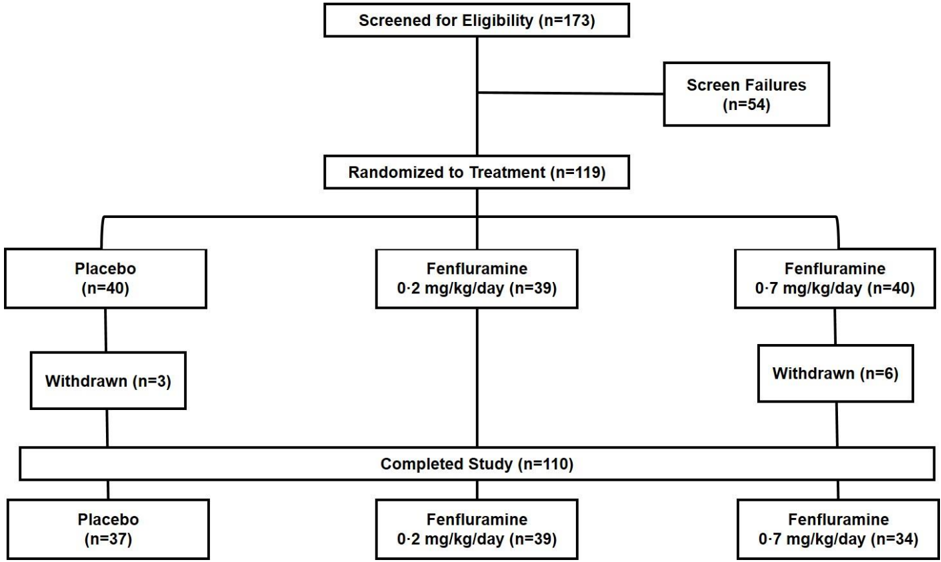
Background Dravet syndrome is a rare, treatment-resistant developmental epileptic encephalopathy characterised by multiple types of frequent, disabling seizures. Fenfluramine has been reported to have antiseizure activity in observational studies of photosensitive epilepsy and Dravet syndrome. The aim of the present study was to assess the efficacy and safety of fenfluramine in patients with Dravet syndrome.Methods In this randomised, double-blind, placebo-controlled clinical trial, we enrolled children and young adults with Dravet syndrome. After a 6-week observation period to establish baseline monthly convulsive seizure frequency (MCSF; convulsive seizures were defined as hemiclonic, tonic, clonic, tonic-atonic, generalised tonic-clonic, and focal with clearly observable motor signs), patients were randomly assigned through an interactive web response system in a 1:1:1 ratio to placebo, fenfluramine 0·2 mg/kg per day, or fenfluramine 0·7 mg/kg per day, added to existing antiepileptic agents for 14 weeks. The primary outcome was the change in mean monthly frequency of convulsive seizures during the treatment period compared with baseline in the 0·7 mg/kg per day group versus placebo; 0·2 mg/kg per day versus placebo was assessed as a key secondary outcome. Analysis was by modified intention to treat. Safety analyses included all participants who received at least one dose of study medication. This trial is registered with ClinicalTrials.gov with two identical protocols NCT02682927 and NCT02826863.Findings Between Jan 15, 2016, and Aug 14, 2017, we assessed 173 patients, of whom 119 patients (mean age 9·0 years, 64 [54%] male) were randomly assigned to receive either fenfluramine 0·2 mg/kg per day (39), fenfluramine 0·7 mg/kg per day (40) or placebo (40). During treatment, the median reduction in seizure frequency was 74·9% in the fenfluramine 0·7 mg/kg group (from median 20·7 seizures per 28 days to 4·7 seizures per 28 days), 42·3% in the fenfluramine 0·2 mg/kg group (from median 17·5 seizures per 28 days to 12·6 per 28 days), and 19·2% in the placebo group (from median 27·3 per 28 days to 22·0 per 28 days). The study met its primary efficacy endpoint, with fenfluramine 0·7 mg/kg per day showing a 62·3% greater reduction in mean MCSF compared with placebo (95% CI 47·7-72·8, p<0·0001); fenfluramine 0·2 mg/kg per day showed a 32·4% reduction in mean MCSF compared with placebo (95% CI 6·2-52·3, p=0·0209). The most common adverse events (occurring in at least 10% of patients and more frequently in the fenfluramine groups) were decreased appetite, diarrhoea, fatigue, lethargy, somnolence, and decreased weight. Echocardiographic examinations revealed valve function within the normal physiological range in all patients during the trial and no signs of pulmonary arterial hypertension.Interpretation In Dravet syndrome, fenfluramine provided significantly greater reduction in convulsive seizure frequency compared with placebo and was generally well tolerated, with no observed valvular heart disease or pulmonary arterial hypertension. Fenfluramine could be an important new treatment option for patients with Dravet syndrome.Funding Zogenix.
Overview
The claims and statistics of this paper haven’t been checked yet.
Free: it reads the open-access text and checks the first 5 claims that cite a source we can check. Create a free account to check every claim.
Integrity signals
Registry
Cites
Statistics
Figures
Verification
Claims the paper makes
The claims and statistics of this paper haven’t been checked yet.
Free: it reads the open-access text and checks the first 5 claims that cite a source we can check. Create a free account to check every claim.
Claims other papers make about this one
Each is checked against this paper’s own text: does it say what the citing paper says it does?
The cited source says what the claim attributes to it.
In the citing paper
“In the first of two RCTs, fenfluramine in two different doses was added to antiseizure regimens without stiripentol 197 .”
From Developmental and epileptic encephalopathies (2024) · cites this paper as [197]
The cited source says what the claim attributes to it.
In the citing paper
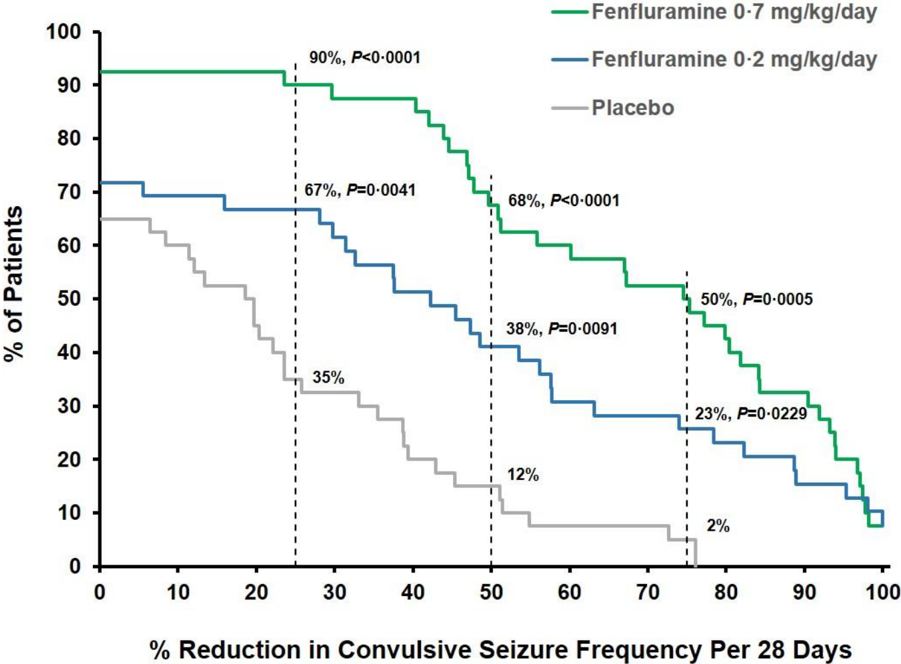
“The higher dose of fenfluramine was associated with a significantly greater likelihood of achieving a >50% (68% versus 12% placebo) and a >75% reduction (50% versus 2% placebo) in convulsive seizure frequency.”
From Developmental and epileptic encephalopathies (2024) · cites this paper as [197]
The cited source says what the claim attributes to it.
In the citing paper
“This randomised controlled trial showed that fenfluramine is highly efficacious in Dravet syndrome, highlighting that trials targeting a repurposed drug in specific epilepsy syndrome can offer major improvements to clinical care.”
From Developmental and epileptic encephalopathies (2024) · cites this paper as [197]
Self-check
Percentages, sums and reported differences re-computed from the paper’s own numbers.
The self-check needs the paper’s full text.
Citations
Cites
Varni, J. W., Seid, M., & Kurtin, P. S. (2001) · Medical Care · doi:10.1097/00005650-200108000-00006 · Cited by 5,131
Recommendations for Noninvasive Evaluation of Native Valvular Regurgitation
Zoghbi, W. A., Adams, D., Bonow, R. O., Enriquez-Sarano, M., Foster, E., Grayburn, P. A., Hahn, R. T., Han, Y., Hung, J., Lang, R. M., et al. (2017) · Journal of the American Society of Echocardiography · doi:10.1016/j.echo.2017.01.007 · Cited by 3,556
Trial of Cannabidiol for Drug-Resistant Seizures in the Dravet Syndrome
Devinsky, O., Cross, J. H., Laux, L., Marsh, E., Miller, I., Nabbout, R., Scheffer, I. E., Thiele, E. A., & Wright, S. (2017) · New England Journal of Medicine · doi:10.1056/nejmoa1611618 · Cited by 1,711
Self-citationValvular heart disease associated with fenfluramine-phentermine
Connolly, H. M., Crary, J. L., McGoon, M. D., Hensrud, D. D., Edwards, B. S., Edwards, W. D., & Schaff, H. V. (1997) · New England Journal of Medicine · doi:10.1056/nejm199708283370901 · Cited by 1,632
Lancellotti, P., Moura, L., Pierard, L. A., Agricola, E., Popescu, B. A., Tribouilloy, C., Hagendorff, A., Monin, J. L., Badano, L., Zamorano, J. L., et al. (2010) · European Journal of Echocardiography · doi:10.1093/ejechocard/jeq031 · Cited by 1,545
Appetite-suppressant drugs and the risk of primary pulmonary hypertension
Abenhaim, L., Moride, Y., Brenot, F., Rich, S., Benichou, J., Kurz, X., Higenbottam, T., Oakley, C., Wouters, E., Aubier, M., et al. (1996) · New England Journal of Medicine · doi:10.1056/nejm199608293350901 · Cited by 1,162
The core Dravet syndrome phenotype
Dravet, C. (2011) · Epilepsia · doi:10.1111/j.1528-1167.2011.02994.x · Cited by 627 · cited 1×
“Introduction 90 Dravet syndrome is a rare, treatment-resistant, developmental epileptic encephalopathy 91 characterised by multiple types of frequent, disabling seizures and severe neurodevelopmental 92 and psychomotor delay.(1,2) Current therapies remain inadequate for most patients; approximately 93 45% of patients…”
BackgroundGioia, G. A., Isquith, P. K., Retzlaff, P. D., & Espy, K. A. (2002) · Child Neuropsychology · doi:10.1076/chin.8.4.249.13513 · Cited by 608
Harden, C., Tomson, T., Gloss, D., Buchhalter, J., Cross, J. H., Donner, E., French, J. A., Gil-Nagel, A., Hesdorffer, D. C., Smithson, W. H., et al. (2017) · Neurology · doi:10.1212/wnl.0000000000003685 · Cited by 578
Self-citationChiron, C., Marchand, M., Tran, A., Rey, E., d'Athis, P., Vincent, J., Dulac, O., & Pons, G. (2000) · The Lancet · doi:10.1016/s0140-6736(00)03157-3 · Cited by 568
Cited by
Items 101–200 of 403
Fenfluramine for seizures associated with Sunflower syndrome
Geenen, K. R., Doshi, S. P., Patel, S. P., Sourbron, J., Falk, A., Morgan, A. K., Vu, U., Bruno, P. L., & Thiele, E. A. (2021) · Developmental Medicine & Child Neurology · doi:10.1111/dmcn.14965 · Cited by 28
“This rash was not thought to be drug-related as this has not been reported as a side effect in other fenfluramine trials.(16,17) In addition, as has been reported in Dravet syndrome and Lennox–Gastaut syndrome studies with fenfluramine, echocardiogram evaluations during our study showed no signs of cardiac valvulopath…”
BackgroundResultInfluentialSamanta, D. (2024) · Epilepsy & Behavior · doi:10.1016/j.yebeh.2024.110171 · Cited by 28
Sharawat, I. K., Panda, P. K., Kasinathan, A., Panda, P., Dawman, L., & Joshi, K. (2021) · Seizure · doi:10.1016/j.seizure.2020.12.016 · Cited by 28
Precision medicine in epilepsy
McGinn, R. J., Stein, E. L. V., Stromberg, J. E. S., & Li, Y. (2022) · Progress in molecular biology and translational science · doi:10.1016/bs.pmbts.2022.04.001 · Cited by 28
Lennox-Gastaut Syndrome: Current Treatments, Novel Therapeutics, and Future Directions
Nelson, J. A., & Knupp, K. G. (2023) · Neurotherapeutics · doi:10.1007/s13311-023-01397-x · Cited by 30
Self-citationZheng, X., Rehman, A., Alam, O., Ijaz, S., Qian, F., Li, G., Danish, M. I., Zhong, S., & Du, D. (2025) · Applied Soil Ecology · doi:10.1016/j.apsoil.2025.106369 · Cited by 29
In vitro evaluation of fenfluramine and norfenfluramine as victims of drug interactions
Martin, P., Czerwiński, M., Limaye, P. B., Muranjan, S., Ogilvie, B. W., Smith, S. M., & Boyd, B. (2022) · Pharmacology Research & Perspectives · doi:10.1002/prp2.958 · Cited by 26
Fan, H., Yang, M., Lin, L., Chiang, K.-L., & Chen, C. (2023) · International Journal of Molecular Sciences · doi:10.3390/ijms25010031 · Cited by 32
“Additionally, 54% of the patients in the fenfluramine group experienced a reduced seizure frequency of ≥ 50%, compared to only 5% in the placebo group [174].”
BackgroundWirrell, E. C., Lagae, L. G., Scheffer, I. E., Cross, J. H., Specchio, N., & Strzelczyk, A. (2024) · Epilepsia Open · doi:10.1002/epi4.12998 · Cited by 26
Self-citationLong‐term safety and effectiveness of fenfluramine in children and adults with Dravet syndrome
Scheffer, I. E., Nabbout, R., Lagae, L. G., Devinsky, O., Auvin, S., Thiele, E. A., Wirrell, E. C., Polster, T., Specchio, N., Pringsheim, M., et al. (2025) · Epilepsia · doi:10.1111/epi.18342 · Cited by 28
“This long-term OLE analysis of FFA extends the findings observed in RCTs, 19–21 the interim OLE report, 22 and safety analyses evaluating children with DS aged 2–18 years.”
Self-citationZhu, Z., Bolt, E., Newmaster, K. T., Osei-Bonsu, W., Cohen, S. R., Cuddapah, V. A., Gupta, S. S., Paudel, S., Samanta, D., Dang, L. T., et al. (2022) · Children · doi:10.3390/children9101507 · Cited by 28
Efficacy and Safety of Fenfluramine in Epilepsy: A Systematic Review and Meta-analysis
Damavandi, P. T., Fabin, N., Giossi, R., Matricardi, S., Giovane, C. D., Striano, P., Meletti, S., Brigo, F., Trinka, E., & Lattanzi, S. (2023) · Neurology and Therapy · doi:10.1007/s40120-023-00452-1 · Cited by 25
Tong, J., Ji, T., Liu, T., Liu, J., Chen, Y., Li, Z., Lu, N., & Li, Q. (2024) · Epilepsy & Behavior · doi:10.1016/j.yebeh.2024.109653 · Cited by 24
Drug Treatment of Progressive Myoclonic Epilepsy
Holmes, G. L. (2020) · Pediatric Drugs · doi:10.1007/s40272-019-00378-y · Cited by 25
Successful use of fenfluramine in nonconvulsive status epilepticus of Dravet syndrome
Specchio, N., Pietrafusa, N., Ferretti, A., Trivisano, M., & Vigevano, F. (2020) · Epilepsia · doi:10.1111/epi.16474 · Cited by 24
Li, J., Nelis, M., Sourbron, J., Copmans, D., Lagae, L. G., Cabooter, D., & de Witte, P. A. M. (2021) · Neurochemical Research · doi:10.1007/s11064-021-03358-2 · Cited by 24
“Importantly, no cardiovascular adverse effects were observed in these trials [1].”
BackgroundSelf-citationCurrent Principles in the Management of Drug-Resistant Epilepsy
Shlobin, N. A., & Sander, J. W. A. S. (2022) · CNS Drugs · doi:10.1007/s40263-022-00922-4 · Cited by 27
“Two randomized controlled trials have shown that fenfluramine decreased convulsive seizures in children with Dravet syndrome as add-on therapy relative to placebo and was well tolerated [190, 191].”
BackgroundWu, J., Zhang, L., Zhou, X., Wang, J., Zheng, X., Hu, H., & Wu, D. (2022) · Frontiers in Pharmacology · doi:10.3389/fphar.2022.980937 · Cited by 25
“A qualitative assessment was performed by assessing various indicators for each study using the Cochrane tool for the risk of bias (Devinsky et al., 2017; Lagae et al., 2019; Miller et al., 2020; Nabbout et al., 2020; Hahn et al., 2021).”
BackgroundMethodInfluentialSamanta, D. (2022) · Epilepsy Research · doi:10.1016/j.eplepsyres.2022.107065 · Cited by 24
Guerrini, R., Chancharme, L., Serraz, B., & Chiron, C. (2024) · Neurology and Therapy · doi:10.1007/s40120-024-00623-8 · Cited by 25
“Notably, similarly to the seizure reduction thresholds used for recently approved Dravet syndrome medications [24, 25], the rate of profoundly responder patients was calculated.”
Self-citationYoun, S. E., Jung, D. E., Kang, H., & Kim, H. D. (2021) · Epilepsy Research · doi:10.1016/j.eplepsyres.2021.106665 · Cited by 23
“It typically manifests as multiple types of prolonged, febrile and afebrile, seizures in the first year of life in children with normal development before seizure onset (Lagae et al., 2019).”
A critical evaluation of fenfluramine hydrochloride for the treatment of Dravet syndrome
Schoonjans, A., & Ceulemans, B. (2021) · Expert Review of Neurotherapeutics · doi:10.1080/14737175.2021.1877540 · Cited by 22
“Phase III studies The results from two large randomized, double blinded, placebo-controlled clinical trials have been published, both with impressive results [48,49].”
BackgroundResultSelf-citationDevi, N., Madaan, P., Asrar, M. M., Sahu, J. K., & Bansal, D. (2021) · Seizure · doi:10.1016/j.seizure.2021.06.020 · Cited by 24
A review of fenfluramine for the treatment of Dravet syndrome patients
Simon, K., Sheckley, H., Anderson, C. L., Liu, Z., & Carney, P. R. (2021) · Current Research in Pharmacology and Drug Discovery · doi:10.1016/j.crphar.2021.100078 · Cited by 22
A registry for Dravet syndrome: The Italian experience
Balestrini, S., Doccini, V., Giometto, S., Lucenteforte, E., De Masi, S., Giarola, E., Brambilla, I., Pieroni, F., Perulli, M., Battaglia, D., et al. (2023) · Epilepsia Open · doi:10.1002/epi4.12730 · Cited by 21
Self-citationSchoonjans, A., Roosens, L., Dewals, W., Paelinck, B. P., & Ceulemans, B. (2022) · Epilepsia · doi:10.1111/epi.17162 · Cited by 23
Self-citationLersch, R., Jannadi, R., Grosse, L., Wagner, M., Schneider, M. F., von Stülpnagel, C., Heinen, F., Potschka, H., & Borggraefe, I. (2022) · The Neuroscientist · doi:10.1177/10738584221088244 · Cited by 21
Jensen, M. P., Gammaitoni, A. R., Salem, R., Wilkie, D., Lothe, A., & Amtmann, D. (2023) · Epilepsy Research · doi:10.1016/j.eplepsyres.2023.107091 · Cited by 21
“Although DS has historically been very treatment-resistant, more recently, a number of treatments have demonstrated efficacy for reducing the frequency and severity of seizures in individuals with DS (Chiron et al., 2000; Devinsky et al., 2017; Lagae et al., 2019; Nabbout et al., 2020; Strzelczyk et al., 2021).”
BackgroundSelf-citationGil‐Nagel, A., Aledo‐Serrano, Á., Beltrán‐Corbellini, Á., Martínez‐Vicente, L., Jiménez‐Huete, A., Toledano, R., Morales, I. G., & Carbó, A. V. (2023) · Epilepsia Open · doi:10.1002/epi4.12847 · Cited by 21
Boncristiano, A., Balestrini, S., Doccini, V., Specchio, N., Pietrafusa, N., Trivisano, M., Darra, F., Cossu, A., Battaglia, D., Quintiliani, M., et al. (2024) · Epilepsia · doi:10.1111/epi.18241 · Cited by 22
Self-citationIs the mechanism of action of antiseizure drugs a key element in the choice of treatment?
Guery, D., & Rheims, S. (2020) · Fundamental and Clinical Pharmacology · doi:10.1111/fcp.12614 · Cited by 22
Martin, P., Maurice, T., Gammaitoni, A. R., Farfel, G. M., Boyd, B., & Galer, B. S. (2022) · Epilepsy & Behavior · doi:10.1016/j.yebeh.2021.108526 · Cited by 23
Self-citationMartin, P., Czerwiński, M., Limaye, P. B., Ogilvie, B. W., Smith, S. M., & Boyd, B. (2022) · Pharmacology Research & Perspectives · doi:10.1002/prp2.959 · Cited by 23
Reilly, C. J., Bjurulf, B., & Hallböök, T. (2022) · Developmental Medicine & Child Neurology · doi:10.1111/dmcn.15495 · Cited by 20
“Another area that is important to study is the impact of new treatments for Dravet syndrome such as flenfluraime, which appears to reduce seizures and have some positive cognitive effects.(31)”
BackgroundFollow‐up to low‐dose fenfluramine for Sunflower syndrome: A non‐randomized controlled trial
Patel, S. P., Geenen, K. R., Dowless, D., Bruno, P. L., & Thiele, E. A. (2022) · Developmental Medicine & Child Neurology · doi:10.1111/dmcn.15492 · Cited by 20
Evaluating bexicaserin for the treatment of developmental epileptic encephalopathies
Dell’Isola, G. B., Verrottı, A., Sciaccaluga, M., Roberti, R., Parnetti, L., Russo, E., & Costa, C. (2024) · Expert Opinion on Pharmacotherapy · doi:10.1080/14656566.2024.2373350 · Cited by 21
“In clinical practice, fenfluramine has shown an overall favorable profile and good efficacy in reducing seizure frequency [41–43], but also in ameliorating behavioral comorbidities [41,44].”
Aledo‐Serrano, Á., Cabal-Paz, B., Gardella, E., Gómez‐Porro, P., Barbosa, O. M.-M., Beltrán‐Corbellini, Á., Toledano, R., García‐Morales, I., & Gil‐Nagel, A. (2022) · Epilepsia Open · doi:10.1002/epi4.12623 · Cited by 20
Jansson, J. S., Bjurulf, B., Dellenmark‐Blom, M., Hallböök, T., & Reilly, C. J. (2024) · Epilepsy & Behavior · doi:10.1016/j.yebeh.2024.109790 · Cited by 20
Gil‐Nagel, A., Sullivan, J. E., Ceulemans, B., Wirrell, E. C., Devinsky, O., Nabbout, R., Knupp, K. G., Perry, M. S., Polster, T., Davis, R. L., et al. (2021) · Epilepsy & Behavior · doi:10.1016/j.yebeh.2021.108212 · Cited by 19
“Fenfluramine (Fintepla) has been demonstrated to provide profound and sustained reductions in convulsive seizure frequency in three randomized, placebo-controlled phase 3 clinical studies and in one long-term open-label extension study (OLE) of children and young adults with Dravet syndrome (DS) [1-3], a rare pediatri…”
BackgroundSelf-citationImproving Therapy of Pharmacoresistant Epilepsies: The Role of Fenfluramine
Dini, G., Tulli, E., Dell’Isola, G. B., Mencaroni, E., Cara, G. D., Striano, P., & Verrottı, A. (2022) · Frontiers in Pharmacology · doi:10.3389/fphar.2022.832929 · Cited by 21
Gil‐Nagel, A., Falip, M., Sánchez-Carpintero, R., Sazatornil, M. R. A., Poveda, J. L., Aibar, J. Á., Cardenal‐Muñoz, E., Aras, L. M., Sánchez, R., Sancho-López, A., et al. (2022) · Epilepsy & Behavior · doi:10.1016/j.yebeh.2022.108711 · Cited by 20
“73]) for cannabidiol 20 mg and 10 mg, respectively) [28,29,46,47]; 3) the clinical development of fenfluramine provides long-term efficacy evidence after an additional 24 months of fenfluramine treatment (median monthly convulsive seizure frequency (MCSF) for all subjects was 6, which represented a highly statisticall…”
BackgroundEpilepsy surgery in developmental and epileptic encephalopathies
Ramantani, G., & Wirrell, E. C. (2024) · Epilepsy & Behavior · doi:10.1016/j.yebeh.2024.109985 · Cited by 18
Boßelmann, C. M., Borggräfe, I., Fazeli, W., Klein, K. M., Kluger, G. J., Müller‐Schlüter, K., Neubauer, B. A., von Spiczak, S., von Stülpnagel-Steinbeis, C., Weber, Y. G., et al. (2023) · Clinical Epileptology · doi:10.1007/s10309-023-00580-6 · Cited by 17
“der zugrundeliegende Mechanismus noch nicht bekannt oder wahrscheinlich nicht spezifisch ist, beispielsweise Fenfluramin oder Stiripentol beim Dravet-Syndrom [48, 49].”
Management of epilepsy with eyelid myoclonia: Results of an international expert consensus panel
Smith, K. M., Wirrell, E. C., Andrade, D. M., Choi, H., Trenité, D. G. A. K.-N., Jones, H. F., Knupp, K. G., Mugar, J., Nordli, D. R., Riva, A., et al. (2023) · Epilepsia · doi:10.1111/epi.17682 · Cited by 17
Self-citationNew and emerging pharmacologic treatments for developmental and epileptic encephalopathies
Vasquez, A., Buraniqi, E., & Wirrell, E. C. (2022) · Current Opinion in Neurology · doi:10.1097/wco.0000000000001029 · Cited by 16
Treadwell, J. R., Kessler, S. K., Wu, M., Abend, N. S., Massey, S. L., & Tsou, A. Y. (2022) · Neurology · doi:10.1212/wnl.0000000000201026 · Cited by 19
“Regulatory RCTs of newer ASM for disorders that first present in early life, such as Dravet syndrome, often include broad age ranges from early life to adulthood.(46,47) Mixed etiology studies did not report outcomes by etiology, perhaps due to sample sizes.”
BackgroundOkanari, K., Teranishi, H., Umeda, R., Shikano, K., Inoue, M., Hanada, T., Ihara, K., & Hanada, R. (2024) · Behavioural Brain Research · doi:10.1016/j.bbr.2024.114920 · Cited by 16
Nabbout, R., Chémaly, N., Chiron, C., & Kuchenbuch, M. (2021) · Expert Opinion on Drug Safety · doi:10.1080/14740338.2021.1890025 · Cited by 16
“ducted in patients older than 2 years [28,30,31,33,64].”
BackgroundDini, G., Cara, G. D., Ferrara, P., Striano, P., & Verrottı, A. (2023) · Neuropsychiatric Disease and Treatment · doi:10.2147/ndt.s417676 · Cited by 16
“For patients with Dravet syndrome or LGS who are already receiving stiripentol, the recommended starting dosage of FFA is also 0.2 mg/kg/day, and the up-titration is done after 7 days to a maintenance dosage of 0.4 mg/kg/day (maximum daily dosage of 17 mg).”
BackgroundMethodInfluentialXia, D., Zhang, P., Chen, Y., Liu, X., & Chen, Y. (2024) · Seizure · doi:10.1016/j.seizure.2024.02.004 · Cited by 15
Dravet Syndrome as an Example of Precision Medicine in Epilepsy
Sullivan, J. E., & Wirrell, E. C. (2022) · Epiliepsy currents/Epilepsy currents · doi:10.1177/15357597221106281 · Cited by 16
“All the key secondary endpoints were also met; most notably 50% of patients in the high dose group and 23% of patients in the low dose group experienced a 75% or greater reduction compared to only 2% in the placebo group.(18) Near seizure freedom, defined as 0 or 1 seizures during the entire 14-week treatment period,…”
BackgroundMethodInfluentialSelf-citationEvaluation of the Aberrant Behavior Checklist for Developmental and Epileptic Encephalopathies
Kaat, A. J., Zelko, F. A. J., Wilkening, G. N., & Berg, A. T. (2021) · Epilepsy & Behavior · doi:10.1016/j.yebeh.2021.107958 · Cited by 15
Gil‐Nagel, A., Cross, J. H., Devinsky, O., Ceulemans, B., Lagae, L. G., Knupp, K. G., Schoonjans, A., Ryvlin, P., Thiele, E. A., Polega, S., et al. (2024) · Epilepsia · doi:10.1111/epi.18020 · Cited by 14
“…in the literature, demographics or disposition data for the patients with the specific seizure types of interest (GTCS or TCS) could not be discerned for all of the studies presented; this was particularly the case for the larger studies (Lagae et al., 35 Nabbout et al., 36 Knupp et al. 29 ).”
InfluentialSelf-citationUse of Stiripentol in Dravet Syndrome: A Guide for Clinicians
Wheless, J. W., & Weatherspoon, S. E. (2024) · Pediatric Neurology · doi:10.1016/j.pediatrneurol.2024.10.015 · Cited by 16
A survey of the European Reference Network EpiCARE on clinical practice for selected rare epilepsies
Baumgartner, T. R., Carreño, M., Rocamora, R., Bisulli, F., Boni, A., Brázdil, M., Horák, O., Craiu, D., Pereira, C., Guerrini, R., et al. (2021) · Epilepsia Open · doi:10.1002/epi4.12459 · Cited by 14
“For Unverricht-Lundborg and Unverricht-like diseases, this information was not requested.”
Self-citationDrug Treatment of Epilepsy: From Serendipitous Discovery to Evolutionary Mechanisms
Lou, S., & Cui, S. (2021) · Current Medicinal Chemistry · doi:10.2174/0929867328666210910124727 · Cited by 14
Current and promising therapeutic options for Dravet syndrome
Riva, A., D’Onofrio, G., Amadori, E., Tripodi, D., Balagura, G., Iurilli, V., Vari, M. S., Verrottı, A., & Striano, P. (2022) · Expert Opinion on Pharmacotherapy · doi:10.1080/14656566.2022.2127089 · Cited by 14
Vasquez, A., Wirrell, E. C., & Youssef, P. E. (2023) · Expert Review of Neurotherapeutics · doi:10.1080/14737175.2023.2195550 · Cited by 15
“There is much more robust data on fenfluramine, with two Class 1 studies showing significant efficacy [13,14].”
BackgroundMethodInfluentialTemporal manipulation of the Scn1a gene reveals its essential role in adult brain function
Berardino, C. D., Mainardi, M., Brusco, S., Benvenuto, E., Broccoli, V., & Colasante, G. (2023) · Brain · doi:10.1093/brain/awad350 · Cited by 14
“Current pharmacological treatments for Dravet syndrome, 3-6 although largely improved and optimized in comparison to the past years, are ineffective in completely controlling convulsive attacks or delaying subsequent neurological symptoms.”
BackgroundCha, J., Filatov, G., Smith, S. J., Gammaitoni, A. R., Lothe, A., & Reeder, T. (2023) · Epilepsia Open · doi:10.1002/epi4.12873 · Cited by 14
“…data provide incontrovertible evidence that fenfluramine suppresses convulsive seizures in patients with DS. 8–11 Evidence in clinical studies, 8,13 non-mammalian DS models, 16 and mammalian non-DS models 17 suggests that fenfluramine may also affect phenotypes that are caused by Scn1a…”
BackgroundInfluentialSelf-citationCarbó, A. V., Beltrán, Á., Román, I. S., Cabal-Paz, B., Gómez‐Porro, P., Aledo‐Serrano, Á., Sobrino, G. L., Loro, F. A., Eguilaz, M. G., & Gil‐Nagel, A. (2024) · Epilepsy & Behavior · doi:10.1016/j.yebeh.2024.109620 · Cited by 14
Villanueva, V., Insuga, V. M. S., Smeyers, P., Aledo‐Serrano, Á., Sánchez-Carpintero, R., Peñas, J. J. G., & Gil‐Nagel, A. (2025) · Neurology and Therapy · doi:10.1007/s40120-025-00713-1 · Cited by 13
“The efficacy criteria established during the clini‑ cal development of FFA for the treatment of sei‑ zures associated with DS focused on reducing the monthly frequency of convulsive seizures [17–19].”
Fawcett, J., Davis, S., & Manford, M. (2023) · Journal of Neurology · doi:10.1007/s00415-023-11860-6 · Cited by 13
State‐of‐the‐art management of Dravet syndrome
Vasquez, A., & Wirrell, E. C. (2025) · Developmental Medicine & Child Neurology · doi:10.1111/dmcn.16475 · Cited by 14
“12,13,24 Furthermore, these trials have shown that serotonin has an important role in the risk reduction of sudden unexpected death in epilepsy, which is of particular interest in individuals with Dravet syndrome.”
Rational Small Molecule Treatment for Genetic Epilepsies
Goldberg, E. M. (2021) · Neurotherapeutics · doi:10.1007/s13311-021-01110-w · Cited by 14
A novel rat model of Dravet syndrome recapitulates clinical hallmarks
Li, M., Yang, L., Qian, W., Ray, S., Lu, Z., Liu, T., Zou, Y., Naumann, R. K., & Wang, H. (2023) · Neurobiology of Disease · doi:10.1016/j.nbd.2023.106193 · Cited by 14
“Although effective therapeutic interventions have yet to be developed, several compounds, including fenfluramine and cannabidiol (Devinsky et al., 2017; Lagae et al., 2019), have shown promise as symptomatic treatments for DS, yet their mechanism of action remains unclear.”
BackgroundCase report: Psychedelic-induced seizures captured by intracranial electrocorticography
Blond, B. N., & Schindler, E. A. D. (2023) · Frontiers in Neurology · doi:10.3389/fneur.2023.1214969 · Cited by 13
Seizures influence sleep macrostructure and the sleep–wake circadian rhythm in Dravet syndrome
Cossu, A., Proietti, J., Ghobert, A. L., Rinaldi, L., Bernardina, B. D., Darra, F., & Cantalupo, G. (2025) · Epilepsia · doi:10.1111/epi.18451 · Cited by 12
“38 Our findings show that FFA stabilizes sleep as, plausibly, the result of an effect on both sides of the reciprocal relationship between sleep and epilepsy.”
Ren, A., Zhu, X., Lehmann, J., Kasem, M., Schrader, T. O., Dang, H., Le, M., Frazer, J. M., Unett, D. J., Grottick, A. J., et al. (2025) · Journal of Medicinal Chemistry · doi:10.1021/acs.jmedchem.4c02923 · Cited by 12
Drug Repurposing in Neurological Diseases: Opportunities and Challenges
Mao, X. (2020) · IntechOpen eBooks · doi:10.5772/intechopen.93093 · Cited by 12
Trowbridge, S. K., Poduri, A., & Olson, H. E. (2021) · Epileptic Disorders · doi:10.1684/epd.2021.1345 · Cited by 12
Miziak, B., & Czuczwar, S. J. (2020) · Expert Opinion on Drug Discovery · doi:10.1080/17460441.2021.1857722 · Cited by 13
“In addition, longer seizure-free intervals were documented [30,63,64].”
BackgroundBlack-Box Warnings of Antiseizure Medications: What is Inside the Box?
Wahab, A., & Iqbal, A. (2023) · Pharmaceutical Medicine · doi:10.1007/s40290-023-00475-x · Cited by 11
Gjerulfsen, C. E., Nikanorova, M., Olofsson, K., Landmark, C. J., Rubboli, G., & Møller, R. S. (2024) · Epilepsia Open · doi:10.1002/epi4.13029 · Cited by 12
“Neither age at fenfluramine initiation nor the frequency of GTCSs at baseline seemed to influence the response to fenfluramine, which indicates that treatment with fenfluramine may benefit patients with diverse severity and in different age groups.”
Self-citationPorel, P., Hunjan, G., Singh, S., & Aran, K. R. (2025) · Ageing Research Reviews · doi:10.1016/j.arr.2025.102854 · Cited by 11
Millett, D., & Pach, S. (2021) · Epilepsy & Behavior Reports · doi:10.1016/j.ebr.2021.100461 · Cited by 11
“0001) observed in two phase 3, double-blind, placebo-controlled clinical trials of fenfluramine in patients 2 to 18 years old [9,10].”
BackgroundResultGao, L., Shi, L., & Liu, Q. (2022) · Epilepsy & Behavior · doi:10.1016/j.yebeh.2022.108961 · Cited by 11
Pinsent, A., Weston, G., Adams, E. J., Linley, W. G., Hawkins, N., Schwenkglenks, M. M., Hamlyn-Williams, C., & Toward, T. J. (2023) · Neurology and Therapy · doi:10.1007/s40120-023-00510-8 · Cited by 11
“28-Day Frequency of SFDs During clinical trials [12, 13] seizure frequency and SFDs were recorded at baseline and throughout the trials using electronic diaries completed by carers on a daily basis.”
BackgroundMethodInfluentialSCN1A as a therapeutic target for Dravet syndrome
Myers, K. A. (2023) · Expert Opinion on Therapeutic Targets · doi:10.1080/14728222.2023.2230364 · Cited by 11
Crouzier, L., Meunier, J., Carles, A., Morilleau, A., Vrigneau, C., Schmitt, M., Bourguignon, J., Delprat, B., & Maurice, T. (2023) · Phytotherapy Research · doi:10.1002/ptr.8068 · Cited by 11
Feeding Difficulties and Gastrostomy in Dravet Syndrome: A UK-Wide Survey and 2-Center Experience
Clayton, L. M. S., Azadi, B., Eldred, C., Wilson, G., Robinson, R. A., & Sisodiya, S. M. (2024) · Neurology Clinical Practice · doi:10.1212/cpj.0000000000200288 · Cited by 11
Raising the bar: Fenfluramine sets new treatment standards for Dravet syndrome
Sullivan, J. E., & Cross, J. H. (2021) · Epilepsy & Behavior · doi:10.1016/j.yebeh.2021.108061 · Cited by 11
“Fenfluramine is currently labeled for treatment at a minimum age of 2 years [21], with pivotal trials conducted in patients at a mean age of 9 years [8].”
BackgroundSelf-citationCenobamate tablets as a treatment for focal-onset seizures in adults
Steinhoff, B. J. (2021) · Expert Review of Clinical Pharmacology · doi:10.1080/17512433.2021.1879637 · Cited by 11
Xu, K. Y., Lin, Y., Perry, M. S., & Nascimento, F. A. (2024) · Epilepsia Open · doi:10.1002/epi4.13105 · Cited by 10
Insuga, V. M. S., Moreno, D. C., Alguacil, E. G., Aledo‐Serrano, Á., Abia, V. N., Pinzón‐Acevedo, A. G., Casanova, N. L., Rodríguez, A. D., Extremera, V. C., & Peñas, J. J. G. (2025) · Journal of Neurology · doi:10.1007/s00415-025-13135-8 · Cited by 11
“Fenfluramine was more effective in patients diagnosed with DS compared with LGS or other DEEs, as previously reported in the pivotal fenfluramine studies [13–16].”
InfluentialEfficacy and safety of fenfluramine in patients with Dravet syndrome: A meta‐analysis
Zhang, L., Li, W., & Wang, C. (2020) · Acta Neurologica Scandinavica · doi:10.1111/ane.13387 · Cited by 10
Fenfluramine in clinical practice: new therapy option for Dravet and Lennox–Gastaut syndromes
Muhle, H., Kurlemann, G., Lehmann, I., Hamer, H. M., Mayer, T., Potschka, H., Schubert‐Bast, S., Strzelczyk, A., & Pringsheim, M. (2024) · Clinical Epileptology · doi:10.1007/s10309-023-00646-5 · Cited by 11
Sullivan, J. E., Perry, M. S., Wheless, J. W., Galer, B. S., & Gammaitoni, A. R. (2021) · European Journal of Paediatric Neurology · doi:10.1016/j.ejpn.2021.01.005 · Cited by 10
Self-citationTreatment of Seizures in People with Intellectual Disability
Watkins, L. V., Kinney, M. O., & Shankar, R. (2025) · CNS Drugs · doi:10.1007/s40263-024-01149-1 · Cited by 9
“Of those receiving 9–15 ng/mL, up to 40% achieved the 50% level of seizure reduction [145].”
McGraw, C. M., & Poduri, A. (2024) · European Journal of Pharmacology · doi:10.1016/j.ejphar.2025.177327 · Cited by 9
付茹婷, Fang, L., Liu, J., Liu, Y., Wang, Y., Kong, D., & Guo, J. (2025) · Neurobiology of Disease · doi:10.1016/j.nbd.2025.107248 · Cited by 9
Balestrini, S., & Scheffer, I. E. (2026) · CNS Drugs · doi:10.1007/s40263-026-01276-x · Cited by 11
“…and tolerability in three randomised, double-blind, placebo-controlled phase III trials involving children and adolescents aged 2–18 years; all trials counted convulsive seizures (generalised tonic–clonic, tonic, clonic and focal to bilateral tonic–clonic seizures) as the primary endpoint [35–37].”
Berg, A. T., Nili, A. N., Evans, L. M., Paltell, K. C., Kaiser, A. J. E., Anderson, E. L., Egan, S. M., Kaat, A. J., Nesbitt, G., & Myers, L. S. (2024) · Neurology Clinical Practice · doi:10.1212/cpj.0000000000200391 · Cited by 9
Erenburg, N., Hamed, R., Shaul, C., Perucca, E., & Bialer, M. (2023) · Epilepsia · doi:10.1111/epi.17598 · Cited by 10
Metabolic aspects of genetic ion channel epilepsies
Neal, E. S., Xu, W., & Borges, K. (2023) · Journal of Neurochemistry · doi:10.1111/jnc.15938 · Cited by 9
“…drug candidate for Dravet syndrome (Dinday & Baraban, 2015 ), which has shown efficacy in phase III clinical trials in children and young adults ( n = 119) (Lagae et al., 2019 ) and is now approved by the United States Food and Drug Administration for the treatment of seizures in this disorder.”
A Review of the Selected and Newer Antiseizure Medications Used in Childhood Epilepsies
Singhi, S., & Gupta, A. (2021) · The Indian Journal of Pediatrics · doi:10.1007/s12098-021-03857-8 · Cited by 10
“Fenfluramine can cause decreased appetite, somnolence, sedation, lethargy [21, 22], fatigue, malaise, ataxia, increased blood pressure, and drooling [23].”
BackgroundDravet syndrome—toward an optimal and disease-specific treatment
Schoonjans, A., & Ceulemans, B. (2021) · Clinical Epileptology · doi:10.1007/s10309-021-00399-z · Cited by 9
“Fenfluramine Fenfluramine is a new therapeutic option with impressive results in two phase III trialswithDSpatients [22, 23].”
BackgroundSelf-citationAdult phenotypes of genetic developmental and epileptic encephalopathies
Vakrinou, A., Pagni, S., Mills, J. D., Clayton, L. M. S., Balestrini, S., & Sisodiya, S. M. (2024) · Brain Communications · doi:10.1093/braincomms/fcaf028 · Cited by 9
“54-56 Striking delays were observed in making a genetic diagnosis, with an average of 25.2 years between seizure onset and genetic diagnosis, confirming previous reports that people who are adults today, especially those with drug-resistant epilepsy and ID, have usually (and often inevitably)…”
InfluentialZhu, Z., Zhang, Z., Xiao, W. L., Wang, C., & Liang, R. (2025) · Frontiers in Pharmacology · doi:10.3389/fphar.2025.1522543 · Cited by 8
Jesus‐Ribeiro, J., Roza, E., Oliveiros, B., Melo, J. B., & Carreño, M. (2025) · Epilepsia Open · doi:10.1002/epi4.70022 · Cited by 9
“Even after requesting a correction, the chatbot continued to provide inaccurate information, conflating randomized clinical trials of the drug 24,26 and misinterpreting their results (Table S3— question 38).”
Metadata
- Authors
- Lagae, L., Sullivan, J., Knupp, K., Laux, L., Polster, T., Nikanorova, M., Devinsky, O., Cross, J. H., Guerrini, R., Talwar, D., Miller, I., Farfel, G., Galer, B. S., Gammaitoni, A., Mistry, A., Morrison, G., Lock, M., Agarwal, A., Lai, W. W., & Ceulemans, B.
- Affiliations
- KU Leuven (BE)
- University of California, San Francisco (US)
- Children's Hospital Colorado (US)
- Northwestern University (US)
- Krankenhaus Mara (DE)
- The Danish Epilepsy Association (DK)
- NYU Langone Health (US)
- University College London (GB)
- University of Florence (IT)
- University of Arizona (US)
- Miami Children's Hospital (US)
- Zogenix (United States) (US)
- Children's Hospital of Orange County (US)
- University of Antwerp (BE)
- Corresponding author
- Gammaitoni, Arnold
- ORCID
- Venue
- The Lancet
- Publisher
- Elsevier BV
- Published
- 2019-12
- Volume
- 394
- Issue
- 10216
- Pages
- 2243-2254
- ISSN
- 0099-5355 (ISSN-L)
- 0140-6736
- OpenAlex
- W2996672198
- Semantic Scholar
- 47aa76564a7b7c5977a44410bf29f370926b79ea
- Cited by
- 384
- References
- 39
- Citations by year
- 2026: 41 · 2025: 56 · 2024: 59 · 2023: 49 · 2022: 72 · 2021: 70 · 2020: 32 · 2019: 3
- FWCI
- 35.25
- Type
- journal article
- Language
- en
- Open access
- Licence
- cc-by-nc-nd
- www.elsevier.com/tdm/userlicense/1.0/ (tdm)
- www.elsevier.com/legal/tdmrep-license (tdm)
- Locations
- The Lancet (publishedVersion)
- PubMed (publishedVersion)
- University of Southern Denmark Research Portal (University of Southern Denmark) (submittedVersion, cc-by-nc-nd)
- UCL Discovery (University College London) (submittedVersion)
- Florence Research (University of Florence) (submittedVersion)
- CINECA IRIS Institutial Research Information System (University of Genoa) (submittedVersion)
- Lirias (submittedVersion)
- Funders
- Zogenix
- National Institute for Health and Care Research (NF-SI-0515-10073)
- Topics
- Health Sciences › Medicine › Clinical Neurology › Epilepsy research and treatment
- Health Sciences › Medicine › Pediatrics, Perinatology and Child Health › Pharmacological Effects and Toxicity Studies
- Health Sciences › Medicine › Physiology (medical) › Diet and metabolism studies
- Keywords
- Dravet syndrome, fenfluramine, developmental and epileptic encephalopathy, photosensitive epilepsy, drug safety, children and young adults, dose comparison, adjunctive antiepileptic therapy, adverse events, drug interactions, drug-resistant epilepsy, 5-HT2A receptor antagonist
- MeSH terms
- Administration, Oral, Adolescent, Anticonvulsants, Child, Child, Preschool, Double-Blind Method, Epilepsies, Myoclonic, Female, Fenfluramine, Humans, Male, Placebos, Seizures, Treatment Outcome, Selective Serotonin Reuptake Inhibitors, Observational Studies as Topic
About these checks
Registry, retraction, Cites and statistics results are computed, not judged, with one exception: a printed reference that no index lists is read once by a model before it counts as a citation error. Claims are extracted by a model and kept only when their quote appears verbatim in the text; each cited source is then checked, with a model’s help, for whether it says what the claim relies on. Those verdicts can be wrong — read the claim’s quote and the cited source before relying on one.
Statistics and arithmetic are recomputed, not judged.
Confidence bands are shown only for fields calibrated on our annotated test set. None is calibrated yet, so no band is shown.
What counts as a claim ›How we measure confidence ›How we check this ›
Are you an author, or do you see a problem with this page? Request a review
Data sources
Bibliographic data: Semantic Scholar, OpenAlex, Crossref.
Contains information from the Semantic Scholar Academic Graph Datasets, made available under the ODC Attribution License (ODC-BY 1.0).
Semantic Scholar’s data is described in: Kinney, R., et al. (2023). The Semantic Scholar Open Data Platform. arXiv:2301.10140.
