

Global prevalence and burden of depressive and anxiety disorders in 204 countries and territories in 2020 due to the COVID-19 pandemic
Open accessThe DOI matches its Crossref record; 41 of the 42 references it cites were found in a registry or an index; 8 of the 24 sources its claims cite were checked for support.
Abstract
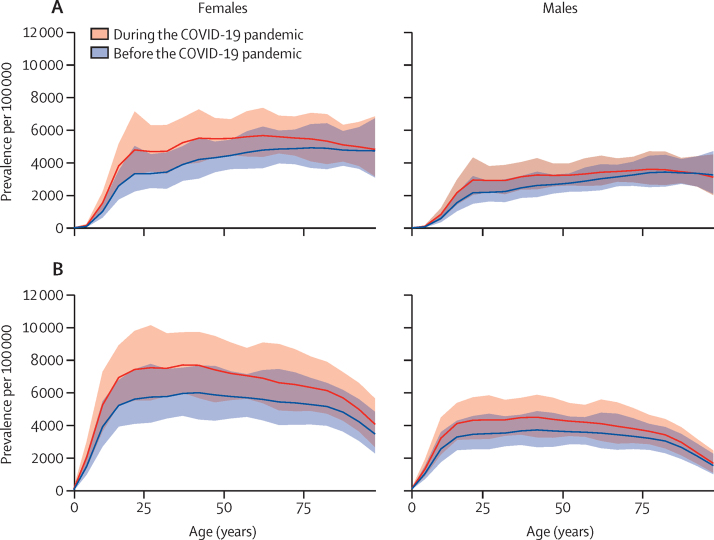
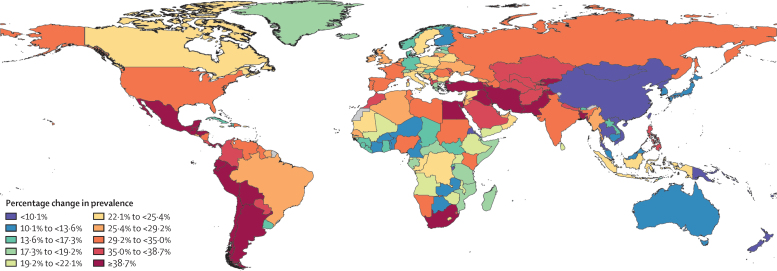
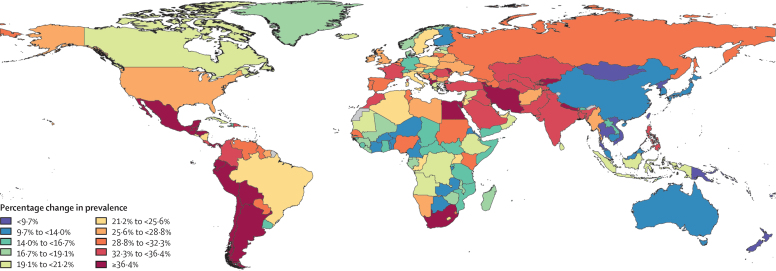
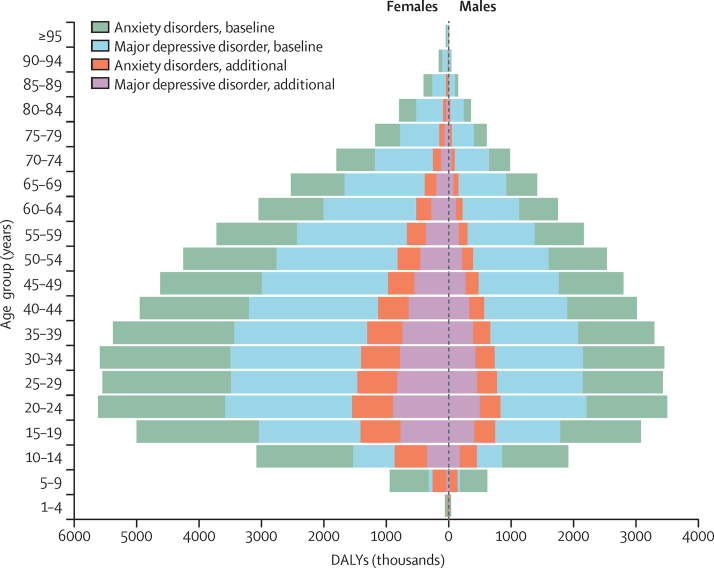
BACKGROUND: Before 2020, mental disorders were leading causes of the global health-related burden, with depressive and anxiety disorders being leading contributors to this burden. The emergence of the COVID-19 pandemic has created an environment where many determinants of poor mental health are exacerbated. The need for up-to-date information on the mental health impacts of COVID-19 in a way that informs health system responses is imperative. In this study, we aimed to quantify the impact of the COVID-19 pandemic on the prevalence and burden of major depressive disorder and anxiety disorders globally in 2020. METHODS: We conducted a systematic review of data reporting the prevalence of major depressive disorder and anxiety disorders during the COVID-19 pandemic and published between Jan 1, 2020, and Jan 29, 2021. We searched PubMed, Google Scholar, preprint servers, grey literature sources, and consulted experts. Eligible studies reported prevalence of depressive or anxiety disorders that were representative of the general population during the COVID-19 pandemic and had a pre-pandemic baseline. We used the assembled data in a meta-regression to estimate change in the prevalence of major depressive disorder and anxiety disorders between pre-pandemic and mid-pandemic (using periods as defined by each study) via COVID-19 impact indicators (human mobility, daily SARS-CoV-2 infection rate, and daily excess mortality rate). We then used this model to estimate the change from pre-pandemic prevalence (estimated using Disease Modelling Meta-Regression version 2.1 [known as DisMod-MR 2.1]) by age, sex, and location. We used final prevalence estimates and disability weights to estimate years lived with disability and disability-adjusted life-years (DALYs) for major depressive disorder and anxiety disorders. FINDINGS: We identified 5683 unique data sources, of which 48 met inclusion criteria (46 studies met criteria for major depressive disorder and 27 for anxiety disorders). Two COVID-19 impact indicators, specifically daily SARS-CoV-2 infection rates and reductions in human mobility, were associated with increased prevalence of major depressive disorder (regression coefficient [B] 0·9 [95% uncertainty interval 0·1 to 1·8; p=0·029] for human mobility, 18·1 [7·9 to 28·3; p=0·0005] for daily SARS-CoV-2 infection) and anxiety disorders (0·9 [0·1 to 1·7; p=0·022] and 13·8 [10·7 to 17·0; p<0·0001]. Females were affected more by the pandemic than males (B 0·1 [0·1 to 0·2; p=0·0001] for major depressive disorder, 0·1 [0·1 to 0·2; p=0·0001] for anxiety disorders) and younger age groups were more affected than older age groups (-0·007 [-0·009 to -0·006; p=0·0001] for major depressive disorder, -0·003 [-0·005 to -0·002; p=0·0001] for anxiety disorders). We estimated that the locations hit hardest by the pandemic in 2020, as measured with decreased human mobility and daily SARS-CoV-2 infection rate, had the greatest increases in prevalence of major depressive disorder and anxiety disorders. We estimated an additional 53·2 million (44·8 to 62·9) cases of major depressive disorder globally (an increase of 27·6% [25·1 to 30·3]) due to the COVID-19 pandemic, such that the total prevalence was 3152·9 cases (2722·5 to 3654·5) per 100 000 population. We also estimated an additional 76·2 million (64·3 to 90·6) cases of anxiety disorders globally (an increase of 25·6% [23·2 to 28·0]), such that the total prevalence was 4802·4 cases (4108·2 to 5588·6) per 100 000 population. Altogether, major depressive disorder caused 49·4 million (33·6 to 68·7) DALYs and anxiety disorders caused 44·5 million (30·2 to 62·5) DALYs globally in 2020. INTERPRETATION: This pandemic has created an increased urgency to strengthen mental health systems in most countries. Mitigation strategies could incorporate ways to promote mental wellbeing and target determinants of poor mental health and interventions to treat those with a mental disorder. Taking no action to address the burden of major depressive disorder and anxiety disorders should not be an option. FUNDING: Queensland Health, National Health and Medical Research Council, and the Bill and Melinda Gates Foundation.
Overview
CoChat Summary
TL;DR
The COVID-19 pandemic was associated with substantial global increases in major depressive disorder and anxiety disorders in 2020, with the largest increases in locations hit hardest by reduced mobility and higher SARS-CoV-2 infection rates. The study estimates an additional 53·2 million major depressive disorder cases and 76·2 million anxiety disorder cases globally in 2020.
Key findings
- Major depressive disorder prevalence rose by an estimated 27·6% (25·1–30·3), an additional 53·2 million (44·8–62·9) cases, to 3152·9 cases (2722·5–3654·5) per 100 000 population.
- Anxiety disorders rose by an estimated 25·6% (23·2–28·0), an additional 76·2 million (64·3–90·6) cases, to 4802·4 cases (4108·2–5588·6) per 100 000 population.
- In 2020, major depressive disorder caused 49·4 million (33·6–68·7) DALYs and anxiety disorders caused 44·5 million (30·2–62·5) DALYs globally.
- Females and younger age groups were more affected than males and older age groups; daily SARS-CoV-2 infection rates and reductions in human mobility were significantly associated with increased prevalence.
Methods
- Systematic review of data published Jan 1, 2020–Jan 29, 2021; 5683 unique sources were identified, and 48 studies met inclusion criteria (46 for major depressive disorder, 27 for anxiety disorders).
- Meta-regression using MR-BRT estimated change in logit prevalence before versus during the pandemic via COVID-19 impact indicators: human mobility, daily SARS-CoV-2 infection rate, and daily excess mortality rate.
- Pre-pandemic prevalence was estimated with DisMod-MR 2.1 by age, sex, and location; final prevalence estimates and disability weights were used to estimate YLDs and DALYs for 204 countries and territories in 2020.
Limitations
- The paper states that human mobility and SARS-CoV-2 infection rates are unlikely to capture the full mental health impact of the pandemic across all countries, and that mobile phone tracking may be inaccurate where subgroups have little or no mobile phone use.
- The paper states that few surveys from low-income and middle-income countries met inclusion criteria, limiting generalisability; it cautions against direct country rankings because of wide uncertainty intervals and data availability.
- The paper states that most surveys used symptom scales estimating probable cases, requiring the assumption that predictive validity remained constant; it also assumed unchanged severity distribution and could not assess how existing cases changed in severity. The text also makes evident that daily excess mortality was not associated with prevalence change after controlling for the other indicators, likely due to high collinearity.
Model-written summary. Check it against the paper before relying on it.
Integrity signals
Registry
Cites
Statistics
Figures
Verification
Claims the paper makes
7 Valid · 1 Not valid · 4 Not checked · 13 Own results and interpretations
The cited sources support only part of this claim — read each source’s verdict below.
In the paper
“The Global Burden of Diseases, Injuries, and Risk Factors Study (GBD) 2019 showed that the two most disabling mental disorders were depressive and anxiety disorders, both ranked among the top 25 leading causes of burden worldwide in 2019.1, 2”
§ Global prevalence and burden of depressive and anxiety disorders in 204 countries and territories in 2020 due to the COVID-19 pandemic > Introduction
What the sources say
- Partly supportedcites [1] GBD 2019 Disease and Injuries Collaborators Global burden of 369 diseases and injuries in 204 countries and territories, 1990–2019: a systematic analysis for the Global Burden of Disease Study 2019 Lancet 396 2020 1204 1222 33069326 PMC7567026 sourceExperimental — accuracy not yet measured
The Results (Global trends; page unavailable) place depressive and anxiety disorders among the top ten causes of DALYs globally for ages 10–24 in 2019, and the Discussion (Main findings; page unavailable) describes mental disorders as major contributors to disability. These passages do not establish that depression and anxiety were the two most disabling mental disorders or that both ranked among the top 25 causes of burden worldwide across all ages. (LLM, conf=0.84)
- Not matchedcites [2] GBD 2019 Mental Disorders Collaborators. Global, regional, and national burden of mental disorders in 204 countries and territories, 1990–2019: a systematic analysis from the Global Burden of Disease Study 2019. Lancet Psychiatry (in press). PMC8776563 35026139
We searched by its title and found no matching paper.
- Partly supported
Every source the paper cites for this claim was checked and supports it.
In the paper
“We used the Preferred Reporting Items for Systematic Reviews and Meta-Analyses (PRISMA) guidelines;9 our PRISMA checklist is in the appendix (pp 28–31), and the search protocol was registered with the International Prospective Register of Systematic Reviews (PROSPERO, CRD42021216590).”
§ Global prevalence and burden of depressive and anxiety disorders in 204 countries and territories in 2020 due to the COVID-19 pandemic > Methods > Data sources
What the sources say
- Supportedcites [9] Page MJ McKenzie JE Bossuyt PM The PRISMA 2020 statement: an updated guideline for reporting systematic reviews BMJ 372 2021 n71 33782057 PMC8005924 source
The citation is attached to the citing authors’ use of PRISMA guidelines, not to their separate statement about PROSPERO registration. The paper’s Abstract identifies PRISMA 2020 as a guideline for reporting systematic reviews and presents its checklist, so it supports the cited identification. (LLM, conf=0.92)
- Supported
The cited sources support only part of this claim — read each source’s verdict below.
In the paper
“The estimation of human mobility, daily SARS-CoV-2 infection rate, and daily excess mortality rate was done by the Institute for Health Metrics and Evaluation (IHME) COVID-19 Forecasting Team and is described in detail elsewhere.13”
§ Global prevalence and burden of depressive and anxiety disorders in 204 countries and territories in 2020 due to the COVID-19 pandemic > Methods > Data sources
What the sources say
- Partly supportedcites [13] Institute for Health Metrics and Evaluation COVID-19 Forecasting Team Modeling COVID-19 scenarios for the United States Nat Med 27 2021 94 105 33097835 PMC7806509 sourceExperimental — accuracy not yet measured
The Data identification and processing section describes a mobility covariate and estimates of total infections by day and state; the Deterministic modeling framework also describes estimated daily infections and deaths. The paper reports daily COVID-19 death rates, however, not daily excess mortality rates, so that part of the attribution is unsupported. (LLM, conf=0.87)
- Partly supported
The cited sources support only part of this claim — read each source’s verdict below.
In the paper
“Both major depressive disorder and anxiety disorders increase the risk of other diseases and suicide.28, 29”
§ Global prevalence and burden of depressive and anxiety disorders in 204 countries and territories in 2020 due to the COVID-19 pandemic > Discussion
What the sources say
- Not checked — no full text of the sourcecites [28] Clarke DM Currie KC Depression, anxiety and their relationship with chronic diseases: a review of the epidemiology, risk and treatment evidence Med J Aust 190 2009 S54 S60 19351294 source
- Partly supportedcites [29] Moitra M Santomauro D Degenhardt L Estimating the risk of suicide associated with mental disorders: a systematic review and meta-regression analysis J Psychiatr Res 137 2021 242 249 33714076 PMC8095367 sourceExperimental — accuracy not yet measured
The Discussion reports that major depressive disorder and anxiety disorders were significantly associated with suicide risk. It also says the analysis was confined to suicide deaths; it does not support the claim that these disorders increase the risk of other diseases. Page numbers were not provided in our copy. (LLM, conf=0.90)
The sources with a verdict support this claim; the rest weren’t checked yet, have no full text we could read, or their verdicts aren’t rated yet.
In the paper
“Women are more likely to be financially disadvantaged during the pandemic due to lower salaries, less savings, and less secure employment than their male counterparts.17, 18, 19”
§ Global prevalence and burden of depressive and anxiety disorders in 204 countries and territories in 2020 due to the COVID-19 pandemic > Discussion
What the sources say
- Not matchedcites [17] UN Policy brief: the impact of COVID-19 on women April 9, 2020 United Nations
Its entry has no title and year that we can search by.
- Not checked — no full text of the sourcecites [18] Wenham C Smith J Davies SE Women are most affected by pandemics - lessons from past outbreaks Nature 583 2020 194 198 32641809 source
- Supportedcites [19] Burki T The indirect impact of COVID-19 on women Lancet Infect Dis 20 2020 904 905 32738239 PMC7836874 source
The passage labelled Abstract states that women earn and save less, hold less secure jobs, and have less capacity than men to absorb economic shocks. It directly supports the claim about greater financial disadvantage during the pandemic. (LLM, conf=0.94)
- Not matched
20 more claims · 3 with their cited sources checked
Create a free account to see all 25 claims and to verify the 1 reference still open.
Claims other papers make about this one
Each is checked against this paper’s own text: does it say what the citing paper says it does?
The source backs part of the claim, not all of it — or backs it for a different population, condition or comparison.
In the citing paper
“The urgency to bridge this gap is further intensified by rising neurological and psychiatric disorders, climate-related stressors and the lingering effects of COVID-19, which disproportionately impact lower-resource environments27,28.”
From Resilience and brain health in global populations (2025) · cites this paper as [27]
Experimental — accuracy not yet measuredThe source backs part of the claim, not all of it — or backs it for a different population, condition or comparison.
In the citing paper
“GBD 2023 incorporated the effects of the COVID-19 pandemic on anxiety disorders and major depressive disorder, which exacerbated the mental health of many around the world, especially women and young people, through loss of employment, increased carer responsibilities, social restrictions, gender-based violence, and disruption to education.7”
From Updated trends in the global prevalence and burden of mental disorders, 1990–2023: a systematic analysis for the Global Burden of Disease Study 2023 (2026) · cites this paper as [7]
Experimental — accuracy not yet measuredThe source backs part of the claim, not all of it — or backs it for a different population, condition or comparison.
In the citing paper
“The non-communicable disease burden was distributed widely across the world's populations, irrespective of age, sex, or socioeconomic circumstance”
From Global incidence, prevalence, years lived with disability (YLDs), disability-adjusted life-years (DALYs), and healthy life expectancy (HALE) for 371 diseases and injuries in 204 countries and territories and 811 subnational locations, 1990–2021: a systematic analysis for the Global Burden of Disease Study 2021 (2024) · cites this paper as [16]
Experimental — accuracy not yet measuredThe source backs part of the claim, not all of it — or backs it for a different population, condition or comparison.
In the citing paper
“The efficacy and cost-effectiveness of treatment options for depressive disorders across low-income, middle-income, and high-income settings have been established by existing research.16”
From Global incidence, prevalence, years lived with disability (YLDs), disability-adjusted life-years (DALYs), and healthy life expectancy (HALE) for 371 diseases and injuries in 204 countries and territories and 811 subnational locations, 1990–2021: a systematic analysis for the Global Burden of Disease Study 2021 (2024) · cites this paper as [16]
Experimental — accuracy not yet measuredThe source backs part of the claim, not all of it — or backs it for a different population, condition or comparison.
In the citing paper
“Additionally, many mental disorders are prevalent during childhood or early adulthood, when other risk factors such as bullying victimisation and childhood maltreatment can occur.16, 42”
From Global incidence, prevalence, years lived with disability (YLDs), disability-adjusted life-years (DALYs), and healthy life expectancy (HALE) for 371 diseases and injuries in 204 countries and territories and 811 subnational locations, 1990–2021: a systematic analysis for the Global Burden of Disease Study 2021 (2024) · cites this paper as [16]
Experimental — accuracy not yet measured
12 more claims about this paper
Create a free account to see every claim other papers make about this one.
Self-check
Percentages, sums and reported differences re-computed from the paper’s own numbers.
Self-check results appear here once an independent check has confirmed them.
Cited works that were retracted
Works this paper cites that were later retracted, from the retraction notices publishers deposit. Major when the notice came out before this paper was published.
A note, not an issue: for example, a cited work that was retracted only after this paper was published, which its authors could not have known.
In the paper
“Emerging evidence suggests people with post-acute sequelae of COVID-19 (sometimes known as long COVID) might develop depressive and anxiety disorder symptoms, 37,38 and so prevalence of long COVID might be a potential indicator in future work.”
Cited work 10.1016/s0140-6736(20)32656-8 · retracted 2023-06-09 · notice 10.1016/s0140-6736(23)01175-3 · this paper published 2021-11
A note, not an issue: for example, a cited work that was retracted only after this paper was published, which its authors could not have known.
In the paper
“39,40 The study that did not report an increased prevalence was conducted in one specific city in Norway (Trondheim) using very small cross-sectional samples.”
Cited work 10.1017/s2045796021000408 · retracted 2023-03-13 · notice 10.1017/s2045796023000082 · this paper published 2021-11
Citations
Cites
2 retracted
RETRACTED: 6-month consequences of COVID-19 in patients discharged from hospital: a cohort study
Huang, C., Huang, L., Wang, Y., Li, X., Ren, L., Gu, X., Kang, L., Guo, L., Liu, M., Zhou, X., et al. (2021) · The Lancet · doi:10.1016/s0140-6736(20)32656-8 · Cited by 4,084 · cited 1×
“Emerging evidence suggests people with post-acute sequelae of COVID-19 (sometimes known as long COVID) might develop depressive and anxiety disorder symptoms, 37,38 and so prevalence of long COVID might be a potential indicator in future work.”
RetractedAyuso-Mateos, J. L., Morillo, D., Haro, J. M., Olaya, B., Lara, E., & Miret, M. (2021) · Epidemiology and Psychiatric Sciences · doi:10.1017/s2045796021000408 · Cited by 53 · cited 1×
“39,40 The study that did not report an increased prevalence was conducted in one specific city in Norway (Trondheim) using very small cross-sectional samples.”
RetractedThe PRISMA 2020 statement: An updated guideline for reporting systematic reviews
Page, M. J., McKenzie, J. E., Bossuyt, P. M., Boutron, I., Hoffmann, T. C., Mulrow, C. D., Shamseer, L., Tetzlaff, J. M., Akl, E. A., Brennan, S. E., et al. (2021) · BMJ · doi:10.1136/bmj.n71 · Cited by 108,283
Vos, T., Lim, S. S., Abbafati, C., Abbas, K. M., Abbasi, M., Abbasifard, M., Abbasi-Kangevari, M., Abbastabar, H., Abd-Allah, F., Abdelalim, A., et al. (2020) · The Lancet · doi:10.1016/s0140-6736(20)30925-9 · Cited by 19,358
Self-citationThe PRISMA 2020 statement: an updated guideline for reporting systematic reviews
Page, M. J., McKenzie, J., Bossuyt, P., Boutron, I., Hoffmann, T., mulrow, C., Shamseer, L., Tetzlaff, J., Akl, E., Brennan, S. E., et al. (2020) · doi:10.31222/osf.io/v7gm2_v1 · Cited by 8,090
The PRISMA 2020 statement: an updated guideline for reporting systematic reviews
Page, M. J., McKenzie, J., Bossuyt, P., Boutron, I., Hoffmann, T., mulrow, C., Shamseer, L., Tetzlaff, J., Akl, E., Brennan, S. E., et al. (2020) · doi:10.31222/osf.io/v7gm2 · Cited by 5,177
Taquet, M., Geddes, J. R., Husain, M., Luciano, S., & Harrison, P. J. (2021) · The Lancet Psychiatry · doi:10.1016/s2215-0366(21)00084-5 · Cited by 2,189
How mental health care should change as a consequence of the COVID-19 pandemic
Moreno, C., Wykes, T., Galderisi, S., Nordentoft, M., Crossley, N., Jones, N., Cannon, M., Correll, C. U., Byrne, L., Carr, S., et al. (2020) · The Lancet Psychiatry · doi:10.1016/s2215-0366(20)30307-2 · Cited by 1,840 · cited 3×
“36 They should consider public health messaging about the mental health impacts of COVID-19, how individuals can best manage their mental health, and well defined pathways to assessment and service access.”
Guidelines for accurate and transparent health estimates reporting: the GATHER statement
Stevens, G. A., Alkema, L., Black, R. E., Boerma, J. T., Collins, G. S., Ezzati, M., Grove, J. T., Hogan, D. R., Hogan, M. C., Horton, R., et al. (2016) · The Lancet · doi:10.1016/s0140-6736(16)30388-9 · Cited by 1,798
Self-citation
Research works printed but not linked: 1
- Flaxman AD Vos T Murray CJL An integrative metaregression framework for descriptive epidemiology 1st edn. 2015 University of Washington Press Seattle, WA
Cited by
Items 1,201–1,300 of 5,424
Bernstein, E. E., Wolfe, E. C., Huguenel, B. M., & Wilhelm, S. (2024) · JMIR mhealth and uhealth · doi:10.2196/45860 · Cited by 22
Vivas-Fernández, M., López, L. J. G., Piqueras, J. A., Fernández, L. E., Muela-Martínez, J. A., Jiménez-Vázquez, D., Díaz-Castela, M. D. M., & Ehrenreich, J. T. (2023) · Child Psychiatry & Human Development · doi:10.1007/s10578-023-01638-2 · Cited by 18
“These results are consistent with other studies pointing out the importance of personalized medicine in psychological interventions [9, 10, 60] and aligned with promising research on personalized medicine in which modest effect sizes have been found in cognitive-behavioral treatments controlling…”
Bin, X., Qu, K., Wang, Y., Chen, L., Xiong, Y., Wen, J. F., Wei, H.-B., Bing, T., Dan, C.-Y., & Zhu, J.-Q. (2024) · Frontiers in Public Health · doi:10.3389/fpubh.2023.1267764 · Cited by 17
“According to Damian Santomauro (69), in the survey of the prevalence of depression and anxiety during the worldwide COVID-19 pandemic in 204 countries and regions in 2020, the prevalence of depression and anxiety in Chinese people was only less than 10.1 and 14.0%, respectively, far lower than that…”
InfluentialFotinos, K., Sansone, A., Greifenberger, A., Katzman, M. A., Jannini, T. B., Reisman, Y., Limoncin, E., & Jannini, E. A. (2024) · International Journal of Impotence Research · doi:10.1038/s41443-023-00812-3 · Cited by 17
Just as Essential: The Mental Health of Educators During the COVID-19 Pandemic
Schneider, A., Stegall, M. S., Sirotiak, Z., Herrmann, F. M., & Thomas, E. B. K. (2024) · Disaster Medicine and Public Health Preparedness · doi:10.1017/dmp.2023.231 · Cited by 16
del Pino‐Sedeño, T., Infante‐Ventura, D., Hernández-González, D., González‐Hernández, Y., de León, B. G., Rivero‐Santana, A., Hurtado, I., & Acosta, F. J. (2024) · Frontiers in Pharmacology · doi:10.3389/fphar.2024.1327155 · Cited by 17
Meneses, M. D. O., & Andrade, E. M. L. R. (2024) · Revista Latino-Americana de Enfermagem · doi:10.1590/1518-8345.6764.4056 · Cited by 28
Евстифеева, С. Е., Shalnova, S. A., Kutsenko, V. A., Balanova, Y. А., Имаева, А. Э., Владимировна, К. А., Kotova, M. B., Maksimov, S. A., Аркадьевна, М. Г., Litinskaya, O. A., et al. (2023) · CARDIOVASCULAR THERAPY AND PREVENTION · doi:10.15829/1728-8800-2023-3796 · Cited by 17
Psychological Factors Associated with Functional Tic-like Behaviours during the COVID-19 Pandemic
Berg, L., Pringsheim, T. M., Lerario, M. P., & Martino, D. (2024) · Research on Child and Adolescent Psychopathology · doi:10.1007/s10802-024-01184-y · Cited by 17
“…during the pandemic, disproportionately affecting females and younger populations, while other studies of pandemic impacts found GM people were 2.6 times more likely to meet the clinical criteria for depression and anxiety than cisgender individuals (Moore et al., 2021; Santomauro et al., 2021).”
InfluentialA Machine-Learning Model for Detecting Depression, Anxiety, and Stress from Speech
Tasnim, M., Diaz-Ramos, R. E., Stroulia, E., & Trejo, L. A. (2024) · IEEE International Conference on Acoustics Speech and Signal Processing · doi:10.1109/icassp48485.2024.10446567 · Cited by 27
“COVID-19 pandemic has increased the prevalence of mental health disorders, and studies show that during the pandemic, youth (15 to 39 years) were more vulnerable to depression and anxiety disorders [13].”
BackgroundAdverse childhood experience and depression: the role of gut microbiota
Bai, Y., Shu, C., Hou, Y., & Wang, G. (2024) · Frontiers in Psychiatry · doi:10.3389/fpsyt.2024.1309022 · Cited by 16
Ceolotto, N., Jagadeesan, K. K., Xu, L., Standerwick, R., Robertson, M., Barden, R., Barnett, J. C., & Kasprzyk‐Hordern, B. (2024) · Journal of Hazardous Materials · doi:10.1016/j.jhazmat.2024.134264 · Cited by 13
Алексіна, Н., Герасименко, О., Лавриненко, Д., & Savchenko, O. V. (2024) · Insight the psychological dimensions of society · doi:10.32999/2663-970x/2024-11-5 · Cited by 64
Mental health in the virtual world: Challenges and opportunities in the metaverse era
del Hoyo, Y. L., Elices, M., & García‐Campayo, J. (2024) · World Journal of Clinical Cases · doi:10.12998/wjcc.v12.i17.2939 · Cited by 17
Navarra‐Ventura, G., Godoy-González, M., Gomà, G., Jódar, M., Sarlabous, L., Santos-Pulpón, V., Xifra‐Porxas, A., de Haro, C., Roca, O., Blanch, L. L., et al. (2024) · European Journal of Psychotraumatology · doi:10.1080/20008066.2024.2363654 · Cited by 15
“In this context, the coronavirus disease 2019 (COVID-19) pandemic brought with it a series of long-lasting stressful and traumatic experiences that led to a widespread increase in mental disorders (Santomauro et al., 2021; Yuan et al., 2021).”
BackgroundHerrmann, K., Beese, F., Wollgast, L., Mauz, E., Kersjes, C., Hoebel, J., & Wachtler, B. (2024) · Frontiers in Public Health · doi:10.3389/fpubh.2024.1397392 · Cited by 18
Wang, L., Yu, J., Diao, X., Zhang, Y., Miao, Y., & He, W. (2024) · Frontiers in Psychology · doi:10.3389/fpsyg.2024.1400267 · Cited by 14
Xu, C., Wang, J., Song, Z., Deng, H.-Y., & Li, C.-C. (2024) · Aging Clinical and Experimental Research · doi:10.1007/s40520-024-02854-z · Cited by 16
Is There such a Thing as Post-Viral Depression?: Implications for Precision Medicine
Park, E., Shin, C. Y., Jeon, S. J., & Ham, B. (2024) · Biomolecules & Therapeutics · doi:10.4062/biomolther.2024.170 · Cited by 14
Tao, R., Wang, S., Lü, Q., Liu, Y., Xia, L., Mo, D., Geng, F., Liu, T., Liu, Y., Jiang, F., et al. (2024) · Frontiers in Psychiatry · doi:10.3389/fpsyt.2024.1485726 · Cited by 18
Radford, K., Wright-Hughes, A. M., Thompson, E., Clarke, D., Phillips, J., Holmes, J. A., Powers, K., Trusson, D., Craven, K., Watkins, C. L., et al. (2024) · International Journal of Stroke · doi:10.1177/17474930241306693 · Cited by 18
“24 This was possibly in response to disruption caused to people’s lives, 45 heightened anxiety, 46,47 limited access to NHS services, 48 and COVID-19 symptoms, such as fatigue, possibly compounding that related to stroke.”
Barrass, L., Joshi, E., Dawe, J., Rubbo, B., Redaniel, M. T., Riglin, L., Lee, N. R., Howe, L. D., & Knipe, D. W. (2024) · BMC Public Health · doi:10.1186/s12889-024-20986-9 · Cited by 13
Yoga for Depressive Disorder: A Systematic Review and Meta‐Analysis
Moosburner, A., Cramer, H., Bîlc, M. I., Triana, J., & Anheyer, D. (2024) · Depression and Anxiety · doi:10.1155/da/6071055 · Cited by 26
“The prevalence has further increased following the COVID-19 pandemic [1 – 4].”
InfluentialAkkaoui, M. A., Barruel, D., Masson, V. D., Gourévitch, R., & Pham‐Scottez, A. (2025) · International Journal of Emergency Medicine · doi:10.1186/s12245-025-00810-w · Cited by 14
Breathing in virtual reality for promoting mental health: a scoping review
Pancini, E., Natale, A. F. D., & Villani, D. (2025) · Virtual Reality · doi:10.1007/s10055-024-01096-8 · Cited by 18
Anesthetics as Treatments for Depression: Clinical Insights and Underlying Mechanisms
Breault, M. S., Orguc, S., Kwon, O., Kang, G. H., Tseng, B., Schreier, D. R., & Brown, E. N. (2025) · Annual Review of Neuroscience · doi:10.1146/annurev-neuro-112723-062031 · Cited by 13
Shang, B., Wang, Y., Luo, C., Lv, F., Wu, J., & Shao, X. (2025) · BMC Public Health · doi:10.1186/s12889-025-22002-0 · Cited by 16
Change in global burden of depressive and anxiety disorders due to pandemic: Insight from GBD 2021
Fan, H., Yang, Y., Li, J., Huang, Z., & Zhou, B. (2025) · Journal of Affective Disorders · doi:10.1016/j.jad.2025.119817 · Cited by 19
Differential Molecular Responses of Zebrafish Larvae to Fluoxetine and Norfluoxetine
Rodrigues, P., Cunha, V. F. P. M., Ferreira, M., Reis-Henriques, M. A., Oliva-Teles, L., Guimarães, L., & Carvalho, A. P. (2022) · Water · doi:10.3390/w14030417 · Cited by 15
“Whilst they already represented a very high burden of disease, the incidence of mental health problems is also increasing significantly with the COVID-19 pandemic [1].”
BackgroundInfluentialMélone, M.-A., Tourny, C., Gehlbach, B. K., Schmidt, E. L., Lalevée, M., & L’Hermette, M. (2022) · International Journal of Environmental Research and Public Health · doi:10.3390/ijerph19053098 · Cited by 23
“Recent literature has found female gender to be associated with poor sleep quality and anxiety disorders during the pandemic [48,49].”
BackgroundGarcía-Grimshaw, M., Sankowski, R., & Valdés‐Ferrer, S. I. (2022) · Current Opinion in Neurology · doi:10.1097/wco.0000000000001046 · Cited by 18
COVID-19 pandemic's impact on French Health Students: A cross-sectional study during the third wave
Frajerman, A., Rolland, F., Falissard, B., Bertschy, G., Diquet, B., & Marra, D. (2022) · Journal of Affective Disorders · doi:10.1016/j.jad.2022.05.087 · Cited by 15
Xu, Z., Pang, J., & Chi, J. (2022) · Education Sciences · doi:10.3390/educsci12070472 · Cited by 17
Measuring, Modeling, and Forecasting the Mental Wealth of Nations
Occhipinti, J., Buchanan, J., Skinner, A., Song, Y. J. C., Tran, K., Rosenberg, S. P., Fels, A., Doraiswamy, P. M., Meier, P. S., Prodan, A., et al. (2022) · Frontiers in Public Health · doi:10.3389/fpubh.2022.879183 · Cited by 17
Olié, É., Dubois, J., Benramdane, M., Guillaume, S., & Courtet, P. (2022) · Journal of Affective Disorders · doi:10.1016/j.jad.2022.09.040 · Cited by 15
“Restrictions in human mobility have been associated with the increased prevalence of major depressive disorder since the COVID-19 outbreak (COVID-19 Mental Disorders Collaborators, 2021).”
VisualEars: How an immersive art exhibit impacts mood during the COVID-19 pandemic
Hadavi, S., Kennedy, K. G., Mariotti, G., & DeSouza, J. F. X. (2022) · Frontiers in Psychology · doi:10.3389/fpsyg.2022.910767 · Cited by 17
Huang, Y., Sun, P., Wu, Z., Guo, X., Wu, X., Chen, J., Yang, L., Wu, X., & Fang, Y. (2022) · Psychiatry Research · doi:10.1016/j.psychres.2022.114972 · Cited by 13
Lara, M. A., Navarrete, L., Medina, E., Patiño, P., & Tiburcio, M. (2023) · International Journal of Environmental Research and Public Health · doi:10.3390/ijerph20032472 · Cited by 16
“In the case of Mexico, this greater level of concern could be related to the country’s poor management of the pandemic, as compared with other countries [3], and to other local factors, such as the shortage of childhood vaccines, which had begun before the pandemic and had not yet been resolved.”
Marche, C., Poulain, M., Nieddu, A., Errigo, A., Dore, M. P., & Pes, G. M. (2023) · Nutritional Neuroscience · doi:10.1080/1028415x.2023.2198115 · Cited by 17
“Depression is currently regarded as the second largest contributor to the global burden of disease, and this position is estimated to be held up until 2030 [2].”
BackgroundLibuy, N., Ibáñez, C. F., Araneda, A. M., Donoso, P., Taibo, L. C., Guajardo, V., & Mundt, A. P. (2023) · Prevention Science · doi:10.1007/s11121-023-01539-9 · Cited by 15
Relationship between depression, anxiety, stress, and SARS-CoV-2 infection: a longitudinal study
Ausserhofer, D., Mahlknecht, A., Engl, A., Piccoliori, G., Pfitscher, G., Silbernagl, P., Giacomoni, F., Pycha, R., Lombardo, S., Gärtner, T., et al. (2023) · Frontiers in Psychology · doi:10.3389/fpsyg.2023.1116566 · Cited by 15
Addressing Mental Health Needs Among Frontline Health Care Workers During the COVID-19 Pandemic
Adams, T. N., Ruggiero, R. M., & North, C. S. (2023) · CHEST Journal · doi:10.1016/j.chest.2023.07.004 · Cited by 17
Szczuka, Z., Siwa, M., Abraham, C., Băban, A., Brooks, S., Cipolletta, S., Danso, E., Dombrowski, S. U., Gan, Y., Gaspar, T., et al. (2022) · Social Science & Medicine · doi:10.1016/j.socscimed.2022.115569 · Cited by 16
Tomczyk, J., Nezlek, J. B., & Krejtz, I. (2022) · Frontiers in Psychology · doi:10.3389/fpsyg.2022.878819 · Cited by 12
A Scoping Review of Arabic Natural Language Processing for Mental Health
Alasmari, A. (2025) · Healthcare · doi:10.3390/healthcare13090963 · Cited by 15
Hasan, M. M., Momen, M. S. H., Alim, M. A., Chowdhury, S. H., Chowdhury, M., Mamun, M. A., Zohra, F. T., Parvez, M. S., Das, S., & Hossen, S. M. M. (2025) · Scientifica · doi:10.1155/sci5/6745529 · Cited by 17
“Anxiety is characterized by excessive worry, fear, and psychological arousal in individuals and is denoted as the most prevalent mental illness in the United States [6].”
Vascular endothelial growth factor: a key factor in the onset and treatment of depression
Wang, J., Meng, F., Wang, L., & Li, Z. (2025) · Frontiers in Cellular Neuroscience · doi:10.3389/fncel.2025.1645437 · Cited by 17
Shankar, R., Foo, T. H., Devi, F., & Xu, Q. (2025) · Journal of Mental Health · doi:10.1080/09638237.2025.2595612 · Cited by 16
Trait Anxiety Mediates Impulsivity and Suicidal Ideation in Depression During COVID-19 Pandemic
Cheng, X., Zhang, Y., Zhao, D., Yuan, T., & Qiu, J. (2022) · Frontiers in Psychiatry · doi:10.3389/fpsyt.2022.892442 · Cited by 14
Liang, C., Gałecki, P., & Su, K. (2022) · Journal of Clinical Medicine · doi:10.3390/jcm11175114 · Cited by 14
Cai, L., Tao, Q., Li, W., Zhu, X., & Cui, C. (2022) · Frontiers in Nutrition · doi:10.3389/fnut.2022.971853 · Cited by 11
“Depression was the fourth largest disease burden in the world (8, 9), and with the development of society, it has shown an increasing trend of malignant development (10, 11).”
BackgroundDeimel, D., Firk, C., Stöver, H., Hees, N., Scherbaum, N., & Fleißner, S. (2022) · International Journal of Environmental Research and Public Health · doi:10.3390/ijerph191912801 · Cited by 16
Polish version of the Depression Anxiety Stress Scale (DASS-42) – adaptation and normalization
Makara‐Studzińska, M., Załuski, M., Adamczyk, K., & Tyburski, E. M. (2024) · Psychiatria Polska · doi:10.12740/pp/onlinefirst/153064 · Cited by 27
Cera, N., Monteiro, J., Esposito, R., Francesco, G. D., Cordes, D., Caldwell, J., & Cieri, F. (2022) · Frontiers in Human Neuroscience · doi:10.3389/fnhum.2022.1029256 · Cited by 15
Kankaynar, M., Ceyhun, H. A., Baran, A., Sulukan, E., Yıldırım, S., Bolat, İ., Toraman, E., Nadaroğlu, H., Arslan, M., & Ceyhun, S. B. (2023) · Comparative Biochemistry and Physiology Part C Toxicology & Pharmacology · doi:10.1016/j.cbpc.2023.109621 · Cited by 13
Lee, Y. E., Seo, J. H., Kim, S. T., Jeon, S., Park, C. I., Kim, S. J., & Kang, J. I. (2023) · PLoS ONE · doi:10.1371/journal.pone.0286636 · Cited by 18
“2 million cases of major depression worldwide caused by the pandemic in 2020 [2].”
BackgroundDepression detection using virtual avatar communication and eye tracking system
Takemoto, A., Aispuriete, I., Niedra, L., & Dreimane, L. F. (2023) · Journal of Eye Movement Research · doi:10.16910/jemr.16.2.6 · Cited by 15
“Since the COVID-19 pandemic began in 2020, the number of identified cases of patients suffering from depression has been increasing day by day (Daly and Robinson, 2022; Santomauro et al., 2021).”
BackgroundDo socially anxious and non-anxious individuals differ in their social media use?
Biglbauer, S., & Korajlija, A. L. (2023) · Computers in Human Behavior · doi:10.1016/j.chb.2023.107970 · Cited by 15
Issa, R., Sfeir, M., Azzi, V., Salameh, P., Akiki, M., Akel, M., Hallit, S. R., Obeïd, S., Malaeb, D. N., & Hallit, R. R. (2023) · Healthcare · doi:10.3390/healthcare11192674 · Cited by 14
Hearing loss, depression, and cognition in younger and older adult CI candidates
Huber, M., Reuter, L., Weitgasser, L., Pletzer, B. A., Roesch, S., & Illg, A. (2023) · Frontiers in Neurology · doi:10.3389/fneur.2023.1272210 · Cited by 14
Vukičević, T., Draganić, P., Škribulja, M., Puljak, L., & Došenović, S. (2023) · Social Psychiatry and Psychiatric Epidemiology · doi:10.1007/s00127-023-02574-1 · Cited by 12
Khubchandani, J., Banerjee, S. K., Gonzales-Lagos, R., & Szirony, G. M. (2023) · Diabetes & Metabolic Syndrome Clinical Research & Reviews · doi:10.1016/j.dsx.2023.102892 · Cited by 12
The Missing Piece: A Population Health Perspective to Address the U.S. Mental Health Crisis
Sampson, L., Kubzansky, L. D., & Koenen, K. C. (2023) · Daedalus · doi:10.1162/daed_a_02030 · Cited by 17
Medina-Saldivar, C., Cruz-Visalaya, S. R., Zevallos-Arias, A., Pardo, G. V. E., & Otalora, L. F. P. (2023) · Behavioural Brain Research · doi:10.1016/j.bbr.2023.114829 · Cited by 13
Otter, M., Kothgassner, O. D., Lepuschütz, L., Drahos, S., & Plener, P. L. (2024) · Child and Adolescent Psychiatry and Mental Health · doi:10.1186/s13034-023-00684-x · Cited by 16
Chan, H. F., Cheng, Z., Mendolia, S., Paloyo, A. R., Tani, M., Proulx, D., Savage, D. A., & Torgler, B. (2024) · Scientific Reports · doi:10.1038/s41598-024-51854-6 · Cited by 13
Zolotareva, A. A. (2024) · Clinical Psychology and Special Education · doi:10.17759/cpse.2023120406 · Cited by 23
Cheng, C. P. W., Herr, K. J., Jeon, H. J., Kato, T., Ng, C. H., Yang, Y. K., & Zhang, L. (2024) · Frontiers in Psychiatry · doi:10.3389/fpsyt.2024.1338063 · Cited by 12
Wang, P., Li, Y., Song, Y., Gao, Y. Z., Hao, C., Zhou, Y., Bao, S., Guo, J., & Li, X. (2024) · CNS Neuroscience & Therapeutics · doi:10.1111/cns.14644 · Cited by 17
Godara, M., Hecht, M., & Singer, T. (2024) · Journal of Affective Disorders · doi:10.1016/j.jad.2024.03.037 · Cited by 12
The challenges of mental health in Chilean university students
Valenzuela, F. E. B. (2024) · Frontiers in Public Health · doi:10.3389/fpubh.2024.1297402 · Cited by 27
Psychedelic Therapy: A Primer for Primary Care Clinicians—Historical Perspective and Overview
Tabaac, B. J., Shinozuka, K., Arenas, A., Beutler, B. D., Cherian, K. N., Evans, V. D., Fasano, C., & Muir, O. S. (2024) · American Journal of Therapeutics · doi:10.1097/mjt.0000000000001727 · Cited by 15
Spanoudaki, M., Papadopoulou, S. Κ., Antasouras, G., Papadopoulos, K., Psara, E., Vorvolakos, T., Solovos, E., Chrysafi, M., Psallas, M., Mentzelou, M., et al. (2024) · Life · doi:10.3390/life14040479 · Cited by 20
Transdiagnostic risk factors of emotional disorders in adults: A systematic review
Antuña‐Camblor, C., Péris-Baquero, Ó., Juarros‐Basterretxea, J., Vindel, A. C., & Rodríguez‐Díaz, F. J. (2024) · Anales de Psicología · doi:10.6018/analesps.561051 · Cited by 23
“The existence of common factors through mental pathology, specifically in the case of the more prevalent mental health problems in the world, anxiety, and depression (Santomauro et al., 2021), has become an increasingly important research topic in mental health (Littlefield et al., 2021).”
BackgroundHealth, psychosocial and cognitive factors associated with anxiety symptoms
Mendoza, L. S. M., Trujillo‐Güiza, M. L., Forero, D. A., & Báez, S. (2024) · Current Psychology · doi:10.1007/s12144-024-05998-3 · Cited by 27
“Meta-analysis and systematic reviews focusing on symptoms’ increase during the pandemic estimate a 25,6% rise in cases of anxious symptomatology, around three times higher than previous estimates (Santabárbara et al., 2021 ; Santomauro et al., 2021 ).”
Sympathetic and blood pressure reactivity in young adults with major depressive disorder
Darling, A. M., Young, B. E., Skow, R. J., Dominguez, C. M., Saunders, E. F. H., Fadel, P. J., & Greaney, J. L. (2024) · Journal of Affective Disorders · doi:10.1016/j.jad.2024.06.053 · Cited by 15
Hassanzadeh, E., Moradi, G., Arasteh, M., & Moradi, Y. (2024) · BMC Psychology · doi:10.1186/s40359-024-01981-6 · Cited by 15
“Depression is a common and growing mental disorder that affected more than 264 million people worldwide in 2020 [1, 2].”
BackgroundStariolo, J. B., Lemos, T. C., Khandpur, N., Pereira, M. G., Oliveira, L., Mocaiber, I., Ramos, T. C., & David, I. A. (2024) · Psicologia Reflexão e Crítica · doi:10.1186/s41155-024-00322-1 · Cited by 41
“The COVID-19 pandemic played a major role in triggering mental health problems linked to stress (Cénat et al., 2021; Portugal et al., 2022; Santomauro et al., 2021).”
BackgroundTang, W.-K., & Lee, J. C. (2024) · Nutrients · doi:10.3390/nu16193317 · Cited by 16
Liu, W., Zhou, B., Li, G., & Luo, X. (2024) · Scientific Reports · doi:10.1038/s41598-024-73615-1 · Cited by 14
Mahikul, W., Srichan, P., Narkkul, U., Soontarawirat, I., Kitro, A., Pumipuntu, N., Saita, S., & Narayam, P. (2024) · Scientific Reports · doi:10.1038/s41598-024-77077-3 · Cited by 19
Guo, Y., Wei, F., Lv, Y. M., Wu, H., Li, Y., Tang, R., Zhao, M., Ge, W., & Du, W. (2024) · International Immunopharmacology · doi:10.1016/j.intimp.2024.113517 · Cited by 14
Anxiety among Ukrainian academic staff during wartime
Tsybuliak, N., Kolomiiets, U., Lopatina, H., Popova, A., & Suchikova, Y. (2024) · Scientific Reports · doi:10.1038/s41598-024-78052-8 · Cited by 11
Trusted commonsense knowledge enhanced depression detection based on three-way decision
Chen, J., Yao, H. L., Shu, Z., & Zhang, Y. (2024) · Expert Systems with Applications · doi:10.1016/j.eswa.2024.125671 · Cited by 17
Dülger, H., & Ayaz‐Alkaya, S. (2025) · Journal of Evaluation in Clinical Practice · doi:10.1111/jep.70002 · Cited by 20
Vilela-Estrada, A. L., Villarreal‐Zegarra, D., Toyama, M., Carbonel, A., Fung, C., Carbonetti, F. L., Hidalgo-Padilla, L., Sureshkumar, D. S., Uribe-Restrepo, J. M., Olivar, N., et al. (2025) · Journal of Affective Disorders · doi:10.1016/j.jad.2025.02.088 · Cited by 17
Ali, M. A., Michel, H. E., Menze, E. T., Tadros, M., & Wahdan, S. A. (2025) · European Journal of Pharmacology · doi:10.1016/j.ejphar.2025.177525 · Cited by 12
Reas, D. L., Rø, G., & Rø, Ø. (2025) · International Journal of Eating Disorders · doi:10.1002/eat.24443 · Cited by 21
Antonazzo, I. C., Fornari, C., Maumus‐Robert, S., Cei, E., Paoletti, O., Ferrara, P., Conti, S., Cortesi, P. A., Mantovani, L. G., Gini, R., et al. (2022) · Journal of Personalized Medicine · doi:10.3390/jpm12020178 · Cited by 17
Young, L. M., Moylan, S., John, T., Turner, M., Opie, R., Hockey, M., Saunders, D., Bruscella, C., Jacka, F. N., Teychenne, M. J., et al. (2022) · BMC Psychiatry · doi:10.1186/s12888-022-03840-3 · Cited by 16
Batterham, P. J., Gulliver, A., Kurz, E., Farrer, L. M., Vis, C., Schuurmans, J., & Calear, A. L. (2022) · Journal of Medical Internet Research · doi:10.2196/34769 · Cited by 13
Birnie, K. A., Kopala‐Sibley, D. C., Pavlova, M., Nania, C. G., Bernier, E. P., Stinson, J., & Noel, M. E. (2022) · Children · doi:10.3390/children9050745 · Cited by 14
SARS-CoV-2 infection and the brain: direct evidence for brain changes in milder cases
Sollmann, N., Beer, A. J., & Kirchhoff, F. (2022) · Signal Transduction and Targeted Therapy · doi:10.1038/s41392-022-01072-1 · Cited by 13
Williams, N., Haines, T. P., Williams, C., Bowles, K., & Hill, K. (2022) · Frontiers in Public Health · doi:10.3389/fpubh.2022.912188 · Cited by 13
“Visual analysis of these graphs for the self-isolation statements (reporting yes/no responses, irrespective of correct response) highlights increasing proportions of the three older age groups answering yes to statements that self-isolation means: (1) being the only person at your residence; (2) can go out for medical…”
BackgroundLew‐Koralewicz, A. (2022) · International Journal of Environmental Research and Public Health · doi:10.3390/ijerph19159468 · Cited by 12
Santé mentale et Covid : toutes et tous concernés. Une revue narrative
Mallet, J., Massini, C., Dubreucq, J., Padovani, R., Fond, G. B., & Guessoum, S. B. (2022) · Annales Médico-psychologiques revue psychiatrique · doi:10.1016/j.amp.2022.07.019 · Cited by 33
Sadeh‐Sharvit, S., Rego, S. A., Jefroykin, S., Peretz, G., & Kupershmidt, T. (2022) · JMIR Formative Research · doi:10.2196/39846 · Cited by 16
“The need for focused behavioral treatments has become stronger following the COVID-19 pandemic, given the global increase in mental health disorders [2,3] and the resulting demand for mental health services, coupled with a dramatic shortage of clinicians [4].”
BackgroundMAOA uVNTR Genetic Variant and Major Depressive Disorder: A Systematic Review
Gonçalves, A. B. C., Fratelli, C. F., Siqueira, J. W. S., Duarte, L. C. D. A. C., Barros, A. R., Possatti, I., dos Santos, M. L., Silva, C. M. D. S., & da Silva, I. C. R. (2022) · Cells · doi:10.3390/cells11203267 · Cited by 16
“0001) prevalence worldwide in just its first year [8].”
BackgroundHailey, V., Burton, A., Hamer, M., Fancourt, D. E., & Fisher, A. (2022) · International Journal of Environmental Research and Public Health · doi:10.3390/ijerph192214784 · Cited by 13
“Indeed, there were multifaceted adverse effects on depression, anxiety, stress and wellbeing [44].”
BackgroundTaboada-Jara, T., Alvarenga, N. L., Galeano, A. K., Arrúa, W. J., Campuzano-Bublitz, M. Á., & Kennedy, M. L. (2022) · Molecules · doi:10.3390/molecules27227828 · Cited by 12
Metadata
- Authors
- Santomauro, D. F., Mantilla Herrera, A. M., Shadid, J., Zheng, P., Ashbaugh, C., Pigott, D. M., Abbafati, C., Adolph, C., Amlag, J. O., Aravkin, A. Y., Bang-Jensen, B. L., Bertolacci, G. J., Bloom, S. S., Castellano, R., Castro, E., Chakrabarti, S., Chattopadhyay, J., Cogen, R. M., Collins, J. K., Dai, X., Dangel, W. J., Dapper, C., Deen, A., Erickson, M., Ewald, S. B., Flaxman, A. D., Frostad, J. J., Fullman, N., Giles, J. R., Giref, A. Z., Guo, G., He, J., Helak, M., Hulland, E. N., Idrisov, B., Lindstrom, A., Linebarger, E., Lotufo, P. A., Lozano, R., Magistro, B., Malta, D. C., Månsson, J. C., Marinho, F., Mokdad, A. H., Monasta, L., Naik, P., Nomura, S., O'Halloran, J. K., Ostroff, S. M., Pasovic, M., Penberthy, L., Reiner Jr, R. C., Reinke, G., Ribeiro, A. L. P., Sholokhov, A., Sorensen, R. J. D., Varavikova, E., Vo, A. T., Walcott, R., Watson, S., Wiysonge, C. S., Zigler, B., Hay, S. I., Vos, T., Murray, C. J. L., Whiteford, H. A., & Ferrari, A. J.
- Affiliations
- The University of Queensland (AU)
- Corresponding author
- Santomauro, Damian F
- ORCID
- Santomauro, Damian F
- Shadid, Jamileh
- Pigott, David M
- Abbafati, Cristiana
- Adolph, Christopher
- Aravkin, Aleksandr Y
- Bang-Jensen, Bree L
- Castellano, Rachel
- Chakrabarti, Suman
- Collins, James K
- Dai, Xiaochen
- Ewald, Samuel B
- Flaxman, Abraham D
- Fullman, Nancy
- Giles, John R
- Guo, Gaorui
- He, Jiawei
- Hulland, Erin N
- Idrisov, Bulat
- Lindstrom, Akiaja
- Lotufo, Paulo A
- Lozano, Rafael
- Magistro, Beatrice
- Mokdad, Ali H
- Monasta, Lorenzo
- Naik, Paulami
- Nomura, Shuhei
- Pasovic, Maja
- Reinke, Grace
- Sholokhov, Aleksei
- Sorensen, Reed J D
- Varavikova, Elena
- Vo, Anh Truc
- Walcott, Rebecca
- Wiysonge, Charles Shey
- Hay, Simon I
- Vos, Theo
- Murray, Christopher J L
- Whiteford, Harvey A
- Ferrari, Alize J
- Venue
- The Lancet
- Publisher
- Elsevier BV
- Published
- 2021-11
- Volume
- 398
- Issue
- 10312
- Pages
- 1700-1712
- ISSN
- 0099-5355 (ISSN-L)
- 0140-6736
- PMC
- PMC8500697
- OpenAlex
- W3203310594
- Semantic Scholar
- b3a95f28a5079ceb81f1d1361c0f99356006f136
- Cited by
- 5,444
- References
- 42
- Citations by year
- 2026: 663 · 2025: 1095 · 2024: 1383 · 2023: 1359 · 2022: 901 · 2021: 36
- FWCI
- 122.91
- Type
- journal article
- Language
- en
- Open access
- hybrid
- doi.org
- Licence
- cc-by
- www.elsevier.com/tdm/userlicense/1.0/ (tdm)
- www.elsevier.com/legal/tdmrep-license (tdm)
- creativecommons.org/licenses/by/4.0/ (vor)
- Locations
- The Lancet (publishedVersion, cc-by)
- PubMed Central (publishedVersion, cc-by)
- PubMed (publishedVersion)
- IRIS Research product catalog (Sapienza University of Rome) (submittedVersion, other-oa)
- Funders
- Bill & Melinda Gates Foundation
- Topics
- Social Sciences › Psychology › Clinical Psychology › COVID-19 and Mental Health
- Health Sciences › Medicine › Psychiatry and Mental health › Mental Health Treatment and Access
- Health Sciences › Medicine › Public Health, Environmental and Occupational Health › Maternal Mental Health During Pregnancy and Postpartum
- Keywords
- major depressive disorder, anxiety disorders, COVID-19 pandemic, mental health burden, prevalence, disability-adjusted life years, years lived with disability, SARS-CoV-2 infection rates, human mobility, excess mortality, age and sex differences, global mental health, health system response, mental health professionals, access to mental health care, mental health stigma
- MeSH terms
- Global Burden of Disease, COVID-19, SARS-CoV-2, Anxiety Disorders, Depression, Humans, Surveys and Questionnaires, Global Health, Prevalence, Pandemics
About these checks
Registry, retraction, Cites and statistics results are computed, not judged, with one exception: a printed reference that no index lists is read once by a model before it counts as a citation error. Claims are extracted by a model and kept only when their quote appears verbatim in the text; each cited source is then checked, with a model’s help, for whether it says what the claim relies on. Those verdicts can be wrong — read the claim’s quote and the cited source before relying on one.
The claim verdicts this report counts are experimental: their accuracy is not yet measured.
A language model drew the claims from the paper on 2026-09-27 (prompt extract-v2).
Cited sources are checked with a language model’s help (gpt-6-sol).
Statistics and arithmetic are recomputed, not judged.
Confidence bands are shown only for fields calibrated on our annotated test set. None is calibrated yet, so no band is shown.
What counts as a claim ›How we measure confidence ›How we check this ›
Are you an author, or do you see a problem with this page? Request a review
Data sources
Bibliographic data: Semantic Scholar, OpenAlex, Crossref.
Contains information from the Semantic Scholar Academic Graph Datasets, made available under the ODC Attribution License (ODC-BY 1.0).
Semantic Scholar’s data is described in: Kinney, R., et al. (2023). The Semantic Scholar Open Data Platform. arXiv:2301.10140.
