

Global prevalence and burden of depressive and anxiety disorders in 204 countries and territories in 2020 due to the COVID-19 pandemic
Open accessThe DOI matches its Crossref record; 41 of the 42 references it cites were found in a registry or an index; 8 of the 24 sources its claims cite were checked for support.
Abstract
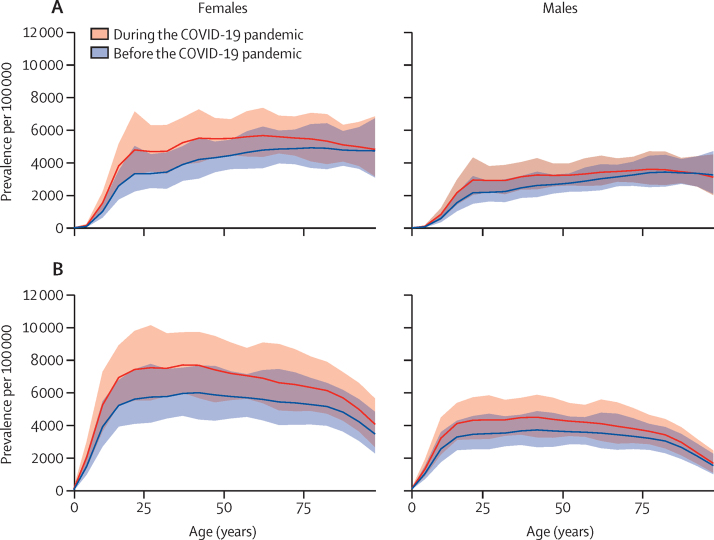
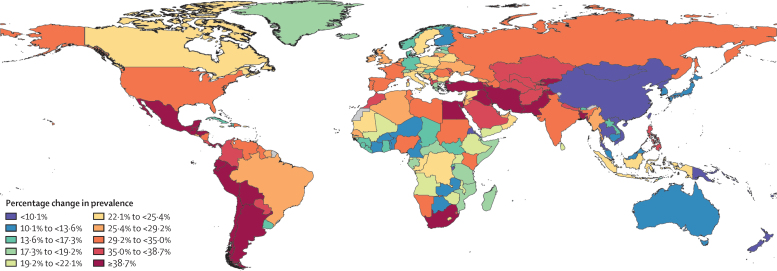
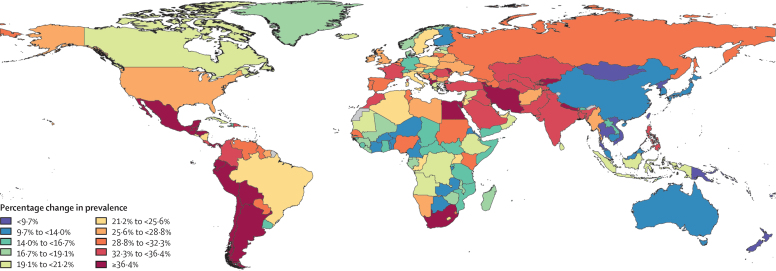
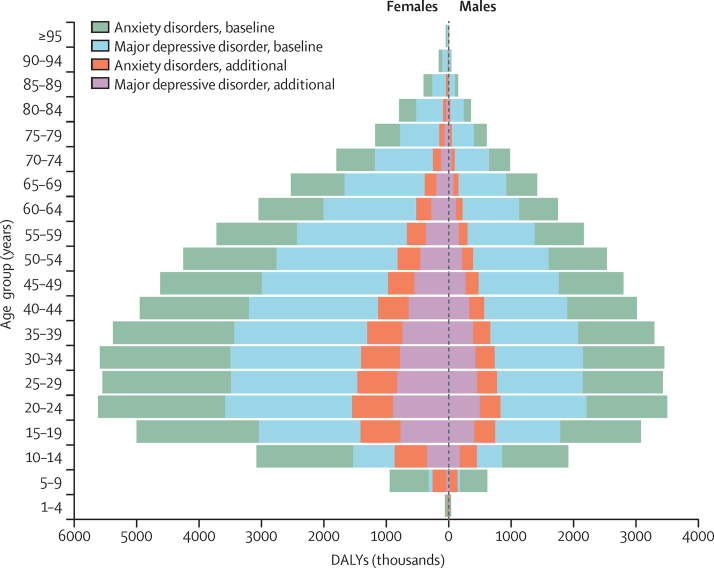
BACKGROUND: Before 2020, mental disorders were leading causes of the global health-related burden, with depressive and anxiety disorders being leading contributors to this burden. The emergence of the COVID-19 pandemic has created an environment where many determinants of poor mental health are exacerbated. The need for up-to-date information on the mental health impacts of COVID-19 in a way that informs health system responses is imperative. In this study, we aimed to quantify the impact of the COVID-19 pandemic on the prevalence and burden of major depressive disorder and anxiety disorders globally in 2020. METHODS: We conducted a systematic review of data reporting the prevalence of major depressive disorder and anxiety disorders during the COVID-19 pandemic and published between Jan 1, 2020, and Jan 29, 2021. We searched PubMed, Google Scholar, preprint servers, grey literature sources, and consulted experts. Eligible studies reported prevalence of depressive or anxiety disorders that were representative of the general population during the COVID-19 pandemic and had a pre-pandemic baseline. We used the assembled data in a meta-regression to estimate change in the prevalence of major depressive disorder and anxiety disorders between pre-pandemic and mid-pandemic (using periods as defined by each study) via COVID-19 impact indicators (human mobility, daily SARS-CoV-2 infection rate, and daily excess mortality rate). We then used this model to estimate the change from pre-pandemic prevalence (estimated using Disease Modelling Meta-Regression version 2.1 [known as DisMod-MR 2.1]) by age, sex, and location. We used final prevalence estimates and disability weights to estimate years lived with disability and disability-adjusted life-years (DALYs) for major depressive disorder and anxiety disorders. FINDINGS: We identified 5683 unique data sources, of which 48 met inclusion criteria (46 studies met criteria for major depressive disorder and 27 for anxiety disorders). Two COVID-19 impact indicators, specifically daily SARS-CoV-2 infection rates and reductions in human mobility, were associated with increased prevalence of major depressive disorder (regression coefficient [B] 0·9 [95% uncertainty interval 0·1 to 1·8; p=0·029] for human mobility, 18·1 [7·9 to 28·3; p=0·0005] for daily SARS-CoV-2 infection) and anxiety disorders (0·9 [0·1 to 1·7; p=0·022] and 13·8 [10·7 to 17·0; p<0·0001]. Females were affected more by the pandemic than males (B 0·1 [0·1 to 0·2; p=0·0001] for major depressive disorder, 0·1 [0·1 to 0·2; p=0·0001] for anxiety disorders) and younger age groups were more affected than older age groups (-0·007 [-0·009 to -0·006; p=0·0001] for major depressive disorder, -0·003 [-0·005 to -0·002; p=0·0001] for anxiety disorders). We estimated that the locations hit hardest by the pandemic in 2020, as measured with decreased human mobility and daily SARS-CoV-2 infection rate, had the greatest increases in prevalence of major depressive disorder and anxiety disorders. We estimated an additional 53·2 million (44·8 to 62·9) cases of major depressive disorder globally (an increase of 27·6% [25·1 to 30·3]) due to the COVID-19 pandemic, such that the total prevalence was 3152·9 cases (2722·5 to 3654·5) per 100 000 population. We also estimated an additional 76·2 million (64·3 to 90·6) cases of anxiety disorders globally (an increase of 25·6% [23·2 to 28·0]), such that the total prevalence was 4802·4 cases (4108·2 to 5588·6) per 100 000 population. Altogether, major depressive disorder caused 49·4 million (33·6 to 68·7) DALYs and anxiety disorders caused 44·5 million (30·2 to 62·5) DALYs globally in 2020. INTERPRETATION: This pandemic has created an increased urgency to strengthen mental health systems in most countries. Mitigation strategies could incorporate ways to promote mental wellbeing and target determinants of poor mental health and interventions to treat those with a mental disorder. Taking no action to address the burden of major depressive disorder and anxiety disorders should not be an option. FUNDING: Queensland Health, National Health and Medical Research Council, and the Bill and Melinda Gates Foundation.
Overview
CoChat Summary
TL;DR
The COVID-19 pandemic was associated with substantial global increases in major depressive disorder and anxiety disorders in 2020, with the largest increases in locations hit hardest by reduced mobility and higher SARS-CoV-2 infection rates. The study estimates an additional 53·2 million major depressive disorder cases and 76·2 million anxiety disorder cases globally in 2020.
Key findings
- Major depressive disorder prevalence rose by an estimated 27·6% (25·1–30·3), an additional 53·2 million (44·8–62·9) cases, to 3152·9 cases (2722·5–3654·5) per 100 000 population.
- Anxiety disorders rose by an estimated 25·6% (23·2–28·0), an additional 76·2 million (64·3–90·6) cases, to 4802·4 cases (4108·2–5588·6) per 100 000 population.
- In 2020, major depressive disorder caused 49·4 million (33·6–68·7) DALYs and anxiety disorders caused 44·5 million (30·2–62·5) DALYs globally.
- Females and younger age groups were more affected than males and older age groups; daily SARS-CoV-2 infection rates and reductions in human mobility were significantly associated with increased prevalence.
Methods
- Systematic review of data published Jan 1, 2020–Jan 29, 2021; 5683 unique sources were identified, and 48 studies met inclusion criteria (46 for major depressive disorder, 27 for anxiety disorders).
- Meta-regression using MR-BRT estimated change in logit prevalence before versus during the pandemic via COVID-19 impact indicators: human mobility, daily SARS-CoV-2 infection rate, and daily excess mortality rate.
- Pre-pandemic prevalence was estimated with DisMod-MR 2.1 by age, sex, and location; final prevalence estimates and disability weights were used to estimate YLDs and DALYs for 204 countries and territories in 2020.
Limitations
- The paper states that human mobility and SARS-CoV-2 infection rates are unlikely to capture the full mental health impact of the pandemic across all countries, and that mobile phone tracking may be inaccurate where subgroups have little or no mobile phone use.
- The paper states that few surveys from low-income and middle-income countries met inclusion criteria, limiting generalisability; it cautions against direct country rankings because of wide uncertainty intervals and data availability.
- The paper states that most surveys used symptom scales estimating probable cases, requiring the assumption that predictive validity remained constant; it also assumed unchanged severity distribution and could not assess how existing cases changed in severity. The text also makes evident that daily excess mortality was not associated with prevalence change after controlling for the other indicators, likely due to high collinearity.
Model-written summary. Check it against the paper before relying on it.
Integrity signals
Registry
Cites
Statistics
Figures
Verification
Claims the paper makes
7 Valid · 1 Not valid · 4 Not checked · 13 Own results and interpretations
The cited sources support only part of this claim — read each source’s verdict below.
In the paper
“The Global Burden of Diseases, Injuries, and Risk Factors Study (GBD) 2019 showed that the two most disabling mental disorders were depressive and anxiety disorders, both ranked among the top 25 leading causes of burden worldwide in 2019.1, 2”
§ Global prevalence and burden of depressive and anxiety disorders in 204 countries and territories in 2020 due to the COVID-19 pandemic > Introduction
What the sources say
- Partly supportedcites [1] GBD 2019 Disease and Injuries Collaborators Global burden of 369 diseases and injuries in 204 countries and territories, 1990–2019: a systematic analysis for the Global Burden of Disease Study 2019 Lancet 396 2020 1204 1222 33069326 PMC7567026 sourceExperimental — accuracy not yet measured
The Results (Global trends; page unavailable) place depressive and anxiety disorders among the top ten causes of DALYs globally for ages 10–24 in 2019, and the Discussion (Main findings; page unavailable) describes mental disorders as major contributors to disability. These passages do not establish that depression and anxiety were the two most disabling mental disorders or that both ranked among the top 25 causes of burden worldwide across all ages. (LLM, conf=0.84)
- Not matchedcites [2] GBD 2019 Mental Disorders Collaborators. Global, regional, and national burden of mental disorders in 204 countries and territories, 1990–2019: a systematic analysis from the Global Burden of Disease Study 2019. Lancet Psychiatry (in press). PMC8776563 35026139
We searched by its title and found no matching paper.
- Partly supported
Every source the paper cites for this claim was checked and supports it.
In the paper
“We used the Preferred Reporting Items for Systematic Reviews and Meta-Analyses (PRISMA) guidelines;9 our PRISMA checklist is in the appendix (pp 28–31), and the search protocol was registered with the International Prospective Register of Systematic Reviews (PROSPERO, CRD42021216590).”
§ Global prevalence and burden of depressive and anxiety disorders in 204 countries and territories in 2020 due to the COVID-19 pandemic > Methods > Data sources
What the sources say
- Supportedcites [9] Page MJ McKenzie JE Bossuyt PM The PRISMA 2020 statement: an updated guideline for reporting systematic reviews BMJ 372 2021 n71 33782057 PMC8005924 source
The citation is attached to the citing authors’ use of PRISMA guidelines, not to their separate statement about PROSPERO registration. The paper’s Abstract identifies PRISMA 2020 as a guideline for reporting systematic reviews and presents its checklist, so it supports the cited identification. (LLM, conf=0.92)
- Supported
The cited sources support only part of this claim — read each source’s verdict below.
In the paper
“The estimation of human mobility, daily SARS-CoV-2 infection rate, and daily excess mortality rate was done by the Institute for Health Metrics and Evaluation (IHME) COVID-19 Forecasting Team and is described in detail elsewhere.13”
§ Global prevalence and burden of depressive and anxiety disorders in 204 countries and territories in 2020 due to the COVID-19 pandemic > Methods > Data sources
What the sources say
- Partly supportedcites [13] Institute for Health Metrics and Evaluation COVID-19 Forecasting Team Modeling COVID-19 scenarios for the United States Nat Med 27 2021 94 105 33097835 PMC7806509 sourceExperimental — accuracy not yet measured
The Data identification and processing section describes a mobility covariate and estimates of total infections by day and state; the Deterministic modeling framework also describes estimated daily infections and deaths. The paper reports daily COVID-19 death rates, however, not daily excess mortality rates, so that part of the attribution is unsupported. (LLM, conf=0.87)
- Partly supported
The cited sources support only part of this claim — read each source’s verdict below.
In the paper
“Both major depressive disorder and anxiety disorders increase the risk of other diseases and suicide.28, 29”
§ Global prevalence and burden of depressive and anxiety disorders in 204 countries and territories in 2020 due to the COVID-19 pandemic > Discussion
What the sources say
- Not checked — no full text of the sourcecites [28] Clarke DM Currie KC Depression, anxiety and their relationship with chronic diseases: a review of the epidemiology, risk and treatment evidence Med J Aust 190 2009 S54 S60 19351294 source
- Partly supportedcites [29] Moitra M Santomauro D Degenhardt L Estimating the risk of suicide associated with mental disorders: a systematic review and meta-regression analysis J Psychiatr Res 137 2021 242 249 33714076 PMC8095367 sourceExperimental — accuracy not yet measured
The Discussion reports that major depressive disorder and anxiety disorders were significantly associated with suicide risk. It also says the analysis was confined to suicide deaths; it does not support the claim that these disorders increase the risk of other diseases. Page numbers were not provided in our copy. (LLM, conf=0.90)
The sources with a verdict support this claim; the rest weren’t checked yet, have no full text we could read, or their verdicts aren’t rated yet.
In the paper
“Women are more likely to be financially disadvantaged during the pandemic due to lower salaries, less savings, and less secure employment than their male counterparts.17, 18, 19”
§ Global prevalence and burden of depressive and anxiety disorders in 204 countries and territories in 2020 due to the COVID-19 pandemic > Discussion
What the sources say
- Not matchedcites [17] UN Policy brief: the impact of COVID-19 on women April 9, 2020 United Nations
Its entry has no title and year that we can search by.
- Not checked — no full text of the sourcecites [18] Wenham C Smith J Davies SE Women are most affected by pandemics - lessons from past outbreaks Nature 583 2020 194 198 32641809 source
- Supportedcites [19] Burki T The indirect impact of COVID-19 on women Lancet Infect Dis 20 2020 904 905 32738239 PMC7836874 source
The passage labelled Abstract states that women earn and save less, hold less secure jobs, and have less capacity than men to absorb economic shocks. It directly supports the claim about greater financial disadvantage during the pandemic. (LLM, conf=0.94)
- Not matched
20 more claims · 3 with their cited sources checked
Create a free account to see all 25 claims and to verify the 1 reference still open.
Claims other papers make about this one
Each is checked against this paper’s own text: does it say what the citing paper says it does?
The source backs part of the claim, not all of it — or backs it for a different population, condition or comparison.
In the citing paper
“The urgency to bridge this gap is further intensified by rising neurological and psychiatric disorders, climate-related stressors and the lingering effects of COVID-19, which disproportionately impact lower-resource environments27,28.”
From Resilience and brain health in global populations (2025) · cites this paper as [27]
Experimental — accuracy not yet measuredThe source backs part of the claim, not all of it — or backs it for a different population, condition or comparison.
In the citing paper
“GBD 2023 incorporated the effects of the COVID-19 pandemic on anxiety disorders and major depressive disorder, which exacerbated the mental health of many around the world, especially women and young people, through loss of employment, increased carer responsibilities, social restrictions, gender-based violence, and disruption to education.7”
From Updated trends in the global prevalence and burden of mental disorders, 1990–2023: a systematic analysis for the Global Burden of Disease Study 2023 (2026) · cites this paper as [7]
Experimental — accuracy not yet measuredThe source backs part of the claim, not all of it — or backs it for a different population, condition or comparison.
In the citing paper
“The non-communicable disease burden was distributed widely across the world's populations, irrespective of age, sex, or socioeconomic circumstance”
From Global incidence, prevalence, years lived with disability (YLDs), disability-adjusted life-years (DALYs), and healthy life expectancy (HALE) for 371 diseases and injuries in 204 countries and territories and 811 subnational locations, 1990–2021: a systematic analysis for the Global Burden of Disease Study 2021 (2024) · cites this paper as [16]
Experimental — accuracy not yet measuredThe source backs part of the claim, not all of it — or backs it for a different population, condition or comparison.
In the citing paper
“The efficacy and cost-effectiveness of treatment options for depressive disorders across low-income, middle-income, and high-income settings have been established by existing research.16”
From Global incidence, prevalence, years lived with disability (YLDs), disability-adjusted life-years (DALYs), and healthy life expectancy (HALE) for 371 diseases and injuries in 204 countries and territories and 811 subnational locations, 1990–2021: a systematic analysis for the Global Burden of Disease Study 2021 (2024) · cites this paper as [16]
Experimental — accuracy not yet measuredThe source backs part of the claim, not all of it — or backs it for a different population, condition or comparison.
In the citing paper
“Additionally, many mental disorders are prevalent during childhood or early adulthood, when other risk factors such as bullying victimisation and childhood maltreatment can occur.16, 42”
From Global incidence, prevalence, years lived with disability (YLDs), disability-adjusted life-years (DALYs), and healthy life expectancy (HALE) for 371 diseases and injuries in 204 countries and territories and 811 subnational locations, 1990–2021: a systematic analysis for the Global Burden of Disease Study 2021 (2024) · cites this paper as [16]
Experimental — accuracy not yet measured
12 more claims about this paper
Create a free account to see every claim other papers make about this one.
Self-check
Percentages, sums and reported differences re-computed from the paper’s own numbers.
Self-check results appear here once an independent check has confirmed them.
Cited works that were retracted
Works this paper cites that were later retracted, from the retraction notices publishers deposit. Major when the notice came out before this paper was published.
A note, not an issue: for example, a cited work that was retracted only after this paper was published, which its authors could not have known.
In the paper
“Emerging evidence suggests people with post-acute sequelae of COVID-19 (sometimes known as long COVID) might develop depressive and anxiety disorder symptoms, 37,38 and so prevalence of long COVID might be a potential indicator in future work.”
Cited work 10.1016/s0140-6736(20)32656-8 · retracted 2023-06-09 · notice 10.1016/s0140-6736(23)01175-3 · this paper published 2021-11
A note, not an issue: for example, a cited work that was retracted only after this paper was published, which its authors could not have known.
In the paper
“39,40 The study that did not report an increased prevalence was conducted in one specific city in Norway (Trondheim) using very small cross-sectional samples.”
Cited work 10.1017/s2045796021000408 · retracted 2023-03-13 · notice 10.1017/s2045796023000082 · this paper published 2021-11
Citations
Cites
2 retracted
RETRACTED: 6-month consequences of COVID-19 in patients discharged from hospital: a cohort study
Huang, C., Huang, L., Wang, Y., Li, X., Ren, L., Gu, X., Kang, L., Guo, L., Liu, M., Zhou, X., et al. (2021) · The Lancet · doi:10.1016/s0140-6736(20)32656-8 · Cited by 4,084 · cited 1×
“Emerging evidence suggests people with post-acute sequelae of COVID-19 (sometimes known as long COVID) might develop depressive and anxiety disorder symptoms, 37,38 and so prevalence of long COVID might be a potential indicator in future work.”
RetractedAyuso-Mateos, J. L., Morillo, D., Haro, J. M., Olaya, B., Lara, E., & Miret, M. (2021) · Epidemiology and Psychiatric Sciences · doi:10.1017/s2045796021000408 · Cited by 53 · cited 1×
“39,40 The study that did not report an increased prevalence was conducted in one specific city in Norway (Trondheim) using very small cross-sectional samples.”
RetractedThe PRISMA 2020 statement: An updated guideline for reporting systematic reviews
Page, M. J., McKenzie, J. E., Bossuyt, P. M., Boutron, I., Hoffmann, T. C., Mulrow, C. D., Shamseer, L., Tetzlaff, J. M., Akl, E. A., Brennan, S. E., et al. (2021) · BMJ · doi:10.1136/bmj.n71 · Cited by 108,283
Vos, T., Lim, S. S., Abbafati, C., Abbas, K. M., Abbasi, M., Abbasifard, M., Abbasi-Kangevari, M., Abbastabar, H., Abd-Allah, F., Abdelalim, A., et al. (2020) · The Lancet · doi:10.1016/s0140-6736(20)30925-9 · Cited by 19,358
Self-citationThe PRISMA 2020 statement: an updated guideline for reporting systematic reviews
Page, M. J., McKenzie, J., Bossuyt, P., Boutron, I., Hoffmann, T., mulrow, C., Shamseer, L., Tetzlaff, J., Akl, E., Brennan, S. E., et al. (2020) · doi:10.31222/osf.io/v7gm2_v1 · Cited by 8,090
The PRISMA 2020 statement: an updated guideline for reporting systematic reviews
Page, M. J., McKenzie, J., Bossuyt, P., Boutron, I., Hoffmann, T., mulrow, C., Shamseer, L., Tetzlaff, J., Akl, E., Brennan, S. E., et al. (2020) · doi:10.31222/osf.io/v7gm2 · Cited by 5,177
Taquet, M., Geddes, J. R., Husain, M., Luciano, S., & Harrison, P. J. (2021) · The Lancet Psychiatry · doi:10.1016/s2215-0366(21)00084-5 · Cited by 2,189
How mental health care should change as a consequence of the COVID-19 pandemic
Moreno, C., Wykes, T., Galderisi, S., Nordentoft, M., Crossley, N., Jones, N., Cannon, M., Correll, C. U., Byrne, L., Carr, S., et al. (2020) · The Lancet Psychiatry · doi:10.1016/s2215-0366(20)30307-2 · Cited by 1,840 · cited 3×
“36 They should consider public health messaging about the mental health impacts of COVID-19, how individuals can best manage their mental health, and well defined pathways to assessment and service access.”
Guidelines for accurate and transparent health estimates reporting: the GATHER statement
Stevens, G. A., Alkema, L., Black, R. E., Boerma, J. T., Collins, G. S., Ezzati, M., Grove, J. T., Hogan, D. R., Hogan, M. C., Horton, R., et al. (2016) · The Lancet · doi:10.1016/s0140-6736(16)30388-9 · Cited by 1,798
Self-citation
Research works printed but not linked: 1
- Flaxman AD Vos T Murray CJL An integrative metaregression framework for descriptive epidemiology 1st edn. 2015 University of Washington Press Seattle, WA
Cited by
Items 2,501–2,600 of 5,424
Harsono, D., Deng, Y., Chung, S. T., Barakat, L., Friedland, G., Villanueva, M. S., Yager, J. E., Justen, M., & Edelman, E. J. (2023) · AIDS and Behavior · doi:10.1007/s10461-023-04170-5 · Cited by 4
Valerenic acid reduces anxiety-like behavior in young adult, female (C57BL/6J) mice
Pinder, N. E., Ligocki, I. Y., Horton, B. M., & Hoover, J. E. (2023) · Behavioural Brain Research · doi:10.1016/j.bbr.2023.114717 · Cited by 6
From depressed mice to depressed patients: a less “standardized” approach to improving translation
Piotrowska, M. (2023) · Biology & Philosophy · doi:10.1007/s10539-023-09935-9 · Cited by 4
“The COVID-19 pandemic has exacerbated the situation, leading to a sharp increase in cases of depression worldwide (Santomauro et al. 2021).”
Lu, L., Hannigan, L. J., Brandlistuen, R. E., Nesvåg, R., Trogstad, L., Magnus, P. M., Unnarsdóttir, A. B., Valdimarsdóttir, U. A., Andreassen, O. A., & Ask, H. (2023) · International Journal of Public Health · doi:10.3389/ijph.2023.1606164 · Cited by 5
Zhang, S., Feng-qin, D., Sun, Y., Jing, Z., & Li, N. (2023) · Behavioral Sciences · doi:10.3390/bs13110895 · Cited by 6
“A meta-analysis regarding the mental health of the general population during the pandemic reported a prevalence of 33.7% for depression [11], potentially higher especially in college populations [12,13].”
InfluentialSaito, Y., Nakamura, S., Watanabe, K., Ikegami, H., Shinmura, N., Sato, S., Miyagi, Y., & Narimatsu, H. (2023) · Frontiers in Public Health · doi:10.3389/fpubh.2023.1233942 · Cited by 5
Luo, H., Luo, D., Tang, Q., Niu, Z., Xu, J., & Li, J. (2023) · Frontiers in Public Health · doi:10.3389/fpubh.2023.1298693 · Cited by 6
Der, T., Helmke, N., Stout, J. E., & Turner, N. (2023) · PLoS ONE · doi:10.1371/journal.pone.0293831 · Cited by 4
Geoffroy, P. A., Decio, V., Pirard, P., Bouaziz, O., Corruble, E., Kovess–Masféty, V., Lejoyeux, M., Messika, J., Pignon, B., Perduca, V., et al. (2024) · Journal of Affective Disorders · doi:10.1016/j.jad.2024.01.121 · Cited by 4
Leite, E. L. L., Souza, A. S. D. Q., Ribeiro, P. R. V., Pereira, R. D. C. A., Martins, N. F., Ferreira, M. K. A., de Menezes, J. E. S. A., dos Santos, H. S., Pessoa, O. D. L., & Canuto, K. M. (2024) · Chemistry & Biodiversity · doi:10.1002/cbdv.202302122 · Cited by 4
Exploring the discourses around microdosing psychedelics within the r/microdosing online community
Pop, I. A., Gielens, E., Kottmann, H., & Achterberg, P. (2024) · Social Science & Medicine · doi:10.1016/j.socscimed.2024.116702 · Cited by 7
Teng, S., Jiaqing, L. I. U., HUANG, Y., Chai, S., Tateyama, T., Huang, X., Lin, L., & Chen, Y. (2024) · IEICE Transactions on Information and Systems · doi:10.1587/transinf.2023hcp0006 · Cited by 5
An International Perspective on Social Prescribing: Introduction
Bertotti, M. (2024) · Springer eBooks · doi:10.1007/978-3-031-52106-5_1 · Cited by 6
Shakya, P., Rao, R., Agrawal, A. C., Bhad, R., Ambekar, A., & YADAV, D. K. (2024) · Indian Journal of Social Psychiatry · doi:10.4103/ijsp.ijsp_337_23 · Cited by 4
Batterham, P. J., Dawel, A., Murray, K., Shou, Y., Gulliver, A., Cherbuin, N., & Farrer, L. M. (2024) · Social Psychiatry and Psychiatric Epidemiology · doi:10.1007/s00127-024-02638-w · Cited by 5
“Studies have also highlighted a range of specific life stressors in symptoms of depression and anxiety, including unemployment [1], relationship difficulties [16, 26], bereavement [30], natural disasters [2], public health emergencies [6], financial problems [10], and loneliness [17, 26].”
BackgroundEspinosa, O., Puentes, G., Rodríguez, J., et al. (2024) · Health care science · doi:10.1002/hcs2.87 · Cited by 4
“…Ministry of Health and Social Protection and the Ministry of National Education of Colombia study, analyse, and make decisions based on evidence in favour of mitigating the risk of poor mental well ‐ being in the population, even more so in post ‐ pandemic periods such as the current one [38 – 40].”
BackgroundLee, J., & Wong, K. K. (2024) · BMJ Open · doi:10.1136/bmjopen-2023-080161 · Cited by 6
Remote Exercise Training Intervention During the COVID-19 Pandemic: Randomized Controlled Trial
Philippi, K. F. A., Zeier, P., Brahmer, A., Neuberger, E. W. I., Sandner, M., Hagenah, M., Porten, T., Lenz, R., Ochmann, D. T., Wedekink, F., et al. (2024) · Journal of Medical Internet Research · doi:10.2196/53145 · Cited by 7
Seitz, M., Frick, U., Tallon, M., Gotthardt, K. A., & Rakoczy, K. (2024) · Humanities and Social Sciences Communications · doi:10.1057/s41599-024-03012-6 · Cited by 5
“A steep increase in the incidence of generalised anxiety, depression and posttraumatic stress disorder has been reported by numerous authors for more than 200 countries (Santomauro et al., 2021).”
The dangers of having only one pandemic exit strategy
Su, Z., Bentley, B. L., McDonnell, D., et al. (2024) · Journal of Infection and Public Health · doi:10.1016/j.jiph.2024.04.006 · Cited by 4
Li, J.-Z., Wu, H., Wang, L., Wang, Y., Kong, F., Cao, L., Liang, M., Wang, X., & Yuan, M. (2024) · Asian Journal of Andrology · doi:10.4103/aja202388 · Cited by 4
The Covid-19 resilience journey of vulnerable young South Africans
Fouché, A., Cockcroft, K., & Theron, L. C. (2024) · Current Psychology · doi:10.1007/s12144-024-06018-0 · Cited by 4
Rupp, L. H., Schindler‐Gmelch, L., Rogge, L., & Berking, M. (2024) · Mental health and physical activity · doi:10.1016/j.mhpa.2024.100600 · Cited by 5
Chen, C.-Y., Chen, J., Ree, S., Chen, C., & Yu, S.-H. (2024) · Aging Clinical and Experimental Research · doi:10.1007/s40520-024-02762-2 · Cited by 4
“In 2020, there were approxi - mately 3,153 cases of major depression per 100,000 people globally [1 ].”
BackgroundDeivanayagam, T. A., Chobhthaigh, S. N., Devakumar, D., Patel, K., & Rannan-Eliya, R. P. (2024) · Global Health Research · doi:10.3310/hjwa5078 · Cited by 8
Hood, S. D., Odufowora-Sita, O., Brière, J., Lucchino, M., Khrouf, F., Olewińska, E., Pierzchała, P., Mezghani, M., Nikodem, M., & Lévy, P. (2024) · International Clinical Psychopharmacology · doi:10.1097/yic.0000000000000551 · Cited by 8
“The diagnosis was based on recognized criteria, such as the DSM (DSM-III, DSM-IV, and DSM-5), International Classification of Diseases (ICD-9, ICD-10), or the Chinese Classification of Mental Disorders-3.”
InfluentialProspective follow‐up of overactive bladder symptoms in patients with prior SARS‐CoV‐2 infection
Padmanabhan, P., Roberts, L. H., Chancellor, M. B., Peters, K. M., & Zwaans, B. M. M. (2024) · Neurourology and Urodynamics · doi:10.1002/nau.25509 · Cited by 4
Зинчук, М. С., Popova, S. B., Guekht, A. B., et al. (2024) · Journal of Affective Disorders · doi:10.1016/j.jad.2024.06.039 · Cited by 4
Yetişkinlerde Psikolojik Sıkıntı ve Ruh Sağlığı Okuryazarlığı Durumlarının Belirlenmesi
Özkan, E., Kesgin, M. T., & Akgün, Ş. (2024) · Gümüşhane Üniversitesi Sağlık Bilimleri Dergisi · doi:10.37989/gumussagbil.1271456 · Cited by 6
Belay, Y. B., Mihalopoulos, C., Lee, Y. Y., & Engel, L. (2024) · Quality of Life Research · doi:10.1007/s11136-024-03735-8 · Cited by 5
Tan, Y., Lattie, E. G., Xiang, H., Tang, H., Teng, Z., Qiu, Y., Chen, J., & Wu, H. (2024) · Digital Health · doi:10.1177/20552076241262301 · Cited by 5
Dambi, J. M., Shava, B. K., Tunduwani, T. D., Chitiyo, C., Takaona, T. L., Mashunye, T., Dzapasi, L., & Chibanda, D. (2024) · BMJ Open · doi:10.1136/bmjopen-2023-079842 · Cited by 4
Akbari, K., Zareiyan, A., Yari, A., Najafi, M., Azizi, M., & Ostadtaghizadeh, A. (2024) · BMC Public Health · doi:10.1186/s12889-024-19526-2 · Cited by 5
“Before 2020, mental disorders were among the leading contributors to the global burden of disease, with depression and anxiety disorders being the primary factors [4].”
BackgroundFan, W., Zhu, D., Cao, L., Wang, S., Tong, Y., Xie, F., Zhang, X., Su, P., & Wang, G. (2024) · Neuroscience · doi:10.1016/j.neuroscience.2024.07.027 · Cited by 7
Suzuki, K., Okamatsu, Y., Uchida, R., Sasahara, I., Takeshita, M., Sato, W., Kitahara, Y., & Murakami, H. (2024) · European Journal of Nutrition · doi:10.1007/s00394-024-03464-1 · Cited by 5
RetractedZhao, D. Y., Epel, E. S., Allen, E., & Hwong, A. R. (2024) · PLOS Climate · doi:10.1371/journal.pclm.0000387 · Cited by 7
Shanmugavaradharajan, V., Ravikumar, R., Raghav, B., & Anand, I. (2024) · Indian Journal of Psychological Medicine · doi:10.1177/02537176241265490 · Cited by 4
Neurodevelopmental and Neuropsychiatric Disorders
Traetta, M. E., Filho, A. M. C., Akinluyi, E. T., & Tremblay, M. (2024) · Advances in neurobiology · doi:10.1007/978-3-031-55529-9_26 · Cited by 4
Dsouza, M. P., Shetty, A., Shwetha, T. S., Damodar, P., Pai, A. A., Mathias, R. J., D’Souza, S. E., & Lewis, N. T. (2024) · International Journal of Adolescence and Youth · doi:10.1080/02673843.2024.2388787 · Cited by 7
“…trend, with young adults (18–25 years) reporting higher levels of anxiety symptoms compared to other adult age groups (Adams et al., 2022; Mental Health Million Project Report, 2023; Santomauro et al., 2021), and postgraduate students particularly at risk (Passini, 2022; Sokratous et al., 2023).”
Maistrello, G., Phillips, W., Lee, D., & Romanelli, R. J. (2024) · Digital Health · doi:10.1177/20552076241277180 · Cited by 6
Mo, X., Wang, C., Pu, Q., Zhang, Z. D., & Wu, D. (2024) · Frontiers in Psychiatry · doi:10.3389/fpsyt.2024.1424958 · Cited by 4
Cecagno, P. O. M., Polesello, N. D., Duque-Cartagena, T., Luz, P. M., Mundstock, E., Dalla, M. D. B., Sato, D. K., & Mattiello, R. (2025) · Telemedicine Journal and e-Health · doi:10.1089/tmj.2024.0297 · Cited by 6
Kim, H., & O'Sullivan, D. M. (2024) · BMC Public Health · doi:10.1186/s12889-024-20088-6 · Cited by 4
“This phenomenon has been observed worldwide and has been reported in over 204 countries [4], such as the United States [5], Korea [6, 7], India [8] and Australia [9].”
BackgroundVisagie, H. M. P., Temane, A. M., & Poggenpoel, M. (2024) · Curationis · doi:10.4102/curationis.v47i1.2577 · Cited by 4
“In South Africa, the status quo is no different, especially in the public health sector, where resources and access to care are limited (Docrat et al. 2019:717; Santomauro 2021:1710; Yearwood & Hines-Martin 2017:3).”
BackgroundZurchimitten, G., Camerini, L., Izídio, G. S., & Ghisleni, G. (2024) · Progress in Neuro-Psychopharmacology and Biological Psychiatry · doi:10.1016/j.pnpbp.2024.111154 · Cited by 6
College Tales: Pilot Study on Large Language Models Generated Narratives for Mental Health Literacy
Sousa, J. P. V., Campos, P., & Bala, P. (2024) · International Academic Mindtrek Conference (Mindtrek) · doi:10.1145/3681716.3689447 · Cited by 5
“etc), that negatively impact their Mental Health (MH), with a 2021 study showing a 28% increase in depressive disorders over one year [27, 33].”
Chatterjee, A., Riegler, M. A., Johnson, M. S., Das, J., Pahari, N., Ramachandra, R., Ghosh, B., Saha, A., & Bajpai, R. C. (2024) · Scientific Reports · doi:10.1038/s41598-024-74539-6 · Cited by 5
A Multimodal Approach for Stress Detection through Questionnaire and Emotion Analysis.
Sharma, J., Gupta, N., Khandelwal, N., & Gautam, M. (2024) · International Conference on Computing Communication and Networking Technologies · doi:10.1109/icccnt61001.2024.10725040 · Cited by 4
“Similarly, the number of individuals with anxiety disorders rose by 25 percent, going from 298 million to 374 million [1].”
BackgroundGender differences and mental distress during COVID-19: a cross-sectional study in Japan
Kanata, T., Takeda, K., Fujii, T., Iwata, R., Hiyoshi, F., Iijima, Y., Nakao, T., Murayama, K., Watanabe, K., Kikuchi, T., et al. (2024) · BMC Psychiatry · doi:10.1186/s12888-024-06200-5 · Cited by 6
Circulating long noncoding RNA: New frontiers in biomarker research for mood disorders
Roy, B., Verma, A. K., Hulwi, E., & Dwivedi, Y. (2024) · Genomic psychiatry : · doi:10.61373/gp024i.0046 · Cited by 8
Xin, Y., Ren, T., Chen, X., Liu, X., Wu, Y., Jing, S., Zhang, L., Dai, Z., Wang, Y., & Su, X. (2024) · Comprehensive Psychoneuroendocrinology · doi:10.1016/j.cpnec.2024.100278 · Cited by 5
Dong, C., Wang, L., Barulin, N. V., Alava, J. J., Liu, S., & Xiong, D. (2024) · Aquatic Toxicology · doi:10.1016/j.aquatox.2024.107161 · Cited by 6
Efficacy of Minocycline in Depression: A Systematic Review and Meta-analysis
Huang, H., Zou, Z., & Chen, B. (2025) · Clinical Neuropharmacology · doi:10.1097/wnf.0000000000000618 · Cited by 5
Frey, L. M., Venugopal, D., & Dev, V. S. (2024) · PLoS ONE · doi:10.1371/journal.pone.0311403 · Cited by 9
Георгиевна, К. С., Radionov, D. S., Игоревна, Ш. Н., Kotsyubinskaya, Y. V., Yarygina, Y. V., Андреевна, Б. А., Сивакова, Н. А., Андреевна, С. Д., Yakunina, O. N., Andrianova, A. E., et al. (2024) · Consortium Psychiatricum · doi:10.17816/cp15560 · Cited by 5
“The prevalence of depression has been steadily increasing in recent years, partly due to the pandemic [2].”
Martini, M., Viola, E., Bossi, F., Frumento, S., Iannizzotto, A., Said, S., Callara, A. L., Solari, F., Scilingo, E. P., Greco, A., et al. (2024) · IEEE International Conference on Metrology for eXtended Reality, Artificial Intelligence and Neural Engineering (MetroXRAINE) · doi:10.1109/metroxraine62247.2024.10797177 · Cited by 4
Intimate partner violence and eating disorders: a systematic review
Bretaña, I., Mendia, J., Gorriti, V. D., & Rotaetxe, O. (2025) · Current Psychology · doi:10.1007/s12144-024-07164-1 · Cited by 8
Narváez‐Camargo, M., Mancheño‐Velasco, C., Díaz, C., Fernández‐Calderón, F., & Lozano, O. M. (2025) · Substance Use Research and Treatment · doi:10.1177/29768357241306717 · Cited by 6
Mind Matters in Rheumatoid Arthritis: The Rising Burden of Anxiety and Depression
Sweet, N., Huang, H., & Bartels, C. M. (2025) · The Journal of Rheumatology · doi:10.3899/jrheum.2024-1273 · Cited by 4
Lapo‐Talledo, G. J., Escobar, K. M., Rodrigues, A. L. S., & Siteneski, A. (2025) · Journal of Affective Disorders · doi:10.1016/j.jad.2025.01.074 · Cited by 6
Chang, S., Jiang, Y., Huang, T., Ho, K., Tan, Y., Zhu, L., Nie, Y., Qin, L., Song, M., Li, F., et al. (2025) · Public Health · doi:10.1016/j.puhe.2024.11.012 · Cited by 7
Factors Affecting Stress and Depression in Bangladeshi Students: A Cross-sectional Study
Karim, R., Khan, S. I., Bari, R., Akash, M. A., Chowdhury, A. K., Seum, M. A. A., Yousuf, K. N., & Reza, H. M. (2024) · Asian Journal of Social Health and Behavior · doi:10.4103/shb.shb_11_24 · Cited by 4
Quattrone, A., Petkari, E., Spinazzola, E., Leung, P. B. M., Li, Z., Stewart, R. J., Quattrone, D., Forti, M. D., Murray, R. M., & da Costa, M. P. (2025) · EClinicalMedicine · doi:10.1016/j.eclinm.2025.103086 · Cited by 6
“29 On top of that, there could have been a change in the pattern of use of substances associated with psychosis, such as cannabis.”
Ni, Z., Liu, Y., Zou, L., Zhang, Q., Wu, F., & Yan, C. (2025) · PsyCh Journal · doi:10.1002/pchj.828 · Cited by 4
Luo, Y., Zhang, Y., Chen, F., Zhao, Y., Li, X., Liu, X., Shakir, M. Z., Shan, C., & Jiang, N. (2025) · Behavioural Brain Research · doi:10.1016/j.bbr.2025.115506 · Cited by 5
Silva, F., Butlen‐Ducuing, F., Guizzaro, L., & Balabanov, P. (2025) · Neuroscience Applied · doi:10.1016/j.nsa.2025.105516 · Cited by 7
“…debilitating mental disorders globally, depression presents a major burden at individual, societal and economical levels, and its incidence has further increased during the Covid-19 pandemic (GBD 2019 Mental Disorders Collaborators, 2022; World Health Organization, 2023; Santomauro et al., 2021).”
Polyiam, P., Wattanathorn, J., & Thukham-mee, W. (2025) · Foods · doi:10.3390/foods14060993 · Cited by 5
“In 2020, the estimated number of people living with anxiety and depressive disorders rose 26% and 28% percent, respectively, in one year, primarily due to the COVID-19 pandemic [2,3].”
Açık, M., Çakiroğlu, F. P., Tekın, A., & EGELİ, A. (2025) · Journal of Affective Disorders · doi:10.1016/j.jad.2025.03.097 · Cited by 4
Mota, N. B., Ribeiro, M., Malcorra, B. L. C., Argôlo, F. C., Lopes-Rocha, A. C., Ara, A., Gondim, J. M., Cecchi, G., Loch, A. A., & Corcoran, C. M. (2025) · Psychiatry Research · doi:10.1016/j.psychres.2025.116469 · Cited by 6
Yang, W., Chen, L., Tong, L., He, W., & Lin, H. (2025) · PLoS ONE · doi:10.1371/journal.pone.0320139 · Cited by 6
Ma, J., Yuzhen, P., Zhen, L., Juan, W., Wang, H., & Ya-jia, L. (2025) · Frontiers in Public Health · doi:10.3389/fpubh.2025.1563742 · Cited by 4
Ho, T. Q. A., Engel, L., Ride, J., Le, L. K., Melvin, G. A., Le, H., & Mihalopoulos, C. (2025) · Applied Health Economics and Health Policy · doi:10.1007/s40258-025-00958-9 · Cited by 7
“Globally, nearly one in eight young people have a mental disorder, with anxiety and depression being among the leading causes of illness and disability [1, 2].”
García‐Rojo, G., Martínez, I., Aguayo, F. I., Muñoz-Llanos, M., Ramírez, D., & Fiedler, J. L. (2025) · ACS Pharmacology & Translational Science · doi:10.1021/acsptsci.4c00680 · Cited by 4
Zhang, J., Wang, X.-Y., Yang, S., Xu, X., Pan, S.-J., & Li, Y. (2025) · Journal of Affective Disorders · doi:10.1016/j.jad.2025.03.191 · Cited by 5
Seo, J., Kim, N., Suk, K., Lee, B. H., Bae, Y., Park, M., Ahn, H. J., Park, S.-Y., Kim, H.-S., Moon, S.-H., et al. (2025) · Scientific Reports · doi:10.1038/s41598-025-95289-z · Cited by 4
O'Brien, D., Healy, A. M., Harkin, A., & Cadogan, C. A. (2025) · British Journal of Clinical Pharmacology · doi:10.1002/bcp.70082 · Cited by 5
McAuley, S., & Kangas, M. (2025) · Clinical Psychologist · doi:10.1080/13284207.2025.2498394 · Cited by 5
Chau, L. W., Murphy, J., Nguyen, V. C., Tran, H., Minas, H., Lam, R. W. M., Hayashi, K., Nguyen, T. T. X., Krebs, E., & O’Neil, J. (2025) · JMIR Formative Research · doi:10.2196/68297 · Cited by 6
Diurnal cortisol and rumination: Examining gender differences
Stuart, N. C., Zoccola, P. M., & Dickerson, S. S. (2025) · Psychoneuroendocrinology · doi:10.1016/j.psyneuen.2025.107517 · Cited by 7
“Since the onset of the COVID-19 pandemic, rates of mood disorders have increased drastically, disproportionately affecting women at more than twice the rate of men (Santomauro et al., 2021).”
Sezer, I., Moreau, P., Jomaa, M. E. S. H., Godefroy, V., Batrancourt, B. M., Lévy, R., & Filipchuk, A. (2025) · Advanced Science · doi:10.1002/advs.202503606 · Cited by 6
“Anxiety disorders affect more than 4% of the world population and their prevalence has increased by 55% in the last 20 years (1, 2).”
Noormohammadi, M., Etesam, F., Amini, A., Khosravian, P., Mohammadzadeh, M., & Shidfar, F. (2025) · BMC Psychiatry · doi:10.1186/s12888-025-07213-4 · Cited by 6
“In 2020, approximately 246 million people were affected globally by MDD, translating to around 3,153 cases per 100,000 individuals, with the COVID-19 pandemic adding an estimated 53 million new cases [2].”
Bing, Y., Li, Z., Liu, L., Wang, D., Liu, K., Li, J., Li, S., Qu, Z., & Zou, X. (2025) · Journal of Ethnopharmacology · doi:10.1016/j.jep.2025.120426 · Cited by 7
Wang, S., Zhang, Y., Ding, W., Meng, Y., Hu, H., Guan, Y., Zeng, X., Liu, Z., Meng, F., Wang, M., et al. (2025) · Epidemiology and Psychiatric Sciences · doi:10.1017/s2045796025100243 · Cited by 8
Chan, L. F., Eu, C. L., Tong, S. F., Chin, S. J., Sharip, S., Chai, Y. C., Loo, J. L., Kamal, N. A. M., Goon, J. A., Mahadevan, R., et al. (2022) · International Journal of Environmental Research and Public Health · doi:10.3390/ijerph19052801 · Cited by 4
“6% in depressive disorders globally [2].”
Ruíz, A. S. (2022) · Clínica Contemporánea · doi:10.5093/cc2022a7 · Cited by 4
Living Your Best Life: Lifestyle Medicine for All Women
McHugh, J., Alexander, M., Kudesia, R., Krant, J., Comander, A. H., Tollefson, M., & Geyer, C. (2022) · American Journal of Lifestyle Medicine · doi:10.1177/15598276221087677 · Cited by 7
Crepulja, M. L., Stevanović, A., Palaić, D., Vidović, I., & Frančišković, T. (2022) · Journal of Clinical Medicine · doi:10.3390/jcm11102715 · Cited by 4
Walby, F. A., Myhre, M. Ø., & Mehlum, L. I. (2022) · BJPsych Open · doi:10.1192/bjo.2022.510 · Cited by 4
Pérez-López, F. R., López-Baena, M. T., Pérez‐Roncero, G. R., Dieste-Pérez, P., Savirón‐Cornudella, R., & Tajada, M. (2022) · Gynecological Endocrinology · doi:10.1080/09513590.2022.2082404 · Cited by 4
Scale Up Task-Sharing of Psychological Therapies
Patel, V. (2022) · FOCUS The Journal of Lifelong Learning in Psychiatry · doi:10.1176/appi.focus.22020010 · Cited by 6
Bernstein, E. E., LeBlanc, N. J., & McNally, R. J. (2022) · Journal of American College Health · doi:10.1080/07448481.2022.2098036 · Cited by 6
Efficacy of Smartphone Apps in Patients With Depressive Disorders: A Systematic Review
Hernández-Gómez, A., Valdés-Florido, M. J., Lahera, G., & Andrade-González, N. (2022) · Frontiers in Psychiatry · doi:10.3389/fpsyt.2022.871966 · Cited by 5
“(5) Epilog focusing on relapse prevention.”
BackgroundErsel, R. P., Pauli, R., Gaum, P. M., & Lang, J. (2022) · Frontiers in Public Health · doi:10.3389/fpubh.2022.946396 · Cited by 6
“Globally, the surge in the prevalence of major depressive disorder has been exacerbated by the impact of the COVID-19 pandemic (3).”
BackgroundChafkin, J. E., O’Brien, J., Medrano, F. N., Lee, H. Y., Josephs, R. A., & Yeager, D. S. (2022) · Developmental Cognitive Neuroscience · doi:10.1016/j.dcn.2022.101158 · Cited by 7
Applying Positive Psychology’s Subjective Well‐Being to Online Interactions
Delellis, N. S., Kelly, D., Liu, Y., Mayhew, A., Chen, Y., Sarah, E. C., & Victoria, L. R. (2022) · Proceedings of the Association for Information Science and Technology · doi:10.1002/pra2.683 · Cited by 4
“With the emergence of the COVID-19 pandemic and associated infection rates and decreased human mobility, researchers have noted a global “increase in the prevalence of major depressive disorders and anxiety disorders during 2020” (Santomauro et al., 2021, p. 1706).”
BackgroundCammack, A. L., & Suglia, S. F. (2022) · Preventive Medicine · doi:10.1016/j.ypmed.2022.107339 · Cited by 5
Addressing depressive disorders among people with HIV.
Fuenmayor, A., & Cournos, F. (2022) · PubMed · Cited by 10
Azkunaga, B., Echarte, P., Zumalde, A., et al. (2022) · Anales de Pediatría (English Edition) · doi:10.1016/j.anpede.2022.10.006 · Cited by 4
“An alarm was raised during the coronavirus disease 2019 (COVID-19) pandemic of an increase in mental health disorders in both adults and the paediatric age group.(5) However, to our knowledge, the impact of the pandemic on the volume of PED visits due to self-poisoning with suicidal intent in Spain has not yet been an…”
BackgroundChen, I.-C., & Chang, S.-H. (2023) · Journal of Health Research · doi:10.56808/2586-940x.1041 · Cited by 4
“With the increase in the number of infections, the prevalence of major depressive disorders and anxiety disorders also increased [3].”
BackgroundWell-Being Across the Globe - New Perspectives, Concepts, Correlates and Geography
Mullings, J., Paul, T., Dunn, L. L., Arbor, S., Meeks-Gardner, J., & Arbor, T. (2023) · Sustainable development · doi:10.5772/intechopen.104197 · Cited by 6
Metadata
- Authors
- Santomauro, D. F., Mantilla Herrera, A. M., Shadid, J., Zheng, P., Ashbaugh, C., Pigott, D. M., Abbafati, C., Adolph, C., Amlag, J. O., Aravkin, A. Y., Bang-Jensen, B. L., Bertolacci, G. J., Bloom, S. S., Castellano, R., Castro, E., Chakrabarti, S., Chattopadhyay, J., Cogen, R. M., Collins, J. K., Dai, X., Dangel, W. J., Dapper, C., Deen, A., Erickson, M., Ewald, S. B., Flaxman, A. D., Frostad, J. J., Fullman, N., Giles, J. R., Giref, A. Z., Guo, G., He, J., Helak, M., Hulland, E. N., Idrisov, B., Lindstrom, A., Linebarger, E., Lotufo, P. A., Lozano, R., Magistro, B., Malta, D. C., Månsson, J. C., Marinho, F., Mokdad, A. H., Monasta, L., Naik, P., Nomura, S., O'Halloran, J. K., Ostroff, S. M., Pasovic, M., Penberthy, L., Reiner Jr, R. C., Reinke, G., Ribeiro, A. L. P., Sholokhov, A., Sorensen, R. J. D., Varavikova, E., Vo, A. T., Walcott, R., Watson, S., Wiysonge, C. S., Zigler, B., Hay, S. I., Vos, T., Murray, C. J. L., Whiteford, H. A., & Ferrari, A. J.
- Affiliations
- The University of Queensland (AU)
- Corresponding author
- Santomauro, Damian F
- ORCID
- Santomauro, Damian F
- Shadid, Jamileh
- Pigott, David M
- Abbafati, Cristiana
- Adolph, Christopher
- Aravkin, Aleksandr Y
- Bang-Jensen, Bree L
- Castellano, Rachel
- Chakrabarti, Suman
- Collins, James K
- Dai, Xiaochen
- Ewald, Samuel B
- Flaxman, Abraham D
- Fullman, Nancy
- Giles, John R
- Guo, Gaorui
- He, Jiawei
- Hulland, Erin N
- Idrisov, Bulat
- Lindstrom, Akiaja
- Lotufo, Paulo A
- Lozano, Rafael
- Magistro, Beatrice
- Mokdad, Ali H
- Monasta, Lorenzo
- Naik, Paulami
- Nomura, Shuhei
- Pasovic, Maja
- Reinke, Grace
- Sholokhov, Aleksei
- Sorensen, Reed J D
- Varavikova, Elena
- Vo, Anh Truc
- Walcott, Rebecca
- Wiysonge, Charles Shey
- Hay, Simon I
- Vos, Theo
- Murray, Christopher J L
- Whiteford, Harvey A
- Ferrari, Alize J
- Venue
- The Lancet
- Publisher
- Elsevier BV
- Published
- 2021-11
- Volume
- 398
- Issue
- 10312
- Pages
- 1700-1712
- ISSN
- 0099-5355 (ISSN-L)
- 0140-6736
- PMC
- PMC8500697
- OpenAlex
- W3203310594
- Semantic Scholar
- b3a95f28a5079ceb81f1d1361c0f99356006f136
- Cited by
- 5,444
- References
- 42
- Citations by year
- 2026: 663 · 2025: 1095 · 2024: 1383 · 2023: 1359 · 2022: 901 · 2021: 36
- FWCI
- 122.91
- Type
- journal article
- Language
- en
- Open access
- hybrid
- doi.org
- Licence
- cc-by
- www.elsevier.com/tdm/userlicense/1.0/ (tdm)
- www.elsevier.com/legal/tdmrep-license (tdm)
- creativecommons.org/licenses/by/4.0/ (vor)
- Locations
- The Lancet (publishedVersion, cc-by)
- PubMed Central (publishedVersion, cc-by)
- PubMed (publishedVersion)
- IRIS Research product catalog (Sapienza University of Rome) (submittedVersion, other-oa)
- Funders
- Bill & Melinda Gates Foundation
- Topics
- Social Sciences › Psychology › Clinical Psychology › COVID-19 and Mental Health
- Health Sciences › Medicine › Psychiatry and Mental health › Mental Health Treatment and Access
- Health Sciences › Medicine › Public Health, Environmental and Occupational Health › Maternal Mental Health During Pregnancy and Postpartum
- Keywords
- major depressive disorder, anxiety disorders, COVID-19 pandemic, mental health burden, prevalence, disability-adjusted life years, years lived with disability, SARS-CoV-2 infection rates, human mobility, excess mortality, age and sex differences, global mental health, health system response, mental health professionals, access to mental health care, mental health stigma
- MeSH terms
- Global Burden of Disease, COVID-19, SARS-CoV-2, Anxiety Disorders, Depression, Humans, Surveys and Questionnaires, Global Health, Prevalence, Pandemics
About these checks
Registry, retraction, Cites and statistics results are computed, not judged, with one exception: a printed reference that no index lists is read once by a model before it counts as a citation error. Claims are extracted by a model and kept only when their quote appears verbatim in the text; each cited source is then checked, with a model’s help, for whether it says what the claim relies on. Those verdicts can be wrong — read the claim’s quote and the cited source before relying on one.
The claim verdicts this report counts are experimental: their accuracy is not yet measured.
A language model drew the claims from the paper on 2026-09-27 (prompt extract-v2).
Cited sources are checked with a language model’s help (gpt-6-sol).
Statistics and arithmetic are recomputed, not judged.
Confidence bands are shown only for fields calibrated on our annotated test set. None is calibrated yet, so no band is shown.
What counts as a claim ›How we measure confidence ›How we check this ›
Are you an author, or do you see a problem with this page? Request a review
Data sources
Bibliographic data: Semantic Scholar, OpenAlex, Crossref.
Contains information from the Semantic Scholar Academic Graph Datasets, made available under the ODC Attribution License (ODC-BY 1.0).
Semantic Scholar’s data is described in: Kinney, R., et al. (2023). The Semantic Scholar Open Data Platform. arXiv:2301.10140.
