

Global prevalence and burden of depressive and anxiety disorders in 204 countries and territories in 2020 due to the COVID-19 pandemic
Open accessThe DOI matches its Crossref record; 41 of the 42 references it cites were found in a registry or an index; 8 of the 24 sources its claims cite were checked for support.
Abstract
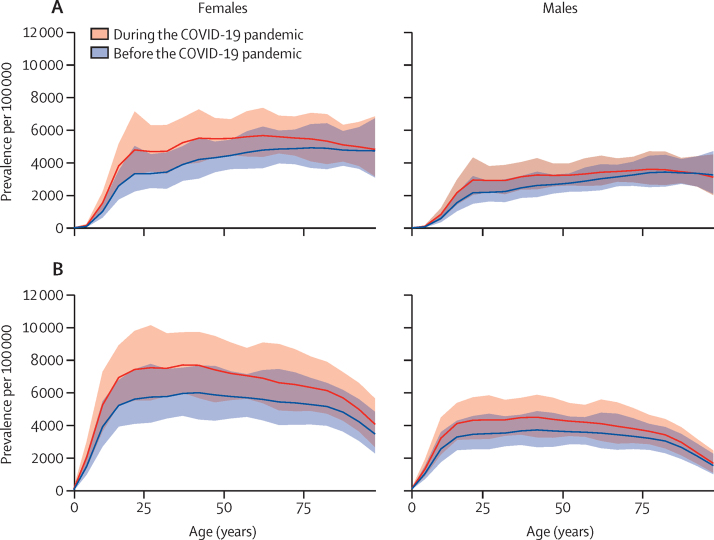
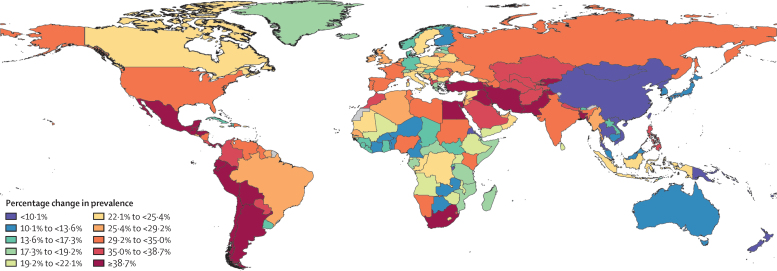
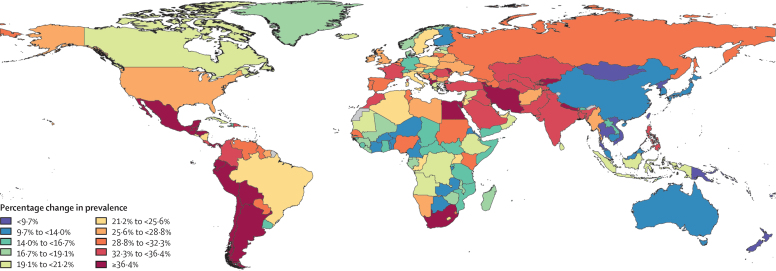
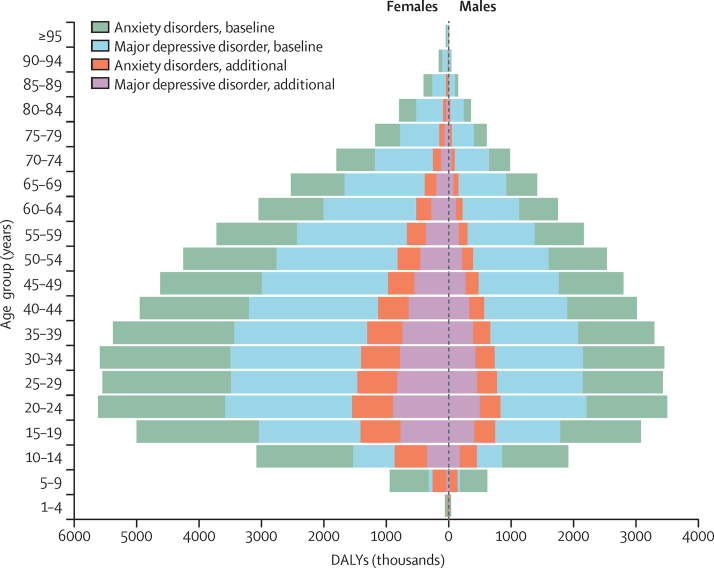
BACKGROUND: Before 2020, mental disorders were leading causes of the global health-related burden, with depressive and anxiety disorders being leading contributors to this burden. The emergence of the COVID-19 pandemic has created an environment where many determinants of poor mental health are exacerbated. The need for up-to-date information on the mental health impacts of COVID-19 in a way that informs health system responses is imperative. In this study, we aimed to quantify the impact of the COVID-19 pandemic on the prevalence and burden of major depressive disorder and anxiety disorders globally in 2020. METHODS: We conducted a systematic review of data reporting the prevalence of major depressive disorder and anxiety disorders during the COVID-19 pandemic and published between Jan 1, 2020, and Jan 29, 2021. We searched PubMed, Google Scholar, preprint servers, grey literature sources, and consulted experts. Eligible studies reported prevalence of depressive or anxiety disorders that were representative of the general population during the COVID-19 pandemic and had a pre-pandemic baseline. We used the assembled data in a meta-regression to estimate change in the prevalence of major depressive disorder and anxiety disorders between pre-pandemic and mid-pandemic (using periods as defined by each study) via COVID-19 impact indicators (human mobility, daily SARS-CoV-2 infection rate, and daily excess mortality rate). We then used this model to estimate the change from pre-pandemic prevalence (estimated using Disease Modelling Meta-Regression version 2.1 [known as DisMod-MR 2.1]) by age, sex, and location. We used final prevalence estimates and disability weights to estimate years lived with disability and disability-adjusted life-years (DALYs) for major depressive disorder and anxiety disorders. FINDINGS: We identified 5683 unique data sources, of which 48 met inclusion criteria (46 studies met criteria for major depressive disorder and 27 for anxiety disorders). Two COVID-19 impact indicators, specifically daily SARS-CoV-2 infection rates and reductions in human mobility, were associated with increased prevalence of major depressive disorder (regression coefficient [B] 0·9 [95% uncertainty interval 0·1 to 1·8; p=0·029] for human mobility, 18·1 [7·9 to 28·3; p=0·0005] for daily SARS-CoV-2 infection) and anxiety disorders (0·9 [0·1 to 1·7; p=0·022] and 13·8 [10·7 to 17·0; p<0·0001]. Females were affected more by the pandemic than males (B 0·1 [0·1 to 0·2; p=0·0001] for major depressive disorder, 0·1 [0·1 to 0·2; p=0·0001] for anxiety disorders) and younger age groups were more affected than older age groups (-0·007 [-0·009 to -0·006; p=0·0001] for major depressive disorder, -0·003 [-0·005 to -0·002; p=0·0001] for anxiety disorders). We estimated that the locations hit hardest by the pandemic in 2020, as measured with decreased human mobility and daily SARS-CoV-2 infection rate, had the greatest increases in prevalence of major depressive disorder and anxiety disorders. We estimated an additional 53·2 million (44·8 to 62·9) cases of major depressive disorder globally (an increase of 27·6% [25·1 to 30·3]) due to the COVID-19 pandemic, such that the total prevalence was 3152·9 cases (2722·5 to 3654·5) per 100 000 population. We also estimated an additional 76·2 million (64·3 to 90·6) cases of anxiety disorders globally (an increase of 25·6% [23·2 to 28·0]), such that the total prevalence was 4802·4 cases (4108·2 to 5588·6) per 100 000 population. Altogether, major depressive disorder caused 49·4 million (33·6 to 68·7) DALYs and anxiety disorders caused 44·5 million (30·2 to 62·5) DALYs globally in 2020. INTERPRETATION: This pandemic has created an increased urgency to strengthen mental health systems in most countries. Mitigation strategies could incorporate ways to promote mental wellbeing and target determinants of poor mental health and interventions to treat those with a mental disorder. Taking no action to address the burden of major depressive disorder and anxiety disorders should not be an option. FUNDING: Queensland Health, National Health and Medical Research Council, and the Bill and Melinda Gates Foundation.
Overview
CoChat Summary
TL;DR
The COVID-19 pandemic was associated with substantial global increases in major depressive disorder and anxiety disorders in 2020, with the largest increases in locations hit hardest by reduced mobility and higher SARS-CoV-2 infection rates. The study estimates an additional 53·2 million major depressive disorder cases and 76·2 million anxiety disorder cases globally in 2020.
Key findings
- Major depressive disorder prevalence rose by an estimated 27·6% (25·1–30·3), an additional 53·2 million (44·8–62·9) cases, to 3152·9 cases (2722·5–3654·5) per 100 000 population.
- Anxiety disorders rose by an estimated 25·6% (23·2–28·0), an additional 76·2 million (64·3–90·6) cases, to 4802·4 cases (4108·2–5588·6) per 100 000 population.
- In 2020, major depressive disorder caused 49·4 million (33·6–68·7) DALYs and anxiety disorders caused 44·5 million (30·2–62·5) DALYs globally.
- Females and younger age groups were more affected than males and older age groups; daily SARS-CoV-2 infection rates and reductions in human mobility were significantly associated with increased prevalence.
Methods
- Systematic review of data published Jan 1, 2020–Jan 29, 2021; 5683 unique sources were identified, and 48 studies met inclusion criteria (46 for major depressive disorder, 27 for anxiety disorders).
- Meta-regression using MR-BRT estimated change in logit prevalence before versus during the pandemic via COVID-19 impact indicators: human mobility, daily SARS-CoV-2 infection rate, and daily excess mortality rate.
- Pre-pandemic prevalence was estimated with DisMod-MR 2.1 by age, sex, and location; final prevalence estimates and disability weights were used to estimate YLDs and DALYs for 204 countries and territories in 2020.
Limitations
- The paper states that human mobility and SARS-CoV-2 infection rates are unlikely to capture the full mental health impact of the pandemic across all countries, and that mobile phone tracking may be inaccurate where subgroups have little or no mobile phone use.
- The paper states that few surveys from low-income and middle-income countries met inclusion criteria, limiting generalisability; it cautions against direct country rankings because of wide uncertainty intervals and data availability.
- The paper states that most surveys used symptom scales estimating probable cases, requiring the assumption that predictive validity remained constant; it also assumed unchanged severity distribution and could not assess how existing cases changed in severity. The text also makes evident that daily excess mortality was not associated with prevalence change after controlling for the other indicators, likely due to high collinearity.
Model-written summary. Check it against the paper before relying on it.
Integrity signals
Registry
Cites
Statistics
Figures
Verification
Claims the paper makes
7 Valid · 1 Not valid · 4 Not checked · 13 Own results and interpretations
The cited sources support only part of this claim — read each source’s verdict below.
In the paper
“The Global Burden of Diseases, Injuries, and Risk Factors Study (GBD) 2019 showed that the two most disabling mental disorders were depressive and anxiety disorders, both ranked among the top 25 leading causes of burden worldwide in 2019.1, 2”
§ Global prevalence and burden of depressive and anxiety disorders in 204 countries and territories in 2020 due to the COVID-19 pandemic > Introduction
What the sources say
- Partly supportedcites [1] GBD 2019 Disease and Injuries Collaborators Global burden of 369 diseases and injuries in 204 countries and territories, 1990–2019: a systematic analysis for the Global Burden of Disease Study 2019 Lancet 396 2020 1204 1222 33069326 PMC7567026 sourceExperimental — accuracy not yet measured
The Results (Global trends; page unavailable) place depressive and anxiety disorders among the top ten causes of DALYs globally for ages 10–24 in 2019, and the Discussion (Main findings; page unavailable) describes mental disorders as major contributors to disability. These passages do not establish that depression and anxiety were the two most disabling mental disorders or that both ranked among the top 25 causes of burden worldwide across all ages. (LLM, conf=0.84)
- Not matchedcites [2] GBD 2019 Mental Disorders Collaborators. Global, regional, and national burden of mental disorders in 204 countries and territories, 1990–2019: a systematic analysis from the Global Burden of Disease Study 2019. Lancet Psychiatry (in press). PMC8776563 35026139
We searched by its title and found no matching paper.
- Partly supported
Every source the paper cites for this claim was checked and supports it.
In the paper
“We used the Preferred Reporting Items for Systematic Reviews and Meta-Analyses (PRISMA) guidelines;9 our PRISMA checklist is in the appendix (pp 28–31), and the search protocol was registered with the International Prospective Register of Systematic Reviews (PROSPERO, CRD42021216590).”
§ Global prevalence and burden of depressive and anxiety disorders in 204 countries and territories in 2020 due to the COVID-19 pandemic > Methods > Data sources
What the sources say
- Supportedcites [9] Page MJ McKenzie JE Bossuyt PM The PRISMA 2020 statement: an updated guideline for reporting systematic reviews BMJ 372 2021 n71 33782057 PMC8005924 source
The citation is attached to the citing authors’ use of PRISMA guidelines, not to their separate statement about PROSPERO registration. The paper’s Abstract identifies PRISMA 2020 as a guideline for reporting systematic reviews and presents its checklist, so it supports the cited identification. (LLM, conf=0.92)
- Supported
The cited sources support only part of this claim — read each source’s verdict below.
In the paper
“The estimation of human mobility, daily SARS-CoV-2 infection rate, and daily excess mortality rate was done by the Institute for Health Metrics and Evaluation (IHME) COVID-19 Forecasting Team and is described in detail elsewhere.13”
§ Global prevalence and burden of depressive and anxiety disorders in 204 countries and territories in 2020 due to the COVID-19 pandemic > Methods > Data sources
What the sources say
- Partly supportedcites [13] Institute for Health Metrics and Evaluation COVID-19 Forecasting Team Modeling COVID-19 scenarios for the United States Nat Med 27 2021 94 105 33097835 PMC7806509 sourceExperimental — accuracy not yet measured
The Data identification and processing section describes a mobility covariate and estimates of total infections by day and state; the Deterministic modeling framework also describes estimated daily infections and deaths. The paper reports daily COVID-19 death rates, however, not daily excess mortality rates, so that part of the attribution is unsupported. (LLM, conf=0.87)
- Partly supported
The cited sources support only part of this claim — read each source’s verdict below.
In the paper
“Both major depressive disorder and anxiety disorders increase the risk of other diseases and suicide.28, 29”
§ Global prevalence and burden of depressive and anxiety disorders in 204 countries and territories in 2020 due to the COVID-19 pandemic > Discussion
What the sources say
- Not checked — no full text of the sourcecites [28] Clarke DM Currie KC Depression, anxiety and their relationship with chronic diseases: a review of the epidemiology, risk and treatment evidence Med J Aust 190 2009 S54 S60 19351294 source
- Partly supportedcites [29] Moitra M Santomauro D Degenhardt L Estimating the risk of suicide associated with mental disorders: a systematic review and meta-regression analysis J Psychiatr Res 137 2021 242 249 33714076 PMC8095367 sourceExperimental — accuracy not yet measured
The Discussion reports that major depressive disorder and anxiety disorders were significantly associated with suicide risk. It also says the analysis was confined to suicide deaths; it does not support the claim that these disorders increase the risk of other diseases. Page numbers were not provided in our copy. (LLM, conf=0.90)
The sources with a verdict support this claim; the rest weren’t checked yet, have no full text we could read, or their verdicts aren’t rated yet.
In the paper
“Women are more likely to be financially disadvantaged during the pandemic due to lower salaries, less savings, and less secure employment than their male counterparts.17, 18, 19”
§ Global prevalence and burden of depressive and anxiety disorders in 204 countries and territories in 2020 due to the COVID-19 pandemic > Discussion
What the sources say
- Not matchedcites [17] UN Policy brief: the impact of COVID-19 on women April 9, 2020 United Nations
Its entry has no title and year that we can search by.
- Not checked — no full text of the sourcecites [18] Wenham C Smith J Davies SE Women are most affected by pandemics - lessons from past outbreaks Nature 583 2020 194 198 32641809 source
- Supportedcites [19] Burki T The indirect impact of COVID-19 on women Lancet Infect Dis 20 2020 904 905 32738239 PMC7836874 source
The passage labelled Abstract states that women earn and save less, hold less secure jobs, and have less capacity than men to absorb economic shocks. It directly supports the claim about greater financial disadvantage during the pandemic. (LLM, conf=0.94)
- Not matched
20 more claims · 3 with their cited sources checked
Create a free account to see all 25 claims and to verify the 1 reference still open.
Claims other papers make about this one
Each is checked against this paper’s own text: does it say what the citing paper says it does?
The source backs part of the claim, not all of it — or backs it for a different population, condition or comparison.
In the citing paper
“The urgency to bridge this gap is further intensified by rising neurological and psychiatric disorders, climate-related stressors and the lingering effects of COVID-19, which disproportionately impact lower-resource environments27,28.”
From Resilience and brain health in global populations (2025) · cites this paper as [27]
Experimental — accuracy not yet measuredThe source backs part of the claim, not all of it — or backs it for a different population, condition or comparison.
In the citing paper
“GBD 2023 incorporated the effects of the COVID-19 pandemic on anxiety disorders and major depressive disorder, which exacerbated the mental health of many around the world, especially women and young people, through loss of employment, increased carer responsibilities, social restrictions, gender-based violence, and disruption to education.7”
From Updated trends in the global prevalence and burden of mental disorders, 1990–2023: a systematic analysis for the Global Burden of Disease Study 2023 (2026) · cites this paper as [7]
Experimental — accuracy not yet measuredThe source backs part of the claim, not all of it — or backs it for a different population, condition or comparison.
In the citing paper
“The non-communicable disease burden was distributed widely across the world's populations, irrespective of age, sex, or socioeconomic circumstance”
From Global incidence, prevalence, years lived with disability (YLDs), disability-adjusted life-years (DALYs), and healthy life expectancy (HALE) for 371 diseases and injuries in 204 countries and territories and 811 subnational locations, 1990–2021: a systematic analysis for the Global Burden of Disease Study 2021 (2024) · cites this paper as [16]
Experimental — accuracy not yet measuredThe source backs part of the claim, not all of it — or backs it for a different population, condition or comparison.
In the citing paper
“The efficacy and cost-effectiveness of treatment options for depressive disorders across low-income, middle-income, and high-income settings have been established by existing research.16”
From Global incidence, prevalence, years lived with disability (YLDs), disability-adjusted life-years (DALYs), and healthy life expectancy (HALE) for 371 diseases and injuries in 204 countries and territories and 811 subnational locations, 1990–2021: a systematic analysis for the Global Burden of Disease Study 2021 (2024) · cites this paper as [16]
Experimental — accuracy not yet measuredThe source backs part of the claim, not all of it — or backs it for a different population, condition or comparison.
In the citing paper
“Additionally, many mental disorders are prevalent during childhood or early adulthood, when other risk factors such as bullying victimisation and childhood maltreatment can occur.16, 42”
From Global incidence, prevalence, years lived with disability (YLDs), disability-adjusted life-years (DALYs), and healthy life expectancy (HALE) for 371 diseases and injuries in 204 countries and territories and 811 subnational locations, 1990–2021: a systematic analysis for the Global Burden of Disease Study 2021 (2024) · cites this paper as [16]
Experimental — accuracy not yet measured
12 more claims about this paper
Create a free account to see every claim other papers make about this one.
Self-check
Percentages, sums and reported differences re-computed from the paper’s own numbers.
Self-check results appear here once an independent check has confirmed them.
Cited works that were retracted
Works this paper cites that were later retracted, from the retraction notices publishers deposit. Major when the notice came out before this paper was published.
A note, not an issue: for example, a cited work that was retracted only after this paper was published, which its authors could not have known.
In the paper
“Emerging evidence suggests people with post-acute sequelae of COVID-19 (sometimes known as long COVID) might develop depressive and anxiety disorder symptoms, 37,38 and so prevalence of long COVID might be a potential indicator in future work.”
Cited work 10.1016/s0140-6736(20)32656-8 · retracted 2023-06-09 · notice 10.1016/s0140-6736(23)01175-3 · this paper published 2021-11
A note, not an issue: for example, a cited work that was retracted only after this paper was published, which its authors could not have known.
In the paper
“39,40 The study that did not report an increased prevalence was conducted in one specific city in Norway (Trondheim) using very small cross-sectional samples.”
Cited work 10.1017/s2045796021000408 · retracted 2023-03-13 · notice 10.1017/s2045796023000082 · this paper published 2021-11
Citations
Cites
2 retracted
RETRACTED: 6-month consequences of COVID-19 in patients discharged from hospital: a cohort study
Huang, C., Huang, L., Wang, Y., Li, X., Ren, L., Gu, X., Kang, L., Guo, L., Liu, M., Zhou, X., et al. (2021) · The Lancet · doi:10.1016/s0140-6736(20)32656-8 · Cited by 4,084 · cited 1×
“Emerging evidence suggests people with post-acute sequelae of COVID-19 (sometimes known as long COVID) might develop depressive and anxiety disorder symptoms, 37,38 and so prevalence of long COVID might be a potential indicator in future work.”
RetractedAyuso-Mateos, J. L., Morillo, D., Haro, J. M., Olaya, B., Lara, E., & Miret, M. (2021) · Epidemiology and Psychiatric Sciences · doi:10.1017/s2045796021000408 · Cited by 53 · cited 1×
“39,40 The study that did not report an increased prevalence was conducted in one specific city in Norway (Trondheim) using very small cross-sectional samples.”
RetractedThe PRISMA 2020 statement: An updated guideline for reporting systematic reviews
Page, M. J., McKenzie, J. E., Bossuyt, P. M., Boutron, I., Hoffmann, T. C., Mulrow, C. D., Shamseer, L., Tetzlaff, J. M., Akl, E. A., Brennan, S. E., et al. (2021) · BMJ · doi:10.1136/bmj.n71 · Cited by 108,283
Vos, T., Lim, S. S., Abbafati, C., Abbas, K. M., Abbasi, M., Abbasifard, M., Abbasi-Kangevari, M., Abbastabar, H., Abd-Allah, F., Abdelalim, A., et al. (2020) · The Lancet · doi:10.1016/s0140-6736(20)30925-9 · Cited by 19,358
Self-citationThe PRISMA 2020 statement: an updated guideline for reporting systematic reviews
Page, M. J., McKenzie, J., Bossuyt, P., Boutron, I., Hoffmann, T., mulrow, C., Shamseer, L., Tetzlaff, J., Akl, E., Brennan, S. E., et al. (2020) · doi:10.31222/osf.io/v7gm2_v1 · Cited by 8,090
The PRISMA 2020 statement: an updated guideline for reporting systematic reviews
Page, M. J., McKenzie, J., Bossuyt, P., Boutron, I., Hoffmann, T., mulrow, C., Shamseer, L., Tetzlaff, J., Akl, E., Brennan, S. E., et al. (2020) · doi:10.31222/osf.io/v7gm2 · Cited by 5,177
Taquet, M., Geddes, J. R., Husain, M., Luciano, S., & Harrison, P. J. (2021) · The Lancet Psychiatry · doi:10.1016/s2215-0366(21)00084-5 · Cited by 2,189
How mental health care should change as a consequence of the COVID-19 pandemic
Moreno, C., Wykes, T., Galderisi, S., Nordentoft, M., Crossley, N., Jones, N., Cannon, M., Correll, C. U., Byrne, L., Carr, S., et al. (2020) · The Lancet Psychiatry · doi:10.1016/s2215-0366(20)30307-2 · Cited by 1,840 · cited 3×
“36 They should consider public health messaging about the mental health impacts of COVID-19, how individuals can best manage their mental health, and well defined pathways to assessment and service access.”
Guidelines for accurate and transparent health estimates reporting: the GATHER statement
Stevens, G. A., Alkema, L., Black, R. E., Boerma, J. T., Collins, G. S., Ezzati, M., Grove, J. T., Hogan, D. R., Hogan, M. C., Horton, R., et al. (2016) · The Lancet · doi:10.1016/s0140-6736(16)30388-9 · Cited by 1,798
Self-citation
Research works printed but not linked: 1
- Flaxman AD Vos T Murray CJL An integrative metaregression framework for descriptive epidemiology 1st edn. 2015 University of Washington Press Seattle, WA
Cited by
Items 2,701–2,800 of 5,424
Hannibal, S., Behrendt, D., Wessa, M., Schäfer, S. K., Dalkner, N., & Lehr, D. (2026) · Journal of Medical Internet Research · doi:10.2196/78335 · Cited by 6
“Given that disorders such as depression and anxiety rank among the top 25 leading causes of global health-related burden [5,6], finding effective strategies to help individuals adapt to stress and prevent mental illness is of high importance.”
Amygdala AVPR1A mediates susceptibility to chronic social isolation in female mice
François, M., Vranich, K. A., Delgado, I. C., Lafond, A., Lopatinsky, N. R., Davis, T., Lewis, E. M., Kuromaru, M., Hassouna, R., Williams, B. L., et al. (2025) · Nature Communications · doi:10.1038/s41467-025-64742-y · Cited by 11
Castillo-Díaz, M. A., & Periañez, C. A. H. (2025) · BMC Psychology · doi:10.1186/s40359-025-03742-5 · Cited by 4
“…critical in low-and middle-income countries, where the prevalence of depressive and anxiety disorders is higher compared to other regions, and where the structural limitations of health systems exacerbate the negative impact on university students and other vulnerable populations [3, 4].”
Wong, S., Le, G. H., Guillen-Burgos, H. F., Ho, R., Cao, B., Lo, H. K. Y., Teopiz, K. M., & McIntyre, R. S. (2025) · Journal of Affective Disorders · doi:10.1016/j.jad.2025.120783 · Cited by 9
Social isolation and anxiety disorders during COVID-19: a systematic review
Alotaibi, F. S., Alotaibi, M. T., Altamimi, N., Abu-Dawas, S., Yaqinuddin, A., & Alkattan, K. (2025) · Frontiers in Public Health · doi:10.3389/fpubh.2025.1688239 · Cited by 5
Meyer-Keirath, C., Wallis, H., Kaus, M., Schenk, M., Holzhaus, J., Rometsch, C., Buntrock, C., Apfelbacher, C., & Junne, F. (2026) · Journal of Medical Internet Research · doi:10.2196/89177 · Cited by 2
Sun, Y., Zhang, Z., Wu, S., Wang, Y., Ravindran, A. V., Leung, J., Chen, R., Chang, Z., Shi, J., Qi, J., et al. (2025) · Molecular Psychiatry · doi:10.1038/s41380-025-03419-w · Cited by 6
Duke, A. E. E., Harri, B. I., Iyamu, I. O., Obi‐Jeff, C., Dahiru, A. M. C., Ojo, T. M.-F., Musami, U. B., Said, J. M., Agyapong, V. I. O., Orji, R., et al. (2025) · Journal of Primary Care & Community Health · doi:10.1177/21501319251406840 · Cited by 6
Acupuncture for Anxiety: A Systematic Review and Meta‐Analysis of Randomized Controlled Trials
Jang, A., Wenninger, M., Lee, H., & Zheng, S. (2025) · Journal of Clinical Psychology · doi:10.1002/jclp.70079 · Cited by 3
Sundet, A. S., Løvstad, M., Havnes, I. A., Anđelić, N., Ustvedt, C., Månum, G., Høye, H., Skogstad, L., Brunborg, C., Bombardier, C. H., et al. (2025) · PLoS ONE · doi:10.1371/journal.pone.0338207 · Cited by 4
Ojiakor, V. O., Ben-Azu, B., Finbarrs-Bello, E., Esom, E. A., Anibeze, C., & Anyanwu, G. E. (2026) · European Journal of Medicinal Chemistry Reports · doi:10.1016/j.ejmcr.2026.100323 · Cited by 7
Gu, C., Long, Z., Fang, Z., Wu, L., Yang, F., & Luo, W. (2026) · BMC Geriatrics · doi:10.1186/s12877-026-07029-1 · Cited by 4
“As such, the assessment and prediction of LLD risk have become critical components to augment the well - being and life quality of the elderly population [6].”
Yang, H., Zhang, J., Yang, M., Luan, L.-S., Liu, J.-J., & Zhang, X.-B. (2026) · World Journal of Psychiatry · doi:10.5498/wjp.v16.i2.112996 · Cited by 4
Single-dose psilocybin promotes cell-type-specific changes of neurons in the orbitofrontal cortex
Huang, Z., Wei, X., Wang, Y., Tian, J., Dong, J., Liang, B., Lu, L., & Zhang, W. (2026) · Neurotherapeutics · doi:10.1016/j.neurot.2026.e00841 · Cited by 8
“Compared with the last decade, the prevalence of depression disorders increased by more than 120 million globally [1], and the COVID-19 pandemic further exacerbated such a trend [2].”
Loneliness, depression, and generalized anxiety across eight countries
Abdalla, S. M., Banda, B. F., Pickerel, M., Rosenberg, S. B., Sharma, S., & Galea, S. (2026) · Social Psychiatry and Psychiatric Epidemiology · doi:10.1007/s00127-025-03029-5 · Cited by 6
Li, S., Feng, J., & Zhang, S. (2026) · Journal of Affective Disorders · doi:10.1016/j.jad.2026.121336 · Cited by 5
Tang, D., Liu, C., Liu, J., Liu, T., Ma, R., & Sum, R. K. W. (2026) · npj Digital Medicine · doi:10.1038/s41746-026-02479-8 · Cited by 8
Nakajima, W., Hatano, M., Ohtani, Y., Tani, H., Yatomi, T., Tsuchimoto, S., Fujimoto, Y., Eiro, T., Ichijo, S., Nakano, K., et al. (2026) · Molecular Psychiatry · doi:10.1038/s41380-026-03510-w · Cited by 6
Ramos, C. A. S. N., da Silva, B. D., & Conte-Junior, C. A. (2026) · The Science of The Total Environment · doi:10.1016/j.scitotenv.2026.181636 · Cited by 4
Xie, J., Zhang, J., Zhang, L., & Chen, X. (2026) · Frontiers in Microbiology · doi:10.3389/fmicb.2026.1740680 · Cited by 5
秦桂琼, Yang, J., Liu, F., Zhang, Z., & Pan, C. (2026) · BMC Public Health · doi:10.1186/s12889-026-27255-x · Cited by 4
“What makes this situation particularly alarming is the observed increase in prevalence following the COVID-19 pandemic, which exacerbated pre-existing mental health vulnerabilities across populations [3].”
InfluentialMentalLLM: A Transformer-Based Large Language Model Framework for Depression Detection
Ayrin, F. J., Rahman, M. M., Quader, M. A., Dass, A., Khondaker, M. M. H., Chakraborty, M., Saha, P. P., Khan, M. R. K., Akuthota, V., & Anwar, A. S. (2025) · IEEE International Women in Engineering (WIE) Conference on Electrical and Computer Engineering (WIECON-ECE) · doi:10.1109/wiecon-ece69386.2025.11525902 · Cited by 10
Nkana, G. R. N., Chabot, B., & Nguyen‐Tri, P. (2026) · Environmental Science and Pollution Research · doi:10.1007/s11356-026-37934-2 · Cited by 3
“Recent studies indicate that this trend persists in post-pandemic years (Santomauro et al. 2021).”
Global economic burden of depression in 154 countries from 2025 to 2050
Cao, Z., Luo, Y., Jiao, L., Chen, W., Prettner, K., Kühn, M., Bloom, D. E., Jamison, D. T. T., Bärnighausen, T., & Chen, S. (2026) · Nature Medicine · doi:10.1038/s41591-026-04548-7 · Cited by 9
Su, Z., McDonnell, D., Cheshmehzangi, A., Zhu, J., Aḥmad, J., Šegalo, S., & da Veiga, C. P. (2022) · Healthcare · doi:10.3390/healthcare10010094 · Cited by 5
“2 million cases of anxiety disorders globally, both of which are more prevalent in women than men [68].”
BackgroundOrlando, R., Ginerete, R. P., Cavalleri, L., Aliperti, V., Imbriglio, T., Battaglia, G., Zuena, A. R., Nicoletti, F., Pich, E. M., & Collo, G. (2022) · Frontiers in Pharmacology · doi:10.3389/fphar.2022.913210 · Cited by 3
Vieira, R., Reis, J. S., Portugal‐Nunes, C., Coelho, A., Magalhães, R. J. D. S., Ferreira, S., Moreira, P. S., Sousa, N., Picó‐Pérez, M., & Bessa, J. M. (2022) · Journal of Affective Disorders · doi:10.1016/j.jad.2022.09.165 · Cited by 3
Cerna-Turoff, I., Nyakuwa, R., Turner, E., Nherera, C. M., Nhenga-Chakarisa, T., & Devries, K. M. (2022) · BMC Public Health · doi:10.1186/s12889-022-14425-w · Cited by 4
Anxiety And Fear of COVID-19 Among Shantytown Dwellers In The Megacity Of Lima
Sotomayor-Beltran, C., Perez-Siguas, R. E., Matta-Solis, H. H., Jimenez, A. P., & Matta-Perez, H. (2022) · The Open Public Health Journal · doi:10.2174/18749445-v15-e221026-2022-69 · Cited by 3
Jahlan, B., Alsahafi, I., Alblady, E. H., & Ahmad, R. (2022) · Cureus · doi:10.7759/cureus.33099 · Cited by 4
“Suicide trends may fluctuate over time as the pandemic's long-term implications on health and the economy are still unclear [16].”
BackgroundYoo, T. K., Lee, S., Hwang, S.-Y., Ahn, C., Park, S., & Lee, J. (2023) · Medicina · doi:10.3390/medicina59030477 · Cited by 5
Schetz, D., Scott, T., Waldman, W., Anand, J. S., Wiergowski, M., & Kocić, I. (2023) · Biomedicine & Pharmacotherapy · doi:10.1016/j.biopha.2023.114681 · Cited by 3
Gouraud, C., Wiernik, E., Matta, J., Melchior, M., Airagnes, G., Vedrines, C. O., Robineau, O., Carrat, F., Severi, G., Descatha, A., et al. (2023) · Journal of Affective Disorders · doi:10.1016/j.jad.2023.05.004 · Cited by 4
The COPD Assessment Test (CAT) and Depression: A Longitudinal Analysis During the COVID-19 Pandemic
Beech, A. S., & Singh, D. (2023) · International Journal of COPD · doi:10.2147/copd.s405050 · Cited by 4
Revisiting the World’s Strictest COVID-19 Lockdown: Formidable Mental Health Challenges
Guan, B., Li, R., Huang, C., Du, J., Zhao, M., & Liu, S. (2023) · Pharmacopsychiatry · doi:10.1055/a-2108-2164 · Cited by 4
Intersection of Sex and Depression: Pathogenesis, Presentation, and Treatments
Frohman, D. F. T., Nnah, K., & Tsirka, S. E. (2023) · Handbook of experimental pharmacology · doi:10.1007/164_2023_670 · Cited by 3
Wong, S. M. Y., & Chen, E. Y. H. (2023) · BMJ Global Health · doi:10.1136/bmjgh-2023-013540 · Cited by 3
Ma, J., Li, X., Yang, Z., Liu, Q., Liu, Y., & Liu, A. (2023) · Journal of Pharmaceutical and Biomedical Analysis · doi:10.1016/j.jpba.2023.115766 · Cited by 5
Christian Responses to Psilocybin-Assisted Therapy and Potential Religious and Spiritual Experiences
Macallan, B. C. (2023) · Religions · doi:10.3390/rel14101312 · Cited by 4
Preschool Emotional Problems in the Post-Pandemic Era between Parental Risk and Protective Factors
Prino, L. E., Arace, A., Zonca, P., Agostini, P., & Scarzello, D. (2023) · Healthcare · doi:10.3390/healthcare11212862 · Cited by 6
Adamo, D., Ottaviani, G., Canfora, F., Leuci, S., Coppola, N., Pecoraro, G., Rupel, K., Preda, M. T. B., Vello, V., Albert, U., et al. (2023) · Depression and Anxiety · doi:10.1155/2023/6666741 · Cited by 3
“…during the lockdown but also in the postlockdown pandemic contributed to increase the level of stress, anxiety, and depression related to health [4], intensifying a pervasive subjective feeling of loneliness and social isolation especially in elderly and vulnerable people su ff ering from…”
Castro, J. C., Gigase, F. A. J., Molenaar, N. M., Ibroçi, E., Pérez-Rodríguez, M. M., Lieb, W., Janevic, T. M., de Witte, L. D., Bergink, V., & Rommel, A. (2023) · Journal of Psychiatric Research · doi:10.1016/j.jpsychires.2023.12.020 · Cited by 3
Examining the Trajectory of Health-Related Quality of Life among Coronavirus Disease Patients
Li, J., Wisnivesky, J. P., Lin, J. J., Campbell, K. N., Hu, L., & Kale, M. (2024) · Journal of General Internal Medicine · doi:10.1007/s11606-023-08575-9 · Cited by 4
Resilience, loneliness, and anxiety during COVID-19 pandemic in the U.S.
Mahapatra, N., Yoon, S., Ojha, M. U., & Okine, L. (2024) · Journal of Human Behavior in the Social Environment · doi:10.1080/10911359.2023.2293972 · Cited by 4
“Since COVID-19 pandemic estimates indicate that globally the prevalence rate of anxiety and depression have increased (Lakhan et al., 2020; Santomauro et al., 2021).”
Readiness for treatment predicts depression outcomes in a partial hospital program.
McCarthy, J. M., Hudson, J. I., Carol, E. E., Kuller, A. M., Ramadurai, R., Björgvinsson, Þ., & Beard, C. (2024) · Psychological Services · doi:10.1037/ser0000835 · Cited by 3
EmoAda: A Multimodal Emotion Interaction and Psychological Adaptation System
Dong, T., Liu, F., Wang, X., Jiang, Y., Zhang, X., & Sun, X. (2024) · Lecture notes in computer science · doi:10.1007/978-3-031-53302-0_25 · Cited by 9
Can Muscular Parameters Predict Symptoms of Anxiety and Depression?
Tanaka, G. M., Neves, L. M., Gonçalves, C. M., Rasquinho, G. A., Reimberg, T., de Oliveira, R., de Lima, A. F., & Gil, S. D. S. (2024) · Clinical Nursing Research · doi:10.1177/10547738241232022 · Cited by 3
Mental disorders in Mexico 1990-2021. Results from the Global Burden of Disease 2021 study
Medina-Mora, M. E., Orozco, R., Rafful, C. M., Cordero, M., Bishai, J. D., Ferrari, A. J., Santomauro, D. F., Benjet, C. L., Borges, G. L. G., & Herrera, A. M. M. (2024) · Gaceta Médica de México · doi:10.24875/gmm.m24000828 · Cited by 11
Self-citationThe effects of diazepam on fear extinction in nulliparous and primiparous female rats
Pestana, J. E., Kabir, T., & Graham, B. M. (2024) · Hormones and Behavior · doi:10.1016/j.yhbeh.2024.105518 · Cited by 3
Petrović, Z. K., Peraica, T., Blažev, M., & Kozarić‐Kovačić, D. (2024) · Frontiers in Psychiatry · doi:10.3389/fpsyt.2024.1295977 · Cited by 4
Psychological mechanisms of the development of suicidal ideation: Longitudinal cohort study
Shou, Y., Gulliver, A., Farrer, L. M., Dawel, A., Burns, R. A., Calear, A. L., Cherbuin, N., & Batterham, P. J. (2024) · Suicide and Life-Threatening Behavior · doi:10.1111/sltb.13060 · Cited by 4
Honzlova, Z., Stagg, I., Miller, L., Norton, C. S., Moss-Morris, R. E., Sweeney, L., & Wileman, V. (2024) · Gastrointestinal Nursing · doi:10.12968/gasn.2024.22.2.114 · Cited by 3
Aznar, M. P. M., Díaz, A., del-Pino-Espejo, M.-J., Marichal, D. F., & Fernández, I. I. (2024) · Cadernos de Saúde Pública · doi:10.1590/0102-311xen141523 · Cited by 7
Nagase, K., Tsunoda, K., & 藤田, 久. (2024) · Research in Autism · doi:10.1016/j.rasd.2024.102388 · Cited by 8
Headrick, E. G., McCarten-Gibbs, M., Coley, R., Avila, G., Mina, J., Villa, R. C., & Fernando, L. H. (2024) · Workplace Health & Safety · doi:10.1177/21650799241247154 · Cited by 6
“Concerns for widespread burnout, moral injury, and rising rates of mental health conditions like depression, anxiety, and insomnia among HCWs are rising in step with the growing recognition of pandemic-related mental health conditions (Santomauro et al., 2021).”
Velasco, P. F., Perroy, B., Gurchani, U., & Casati, R. (2024) · British Journal of Psychology · doi:10.1111/bjop.12704 · Cited by 4
“…crisis are closely modulated by several negative affects known to be on the rise during the pandemic, such as anxiety (Micillo et al., 2021; Pisano et al., 2021; Santomauro et al., 2021), boredom (Martinelli et al., 2021; Tutzer et al., 2021; Wessels et al., 2022) and, most importantly, loneliness.”
Zolotareva, A. A., Kostenko, V., Lebedeva, A. A., & Chumakova, M. A. (2024) · V M BEKHTEREV REVIEW OF PSYCHIATRY AND MEDICAL PSYCHOLOGY · doi:10.31363/2313-7053-2024-899 · Cited by 6
Marchetti, M., Ceccarelli, C., Muneghina, O., Stockner, M., Lai, C., & Mazzoni, G. A. L. (2024) · Cambridge Prisms Global Mental Health · doi:10.1017/gmh.2024.52 · Cited by 5
Willemsen, R. F., Versluis, A., Aardoom, J. J., Petrus, A. H. J., Silven, A. V., Chavannes, N. H., & van Dijke, A. (2024) · International Journal of Medical Informatics · doi:10.1016/j.ijmedinf.2024.105485 · Cited by 3
Rogers, M. L., Richards, J. A., Peterkin, D., Park, J. Y., Astudillo‐García, C. I., Barzilay, S., Blum, Y., Chistopolskaya, K. A., Dudeck, M., Enikolopov, S. N., et al. (2024) · Suicide and Life-Threatening Behavior · doi:10.1111/sltb.13083 · Cited by 4
COVID-19 pandemic exacerbated socioeconomic disparities in motor vehicle traffic fatalities
Tefft, B. C., & Steinbach, R. (2024) · American Journal of Epidemiology · doi:10.1093/aje/kwae068 · Cited by 7
Corponi, F., Li, B. M., Anmella, G., Valenzuela‐Pascual, C., Mas, A., Pacchiarotti, I., Valentí, M., Grande, I., Benabarre, A., Garriga, M., et al. (2024) · JMIR mhealth and uhealth · doi:10.2196/55094 · Cited by 6
“They are chronic, recurrent disorders featuring disturbances in emotions, energy, and thought, standing out as a leading cause of worldwide disability [2,3] and suicidality [4].”
Xu, Y., Yan, Z., & Liu, L. (2024) · Frontiers in Nutrition · doi:10.3389/fnut.2024.1406656 · Cited by 4
Slejko, J. F., Mattingly, T. J., Wilson, A., Xie, R. Z., Chapman, R. H., Amill‐Rosario, A., & dosReis, S. (2024) · Value in Health · doi:10.1016/j.jval.2024.05.017 · Cited by 3
Electroconvulsive therapy in the Fourth Industrial Revolution (Review)
Stojanović, Z., Simić, K., Tepšič-Ostojić, V., Gojkovic, Z., & Petković-Ćurčin, A. (2024) · Biomedical Reports · doi:10.3892/br.2024.1817 · Cited by 5
Demystifying the nexus between Forest cover and happiness: A study of global economies
Advani, B., Pradhan, A. K., Mohindra, V., & Sreenu, N. (2024) · Forest Policy and Economics · doi:10.1016/j.forpol.2024.103294 · Cited by 4
Alsabhan, J. F., Alanazi, A., Alhajaji, R., Elbashir, M., Alzahrani, F., Alhajaji, F., Almehmadi, M., Alqorashi, S., Fairaq, B. A., & Alhazmi, F. (2024) · Cureus · doi:10.7759/cureus.65562 · Cited by 5
López‐Méndez, L. J., Martínez-Mota, L., Cassani, J., Mayagoitia-Novales, L., Benítez‐King, G., Becerril‐Villanueva, E., Dorantes‐Barrón, A. M., Jurado, N., & Estrada‐Reyes, R. (2024) · International Journal of Molecular Sciences · doi:10.3390/ijms25158289 · Cited by 3
Moura, R., Camilo, C., Lima, M. L., Luís, S., Elliott, L. R., & White, M. P. (2024) · PsyEcology Bilingual Journal of Environmental Psychology · doi:10.1177/21711976241264147 · Cited by 4
Ebrahimi, O. V., Freichel, R., Johnson, S. U., Hoffart, A., Solbakken, O. A., & Bauer, D. J. (2024) · Depression and Anxiety · doi:10.1155/2024/1272738 · Cited by 7
“These fi ndings are consistent with the novel global burden of disease study [56], which identi fi ed 53.2 million additional cases of major depressive disorder (i.e., an increase of 27.6 % ) during the pandemic.”
InfluentialEffect of Immune Thrombocytopenic Purpura Medications on Depression Risk: An Analysis of NHANES Data
Zheng, F., Yu, Z., Zhang, Z., Miao, J., Wang, W., Wu, J., & Rao, Y. (2024) · Annals of Pharmacotherapy · doi:10.1177/10600280241267930 · Cited by 3
Maheshwari, V., Negandhi, P. H., Jaggi, V., Batra, S., Prabhakaran, P., & Menon, J. S. (2024) · Journal of Health and Pollution · doi:10.1289/jhp1003 · Cited by 5
Getahun, M., Mathai, M., Rota, G., Allen, A. B., Burger, R. L., Opiyo, E., Oluoch, D., Wangia, J., Wambura, R., Mbwayo, A., et al. (2024) · PLOS Global Public Health · doi:10.1371/journal.pgph.0002685 · Cited by 3
Bangalan, S. G., & Agnes, M. C. (2024) · Journal of Public Mental Health · doi:10.1108/jpmh-04-2024-0045 · Cited by 3
Jayasinghe, O. S., Hewamalage, A., Sikander, S., Rahman, A., & Sumathipala, A. (2024) · Asian Journal of Psychiatry · doi:10.1016/j.ajp.2024.104234 · Cited by 4
Kuang, H., Kong, L., Hou, A., Yang, A., & Jiang, H. (2024) · Frontiers in Pharmacology · doi:10.3389/fphar.2024.1450733 · Cited by 3
“Under the in fl uence of COVID-19, in 2020, the number of patients with major depression and anxiety increased by 28% and 26%, respectively (Collaborators, 2021).”
BackgroundSchreiner, G. E., Schmitt, E. G., Brites, G. E., dos Santos, L. S., Maders, L. T., Gonçalves, I. L., Sarmento, S. M. D. M., Dartora, N., & Manfredini, V. (2024) · BioChem · doi:10.3390/biochem4030013 · Cited by 3
“A bigger increase was noted in women, with a growth of 29.8% in the new cases number, while in men this increase was 24.0% [1], which follows the trend already exposed by the WHO (2017) in which females have higher rates of the disease [2].”
ResultInfluentialAntidepressants can help to prevent and manage long COVID depression, anxiety, brain fog and fatigue
Bonnet, U., & Kuhn, J. (2024) · European Archives of Psychiatry and Clinical Neuroscience · doi:10.1007/s00406-024-01899-5 · Cited by 3
de Oliveira, B. L. C. A., Soares, F. A., Aquino, P. D. S., Pinheiro, P. N. D. C., Alves, G. S., & Pinheiro, A. K. B. (2024) · Revista Brasileira de Epidemiologia · doi:10.1590/1980-549720240045 · Cited by 9
“Mental health conditions and their psychosocial consequences are among the main causes of health problems in this century 4,5 .”
BackgroundDíaz-Milanés, D., Almeda, N., Rodero‐Cosano, M. L., Salinas-Pérez, J. A., & GARCÍA-ALONSO, C. R. (2024) · BMC Public Health · doi:10.1186/s12889-024-20169-6 · Cited by 5
“Currently, mental disorders are one of the biggest public health problems, especially after the COVID-19 pandemic [1].”
BackgroundContinuous flow synthesis of N , N -dimethyltryptamine (DMT) analogues with therapeutic potential
Simoens, A., Dejaegere, A., Vandevelde, M., & Stevens, C. V. (2025) · RSC Medicinal Chemistry · doi:10.1039/d4md00562g · Cited by 5
Chamseddine, Z. M., Nasrallah, M., Tamim, H., Nasreddine, L., & Elbejjani, M. (2024) · Frontiers in Endocrinology · doi:10.3389/fendo.2024.1347092 · Cited by 7
Depression Diagnosis, Treatment, and Remission Among Adults in India
Teufel, F., Aggarwal, A., Chwastiak, L., Patel, V., & Ali, M. K. (2024) · JAMA Psychiatry · doi:10.1001/jamapsychiatry.2024.3419 · Cited by 6
Czub, M., Kowal, M., Esteve, R., Serrano‐Ibáñez, E. R., Ruiz-Párraga, G. T., Ramírez‐Maestre, C., López-Martínez, A. E., Paccione, C. E., & Piskorz, J. (2024) · Stress and Health · doi:10.1002/smi.3496 · Cited by 7
Pourrazavi, S., Azimi, S., Fakhari, A., Barzegar, H., & Farahbakhsh, M. (2024) · Health Promotion Perspectives · doi:10.34172/hpp.43077 · Cited by 5
The Impact of Childhood Maltreatment Timing on Adolescents’ Depression and Anxiety
Kang, J. (2024) · Families in Society The Journal of Contemporary Social Services · doi:10.1177/10443894241272258 · Cited by 3
Tao, S., Yu, L., Li, J., Wu, J., Yang, D., Huang, X., & Xue, T. (2024) · Frontiers in Psychiatry · doi:10.3389/fpsyt.2024.1495467 · Cited by 6
“Mental disorders remained among the top ten leading causes of burden worldwide, with depressive disorders being leading contributors to this burden and without evidence of global reduction in the burden since 1990 (1, 2).”
InfluentialMilasauskiene, E., Burkauskas, J., Jesmanas, S., Gleiznienė, R., Borutaitė, V., Škėmienė, K., Vaitkienė, P., Adomaitienė, V., Lukoševičius, S., Gradauskienė, B., et al. (2024) · PLoS ONE · doi:10.1371/journal.pone.0311218 · Cited by 3
Zhu, Y., Yin, W., Ma, J., & Zhang, L. (2024) · Neuropsychiatric Disease and Treatment · doi:10.2147/ndt.s499392 · Cited by 3
Zadarko-Domaradzka, M., Sobolewski, M., Ozimek, M., & Zadarko, E. (2024) · Journal of Kinesiology and Exercise Sciences · doi:10.5604/01.3001.0054.8602 · Cited by 3
Xu, L., Peng, A., Li, L., & Chen, L. (2024) · BMC Pregnancy and Childbirth · doi:10.1186/s12884-024-07005-w · Cited by 3
Bundi, J. M., Morema, E. N., & Shisanya, M. S. (2024) · PLoS ONE · doi:10.1371/journal.pone.0310240 · Cited by 4
Conde, A. R., de Sousa, C. N. S., da Silva, F. F., Souto, T., Fernandes, M. I., & Ferreira, M. J. (2024) · The Journal of Psychology · doi:10.1080/00223980.2024.2431204 · Cited by 8
Fairweather, S. J., Hammerton, G., Paternoster, L., Gilbody, S. M., Jones, H. J., & Khandaker, G. M. (2024) · Brain Behavior and Immunity · doi:10.1016/j.bbi.2024.11.029 · Cited by 5
Investigating the shared genetic architecture between anxiety and stroke
Zhang, Y., Jiang, Y., Fan, H., Yuan, R., Jianhui, C. A. I., Zhong, B., Qin, Q., Zhang, Y., Zhang, Y., & Cheng, S. (2024) · Behavioural Brain Research · doi:10.1016/j.bbr.2024.115400 · Cited by 3
Investigating the role of GPR39 in treatment of stress-induced depression and anxiety
Siodłak, D., Doboszewska, U., Nowak, G., Właź, P., & Młyniec, K. (2025) · Psychopharmacology · doi:10.1007/s00213-024-06736-0 · Cited by 4
“The prevalence of both depression and anxiety disorders increased during the COVID-19 pandemic (Santomauro et al. 2021).”
Mental Health of Psychology Professionals and Students in Brazil: A Comparative Analysis
de Lima, A. M., de França, G. H. B., Oltramari, G., Andrade, A. L. M., & Lopes, F. M. (2024) · Paidéia (Ribeirão Preto) · doi:10.1590/1982-4327e3433 · Cited by 6
Differential Effects of Pandemic-Related Stressors on Mental Health by Age and Sex
Borja, J. B., & Patten, S. B. (2025) · Healthcare · doi:10.3390/healthcare13030224 · Cited by 5
Impact of environment in built-up areas on depressive mood: Evidence from China
Liang, Y., Hao, J., & Shen, J. (2025) · Applied Geography · doi:10.1016/j.apgeog.2025.103540 · Cited by 6
Kinkulkina, M. A., Danilov, A. B., Volel, B. A., et al. (2025) · Vestnik nevrologii psihiatrii i nejrohirurgii (Bulletin of Neurology Psychiatry and Neurosurgery) · doi:10.33920/med-01-2501-10 · Cited by 3
Metadata
- Authors
- Santomauro, D. F., Mantilla Herrera, A. M., Shadid, J., Zheng, P., Ashbaugh, C., Pigott, D. M., Abbafati, C., Adolph, C., Amlag, J. O., Aravkin, A. Y., Bang-Jensen, B. L., Bertolacci, G. J., Bloom, S. S., Castellano, R., Castro, E., Chakrabarti, S., Chattopadhyay, J., Cogen, R. M., Collins, J. K., Dai, X., Dangel, W. J., Dapper, C., Deen, A., Erickson, M., Ewald, S. B., Flaxman, A. D., Frostad, J. J., Fullman, N., Giles, J. R., Giref, A. Z., Guo, G., He, J., Helak, M., Hulland, E. N., Idrisov, B., Lindstrom, A., Linebarger, E., Lotufo, P. A., Lozano, R., Magistro, B., Malta, D. C., Månsson, J. C., Marinho, F., Mokdad, A. H., Monasta, L., Naik, P., Nomura, S., O'Halloran, J. K., Ostroff, S. M., Pasovic, M., Penberthy, L., Reiner Jr, R. C., Reinke, G., Ribeiro, A. L. P., Sholokhov, A., Sorensen, R. J. D., Varavikova, E., Vo, A. T., Walcott, R., Watson, S., Wiysonge, C. S., Zigler, B., Hay, S. I., Vos, T., Murray, C. J. L., Whiteford, H. A., & Ferrari, A. J.
- Affiliations
- The University of Queensland (AU)
- Corresponding author
- Santomauro, Damian F
- ORCID
- Santomauro, Damian F
- Shadid, Jamileh
- Pigott, David M
- Abbafati, Cristiana
- Adolph, Christopher
- Aravkin, Aleksandr Y
- Bang-Jensen, Bree L
- Castellano, Rachel
- Chakrabarti, Suman
- Collins, James K
- Dai, Xiaochen
- Ewald, Samuel B
- Flaxman, Abraham D
- Fullman, Nancy
- Giles, John R
- Guo, Gaorui
- He, Jiawei
- Hulland, Erin N
- Idrisov, Bulat
- Lindstrom, Akiaja
- Lotufo, Paulo A
- Lozano, Rafael
- Magistro, Beatrice
- Mokdad, Ali H
- Monasta, Lorenzo
- Naik, Paulami
- Nomura, Shuhei
- Pasovic, Maja
- Reinke, Grace
- Sholokhov, Aleksei
- Sorensen, Reed J D
- Varavikova, Elena
- Vo, Anh Truc
- Walcott, Rebecca
- Wiysonge, Charles Shey
- Hay, Simon I
- Vos, Theo
- Murray, Christopher J L
- Whiteford, Harvey A
- Ferrari, Alize J
- Venue
- The Lancet
- Publisher
- Elsevier BV
- Published
- 2021-11
- Volume
- 398
- Issue
- 10312
- Pages
- 1700-1712
- ISSN
- 0099-5355 (ISSN-L)
- 0140-6736
- PMC
- PMC8500697
- OpenAlex
- W3203310594
- Semantic Scholar
- b3a95f28a5079ceb81f1d1361c0f99356006f136
- Cited by
- 5,444
- References
- 42
- Citations by year
- 2026: 663 · 2025: 1095 · 2024: 1383 · 2023: 1359 · 2022: 901 · 2021: 36
- FWCI
- 122.91
- Type
- journal article
- Language
- en
- Open access
- hybrid
- doi.org
- Licence
- cc-by
- www.elsevier.com/tdm/userlicense/1.0/ (tdm)
- www.elsevier.com/legal/tdmrep-license (tdm)
- creativecommons.org/licenses/by/4.0/ (vor)
- Locations
- The Lancet (publishedVersion, cc-by)
- PubMed Central (publishedVersion, cc-by)
- PubMed (publishedVersion)
- IRIS Research product catalog (Sapienza University of Rome) (submittedVersion, other-oa)
- Funders
- Bill & Melinda Gates Foundation
- Topics
- Social Sciences › Psychology › Clinical Psychology › COVID-19 and Mental Health
- Health Sciences › Medicine › Psychiatry and Mental health › Mental Health Treatment and Access
- Health Sciences › Medicine › Public Health, Environmental and Occupational Health › Maternal Mental Health During Pregnancy and Postpartum
- Keywords
- major depressive disorder, anxiety disorders, COVID-19 pandemic, mental health burden, prevalence, disability-adjusted life years, years lived with disability, SARS-CoV-2 infection rates, human mobility, excess mortality, age and sex differences, global mental health, health system response, mental health professionals, access to mental health care, mental health stigma
- MeSH terms
- Global Burden of Disease, COVID-19, SARS-CoV-2, Anxiety Disorders, Depression, Humans, Surveys and Questionnaires, Global Health, Prevalence, Pandemics
About these checks
Registry, retraction, Cites and statistics results are computed, not judged, with one exception: a printed reference that no index lists is read once by a model before it counts as a citation error. Claims are extracted by a model and kept only when their quote appears verbatim in the text; each cited source is then checked, with a model’s help, for whether it says what the claim relies on. Those verdicts can be wrong — read the claim’s quote and the cited source before relying on one.
The claim verdicts this report counts are experimental: their accuracy is not yet measured.
A language model drew the claims from the paper on 2026-09-27 (prompt extract-v2).
Cited sources are checked with a language model’s help (gpt-6-sol).
Statistics and arithmetic are recomputed, not judged.
Confidence bands are shown only for fields calibrated on our annotated test set. None is calibrated yet, so no band is shown.
What counts as a claim ›How we measure confidence ›How we check this ›
Are you an author, or do you see a problem with this page? Request a review
Data sources
Bibliographic data: Semantic Scholar, OpenAlex, Crossref.
Contains information from the Semantic Scholar Academic Graph Datasets, made available under the ODC Attribution License (ODC-BY 1.0).
Semantic Scholar’s data is described in: Kinney, R., et al. (2023). The Semantic Scholar Open Data Platform. arXiv:2301.10140.
