

The adolescent brain and age-related behavioral manifestations
The DOI matches its Crossref record; 641 of the 652 references it cites were found in a registry or an index.
Abstract
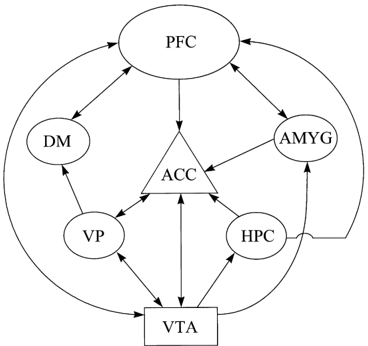
To successfully negotiate the developmental transition between youth and adulthood, adolescents must maneuver this often stressful period while acquiring skills necessary for independence. Certain behavioral features, including age-related increases in social behavior and risk-taking/novelty-seeking, are common among adolescents of diverse mammalian species and may aid in this process. Reduced positive incentive values from stimuli may lead adolescents to pursue new appetitive reinforcers through drug use and other risk-taking behaviors, with their relative insensitivity to drugs supporting comparatively greater per occasion use. Pubertal increases in gonadal hormones are a hallmark of adolescence, although there is little evidence for a simple association of these hormones with behavioral change during adolescence. Prominent developmental transformations are seen in prefrontal cortex and limbic brain regions of adolescents across a variety of species, alterations that include an apparent shift in the balance between mesocortical and mesolimbic dopamine systems. Developmental changes in these stressor-sensitive regions, which are critical for attributing incentive salience to drugs and other stimuli, likely contribute to the unique characteristics of adolescence.
Overview
The claims and statistics of this paper haven’t been checked yet.
Free: it reads the open-access text and checks the first 5 claims that cite a source we can check. Create a free account to check every claim.
Integrity signals
Registry
Cites
Statistics
Figures
Verification
Claims the paper makes
The claims and statistics of this paper haven’t been checked yet.
Free: it reads the open-access text and checks the first 5 claims that cite a source we can check. Create a free account to check every claim.
Claims other papers make about this one
Each is checked against this paper’s own text: does it say what the citing paper says it does?
The cited source doesn’t support the claim as written.
In the citing paper
“An accumulation of evidence suggests an increase in incentive motivation from childhood to adolescence and a decline from adolescence into adulthood (Luciana, Wahlstrom, Porter, & Collins, 2012; Steinberg, 2010).”
From Incentive Motivation, Cognitive Control, and the Adolescent Brain: Is It Time for a Paradigm Shift? (2012) · cites this paper as Spear, 2000
Checked by a reasoning model — may be wrong.
Experimental — accuracy not yet measuredThe source backs part of the claim, not all of it — or backs it for a different population, condition or comparison.
In the citing paper
“However, it should be noted that the time frame of adoles cence in rodents is very short, i.e. from postnatal day 25 -42 (Spear, 2000), which challenges the use of self-administration protocols as they require longer training periods and access to nicotine than forced exposure protocols.”
From Age-dependent Effects of Tobacco Smoke and Nicotine on Cognition and the Brain: A Systematic Review of the Human and Animal Literature Comparing Adolescents and Adults. (2023) · cites this paper as Spear, 2000
Experimental — accuracy not yet measuredThe source backs part of the claim, not all of it — or backs it for a different population, condition or comparison.
In the citing paper
“Thereby, brain development may be responsible for characteristic adolescent traits—uncontrollable mood swings, impulsivity, risk taking, and peer-directed social interactions (Orr and Ingersoll 1995; Spear 2000; Galvan et al. 2007).”
From Short- and Long-Term Consequences of Nicotine Exposure during Adolescence for Prefrontal Cortex Neuronal Network Function (2012) · cites this paper as Spear 2000
Experimental — accuracy not yet measuredThe source backs part of the claim, not all of it — or backs it for a different population, condition or comparison.
In the citing paper
“Compared with adults, adolescents are generally more motivated by rewards, are less averse to risks, and are more easily influenced by peers (Spear 2000; Steinberg 2005; Galvan et al. 2006).”
From Short- and Long-Term Consequences of Nicotine Exposure during Adolescence for Prefrontal Cortex Neuronal Network Function (2012) · cites this paper as Spear 2000
Experimental — accuracy not yet measuredThe source backs part of the claim, not all of it — or backs it for a different population, condition or comparison.
In the citing paper
“Structural and functional MRI data show earlier maturation of reward systems and much slower development of prefrontal cognitive control (Spear 2000; Chambers et al. 2003; Casey et al. 2005; Ernst et al. 2005; Ernst and Fudge 2009).”
From Short- and Long-Term Consequences of Nicotine Exposure during Adolescence for Prefrontal Cortex Neuronal Network Function (2012) · cites this paper as Spear 2000
Experimental — accuracy not yet measured
32 more claims about this paper
Create a free account to see every claim other papers make about this one.
Self-check
Percentages, sums and reported differences re-computed from the paper’s own numbers.
The self-check needs the paper’s full text.
Citations
Cites
Items 401–600 of 641
Behavioral Medicine and Women: A Comprehensive Handbook
Wójcik, B. E., & Kunkel, E. J. S. (1999) · Psychosomatics · doi:10.1016/s0033-3182(99)71260-0 · Cited by 89
McBride, W. J., Bodart, B., Lumeng, L., & Li, T. ‐. (1995) · Alcoholism: Clinical and Experimental Research · doi:10.1111/j.1530-0277.1995.tb01001.x · Cited by 89
Pierroz, D. D., Gruaz, N. M., d’Allèves, V., & Aubert, M. L. (2008) · Neuroendocrinology · doi:10.1159/000126851 · Cited by 88 · cited 2×
“[424] Pierroz DD, Gruaz NM, d’Alle `ves V, Aubert ML.”
Glucocorticoids, Stress, and Behavior: Shifting the Timeframe1
Orchinik, M. (1998) · Hormones and Behavior · doi:10.1006/hbeh.1998.1488 · Cited by 86 · cited 2×
“The “neuroendocrine context” has been shown to be critical for determining cellular reactions to glucocorticoids across a variety of species [392], and hence the notable hormonal alterations of puberty could potentially provide the impetus for altering the cellular response to corticosteroids during the adolescent age…”
Alcohol and the Developing Brain
Tipton, K. F. (1986) · Neurochemistry International · doi:10.1016/0197-0186(86)90151-8 · Cited by 86
Andersen, S. L., & Gazzara, R. A. (1993) · Journal of Neurochemistry · doi:10.1111/j.1471-4159.1993.tb07466.x · Cited by 85 · cited 1×
“For instance, basal extracellular DA levels in dialysates from adolescent striatum are lower than from the striatum of adult rats [12].”
Tassin, J., Lavielle, S., Hervé, D., Blanc, G., Thierry, A. M., Alvarez, C., Berger, B., & Glowinski, J. (1979) · Neuroscience · doi:10.1016/0306-4522(79)90020-4 · Cited by 84 · cited 2×
“[548]), the developmental increase in DA fiber density in PFC during adolescence may be at least partially compensated later in adolescence by a developmental decline in DA synthesis and/or turnover in this region.”
Transitions in Drug Use During Late Adolescence and Young Adulthood
Bachman, J. G., Johnston, L. D., O'Malley, P. M., & Schulenberg, J. (2018) · Transitions Through Adolescence · doi:10.4324/9781315789286-5 · Cited by 83
Brain Sexual Differentiation and Gonadotropins Secretion in the Rat
Becú‐Villalobos, D., Iglesias, A. G., Dı́az-Torga, G., Hockl, P. F., & Libertun, C. (1997) · Cellular and Molecular Neurobiology · doi:10.1023/a:1022542221535 · Cited by 82
The Depressed Child and Adolescent: Developmental and Clinical Perspectives
LEFF, M. K. (1996) · American Journal of Psychiatry · doi:10.1176/ajp.153.7.963-a · Cited by 82
Developmental changes in amphetamine-induced taste aversions
Infurna, R. N., & SPEAR, L. P. (1979) · Pharmacology Biochemistry and Behavior · doi:10.1016/0091-3057(79)90293-4 · Cited by 81
Self-citationStressful events and their correlates among adolescents of diverse backgrounds.
Dornbusch, S. M., Mont-Reynaud, R., Ritter, P. L., Chen, Z., & Steinberg, L. D. (1991) · doi:10.4324/9781315083025-6 · Cited by 81
Behavioral medicine and women : a comprehensive handbook
Blechman, E. A., & Brownell, K. D. (1998) · Guilford Press eBooks · Cited by 80
(1990) · doi:10.1093/oso/9780195053364.001.0001 · Cited by 80
Gruaz, N. M., Pierroz, D. D., Rohner‐Jeanrenaud, F., Sizonenko, P. C., & Aubert, M. L. (1993) · Endocrinology · doi:10.1210/endo.133.4.8404631 · Cited by 80 · cited 3×
“Part of the complexity of studying the interaction of NPY (as well as opiates) with the hypothalamic gonadostat around the time of puberty is that these peptides may exert opposite influences on GnRH release depending on gonadal hormone levels [222], with levels of these gonadal steroids (and potentially the receptor…”
Migeon, C. J., Kenney, F. M., Richards, C., & Lawrence, B. (1966) · The Journal of Pediatrics · doi:10.1016/s0022-3476(66)80124-5 · Cited by 80
Neurobiology of Mental Illness
DUNNER, D. L. (2000) · American Journal of Psychiatry · doi:10.1176/appi.ajp.157.9.1530-a · Cited by 79
KRAEMER, H. C., Horvat, J. R., Doering, C. H., & McGinnis, P. R. (1982) · Primates · doi:10.1007/bf02381322 · Cited by 79
Fecundability and its Relation to Age in a Sample of Taiwanese Women
Jain, A. K. (1969) · Population Studies · doi:10.1080/00324728.1969.10406029 · Cited by 79 · cited 1×
“High teen pregnancy rates not withstanding, human females also typically show depressed fertility during early adolescence [257], with as much as 5 years being required after menses begin for mature rates of ovulatory frequency to be reached [601].”
Autonomic Neuropeptide Connections of the Amygdala
Gray, T. S. (1989) · Hans Selye symposia on neuroendocrinology and stress · doi:10.1007/978-1-4612-3514-9_8 · Cited by 78 · cited 1×
“From studies conducted in laboratory animals, nuclei within the amygdala have been suggested to form a critical part of the circuitry modulating emotional reactivity [187,216], the set point for hedonic tone [190], attentional and representational processes [244], and behavioral responses to stressors and other incent…”
A Biphasic Developmental Pattern of Circulating Leptin in the Male Rhesus Macaque (Macaca mulatta)
Urbanski, H. F., & Pau, K. ‐. F. (1998) · Endocrinology · doi:10.1210/en.139.5.2284 · Cited by 78 · cited 2×
“Researchers do not always agree on the timing of the juvenile and adolescent stages among specific primate species (e.g. compare the timing of adolescence in rhesus monkeys presented by Ehardt and Bernstein [150], with that of Paule [399]), perhaps in part because of variations in the indices used to reflect maturatio…”
Estrogen or Testosterone Increases Self-Reported Aggressive Behaviors in Hypogonadal Adolescents
Finkelstein, J. W. (1997) · The Journal of Clinical Endocrinology & Metabolism · doi:10.1210/jc.82.8.2433 · Cited by 77
The Neurobiology of Stress: Understanding Regulation of Affect During Female Biological Transitions
Dorn, L., & Chrousos, G. (1997) · Seminars in Reproductive Medicine · doi:10.1055/s-2008-1067965 · Cited by 76 · cited 1×
“Growth hormone release is inhibited as is activity of the hypothalamo–pituitary–gonadal (HPG) axis, whereas activation of these hormonal systems is central to the adolescent growth spurt and the physiological changes associated with sexual maturation [85,142].”
Leptin, puberty and reproductive function: lessons from animal studies and observations in humans
Kiess, W., Blum, W., & Aubert, M. L. (1998) · European Journal of Endocrinology · doi:10.1530/eje.0.1380026 · Cited by 76 · cited 1×
“[5]) been reported to increase during the prepubertal to early pubertal period in both rats ([26], cited by Kiess et al. [286]) and humans [304] [343].”
Moore, C. L., Wong, L., Daum, M. C., & Leclair, O. U. (1997) · Developmental Psychobiology · doi:10.1002/(sici)1098-2302(199705)30:4<301::aid-dev4>3.0.co;2-s · Cited by 76
Gunnar, M. R. (2013) · Psychology Press eBooks · doi:10.4324/9780203771396 · Cited by 75
Neuroactive Steroid Modulators of the Stress Response
Morrow, A. L., Devaud, L. L., Purdy, R. H., & Paul, S. M. (1995) · Annals of the New York Academy of Sciences · doi:10.1111/j.1749-6632.1995.tb44687.x · Cited by 75
Development of physical and social reasoning in adolescence.
Keating, D. P., & Clark, L. V. (1980) · Developmental Psychology · doi:10.1037/0012-1649.16.1.23 · Cited by 75 · cited 1×
“The developmental emergence of formal reasoning emerges earlier when addressing problems associated with the physical world than with interpersonal issues, and even in adulthood some individuals do not consistently function at the formal reasoning stage [277].”
Sandi, C., & Loscertales, M. (1999) · Brain Research · doi:10.1016/s0006-8993(99)01346-3 · Cited by 74 · cited 1×
“Physiological outcomes associated with chronic perturbation in glucocorticoids may vary considerably, however, from consequences of acute exposure [69,392,475], potentially contributing in part to this apparent paradox.”
Adolescence in evolutionary perspective
Bogin, B. (1994) · Acta Paediatrica · doi:10.1111/j.1651-2227.1994.tb13418.x · Cited by 73 · cited 1×
“For instance, Bogin [50] maintains that only humans undergo adolescence based on the conclusion that only human adolescents show a growth spurt [571].”
DeWit, D. J., MacDonald, K., & Offord, D. R. (1999) · American Journal of Orthopsychiatry · doi:10.1037/h0080382 · Cited by 72 · cited 2×
“Several prospective and retrospective studies have obtained evidence that stress or emotional distress (indexed by negative affect) may in some instances predate initiation of adolescent substance use, suggesting that perceived levels of stress may exacerbate the already elevated propensity of human adolescents to exh…”
Cicero, T. J., Adams, M. L., O'Connor, L., Nock, B., Meyer, E. R., & Wozniak, D. (1990) · The Journal of Pharmacology and Experimental Therapeutics · doi:10.1016/s0022-3565(25)23148-2 · Cited by 71 · cited 2×
“Chronic exposure of adolescent rodents to alcohol has been reported to induce later alterations in emotionality [474] and cognitive functioning [393] as well as to disrupt pubertyassociated increases in reproductive endocrinology in both males [89] and females [118].”
NEUROPEPTIDE Y (NPY): A POSSIBLE ROLE IN THE INITIATION OF PUBERTY
Sutton, S. W., Mitsugi, N., Plotsky, P. M., & Sarkar, D. K. (1988) · Endocrinology · doi:10.1210/endo-123-4-2152 · Cited by 71 · cited 2×
“While chronic administration of NPY has been reported to delay sexual maturation in rats [222,424], other research has shown that levels of NPY increase during the prepubertal to pubertal period in rats and rhesus monkeys [207,537], with NPY antiserum decreasing the magnitude of the GnRH surge in pubertal rats [367] a…”
Actions of ethanol on hypothalamic and pituitary hormones in prepubertal female rats
Dees, W. L., Skelley, C. W., Hiney, J. K., & Johnston, C. A. (1990) · Alcohol · doi:10.1016/0741-8329(90)90055-h · Cited by 71 · cited 2×
“Chronic exposure of adolescent rodents to alcohol has been reported to induce later alterations in emotionality [474] and cognitive functioning [393] as well as to disrupt pubertyassociated increases in reproductive endocrinology in both males [89] and females [118].”
Hormones, Health, and Behavior: A Socio‐Ecological and Lifespan Perspective
Dufour, D. L. (2000) · American Anthropologist · doi:10.1525/aa.2000.102.2.372 · Cited by 71
Intrinsic Rewards in School Crime
Csíkszentmihályi, M., & Larson, R. W. (2014) · Springer eBooks · doi:10.1007/978-94-017-9094-9_14 · Cited by 70
Late maturation of GABAB synaptic transmission in area CA1 of the rat hippocampus
Nurse, S. M., & Lacaille, J. C. (1999) · Neuropharmacology · doi:10.1016/s0028-3908(99)00122-7 · Cited by 70 · cited 3×
“Housing in isolation has likewise been reported to have more pronounced and long-lasting effects on object exploration in an open field when the social isolation stress occurred between P25 and P45 than when the rats were isolated between P16 and P25 or after P45 [152].”
Maturation and development : biological and psychological perspectives
Connolly, K., & Prechtl, H. F. R. (1981) · Medical Entomology and Zoology · Cited by 70
Differential Ontogenesis of Three DOI-Induced Behaviors in Mice
Darmani, N. A., Shaddy, J. H., & Gerdes, C. (1996) · Physiology & Behavior · doi:10.1016/s0031-9384(96)00323-x · Cited by 70 · cited 2×
“For instance, Darmani and colleagues [114] examined ontogeny of psychopharmacological sensitivity to the 5HT 2A”
Frontiers of Developmental Psychopathology
(1996) · doi:10.1093/oso/9780195090017.001.0001 · Cited by 69
Functional Development of Prefrontal Cortex in Rats Continues into Adolescence
Kolb, B., & Nonneman, A. J. (1976) · Science · doi:10.1126/science.935872 · Cited by 69 · cited 1×
“Further evidence for delayed development of prefrontal regions continuing through adolescence has been obtained in lesion work, with bilateral lesions of the sulcal PFC in rats at 60 days of age and older resulting in aphagia and adipsia, effects that were not evident when the animals were lesioned before or at 40 day…”
Longevity of the expression of behavioral sensitization to cocaine in preweanling rats.
Snyder, K., Katovic, N., & Spear, L. (1998) · Pharmacology, Biochemistry and Behavior · doi:10.1016/s0091-3057(98)00078-1 · Cited by 68 · cited 3×
“[511]) and when expressing previously sensitized responses to cocaine induced by chronic exposure prior to adolescence [507], adolescent animals are capable of developing sensitization to the locomotor (but not stereotypy) effects of cocaine following chronic drug exposure during adolescence [4,313].”
Self-citationSleep patterns and problems in adolescents
Levy, D. M., Gray‐Donald, K., Leech, J., Zvagulis, I., & Pless, I. B. (1986) · Journal of Adolescent Health Care · doi:10.1016/s0197-0070(86)80239-x · Cited by 68 · cited 2×
“[321] Levy D, Gray-Donald K, Leech J, Zvagulis I, Pless IB.”
Psychosocial Milestones in Normal Puberty and Adolescence
Remschmidt, H. (1994) · Hormone Research · doi:10.1159/000183955 · Cited by 68
Clinical disorders and stressful life events
(1998) · Choice Reviews Online · doi:10.5860/choice.35-4184 · Cited by 67
The serotonin innervation of the basal forebrain shows a transient phase during development
Dinopoulos, A., Dori, I., & Parnavelas, J. G. (1997) · Developmental Brain Research · doi:10.1016/s0165-3806(96)00198-8 · Cited by 67 · cited 2×
“Serotonergic innervation of basal forebrain in rats also shows considerably ontogenetic change, with the number of serotonergic synapses reaching adult levels by P14 prior to dropping to levels considerably below adult levels by weaning at P21 [135]; unfortunately no ages were examined between weaning and adulthood, a…”
Complexity of electrocortical dynamics in children: Developmental aspects
Anokhin, A. P., Lutzenberger, W., Nikolaev, A., & Birbaumer, N. (2000) · Developmental Psychobiology · doi:10.1002/(sici)1098-2302(200001)36:1<9::aid-dev2>3.0.co;2-5 · Cited by 67 · cited 2×
“[19] Anokhin AP, Lutzenberger W, Nikolaev A, Birbaumer N.”
Reduced Heart Rate Levels in Aggressive Children
Pitts, T. B. (1997) · Springer eBooks · doi:10.1007/978-1-4757-4648-8_22 · Cited by 66 · cited 1×
“Low resting heart rates have been correlated with increases in aggression in children [426], aggression (see Ref.”
Petersen, A. C., Kennedy, R. E., & Sullivan, P. A. (1991) · doi:10.4324/9781315083025-5 · Cited by 66
Development during the transition to adolescence: Minnesota Symposia on Child Psychology
Collins, W. A., & Gunnar, M. R. (1988) · Cited by 66
Sleep regulation in rats during early development
Alfoldi, P., Tobler, I., & Borbely, A. A. (1990) · American Journal of Physiology-Regulatory, Integrative and Comparative Physiology · doi:10.1152/ajpregu.1990.258.3.r634 · Cited by 65 · cited 2×
“For instance, adolescent (P40) rats stay awake longer before falling asleep than younger (P23 and P29) animals following the transition from the dark to light phase—that is, when going from the period of predominant waking to that of predominant sleep in these nocturnal animals [9].”
Modeling Developmental Complexity in Adolescence: Hormones and Behavior in Context
Susman, E. J. (1997) · Journal of Research on Adolescence · doi:10.1207/s15327795jra0703_3 · Cited by 65 · cited 1×
“[527] for review and references).”
COUNTS, D. R., PESCOVITZ, O. H., BARNES, K. M., HENCH, K. D., CHROUSOS, G. P., SHERINS, R. J., COMITE, F., LORIAUX, D. L., & CUTLER, G. B. (1987) · The Journal of Clinical Endocrinology & Metabolism · doi:10.1210/jcem-64-6-1174 · Cited by 65 · cited 2×
“[103] Counts DR, Pescovitz OH, Barnes KM, Hench KD, Chrousos GP,”
Ontogeny of dopamine D3 receptors in the nucleus accumbens of the rat
Stanwood, G. D., McElligot, S., Lu, L., & McGonigle, P. (1997) · Neuroscience Letters · doi:10.1016/s0304-3940(97)13396-1 · Cited by 64 · cited 2×
“receptors have been reported in rat ACC, striatum, olfactory tubercles, although there is some disagreement as to the time course of these increases, with reports of DA D 3 binding at weaning approaching adult levels [121] versus being only 40% of adult levels [516].”
Cuadra, G., Zurita, A., Lacerra, C., & Molina, V. (1999) · Brain Research Bulletin · doi:10.1016/s0361-9230(98)00179-8 · Cited by 63 · cited 2×
“As reviewed later, many of the neural systems known to undergo developmental alterations in adolescence are sensitively activated by stressors, including DA projections to PFC as well as to mesolimbic brain regions thought to be critical in modulating the reward value of drugs [1,109,148,251,554].”
Effects of ethanol on the developing rat. II. Coordination as measured by the tilting-plane test.
Hollstedt, C., Olsson, O., & Rydberg, U. S. (1980) · PubMed · Cited by 62
Pubertal maturation and the development of behavioural and emotional problems in early adolescence
Laitinen‐Krispijn, S., Van der Ende, J., Hazebroek‐Kampschreur, A. A. J. M., & Verhulst, F. C. (1999) · Acta Psychiatrica Scandinavica · doi:10.1111/j.1600-0447.1999.tb05380.x · Cited by 62 · cited 2×
“[305]), early maturation has been more consistently so associated, particularly in girls.”
MethodDevelopmental Regulation of the Dopamine D1 Receptor in Human Caudate and Putamen
Montague, D. M., Lawler, C., Mailman, R., & Gilmore, J. (1999) · Neuropsychopharmacology · doi:10.1016/s0893-133x(99)00062-7 · Cited by 62 · cited 2×
“Although some work has failed to reveal ontogenetic alterations in the D 2 receptor, developmental declines in D 1 receptors from infancy to adulthood in humans have been confirmed by others [372,394].”
Whishaw, I. Q., Fiorino, D. F., Mittleman, G., & Castan˜eda, E. (1992) · Brain Research · doi:10.1016/0006-8993(92)90604-8 · Cited by 62 · cited 2×
“[500]), with “expressed behavior (being) the result of the summed outcome of competing systems” ([590], p.”
METABOLIC SIGNALS FOR THE ONSET OF PUBERTY
Steiner, R. A., Cameron, J. L., McNeill, T. H., Clifton, D. K., & Bremner, W. J. (1983) · Elsevier eBooks · doi:10.1016/b978-0-12-521480-3.50016-0 · Cited by 62 · cited 1×
“[520] Steiner RA, Cameron JL, McNeill TH, Clifton DK, Bremner WJ.”
Expression of cocaine sensitization: regulation by the medial prefrontal cortex
Prasad, B. M., Hochstatter, T., & Sorg, B. A. (1999) · Neuroscience · doi:10.1016/s0306-4522(98)00183-3 · Cited by 61 · cited 2×
“[435] Prasad BM, Hochstatter T, Sorg BA.”
Developmental Changes in Hemispheric Independence
Merola, J. L., & Liederman, J. (1985) · Child Development · doi:10.1111/j.1467-8624.1985.tb00187.x · Cited by 61
Changes in menarcheal age in girls exposed to war conditions
Prebeg, ?., & Brali?, I. (2000) · American Journal of Human Biology · doi:10.1002/1520-6300(200007/08)12:4<503::aid-ajhb10>3.0.co;2-h · Cited by 61
Mapping dopamine receptors in the human brain
Palacios, J. M., Camps, M., Cortés, R., & Probst, A. (1988) · Springer eBooks · doi:10.1007/978-3-7091-8954-2_20 · Cited by 60 · cited 2×
“[394] Palacios JM, Camps M, Corte ́s R, Probst A.”
Wilkinson, L. S., Dias, R., Thomas, K. L., Augood, S. J., Everitt, B. J., Robbins, T. W., & Roberts, A. (1997) · Neuroscience · doi:10.1016/s0306-4522(97)00075-4 · Cited by 60 · cited 3×
“A similar dissociation between behavioral and neurochemical responses to amphetamine has been reported following PFC lesions in adulthood, with lesioned animals exhibiting less amphetamine-stimulated DA release in caudate but a greater behavioral response to amphetamine [594].”
A Possible Role of Neuropeptide Y in the Control of the Onset of Puberty in Female Rhesus Monkeys
Gore, A. C., Mitsushima, D., & Terasawa, E. (2008) · Neuroendocrinology · doi:10.1159/000126508 · Cited by 60 · cited 2×
“While chronic administration of NPY has been reported to delay sexual maturation in rats [222,424], other research has shown that levels of NPY increase during the prepubertal to pubertal period in rats and rhesus monkeys [207,537], with NPY antiserum decreasing the magnitude of the GnRH surge in pubertal rats [367] a…”
Choi, S., & Kellogg, C. K. (1996) · Developmental Brain Research · doi:10.1016/s0165-3806(96)80005-8 · Cited by 59 · cited 4×
“This hypothesis is contrary to results obtained in animal studies where it appears that the delayed post-stress return to basal corticosterone levels seen in juvenile rats [202] may extend into the early- to mid-adolescent period [82,482].”
InfluentialThe Pubescent Rhesus Monkey: Some Characteristics of the Menstrual Cycle
Resko, J. A., Goy, R. W., Robinson, J. A., & Norman, R. L. (1982) · Biology of Reproduction · doi:10.1095/biolreprod27.2.354 · Cited by 58 · cited 1×
“[459] Resko JA, Goy RW, Robinson JA, Norman RL.”
MethodLeptin Levels in Children with Central Precocious Puberty1
Palmert, M. R., Radovick, S., & Boepple, P. A. (1998) · The Journal of Clinical Endocrinology & Metabolism · doi:10.1210/jcem.83.7.4973 · Cited by 57 · cited 1×
“[395] Palmert MR, Radovick S, Boepple PA.”
Regulation of Gonadotropin-Releasing Hormone and Luteinizing Hormone Secretion by AMPA Receptors
Ping, L., Mahesh, V. B., Bhat, G. K., & Brann, D. W. (1997) · Neuroendocrinology · doi:10.1159/000127245 · Cited by 57 · cited 2×
“Opinions differ as to whether this effect is mediated by kainate [161], NMDA, or dl-aamino-3-hydroxy-5-methyl-4-isoxazole propionic acid (AMPA) [607] forms of the glutamate receptor [57], although stimulation of each receptor type has been shown to facilitate GnRH release [74,425].”
Post, G. B., & Kemper, H. C. G. (1993) · PubMed · Cited by 57
Epidemiology of human development
Worthman, C. M. (1998) · Hormones, Health and Behaviour · doi:10.1017/cbo9780511623462.003 · Cited by 57
Mauras, N., Veldhuis, J. D., & Rogol, A. D. (1986) · The Journal of Clinical Endocrinology & Metabolism · doi:10.1210/jcem-62-6-1256 · Cited by 57 · cited 1×
“While opiates inhibit GnRH in intact adults, their role in the pubertal process requires further characterization, with evidence for a pubertal-associated reduction in sensitivity of the hypothalamic gonadostat to opiate inhibition [347] countered by other work reporting an emergence of opiate inhibition at this time…”
Child Development and Behavioral Pediatrics
(2014) · Psychology Press eBooks · doi:10.4324/9781315805856 · Cited by 56
Early experience and the consumption of alcohol by adult C57BL/6J mice
Ho, A., Chin, A. J., & Dole, V. P. (1989) · Alcohol · doi:10.1016/0741-8329(89)90060-8 · Cited by 56 · cited 1×
“In terms of adolescent alcohol exposure, reports that pre- [232] or postweaning [243] exposure to ethanol can increase later ethanol preference are contrasted by data from several groups showing no increase in later consumption following periods of ethanol exposure that include adolescence [266,396,557].”
Developmental aspects of anandamide: ontogeny of response and prenatal exposure
Fride, E., & Mechoulam, R. (1996) · Psychoneuroendocrinology · doi:10.1016/0306-4530(95)00039-9 · Cited by 56 · cited 3×
“Psychopharmacological data suggest that these endogenous cannabinoid systems may reach functional maturity around adolescence [177,178].”
Leptin Binding Activity Changes with Age: The Link between Leptin and Puberty
Quinton, N. D. (1999) · The Journal of Clinical Endocrinology & Metabolism · doi:10.1210/jc.84.7.2336 · Cited by 56
Eyigor, O., & Jennes, L. (1997) · Neuroendocrinology · doi:10.1159/000127229 · Cited by 55 · cited 1×
“Opinions differ as to whether this effect is mediated by kainate [161], NMDA, or dl-aamino-3-hydroxy-5-methyl-4-isoxazole propionic acid (AMPA) [607] forms of the glutamate receptor [57], although stimulation of each receptor type has been shown to facilitate GnRH release [74,425].”
Johnson, V., & Pandina, R. J. (1993) · Alcoholism: Clinical and Experimental Research · doi:10.1111/j.1530-0277.1993.tb00822.x · Cited by 55 · cited 1×
“Perceived level of stress is one of a number of factors that predicts use and abuse of alcohol and other drugs by human adolescents ([28,131,132,262,561,596]; but see also Ref.”
Intrinsic Rewards in School Crime
Csikszentmihalyi, M., & Larson, R. (1978) · Crime & Delinquency · doi:10.1177/001112877802400306 · Cited by 54 · cited 1×
“Risk taking may allow the adolescent to explore adult behavior and privileges [495], to accomplish normal developmental tasks [377], and to develop and express mastery of hierarchal challenges associated with certain risky behaviors [107].”
Lethal confrontational violence among young men.
WILSON, M. I., & Daly, M. (1993) · Cited by 53
Pickles, A. R., Pickering, K., Simonoff, E. A., Silberg, J. L., Meyer, J. M., & Maes, H. (1998) · Behavior Genetics · doi:10.1023/a:1021615228995 · Cited by 52 · cited 2×
“[422] Pickles A, Pickering K, Simonoff E, Silberg J, Meyer J, Maes H.”
Functions of the dopaminergic innervation of the nucleus accumbens.
Gray, J. A., Kumari, V., Lawrence, N., & Young, A. M. J. (1999) · Psychobiology · doi:10.3758/bf03332116 · Cited by 52 · cited 2×
“[215] Gray JA, Kumari V, Lawrence N, Young AMJ.”
The nature of interactions involving prefrontal and striatal dopamine systems
Wilkinson, L. S. (1997) · Journal of Psychopharmacology · doi:10.1177/026988119701100207 · Cited by 52 · cited 2×
“[126,331] for review) as well as nonhuman primates [293,593].”
Age and strain differences in the rate of development of functional tolerance to ethanol by mice
Grieve, S. J., & Littleton, J. M. (1979) · Journal of Pharmacy and Pharmacology · doi:10.1111/j.2042-7158.1979.tb13631.x · Cited by 52 · cited 1×
“The relative insensitivity of adolescents to these alcohol effects may be related in part to their greater propensity for developing acute [496] and chronic [219,539] tolerance to these effects of alcohol than adult animals.”
Changes in daily serum corticosterone values in maturing male and female rats
Ramaley, J. A. (1972) · Steroids · doi:10.1016/0039-128x(72)90069-4 · Cited by 52 · cited 1×
“Gender differences in the corticosterone response to stress begin to emerge late in adolescence, with elevated levels in female rats when compared with males as well as prepubescent females [91,184,451].”
The Biochemistry and Pharmacology of Mesoamygdaloid Dopamine Neuronsa
KILTS, C. D., ANDERSON, C. M., ELY, T. D., & MAILMAN, R. B. (1988) · Annals of the New York Academy of Sciences · doi:10.1111/j.1749-6632.1988.tb42105.x · Cited by 52 · cited 2×
“Promising terrain for future exploration is the adolescent amygdala and its DA input [289].”
Keir, W. J., & Deitrich, R. A. (1990) · Journal of Pharmacology and Experimental Therapeutics · doi:10.1016/s0022-3565(25)12737-7 · Cited by 51 · cited 1×
“such as assessment of lethal doses [246], tilting-plane performance [245], ethanol-induced hypnosis [158,334,496] and hypothermia [498,514], although these findings are not ubiquitous [279].”
Sex difference in daily water consumption of rats: Effect of housing and hormones
McGivern, R., Henschel, D., Hutcheson, M., & Pangburn, T. (1996) · Physiology & Behavior · doi:10.1016/0031-9384(95)02017-9 · Cited by 50 · cited 2×
“Greater effects of social isolation during adolescence were also reported in terms of water intake, with the stress of single housing increasing fluid intake of adolescent but not adult animals [354].”
Essau, C. A. (2000) · Zeitschrift für Kinder- und Jugendpsychiatrie und Psychotherapie · doi:10.1024//1422-4917.28.1.65a · Cited by 50
Hormones, health and behavior: A socioecological and lifespan perspective
Campbell, B. (2000) · American Journal of Human Biology · doi:10.1002/1520-6300(200007/08)12:4<566::aid-ajhb16>3.0.co;2-l · Cited by 50
Grobin, A. C., & Deutch, A. Y. (1998) · The Journal of Pharmacology and Experimental Therapeutics · doi:10.1016/s0022-3565(24)37401-4 · Cited by 50 · cited 1×
“As in ACC, DA input to PFC is likewise functionally inhibitory, presumably via direct DA inhibition of pyramidal cells as well as perhaps indirectly via GABA interneurons [220].”
Development of dopamine autoreceptors in the postnatal rat brain
Hedner, T., & Lundborg, P. G. (1985) · Journal of Neural Transmission · doi:10.1007/bf01260415 · Cited by 49
Developmental Changes in Hemispheric Independence
Merola, J. L., & Liederman, J. (1985) · Child Development · doi:10.2307/1130233 · Cited by 49
Choi, S., Weisberg, S. N., & Kellogg, C. K. (1997) · Developmental Brain Research · doi:10.1016/s0165-3806(96)00179-4 · Cited by 48 · cited 1×
“Maturational changes are seen in NE release in the hypothalamus of adolescent rats [81,83], and noradrenergic influences on GnRH release may switch from being largely inhibitory during the prepubertal period in rats to a predominance of NE stimulatory effects at puberty [456].”
Delay of gratification, coping with stress, and substance use in adolescence.
Wagner, E. F. (1993) · Experimental and Clinical Psychopharmacology · doi:10.1037/1064-1297.1.1-4.27 · Cited by 48 · cited 1×
“After peer substance use, the next most powerful predictor of adolescent alcohol and drug use was found by Wagner [573] to be levels of perceived stress, with the appraisal of events as being stressful of more importance than the absolute number of such events.”
Altered behavioral responsivity to morphine during the periadolescent period in rats
SPEAR, L. P., Horowitz, G. P., & Lipovsky, J. A. (1982) · Behavioural Brain Research · doi:10.1016/0166-4328(82)90005-5 · Cited by 48 · cited 2×
“Adolescent rats are also more sensitive to the locomotor stimulant effects of morphine than are adults, although morphine-induced stereotypy does not vary across these ages [512].”
Self-citationLeptin Levels in Children with Central Precocious Puberty
Palmert, M. R. (1998) · The Journal of Clinical Endocrinology & Metabolism · doi:10.1210/jc.83.7.2260 · Cited by 48
KIRSCHBAUM, C., PLATTE, P., PIRKE, K.-M., & HELLHAMMER, D. (1996) · Stress Medicine · doi:10.1002/(sici)1099-1700(199607)12:3<137::aid-smi685>3.0.co;2-c · Cited by 48
Minami, S., Frautschy, S. A., Plotsky, P. M., Sutton, S. W., & Sarkar, D. K. (2008) · Neuroendocrinology · doi:10.1159/000125548 · Cited by 48 · cited 2×
“While chronic administration of NPY has been reported to delay sexual maturation in rats [222,424], other research has shown that levels of NPY increase during the prepubertal to pubertal period in rats and rhesus monkeys [207,537], with NPY antiserum decreasing the magnitude of the GnRH surge in pubertal rats [367] a…”
Nance, D. M. (1983) · Neuroscience & Biobehavioral Reviews · doi:10.1016/0149-7634(83)90015-5 · Cited by 47 · cited 4×
“weight of any time in the life span [379].”
InfluentialInsensitivity of the hippocampus to environmental stimulation during postnatal development
Waters, N. S., Klintsova, A. Y., & Foster, T. C. (1997) · The Journal of Neuroscience · doi:10.1523/jneurosci.17-20-07967.1997 · Cited by 46 · cited 3×
“[578] Waters NS, Klintsova AY, Foster TC.”
Age-dependent plasticity in the dopaminergic control of sensorimotor development
Weihmuller, F. B., & Bruno, J. P. (1989) · Behavioural Brain Research · doi:10.1016/s0166-4328(89)80110-x · Cited by 46 · cited 1×
“While extensive depletion of DA induced by the neurotoxin 6hydroxydopamine (6-OHDA) results in Parkinsonian-like sensorimotor deficits and supersensitivity to antagonists in rats following neurotoxin treatment in adulthood, substantial functional recovery is seen when such damage is incurred early in ontogeny, with ad…”
Production and secretion of C-19 steroids by rat and guinea pig adrenals
Bélanger, B., Couture, J., Caron, S., Bodou, P., Fiet, J., & BÉLANGER, A. (1990) · Steroids · doi:10.1016/0039-128x(90)90060-o · Cited by 45 · cited 2×
“Indeed, D4-A does not appear to be released from rat adrenals, with radioimmunoassay-detectable plasma levels largely driven by gonadal production [37].”
Ontogenetic development of the response to anandamide and Δ9-tetrahydrocannabinol in mice
Fride, E., & Mechoulam, R. (1996) · Developmental Brain Research · doi:10.1016/0165-3806(96)00087-9 · Cited by 45 · cited 3×
“Psychopharmacological data suggest that these endogenous cannabinoid systems may reach functional maturity around adolescence [177,178].”
Ontogeny of biphasic locomotor effects of quinpirole
Hartesveldt, C. V., Meyer, M. E., & Potter, T. J. (1994) · Pharmacology Biochemistry and Behavior · doi:10.1016/0091-3057(94)90346-8 · Cited by 44 · cited 2×
“[235,491,566]), neurochemical and behavioral findings originally postulated to reflect a delayed maturation of inhibitory DA autoreceptors in mesolimbic brain regions [490,510].”
Dumas, T. C., & Foster, T. C. (1998) · Developmental Brain Research · doi:10.1016/s0165-3806(97)00152-1 · Cited by 44 · cited 1×
“Maturational changes are also evident during adolescence in other limbic regions such as the hippocampus of rodents [145,600] as well as humans [39].”
Alcohol and Alcoholism -- Effects of Brain and Development.
Feeney, A. (2000) · Alcohol and Alcoholism · doi:10.1093/alcalc/35.2.216 · Cited by 44
Maternal exposure to influenza and risk of schizophrenia: A 22 year study from The Netherlands
Takei, N., van Os, J., & Murray, R. M. (1995) · Journal of Psychiatric Research · doi:10.1016/0022-3956(95)00031-3 · Cited by 44 · cited 1×
“Prenatal nutritional deprivation [536] as well as fetal exposure to influenza during the second trimester of pregnancy [360,542] also have been associated with a modest increase in risk of developing schizophrenia (see Ref.”
Influence of Age on Behavioural Response in the Light/Dark Paradigm
Hascoët, M., Colombel, M.-C., & Bourin, M. (1999) · Physiology & Behavior · doi:10.1016/s0031-9384(98)00333-3 · Cited by 44
Ganji, V., & Betts, N. (1995) · PubMed · Cited by 44
Alcohol and the Developing Brain
Alling, C., Rydberg, U. S., & Engel, J. A. (1985) · Cited by 44
Ontogeny of substance abuse: Perspectives and findings.
Tarter, R. E., & Mezzich, A. C. (1992) · American Psychological Association eBooks · doi:10.1037/10107-007 · Cited by 43 · cited 1×
“[547] for review and references ).”
Peterson, J. B., Pihl, R. O., Séguin, J. R., Finn, P., & Stewart, S. H. (1993) · PubMed Central · Cited by 43
Hormonal Correlates of Behavior
(1975) · Springer eBooks · doi:10.1007/978-1-4615-7189-6 · Cited by 43
Differential functional ontogeny of dopamine presynaptic receptor regulation
Shalaby, I. A., Dendel, P. S., & SPEAR, L. P. (1981) · Developmental Brain Research · doi:10.1016/0165-3806(81)90082-1 · Cited by 42 · cited 1×
“[235,491,566]), neurochemical and behavioral findings originally postulated to reflect a delayed maturation of inhibitory DA autoreceptors in mesolimbic brain regions [490,510].”
Self-citationTeicher, M. H., Gallitano, A. L., Gelbard, H. A., Evans, H. K., Marsh, E. R., Booth, R. G., & Baldessarini, R. J. (1991) · Developmental Brain Research · doi:10.1016/0165-3806(91)90082-t · Cited by 42 · cited 2×
“Activity in this DA projection system might be further enhanced during adolescence by the ontogenetic disappearance of an early DA autoreceptor-like modulation of DA synthesis that functioned to inhibit DA synthesis in this brain region prior to adolescence [11,552].”
Karler, R., Calder, L. D., Thai, D. K., & Bedingfield, J. B. (1998) · Pharmacology Biochemistry and Behavior · doi:10.1016/s0091-3057(97)00581-9 · Cited by 42 · cited 3×
“Increases in DA stimulation of PFC conversely attenuate DA activity in striatal and limbic terminal regions [274,293] and attenuate motor stimulatory effects of systemically administered stimulants such as amphetamine and cocaine [272].”
Mesencephalic Dopaminergic Neurons: Role in the General Economy of the Brain
Simon, H., & Moal, M. L. (1988) · Annals of the New York Academy of Sciences · doi:10.1111/j.1749-6632.1988.tb42110.x · Cited by 42 · cited 2×
“As an additional caveat, it is likely that reciprocal relationships among forebrain DA terminal regions may extend beyond the PFC/ACC comparisons emphasized here [500], although the dearth of pertinent adolescent data for other regions constrains their consideration at present.”
Electrophysiological study of the limbic system in the rat at onset of puberty
Terasawa, E., & Timiras, P. S. (1968) · American Journal of Physiology-Legacy Content · doi:10.1152/ajplegacy.1968.215.6.1462 · Cited by 42 · cited 1×
“Rats from P26 to P40 are markedly more sensitive to seizures induced by electrical stimulation of the amygdala than are younger or older rats [553].”
The role of monoamines in female puberty.
Wuttke, W., Honma, K.-I., Lamberts, R., & Höhn, K.-G. (1980) · PubMed · Cited by 42
(2014) · Psychology Press eBooks · doi:10.4324/9781315808109 · Cited by 41
Campbell, A., Baldessarini, R. J., & Teicher, M. H. (1988) · Psychopharmacology · doi:10.1007/bf00735879 · Cited by 40
The influence of early postwearing ethanol exposure on oral self-administration behavior in the rat
Tolliver, G. A., & Samson, H. H. (1991) · Pharmacology Biochemistry and Behavior · doi:10.1016/0091-3057(91)90016-u · Cited by 40
Development of Alcohol Preference in BALB/c Mice
Kakihana, R., & McClearn, G. E. (1963) · Nature · doi:10.1038/199511a0 · Cited by 40 · cited 1×
“In terms of adolescent alcohol exposure, reports that pre- [232] or postweaning [243] exposure to ethanol can increase later ethanol preference are contrasted by data from several groups showing no increase in later consumption following periods of ethanol exposure that include adolescence [266,396,557].”
Effects of mesocortical dopaminergic lesions upon subcortical dopaminergic function.
Haroutunian, V., Knott, P. J., & Davis, K. L. (1988) · PubMed · Cited by 40
The role of ethanol availability on stress-induced increases in ethanol consumption
Bowers, W. J., Sabongui, A. G., & Amit, Z. (1997) · Alcohol · doi:10.1016/s0741-8329(96)00046-8 · Cited by 39 · cited 1×
“Animal models of ethanol ingestion have likewise reported a stress-induced facilitation of ethanol consumption [54], although the interaction of stress and ethanol intake is complex, with increases in ethanol consumption often becoming evident during the recovery period following chronic stressor exposure (see Ref.”
Research in clinical assessment
Megargee, E. I. (1966) · Harper & Row eBooks · Cited by 39
Салимов, Р. М., McBride, W. J., McKinzie, D. L., Lumeng, L., & Li, T. (1996) · Alcohol · doi:10.1016/0741-8329(95)02060-8 · Cited by 39 · cited 2×
“Chronic exposure of adolescent rodents to alcohol has been reported to induce later alterations in emotionality [474] and cognitive functioning [393] as well as to disrupt pubertyassociated increases in reproductive endocrinology in both males [89] and females [118].”
Styne, D. M. (1994) · Hormone Research · doi:10.1159/000183949 · Cited by 39 · cited 1×
“The increase in release of gonadal hormones at puberty that is seen across a wide variety of species ranging from rats [36], nonhuman primates [71] and humans [523] represents a reinstatement of patterns of hormone release that were evident much earlier in ontogeny.”
Alcohol toxicity, blood alcohol concentration and body water in young and adult rats.
Ernst, A. J., Dempster, J. P., Yee, R., Dennis, C., & Nakano, L. (1976) · Journal of Studies on Alcohol · doi:10.15288/jsa.1976.37.347 · Cited by 39 · cited 1×
“such as assessment of lethal doses [246], tilting-plane performance [245], ethanol-induced hypnosis [158,334,496] and hypothermia [498,514], although these findings are not ubiquitous [279].”
Handbook of Developmental Neurotoxicology
(1998) · Elsevier eBooks · doi:10.1016/b978-0-12-648860-9.x5000-6 · Cited by 38
The Locomotor Effects of Quinpirole in Rats Depend on Age and Gender
Frantz, K. J., & Hartesveldt, C. V. (1999) · Pharmacology Biochemistry and Behavior · doi:10.1016/s0091-3057(99)00162-8 · Cited by 37 · cited 1×
“In contrast to the ontogenetic dissociation seen to these indirect dopamine (DA) agonists, only a progressively declining pattern of locomotor activation was reported during ontogeny following administration of the direct DA receptor agonist quinpirole, with less apomorphine-induced activation seen in adult rats than…”
Degree of neuronal activation following FG-7142 changes across regions during development
Lyss, P. J., Andersen, S. L., LeBlanc, C. J., & Teicher, M. H. (1999) · Developmental Brain Research · doi:10.1016/s0165-3806(99)00069-3 · Cited by 37 · cited 2×
“[341] Lyss PJ, Andersen SL, LeBlanc CJ, Teicher MH.”
How Stressful Is the Transition to Adolescence for Girls
Jeanne Brooks-gunn, B. (1991) · doi:10.4324/9781315083025-7 · Cited by 37
Modulation of ovine fetal adrenocorticotropin secretion by androstenedione and 17beta-estradiol
Saoud, C. J., & Wood, C. E. (1997) · American Journal of Physiology-Regulatory, Integrative and Comparative Physiology · doi:10.1152/ajpregu.1997.272.4.r1128 · Cited by 37 · cited 1×
“Interestingly, D4-A has recently been shown to decrease cortisol negative feedback efficacy on subsequent ACTH release [477], delaying post-stress recovery of the HPA axis.”
Lahlou, N., Landais, P., Boissieu, D. D., et al. (1997) · Diabetes · doi:10.2337/diabetes.46.6.989 · Cited by 37
Do economic conditions influence how theorists view adolescents?
Enright, R. D., Levy, V. M., Harris, D., & Lapsley, D. K. (1987) · Journal of Youth and Adolescence · doi:10.1007/bf02138820 · Cited by 36 · cited 1×
“There are numerous physiological and sociobehavioral transitions that occur during the age span between childhood to adulthood, with the timing of these transitions varying with nutritional status [181,284] as well as sociocultural values and economic conditions in humans [155].”
Deminière, J.-M., Taghzouti, K., Tassin, J., Moal, M. L., & Simon, H. (1988) · Psychopharmacology · doi:10.1007/bf00176851 · Cited by 36
Wolfer, D. P., & Lipp, H. (1995) · Hippocampus · doi:10.1002/hipo.450050406 · Cited by 36 · cited 1×
“Maturational changes are also evident during adolescence in other limbic regions such as the hippocampus of rodents [145,600] as well as humans [39].”
Primus, R. J., & Kellogg, C. K. (1991) · Brain Research · doi:10.1016/0006-8993(91)91608-4 · Cited by 35 · cited 2×
“Neurochemical measures of responsiveness of the GABA/benzodiazepine (BDP) receptor complex in cortex to environmental challenge were likewise shown to be dependent on the presence of gonadal hormones during adolescence [440].”
Gonadal and Adrenal Hormones Developmental Transitions and Aggressive Behaviora
Susman, E. J., Granger, D. A., Murowchick, E., Ponirakis, A., & WORRALL, B. K. (1996) · Annals of the New York Academy of Sciences · doi:10.1111/j.1749-6632.1996.tb32506.x · Cited by 35 · cited 2×
“[529] Susman EJ, Granger DA, Murowchick E, Ponirakis A, Worrall BK.”
PSYCHONEUROENDOCRINOLOGY OF CHILDREN AND ADOLESCENTS
Ryan, N. D. (1998) · Psychiatric Clinics of North America · doi:10.1016/s0193-953x(05)70014-9 · Cited by 35 · cited 1×
“In general, Ryan [473] concluded that individuals with externalizing disorders (conduct disorder in adolescence; antisocial behavior and aggressiveness in adults) exhibit lower cortisol levels, while those with internalizing disorders (social withdrawal, depression) exhibit cortisol hypersecretion after stressors, esp…”
Evenden, J. L., & Carli, M. (1985) · Behavioural Brain Research · doi:10.1016/0166-4328(85)90018-x · Cited by 34 · cited 1×
“Likewise, adult rats with 6OHDA lesions of DA input to ACC, like their normal adolescent counterparts (as discussed earlier), are hyperphagic [160,296], less sensitive to locomotor activating effects of psychomotor stimulant drugs [296], and exhibit problems adjusting to alterations in reward contingencies (see Ref.”
Kellogg, C. K., Taylor, M. K., Rodriguez-Zafra, M., & Pleger, G. L. (1993) · Pharmacology Biochemistry and Behavior · doi:10.1016/0091-3057(93)90461-2 · Cited by 34
Demotes‐Mainard, J., Henry, C., Jeantet, Y., Arsaut, J., & Arnauld, E. (1996) · Developmental Brain Research · doi:10.1016/s0165-3806(96)80008-3 · Cited by 34 · cited 3×
“receptors have been reported in rat ACC, striatum, olfactory tubercles, although there is some disagreement as to the time course of these increases, with reports of DA D 3 binding at weaning approaching adult levels [121] versus being only 40% of adult levels [516].”
Leptin as a Metabolic Regulator During Fetal and Neonatal Life and in Childhood and Adolescence
Kiess, W., Siebler, T., Englaro, P., Kratzsch, J., Deutscher, J., Meyer, K., Gallaher, B. W., & Blum, W. F. (1998) · Journal of Pediatric Endocrinology and Metabolism · doi:10.1515/jpem.1998.11.4.483 · Cited by 34 · cited 2×
“[288] Kiess W, Siebler T, Englaro P, Kratzsch J, Deutscher J, Meyer K,”
Hormonal and behavioral changes at puberty in the squirrel monkey
Coe, C. L., Chen, J. J., Lowe, E. L., Davidson, J. M., & Levine, S. (1981) · Hormones and Behavior · doi:10.1016/0018-506x(81)90033-7 · Cited by 34 · cited 1×
“[95] Coe CL, Chen J, Lowe EL, Davidson JM, Levine S.”
Milton, K. (1993) · Unknown eBooks · Cited by 34
Effects of neural stimuli on paraventricular nucleus neurones
Saphier, D., & Feldman, S. (1985) · Brain Research Bulletin · doi:10.1016/0361-9230(85)90016-4 · Cited by 33 · cited 1×
“Potential amygdala involvement Although exploration of the neural instigators of puberty has largely focused to date on influences exerted at the level of the hypothalamic gonadostat, the hypothalamus receives afferent input from a variety of forebrain regions, including PFC and limbic regions such as the ACC and exte…”
Hayashi, T., & Tadokoro, S. (1985) · The Japanese Journal of Pharmacology · doi:10.1254/jjp.37.269 · Cited by 33 · cited 1×
“In terms of adolescent alcohol exposure, reports that pre- [232] or postweaning [243] exposure to ethanol can increase later ethanol preference are contrasted by data from several groups showing no increase in later consumption following periods of ethanol exposure that include adolescence [266,396,557].”
The Role of Dopamine in the Mouse Frontal Cortex
Karler, R., Calder, L. D., Thai, D. K., & Bedingfield, J. B. (1998) · Pharmacology Biochemistry and Behavior · doi:10.1016/s0091-3057(98)00133-6 · Cited by 33 · cited 2×
“[273] Karler R, Calder LD, Thai DK, Bedingfield JB.”
Hormones—Context Interactions and Antisocial Behavior In Youth*
Susman, E. J., & Ponirakis, A. (1997) · Springer eBooks · doi:10.1007/978-1-4757-4648-8_15 · Cited by 32 · cited 2×
“Indeed, Susman and Ponirakis [534] concluded that " hyporesponsivity of the HPA axis may be a significant risk factor for antisocial…and aggressive behavior in children, adolescents and adults " (p. 265).”
Devenport, L. D., & Devenport, J. A. (1985) · Experimental Neurology · doi:10.1016/0014-4886(85)90039-1 · Cited by 32 · cited 1×
“Congruent with this suggestion, corticosterone has been reported to be less effective in impairing brain growth of adolescent (P27–46) rats than their young adult (P46–65) counterparts [128].”
The locomotor effects of MK801 in the nucleus accumbens of developing and adult rats
Frantz, K. J., & Hartesveldt, C. V. (1999) · European Journal of Pharmacology · doi:10.1016/s0014-2999(99)00009-6 · Cited by 32 · cited 1×
“Reminiscent of this ontogenetic time-course, locomotor responses to intra-accumbens infusion of the noncompetitive NMDA antagonist, MK-801, were found to peak in rats at P21 and to decline significantly by P31, suggesting possible synaptic pruning of excitatory glutamate input to ACC or a reduction in accumbal NMDA re…”
Paradoxical autonomic responses to aversive stimuli in the developing rat.
Kurtz, M. M., & Campbell, B. A. (1994) · Behavioral Neuroscience · doi:10.1037//0735-7044.108.5.962 · Cited by 31 · cited 1×
“A similar adolescent transitional period was seen in terms of autonomic reactivity to stressor stimuli; whereas preweanling rat pups exhibit heart rate bradycardia to an aversive stimulus, heart rate tachycardia emerges by adolescence, with this increased heart rate mediated by parasympathetic withdrawal in adolescent…”
Carbone, S., Szwarcfarb, B., Rondina, D., Feleder, C., & Moguilevsky, J. A. (1996) · Brain Research · doi:10.1016/0006-8993(95)01216-8 · Cited by 31 · cited 2×
“Opinions differ as to whether this effect is mediated by kainate [161], NMDA, or dl-aamino-3-hydroxy-5-methyl-4-isoxazole propionic acid (AMPA) [607] forms of the glutamate receptor [57], although stimulation of each receptor type has been shown to facilitate GnRH release [74,425].”
Primus, R. J., & Kellogg, C. K. (1990) · Behavioural Pharmacology · doi:10.1097/00008877-199000150-00005 · Cited by 30 · cited 4×
“For instance, Primus and Kellogg [437] [438] [439] showed that the emergence of novelty-suppression of social interactions in rats depends on gonadal hormones, as does the effect of diazepam in reducing this suppression.”
InfluentialAlcohol Preference of the Male Sprague-Dawley Albino Rat as a Function of Age
Goodrick, C. L. (1967) · Journal of Gerontology · doi:10.1093/geronj/22.3.369 · Cited by 30 · cited 1×
“Yet, ethanol preference per se in rats does not peak until well into adulthood (around 5 months of age: [206,396]).”
Ontogeny of active avoidance in the rat: Learning and memory
Mysliveček, J., & Hassmannová, J. (1979) · Developmental Psychobiology · doi:10.1002/dev.420120209 · Cited by 29 · cited 2×
“[56]), but more persistence during extinction of a one-way active avoidance task [378].”
Risk Taking Behaviors in the Adolescent Patient: Are They Impulsive?
Erwin, C. E. (1989) · Pediatric Annals · doi:10.3928/0090-4481-19890201-09 · Cited by 29 · cited 1×
“Along with increases in adolescent risk taking is a sizeable increase in mortality rate from early to late adolescence [255,256], with homicides, suicides and accidents collectively accounting for more than 85% of all adolescent deaths [254].”
Patterns of affiliation among immature rhesus monkeys (Macaca mulatta)
Ehardt, C. L., & Bernstein, I. S. (1987) · American Journal of Primatology · doi:10.1002/ajp.1350130304 · Cited by 29 · cited 3×
“Researchers do not always agree on the timing of the juvenile and adolescent stages among specific primate species (e.g. compare the timing of adolescence in rhesus monkeys presented by Ehardt and Bernstein [150], with that of Paule [399]), perhaps in part because of variations in the indices used to reflect maturatio…”
Role of Excitatory Amino Acid Neurotransmission during Puberty in the Female Rat
Brann, D. W., Zamorano, P. L., Ping, L., & Mahesh, V. B. (1993) · Molecular and Cellular Neuroscience · doi:10.1006/mcne.1993.1012 · Cited by 29 · cited 3×
“Opinions differ as to whether this effect is mediated by kainate [161], NMDA, or dl-aamino-3-hydroxy-5-methyl-4-isoxazole propionic acid (AMPA) [607] forms of the glutamate receptor [57], although stimulation of each receptor type has been shown to facilitate GnRH release [74,425].”
Rada, P. V., & Hernandez, L. (1990) · Neuroscience Letters · doi:10.1016/0304-3940(90)90134-u · Cited by 29 · cited 1×
“Manipulations of limbic activity have been reported to exert opposite effects on DA metabolism in PFC versus ACC, with hippocampal lesions decreasing DA metabolism in PFC but increasing it in ACC [328], while the converse is seen following amygdala kindling [448].”
Age‐Related Differences in Sensitivity to Alcohol in the Rat
York, J. L., & Chan, A. W. K. (1993) · Alcoholism Clinical and Experimental Research · doi:10.1111/j.1530-0277.1993.tb00855.x · Cited by 28 · cited 1×
“[605]).”
Treatment interventions–looking towards the millennium
CROME, I. B. (1999) · Drug and Alcohol Dependence · doi:10.1016/s0376-8716(99)00020-4 · Cited by 28 · cited 1×
“And, although drug experimentation differs from drug misuse and should not be so construed [106], evidence of excessive drug use does emerge in some adolescents.”
The Endocrinology of Stress and Stress System Disorders in Adolescence
Dorn, L. D., & Chrousos, G. P. (1993) · Endocrinology and Metabolism Clinics of North America · doi:10.1016/s0889-8529(18)30158-0 · Cited by 28 · cited 2×
“Based on the finding that adolescents with depression are less likely to exhibit hypercortisolism than depressed adults [441], Dorn and Chrousos [141] hypothesized that negative feedback loops within the HPA system may function better in adolescents than adults.”
Chronic stress alters pituitary-adrenal function in prepubertal male rats
Restrepo, C., & Armario, A. (1987) · Psychoneuroendocrinology · doi:10.1016/0306-4530(87)90068-0 · Cited by 28 · cited 1×
“[461]) been reported to produce more pronounced long-term effects than exposure at other ages.”
Limbic and paralimbic pathology in schizophrenia: Interaction with age- and stress-related factors.
Bogerts, B. (1989) · Cited by 27
Early developmental modulation of GABAA receptor function. Influence on adaptive responses.
Kellogg, C. K. (1998) · PubMed · Cited by 26
Effect of Age on Alcohol Preference by Rats
Parisella, R. M., & Pritham, G. H. (1964) · Quarterly Journal of Studies on Alcohol · doi:10.15288/qjsa.1964.25.248 · Cited by 26 · cited 2×
“In terms of adolescent alcohol exposure, reports that pre- [232] or postweaning [243] exposure to ethanol can increase later ethanol preference are contrasted by data from several groups showing no increase in later consumption following periods of ethanol exposure that include adolescence [266,396,557].”
Developmental changes in the behavioral expression of vulnerability for schizophrenia.
Walker, E. F., Baum, K. M., & Diforio, D. (1998) · American Psychological Association eBooks · doi:10.1037/10305-017 · Cited by 26 · cited 1×
“Whether similar ontogenetic increases in stress-induced cortisol levels are evident in humans is unclear, although several investigators have suggested that adolescence may be a period when individuals are more responsive hormonally and physiologically to stressors [212,576].”
Decreased in Vivo Rate of Ethanol Metabolism in the Suckling Rat
Antonio Zorzano, A., & Herrera, E. (1989) · Alcoholism Clinical and Experimental Research · doi:10.1111/j.1530-0277.1989.tb00372.x · Cited by 25 · cited 1×
“This early attenuation in ethanol sensitivity is evident despite slower rates of ethanol metabolism in younger animals [498,610] and is evident using measures L.”
Leptin participates in the regulation of glucocorticoid and growth hormone axes
Heiman, M. L., Chen, Y., & Caro, J. F. (1998) · The Journal of Nutritional Biochemistry · doi:10.1016/s0955-2863(98)00050-3 · Cited by 25 · cited 1×
“Leptin stimulates growth hormone [236] and hormones critical for reproductive function [48], while inhibiting the HPA axis [236,434].”
Role of The Forebrain in Sensation and Behavior
(1991) · Progress in brain research · doi:10.1016/s0079-6123(08)x6088-1 · Cited by 24
Weisfeld, G. E., & Billings, R. L. (1988) · Springer eBooks · doi:10.1007/978-1-4612-3760-0_7 · Cited by 24 · cited 1×
“Indeed, others have concluded that pubertal growth spurts are common across mammalian species, and it is the relatively long period of slowed growth during the preadolescent childhood/early juvenile period that is unique to humans and other primates [587].”
Ojeda, S. R., Ma, Y. J., & Rage, F. (1997) · Molecular Psychiatry · doi:10.1038/sj.mp.4000307 · Cited by 24 · cited 1×
“Glutamate may not only stimulate GnRH release directly, but also indirectly via stimulating the release of the prostaglandin PGE2 by local astrocytes, with this PGE 2 also facilitating GnRH release [389].”
Some Features of Human Adolescence Viewed in Evolutionary Perspective
Weisfeld, G. E., & Berger, J. M. (2009) · Human Development · doi:10.1159/000272876 · Cited by 24 · cited 2×
“[183]), nonhuman primates [386,586] and even rodents [348,383].”
Physiological processes and the development of childhood and adolescent depression
Brooks-Gunn, J., Auth, J. J., Petersen, A. C., & Compas, B. E. (2001) · Cambridge University Press eBooks · doi:10.1017/cbo9780511543821.005 · Cited by 23
Excitatory Amino Acid Receptors and Puberty
Zamorano, P. L., Mahesh, V. B., Sevilla, L. M. D., & Brann, D. W. (1998) · Steroids · doi:10.1016/s0039-128x(98)00033-6 · Cited by 23 · cited 3×
“Opinions differ as to whether this effect is mediated by kainate [161], NMDA, or dl-aamino-3-hydroxy-5-methyl-4-isoxazole propionic acid (AMPA) [607] forms of the glutamate receptor [57], although stimulation of each receptor type has been shown to facilitate GnRH release [74,425].”
Smith, L. K., Forgie, M. L., & Pellis, S. M. (1997) · Physiology & Behavior · doi:10.1016/s0031-9384(97)00397-1 · Cited by 23 · cited 1×
“As another example, the temporary switch in adolescent rats from adult-typical defense strategies to more juvenile tactics of play fighting (discussed earlier) is not influenced by castration at weaning [503] but is blocked by neonatal decortication [403].”
(1983) · Journal of Medical Primatology · doi:10.1111/j.1600-0684.1983.tb00068.x · Cited by 23
The use of therapeutics in adolescence
Hein, K. (1987) · Journal of Adolescent Health Care · doi:10.1016/0197-0070(87)90244-0 · Cited by 22 · cited 2×
“Changes in body composition and organ function associated with the adolescent growth spurt and rising gonadal steroid titers may alter the volume of drug distribution and drug metabolism and excretion rates [238].”
Differences in prolactin and LH responses to acute stress between peripuberal and adult male rats
Armario, A., Restrepo, C., Hidalgo, J., & López‐Calderón, A. (1987) · Journal of Endocrinology · doi:10.1677/joe.0.1120009 · Cited by 22 · cited 2×
“While similar peak corticosterone responses to stressors have occasionally been observed in weanlings, adolescent and adult rats [23,82,202], stress-induced HPA activation has more consistently been reported to increase ontogenetically following the SHRP in rats to reach an asymptote around adolescence, at least in ma…”
Barnes, C., & Fried, P. A. (1974) · Psychopharmacology · doi:10.1007/bf00421959 · Cited by 22
Life Events, Cardiovascular Reactivity, and Risk Behavior in Adolescent Boys
Liang, S.-W., Jemerin, J. M., Tschann, J. M., Irwin, C. E., Wara, D. W., & Boyce, W. T. (1995) · Pediatrics · doi:10.1542/peds.96.6.1101 · Cited by 21 · cited 3×
“[364] for review) and high-risk behavior [324] in adolescents, and violence in adults ([168]; but see Ref.”
The N-Methyl-D- Aspartate Receptor
Guilarte, T. R. (1998) · Elsevier eBooks · doi:10.1016/b978-012648860-9.50020-0 · Cited by 21
Lamberts, R., & Wuttke, W. (1981) · Brain Research · doi:10.1016/0006-8993(81)90520-5 · Cited by 21 · cited 1×
“There is likewise evidence for a pubertal-associated desensitization of hypothalamic DA receptors, thereby reducing the inhibitory influences of this catechol on GnRH release [303,306,603].”
Pharmacotherapy of Disorders of Adolescents
Greenhill, L. L., & Setterberg, S. (1993) · Psychiatric Clinics of North America · doi:10.1016/s0193-953x(18)30151-5 · Cited by 21 · cited 1×
“Finally, akin to the findings of enhanced sensitivity to neuroleptics seen in adolescent rats relative to their adult counterparts [72,513], children and adolescent humans likewise respond to lower doses of neuroleptics than adults and may be more sensitive to neuroleptic-induced extrapyramidal side effects [217,278].”
Loche, S., Casini, M. R., & Faedda, A. (1996) · PubMed · Cited by 20
Age‐Dependent Differences in the Thermoregulatory Response of the Immature Rat to Ethanol
Spiers, D. E., & Fusco, L. E. (1991) · Alcoholism Clinical and Experimental Research · doi:10.1111/j.1530-0277.1991.tb00515.x · Cited by 20 · cited 1×
“…slower rates of ethanol metabolism in younger animals [498] [610] and is evident using measures such as assessment of lethal doses [246], tilting-plane performance [245], ethanol-induced hypnosis [158] [334] [496] and hypothermia [498] [514], although these findings are not ubiquitous [279].”
Bailey, C. C., & Kitchen, I. (1987) · British Journal of Pharmacology · doi:10.1111/j.1476-5381.1987.tb08990.x · Cited by 20 · cited 4×
“Furthermore, given evidence that corticosterone contributes to the rewarding value of drugs [199,201], earlier discussed findings that adolescent rodents exhibit lower drug-induced increases in plasma corticosterone than adults [29,312,313,497] may likewise be of relevance.”
InfluentialNorepinephrine Utilization in the Hypothalamus of the Male Rat during Adolescent Development
Choi, S., & Kellogg, C. K. (1992) · Developmental Neuroscience · doi:10.1159/000111685 · Cited by 19 · cited 1×
“Maturational changes are seen in NE release in the hypothalamus of adolescent rats [81,83], and noradrenergic influences on GnRH release may switch from being largely inhibitory during the prepubertal period in rats to a predominance of NE stimulatory effects at puberty [456].”
The psychobiology of adolescent depression.
Dahl, R. E., & Ryan, N. D. (1996) · Cited by 19
GOLISZEK, A. G., CRAWFORD, G. E., LAWRENCE, H. S., BENNETT, J., WILLIAMS, F., & HURLEY, S. L. (1996) · Stress Medicine · doi:10.1002/(sici)1099-1700(199607)12:3<199::aid-smi705>3.0.co;2-5 · Cited by 19 · cited 2×
“[204] Goliszek AG, Crawford GE, Lawrence HS, Bennett J, Williams F,”
PHYSIOLOGICAL MATURATION AND MENTAL GROWTH AT PRE‐ADOLESCENCE AND PUBERTY *
Kohen‐Raz, R. (1974) · Journal of Child Psychology and Psychiatry · doi:10.1111/j.1469-7610.1974.tb01245.x · Cited by 18
MENGIDO, I. M. L. D., Becú‐Villalobos, D., Díaz-Torga, G., & Libertun, C. (1989) · Endocrinology · doi:10.1210/endo-124-2-746 · Cited by 18 · cited 2×
“[303] Lacau de Mengido IM, Becu ́-Villalobos D, Dı́az G, Libertun C.”
Lemaire, V., Deminière, J.-M., & Mormède, P. (1994) · Brain Research · doi:10.1016/0006-8993(94)91086-3 · Cited by 18 · cited 2×
“In this work, both physical as well as psychological stressors have been shown to enhance acquisition of drug selfadministration [316,453] and increase drug reinforcing efficacy (as indexed by the number of operant responses animals are willing to emit before they terminate responding under an escalating response requ…”
Sulpiride antagonizes the biphasic locomotor effects of quinpirole in weanling rats
Frantz, K. J., & Hartesveldt, C. V. V. (1995) · Psychopharmacology · doi:10.1007/bf02246295 · Cited by 17
Research works printed but not linked: 31
- [68] Byne W, Davis KL. The role of prefrontal cortex in the dopaminer- 20. gic dysregulation of schizophrenia. Biological Psychiatry 1999;45:657-9. -
- [87] Chugani HT. Neuroimaging of developmental nonlinearity and developmental pathologies. In: Thatcher RW, Lyon GR, Rumsey J, Krasnegor N, editors. Developmental neuroimaging: mapping the development of brain and behavior, San Diego, CA: Academic Press, 1996. p. 187-95. -
- [101] Cords M, Aureli F. Patterns of reconciliation among juvenile longtailed macaques. In: Pereira ME, Fairbanks LA, editors. Juvenile primates, New York, NY: Oxford University Press, 1993 (p. 27184, 367-415). -
- [105] Crockett CM, Pope TR. Consequences of sex differences in dispersal for juvenile red howler monkeys. In: Pereira ME, Fairbanks LA, editors. Juvenile primates, New York, NY: Oxford University Press, 1993 (p. 104-18, 367-415). -
- [130] de Waal FBM. Codevelopment of dominance relations and affiliative bonds in rhesus monkeys. In: Pereira ME, Fairbanks LA, editors. Juvenile primates, New York, NY: Oxford University Press, 1993 (p. 259-70, 367-415). -
- [162] Fagen R. Primate juveniles and primate play. In: Pereira ME, Fairbanks LA, editors. Juvenile primates, New York, NY: Oxford University Press, 1993 (p. 182-96, 367-415). -
- [165] Fairbanks LA. Juvenile vervet monkeys: establishing relationships and practicing skills for the future. In: Pereira ME, Fairbanks LA, editors. Juvenile primates, New York, NY: Oxford University Press, 1993 (p. 211-27, 367-415). -
- [166] Fairbanks LA, Pereira ME. Juvenile primates: dimensions for future research. In: Pereira ME, Fairbanks LA, editors. Juvenile primates, New York, NY: Oxford University Press, 1993 (p. 359-66, 367415). -
- [188] Gandia A, Bolufer P, Rodriguez A, Antonio P. Salivary cortisol increases with age in children. Journal of Clinical Chemistry and Clinical Biochemistry 1990;28:655. -
- [265] Kagan J, Moss H. Birth to maturity. New York, NY: Wiley, 1962. -
- [283] Kennedy GC. Ontogeny of mechanisms controlling food and water intake. In: Code CF, editor. Handbook of physiology: alimentary canal, Food and water intake, vol. 1. Washington, DC: American Physiological Society, 1967. p. 337-52 (Section 6). -
- [331] Lipska BK, Weinberger DR. Cortical regulation of the mesolimbic dopamine system: implications for schizophrenia. In: Kalivas PW, Barnes CD, editors. Limbic motor circuits and neuropsychiatry, Boca Raton, FL: CRC Press, 1993. p. 329-49. -
- [352] McCord J. Problem behaviors. In: Feldman SS, Elliott GR, editors. At the threshold: the developing adolescent, Cambridge, MA: Harvard University Press, 1990. p. 414-30. -
- [365] Millstein SG. Perceptual, attributional, and affective processes in perceptions of vulnerability through the life span. In: Bell NJ, Bell RW,editors. Adolescent risk taking, Newbury Park, CA: Sage Publications, 1993. p. 55-65. -
- [370] Mogenson GJ, Brudzynski SM, Wu M, Yang CR, Yim CCY. From motivation to action: a review of dopaminergic regulation of limbic ! nucleus accumbens ! ventral pallidum ! pedunculopontine nucleus circuitries involved in limbic-motor integration. In: Kalivas PW, Barnes CD, editors. Limbic motor circuits and neuropsychiatry, Boca Raton, FL: CRC Press, 1993. p. 193-236. -
- [386] O'Brien TG, Robinson JG. Stability of social relationships in female wedge-capped capuchin monkeys. In: Pereira ME, Fairbanks LA, editors. Juvenile primates, New York, NY: Oxford University Press, 1993 (p. 197-210, 367-415). -
- [404] Pereira ME. Juvenility in animals. In: Pereira ME, Fairbanks LA, editors. Juvenile primates, New York, NY: Oxford University Press, 1993 (p. 17-27, 367-415). -
- [405] Pereira ME. Agonistic interaction, dominance relation, and ontogenetic trajectories in ringtailed lemurs. In: Pereira ME, Fairbanks LA, editors. Juvenile primates, New York, NY: Oxford University Press, 1993 (p. 285-305, 367-415). -
- [407] Pereira ME, Fairbanks LA. What are juvenile primates all about?. In: Pereira ME, Fairbanks LA, editors. Juvenile primates, New York, NY: Oxford University Press, 1993 (p. 3-12, 367-415). -
- [408] Pereira ME, Fairbanks LA. Juvenile primates. New York, NY: Oxford University Press, 1993. -
- [414] Petersen AC, Taylor B. The biological approach to adolescence: biological change and psychological adaptation. In: Adelson J, editor. Handbook of adolescent psychology, New York, NY: Wiley, 1980. p. 117-55. -
- [447] Rachal JV, Guess LL, Hubbard RL, Maisto SA. Alcohol misuse by adolescents. Alcohol Health and Research World 1982;6:61-8. -
- [449] Rajpurohit LS, Sommer V. Juvenile male emigration from natal onemale troops in Hanuman langurs. In: Pereira ME, Fairbanks LA, editors. Juvenile primates, New York, NY: Oxford University Press, 1993 (p. 86-103, 367-415). -
- [483] Savin-Williams RC, Weisfeld GE. An ethological perspective on - adolescence. In: Adams GR, Montemayor R, Gullotta TP, editors. Biology of adolescent behavior and development, Newbury Park, CA: Sage Publications, 1989. p. 249-74. -
- [499] Simmons RG, Burgeson R, Reef MJ. Cumulative change at entry to adolescence. In: Gunnar MR, Collins WA, editors. Development during the transition to adolescence, vol. 21. Hillsdale, NJ: Lawrence Erlbaum Associates, 1988. p. 123-50. -
- [568] van Noordwijk MA, Hemelrijk CK, Herremans LAM, Sterck EHM. Spatial position and behavioral sex differences in juvenile longtailed macaques. In: Pereira ME, Fairbanks LA, editors. Juvenile primates, New York, NY: Oxford University Press, 1993 (p. 7785, 367-415). -
- [570] Vik P, Brown SA. Life events and substance abuse during adolescence. In: Miller TW, editor. Children of trauma, Madison, CT: International Universities Press, 1998. p. 179-204. -
- [581] Watts DP, Pusey AE. Behavior of juvenile and adolescent great apes. 21. In: Pereira ME, Fairbanks LA, editors. Juvenile primates, New York, NY: Oxford University Press, 1993 (p. 148-167, 367-415). -
- [584] Weinberger DR. Schizophrenia as a neurodevelopmental disorder. In: Hirsch SR, Weinberger DR, editors. Schizophrenia, Oxford, UK: Blackwell Science Ltd, 1995. p. 293-323. -
- [601] Worthman CM. Biocultural interactions in human development. In: Pereira ME, Fairbanks LA, editors. Juvenile primates, New York, NY: Oxford University Press, 1993 (p. 339-58, 367-415). -
- [606] Yurgelun-Todd D. Brain and psyche seminar. Whitehead Institute for Biomedical Research, Cambridge, MA, June 11, 1998. -
Cited by
Cryan, J. F., O'Riordan, K. J., Cowan, C. S. M., Sandhu, K. V., Bastiaanssen, T. F. S., Boehme, M., Codagnone, M. G., Cussotto, S., Fulling, C., Golubeva, A. V., et al. (2019) · Physiological Reviews · doi:10.1152/physrev.00018.2018 · Cited by 5,286
Our future: a Lancet commission on adolescent health and wellbeing
Patton, G. C., Sawyer, S. M., Santelli, J. S., Ross, D. A., Afifi, R., Allen, N. B., Arora, M., Azzopardi, P., Baldwin, W., Bonell, C., et al. (2016) · The Lancet · doi:10.1016/s0140-6736(16)00579-1 · Cited by 3,785
A social neuroscience perspective on adolescent risk-taking
Steinberg, L. (2008) · Developmental Review · doi:10.1016/j.dr.2007.08.002 · Cited by 3,644
“Remodeling of the dopaminergic system at puberty Important developmental changes in the dopaminergic system take place at puberty (Chambers, Taylor, & Potenza, 2003; Spear, 2000).”
BackgroundResultInfluentialCasey, B. J., Jones, R. M., & Hare, T. A. (2008) · Annals of the New York Academy of Sciences · doi:10.1196/annals.1440.010 · Cited by 3,345
“Neurochemical evidence indicates that the balance in the adolescent brain between cortical and subcortical dopamine systems begins to shift toward greater cortical dopamine levels during adolescence (Spear 2000).”
BackgroundMethodInfluentialCognitive and affective development in adolescence
Steinberg, L. (2005) · Trends in Cognitive Sciences · doi:10.1016/j.tics.2004.12.005 · Cited by 2,978
Metadata
- Authors
- Spear, L. P.
- Affiliations
- Binghamton University (US)
- Corresponding author
- Spear, L.P.
- ORCID
- Spear, L.P.
- Venue
- Neuroscience & Biobehavioral Reviews
- Publisher
- Elsevier BV
- Published
- 2000-06
- Volume
- 24
- Issue
- 4
- Pages
- 417-463
- ISSN
- 0149-7634 (ISSN-L)
- OpenAlex
- W1985645068
- Semantic Scholar
- 60797b83231d26d3ef631a666f4595e45ecb79cd
- Cited by
- 5,433
- References
- 652
- Citations by year
- 2026: 136 · 2025: 191 · 2024: 205 · 2023: 187 · 2022: 216 · 2021: 286 · 2020: 246 · 2019: 247 · 2018: 258 · 2017: 283 · 2016: 325 · 2015: 301 · 2014: 330 · 2013: 361 · 2012: 249
- FWCI
- 17.02
- Type
- journal article
- Language
- en
- Open access
- closed
- Licence
- www.elsevier.com/tdm/userlicense/1.0/ (tdm)
- Locations
- Neuroscience & Biobehavioral Reviews (publishedVersion)
- PubMed (publishedVersion)
- Funders
- National Institutes of Health (5k02da000140-09, 5r01aa010228-05)
- National Institute on Alcohol Abuse and Alcoholism (R01AA10228, R01AA012150, AA12150)
- National Institute on Drug Abuse (K02DA00140)
- Topics
- Life Sciences › Neuroscience › Cellular and Molecular Neuroscience › Neurotransmitter Receptor Influence on Behavior
- Life Sciences › Neuroscience › Cognitive Neuroscience › Neural and Behavioral Psychology Studies
- Health Sciences › Medicine › Epidemiology › Substance Abuse Treatment and Outcomes
- Keywords
- adolescent brain development, risk-taking, novelty seeking, social behavior, incentive salience, drug use, prefrontal cortex maturation, limbic system, mesolimbic dopamine system, mesocortical dopamine system, cross-species comparison
- MeSH terms
- Psychology, Adolescent, Aging, Animals, Behavior, Brain, Humans
About these checks
Registry, retraction, Cites and statistics results are computed, not judged, with one exception: a printed reference that no index lists is read once by a model before it counts as a citation error. Claims are extracted by a model and kept only when their quote appears verbatim in the text; each cited source is then checked, with a model’s help, for whether it says what the claim relies on. Those verdicts can be wrong — read the claim’s quote and the cited source before relying on one.
Statistics and arithmetic are recomputed, not judged.
Confidence bands are shown only for fields calibrated on our annotated test set. None is calibrated yet, so no band is shown.
What counts as a claim ›How we measure confidence ›How we check this ›
Are you an author, or do you see a problem with this page? Request a review
Data sources
Bibliographic data: Semantic Scholar, OpenAlex, Crossref.
Contains information from the Semantic Scholar Academic Graph Datasets, made available under the ODC Attribution License (ODC-BY 1.0).
Semantic Scholar’s data is described in: Kinney, R., et al. (2023). The Semantic Scholar Open Data Platform. arXiv:2301.10140.
