

Changes in the incidence of invasive disease due to Streptococcus pneumoniae, Haemophilus influenzae, and Neisseria meningitidis during the COVID-19 pandemic in 26 countries and territories in the Invasive Respiratory Infection Surveillance Initiative: a prospective analysis of surveillance data
Open accessPublished version of a preprint
The DOI matches its Crossref record; 28 of the 29 references it cites were found in a registry or an index.
Abstract
BACKGROUND: Streptococcus pneumoniae, Haemophilus influenzae, and Neisseria meningitidis, which are typically transmitted via respiratory droplets, are leading causes of invasive diseases, including bacteraemic pneumonia and meningitis, and of secondary infections subsequent to post-viral respiratory disease. The aim of this study was to investigate the incidence of invasive disease due to these pathogens during the early months of the COVID-19 pandemic. METHODS: In this prospective analysis of surveillance data, laboratories in 26 countries and territories across six continents submitted data on cases of invasive disease due to S pneumoniae, H influenzae, and N meningitidis from Jan 1, 2018, to May, 31, 2020, as part of the Invasive Respiratory Infection Surveillance (IRIS) Initiative. Numbers of weekly cases in 2020 were compared with corresponding data for 2018 and 2019. Data for invasive disease due to Streptococcus agalactiae, a non-respiratory pathogen, were collected from nine laboratories for comparison. The stringency of COVID-19 containment measures was quantified using the Oxford COVID-19 Government Response Tracker. Changes in population movements were assessed using Google COVID-19 Community Mobility Reports. Interrupted time-series modelling quantified changes in the incidence of invasive disease due to S pneumoniae, H influenzae, and N meningitidis in 2020 relative to when containment measures were imposed. FINDINGS: 27 laboratories from 26 countries and territories submitted data to the IRIS Initiative for S pneumoniae (62 837 total cases), 24 laboratories from 24 countries submitted data for H influenzae (7796 total cases), and 21 laboratories from 21 countries submitted data for N meningitidis (5877 total cases). All countries and territories had experienced a significant and sustained reduction in invasive diseases due to S pneumoniae, H influenzae, and N meningitidis in early 2020 (Jan 1 to May 31, 2020), coinciding with the introduction of COVID-19 containment measures in each country. By contrast, no significant changes in the incidence of invasive S agalactiae infections were observed. Similar trends were observed across most countries and territories despite differing stringency in COVID-19 control policies. The incidence of reported S pneumoniae infections decreased by 68% at 4 weeks (incidence rate ratio 0·32 [95% CI 0·27-0·37]) and 82% at 8 weeks (0·18 [0·14-0·23]) following the week in which significant changes in population movements were recorded. INTERPRETATION: The introduction of COVID-19 containment policies and public information campaigns likely reduced transmission of S pneumoniae, H influenzae, and N meningitidis, leading to a significant reduction in life-threatening invasive diseases in many countries worldwide. FUNDING: Wellcome Trust (UK), Robert Koch Institute (Germany), Federal Ministry of Health (Germany), Pfizer, Merck, Health Protection Surveillance Centre (Ireland), SpID-Net project (Ireland), European Centre for Disease Prevention and Control (European Union), Horizon 2020 (European Commission), Ministry of Health (Poland), National Programme of Antibiotic Protection (Poland), Ministry of Science and Higher Education (Poland), Agencia de Salut Pública de Catalunya (Spain), Sant Joan de Deu Foundation (Spain), Knut and Alice Wallenberg Foundation (Sweden), Swedish Research Council (Sweden), Region Stockholm (Sweden), Federal Office of Public Health of Switzerland (Switzerland), and French Public Health Agency (France).
Overview
The claims and statistics of this paper haven’t been checked yet.
Free: it reads the open-access text and checks the first 5 claims that cite a source we can check. Create a free account to check every claim.
Integrity signals
Registry
Cites
Statistics
Figures
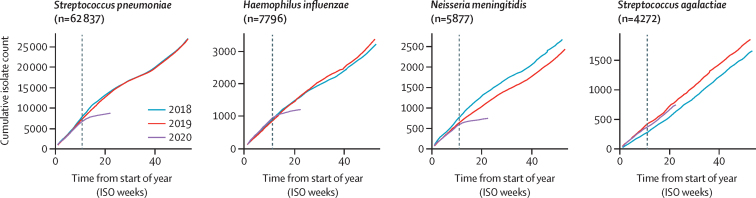
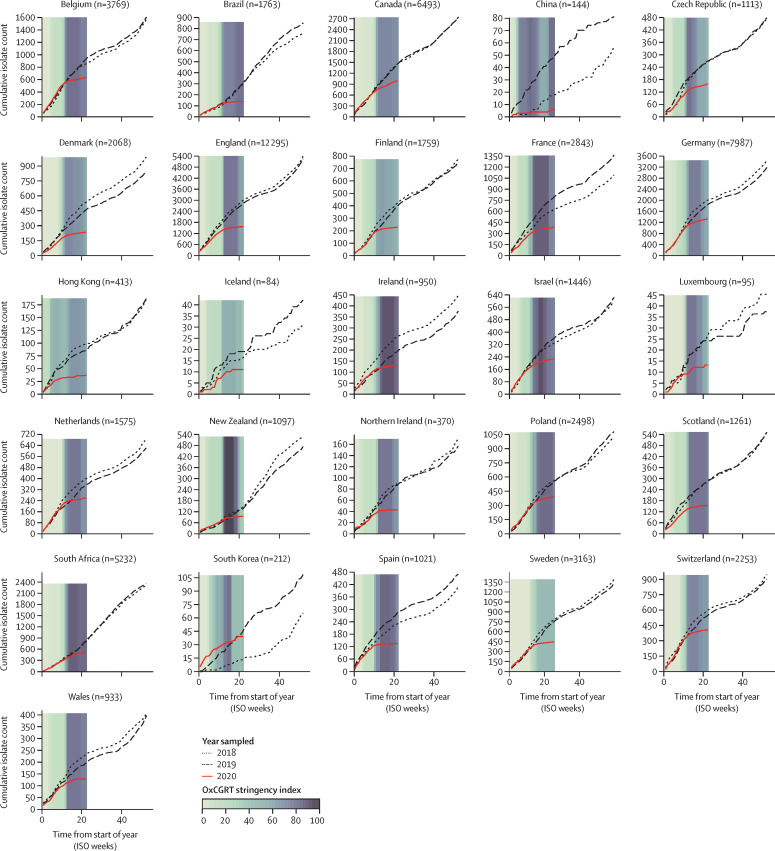
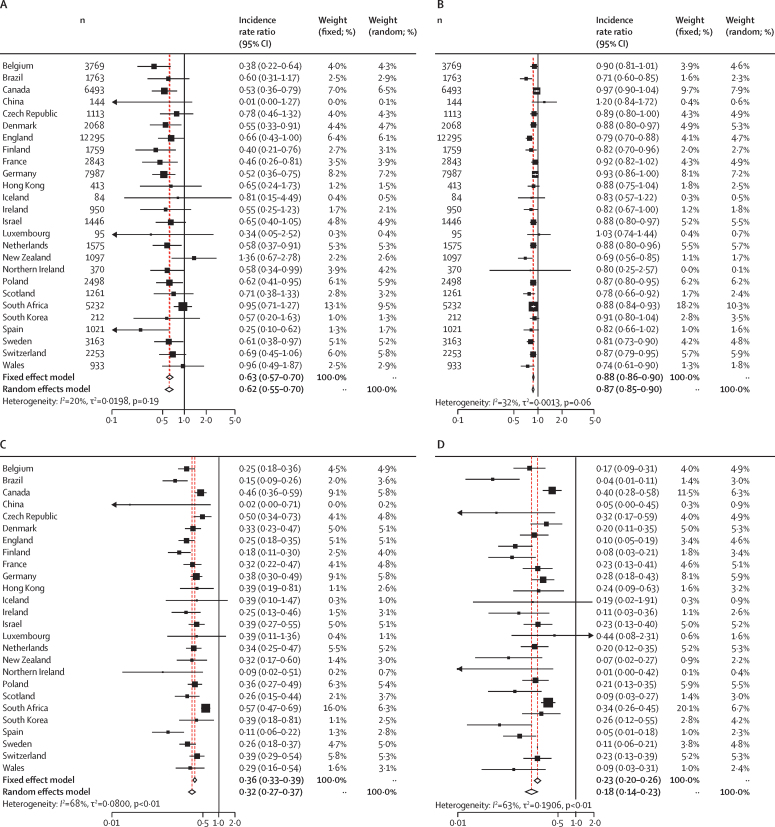
Verification
Claims the paper makes
The claims and statistics of this paper haven’t been checked yet.
Free: it reads the open-access text and checks the first 5 claims that cite a source we can check. Create a free account to check every claim.
Claims other papers make about this one
Each is checked against this paper’s own text: does it say what the citing paper says it does?
The cited source says what the claim attributes to it.
In the citing paper
“making it unclear whether observed patterns reflected true reductions in infectious disease burden, as reported in other settings41–45, or changes in death attributions associated with lockdown-related disruptions to MCCD functions.”
From Attributed causes of excess mortality during the COVID-19 pandemic in a south Indian city (2023) · cites this paper as [45]
Self-check
Percentages, sums and reported differences re-computed from the paper’s own numbers.
The self-check needs the paper’s full text.
Citations
Cites
An interactive web-based dashboard to track COVID-19 in real time
Dong, E., Du, H., & Gardner, L. (2020) · The Lancet Infectious Diseases · doi:10.1016/s1473-3099(20)30120-1 · Cited by 10,048
A global panel database of pandemic policies (Oxford COVID-19 Government Response Tracker)
Hale, T., Angrist, N., Goldszmidt, R., Kira, B., Petherick, A., Phillips, T., Webster, S., Cameron-Blake, E., Hallas, L., Majumdar, S., et al. (2021) · Nature Human Behaviour · doi:10.1038/s41562-021-01079-8 · Cited by 4,578
Self-citationJolley, K. A., Bray, J. E., & Maiden, M. C. J. (2018) · Wellcome Open Research · doi:10.12688/wellcomeopenres.14826.1 · Cited by 3,551
Self-citationO'Brien, K. L., Wolfson, L. J., Watt, J. P., Henkle, E., Deloria-Knoll, M., McCall, N., Lee, E., Mulholland, K., Levine, O. S., & Cherian, T. (2009) · The Lancet · doi:10.1016/s0140-6736(09)61204-6 · Cited by 2,398
Troeger, C., Blacker, B., Khalil, I. A., Rao, P. C., Cao, J., Zimsen, S. R. M., Albertson, S. B., Deshpande, A., Farag, T., Abebe, Z., et al. (2018) · The Lancet Infectious Diseases · doi:10.1016/s1473-3099(18)30310-4 · Cited by 1,968
Morens, D. M., Taubenberger, J. K., & Fauci, A. S. (2008) · The Journal of Infectious Diseases · doi:10.1086/591708 · Cited by 1,625
Jayaweera, M., Perera, H., Gunawardana, B., & Manatunge, J. (2020) · Environmental Research · doi:10.1016/j.envres.2020.109819 · Cited by 1,238
Streptococcus pneumoniae: transmission, colonization and invasion
Weiser, J. N., Ferreira, D. M., & Paton, J. C. (2018) · Nature Reviews Microbiology · doi:10.1038/s41579-018-0001-8 · Cited by 1,098
Olsen, S. J., Azziz-Baumgartner, E., Budd, A. P., Brammer, L., Sullivan, S., Pineda, R. F., Cohen, C., & Fry, A. M. (2020) · MMWR. Morbidity and Mortality Weekly Report · doi:10.15585/mmwr.mm6937a6 · Cited by 579
The 1918 Influenza Pandemic: Insights for the 21st Century
Morens, D. M., & Fauci, A. S. (2007) · The Journal of Infectious Diseases · doi:10.1086/511989 · Cited by 536
Research works printed but not linked: 1
- WHO Pneumococcal conjugate vaccines in infants and children under 5 years of age: WHO position paper–February 2019 Wkly Epidemiol Rec 94 2019 85 104
Cited by
The effects of the COVID-19 pandemic on community respiratory virus activity
Chow, E. J., Uyeki, T. M., & Chu, H. Y. (2022) · Nature Reviews Microbiology · doi:10.1038/s41579-022-00807-9 · Cited by 651
Bender, R. G., Sirota, S. B., Swetschinski, L. R., Dominguez, R.-M. V., Novotney, A., Wool, E. E., Ikuta, K. S., Vongpradith, A., Rogowski, E. L. B., Doxey, M., et al. (2024) · The Lancet Infectious Diseases · doi:10.1016/s1473-3099(24)00176-2 · Cited by 596
“94 The decline in pneumococcal disease incidence might be primarily attributable to the decline in transmission of co-infecting respiratory viruses, including influenza and RSV, rather than reduced transmissibility or serotype selection of S pneumoniae itself.”
Cohen, R., Ashman, M., Taha, M.-K., Varon, E., Angoulvant, F., Levy, C., Rybak, A., Ouldali, N., Guiso, N., & Grimprel, E. (2021) · Infectious Diseases Now · doi:10.1016/j.idnow.2021.05.004 · Cited by 500
Self-citationAntimicrobial resistance and COVID-19: Intersections and implications
Knight, G. M., Glover, R. E., McQuaid, C. F., Olaru, I. D., Gallandat, K., Leclerc, Q. J., Fuller, N. M., Willcocks, S. J., Hasan, R., van Kleef, E., et al. (2021) · eLife · doi:10.7554/elife.64139 · Cited by 355
Long covid outcomes at one year after mild SARS-CoV-2 infection: nationwide cohort study
Mizrahi, B., Sudry, T., Flaks-Manov, N., Yehezkelli, Y., Kalkstein, N., Akiva, P., Ekka-Zohar, A., Ben David, S. S., Lerner, U., Bivas-Benita, M., et al. (2023) · BMJ · doi:10.1136/bmj-2022-072529 · Cited by 335
The role of co-infections and secondary infections in patients with COVID-19
Feldman, C., & Anderson, R. (2021) · Pneumonia · doi:10.1186/s41479-021-00083-w · Cited by 319
Dheda, K., Perumal, T., Moultrie, H., Perumal, R., Esmail, A., Scott, A. J., Udwadia, Z., Chang, K. C., Peter, J., Pooran, A., et al. (2022) · The Lancet Respiratory Medicine · doi:10.1016/s2213-2600(22)00092-3 · Cited by 292
“25–27 It is widely assumed that reduced health-care access dominates and offsets any transmission reduction; this assumption is supported by the acute nature of the reductions in case detection, as the effects of decreased transmission would probably only be seen months later.”
BackgroundWunrow, H. Y., Bender, R. G., Vongpradith, A., Sirota, S. B., Swetschinski, L. R., Novotney, A., Gray, A. P., Ikuta, K. S., Sharara, F., Wool, E. E., et al. (2023) · The Lancet Neurology · doi:10.1016/s1474-4422(23)00195-3 · Cited by 219
“61,62 However, data for other pathogens remain unavailable.”
Danino, D., Ben-Shimol, S., van der Beek, B. A., Givon-Lavi, N., Avni, Y. S., Greenberg, D., Weinberger, D. M., & Dagan, R. (2022) · Clinical Infectious Diseases · doi:10.1093/cid/ciab1014 · Cited by 212
“However, early reports during the pandemic demonstrated reduced IPD rates [4], and co-infections of these two pathogens were infrequent [5].”
BackgroundKobayashi, M., Pilishvili, T., Farrar, J. L., Leidner, A. J., Gierke, R., Prasad, N., Moro, P., Campos-Outcalt, D., Morgan, R. L., Long, S. S., et al. (2023) · MMWR. Recommendations and Reports · doi:10.15585/mmwr.rr7203a1 · Cited by 168
Epidemiology of Respiratory Infections during the COVID-19 Pandemic
Principi, N., Autore, G., Ramundo, G., & Esposito, S. (2023) · Viruses · doi:10.3390/v15051160 · Cited by 165
Shaw, D., Abad, R., Amin-Chowdhury, Z., Bautista, A., Bennett, D., Broughton, K., Cao, B., Casanova, C., Choi, E. H., Chu, Y.-W., et al. (2023) · The Lancet Digital Health · doi:10.1016/s2589-7500(23)00108-5 · Cited by 162
Self-citationMeyer Sauteur, P. M., Beeton, M. L., Uldum, S. A., Bossuyt, N., Vermeulen, M., Loens, K., Pereyre, S., Bébéar, C., Keše, D., Day, J., et al. (2022) · Eurosurveillance · doi:10.2807/1560-7917.es.2022.27.19.2100746 · Cited by 162
“Reduced transmission by shielding of adults (regardless of school closures) was also discussed as possible reason for the decrease in invasive pneumococcal disease [38].”
BackgroundStreptococcus pneumoniae epidemiology, pathogenesis and control
Narciso, A. R., Dookie, R. S., Nannapaneni, P., Normark, S. J., & Henriques‐Normark, B. (2024) · Nature Reviews Microbiology · doi:10.1038/s41579-024-01116-z · Cited by 184
“…the COVID-19 pandemic, the number of IPD cases decreased to almost half in Sweden and other countries in Europe; the restrictions that were implemented during the COVID-19 pandemic, which diminished transmission between individuals 143,144 , have been suggested as a main reason for this decrease.”
Self-citationRybak, A., Lévy, C., Angoulvant, F., Auvrignon, A., Gembara, P., Danis, K., Vaux, S., Lévy-Bruhl, D., van der Werf, S., Béchet, S., et al. (2022) · JAMA Network Open · doi:10.1001/jamanetworkopen.2022.18959 · Cited by 149
Self-citationEpidemiology of invasive meningococcal disease worldwide from 2010–2019: a literature review
de Santayana, C. P., Htar, M. T. T., Findlow, J., & Balmer, P. (2023) · Epidemiology and Infection · doi:10.1017/s0950268823000328 · Cited by 140
“Another limitation is that, as noted, the data reviewed are from before the coronavirus disease 2019 pandemic and as such do not reflect considerable changes in meningococcal epidemiology associated with pandemic mitigation measures [53].”
Impact of COVID-19 pandemic on routine immunization
Ota, M. O. C., Badur, S., Romano-Mazzotti, L., & Friedland, L. R. (2021) · Annals of Medicine · doi:10.1080/07853890.2021.2009128 · Cited by 148
“2020 compared to 2018–2019 [35], and other surveil-”
Bertran, M., D'Aeth, J. C., Abdullahi, F., Eletu, S. D., Andrews, N. J., Ramsay, M. E., Litt, D. J., & Ladhani, S. N. (2024) · The Lancet Infectious Diseases · doi:10.1016/s1473-3099(23)00706-5 · Cited by 127
Self-citationKadambari, S., Goldacre, R., Morris, E. J. A., Goldacre, M. J., & Pollard, A. J. (2021) · BMJ · doi:10.1136/bmj-2021-067519 · Cited by 116
Lassoued, Y., Assad, Z., Ouldali, N., Caséris, M., Mariani‐Kurkdjian, P., Birgy, A., Bonacorsi, S., Bidet, P., & Faye, A. (2023) · Open Forum Infectious Diseases · doi:10.1093/ofid/ofad188 · Cited by 107
Dagan, R., van der Beek, B. A., Ben‐Shimol, S., Greenberg, D., Shemer‐Avni, Y., Weinberger, D. M., & Danino, D. (2023) · EBioMedicine · doi:10.1016/j.ebiom.2023.104493 · Cited by 103
Reemergence of Invasive Pneumococcal Disease in Germany During the Spring and Summer of 2021
Perniciaro, S., van der Linden, M., & Weinberger, D. M. (2022) · Clinical Infectious Diseases · doi:10.1093/cid/ciac100 · Cited by 103
Changing patterns of infectious diseases in children during the COVID-19 pandemic
Yang, M., Su, Y., Chen, P.-H., Tsai, C., Lin, T.-I., & Wu, J. (2023) · Frontiers in Cellular and Infection Microbiology · doi:10.3389/fcimb.2023.1200617 · Cited by 110
“The incidence of invasive diseases due to Streptococcus pneumoniae, Haemophilus influenzae, and Neisseria meningitidis in early 2020 was significantly reduced in 26 countries (Brueggemann et al., 2021).”
BackgroundCohen, R., Rybak, A., Werner, A., Béchet, S., Desandes, R., Hassid, F., André, J.-M., Gelbert, N., Thiebault, G., Kochert, F., et al. (2022) · The Lancet Regional Health - Europe · doi:10.1016/j.lanepe.2022.100497 · Cited by 88
Bennett, J. C., Knoll, M. D., Kagucia, E. W., Quesada, M. G., Zeger, S. L., Hetrich, M. K., Yang, Y., Herbert, C., Ogyu, A., Cohen, A. L., et al. (2024) · The Lancet Infectious Diseases · doi:10.1016/s1473-3099(24)00665-0 · Cited by 100
Self-citationAnderson, R., & Feldman, C. H. (2023) · International Journal of Molecular Sciences · doi:10.3390/ijms241311038 · Cited by 87
Cheng, Y., Cheng, Y., Dai, S., Hou, D., Ge, M., Zhang, Y., Fan, L., Pei, Y., Yu, L., Xue, G., et al. (2022) · Frontiers in Cellular and Infection Microbiology · doi:10.3389/fcimb.2022.854505 · Cited by 85
Shen, J., Begum, N., García, Y. R., Martinón‐Torres, F., Bekkat-Berkani, R., & Meszaros, K. (2022) · BMC Public Health · doi:10.1186/s12889-022-13342-2 · Cited by 76
“Several of these deadly invasive diseases are vaccine-preventable, and continued vaccination can help prevent a potential increase in burden once containment measures are lifted [41, 42].”
BackgroundMiddeldorp, M., van Lier, A., van der Maas, N., Veldhuijzen, I. K., Graaf, W. F.-D., van Sorge, N. M., Sanders, E. A. M., Knol, M. J., & de Melker, H. E. (2021) · Vaccine · doi:10.1016/j.vaccine.2020.12.080 · Cited by 75
Impact of the COVID-19 pandemic on Bordetella pertussis infections in England
Tessier, E., Campbell, H., Ribeiro, S., Rai, Y., Burton, S., Roy, P., Fry, N. K., Litt, D. J., & Amirthalingam, G. (2022) · BMC Public Health · doi:10.1186/s12889-022-12830-9 · Cited by 82
“susceptibility to bacterial infections such as meningococcal disease and pneumonia [10, 13].”
BackgroundSelf-citationEstimating Sepsis Incidence Using Administrative Data and Clinical Medical Record Review
Mellhammar, L., Wollter, E., Dahlberg, J., Donovan, B., Olseén, C.-J. V., Wiking, P. O., Rose, N., Schwarzkopf, D., Friedrich, M. E., Fleischmann-Struzek, C., et al. (2023) · JAMA Network Open · doi:10.1001/jamanetworkopen.2023.31168 · Cited by 75
The impact of COVID-19 on community antibiotic use in Canada: an ecological study
Knight, B. D., Shurgold, J. H., Smith, G. A., MacFadden, D. R., Schwartz, K. L., Daneman, N., Tropper, D. G., & Brooks, J. (2021) · Clinical Microbiology and Infection · doi:10.1016/j.cmi.2021.10.013 · Cited by 73
“Other factors may include the collateral benefit of implementing public health measures that reduced the rates of all communicable diseases [23], and the potential reluctance for individuals to seek medical attention without severe symptoms, regardless of the availability of care.”
Infant Pneumococcal Carriage in Belgium Not Affected by COVID-19 Containment Measures
Willen, L., Ekinci, E., Cuypers, L., Theeten, H., & Desmet, S. (2022) · Frontiers in Cellular and Infection Microbiology · doi:10.3389/fcimb.2021.825427 · Cited by 70
“These reductions in disease incidence could be explained by an interruption in person-to-person bacterial respiratory transmission (Brueggemann et al., 2021).”
BackgroundSelf-citationAlderson, M. R., Arkwright, P. D., Bai, X., BLACK, S. B., Borrow, R., Caugant, D. A., Dinleyici, E. Ç., Harrison, L. H., Lucidarme, J., McNamara, L. A., et al. (2021) · Journal of Infection · doi:10.1016/j.jinf.2021.11.016 · Cited by 65
Self-citationPérez-García, C., Sempere, J., de Miguel, S., Hita, S., Úbeda, A., Vidal, E. J., Llorente, J., Limia, A., de Miguel, Á. G., Sanz, J. C., et al. (2024) · Journal of Infection · doi:10.1016/j.jinf.2024.106204 · Cited by 70
The pattern of childhood infections during and after the COVID-19 pandemic
Nygaard, U., Holm, M., Rabie, H., & Rytter, M. J. H. (2024) · The Lancet Child & Adolescent Health · doi:10.1016/s2352-4642(24)00236-0 · Cited by 73
Nakamura, T., Cohen, A. L., Schwartz, S., Mwenda, J. M., Weldegebriel, G. G., Biey, J., Katsande, R., Ghoniem, A., Fahmy, K., Rahman, H. A., et al. (2021) · The Journal of Infectious Diseases · doi:10.1093/infdis/jiab217 · Cited by 70
Self-citationUpdate on the evolving landscape of pneumococcal capsule types: new discoveries and way forward
Ganaie, F., Beall, B., Yu, J., van der Linden, M., McGee, L., Satzke, C., Manna, S., Lo, S. W., Bentley, S. D., Ravenscroft, N., et al. (2025) · Clinical Microbiology Reviews · doi:10.1128/cmr.00175-24 · Cited by 68
“Studies from the Inva sive Respiratory Infection Surveillance (IRIS) Consortium across 30 countries showed marked reductions in invasive respiratory infections caused by S. pneumoniae , Neisse ria meningitidis , and Haemophilus influenzae (116, 117).”
Changing Epidemiology of Respiratory Tract Infection during COVID-19 Pandemic
Tang, H.-J., Lai, C., & Chao, C. (2022) · Antibiotics · doi:10.3390/antibiotics11030315 · Cited by 67
“Moreover, a prospective analysis of surveillance data, laboratories in 26 countries and territories across 6 continents showed that all countries and territories had experienced a significant and sustained reduction in IPD in early 2020 (1 January to 31 May 2020) following the introduction of COVID-19 containment meas…”
BackgroundMendes, D., Averin, A., Atwood, M., Sato, R., Vyse, A., Campling, J., Weycker, D. A., Slack, M., Ellsbury, G., & Mugwagwa, T. (2022) · Expert Review of Pharmacoeconomics & Outcomes Research · doi:10.1080/14737167.2022.2134120 · Cited by 59
“lockdowns, social distancing measures, mask-wearing) [80].”
Kinross, P., Gagliotti, C., Merk, H., Plachouras, D., Monnet, D. L., Högberg, L. D., & EARS-Net Study Group (2022) · Eurosurveillance · doi:10.2807/1560-7917.es.2022.27.46.2200845 · Cited by 64
Che, H., Gao, Y., Xu, Y., Xu, H., Eils, R., & Tian, M. (2026) · Signal Transduction and Targeted Therapy · doi:10.1038/s41392-025-02329-1 · Cited by 65
Izu, A., Nunes, M. C., Solomon, F., Baillie, V. L., Serafin, N., Verwey, C., Moore, D. P., Laubscher, M., Ncube, M., Olwagen, C. P., et al. (2023) · The Lancet Infectious Diseases · doi:10.1016/s1473-3099(23)00200-1 · Cited by 58
Campbell, H., Andrews, N., Parikh, S. R., White, J., Edelstein, M. L., Bai, X., Lucidarme, J., Borrow, R., Ramsay, M. E., & Ladhani, S. N. (2021) · The Lancet Child & Adolescent Health · doi:10.1016/s2352-4642(21)00335-7 · Cited by 52
Self-citationLenglart, L., Titomanlio, L., Bognár, Z., Bressan, S., Buonsenso, D., De, T., Farrugia, R., Honeyford, K., Maconochie, I. K., Moll, H. A., et al. (2024) · The Journal of Pediatrics · doi:10.1016/j.jpeds.2024.114420 · Cited by 63
Deghmane, A., & Taha, M. (2022) · Microorganisms · doi:10.3390/microorganisms10050907 · Cited by 50
“The COVID-19 pandemic has profoundly changed the epidemiology of invasive bacterial infections, and especially those provoked by respiratory pathogens [1].”
BackgroundSelf-citationOuldali, N., Deceuninck, G., Lefebvre, B., Gilca, R., Quach, C., Brousseau, N., Tapiéro, B., & Wals, P. D. (2023) · The Lancet Regional Health - Americas · doi:10.1016/j.lana.2023.100448 · Cited by 64
Roque‐Borda, C. A., Zhang, Q., Nguyen, T. P. T., Nguyen, T. T. H., Medhi, H., Rodrigues, H. L. D. S., Canales, C. S. C., Sutherland, D., Helmy, N. M., Araveti, P. B., et al. (2025) · Pharmacological Reviews · doi:10.1016/j.pharmr.2025.100104 · Cited by 55
Casanova, C., Küffer, M., Leib, S. L., & Hilty, M. (2021) · Emerging Microbes & Infections · doi:10.1080/22221751.2021.2000892 · Cited by 47
Self-citationCohen, R., Pettoello‐Mantovani, M., Somekh, E., & Lévy, C. (2021) · The Journal of Pediatrics · doi:10.1016/j.jpeds.2021.11.061 · Cited by 46
Prasad, N., Rhodes, J., Deng, L., McCarthy, N. L., Moline, H. L., Baggs, J. M., Reddy, S. C., Jernigan, J. A., Havers, F. P., Sosin, D. M., et al. (2023) · The Journal of Infectious Diseases · doi:10.1093/infdis/jiad028 · Cited by 49
Self-citationOh, K.-B., Doherty, T. M., Vetter, V., & Bonanni, P. (2022) · Expert Review of Vaccines · doi:10.1080/14760584.2022.2117693 · Cited by 52
“sive pneumococcal disease (IPD), including pneumococcal pneumonia, was a common finding in several countries [89].”
BackgroundClark, S. A., Campbell, H., Ribeiro, S., Bertran, M., Walsh, L., Walker, A., Willerton, L., Lekshmi, A., Bai, X., Lucidarme, J., et al. (2023) · Journal of Infection · doi:10.1016/j.jinf.2023.09.002 · Cited by 49
Self-citationRybak, A., Lévy, C., Ouldali, N., Bonacorsi, S., Béchet, S., Delobbe, J.-F., Batard, C., Donikian, I., Goldrey, M., Assouline, J., et al. (2023) · Antibiotics · doi:10.3390/antibiotics12061020 · Cited by 44
“pneumoniae carriage after non-pharmaceutical intervention implementations for COVID-19 despite a major decrease in invasive pneumococcal disease (IPD) incidence observed after non-pharmaceutical intervention implementations [22].”
BackgroundSelf-citationGuedes, S., Bertrand-Gerentes, I., Evans, K. E., Coste, F., & Oster, P. (2022) · BMC Public Health · doi:10.1186/s12889-022-12795-9 · Cited by 43
COVID-19 in Latin America: A Snapshot in Time and the Road Ahead
LaRotta, J., Escobar, O., Avila-Aguero, M. L., Torres, J. P., de Almeida, R. S., Morales, G. D. C., & Srivastava, A. K. (2023) · Infectious Diseases and Therapy · doi:10.1007/s40121-022-00748-z · Cited by 49
“the onset of the COVID-19 pandemic was associated with reduced incidence of Streptococcus pneumoniae, Haemophilus influenzae, and Neisseria meningitidis infections in many countries worldwide [130], this was accompanied by a substantial increase in the number of children, particularly in poor and developing countries,…”
BackgroundTaylor, A., & Whittaker, E. (2021) · The Pediatric Infectious Disease Journal · doi:10.1097/inf.0000000000003396 · Cited by 42
“The IRIS initiative (Invasive Respiratory Infection Surveillance) recently published prospective surveillance data from 26 countries demonstrating that in early 2020 there was also a significant and sustained reduction in hospital presentations with invasive bacterial diseases due to Streptococcal pneumoniae, Haemophi…”
BackgroundAll-cause mortality during the COVID-19 pandemic in Chennai, India: an observational study
Lewnard, J. A., Mahmud, A., Narayan, T., Wahl, B., Selvavinayagam, T. S., Mohan B, C., & Laxminarayan, R. (2022) · The Lancet Infectious Diseases · doi:10.1016/s1473-3099(21)00746-5 · Cited by 41
Ohm, M., Hahné, S., ENDE, A. V. D., Sanders, E. A. M., Berbers, G. A. M., Ruijs, W. L. M., van Sorge, N. M., de Melker, H. E., & Knol, M. J. (2021) · Clinical Infectious Diseases · doi:10.1093/cid/ciab791 · Cited by 39
A Pandemic Lesson for Global Lung Diseases: Exacerbations Are Preventable
Cookson, W., Moffatt, M. F., Rapeport, G., & Quint, J. K. (2022) · American Journal of Respiratory and Critical Care Medicine · doi:10.1164/rccm.202110-2389ci · Cited by 40
“…population mobility changes from mobile phone data, and using time series analysis showed a decrease in reported S. pneumoniae infections of 68% at 4 weeks (IRR, 0.32 [95% CI, 0.27 – 0.37]) and 82% at 8 weeks (0.18 [0.14 – 0.23]) after the week when movement changes were fi rst observed (32).”
InfluentialWong, A., Guevara, L. A. B., Goult, E., Briga, M., Krämer, S., Kovacevic, A., Opatowski, L., & de Cellès, M. D. (2023) · PLoS Pathogens · doi:10.1371/journal.ppat.1011167 · Cited by 45
Nation, M. L., Manna, S., Tran, H. P., Nguyen, C. D., Vy, L. T. T., Uyen, D. Y., Phuong, T. L., Dai, V. T. T., Ortika, B. D., Wee-Hee, A., et al. (2023) · Microbiology Spectrum · doi:10.1128/spectrum.03615-22 · Cited by 36
“The decline in IPD has been attributed to reductions in pneumococcal transmission (3); however, four studies (including this one) have found pneumococcal carriage prevalence was generally stable after the implementation of NPIs (4–6).”
BackgroundThe rapid rebound of invasive meningococcal disease in France at the end of 2022
Taha, S., Hong, E., Denizon, M., Falguières, M., Terrade, A., Deghmane, A., & Taha, M. (2023) · Journal of Infection and Public Health · doi:10.1016/j.jiph.2023.10.001 · Cited by 40
Self-citationTønnessen, R., García, I., Debech, N., Lindstrøm, J. C., Wester, A. L., & Skaare, D. (2022) · Frontiers in Microbiology · doi:10.3389/fmicb.2022.973257 · Cited by 38
“…of clones of interest through international collaboration projects, such as the recently established Invasive Respiratory Infections Surveillance (IRIS) Initiative, which allows comparison of molecular and epidemiological data for cases of invasive Hi across the globe4 (Brueggemann et al., 2021).”
BackgroundInfluentialThe increase in invasive bacterial infections with respiratory transmission in Germany, 2022/2023
Singer, R., Sin, M. A., Tenenbaum, T., Toepfner, N., Berner, R., Buda, S., Schlaberg, J., Schönfeld, V., Reinacher, U., van der Linden, M., et al. (2024) · Deutsches Ärzteblatt international · doi:10.3238/arztebl.m2023.0261 · Cited by 42
Self-citationReemergence of Mycoplasma pneumoniae disease: Pathogenesis and new approaches
Tahmasebi, H., Babaeizad, A., Mohammadlou, M., Alibabaei, F., Banihashemian, S. Z., & Eslami, M. (2024) · Microbial Pathogenesis · doi:10.1016/j.micpath.2024.106944 · Cited by 33
Steens, A., Knol, M. J., Graaf, W. F.-D., de Melker, H. E., ENDE, A. V. D., & van Sorge, N. M. (2022) · Microorganisms · doi:10.3390/microorganisms10050972 · Cited by 35
“A decrease in the occurrence of IMD during the COVID-19 pandemic has been observed by many countries [15,17].”
BackgroundInvasive pneumococcal disease surveillance in Canada, 2021–2022
Griffith, A., Golden, A., Lefebvre, B., McGeer, A., Tyrrell, G. J., Zhanel, G. G., Kus, J. V., Hoang, L., Minion, J., Caeseele, P. G. V., et al. (2024) · Canada Communicable Disease Report · doi:10.14745/ccdr.v50i05a02 · Cited by 32
“The lower rate can be partially attributed to continued COVID-19 non-pharmaceutical intervention strategies (NPIs) instituted in Canada in 2020, such as masking and physical distancing, working and schooling from home, and travel restrictions (24,25).”
BackgroundSelf-citationSilva‐Costa, C., Gomes‐Silva, J., Pinho, M. D., Friães, A., Subtil-Limpo, F., Ramirez, M., & Melo‐Cristino, J. (2024) · Journal of Infection · doi:10.1016/j.jinf.2024.106242 · Cited by 33
Nielsen, R. T., Dalby, T., Emborg, H., Larsen, A. R., Petersen, A., Torpdahl, M., Hoffmann, S., Vestergaard, L. S., & Valentiner‐Branth, P. (2022) · Epidemiology and Infection · doi:10.1017/s0950268822001145 · Cited by 32
“Rikke Thoft Nielsen et al. cases of invasive S. pneumoniae , H. influenzae and N. meningitidis has recently been described briefly in an international study [10].”
BackgroundSelf-citationLadhani, S. N., Fernandes, S., Garg, M. K., Borrow, R., de Lusignan, S., & Bolton‐Maggs, P. H. B. (2024) · British Journal of Haematology · doi:10.1111/bjh.19361 · Cited by 34
“61 As restrictions were gradually eased, IPD cases started to increase, initially in toddlers and then in other age groups, although overall IPD incidence up to the end of 2022 remained substantially lower than prepan-demic rates.”
BackgroundSelf-citationSeneghini, M., Rüfenacht, S., Flury, B. B., Flury, D., Schlegel, M., Kuster, S. P., & Kohler, P. P. (2022) · Antimicrobial Stewardship & Healthcare Epidemiology · doi:10.1017/ash.2022.10 · Cited by 35
Ricketson, L. J., & Kellner, J. D. (2023) · Microorganisms · doi:10.3390/microorganisms11051333 · Cited by 32
“The public health efforts to mitigate the spread of SARS-CoV-2 also resulted in historically low rates of pneumococcus, influenza, and other respiratory viruses and bacteria in multiple countries [4,16,17], including Canada [18,19].”
BackgroundInfluentialIncrease in acute mastoiditis at the end of the COVID-19 pandemic
Goldberg‐Bockhorn, E., Hurzlmeier, C., Vahl, J. M., Stupp, F., Janda, A., von Baum, H., & Hoffmann, T. K. (2024) · European Archives of Oto-Rhino-Laryngology · doi:10.1007/s00405-024-08704-y · Cited by 30
“Similar observations were made in a world-wide prospective surveillance analysis regarding invasive infections with pneumococci, Haemophilus influenzae and meningococci [39].”
ResultLai, C.-C., Hsueh, C.-C., Hsu, C., Tsai, Y., & Hsueh, P. (2024) · International Journal of Antimicrobial Agents · doi:10.1016/j.ijantimicag.2024.107205 · Cited by 36
Decline in the number of patients with meningitis in German hospitals during the COVID-19 pandemic
Völk, S., Pfirrmann, M., Koedel, U., Pfister, H., Lang, T., Scheibe, F., Salih, F., Herzig-Nichtweiß, J. F., Zimmermann, J., Alonso, A., et al. (2022) · Journal of Neurology · doi:10.1007/s00415-022-11034-w · Cited by 30
Markovskaya, Y., Gavioli, E. M., Cusumano, J. A., & Glatt, A. E. (2022) · Antimicrobial Stewardship & Healthcare Epidemiology · doi:10.1017/ash.2022.253 · Cited by 38
Increase in invasive disease caused by Haemophilus influenzae b, the Netherlands, 2020 to 2021
Steens, A., Stanoeva, K. R., Knol, M. J., Mariman, R., de Melker, H. E., & van Sorge, N. M. (2021) · Eurosurveillance · doi:10.2807/1560-7917.es.2021.26.42.2100956 · Cited by 29
Chen, H., Huang, Z., Chang, S., Hu, M. M., Lu, Q., Zhang, Y., Wang, H., Xiao, Y., Wang, H., Ge, Y., et al. (2022) · Vaccine · doi:10.1016/j.vaccine.2022.07.033 · Cited by 31
“[11] Brueggemann AB, Jansen van Rensburg MJ, Shaw D, McCarthy ND, Jolley KA, Maiden”
BackgroundNon-typeable Haemophilus influenzae airways infection: the next treatable trait in asthma?
Brown, M. A., Jabeen, M., Bharj, G., & Hinks, T. (2022) · European Respiratory Review · doi:10.1183/16000617.0008-2022 · Cited by 32
Hyams, C. J., Challen, R., Hettle, D., Amin‐Chowdhury, Z., Grimes, C., Ruffino, G., Conway, R., Heath, R., North, P., Malin, A., et al. (2023) · Emerging infectious diseases · doi:10.3201/eid2910.230519 · Cited by 29
“Prospective surveillance found that Europe experienced major and sustained reductions in invasive disease caused by pneumococcus, Haemophilus influ - enzae , and Neisseria meningitidis in early 2020 ( 34 ).”
BackgroundSelf-citationDescription of a Current Outbreak of Mycoplasma pneumoniae in the United States
Raghuram, A., Furmanek, S. P., Chandler, T. R., Rashid, S., Mattingly, W. A., & Ramírez, J. A. (2025) · Pathogens · doi:10.3390/pathogens14010060 · Cited by 28
“Continued surveillance at a national and global level is necessary to define the extent and clinical impact of this current M. pneumoniae outbreak.”
Smith, A. P., Williams, E. P., Plunkett, T. R., Selvaraj, M., Lane, L. C., Zalduondo, L., Xue, Y., Vogel, P., Channappanavar, R., Jonsson, C. B., et al. (2022) · Frontiers in Immunology · doi:10.3389/fimmu.2022.894534 · Cited by 30
Self-citationThe Pneumococcus–Respiratory Virus Connection—Unexpected Lessons From the COVID-19 Pandemic
Dagan, R., Danino, D., & Weinberger, D. M. (2022) · JAMA Network Open · doi:10.1001/jamanetworkopen.2022.18966 · Cited by 28
Wyllie, A. L., Mbodj, S., Thammavongsa, D. A., Hislop, M. S., Yolda-Carr, D., Waghela, P., Nakahata, M., Stahlfeld, A. E., Vega, N., York, A., et al. (2023) · Microbiology Spectrum · doi:10.1128/spectrum.04879-22 · Cited by 28
Smith, D. R., Shirreff, G., Temime, L., & Opatowski, L. (2023) · PLoS Medicine · doi:10.1371/journal.pmed.1004240 · Cited by 34
Changing patterns of invasive meningococcal disease and future immunization strategies
Taha, M., Bekkat-Berkani, R., & Abitbol, V. (2023) · Human Vaccines & Immunotherapeutics · doi:10.1080/21645515.2023.2186111 · Cited by 28
“Currently, the number of IMD cases is low, which may be due to the social distancing measures implemented because of the coronavirus pandemic.(72) This could rebound as these measures are withdrawn.”
BackgroundSelf-citationSteinberg, R., Marty, V., Korten, I., Aebi, C., Latzin, P., & Agyeman, P. (2024) · The Pediatric Infectious Disease Journal · doi:10.1097/inf.0000000000004221 · Cited by 27
Cheng, V. C., Wong, S., So, S. Y.-C., Chen, J. H.-K., Chau, P. H., Au, A. K.-W., Chiu, K. H., Li, X., Ip, P., Chuang, V. W., et al. (2022) · Antibiotics · doi:10.3390/antibiotics11060746 · Cited by 27
Rocafort, M., Henares, D., Brotons, P., Launes, C., de Sevilla, M. F., Fumadó, V., Barrabeig, I., Arias, S., Redin, A., Ponomarenko, J. V., et al. (2022) · Viruses · doi:10.3390/v14071521 · Cited by 26
“Data Availability Statement: The datasets generated during and/or analyzed during the current study are available in the European Nucleotide Archive (ENA) repository (https://www.ebi.ac.uk/ ena/browser/home accessed on 4 March 2022) under Bioproject PRJEB51337.”
BackgroundSelf-citationBertran, M., D'Aeth, J. C., Hani, E., Amin‐Chowdhury, Z., Fry, N. K., Ramsay, M. E., Litt, D. J., & Ladhani, S. N. (2023) · The Lancet Infectious Diseases · doi:10.1016/s1473-3099(23)00188-3 · Cited by 28
Self-citationThe important lessons lurking in the history of meningococcal epidemiology
Borrow, R., & Findlow, J. (2024) · Expert Review of Vaccines · doi:10.1080/14760584.2024.2329618 · Cited by 27
“Many countries reported drastic IMD decreases in 2020 compared with previous years, likely resulting from lockdown strategies [53,126].”
Self-citationMercadante, S., Ficari, A., Romani, L., Luca, M. D., Tripiciano, C., Chiurchiù, S., Carducci, F. I. C., Cursi, L., Giuseppe, M. D., Krzysztofiak, A., et al. (2024) · Children · doi:10.3390/children11040383 · Cited by 28
“During the global COVID-19 pandemic, the containment measures adopted to restrict the spread of SARS-CoV-2 were responsible for the decreased incidence of respiratory infections and life-threatening invasive diseases worldwide [18].”
BackgroundImpact of the COVID-19 pandemic on the infectious disease epidemiology
Facciolà, A., Laganà, A., Genovese, G., Romeo, B., Sidoti, S., D’Andrea, G., Raco, C., Visalli, G., & Pietro, A. D. (2023) · Journal of preventive medicine and hygiene · doi:10.15167/2421-4248/jpmh2023.64.3.2904 · Cited by 29
Nash, K., Lai, J. F., Sandhu, K., Chandan, J. S., Shantikumar, S., Ogunlayi, F., & Coleman, P. C. (2022) · BMC Public Health · doi:10.1186/s12889-022-14796-0 · Cited by 28
“’s [12] analysis of surveillance data from 26 countries, which demonstrated significant reductions in transmission of bacterial infections from Streptococcus pneumoniae, Haemophilus influenzae, and Neisseria meningitidis following the introduction of NPIs.”
BackgroundPost-Coronavirus Disease 2019 Pandemic Antimicrobial Resistance
Boccabella, L., Palma, E., Abenavoli, L., Scarlata, G. G. M., Boni, M., Ianiro, G., Santori, P., Tack, J. F., & Scarpellini, E. (2024) · Antibiotics · doi:10.3390/antibiotics13030233 · Cited by 29
“Streptococcus pneumoniae , Haemophilus in fl uenzae , and Neisseria meningitides [55,80].”
BackgroundYamba, K., Chizimu, J. Y., Mudenda, S., Lukwesa, C., Chanda, R., Nakazwe, R., Simunyola, B., Shawa, M., Kalungia, A. C., Chanda, D. M., et al. (2024) · Journal of Hospital Infection · doi:10.1016/j.jhin.2024.03.014 · Cited by 28
Almeida, S. C. G., de Lemos, A. P. S., Bierrenbach, A. L., de Moraes, J. C., & Brandileone, M. C. D. C. (2024) · Microorganisms · doi:10.3390/microorganisms12020401 · Cited by 24
“…mainly to the introduction of containment policies, such as non-pharmacological measures and restriction of people circulation, leading to a significant reduction in life-threatening invasive diseases in many countries worldwide [21–24], a phenomenon which was also documented in our study.”
BackgroundResultInfluentialSelf-citationDesmet, S., Theeten, H., Laenen, L., Cuypers, L., Maes, P., Bossuyt, W., Heirstraeten, L. V., Peetermans, W. E., & Lagrou, K. (2022) · Emerging infectious diseases · doi:10.3201/eid2808.212440 · Cited by 24
Self-citationSerigstad, S., Markussen, D. L., Ritz, C., Ebbesen, M. H., Knoop, S. T., Kommedal, Ø., Heggelund, L., Ulvestad, E., Bjørneklett, R. O., Grewal, H. M. S., et al. (2022) · BMC Infectious Diseases · doi:10.1186/s12879-022-07732-5 · Cited by 26
“influenzae and Neisseria meningitidis before and during the outbreak of SARS-CoV-2, showed a substantial and sustained reduction of hospital reported invasive disease for these pathogens [24].”
Background
Metadata
- Authors
- Brueggemann, A. B., Jansen van Rensburg, M. J., Shaw, D., McCarthy, N. D., Jolley, K. A., Maiden, M. C. J., van der Linden, M. P. G., Amin-Chowdhury, Z., Bennett, D. E., Borrow, R., Brandileone, M.-C. C., Broughton, K., Campbell, R., Cao, B., Casanova, C., Choi, E. H., Chu, Y. W., Clark, S. A., Claus, H., Coelho, J., Corcoran, M., Cottrell, S., Cunney, R. J., Dalby, T., Davies, H., de Gouveia, L., Deghmane, A.-E., Demczuk, W., Desmet, S., Drew, R. J., du Plessis, M., Erlendsdottir, H., Fry, N. K., Fuursted, K., Gray, S. J., Henriques-Normark, B., Hale, T., Hilty, M., Hoffmann, S., Humphreys, H., Ip, M., Jacobsson, S., Johnston, J., Kozakova, J., Kristinsson, K. G., Krizova, P., Kuch, A., Ladhani, S. N., Lâm, T.-T., Lebedova, V., Lindholm, L., Litt, D. J., Martin, I., Martiny, D., Mattheus, W., McElligott, M., Meehan, M., Meiring, S., Mölling, P., Morfeldt, E., Morgan, J., Mulhall, R. M., Muñoz-Almagro, C., Murdoch, D. R., Murphy, J., Musilek, M., Mzabi, A., Perez-Argüello, A., Perrin, M., Perry, M., Redin, A., Roberts, R., Roberts, M., Rokney, A., Ron, M., Scott, K. J., Sheppard, C. L., Siira, L., Skoczyńska, A., Sloan, M., Slotved, H.-C., Smith, A. J., Song, J. Y., Taha, M.-K., Toropainen, M., Tsang, D., Vainio, A., van Sorge, N. M., Varon, E., Vlach, J., Vogel, U., Vohrnova, S., von Gottberg, A., Zanella, R. C., & Zhou, F.
- Affiliations
- University of Oxford (GB)
- Trinity College Dublin (IE)
- Beaumont Hospital (IE)
- Manchester Royal Infirmary (GB)
- Public Health England (GB)
- Public Health Agency (GB)
- Chinese Academy of Medical Sciences & Peking Union Medical College (CN)
- University of Bern (CH)
- Seoul National University (KR)
- Department of Health (CN)
- University of Würzburg (DE)
- Royal College of Surgeons in Ireland (IE)
- Public Health Wales (GB)
- Statens Serum Institut (DK)
- New Zealand Institute for Public Health and Forensic Science (NZ)
- Institut Pasteur (FR)
- Public Health Agency of Canada (CA)
- Universitair Ziekenhuis Leuven (BE)
- Chinese University of Hong Kong (HK)
- Örebro University (SE)
- National University Hospital of Iceland (IS)
- Narodowy Instytut Leków (PL)
- National Institute of Public Health (CZ)
- Finnish Institute for Health and Welfare (FI)
- University of Mons (BE)
- Sciensano (Belgium) (BE)
- National Health Laboratory Service (ZA)
- Public Health Agency of Sweden (SE)
- University of Otago (NZ)
- Laboratoire National de Santé (LU)
- Hospital Sant Joan de Déu Barcelona (ES)
- Israel Ministry of Health (IL)
- Korea University (KR)
- Hôpital Intercommunal de Créteil (FR)
- Instituto Adolfo Lutz (BR)
- Corresponding author
- Brueggemann, Angela B
- ORCID
- Brueggemann, Angela B
- McCarthy, Noel D
- Jolley, Keith A
- Maiden, Martin C J
- Bennett, Désirée E
- Borrow, Ray
- Cao, Bin
- Casanova, Carlo
- Choi, Eun Hwa
- Clark, Stephen A
- Claus, Heike
- Coelho, Juliana
- Corcoran, Mary
- Cottrell, Simon
- Cunney, Robert J
- Dalby, Tine
- Davies, Heather
- Deghmane, Ala-Eddine
- Demczuk, Walter
- Desmet, Stefanie
- Drew, Richard J
- Fry, Norman K
- Fuursted, Kurt
- Gray, Steve J
- Hale, Thomas
- Hilty, Markus
- Hoffmann, Steen
- Humphreys, Hilary
- Ip, Margaret
- Kristinsson, Karl G
- Kuch, Alicja
- Ladhani, Shamez N
- Lâm, Thiên-Trí
- Lindholm, Laura
- Litt, David J
- Martiny, Delphine
- Mattheus, Wesley
- McElligott, Martha
- Meiring, Susan
- Mölling, Paula
- Morgan, Julie
- Mulhall, Robert M
- Murdoch, David R
- Perry, Malorie
- Roberts, Richard
- Rokney, Assaf
- Ron, Merav
- Scott, Kevin J
- Sheppard, Carmen L
- Siira, Lotta
- Skoczyńska, Anna
- Slotved, Hans-Christian
- Smith, Andrew J
- Song, Joon Young
- Taha, Muhamed-Kheir
- Toropainen, Maija
- Tsang, Dominic
- Vainio, Anni
- Varon, Emmanuelle
- Vogel, Ulrich
- Zanella, Rosemeire C
- Zhou, Fei
- Venue
- The Lancet Digital Health
- Publisher
- Elsevier BV
- Published
- 2021-06
- Volume
- 3
- Issue
- 6
- Pages
- e360-e370
- ISSN
- 2589-7500 (ISSN-L)
- PMC
- PMC8166576
- OpenAlex
- W3164937600
- Semantic Scholar
- 3a9ea7d141e189d1c6da66698d7dd2d957a01c46
- Cited by
- 546
- References
- 29
- Citations by year
- 2026: 56 · 2025: 120 · 2024: 103 · 2023: 130 · 2022: 94 · 2021: 42
- FWCI
- 66.45
- Type
- journal article
- Language
- en
- Update notices
- erratum (2021-07-01)
- Open access
- gold
- doi.org
- Licence
- cc-by
- www.elsevier.com/tdm/userlicense/1.0/ (tdm)
- www.elsevier.com/legal/tdmrep-license (tdm)
- creativecommons.org/licenses/by/4.0/ (vor)
- Locations
- The Lancet Digital Health (publishedVersion, cc-by)
- medRxiv (acceptedVersion, cc-by)
- PubMed Central (publishedVersion, cc-by)
- PubMed (publishedVersion)
- ENLIGHTEN (Jurnal Bimbingan dan Konseling Islam) (acceptedVersion, cc-by-sa)
- St George's Online Research Archive (St George's University of London) (acceptedVersion)
- HAL (submittedVersion, other-oa)
- Dépôt institutionnel de l'Université libre de Bruxelles (Université Libre de Bruxelles) (submittedVersion, other-oa)
- Lirias (KU Leuven) (submittedVersion, other-oa)
- Opin vísindi (Opin vísindi) (submittedVersion, cc-by-nc-sa)
- Online Publication Service of Würzburg University (Würzburg University) (submittedVersion, cc-by)
- Pure Amsterdam UMC (submittedVersion, other-oa)
- Data Archiving and Networked Services (DANS) (submittedVersion, other-oa)
- Otago University Research Archive (University of Otago) (submittedVersion, cc-by)
- DOAJ (DOAJ: Directory of Open Access Journals) (submittedVersion, cc-by-sa)
- Opin vísindi (Opin vísindi) (submittedVersion, cc-by)
- Spiral (Imperial College London) (submittedVersion, cc-by)
- Spiral (Imperial College London) (submittedVersion, other-oa)
- Hirsla (Landspítali University Hospital) (submittedVersion, cc-by)
- Lenus, The Irish Health Repository (Dr Steevens Hospital Library) (submittedVersion, cc-by)
- RWTH Publications (RWTH Aachen)
- Funders
- Royal College of Surgeons in Ireland
- Sanofi Pasteur
- Public Health England
- Pfizer
- Vetenskapsrådet
- Merck Sharp and Dohme
- Ministerstwo Edukacji i Nauki
- Wellcome Trust (206394/Z/17/Z, 218205/Z/19/Z)
- Statens Serum Institut
- Merck (1369-237)
- Knut och Alice Wallenbergs Stiftelse
- Roche (630133, WO 2013/020090 A3)
- St. George's, University of London
- Ministry of Health
- Bundesamt für Gesundheit
- Astellas Pharma US
- ABB
- GlaxoSmithKline
- Bundesministerium für Gesundheit (1369-235)
- Topics
- Health Sciences › Medicine › Epidemiology › Pneumonia and Respiratory Infections
- Life Sciences › Immunology and Microbiology › Microbiology › Bacterial Infections and Vaccines
- Physical Sciences › Mathematics › Modeling and Simulation › COVID-19 epidemiological studies
- Keywords
- Streptococcus pneumoniae, Haemophilus influenzae, Neisseria meningitidis, invasive bacterial infection, COVID-19 containment measures, incidence trends, meningitis, Streptococcus agalactiae, respiratory infection surveillance, community mobility, respiratory droplet transmission
- MeSH terms
- COVID-19, Bacterial Infections, Haemophilus influenzae, Humans, Neisseria meningitidis, Population Surveillance, Prospective Studies, Respiratory Tract Infections, Streptococcus agalactiae, Streptococcus pneumoniae, Public Health Practice, Incidence, Interrupted Time Series Analysis
About these checks
Registry, retraction, Cites and statistics results are computed, not judged, with one exception: a printed reference that no index lists is read once by a model before it counts as a citation error. Claims are extracted by a model and kept only when their quote appears verbatim in the text; each cited source is then checked, with a model’s help, for whether it says what the claim relies on. Those verdicts can be wrong — read the claim’s quote and the cited source before relying on one.
Statistics and arithmetic are recomputed, not judged.
Confidence bands are shown only for fields calibrated on our annotated test set. None is calibrated yet, so no band is shown.
What counts as a claim ›How we measure confidence ›How we check this ›
Are you an author, or do you see a problem with this page? Request a review
Data sources
Bibliographic data: Semantic Scholar, OpenAlex, Crossref.
Contains information from the Semantic Scholar Academic Graph Datasets, made available under the ODC Attribution License (ODC-BY 1.0).
Semantic Scholar’s data is described in: Kinney, R., et al. (2023). The Semantic Scholar Open Data Platform. arXiv:2301.10140.
