

Changes in the incidence of invasive disease due to Streptococcus pneumoniae, Haemophilus influenzae, and Neisseria meningitidis during the COVID-19 pandemic in 26 countries and territories in the Invasive Respiratory Infection Surveillance Initiative: a prospective analysis of surveillance data
Open accessPublished version of a preprint
The DOI matches its Crossref record; 28 of the 29 references it cites were found in a registry or an index.
Abstract
BACKGROUND: Streptococcus pneumoniae, Haemophilus influenzae, and Neisseria meningitidis, which are typically transmitted via respiratory droplets, are leading causes of invasive diseases, including bacteraemic pneumonia and meningitis, and of secondary infections subsequent to post-viral respiratory disease. The aim of this study was to investigate the incidence of invasive disease due to these pathogens during the early months of the COVID-19 pandemic. METHODS: In this prospective analysis of surveillance data, laboratories in 26 countries and territories across six continents submitted data on cases of invasive disease due to S pneumoniae, H influenzae, and N meningitidis from Jan 1, 2018, to May, 31, 2020, as part of the Invasive Respiratory Infection Surveillance (IRIS) Initiative. Numbers of weekly cases in 2020 were compared with corresponding data for 2018 and 2019. Data for invasive disease due to Streptococcus agalactiae, a non-respiratory pathogen, were collected from nine laboratories for comparison. The stringency of COVID-19 containment measures was quantified using the Oxford COVID-19 Government Response Tracker. Changes in population movements were assessed using Google COVID-19 Community Mobility Reports. Interrupted time-series modelling quantified changes in the incidence of invasive disease due to S pneumoniae, H influenzae, and N meningitidis in 2020 relative to when containment measures were imposed. FINDINGS: 27 laboratories from 26 countries and territories submitted data to the IRIS Initiative for S pneumoniae (62 837 total cases), 24 laboratories from 24 countries submitted data for H influenzae (7796 total cases), and 21 laboratories from 21 countries submitted data for N meningitidis (5877 total cases). All countries and territories had experienced a significant and sustained reduction in invasive diseases due to S pneumoniae, H influenzae, and N meningitidis in early 2020 (Jan 1 to May 31, 2020), coinciding with the introduction of COVID-19 containment measures in each country. By contrast, no significant changes in the incidence of invasive S agalactiae infections were observed. Similar trends were observed across most countries and territories despite differing stringency in COVID-19 control policies. The incidence of reported S pneumoniae infections decreased by 68% at 4 weeks (incidence rate ratio 0·32 [95% CI 0·27-0·37]) and 82% at 8 weeks (0·18 [0·14-0·23]) following the week in which significant changes in population movements were recorded. INTERPRETATION: The introduction of COVID-19 containment policies and public information campaigns likely reduced transmission of S pneumoniae, H influenzae, and N meningitidis, leading to a significant reduction in life-threatening invasive diseases in many countries worldwide. FUNDING: Wellcome Trust (UK), Robert Koch Institute (Germany), Federal Ministry of Health (Germany), Pfizer, Merck, Health Protection Surveillance Centre (Ireland), SpID-Net project (Ireland), European Centre for Disease Prevention and Control (European Union), Horizon 2020 (European Commission), Ministry of Health (Poland), National Programme of Antibiotic Protection (Poland), Ministry of Science and Higher Education (Poland), Agencia de Salut Pública de Catalunya (Spain), Sant Joan de Deu Foundation (Spain), Knut and Alice Wallenberg Foundation (Sweden), Swedish Research Council (Sweden), Region Stockholm (Sweden), Federal Office of Public Health of Switzerland (Switzerland), and French Public Health Agency (France).
Overview
The claims and statistics of this paper haven’t been checked yet.
Free: it reads the open-access text and checks the first 5 claims that cite a source we can check. Create a free account to check every claim.
Integrity signals
Registry
Cites
Statistics
Figures
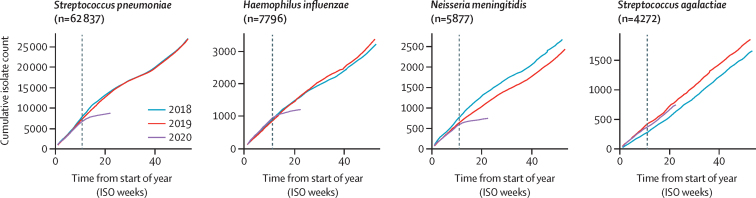
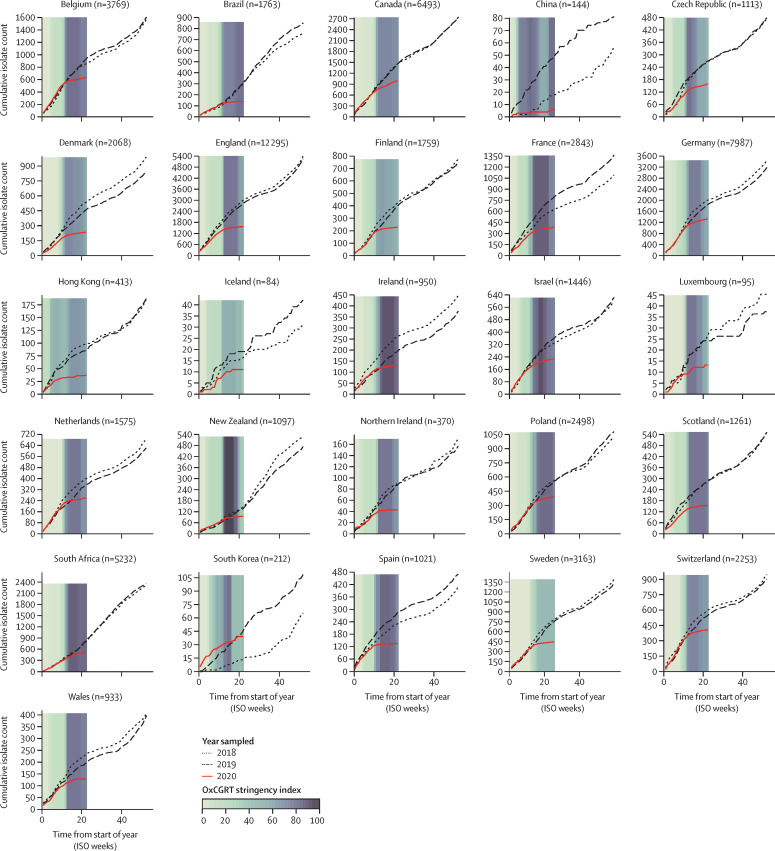
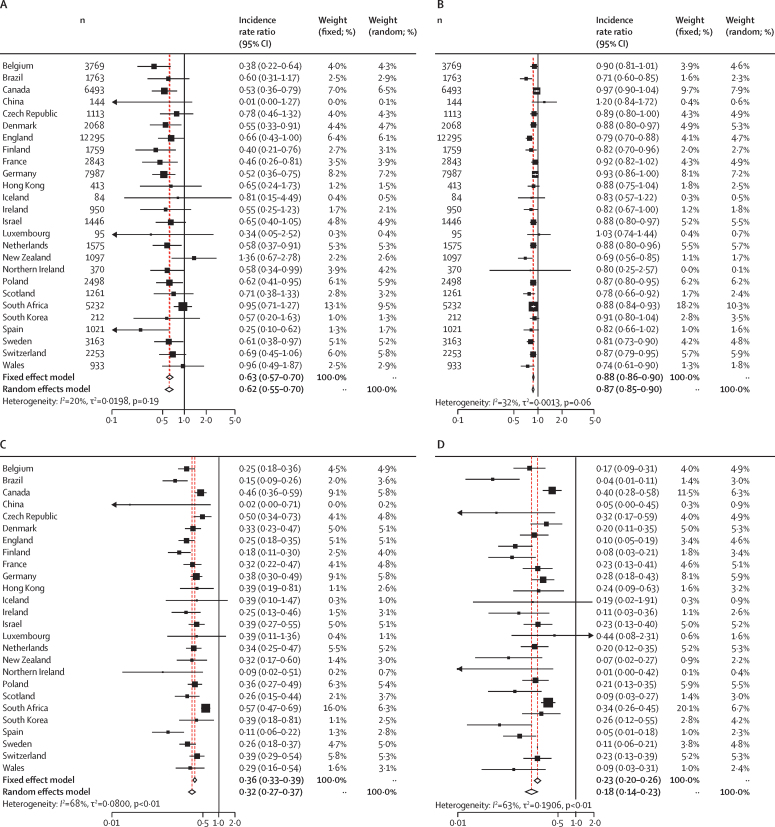
Verification
Claims the paper makes
The claims and statistics of this paper haven’t been checked yet.
Free: it reads the open-access text and checks the first 5 claims that cite a source we can check. Create a free account to check every claim.
Claims other papers make about this one
Each is checked against this paper’s own text: does it say what the citing paper says it does?
The cited source says what the claim attributes to it.
In the citing paper
“making it unclear whether observed patterns reflected true reductions in infectious disease burden, as reported in other settings41–45, or changes in death attributions associated with lockdown-related disruptions to MCCD functions.”
From Attributed causes of excess mortality during the COVID-19 pandemic in a south Indian city (2023) · cites this paper as [45]
Self-check
Percentages, sums and reported differences re-computed from the paper’s own numbers.
The self-check needs the paper’s full text.
Citations
Cites
An interactive web-based dashboard to track COVID-19 in real time
Dong, E., Du, H., & Gardner, L. (2020) · The Lancet Infectious Diseases · doi:10.1016/s1473-3099(20)30120-1 · Cited by 10,048
A global panel database of pandemic policies (Oxford COVID-19 Government Response Tracker)
Hale, T., Angrist, N., Goldszmidt, R., Kira, B., Petherick, A., Phillips, T., Webster, S., Cameron-Blake, E., Hallas, L., Majumdar, S., et al. (2021) · Nature Human Behaviour · doi:10.1038/s41562-021-01079-8 · Cited by 4,578
Self-citationJolley, K. A., Bray, J. E., & Maiden, M. C. J. (2018) · Wellcome Open Research · doi:10.12688/wellcomeopenres.14826.1 · Cited by 3,551
Self-citationO'Brien, K. L., Wolfson, L. J., Watt, J. P., Henkle, E., Deloria-Knoll, M., McCall, N., Lee, E., Mulholland, K., Levine, O. S., & Cherian, T. (2009) · The Lancet · doi:10.1016/s0140-6736(09)61204-6 · Cited by 2,398
Troeger, C., Blacker, B., Khalil, I. A., Rao, P. C., Cao, J., Zimsen, S. R. M., Albertson, S. B., Deshpande, A., Farag, T., Abebe, Z., et al. (2018) · The Lancet Infectious Diseases · doi:10.1016/s1473-3099(18)30310-4 · Cited by 1,968
Morens, D. M., Taubenberger, J. K., & Fauci, A. S. (2008) · The Journal of Infectious Diseases · doi:10.1086/591708 · Cited by 1,625
Jayaweera, M., Perera, H., Gunawardana, B., & Manatunge, J. (2020) · Environmental Research · doi:10.1016/j.envres.2020.109819 · Cited by 1,238
Streptococcus pneumoniae: transmission, colonization and invasion
Weiser, J. N., Ferreira, D. M., & Paton, J. C. (2018) · Nature Reviews Microbiology · doi:10.1038/s41579-018-0001-8 · Cited by 1,098
Olsen, S. J., Azziz-Baumgartner, E., Budd, A. P., Brammer, L., Sullivan, S., Pineda, R. F., Cohen, C., & Fry, A. M. (2020) · MMWR. Morbidity and Mortality Weekly Report · doi:10.15585/mmwr.mm6937a6 · Cited by 579
The 1918 Influenza Pandemic: Insights for the 21st Century
Morens, D. M., & Fauci, A. S. (2007) · The Journal of Infectious Diseases · doi:10.1086/511989 · Cited by 536
Research works printed but not linked: 1
- WHO Pneumococcal conjugate vaccines in infants and children under 5 years of age: WHO position paper–February 2019 Wkly Epidemiol Rec 94 2019 85 104
Cited by
Items 201–300 of 555
Meng, H., Wang, S., Tang, X., Guo, J., Xu, X., Wang, D., Jin, F., Zheng, M., Yin, S., He, C., et al. (2022) · Frontiers in Cellular and Infection Microbiology · doi:10.3389/fcimb.2022.1011672 · Cited by 11
Meningococcal disease within the Gulf Cooperation Council Countries
Awaidy, S. T. A., Ozudogru, O., & Badur, S. (2023) · Human Vaccines & Immunotherapeutics · doi:10.1080/21645515.2023.2193120 · Cited by 10
“In addition, social restrictions implemented within GCC Countries to reduce COVID-19 transmission may have had an impact on IMD case numbers.(93,94) It is hoped that as the pandemic impact subsides, that recent initiatives to strengthen infectious disease surveillance and disease control within the GCC, such as the jo…”
BackgroundThe impact of the COVID-19 lockdown on birthweight among singleton term birth in Denmark
de Knegt, V. E., Hedley, P. L., Hedermann, G., Wilstrup, C., Bækvad‐Hansen, M., Thagaard, I. N., Hjalgrim, H., Kanters, J. K., Melbye, M., HOUGAARD, D. M., et al. (2023) · PLoS ONE · doi:10.1371/journal.pone.0283909 · Cited by 10
Goretzki, S. C., van der Linden, M., Itzek, A., Hühne, T., Adelmann, R. O., Eldin, F. A., Albarouni, M., Becker, J.-C., Berghäuser, M. A., Boesing, T., et al. (2024) · Infection · doi:10.1007/s15010-023-02165-x · Cited by 14
Self-citationHiggins, R. A., Temple, B., Dai, V. T. T., Phan, T. V., Toàn, N. T., Spry, L., Toh, Z. Q., Nation, M. L., Ortika, B. D., Uyen, D. Y., et al. (2021) · The Lancet Regional Health - Western Pacific · doi:10.1016/j.lanwpc.2021.100273 · Cited by 11
Rybak, A., Ouldali, N., Angoulvant, F., Minodier, P., Biscardi, S., Madhi, F., Hau, I., Santos, A., Bouvy, E., Dubos, F., et al. (2022) · Frontiers in Pediatrics · doi:10.3389/fped.2022.782894 · Cited by 10
“This hypothesis is compatible with the major decrease in invasive pneumococcal diseases observed during NPI implementation (7).”
BackgroundResultSelf-citationKtena, D., Kourkouni, Ε., Kontopidou, F. V., Gkolfinopoulou, K., Papadima, K., Georgakopoulou, T., Magaziotou, I., Andreopoulou, A., Tzanakaki, G., Zaoutis, T. E., et al. (2022) · BMJ Paediatrics Open · doi:10.1136/bmjpo-2021-001391 · Cited by 10
Calvo, C. (2023) · Anales de Pediatría (English Edition) · doi:10.1016/j.anpede.2023.01.014 · Cited by 10
Shi, T., Zhao, X., Zhang, X., Meng, L., Li, D., Liu, X., Zheng, H., Yu, D., Wang, T., Li, R., et al. (2023) · Archives of Virology · doi:10.1007/s00705-023-05752-3 · Cited by 11
Koroleva, M. A., Gritsay, M. I., Churilova, N. S., & Koroleva, I. S. (2023) · Epidemiology and Vaccinal Prevention · doi:10.31631/2073-3046-2023-22-4-67-74 · Cited by 10
Kissler, S. M., Wang, B. H., Mehrotra, A., Barnett, M. L., & Grad, Y. H. (2022) · Clinical Infectious Diseases · doi:10.1093/cid/ciac811 · Cited by 10
Trends in hospitalisations for lower respiratory infections after the COVID-19 pandemic in France
Elabbadi, A., Brolon, L., Brun‐Buisson, C., Guillemot, D., Fartoukh, M. S., & Watier, L. (2024) · Journal of Infection · doi:10.1016/j.jinf.2024.106287 · Cited by 9
Epidemiology of invasive Haemophilus influenzae infections in Belgium: 2018–2022
Nouwar, R. E., Prevost, B., Wautier, M., Yin, N., Hites, M., & Martiny, D. (2025) · European Journal of Clinical Microbiology & Infectious Diseases · doi:10.1007/s10096-025-05040-9 · Cited by 9
“However, the decline in notified invasive infections may be related to under-reporting, possibly due to the pressure on the healthcare system [16].”
Self-citationIzurieta, P., AbdelGhany, M., & Borys, D. (2025) · Frontiers in Public Health · doi:10.3389/fpubh.2025.1544359 · Cited by 9
Kelly, M. S., Shi, P., Boiditswe, S. C., Qin, E., Steenhoff, A. P., Mazhani, T., Patel, M. Z., Cunningham, C. K., Rawls, J. F., Luinstra, K., et al. (2025) · Nature Communications · doi:10.1038/s41467-025-60552-4 · Cited by 13
“Moreover, during the COVID-19 pandemic, substantial reductions in invasive infections caused by H. in fl uenzae 13 and S. pneumoniae 13 – 15 correlated with the reduced circulation of respiratory viruses other than severe acute respiratory virus coronavirus 2 (SARS-CoV-2), often in the context of…”
Cuypers, L., Dambre, C., & Desmet, S. (2025) · Vaccine · doi:10.1016/j.vaccine.2025.127763 · Cited by 9
Self-citationPublic health and budgetary impact of 20-valent pneumococcal conjugate vaccine for adults in England
Mugwagwa, T., Averin, A., Atwood, M., Sato, R., Vyse, A., Campling, J., Weycker, D. A., Slack, M., Ellsbury, G., & Mendes, D. (2022) · Expert Review of Vaccines · doi:10.1080/14760584.2022.2104250 · Cited by 9
Impacts of COVID-19 pandemic on culture-proven sepsis in neonates
Yang, X., Ren, L., Gong, M., Lu, Y., & Ding, X. (2024) · Frontiers in Cellular and Infection Microbiology · doi:10.3389/fcimb.2024.1391929 · Cited by 9
McMillan, M., Bednarz, J., Leong, L. E. X., Lawrence, A. J., & Marshall, H. S. (2022) · The Pediatric Infectious Disease Journal · doi:10.1097/inf.0000000000003660 · Cited by 9
“Using a time series analysis, the study showed a sharp reduction in the predicted trend of IMD cases based on the number of cases per week in the 2 years prior.(11)”
MethodImpact of COVID-19 pandemic on blood culture practices and bacteremia epidemiology
Farfour, É., Clichet, V., de Ponfilly, G. P., Carbonnelle, É., & Vasse, M. (2023) · Diagnostic Microbiology and Infectious Disease · doi:10.1016/j.diagmicrobio.2023.116002 · Cited by 9
“pneumoniae, Haemophilus influenzae and, Neisseria meningitidis was reported by national references laboratories of 26 countries in 2020 since the beginning of the COVID-19 pandemic (Brueggemann et al., 2021).”
BackgroundMiellet, W. R., Pluister, G. N., Sikking, M., Tappel, M., Karczewski, J., Visser, L. J., Bosch, T., Trzciński, K., & Mariman, R. (2023) · Vaccine · doi:10.1016/j.vaccine.2023.06.078 · Cited by 10
Increasing incidence of community-acquired adult group A streptococcal meningitis in the Netherlands
Drost, E. H. G. M., Chekrouni, N., van Soest, T. M., Schipper, K., van Sorge, N. M., Brouwer, M. C., & van de Beek, D. (2023) · Journal of Infection · doi:10.1016/j.jinf.2023.11.007 · Cited by 9
Kim, S. J., Kim, T., Choi, H., Shin, T. R., Kim, H. I., Jang, S. H., Hong, J. Y., Lee, C. Y., Chung, S., Choi, J., et al. (2024) · Scientific Reports · doi:10.1038/s41598-024-61360-4 · Cited by 9
Meningitis and encephalitis in Poland in 2022
Mrozowska-Nyckowska, K., Zbrzeżniak, J. M., & Paradowska-Stankiewicz, I. A. (2024) · Przeglad Epidemiologiczny · doi:10.32394/pe/191221 · Cited by 9
“These infections are most commonly spread by the droplet route (2).”
BackgroundSlotved, H., Johannesen, T. B., Stegger, M., Dalby, T., & Fuursted, K. (2023) · Frontiers in Microbiology · doi:10.3389/fmicb.2023.1307261 · Cited by 8
Self-citationEpidemiology of invasive meningococcal disease, Japan, 2013 to 2023
Kobayashi, M., Kamiya, H., Fukusumi, M., Takahashi, H., Akeda, Y., Suzuki, M., & Sunagawa, T. (2024) · Eurosurveillance · doi:10.2807/1560-7917.es.2024.29.46.2400136 · Cited by 9
“The COVID-19 pandemic has been associated with a substantial decrease in reported cases of invasive bacterial diseases, including IMD, and Japan was not an exception [30,31].”
Albrich, W. C., Just, N., Kahlert, C. R., Casanova, C., Baty, F., & Hilty, M. (2025) · Emerging Microbes & Infections · doi:10.1080/22221751.2025.2488189 · Cited by 8
“Laboratories from 26 countries and territories noted a significant and sustained reduction in IPD from 2018 to 2020 [14].”
Self-citationLiang, A., Zhu, Y., Wu, X., Zhang, Q., He, Y., Wang, A., Wu, C., & Xia, J. (2025) · Frontiers in Microbiology · doi:10.3389/fmicb.2025.1595521 · Cited by 8
Taha, S., Taha, M., & Deghmane, A. (2022) · npj Vaccines · doi:10.1038/s41541-022-00488-8 · Cited by 9
Self-citationNielsen, K. F., Nielsen, L. B., Lomholt, F. K., Nørgaard, S. K., Slotved, H., Dalby, T., Fuursted, K., Jørgensen, C. S., & Valentiner‐Branth, P. (2022) · European Journal of Clinical Microbiology & Infectious Diseases · doi:10.1007/s10096-022-04513-5 · Cited by 8
“Hence, the data covers all tests for IPD in Denmark.”
BackgroundSelf-citationManzanal, A., Vicente, D. A., Alonso, M. M., Azkue, N., Ercibengoa, M., & Marimón, J. M. (2023) · Frontiers in Public Health · doi:10.3389/fpubh.2023.1238502 · Cited by 8
“In many countries, these containment measures have been associated with significant reductions in invasive diseases caused by other respiratory pathogens typically transmitted via respiratory droplets, such as Streptococcus pneumoniae, Haemophilus influenzae, and Neisseria meningitidis, likely as a consequence of a re…”
BackgroundAlhazmi, A., Alameer, K. M., Abuageelah, B. M., Gharawi, A. Y., Hakami, E. F., Zogel, T., Almalki, A. J., Magrashi, E. G., Alharbi, W., Manni, R., et al. (2024) · European Journal of Clinical Microbiology & Infectious Diseases · doi:10.1007/s10096-024-04835-6 · Cited by 8
“Additionally, surveillance data from 26 countries found temporary declines in common respiratory bacteria, including S. pneumoniae and Haemophilus influenzae , shortly after restrictions began [59 ].”
A Rapid Molecular Detection Tool for Toxigenic M1UK Streptococcus pyogenes
Brouwer, S., Das, S., Hayes, A. J., Bertolla, O. M., Davies, M. R., Walker, M. J., Whiley, D. M., Irwin, A., & Tickner, J. A. (2024) · The Journal of Infectious Diseases · doi:10.1093/infdis/jiae437 · Cited by 8
“…of a range of nonpharmaceutical intervention strategies in response to the coronavirus disease 2019 (COVID-19) pandemic in 2020, transmission and incidence of various invasive bacterial diseases declined in several countries, including invasive Streptococcus pyogenes infections [1–3].”
Guo, Y., Yang, D., Cao, Y., Ding, X., Chen, L., Huo, B., & Li, Y. (2024) · BMC Infectious Diseases · doi:10.1186/s12879-024-10268-5 · Cited by 8
Barret, A., François, C., Deghmane, A., Lefrançois, R., Mercuriali, L., Thabuis, A., Marie, C., Carraz-Billat, E., Zanetti, L. C. D. S., du Châtelet, I. P., et al. (2025) · Vaccine · doi:10.1016/j.vaccine.2025.127499 · Cited by 8
Self-citationPneumococcal meningitis and COVID-19: dangerous coexistence. A case report
Guziejko, K., Czupryna, P., Zielenkiewicz-Madejska, E. K., & Moniuszko-Malinowska, A. M. (2022) · BMC Infectious Diseases · doi:10.1186/s12879-022-07156-1 · Cited by 10
The epidemiology of aseptic meningitis in New Zealand children from 1991 to 2020
Mcbride, M., Williman, J. A., Best, E., Walls, T., Sadarangani, M., Grant, C. C., & Martin, N. G. (2022) · Journal of Paediatrics and Child Health · doi:10.1111/jpc.16131 · Cited by 9
Mattsson, M., Hong, J. A., Frazer, J. S., Frazer, G. R., & Moriarty, F. (2023) · Basic & Clinical Pharmacology & Toxicology · doi:10.1111/bcpt.13958 · Cited by 8
“23,24 Another concurrent factor relating to antimicrobial prescribing, independent of the COVID-19 pandemic, was the introduction of the “ Green Red ” antibiotic quality improvement initiative for community prescribers by the Health Services Executive in the Republic of Ireland in 2019.”
BackgroundZeevat, F., Simons, J. J. M., Westra, T. A., Wilschut, J., van Sorge, N. M., Boersma, C., & Postma, M. J. (2024) · Infectious Diseases and Therapy · doi:10.1007/s40121-023-00903-0 · Cited by 8
Transient reemergence of Bordetella parapertussis in France in 2022
Bouchez, V., Toubiana, J., Guillot, S., Parapertussis 2022 Study Group†, Belghiti, F. A. E., Landier, A., Armatys, N., Trombert‐Paolantoni, S., Soares, A., Rodrigues, C., et al. (2024) · Journal of Medical Microbiology · doi:10.1099/jmm.0.001843 · Cited by 8
Meningitis and encephalitis in Poland in 2021
Mrozowska-Nyckowska, K., Zbrzeżniak, J. M., & Paradowska-Stankiewicz, I. A. (2024) · Przeglad Epidemiologiczny · doi:10.32394/pe.77.35 · Cited by 8
“These infections, usually spread by the droplet route (2).”
BackgroundKaatz, M., Springer, S., & Zieger, M. (2022) · Journal of Public Health · doi:10.1007/s10389-022-01731-1 · Cited by 9
Xirogianni, A., Μαρμαράς, Ν., Georgakopoulou, T., Papandreou, A., Simantirakis, S., Magaziotou, I., Eliades, A., Getsi, V., Anastasiou‐Katsiardani, A., Staikou, E., et al. (2022) · Vaccine · doi:10.1016/j.vaccine.2022.07.015 · Cited by 9
Ablakimova, N., Mussina, A. Z., Smagulova, G., Rachina, S. A., Kurmangazin, M., Balapasheva, A., Karimoldayeva, D., Zare, A., Mahdipour, M., & Rahmanifar, F. (2023) · Antibiotics · doi:10.3390/antibiotics12081297 · Cited by 11
Infektionsepidemiologische Jahrbuch meldepflichtiger Krankheiten für 2022
Koch-Institut, R. (2024) · Publication server of the Robert Koch Institute (Robert Kock Institute) · doi:10.25646/12213 · Cited by 8
Invasive Meningococcal Disease in the Post–COVID-19 Era in South America
Sáfadi, M. A. P., Falconi, J. F., Abalos, M. G., Serra, L., de Gentile, A. S., Díaz, A., Cortés, C. P., & Villena, R. (2025) · Vaccines · doi:10.3390/vaccines13111079 · Cited by 7
“The disruption of vaccination schedules, along with other COVID-19-related restrictions and containment measures, appear to have altered the transmission and incidence of diseases typically spread through the respiratory route [21,23].”
Nakano, S., Fujisawa, T., Koide, S., Sugawara, Y., Chang, B., Ito, Y., Suga, S., Ohnishi, M., Akeda, Y., & Sugai, M. (2025) · Journal of Medical Microbiology · doi:10.1099/jmm.0.002105 · Cited by 7
“Similar to many other countries [39], the number of cases attributable to pneumococci in all populations decreased after the COVID-19 pandemic in Japan [4], resulting in a relatively small number of cases compared to our previous surveillance studies [9, 10].”
Infektionsepidemiologisches Jahrbuch meldepflichtiger Krankheiten für 2023
Koch-Institut, R. (2025) · Publication server of the Robert Koch Institute (Robert Kock Institute) · doi:10.25646/13043 · Cited by 7
Jore, S., Viljugrein, H., Hjertqvist, M., Dub, T., & Mäkelä, H. (2023) · Infection Ecology & Epidemiology · doi:10.1080/20008686.2023.2281055 · Cited by 7
“In Finland, Norway and Sweden, while the reported TBE cases increased, a profound reduced incidence of many infectious diseases was seen during the pandemic years [58–60].”
BackgroundCleary, D. W., Campling, J., Lahuerta, M., Hayford, K. T., Southern, J., Gessner, B. D., Lo, S. W., Bentley, S. D., Faust, S. N., & Clarke, S. C. (2024) · Microbiology Spectrum · doi:10.1128/spectrum.00224-24 · Cited by 7
“As Streptococcus pneumoniae , the pneumococcus, is transmitted via respiratory droplets (8) it is unsurprising that invasive disease and pneumonia associated with this pathogen decreased as a consequence of NPIs, as documented in the UK and across 26 other countries (9, 10).”
BackgroundBürke, C., Baty, F., Rassouli, F., Brutsche, M. H., & Albrich, W. C. (2024) · Pneumonia · doi:10.1186/s41479-024-00150-y · Cited by 7
“At the beginning of the pandemic, a large decrease in bacterial respiratory infections with Streptococcus pneumoniae , Haemophilus influenzae and Neisseria meningitidis was observed worldwide [4].”
BackgroundXu, X., Meng, L., Li, J., Zhang, Y., Liu, B., Jiang, W., & Hao, C. (2024) · European Journal of Clinical Microbiology & Infectious Diseases · doi:10.1007/s10096-024-04991-9 · Cited by 8
“The effect of COVID-19 on blood - stream infections caused by respiratory bacteria such as S. pneumoniae , H. influenzae has also been reported [25, 26].”
Fafi, I., Assad, Z., Lenglart, L., Valtuille, Z., Kaguelidou, F., Aupiais, C., Bourmaud, A., Rybak, A., Béchet, S., Lévy, C., et al. (2025) · BMC Medicine · doi:10.1186/s12916-025-03885-7 · Cited by 7
Krajcar, N., Trkulja, V., Butić, I., & Tešović, G. (2025) · Vaccine · doi:10.1016/j.vaccine.2025.126848 · Cited by 7
Vyse, A., Campling, J., Czudek, C., Ellsbury, G., Mendes, D., Reinert, R.-R., & Slack, M. (2021) · Expert Review of Vaccines · doi:10.1080/14760584.2021.1984888 · Cited by 7
“downs imposed in the UK have been associated with a reduction in transmission of common respiratory infections, including the pneumococcus [23].”
BackgroundLin, C., Lian, H.-B., Lin, G., Zhang, D., Cai, X., & Wen, F. (2023) · Virology Journal · doi:10.1186/s12985-023-02040-z · Cited by 7
Mashraqi, M. M., Alzamami, A., Alturki, N. A., Alshamrani, S., Alshahrani, M. M., Almasoudi, H. H., & Basharat, Z. (2023) · Pathogens · doi:10.3390/pathogens12070857 · Cited by 8
“It causes invasive diseases, such as pneumonia, meningitis, and sepsis [2], as well as non-invasive pneumococcal disease, such as otitis media or sinusitis [3].”
BackgroundCOVID-19 and Listeria Meningitis Treated by Ampicillin, Sulfamethoxazole/Trimethoprim and Meropenem
Seki, M., Karaushi, H., Arai, N., Hayashi, T., & Mitsutake, K. (2023) · Infection and Drug Resistance · doi:10.2147/idr.s414879 · Cited by 8
“In addition, not only pneumonia, but also other invasive infectious diseases including meningitis were considered as COVID-19-associated bacterial infections in the omicron era, although the rate of bacterial meningitis was also decreased in the early phase of the COVID-19 pandemic.(6,7) It has been reported that the…”
BackgroundGómez-Pérez, G. P., de Groot, R., Abajobir, A. A., Wainaina, C., de Wit, T. F. R., Sidze, E., Pradhan, M., & Janssens, W. (2023) · Journal of Global Health · doi:10.7189/jogh.13.06024 · Cited by 7
“…unintended but beneficial collateral effect on the epidemiology and seasonality of other infectious diseases transmitted by aerosols/respiratory droplets [36-44 ,50 ,51], and To disentangle the above causalities, we compared facility-based DHIS2-data with weekly diaries data in Kisumu and Kakamega.”
BackgroundMethodImpact of COVID-19 on patterns of drug utilization: A case study at national hospital
Le-Dang, M.-A., Nguyen-Thi, H.-Y., Pham, L. D., Ngoc, D. L., Le, N. D. T., Thu, H. P., & Le, D. T. (2024) · PLoS ONE · doi:10.1371/journal.pone.0297187 · Cited by 8
Charnogursky, C. E., Gil, A. I., Ecker, L., Cornejo, R., Rios, S., Ochoa, M., Peña, B., Flores, O., Jones, A., Beeri, K., et al. (2025) · Open Forum Infectious Diseases · doi:10.1093/ofid/ofaf157 · Cited by 7
Global trends and projections in antimicrobial resistance
Ma, E. S.-K., Wong, S., Cheng, V. C., & Wu, P. (2025) · The Lancet · doi:10.1016/s0140-6736(25)00807-4 · Cited by 7
Intussusception and COVID-19 in Children: A Systematic Review and Meta-Analysis
Alhumaid, S., Alawi, Z. A., Alnaim, A. A., Ghamdi, M. A. A., Alabdulqader, M. A., Noaim, K. I. A., Rabaan, A. A., mutared, K. M. A., Dossary, N. A., Alsuliman, M., et al. (2022) · Children · doi:10.3390/children9111745 · Cited by 7
Chambers, S. T., Storer, M., Scott-Thomas, A., Slow, S., Williman, J. A., Epton, M., Murdoch, D. R., Metcalf, S. C. L., Carr, A. C., Isenman, H. L., et al. (2023) · Scientific Reports · doi:10.1038/s41598-023-37934-z · Cited by 9
“Factors contributing to the low mortality include low infection rates with S. pneumoniae which is associated with severe CAP and death 2,29–31 .”
Self-citationMaintaining mask momentum in transplant recipients
Puius, Y. A., Bartash, R. M., & Zingman, B. S. (2021) · Transplant Infectious Disease · doi:10.1111/tid.13697 · Cited by 7
Molecular Epidemiology of Paediatric Invasive Pneumococcal Disease in Andalusia, Spain
de Felipe, B., Pacheco, P. O., Gallego, B. C., López-Martín, D., Pérez, J. L. S., Jimenez, Y. G., Vilches, M. J. M., Autero, N. C., Galán, V. G., Morón, F. J., et al. (2022) · Epidemiology and Infection · doi:10.1017/s0950268822001376 · Cited by 8
“pneumoniae infections decreased by 68% at 4 weeks and 82% at 8 weeks following the week when significant changes in population movements were recorded [14].”
BackgroundSARS-CoV-2 and Streptococcus pneumoniae colonization and disease: an observational study in adults
Calvo-Silveria, S., Fernández-Delgado, L., González-Díaz, A., España-Bonilla, R., Calatayud, L., Niubó, J., Martí, S., Domínguez, M. Á., Cámara, J., & Ardanuy, C. (2025) · Frontiers in Cellular and Infection Microbiology · doi:10.3389/fcimb.2025.1624521 · Cited by 6
Marcinkiewicz, J. (2025) · Frontiers in Immunology · doi:10.3389/fimmu.2025.1684332 · Cited by 6
Chen, L., Zhang, K., Liu, X., Fan, Y., Zhang, X., Zhang, S., Wen, X., Bai, S., Wáng, Q., Cui, W., et al. (2025) · Ageing Research Reviews · doi:10.1016/j.arr.2025.102944 · Cited by 7
Wong‐Chew, R. M., Carbajal, P. B., Tabla-Orozco, V., Espinosa-Sotero, M. D. C., Arce, P., Noyola, D. E., Juárez-Tobías, M. S., Martínez‐Aguilar, G., Rojas‐Larios, F., Mondragón-Salinas, I. Z., et al. (2026) · Viruses · doi:10.3390/v18020270 · Cited by 6
“…phenomena were described in other European settings, including the United Kingdom and multinational surveillance networks, where marked reductions in invasive respiratory bacterial diseases during the pandemic were followed by heterogeneous rebounds after mitigation measures were eased [9].”
InfluentialVirolainen, M., Gröndahl‐Yli‐Hannuksela, K., Rantakokko‐Jalava, K., Seiskari, T., Lönnqvist, E., Kolari, T. A., Rissanen, T., Hyyryläinen, H., DICAR study group, Kailankangas, V., et al. (2023) · European Journal of Clinical Microbiology & Infectious Diseases · doi:10.1007/s10096-023-04714-6 · Cited by 7
“A similar switch in emm types has been reported within the iGAS cases in Finland and else-where [8, 28, 30].”
BackgroundTseretopoulou, X., Ali, S., Bryce, J., Amin, N. L., Atapattu, N., Bachega, T. A. S. S., Baronio, F., Ortolano, R., Birkebæk, N., Bonfig, W., et al. (2024) · Journal of the Endocrine Society · doi:10.1210/jendso/bvae145 · Cited by 6
“…in children [21] and it is possible that an explanation for the observed decrease in SDEs was the reduced incidence and transmission of pediatric viral and bacterial illnesses because of the lock-down during the COVID-19 pandemic period [22-25], which coincided with the 3-year period up to 2022.”
BackgroundZhang, C., Wang, M., Sun, S., Yi, M., & Wang, S. (2024) · Journal of Medical Virology · doi:10.1002/jmv.70063 · Cited by 6
Dierckx, L., Ruiz, J. P. R., Ekinci, E., Heirstraeten, L. V., Willen, L., Cuypers, L., Beutels, P., Maertens, K., Desmet, S., Theeten, H., et al. (2025) · Journal of Clinical Microbiology · doi:10.1128/jcm.01696-24 · Cited by 6
“During the first 2 years of the COVID-19 pandemic, the Invasive Respiratory Infection Surveillance consortium reported a global decrease in IPD (19), although no change in pneumococcal serotype distribution was found (20).”
Self-citationFarias, L. A. B. G., Weyne, L. S., Landim, L. S., de Holanda, P. E. L., Santos, A. D. S., Cavalcanti, L. P. D. G., Costa, L. B., Melo, A., Medeiros, M. S., Girão, E. S., et al. (2025) · Tropical Medicine and Infectious Disease · doi:10.3390/tropicalmed10030081 · Cited by 6
“Six articles investigated the epidemiology of invasive meningococcal disease (IMD), one of which specifically focused on meningitis due to Neisseria meningitidis during the pandemic period [5,6,25–28].”
InfluentialSchreck, L. D., Goutaki, M., Pedersen, E. S. L., Copeland, F., Fernandez, T. L., Living with PCD patient advisory group, Lucas, J. S., & Kuehni, C. E. (2025) · ERJ Open Research · doi:10.1183/23120541.00686-2025 · Cited by 6
“The frequency of pathogens transmitted via droplet infection, such as H. influenzae , was reduced during the pandemic [20], which we also observed in our study (data not shown).”
The impact of the COVID-19 pandemic on blood culture practices and bloodstream infections
Driedger, M., Daneman, N., Brown, K. A., Gold, W. L., Jorgensen, S. C. J., Maxwell, C. J., Schwartz, K. L., Morris, A. M., Thiruchelvam, D., Langford, B. J., et al. (2023) · Microbiology Spectrum · doi:10.1128/spectrum.02630-23 · Cited by 6
Koliou, M., Aristidou, A., Mazeri, S., Nikolopoulos, G. K., Argyrou, M., Haralambous, C., Elia, A., & Yiallouros, P. K. (2024) · Journal of Public Health · doi:10.1093/pubmed/fdae292 · Cited by 5
“23 However, the full reopening of schools and the return of society to normality during the second year of the pandemic was associated with a rebound in spread of respiratory viruses, such as the RSV even out of season, 24 and bacterial infections, such as IPDs.”
Kinetic Patterns of Antibiotic Consumption in German Acute Care Hospitals from 2017 to 2023
Schweickert, B., Willrich, N., Feig, M., Schneider, M., Behnke, M., Diaz, L. A. P., Geffers, C., Wieters, I., Gröschner, K., Richter, D., et al. (2025) · Antibiotics · doi:10.3390/antibiotics14030316 · Cited by 7
“…bacterial pathogens such as Streptococcus pneumoniae and Haemophilus influenzae decreased significantly, which corresponds closely to the pandemic slowdown of the increasing pre-pandemic trend of aminopenicillins/BLI, beta-lactamase sensitive penicillins and azithromycin seen in our study [40].”
de Lemos, A. P. S., Gorla, M. C., de Moraes, C., Willemann, M. C. A., Sacchi, C. T., Fukasawa, L. O., Camargo, C. H., Barreto, G., Rodrigues, D. S., Gonçalves, M. G., et al. (2022) · Journal of Medical Microbiology · doi:10.1099/jmm.0.001484 · Cited by 6
de Zwart, A. E. S., Riezebos‐Brilman, A., Lunter, G. A., Neerken, E., van Leer‐Buter, C., Alffenaar, J. C., van Gemert, A., Erasmus, M. E., Gan, C. T., Kerstjens, H. A. M., et al. (2022) · European Respiratory Journal · doi:10.1183/13993003.00085-2022 · Cited by 6
The clinical predictors of and vaccine protection against severe influenza infection in children
Tsai, C., Liu, Y., Chang, T., Wu, E., & Chang, L. (2023) · Journal of Medical Virology · doi:10.1002/jmv.28638 · Cited by 6
“pneumoniae continues to cause a great burden globally.(22,23) In our study period (2010–2018), 7‐valent, 10‐valent, and 13‐valent PCVs were provided.”
BackgroundAllicock, O. M., Lin, T., Fajardo, K., Yolda-Carr, D., Hislop, M. S., Wang, J., Zuniga, D., Platt, W., Tuohy, B., & Wyllie, A. L. (2023) · medRxiv · doi:10.1101/2023.10.04.23296240 · Cited by 6
Cocchio, S., Cozzolino, C., Cozza, A., Furlan, P., Frasson, E., Tarantino, S., Conte, E., Chiusaroli, L., Amoruso, I., Zanella, F., et al. (2025) · Vaccines · doi:10.3390/vaccines13030230 · Cited by 5
“This trend was also observed in several countries and reported by other studies [19,33–36].”
Li, W., Zhao, M., Wu, W., Chen, G., Hang, Y., Zheng, H., Gao, Z., Liu, J., & Zhao, Y. (2025) · Frontiers in Cellular and Infection Microbiology · doi:10.3389/fcimb.2025.1494638 · Cited by 5
Pons‐Espinal, M., López-Perea, N., Calles, J. M., Muñoz‐Almagro, C., Tarragó, D., & Launes, C. (2025) · Acta Paediatrica · doi:10.1111/apa.70107 · Cited by 5
Self-citationVermeulen, H., Cuypers, L., Catry, B., Desmet, S., & Hens, N. (2025) · Eurosurveillance · doi:10.2807/1560-7917.es.2025.30.45.2500179 · Cited by 5
“This explanation is further supported by similar decreases in other countries [32,33].”
Self-citationZhu, F., Peng, M., Chen, A., & Zhu, Q.-Y. (2026) · Frontiers in Microbiology · doi:10.3389/fmicb.2026.1712752 · Cited by 5
Impact of Covid-19 pandemic on pediatric meningitis incidence in central Morocco
Jbari, S., Lahmini, W., Boussaa, S., & Bourrous, M. (2022) · Scientific African · doi:10.1016/j.sciaf.2022.e01213 · Cited by 5
Haemophilus influenzae is fighting back: is serotype a an emerging threat?
Wall, E. C., & Taha, M. (2023) · The Lancet Infectious Diseases · doi:10.1016/s1473-3099(23)00204-9 · Cited by 5
Self-citationGao, Z.-X., Wang, Y., Yan, L., Liu, T., & Peng, L. (2023) · Microbiology Spectrum · doi:10.1128/spectrum.02614-23 · Cited by 5
“The introduction of COVID-19 containment policies and public awareness campaigns may have reduced the transmis sion of Streptococcus pneumoniae , Haemophilus influenzae , and Neisseria meningitidis , thereby greatly reducing life-threatening invasive diseases in many countries worldwide (41).”
BackgroundYang, Y. L., Hu, Y., Yang, C. W. T., Wen, S., Jin, S., Hua, C., & Jiang, K. (2024) · Clinica Chimica Acta · doi:10.1016/j.cca.2024.117787 · Cited by 8
Ai, L., Zhou, C., Fang, L., Liu, B., & Gong, F. (2024) · Infection · doi:10.1007/s15010-024-02308-8 · Cited by 6
“Notably, infections caused by S. pneumoniae , including both invasive pneumococcal diseases and non-invasive infections, have decreased in many countries during this period [8–12].”
High prevalence of 19A pneumococcal serotype carriage during the COVID-19 pandemic in Brazil
Primon-Barros, M., Varela, F. H., Polese-Bonatto, M., Sartor, I. T. S., Azevedo, T. R., de David, C. N., Tonini, M. L., Stein, R. T., Scotta, M. C., & Dias, C. A. G. (2024) · The Brazilian Journal of Infectious Diseases · doi:10.1016/j.bjid.2024.104467 · Cited by 5
Spaziante, M., Leone, S., D’Amato, M., Carli, G. D., Tonziello, G., Malatesta, G. N., Agresta, A., Santis, C. D., Vantaggio, V., Pitti, G., et al. (2025) · BMC Public Health · doi:10.1186/s12889-024-21256-4 · Cited by 5
Goeders, N., Vanneste, K., Roosens, N. H. C., Bogaerts, B., & Mattheus, W. (2025) · Vaccine · doi:10.1016/j.vaccine.2025.127026 · Cited by 5
Self-citationTashiro, M., Sato, S., Endo, A., Hamashima, R., Ito, Y., Ashizawa, N., Takeda, K., Iwanaga, N., Ide, S., Fujita, A., et al. (2023) · PNAS Nexus · doi:10.1093/pnasnexus/pgad153 · Cited by 5
Aizawa, Y., Ikuse, T., Izumita, R., Habuka, R., Yamanaka, T., & Saitoh, A. (2023) · The Pediatric Infectious Disease Journal · doi:10.1097/inf.0000000000004139 · Cited by 6
ZhiHong, S., Li, M., & Sun, H. (2024) · The Italian Journal of Pediatrics/Italian journal of pediatrics · doi:10.1186/s13052-024-01582-4 · Cited by 5
“Consistent and significant sustained reductions in invasive disease caused by Streptococcus pneumoniae , Haemophilus influenzae and Neisseria meningitidis have been observed in every country that has adopted new crown pneumonia control measures [17].”
BackgroundTamura, K., Shimbashi, R., Kasamatsu, A., Chang, B., Gotoh, K., Tanabe, Y., Kuronuma, K., Oshima, K., Maruyama, T., Nakamatsu, M., et al. (2024) · International Journal of Infectious Diseases · doi:10.1016/j.ijid.2024.107024 · Cited by 7
Metadata
- Authors
- Brueggemann, A. B., Jansen van Rensburg, M. J., Shaw, D., McCarthy, N. D., Jolley, K. A., Maiden, M. C. J., van der Linden, M. P. G., Amin-Chowdhury, Z., Bennett, D. E., Borrow, R., Brandileone, M.-C. C., Broughton, K., Campbell, R., Cao, B., Casanova, C., Choi, E. H., Chu, Y. W., Clark, S. A., Claus, H., Coelho, J., Corcoran, M., Cottrell, S., Cunney, R. J., Dalby, T., Davies, H., de Gouveia, L., Deghmane, A.-E., Demczuk, W., Desmet, S., Drew, R. J., du Plessis, M., Erlendsdottir, H., Fry, N. K., Fuursted, K., Gray, S. J., Henriques-Normark, B., Hale, T., Hilty, M., Hoffmann, S., Humphreys, H., Ip, M., Jacobsson, S., Johnston, J., Kozakova, J., Kristinsson, K. G., Krizova, P., Kuch, A., Ladhani, S. N., Lâm, T.-T., Lebedova, V., Lindholm, L., Litt, D. J., Martin, I., Martiny, D., Mattheus, W., McElligott, M., Meehan, M., Meiring, S., Mölling, P., Morfeldt, E., Morgan, J., Mulhall, R. M., Muñoz-Almagro, C., Murdoch, D. R., Murphy, J., Musilek, M., Mzabi, A., Perez-Argüello, A., Perrin, M., Perry, M., Redin, A., Roberts, R., Roberts, M., Rokney, A., Ron, M., Scott, K. J., Sheppard, C. L., Siira, L., Skoczyńska, A., Sloan, M., Slotved, H.-C., Smith, A. J., Song, J. Y., Taha, M.-K., Toropainen, M., Tsang, D., Vainio, A., van Sorge, N. M., Varon, E., Vlach, J., Vogel, U., Vohrnova, S., von Gottberg, A., Zanella, R. C., & Zhou, F.
- Affiliations
- University of Oxford (GB)
- Trinity College Dublin (IE)
- Beaumont Hospital (IE)
- Manchester Royal Infirmary (GB)
- Public Health England (GB)
- Public Health Agency (GB)
- Chinese Academy of Medical Sciences & Peking Union Medical College (CN)
- University of Bern (CH)
- Seoul National University (KR)
- Department of Health (CN)
- University of Würzburg (DE)
- Royal College of Surgeons in Ireland (IE)
- Public Health Wales (GB)
- Statens Serum Institut (DK)
- New Zealand Institute for Public Health and Forensic Science (NZ)
- Institut Pasteur (FR)
- Public Health Agency of Canada (CA)
- Universitair Ziekenhuis Leuven (BE)
- Chinese University of Hong Kong (HK)
- Örebro University (SE)
- National University Hospital of Iceland (IS)
- Narodowy Instytut Leków (PL)
- National Institute of Public Health (CZ)
- Finnish Institute for Health and Welfare (FI)
- University of Mons (BE)
- Sciensano (Belgium) (BE)
- National Health Laboratory Service (ZA)
- Public Health Agency of Sweden (SE)
- University of Otago (NZ)
- Laboratoire National de Santé (LU)
- Hospital Sant Joan de Déu Barcelona (ES)
- Israel Ministry of Health (IL)
- Korea University (KR)
- Hôpital Intercommunal de Créteil (FR)
- Instituto Adolfo Lutz (BR)
- Corresponding author
- Brueggemann, Angela B
- ORCID
- Brueggemann, Angela B
- McCarthy, Noel D
- Jolley, Keith A
- Maiden, Martin C J
- Bennett, Désirée E
- Borrow, Ray
- Cao, Bin
- Casanova, Carlo
- Choi, Eun Hwa
- Clark, Stephen A
- Claus, Heike
- Coelho, Juliana
- Corcoran, Mary
- Cottrell, Simon
- Cunney, Robert J
- Dalby, Tine
- Davies, Heather
- Deghmane, Ala-Eddine
- Demczuk, Walter
- Desmet, Stefanie
- Drew, Richard J
- Fry, Norman K
- Fuursted, Kurt
- Gray, Steve J
- Hale, Thomas
- Hilty, Markus
- Hoffmann, Steen
- Humphreys, Hilary
- Ip, Margaret
- Kristinsson, Karl G
- Kuch, Alicja
- Ladhani, Shamez N
- Lâm, Thiên-Trí
- Lindholm, Laura
- Litt, David J
- Martiny, Delphine
- Mattheus, Wesley
- McElligott, Martha
- Meiring, Susan
- Mölling, Paula
- Morgan, Julie
- Mulhall, Robert M
- Murdoch, David R
- Perry, Malorie
- Roberts, Richard
- Rokney, Assaf
- Ron, Merav
- Scott, Kevin J
- Sheppard, Carmen L
- Siira, Lotta
- Skoczyńska, Anna
- Slotved, Hans-Christian
- Smith, Andrew J
- Song, Joon Young
- Taha, Muhamed-Kheir
- Toropainen, Maija
- Tsang, Dominic
- Vainio, Anni
- Varon, Emmanuelle
- Vogel, Ulrich
- Zanella, Rosemeire C
- Zhou, Fei
- Venue
- The Lancet Digital Health
- Publisher
- Elsevier BV
- Published
- 2021-06
- Volume
- 3
- Issue
- 6
- Pages
- e360-e370
- ISSN
- 2589-7500 (ISSN-L)
- PMC
- PMC8166576
- OpenAlex
- W3164937600
- Semantic Scholar
- 3a9ea7d141e189d1c6da66698d7dd2d957a01c46
- Cited by
- 546
- References
- 29
- Citations by year
- 2026: 56 · 2025: 120 · 2024: 103 · 2023: 130 · 2022: 94 · 2021: 42
- FWCI
- 66.45
- Type
- journal article
- Language
- en
- Update notices
- erratum (2021-07-01)
- Open access
- gold
- doi.org
- Licence
- cc-by
- www.elsevier.com/tdm/userlicense/1.0/ (tdm)
- www.elsevier.com/legal/tdmrep-license (tdm)
- creativecommons.org/licenses/by/4.0/ (vor)
- Locations
- The Lancet Digital Health (publishedVersion, cc-by)
- medRxiv (acceptedVersion, cc-by)
- PubMed Central (publishedVersion, cc-by)
- PubMed (publishedVersion)
- ENLIGHTEN (Jurnal Bimbingan dan Konseling Islam) (acceptedVersion, cc-by-sa)
- St George's Online Research Archive (St George's University of London) (acceptedVersion)
- HAL (submittedVersion, other-oa)
- Dépôt institutionnel de l'Université libre de Bruxelles (Université Libre de Bruxelles) (submittedVersion, other-oa)
- Lirias (KU Leuven) (submittedVersion, other-oa)
- Opin vísindi (Opin vísindi) (submittedVersion, cc-by-nc-sa)
- Online Publication Service of Würzburg University (Würzburg University) (submittedVersion, cc-by)
- Pure Amsterdam UMC (submittedVersion, other-oa)
- Data Archiving and Networked Services (DANS) (submittedVersion, other-oa)
- Otago University Research Archive (University of Otago) (submittedVersion, cc-by)
- DOAJ (DOAJ: Directory of Open Access Journals) (submittedVersion, cc-by-sa)
- Opin vísindi (Opin vísindi) (submittedVersion, cc-by)
- Spiral (Imperial College London) (submittedVersion, cc-by)
- Spiral (Imperial College London) (submittedVersion, other-oa)
- Hirsla (Landspítali University Hospital) (submittedVersion, cc-by)
- Lenus, The Irish Health Repository (Dr Steevens Hospital Library) (submittedVersion, cc-by)
- RWTH Publications (RWTH Aachen)
- Funders
- Royal College of Surgeons in Ireland
- Sanofi Pasteur
- Public Health England
- Pfizer
- Vetenskapsrådet
- Merck Sharp and Dohme
- Ministerstwo Edukacji i Nauki
- Wellcome Trust (206394/Z/17/Z, 218205/Z/19/Z)
- Statens Serum Institut
- Merck (1369-237)
- Knut och Alice Wallenbergs Stiftelse
- Roche (630133, WO 2013/020090 A3)
- St. George's, University of London
- Ministry of Health
- Bundesamt für Gesundheit
- Astellas Pharma US
- ABB
- GlaxoSmithKline
- Bundesministerium für Gesundheit (1369-235)
- Topics
- Health Sciences › Medicine › Epidemiology › Pneumonia and Respiratory Infections
- Life Sciences › Immunology and Microbiology › Microbiology › Bacterial Infections and Vaccines
- Physical Sciences › Mathematics › Modeling and Simulation › COVID-19 epidemiological studies
- Keywords
- Streptococcus pneumoniae, Haemophilus influenzae, Neisseria meningitidis, invasive bacterial infection, COVID-19 containment measures, incidence trends, meningitis, Streptococcus agalactiae, respiratory infection surveillance, community mobility, respiratory droplet transmission
- MeSH terms
- COVID-19, Bacterial Infections, Haemophilus influenzae, Humans, Neisseria meningitidis, Population Surveillance, Prospective Studies, Respiratory Tract Infections, Streptococcus agalactiae, Streptococcus pneumoniae, Public Health Practice, Incidence, Interrupted Time Series Analysis
About these checks
Registry, retraction, Cites and statistics results are computed, not judged, with one exception: a printed reference that no index lists is read once by a model before it counts as a citation error. Claims are extracted by a model and kept only when their quote appears verbatim in the text; each cited source is then checked, with a model’s help, for whether it says what the claim relies on. Those verdicts can be wrong — read the claim’s quote and the cited source before relying on one.
Statistics and arithmetic are recomputed, not judged.
Confidence bands are shown only for fields calibrated on our annotated test set. None is calibrated yet, so no band is shown.
What counts as a claim ›How we measure confidence ›How we check this ›
Are you an author, or do you see a problem with this page? Request a review
Data sources
Bibliographic data: Semantic Scholar, OpenAlex, Crossref.
Contains information from the Semantic Scholar Academic Graph Datasets, made available under the ODC Attribution License (ODC-BY 1.0).
Semantic Scholar’s data is described in: Kinney, R., et al. (2023). The Semantic Scholar Open Data Platform. arXiv:2301.10140.
