

Neuroinflammation in schizophrenia: meta-analysis of in vivo microglial imaging studies
Open accessThe DOI matches its Crossref record; 66 of the 66 references it cites were found in a registry or an index.
Abstract
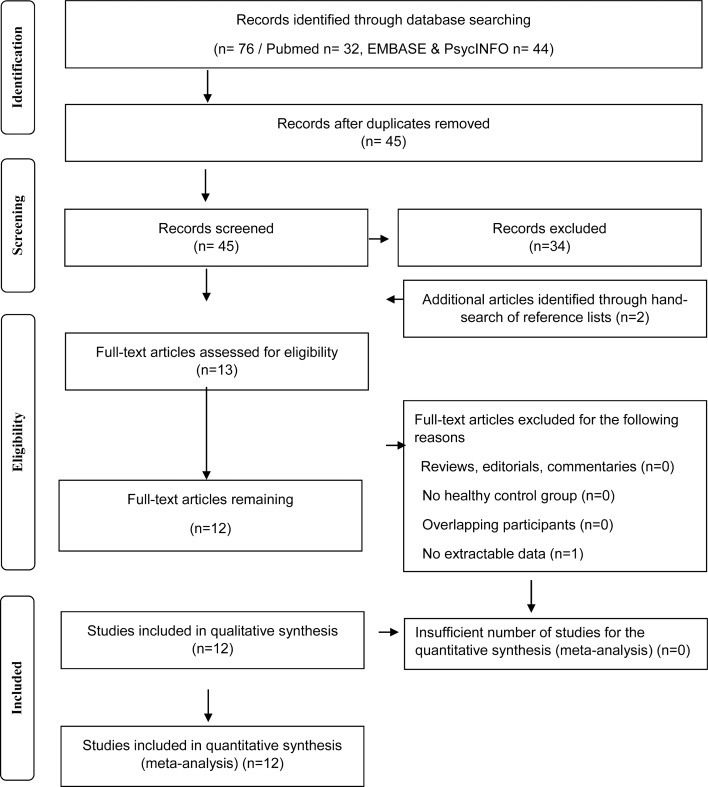
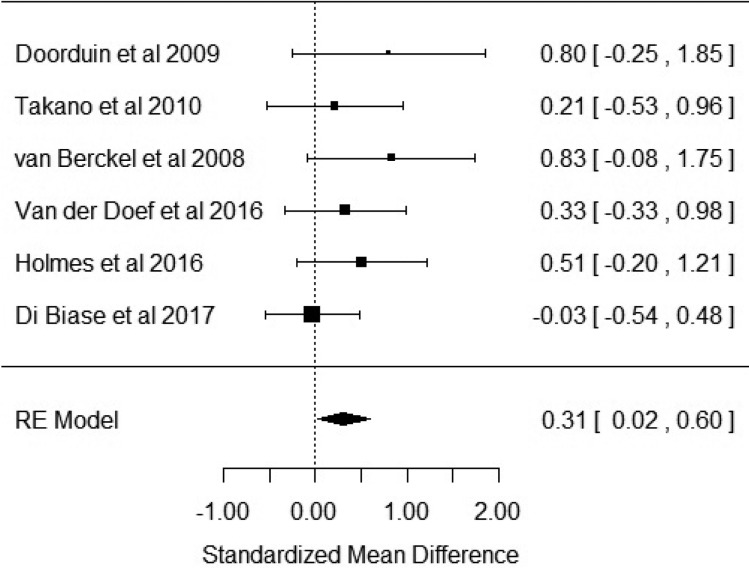
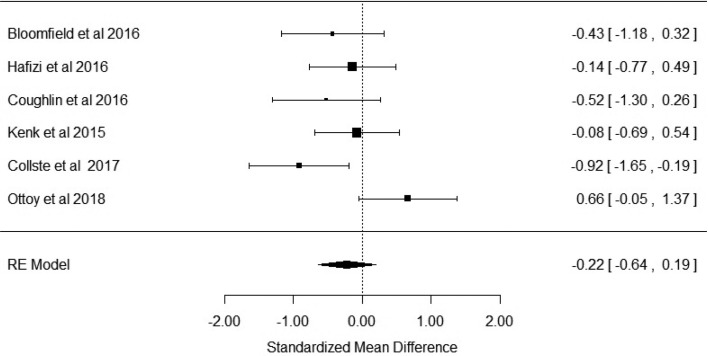
Background: Converging lines of evidence implicate an important role for the immune system in schizophrenia. Microglia are the resident immune cells of the central nervous system and have many functions including neuroinflammation, axonal guidance and neurotrophic support. We aimed to provide a quantitative review of in vivo PET imaging studies of microglia activation in patients with schizophrenia compared with healthy controls. Methods: Demographic, clinical and imaging measures were extracted from each study and meta-analysis was conducted using a random-effects model (Hedge's g ). The difference in 18-kDa translocator protein (TSPO) binding between patients with schizophrenia and healthy controls, as quantified by either binding potential (BP) or volume of distribution ( V T ), was used as the main outcome. Sub-analysis and sensitivity analysis were carried out to investigate the effects of genotype, ligand and illness stage. Results: In total, 12 studies comprising 190 patients with schizophrenia and 200 healthy controls met inclusion criteria. There was a significant elevation in tracer binding in schizophrenia patients relative to controls when BP was used as an outcome measure, (Hedge's g = 0.31; p = 0.03) but no significant differences when V T was used (Hedge's g = −0.22; p = 0.29). Conclusions: In conclusion, there is evidence for moderate elevations in TSPO tracer binding in grey matter relative to other brain tissue in schizophrenia when using BP as an outcome measure, but no difference when VT is the outcome measure. We discuss the relevance of these findings as well as the methodological issues that may underlie the contrasting difference between these outcomes.
Overview
The claims and statistics of this paper haven’t been checked yet.
Free: it reads the open-access text and checks the first 5 claims that cite a source we can check. Create a free account to check every claim.
Integrity signals
Registry
Cites
Statistics
Figures
Verification
Claims the paper makes
The claims and statistics of this paper haven’t been checked yet.
Free: it reads the open-access text and checks the first 5 claims that cite a source we can check. Create a free account to check every claim.
Claims other papers make about this one
Each is checked against this paper’s own text: does it say what the citing paper says it does?
The cited source says what the claim attributes to it.
In the citing paper
“Converging lines of genetic, post-mortem, and pre-clinical evidence suggest immune dysregulation may play a role in the pathogenesis of both schizophrenia 63–67 and depression, 68, 69 and it is hypothesised that immune alterations are seen only in a proportion of these patients (immune/inflammatory subgroups) and are linked to poor treatment response. 67, 70–72”
From Treatment resistance in psychiatry: state of the art and new directions (2022) · cites this paper as [65]
Self-check
Percentages, sums and reported differences re-computed from the paper’s own numbers.
The self-check needs the paper’s full text.
Citations
Cites
Biological insights from 108 schizophrenia-associated genetic loci
Schizophrenia Working Group of the Psychiatric Genomics Consortium (2014) · Nature · doi:10.1038/nature13595 · Cited by 7,577
Schizophrenia risk from complex variation of complement component 4
Sekar, A., Bialas, A. R., de Rivera, H., Davis, A., Hammond, T. R., Kamitaki, N., Tooley, K., Presumey, J., Baum, M., Van Doren, V., et al. (2016) · Nature · doi:10.1038/nature16549 · Cited by 2,394
Consensus Nomenclature for in vivo Imaging of Reversibly Binding Radioligands
Innis, R. B., Cunningham, V. J., Delforge, J., Fujita, M., Gjedde, A., Gunn, R. N., Holden, J., Houle, S., Huang, S.-C., Ichise, M., et al. (2007) · Journal of Cerebral Blood Flow & Metabolism · doi:10.1038/sj.jcbfm.9600493 · Cited by 1,955
Common variants conferring risk of schizophrenia
†Genetic Risk and Outcome in Psychosis (GROUP), Stefansson, H., Ophoff, R. A., Steinberg, S., Andreassen, O. A., Cichon, S., Rujescu, D., Werge, T., Pietiläinen, O. P. H., Mors, O., et al. (2009) · Nature · doi:10.1038/nature08186 · Cited by 1,677
Howes, O. D., Kambeitz, J., Kim, E., Stahl, D., Slifstein, M., Abi-Dargham, A., & Kapur, S. (2012) · Archives of General Psychiatry · doi:10.1001/archgenpsychiatry.2012.169 · Cited by 967 · cited 1×
“Although this is a common procedure in PET meta-analyses (Howes et al., 2012; Kambeitz et al., 2014; Ashok et al., 2017), it can constitute a potential limitation of this study.”
Self-citationMintun, M. A., Raichle, M. E., Kilbourn, M. R., Wooten, G. F., & Welch, M. J. (1984) · Annals of Neurology · doi:10.1002/ana.410150302 · Cited by 955 · cited 1×
“The non-displaceable BP (BPND) measures the tracer binding in the tissue of interest relative to another brain region selected to have negligible specific binding, to give specific binding in the region of interest (Mintun et al., 1984).”
Owen, D. R., Yeo, A. J., Gunn, R. N., Song, K., Wadsworth, G., Lewis, A., Rhodes, C., Pulford, D. J., Bennacef, I., Parker, C. A., et al. (2012) · Journal of Cerebral Blood Flow & Metabolism · doi:10.1038/jcbfm.2011.147 · Cited by 779
Calcia, M. A., Bonsall, D. R., Bloomfield, P. S., Selvaraj, S., Barichello, T., & Howes, O. D. (2016) · Psychopharmacology · doi:10.1007/s00213-016-4218-9 · Cited by 709
Self-citationvan Berckel, B. N., Bossong, M. G., Boellaard, R., Kloet, R., Schuitemaker, A., Caspers, E., Luurtsema, G., Windhorst, A. D., Cahn, W., Lammertsma, A. A., et al. (2008) · Biological Psychiatry · doi:10.1016/j.biopsych.2008.04.025 · Cited by 582
Benros, M. E., Nielsen, P. R., Nordentoft, M., Eaton, W. W., Dalton, S. O., & Mortensen, P. B. (2011) · American Journal of Psychiatry · doi:10.1176/appi.ajp.2011.11030516 · Cited by 582 · cited 1×
“Over 20 epidemiological studies show that people with a history of infection or autoimmune diseases have an increased risk of schizophrenia (Benros et al ., 2011, 2014; Khandaker et al ., 2012, 2013; Miller et al ., 2013).”
Cited by
McCutcheon, R. A., Reis Marques, T., & Howes, O. D. (2020) · JAMA Psychiatry · doi:10.1001/jamapsychiatry.2019.3360 · Cited by 1,481
Self-citationEnache, D., Pariante, C. M., & Mondelli, V. (2019) · Brain, Behavior, and Immunity · doi:10.1016/j.bbi.2019.06.015 · Cited by 615
“A previous meta-analysis found elevated TSPO binding in patient with schizophrenia when the outcome was TSPO- Binding Potential (BPND), but not when the outcome was TSPO- Volume of Distribution (VT) (Marques et al., 2018).”
BackgroundTreatment resistance in psychiatry: state of the art and new directions
Howes, O. D., Thase, M. E., & Pillinger, T. (2022) · Molecular Psychiatry · doi:10.1038/s41380-021-01200-3 · Cited by 413
Self-citationInnate immune dysfunction and neuroinflammation in autism spectrum disorder (ASD)
Hughes, H. K., R.J.Moreno, & Ashwood, P. (2023) · Brain, Behavior, and Immunity · doi:10.1016/j.bbi.2022.12.001 · Cited by 263
“The PET output parameter (binding potential vs total distribution volume) can influence findings, as previously documented in a meta-analysis of patients with psychiatric disorders (Marques, 2019).”
Neuroinflammation in psychiatric disorders: PET imaging and promising new targets
Meyer, J. H., Cervenka, S., Kim, M.-J., Kreisl, W. C., Henter, I. D., & Innis, R. B. (2020) · The Lancet Psychiatry · doi:10.1016/s2215-0366(20)30255-8 · Cited by 270
Howes, O. D., & Shatalina, E. (2022) · Biological Psychiatry · doi:10.1016/j.biopsych.2022.06.017 · Cited by 256
Self-citationThe synaptic hypothesis of schizophrenia version III: a master mechanism
Howes, O. D., & Onwordi, E. C. (2023) · Molecular Psychiatry · doi:10.1038/s41380-023-02043-w · Cited by 234
“However, there are inconsistencies in the TSPO PET findings in schizophrenia (reviewed in [167]).”
BackgroundSelf-citationNeuroimaging Biomarkers in Schizophrenia
Kraguljac, N. V., McDonald, W. M., Widge, A. S., Rodriguez, C. I., Tohen, M., & Nemeroff, C. B. (2021) · American Journal of Psychiatry · doi:10.1176/appi.ajp.2020.20030340 · Cited by 241
Steardo, L., Steardo, L., & Verkhratsky, A. (2020) · Translational Psychiatry · doi:10.1038/s41398-020-00949-5 · Cited by 219
Schizophrenia: from neurochemistry to circuits, symptoms and treatments
Howes, O. D., Bukala, B. R., & Beck, K. (2024) · Nature Reviews Neurology · doi:10.1038/s41582-023-00904-0 · Cited by 192
“112).”
Self-citationClimate change, environment pollution, COVID-19 pandemic and mental health
Marazziti, D., Cianconi, P., Mucci, F., Foresi Crowther, L., Chiarantini, I., & Della Vecchia, A. (2021) · Science of The Total Environment · doi:10.1016/j.scitotenv.2021.145182 · Cited by 192
Immune System Abnormalities in Schizophrenia: An Integrative View and Translational Perspectives
Ermakov, E. A., Melamud, M. M., Buneva, V. N., & Ivanova, S. A. (2022) · Frontiers in Psychiatry · doi:10.3389/fpsyt.2022.880568 · Cited by 179
The Role of Gut Dysbiosis in the Pathophysiology of Neuropsychiatric Disorders
Anand, N., Gorantla, V. R., & Chidambaram, S. B. (2022) · Cells · doi:10.3390/cells12010054 · Cited by 171
Kępińska, A. P., Iyegbe, C. O., Vernon, A. C., Yolken, R., Murray, R. M., & Pollak, T. A. (2020) · Frontiers in Psychiatry · doi:10.3389/fpsyt.2020.00072 · Cited by 193
Pillinger, T., Osimo, E. F., Brugger, S., Mondelli, V., McCutcheon, R. A., & Howes, O. D. (2019) · Schizophrenia Bulletin · doi:10.1093/schbul/sby160 · Cited by 190
“…in vivo studies have reported altered binding to a marker expressed on activated microglia in schizophrenia and people at risk of psychosis.11,12 However, it is important to recognize that there are other potential models explaining the association between immune alterations and…”
Self-citationNeutrophil-to-lymphocyte ratio in schizophrenia: A systematic review and meta-analysis
Karageorgiou, V., Milas, G. P., & Michopoulos, I. (2019) · Schizophrenia Research · doi:10.1016/j.schres.2018.12.017 · Cited by 163
The P2X7 Receptor: Central Hub of Brain Diseases
Andrejew, R., Oliveira-Giacomelli, Á., Ribeiro, D. E., Glaser, T., Arnaud-Sampaio, V. F., Lameu, C., & Ulrich, H. (2020) · Frontiers in Molecular Neuroscience · doi:10.3389/fnmol.2020.00124 · Cited by 162
Neuroimaging in schizophrenia: an overview of findings and their implications for synaptic changes
Howes, O. D., Cummings, C., Chapman, G. E., & Shatalina, E. (2022) · Neuropsychopharmacology · doi:10.1038/s41386-022-01426-x · Cited by 171
Self-citationMcCluskey, S. P., Plisson, C., Rabiner, E. A., & Howes, O. (2020) · European Journal of Nuclear Medicine and Molecular Imaging · doi:10.1007/s00259-019-04488-0 · Cited by 120
Self-citationNeuronal activity increases translocator protein (TSPO) levels
Notter, T., Schalbetter, S. M., Clifton, N. E., Mattei, D., Richetto, J., Thomas, K., Meyer, U., & Hall, J. (2021) · Molecular Psychiatry · doi:10.1038/s41380-020-0745-1 · Cited by 118
Parellada, E., & Gassó, P. (2021) · Translational Psychiatry · doi:10.1038/s41398-021-01385-9 · Cited by 100
Abnormal synaptic pruning during adolescence underlying the development of psychotic disorders
Germann, M., Brederoo, S. G., & Sommer, I. E. C. (2021) · Current Opinion in Psychiatry · doi:10.1097/yco.0000000000000696 · Cited by 102
“Main functions of microglia entail phagocytosis of pathogens and disrupted or apoptotic neuronal parts such as infrequently used synapses [12].”
BackgroundSelf-citationThe Role of Cytokines in the Pathogenesis of Schizophrenia
Dawidowski, B., Górniak, A., Podwalski, P., Lebiecka, Z., Misiak, B., & Samochowiec, J. (2021) · Journal of Clinical Medicine · doi:10.3390/jcm10173849 · Cited by 102
Eltokhi, A., Janmaat, I. E., Genedi, M., Haarman, B. C. M., & Sommer, I. E. C. (2020) · Journal of Neuroscience Research · doi:10.1002/jnr.24616 · Cited by 98
Self-citationKetogenic diet as a metabolic treatment for mental illness
Norwitz, N. G., Sethi, S., & Palmer, C. (2020) · Current Opinion in Endocrinology Diabetes and Obesity · doi:10.1097/med.0000000000000564 · Cited by 105
Impaired regulatory T cell control of astroglial overdrive and microglial pruning in schizophrenia
Zuelli, F. M. D. G. C., & Deakin, J. F. W. (2021) · Neuroscience & Biobehavioral Reviews · doi:10.1016/j.neubiorev.2021.03.004 · Cited by 93
Turkheimer, F., Althubaity, N., Schubert, J. J., Nettis, M. A., Cousins, O., Dima, D., Mondelli, V., Bullmore, E. T., Pariante, C. M., & Veronese, M. (2020) · Brain Behavior and Immunity · doi:10.1016/j.bbi.2020.10.025 · Cited by 89
Self-citationCan COVID-19 pandemic boost the epidemic of neurodegenerative diseases?
Verkhratsky, A., Li, Q., Melino, S., Melino, G., & Shi, Y. (2020) · Biology Direct · doi:10.1186/s13062-020-00282-3 · Cited by 91
Wegrzyn, D., Juckel, G., & Faissner, A. (2022) · International Journal of Molecular Sciences · doi:10.3390/ijms23105482 · Cited by 65
de Bartolomeis, A., Barone, A., Begni, V., & Riva, M. A. (2022) · Pharmacological Research · doi:10.1016/j.phrs.2022.106078 · Cited by 87
The role of microglia in neuropsychiatric disorders and suicide
Brisch, R., Wojtylak, S., Saniotis, A., Steiner, J., Gos, T., Kumaratilake, J., Henneberg, M., & Wolf, R. J. (2021) · European Archives of Psychiatry and Clinical Neuroscience · doi:10.1007/s00406-021-01334-z · Cited by 78
“[48] of TSPO PET studies and microglial activation exposed a moderate effect on gray matter relative to other brain tissue in schizophrenia when using binding potential as an outcome measure but no difference when using volume of distribution as an outcome measure.”
MethodEvaluating the Hypothesis That Schizophrenia Is an Inflammatory Disorder
Miller, B. J., & Goldsmith, D. R. (2020) · FOCUS The Journal of Lifelong Learning in Psychiatry · doi:10.1176/appi.focus.20200015 · Cited by 82
Inflammatory biomarkers in schizophrenia: Implications for heterogeneity and neurobiology
Miller, B. J., & Goldsmith, D. R. (2019) · Biomarkers in Neuropsychiatry · doi:10.1016/j.bionps.2019.100006 · Cited by 68
A loss of mature microglial markers without immune activation in schizophrenia
Snijders, G. J. L., van Zuiden, W., Sneeboer, M. A. M., van Berlekom, A. B., van der Geest, A. T., Schnieder, T. P., MacIntyre, D. J., Hol, E. M., Kahn, R. S., & de Witte, L. D. (2021) · Glia · doi:10.1002/glia.23962 · Cited by 77
Cattane, N., Vernon, A. C., Borsini, A., Scassellati, C., Endres, D., Capuron, L., Tamouza, R., Benros, M. E., Leza, J. C., Pariante, C. M., et al. (2022) · European Neuropsychopharmacology · doi:10.1016/j.euroneuro.2022.02.002 · Cited by 64
White-matter free-water diffusion MRI in schizophrenia: A systematic review and meta-analysis
Carreira Figueiredo, I., Borgan, F., Pasternak, O., Turkheimer, F. E., & Howes, O. D. (2022) · Neuropsychopharmacology · doi:10.1038/s41386-022-01272-x · Cited by 65
“…patients, ideally combining free-water imaging with other neuroimaging methodologies such as PET measures of markers expressed on immune cells[20][48–50] and including measures of peripheral and central cytokines[19][51–53] in order to understand how these peripheral and central measures of…”
Self-citationMicroglia-neuron interactions in schizophrenia
Hartmann, S.-M., Heider, J., Wüst, R., Fallgatter, A. J., & Volkmer, H. (2024) · Frontiers in Cellular Neuroscience · doi:10.3389/fncel.2024.1345349 · Cited by 67
Teasdale, S. B., Mörkl, S., & Mueller‐Stierlin, A. S. (2020) · Brain Behavior & Immunity - Health · doi:10.1016/j.bbih.2020.100070 · Cited by 78
The Role of Ketogenic Metabolic Therapy on the Brain in Serious Mental Illness: A Review
Sethi, S., & Ford, J. M. (2022) · Journal of Psychiatry and Brain Science · doi:10.20900/jpbs.20220009 · Cited by 71
“(2019) found increased inflammatory markers (translocator protein) in the brains of living SZ patients [35].”
BackgroundChauveau, F., Becker, G., & Boutin, H. (2021) · European Journal of Nuclear Medicine and Molecular Imaging · doi:10.1007/s00259-021-05425-w · Cited by 58
Plavén‐Sigray, P., Matheson, G. J., Coughlin, J. M., Hafizi, S., Laurikainen, H., Ottoy, J., Picker, L. D., Rusjan, P., Hietala, J. A., Howes, O. D., et al. (2020) · Biological Psychiatry · doi:10.1016/j.biopsych.2020.05.028 · Cited by 54
“, which showed no difference in VT between patients and control subjects in studies using secondgeneration TSPO radioligands (15).”
BackgroundSelf-citationMolecular imaging of schizophrenia: Neurochemical findings in a heterogeneous and evolving disorder
Cumming, P. D., Abi‐Dargham, A., & Gründer, G. (2020) · Behavioural Brain Research · doi:10.1016/j.bbr.2020.113004 · Cited by 60
van Mierlo, H. C., Schot, A., Boks, M. P., & de Witte, L. D. (2019) · Schizophrenia Research · doi:10.1016/j.schres.2019.05.028 · Cited by 51
Neuroinflammation and schizophrenia – is there a link?
Chaves, C., Dursun, S. M., Tusconi, M., & Hallak, J. E. C. (2024) · Frontiers in Psychiatry · doi:10.3389/fpsyt.2024.1356975 · Cited by 59
“Despite the caveat that TSPO is found in various types of brain cells, not just in microglia (20), a metanalysis by Marques et al. (2019) found a signi fi cant increase in TSPO binding potential in patients with schizophrenia compared to controls (80).”
BackgroundImmune Dysfunction in Schizophrenia Spectrum Disorders
Gangadin, S. S., Enthoven, A.-S. D., van Beveren, N. J. M., Laman, J. D., & Sommer, I. E. (2024) · Annual Review of Clinical Psychology · doi:10.1146/annurev-clinpsy-081122-013201 · Cited by 57
Self-citationMicroglial activation in schizophrenia: Is translocator 18 kDa protein (TSPO) the right marker?
Sneeboer, M. A. M., van der Doef, T. F., Litjens, M., Psy, N. B. B., Melief, J., Hol, E. M., Kahn, R. S., & de Witte, L. D. (2019) · Schizophrenia Research · doi:10.1016/j.schres.2019.10.045 · Cited by 49
New clues for the role of cerebellum in schizophrenia and the associated cognitive impairment
Faris, P. S., Pischedda, D., Palesi, F., & D'Angelo, E. U. (2024) · Frontiers in Cellular Neuroscience · doi:10.3389/fncel.2024.1386583 · Cited by 52
Ravanfar, P., Syeda, W. T., Jayaram, M., Rushmore, J., Moffat, B. A., Lin, A. P., Lyall, A. E., Merritt, A. H., Yaghmaie, N., Laskaris, L., et al. (2022) · Schizophrenia · doi:10.1038/s41537-022-00293-1 · Cited by 45
Redox and Immune Signaling in Schizophrenia: New Therapeutic Potential
Dwir, D., Khadimallah, I., Xin, L., Rahman, M., Du, F., Öngür, D., & Kim, Q. (2023) · The International Journal of Neuropsychopharmacology · doi:10.1093/ijnp/pyad012 · Cited by 46
“In vivo Positron emission tomography (PET) studies are now available, but these have been conflicting (Notter et al., 2018; Marques et al., 2019; McCluskey et al., 2020).”
BackgroundMorris, G., Puri, B. K., Maes, M. H. J., OLIVE, L. S., Berk, M., & Carvalho, A. F. (2020) · Progress in Neuro-Psychopharmacology and Biological Psychiatry · doi:10.1016/j.pnpbp.2020.109858 · Cited by 45
Sommer, I. E., Gangadin, S. S., de Witte, L. D., Koops, S., van Baal, C. G. C. M., Bahn, S., Drexhage, H. A., van Haren, N. E. M., Veling, W., Bruggeman, R., et al. (2021) · Schizophrenia Bulletin · doi:10.1093/schbul/sbab010 · Cited by 45
Self-citationMicroglial contribution to the pathology of neurodevelopmental disorders in humans
Matulevičiūtė, R., Akinluyi, E. T., Muntslag, T. A. O., Dewing, J. M., Long, K. R., Vernon, A. C., Tremblay, M., & Menassa, D. A. (2023) · Acta Neuropathologica · doi:10.1007/s00401-023-02629-2 · Cited by 44
“However, five out of the six studies which used binding potential as an outcome used the first-generation TSPO tracer [108].”
BackgroundMethodResultA preliminary choroid plexus volumetric study in individuals with psychosis
Şenay, O., Seethaler, M., Makris, N., Yeterian, E. H., Rushmore, J., Cho, K. I. K., Rizzoni, E., Heller, C., Pasternak, O., Szczepankiewicz, F., et al. (2023) · Human Brain Mapping · doi:10.1002/hbm.26224 · Cited by 40
“While positron emission tomography (PET) studies of activated glial cells in individuals with psychosis remain inconclusive (Marques et al., 2019; Plaven-Sigray et al., 2018), diffusion MRI studies have shown that individuals with psychosis present with increased free-water levels during the early…”
BackgroundEffects of Antipsychotic Drugs: Cross Talk Between the Nervous and Innate Immune System
Dinesh, A. A., Islam, J., Khan, J., Turkheimer, F., & Vernon, A. C. (2020) · CNS Drugs · doi:10.1007/s40263-020-00765-x · Cited by 41
“For example, a recent meta-analysis of published TSPO PET studies in schizophrenia found evidence for differential outcomes mediated by method of quantification [68].”
ResultSelf-citationLin, C., Chen, K., Yu, J., Feng, W., Fu, W., Yang, F., Zhang, X., & Chen, D. (2021) · BMC Psychiatry · doi:10.1186/s12888-021-03569-5 · Cited by 41
“TSPO tracers were elevated in the gray matter of patients with schizophrenia when the binding potential was used as the outcome measure, rather than the volume of distribution [8, 9].”
MethodOverlapping evidence of innate immune dysfunction in psychotic and affective disorders
Hughes, H. K., & Ashwood, P. (2020) · Brain, Behavior, & Immunity - Health · doi:10.1016/j.bbih.2020.100038 · Cited by 39
Hashimoto, K. (2019) · Current Psychiatry Reports · doi:10.1007/s11920-019-1063-7 · Cited by 44
Immunophenotypes in psychosis: is it a premature inflamm-aging disorder?
Chen, S., Tan, Y., & Tian, L. (2024) · Molecular Psychiatry · doi:10.1038/s41380-024-02539-z · Cited by 40
Microglia sequelae: brain signature of innate immunity in schizophrenia
Rodrigues‐Neves, A. C., Ambrósio, A. F., & Gomes, C. A. (2022) · Translational Psychiatry · doi:10.1038/s41398-022-02197-1 · Cited by 36
“Thus, the measurement of TSPO levels through the use of radiotracers has been commonly performed to investigate microglia activation in SCZ patients [63], although we would like to emphasize that TSPO is not exclusively expressed in microglial cells [64] and its expression does not correlate with the expression of can…”
Meta-analysis of molecular imaging of translocator protein in major depression
Eggerstorfer, B., Kim, J.-H., Cumming, P., Lanzenberger, R., & Gryglewski, G. (2022) · Frontiers in Molecular Neuroscience · doi:10.3389/fnmol.2022.981442 · Cited by 35
“In this context a meta-analysis on TSPO-PET in schizophrenia reported that differences between patients and healthy subjects were only apparent from studies using [11C]PK11195, without any such difference evident in the studies using second-generation TSPO radioligands like [11C]PBR28 and [18F]FEPPA, noting that these…”
ResultA conceptualized model linking matrix metalloproteinase-9 to schizophrenia pathogenesis
Bitanihirwe, B. K. Y., & Woo, T.-U. W. (2020) · Schizophrenia Research · doi:10.1016/j.schres.2019.12.015 · Cited by 38
Oh, S. J., & Fan, X. (2019) · CNS Drugs · doi:10.1007/s40263-019-00632-4 · Cited by 35
Steen, N. E., Rahman, Z., Szabó, A., Hindley, G., Parker, N., Cheng, W., Lin, A., O’Connell, K. S., Sheikh, M. A., Shadrin, A. A., et al. (2023) · Schizophrenia Bulletin · doi:10.1093/schbul/sbad082 · Cited by 36
Zádor, F., Nagy-Grócz, G., Kékesi, G., Dvorácskó, S., Szűcs, E., Tömböly, C., Horváth, G., Benyhe, S., & Vécsei, L. (2019) · Molecules · doi:10.3390/molecules24203709 · Cited by 34
“A substantial amount of data has shown that acute and chronic CNS inflammation, which can be induced by infectious agents, environmental toxins, factors, neural lesions, or genetic defects, is associated with schizophrenia [192,193].”
BackgroundLaurikainen, H., Vuorela, A., Toivonen, A., Reinert‐Hartwall, L., Trontti, K., Lindgren, M., Keinänen, J., Mäntylä, T. J. S., Paju, J., Ilonen, T., et al. (2020) · Translational Psychiatry · doi:10.1038/s41398-020-0776-z · Cited by 34
Omori, W., Hattori, K., Kajitani, N., Okada‐Tsuchioka, M., Boku, S., Kunugi, H., Okamoto, Y., & Takebayashi, M. (2020) · The International Journal of Neuropsychopharmacology · doi:10.1093/ijnp/pyaa049 · Cited by 33
Nettis, M. A. (2021) · Brain Behavior & Immunity - Health · doi:10.1016/j.bbih.2021.100335 · Cited by 37
“This is supported by conflicting results across PET-TSPO studies investigating microglial changes in schizophrenia (Mondelli et al., 2017) (Notter and Meyer, 2017) (Marques et al., 2019).”
Picker, L. D., & Haarman, B. C. M. (2021) · European Journal of Nuclear Medicine and Molecular Imaging · doi:10.1007/s00259-021-05308-0 · Cited by 33
Boiko, A. S., Mednova, I. A., Kornetova, E. G., Gerasimova, V. I., Корнетов, А. Н., LOONEN, A. J. M., Bokhan, N. A., & Ivanova, S. А. (2021) · Pharmaceuticals · doi:10.3390/ph14050446 · Cited by 30
“Immunoinflammation plays an important role in the pathogenetic mechanisms of schizophrenia, as evidenced by the activation of microglia demonstrated in neuroimaging studies, which was followed by the formation of inflammatory mediators [1,2].”
BackgroundCheng, Y., Wang, T., Zhang, T., Shu, Y., Zhao, S., Li, N., Yang, Y., Zhang, F., Xu, L., Shan, B., et al. (2022) · Biological Psychiatry Cognitive Neuroscience and Neuroimaging · doi:10.1016/j.bpsc.2022.06.006 · Cited by 40
Neuroinflammation in Schizophrenia: An Overview of Evidence and Implications for Pathophysiology
Ermakov, E. A., Mednova, I. A., Boiko, A. S., & Ivanova, S. А. (2025) · Journal of Integrative Neuroscience · doi:10.31083/jin27636 · Cited by 31
“…to results of a meta-analysis of 12 studies, there is enhancement of tracers’ binding to TSPO in gray matter of SC patients relative to controls when binding potential is used as an outcome measure, but there are no significant differences when the volume of distribution is used instead [71].”
Neuroimmune Mechanisms and Sex/Gender-Dependent Effects in the Pathophysiology of Mental Disorders
Kokkosis, A. G., & Tsirka, S. E. (2020) · Journal of Pharmacology and Experimental Therapeutics · doi:10.1124/jpet.120.266163 · Cited by 34
Motamed, M., Karimi, H., Moghaddam, H. S., Boroujeni, S. T., Sanatian, Z., Hasanzadeh, A., Ardakani, M. R. K., & Akhondzadeh, S. (2022) · International Clinical Psychopharmacology · doi:10.1097/yic.0000000000000399 · Cited by 31
“The elevated amount of translocator protein in the brain of patients with schizophrenia and the genetic relation between schizophrenia and complement-4 allele are also highly suggestive of the role of neuroinflammation (Sekar et al., 2016; Marques et al., 2019).”
BackgroundRen, Q. (2019) · Frontiers in Pharmacology · doi:10.3389/fphar.2019.00420 · Cited by 31
Engh, J. A., Ueland, T., Agartz, I., Andreou, D., Aukrust, P., Boye, B., Bøen, E., Drange, O. K., Elvsåshagen, T., Hope, S., et al. (2021) · Schizophrenia Bulletin · doi:10.1093/schbul/sbab106 · Cited by 33
The Effects of Peripheral Inflammation on the Brain—A Neuroimaging Perspective
Millett, C. E., Burdick, K. E., & Kubicki, M. R. (2022) · Harvard Review of Psychiatry · doi:10.1097/hrp.0000000000000323 · Cited by 27
Coelho, D. R. A., Salvi, J. D., Vieira, W. F., & Cassano, P. (2024) · Journal of Neuroscience Research · doi:10.1002/jnr.25317 · Cited by 28
“…et al., 2023 ; Maayan & Maayan, 2024; Yang et al., 2018), bipolar disorder (Ai et al., 2023 ; Misiak et al., 2020 ; Solmi et al., 2021 ), schizophrenia (Ai et al., 2023; Marques et al., 2019 ; Zhou et al., 2021 ), and Alzheimer's disease (Su et al., 2019 ; Yang et al., 2021 ; Zhang et al., 2021 ).”
Inflammatory disequilibrium and lateral ventricular enlargement in treatment-resistant schizophrenia
Chen, W., Gou, M., Wang, L., Li, N., Li, W., Tong, J., Zhou, Y., Xie, T., Yu, T., Feng, W., et al. (2023) · European Neuropsychopharmacology · doi:10.1016/j.euroneuro.2023.03.014 · Cited by 30
Foley, É. M., Griffiths, S. L., Murray, A., Rogers, J. C., Zuelli, F. M. D. G. C., Hickinbotham, H., Warwick, E., Wilson, M., Kaşer, M., Murray, G. K., et al. (2023) · BMJ Open · doi:10.1136/bmjopen-2022-067944 · Cited by 26
Potential diagnostic biomarkers for schizophrenia
Yue, W., Huang, H., & Duan, J. (2022) · Medical Review · doi:10.1515/mr-2022-0009 · Cited by 30
Lizano, P. L., Kiely, C., Mijalkov, M., Meda, S. A., Keedy, S., Hoang, D. T., Zeng, V., Lutz, O., Pereira, J. B., Ivleva, E. I., et al. (2023) · Brain Behavior and Immunity · doi:10.1016/j.bbi.2023.07.014 · Cited by 24
Oh, T. K., Park, H. Y., & Song, I. (2020) · Depression and Anxiety · doi:10.1002/da.23124 · Cited by 26
Dawidowski, B., Grelecki, G., Biłgorajski, A., Podwalski, P., Misiak, B., & Samochowiec, J. (2021) · Journal of Clinical Medicine · doi:10.3390/jcm11010232 · Cited by 22
Synaptic Density in Early Stages of Psychosis and Clinical High Risk
Blasco, M. B., Aji, K. N., Ramos-Jiménez, C., Leppert, I. R., Tardif, C. L., Cohen, J. P., Rusjan, P., & Mizrahi, R. (2024) · JAMA Psychiatry · doi:10.1001/jamapsychiatry.2024.3608 · Cited by 24
Innate Immune Dysfunction and Neuroinflammation in Autism Spectrum Disorder (ASD)
Hughes, H. K., Moreno, R. J., & Ashwood, P. (2024) · FOCUS The Journal of Lifelong Learning in Psychiatry · doi:10.1176/appi.focus.24022004 · Cited by 29
Perspective: Solving the Heterogeneity Conundrum of TSPO PET Imaging in Psychosis
Picker, L. D., & Morrens, M. (2020) · Frontiers in Psychiatry · doi:10.3389/fpsyt.2020.00362 · Cited by 21
“TSPO in their meta-analysis using single-participant data of second-generation tracer studies (18, 19).”
BackgroundMethodBeyond the γ-aminobutyric acid hypothesis of schizophrenia
Fujihara, K. (2023) · Frontiers in Cellular Neuroscience · doi:10.3389/fncel.2023.1161608 · Cited by 24
“For example, the activation of microglia has been reported in schizophrenia (Radewicz et al., 2000; Wierzba-Bobrowicz et al., 2005; Fillman et al., 2013; Bloomfield et al., 2016; Marques et al., 2019).”
BackgroundSarkar, S., Rajalakshmi, A. R., Sankaran, A., & Eswaran, S. (2021) · International Ophthalmology · doi:10.1007/s10792-021-01831-z · Cited by 20
“and neurodegenerative hypothesis of schizophrenia [28, 40, 41].”
PET Imaging in Psychiatric Disorders
Ferrando, R., Hernandes, D., Ghini, B. G., & Coutinho, A. M. (2025) · Seminars in Nuclear Medicine · doi:10.1053/j.semnuclmed.2025.06.004 · Cited by 22
Markers of Schizophrenia—A Critical Narrative Update
Galińska-Skok, B., & Waszkiewicz, N. (2022) · Journal of Clinical Medicine · doi:10.3390/jcm11143964 · Cited by 22
“protein (TSPO) binding in grey matter in schizophrenia when the binding potential (BP) was used as an outcome measure [51].”
MethodScheurink, T. A. W., Borkent, J., Gangadin, S. S., Aidy, S. E., Mandl, R. C. W., & Sommer, I. E. (2023) · Brain and Behavior · doi:10.1002/brb3.3011 · Cited by 21
“SSD have been associated withdecreasedbrainvolumeandmicroglialactivation(Kimetal.,2017; Laskaris et al., 2016; Marques et al., 2019).”
BackgroundSelf-citationIncreased levels of a pro-inflammatory IgG receptor in the midbrain of people with schizophrenia
Petty, A. E., Glass, L. J., Rothmond, D. A., Purves-Tyson, T. D., Sweeney, A., Kondo, Y., Kubo, S., Matsumoto, M., & Weickert, C. S. (2022) · Journal of Neuroinflammation · doi:10.1186/s12974-022-02541-8 · Cited by 22
Pandolfo, G., Iannuzzo, F., Genovese, G., Bruno, A., Pioggia, G., Baldari, S., & Gangemi, S. (2021) · Brain Sciences · doi:10.3390/brainsci11101352 · Cited by 18
Iliopoulou, S. M., Tsartsalis, S., Kaiser, S., Millet, P., & Tournier, B. B. (2021) · Neuropsychiatric Disease and Treatment · doi:10.2147/ndt.s334027 · Cited by 18
“This study was included in the meta-analysis by Marques et al.(22) Finally, they identified an overlap of fourteen control subjects in Kenk et al and Hafizi et al, assigning these subjects to Hafizi et al data set, as to best match the patient group.”
BackgroundMethodResultInfluentialIn Vivo Reactive Astrocyte Imaging in Patients With Schizophrenia Using Fluorine 18–Labeled THK5351
Kim, M., Choi, W., Choi, S., Oh, H., Kim, J., Lee, J., An, S.-J., Hwang, J. S., Lee, Y., Song, I. C., et al. (2024) · JAMA Network Open · doi:10.1001/jamanetworkopen.2024.10684 · Cited by 18
Meta-analytic studies of the glial cell marker TSPO in psychosis – a question of apples and pears?
Plavén‐Sigray, P., & Červenka, S. (2019) · Psychological Medicine · doi:10.1017/s003329171800421x · Cited by 17
Guerrin, C. G. J., Shoji, A., Doorduin, J., & de Vries, E. F. J. (2022) · Molecular Imaging and Biology · doi:10.1007/s11307-022-01723-3 · Cited by 19
“Clinical imaging studies in schizophrenia patients observed either a light increase or no differences in microglial activation depending on the outcome parameter used [11].”
BackgroundImmunological Biomarkers as Predictors of Treatment Response in Psychotic Disorders
Orbe, E. B., & Benros, M. E. (2023) · Journal of Personalized Medicine · doi:10.3390/jpm13091382 · Cited by 19
“…[20], although a recent meta-analysis found no significant association with the volume of the distribution of translocator protein (TSPO), which is believed to reflect microglial activation, though recent research has indicated that it might more reflect the density of inflammatory cells [21,22].”
BackgroundPositron Emission Tomography of Neuroimmune Responses in Humans: Insights and Intricacies
Raval, N. R., Wetherill, R. R., Wiers, C. E., Dubroff, J. G., & Hillmer, A. T. (2022) · Seminars in Nuclear Medicine · doi:10.1053/j.semnuclmed.2022.08.008 · Cited by 15
“22).(108) Notably, a more recent meta-analysis that used individual participant data of 208 individuals (99 patients and 109 healthy control subjects) who were scanned with second-generation TSPO tracers only provided strong support for lower TSPO VT in patients than in controls.”
ResultSchizophrenia and the COVID-19 pandemic: A narrative review from the biomedical perspective
Kowalski, K., & Misiak, B. (2023) · Revista de Psiquiatría y Salud Mental · doi:10.1016/j.rpsm.2023.04.002 · Cited by 16
Metadata
- Authors
- Marques, T. R., Ashok, A. H., Pillinger, T., Veronese, M., Turkheimer, F. E., Dazzan, P., Sommer, I. E. C., & Howes, O. D.
- Affiliations
- MRC London Institute of Medical Sciences (GB)
- King's College London (GB)
- University Medical Center Utrecht (NL)
- Corresponding author
- Marques, Tiago Reis
- ORCID
- Venue
- Psychological Medicine
- Publisher
- Cambridge University Press (CUP)
- Published
- 2018-10-25
- Volume
- 49
- Issue
- 13
- Pages
- 2186-2196
- ISSN
- 0033-2917 (ISSN-L)
- 1469-8978
- PMC
- PMC6366560
- OpenAlex
- W2898554771
- Cited by
- 213
- References
- 66
- Citations by year
- 2026: 15 · 2025: 19 · 2024: 27 · 2023: 31 · 2022: 36 · 2021: 34 · 2020: 31 · 2019: 18 · 2018: 2
- FWCI
- 3.23
- Type
- journal article
- Language
- en
- Open access
- hybrid
- doi.org
- Locations
- Psychological Medicine (publishedVersion, cc-by)
- PubMed Central (publishedVersion, cc-by)
- PubMed (publishedVersion)
- Research Portal (King's College London) (submittedVersion, other-oa)
- Spiral (Imperial College London) (submittedVersion, cc-by)
- Padua Research Archive (University of Padova) (submittedVersion, cc-by)
- University of Groningen research database (University of Groningen / Centre for Information Technology) (submittedVersion, cc-by)
- Funders
- Medical Research Council (MR/N026063/1)
- Topics
- Health Sciences › Medicine › Psychiatry and Mental health › Schizophrenia research and treatment
- Life Sciences › Neuroscience › Neurology › Neuroinflammation and Neurodegeneration Mechanisms
- Life Sciences › Neuroscience › Biological Psychiatry › Tryptophan and brain disorders
- Keywords
- schizophrenia, neuroinflammation, microglial activation, translocator protein (TSPO), positron emission tomography, binding potential, volume of distribution, grey matter
- MeSH terms
- Blood Pressure, Humans, Inflammation, Schizophrenia, Microglia, Receptors, GABA, In Vitro Techniques
About these checks
Registry, retraction, Cites and statistics results are computed, not judged, with one exception: a printed reference that no index lists is read once by a model before it counts as a citation error. Claims are extracted by a model and kept only when their quote appears verbatim in the text; each cited source is then checked, with a model’s help, for whether it says what the claim relies on. Those verdicts can be wrong — read the claim’s quote and the cited source before relying on one.
Statistics and arithmetic are recomputed, not judged.
Confidence bands are shown only for fields calibrated on our annotated test set. None is calibrated yet, so no band is shown.
What counts as a claim ›How we measure confidence ›How we check this ›
Are you an author, or do you see a problem with this page? Request a review
Data sources
Bibliographic data: Semantic Scholar, OpenAlex, Crossref.
Contains information from the Semantic Scholar Academic Graph Datasets, made available under the ODC Attribution License (ODC-BY 1.0).
Semantic Scholar’s data is described in: Kinney, R., et al. (2023). The Semantic Scholar Open Data Platform. arXiv:2301.10140.
