

Disruption of nucleocytoplasmic trafficking as a cellular senescence driver.
Open accessThe DOI matches its Crossref record; 67 of the 67 references it cites were found in a registry or an index.
Abstract
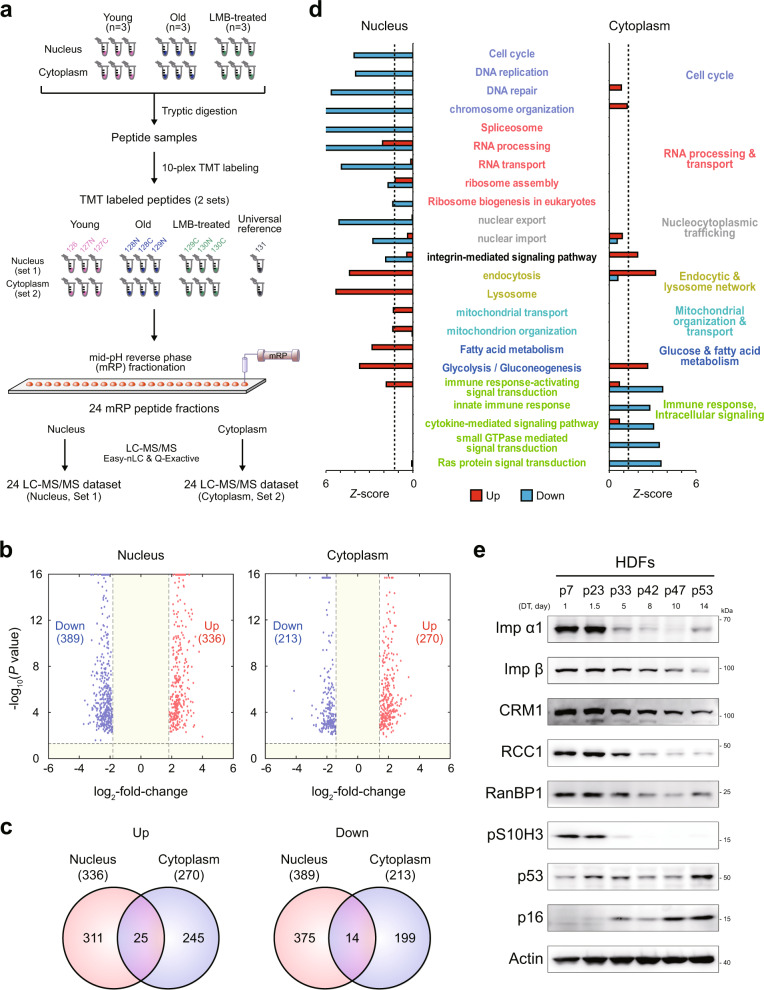
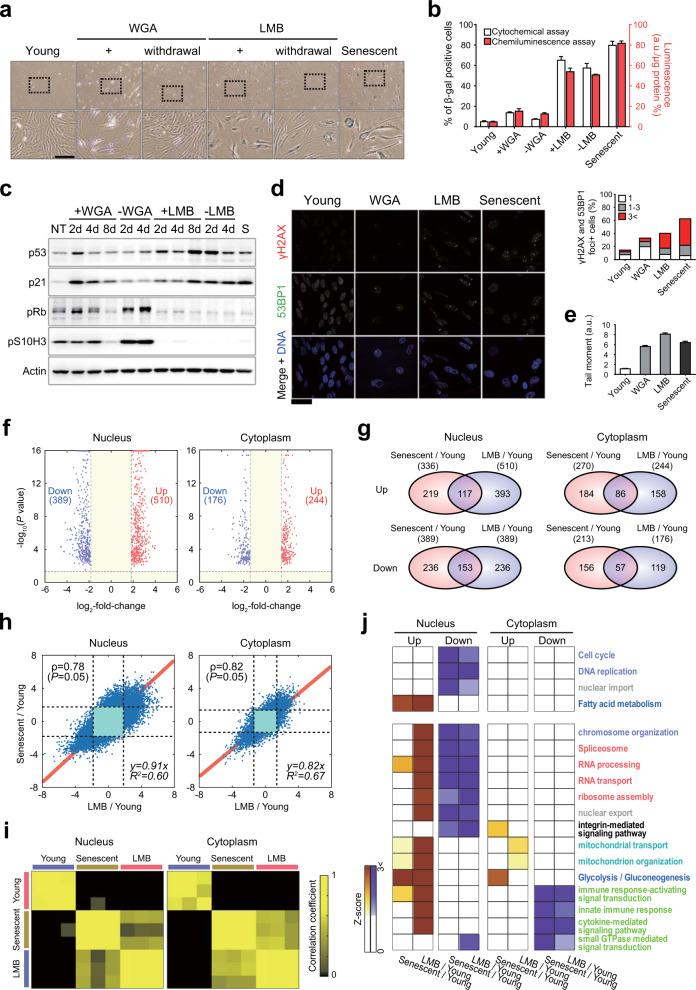
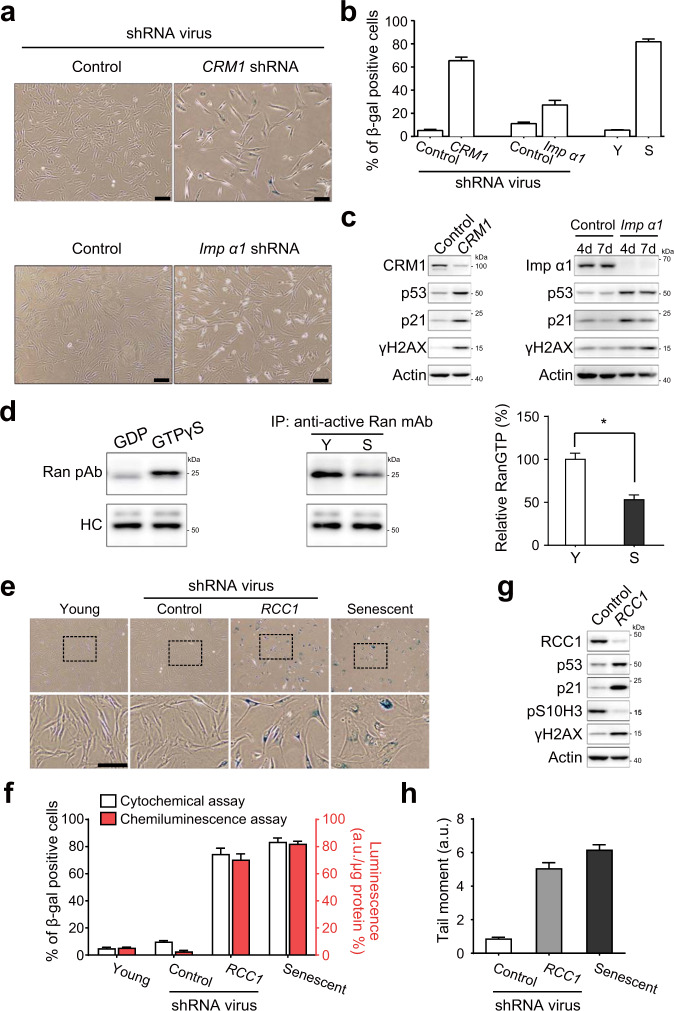
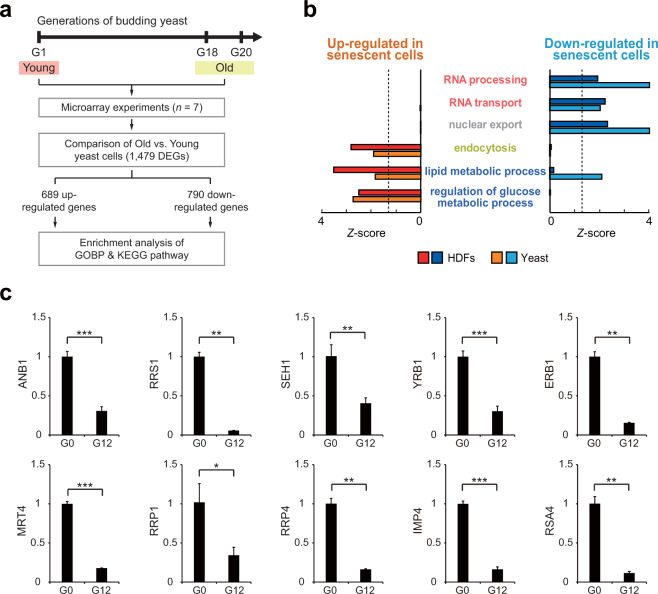
Senescent cells exhibit a reduced response to intrinsic and extrinsic stimuli. This diminished reaction may be explained by the disrupted transmission of nuclear signals. However, this hypothesis requires more evidence before it can be accepted as a mechanism of cellular senescence. A proteomic analysis of the cytoplasmic and nuclear fractions obtained from young and senescent cells revealed disruption of nucleocytoplasmic trafficking (NCT) as an essential feature of replicative senescence (RS) at the global level. Blocking NCT either chemically or genetically induced the acquisition of an RS-like senescence phenotype, named nuclear barrier-induced senescence (NBIS). A transcriptome analysis revealed that, among various types of cellular senescence, NBIS exhibited a gene expression pattern most similar to that of RS. Core proteomic and transcriptomic patterns common to both RS and NBIS included upregulation of the endocytosis-lysosome network and downregulation of NCT in senescent cells, patterns also observed in an aging yeast model. These results imply coordinated aging-dependent reduction in the transmission of extrinsic signals to the nucleus and in the nucleus-to-cytoplasm supply of proteins/RNAs. We further showed that the aging-associated decrease in Sp1 transcription factor expression was critical for the downregulation of NCT. Our results suggest that NBIS is a modality of cellular senescence that may represent the nature of physiological aging in eukaryotes.
Overview
The claims and statistics of this paper haven’t been checked yet.
Free: it reads the open-access text and checks the first 5 claims that cite a source we can check. Create a free account to check every claim.
Integrity signals
Registry
Cites
Statistics
Figures
Verification
Claims the paper makes
The claims and statistics of this paper haven’t been checked yet.
Free: it reads the open-access text and checks the first 5 claims that cite a source we can check. Create a free account to check every claim.
Claims other papers make about this one
Each is checked against this paper’s own text: does it say what the citing paper says it does?
The source backs part of the claim, not all of it — or backs it for a different population, condition or comparison.
In the citing paper
“Cellular senescence is accompanied by substantial reorganization of the nuclear envelope and a breakdown in nucleocytoplasmic trafficking, including altered expression and degradation of Lamin B1, and the formation of cytoplasmic chromatin fragments (CCFs) [38–45].”
From Chemically induced reprogramming to reverse cellular aging (2023) · cites this paper as [38]
Experimental — accuracy not yet measured
Self-check
Percentages, sums and reported differences re-computed from the paper’s own numbers.
The self-check needs the paper’s full text.
Citations
Cites
Cytoscape: A software Environment for integrated models of biomolecular interaction networks
Shannon, P., Markiel, A., Ozier, O., Baliga, N. S., Wang, J. T., Ramage, D., Amin, N., Schwikowski, B., & Ideker, T. (2003) · Genome Research · doi:10.1101/gr.1239303 · Cited by 51,888
Systematic and integrative analysis of large gene lists using DAVID bioinformatics resources
Huang, D. W., Sherman, B. T., & Lempicki, R. A. (2009) · Nature Protocols · doi:10.1038/nprot.2008.211 · Cited by 35,890
López-Otín, C., Blasco, M. A., Partridge, L., Serrano, M., & Kroemer, G. (2013) · Cell · doi:10.1016/j.cell.2013.05.039 · Cited by 14,982
Measures of the Amount of Ecologic Association Between Species
Dice, L. R. (1945) · Ecology · doi:10.2307/1932409 · Cited by 11,874
Statistical significance for genomewide studies
Storey, J. D., & Tibshirani, R. (2003) · Proceedings of the National Academy of Sciences · doi:10.1073/pnas.1530509100 · Cited by 9,692
Bolstad, B. M., Irizarry, R. A., Åstrand, M., & Speed, T. P. (2003) · Bioinformatics · doi:10.1093/bioinformatics/19.2.185 · Cited by 8,266
Cellular senescence: when bad things happen to good cells
Campisi, J., & d'Adda di Fagagna, F. (2007) · Nature Reviews Molecular Cell Biology · doi:10.1038/nrm2233 · Cited by 4,441
Clearance of p16Ink4a-positive senescent cells delays ageing-associated disorders
Baker, D. J., Wijshake, T., Tchkonia, T., LeBrasseur, N. K., Childs, B. G., van de Sluis, B., Kirkland, J. L., & van Deursen, J. M. (2011) · Nature · doi:10.1038/nature10600 · Cited by 3,670
Aging, Cellular Senescence, and Cancer
Campisi, J. (2013) · Annual Review of Physiology · doi:10.1146/annurev-physiol-030212-183653 · Cited by 2,954 · cited 3×
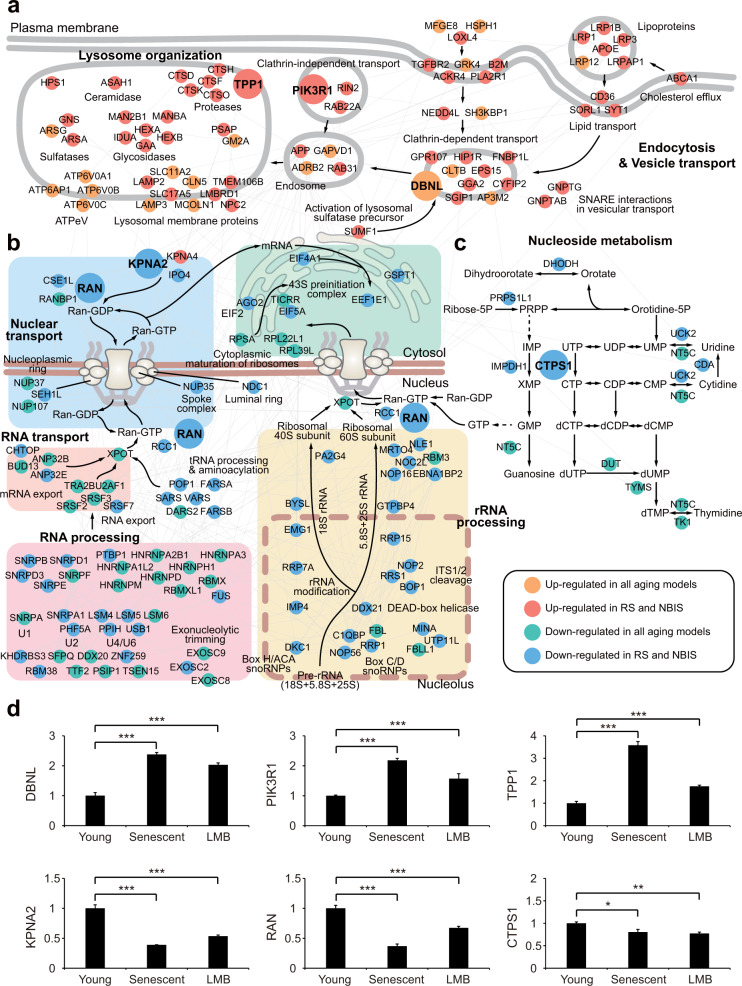
“6d): (1) DBNL, PIK3R1, and TPP1, which are involved in endocytic and lysosomal networks; (2) KPNA2 and RAN, which are involved in NCT; and (3) CTPS1, which is involved in nucleoside metabolism.”
BackgroundMethodFour faces of cellular senescence
Rodier, F., & Campisi, J. (2011) · Journal of Cell Biology · doi:10.1083/jcb.201009094 · Cited by 2,070
The essence of senescence: Figure 1.
Kuilman, T., Michaloglou, C., Mooi, W. J., & Peeper, D. S. (2010) · Genes & Development · doi:10.1101/gad.1971610 · Cited by 2,038 · cited 1×
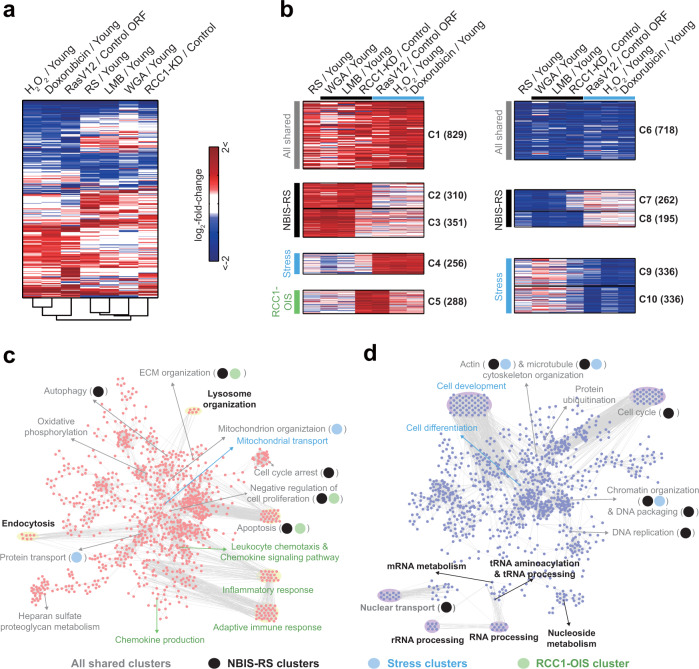
“In summary, the number of clusters (k) was set to 100 after several trials (50, 70, 100, and 150), and adjusted P values were computed through the following steps: (1) The elements of the log2-fold-change matrix were randomly permuted; (2) NMF clustering was performed on the randomly permuted matrix with k= 100; (3) s…”
MethodDebacq-Chainiaux, F., Erusalimsky, J. D., Campisi, J., & Toussaint, O. (2009) · Nature Protocols · doi:10.1038/nprot.2009.191 · Cited by 1,668
Jeon, O. H., Kim, C., Laberge, R.-M., Demaria, M., Rathod, S., Vasserot, A. P., Chung, J. W., Kim, D. H., Poon, Y., David, N., et al. (2017) · Nature Medicine · doi:10.1038/nm.4324 · Cited by 1,515
Olsen, J. V., de Godoy, L. M. F., Li, G., Macek, B., Mortensen, P., Pesch, R., Makarov, A., Lange, O., Horning, S., & Mann, M. (2005) · Molecular & Cellular Proteomics · doi:10.1074/mcp.t500030-mcp200 · Cited by 1,510
L1 drives IFN in senescent cells and promotes age-associated inflammation
De Cecco, M., Ito, T., Petrashen, A. P., Elias, A. E., Skvir, N. J., Criscione, S. W., Caligiana, A., Brocculi, G., Adney, E. M., Boeke, J. D., et al. (2019) · Nature · doi:10.1038/s41586-018-0784-9 · Cited by 1,255
Forging a signature of in vivo senescence
Sharpless, N. E., & Sherr, C. J. (2015) · Nature Reviews Cancer · doi:10.1038/nrc3960 · Cited by 1,104
MS-GF+ makes progress towards a universal database search tool for proteomics
Kim, S., & Pevzner, P. A. (2014) · Nature Communications · doi:10.1038/ncomms6277 · Cited by 1,098
Higher-energy C-trap dissociation for peptide modification analysis
Olsen, J. V., Macek, B., Lange, O., Makarov, A., Horning, S., & Mann, M. (2007) · Nature Methods · doi:10.1038/nmeth1060 · Cited by 999
Lee, H.-J., Suk, J.-E., Patrick, C., Bae, E.-J., Cho, J.-H., Rho, S., Hwang, D., Masliah, E., & Lee, S.-J. (2010) · Journal of Biological Chemistry · doi:10.1074/jbc.m109.081125 · Cited by 877
Self-citationArchitecture and design of the nuclear pore complex
Hinshaw, J. E., Carragher, B. O., & Milligan, R. A. (1992) · Cell · doi:10.1016/0092-8674(92)90635-p · Cited by 453
Spatial and temporal coordination of mitosis by Ran GTPase
Clarke, P. R., & Zhang, C. (2008) · Nature Reviews Molecular Cell Biology · doi:10.1038/nrm2410 · Cited by 432
Transcriptome signature of cellular senescence
Casella, G., Munk, R., Kim, K. M., Piao, Y., De, S., Abdelmohsen, K., & Gorospe, M. (2019) · Nucleic Acids Research · doi:10.1093/nar/gkz555 · Cited by 359 · cited 6×
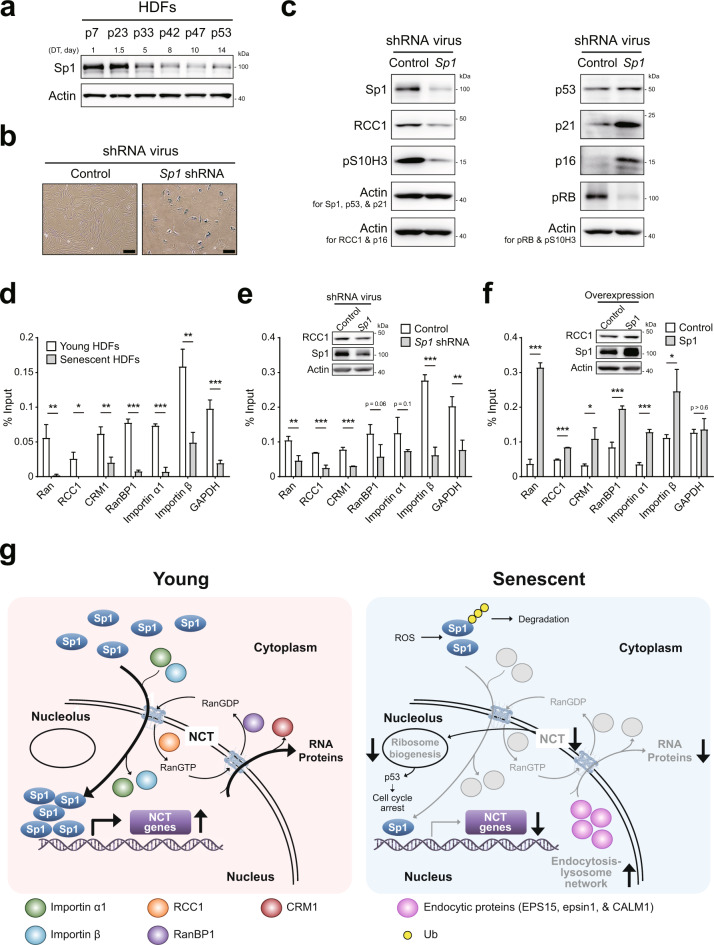
“, EPS15, epsin1, and CALM1) in the nucleus(49); and (2) impairment of NCT causes the accumulation of stress in the nucleolus(50), a center for ribosome biogenesis, which can trigger p53 activation leading to cell cycle arrest(51).”
BackgroundMethodInfluentialA data integration methodology for systems biology
Hwang, D., Rust, A. G., Ramsey, S., Smith, J. J., Leslie, D. M., Weston, A. D., de Atauri, P., Aitchison, J. D., Hood, L., Siegel, A. F., et al. (2005) · Proceedings of the National Academy of Sciences · doi:10.1073/pnas.0508647102 · Cited by 334
Self-citationSuperHirn – a novel tool for high resolution LC‐MS‐based peptide/protein profiling
Mueller, L. N., Rinner, O., Schmidt, A., Letarte, S., Bodenmiller, B., Brusniak, M., Vitek, O., Aebersold, R., & Müller, M. (2007) · PROTEOMICS · doi:10.1002/pmic.200700057 · Cited by 308
Pinkus, G. S., & SAID, J. W. (1977) · PubMed Central · Cited by 288
Metabolic Enzymes Moonlighting in the Nucleus: Metabolic Regulation of Gene Transcription
Boukouris, A. E., Zervopoulos, S. D., & Michelakis, E. D. (2016) · Trends in Biochemical Sciences · doi:10.1016/j.tibs.2016.05.013 · Cited by 280
Components and regulation of nuclear transport processes
Cautain, B., Hill, R., de Pedro, N., & Link, W. (2015) · The FEBS Journal · doi:10.1111/febs.13163 · Cited by 272
p53 and ribosome biogenesis stress: The essentials
Golomb, L., Volarevic, S., & Oren, M. (2014) · FEBS Letters · doi:10.1016/j.febslet.2014.04.014 · Cited by 242
Noske, A., Weichert, W., Niesporek, S., Röske, A., Buckendahl, A., Koch, I., Sehouli, J., Dietel, M., & Denkert, C. (2008) · Cancer · doi:10.1002/cncr.23354 · Cited by 218
Wei, S., Wei, S., & Sedivy, J. M. (1999) · PubMed · Cited by 208
Mutations in mRNA export mediator GLE1 result in a fetal motoneuron disease
Nousiainen, H. O., Kestilä, M., Pakkasjärvi, N., Honkala, H., Kuure, S., Tallila, J., Vuopala, K., Ignatius, J., Herva, R., & Peltonen, L. (2008) · Nature Genetics · doi:10.1038/ng.2007.65 · Cited by 200
Identification of Nuclear Export Inhibitors with Potent Anticancer Activity In vivo
Mutka, S. C., Yang, W. Q., Dong, S. D., Ward, S. L., Craig, D. A., Timmermans, P. B. M. W. M., & Murli, S. (2009) · Cancer Research · doi:10.1158/0008-5472.can-08-0858 · Cited by 195
Chemical screening identifies ATM as a target for alleviating senescence
Kang, H. T., Park, J. T., Choi, K., Kim, Y., Choi, H. J. C., Jung, C. W., Lee, Y.-S., & Park, S. C. (2017) · Nature Chemical Biology · doi:10.1038/nchembio.2342 · Cited by 184
Self-citationCHEN, Q. M. (2000) · Annals of the New York Academy of Sciences · doi:10.1111/j.1749-6632.2000.tb06640.x · Cited by 179 · cited 2×
“, SNRPB/D1/D3/E/F and HNRNPA1L2/A2B1/A3/D/ H1/M) and splicing factors (SFPQ and PSIP1), and (4) rRNA processing pathways for ribosome assembly (DKC1, IMP4, EMG1, DDX21, RRP1/7 A/15, FBL/L1, RRS1, and BOP1).”
BackgroundMethodThe expression of CRM1 is associated with prognosis in human osteosarcoma
Yao, Y. (1994) · Oncology Reports · doi:10.3892/or_00000213 · Cited by 167
Yang, S.-M., Kim, B. J., Toro, L. N., & Skoultchi, A. I. (2013) · Proceedings of the National Academy of Sciences · doi:10.1073/pnas.1213266110 · Cited by 141
Self-citationAging alters the apoptotic response to genotoxic stress
Suh, Y., Lee, K.-A., Kim, W. H., Han, B. G., Vijg, J., & Park, S. C. (2002) · Nature Medicine · doi:10.1038/nm0102-3 · Cited by 115
Self-citationRyu, S. J., Oh, Y. S., & Park, S. C. (2007) · Cell Death & Differentiation · doi:10.1038/sj.cdd.4402091 · Cited by 114
Self-citationKelley, J. B., Datta, S., Snow, C. J., Chatterjee, M., Ni, L., Spencer, A., Yang, C.-S., Cubeñas-Potts, C., Matunis, M. J., & Paschal, B. M. (2011) · Molecular and Cellular Biology · doi:10.1128/mcb.05087-11 · Cited by 109
Age-dependent deterioration of nuclear pore assembly in mitotic cells decreases transport dynamics
Rempel, I. L., Crane, M. M., Thaller, D. J., Mishra, A., Jansen, D. P., Janssens, G. E., Popken, P., Akşit, A., Kaeberlein, M. R., der Giessen, E. V., et al. (2019) · eLife · doi:10.7554/elife.48186 · Cited by 104
Nuclear Trafficking in Health and Disease
Mor, A., White, M. A., & Fontoura, B. M. (2014) · Current Opinion in Cell Biology · doi:10.1016/j.ceb.2014.01.007 · Cited by 80
Nuclear Import in Permeabilized Protoplasts from Higher Plants Has Unique Features
Hicks, G. R., Smith, H. M. S., Lobréaux, S., & Raikhel, N. V. (1996) · The Plant Cell · doi:10.1105/tpc.8.8.1337 · Cited by 78
Kang, H. T., Park, J. T., Choi, K., Choi, H. J. C., Jung, C. W., Kim, G. R., Lee, Y.-S., & Park, S. C. (2017) · Aging Cell · doi:10.1111/acel.12584 · Cited by 74
Self-citationAging and senescence of the budding yeast Saccharomyces cerevisiae
Jazwinski, S. M. (1990) · Molecular Microbiology · doi:10.1111/j.1365-2958.1990.tb00601.x · Cited by 72
Čekan, P., Hasegawa, K., Pan, Y., Tubman, E. S., Odde, D. J., Chen, J.-Q., Herrmann, M. A., Kumar, S., & Kaláb, P. (2016) · Molecular Biology of the Cell · doi:10.1091/mbc.e16-01-0025 · Cited by 66
Lim, I. K., Won Hong, K., Kwak, I. H., Yoon, G., & Park, S. C. (2000) · Mechanisms of Ageing and Development · doi:10.1016/s0047-6374(00)00167-6 · Cited by 60
Self-citationKim, Y., Kim, T., Kim, Y., Yoo, J., You, S., Lee, I., Carlson, G. A., Hood, L., Choi, S., & Hwang, D. (2010) · Bioinformatics · doi:10.1093/bioinformatics/btq670 · Cited by 60
Self-citationEndocytic proteins in the regulation of nuclear signaling, transcription and tumorigenesis
Pyrzynska, B., Pilecka, I., & Miaczynska, M. (2009) · Molecular Oncology · doi:10.1016/j.molonc.2009.06.001 · Cited by 58
XPO1 Inhibition Enhances Radiation Response in Preclinical Models of Rectal Cancer
Ferreiro-Neira, I., Torres, N. E., Liesenfeld, L. F., Chan, C. H. F., Penson, T., Landesman, Y., Senapedis, W. T., Shacham, S., Hong, T. S., & Cusack, J. C. (2015) · Clinical Cancer Research · doi:10.1158/1078-0432.ccr-15-0978 · Cited by 56
Bassaneze, V., Miyakawa, A. A., & Krieger, J. E. (2007) · Analytical Biochemistry · doi:10.1016/j.ab.2007.08.016 · Cited by 55
CRM1 and its ribosome export adaptor NMD3 localize to the nucleolus and affect rRNA synthesis
Bai, B., Moore, H. M., & Laiho, M. (2013) · Nucleus · doi:10.4161/nucl.25342 · Cited by 48
A pathway linking oxidative stress and the Ran GTPase system in progeria
Datta, S., Snow, C. J., & Paschal, B. M. (2014) · Molecular Biology of the Cell · doi:10.1091/mbc.e13-07-0430 · Cited by 47
Lecane, P. S., Kiviharju, T. M., Sellers, R. G., & Peehl, D. M. (2003) · The Prostate · doi:10.1002/pros.10197 · Cited by 40
Kim, S. Y., Ryu, S. J., Ahn, H. J., Choi, H. R., Kang, H. T., & Park, S. C. (2009) · Biochemical and Biophysical Research Communications · doi:10.1016/j.bbrc.2009.10.154 · Cited by 40
Self-citationKim, S. Y., Kang, H. T., Han, J. A., & Park, S. C. (2012) · Aging Cell · doi:10.1111/acel.12012 · Cited by 38
Self-citationAging-associated increase of gelsolin for apoptosis resistance
Ahn, J. S., Jang, I., Kim, D.-I., Cho, K. A., Park, Y. H., Kim, K., Kwak, C. S., & Park, S. C. (2003) · Biochemical and Biophysical Research Communications · doi:10.1016/j.bbrc.2003.11.061 · Cited by 38
Self-citationAan, G. J., Hairi, H. A., Makpol, S., Rahman, M. A., & Karsani, S. A. (2013) · ELECTROPHORESIS · doi:10.1002/elps.201300086 · Cited by 36
Ryu, S. J., Cho, K., Oh, Y. S., & Park, S. C. (2006) · APOPTOSIS · doi:10.1007/s10495-006-3978-9 · Cited by 33
Self-citationReduction of Nup107 attenuates the growth factor signaling in the senescent cells
Kim, S. Y., Kang, H. T., Choi, H. R., & Park, S. C. (2010) · Biochemical and Biophysical Research Communications · doi:10.1016/j.bbrc.2010.09.025 · Cited by 25
Self-citationSurvive or thrive: tradeoff strategy for cellular senescence
Park, S. C. (2017) · Experimental & Molecular Medicine · doi:10.1038/emm.2017.94 · Cited by 25
Self-citation[Upper urinary tract calculi--new methods of treatment].
Jonas, P., Morag, B., & Rubinstein, Z. (1985) · PubMed · Cited by 24
Downregulation of the small GTPase Ras-related nuclear protein accelerates cellular ageing
Nagai, M., & Yoneda, Y. (2012) · Biochimica et Biophysica Acta (BBA) - General Subjects · doi:10.1016/j.bbagen.2012.11.001 · Cited by 20
Kim, S. Y., Yang, E. J., Lee, S. B., Lee, Y., Cho, K. A., & Park, S. C. (2020) · Experimental & Molecular Medicine · doi:10.1038/s12276-020-00490-x · Cited by 15
Self-citationKim, S. Y., Ryu, S. J., Kang, H. T., Choi, H. R., & Park, S. C. (2011) · APOPTOSIS · doi:10.1007/s10495-011-0612-2 · Cited by 13
Self-citationTranscription factor Sp1 prevents TRF2ΔBΔM-induced premature senescence in human diploid fibroblasts
An, H., Lee, H. J., Jang, S. H., Jung, Y., Choi, S. S., Park, S. C., & Han, J. A. (2016) · Molecular and Cellular Biochemistry · doi:10.1007/s11010-016-2672-7 · Cited by 11
Self-citationNuclear Barrier Hypothesis of Aging as Mechanism for Trade-Off Growth to Survival
Park, S. C. (2011) · Advances in experimental medicine and biology · doi:10.1007/978-1-4614-0254-1_1 · Cited by 8
Self-citationCellular senescence and cancer
(1999) · doi:10.1002/(sici)1096-9896(199901)187:1
Cited by
Cellular senescence and SASP in tumor progression and therapeutic opportunities
Dong, Z., Luo, Y., Yuan, Z., Tian, Y., Jin, T., & Xu, F. (2024) · Molecular Cancer · doi:10.1186/s12943-024-02096-7 · Cited by 259
“Rare forms of senescence that do not depend on DNA damage include sodium butyrate-and nuclear barrier-induced senescence, as well as senescence caused by mitochondrial dysfunction, aberrant epigenetic modifications, protein homeostasis disorders, and paracrine signaling [29].”
BackgroundHan, Y., & Kim, S. Y. (2023) · Experimental & Molecular Medicine · doi:10.1038/s12276-022-00906-w · Cited by 201
Emerging role of senescent microglia in brain aging-related neurodegenerative diseases
Rim, C., You, M., Nahm, M., & Kwon, M. (2024) · Translational Neurodegeneration · doi:10.1186/s40035-024-00402-3 · Cited by 174
“…stressors can lead to cellular senescence, including replicative senescence caused by long-term proliferation, DNA damage-induced senescence, oxidative stress-induced senescence, oncogene-induced senescence, nuclear barrier-induced senescence, and reciprocally induced cellular senescence [11, 12].”
BackgroundChemically induced reprogramming to reverse cellular aging
Yang, J.-H., Petty, C. A., Dixon-McDougall, T., Lopez, M. V., Tyshkovskiy, A., Maybury-Lewis, S., Tian, X., Ibrahim, N., Chen, Z., Griffin, P. T., et al. (2023) · Aging · doi:10.18632/aging.204896 · Cited by 136
Senescent tumor cells: an overlooked adversary in the battle against cancer
Park, S. S., Choi, Y. W., Kim, J., Kim, H. S., & Park, T. J. (2021) · Experimental & Molecular Medicine · doi:10.1038/s12276-021-00717-5 · Cited by 113
“In summary, three major cancer-promoting features of STCs are currently known: (1) increased EMT and increased stemness of the STCs themselves, (2) increased release of cancer-promoting factors affecting the invasiveness of nonsenescent cancer cells, and (3) modulation of the local microenvironment, including the immu…”
BackgroundInfluentialSelf-citation
Metadata
- Authors
- Park, J.-H., Ryu, S. J., Kim, B. J., Cho, H.-J., Park, C. H., Choi, H. J. C., Jang, E.-J., Yang, E. J., Hwang, J.-A., Woo, S.-H., Lee, J. H., Park, J. H., Choi, K.-M., Kwon, Y.-Y., Lee, C.-K., Park, J. T., Cho, S. C., Lee, Y.-I., Lee, S. B., Han, J. A., Cho, K. A., Kim, M.-S., Hwang, D., Lee, Y.-S., & Park, S. C.
- Affiliations
- Samsung Advanced Institute of Technology (South Korea) (KR)
- Daegu Gyeongbuk Institute of Science and Technology (KR)
- Korea University (KR)
- Incheon National University (KR)
- Kangwon National University (KR)
- Chonnam National University (KR)
- Seoul National University (KR)
- Corresponding author
- Lee, Yun-Il
- Kim, Min-Sik
- Hwang, Daehee
- Lee, Young-Sam
- Park, Sang Chul
- ORCID
- Venue
- Experimental & Molecular Medicine
- Published
- 2021-06
- Volume
- 53
- Issue
- 6
- Pages
- 1092-1108
- ISSN
- 1226-3613 (ISSN-L)
- 2092-6413
- PMC
- PMC8257587
- OpenAlex
- W3175613702
- Cited by
- 44
- References
- 67
- Citations by year
- 2026: 5 · 2025: 7 · 2024: 15 · 2023: 11 · 2022: 5 · 2021: 1
- FWCI
- 5.03
- Type
- journal article
- Language
- en
- Open access
- gold
- doi.org
- Licence
- cc-by
- creativecommons.org/licenses/by/4.0 (tdm)
- creativecommons.org/licenses/by/4.0 (vor, 28 d)
- Locations
- Experimental & Molecular Medicine (publishedVersion, cc-by)
- PubMed Central (publishedVersion, cc-by)
- PubMed (publishedVersion)
- Funders
- National Research Foundation of Korea (NRF-2020R1A2C2009439, NRF-2019R1A4A1024278, NRF-2017M3C7A1027472, NRF-2019R1C1C1006262, NRF-2020M3A9D8038014, NRF-2020R1A2C2013416)
- Institute for Basic Science of the Ministry of Science, ICT and Technology (MSIT) of KOREA
- Topics
- Life Sciences › Biochemistry, Genetics and Molecular Biology › Cell Biology › Telomeres, Telomerase, and Senescence
- Life Sciences › Biochemistry, Genetics and Molecular Biology › Aging › Genetics, Aging, and Longevity in Model Organisms
- Life Sciences › Biochemistry, Genetics and Molecular Biology › Molecular Biology › Nuclear Structure and Function
- Keywords
- cellular senescence, replicative senescence, nucleocytoplasmic trafficking, Sp1, aging, proteomics, transcriptomics
- MeSH terms
- Cell Nucleus, Down-Regulation, Cellular Senescence, Proteomics
About these checks
Registry, retraction, Cites and statistics results are computed, not judged, with one exception: a printed reference that no index lists is read once by a model before it counts as a citation error. Claims are extracted by a model and kept only when their quote appears verbatim in the text; each cited source is then checked, with a model’s help, for whether it says what the claim relies on. Those verdicts can be wrong — read the claim’s quote and the cited source before relying on one.
Statistics and arithmetic are recomputed, not judged.
Confidence bands are shown only for fields calibrated on our annotated test set. None is calibrated yet, so no band is shown.
What counts as a claim ›How we measure confidence ›How we check this ›
Are you an author, or do you see a problem with this page? Request a review
Data sources
Bibliographic data: Semantic Scholar, OpenAlex, Crossref.
Contains information from the Semantic Scholar Academic Graph Datasets, made available under the ODC Attribution License (ODC-BY 1.0).
Semantic Scholar’s data is described in: Kinney, R., et al. (2023). The Semantic Scholar Open Data Platform. arXiv:2301.10140.
