

The molecular biology of pancreatic adenocarcinoma: translational challenges and clinical perspectives
Open accessThe DOI matches its Crossref record; 388 of the 388 references it cites were found in a registry or an index.
Abstract
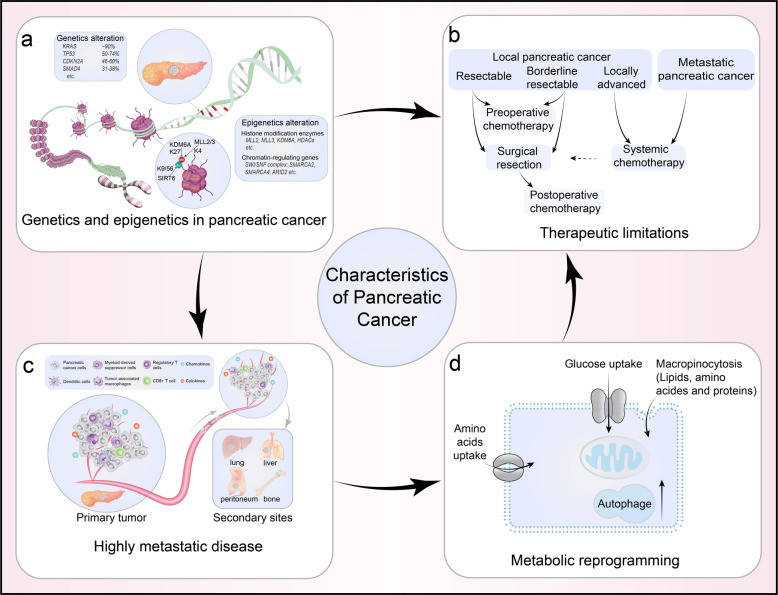
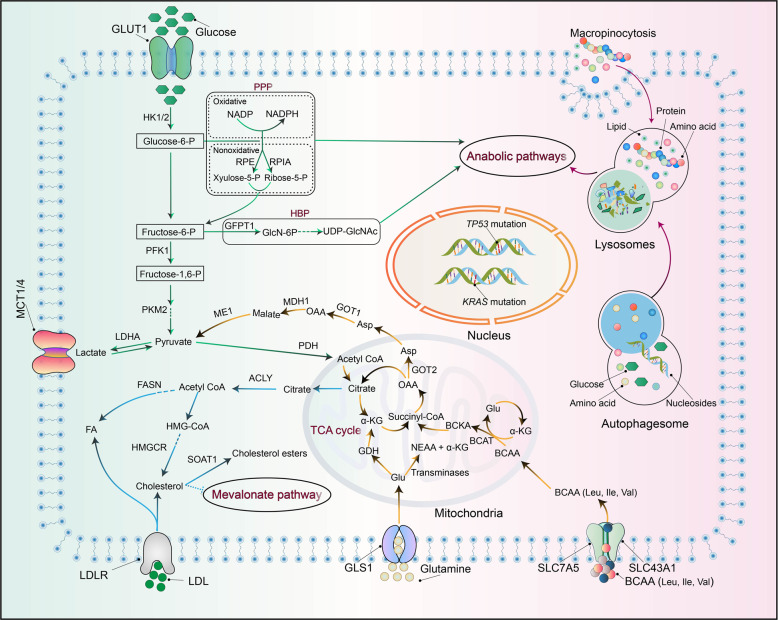
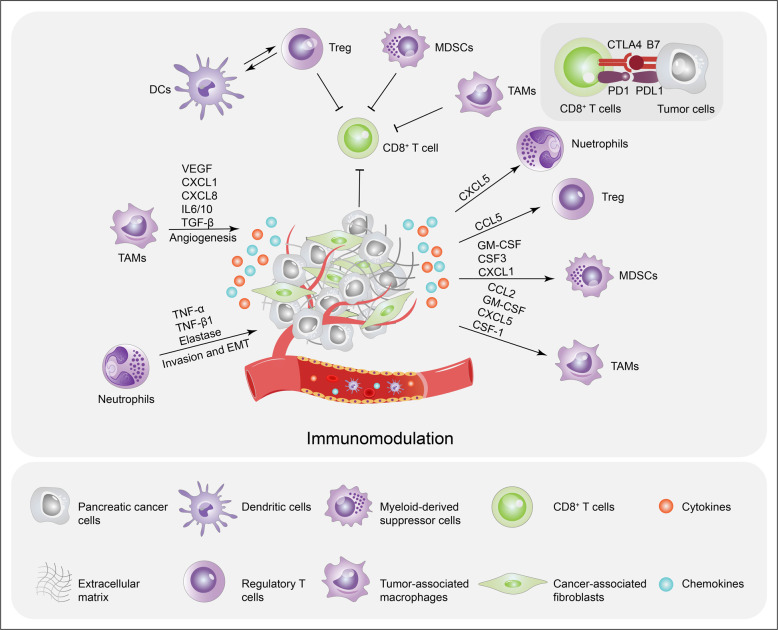
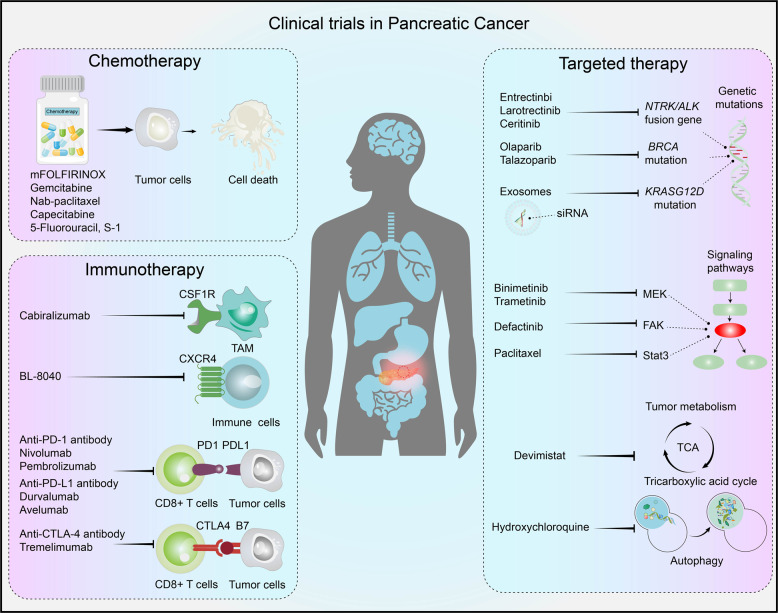
Pancreatic cancer is an increasingly common cause of cancer mortality with a tight correspondence between disease mortality and incidence. Furthermore, it is usually diagnosed at an advanced stage with a very dismal prognosis. Due to the high heterogeneity, metabolic reprogramming, and dense stromal environment associated with pancreatic cancer, patients benefit little from current conventional therapy. Recent insight into the biology and genetics of pancreatic cancer has supported its molecular classification, thus expanding clinical therapeutic options. In this review, we summarize how the biological features of pancreatic cancer and its metabolic reprogramming as well as the tumor microenvironment regulate its development and progression. We further discuss potential biomarkers for pancreatic cancer diagnosis, prediction, and surveillance based on novel liquid biopsies. We also outline recent advances in defining pancreatic cancer subtypes and subtype-specific therapeutic responses and current preclinical therapeutic models. Finally, we discuss prospects and challenges in the clinical development of pancreatic cancer therapeutics.
Overview
The claims and statistics of this paper haven’t been checked yet.
Free: it reads the open-access text and checks the first 5 claims that cite a source we can check. Create a free account to check every claim.
Integrity signals
Registry
Cites
Statistics
Figures
Verification
Claims the paper makes
The claims and statistics of this paper haven’t been checked yet.
Free: it reads the open-access text and checks the first 5 claims that cite a source we can check. Create a free account to check every claim.
Claims other papers make about this one
Each is checked against this paper’s own text: does it say what the citing paper says it does?
The source backs part of the claim, not all of it — or backs it for a different population, condition or comparison.
In the citing paper
“TP53 mutations, found in 50–90% of pancreatic ductal adenocarcinomas, significantly affect carcinogenesis, prognosis and treatment response [17,21,34,35].”
From Significance of TP53, CDKN2A, SMAD4 and KRAS in Pancreatic Cancer (2024) · cites this paper as [35]
Experimental — accuracy not yet measured
Self-check
Percentages, sums and reported differences re-computed from the paper’s own numbers.
The self-check needs the paper’s full text.
Citations
Cites
1 retracted
Chen, S., Chen, X., Shan, T., Ma, J., Lin, W., Li, W., & Kang, Y. (2018) · International Journal of Biological Sciences · doi:10.7150/ijbs.22555 · Cited by 61 · cited 1×
“CAFs can enhance aerobic glycolysis and secrete high-energy metabolites, including lactate and pyruvate.(235) Moreover, it has been demonstrated that enhanced autophagy in CAFs contributes to the release of amino acids, which tumor cells can use as anabolic substrates.”
BackgroundRetractedSung, H., Ferlay, J., Siegel, R. L., Laversanne, M., Soerjomataram, I., Jemal, A., & Bray, F. (2021) · CA: A Cancer Journal for Clinicians · doi:10.3322/caac.21660 · Cited by 108,699
Hallmarks of Cancer: The Next Generation
Hanahan, D., & Weinberg, R. A. (2011) · Cell · doi:10.1016/j.cell.2011.02.013 · Cited by 66,590
Siegel, R. L., Miller, K. D., Fuchs, H. E., & Jemal, A. (2021) · CA: A Cancer Journal for Clinicians · doi:10.3322/caac.21654 · Cited by 16,522
Safety and activity of anti-PD-L1 antibody in patients with advanced cancer
Brahmer, J. R., Tykodi, S. S., Chow, L. Q. M., Hwu, W.-J., Topalian, S. L., Hwu, P., Drake, C. G., Camacho, L. H., Kauh, J., Odunsi, K., et al. (2012) · New England Journal of Medicine · doi:10.1056/nejmoa1200694 · Cited by 7,945 · cited 1×
“However, the results of early clinical trials investigating the efficacy of the anti-CTLA-4 antibody ipilimumab or the anti-PD-L1 antibody BMS-936559 in patients with advanced pancreatic cancer were disappointing.(371,372) In the phase 2 KEYNOTE-158 study of pembrolizumab (an anti-PD-1 monoclonal antibody), an ORR of…”
BackgroundFOLFIRINOX versus Gemcitabine for Metastatic Pancreatic Cancer
Conroy, T., Desseigne, F., Ychou, M., Bouché, O., Guimbaud, R., Bécouarn, Y., Adenis, A., Raoul, J.-L., Gourgou-Bourgade, S., de la Fouchardière, C., et al. (2011) · New England Journal of Medicine · doi:10.1056/nejmoa1011923 · Cited by 7,810 · cited 2×
“The treatment method changed in 2011 when FOLFIRINOX demonstrated a better survival benefit compared with that of gemcitabine monotherapy.(11) Thereafter, gemcitabine plus nab-paclitaxel was adopted as another first-line treatment option.”
BackgroundMethodSpencer, P. M., Cameron, J. L., & Lin, L. (2000) · Cited by 7,202
Increased Survival in Pancreatic Cancer with nab-Paclitaxel plus Gemcitabine
Von Hoff, D. D., Ervin, T., Arena, F. P., Chiorean, E. G., Infante, J., Moore, M., Seay, T., Tjulandin, S. A., Ma, W. W., Saleh, M. N., et al. (2013) · New England Journal of Medicine · doi:10.1056/nejmoa1304369 · Cited by 6,712 · cited 2×
“001) compared with gemcitabine monotherapy.(12) According to a large-scale retrospective study, FOLFIRINOX and nab-paclitaxel plus gemcitabine have similar outcomes.”
BackgroundBurris, H. A., Moore, M. J., Andersen, J., Green, M. R., Rothenberg, M. L., Modiano, M. R., Cripps, M. C., Portenoy, R. K., Storniolo, A. M., Tarassoff, P., et al. (1997) · Journal of Clinical Oncology · doi:10.1200/jco.1997.15.6.2403 · Cited by 5,894
Tumour exosome integrins determine organotropic metastasis
Hoshino, A., Costa-Silva, B., Shen, T.-L., Rodrigues, G., Hashimoto, A., Tesic Mark, M., Molina, H., Kohsaka, S., Di Giannatale, A., Ceder, S., et al. (2015) · Nature · doi:10.1038/nature15756 · Cited by 5,101 · cited 1×
“Moreover, exosome-derived integrin (α6β4, α6β1, and αvβ5) uptake by resident cells (liver Kupffer cells, lung fibroblasts, or epithelial cells) contributes to organ-specific pre-metastatic niche formation via activation of SRC proto-oncogene (Src) phosphorylation and pro-inflammatory S100 gene expression.(136) The ext…”
Background
Cited by
Items 101–200 of 370
Jo, Y., Yeo, M., Dao, T., Kwon, J., Yi, H., & Ryu, D. (2022) · Frontiers in Oncology · doi:10.3389/fonc.2022.942774 · Cited by 13
Targeting autophagy in pancreatic cancer: The cancer stem cell perspective
Troumpoukis, D., Papadimitropoulou, A., Charalampous, C., Kogionou, P., Palamaris, K., Sarantis, P., & Serafimidis, I. (2022) · Frontiers in Oncology · doi:10.3389/fonc.2022.1049436 · Cited by 12
Sindhi, K., & Kanugo, A. (2024) · Current Pharmaceutical Biotechnology · doi:10.2174/0113892010284407240212110745 · Cited by 14
Wang, Y., Zhang, H., Li, J., Niu, M., Zhou, Y., & Qu, Y. (2022) · Frontiers in Pharmacology · doi:10.3389/fphar.2022.1094887 · Cited by 12
“However, with the study of RAS binding to lowmolecular-weight organic molecules and the recent FDA approval of AMG 510 (Lumakras), a KRASG12C inhibitor binding to GDP, there has been a resurgence of research surrounding RAS (Chen et al., 2020; Lanman et al., 2020).”
BackgroundInfluentialPatel, N. K., Kulshrestha, R., Bhat, A. A., Mishra, R., Singla, N., Gilhotra, R. M., & Gupta, G. (2024) · Pharmacological Research - Modern Chinese Medicine · doi:10.1016/j.prmcm.2024.100378 · Cited by 13
Honey Targets Ribosome Biogenesis Components to Suppress the Growth of Human Pancreatic Cancer Cells
Bangash, A. A., Alvi, S. S., Bangash, M. A., Ahsan, H., Khan, S., Shareef, R., Villanueva, G., Bansal, D., Ahmad, M., Kim, D. J., et al. (2024) · Cancers · doi:10.3390/cancers16193431 · Cited by 12
“Interestingly, mutations in CDKN2A have been strongly correlated with about 45–60% of PanCa cases [69,71].”
BackgroundMultiomics in cancer biomarker discovery and cancer subtyping
Choi, S., & An, J. (2024) · Advances in clinical chemistry · doi:10.1016/bs.acc.2024.10.004 · Cited by 16
Biomimetic nanosystems for pancreatic cancer therapy: A review
Pereira‐Silva, M., Veiga, F., Paiva‐Santos, A. C., Concheiro, Á., & Alvarez‐Lorenzo, C. (2025) · Journal of Controlled Release · doi:10.1016/j.jconrel.2025.113824 · Cited by 13
García-Reyes, B., Kuzmanov, I., Schneider, R., Schneiker, B., Efferz, P., Kalff, J. C., & Wehner, S. (2023) · Journal of Cancer Research and Clinical Oncology · doi:10.1007/s00432-023-05133-y · Cited by 11
“Pancreatic ductal adenocarcinoma (PDAC) is one of the most aggressive types of cancer and a leading cause of cancer-related deaths worldwide (Halbrook et al. 2023; Wang et al. 2021).”
BackgroundAl-Khinji, A., Al-Korbi, N., Al-Kuwari, S., Al-Hor, A., & Malouche, D. (2025) · Frontiers in Oncology · doi:10.3389/fonc.2025.1569884 · Cited by 12
Systemic therapy in pancreatic ductal adenocarcinomas (PDACs)—basis and current status
Ramaswamy, A., Srinivas, S., Chaudhari, V. A., BHARGAVA, P. G., BHANDARE, M. S., Shrikhande, S. V., & Ostwal, V. S. (2022) · ecancermedicalscience · doi:10.3332/ecancer.2022.1367 · Cited by 10
“Increasing evidence also suggests that available transcriptomic classifications have firm translational correlates in terms of predicting responses to available systemic chemotherapeutic options [12].”
BackgroundConnaughton, M., & Dabagh, M. (2024) · IEEE Journal of Translational Engineering in Health and Medicine · doi:10.1109/jtehm.2024.3388561 · Cited by 11
“…cell volume, and compressive forces experienced by cancer cells are among the major biomarkers; for example, malignant cancer cells have shown increased expression of genes involved in cell motility compared to non-malignant cancer cells [2], [3], [4], [5], [6], [7], [8], [9], [10], [11], [12].”
BackgroundInfluentialYamazaki, T., Phan, N. D., Maneenet, J., Yamagishi, M., Nishikawa, Y., Okada, T., Okumura, T., Toyooka, N., Fujii, T., & Awale, S. (2024) · Journal of Medicinal Chemistry · doi:10.1021/acs.jmedchem.4c01141 · Cited by 10
Liu, Y., Qiao, S., Zhang, G., Lü, A., & Li, F. (2024) · International Journal of Molecular Sciences · doi:10.3390/ijms252010991 · Cited by 13
“…cells (PSCs) are a vital ingredient of the PDAC TME and can also release cytokines and chemokines to indirectly alter the PDAC TME, such as interleukin 1 β (IL-1 β ), IL-6, IL-18, tumor necrosis factor alpha (TNF α ), IL-10, and transforming growth factor beta (TGF β ) [2,12,15,23,24,29–31].”
BackgroundInfluentialLuan, X., Wang, X., Bian, G., Li, X., Gao, Z., Liu, Z., Zhang, Z., Han, T., Zhao, J., Zhao, H., et al. (2024) · Oncology Reports · doi:10.3892/or.2024.8846 · Cited by 15
Cox, M. C., Vitello, D. J., & Chawla, A. (2025) · Frontiers in Oncology · doi:10.3389/fonc.2025.1520717 · Cited by 13
“Contributing to the poor survival in PDAC is its notable resistance to chemotherapy, immunotherapy, and radiotherapy (41).”
USP33 enhances cell survival and stemness by deubiquitinating CTNNB1 in BXPC‐3 and SW1990 cells
Zhong, B., Zhu, Q., Wang, L., Wang, F., Zheng, Y., Lin, S., & Cheng, X. (2023) · Cell Biology International · doi:10.1002/cbin.12024 · Cited by 10
“PCa is a malignant tumor with a high mortality rate and lacks effective treatment (Ansari et al., 2016; S. Wang et al., 2021).”
BackgroundSelf-citationPAK in Pancreatic Cancer-Associated Vasculature: Implications for Therapeutic Response
Ansardamavandi, A., Nikfarjam, M., & He, H. Z. (2023) · Cells · doi:10.3390/cells12232692 · Cited by 11
“Over 90% of PDA carry KRas mutations [20].”
BackgroundDutta, M., Mohapatra, D., Mohapatra, A. P., Senapati, S., & Roychowdhury, A. (2022) · Biochemical and Biophysical Research Communications · doi:10.1016/j.bbrc.2022.10.021 · Cited by 11
The Dual Role of Necroptosis in Pancreatic Ductal Adenocarcinoma
Giansante, V., Stati, G., Sancilio, S., Guerra, E., Alberti, S., & Pietro, R. D. (2023) · International Journal of Molecular Sciences · doi:10.3390/ijms241612633 · Cited by 10
A new era of immune therapeutics for pancreatic cancer: Monoclonal antibodies paving the way
Balar, P. C., Apostolopoulos, V., & Chavda, V. P. (2024) · European Journal of Pharmacology · doi:10.1016/j.ejphar.2024.176451 · Cited by 9
Cho, Y. J., Han, B., Ko, S., Park, M., Lee, Y., Kim, S. Y., Lee, P., Go, H. G., Park, S., Lee, H., et al. (2024) · International Journal of Molecular Medicine · doi:10.3892/ijmm.2024.5458 · Cited by 9
Mapping Tumor–Stroma–ECM Interactions in Spatially Advanced 3D Models of Pancreatic Cancer
Kataki, A.-D., Gupta, P., Cheema, U., Nisbet, A., Wang, Y., Kocher, H. M., Pérez-Mancera, P. A., & Velliou, E. G. (2025) · ACS Applied Materials & Interfaces · doi:10.1021/acsami.5c02296 · Cited by 13
Lactylation in tumor: mechanisms and therapeutic potentials
Wang, D., Rong, H., Ma, K., & Peng, J. (2025) · Frontiers in Immunology · doi:10.3389/fimmu.2025.1609596 · Cited by 14
MS2 virus-like particles as a versatile platform for multi-disease vaccines: a review
Zhou, G., Luo, Z., Zhang, Z., Cao, S., & Li, Y. (2025) · Frontiers in Immunology · doi:10.3389/fimmu.2025.1651594 · Cited by 13
Yang, J., Singh, N., Xu, C., Kong, D., Sharma, S., Liu, S., Lechner, J., Lkhagva, A., Tan, H., Wu, Z., et al. (2025) · Science Advances · doi:10.1126/sciadv.adx5495 · Cited by 13
“Both tumor cell-intrinsic and tumor cell-extrinsic mechanisms contribute to the initiation and progression of PDAC ( 66 ).”
Metabolic plasticity in pancreatic ductal adenocarcinoma progression and response to treatment
Ma, J., Bhardwaj, V., Lobie, P. E., & Pandey, V. (2026) · Molecular Cancer · doi:10.1186/s12943-026-02620-x · Cited by 13
“This metabolic symbiosis generates abundant ATP for PDAC progression [149, 271].”
InfluentialBenesch, M. G. K., Wu, R., Menon, G., & Takabe, K. (2022) · PubMed Central · Cited by 9
Xie, D., Wang, Z., Sun, B., Qu, L.-W., Zeng, M., Feng, L., Guo, M., Wang, G., Hao, J., & Zhou, G. (2023) · Frontiers of Medicine · doi:10.1007/s11684-023-1009-7 · Cited by 9
Self-citationGiri, P. M., Kumar, A., Salu, P., Sathish, V., Reindl, K. M., Mallik, S., & Layek, B. (2024) · Biomedicine & Pharmacotherapy · doi:10.1016/j.biopha.2024.116743 · Cited by 13
“The lack of early detection and the higher tendency of metastasis explain the poor survival rate of pancreatic cancer patients [2–4].”
BackgroundPancreatic cancer subtyping - the keystone of precision treatment
Fan, Z., Xiao, Y., Du, Y., Zhang, Y., & Zhou, W. (2025) · Frontiers in Immunology · doi:10.3389/fimmu.2025.1563725 · Cited by 14
Jiaao, L., Wanli, G., Zhang, K., Guo, F., & Peng, Y. (2023) · European journal of medical research · doi:10.1186/s40001-023-01379-x · Cited by 9
“According to the literature, the proportion of PC patients without local progression and/or distant metastasis at the time of diagnosis is only 20%, and the rest have no opportunity to undergo radical surgical resection [6, 7].”
BackgroundVinothkanna, A., Shi‐Liang, X., Rajan, D. K., Prathiviraj, R., Sekar, S., Zhang, S., Wang, B., Liu, Z., & Jia, A. (2024) · Food Frontiers · doi:10.1002/fft2.406 · Cited by 8
Radiopharmaceuticals for Pancreatic Cancer: A Review of Current Approaches and Future Directions
Calistri, S., Ottaviano, G., & Ubaldini, A. (2024) · Pharmaceuticals · doi:10.3390/ph17101314 · Cited by 9
“…fatty acid synthesis, can lead to resistance to conventional treatments like gemcitabine [36]; (3) metabolic plasticity—pancreatic cancer cells exhibit compensatory metabolic networks that allow them to adapt to changes in nutrient availability, posing challenges for targeted therapies [29].”
Proteomics in decoding cancer: A review
Gheybi, E., Hosseinzadeh, P., Tayebi-Khorrami, V., Rostami, M., & Soukhtanloo, M. (2025) · Clinica Chimica Acta · doi:10.1016/j.cca.2025.120302 · Cited by 10
Luo, L., Wang, X., Liao, Y., & Nel, A. E. (2025) · Advanced Science · doi:10.1002/advs.202504886 · Cited by 11
Clinical utility and tissue concordance of circulating tumor DNA in pancreatic ductal adenocarcinoma
Keane, F., Saadat, L. V., O'Connor, C. A., Chou, J. F., Bowman, A. S., Xu, F., Crowley, F., Debnath, N., Schoenfeld, J. D., Singhal, A., et al. (2025) · JNCI Journal of the National Cancer Institute · doi:10.1093/jnci/djaf139 · Cited by 11
Lyubetskaya, A., Rabe, B. A., Kavran, A. J., Bai, Y., Fisher, A., Font‐Tello, A., Lewin, A. C., Pliner, H. A., Fan, Y., Giampapa, L., et al. (2026) · Cell Reports · doi:10.1016/j.celrep.2025.116827 · Cited by 11
Self-citationRecent advances in nanocarriers for pancreatic cancer therapy
Shalini Preethi, P., Sindhu, V., Sambath, K., Ravula, A. R., Palani, G., Vijayaraghavalu, S., Shanmuga Sundari, I., & Perumal, V. (2023) · Elsevier eBooks · doi:10.1016/b978-0-443-19142-8.00004-8 · Cited by 8
Li, Y., Xu, C., Han, H., Pascual-Sabater, S., Fillat, C., & Goel, A. (2024) · Pharmaceuticals · doi:10.3390/ph17070911 · Cited by 8
“Nab-paclitaxel combined with Gem hydrochloride is a commonly used therapeutic regimen in PDAC [3–7].”
MethodNicolle, R., Canivet, C., Palazzo, L., Napoléon, B., Ayadi, M., Pignolet, C., Cros, J. F., Gourgou, S., Sèlves, J., Torrisani, J., et al. (2024) · EBioMedicine · doi:10.1016/j.ebiom.2024.105373 · Cited by 12
Genome-Wide Analysis of lncRNA-mRNA Co-Expression Networks in CD133+/CD44+ Stem-like PDAC Cells
Eptaminitaki, G. C., Zaravinos, A., Stellas, D., Παναγοπούλου, Μ., Karaliota, S., Baltsavia, I., Iliopoulos, I., Chatzaki, Ε., Iliopoulos, D., & Baritaki, S. (2023) · Cancers · doi:10.3390/cancers15041053 · Cited by 9
Extracellular vesicles in pancreatic cancer: a new era in precision medicine
Panda, A., Falasca, M., & Ragunath, K. (2024) · Translational Gastroenterology and Hepatology · doi:10.21037/tgh-23-53 · Cited by 8
“This is achieved by increasing the production of proteins such as VEGFR, VEGF, matrix metalloproteinase 9 and matrix metalloproteinase 2.”
Ahmad, M., Alvi, S. S., Dhasmana, A., Benavidez, J., Yallapu, M. M., Kim, D. J., Chauhan, S. C., & Hafeez, B. B. (2025) · Translational Oncology · doi:10.1016/j.tranon.2025.102432 · Cited by 10
“The majority of PanCa cases are classified as adenocarcinomas, primarily pancreatic ductal adenocarcinomas [3].”
Development of an efficient NUPR1 inhibitor with anticancer activity
Liu, X., Jiménez-Alesanco, A., Li, Z., Rizzuti, B., Neira, J. L., Estarás, M., Peng, L., Chuluyán, E., Garona, J., Gottardo, F., et al. (2024) · Scientific Reports · doi:10.1038/s41598-024-79340-z · Cited by 10
“Less than 20% of PDAC patients can undergo surgical removal of tumors due to late-stage detection or metastasis to other organs, such as liver, lymph nodes, lungs, peritoneum and bones 4,5 .”
Computational theranostics strategy for pancreatic ductal adenocarcinoma
Kamble, P., Varma, T., Kumar, R., & Garg, P. (2025) · Molecular Diversity · doi:10.1007/s11030-025-11241-3 · Cited by 8
Karakaş, D., Erkısa, M., Akar, R. O., Akman, G., Senol, E. Y., & Ulukaya, E. (2023) · Biomedicines · doi:10.3390/biomedicines11020270 · Cited by 8
“PaCa is characterized by a rich and unique tumor microenvironment (TME) composed of immune cells, blood vessels, fibroblasts, and many other types of cells [5], and is considered the main contributor to the aggressive nature of this disease [6,7].”
BackgroundLee, J. H., Lee, S. H., Lee, S. K., Choi, J. H., Lim, S., Kim, M.-S., Lee, K.-M., Lee, M. W., Ku, J., Kim, D.-H., et al. (2023) · Cancers · doi:10.3390/cancers15092642 · Cited by 7
“However, currently available therapeutic options in the management of metastatic pancreatic cancer are highly limited, leading to drug response failure [30].”
BackgroundIngle, K., LaComb, J. F., Graves, L. M., Baines, A. T., & Bialkowska, A. B. (2023) · PLoS ONE · doi:10.1371/journal.pone.0294065 · Cited by 7
Zhang, Z., He, J., Yu, X., Shi, G., Hu, H., Yin, Q., Dong, J., & Hao, L. (2025) · ACS Applied Nano Materials · doi:10.1021/acsanm.5c02621 · Cited by 7
Wang, L., Chen, X., Qu, R., Shao, S., Gong, L., Li, T., Jiang, S., Lu, Y., Ma, Y., Sun, Y., et al. (2025) · Cancer Letters · doi:10.1016/j.canlet.2025.218013 · Cited by 7
Self-citationALDH1L2 regulates reactive oxygen species and acinar-to-ductal metaplasia in the pancreas
Hennequart, M., Mervant, L., Stockis, J., Coomes, J., Zarou, M. M., Gerard, L., Tevel, V., Migeot, V., Pilley, S. E., Lee, Y., et al. (2026) · Nature Metabolism · doi:10.1038/s42255-026-01456-5 · Cited by 8
“PDAC arises from a non-reversible ADM driven by activation of oncogenes such as MYC and RAS , which subsequently progresses into precancerous pancreatic intraepithelial neoplasia (PanIN) 2,10,11 .”
InfluentialMaduabuchi, W. O., Tansi, F. L., Faenger, B., Southern, P., Pankhurst, Q. A., Steiniger, F., Westermann, M., & Hilger, I. (2023) · Cancers · doi:10.3390/cancers16010033 · Cited by 6
“Over 80% of pancreatic cancers are classified as pancreatic ductal adenocarcinoma (PDAC), and the majority of patients are diagnosed with metastatic or unresectable tumors [1,2] of poor prognosis [3,4].”
BackgroundKim, S., Lee, J. Y., Park, E.-J., Ahn, Y. D., Cheon, Y., Sim, W., & Lee, H. J. (2024) · European Radiology Experimental · doi:10.1186/s41747-024-00436-2 · Cited by 6
Ferdous, K. U., Tesfay, M. Z., Cios, A., Shelton, R. S., Hartupee, C. D., Urbaniak, A. J., Chamcheu, J. C., Mavros, M. N., Giorgakis, E., Mustafa, B., et al. (2024) · Biomedicines · doi:10.3390/biomedicines12071596 · Cited by 7
The road to overcome pancreatic cancer: Where are we?
Tirpe, A., Streianu, C., Isachesku, E., Şimon, I., & Berindan‐Neagoe, I. (2024) · Heliyon · doi:10.1016/j.heliyon.2024.e38196 · Cited by 12
“The therapy resistance is multifaceted and implicates several signaling pathways and the tumor microenvironment (TME), which is considered an essential player in pancreatic cancer therapeutic resistance through the desmoplastic reaction [26].”
BackgroundElevated SREBP1 accelerates the initiation and growth of pancreatic cancer by targeting SOX9
Zhou, C., Feng, Z., Qian, W., Zhu, Z., Cao, R., Wang, Q., Zhang, W., Liu, R., Wu, S., Hao, J., et al. (2025) · Biology Direct · doi:10.1186/s13062-025-00595-1 · Cited by 5
“Although many studies have been performed, only a limited number of approaches are available for early detection and treatment [27].”
Self-citationQi, L., Li, X., Ni, J., Du, Y., Gu, Q., Liu, B., He, J., & Du, J. (2025) · Cancer Cell International · doi:10.1186/s12935-025-03639-8 · Cited by 6
Economic evaluations of early detection strategies for pancreatic cancer: a systematic review
Wittram, R., Kreis, L. G., König, H., & Brettschneider, C. (2025) · The European Journal of Health Economics · doi:10.1007/s10198-025-01793-4 · Cited by 7
The combined prognostic model of copper-dependent to predict the prognosis of pancreatic cancer
Guan, X., Lü, N., & Zhang, J. (2022) · Frontiers in Genetics · doi:10.3389/fgene.2022.978988 · Cited by 6
Wang, Q., Zhou, S., Hu, X., Wang, X., Wu, X., Huai, Z., Gao, Y., & Li, S. (2023) · Life · doi:10.3390/life13051116 · Cited by 6
Self-citationUnderstanding surgical attrition for “resectable” pancreatic cancer
Kakish, H. H., Zhao, J., Ahmed, F. A., Elshami, M., Hardacre, J. M., Ammori, J. B., Winter, J. M., Ocuin, L. M., & Hoehn, R. S. (2023) · HPB · doi:10.1016/j.hpb.2023.11.008 · Cited by 6
Kim, S., Seo, H., Lee, J.-O., Maeng, J. E., Shin, Y., Lee, S. H., Jang, J., & Ku, J. (2024) · Cellular Oncology · doi:10.1007/s13402-024-00939-5 · Cited by 7
Ueda, H., Takahashi, H., Sakaniwa, R., Kitamura, T., Kobayashi, S., Tomimaru, Y., Kubo, M., Sasaki, K., Iwagami, Y., Yamada, D., et al. (2024) · Pancreatology · doi:10.1016/j.pan.2024.09.009 · Cited by 8
Begum, H., Chirra, N., Kumar, D., Murugesan, P., Kantevari, S., & Tangutur, A. D. (2022) · Drug Development Research · doi:10.1002/ddr.21916 · Cited by 7
Elebo, N., Abdel-Shafy, E. A., Cacciatore, S., & Nweke, E. E. (2023) · Frontiers in Genetics · doi:10.3389/fgene.2023.1170571 · Cited by 7
Duttenhefner, J. N., & Reindl, K. M. (2025) · Cancer Pathogenesis and Therapy · doi:10.1016/j.cpt.2025.06.004 · Cited by 6
“51,52 This finding illustrates the capacity of YAP to function as a KRAS substitute in promoting PDAC progression.”
Lv, Z., Ali, A., Zou, C., Wang, Z., Ma, M., Cheng, N., Shad, M., Hao, H., Zhang, Y., & Rahman, F. (2024) · Dalton Transactions · doi:10.1039/d4dt01243g · Cited by 5
Self-citationModulation of PRC1 Promotes Anticancer Effects in Pancreatic Cancer
Lee, H., Bae, A.-N., Yang, H., Lee, J., & Park, J. H. (2024) · Cancers · doi:10.3390/cancers16193310 · Cited by 7
“In particular, approximately 90% of pancreatic cancer patients harbor KRAS mutations [36,38,39].”
BackgroundMichetti, F., Cirone, M., Strippoli, R., D’Orazi, G., & Cordani, M. (2025) · Discover Oncology · doi:10.1007/s12672-025-02400-x · Cited by 10
“Its exceptionally poor prognosis is largely attributed to the complex tumor biology, including genetic heterogeneity, dense stromal composition, and significant metabolic reprogramming that collectively fuel PDAC’s aggressiveness and therapeutic resistance [3].”
Dobiasch, S., Kampfer, S., Steiger, K., Schilling, D., Fischer, J. C., Schmid, T. E., Weichert, W., Wilkens, J. J., & Combs, S. E. (2021) · Cancers · doi:10.3390/cancers13225656 · Cited by 5
Zhang, D., Teng, T., Zhao, Q., Lin, Z., Zhang, J., Liu, X., & Zeng, Y. (2022) · ACS Applied Nano Materials · doi:10.1021/acsanm.2c03748 · Cited by 5
Qu, W., Zhou, Z., Yuan, G., Li, S., Li, J., Chu, Q., Zhang, Q., Xie, Q., Li, Z., & Kamel, I. R. (2023) · European Journal of Radiology · doi:10.1016/j.ejrad.2023.110857 · Cited by 7
Adhikary, S., Dutta, S., & Dwivedi, A. D. (2023) · Biomedical Physics & Engineering Express · doi:10.1088/2057-1976/ad0b4b · Cited by 9
Takai, M., Yamamoto, M., Yashiro, N., Tamura, M., Taniguchi, A., Nagano, S., Kusumoto, Y., & Tsujiuchi, T. (2024) · Biochemical and Biophysical Research Communications · doi:10.1016/j.bbrc.2024.150322 · Cited by 5
Kolokotronis, T., Majchrzak‐Stiller, B., Buchholz, M., Mense, V., Strotmann, J., Peters, I., Skrzypczyk, L., Liffers, S., Menkene, L. M., Wagner, M., et al. (2024) · Cancers · doi:10.3390/cancers16152726 · Cited by 5
“Similar to p53, Smad4 is a driver mutation in PDAC whose inactivating mutations lead to loss of regulation of transforming growth factor-β (TGF-β ) and have protumorigenic effects [76].”
BackgroundShen, W., Kao, H.-M., Wang, C., Kousar, R., Lin, J.-S., Ko, C., Lin, H., Ta, H. D. K., Anuraga, G., Xuan, D. T. M., et al. (2024) · International Journal of Medical Sciences · doi:10.7150/ijms.96134 · Cited by 7
“Moreover, new biomarkers may also help monitor the effectiveness of treatments and develop more targeted therapies for this challenging disease [12-14].”
BackgroundFBXW7 in gastrointestinal cancers: from molecular mechanisms to therapeutic prospects
Wang, W., Liu, X., Zhao, L., Jiang, K., Yu, Z., Yang, R., Zhou, W., Cui, J., & Liang, T. (2024) · Frontiers in Pharmacology · doi:10.3389/fphar.2024.1505027 · Cited by 6
Hanks, M., Ryder, S. D., & Zaitoun, A. M. (2022) · Cytopathology · doi:10.1111/cyt.13115 · Cited by 5
Proteomics profiling of research models for studying pancreatic ductal adenocarcinoma
Resell, M., Rabben, H.-L., Sharma, A., Hagen, L., Hoang, L., Skogaker, N. T., Aarvik, A., Bjåstad, E. K., Svensson, M. K., Amrutkar, M., et al. (2025) · Scientific Data · doi:10.1038/s41597-025-04522-x · Cited by 5
Cammarata, R., Catamerò, A., Vaccara, V. L., Coppola, R., & Caputo, D. D. (2025) · Cancers · doi:10.3390/cancers17183085 · Cited by 4
A network embedding approach to identify active modules in biological interaction networks
Pasquier, C., Guerlais, V., Pallez, D., Rapetti‐Mauss, R., & Soriani, O. (2023) · Life Science Alliance · doi:10.26508/lsa.202201550 · Cited by 12
“…cells, contributed to a subset of hypoxia-associated gene expression programs, leading to epithelial – mesenchymal transition (EMT), migration, and glucose metabolic reprogramming which are some of the hallmarks of PDAC metastatic status (Chiou et al, 2017; Wang et al, 2021b; Whittle et al, 2015).”
Dai, M., Qi, S., Zhao, X., Zhou, L., Luo, Q., Teng, X., Cheng, W., Zhou, N., Liu, H., & Chen, K. (2024) · Analytical Chemistry · doi:10.1021/acs.analchem.3c04914 · Cited by 4
Familial Pancreatic Cancer Research: Bridging Gaps in Basic Research and Clinical Application
Archasappawat, S., Al-Musawi, F., Liu, P., Lee, E., & Hwang, C. (2024) · Biomolecules · doi:10.3390/biom14111381 · Cited by 4
Uchihara, D., Shimajiri, S., Harada, Y., Kumamoto, K., Oe, S., Miyagawa, K., Nakamura, K., Katafuchi, E., Nuratdinova, F., Honma, Y., et al. (2025) · Diagnostic Pathology · doi:10.1186/s13000-025-01659-6 · Cited by 5
“The poor prognosis is due to challenges in early detection, difficulty achieving complete surgical resection, and the development of chemotherapy resistance through various mechanism [2].”
Wei, X., Zhang, C., Zheng, X., Pan, K., Ren, X., Lou, X., Yang, Z., Fu, T., Fang, H., & Lyu, J. (2025) · Journal of Biological Chemistry · doi:10.1016/j.jbc.2025.110636 · Cited by 6
“Among these sirtuins, SIRT3 is the most potent mitochondrial deacetylase and plays a critical role in cancer development by modulating apoptosis, metabolism, and signaling pathways (28).”
Tumor Microenvironment: Recent Advances in Immunotherapies of Pancreatic Cancer
Thankachan, S. V., Jayaraman, V., Datta, L., Apthi, S., Zaman, B. F., Gurunathan, R., Suresh, A., Chandrakesan, P., Vinayagam, R., Kang, S. G., et al. (2025) · Medicina · doi:10.3390/medicina61101776 · Cited by 6
“Furthermore, a high infiltration of TAMs has been associated with tumor progression, prognosis, and patient survival in PC [32].”
Wang, Y., Liu, C., Lyu, R., & Zhang, Y. (2025) · Frontiers in Immunology · doi:10.3389/fimmu.2025.1670527 · Cited by 9
TGF-β–YY1 signaling as a key driver of immune evasion in pancreatic cancer: Therapeutic implications
Ho, M. P., Jung, M., Ung, W., Skouradaki, E., Baritaki, S., & Bonavida, B. (2026) · Cytokine & Growth Factor Reviews · doi:10.1016/j.cytogfr.2026.01.005 · Cited by 6
Meng, L.-D., Jiang, L., Jiang, L., Zheng, Z.-Z., Chen, Q., Li, D.-R., Wang, S., Yuan, H., Feng, X., & Jiang, K. (2026) · Cancer Letters · doi:10.1016/j.canlet.2026.218290 · Cited by 6
Self-citationIzdebska, W. M., Daniluk, J., & Nikliński, J. (2023) · Journal of Clinical Medicine · doi:10.3390/jcm12175643 · Cited by 4
“Tumors with KRAS have constitutively high levels of autophagy [38], which can lead to both the detoxification of the cell from damaged particles and the provision of metabolites for biosynthesis and energy production [3,6].”
BackgroundInfluentialExploring the Tumor-Suppressing Potential of PSCA in Pancreatic Ductal Adenocarcinoma
Li, K., Huo, Q., Minami, K., Tamari, K., Ogawa, K., Na, S., Fishel, M. L., Li, B., & Yokota, H. (2023) · Cancers · doi:10.3390/cancers15204917 · Cited by 4
“Pancreatic ductal adenocarcinoma (PDAC) is a highly aggressive malignancy known for its rapid metastasis to organs such as the liver, lung, bone, peritoneum, and others [1,2].”
BackgroundCircRNAs in Pancreatic Cancer: New Tools for Target Identification and Therapeutic Intervention
Weidle, U. H., & Nopora, A. (2024) · Cancer Genomics & Proteomics · doi:10.21873/cgp.20451 · Cited by 5
“Treatment of PDAC is hindered by its high content of desmoplastic tissue, metabolic reprogramming of the glucose, glutamine and lipid metabolism and hyperactivation of nutrient scavenging mechanisms, such as autophagy and macropinocytosis (7, 8).”
BackgroundEyuboglu, S., Alpsoy, S., Uversky, V. N., & Coskuner‐Weber, O. (2024) · Computational Biology and Chemistry · doi:10.1016/j.compbiolchem.2024.108268 · Cited by 4
Wang, R., Liu, J., Jiang, B., Gao, B., Luo, H., Yang, F., Ye, Y., Chen, Z., Liu, H. S., Cui, C., et al. (2024) · Frontiers in Immunology · doi:10.3389/fimmu.2024.1454833 · Cited by 6
Self-citationLiu, T., Gu, Y., Zhang, Y., & Li, Y. (2024) · Frontiers in Oncology · doi:10.3389/fonc.2024.1439709 · Cited by 4
Stefanoudakis, D. (2025) · SynBio · doi:10.3390/synbio3010001 · Cited by 6
“TP53 mutations, present in 50–90% of PDAC, play a significant role in carcinogenesis, prognosis, and treatment response [9–12].”
Strategies for drug targeting in pancreatic cancer
Sharma, N., & Arora, V. (2022) · Pancreatology · doi:10.1016/j.pan.2022.08.001 · Cited by 5
Chen, Y., Liu, X., Yang, L., He, J.-J., Jiang, Y., & Mai, J. (2022) · Oncology Letters · doi:10.3892/ol.2022.13555 · Cited by 4
“An improved understanding of pancreatic cancer biology and genetics, including novel information on driver gene alterations, tumor metabolism and the TME, might contribute to attractive and creative effective treatments (31).”
BackgroundAziz, M. H., van der Meulen, J., Mustafa, D. A. M., & van Eijck, C. H. J. (2022) · Pancreas · doi:10.1097/mpa.0000000000002128 · Cited by 5
“Hence, a better understanding of the biological derangements induced by this cancer might unveil novel therapeutic possibilities to improve patient outcomes.(6) A typical sign of PDAC is pancreatic exocrine insufficiency (PEI), which is strongly correlated with reduced survival, whereas”
Background
Metadata
- Authors
- Wang, S., Zheng, Y., Yang, F., Zhu, L., Zhu, X.-Q., Wang, Z.-F., Wu, X.-L., Zhou, C.-H., Yan, J.-Y., Hu, B.-Y., Kong, B., Fu, D.-L., Bruns, C., Zhao, Y., Qin, L.-X., & Dong, Q.-Z.
- Affiliations
- Fudan University (CN)
- University Hospital Cologne (DE)
- TUM Klinikum (DE)
- Corresponding author
- Zhao, Yue
- Qin, Lun-Xiu
- ORCID
- Venue
- Signal Transduction and Targeted Therapy
- Published
- 2021-07-05
- Volume
- 6
- Issue
- 1
- Pages
- 249-249
- ISSN
- 2059-3635 (ISSN-L)
- PMC
- PMC8255319
- OpenAlex
- W3179240236
- Cited by
- 369
- References
- 388
- Citations by year
- 2026: 62 · 2025: 91 · 2024: 92 · 2023: 70 · 2022: 50 · 2021: 4
- FWCI
- 6.57
- Type
- journal article
- Language
- en
- Open access
- gold
- doi.org
- Licence
- cc-by
- creativecommons.org/licenses/by/4.0 (tdm)
- creativecommons.org/licenses/by/4.0 (vor)
- Locations
- Signal Transduction and Targeted Therapy (publishedVersion, cc-by)
- PubMed Central (publishedVersion, cc-by)
- PubMed (publishedVersion)
- Kölner Universitäts PublikationsServer (Universität zu Köln) (publishedVersion)
- DOAJ (DOAJ: Directory of Open Access Journals) (submittedVersion, cc-by-sa)
- Funders
- National Natural Science Foundation of China (81672820, 20XD1400900, 81940074, 81872356, 81802903)
- Shanghai International Science and Technology
- National Key Research and Development Program of China (2017YFC1308604)
- Program of Shanghai Academic Research Leader (20XD1400900)
- Topics
- Health Sciences › Medicine › Oncology › Pancreatic and Hepatic Oncology Research
- Health Sciences › Medicine › Surgery › Pancreatitis Pathology and Treatment
- Life Sciences › Biochemistry, Genetics and Molecular Biology › Cancer Research › Cancer Genomics and Diagnostics
- Keywords
- pancreatic ductal adenocarcinoma, metabolic reprogramming, tumor microenvironment, molecular classification, biomarkers, liquid biopsy, cancer therapeutics, tumor heterogeneity
- MeSH terms
- Adenocarcinoma, Humans, Pancreatic Neoplasms, Prognosis, Tumor Microenvironment
About these checks
Registry, retraction, Cites and statistics results are computed, not judged, with one exception: a printed reference that no index lists is read once by a model before it counts as a citation error. Claims are extracted by a model and kept only when their quote appears verbatim in the text; each cited source is then checked, with a model’s help, for whether it says what the claim relies on. Those verdicts can be wrong — read the claim’s quote and the cited source before relying on one.
Statistics and arithmetic are recomputed, not judged.
Confidence bands are shown only for fields calibrated on our annotated test set. None is calibrated yet, so no band is shown.
What counts as a claim ›How we measure confidence ›How we check this ›
Are you an author, or do you see a problem with this page? Request a review
Data sources
Bibliographic data: Semantic Scholar, OpenAlex, Crossref.
Contains information from the Semantic Scholar Academic Graph Datasets, made available under the ODC Attribution License (ODC-BY 1.0).
Semantic Scholar’s data is described in: Kinney, R., et al. (2023). The Semantic Scholar Open Data Platform. arXiv:2301.10140.
