

The molecular biology of pancreatic adenocarcinoma: translational challenges and clinical perspectives
Open accessThe DOI matches its Crossref record; 388 of the 388 references it cites were found in a registry or an index.
Abstract
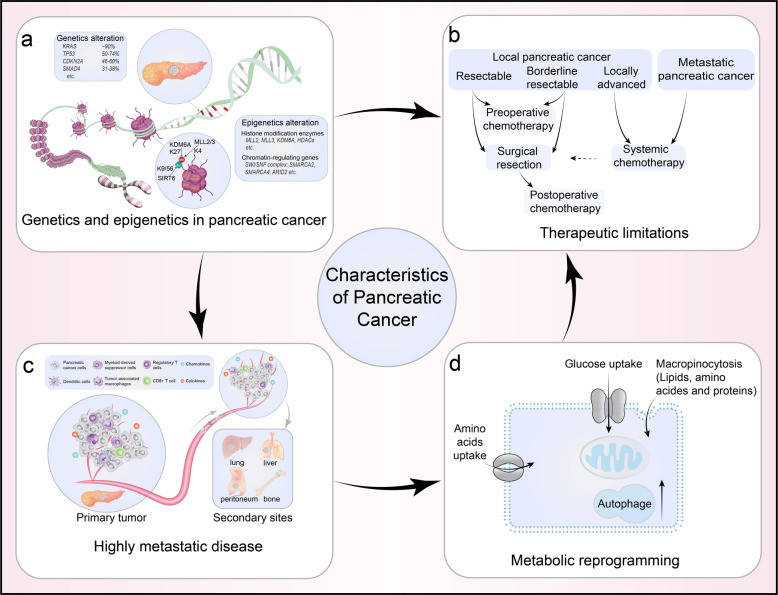
Pancreatic cancer is an increasingly common cause of cancer mortality with a tight correspondence between disease mortality and incidence. Furthermore, it is usually diagnosed at an advanced stage with a very dismal prognosis. Due to the high heterogeneity, metabolic reprogramming, and dense stromal environment associated with pancreatic cancer, patients benefit little from current conventional therapy. Recent insight into the biology and genetics of pancreatic cancer has supported its molecular classification, thus expanding clinical therapeutic options. In this review, we summarize how the biological features of pancreatic cancer and its metabolic reprogramming as well as the tumor microenvironment regulate its development and progression. We further discuss potential biomarkers for pancreatic cancer diagnosis, prediction, and surveillance based on novel liquid biopsies. We also outline recent advances in defining pancreatic cancer subtypes and subtype-specific therapeutic responses and current preclinical therapeutic models. Finally, we discuss prospects and challenges in the clinical development of pancreatic cancer therapeutics.
Overview
The claims and statistics of this paper haven’t been checked yet.
Free: it reads the open-access text and checks the first 5 claims that cite a source we can check. Create a free account to check every claim.
Integrity signals
Registry
Cites
Statistics
Figures
Verification
Claims the paper makes
The claims and statistics of this paper haven’t been checked yet.
Free: it reads the open-access text and checks the first 5 claims that cite a source we can check. Create a free account to check every claim.
Claims other papers make about this one
Each is checked against this paper’s own text: does it say what the citing paper says it does?
The source backs part of the claim, not all of it — or backs it for a different population, condition or comparison.
In the citing paper
“TP53 mutations, found in 50–90% of pancreatic ductal adenocarcinomas, significantly affect carcinogenesis, prognosis and treatment response [17,21,34,35].”
From Significance of TP53, CDKN2A, SMAD4 and KRAS in Pancreatic Cancer (2024) · cites this paper as [35]
Experimental — accuracy not yet measured
Self-check
Percentages, sums and reported differences re-computed from the paper’s own numbers.
The self-check needs the paper’s full text.
Citations
Cites
1 retracted
Chen, S., Chen, X., Shan, T., Ma, J., Lin, W., Li, W., & Kang, Y. (2018) · International Journal of Biological Sciences · doi:10.7150/ijbs.22555 · Cited by 61 · cited 1×
“CAFs can enhance aerobic glycolysis and secrete high-energy metabolites, including lactate and pyruvate.(235) Moreover, it has been demonstrated that enhanced autophagy in CAFs contributes to the release of amino acids, which tumor cells can use as anabolic substrates.”
BackgroundRetractedSung, H., Ferlay, J., Siegel, R. L., Laversanne, M., Soerjomataram, I., Jemal, A., & Bray, F. (2021) · CA: A Cancer Journal for Clinicians · doi:10.3322/caac.21660 · Cited by 108,699
Hallmarks of Cancer: The Next Generation
Hanahan, D., & Weinberg, R. A. (2011) · Cell · doi:10.1016/j.cell.2011.02.013 · Cited by 66,590
Siegel, R. L., Miller, K. D., Fuchs, H. E., & Jemal, A. (2021) · CA: A Cancer Journal for Clinicians · doi:10.3322/caac.21654 · Cited by 16,522
Safety and activity of anti-PD-L1 antibody in patients with advanced cancer
Brahmer, J. R., Tykodi, S. S., Chow, L. Q. M., Hwu, W.-J., Topalian, S. L., Hwu, P., Drake, C. G., Camacho, L. H., Kauh, J., Odunsi, K., et al. (2012) · New England Journal of Medicine · doi:10.1056/nejmoa1200694 · Cited by 7,945 · cited 1×
“However, the results of early clinical trials investigating the efficacy of the anti-CTLA-4 antibody ipilimumab or the anti-PD-L1 antibody BMS-936559 in patients with advanced pancreatic cancer were disappointing.(371,372) In the phase 2 KEYNOTE-158 study of pembrolizumab (an anti-PD-1 monoclonal antibody), an ORR of…”
BackgroundFOLFIRINOX versus Gemcitabine for Metastatic Pancreatic Cancer
Conroy, T., Desseigne, F., Ychou, M., Bouché, O., Guimbaud, R., Bécouarn, Y., Adenis, A., Raoul, J.-L., Gourgou-Bourgade, S., de la Fouchardière, C., et al. (2011) · New England Journal of Medicine · doi:10.1056/nejmoa1011923 · Cited by 7,810 · cited 2×
“The treatment method changed in 2011 when FOLFIRINOX demonstrated a better survival benefit compared with that of gemcitabine monotherapy.(11) Thereafter, gemcitabine plus nab-paclitaxel was adopted as another first-line treatment option.”
BackgroundMethodSpencer, P. M., Cameron, J. L., & Lin, L. (2000) · Cited by 7,202
Increased Survival in Pancreatic Cancer with nab-Paclitaxel plus Gemcitabine
Von Hoff, D. D., Ervin, T., Arena, F. P., Chiorean, E. G., Infante, J., Moore, M., Seay, T., Tjulandin, S. A., Ma, W. W., Saleh, M. N., et al. (2013) · New England Journal of Medicine · doi:10.1056/nejmoa1304369 · Cited by 6,712 · cited 2×
“001) compared with gemcitabine monotherapy.(12) According to a large-scale retrospective study, FOLFIRINOX and nab-paclitaxel plus gemcitabine have similar outcomes.”
BackgroundBurris, H. A., Moore, M. J., Andersen, J., Green, M. R., Rothenberg, M. L., Modiano, M. R., Cripps, M. C., Portenoy, R. K., Storniolo, A. M., Tarassoff, P., et al. (1997) · Journal of Clinical Oncology · doi:10.1200/jco.1997.15.6.2403 · Cited by 5,894
Tumour exosome integrins determine organotropic metastasis
Hoshino, A., Costa-Silva, B., Shen, T.-L., Rodrigues, G., Hashimoto, A., Tesic Mark, M., Molina, H., Kohsaka, S., Di Giannatale, A., Ceder, S., et al. (2015) · Nature · doi:10.1038/nature15756 · Cited by 5,101 · cited 1×
“Moreover, exosome-derived integrin (α6β4, α6β1, and αvβ5) uptake by resident cells (liver Kupffer cells, lung fibroblasts, or epithelial cells) contributes to organ-specific pre-metastatic niche formation via activation of SRC proto-oncogene (Src) phosphorylation and pro-inflammatory S100 gene expression.(136) The ext…”
Background
Cited by
Zhang, M., Ma, Y., Ye, X., Zhang, N., Pan, L., & Wang, B. (2023) · Signal Transduction and Targeted Therapy · doi:10.1038/s41392-023-01464-x · Cited by 522
“Endocrine system and metabolism TRP channels also have a wide range of physiological functions in the endocrine system and metabolism, including in diseases such as cancer, obesity, kidney disease, metabolic syndrome, and diabetes.(181,502,503)”
BackgroundFrontiers in pancreatic cancer on biomarkers, microenvironment, and immunotherapy
Yu, B., Shao, S., & Ma, W. (2024) · Cancer Letters · doi:10.1016/j.canlet.2024.217350 · Cited by 132
Pancreatic cancer tumor microenvironment is a major therapeutic barrier and target
Hartupee, C. D., Nagalo, B. M., Chabu, C. Y., Tesfay, M. Z., Coleman‐Barnett, J., West, J. T., & Moaven, O. (2024) · Frontiers in Immunology · doi:10.3389/fimmu.2024.1287459 · Cited by 139
Significance of TP53, CDKN2A, SMAD4 and KRAS in Pancreatic Cancer
Stefanoudakis, D., Frountzas, M., Schizas, D., Michalopoulos, N. V., Drakaki, A., & Toutouzas, K. G. (2024) · Current Issues in Molecular Biology · doi:10.3390/cimb46040177 · Cited by 110
“TP53 mutations, found in 50–90% of pancreatic ductal adenocarcinomas, signi fi cantly a ff ect carcinogenesis, prognosis and treatment response [17,21,34,35]. chromosome 17, acts as a tumor suppressor by regulating cell division.”
BackgroundHu, B., Wu, C., Mao, H., Gu, H., Dong, H., Yan, J., Qi, Z., Lin, Y., Dong, Q., & Long, J. (2022) · Annals of Translational Medicine · doi:10.21037/atm-22-407 · Cited by 90
“PDAC is distinguished by extensive desmoplasia, which accounts for 90% of the total tumor volume and includes extracellular matrix (ECM), immune cells, vasculature, and cancer-associated fibroblasts (CAFs) (2,3).”
Self-citationLuo, W., Wen, T., & Qu, X. (2024) · Journal of Experimental & Clinical Cancer Research · doi:10.1186/s13046-023-02935-3 · Cited by 88
“Through intricately regulation of signaling pathways such as RAS, PI3K/AKT, NF-κB, JAK/STAT, Hippo/YAP, and WNT, tumor cells hijack the surrounding components, leading the micro-environment to develop in a direction conducive to their own growth [12].”
BackgroundUnravelling the enigma of siRNA and aptamer mediated therapies against pancreatic cancer
Liu, Z., Parveen, N., Rehman, U., Aziz, A., Sheikh, A., Abourehab, M. A. S., Guo, W., Huang, J., Wang, Z., & Kesharwani, P. (2023) · Molecular Cancer · doi:10.1186/s12943-022-01696-5 · Cited by 75
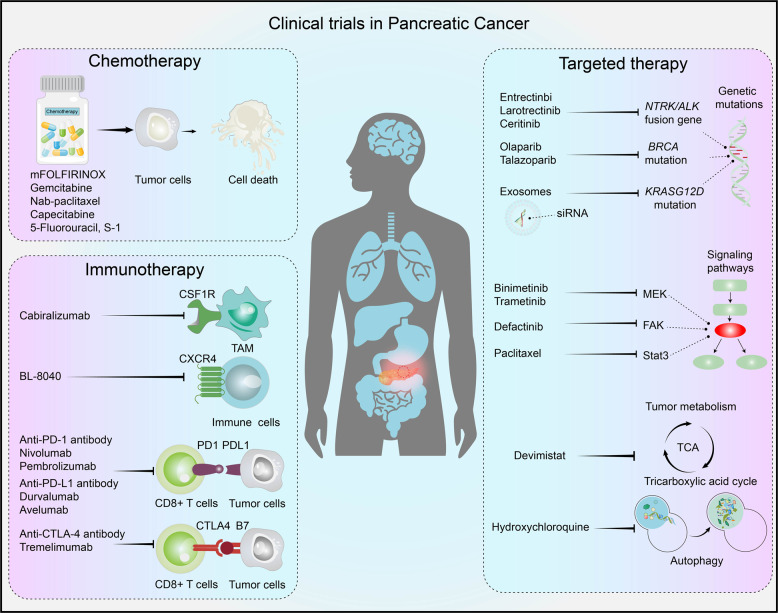
“As a result, there is a significant need for new treatments, such as combination therapies and creative immunotherapies with stronger antitumor effects [91].”
BackgroundSelf-citationModulation of cellular metabolism by protein crotonylation regulates pancreatic cancer progression
Zheng, Y., Le, Z., Qin, Z., Guo, Y., Wang, S., Xue, M., Shen, K.-Y., Hu, B., Wang, X., Wang, C., et al. (2023) · Cell Reports · doi:10.1016/j.celrep.2023.112666 · Cited by 76
Self-citationHuang, X., Zhou, S., Liu, Y., Tóth, J., & András, H. (2022) · Frontiers in Immunology · doi:10.3389/fimmu.2022.978865 · Cited by 78
“CDKN2A were discovered to exhibit apparent impacts on tumorigenesis, metastasis, and concomitantly poor prognosis (59), they were still regarded to be inadequate to cause the disease and less gratifying to be exploited in targeted drug development.”
BackgroundMethodCarbon Ions for Hypoxic Tumors: Are We Making the Most of Them?
Sokol, O., & Durante, M. (2023) · Cancers · doi:10.3390/cancers15184494 · Cited by 62
Overcoming therapy resistance in pancreatic cancer: New insights and future directions
Espona‐Fiedler, M., Patthey, C., Lindblad, S., Sarró, I., & Öhlund, D. (2024) · Biochemical Pharmacology · doi:10.1016/j.bcp.2024.116492 · Cited by 72
Engineering nanosystems to overcome barriers to cancer diagnosis and treatment
Alhaj-Suliman, S. O., Wafa, E. I., & Salem, A. K. (2022) · Advanced Drug Delivery Reviews · doi:10.1016/j.addr.2022.114482 · Cited by 53
McCubrey, J. A., Yang, L. V., Abrams, S. L., Steelman, L. S., Follo, M. Y., Cocco, L., Ratti, S., Martelli, A. M., Augello, G., & Cervello, M. (2022) · Cells · doi:10.3390/cells11142155 · Cited by 49
“Signal transduction pathways are altered in pancreatic cancers and affect various properties of the tumor microenvironment [68].”
BackgroundStatin prevents cancer development in chronic inflammation by blocking interleukin 33 expression
Park, J. H., Mortaja, M., Son, H. G., Zhao, X., Sloat, L. M., Azin, M., Wang, J., Collier, M. R., Tummala, K. S., Mandinova, A., et al. (2024) · Nature Communications · doi:10.1038/s41467-024-48441-8 · Cited by 52
“Chronic pancreatitis is a risk factor for the development of pancreatic cancer 62,63 .”
Targeted therapy for pancreatic ductal adenocarcinoma: Mechanisms and clinical study
Kung, H., & Yu, J. (2023) · MedComm · doi:10.1002/mco2.216 · Cited by 46
Zhuo, Z., Lin, H., Liang, J., Ma, P., Li, J., Huang, L., Chen, L., Yang, H., Bai, Y., & Sha, W. (2022) · Frontiers in Cell and Developmental Biology · doi:10.3389/fcell.2021.802528 · Cited by 47
Sesquiterpene Lactones as Promising Candidates for Cancer Therapy: Focus on Pancreatic Cancer
Laurella, L. C., Mirakian, N. T., Garcia, M. N., Grasso, D., Sülsen, V. P., & Papademetrio, D. L. (2022) · Molecules · doi:10.3390/molecules27113492 · Cited by 43
“Although resection is one of the best scenarios for a PDAC patient, the 5-year survival rate is still below 31% in those cases [19].”
BackgroundInfluentialDrug Delivery Strategies for the Treatment of Pancreatic Cancer
Olajubutu, O., Ogundipe, O. D., Adebayo, A. S., & Adesina, S. K. (2023) · Pharmaceutics · doi:10.3390/pharmaceutics15051318 · Cited by 50
“Pancreatic cancer is hypothesized to start as a precancerous lesion (pancreatic intraepithelial neoplasia, PanIN) which accrues gene mutations over time, eventually developing into cancerous cells [25,49,52].”
BackgroundTabrizi, E., Tabrizi, F. P. F., Khaled, G. M., Sestito, M. P., Jamie, S., & Boone, B. A. (2024) · Frontiers in Immunology · doi:10.3389/fimmu.2024.1434771 · Cited by 46
Stem Cells in Cancer: From Mechanisms to Therapeutic Strategies
Haddadin, L., & Sun, X. S. (2025) · Cells · doi:10.3390/cells14070538 · Cited by 52
“In PDAC, KRAS-driven EMT correlates with poor prognosis and metastasis [104,105].”
Progress on diagnostic and prognostic markers of pancreatic cancer
YANG, H., Li, W., Ren, L., Yang, Y., Zhang, Y., Ge, B., Li, S., Zheng, X., Liu, J., Zhang, S., et al. (2023) · Oncology Research Featuring Preclinical and Clinical Cancer Therapeutics · doi:10.32604/or.2023.028905 · Cited by 48
“4%) compared to other cancers [96], which signifies the need for further research on how to improve the enrichment and detection rate of ctDNA.”
BackgroundLatest Advances in the Use of Therapeutic Focused Ultrasound in the Treatment of Pancreatic Cancer
Mouratidis, P., & ter Haar, G. (2022) · Cancers · doi:10.3390/cancers14030638 · Cited by 46
“Another reason is their dense fibrotic stroma which makes up to 90% of the tumour mass [19], increases the tumour’s interstitial pressure [20], collapses the vasculature [21,22] and decreases the penetration of drugs and effector immune cells [23,24].”
BackgroundThe relationship and clinical significance of lactylation modification in digestive system tumors
Wang, G., Zou, X., Chen, Q., Nong, W., Miao, W., Luo, H., & Qu, S. (2024) · Cancer Cell International · doi:10.1186/s12935-024-03429-8 · Cited by 43
“Pancreatic cancer is one of the most aggressive cancers with the highest fatality rate [123].”
BackgroundAndersen, H. B., Ialchina, R., Pedersen, S. F., & Czaplińska, D. (2021) · Cancer and Metastasis Reviews · doi:10.1007/s10555-021-10004-4 · Cited by 50
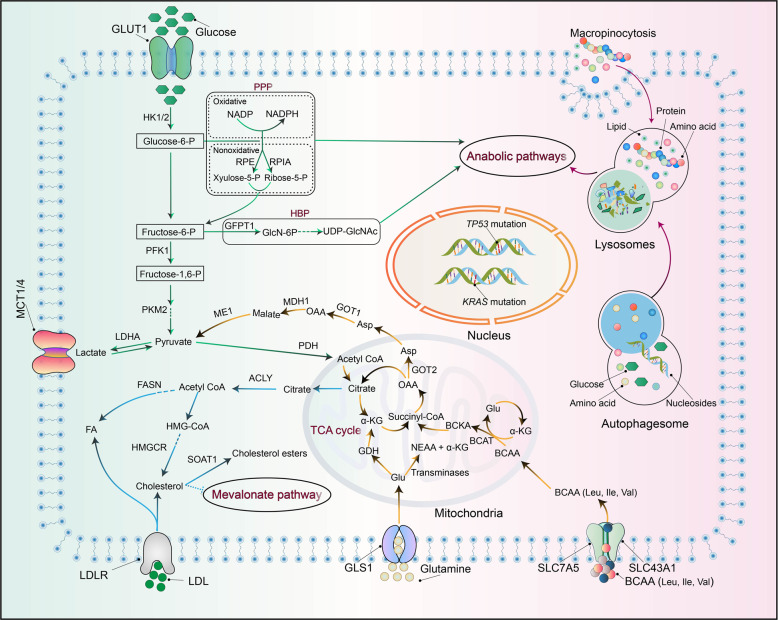
“, hexokinase (HK)1 and -2 and lactate dehydrogenase A (LDHA)); (ii) by promoting mitochondrial translocation of pyruvate dehydrogenase kinase-1 (PDK1), limiting oxidative phosphorylation; and (iii) by driving the glucose intermediates into the hexosamine biosynthesis pathway (HBP) and the non-oxidative pentose phospha…”
BackgroundInfluentialBian, J., Xu, Y., Sun, M., Ma, Z., Li, H., Sun, C., Xiong, F., Zhao, X., Yao, W., Chen, Y., et al. (2024) · ACS Nano · doi:10.1021/acsnano.4c07403 · Cited by 39
Early-onset pancreatic cancer: a review of molecular mechanisms, management, and survival
Ulanja, M. B., Moody, A. E., Beutler, B. D., Antwi‐Amoabeng, D., Rahman, G. A., & Alese, O. B. (2022) · Oncotarget · doi:10.18632/oncotarget.28242 · Cited by 48
Fibroblasts in the Aged Pancreas Drive Pancreatic Cancer Progression
Zabransky, D. J., Chhabra, Y., Fane, M. E., Kartalia, E., Leatherman, J. M., Hüser, L., Zimmerman, J. W., Delitto, D., Han, S., Armstrong, T. D., et al. (2024) · Cancer Research · doi:10.1158/0008-5472.can-24-0086 · Cited by 41
Cui, W., Zhang, J., Wu, D., Zhang, J., Zhou, H., Rong, Y., Liu, F., Wei, B., & Xu, X. (2022) · Phytomedicine · doi:10.1016/j.phymed.2022.153943 · Cited by 36
The Role of Nrf2 in the Regulation of Mitochondrial Function and Ferroptosis in Pancreatic Cancer
Baiskhanova, D. M., & Schäfer, H. (2024) · Antioxidants · doi:10.3390/antiox13060696 · Cited by 44
“Around 80% of pancreatic cancer patients present with progressive disease and metastases, which makes it impracticable to cure them [18].”
Lactate-induced protein lactylation in cancer: functions, biomarkers and immunotherapy strategies
Wang, W., Wang, H., Wang, Q., Yu, X., & Ouyang, L. (2025) · Frontiers in Immunology · doi:10.3389/fimmu.2024.1513047 · Cited by 36
Zhang, J., Teng, F., Hu, B., Liu, W., Huang, Y., Wu, J., Wang, Y., Su, H., Yang, S., Zhang, L., et al. (2024) · Advanced Materials · doi:10.1002/adma.202311431 · Cited by 39
Self-citationDahiya, D. S., Al‐Haddad, M., Chandan, S., Gangwani, M. K., Aziz, M., Mohan, B. P., Ramai, D., Canakis, A., Bapaye, J., & Sharma, N. R. (2022) · Journal of Clinical Medicine · doi:10.3390/jcm11247476 · Cited by 38
van Goor, I. W. J. M., Schouten, T. J., Verburg, D. N., Besselink, M. G., Bonsing, B. A., Bosscha, K. P., Brosens, L. A. A., Busch, O. R., Cirkel, G. A., van Dam, R. M., et al. (2023) · Annals of Surgery · doi:10.1097/sla.0000000000006004 · Cited by 38
“30 Multiple genetic alterations were found to be related to PDAC, although mutation analysis alone cannot adequately predict long-term DFS. 29,31 RNA transcriptional analysis has revealed molecular subgroups of PDAC, suggesting that other factors regulating gene expression, such as epigenetics, explain intertu-moral h…”
BackgroundInfluentialPRMT1 promotes pancreatic cancer development and resistance to chemotherapy
Ku, B., Eisenbarth, D., Baek, S., Jeong, T.-K., Kang, J., Hwang, D., Noh, M., Choi, C., Choi, S., Seol, T., et al. (2024) · Cell Reports Medicine · doi:10.1016/j.xcrm.2024.101461 · Cited by 38
“25,26 However, these treatment regimens do not significantly improve 5-year survival rates, and direct therapeutic targeting of mutant KRAS remains difficult.”
BackgroundSubtyping for pancreatic cancer precision therapy
Huang, X., Zhang, G., & Liang, T. (2022) · Trends in Pharmacological Sciences · doi:10.1016/j.tips.2022.03.005 · Cited by 33
Nanoparticle-based immunotherapy of pancreatic cancer
Nzeteu, G. A. N., Gibbs, B. F., Kotnik, N., Troja, A., Bockhorn, M., & Meyer, N. H. (2022) · Frontiers in Molecular Biosciences · doi:10.3389/fmolb.2022.948898 · Cited by 31
“In addition—despite decades of extensive (clinical) research—the key biological aspects of rapid PC progression, metastasis and therapy resistance remain obscure (Effenberger et al., 2012; Wang et al., 2021).”
BackgroundMohan, A., Griffith, K. A., Wuchu, F., Zhen, D. B., Kumar‐Sinha, C., Crysler, O., Hsiehchen, D., Enzler, T., Dippman, D., Gunchick, V., et al. (2023) · Clinical Cancer Research · doi:10.1158/1078-0432.ccr-23-0036 · Cited by 30
Microbiota Regulates Pancreatic Cancer Carcinogenesis through Altered Immune Response
Chai, Y., Huang, Z., Shen, X., Lin, T., Zhang, Y., Xu, F., Mao, Q., & Liang, Y. (2023) · Microorganisms · doi:10.3390/microorganisms11051240 · Cited by 29
From monocyte‐derived macrophages to resident macrophages—how metabolism leads their way in cancer
Ammarah, U., Pereira‐Nunes, A., Delfini, M., & Mazzone, M. (2024) · Molecular Oncology · doi:10.1002/1878-0261.13618 · Cited by 31
“Such features form barriers that impede drug delivery and immune cell infiltration, thereby fostering resistance to treat-ment [69 – 71].”
BackgroundShi, W., Li, C., Wartmann, T., Kahlert, C., Du, R., Perrakis, A., Brunner, T. B., Croner, R. S., & Kahlert, U. D. (2022) · Journal of Personalized Medicine · doi:10.3390/jpm12030478 · Cited by 26
“Although surgery and neoadjuvant chemotherapy have improved the prognosis of pancreatic cancer patients, more than 80% of pancreatic cancer patients are diagnosed at an advanced stage with limited long-curative treatment options available [3].”
BackgroundTherapeutic Approaches in Pancreatic Cancer: Recent Updates
Kumar, L., Kumar, S., Sandeep, K., & Patel, S. K. S. (2023) · Biomedicines · doi:10.3390/biomedicines11061611 · Cited by 25
“In addition, histone modification is a vital feature in pancreatic cancer for epithelial-to-mesenchyme transition [4,39].”
BackgroundInfluentialPiotrowska, U., Tsoi, J. K. H., Singh, P., Banerjee, A., & Sobczak, M. (2025) · Molecular Pharmaceutics · doi:10.1021/acs.molpharmaceut.5c01062 · Cited by 36
Matsumura, K., Hayashi, H., Uemura, N., Ogata, Y., Liu, Z., Sato, H., Shiraishi, Y., Kuroki, H., Kitamura, F., Kaida, T., et al. (2022) · Translational Oncology · doi:10.1016/j.tranon.2022.101533 · Cited by 26
Cancer plasticity: Investigating the causes for this agility
Saha, S., Pradhan, N., Neha, B., Mahadevappa, R., Minocha, S., & Kumar, S. (2022) · Seminars in Cancer Biology · doi:10.1016/j.semcancer.2022.12.005 · Cited by 28
Bandi, D. S. R., Sarvesh, S., Farran, B., Nagaraju, G. P., & El‐Rayes, B. F. (2023) · Cytokine & Growth Factor Reviews · doi:10.1016/j.cytogfr.2023.06.006 · Cited by 29
Lynch Syndrome and Somatic Mismatch Repair Variants in Pancreas Cancer
O'Connor, C. A., Harrold, E. C., Lin, Y.-T., Walch, H. S., Gazzo, A. M., Ranganathan, M., Kane, S. R., Keane, F., Schoenfeld, J. D., Moss, D., et al. (2024) · JAMA Oncology · doi:10.1001/jamaoncol.2024.3651 · Cited by 30
Song, J., Ruze, R., Chen, Y., Xu, R., Yin, X., Wang, C., Xu, Q., & Zhao, Y. (2022) · BMC Cancer · doi:10.1186/s12885-022-09983-6 · Cited by 28
“High intra-tumoral heterogeneity is the main obstacle in fulfilling an effective PC treatment [56].”
BackgroundSelf-citationBrocco, D., Bellis, D. D., Marino, P. D., Simeone, P., Grassadonia, A., Tursi, M. D., Grottola, T., di Mola, F. F., Gregorio, P. D., Zappacosta, B., et al. (2022) · Cancers · doi:10.3390/cancers14194748 · Cited by 27
The role of CXCL12 axis in pancreatic cancer: New biomarkers and potential targets
Roberto, M., Arrivi, G., Civita, M. A. D., Barchiesi, G., Pilozzi, E., Marchetti, P., Santini, D., Mazzuca, F., & Tomao, F. (2023) · Frontiers in Oncology · doi:10.3389/fonc.2023.1154581 · Cited by 27
Xu, J., Pham, M. D., Corbo, V., Ponz‐Sarvisé, M., Oni, T. E., Öhlund, D., & Hwang, C. (2025) · Experimental & Molecular Medicine · doi:10.1038/s12276-024-01378-w · Cited by 34
“This property is particularly noteworthy given that most omics experiments with human PDAC samples have been performed on early-stage tumors from surgical resections 28 .”
Qorri, B., Mokhtari, R. B., Harless, W. W., & Szewczuk, M. R. (2022) · Cancers · doi:10.3390/cancers14061374 · Cited by 27
Carmona‐Carmona, C. A., Pozza, E. D., Ambrosini, G., Cisterna, B., Palmieri, M., Decimo, I., Cuezva, J. M., Bottani, E., & Dando, I. (2022) · Cancers · doi:10.3390/cancers14143432 · Cited by 23
“Furthermore, approximately 80% of PDAC patients are diagnosed at an advanced stage and mostly have no effective treatment options [3,4].”
BackgroundPrecision Targeting Strategies in Pancreatic Cancer: The Role of Tumor Microenvironment
Vitorakis, N., Gargalionis, A. N., Papavassiliou, K. A., Adamopoulos, C., & Papavassiliou, A. G. (2024) · Cancers · doi:10.3390/cancers16162876 · Cited by 29
“…galectin-1, hepatocyte growth factor (HGF), stromal cell-derived factor-1 (SDF-1), IL-6, and TGF β [93]. quiescent (qPSCs) or activated (aPSCs) [78] (Figure The first category synthesizes MMP-2, MMP-9, and MMP-13 along with their inhibitors as well as stores PSCs can be categorized as either…”
BackgroundInfluentialFrom fermentation to cancer prevention: The anticancer potential of Kombucha
Taupiqurrohman, O., Hastuti, L. P., Oktavia, D., Al-Najjar, B. O., Yusuf, M., Suryani, Y. D., & Gaffar, S. (2024) · Phytomedicine Plus · doi:10.1016/j.phyplu.2024.100633 · Cited by 26
Pancreatic Cancer: Genetic Conditions and Epigenetic Alterations
Montalvo-Jave, E. E., Nuño‐Lámbarri, N., López-Sánchez, G. N., Ayala-Moreno, E. A., Gutiérrez‐Reyes, G., Beane, J. D., & Pawlik, T. M. (2023) · Journal of Gastrointestinal Surgery · doi:10.1007/s11605-022-05553-0 · Cited by 26
Argentiero, A., Andriano, A., Caradonna, I. C., Martino, G. D., & Desantis, V. (2024) · Cancers · doi:10.3390/cancers16132438 · Cited by 26
“The TME, particularly CAFs and their interaction with mast cells, have been shown to activate TGF-β signaling and confer resistance to specific therapies [48].”
BackgroundPopovic, K., Smolović, B., Martinović, M., & Vučković, L. (2023) · Cancer Epidemiology Biomarkers & Prevention · doi:10.1158/1055-9965.epi-22-0951 · Cited by 24
Mustafa, M., Abbas, K., Alam, M., Habib, S., Zulfareen, Hasan, G. M., Islam, S., Shamsi, A., & Hassan, M. I. (2024) · Frontiers in Oncology · doi:10.3389/fonc.2024.1427802 · Cited by 32
Advancing pancreatic cancer therapy by mesothelin-specific nanobody conjugation
Yi, S., Noh, K., Kim, H.-R., Jung, E., Kim, S., Lee, J. E., Guk, K., Choi, J., Lim, E., Kim, S., et al. (2025) · Molecular Cancer · doi:10.1186/s12943-025-02325-7 · Cited by 20
Developments in pancreatic cancer emerging therapies, diagnostic methods, and epidemiology
Jamal, M. H., & Khan, M. N. (2025) · Pathology - Research and Practice · doi:10.1016/j.prp.2025.156012 · Cited by 22
Fringe family genes and their modulation of Notch signaling in cancer
Mugisha, S., Di, X., Disoma, C., Jiang, H., & Zhang, S. (2022) · Biochimica et Biophysica Acta (BBA) - Reviews on Cancer · doi:10.1016/j.bbcan.2022.188746 · Cited by 20
Fard, D., Giraudo, E., & Tamagnone, L. (2023) · Trends in Molecular Medicine · doi:10.1016/j.molmed.2023.07.009 · Cited by 24
Danpanichkul, P., Suparan, K., Jaroenlapnopparat, A., Polpichai, N., Fangsaard, P., Detboon, A., Moolkaew, P., Sripusanapan, A., Srisurapanont, K., Kanjanakot, Y., et al. (2024) · Pancreas · doi:10.1097/mpa.0000000000002331 · Cited by 22
Overcoming therapy resistance in pancreatic cancer: challenges and emerging strategies
du Toit‐Thompson, T., Leck, L. Y. W., Gillson, J., Pavlakis, N., Gill, A. J., Samra, J. S., Mittal, A., & Sahni, S. (2025) · Advanced Drug Delivery Reviews · doi:10.1016/j.addr.2025.115647 · Cited by 22
Lauria, G., Curcio, R., Lunetti, P., Tiziani, S., Coppola, V., Dolce, V., Fiermonte, G., & Ahmed, A. (2023) · Cancers · doi:10.3390/cancers15020411 · Cited by 17
“Genetically, PDAC is a complex malignancy involving aberrant chromosomal alterations, point mutations, and epigenetic modifications [8,9].”
BackgroundGenetics, Genomics and Emerging Molecular Therapies of Pancreatic Cancer
Liu, J., Mroczek, M., Mach, A., Stępień, M., Aplas, A., Pronobis‐Szczylik, B., Bukowski, S., Mielczarek, M., Gajewska, E., Topolski, P., et al. (2023) · Cancers · doi:10.3390/cancers15030779 · Cited by 21
Wang, W., Kim, S.-J., Vu, T. H. N., Quach, N. T., Oh, E., Park, K.-H., Park, C., Cho, Y., Jang, H., Roh, E., et al. (2023) · Journal of Natural Products · doi:10.1021/acs.jnatprod.2c00902 · Cited by 18
Ead, A., Wirkus, J., Matsukuma, K. E., & Mackenzie, G. G. (2024) · The Journal of Nutritional Biochemistry · doi:10.1016/j.jnutbio.2024.109690 · Cited by 19
DNA Methylation Mediates EMT Gene Expression in Human Pancreatic Ductal Adenocarcinoma Cell Lines
Urbanova, M., Buociková, V., Trnkova, L., Strapcova, S., Kajabová, V. H., Barreto, E., Novisedláková, M., Tomáš, M., Dubovan, P., Earl, J., et al. (2022) · International Journal of Molecular Sciences · doi:10.3390/ijms23042117 · Cited by 19
“The fibroinflammatory stroma of chronic pancreatitis resembles that of pancreatic cancer, and aberrant inflammatory signaling contributes to the malignant transformation of pancreatic cells [9,10].”
BackgroundBogut, A., Stojanović, B., Jovanović, M., Stojanovic, M. D., Gajović, N., Stojanović, B., Balovic, G., Jovanovic, M., Lazovic, A., Mirovic, M., et al. (2023) · International Journal of Molecular Sciences · doi:10.3390/ijms242115500 · Cited by 20
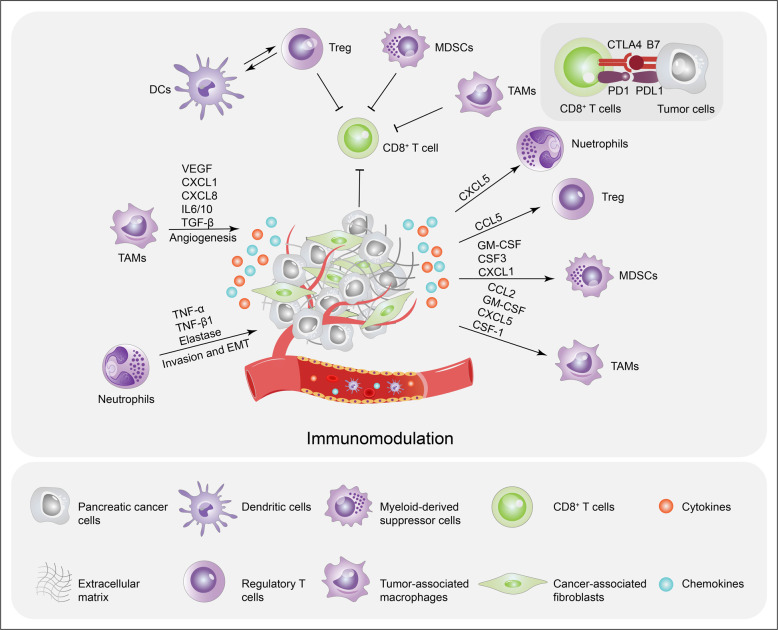
“In the tumor microenvironment, an immunosuppressive milieu is established, largely facilitating tumor immune evasion [33].”
BackgroundTreatment optimization of locally advanced and metastatic pancreatic cancer (Review)
Barros, A., Pulido, C., Machado, M., Brito, M. J., Couto, N., Sousa, O., Melo, S. A., & Mansinho, H. (2021) · International Journal of Oncology · doi:10.3892/ijo.2021.5290 · Cited by 20
“Thus, early genomic events in the tumor evolution can determine the later molecular subtypes of PDAC (36).”
BackgroundPancreatic Cancer and Detection Methods
Ungkulpasvich, U., Hatakeyama, H., Hirotsu, T., & di Luccio, E. (2023) · Biomedicines · doi:10.3390/biomedicines11092557 · Cited by 19
“These alterations promote uncontrolled cell growth and contribute to PC development [34,39,40].”
BackgroundThe mechanistic role of NAT10 in cancer: Unraveling the enigmatic web of oncogenic signaling
Rodrigues, P., Bangali, H., Ali, E., Абдрешов, С. Н., Hjazi, A. M., Fenjan, M. N., Alawadi, A. H., Alsaalamy, A. H., Alasheqi, M. Q., & Mustafa, Y. F. (2023) · Pathology - Research and Practice · doi:10.1016/j.prp.2023.154990 · Cited by 17
Gajos-Michniewicz, A., & Czyż, M. (2024) · International Journal of Molecular Sciences · doi:10.3390/ijms252312804 · Cited by 16
“This contrasts with other cancers, e.g., colorectal cancer [34], hepatocellular carcinoma [35] pancreatic cancer [36], lung cancer [37] or ovarian cancer [38], in which nuclear β -catenin is a driving force of both initiation and progression.”
Classic versus innovative strategies for immuno-therapy in pancreatic cancer
Formelli, M. G., Palloni, A., Tavolari, S., Deiana, C., Andrini, E., Marco, M. D., Campana, D., Lamberti, G., & Brandi, G. (2025) · Advanced Drug Delivery Reviews · doi:10.1016/j.addr.2025.115671 · Cited by 20
The Microbiome in PDAC—Vantage Point for Future Therapies?
Pfisterer, N., Lingens, C., Heuer, C., Dang, L., Neeße, A., & Ammer‐Herrmenau, C. (2022) · Cancers · doi:10.3390/cancers14235974 · Cited by 15
“PDAC is characterized by genetic heterogeneity and a complex tumor microenvironment (TME) [8].”
BackgroundInfluentialThe Link between Diabetes, Pancreatic Tumors, and miRNAs—New Players for Diagnosis and Therapy?
Kozłowska, M., & Śliwińska, A. (2023) · International Journal of Molecular Sciences · doi:10.3390/ijms241210252 · Cited by 19
“However, imaging methods are not sufficient in detecting tumors with a size of <1 cm, not effective in detecting small metastases or changes in the peritoneum, and their price for utilization is high [39,40].”
MethodPhilipp, L.-M., Yesilyurt, U.-U., Surrow, A., Künstner, A., Mehdorn, A., Hauser, C., Gundlach, J.-P., Will, O., Hoffmann, P., Stahmer, L., et al. (2024) · Cancers · doi:10.3390/cancers16040686 · Cited by 15
Chi, H., Su, L., Yan, Y., Gu, X., Su, K., Han, L., Yu, L., Liu, J., Wang, J., Wu, Q., et al. (2024) · Frontiers in Immunology · doi:10.3389/fimmu.2024.1375143 · Cited by 17
Pino, D. C., Badonyi, M., Semple, C. A. M., & Marsh, J. A. (2024) · Cell Reports · doi:10.1016/j.celrep.2024.114905 · Cited by 24
“For instance, approximately 30%–50% of colorectal cancer tumors have a mutated KRAS gene, 80 whereas it has been observed to be mutated in 90% of pancreatic cancers of all grades, 81 and the mutation signatures differ between them as well.”
Götze, J., Nitschke, C., Uzunoglu, F. G., Pantel, K., Sinn, M., & Wikman, H. (2022) · Frontiers in Cell and Developmental Biology · doi:10.3389/fcell.2022.918795 · Cited by 16
The EPH/Ephrin System in Pancreatic Ductal Adenocarcinoma (PDAC): From Pathogenesis to Treatment
Papadakos, S. P., Dedes, N., Gkolemi, N., Machairas, N., & Theocharis, S. E. (2023) · International Journal of Molecular Sciences · doi:10.3390/ijms24033015 · Cited by 17
Cuproptosis and its application in different cancers: an overview
Xu, L., Liu, K., Wang, F., & Su, Y. (2023) · Molecular and Cellular Biochemistry · doi:10.1007/s11010-023-04693-4 · Cited by 14
“Huang et al. established the cuproptosis-related gene index [CRGI] by using 10 cuproptosis-related genes combined with 6 biomarkers in pancreatic adenocarcinoma [PAAD] [38].”
MethodIn vivo models of pancreatic ductal adenocarcinoma
Vudatha, V., Herremans, K. M., Freudenberger, D. C., Liu, C., & Trevino, J. (2023) · Advances in cancer research · doi:10.1016/bs.acr.2023.02.002 · Cited by 19
Zhang, Z., Zhu, X., Yang, F., Lai, N., Zhu, L., Cole, K., Hu, B., Li, T., Zhu, Y., Zhang, L.-M., et al. (2023) · Med · doi:10.1016/j.medj.2023.07.010 · Cited by 16
Self-citationToledo, B., Deiana, C., Scianò, F., Brandi, G., Marchal, J. A., Perán, M., & Giovannetti, E. (2024) · Expert Review of Clinical Pharmacology · doi:10.1080/17512433.2024.2319340 · Cited by 18
“PC stands as one of the most formidable challenges in modern oncology, characterized by its aggressive nature and limited treatment success [56,57].”
BackgroundCholesterol metabolism in pancreatic cancer and associated therapeutic strategies
Daya, T., Breytenbach, A., Gu, L., & Kaur, M. (2024) · Biochimica et Biophysica Acta (BBA) - Molecular and Cell Biology of Lipids · doi:10.1016/j.bbalip.2024.159578 · Cited by 21
Sinnett‐Smith, J. W., Anwar, T., Reed, E. F., Teper, Y., Eibl, G., & Rozengurt, E. (2022) · Molecular Cancer Therapeutics · doi:10.1158/1535-7163.mct-21-0964 · Cited by 18
Epigenetic Landscape of DNA Methylation in Pancreatic Ductal Adenocarcinoma
Liu, P., Jacques, J., & Hwang, C. (2024) · Epigenomes · doi:10.3390/epigenomes8040041 · Cited by 15
Roth, S., Apte, M. V., Balachandran, V. P., Biffi, G., Conroy, T., Cukierman, E., Dotan, E., Esposito, I., Grünwald, B. T., Klauß, M., et al. (2026) · Nature Reviews Disease Primers · doi:10.1038/s41572-026-00699-6 · Cited by 28
Zhang, N., Zhang, J., Cui, W., Wu, D., Zhang, J., Wei, B., Qu, L., & Xu, X. (2023) · Fitoterapia · doi:10.1016/j.fitote.2023.105522 · Cited by 15
Dong, M., Tang, R., Wang, W., Xu, J., Liu, J., Liang, C., Hua, J., Meng, Q., Yu, X., Zhang, B., et al. (2023) · Translational Oncology · doi:10.1016/j.tranon.2023.101692 · Cited by 14
GDF15 and LCN2 for early detection and prognosis of pancreatic cancer
Zhu, X., Olson, B. G., Keith, D., Norgard, M. A., Levasseur, P. R., Diba, P., Protzek, S., Li, J., Li, X., Korzun, T., et al. (2024) · Translational Oncology · doi:10.1016/j.tranon.2024.102129 · Cited by 17
“Pancreatic cancer is characterized by hypovascularization and the presence of a tight desmoplastic stroma around tumor cells, creating a highly hypoxic and nutrient-limited microenvironment [69 – 71].”
BackgroundSelf-citationNovel Development of Nanoparticles—A Promising Direction for Precise Tumor Management
Zhang, D., Tang, Q., Chen, J., Wei, Y., & Chen, J. (2022) · Pharmaceutics · doi:10.3390/pharmaceutics15010024 · Cited by 14
“Moreover, for pancreatic ductal adenocarcinoma characterized by insufficient vascularization and nonsolid tumors, it is hard to target nanoparticles toward tumor cells [7].”
BackgroundLee, H. K., Nam, M.-W., Go, R., Koo, J., Kim, T. H., Park, J.-E., & Choi, K. (2023) · Biomedicine & Pharmacotherapy · doi:10.1016/j.biopha.2022.114212 · Cited by 16
Advancing Cancer Treatment Through Nanotechnology Driven Immunotherapy for Pancreatic Cancer
Nair, S. T., Kamalasanan, K., Sneha, S., Pavithran, K., & Harb, H. (2023) · ACS Applied Nano Materials · doi:10.1021/acsanm.3c03454 · Cited by 14
SDC1 and ITGA2 as novel prognostic biomarkers for PDAC related to IPMN
Zhang, C., Shen, Q., Liu, F.-D., Yang, F., Gao, M., Jiang, X., Li, Y., Zhang, X., En, G., Pan, X., et al. (2023) · Scientific Reports · doi:10.1038/s41598-023-44646-x · Cited by 19
“Existing biomarkers, such as KRAS, can predict the prognosis of PDAC, but they are not effective enough 24 .”
BackgroundSelf-citationWu, Y., Zhang, C., Huang, J., Chen, Q., Zhang, Y., Liu, F., Xu, D., Jiang, K., Shi, R., Chen, M., et al. (2025) · Seminars in Oncology · doi:10.1016/j.seminoncol.2025.152338 · Cited by 13
Maietta, I., González‐Fernández, Á., & Simón‐Vázquez, R. (2025) · Advanced Drug Delivery Reviews · doi:10.1016/j.addr.2025.115638 · Cited by 14
Johansen, A. Z., Novitski, S. I., Hjaltelin, J. X., Theile, S., Boisen, M. K., Brunak, S., Madsen, D. H., Nielsen, D. L., & Chen, I. M. (2023) · Frontiers in Immunology · doi:10.3389/fimmu.2023.1228907 · Cited by 15
Metadata
- Authors
- Wang, S., Zheng, Y., Yang, F., Zhu, L., Zhu, X.-Q., Wang, Z.-F., Wu, X.-L., Zhou, C.-H., Yan, J.-Y., Hu, B.-Y., Kong, B., Fu, D.-L., Bruns, C., Zhao, Y., Qin, L.-X., & Dong, Q.-Z.
- Affiliations
- Fudan University (CN)
- University Hospital Cologne (DE)
- TUM Klinikum (DE)
- Corresponding author
- Zhao, Yue
- Qin, Lun-Xiu
- ORCID
- Venue
- Signal Transduction and Targeted Therapy
- Published
- 2021-07-05
- Volume
- 6
- Issue
- 1
- Pages
- 249-249
- ISSN
- 2059-3635 (ISSN-L)
- PMC
- PMC8255319
- OpenAlex
- W3179240236
- Cited by
- 369
- References
- 388
- Citations by year
- 2026: 62 · 2025: 91 · 2024: 92 · 2023: 70 · 2022: 50 · 2021: 4
- FWCI
- 6.57
- Type
- journal article
- Language
- en
- Open access
- gold
- doi.org
- Licence
- cc-by
- creativecommons.org/licenses/by/4.0 (tdm)
- creativecommons.org/licenses/by/4.0 (vor)
- Locations
- Signal Transduction and Targeted Therapy (publishedVersion, cc-by)
- PubMed Central (publishedVersion, cc-by)
- PubMed (publishedVersion)
- Kölner Universitäts PublikationsServer (Universität zu Köln) (publishedVersion)
- DOAJ (DOAJ: Directory of Open Access Journals) (submittedVersion, cc-by-sa)
- Funders
- National Natural Science Foundation of China (81672820, 20XD1400900, 81940074, 81872356, 81802903)
- Shanghai International Science and Technology
- National Key Research and Development Program of China (2017YFC1308604)
- Program of Shanghai Academic Research Leader (20XD1400900)
- Topics
- Health Sciences › Medicine › Oncology › Pancreatic and Hepatic Oncology Research
- Health Sciences › Medicine › Surgery › Pancreatitis Pathology and Treatment
- Life Sciences › Biochemistry, Genetics and Molecular Biology › Cancer Research › Cancer Genomics and Diagnostics
- Keywords
- pancreatic ductal adenocarcinoma, metabolic reprogramming, tumor microenvironment, molecular classification, biomarkers, liquid biopsy, cancer therapeutics, tumor heterogeneity
- MeSH terms
- Adenocarcinoma, Humans, Pancreatic Neoplasms, Prognosis, Tumor Microenvironment
About these checks
Registry, retraction, Cites and statistics results are computed, not judged, with one exception: a printed reference that no index lists is read once by a model before it counts as a citation error. Claims are extracted by a model and kept only when their quote appears verbatim in the text; each cited source is then checked, with a model’s help, for whether it says what the claim relies on. Those verdicts can be wrong — read the claim’s quote and the cited source before relying on one.
Statistics and arithmetic are recomputed, not judged.
Confidence bands are shown only for fields calibrated on our annotated test set. None is calibrated yet, so no band is shown.
What counts as a claim ›How we measure confidence ›How we check this ›
Are you an author, or do you see a problem with this page? Request a review
Data sources
Bibliographic data: Semantic Scholar, OpenAlex, Crossref.
Contains information from the Semantic Scholar Academic Graph Datasets, made available under the ODC Attribution License (ODC-BY 1.0).
Semantic Scholar’s data is described in: Kinney, R., et al. (2023). The Semantic Scholar Open Data Platform. arXiv:2301.10140.
