

The molecular biology of pancreatic adenocarcinoma: translational challenges and clinical perspectives
Open accessThe DOI matches its Crossref record; 388 of the 388 references it cites were found in a registry or an index.
Abstract
Pancreatic cancer is an increasingly common cause of cancer mortality with a tight correspondence between disease mortality and incidence. Furthermore, it is usually diagnosed at an advanced stage with a very dismal prognosis. Due to the high heterogeneity, metabolic reprogramming, and dense stromal environment associated with pancreatic cancer, patients benefit little from current conventional therapy. Recent insight into the biology and genetics of pancreatic cancer has supported its molecular classification, thus expanding clinical therapeutic options. In this review, we summarize how the biological features of pancreatic cancer and its metabolic reprogramming as well as the tumor microenvironment regulate its development and progression. We further discuss potential biomarkers for pancreatic cancer diagnosis, prediction, and surveillance based on novel liquid biopsies. We also outline recent advances in defining pancreatic cancer subtypes and subtype-specific therapeutic responses and current preclinical therapeutic models. Finally, we discuss prospects and challenges in the clinical development of pancreatic cancer therapeutics.
Overview
The claims and statistics of this paper haven’t been checked yet.
Free: it reads the open-access text and checks the first 5 claims that cite a source we can check. Create a free account to check every claim.
Integrity signals
Registry
Cites
Statistics
Figures
Verification
Claims the paper makes
The claims and statistics of this paper haven’t been checked yet.
Free: it reads the open-access text and checks the first 5 claims that cite a source we can check. Create a free account to check every claim.
Claims other papers make about this one
Each is checked against this paper’s own text: does it say what the citing paper says it does?
The source backs part of the claim, not all of it — or backs it for a different population, condition or comparison.
In the citing paper
“TP53 mutations, found in 50–90% of pancreatic ductal adenocarcinomas, significantly affect carcinogenesis, prognosis and treatment response [17,21,34,35].”
From Significance of TP53, CDKN2A, SMAD4 and KRAS in Pancreatic Cancer (2024) · cites this paper as [35]
Experimental — accuracy not yet measured
Self-check
Percentages, sums and reported differences re-computed from the paper’s own numbers.
The self-check needs the paper’s full text.
Citations
Cites
1 retracted
Chen, S., Chen, X., Shan, T., Ma, J., Lin, W., Li, W., & Kang, Y. (2018) · International Journal of Biological Sciences · doi:10.7150/ijbs.22555 · Cited by 61 · cited 1×
“CAFs can enhance aerobic glycolysis and secrete high-energy metabolites, including lactate and pyruvate.(235) Moreover, it has been demonstrated that enhanced autophagy in CAFs contributes to the release of amino acids, which tumor cells can use as anabolic substrates.”
BackgroundRetractedSung, H., Ferlay, J., Siegel, R. L., Laversanne, M., Soerjomataram, I., Jemal, A., & Bray, F. (2021) · CA: A Cancer Journal for Clinicians · doi:10.3322/caac.21660 · Cited by 108,699
Hallmarks of Cancer: The Next Generation
Hanahan, D., & Weinberg, R. A. (2011) · Cell · doi:10.1016/j.cell.2011.02.013 · Cited by 66,590
Siegel, R. L., Miller, K. D., Fuchs, H. E., & Jemal, A. (2021) · CA: A Cancer Journal for Clinicians · doi:10.3322/caac.21654 · Cited by 16,522
Safety and activity of anti-PD-L1 antibody in patients with advanced cancer
Brahmer, J. R., Tykodi, S. S., Chow, L. Q. M., Hwu, W.-J., Topalian, S. L., Hwu, P., Drake, C. G., Camacho, L. H., Kauh, J., Odunsi, K., et al. (2012) · New England Journal of Medicine · doi:10.1056/nejmoa1200694 · Cited by 7,945 · cited 1×
“However, the results of early clinical trials investigating the efficacy of the anti-CTLA-4 antibody ipilimumab or the anti-PD-L1 antibody BMS-936559 in patients with advanced pancreatic cancer were disappointing.(371,372) In the phase 2 KEYNOTE-158 study of pembrolizumab (an anti-PD-1 monoclonal antibody), an ORR of…”
BackgroundFOLFIRINOX versus Gemcitabine for Metastatic Pancreatic Cancer
Conroy, T., Desseigne, F., Ychou, M., Bouché, O., Guimbaud, R., Bécouarn, Y., Adenis, A., Raoul, J.-L., Gourgou-Bourgade, S., de la Fouchardière, C., et al. (2011) · New England Journal of Medicine · doi:10.1056/nejmoa1011923 · Cited by 7,810 · cited 2×
“The treatment method changed in 2011 when FOLFIRINOX demonstrated a better survival benefit compared with that of gemcitabine monotherapy.(11) Thereafter, gemcitabine plus nab-paclitaxel was adopted as another first-line treatment option.”
BackgroundMethodSpencer, P. M., Cameron, J. L., & Lin, L. (2000) · Cited by 7,202
Increased Survival in Pancreatic Cancer with nab-Paclitaxel plus Gemcitabine
Von Hoff, D. D., Ervin, T., Arena, F. P., Chiorean, E. G., Infante, J., Moore, M., Seay, T., Tjulandin, S. A., Ma, W. W., Saleh, M. N., et al. (2013) · New England Journal of Medicine · doi:10.1056/nejmoa1304369 · Cited by 6,712 · cited 2×
“001) compared with gemcitabine monotherapy.(12) According to a large-scale retrospective study, FOLFIRINOX and nab-paclitaxel plus gemcitabine have similar outcomes.”
BackgroundBurris, H. A., Moore, M. J., Andersen, J., Green, M. R., Rothenberg, M. L., Modiano, M. R., Cripps, M. C., Portenoy, R. K., Storniolo, A. M., Tarassoff, P., et al. (1997) · Journal of Clinical Oncology · doi:10.1200/jco.1997.15.6.2403 · Cited by 5,894
Tumour exosome integrins determine organotropic metastasis
Hoshino, A., Costa-Silva, B., Shen, T.-L., Rodrigues, G., Hashimoto, A., Tesic Mark, M., Molina, H., Kohsaka, S., Di Giannatale, A., Ceder, S., et al. (2015) · Nature · doi:10.1038/nature15756 · Cited by 5,101 · cited 1×
“Moreover, exosome-derived integrin (α6β4, α6β1, and αvβ5) uptake by resident cells (liver Kupffer cells, lung fibroblasts, or epithelial cells) contributes to organ-specific pre-metastatic niche formation via activation of SRC proto-oncogene (Src) phosphorylation and pro-inflammatory S100 gene expression.(136) The ext…”
BackgroundDetection of Circulating Tumor DNA in Early- and Late-Stage Human Malignancies
Bettegowda, C., Sausen, M., Leary, R. J., Kinde, I., Wang, Y., Agrawal, N., Bartlett, B. R., Wang, H., Luber, B., Alani, R. M., et al. (2014) · Science Translational Medicine · doi:10.1126/scitranslmed.3007094 · Cited by 5,067
Tumor mutational load predicts survival after immunotherapy across multiple cancer types
Samstein, R. M., Lee, C.-H., Shoushtari, A. N., Hellmann, M. D., Shen, R., Janjigian, Y. Y., Barron, D. A., Zehir, A., Jordan, E. J., Omuro, A., et al. (2019) · Nature Genetics · doi:10.1038/s41588-018-0312-8 · Cited by 4,071
Genomic analyses identify molecular subtypes of pancreatic cancer
Bailey, P., Chang, D. K., Nones, K., Johns, A. L., Patch, A.-M., Gingras, M.-C., Miller, D. K., Christ, A. N., Bruxner, T. J. C., Quinn, M. C., et al. (2016) · Nature · doi:10.1038/nature16965 · Cited by 3,621 · cited 5×
“The overall prevalence of gene mutations or copy number variations in SWI/SNF complex components is >10%; thus, such alterations have important effects on chromatin remolding in pancreatic cancer pathogenesis.(20,28,36) Histone deacetylases (HDACs), which catalyze histone deacetylation, are classified into two enzyme…”
BackgroundInfluentialNuclear factor-κB in cancer development and progression
Karin, M. (2006) · Nature · doi:10.1038/nature04870 · Cited by 3,519
Zehir, A., Benayed, R., Shah, R. H., Syed, A., Middha, S., Kim, H. R., Srinivasan, P., Gao, J., Chakravarty, D., Devlin, S. M., et al. (2017) · Nature Medicine · doi:10.1038/nm.4333 · Cited by 3,380 · cited 1×
“This panel was also used to identify clinically relevant mutations and mutation signatures as well as novel noncoding alterations.(328) This panel was subsequently expanded via Clinical Laboratory Improvement Amendment-certified testing for the analysis of tumor-derived and matched germline DNA samples, which has also…”
MethodIdentification of Pancreatic Cancer Stem Cells
Li, C., Heidt, D. G., Dalerba, P., Burant, C. F., Zhang, L., Adsay, V., Wicha, M., Clarke, M. F., & Simeone, D. M. (2007) · Cancer Research · doi:10.1158/0008-5472.can-06-2030 · Cited by 3,339
Marabelle, A., Le, D. T., Ascierto, P. A., Di Giacomo, A. M., De Jesus-Acosta, A., Delord, J.-P., Geva, R., Gottfried, M., Penel, N., Hansen, A. R., et al. (2020) · Journal of Clinical Oncology · doi:10.1200/jco.19.02105 · Cited by 3,048
Glypican-1 identifies cancer exosomes and detects early pancreatic cancer
Melo, S. A., Luecke, L. B., Kahlert, C., Fernandez, A. F., Gammon, S. T., Kaye, J., LeBleu, V. S., Mittendorf, E. A., Weitz, J., Rahbari, N., et al. (2015) · Nature · doi:10.1038/nature14581 · Cited by 2,880 · cited 1×
“reported that the biomarker glypican-1 (GPC1) was specifically enriched on pancreatic cancer exosomes.(317) GPC1(+) GPC1-circulating exosomes were detected in the serum of pancreatic cancer patients with 100% specificity and sensitivity, thereby distinguishing pancreatic cancer patients from patients with nonmalignant…”
BackgroundFOLFIRINOX or Gemcitabine as Adjuvant Therapy for Pancreatic Cancer
Conroy, T., Hammel, P., Hebbar, M., Ben Abdelghani, M., Wei, A. C., Raoul, J.-L., Choné, L., Francois, E., Artru, P., Biagi, J. J., et al. (2018) · New England Journal of Medicine · doi:10.1056/nejmoa1809775 · Cited by 2,874 · cited 1×
“, 5-fluorouracil (5-FU), leucovorin, oxaliplatin, and irinotecan) and nab-paclitaxel plus gemcitabine are generally considered as the best adjuvant chemotherapy regimens, although they have shown only modest survival benefits with considerable toxicity.(13) Furthermore, multiple novel-targeted therapies (i.”
BackgroundEfficacy of Larotrectinib in TRK Fusion–Positive Cancers in Adults and Children
Drilon, A., Laetsch, T. W., Kummar, S., DuBois, S. G., Lassen, U. N., Demetri, G. D., Nathenson, M., Doebele, R. C., Farago, A. F., Pappo, A. S., et al. (2018) · New England Journal of Medicine · doi:10.1056/nejmoa1714448 · Cited by 2,824 · cited 1×
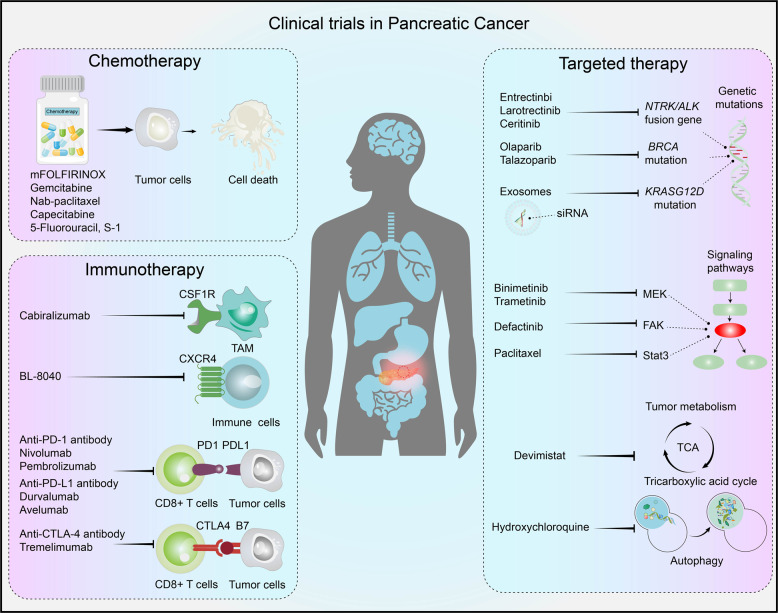
“In other clinical trials evaluating the efficacy of the TRK inhibitor larotrecitinib, the objective response rate (ORR) reached 75% among 55 patients with NTRK fusion-positive tumors, including one pancreatic cancer patient who had a PR (NCT02122913, NCT02637687, NCT02576431).(367) Larotrectinib and entrectinib receiv…”
BackgroundPancreatic cancer exosomes initiate pre-metastatic niche formation in the liver
Costa-Silva, B., Aiello, N. M., Ocean, A. J., Singh, S., Zhang, H., Thakur, B. K., Becker, A., Hoshino, A., Mark, M. T., Molina, H., et al. (2015) · Nature Cell Biology · doi:10.1038/ncb3169 · Cited by 2,692 · cited 1×
“Pancreatic cancer cell-derived exosomes can be taken up by Kupffer cells, resulting in TGF-β secretion and upregulation of fibronectin production by hematopoietic stem progenitor cells, which then induce liver pre-metastatic niche formation.(135) Moreover, exosome-derived integrin (α6β4, α6β1, and αvβ5) uptake by resi…”
BackgroundNF-κB, inflammation, immunity and cancer: coming of age
Taniguchi, K., & Karin, M. (2018) · Nature Reviews Immunology · doi:10.1038/nri.2017.142 · Cited by 2,679
Whole genomes redefine the mutational landscape of pancreatic cancer
Initiative, A. P. C. G., Waddell, N., Pajic, M., Patch, A.-M., Chang, D. K., Kassahn, K. S., Bailey, P., Johns, A. L., Miller, D., Nones, K., et al. (2015) · Nature · doi:10.1038/nature14169 · Cited by 2,642 · cited 2×
“In addition, ~31–38% of pancreatic cancers have mutations in SMAD4, which can occur in the late stages of pancreatic carcinogenesis.(23,25) In pancreatic cancer, the frequent loss of SMAD4 via homozygous deletion or mutation leads to decreasing SMAD4-dependent inhibition of transforming growth factor-β (TGF-β) and the…”
BackgroundExosomes facilitate therapeutic targeting of oncogenic KRAS in pancreatic cancer
Kamerkar, S., LeBleu, V. S., Sugimoto, H., Yang, S., Ruivo, C. F., Melo, S. A., Lee, J. J., & Kalluri, R. (2017) · Nature · doi:10.1038/nature22341 · Cited by 2,639
Hingorani, S. R., Wang, L., Multani, A. S., Combs, C., Deramaudt, T. B., Hruban, R. H., Rustgi, A. K., Chang, S., & Tuveson, D. A. (2005) · Cancer Cell · doi:10.1016/j.ccr.2005.04.023 · Cited by 2,609
Mizrahi, J. D., Surana, R., Valle, J. W., & Shroff, R. T. (2020) · The Lancet · doi:10.1016/s0140-6736(20)30974-0 · Cited by 2,559
Distant metastasis occurs late during the genetic evolution of pancreatic cancer
Yachida, S., Jones, S., Bozic, I., Antal, T., Leary, R., Fu, B., Kamiyama, M., Hruban, R. H., Eshleman, J. R., Nowak, M. A., et al. (2010) · Nature · doi:10.1038/nature09515 · Cited by 2,502 · cited 1×
“Nevertheless, distant metastatic lesions are hypothesized to evolve from the original tumor cells by acquiring distinct gene mutations.(116) To metastasize, neoplastic cells must detach from the primary tumor and travel through the blood vessels or lymphatic system.”
BackgroundPreinvasive and invasive ductal pancreatic cancer and its early detection in the mouse
Hingorani, S. R., Petricoin, E. F., Maitra, A., Rajapakse, V., King, C., Jacobetz, M. A., Ross, S., Conrads, T. P., Veenstra, T. D., Hitt, B. A., et al. (2003) · Cancer Cell · doi:10.1016/s1535-6108(03)00309-x · Cited by 2,471 · cited 2×
“Endogenous expression of oncogenic KRAS induces PanIN in mice, and a subset of these mice develop pancreatic cancer tumors at an advanced age, revealing that additional events are necessary for tumor formation onset.(343) Strains for targeting pancreatic progenitor cells, such as Pdx1Cre transgenic or Ptf1a knock-in s…”
BackgroundMethodCancer cell metabolism: warburg and beyond
Hsu, P. P., & Sabatini, D. M. (2008) · Cell · doi:10.1016/j.cell.2008.08.021 · Cited by 2,452
Maintenance Olaparib for Germline BRCA -Mutated Metastatic Pancreatic Cancer
Golan, T., Hammel, P., Reni, M., Van Cutsem, E., Macarulla, T., Hall, M. J., Park, J.-O., Hochhauser, D., Arnold, D., Oh, D.-Y., et al. (2019) · New England Journal of Medicine · doi:10.1056/nejmoa1903387 · Cited by 2,302 · cited 2×
“, cetuximab, bevacizumab, axitinib, and aflibercept) have failed to effectively improve overall survival (OS), while erlotinib combined with gemcitabine showed a marginal clinical benefit.(14,15) Therefore, new therapies, e.”
BackgroundEpidemiology of Pancreatic Cancer: Global Trends, Etiology and Risk Factors
Rawla, P., Sunkara, T., & Gaduputi, V. (2019) · World Journal of Oncology · doi:10.14740/wjon1166 · Cited by 2,269
Kamisawa, T., Wood, L. D., Itoi, T., & Takaori, K. (2016) · The Lancet · doi:10.1016/s0140-6736(16)00141-0 · Cited by 2,212
Moffitt, R. A., Marayati, R., Flate, E. L., Volmar, K. E., Loeza, S. G. H., Hoadley, K. A., Rashid, N. U., Williams, L. A., Eaton, S. C., Chung, A. H., et al. (2015) · Nature Genetics · doi:10.1038/ng.3398 · Cited by 2,194 · cited 5×
“also demonstrated that patients with basal-like tumors showed a tendency to benefit more from adjuvant therapy, although the effect was not significant.(47) In vivo patient-derived xenograft (PDX) models or 3D organoid-based approaches might be more effective tools for investigating subtype-specific treatment response…”
BackgroundInfluentialMemorial Sloan Kettering-Integrated Mutation Profiling of Actionable Cancer Targets (MSK-IMPACT)
Cheng, D. T., Mitchell, T. N., Zehir, A., Shah, R. H., Benayed, R., Syed, A., Chandramohan, R., Liu, Z. Y., Won, H. H., Scott, S. N., et al. (2015) · The Journal of Molecular Diagnostics · doi:10.1016/j.jmoldx.2014.12.006 · Cited by 2,119
Feig, C., Jones, J. O., Kraman, M., Wells, R. J. B., Deonarine, A., Chan, D. S., Connell, C. M., Roberts, E. W., Zhao, Q., Caballero, O. L., et al. (2013) · Proceedings of the National Academy of Sciences · doi:10.1073/pnas.1320318110 · Cited by 2,100 · cited 1×
“For a long time, CAFs were only considered tumor promoters in the tumor microenvironment of the pancreatic cancer cells based on their involvement in tumor cell proliferation and survival via facilitating tumor invasion, metastasis, and immunosuppression.(238,239) For example, as one of the traditional CAF activation…”
BackgroundPatient-derived organoids model treatment response of metastatic gastrointestinal cancers
Vlachogiannis, G., Hedayat, S., Vatsiou, A., Jamin, Y., Fernández-Mateos, J., Khan, K., Lampis, A., Eason, K., Huntingford, I., Burke, R., et al. (2018) · Science · doi:10.1126/science.aao2774 · Cited by 2,096
Stromal Elements Act to Restrain, Rather Than Support, Pancreatic Ductal Adenocarcinoma
Rhim, A. D., Oberstein, P. E., Thomas, D. H., Mirek, E. T., Palermo, C. F., Sastra, S. A., Dekleva, E. N., Saunders, T., Becerra, C. P., Tattersall, I. W., et al. (2014) · Cancer Cell · doi:10.1016/j.ccr.2014.04.021 · Cited by 2,085 · cited 2×
“However, some recent studies have found that tumors can become more aggressive and undifferentiated upon Shh deletion in a pancreatic cancer mouse model.(218,240) This evidence suggests that CAFs might comprise several subsets that have different or even opposing effects on tumor progression.”
BackgroundA Comprehensive Survey of Ras Mutations in Cancer
Prior, I. A., Lewis, P. D., & Mattos, C. (2012) · Cancer Research · doi:10.1158/0008-5472.can-11-2612 · Cited by 2,063
Oncogenic Kras maintains pancreatic tumors through regulation of anabolic glucose metabolism
Ying, H., Kimmelman, A. C., Lyssiotis, C. A., Hua, S., Chu, G. C., Fletcher-Sananikone, E., Locasale, J. W., Son, J., Zhang, H., Coloff, J. L., et al. (2012) · Cell · doi:10.1016/j.cell.2012.01.058 · Cited by 2,043
Zheng, X., Carstens, J. L., Kim, J., Scheible, M., Kaye, J., Sugimoto, H., Wu, C.-C., LeBleu, V. S., & Kalluri, R. (2015) · Nature · doi:10.1038/nature16064 · Cited by 2,032 · cited 1×
“In addition, pancreatic cancer cells undergoing EMT can induce a cancer stem cell (CSC) phenotype as well as drug resistance.(143,144) The pancreatic tumor microenvironment is indispensable for pancreatic cancer progression.”
Integrated genomic characterization of pancreatic ductal adenocarcinoma
Raphael, B. J., Hruban, R. H., Aguirre, A. J., Moffitt, R. A., Yeh, J. J., Stewart, C., Robertson, A. G., Cherniack, A. D., Gupta, M., Getz, G., et al. (2017) · Cancer Cell · doi:10.1016/j.ccell.2017.07.007 · Cited by 2,019
Glutamine supports pancreatic cancer growth through a KRAS-regulated metabolic pathway
Son, J., Lyssiotis, C. A., Ying, H., Wang, X., Hua, S., Ligorio, M., Perera, R. M., Ferrone, C. R., Mullarky, E., Shyh-Chang, N., et al. (2013) · Nature · doi:10.1038/nature12040 · Cited by 1,990 · cited 1×
“Notably, Gln is essential to support pancreatic cancer growth via redox homeostasis in a KRAS-driven metabolic pathway.(156,172,173) Inhibition of downstream components of Gln metabolism leads to decreased tumor growth.”
BackgroundKleeff, J., Korc, M., Apte, M., La Vecchia, C., Johnson, C. D., Biankin, A. V., Neale, R. E., Tempero, M., Tuveson, D. A., Hruban, R. H., et al. (2016) · Nature Reviews Disease Primers · doi:10.1038/nrdp.2016.22 · Cited by 1,982
Subtypes of pancreatic ductal adenocarcinoma and their differing responses to therapy
Collisson, E. A., Sadanandam, A., Olson, P., Gibb, W. J., Truitt, M., Gu, S., Cooc, J., Weinkle, J., Kim, G. E., Jakkula, L., et al. (2011) · Nature Medicine · doi:10.1038/nm.2344 · Cited by 1,967 · cited 6×
“Importantly, patients with basal-like tumors have higher pathologic grades and worse OS compared with those with classical tumors.(44,46,48,50,330) Nevertheless, there is no consensus on subtype-specific treatment regimens.”
BackgroundInfluentialRevisions of international consensus Fukuoka guidelines for the management of IPMN of the pancreas
Tanaka, M., Fernández-del Castillo, C., Kamisawa, T., Jang, J. Y., Levy, P., Ohtsuka, T., Salvia, R., Shimizu, Y., Tada, M., & Wolfgang, C. L. (2017) · Pancreatology · doi:10.1016/j.pan.2017.07.007 · Cited by 1,797
Doebele, R. C., Drilon, A., Paz-Ares, L., Siena, S., Shaw, A. T., Farago, A. F., Blakely, C. M., Seto, T., Cho, B. C., Tosi, D., et al. (2020) · The Lancet Oncology · doi:10.1016/s1470-2045(19)30691-6 · Cited by 1,790
RAS oncogenes: weaving a tumorigenic web
Pylayeva-Gupta, Y., Grabocka, E., & Bar-Sagi, D. (2011) · Nature Reviews Cancer · doi:10.1038/nrc3106 · Cited by 1,789
KRAS G12C Inhibition with Sotorasib in Advanced Solid Tumors
Hong, D. S., Fakih, M. G., Strickler, J. H., Desai, J., Durm, G. A., Shapiro, G. I., Falchook, G. S., Price, T. J., Sacher, A., Denlinger, C. S., et al. (2020) · New England Journal of Medicine · doi:10.1056/nejmoa1917239 · Cited by 1,733
Olaparib Monotherapy in Patients With Advanced Cancer and a Germline BRCA1/2 Mutation
Kaufman, B., Shapira-Frommer, R., Schmutzler, R. K., Audeh, M. W., Friedlander, M., Balmaña, J., Mitchell, G., Fried, G., Stemmer, S. M., Hubert, A., et al. (2015) · Journal of Clinical Oncology · doi:10.1200/jco.2014.56.2728 · Cited by 1,671 · cited 1×
“7% for pancreatic cancer (NCT01078662).(370) In the POLO trial and a randomized phase 3 trial for patients with metastatic pancreatic cancer with a germline BRCA1/2 mutation after at least 16 weeks of platinum-based chemotherapy, olaparib as a maintenance therapy achieved an ORR of 20% with a PFS median of 7.”
BackgroundThe multifaceted roles of fatty acid synthesis in cancer
Röhrig, F., & Schulze, A. (2016) · Nature Reviews Cancer · doi:10.1038/nrc.2016.89 · Cited by 1,651 · cited 1×
“It is increasingly reported that dysregulation of lipid metabolism is associated with the progression of various cancers, including pancreatic cancer.(189,190) In mice, a high-fat diet can increase oncogenic KRAS activity, leading to fibrosis, inflammation, and enhanced PDAC development.”
BackgroundGenetics and biology of pancreatic ductal adenocarcinoma
Hezel, A. F., Kimmelman, A. C., Stanger, B. Z., Bardeesy, N., & DePinho, R. A. (2006) · Genes & Development · doi:10.1101/gad.1415606 · Cited by 1,577
Pancreatic cancers require autophagy for tumor growth
Yang, S., Wang, X., Contino, G., Liesa, M., Sahin, E., Ying, H., Bause, A., Li, Y., Stommel, J. M., Dell'Antonio, G., et al. (2011) · Genes & Development · doi:10.1101/gad.2016111 · Cited by 1,498 · cited 3×
“Notably, the disrupted redox state and defective mitochondrial respiration caused by autophagy inhibition can be rescued by supplying antioxidants and TCA cycle intermediates.(213,214) Autophagy is also a key regulator of immunogenicity in pancreatic cancer cells by virtue of its selective targeting of major histocomp…”
BackgroundExosomes: composition, biogenesis, and mechanisms in cancer metastasis and drug resistance
Mashouri, L., Yousefi, H., Aref, A. R., Ahadi, A. M., Molaei, F., & Alahari, S. K. (2019) · Molecular Cancer · doi:10.1186/s12943-019-0991-5 · Cited by 1,363
Biffi, G., Oni, T. E., Spielman, B., Hao, Y., Elyada, E., Park, Y., Preall, J., & Tuveson, D. A. (2019) · Cancer Discovery · doi:10.1158/2159-8290.cd-18-0710 · Cited by 1,360 · cited 2×
“Despite these observations, the exact origins of CAFs and their roles in pancreatic cancer progression have not yet been fully explored.(84) It has been reported that genetically regulated phenotypes of pancreatic cancer affect pancreatic cancer progression by increasing matricellular fibrosis and tissue tension.”
BackgroundZhu, Y., Knolhoff, B. L., Meyer, M. A., Nywening, T. M., West, B. L., Luo, J., Wang-Gillam, A., Goedegebuure, S. P., Linehan, D. C., & DeNardo, D. G. (2014) · Cancer Research · doi:10.1158/0008-5472.can-13-3723 · Cited by 1,324
The patterns and dynamics of genomic instability in metastatic pancreatic cancer
Campbell, P. J., Yachida, S., Mudie, L. J., Stephens, P. J., Pleasance, E. D., Stebbings, L. A., Morsberger, L. A., Latimer, C., McLaren, S., Lin, M.-L., et al. (2010) · Nature · doi:10.1038/nature09460 · Cited by 1,317 · cited 1×
“Previous efforts to identify a signature of prometastatic genes or a consistent pattern of metastasis-driving mutations via genomic sequencing of human primary pancreatic tumors and their metastatic sites have failed.(115) Nevertheless, distant metastatic lesions are hypothesized to evolve from the original tumor cell…”
BackgroundThe tumour microenvironment in pancreatic cancer — clinical challenges and opportunities
Ho, W. J., Jaffee, E. M., & Zheng, L. (2020) · Nature Reviews Clinical Oncology · doi:10.1038/s41571-020-0363-5 · Cited by 1,287
Glutamine and cancer: cell biology, physiology, and clinical opportunities
Hensley, C. T., Wasti, A. T., & DeBerardinis, R. J. (2013) · Journal of Clinical Investigation · doi:10.1172/jci69600 · Cited by 1,262 · cited 1×
“Among the amino acids, Gln is the most abundant in circulation and is a major source of carbon and nitrogen for cancer cells.(171) Notably, Gln is essential to support pancreatic cancer growth via redox homeostasis in a KRAS-driven metabolic pathway.”
BackgroundRoyal, R. E., Levy, C., Turner, K., Mathur, A., Hughes, M., Kammula, U. S., Sherry, R. M., Topalian, S. L., Yang, J. C., Lowy, I., et al. (2010) · Journal of Immunotherapy · doi:10.1097/cji.0b013e3181eec14c · Cited by 1,257 · cited 1×
“However, the results of early clinical trials investigating the efficacy of the anti-CTLA-4 antibody ipilimumab or the anti-PD-L1 antibody BMS-936559 in patients with advanced pancreatic cancer were disappointing.(371,372) In the phase 2 KEYNOTE-158 study of pembrolizumab (an anti-PD-1 monoclonal antibody), an ORR of…”
Autophagy promotes immune evasion of pancreatic cancer by degrading MHC-I
Yamamoto, K., Venida, A., Yano, J., Biancur, D. E., Kakiuchi, M., Gupta, S., Sohn, A. S. W., Mukhopadhyay, S., Lin, E. Y., Parker, S. J., et al. (2020) · Nature · doi:10.1038/s41586-020-2229-5 · Cited by 1,240 · cited 1×
“Elevated autophagy is strongly correlated with increased immune evasion and reduced CD8 T cell infiltration in pancreatic cancer.(215,216) THE TUMOR MICROENVIRONMENT OF PANCREATIC CANCER The tumor microenvironment in pancreatic cancer is highly immunosuppressive and is characterized by an abundant stromal response as…”
BackgroundWang-Gillam, A., Li, C.-P., Bodoky, G., Dean, A., Shan, Y.-S., Jameson, G., Macarulla, T., Lee, K.-H., Cunningham, D., Blanc, J. F., et al. (2016) · The Lancet · doi:10.1016/s0140-6736(15)00986-1 · Cited by 1,222
Cancer statistics for adolescents and young adults, 2020
Miller, K. D., Fidler‐Benaoudia, M., Keegan, T. H., Hipp, H. S., Jemal, A., & Siegel, R. L. (2020) · CA: A Cancer Journal for Clinicians · doi:10.3322/caac.21637 · Cited by 1,190 · cited 1×
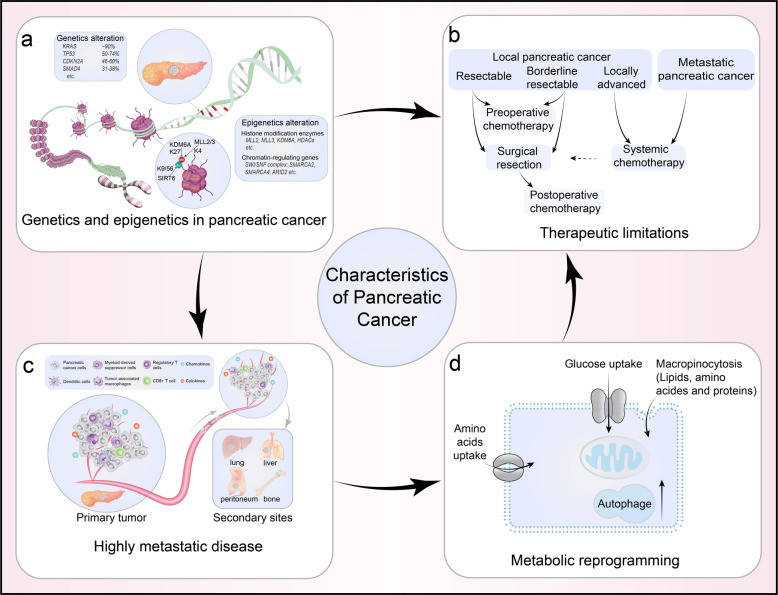
“Despite improvements in surgical techniques and therapy regimens, the 5-year survival rate for pancreatic cancer is still the lowest (9%) of any cancer type.(3,4) Approximately 90% of pancreatic cancers are characterized as pancreatic ductal adenocarcinoma (PDAC).”
BackgroundPancreatic stellate cells support tumour metabolism through autophagic alanine secretion
Sousa, C. M., Biancur, D. E., Wang, X., Halbrook, C. J., Sherman, M. H., Zhang, L., Kremer, D., Hwang, R. F., Witkiewicz, A. K., Ying, H., et al. (2016) · Nature · doi:10.1038/nature19084 · Cited by 1,122 · cited 1×
“Moreover, it has been demonstrated that enhanced autophagy in CAFs contributes to the release of amino acids, which tumor cells can use as anabolic substrates.(236) CAFs also supply amino acids, TCA cycle intermediates, and lipids to tumor cells via exosomes, thus promoting pancreatic tumor growth, especially under nu…”
BackgroundWhole-exome sequencing of pancreatic cancer defines genetic diversity and therapeutic targets
Witkiewicz, A. K., McMillan, E. A., Balaji, U., Baek, G., Lin, W.-C., Mansour, J., Mollaee, M., Wagner, K.-U., Koduru, P., Yopp, A., et al. (2015) · Nature Communications · doi:10.1038/ncomms7744 · Cited by 1,115 · cited 1×
“The overall prevalence of gene mutations or copy number variations in SWI/SNF complex components is >10%; thus, such alterations have important effects on chromatin remolding in pancreatic cancer pathogenesis.(20,28,36) Histone deacetylases (HDACs), which catalyze histone deacetylation, are classified into two enzyme…”
BackgroundGreasing the Wheels of the Cancer Machine: The Role of Lipid Metabolism in Cancer
Snaebjornsson, M. T., Janaki-Raman, S., & Schulze, A. (2020) · Cell Metabolism · doi:10.1016/j.cmet.2019.11.010 · Cited by 1,097 · cited 1×
“ω3 PUFAs decrease pancreatic cancer cell proliferation by reducing AKT phosphorylation, while ω6 PUFAs can promote tumor growth by increasing AKT phosphorylation.(196) FA β-oxidation (FAO) is essential for energy maintenance to support the proliferation and survival of cancer cells.”
BackgroundOrganoid Profiling Identifies Common Responders to Chemotherapy in Pancreatic Cancer
Tiriac, H., Belleau, P., Engle, D. D., Plenker, D., Deschênes, A., Somerville, T. D. D., Froeling, F. E. M., Burkhart, R. A., Denroche, R. E., Jang, G.-H., et al. (2018) · Cancer Discovery · doi:10.1158/2159-8290.cd-18-0349 · Cited by 1,092 · cited 2×
“found that the basal-like subtype was enriched in an oxaliplatin-nonsensitive group, while it was present at similar frequencies in gemcitabine-sensitive and nonsensitive groups.(45) Recently, Aung et al.”
MethodResultTargeting focal adhesion kinase renders pancreatic cancers responsive to checkpoint immunotherapy
Jiang, H., Hegde, S., Knolhoff, B. L., Zhu, Y., Herndon, J. M., Meyer, M. A., Nywening, T. M., Hawkins, W. G., Shapiro, I. M., Weaver, D. T., et al. (2016) · Nature Medicine · doi:10.1038/nm.4123 · Cited by 1,060 · cited 3×
“Preclinical research has shown that FAK inhibition can lead to decreased levels of fibrosis, synergy with chemotherapy and ICIs, and improved survival outcomes in the KPC mouse model of pancreatic cancer.(254) Currently, a number of clinical trials to investigate the efficacy of combinations of FAK inhibitors and ICIs…”
BackgroundAguirre, A. J., Bardeesy, N., Sinha, M., Lopez, L., Tuveson, D. A., Horner, J., Redston, M. S., & DePinho, R. A. (2003) · Genes & Development · doi:10.1101/gad.1158703 · Cited by 1,033
Krebs, A. M., Mitschke, J., Lasierra Losada, M., Schmalhofer, O., Boerries, M., Busch, H., Boettcher, M., Mougiakakos, D., Reichardt, W., Bronsert, P., et al. (2017) · Nature Cell Biology · doi:10.1038/ncb3513 · Cited by 975
Tumor microenvironment derived exosomes pleiotropically modulate cancer cell metabolism
Zhao, H., Yang, L., Baddour, J., Achreja, A., Bernard, V., Moss, T., Marini, J. C., Tudawe, T., Seviour, E. G., San Lucas, F. A., et al. (2016) · eLife · doi:10.7554/elife.10250 · Cited by 927 · cited 2×
“Moreover, CAF-derived EVs can inhibit the metabolic reaction of mitochondrial OXPHOS and increase glycolysis and Gln-dependent reductive carboxylation in pancreatic cancer cells.(232) Under chemotherapy, exposure of pancreatic cancer to gemcitabine might increase the release of CAF-derived EVs, which might further enh…”
BackgroundAntitumour actions of interferons: implications for cancer therapy
Parker, B. S., Rautela, J., & Hertzog, P. J. (2016) · Nature Reviews Cancer · doi:10.1038/nrc.2016.14 · Cited by 907
Molecular subtypes of pancreatic cancer
Collisson, E. A., Bailey, P., Chang, D. K., & Biankin, A. V. (2019) · Nature Reviews Gastroenterology & Hepatology · doi:10.1038/s41575-019-0109-y · Cited by 892 · cited 1×
“In addition, clustering algorithms are threshold sensitive, and molecular classifiers are heavily confounded by limitations such as sampling methods, tumor cellularity, RNA quality, and tumor heterogeneity.(338,339) Nevertheless, molecular subtyping now guides the optimization of therapeutic strategies and provides va…”
BackgroundMutant p53 disrupts mammary tissue architecture via the mevalonate pathway
Freed-Pastor, W. A., Mizuno, H., Zhao, X., Langerød, A., Moon, S.-H., Rodriguez-Barrueco, R., Barsotti, A., Chicas, A., Li, W., Polotskaia, A., et al. (2012) · Cell · doi:10.1016/j.cell.2011.12.017 · Cited by 865 · cited 1×
“Consequently, the mevalonate pathway, which is responsible for cholesterol and sterol biosynthesis, is upregulated.(203,204) Statins can modestly affect cholesterol homeostasis and significantly reduce the synthesis of electron carrier coenzyme Q, leading to severe oxidative stress and apoptosis in pancreatic cancer.”
BackgroundAutophagy and Tumor Metabolism
Kimmelman, A. C., & White, E. (2017) · Cell Metabolism · doi:10.1016/j.cmet.2017.04.004 · Cited by 826 · cited 1×
“Although autophagy is usually regulated by nutrient and oxygen availability, pancreatic cancer cells often display high basal levels of autophagic flux even under nutrient-rich conditions.(211) Pancreatic cancer cells use autophagy to obtain glucose and amino acids from catabolized substrates to fuel the citric acid c…”
BackgroundLysosomal amino acid transporter SLC38A9 signals arginine sufficiency to mTORC1
Wang, S., Tsun, Z.-Y., Wolfson, R. L., Shen, K., Wyant, G. A., Plovanich, M. E., Yuan, E. D., Jones, T. D., Chantranupong, L., Comb, W., et al. (2015) · Science · doi:10.1126/science.1257132 · Cited by 824
Self-citationTranscriptional control of autophagy-lysosome function drives pancreatic cancer metabolism
Perera, R. M., Stoykova, S., Nicolay, B. N., Ross, K. N., Fitamant, J., Boukhali, M., Lengrand, J., Deshpande, V., Selig, M. K., Ferrone, C. R., et al. (2015) · Nature · doi:10.1038/nature14587 · Cited by 799 · cited 2×
“It has been shown that autophagy induction in pancreatic cancer cells occurs as part of a broader transcriptional program regulated by the microphthalmia/transcription factor E (MiT/TFE) family of transcription factors.(212) MiT/TFE-dependent autophagy–lysosome activation is required to maintain intracellular amino ac…”
BackgroundAKT as a Therapeutic Target for Cancer
Song, M., Bode, A. M., Dong, Z., & Lee, M.-H. (2019) · Cancer Research · doi:10.1158/0008-5472.can-18-2738 · Cited by 782
Demethylation of H3K27 Regulates Polycomb Recruitment and H2A Ubiquitination
Lee, M. G., Villa, R., Trojer, P., Norman, J., Yan, K.-P., Reinberg, D., Di Croce, L., & Shiekhattar, R. (2007) · Science · doi:10.1126/science.1149042 · Cited by 771 · cited 1×
“Furthermore, MLL2/3 and KDM6A exist in the same complex, which drives transcriptional activation through coordinated regulation of histone 3 lysine 4 (H3K4) methylation and histone 3 lysine 27 (H3K27) demethylation.(38) During pancreatic cancer development, tumors with genetic defects in MLLs are more likely to induce…”
BackgroundHigh-intensity sequencing reveals the sources of plasma circulating cell-free DNA variants
Razavi, P., Li, B. T., Brown, D. N., Jung, B., Hubbell, E., Shen, R., Abida, W., Juluru, K., De Bruijn, I., Hou, C., et al. (2019) · Nature Medicine · doi:10.1038/s41591-019-0652-7 · Cited by 769 · cited 1×
“identified cancer-derived somatic variants in plasma-circulating cfDNA and highlighted the importance of matched cfDNA white blood cell sequencing for accurate variant interpretation.(327) This panel was also used to identify clinically relevant mutations and mutation signatures as well as novel noncoding alterations.”
Tumor-Derived Exosomes and Their Role in Cancer Progression
(2016) · Advances in Clinical Chemistry · doi:10.1016/bs.acc.2015.12.005 · Cited by 755
Li, J., Byrne, K. T., Yan, F., Yamazoe, T., Chen, Z., Baslan, T., Richman, L. P., Lin, J. H., Sun, Y. H., Rech, A. J., et al. (2018) · Immunity · doi:10.1016/j.immuni.2018.06.006 · Cited by 750 · cited 1×
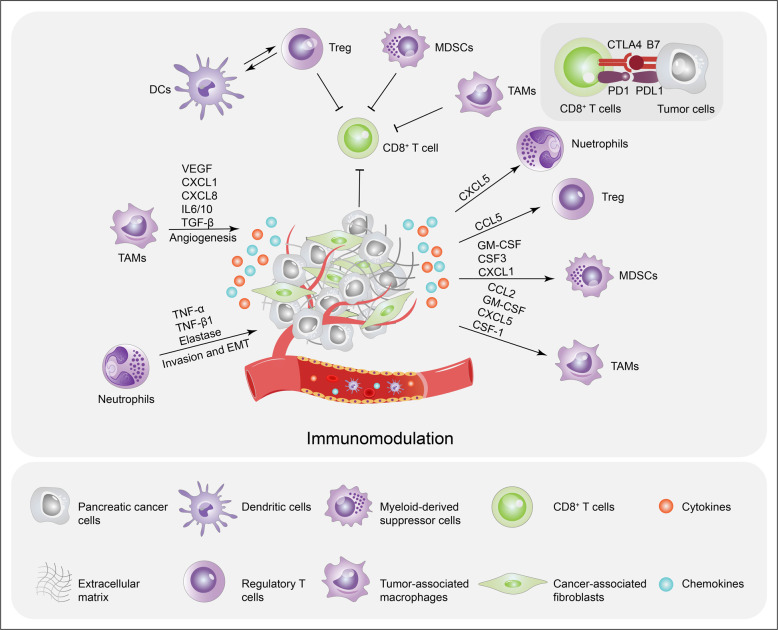
“CXCL1 has been shown to facilitate the recruitment of myeloid cells and inhibition of the T cell infiltration into tumors.(273) Moreover, CSF1 serum levels are upregulated in pancreatic cancer, and higher levels correlate with increased macrophage infiltration and advanced tumor stage.”
BackgroundKRAS and YAP1 Converge to Regulate EMT and Tumor Survival
Shao, D. D., Xue, W., Krall, E. B., Bhutkar, A., Piccioni, F., Wang, X., Schinzel, A. C., Sood, S., Rosenbluh, J., Kim, J. W., et al. (2014) · Cell · doi:10.1016/j.cell.2014.06.004 · Cited by 744 · cited 4×
“However, YAP is required for the induction of ADM progression to PanIN, and PanIN progression to pancreatic cancer.87,88 Accumulating studies have demonstrated that YAP is a critical player in pancreatic cancer progression in KRAS mutant mice.88 Active YAP promotes pancreatic tumor tumorigenesis, development, metastas…”
BackgroundInfluentialHuang, L., Holtzinger, A., Jagan, I., BeGora, M., Lohse, I., Ngai, N., Nostro, C., Wang, R., Muthuswamy, L. B., Crawford, H. C., et al. (2015) · Nature Medicine · doi:10.1038/nm.3973 · Cited by 740
Cancer-associated fibroblast exosomes regulate survival and proliferation of pancreatic cancer cells
Richards, K. E., Zeleniak, A. E., Fishel, M. L., Wu, J., Littlepage, L. E., & Hill, R. (2017) · Oncogene · doi:10.1038/onc.2016.353 · Cited by 735 · cited 1×
“Under chemotherapy, exposure of pancreatic cancer to gemcitabine might increase the release of CAF-derived EVs, which might further enhance chemoresistance and tumor cell survival.(233) High expression of fibroblast activation protein (FAP) in CAFs has been established as a key enhancer of PDAC progression.”
Oncogenic Kras-induced GM-CSF production promotes the development of pancreatic neoplasia
Pylayeva-Gupta, Y., Lee, K. E., Hajdu, C. H., Miller, G., & Bar-Sagi, D. (2012) · Cancer Cell · doi:10.1016/j.ccr.2012.04.024 · Cited by 721 · cited 1×
“Oncogenic KRAS mutations and KRAS-induced colony-stimulating factor (CSF) 2 (GM-CSF) production, promote pancreatic neoplasia progression via an influx of CD11bGr1 immunosuppressive cells and suppressed antitumor T cell function.(249) PI3K is a critical downstream effector of KRAS.”
BackgroundRole of oncogenic KRAS in the diagnosis, prognosis and treatment of pancreatic cancer
Buscail, L., Bournet, B., & Cordelier, P. (2020) · Nature Reviews Gastroenterology & Hepatology · doi:10.1038/s41575-019-0245-4 · Cited by 721 · cited 2×
“Among the oncogenic KRAS mutations associated with pancreatic cancer in humans, the GAT (aspartic acid; G12D), GTT (valine; G12V), and TGT (cysteine; G12C) mutations are the most common, while the CGT (arginine (Arg); G12R) and GCT (alanine; G12A) mutations as well as other point mutations at codons 11, 13, 61, or 146…”
BackgroundYap1 Activation Enables Bypass of Oncogenic Kras Addiction in Pancreatic Cancer
Kapoor, A., Yao, W., Ying, H., Hua, S., Liewen, A., Wang, Q., Zhong, Y., Wu, C.-J., Sadanandam, A., Hu, B., et al. (2014) · Cell · doi:10.1016/j.cell.2014.06.003 · Cited by 716 · cited 2×
“However, YAP is required for the induction of ADM progression to PanIN, and PanIN progression to pancreatic cancer.87,88 Accumulating studies have demonstrated that YAP is a critical player in pancreatic cancer progression in KRAS mutant mice.88 Active YAP promotes pancreatic tumor tumorigenesis, development, metastas…”
BackgroundSelf-citationExploring the Genomes of Cancer Cells: Progress and Promise
Stratton, M. R. (2011) · Science · doi:10.1126/science.1204040 · Cited by 693
Combination of ERK and autophagy inhibition as a treatment approach for pancreatic cancer
Bryant, K. L., Stalnecker, C. A., Zeitouni, D., Klomp, J. E., Peng, S., Tikunov, A. P., Gunda, V., Pierobon, M., Waters, A. M., George, S. D., et al. (2019) · Nature Medicine · doi:10.1038/s41591-019-0368-8 · Cited by 692 · cited 3×
“Combined autophagy inhibition by hydroxychloroquine (HCQ) and MEK/ERK inhibitors showed enhanced antitumor activity in vivo.(209,210) Although autophagy is usually regulated by nutrient and oxygen availability, pancreatic cancer cells often display high basal levels of autophagic flux even under nutrient-rich conditio…”
BackgroundKRAS: feeding pancreatic cancer proliferation
Bryant, K. L., Mancias, J. D., Kimmelman, A. C., & Der, C. J. (2014) · Trends in Biochemical Sciences · doi:10.1016/j.tibs.2013.12.004 · Cited by 675
Bardeesy, N., Cheng, K.-H., Berger, J. H., Chu, G. C., Pahler, J., Olson, P., Hezel, A. F., Horner, J., Lauwers, G. Y., Hanahan, D., et al. (2006) · Genes & Development · doi:10.1101/gad.1478706 · Cited by 674 · cited 1×
“Concomitant presence of KRAS and SMAD deficiency (Pdx1-Cre; KRAS; Smad or Ptf1a; KRAS; Smad) leads to the development of IPMN or mucinous cystic neoplasm, respectively.(351,352) Compared with traditional xenograft models, these GEMMs more faithfully recapitulate key morphological and molecular PDAC features.”
BackgroundTranscription phenotypes of pancreatic cancer are driven by genomic events during tumor evolution
Chan-Seng-Yue, M., Kim, J. C., Wilson, G. W., Ng, K., Figueroa, E. F., O’Kane, G. M., Connor, A. A., Denroche, R. E., Grant, R. C., McLeod, J., et al. (2020) · Nature Genetics · doi:10.1038/s41588-019-0566-9 · Cited by 669 · cited 9×
“They also identified intratumoral heterogeneity in transcriptional subtypes and suggested a subclonal feature of pancreatic cancer subtypes, which was inconsistent with Chan et al.(46) Kalimuthu et al.”
BackgroundMethodResultInfluentialMayers, J. R., Wu, C., Clish, C. B., Kraft, P., Torrence, M. E., Fiske, B. P., Yuan, C., Bao, Y., Townsend, M. K., Tworoger, S. S., et al. (2014) · Nature Medicine · doi:10.1038/nm.3686 · Cited by 649
Kinsey, C. G., Camolotto, S. A., Boespflug, A. M., Guillen, K. P., Foth, M., Truong, A., Schuman, S. S., Shea, J. E., Seipp, M. T., Yap, J. T., et al. (2019) · Nature Medicine · doi:10.1038/s41591-019-0367-9 · Cited by 634 · cited 1×
“Combined autophagy inhibition by hydroxychloroquine (HCQ) and MEK/ERK inhibitors showed enhanced antitumor activity in vivo.(209,210) Although autophagy is usually regulated by nutrient and oxygen availability, pancreatic cancer cells often display high basal levels of autophagic flux even under nutrient-rich conditio…”
BackgroundCarstens, J. L., Correa de Sampaio, P., Yang, D., Barua, S., Wang, H., Rao, A., Allison, J. P., LeBleu, V. S., & Kalluri, R. (2017) · Nature Communications · doi:10.1038/ncomms15095 · Cited by 633 · cited 1×
“Research has also shown that patients with higher levels of CD4 and/or CD8 T cells have significantly longer survival.(248) The immunosuppressive tumor microenvironment of pancreatic cancer can be largely attributed to tumor cell-intrinsic pathways.”
ResultAung, K. L., Fischer, S. E., Denroche, R. E., Jang, G.-H., Dodd, A., Creighton, S., Southwood, B., Liang, S.-B., Chadwick, D., Zhang, A., et al. (2018) · Clinical Cancer Research · doi:10.1158/1078-0432.ccr-17-2994 · Cited by 618 · cited 3×
“Patients with classical subtype tumors treated with mFOLFIRINOX had the best PFS.331 More recently, Chan et al. devised a more comprehensive method for molecular subtyping and for developing subtypespecific treatment regimens in pancreatic cancer.46 They reclassified pancreatic cancer samples into five subtypes: basal…”
BackgroundSanford, D. E., Belt, B. A., Panni, R. Z., Mayer, A., Deshpande, A. D., Carpenter, D., Mitchem, J. B., Plambeck-Suess, S. M., Worley, L. A., Goetz, B. D., et al. (2013) · Clinical Cancer Research · doi:10.1158/1078-0432.ccr-13-0525 · Cited by 613 · cited 1×
“The chemokine CCL2, which can be produced by pancreatic cancer cells, facilitates the recruitment of immunosuppressive C–C motif chemokine receptor 2-positive TAMs into the tumor microenvironment, thereby limiting T cell infiltration.(267,268) CXCL5 is an important attractant for immune cell accumulation.”
BackgroundLe, D. T., Wang-Gillam, A., Picozzi, V., Greten, T. F., Crocenzi, T., Springett, G., Morse, M., Zeh, H., Cohen, D., Fine, R. L., et al. (2015) · Journal of Clinical Oncology · doi:10.1200/jco.2014.57.4244 · Cited by 611
The necrosome promotes pancreatic oncogenesis via CXCL1 and Mincle-induced immune suppression
Seifert, L., Werba, G., Tiwari, S., Giao Ly, N. N., Alothman, S., Alqunaibit, D., Avanzi, A., Barilla, R., Daley, D., Greco, S. H., et al. (2016) · Nature · doi:10.1038/nature17403 · Cited by 611
Laklai, H., Miroshnikova, Y. A., Pickup, M. W., Collisson, E. A., Kim, G. E., Barrett, A. S., Hill, R. C., Lakins, J. N., Schlaepfer, D. D., Mouw, J. K., et al. (2016) · Nature Medicine · doi:10.1038/nm.4082 · Cited by 603 · cited 1×
“It has been reported that genetically regulated phenotypes of pancreatic cancer affect pancreatic cancer progression by increasing matricellular fibrosis and tissue tension.(241) Tape et al.”
BackgroundTumor microenvironment participates in metastasis of pancreatic cancer
Ren, B., Cui, M., Yang, G., Wang, H., Feng, M., You, L., & Zhao, Y. (2018) · Molecular Cancer · doi:10.1186/s12943-018-0858-1 · Cited by 589 · cited 3×
“Pancreatic cancer is known for its stroma/desmoplastic reaction, comprising a heterogeneous mass of cells, including PSCs, fibroblasts, immune cells, ECM, and soluble proteins such as cytokines and growth factors.219 The main types of stromal cells that contribute to tumor progression are PSCs, CAFs, TAMs, regulatory…”
BackgroundInfluentialSelf-citationTissue of origin dictates branched-chain amino acid metabolism in mutant Kras -driven cancers
Mayers, J. R., Torrence, M. E., Danai, L. V., Papagiannakopoulos, T., Davidson, S. M., Bauer, M. R., Lau, A. N., Ji, B. W., Dixit, P. D., Hosios, A. M., et al. (2016) · Science · doi:10.1126/science.aaf5171 · Cited by 582 · cited 1×
“In recent years, branched-chain amino acid (BCAA) metabolism has been tentatively linked to pancreatic cancer development.(184) As essential amino acids, BCAA must be derived from the extracellular milieu, and specific transporters responsible for BCAA (isoleucine, leucine, and valine) absorbance include members of th…”
BackgroundCohen, J. D., Javed, A. A., Thoburn, C., Wong, F., Tie, J., Gibbs, P., Schmidt, C. M., Yip-Schneider, M. T., Allen, P. J., Schattner, M., et al. (2017) · Proceedings of the National Academy of Sciences · doi:10.1073/pnas.1704961114 · Cited by 582 · cited 1×
“The sensitivity of ctDNA detection is generally lower than that of CA19-9 detection for early pancreatic cancer diagnosis.(307) However, ctDNA proved to be a more suitable biomarker than CA19-9 and CTCs for the prognosis for pancreatic cancer patients.”
BackgroundBardeesy, N., Aguirre, A. J., Chu, G. C., Cheng, K.-H., Lopez, L. V., Hezel, A. F., Feng, B., Brennan, C., Weissleder, R., Mahmood, U., et al. (2006) · Proceedings of the National Academy of Sciences · doi:10.1073/pnas.0601273103 · Cited by 581
Role of PI3K/AKT pathway in cancer: the framework of malignant behavior
Jiang, N., Dai, Q., Su, X., Fu, J., Feng, X., & Peng, J. (2020) · Molecular Biology Reports · doi:10.1007/s11033-020-05435-1 · Cited by 571
Stratification of pancreatic ductal adenocarcinomas based on tumor and microenvironment features
Puleo, F., Nicolle, R., Blum, Y., Cros, J., Marisa, L., Demetter, P., Quertinmont, E., Svrcek, M., Elarouci, N., Iovanna, J., et al. (2018) · Gastroenterology · doi:10.1053/j.gastro.2018.08.033 · Cited by 563
Fatty acid oxidation: An emerging facet of metabolic transformation in cancer
Ma, Y., Temkin, S. M., Hawkridge, A. M., Guo, C., Wang, W., Wang, X.-Y., & Fang, X. (2018) · Cancer Letters · doi:10.1016/j.canlet.2018.08.006 · Cited by 531
Murphy, K. M., Brune, K. A., Griffin, C. A., Sollenberger, J. E., Petersen, G. M., Bansal, R. K., Hruban, R. H., & Kern, S. E. (2002) · PubMed · Cited by 530
Genetics and biology of pancreatic ductal adenocarcinoma
Ying, H., Dey, P., Yao, W., Kimmelman, A. C., Draetta, G. F., Maitra, A., & DePinho, R. A. (2016) · Genes & Development · doi:10.1101/gad.275776.115 · Cited by 527
Targeting ALK: Precision Medicine Takes on Drug Resistance
Lin, J. J., Riely, G. J., & Shaw, A. T. (2017) · Cancer Discovery · doi:10.1158/2159-8290.cd-16-1123 · Cited by 522
Isolation and characterization of exosomes for cancer research
Zhu, L., Sun, H.-T., Wang, S., Huang, S.-L., Zheng, Y., Wang, C.-Q., Hu, B.-Y., Qin, W., Zou, T.-T., Fu, Y., et al. (2020) · Journal of Hematology & Oncology · doi:10.1186/s13045-020-00987-y · Cited by 520
Self-citationHingorani, S. R., Zheng, L., Bullock, A. J., Seery, T. E., Harris, W. P., Sigal, D. S., Braiteh, F., Ritch, P. S., Zalupski, M. M., Bahary, N., et al. (2018) · Journal of Clinical Oncology · doi:10.1200/jco.2017.74.9564 · Cited by 510
Li, X., Jiang, Y., Meisenhelder, J., Yang, W., Hawke, D. H., Zheng, Y., Xia, Y., Aldape, K., He, J., Hunter, T., et al. (2016) · Molecular Cell · doi:10.1016/j.molcel.2016.02.009 · Cited by 508 · cited 1×
“Furthermore, in pancreatic cancer cells, mutant KRAS signaling promotes mitochondrial translocation of phosphoglycerate kinase-1, resulting in the production of phosphorylated pyruvate dehydrogenase kinase-1 and restricted oxidative phosphorylation (OXPHOS).(158) Enhanced glycolysis induced by oncogenic KRAS provides…”
BackgroundSelf-citationVan Cutsem, E., Tempero, M. A., Sigal, D., Oh, D.-Y., Fazio, N., Macarulla, T., Hitre, E., Hammel, P., Hendifar, A. E., Bates, S. E., et al. (2020) · Journal of Clinical Oncology · doi:10.1200/jco.20.00590 · Cited by 499 · cited 2×
“%) and PFS (9.2 vs. 5.2 months) in pancreatic cancer patients with high hyaluronic acid expression levels (NCT01839487).375 However, a later phase 3 study failed to show improvements in OS or PFS, and the results did not support additional development of PEGPH20 as a treatment for metastatic PDAC, as a high rate of do…”
ResultInfluentialAllenson, K., Castillo, J., San Lucas, F. A., Scelo, G., Kim, D. U., Bernard, V., Davis, G., Kumar, T., Katz, M., Overman, M. J., et al. (2017) · Annals of Oncology · doi:10.1093/annonc/mdx004 · Cited by 493
Sausen, M., Phallen, J., Adleff, V., Jones, S., Leary, R. J., Barrett, M. T., Anagnostou, V., Parpart-Li, S., Murphy, D., Kay Li, Q., et al. (2015) · Nature Communications · doi:10.1038/ncomms8686 · Cited by 484 · cited 2×
“Commonly mutated histone modification enzymes include the mixed-lineage leukemia (MLL) histone methylases (MLL2 and MLL3), histone methyltransferases, and the KDM6A histone demethylase.(25,37) Furthermore, MLL2/3 and KDM6A exist in the same complex, which drives transcriptional activation through coordinated regulatio…”
BackgroundWyant, G. A., Abu-Remaileh, M., Wolfson, R. L., Chen, W. W., Freinkman, E., Danai, L. V., Vander Heiden, M. G., & Sabatini, D. M. (2017) · Cell · doi:10.1016/j.cell.2017.09.046 · Cited by 470 · cited 1×
“Via solute carrier family 38 member 9, Arg serves as a lysosomal messenger that couples mTORC1 activation to the lysosomal release of essential amino acids needed to drive pancreatic cancer cell growth.(179,180) In addition, proline dehydrogenase (PRODH)/proline oxidase, which catalyzes the first step of proline degra…”
BackgroundDendritic Cell Paucity Leads to Dysfunctional Immune Surveillance in Pancreatic Cancer
Hegde, S., Krisnawan, V. E., Herzog, B. H., Zuo, C., Breden, M. A., Knolhoff, B. L., Hogg, G. D., Tang, J. P., Baer, J. M., Mpoy, C., et al. (2020) · Cancer Cell · doi:10.1016/j.ccell.2020.02.008 · Cited by 463
Postoperative Complications Reduce Adjuvant Chemotherapy Use in Resectable Pancreatic Cancer
Merkow, R. P., Bilimoria, K. Y., Tomlinson, J. S., Paruch, J. L., Fleming, J. B., Talamonti, M. S., Ko, C. Y., & Bentrem, D. J. (2014) · Annals of Surgery · doi:10.1097/sla.0000000000000378 · Cited by 458 · cited 1×
“It has been demonstrated that adjuvant chemotherapy can improve OS, but postoperative complications limit the intended treatment in 50% of patients.(357) For patients with borderline or locally advanced pancreatic cancer, neoadjuvant therapy can convert unresectable disease into a potentially resectable state, which b…”
BackgroundEnhancer Reprogramming Promotes Pancreatic Cancer Metastasis
Roe, J.-S., Hwang, C.-I., Somerville, T. D. D., Milazzo, J. P., Lee, E. J., Da Silva, B., Maiorino, L., Tiriac, H., Young, C. M., Miyabayashi, K., et al. (2017) · Cell · doi:10.1016/j.cell.2017.07.007 · Cited by 456 · cited 1×
“They found that forkhead box A1-dependent enhancer reprogramming can promote the acquisition of metastatic traits.(124) In pancreatic cancer, the most common metastatic site is the liver, followed by the lungs, peritoneum, and bones.”
BackgroundOh, M.-H., Sun, I.-H., Zhao, L., Leone, R. D., Sun, I.-M., Xu, W., Collins, S. L., Tam, A. J., Blosser, R. L., Patel, C. H., et al. (2020) · Journal of Clinical Investigation · doi:10.1172/jci131859 · Cited by 456
Guillaumond, F., Bidaut, G., Ouaissi, M., Servais, S., Gouirand, V., Olivares, O., Lac, S., Borge, L., Roques, J., Gayet, O., et al. (2015) · Proceedings of the National Academy of Sciences · doi:10.1073/pnas.1421601112 · Cited by 454 · cited 2×
“In an oncogenic KRAS mouse model, the comparative transcriptomic analysis identified lipid-related metabolic pathways, in particular cholesterol uptake, as being the most highly enriched in pancreatic cancer (compared with a normal pancreas).(192) Pancreatic cancer patients with increased expression of cholesterol syn…”
Backgroundp53 Represses the Mevalonate Pathway to Mediate Tumor Suppression
Moon, S.-H., Huang, C.-H., Houlihan, S. L., Regunath, K., Freed-Pastor, W. A., Morris, J. P., Tschaharganeh, D. F., Kastenhuber, E. R., Barsotti, A. M., Culp-Hill, R., et al. (2019) · Cell · doi:10.1016/j.cell.2018.11.011 · Cited by 435 · cited 1×
“Consequently, the mevalonate pathway, which is responsible for cholesterol and sterol biosynthesis, is upregulated.(203,204) Statins can modestly affect cholesterol homeostasis and significantly reduce the synthesis of electron carrier coenzyme Q, leading to severe oxidative stress and apoptosis in pancreatic cancer.”
BackgroundTumour-associated mutant p53 drives the Warburg effect
Zhang, C., Liu, J., Liang, Y., Wu, R., Zhao, Y., Hong, X., Lin, M., Yu, H., Liu, L., Levine, A. J., et al. (2013) · Nature Communications · doi:10.1038/ncomms3935 · Cited by 434 · cited 1×
“A gain-of-function TP53 allele was demonstrated to enhance the Warburg effect by inducing GLUT1 translocation to the plasma membrane, which is regulated by the RAS homolog family member A/rho-associated coiled-coil containing protein kinase/GLUT1 signaling pathway.(163) In addition, TP53 mutations can decrease mitocho…”
BackgroundSelf-citationKromrey, M.-L., Bülow, R., Hübner, J., Paperlein, C., Lerch, M. M., Ittermann, T., Völzke, H., Mayerle, J., & Kühn, J.-P. (2018) · Gut · doi:10.1136/gutjnl-2016-313127 · Cited by 430 · cited 1×
“Risk factors associated with pancreatic cancer include familial risk due to susceptibility gene mutations, chronic pancreatitis, pancreatic cysts, and diabetes mellitus.(5,6) Other risk factors include smoking, alcohol abuse, obesity or metabolic syndrome, aging, and occupational exposure.”
BackgroundGuillaumond, F., Leca, J., Olivares, O., Lavaut, M.-N., Vidal, N., Berthezène, P., Dusetti, N. J., Loncle, C., Calvo, E., Turrini, O., et al. (2013) · Proceedings of the National Academy of Sciences · doi:10.1073/pnas.1219555110 · Cited by 413 · cited 2×
“HIF-1α also upregulates the expression of GFPT2 and inhibits the expression of pyruvate dehydrogenase to restrict mitochondrial oxidation.(168)”
BackgroundOlivares, O., Mayers, J. R., Gouirand, V., Torrence, M. E., Gicquel, T., Borge, L., Lac, S., Roques, J., Lavaut, M.-N., Berthezène, P., et al. (2017) · Nature Communications · doi:10.1038/ncomms16031 · Cited by 413 · cited 1×
“PRODH1 expression is elevated in pancreatic cancer cells to sustain cellular survival and proliferation under lowglucose or Gln-limited conditions.(182) Via experiments with genetically engineered mouse models (GEMMs) and primary pancreatic epithelial cells, a recent study demonstrated that induction of the serine–gly…”
BackgroundNuclear FAK Controls Chemokine Transcription, Tregs, and Evasion of Anti-tumor Immunity
Serrels, A., Lund, T., Serrels, B., Byron, A., McPherson, R. C., von Kriegsheim, A., Gómez-Cuadrado, L., Canel, M., Muir, M., Ring, J. E., et al. (2015) · Cell · doi:10.1016/j.cell.2015.09.001 · Cited by 407 · cited 1×
“In neoplastic pancreatic cancer cells, focal adhesion kinase (FAK) activity is hyperactivated and is correlated with high levels of TAMs, MDSCs, and Treg cells and low CD8 cytotoxic T cell infiltration.(253,254) In addition, FAK inhibition increases immune surveillance by mitigating the immunosuppressive pancreatic ca…”
BackgroundRegulation of cancer cell metabolism: Oncogenic MYC in the driver’s seat
Dong, Y., Tu, R., Liu, H., & Qing, G. (2020) · Signal Transduction and Targeted Therapy · doi:10.1038/s41392-020-00235-2 · Cited by 405
Hepatocytes direct the formation of a pro-metastatic niche in the liver
Lee, J. W., Stone, M. L., Porrett, P. M., Thomas, S. K., Komar, C. A., Li, J. H., Delman, D., Graham, K., Gladney, W. L., Hua, X., et al. (2019) · Nature · doi:10.1038/s41586-019-1004-y · Cited by 402 · cited 1×
“reported that activation of STAT3 in hepatocytes and the subsequent production of serum amyloid A1 and A2 in the bloodstream direct pancreatic cancer liver metastasis.(128) Interestingly, lineage-tracing analysis in a mouse model of pancreatic cancer revealed that metastases in the lung and liver are monoclonal, where…”
BackgroundGermline BRCA Mutations in a Large Clinic-Based Cohort of Patients With Pancreatic Adenocarcinoma
Holter, S., Borgida, A., Dodd, A., Grant, R., Semotiuk, K., Hedley, D., Dhani, N., Narod, S., Akbari, M., Moore, M., et al. (2015) · Journal of Clinical Oncology · doi:10.1200/jco.2014.59.7401 · Cited by 398 · cited 1×
“It has been reported that 4–7% of pancreatic cancer patients have a germline DNA repair associated (BRCA) mutation.(30) Furthermore, germline BRCA2 mutations have been observed in 5–17% of familial pancreatic cancer patients.”
BackgroundEmploying Metabolism to Improve the Diagnosis and Treatment of Pancreatic Cancer
Halbrook, C. J., & Lyssiotis, C. A. (2017) · Cancer Cell · doi:10.1016/j.ccell.2016.12.006 · Cited by 393 · cited 1×
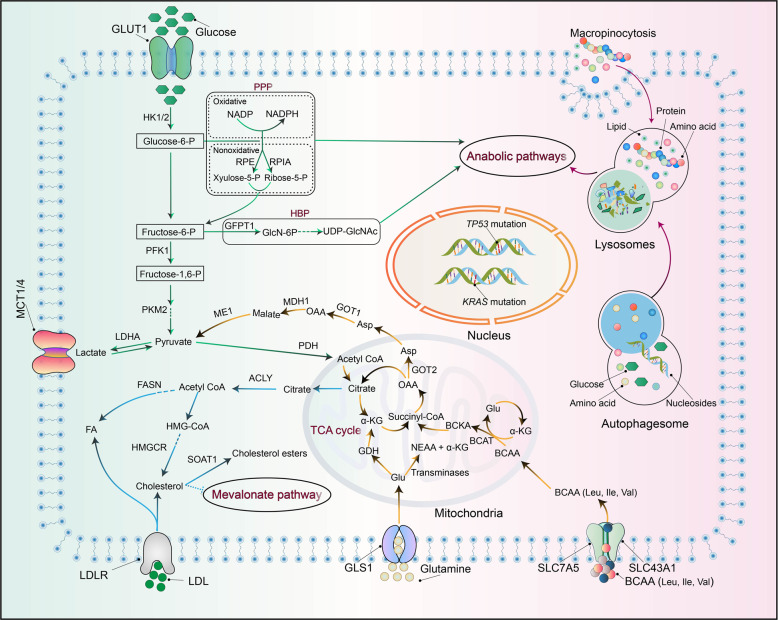
“1d).(153) Metabolic reprogramming is central to the pathogenesis of pancreatic cancer driven by KRAS (Fig.”
BackgroundThe role of stromal cancer-associated fibroblasts in pancreatic cancer
von Ahrens, D., Bhagat, T. D., Nagrath, D., Maitra, A., & Verma, A. (2017) · Journal of Hematology & Oncology · doi:10.1186/s13045-017-0448-5 · Cited by 389 · cited 2×
“They possess diverse functions, including a robust fibro-inflammatory stromal effect and extensive reciprocal crosstalk with pancreatic cancer cells.(228) The exact origin of CAFs is unclear at this time because they are derived from various types of cells, e.”
BackgroundZhang, Y., Lazarus, J., Steele, N. G., Yan, W., Lee, H.-J., Nwosu, Z. C., Halbrook, C. J., Menjivar, R. E., Kemp, S. B., Sirihorachai, V. R., et al. (2020) · Cancer Discovery · doi:10.1158/2159-8290.cd-19-0958 · Cited by 385 · cited 1×
“Furthermore, Foxp3 Treg depletion results in the differentiation of inflammatory fibroblast subsets, which in turn drive increased myeloid cells recruitment and impair the alleviation of immunosuppression.(225) MDSCs are a heterogeneous population of immature myeloid cells that can be found in both tumors and the sple…”
BackgroundLai, X., Wang, M., McElyea, S. D., Sherman, S., House, M., & Korc, M. (2017) · Cancer Letters · doi:10.1016/j.canlet.2017.02.019 · Cited by 383 · cited 1×
“In addition, certain exosomal miRNAs (miR-10b, -21, -30c, -181a, and -let7a) had 100% sensitivity and 100% specificity, and ephrin receptor A2-EV had 94% sensitivity and 85% specificity in distinguishing pancreatic cancer from healthy controls.(320,321) With such high specificity and sensitivity, pancreatic tumor-deri…”
BackgroundIzeradjene, K., Combs, C., Best, M., Gopinathan, A., Wagner, A., Grady, W. M., Deng, C.-X., Hruban, R. H., Adsay, N. V., Tuveson, D. A., et al. (2007) · Cancer Cell · doi:10.1016/j.ccr.2007.01.017 · Cited by 379
Mouse models of advanced spontaneous metastasis for experimental therapeutics
Francia, G., Cruz-Munoz, W., Man, S., Xu, P., & Kerbel, R. S. (2011) · Nature Reviews Cancer · doi:10.1038/nrc3001 · Cited by 374 · cited 1×
“despite the increasing repertoire of animal models that emulate key genetic driver mutations found in pancreatic cancer, it is important to emphasize that many GEMMs do not fully recapitulate all aspects of the clinical population by fully covering the full range of genetic diversity and metastatic spread, as demonstr…”
BackgroundWolpin, B. M., Rubinson, D. A., Wang, X., Chan, J. A., Cleary, J. M., Enzinger, P. C., Fuchs, C. S., McCleary, N. J., Meyerhardt, J. A., Ng, K., et al. (2014) · The Oncologist · doi:10.1634/theoncologist.2014-0086 · Cited by 374 · cited 1×
“In a phase 2 study, autophagy inhibition using HCQ in patients with metastatic pancreatic cancer failed to achieve therapeutic efficacy.(379) Further clinical trials to test the effectiveness of HCQ combined with cytotoxic agents or MEK inhibitors are undergoing (NCT01506973, NCT03825289).”
BackgroundJang, J.-E., Hajdu, C. H., Liot, C., Miller, G., Dustin, M. L., & Bar-Sagi, D. (2017) · Cell Reports · doi:10.1016/j.celrep.2017.06.062 · Cited by 372 · cited 1×
“Foxp3 Tregs have been shown to interact with tumor-associated CD11c dendritic cells and to restrain the immunogenic activation of CD8 T cells.(224) In pancreatic cancer, Foxp3 Tregs are an essential source of TGF-β ligands, promoting the differentiation of SMA fibroblasts (myCAF) for tumor progression.”
BackgroundOncogenic KRAS Regulates Tumor Cell Signaling via Stromal Reciprocation
Tape, C. J., Ling, S., Dimitriadi, M., McMahon, K. M., Worboys, J. D., Leong, H. S., Norrie, I. C., Miller, C. J., Poulogiannis, G., Lauffenburger, D. A., et al. (2016) · Cell · doi:10.1016/j.cell.2016.03.029 · Cited by 369 · cited 1×
“found that oncogenic KRAS engages heterotypic fibroblasts, which subsequently instigate reciprocal signaling in tumor cells.(242) Classical therapeutic approaches that focus on the depletion of the stromal desmoplasia usually lead to a disappointing result.”
BackgroundReal-time Genomic Characterization of Advanced Pancreatic Cancer to Enable Precision Medicine
Aguirre, A. J., Nowak, J. A., Camarda, N. D., Moffitt, R. A., Ghazani, A. A., Hazar-Rethinam, M., Raghavan, S., Kim, J., Brais, L. K., Ragon, D., et al. (2018) · Cancer Discovery · doi:10.1158/2159-8290.cd-18-0275 · Cited by 367 · cited 2×
“In addition, clustering algorithms are threshold sensitive, and molecular classifiers are heavily confounded by limitations such as sampling methods, tumor cellularity, RNA quality, and tumor heterogeneity.(338,339) Nevertheless, molecular subtyping now guides the optimization of therapeutic strategies and provides va…”
BackgroundMorris, J. P., Cano, D. A., Sekine, S., Wang, S. C., & Hebrok, M. (2010) · Journal of Clinical Investigation · doi:10.1172/jci40045 · Cited by 366 · cited 1×
“WNT signaling is required for KRAS-induced PanIN lesions and pancreatic cancer formation.(99) KRAS activation can promote the invasion and migration of pancreatic cancer cells by regulating the WNT/ β-catenin signaling pathway or by increasing the interaction between β-catenin and cyclic AMP-response element-binding p…”
BackgroundSelf-citationLiang, K., Liu, F., Fan, J., Sun, D., Liu, C., Lyon, C. J., Bernard, D. W., Li, Y., Yokoi, K., Katz, M. H., et al. (2017) · Nature Biomedical Engineering · doi:10.1038/s41551-016-0021 · Cited by 364 · cited 1×
“In addition, certain exosomal miRNAs (miR-10b, -21, -30c, -181a, and -let7a) had 100% sensitivity and 100% specificity, and ephrin receptor A2-EV had 94% sensitivity and 85% specificity in distinguishing pancreatic cancer from healthy controls.(320,321) With such high specificity and sensitivity, pancreatic tumor-deri…”
BackgroundEllenrieder, V., Hendler, S. F., Boeck, W., Seufferlein, T., Menke, A., Ruhland, C., Adler, G., & Gress, T. M. (2001) · PubMed · Cited by 361
Eser, S., Reiff, N., Messer, M., Seidler, B., Gottschalk, K., Dobler, M., Hieber, M., Arbeiter, A., Klein, S., Kong, B., et al. (2013) · Cancer Cell · doi:10.1016/j.ccr.2013.01.023 · Cited by 360 · cited 2×
“It was demonstrated that PI3K/AKT activation appears to occur at the earliest stages of tumor evolution and that it controls pancreatic cell plasticity and carcinogenesis, as strong activation of PI3K signaling was observed in human acinar–ductal metaplasia (ADM) and in both low- and high-grade PanIN.(62) Interestingl…”
BackgroundSelf-citationZhang, W., Nandakumar, N., Shi, Y., Manzano, M., Smith, A., Graham, G., Gupta, S., Vietsch, E. E., Laughlin, S. Z., Wadhwa, M., et al. (2014) · Science Signaling · doi:10.1126/scisignal.2005049 · Cited by 360 · cited 1×
“However, YAP is required for the induction of ADM progression to PanIN, and PanIN progression to pancreatic cancer.(87,88) Accumulating studies have demonstrated that YAP is a critical player in pancreatic cancer progression in KRAS mutant mice.”
BackgroundYang, A., Herter-Sprie, G., Zhang, H., Lin, E. Y., Biancur, D., Wang, X., Deng, J., Hai, J., Yang, S., Wong, K.-K., et al. (2018) · Cancer Discovery · doi:10.1158/2159-8290.cd-17-0952 · Cited by 349 · cited 1×
“Genetic depletion of autophagic components or pharmacological inhibition of autophagy with chloroquine can decrease tumorigenicity in vivo.(208,209) Oncogenic KRAS can activate autophagy, and knockdown of KRAS expression or inhibition of its downstream MEK/ERK signaling cascade further induces autophagy and decreases…”
BackgroundLKB1 loss links serine metabolism to DNA methylation and tumorigenesis
Kottakis, F., Nicolay, B. N., Roumane, A., Karnik, R., Gu, H., Nagle, J. M., Boukhali, M., Hayward, M. C., Li, Y. Y., Chen, T., et al. (2016) · Nature · doi:10.1038/nature20132 · Cited by 348 · cited 1×
“Via experiments with genetically engineered mouse models (GEMMs) and primary pancreatic epithelial cells, a recent study demonstrated that induction of the serine–glycine one-carbon pathway plays a vital role in tumorigenesis.(183) In recent years, branched-chain amino acid (BCAA) metabolism has been tentatively linke…”
BackgroundThe enhancement of glycolysis regulates pancreatic cancer metastasis
Yang, J., Ren, B., Yang, G., Wang, H., Chen, G., You, L., Zhang, T., & Zhao, Y. (2020) · Cellular and Molecular Life Sciences · doi:10.1007/s00018-019-03278-z · Cited by 347 · cited 2×
“Notably, pancreatic cancer cells exhibit extensive glucose metabolic reprogramming, including glycolytic enzyme overexpression and increased lactate production.(152,156) It has been demonstrated that oncogenic KRAS promotes glycolysis by enhancing glucose uptake via upregulation of the glucose transporter (GLUT1) and…”
BackgroundSelf-citationExamining the utility of patient-derived xenograft mouse models
Aparicio, S., Hidalgo, M., & Kung, A. L. (2015) · Nature Reviews Cancer · doi:10.1038/nrc3944 · Cited by 345
A Stromal Lysolipid–Autotaxin Signaling Axis Promotes Pancreatic Tumor Progression
Auciello, F. R., Bulusu, V., Oon, C., Tait-Mulder, J., Berry, M., Bhattacharyya, S., Tumanov, S., Allen-Petersen, B. L., Link, J., Kendsersky, N. D., et al. (2019) · Cancer Discovery · doi:10.1158/2159-8290.cd-18-1212 · Cited by 332 · cited 1×
“Lysophosphatidylcholine released from CAFs can be converted into lysophosphatidic acid (LPA) by autotaxin within the tumor microenvironment, subsequently exerting mitogenic signals via binding with the LPA-receptor on the surface of tumor cells, to support tumor growth.(237)”
BackgroundMcCormick, F. (2015) · Clinical Cancer Research · doi:10.1158/1078-0432.ccr-14-2662 · Cited by 320 · cited 2×
“Unfortunately, current approaches for direct targeting of mutant KRAS protein are ineffective due to their high affinity for GTP and/or GDP.36,364 An alternative strategy was developed to target KRAS by using exosomes or small EVs loaded with small interfering RNAs that target KRASG12D.”
BackgroundCompensatory metabolic networks in pancreatic cancers upon perturbation of glutamine metabolism
Biancur, D. E., Paulo, J. A., Małachowska, B., Quiles Del Rey, M., Sousa, C. M., Wang, X., Sohn, A. S. W., Chu, G. C., Gygi, S. P., Harper, J. W., et al. (2017) · Nature Communications · doi:10.1038/ncomms15965 · Cited by 315 · cited 1×
“Interestingly, pancreatic cancer cells exhibit compensatory metabolic networks that sustain progression after GLS inhibition.(174) When GLS1 was inhibited in pancreatic tumors, the GLS2 pathway was upregulated for Glu production.”
BackgroundMolecular alterations and targeted therapy in pancreatic ductal adenocarcinoma
Qian, Y., Gong, Y., Fan, Z., Luo, G., Huang, Q., Deng, S., Cheng, H., Jin, K., Ni, Q., Yu, X., et al. (2020) · Journal of Hematology & Oncology · doi:10.1186/s13045-020-00958-3 · Cited by 312 · cited 1×
“Other genes, including tumor protein p53 (TP53), cyclin-dependent kinase inhibitor 2A (CDKN2A), and SMAD family member 4 (SMAD4), are also frequently involved in pancreatic cancer tumorigenesis and metastasis.(22) Approximately 50–74% of pancreatic cancers have inactivating mutations in the tumor suppressor gene TP53.”
BackgroundYin, Z., Ma, T., Huang, B., Lin, L., Zhou, Y., Yan, J., Zou, Y., & Chen, S. (2019) · Journal of Experimental & Clinical Cancer Research · doi:10.1186/s13046-019-1313-x · Cited by 304 · cited 1×
“, TAMs and Treg cells, to evade antitumor immunity.(276,277) Foxp3 expressed by pancreatic cancer cells can activate CCL5 to promote the recruitment of Treg cells from peripheral blood to the tumor site, which negatively correlates with poor prognosis in pancreatic cancer.”
BackgroundSelf-citationPancreatic Cancer Metastases Harbor Evidence of Polyclonality
Maddipati, R., & Stanger, B. Z. (2015) · Cancer Discovery · doi:10.1158/2159-8290.cd-15-0120 · Cited by 298 · cited 1×
“These findings indicate that clonal diversity depends on the metastatic site.(129) Global gene expression and molecular profiling studies showed that cytokines (e.”
BackgroundSIRT6 Suppresses Pancreatic Cancer through Control of Lin28b
Kugel, S., Sebastián, C., Fitamant, J., Ross, K. N., Saha, S. K., Jain, E., Gladden, A., Arora, K. S., Kato, Y., Rivera, M. N., et al. (2016) · Cell · doi:10.1016/j.cell.2016.04.033 · Cited by 294 · cited 1×
“As a result, the expression levels of high-mobility group AT-hook 2 (HMGA2), insulin-like growth factor 2 mRNAbinding protein (IGF2BP) 1, and IGF2BP3, which are downstream of target genes let-7, are increased.(43)”
BackgroundAghdassi, A., Sendler, M., Guenther, A., Mayerle, J., Behn, C.-O., Heidecke, C.-D., Friess, H., Büchler, M., Evert, M., Lerch, M. M., et al. (2012) · Gut · doi:10.1136/gutjnl-2011-300060 · Cited by 289 · cited 1×
“Interestingly, HDAC1 and HDAC2 are highly expressed in pancreatic cancer, and they can be recruited to the epithelial-cadherin (CDH1) promoter (which is involved in histone deacetylation) by zinc-finger E-box binding homeobox 1 (ZEB1) or Snail, thereby promoting epithelialto-mesenchymal transition (EMT) and tumor meta…”
BackgroundLewis, J. M., Vyas, A. D., Qiu, Y., Messer, K. S., White, R., & Heller, M. J. (2018) · ACS Nano · doi:10.1021/acsnano.7b08199 · Cited by 283
Yachida, S., White, C. M., Naito, Y., Zhong, Y., Brosnan, J. A., Macgregor-Das, A. M., Morgan, R. A., Saunders, T., Laheru, D. A., Herman, J. M., et al. (2012) · Clinical Cancer Research · doi:10.1158/1078-0432.ccr-12-1215 · Cited by 280 · cited 1×
“In pancreatic cancer, the frequent loss of SMAD4 via homozygous deletion or mutation leads to decreasing SMAD4-dependent inhibition of transforming growth factor-β (TGF-β) and the promotion of noncanonical TGF-β signaling, thereby facilitating pro-tumorigenic responses.(23,26,27) Recently, high-throughput sequencing s…”
BackgroundMultiparametric plasma EV profiling facilitates diagnosis of pancreatic malignancy
Yang, K. S., Im, H., Hong, S., Pergolini, I., del Castillo, A. F., Wang, R., Clardy, S., Huang, C.-H., Pille, C., Ferrone, S., et al. (2017) · Science Translational Medicine · doi:10.1126/scitranslmed.aal3226 · Cited by 277
Wörmann, S. M., Song, L., Ai, J., Diakopoulos, K. N., Kurkowski, M. U., Görgülü, K., Ruess, D., Campbell, A., Doglioni, C., Jodrell, D., et al. (2016) · Gastroenterology · doi:10.1053/j.gastro.2016.03.010 · Cited by 276 · cited 1×
“Loss of p53 function activates JAK2STAT3 signaling, which induces macrophage and neutrophil infiltration, reduces CD8 T cell levels, and promotes tumor growth in pancreatic tumors in mice.(252) In neoplastic pancreatic cancer cells, focal adhesion kinase (FAK) activity is hyperactivated and is correlated with high lev…”
BackgroundMetastatic Pancreatic Cancer: ASCO Clinical Practice Guideline Update
Sohal, D. P. S., Kennedy, E. B., Khorana, A., Copur, M. S., Crane, C. H., Garrido-Laguna, I., Krishnamurthi, S., Moravek, C., O’Reilly, E. M., Philip, P. A., et al. (2018) · Journal of Clinical Oncology · doi:10.1200/jco.2018.78.9636 · Cited by 273
KRAS, TP53, CDKN2A, SMAD4, BRCA1, and BRCA2 Mutations in Pancreatic Cancer
Cicenas, J., Kvederaviciute, K., Meskinyte, I., Meskinyte-Kausiliene, E., Skeberdyte, A., & Cicenas, J. (2017) · Cancers · doi:10.3390/cancers9050042 · Cited by 272
Plasma Circulating Tumor DNA in Pancreatic Cancer Patients Is a Prognostic Marker
Pietrasz, D., Pécuchet, N., Garlan, F., Didelot, A., Dubreuil, O., Doat, S., Imbert-Bismut, F., Karoui, M., Vaillant, J.-C., Taly, V., et al. (2017) · Clinical Cancer Research · doi:10.1158/1078-0432.ccr-16-0806 · Cited by 268
Genomic deletion of malic enzyme 2 confers collateral lethality in pancreatic cancer
Dey, P., Baddour, J., Muller, F., Wu, C. C., Wang, H., Liao, W.-T., Lan, Z., Chen, A., Gutschner, T., Kang, Y., et al. (2017) · Nature · doi:10.1038/nature21052 · Cited by 264 · cited 1×
“BCAA transaminase 2 (BCAT2), a BCAA transaminase, is upregulated in advanced pancreatic cancer.(188) A recent study demonstrated that BCAT2 plays a central role in the development of ductal-derived PanIN lesions by sustaining BCAA catabolism, and BCAT2-mediated BCAA catabolism driven by KRAS is critical for pancreatic…”
BackgroundAmino Acid Sensing by mTORC1: Intracellular Transporters Mark the Spot
Goberdhan, D. C. I., Wilson, C., & Harris, A. L. (2016) · Cell Metabolism · doi:10.1016/j.cmet.2016.03.013 · Cited by 260
Ijichi, H., Chytil, A., Gorska, A. E., Aakre, M. E., Bierie, B., Tada, M., Mohri, D., Miyabayashi, K., Asaoka, Y., Maeda, S., et al. (2011) · Journal of Clinical Investigation · doi:10.1172/jci42754 · Cited by 256
Penny, H. L., Sieow, J. L., Adriani, G., Yeap, W. H., See Chi Ee, P., San Luis, B., Lee, B., Lee, T., Mak, S. Y., Ho, Y. S., et al. (2016) · OncoImmunology · doi:10.1080/2162402x.2016.1191731 · Cited by 254 · cited 1×
“TAMs participate in metabolic crosstalk and elevate the glycolytic signature, which in turn promotes pancreatic cancer vascularization and metastasis.(261) TAM-secreted C–C motif chemokine ligand 18 (CCL18) interacts with ITPNM family member 3 to induce vascular cell adhesion molecule-1 overexpression in pancreatic ca…”
BackgroundOncogenic KRAS supports pancreatic cancer through regulation of nucleotide synthesis
Santana-Codina, N., Roeth, A. A., Zhang, Y., Yang, A., Mashadova, O., Asara, J. M., Wang, X., Bronson, R. T., Lyssiotis, C. A., Ying, H., et al. (2018) · Nature Communications · doi:10.1038/s41467-018-07472-8 · Cited by 252 · cited 1×
“Similarly, oncogenic KRAS enhances the flux of glucose-derived carbon into the non-oxidative arm of the PPP to generate ribose-5-phosphate for de novo nucleotide biosynthesis, thus fueling proliferation.(160) In addition, p53 also plays a vital role in metabolic reprogramming in pancreatic cancer cells.”
BackgroundPhilip, B., Roland, C. L., Daniluk, J., Liu, Y., Chatterjee, D., Gomez, S. B., Ji, B., Huang, H., Wang, H., Fleming, J. B., et al. (2013) · Gastroenterology · doi:10.1053/j.gastro.2013.08.018 · Cited by 251 · cited 1×
“In mice, a high-fat diet can increase oncogenic KRAS activity, leading to fibrosis, inflammation, and enhanced PDAC development.(191) It has been demonstrated that multiple enzymes that catalyze de novo fatty acid (FAs) synthesis, including ATP citrate lyase, FA synthase (FASN), and stearoyl-CoA desaturase, are obviou…”
BackgroundNeesse, A., Frese, K. K., Bapiro, T. E., Nakagawa, T., Sternlicht, M. D., Seeley, T. W., Pilarsky, C., Jodrell, D. I., Spong, S. M., & Tuveson, D. A. (2013) · Proceedings of the National Academy of Sciences · doi:10.1073/pnas.1300415110 · Cited by 246 · cited 1×
“Preclinical data indicated that CTGF antagonism with the therapeutic monoclonal human antibody pamrevlumab enhanced the response to gemcitabine in pancreatic cancer mouse models.(381) The safety and efficacy of the agent in combination with gemcitabine and nab-paclitaxel for the treatment of patients with unresectable…”
BackgroundThe Use of Targeted Mouse Models for Preclinical Testing of Novel Cancer Therapeutics
Olive, K. P., & Tuveson, D. A. (2006) · Clinical Cancer Research · doi:10.1158/1078-0432.ccr-06-0436 · Cited by 244
Christenson, E. S., Jaffee, E., & Azad, N. S. (2020) · The Lancet Oncology · doi:10.1016/s1470-2045(19)30795-8 · Cited by 242
Detection of K‐ras gene mutation by liquid biopsy in patients with pancreatic cancer
Kinugasa, H., Nouso, K., Miyahara, K., Morimoto, Y., Dohi, C., Tsutsumi, K., Kato, H., Matsubara, T., Okada, H., & Yamamoto, K. (2015) · Cancer · doi:10.1002/cncr.29364 · Cited by 239
Alistar, A., Morris, B. B., Desnoyer, R., Klepin, H. D., Hosseinzadeh, K., Clark, C., Cameron, A., Leyendecker, J., D'Agostino, R., Topaloglu, U., et al. (2017) · The Lancet Oncology · doi:10.1016/s1470-2045(17)30314-5 · Cited by 233
Connor, A. A., Denroche, R. E., Jang, G. H., Lemire, M., Zhang, A., Chan-Seng-Yue, M., Wilson, G., Grant, R. C., Merico, D., Lungu, I., et al. (2019) · Cancer Cell · doi:10.1016/j.ccell.2018.12.010 · Cited by 231 · cited 3×
“However, several studies have reported that ~4% of pancreatic cancer patients have GNAS mutations.(24) Most of these low-frequency mutations are in genes related to cellular processes such as cell survival, cell fate determination, and genome maintenance, involving various signaling pathways.”
BackgroundChaika, N. V., Gebregiworgis, T., Lewallen, M. E., Purohit, V., Radhakrishnan, P., Liu, X., Zhang, B., Mehla, K., Brown, R. B., Caffrey, T., et al. (2012) · Proceedings of the National Academy of Sciences · doi:10.1073/pnas.1203339109 · Cited by 227 · cited 1×
“HIF-1α upregulation has been shown to upregulate GLUT1 as well as the expression levels of glycolysis-related genes to sustain cytosolic ATP levels in pancreatic cancer cells.(166,167) HIF-1α also upregulates the expression of GFPT2 and inhibits the expression of pyruvate dehydrogenase to restrict mitochondrial oxidat…”
BackgroundCancer-FOXP3 directly activated CCL5 to recruit FOXP3+Treg cells in pancreatic ductal adenocarcinoma
Wang, X., Lang, M., Zhao, T., Feng, X., Zheng, C., Huang, C., Hao, J., Dong, J., Luo, L., Li, X., et al. (2017) · Oncogene · doi:10.1038/onc.2016.458 · Cited by 227 · cited 2×
“Pancreatic cancer cells can secrete CCL5 to promote the recruitment of Treg cells into the tumor site.(262,263) The levels of tumor-derived GM-CSF,(249) M-CSF,(249) CSF1,(264) CCL2, and CXCL5(265,266) are often highly elevated by mutant KRAS expression and are associated with TAM infiltration.”
BackgroundArginine Methylation of MDH1 by CARM1 Inhibits Glutamine Metabolism and Suppresses Pancreatic Cancer
Wang, Y.-P., Zhou, W., Wang, J., Huang, X., Zuo, Y., Wang, T.-S., Gao, X., Xu, Y.-Y., Zou, S.-W., Liu, Y.-B., et al. (2016) · Molecular Cell · doi:10.1016/j.molcel.2016.09.028 · Cited by 226 · cited 1×
“In addition, TP53 mutations can decrease mitochondrial activity to suppress pancreatic cancer progression.(164) Highly hypoxic microenvironments commonly form during pancreatic cancer progression, thus increasing the expression and stability of HIF-1.”
BackgroundTP63-mediated enhancer reprogramming drives the squamous subtype of pancreatic ductal adenocarcinoma
Somerville, T. D. D., Xu, Y., Miyabayashi, K., Tiriac, H., Cleary, C. R., Maia-Silva, D., Milazzo, J. P., Tuveson, D. A., & Vakoc, C. R. (2018) · Cell Reports · doi:10.1016/j.celrep.2018.10.051 · Cited by 225
Noll, E. M., Eisen, C., Stenzinger, A., Espinet, E., Muckenhuber, A., Klein, C., Vogel, V., Klaus, B., Nadler, W., Rösli, C., et al. (2016) · Nature Medicine · doi:10.1038/nm.4038 · Cited by 224 · cited 3×
“In addition, the exocrine subtype showed resistance to tyrosine kinase inhibitors and paclitaxel treatment via the expression of cytochrome P450 family 3 subfamily A member 5 (CYP3A5).(50) A recent study reported significant variation in the tissue composition of pancreatic tumors from the Moffitt, Bailey, and TCGA co…”
BackgroundLeca, J., Martinez, S., Lac, S., Nigri, J., Secq, V., Rubis, M., Bressy, C., Sergé, A., Lavaut, M.-N., Dusetti, N., et al. (2016) · Journal of Clinical Investigation · doi:10.1172/jci87734 · Cited by 223 · cited 2×
“CAFs can increase the pancreatic cancer aggressiveness via EVs crosstalk that carries the annexin A6 (ANXA6)/LDL receptor-related protein 1/thrombospondin 1 complex under physiopathologic conditions (macrophages invasion, hypoxia, and lipid starvation).(231) The presence of ANXA6 EVs in the peripheral blood is restric…”
BackgroundCholesterol and Cancer, in the Balance
Silvente-Poirot, S., & Poirot, M. (2014) · Science · doi:10.1126/science.1252787 · Cited by 222
Tadros, S., Shukla, S. K., King, R. J., Gunda, V., Vernucci, E., Abrego, J., Chaika, N. V., Yu, F., Lazenby, A. J., Berim, L., et al. (2017) · Cancer Research · doi:10.1158/0008-5472.can-16-3062 · Cited by 221 · cited 1×
“It has been demonstrated that multiple enzymes that catalyze de novo fatty acid (FAs) synthesis, including ATP citrate lyase, FA synthase (FASN), and stearoyl-CoA desaturase, are obviously upregulated in pancreatic cancer.(192,193) In addition, increased FASN expression was correlated with poor survival and poor gemci…”
BackgroundMcDonald, P. C., Chafe, S. C., Brown, W. S., Saberi, S., Swayampakula, M., Venkateswaran, G., Nemirovsky, O., Gillespie, J. A., Karasinska, J. M., Kalloger, S. E., et al. (2019) · Gastroenterology · doi:10.1053/j.gastro.2019.05.004 · Cited by 221 · cited 1×
“The hypoxic condition in the tumor microenvironment and HIF-1α upregulation contributes to elevated glycolytic activity and these factors cooperate with mutant KRAS to sustain cytosolic ATP generation even though knockdown of its expression has limited influence on metabolism-related enzyme expression.(156,165) HIF-1α…”
BackgroundHyaluronan: A constitutive regulator of chemoresistance and malignancy in cancer cells
Toole, B. P., & Slomiany, M. G. (2008) · Seminars in Cancer Biology · doi:10.1016/j.semcancer.2008.03.009 · Cited by 220 · cited 1×
“Hyaluronic acid is a hydrophilic glycosaminoglycan whose overproduction in the stroma of patients with pancreatic cancer leads to increased interstitial tumor pressure, reducing tumor perfusion and access of anticancer drugs to the tumor.(374) A phase 2 trial showed that the addition of PEGPH20 (pegvorhyaluronidase-α,…”
BackgroundGruber, R., Panayiotou, R., Nye, E., Spencer-Dene, B., Stamp, G., & Behrens, A. (2016) · Gastroenterology · doi:10.1053/j.gastro.2016.05.006 · Cited by 218 · cited 2×
“However, YAP is required for the induction of ADM progression to PanIN, and PanIN progression to pancreatic cancer.(87,88) Accumulating studies have demonstrated that YAP is a critical player in pancreatic cancer progression in KRAS mutant mice.”
BackgroundMeyer, M. A., Baer, J. M., Knolhoff, B. L., Nywening, T. M., Panni, R. Z., Su, X., Weilbaecher, K. N., Hawkins, W. G., Ma, C., Fields, R. C., et al. (2018) · Nature Communications · doi:10.1038/s41467-018-03600-6 · Cited by 217 · cited 1×
“3).(245) Previous studies have shown that there is a correlation between the clinical significance and the composition and quantity of tumor-infiltrating immune cells and tumor-associated myofibroblasts.”
BackgroundZhang, A., Qian, Y., Ye, Z., Chen, H., Xie, H., Zhou, L., Shen, Y., & Zheng, S. (2017) · Cancer Medicine · doi:10.1002/cam4.993 · Cited by 216 · cited 1×
“Moreover, CSF1 serum levels are upregulated in pancreatic cancer, and higher levels correlate with increased macrophage infiltration and advanced tumor stage.(274,275) Pancreatic cancer cells also secrete various immunosuppressive cytokines, including TGF-β and IL-10, which (1) coordinate immunosuppressive tumor micro…”
BackgroundYe, H., Zhou, Q., Zheng, S., Li, G., Lin, Q., Wei, L., Fu, Z., Zhang, B., Liu, Y., Li, Z., et al. (2018) · Cell Death & Disease · doi:10.1038/s41419-018-0486-0 · Cited by 216 · cited 2×
“Furthermore, lactate secreted from pancreatic cancer cells remodels the tumor microenvironment and contributes to the M2-like polarization of TAMs, which leads to suppressed immunity.(259,260) TAMs participate in metabolic crosstalk and elevate the glycolytic signature, which in turn promotes pancreatic cancer vascula…”
BackgroundExperimental microdissection enables functional harmonisation of pancreatic cancer subtypes
Maurer, C., Holmstrom, S. R., He, J., Laise, P., Su, T., Ahmed, A., Hibshoosh, H., Chabot, J. A., Oberstein, P. E., Sepulveda, A. R., et al. (2019) · Gut · doi:10.1136/gutjnl-2018-317706 · Cited by 216 · cited 1×
“Up to 45% of the tumor samples from various public cohorts were reclassified after removal of the nonepithelial signal from the tumor bulk expression profiles.(52)”
BackgroundYes-associated protein mediates immune reprogramming in pancreatic ductal adenocarcinoma
Murakami, S., Shahbazian, D., Surana, R., Zhang, W., Chen, H., Graham, G. T., White, S. M., Weiner, L. M., & Yi, C. (2017) · Oncogene · doi:10.1038/onc.2016.288 · Cited by 215
MicroRNAs in Pancreatic Cancer: biomarkers, prognostic, and therapeutic modulators
Daoud, A. Z., Mulholland, E. J., Cole, G., & McCarthy, H. O. (2019) · BMC Cancer · doi:10.1186/s12885-019-6284-y · Cited by 215
Karasinska, J. M., Topham, J. T., Kalloger, S. E., Jang, G. H., Denroche, R. E., Culibrk, L., Williamson, L. M., Wong, H.-L., Lee, M. K. C., O'Kane, G. M., et al. (2020) · Clinical Cancer Research · doi:10.1158/1078-0432.ccr-19-1543 · Cited by 211 · cited 2×
“Pancreatic cancer patients with increased expression of cholesterol synthesis genes showed a survival benefit in resectable and metastatic cases.(154) Furthermore, cholesterol metabolism plays an important role in controlling pancreatic cancer development and differentiation.”
BackgroundImmune Evasion in Pancreatic Cancer: From Mechanisms to Therapy
Martinez-Bosch, N., Vinaixa, J., & Navarro, P. (2018) · Cancers · doi:10.3390/cancers10010006 · Cited by 209
Canonical Wnt Signaling Is Required for Pancreatic Carcinogenesis
Zhang, Y., Morris, J. P., Yan, W., Schofield, H. K., Gurney, A., Simeone, D. M., Millar, S. E., Hoey, T., Hebrok, M., & Pasca di Magliano, M. (2013) · Cancer Research · doi:10.1158/0008-5472.can-12-4384 · Cited by 208 · cited 1×
“Activation of the canonical pathway can prevent β-catenin degradation and promote its nuclear translocation, which enhances the transcription of targeted genes such as cyclin D1 and c-Myc.(102,103) Aberrant nuclear accumulation of β-catenin is frequently found in PanIN and pancreatic cancer and is associated with thei…”
BackgroundTumor markers CA19-9, CA242 and CEA in the diagnosis of pancreatic cancer: a meta-analysis.
Zhang, Y., Yang, J. J., Li, H., Wu, Y., Zhang, H., & Chen, W. (2015) · PubMed · Cited by 208
Xu, X., Yu, Y., Zong, K., Lv, P., & Gu, Y. (2019) · Journal of Experimental & Clinical Cancer Research · doi:10.1186/s13046-019-1470-y · Cited by 203
Hayashi, A., Fan, J., Chen, R., Ho, Y.-J., Makohon-Moore, A. P., Lecomte, N., Zhong, Y., Hong, J., Huang, J., Sakamoto, H., et al. (2020) · Nature Cancer · doi:10.1038/s43018-019-0010-1 · Cited by 203 · cited 3×
“found that histological squamous features and glandular patterns were consistent with the RNA-seq-defined basal-like and classical subtypes, respectively.(332) They also identified intratumoral heterogeneity in transcriptional subtypes and suggested a subclonal feature of pancreatic cancer subtypes, which was inconsis…”
MethodResult
Cited by
Zhang, M., Ma, Y., Ye, X., Zhang, N., Pan, L., & Wang, B. (2023) · Signal Transduction and Targeted Therapy · doi:10.1038/s41392-023-01464-x · Cited by 522
“Endocrine system and metabolism TRP channels also have a wide range of physiological functions in the endocrine system and metabolism, including in diseases such as cancer, obesity, kidney disease, metabolic syndrome, and diabetes.(181,502,503)”
BackgroundFrontiers in pancreatic cancer on biomarkers, microenvironment, and immunotherapy
Yu, B., Shao, S., & Ma, W. (2024) · Cancer Letters · doi:10.1016/j.canlet.2024.217350 · Cited by 132
Pancreatic cancer tumor microenvironment is a major therapeutic barrier and target
Hartupee, C. D., Nagalo, B. M., Chabu, C. Y., Tesfay, M. Z., Coleman‐Barnett, J., West, J. T., & Moaven, O. (2024) · Frontiers in Immunology · doi:10.3389/fimmu.2024.1287459 · Cited by 139
Significance of TP53, CDKN2A, SMAD4 and KRAS in Pancreatic Cancer
Stefanoudakis, D., Frountzas, M., Schizas, D., Michalopoulos, N. V., Drakaki, A., & Toutouzas, K. G. (2024) · Current Issues in Molecular Biology · doi:10.3390/cimb46040177 · Cited by 110
“TP53 mutations, found in 50–90% of pancreatic ductal adenocarcinomas, signi fi cantly a ff ect carcinogenesis, prognosis and treatment response [17,21,34,35]. chromosome 17, acts as a tumor suppressor by regulating cell division.”
BackgroundHu, B., Wu, C., Mao, H., Gu, H., Dong, H., Yan, J., Qi, Z., Lin, Y., Dong, Q., & Long, J. (2022) · Annals of Translational Medicine · doi:10.21037/atm-22-407 · Cited by 90
“PDAC is distinguished by extensive desmoplasia, which accounts for 90% of the total tumor volume and includes extracellular matrix (ECM), immune cells, vasculature, and cancer-associated fibroblasts (CAFs) (2,3).”
Self-citation
Metadata
- Authors
- Wang, S., Zheng, Y., Yang, F., Zhu, L., Zhu, X.-Q., Wang, Z.-F., Wu, X.-L., Zhou, C.-H., Yan, J.-Y., Hu, B.-Y., Kong, B., Fu, D.-L., Bruns, C., Zhao, Y., Qin, L.-X., & Dong, Q.-Z.
- Affiliations
- Fudan University (CN)
- University Hospital Cologne (DE)
- TUM Klinikum (DE)
- Corresponding author
- Zhao, Yue
- Qin, Lun-Xiu
- ORCID
- Venue
- Signal Transduction and Targeted Therapy
- Published
- 2021-07-05
- Volume
- 6
- Issue
- 1
- Pages
- 249-249
- ISSN
- 2059-3635 (ISSN-L)
- PMC
- PMC8255319
- OpenAlex
- W3179240236
- Cited by
- 369
- References
- 388
- Citations by year
- 2026: 62 · 2025: 91 · 2024: 92 · 2023: 70 · 2022: 50 · 2021: 4
- FWCI
- 6.57
- Type
- journal article
- Language
- en
- Open access
- gold
- doi.org
- Licence
- cc-by
- creativecommons.org/licenses/by/4.0 (tdm)
- creativecommons.org/licenses/by/4.0 (vor)
- Locations
- Signal Transduction and Targeted Therapy (publishedVersion, cc-by)
- PubMed Central (publishedVersion, cc-by)
- PubMed (publishedVersion)
- Kölner Universitäts PublikationsServer (Universität zu Köln) (publishedVersion)
- DOAJ (DOAJ: Directory of Open Access Journals) (submittedVersion, cc-by-sa)
- Funders
- National Natural Science Foundation of China (81672820, 20XD1400900, 81940074, 81872356, 81802903)
- Shanghai International Science and Technology
- National Key Research and Development Program of China (2017YFC1308604)
- Program of Shanghai Academic Research Leader (20XD1400900)
- Topics
- Health Sciences › Medicine › Oncology › Pancreatic and Hepatic Oncology Research
- Health Sciences › Medicine › Surgery › Pancreatitis Pathology and Treatment
- Life Sciences › Biochemistry, Genetics and Molecular Biology › Cancer Research › Cancer Genomics and Diagnostics
- Keywords
- pancreatic ductal adenocarcinoma, metabolic reprogramming, tumor microenvironment, molecular classification, biomarkers, liquid biopsy, cancer therapeutics, tumor heterogeneity
- MeSH terms
- Adenocarcinoma, Humans, Pancreatic Neoplasms, Prognosis, Tumor Microenvironment
About these checks
Registry, retraction, Cites and statistics results are computed, not judged, with one exception: a printed reference that no index lists is read once by a model before it counts as a citation error. Claims are extracted by a model and kept only when their quote appears verbatim in the text; each cited source is then checked, with a model’s help, for whether it says what the claim relies on. Those verdicts can be wrong — read the claim’s quote and the cited source before relying on one.
Statistics and arithmetic are recomputed, not judged.
Confidence bands are shown only for fields calibrated on our annotated test set. None is calibrated yet, so no band is shown.
What counts as a claim ›How we measure confidence ›How we check this ›
Are you an author, or do you see a problem with this page? Request a review
Data sources
Bibliographic data: Semantic Scholar, OpenAlex, Crossref.
Contains information from the Semantic Scholar Academic Graph Datasets, made available under the ODC Attribution License (ODC-BY 1.0).
Semantic Scholar’s data is described in: Kinney, R., et al. (2023). The Semantic Scholar Open Data Platform. arXiv:2301.10140.
