

Induced pluripotent stem cells (iPSCs): molecular mechanisms of induction and applications
Open accessThe DOI matches its Crossref record; 503 of the 503 references it cites were found in a registry or an index.
Abstract
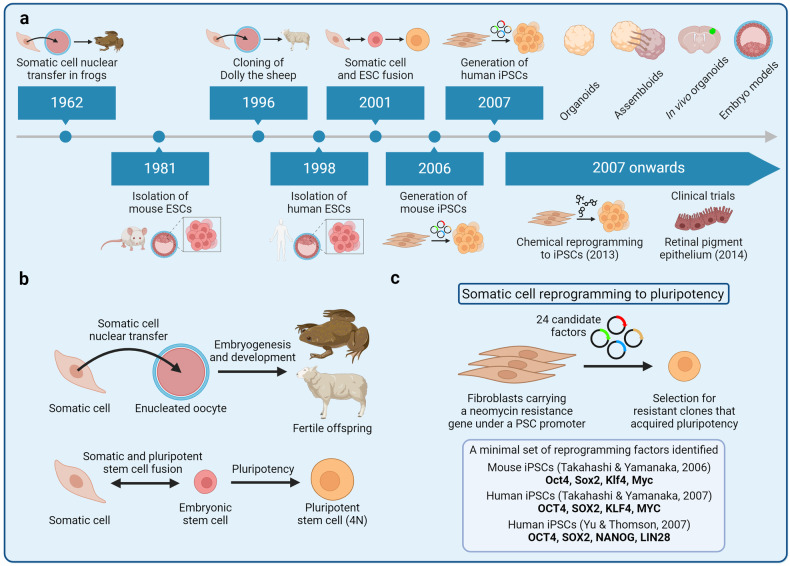
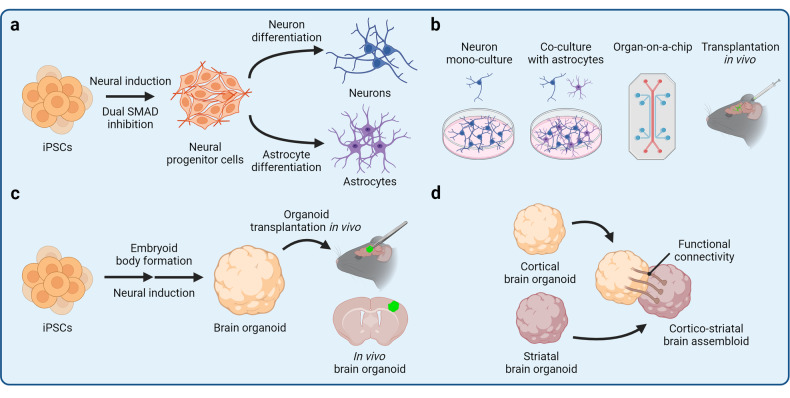
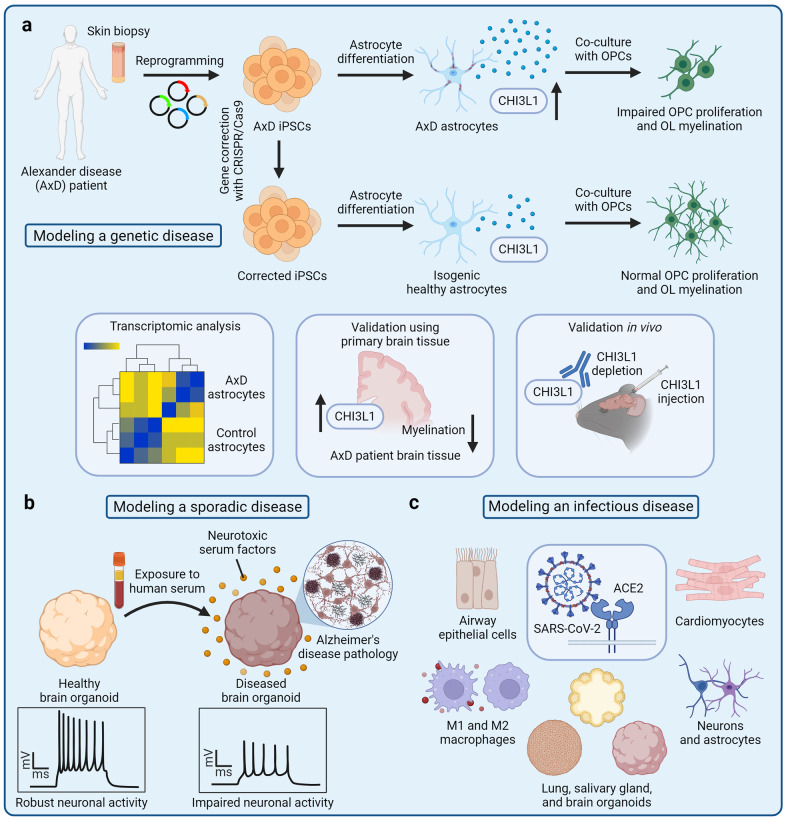
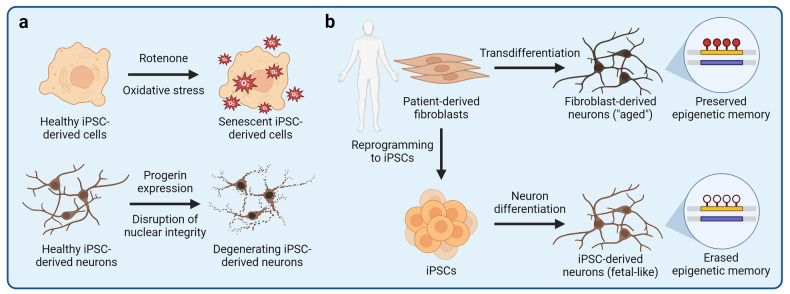
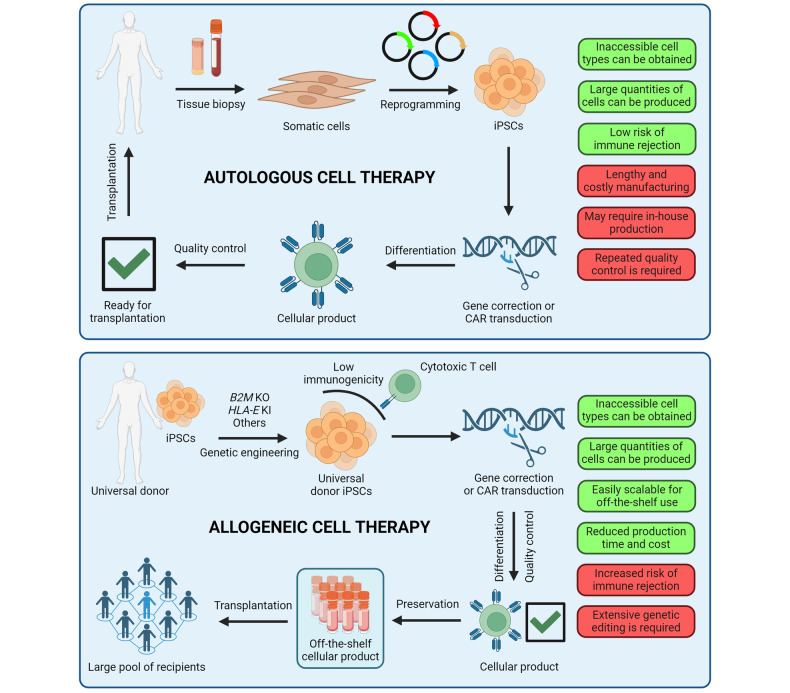
The induced pluripotent stem cell (iPSC) technology has transformed in vitro research and holds great promise to advance regenerative medicine. iPSCs have the capacity for an almost unlimited expansion, are amenable to genetic engineering, and can be differentiated into most somatic cell types. iPSCs have been widely applied to model human development and diseases, perform drug screening, and develop cell therapies. In this review, we outline key developments in the iPSC field and highlight the immense versatility of the iPSC technology for in vitro modeling and therapeutic applications. We begin by discussing the pivotal discoveries that revealed the potential of a somatic cell nucleus for reprogramming and led to successful generation of iPSCs. We consider the molecular mechanisms and dynamics of somatic cell reprogramming as well as the numerous methods available to induce pluripotency. Subsequently, we discuss various iPSC-based cellular models, from mono-cultures of a single cell type to complex three-dimensional organoids, and how these models can be applied to elucidate the mechanisms of human development and diseases. We use examples of neurological disorders, coronavirus disease 2019 (COVID-19), and cancer to highlight the diversity of disease-specific phenotypes that can be modeled using iPSC-derived cells. We also consider how iPSC-derived cellular models can be used in high-throughput drug screening and drug toxicity studies. Finally, we discuss the process of developing autologous and allogeneic iPSC-based cell therapies and their potential to alleviate human diseases.
Overview
The claims and statistics of this paper haven’t been checked yet.
Free: it reads the open-access text and checks the first 5 claims that cite a source we can check. Create a free account to check every claim.
Integrity signals
Registry
Cites
Statistics
Figures
Verification
Claims the paper makes
The claims and statistics of this paper haven’t been checked yet.
Free: it reads the open-access text and checks the first 5 claims that cite a source we can check. Create a free account to check every claim.
Claims other papers make about this one
Each is checked against this paper’s own text: does it say what the citing paper says it does?
The source backs part of the claim, not all of it — or backs it for a different population, condition or comparison.
In the citing paper
“In addition, iPSC-derived cells often display immature or fetal-like phenotypes and may not fully recapitulate adult tissue physiology, particularly for functions that depend on cellular maturation, aging, long-term environmental exposure, or tissue-specific niche cues (Cerneckis et al. 2024;Jiang et al. 2024).”
From Primary cell cultures versus immortalized cell lines: critical comparative insights into biological fidelity and translational applications (2026) · cites this paper as Cerneckis et al. 2024
Experimental — accuracy not yet measuredThe cited source says what the claim attributes to it.
In the citing paper
“It also makes iPSC-derived models particularly valuable for studying inherited disorders, modeling diseases involving inaccessible tissues, screening therapeutic candidates, and developing patient-matched regenerative strategies (McTague et al. 2021;Cerneckis et al. 2024;Singh et al. 2024).”
From Primary cell cultures versus immortalized cell lines: critical comparative insights into biological fidelity and translational applications (2026) · cites this paper as Cerneckis et al. 2024
The cited source says what the claim attributes to it.
In the citing paper
“Patient-derived iPSCs retain the donor genetic background and can be expanded before differentiation into disease-relevant cell types, including cells that are otherwise difficult to access, such as neurons, cardiomyocytes, and pancreatic β-like cells (Volpato and Webber 2020;Cerneckis et al. 2024;Joshi et al. 2024).”
From Primary cell cultures versus immortalized cell lines: critical comparative insights into biological fidelity and translational applications (2026) · cites this paper as Cerneckis et al. 2024
Self-check
Percentages, sums and reported differences re-computed from the paper’s own numbers.
The self-check needs the paper’s full text.
Citations
Cites
Items 401–503 of 503
Wen, W., Zhang, J.-P., Xu, J., Su, R. J., Neises, A., Ji, G.-Z., Yuan, W., Cheng, T., & Zhang, X.-B. (2016) · Stem Cell Reports · doi:10.1016/j.stemcr.2016.04.005 · Cited by 67
Caldwell, B. A., Liu, M. Y., Prasasya, R. D., Wang, T., DeNizio, J. E., Leu, N. A., Amoh, N. Y. A., Krapp, C. J., Lan, Y., Shields, E. J., et al. (2020) · Molecular Cell · doi:10.1016/j.molcel.2020.11.045 · Cited by 67
Moriarty, N., Gantner, C. W., Hunt, C. J., Ermine, C. M., Frausin, S., Viventi, S., Ovchinnikov, D. A., Kirik, D., Parish, C. L., & Thompson, L. H. (2022) · Cell stem cell · doi:10.1016/j.stem.2022.01.013 · Cited by 67
Little, D., Luft, C., Mosaku, O., Lorvellec, M., Yao, Z., Paillusson, S., Kriston-Vizi, J., Gandhi, S., Abramov, A. Y., Ketteler, R., et al. (2018) · Scientific Reports · doi:10.1038/s41598-018-27058-0 · Cited by 66
Zviran, A., Mor, N., Rais, Y., Gingold, H., Peles, S., Chomsky, E., Viukov, S., Buenrostro, J. D., Scognamiglio, R., Weinberger, L., et al. (2019) · Cell Stem Cell · doi:10.1016/j.stem.2018.11.014 · Cited by 66
Kuang, Y., Miki, K., Parr, C., Hayashi, K., Takei, I., Li, J., Iwasaki, M., Nakagawa, M., Yoshida, Y., & Saito, H. (2017) · Cell chemical biology · doi:10.1016/j.chembiol.2017.04.010 · Cited by 65
Zagoura, D., Canovas-Jorda, D., Pistollato, F., Bremer‐Hoffmann, S., & Bal‐Price, A. (2016) · Neurochemistry International · doi:10.1016/j.neuint.2016.09.004 · Cited by 64
Shen, W., Elahi, M., Logue, J., Yang, P., Baracco, L., Reece, E. A., Wang, B., Li, L., Blanchard, T. G., Han, Z., et al. (2022) · bioRxiv (Cold Spring Harbor Laboratory) · doi:10.1101/2022.01.31.478476 · Cited by 64
Yasuda, S.-Y., Ikeda, T., Shahsavarani, H., Yoshida, N., Nayer, B., Hino, M., Vartak-Sharma, N., Suemori, H., & Hasegawa, K. (2018) · Nature Biomedical Engineering · doi:10.1038/s41551-018-0200-7 · Cited by 63
Constructing and Deconstructing Cancers using Human Pluripotent Stem Cells and Organoids
Smith, R. C., & Tabar, V. (2019) · Cell Stem Cell · doi:10.1016/j.stem.2018.11.012 · Cited by 63
Harnessing organs-on-a-chip to model tissue regeneration
Tavakol, D. N., Fleischer, S., & Vunjak-Novakovic, G. (2021) · Cell Stem Cell · doi:10.1016/j.stem.2021.05.008 · Cited by 63
Dissecting OCT4 defines the role of nucleosome binding in pluripotency
Roberts, G. A., Özkan, B., Gachulincová, I., O’Dwyer, M. R., Hall-Ponselé, E., Saxena, M., Robinson, P. J. J., & Soufi, A. (2021) · Nature Cell Biology · doi:10.1038/s41556-021-00727-5 · Cited by 63
Induction of human trophoblast stem-like cells from primed pluripotent stem cells
Jang, Y. J., Kim, M., Lee, B., & Kim, J. (2022) · Proceedings of the National Academy of Sciences · doi:10.1073/pnas.2115709119 · Cited by 63
Pushing the boundaries of brain organoids to study Alzheimer’s disease
Cerneckis, J., Bu, G., & Shi, Y. (2023) · Trends in Molecular Medicine · doi:10.1016/j.molmed.2023.05.007 · Cited by 62
Self-citationCellular trajectories and molecular mechanisms of iPSC reprogramming
Apostolou, E., & Stadtfeld, M. (2018) · Current Opinion in Genetics & Development · doi:10.1016/j.gde.2018.06.002 · Cited by 61
Iancu, E. M., & Kandalaft, L. E. (2020) · Current Opinion in Biotechnology · doi:10.1016/j.copbio.2020.05.005 · Cited by 61
Coronnello, C., & Francipane, M. G. (2021) · Stem Cell Reviews and Reports · doi:10.1007/s12015-021-10302-y · Cited by 59
Haplobanking induced pluripotent stem cells for clinical use
Sullivan, S. K., Fairchild, P. J., Marsh, S. G. E., Müller, C., Turner, M. L., Song, J., & Turner, D. M. (2020) · Stem Cell Research · doi:10.1016/j.scr.2020.102035 · Cited by 58
Tanaka, J., Senpuku, H., Ogawa, M., Yasuhara, R., Ohnuma, S., Takamatsu, K., Watanabe, T., Mabuchi, Y., Nakamura, S., Ishida, S., et al. (2022) · Nature Cell Biology · doi:10.1038/s41556-022-01007-6 · Cited by 58
Cell Type of Origin Dictates the Route to Pluripotency
Nefzger, C. M., Rossello, F. J., Chen, J., Liu, X., Knaupp, A. S., Firas, J., Paynter, J. M., Pflueger, J., Buckberry, S., Lim, S. M., et al. (2017) · Cell Reports · doi:10.1016/j.celrep.2017.11.029 · Cited by 57
Washer, S. J., Perez-Alcantara, M., Chen, Y., Steer, J., James, W. S., Trynka, G., Bassett, A. R., & Cowley, S. A. (2022) · Scientific Reports · doi:10.1038/s41598-022-23477-2 · Cited by 57
Back and forth in time: Directing age in iPSC-derived lineages
Cornacchia, D., & Studer, L. (2017) · Brain Research · doi:10.1016/j.brainres.2015.11.013 · Cited by 56
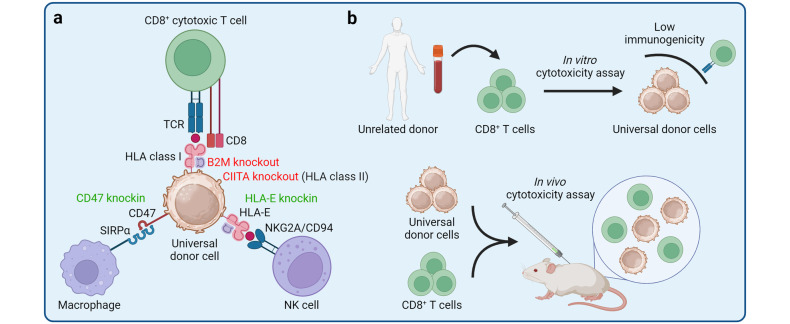
Fit-For-All iPSC-Derived Cell Therapies and Their Evaluation in Humanized Mice With NK Cell Immunity
Flahou, C., Morishima, T., Takizawa, H., & Sugimoto, N. (2021) · Frontiers in Immunology · doi:10.3389/fimmu.2021.662360 · Cited by 56
A Serial shRNA Screen for Roadblocks to Reprogramming Identifies the Protein Modifier SUMO2
Borkent, M., Bennett, B. D., Lackford, B., Bar-Nur, O., Brumbaugh, J., Wang, L., Du, Y., Fargo, D. C., Apostolou, E., Cheloufi, S., et al. (2016) · Stem Cell Reports · doi:10.1016/j.stemcr.2016.02.004 · Cited by 55
Mai, T., Markov, G. J., Brady, J. J., Palla, A., Zeng, H., Sebastiano, V., & Blau, H. M. (2018) · Nature Cell Biology · doi:10.1038/s41556-018-0136-x · Cited by 55
Defining Reprogramming Checkpoints from Single-Cell Analyses of Induced Pluripotency
Tran, K. A., Pietrzak, S. J., Zaidan, N. Z., Siahpirani, A. F., McCalla, S. G., Zhou, A. S., Iyer, G., Roy, S., & Sridharan, R. (2019) · Cell Reports · doi:10.1016/j.celrep.2019.04.056 · Cited by 55
AP-1 is a temporally regulated dual gatekeeper of reprogramming to pluripotency
Markov, G. J., Mai, T., Nair, S., Shcherbina, A., Wang, Y. X., Burns, D. M., Kundaje, A. B., & Blau, H. M. (2021) · Proceedings of the National Academy of Sciences · doi:10.1073/pnas.2104841118 · Cited by 55
Drouin-Ouellet, J., Pircs, K., Barker, R. A., Jakobsson, J., & Parmar, M. (2017) · Frontiers in Neuroscience · doi:10.3389/fnins.2017.00530 · Cited by 54
Astrocytes Attenuate Mitochondrial Dysfunctions in Human Dopaminergic Neurons Derived from iPSC
Du, F., Yu, Q., Chen, A., Chen, D., & Yan, S. S. (2018) · Stem Cell Reports · doi:10.1016/j.stemcr.2017.12.021 · Cited by 54
Francesconi, M., Di Stefano, B., Berenguer, C., de Andrés-Aguayo, L., Plana-Carmona, M., Mendez-Lago, M., Guillaumet-Adkins, A., Rodriguez-Esteban, G., Gut, M., Gut, I. G., et al. (2019) · eLife · doi:10.7554/elife.41627 · Cited by 54
Shin, D. S., Kim, C. N., Ross, J. M., Hennick, K. M., Wu, S., Paranjape, N., Leonard, R., Wang, J. C., Keefe, M. G., Pavlovic, B. J., et al. (2024) · Cell stem cell · doi:10.1016/j.stem.2024.01.010 · Cited by 54
Vanzan, L., Soldati, H., Ythier, V., Anand, S., Braun, S. M. G., Francis, N., & Murr, R. (2021) · Nature Communications · doi:10.1038/s41467-021-23630-x · Cited by 52
Xing, Q. R., El Farran, C. A., Gautam, P., Chuah, Y. S., Warrier, T., Toh, C. X. D., Kang, N. Y., Sugii, S., Chang, Y. T., Xu, J., et al. (2020) · Science Advances · doi:10.1126/sciadv.aba1190 · Cited by 51 · cited 2×
“76 Somatic cells transition through a continuum of reprogramming intermediates that bifurcate into intermediates that will successfully complete reprogramming and those that will acquire an alternative fate.”
BackgroundHuman Pluripotent Stem Cell-Derived Engineered Tissues: Clinical Considerations
Stevens, K. R., & Murry, C. E. (2018) · Cell Stem Cell · doi:10.1016/j.stem.2018.01.015 · Cited by 51
Live-cell three-dimensional single-molecule tracking reveals modulation of enhancer dynamics by NuRD
Basu, S., Shukron, O., Hall, D., Parutto, P., Ponjavic, A., Shah, D., Boucher, W., Lando, D., Zhang, W., Reynolds, N., et al. (2023) · Nature Structural & Molecular Biology · doi:10.1038/s41594-023-01095-4 · Cited by 51
Use with caution: developmental systems divergence and potential pitfalls of animal models.
Lynch, V. J. (2009) · PubMed Central · Cited by 50
CRISPR-SURF: discovering regulatory elements by deconvolution of CRISPR tiling screen data
Hsu, J. Y., Fulco, C. P., Cole, M. A., Canver, M. C., Pellin, D., Sher, F., Farouni, R., Clement, K., Guo, J. A., Biasco, L., et al. (2018) · Nature Methods · doi:10.1038/s41592-018-0225-6 · Cited by 50
Power and optimal study design in iPSC-based brain disease modelling
Brunner, J. W., Lammertse, H. C. A., van Berkel, A. A., Koopmans, F., Li, K. W., Smit, A. B., Toonen, R. F., Verhage, M., & van der Sluis, S. (2023) · Molecular Psychiatry · doi:10.1038/s41380-022-01866-3 · Cited by 49
Aging and Neurodegeneration: A Tangle of Models and Mechanisms
Chakrabarti, S., & Mohanakumar, K. P. (2016) · Aging and Disease · doi:10.14336/ad.2016.0312 · Cited by 48
Human stem cell models to study host–virus interactions in the central nervous system
Harschnitz, O., & Studer, L. (2021) · Nature reviews. Immunology · doi:10.1038/s41577-020-00474-y · Cited by 48
Ford, A. C., Yuan, Y., & Moayyedi, P. (2022) · Gastroenterology · doi:10.1053/j.gastro.2022.05.027 · Cited by 48
Generation of germ cells from pluripotent stem cells in mammals
Hayashi, M., Kawaguchi, T., Durcova‐Hills, G., & Imai, H. (2017) · Reproductive Medicine and Biology · doi:10.1002/rmb2.12077 · Cited by 47
Lin, Y., & Zou, J. (2020) · STAR Protocols · doi:10.1016/j.xpro.2020.100015 · Cited by 47
Gu, M., Donato, M., Guo, M., Wary, N. K., Miao, Y., Mao, S., Saito, T., Otsuki, S., Wang, L., Harper, R. L., et al. (2021) · Science Translational Medicine · doi:10.1126/scitranslmed.aba6480 · Cited by 47
Studying SARS-CoV-2 infectivity and therapeutic responses with complex organoids
Chen, K. G., Park, K., & Spence, J. R. (2021) · Nature Cell Biology · doi:10.1038/s41556-021-00721-x · Cited by 47
Cell reprogramming shapes the mitochondrial DNA landscape
Wei, W., Gaffney, D. J., & Chinnery, P. F. (2021) · Nature Communications · doi:10.1038/s41467-021-25482-x · Cited by 47
High-resolution characterization of gene function using single-cell CRISPR tiling screen
Yang, L., Chan, A. K. N., Miyashita, K., Delaney, C. D., Wang, X., Li, H., Pokharel, S. P., Li, S., Li, M., Xu, X., et al. (2021) · Nature Communications · doi:10.1038/s41467-021-24324-0 · Cited by 45
The transcription factor code in iPSC reprogramming
Deng, W., Jacobson, E. C., Collier, A. J., & Plath, K. (2021) · Current Opinion in Genetics & Development · doi:10.1016/j.gde.2021.06.003 · Cited by 45
Induction and application of human naive pluripotency
Zhou, J., Hu, J., Wang, Y., & Gao, S. (2023) · Cell Reports · doi:10.1016/j.celrep.2023.112379 · Cited by 45
Human inducible pluripotent stem cells: Realization of initial promise in drug discovery
Kleiman, R. J., & Engle, S. J. (2021) · Cell stem cell · doi:10.1016/j.stem.2021.08.002 · Cited by 43
Derivation of human primordial germ cell-like cells in an embryonic-like culture
Esfahani, S. N., Zheng, Y., Arabpour, A., Irizarry, A. M. R., Kobayashi, N., Xue, X., Shao, Y., Zhao, C., Agranonik, N., Sparrow, M., et al. (2024) · Nature Communications · doi:10.1038/s41467-023-43871-2 · Cited by 43
Szabó, A., Akkouh, I. A., Vandenberghe, M., Osete, J. R., Hughes, T., Heine, V. M., Smeland, O. B., Glover, J. C., Andreassen, O. A., & Djurovic, S. (2021) · Translational Psychiatry · doi:10.1038/s41398-021-01681-4 · Cited by 42
iPSC-Derived Organs In Vivo: Challenges and Promise
Suchy, F. P., Yamaguchi, T., & Nakauchi, H. (2018) · Cell stem cell · doi:10.1016/j.stem.2017.12.003 · Cited by 41
Simic, M., Moehle, E. A., Schinzel, R. T., Lorbeer, F. K., Jullié, D., Halloran, J. J., Heydari, K., Sanchez, M., Hockemeyer, D. F., & Dillin, A. G. (2019) · Science Advances · doi:10.1126/sciadv.aaw0025 · Cited by 40
Discovering DNA Methylation, the History and Future of the Writing on DNA
Tompkins, J. D. (2022) · Journal of the History of Biology · doi:10.1007/s10739-022-09691-8 · Cited by 40
Histone Deacetylases in Neural Stem Cells and Induced Pluripotent Stem Cells
Sun, G., Fu, C., Shen, C., & Shi, Y. (2011) · BioMed Research International · doi:10.1155/2011/835968 · Cited by 39
Self-citationMULTIPLE GENETICALLY IDENTICAL FROGS
Gurdon, J. B. (1962) · Journal of Heredity · doi:10.1093/oxfordjournals.jhered.a107117 · Cited by 39
A Comparative View on Easy to Deploy non-Integrating Methods for Patient-Specific iPSC Production
Manzini, S., Viiri, L. E., Marttila, S., & Aalto‐Setälä, K. (2015) · Stem Cell Reviews and Reports · doi:10.1007/s12015-015-9619-3 · Cited by 38
Modeling Multi-organ Infection by SARS-CoV-2 Using Stem Cell Technology
Simoneau, C. R., & Ott, M. (2020) · Cell stem cell · doi:10.1016/j.stem.2020.11.012 · Cited by 37
Álvarez-Palomo, B., García-Martinez, I., Gayoso, J., Raya, A., Veiga, A., Abad, M. L., Eiras, A., Guzmán-Fulgencio, M., Luis-Hidalgo, M., Eguizabal, C., et al. (2021) · Stem Cell Research & Therapy · doi:10.1186/s13287-021-02301-0 · Cited by 37
Feng, L., Chao, J., Ye, P., Luong, Q., Sun, G., Liu, W., Cui, Q., Flores, S. M., Jackson, N., Shayento, A. N. H., et al. (2023) · Advanced Science · doi:10.1002/advs.202206910 · Cited by 37
Self-citationZheng, H., Chen, Y., Luo, Q., Zhang, J., Huang, M., Xu, Y., Huo, D., Shan, W., Tie, R., Zhang, M., et al. (2023) · Cell Regeneration · doi:10.1186/s13619-023-00175-6 · Cited by 36
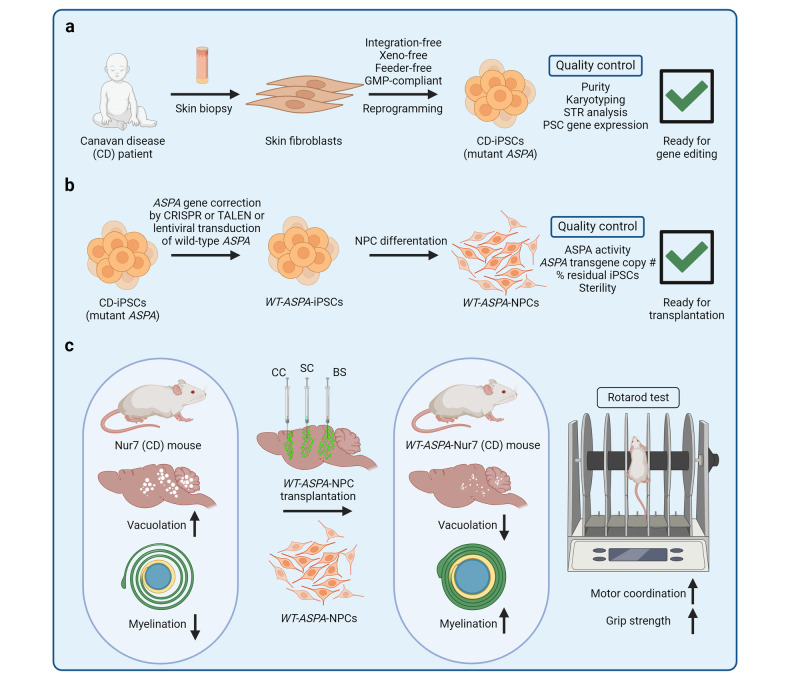
Cell‐Based Therapy for Canavan Disease Using Human iPSC‐Derived NPCs and OPCs
Feng, L., Chao, J., Tian, E., Li, L., Ye, P., Zhang, M., Chen, X., Cui, Q., Sun, G., Zhou, T., et al. (2020) · Advanced Science · doi:10.1002/advs.202002155 · Cited by 35
Self-citationvan Essen, M. J., Apsley, E. J., Riepsaame, J., Xu, R., Northcott, P. A., Cowley, S. A., Jacob, J., & Becker, E. B. E. (2024) · Disease Models & Mechanisms · doi:10.1242/dmm.050323 · Cited by 35
Could iPSCs Enable “Off-the-Shelf” Cell Therapy?
Crow, D. (2019) · Cell · doi:10.1016/j.cell.2019.05.043 · Cited by 34
Transplanted organoids empower human preclinical assessment of drug candidate for the clinic
Westerling-Bui, A. D., Fast, E. M., Soare, T. W., Venkatachalan, S. P., DeRan, M., Fanelli, A. B., Kyrychenko, S., Hoang, H. G., Corriea, G. M., Zhang, W., et al. (2022) · Science Advances · doi:10.1126/sciadv.abj5633 · Cited by 34
Pratumkaew, P., Issaragrisil, S., & Luanpitpong, S. (2021) · Cells · doi:10.3390/cells10113250 · Cited by 33
Kondo, T., Hara, N., Koyama, S., Yada, Y., Tsukita, K., Nagahashi, A., Ikeuchi, T., Ishii, K., Asada, T., Arai, T., et al. (2022) · Nature Aging · doi:10.1038/s43587-021-00158-9 · Cited by 31
Liu, Z., Chao, J., Wang, C., Sun, G., Roeth, D., Liu, W., Chen, X., Li, L., Tian, E., Feng, L., et al. (2023) · Cell Reports · doi:10.1016/j.celrep.2023.112841 · Cited by 31
Self-citationThe evolution of embryo models
Zernicka‐Goetz, M. (2023) · Nature Methods · doi:10.1038/s41592-023-02077-6 · Cited by 31
Establishing the human naïve pluripotent state
Manor, Y. S., Massarwa, R., & Hanna, J. H. (2015) · Current Opinion in Genetics & Development · doi:10.1016/j.gde.2015.07.005 · Cited by 29
Epigenetic Erosion in Adult Stem Cells: Drivers and Passengers of Aging
Kosan, C., Heidel, F. H., Godmann, M., & Bierhoff, H. (2018) · Cells · doi:10.3390/cells7120237 · Cited by 29
Bisogno, L. S., Yang, J., Bennett, B. D., Ward, J. M., Mackey, L. C., Annab, L. A., Bushel, P. R., Singhal, S. K., Schurman, S. H., Byun, J. S., et al. (2020) · Science Advances · doi:10.1126/sciadv.abc3851 · Cited by 29
Luo, Y., Zhang, M., Chen, Y., Chen, Y., & Zhu, D. (2021) · Frontiers in Cell and Developmental Biology · doi:10.3389/fcell.2021.720099 · Cited by 28
Lu, Y., Zhou, Y., Ju, R., & Chen, J. (2019) · Annals of Translational Medicine · doi:10.21037/atm.2019.10.13 · Cited by 27
When glia meet induced pluripotent stem cells (iPSCs)
Li, L., & Shi, Y. (2020) · Molecular and Cellular Neuroscience · doi:10.1016/j.mcn.2020.103565 · Cited by 27
Self-citationCell and Animal Models for SARS-CoV-2 Research
Bestion, E., Halfon, P., Mezouar, S., & Mège, J. (2022) · Viruses · doi:10.3390/v14071507 · Cited by 26
Induced Pluripotent Stem Cells, New Tools for Drug Discovery and New Hope for Stem Cell Therapies
Shi, Y. (2009) · Current Molecular Pharmacology · doi:10.2174/1874467210902010015 · Cited by 24
Self-citationMoquin‐Beaudry, G., Benabdallah, B., Maggiorani, D., Lê, O., Li, Y., Colas, C., Raggi, C. C., Ellezam, B., M’Callum, M.-A., Soglio, D. B. D., et al. (2022) · Cell Reports Methods · doi:10.1016/j.crmeth.2021.100153 · Cited by 24
Is CpG Density the Link between Epigenetic Aging and Lifespan?
Bertucci, E. M., & Parrott, B. B. (2020) · Trends in Genetics · doi:10.1016/j.tig.2020.06.003 · Cited by 23
The iNs and Outs of Direct Reprogramming to Induced Neurons
Carter, J., Halmai, J. A. N. M., & Fink, K. D. (2020) · Frontiers in Genome Editing · doi:10.3389/fgeed.2020.00007 · Cited by 23
Chin, M. Y., Espinosa, J. A., Pohan, G., Markossian, S., & Arkin, M. R. (2021) · Cell chemical biology · doi:10.1016/j.chembiol.2021.01.016 · Cited by 22
Identification of ASCL1 as a determinant for human iPSC-derived dopaminergic neurons
Earley, A. M., Burbulla, L. F., Krainc, D., & Awatramani, R. B. (2021) · Scientific Reports · doi:10.1038/s41598-021-01366-4 · Cited by 21
iPSC-neural crest derived cells embedded in 3D printable bio-ink promote cranial bone defect repair
Glaeser, J. D., Bao, X., Kaneda, G., Avalos, P., Behrens, P. H., Salehi, K., Da, X., Chen, A., Castaneda, C. M., Nakielski, P., et al. (2022) · Scientific Reports · doi:10.1038/s41598-022-22502-8 · Cited by 21
Gene editing of human iPSCs rescues thrombophilia in hereditary antithrombin deficiency in mice
Tang, L. V., Tao, Y., Feng, Y., Ma, J., Lin, W., Zhang, Y., Zhang, Y., Wu, T., Cai, Y., Lü, H., et al. (2022) · Science Translational Medicine · doi:10.1126/scitranslmed.abq3202 · Cited by 21
Chour, T., Tian, L., Lau, E., Thomas, D., Itzhaki, I., Malak, O. A., Zhang, J. Z., Qin, X., Wardak, M., Liu, Y., et al. (2021) · JCI Insight · doi:10.1172/jci.insight.142000 · Cited by 20
Modelling protein complexes with crosslinking mass spectrometry and deep learning
Stahl, K., Demann, L., Bremenkamp, R., Warneke, R., Hormes, B., Stülke, J., Brock, O., & Rappsilber, J. (2023) · doi:10.1101/2023.06.07.544059 · Cited by 20
Guo, R., Li, W., Li, Y., Li, Y., Jiang, Z., & Song, Y. (2022) · Experimental Hematology and Oncology · doi:10.1186/s40164-022-00285-y · Cited by 19
Generation and characterization of NGLY1 patient-derived midbrain organoids
Abbott, J. M., Tambe, M. A., Pavlinov, I., Farkhondeh, A., Nguyen, H. N., Xu, M., Pradhan, M., York, T., Might, M., Baumgärtel, K., et al. (2023) · Frontiers in Cell and Developmental Biology · doi:10.3389/fcell.2023.1039182 · Cited by 19
Krauskopf, J., Eggermont, K., da Costa, R. M., Bohler, S., Hauser, D. A., Caiment, F., de Kok, T. M. C. M., Verfaillie, C. M., & Kleinjans, J. C. S. (2022) · Molecular Psychiatry · doi:10.1038/s41380-022-01663-y · Cited by 17
Scoon, W. A., Mâncio-Silva, L., Suder, E. L., Villacorta-Martín, C., Lindstrom-Vautrin, J., Bernbaum, J. G., Mazur, S., Johnson, R. F., Olejnik, J., Flores, E. Y., et al. (2022) · Stem Cell Reports · doi:10.1016/j.stemcr.2022.08.003 · Cited by 17
Cerneckis, J., & Shi, Y. (2023) · Frontiers in Cellular Neuroscience · doi:10.3389/fncel.2023.1198715 · Cited by 16
Self-citationFeng, L., Chao, J., Zhang, M., Pacquing, E., Hu, W., & Shi, Y. (2023) · iScience · doi:10.1016/j.isci.2023.108037 · Cited by 16
Self-citationA step closer to autologous cell therapy for Parkinson’s disease
Schweitzer, J. S., Song, B., & Kim, K. (2021) · Cell stem cell · doi:10.1016/j.stem.2021.03.010 · Cited by 15
Chao, J., Feng, L., Ye, P., Chen, X., Cui, Q., Sun, G., Zhou, T., Tian, E., Li, W., Hu, W., et al. (2022) · iScience · doi:10.1016/j.isci.2022.104391 · Cited by 15
Self-citationKizner, V., Fischer, S. E., & Naujock, M. (2019) · Methods in molecular biology · doi:10.1007/978-1-4939-9477-9_19 · Cited by 14
Li, L., Chen, K., Wang, T., Wu, Y., Xing, G., Chen, M., Hao, Z., Zhang, C., Zhang, J., Ma, B., et al. (2020) · Nature Metabolism · doi:10.1038/s42255-020-00308-0 · Cited by 13
3D-organoid culture supports differentiation of human CAR+ iPSCs into highly functional CAR T cells
Wang, Z., McWilliams‐Koeppen, H. P., Reza, H., Ostberg, J. R., Chen, W., Wang, X., Huynh, C., Vyas, V., Chang, W.-C., Starr, R., et al. (2022) · Cell stem cell · doi:10.1016/j.stem.2022.03.007 · Cited by 12
William Harvey and His Contributions
Kilgour, F. G. (1961) · Circulation · doi:10.1161/01.cir.23.2.286 · Cited by 11
Context matters: hPSC-derived microglia thrive in a humanized brain environment in vivo
Cerneckis, J., & Shi, Y. (2023) · Cell stem cell · doi:10.1016/j.stem.2023.05.013 · Cited by 11
Self-citationMyelin organoids for the study of Alzheimer's disease
Cerneckis, J., & Shi, Y. (2023) · Frontiers in Neuroscience · doi:10.3389/fnins.2023.1283742 · Cited by 9
Self-citationCompound screen identifies the small molecule Q34 as an inhibitor of SARS-CoV-2 infection
Cui, Q., Garcia, G., Zhang, M., Wang, C., Li, H., Zhou, T., Sun, G., Arumugaswami, V., & Shi, Y. (2021) · iScience · doi:10.1016/j.isci.2021.103684 · Cited by 6
Self-citationTompkins, J. D., Lizhar, E. M., Shokrani, A., Wu, X., Berley, J., Kamali, D., Hussey, D. M., Cerneckis, J., Kang, T. H., Wang, J., et al. (2023) · Cell Reports Methods · doi:10.1016/j.crmeth.2023.100465 · Cited by 5
Self-citation
Research works printed but not linked: 2
- Roe, S. A. Matter, life, and generation: eighteen-century embryology and the Haller-Wolff Debate, (Cambridge University Press, 1981).
- Waddington, C. H. The Strategy of the Genes; A Discussion of Some Aspects of Theoretical Biology, (Cambridge: Cambridge University Press, 1957).
Cited by
Bone Defect Treatment in Regenerative Medicine: Exploring Natural and Synthetic Bone Substitutes
Santoro, A., Voto, A., Fortino, L., Guida, R., Laudisio, C., Cillo, M., & D’Ursi, A. M. (2025) · International Journal of Molecular Sciences · doi:10.3390/ijms26073085 · Cited by 107
Gong, L., Zhang, Y., Zhu, Y., Lee, U., Luo, A. C., Li, X., Wang, X., Chen, D., Pu, W. T., Lin, R., et al. (2025) · Cell stem cell · doi:10.1016/j.stem.2025.05.014 · Cited by 81
Tissue Engineering and Regenerative Medicine: Perspectives and Challenges
Hoang, V. T., Nguyen, Q. T., Phan, T. T. K., Pham, T. H., Dinh, N. T. H., Anh, L. P. H., Dao, L. T. M., Bui, V. D., Dao, H., Le, D. S., et al. (2025) · MedComm · doi:10.1002/mco2.70192 · Cited by 78
Bioprinted Constructs in the Regulatory Landscape: Current State and Future Perspectives
Perin, F., Ouyang, L., Lim, K. S., Motta, A., Maniglio, D., Moroni, L., & Mota, C. (2025) · Advanced Materials · doi:10.1002/adma.202504037 · Cited by 75
Grabowska, W. A., Bijak, M., Szelenberger, R., Gorniak, L., Podogrocki, M., Harmata, P., & Cichoń, N. (2025) · International Journal of Molecular Sciences · doi:10.3390/ijms26178726 · Cited by 75
Metadata
- Authors
- Cerneckis, J., Cai, H., & Shi, Y.
- Affiliations
- City Of Hope National Medical Center (US)
- Corresponding author
- Shi, Yanhong
- Venue
- Signal Transduction and Targeted Therapy
- Published
- 2024-04-26
- Volume
- 9
- Issue
- 1
- Pages
- 112-112
- ISSN
- 2059-3635 (ISSN-L)
- PMC
- PMC11053163
- OpenAlex
- W4395676185
- Semantic Scholar
- c74d513cb8e9a29f0a4c3aaf851798a18c9b9f17
- Cited by
- 452
- References
- 501
- Citations by year
- 2026: 224 · 2025: 194 · 2024: 34
- FWCI
- 18.48
- Type
- journal article
- Language
- en
- Open access
- gold
- doi.org
- Licence
- cc-by
- creativecommons.org/licenses/by/4.0 (tdm)
- creativecommons.org/licenses/by/4.0 (vor)
- Locations
- Signal Transduction and Targeted Therapy (publishedVersion, cc-by)
- PubMed Central (publishedVersion, cc-by)
- PubMed (publishedVersion)
- DOAJ (DOAJ: Directory of Open Access Journals) (submittedVersion, cc-by-sa)
- Funders
- U.S. Department of Health & Human Services | NIH | National Institute of Neurological Disorders and Stroke (U01 NS122101)
- U.S. Department of Health & Human Services | NIH | National Institute on Aging (R01 AG072291, RF1 AG079307)
- Topics
- Life Sciences › Biochemistry, Genetics and Molecular Biology › Molecular Biology › Pluripotent Stem Cells Research
- Life Sciences › Biochemistry, Genetics and Molecular Biology › Molecular Biology › CRISPR and Genetic Engineering
- Life Sciences › Biochemistry, Genetics and Molecular Biology › Cell Biology › Mesenchymal stem cell research
- Keywords
- induced pluripotent stem cells, somatic cell reprogramming, induced pluripotency, iPSC-derived organoids, disease modeling, drug screening, drug toxicity, neurological disorders, COVID-19 pandemic, cancer, human development
- MeSH terms
- COVID-19, SARS-CoV-2, Cell Differentiation, Humans, Neoplasms, Nervous System Diseases, Regenerative Medicine, Induced Pluripotent Stem Cells, Cellular Reprogramming
About these checks
Registry, retraction, Cites and statistics results are computed, not judged, with one exception: a printed reference that no index lists is read once by a model before it counts as a citation error. Claims are extracted by a model and kept only when their quote appears verbatim in the text; each cited source is then checked, with a model’s help, for whether it says what the claim relies on. Those verdicts can be wrong — read the claim’s quote and the cited source before relying on one.
Statistics and arithmetic are recomputed, not judged.
Confidence bands are shown only for fields calibrated on our annotated test set. None is calibrated yet, so no band is shown.
What counts as a claim ›How we measure confidence ›How we check this ›
Are you an author, or do you see a problem with this page? Request a review
Data sources
Bibliographic data: Semantic Scholar, OpenAlex, Crossref.
Contains information from the Semantic Scholar Academic Graph Datasets, made available under the ODC Attribution License (ODC-BY 1.0).
Semantic Scholar’s data is described in: Kinney, R., et al. (2023). The Semantic Scholar Open Data Platform. arXiv:2301.10140.
