

Induced pluripotent stem cells (iPSCs): molecular mechanisms of induction and applications
Open accessThe DOI matches its Crossref record; 503 of the 503 references it cites were found in a registry or an index.
Abstract
The induced pluripotent stem cell (iPSC) technology has transformed in vitro research and holds great promise to advance regenerative medicine. iPSCs have the capacity for an almost unlimited expansion, are amenable to genetic engineering, and can be differentiated into most somatic cell types. iPSCs have been widely applied to model human development and diseases, perform drug screening, and develop cell therapies. In this review, we outline key developments in the iPSC field and highlight the immense versatility of the iPSC technology for in vitro modeling and therapeutic applications. We begin by discussing the pivotal discoveries that revealed the potential of a somatic cell nucleus for reprogramming and led to successful generation of iPSCs. We consider the molecular mechanisms and dynamics of somatic cell reprogramming as well as the numerous methods available to induce pluripotency. Subsequently, we discuss various iPSC-based cellular models, from mono-cultures of a single cell type to complex three-dimensional organoids, and how these models can be applied to elucidate the mechanisms of human development and diseases. We use examples of neurological disorders, coronavirus disease 2019 (COVID-19), and cancer to highlight the diversity of disease-specific phenotypes that can be modeled using iPSC-derived cells. We also consider how iPSC-derived cellular models can be used in high-throughput drug screening and drug toxicity studies. Finally, we discuss the process of developing autologous and allogeneic iPSC-based cell therapies and their potential to alleviate human diseases.
Overview
The claims and statistics of this paper haven’t been checked yet.
Free: it reads the open-access text and checks the first 5 claims that cite a source we can check. Create a free account to check every claim.
Integrity signals
Registry
Cites
Statistics
Figures
Verification
Claims the paper makes
The claims and statistics of this paper haven’t been checked yet.
Free: it reads the open-access text and checks the first 5 claims that cite a source we can check. Create a free account to check every claim.
Claims other papers make about this one
Each is checked against this paper’s own text: does it say what the citing paper says it does?
The source backs part of the claim, not all of it — or backs it for a different population, condition or comparison.
In the citing paper
“In addition, iPSC-derived cells often display immature or fetal-like phenotypes and may not fully recapitulate adult tissue physiology, particularly for functions that depend on cellular maturation, aging, long-term environmental exposure, or tissue-specific niche cues (Cerneckis et al. 2024;Jiang et al. 2024).”
From Primary cell cultures versus immortalized cell lines: critical comparative insights into biological fidelity and translational applications (2026) · cites this paper as Cerneckis et al. 2024
Experimental — accuracy not yet measuredThe cited source says what the claim attributes to it.
In the citing paper
“It also makes iPSC-derived models particularly valuable for studying inherited disorders, modeling diseases involving inaccessible tissues, screening therapeutic candidates, and developing patient-matched regenerative strategies (McTague et al. 2021;Cerneckis et al. 2024;Singh et al. 2024).”
From Primary cell cultures versus immortalized cell lines: critical comparative insights into biological fidelity and translational applications (2026) · cites this paper as Cerneckis et al. 2024
The cited source says what the claim attributes to it.
In the citing paper
“Patient-derived iPSCs retain the donor genetic background and can be expanded before differentiation into disease-relevant cell types, including cells that are otherwise difficult to access, such as neurons, cardiomyocytes, and pancreatic β-like cells (Volpato and Webber 2020;Cerneckis et al. 2024;Joshi et al. 2024).”
From Primary cell cultures versus immortalized cell lines: critical comparative insights into biological fidelity and translational applications (2026) · cites this paper as Cerneckis et al. 2024
Self-check
Percentages, sums and reported differences re-computed from the paper’s own numbers.
The self-check needs the paper’s full text.
Citations
Cites
Highly accurate protein structure prediction with AlphaFold
Jumper, J., Evans, R., Pritzel, A., Green, T., Figurnov, M., Ronneberger, O., Tunyasuvunakool, K., Bates, R., Žídek, A., Potapenko, A., et al. (2021) · Nature · doi:10.1038/s41586-021-03819-2 · Cited by 43,764
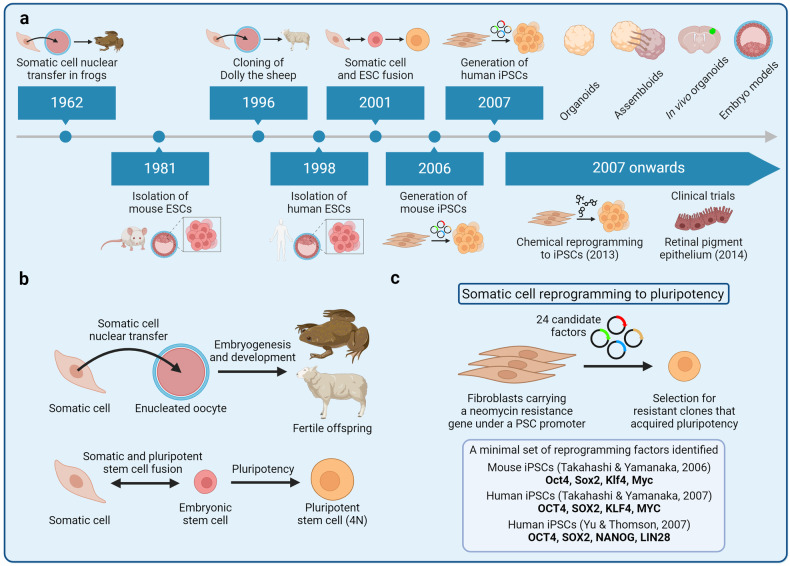
Takahashi, K., & Yamanaka, S. (2006) · Cell · doi:10.1016/j.cell.2006.07.024 · Cited by 26,673
Induction of Pluripotent Stem Cells from Adult Human Fibroblasts by Defined Factors
Takahashi, K., Tanabe, K., Ohnuki, M., Narita, M., Ichisaka, T., Tomoda, K., & Yamanaka, S. (2007) · Cell · doi:10.1016/j.cell.2007.11.019 · Cited by 20,221
Embryonic Stem Cell Lines Derived from Human Blastocysts
Thomson, J. A., Itskovitz-Eldor, J., Shapiro, S. S., Waknitz, M. A., Swiergiel, J. J., Marshall, V. S., & Jones, J. M. (1998) · Science · doi:10.1126/science.282.5391.1145 · Cited by 15,926
Induced Pluripotent Stem Cell Lines Derived from Human Somatic Cells
Yu, J., Vodyanik, M. A., Smuga-Otto, K., Antosiewicz-Bourget, J., Frane, J. L., Tian, S., Nie, J., Jonsdottir, G. A., Ruotti, V., Stewart, R., et al. (2007) · Science · doi:10.1126/science.1151526 · Cited by 10,310 · cited 2×
“3,5 These combinations of reprogramming factors remain widely used today, whereas Gurdon and Yamanaka were awarded the 2012 Nobel Prize in Physiology or Medicine for their discoveries.”
BackgroundMethodEstablishment in culture of pluripotential cells from mouse embryos
Evans, M. J., & Kaufman, M. H. (1981) · Nature · doi:10.1038/292154a0 · Cited by 8,607
Hallmarks of aging: An expanding universe
López-Otín, C., Blasco, M. A., Partridge, L., Serrano, M., & Kroemer, G. (2023) · Cell · doi:10.1016/j.cell.2022.11.001 · Cited by 6,549 · cited 1×
“313 However, iPSC-derived cells are fetal-like and do not naturally exhibit aging-associated phenotypes.”
BackgroundKalia, L. V., & Lang, A. E. (2015) · The Lancet · doi:10.1016/s0140-6736(14)61393-3 · Cited by 6,184
Martin, G. R. (1981) · Proceedings of the National Academy of Sciences · doi:10.1073/pnas.78.12.7634 · Cited by 5,746
Detection of SARS-CoV-2 in Different Types of Clinical Specimens
Wang, W., Xu, Y., Gao, R., Lu, R., Han, K., Wu, G., & Tan, W. (2020) · JAMA · doi:10.1001/jama.2020.3786 · Cited by 5,028
Highly efficient neural conversion of human ES and iPS cells by dual inhibition of SMAD signaling
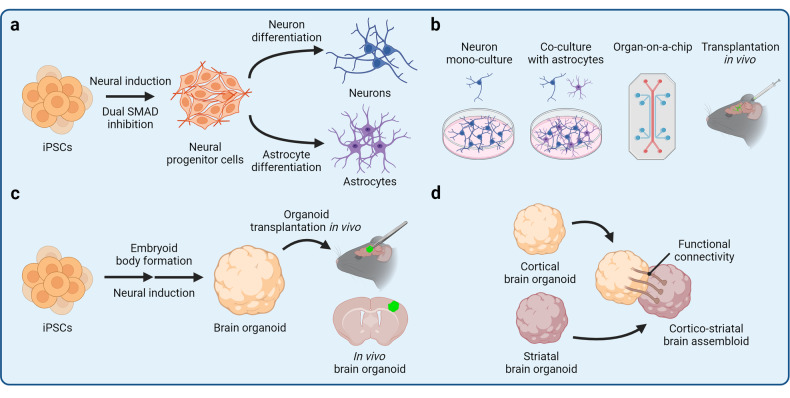
Chambers, S. M., Fasano, C. A., Papapetrou, E. P., Tomishima, M., Sadelain, M., & Studer, L. (2009) · Nature Biotechnology · doi:10.1038/nbt.1529 · Cited by 3,620 · cited 1×
“152,153 Furthermore, various morphogens can be applied to instruct regional identity of the differentiating neural cells to obtain specialized cell subtypes; for example, inhibition of the WNT signaling pathways speci fi es forebrain identity of neural cells.”
BackgroundInflammaging: a new immune–metabolic viewpoint for age-related diseases
Franceschi, C., Garagnani, P., Parini, P., Giuliani, C., & Santoro, A. (2018) · Nature Reviews Endocrinology · doi:10.1038/s41574-018-0059-4 · Cited by 3,586
Expression of a single transfected cDNA converts fibroblasts to myoblasts
Davis, R. L., Weintraub, H., & Lassar, A. B. (1987) · Cell · doi:10.1016/0092-8674(87)90585-x · Cited by 3,385
Applications of machine learning in drug discovery and development
Vamathevan, J., Clark, D., Czodrowski, P., Dunham, I., Ferran, E., Lee, G., Li, B., Madabhushi, A., Shah, P., Spitzer, M., et al. (2019) · Nature Reviews Drug Discovery · doi:10.1038/s41573-019-0024-5 · Cited by 3,228 · cited 1×
“412 Taubes et al. performed an in silico drug repurposing analysis to identify candidates that could reverse APOE4 -associated gene expression signatures in Alzheimer ’ s disease.”
BackgroundExtrapulmonary manifestations of COVID-19
Gupta, A., Madhavan, M. V., Sehgal, K., Nair, N., Mahajan, S., Sehrawat, T. S., Bikdeli, B., Ahluwalia, N., Ausiello, J. C., Wan, E. Y., et al. (2020) · Nature Medicine · doi:10.1038/s41591-020-0968-3 · Cited by 3,185
Blood–brain barrier breakdown in Alzheimer disease and other neurodegenerative disorders
Sweeney, M. D., Sagare, A. P., & Zlokovic, B. V. (2018) · Nature Reviews Neurology · doi:10.1038/nrneurol.2017.188 · Cited by 3,076
Neurovascular pathways to neurodegeneration in Alzheimer’s disease and other disorders
Zlokovic, B. V. (2011) · Nature Reviews Neuroscience · doi:10.1038/nrn3114 · Cited by 2,969
CAR-T cell therapy: current limitations and potential strategies
Sterner, R. C., & Sterner, R. M. (2021) · Blood Cancer Journal · doi:10.1038/s41408-021-00459-7 · Cited by 2,926 · cited 1×
“431,464 Various approaches to improve iPSC differentiation and maturation protocols for cell therapy applications are under active investigation.”
BackgroundIn vitro reprogramming of fibroblasts into a pluripotent ES-cell-like state
Wernig, M., Meissner, A., Foreman, R., Brambrink, T., Ku, M., Hochedlinger, K., Bernstein, B. E., & Jaenisch, R. (2007) · Nature · doi:10.1038/nature05944 · Cited by 2,676
Warren, L., Manos, P. D., Ahfeldt, T., Loh, Y.-H., Li, H., Lau, F., Ebina, W., Mandal, P. K., Smith, Z. D., Meissner, A., et al. (2010) · Cell Stem Cell · doi:10.1016/j.stem.2010.08.012 · Cited by 2,662
Knopman, D. S., Amieva, H., Petersen, R. C., Chételat, G., Holtzman, D. M., Hyman, B. T., Nixon, R. A., & Jones, D. T. (2021) · Nature Reviews Disease Primers · doi:10.1038/s41572-021-00269-y · Cited by 2,606
Generation of induced pluripotent stem cells without Myc from mouse and human fibroblasts
Nakagawa, M., Koyanagi, M., Tanabe, K., Takahashi, K., Ichisaka, T., Aoi, T., Okita, K., Mochiduki, Y., Takizawa, N., & Yamanaka, S. (2008) · Nature Biotechnology · doi:10.1038/nbt1374 · Cited by 2,380
Epigenetic memory in induced pluripotent stem cells
Kim, K., Doi, A., Wen, B., Ng, K., Zhao, R., Cahan, P., Kim, J., Aryee, M. J., Ji, H., Ehrlich, L. I. R., et al. (2010) · Nature · doi:10.1038/nature09342 · Cited by 2,313
Regev, A., Teichmann, S. A., Lander, E. S., Amit, I., Benoist, C., Birney, E., Bodenmiller, B., Campbell, P., Carninci, P., Clatworthy, M., et al. (2017) · eLife · doi:10.7554/elife.27041 · Cited by 2,232 · cited 1×
“228 Therefore, efforts to generate multi-omics datasets of primary tissues, such as the Human Cell Atlas Project, 229,230 can provide highly valuable data for iPSC-based studies and serve as a reference point for molecular pro fi les of functionally mature cells and tissues.”
BackgroundHuman organoids: model systems for human biology and medicine
Kim, J., Koo, B.-K., & Knoblich, J. A. (2020) · Nature Reviews Molecular Cell Biology · doi:10.1038/s41580-020-0259-3 · Cited by 2,187 · cited 3×
“10,160,163,188,477 These advanced models of human tissues can also be used to evaluate drug ef fi cacy, toxicity, and pharmacokinetics, thus serving as an additional preclinical platform for drug screening.”
BackgroundVascularized and functional human liver from an iPSC-derived organ bud transplant
Takebe, T., Sekine, K., Enomura, M., Koike, H., Kimura, M., Ogaeri, T., Zhang, R.-R., Ueno, Y., Zheng, Y.-W., Koike, N., et al. (2013) · Nature · doi:10.1038/nature12271 · Cited by 2,170
A guide to machine learning for biologists
Greener, J. G., Kandathil, S. M., Moffat, L., & Jones, D. T. (2022) · Nature Reviews Molecular Cell Biology · doi:10.1038/s41580-021-00407-0 · Cited by 2,127
Monteil, V., Kwon, H., Prado, P., Hagelkrüys, A., Wimmer, R. A., Stahl, M., Leopoldi, A., Garreta, E., Hurtado del Pozo, C., Prosper, F., et al. (2020) · Cell · doi:10.1016/j.cell.2020.04.004 · Cited by 2,122 · cited 1×
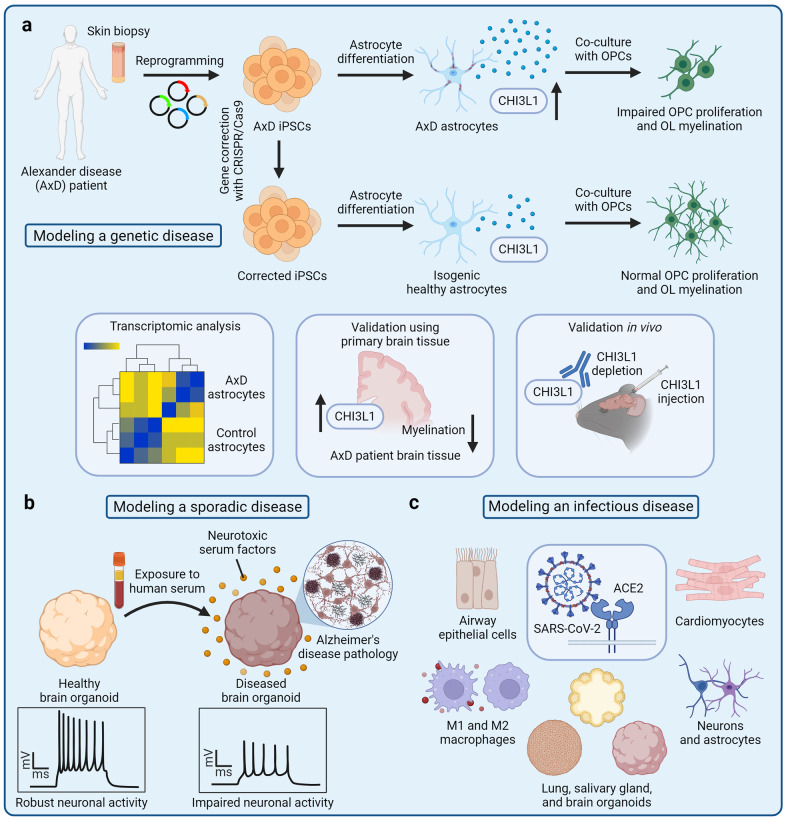
“395,396 403 – 406 SARS-CoV-2 infection of neural tissues leads to increased tau hyperphosphorylation, a hallmark of Alzheimer ’ s disease, suggesting that SARS-CoV-2 infection may have long-term neurological effects that could contribute to the onset of neurodegeneration.”
BackgroundBlood-brain barrier breakdown in the aging human hippocampus
Montagne, A., Barnes, S. R., Sweeney, M. D., Halliday, M. R., Sagare, A. P., Zhao, Z., Toga, A. W., Jacobs, R. E., Liu, C. Y., Amezcua, L., et al. (2015) · Neuron · doi:10.1016/j.neuron.2014.12.032 · Cited by 2,102
Function and information content of DNA methylation
Schübeler, D. (2015) · Nature · doi:10.1038/nature14192 · Cited by 2,060 · cited 1×
“29 For a historical review of discovering DNA methylation as a central mechanism of gene expression regulation and maintenance over mitotic divisions, the readers are referred to Tompkins, 2022.”
BackgroundpiggyBac transposition reprograms fibroblasts to induced pluripotent stem cells
Woltjen, K., Michael, I. P., Mohseni, P., Desai, R., Mileikovsky, M., Hämäläinen, R., Cowling, R., Wang, W., Liu, P., Gertsenstein, M., et al. (2009) · Nature · doi:10.1038/nature07863 · Cited by 1,814
Conserved cell types with divergent features in human versus mouse cortex
Hodge, R. D., Bakken, T. E., Miller, J. A., Smith, K. A., Barkan, E. R., Graybuck, L. T., Close, J. L., Long, B., Johansen, N., Penn, O., et al. (2019) · Nature · doi:10.1038/s41586-019-1506-7 · Cited by 1,775
Pathology of Neurodegenerative Diseases
Dugger, B. N., & Dickson, D. W. (2017) · Cold Spring Harbor Perspectives in Biology · doi:10.1101/cshperspect.a028035 · Cited by 1,665
Huangfu, D., Maehr, R., Guo, W., Eijkelenboom, A., Snitow, M., Chen, A. E., & Melton, D. A. (2008) · Nature Biotechnology · doi:10.1038/nbt1418 · Cited by 1,606
Pioneer transcription factors: establishing competence for gene expression
Zaret, K. S., & Carroll, J. S. (2011) · Genes & Development · doi:10.1101/gad.176826.111 · Cited by 1,589 · cited 1×
“58 Oct4, Klf4, and Sox2 target partial motifs in the nucleosome-enriched loci, indicating their pioneering activity, 55 whereas Sox2 has even been proposed to be a super pioneer due to its ability to induce DNA demethylation and overcome repressive epigenome.”
BackgroundInduction of Ectopic Eyes by Targeted Expression of the eyeless Gene in Drosophila
Halder, G., Callaerts, P., & Gehring, W. J. (1995) · Science · doi:10.1126/science.7892602 · Cited by 1,573
Induced pluripotent stem cell technology: a decade of progress.
Shi, Y., Inoue, H., Wu, J. C., & Yamanaka, S. (2017) · Nature Reviews Drug Discovery · doi:10.1038/nrd.2016.245 · Cited by 1,525 · cited 3×
“2,259,260 A key advantage of the iPSC technology for modeling human diseases is that iPSCs can be derived from somatic cells of patients af fl icted with a particular disease and carrying causal disease mutations or genetic risk factors.”
BackgroundSelf-citationThe DNA methyltransferase family: a versatile toolkit for epigenetic regulation
Lyko, F. (2018) · Nature Reviews Genetics · doi:10.1038/nrg.2017.80 · Cited by 1,467
An analysis of the attrition of drug candidates from four major pharmaceutical companies
Waring, M. J., Arrowsmith, J., Leach, A. R., Leeson, P. D., Mandrell, S., Owen, R. M., Pairaudeau, G., Pennie, W. D., Pickett, S. D., Wang, J., et al. (2015) · Nature Reviews Drug Discovery · doi:10.1038/nrd4609 · Cited by 1,450
Apolipoprotein E and Alzheimer disease: pathobiology and targeting strategies
Yamazaki, Y., Zhao, N., Caulfield, T. R., Liu, C.-C., & Bu, G. (2019) · Nature Reviews Neurology · doi:10.1038/s41582-019-0228-7 · Cited by 1,425 · cited 1×
“324 For example, the E4 variant of the APOE gene is the strongest genetic Fig.”
BackgroundHardiman, O., Al-Chalabi, A., Chio, A., Corr, E. M., Logroscino, G., Robberecht, W., Shaw, P. J., Simmons, Z., & van den Berg, L. H. (2017) · Nature Reviews Disease Primers · doi:10.1038/nrdp.2017.71 · Cited by 1,414
Pluripotent stem cells induced from mouse somatic cells by small-molecule compounds.
Hou, P., Li, Y., Zhang, X., Liu, C., Guan, J., Li, H., Zhao, T., Ye, J., Yang, W., Liu, K., et al. (2013) · Science · doi:10.1126/science.1239278 · Cited by 1,402
Regev, A., Teichmann, S. A., Lander, E. S., Amit, I., Benoist, C. O., Birney, E., Bodenmiller, B., & Campbell, P. J. (2017) · Zurich Open Repository and Archive (University of Zurich) · doi:10.5167/uzh-162597 · Cited by 1,399
Modelling schizophrenia using human induced pluripotent stem cells
Brennand, K. J., Simone, A., Jou, J., Gelboin-Burkhart, C., Tran, N., Sangar, S., Li, Y., Mu, Y., Chen, G., Yu, D., et al. (2011) · Nature · doi:10.1038/nature09915 · Cited by 1,375 · cited 1×
“289,290 On the contrary, neuronal cultures derived from iPSCs of patients with ASD exhibit increased synaptic puncta density and neuronal fi ring rate, indicating neuronal hyperexcitability.”
BackgroundX inactivation, differentiation, and DNA methylation
Riggs, A. D. (1975) · Cytogenetic and Genome Research · doi:10.1159/000130315 · Cited by 1,342
Induction of pluripotent stem cells from primary human fibroblasts with only Oct4 and Sox2
Huangfu, D., Osafune, K., Maehr, R., Guo, W., Eijkelenboom, A., Chen, S., Muhlestein, W., & Melton, D. A. (2008) · Nature Biotechnology · doi:10.1038/nbt.1502 · Cited by 1,341
c-Myc Regulates Transcriptional Pause Release
Rahl, P. B., Lin, C. Y., Seila, A. C., Flynn, R. A., McCuine, S., Burge, C. B., Sharp, P. A., & Young, R. A. (2010) · Cell · doi:10.1016/j.cell.2010.03.030 · Cited by 1,279
Advanced maturation of human cardiac tissue grown from pluripotent stem cells
Ronaldson-Bouchard, K., Ma, S. P., Yeager, K., Chen, T., Song, L., Sirabella, D., Morikawa, K., Teles, D., Yazawa, M., & Vunjak-Novakovic, G. (2018) · Nature · doi:10.1038/s41586-018-0016-3 · Cited by 1,272 · cited 1×
“224,225 Incremental pulsatile stretching also promotes maturation of vascular grafts composed of iPSC-derived smooth muscle cells, leading to increased mechanical strength and minimized dilation of the engineered vessels.”
BackgroundImpact of cytosine methylation on DNA binding specificities of human transcription factors
Yin, Y., Morgunova, E., Jolma, A., Kaasinen, E., Sahu, B., Khund-Sayeed, S., Das, P. K., Kivioja, T., Dave, K., Zhong, F., et al. (2017) · Science · doi:10.1126/science.aaj2239 · Cited by 1,257 · cited 1×
“87, 88 During reprogramming, such somatic cell-speci fi c DNA methylation patterns are reversed by active DNA demethylation mediated by ten-eleven translocation (Tet) enzymes.”
BackgroundProbing sporadic and familial Alzheimer’s disease using induced pluripotent stem cells
Israel, M. A., Yuan, S. H., Bardy, C., Reyna, S. M., Mu, Y., Herrera, C., Hefferan, M. P., Van Gorp, S., Nazor, K. L., Boscolo, F. S., et al. (2012) · Nature · doi:10.1038/nature10821 · Cited by 1,253
Virus-free induction of pluripotency and subsequent excision of reprogramming factors
Kaji, K., Norrby, K., Paca, A., Mileikovsky, M., Mohseni, P., & Woltjen, K. (2009) · Nature · doi:10.1038/nature07864 · Cited by 1,251
‘Off-the-shelf’ allogeneic CAR T cells: development and challenges
Depil, S., Duchateau, P., Grupp, S. A., Mufti, G., & Poirot, L. (2020) · Nature Reviews Drug Discovery · doi:10.1038/s41573-019-0051-2 · Cited by 1,227
Pluripotent Stem Cell-Based Cell Therapy—Promise and Challenges
Yamanaka, S. (2020) · Cell Stem Cell · doi:10.1016/j.stem.2020.09.014 · Cited by 1,213
An in vivo model of functional and vascularized human brain organoids
Mansour, A. A., Gonçalves, J. T., Bloyd, C. W., Li, H., Fernandes, S., Quang, D., Johnston, S., Parylak, S. L., Jin, X., & Gage, F. H. (2018) · Nature Biotechnology · doi:10.1038/nbt.4127 · Cited by 1,211 · cited 3×
“218,220,222 Such models enable the study of neuronal network connectivity and its dysfunction in human-speci fi c neurodevelopmental disorders that are challenging to reproduce in preclinical models.”
BackgroundMethodHighly Efficient miRNA-Mediated Reprogramming of Mouse and Human Somatic Cells to Pluripotency
Anokye-Danso, F., Trivedi, C. M., Juhr, D., Gupta, M., Cui, Z., Tian, Y., Zhang, Y., Yang, W., Gruber, P. J., Epstein, J. A., et al. (2011) · Cell Stem Cell · doi:10.1016/j.stem.2011.03.001 · Cited by 1,209
Mechanisms of SARS-CoV-2 Transmission and Pathogenesis
Harrison, A. G., Lin, T., & Wang, P. (2020) · Trends in Immunology · doi:10.1016/j.it.2020.10.004 · Cited by 1,186
Hofer, M., & Lutolf, M. P. (2021) · Nature Reviews Materials · doi:10.1038/s41578-021-00279-y · Cited by 1,184
Zika virus impairs growth in human neurospheres and brain organoids
Garcez, P. P., Loiola, E. C., Madeiro da Costa, R., Higa, L. M., Trindade, P., Delvecchio, R., Nascimento, J. M., Brindeiro, R., Tanuri, A., & Rehen, S. K. (2016) · Science · doi:10.1126/science.aaf6116 · Cited by 1,184
Progress and potential in organoid research
Rossi, G., Manfrin, A., & Lutolf, M. P. (2018) · Nature Reviews Genetics · doi:10.1038/s41576-018-0051-9 · Cited by 1,182 · cited 2×
“160 – 164 Organoids are often comprised of several cell types and partially recapitulate the complexity of human tissues, enabling the study of context-dependent cell function, organogenesis, and organ-speci fi c diseases.”
BackgroundHelicobacter pylori: gastric cancer and beyond
Polk, D. B., & Peek, R. M. (2010) · Nature Reviews Cancer · doi:10.1038/nrc2857 · Cited by 1,158
iPSC-derived human microglia-like cells to study neurological diseases
Abud, E. M., Ramirez, R. N., Martinez, E. S., Healy, L. M., Nguyen, C. H. H., Newman, S. A., Yeromin, A. V., Scarfone, V. M., Marsh, S. E., Fimbres, C., et al. (2017) · Neuron · doi:10.1016/j.neuron.2017.03.042 · Cited by 1,154
FOXG1-Dependent Dysregulation of GABA/Glutamate Neuron Differentiation in Autism Spectrum Disorders
Mariani, J., Coppola, G., Zhang, P., Abyzov, A., Provini, L., Tomasini, L., Amenduni, M., Szekely, A., Palejev, D., Wilson, M., et al. (2015) · Cell · doi:10.1016/j.cell.2015.06.034 · Cited by 1,149 · cited 1×
“298,299 An important advantage of using brain organoids for the study of neurological disorders is their complex electrophysiological phenotypes that emerge as a result of improved neuronal maturation and 3D con fi guration.”
BackgroundHuman cerebral organoids recapitulate gene expression programs of fetal neocortex development
Camp, J. G., Badsha, F., Florio, M., Kanton, S., Gerber, T., Wilsch-Bräuninger, M., Lewitus, E., Sykes, A., Hevers, W., Lancaster, M., et al. (2015) · Proceedings of the National Academy of Sciences · doi:10.1073/pnas.1520760112 · Cited by 1,130 · cited 1×
“251,252 Spinal cord organoids recapitulate certain features of neural tube development by undergoing neurulation-like morphogenesis, 253 whereas cardiac organoids co-cultured with epicardial-like cells mimic the envelopment of the myocardium by the epicardium that occurs during heart development.”
BackgroundLin, Y.-T., Seo, J., Gao, F., Feldman, H. M., Wen, H.-L., Penney, J., Cam, H. P., Gjoneska, E., Raja, W. K., Cheng, J., et al. (2018) · Neuron · doi:10.1016/j.neuron.2018.05.008 · Cited by 1,125
A guide to the organ-on-a-chip
Leung, C. M., de Haan, P., Ronaldson-Bouchard, K., Kim, G.-A., Ko, J., Rho, H. S., Chen, Z., Habibovic, P., Jeon, N. L., Takayama, S., et al. (2022) · Nature Reviews Methods Primers · doi:10.1038/s43586-022-00118-6 · Cited by 1,116
Bray, M.-A., Singh, S., Han, H., Davis, C. T., Borgeson, B., Hartland, C., Kost-Alimova, M., Gustafsdottir, S. M., Gibson, C. C., & Carpenter, A. E. (2016) · Nature Protocols · doi:10.1038/nprot.2016.105 · Cited by 1,090
The Developmental Capacity of Nuclei taken from Intestinal Epithelium Cells of Feeding Tadpoles
Gurdon, J. B. (1962) · Development · doi:10.1242/dev.10.4.622 · Cited by 1,083
Zhao, Z., Chen, X., Dowbaj, A. M., Sljukic, A., Bratlie, K., Lin, L., Fong, E. L. S., Balachander, G. M., Chen, Z., Soragni, A., et al. (2022) · Nature Reviews Methods Primers · doi:10.1038/s43586-022-00174-y · Cited by 1,082 · cited 1×
“10,160,163,188,477 These advanced models of human tissues can also be used to evaluate drug ef fi cacy, toxicity, and pharmacokinetics, thus serving as an additional preclinical platform for drug screening.”
BackgroundDNA methylation in health and disease
Robertson, K. D., & Wolffe, A. P. (2000) · Nature Reviews Genetics · doi:10.1038/35049533 · Cited by 1,057
Role of TET enzymes in DNA methylation, development, and cancer
Rasmussen, K. D., & Helin, K. (2016) · Genes & Development · doi:10.1101/gad.276568.115 · Cited by 1,040 · cited 1×
“89 – 91 Indeed, waves of global DNA demethylation during reprogramming result in the loss of DNA methylation at regulatory regions that become enriched for 5-hydroxymethylcytosine (5hmC), an intermediate of Tet-mediated DNA demethylation.”
BackgroundAPOE and Alzheimer’s disease: Advances in genetics, pathophysiology, and therapeutic approaches
Serrano-Pozo, A., Das, S., & Hyman, B. T. (2021) · The Lancet Neurology · doi:10.1016/s1474-4422(20)30412-9 · Cited by 1,037
Nanog Is the Gateway to the Pluripotent Ground State
Silva, J., Nichols, J., Theunissen, T. W., Guo, G., van Oosten, A. L., Barrandon, O., Wray, J., Yamanaka, S., Chambers, I., & Smith, A. (2009) · Cell · doi:10.1016/j.cell.2009.07.039 · Cited by 1,031
Organs-on-chips: into the next decade
Low, L. A., Mummery, C., Berridge, B. R., Austin, C. P., & Tagle, D. A. (2021) · Nature Reviews Drug Discovery · doi:10.1038/s41573-020-0079-3 · Cited by 1,029
Advances in organ-on-a-chip engineering
Zhang, B., Korolj, A., Lai, B. F. L., & Radisic, M. (2018) · Nature Reviews Materials · doi:10.1038/s41578-018-0034-7 · Cited by 1,017
Wightman, D. P., Jansen, I. E., Savage, J. E., Shadrin, A. A., Bahrami, S., Holland, D., Rongve, A., Børte, S., Winsvold, B. S., Drange, O. K., et al. (2021) · Nature Genetics · doi:10.1038/s41588-021-00921-z · Cited by 1,011
Franceschi, C., Garagnani, P., Vitale, G., Capri, M., & Salvioli, S. (2017) · Trends in Endocrinology & Metabolism · doi:10.1016/j.tem.2016.09.005 · Cited by 997
Clonally expanded CD8 T cells patrol the cerebrospinal fluid in Alzheimer’s disease
Gate, D., Saligrama, N., Leventhal, O., Yang, A. C., Unger, M. S., Middeldorp, J., Chen, K., Lehallier, B., Channappa, D., De Los Santos, M. B., et al. (2020) · Nature · doi:10.1038/s41586-019-1895-7 · Cited by 992
Lamers, M. M., & Haagmans, B. L. (2022) · Nature Reviews Microbiology · doi:10.1038/s41579-022-00713-0 · Cited by 983
Modelling human development and disease in pluripotent stem-cell-derived gastric organoids
McCracken, K. W., Catá, E. M., Crawford, C. M., Sinagoga, K. L., Schumacher, M., Rockich, B. E., Tsai, Y.-H., Mayhew, C. N., Spence, J. R., Zavros, Y., et al. (2014) · Nature · doi:10.1038/nature13863 · Cited by 980 · cited 1×
“374 Finally, genetic manipulation of iPSCs and their subsequent differentiation into cancer-relevant cell types can be used to establish cancer evolution models that re fl ect successive acquisition of somatic mutations and clonal expansion of cancer cells.”
BackgroundTrujillo, C. A., Gao, R., Negraes, P. D., Gu, J., Buchanan, J., Preissl, S., Wang, A., Wu, W., Haddad, G. G., Chaim, I. A., et al. (2019) · Cell Stem Cell · doi:10.1016/j.stem.2019.08.002 · Cited by 974 · cited 1×
“300,301 For example, cortical-ganglionic eminence assembloids derived from iPSCs of patients with Rett syndrome exhibit neuronal hyperexcitability and epileptiform-like activity characteristic of Rett syndrome.”
BackgroundStepwise Reprogramming of B Cells into Macrophages
Xie, H., Ye, M., Feng, R., & Graf, T. (2004) · Cell · doi:10.1016/s0092-8674(04)00419-2 · Cited by 947
Oct4-Induced Pluripotency in Adult Neural Stem Cells
Kim, J. B., Sebastiano, V., Wu, G., Araúzo-Bravo, M. J., Sasse, P., Gentile, L., Ko, K., Ruau, D., Ehrich, M., van den Boom, D., et al. (2009) · Cell · doi:10.1016/j.cell.2009.01.023 · Cited by 934
Soufi, A., Donahue, G., & Zaret, K. S. (2012) · Cell · doi:10.1016/j.cell.2012.09.045 · Cited by 933
Nuclear Reprogramming of Somatic Cells After Fusion with Human Embryonic Stem Cells
Cowan, C. A., Atienza, J., Melton, D. A., & Eggan, K. (2005) · Science · doi:10.1126/science.1116447 · Cited by 931
Nephron organoids derived from human pluripotent stem cells model kidney development and injury
Morizane, R., Lam, A. Q., Freedman, B. S., Kishi, S., Valerius, M. T., & Bonventre, J. V. (2015) · Nature Biotechnology · doi:10.1038/nbt.3392 · Cited by 927
Thapar, A., Cooper, M., & Rutter, M. (2017) · The Lancet Psychiatry · doi:10.1016/s2215-0366(16)30376-5 · Cited by 903
TETonic shift: biological roles of TET proteins in DNA demethylation and transcription
Pastor, W. A., Aravind, L., & Rao, A. (2013) · Nature Reviews Molecular Cell Biology · doi:10.1038/nrm3589 · Cited by 897 · cited 1×
“89 – 91 Indeed, waves of global DNA demethylation during reprogramming result in the loss of DNA methylation at regulatory regions that become enriched for 5-hydroxymethylcytosine (5hmC), an intermediate of Tet-mediated DNA demethylation.”
BackgroundNuclear reprogramming of somatic cells by in vitro hybridization with ES cells
Tada, M., Takahama, Y., Abe, K., Nakatsuji, N., & Tada, T. (2001) · Current Biology · doi:10.1016/s0960-9822(01)00459-6 · Cited by 889
A decade of transcription factor-mediated reprogramming to pluripotency
Takahashi, K., & Yamanaka, S. (2016) · Nature Reviews Molecular Cell Biology · doi:10.1038/nrm.2016.8 · Cited by 878
Human blood vessel organoids as a model of diabetic vasculopathy
Wimmer, R. A., Leopoldi, A., Aichinger, M., Wick, N., Hantusch, B., Novatchkova, M., Taubenschmid, J., Hämmerle, M., Esk, C., Bagley, J. A., et al. (2019) · Nature · doi:10.1038/s41586-018-0858-8 · Cited by 803
The use of brain organoids to investigate neural development and disease
Di Lullo, E., & Kriegstein, A. R. (2017) · Nature Reviews Neuroscience · doi:10.1038/nrn.2017.107 · Cited by 788
Pioneer Transcription Factors Target Partial DNA Motifs on Nucleosomes to Initiate Reprogramming
Soufi, A., Garcia, M. F., Jaroszewicz, A., Osman, N., Pellegrini, M., & Zaret, K. S. (2015) · Cell · doi:10.1016/j.cell.2015.03.017 · Cited by 780 · cited 2×
“54,55 Through concerted action, OSKM expel somatic cell-speci fi c transcription factors from somatic enhancers and activate pluripotency enhancers; silencing of somatic cell-speci fi c enhancers is initiated early in reprogramming, whereas activation of pluripotency-speci fi c enhancers occurs later…”
BackgroundHuman iPSC-based modeling of late-onset disease via progerin-induced aging
Miller, J. D., Ganat, Y. M., Kishinevsky, S., Bowman, R. L., Liu, B., Tu, E. Y., Mandal, P. K., Vera, E., Shim, J.-W., Kriks, S., et al. (2013) · Cell stem cell · doi:10.1016/j.stem.2013.11.006 · Cited by 777 · cited 3×
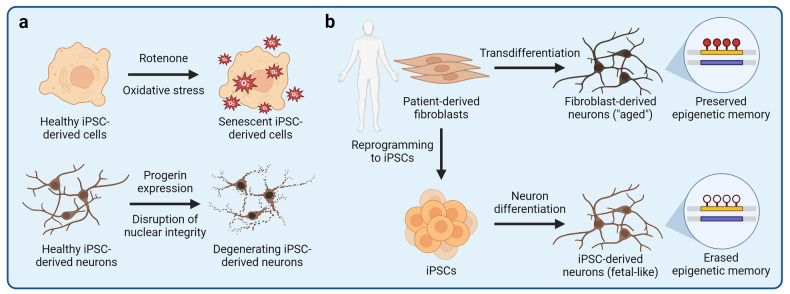
“317 Although progerin overexpression can induce various cellular phenotypes associated with aging, it should be noted that HGPS is a distinct disease that may not necessarily recapitulate normal human aging and may exhibit HGPS-speci fi c phenotypes that are irrelevant to neurodegenerative diseases.”
BackgroundReprogramming of Mouse and Human Cells to Pluripotency Using Mature MicroRNAs
Miyoshi, N., Ishii, H., Nagano, H., Haraguchi, N., Dewi, D. L., Kano, Y., Nishikawa, S., Tanemura, M., Mimori, K., Tanaka, F., et al. (2011) · Cell Stem Cell · doi:10.1016/j.stem.2011.05.001 · Cited by 763
Brain metabolism in health, aging, and neurodegeneration
Camandola, S., & Mattson, M. P. (2017) · The EMBO Journal · doi:10.15252/embj.201695810 · Cited by 752
The blood-brain barrier in aging and neurodegeneration
Knox, E. G., Aburto, M. R., Clarke, G., Cryan, J. F., & O’Driscoll, C. M. (2022) · Molecular Psychiatry · doi:10.1038/s41380-022-01511-z · Cited by 738
Virology, transmission, and pathogenesis of SARS-CoV-2
Cevik, M., Kuppalli, K., Kindrachuk, J., & Peiris, M. (2020) · BMJ · doi:10.1136/bmj.m3862 · Cited by 732
Tumorigenicity as a clinical hurdle for pluripotent stem cell therapies
Lee, A. S., Tang, C., Rao, M. S., Weissman, I. L., & Wu, J. C. (2013) · Nature Medicine · doi:10.1038/nm.3267 · Cited by 727
Organ-on-a-chip: recent breakthroughs and future prospects
Wu, Q., Liu, J., Wang, X., Feng, L., Wu, J., Zhu, X., Wen, W., & Gong, X. (2020) · BioMedical Engineering OnLine · doi:10.1186/s12938-020-0752-0 · Cited by 701
Xiang, Y., Tanaka, Y., Patterson, B., Kang, Y.-J., Govindaiah, G., Roselaar, N., Cakir, B., Kim, K.-Y., Lombroso, A. P., Hwang, S.-M., et al. (2017) · Cell Stem Cell · doi:10.1016/j.stem.2017.07.007 · Cited by 698
Induced pluripotent stem cells in disease modelling and drug discovery
Rowe, R. G., & Daley, G. Q. (2019) · Nature Reviews Genetics · doi:10.1038/s41576-019-0100-z · Cited by 670
A 3D human triculture system modeling neurodegeneration and neuroinflammation in Alzheimer’s disease
Park, J., Wetzel, I., Marriott, I., Dréau, D., D’Avanzo, C., Kim, D. Y., Tanzi, R. E., & Cho, H. (2018) · Nature Neuroscience · doi:10.1038/s41593-018-0175-4 · Cited by 644
The Human Cell Atlas: from vision to reality
Rozenblatt-Rosen, O., Stubbington, M. J. T., Regev, A., & Teichmann, S. A. (2017) · Nature · doi:10.1038/550451a · Cited by 638 · cited 1×
“228 Therefore, efforts to generate multi-omics datasets of primary tissues, such as the Human Cell Atlas Project, 229,230 can provide highly valuable data for iPSC-based studies and serve as a reference point for molecular pro fi les of functionally mature cells and tissues.”
BackgroundChromatin-modifying enzymes as modulators of reprogramming
Onder, T. T., Kara, N., Cherry, A., Sinha, A. U., Zhu, N., Bernt, K. M., Cahan, P., Mancarci, B. O., Unternaehrer, J., Gupta, P. B., et al. (2012) · Nature · doi:10.1038/nature10953 · Cited by 634
Vatine, G. D., Barrile, R., Workman, M. J., Sances, S., Barriga, B. K., Rahnama, M., Barthakur, S., Kasendra, M., Lucchesi, C., Kerns, J., et al. (2019) · Cell stem cell · doi:10.1016/j.stem.2019.05.011 · Cited by 632 · cited 1×
“198 As a result, the BBB-on-a-chip can be perfused Fig.”
BackgroundHierarchical Mechanisms for Direct Reprogramming of Fibroblasts to Neurons
Wapinski, O. L., Vierbuchen, T., Qu, K., Lee, Q. Y., Chanda, S., Fuentes, D. R., Giresi, P. G., Ng, Y. H., Marro, S., Neff, N. F., et al. (2013) · Cell · doi:10.1016/j.cell.2013.09.028 · Cited by 627 · cited 1×
“351 – 356 Fibroblasts can be transdifferentiated into neurons by overexpression of miRNAs or neuron fate-determining transcription factors, such as NGN2 and ASCL1 , combined with a small-molecule treatment.”
BackgroundDynamic stem cell states: Naive to primed pluripotency in rodents and humans
Weinberger, L., Ayyash, M., Novershtern, N., & Hanna, J. H. (2016) · Nature Reviews Molecular Cell Biology · doi:10.1038/nrm.2015.28 · Cited by 622
Giacomelli, E., Meraviglia, V., Campostrini, G., Cochrane, A., Cao, X., van Helden, R. W. J., Krotenberg Garcia, A., Mircea, M., Kostidis, S., Davis, R. P., et al. (2020) · Cell Stem Cell · doi:10.1016/j.stem.2020.05.004 · Cited by 622
Ethical Issues in Stem Cell Research
Lo, B., & Parham, L. (2009) · Endocrine Reviews · doi:10.1210/er.2008-0031 · Cited by 619
Neurodevelopmental Disorders: From Genetics to Functional Pathways
Parenti, I., Rabaneda, L. G., Schoen, H., & Novarino, G. (2020) · Trends in Neurosciences · doi:10.1016/j.tins.2020.05.004 · Cited by 618
Bar-Nur, O., Russ, H. A., Efrat, S., & Benvenisty, N. (2011) · Cell Stem Cell · doi:10.1016/j.stem.2011.06.007 · Cited by 611
Kim, K., Zhao, R., Doi, A., Ng, K., Unternaehrer, J., Cahan, P., Hongguang, H., Loh, Y.-H., Aryee, M. J., Lensch, M. W., et al. (2011) · Nature Biotechnology · doi:10.1038/nbt.2052 · Cited by 610
A Platform for Generation of Chamber-Specific Cardiac Tissues and Disease Modeling
Zhao, Y., Rafatian, N., Feric, N. T., Cox, B. J., Aschar-Sobbi, R., Wang, E. Y., Aggarwal, P., Zhang, B., Conant, G., Ronaldson-Bouchard, K., et al. (2019) · Cell · doi:10.1016/j.cell.2018.11.042 · Cited by 610
Sexually Mature Individuals of Xenopus laevis from the Transplantation of Single Somatic Nuclei
GURDON, J. B., ELSDALE, T. R., & FISCHBERG, M. (1958) · Nature · doi:10.1038/182064a0 · Cited by 609
Mesenchymal stem cells: Cell therapy and regeneration potential
Brown, C., McKee, C., Bakshi, S., Walker, K., Hakman, E., Halassy, S., Svinarich, D., Dodds, R., Govind, C. K., & Chaudhry, G. R. (2019) · Journal of Tissue Engineering and Regenerative Medicine · doi:10.1002/term.2914 · Cited by 609
Microglia-mediated T cell infiltration drives neurodegeneration in tauopathy
Chen, X., Firulyova, M., Manis, M., Herz, J., Smirnov, I., Aladyeva, E., Wang, C., Bao, X., Finn, M. B., Hu, H., et al. (2023) · Nature · doi:10.1038/s41586-023-05788-0 · Cited by 609 · cited 1×
“332 – 336 For example, co-culture of iPSC-derived dopaminergic neurons with isogenic primary T cells isolated from patients with Parkinson ’ s disease reveals increased neuronal cell death that is mediated by T cell-secreted IL-17.”
BackgroundThe Clinical Relevance of Cancer Cell Lines
Gillet, J.-P., Varma, S., & Gottesman, M. M. (2013) · JNCI Journal of the National Cancer Institute · doi:10.1093/jnci/djt007 · Cited by 599
Reprogramming of Human Primary Somatic Cells by OCT4 and Chemical Compounds
Zhu, S., Li, W., Zhou, H., Wei, W., Ambasudhan, R., Lin, T., Kim, J., Zhang, K., & Ding, S. (2010) · Cell Stem Cell · doi:10.1016/j.stem.2010.11.015 · Cited by 597
A chemical platform for improved induction of human iPSCs
Lin, T., Ambasudhan, R., Yuan, X., Li, W., Hilcove, S., Abujarour, R., Lin, X., Hahm, H. S., Hao, E., Hayek, A., et al. (2009) · Nature Methods · doi:10.1038/nmeth.1393 · Cited by 596
Generation of Functional Human 3D Cortico-Motor Assembloids
Andersen, J., Revah, O., Miura, Y., Thom, N., Amin, N. D., Kelley, K. W., Singh, M., Chen, X., Thete, M. V., Walczak, E. M., et al. (2020) · Cell · doi:10.1016/j.cell.2020.11.017 · Cited by 593
Cardioids reveal self-organizing principles of human cardiogenesis
Hofbauer, P., Jahnel, S. M., Papai, N., Giesshammer, M., Deyett, A., Schmidt, C., Penc, M., Tavernini, K., Grdseloff, N., Meledeth, C., et al. (2021) · Cell · doi:10.1016/j.cell.2021.04.034 · Cited by 588
Wang, S., Bates, J., Li, X., Schanz, S., Chandler-Militello, D., Levine, C., Maherali, N., Studer, L., Hochedlinger, K., Windrem, M., et al. (2013) · Cell Stem Cell · doi:10.1016/j.stem.2012.12.002 · Cited by 586
Seki, T., Yuasa, S., Oda, M., Egashira, T., Yae, K., Kusumoto, D., Nakata, H., Tohyama, S., Hashimoto, H., Kodaira, M., et al. (2010) · Cell Stem Cell · doi:10.1016/j.stem.2010.06.003 · Cited by 584
Direct reprogramming of human neural stem cells by OCT4
Kim, J. B., Greber, B., Araúzo-Bravo, M. J., Meyer, J., Park, K. I., Zaehres, H., & Schöler, H. R. (2009) · Nature · doi:10.1038/nature08436 · Cited by 577
Organ-on-a-Chip: A New Paradigm for Drug Development
Ma, C., Peng, Y., Li, H., & Chen, W. (2021) · Trends in Pharmacological Sciences · doi:10.1016/j.tips.2020.11.009 · Cited by 576
Incomplete DNA methylation underlies a transcriptional memory of somatic cells in human iPS cells
Ohi, Y., Qin, H., Hong, C., Blouin, L., Polo, J. M., Guo, T., Qi, Z., Downey, S. L., Manos, P. D., Rossi, D. J., et al. (2011) · Nature Cell Biology · doi:10.1038/ncb2239 · Cited by 571
A Quarter Century of APOE and Alzheimer’s Disease: Progress to Date and the Path Forward
Belloy, M. E., Napolioni, V., & Greicius, M. D. (2019) · Neuron · doi:10.1016/j.neuron.2019.01.056 · Cited by 570
Li, W., Wei, W., Zhu, S., Zhu, J., Shi, Y., Lin, T., Hao, E., Hayek, A., Deng, H., & Ding, S. (2009) · Cell Stem Cell · doi:10.1016/j.stem.2008.11.014 · Cited by 567
Self-citationBershteyn, M., Nowakowski, T. J., Pollen, A. A., Di Lullo, E., Nene, A., Wynshaw-Boris, A., & Kriegstein, A. R. (2017) · Cell Stem Cell · doi:10.1016/j.stem.2016.12.007 · Cited by 566
Brain aging and neurodegeneration: from a mitochondrial point of view
Grimm, A., & Eckert, A. (2017) · Journal of Neurochemistry · doi:10.1111/jnc.14037 · Cited by 563
Cooperative Binding of Transcription Factors Orchestrates Reprogramming
Chronis, C., Fiziev, P., Papp, B., Butz, S., Bonora, G., Sabri, S., Ernst, J., & Plath, K. (2017) · Cell · doi:10.1016/j.cell.2016.12.016 · Cited by 555 · cited 1×
“56,57 Notably, the chromatin and DNA methylation landscape is restrictive early in reprogramming, requiring pioneering activity of the OSKM factors to access closed chromatin and initiate gene expression.”
BackgroundRobust In Vitro Induction of Human Germ Cell Fate from Pluripotent Stem Cells
Sasaki, K., Yokobayashi, S., Nakamura, T., Okamoto, I., Yabuta, Y., Kurimoto, K., Ohta, H., Moritoki, Y., Iwatani, C., Tsuchiya, H., et al. (2015) · Cell Stem Cell · doi:10.1016/j.stem.2015.06.014 · Cited by 551
Synaptic dysregulation in a human iPS cell model of mental disorders
Wen, Z., Nguyen, H. N., Guo, Z., Lalli, M. A., Wang, X., Su, Y., Kim, N.-S., Yoon, K.-J., Shin, J., Zhang, C., et al. (2014) · Nature · doi:10.1038/nature13716 · Cited by 549 · cited 1×
“289,290 On the contrary, neuronal cultures derived from iPSCs of patients with ASD exhibit increased synaptic puncta density and neuronal fi ring rate, indicating neuronal hyperexcitability.”
BackgroundDrug Screening for ALS Using Patient-Specific Induced Pluripotent Stem Cells
Egawa, N., Kitaoka, S., Tsukita, K., Naitoh, M., Takahashi, K., Yamamoto, T., Adachi, F., Kondo, T., Okita, K., Asaka, I., et al. (2012) · Science Translational Medicine · doi:10.1126/scitranslmed.3004052 · Cited by 549
Neurological manifestations and complications of COVID-19: A literature review
Ahmad, I., & Rathore, F. A. (2020) · Journal of Clinical Neuroscience · doi:10.1016/j.jocn.2020.05.017 · Cited by 548
Genome-wide Chromatin State Transitions Associated with Developmental and Environmental Cues
Zhu, J., Adli, M., Zou, J. Y., Verstappen, G., Coyne, M., Zhang, X., Durham, T., Miri, M., Deshpande, V., De Jager, P. L., et al. (2013) · Cell · doi:10.1016/j.cell.2012.12.033 · Cited by 545
CRISPR Interference-Based Platform for Multimodal Genetic Screens in Human iPSC-Derived Neurons
Tian, R., Gachechiladze, M. A., Ludwig, C. H., Laurie, M. T., Hong, J. Y., Nathaniel, D., Prabhu, A. V., Fernandopulle, M. S., Patel, R., Abshari, M., et al. (2019) · Neuron · doi:10.1016/j.neuron.2019.07.014 · Cited by 543
Personalized iPSC-Derived Dopamine Progenitor Cells for Parkinson’s Disease
Schweitzer, J. S., Song, B., Herrington, T. M., Park, T.-Y., Lee, N., Ko, S., Jeon, J., Cha, Y., Kim, K., Li, Q., et al. (2020) · New England Journal of Medicine · doi:10.1056/nejmoa1915872 · Cited by 542
Adenoviral gene delivery can reprogram human fibroblasts to induced pluripotent stem cells
Zhou, W., & Freed, C. R. (2009) · Stem Cells · doi:10.1002/stem.201 · Cited by 538
Musah, S., Mammoto, A., Ferrante, T. C., Jeanty, S. S. F., Hirano-Kobayashi, M., Mammoto, T., Roberts, K., Chung, S., Novak, R., Ingram, M., et al. (2017) · Nature Biomedical Engineering · doi:10.1038/s41551-017-0069 · Cited by 538
SARS‐CoV‐2 targets neurons of 3D human brain organoids
Ramani, A., Müller, L., Ostermann, P. N., Gabriel, E., Abida‐Islam, P., Müller‐Schiffmann, A., Mariappan, A., Goureau, O., Gruell, H., Walker, A., et al. (2020) · The EMBO Journal · doi:10.15252/embj.2020106230 · Cited by 518 · cited 2×
“395,396 403 – 406 SARS-CoV-2 infection of neural tissues leads to increased tau hyperphosphorylation, a hallmark of Alzheimer ’ s disease, suggesting that SARS-CoV-2 infection may have long-term neurological effects that could contribute to the onset of neurodegeneration.”
BackgroundHuman Organoids: Tools for Understanding Biology and Treating Diseases
Schutgens, F., & Clevers, H. (2020) · Annual Review of Pathology: Mechanisms of Disease · doi:10.1146/annurev-pathmechdis-012419-032611 · Cited by 510
Molecular Criteria for Defining the Naive Human Pluripotent State
Theunissen, T. W., Friedli, M., He, Y., Planet, E., O’Neil, R. C., Markoulaki, S., Pontis, J., Wang, H., Iouranova, A., Imbeault, M., et al. (2016) · Cell Stem Cell · doi:10.1016/j.stem.2016.06.011 · Cited by 509
Maturation and circuit integration of transplanted human cortical organoids
Revah, O., Gore, F., Kelley, K. W., Andersen, J., Sakai, N., Chen, X., Li, M.-Y., Birey, F., Yang, X., Saw, N. L., et al. (2022) · Nature · doi:10.1038/s41586-022-05277-w · Cited by 504 · cited 4×
“220,222 Overall, iPSC-derived cellular models of neurological disorders reveal complex molecular, cellular, and electrophysiological disease-related phenotypes.”
BackgroundMethodInfluentialHuman blastoids model blastocyst development and implantation
Kagawa, H., Javali, A., Khoei, H. H., Sommer, T. M., Sestini, G., Novatchkova, M., Scholte op Reimer, Y., Castel, G., Bruneau, A., Maenhoudt, N., et al. (2022) · Nature · doi:10.1038/s41586-021-04267-8 · Cited by 498
APOE4 impairs myelination via cholesterol dysregulation in oligodendrocytes
Blanchard, J. W., Akay, L. A., Davila-Velderrain, J., von Maydell, D., Mathys, H., Davidson, S. M., Effenberger, A., Chen, C.-Y., Maner-Smith, K., Hajjar, I., et al. (2022) · Nature · doi:10.1038/s41586-022-05439-w · Cited by 496
Modeling sporadic ALS in iPSC-derived motor neurons identifies a potential therapeutic agent
Fujimori, K., Ishikawa, M., Otomo, A., Atsuta, N., Nakamura, R., Akiyama, T., Hadano, S., Aoki, M., Saya, H., Sobue, G., et al. (2018) · Nature Medicine · doi:10.1038/s41591-018-0140-5 · Cited by 494 · cited 1×
“339 The models described above, however, do not incorporate aging-associated disease phenotypes that play a critical role in neurodegenerative diseases.”
BackgroundDirect Reprogramming of Adult Human Fibroblasts to Functional Neurons under Defined Conditions
Ambasudhan, R., Talantova, M., Coleman, R., Yuan, X., Zhu, S., Lipton, S. A., & Ding, S. (2011) · Cell Stem Cell · doi:10.1016/j.stem.2011.07.002 · Cited by 481
Sliced Human Cortical Organoids for Modeling Distinct Cortical Layer Formation
Qian, X., Su, Y., Adam, C. D., Deutschmann, A. U., Pather, S. R., Goldberg, E. M., Su, K., Li, S., Lu, L., Jacob, F., et al. (2020) · Cell Stem Cell · doi:10.1016/j.stem.2020.02.002 · Cited by 479
Czerniecki, S. M., Cruz, N. M., Harder, J. L., Menon, R., Annis, J., Otto, E. A., Gulieva, R. E., Islas, L. V., Kim, Y. K., Tran, L. M., et al. (2018) · Cell Stem Cell · doi:10.1016/j.stem.2018.04.022 · Cited by 465
H3K9 methylation is a barrier during somatic cell reprogramming into iPSCs
Chen, J., Liu, H., Liu, J., Qi, J., Wei, B., Yang, J., Liang, H., Chen, Y., Chen, J., Wu, Y., et al. (2013) · Nature Genetics · doi:10.1038/ng.2491 · Cited by 462
Adult frogs derived from the nuclei of single somatic cells
Gurdon, J. B. (1962) · Developmental Biology · doi:10.1016/0012-1606(62)90043-x · Cited by 462
Transcription factor-mediated differentiation of human iPSCs into neurons
Fernandopulle, M. S., Prestil, R., Grunseich, C., Wang, C., Gan, L., & Ward, M. E. (2018) · Current Protocols in Cell Biology · doi:10.1002/cpcb.51 · Cited by 461 · cited 2×
“140,141 149 In-depth understanding of developmental trajectories facilitates rational design of differentiation protocols to derive speci fi c cell types and subtypes.”
BackgroundHuman CNS barrier-forming organoids with cerebrospinal fluid production
Pellegrini, L., Bonfio, C., Chadwick, J., Begum, F., Skehel, M., & Lancaster, M. A. (2020) · Science · doi:10.1126/science.aaz5626 · Cited by 461
Current Challenges of iPSC-Based Disease Modeling and Therapeutic Implications
Doss, M. X., & Sachinidis, A. (2019) · Cells · doi:10.3390/cells8050403 · Cited by 456
Controlled modelling of human epiblast and amnion development using stem cells
Zheng, Y., Xue, X., Shao, Y., Wang, S., Esfahani, S. N., Li, Z., Muncie, J. M., Lakins, J. N., Weaver, V. M., Gumucio, D. L., et al. (2019) · Nature · doi:10.1038/s41586-019-1535-2 · Cited by 454
Direct cell reprogramming: approaches, mechanisms and progress
Wang, H., Yang, Y., Liu, J., & Qian, L. (2021) · Nature Reviews Molecular Cell Biology · doi:10.1038/s41580-021-00335-z · Cited by 444
Human cardiac organoids for the modelling of myocardial infarction and drug cardiotoxicity
Richards, D. J., Li, Y., Kerr, C. M., Yao, J., Beeson, G. C., Coyle, R. C., Chen, X., Jia, J., Damon, B., Wilson, R., et al. (2020) · Nature Biomedical Engineering · doi:10.1038/s41551-020-0539-4 · Cited by 439 · cited 1×
“422 Evaluating drug toxicity using patient-speci fi c iPSCs may also facilitate precision medicine-driven patient strati fi cation based on individual patient susceptibility to particular therapeutics.”
BackgroundEngineering the next generation of cell-based therapeutics
Bashor, C. J., Hilton, I. B., Bandukwala, H., Smith, D. M., & Veiseh, O. (2022) · Nature Reviews Drug Discovery · doi:10.1038/s41573-022-00476-6 · Cited by 439
Jacob, F., Pather, S. R., Huang, W.-K., Zhang, F., Wong, S. Z. H., Zhou, H., Cubitt, B., Fan, W., Chen, C. Z., Xu, M., et al. (2020) · Cell Stem Cell · doi:10.1016/j.stem.2020.09.016 · Cited by 438
NANOG-dependent function of TET1 and TET2 in establishment of pluripotency
Costa, Y., Ding, J., Theunissen, T. W., Faiola, F., Hore, T. A., Shliaha, P. V., Fidalgo, M., Saunders, A., Lawrence, M., Dietmann, S., et al. (2013) · Nature · doi:10.1038/nature11925 · Cited by 435
Ryan, S. D., Dolatabadi, N., Chan, S. F., Zhang, X., Akhtar, M. W., Parker, J., Soldner, F., Sunico, C. R., Nagar, S., Talantova, M., et al. (2013) · Cell · doi:10.1016/j.cell.2013.11.009 · Cited by 434
Balboa, D., Barsby, T., Lithovius, V., Saarimäki-Vire, J., Omar-Hmeadi, M., Dyachok, O., Montaser, H., Lund, P.-E., Yang, M., Ibrahim, H., et al. (2022) · Nature Biotechnology · doi:10.1038/s41587-022-01219-z · Cited by 433
Cancer Cell Lines for Drug Discovery and Development
Wilding, J. L., & Bodmer, W. F. (2014) · Cancer Research · doi:10.1158/0008-5472.can-13-2971 · Cited by 432 · cited 1×
“367 However, primary cancer cells have already undergone transformation, a key event that governs deregulation of cellular homeostasis and leads to cancer initiation.”
BackgroundMaoz, B. M., Herland, A., FitzGerald, E. A., Grevesse, T., Vidoudez, C., Pacheco, A. R., Sheehy, S. P., Park, T.-E., Dauth, S., Mannix, R., et al. (2018) · Nature Biotechnology · doi:10.1038/nbt.4226 · Cited by 425
New concepts in DNA methylation
Jeltsch, A., & Jurkowska, R. Z. (2014) · Trends in Biochemical Sciences · doi:10.1016/j.tibs.2014.05.002 · Cited by 419
Kulessa, H., Frampton, J., & Graf, T. (1995) · Genes & Development · doi:10.1101/gad.9.10.1250 · Cited by 418
Takebe, T., & Wells, J. M. (2019) · Science · doi:10.1126/science.aaw7567 · Cited by 417 · cited 2×
“10,160,163,188,477 These advanced models of human tissues can also be used to evaluate drug ef fi cacy, toxicity, and pharmacokinetics, thus serving as an additional preclinical platform for drug screening.”
BackgroundMiura, Y., Li, M.-Y., Birey, F., Ikeda, K., Revah, O., Thete, M. V., Park, J.-Y., Puno, A., Lee, S. H., Porteus, M. H., et al. (2020) · Nature Biotechnology · doi:10.1038/s41587-020-00763-w · Cited by 415
Spatiotemporal transcriptomic divergence across human and macaque brain development
Zhu, Y., Sousa, A. M. M., Gao, T., Skarica, M., Li, M., Santpere, G., Esteller-Cucala, P., Juan, D., Ferrández-Peral, L., Gulden, F. O., et al. (2018) · Science · doi:10.1126/science.aat8077 · Cited by 414 · cited 1×
“272,273 277 These limitations have inevitably hindered scienti fi c discovery and therapeutic development for neurological disorders.”
BackgroundGenome-wide CRISPRi/a screens in human neurons link lysosomal failure to ferroptosis
Tian, R., Abarientos, A., Hong, J., Hashemi, S. H., Yan, R., Dräger, N., Leng, K., Nalls, M. A., Singleton, A. B., Xu, K., et al. (2021) · Nature Neuroscience · doi:10.1038/s41593-021-00862-0 · Cited by 414
Genome-wide CRISPRi/a screens in human neurons link lysosomal failure to ferroptosis
Tian, R., Abarientos, A., Hong, J., Hashemi, S. H., Yan, R., Dräger, N., Leng, K., Nalls, M. A., Singleton, A. B., Xu, K., et al. (2020) · doi:10.1101/2020.06.27.175679 · Cited by 414
Cholesterol and matrisome pathways dysregulated in astrocytes and microglia
TCW, J., Qian, L., Pipalia, N. H., Chao, M. J., Liang, S. A., Shi, Y., Jain, B. R., Bertelsen, S. E., Kapoor, M., Marcora, E., et al. (2022) · Cell · doi:10.1016/j.cell.2022.05.017 · Cited by 411
Self-citationSharma, A., Burridge, P. W., McKeithan, W. L., Serrano, R., Shukla, P., Sayed, N., Churko, J. M., Kitani, T., Wu, H., Holmström, A., et al. (2017) · Science Translational Medicine · doi:10.1126/scitranslmed.aaf2584 · Cited by 404 · cited 2×
“424 Indeed, adding exogenous insulin or IGF1 improves cardiomyocyte viability in the presence of tyrosine kinase inhibitors.”
BackgroundIn vitro neurons learn and exhibit sentience when embodied in a simulated game-world
Kagan, B. J., Kitchen, A. C., Tran, N. T., Habibollahi, F., Khajehnejad, M., Parker, B. J., Bhat, A., Rollo, B., Razi, A., & Friston, K. J. (2022) · Neuron · doi:10.1016/j.neuron.2022.09.001 · Cited by 400 · cited 1×
“292,293 It will be interesting to determine whether neurons derived from iPSCs of patients with neurological disorders exhibit impaired synaptic remodeling in such simulated environments.”
BackgroundCrespo, M., Vilar, E., Tsai, S.-Y., Chang, K., Amin, S., Srinivasan, T., Zhang, T., Pipalia, N. H., Chen, H. J., Witherspoon, M., et al. (2017) · Nature Medicine · doi:10.1038/nm.4355 · Cited by 399 · cited 1×
“371 In addition to somatic mutations, environmental factors also play a role in cell transformation.”
BackgroundChromatin dynamics during cellular reprogramming
Apostolou, E., & Hochedlinger, K. (2013) · Nature · doi:10.1038/nature12749 · Cited by 398
ISSCR Guidelines for Stem Cell Research and Clinical Translation: The 2021 update
Lovell-Badge, R., Anthony, E., Barker, R. A., Bubela, T., Brivanlou, A. H., Carpenter, M., Charo, R. A., Clark, A., Clayton, E., Cong, Y., et al. (2021) · Stem Cell Reports · doi:10.1016/j.stemcr.2021.05.012 · Cited by 398
Chemical reprogramming of human somatic cells to pluripotent stem cells.
Guan, J., Wang, G., Wang, J., Zhang, Z., Fu, Y., Cheng, L., Meng, G., Lyu, Y., Zhu, J., Li, Y., et al. (2022) · Nature · doi:10.1038/s41586-022-04593-5 · Cited by 388 · cited 1×
“130 As in vitro models of human development, iPSCs and iPSC-derived cells have been used to investigate the principles and mechanisms of cell fate transitions, self-organization, and developmental disorders.”
MethodSelf-citationCaspar Friedrich Wolff and his ‘Theoria Generationis’, 1759
AULIE, R. P. (1961) · Journal of the History of Medicine and Allied Sciences · doi:10.1093/jhmas/xvi.2.124 · Cited by 388
Early-stage epigenetic modification during somatic cell reprogramming by Parp1 and Tet2
Doege, C. A., Inoue, K., Yamashita, T., Rhee, D. B., Travis, S., Fujita, R., Guarnieri, P., Bhagat, G., Vanti, W. B., Shih, A., et al. (2012) · Nature · doi:10.1038/nature11333 · Cited by 386
Development of a Chimeric Model to Study and Manipulate Human Microglia In Vivo
Hasselmann, J., Coburn, M. A., England, W., Figueroa Velez, D. X., Kiani Shabestari, S., Tu, C. H., McQuade, A., Kolahdouzan, M., Echeverria, K., Claes, C., et al. (2019) · Neuron · doi:10.1016/j.neuron.2019.07.002 · Cited by 380
Nanney, D. L. (1958) · Proceedings of the National Academy of Sciences · doi:10.1073/pnas.44.7.712 · Cited by 377
Biological aging processes underlying cognitive decline and neurodegenerative disease
Gonzales, M. M., Garbarino, V. R., Pollet, E., Palavicini, J. P., Kellogg, D. L., Kraig, E., & Orr, M. E. (2022) · Journal of Clinical Investigation · doi:10.1172/jci158453 · Cited by 367
Stadhouders, R., Vidal, E., Serra, F., Di Stefano, B., Le Dily, F., Quilez, J., Gomez, A., Collombet, S., Berenguer, C., Cuartero, Y., et al. (2018) · Nature Genetics · doi:10.1038/s41588-017-0030-7 · Cited by 364
Gao, Y., Chen, J., Li, K., Wu, T., Huang, B., Liu, W., Kou, X., Zhang, Y., Huang, H., Jiang, Y., et al. (2013) · Cell Stem Cell · doi:10.1016/j.stem.2013.02.005 · Cited by 362 · cited 2×
“97, 98 Tet1 can even substitute exogenous Oct4 during reprogramming, indicating a central role for active DNA demethylation in reprogramming to pluripotency.”
BackgroundComparative transcriptomics in human and mouse
Breschi, A., Gingeras, T. R., & Guigó, R. (2017) · Nature Reviews Genetics · doi:10.1038/nrg.2017.19 · Cited by 360
Sharma, R., Khristov, V., Rising, A., Jha, B. S., Dejene, R., Hotaling, N., Li, Y., Stoddard, J., Stankewicz, C., Wan, Q., et al. (2019) · Science Translational Medicine · doi:10.1126/scitranslmed.aat5580 · Cited by 359
A Review of the Methods for Human iPSC Derivation
Malik, N., & Rao, M. S. (2013) · Methods in Molecular Biology · doi:10.1007/978-1-62703-348-0_3 · Cited by 354
Brain organoids for the study of human neurobiology at the interface of in vitro and in vivo
Chiaradia, I., & Lancaster, M. A. (2020) · Nature Neuroscience · doi:10.1038/s41593-020-00730-3 · Cited by 348
Huang, J., Hume, A. J., Abo, K. M., Werder, R. B., Villacorta-Martin, C., Alysandratos, K.-D., Beermann, M. L., Simone-Roach, C., Lindstrom-Vautrin, J., Olejnik, J., et al. (2020) · Cell Stem Cell · doi:10.1016/j.stem.2020.09.013 · Cited by 338
APOE4 disrupts intracellular lipid homeostasis in human iPSC-derived glia
Sienski, G., Narayan, P., Bonner, J. M., Kory, N., Boland, S., Arczewska, A. A., Ralvenius, W. T., Akay, L., Lockshin, E., He, L., et al. (2021) · Science Translational Medicine · doi:10.1126/scitranslmed.aaz4564 · Cited by 336 · cited 1×
“327 – 331 Non-genetic effectors originating from outside the brain also in fl uence progression of neurodegenerative diseases.”
BackgroundDrug development for CNS disorders: strategies for balancing risk and reducing attrition
Pangalos, M. N., Schechter, L. E., & Hurko, O. (2007) · Nature Reviews Drug Discovery · doi:10.1038/nrd2094 · Cited by 336
Cancer Cell Lines Are Useful Model Systems for Medical Research
Mirabelli, P., Coppola, L., & Salvatore, M. (2019) · Cancers · doi:10.3390/cancers11081098 · Cited by 336
Self-Organizing 3D Human Trunk Neuromuscular Organoids
Faustino Martins, J.-M., Fischer, C., Urzi, A., Vidal, R., Kunz, S., Ruffault, P.-L., Kabuss, L., Hube, I., Gazzerro, E., Birchmeier, C., et al. (2020) · Cell Stem Cell · doi:10.1016/j.stem.2019.12.007 · Cited by 336
Microfluidic organ-on-chip technology for blood-brain barrier research
van der Helm, M. W., van der Meer, A. D., Eijkel, J. C. T., van den Berg, A., & Segerink, L. I. (2016) · Tissue Barriers · doi:10.1080/21688370.2016.1142493 · Cited by 333
Th17 lymphocytes induce neuronal cell death in a human iPSC-based model of Parkinson's disease
Sommer, A., Marxreiter, F., Krach, F., Fadler, T., Grosch, J., Maroni, M., Graef, D., Eberhardt, E., Riemenschneider, M. J., Yeo, G. W., et al. (2018) · Cell Stem Cell · doi:10.1016/j.stem.2018.06.015 · Cited by 332 · cited 2×
“332 – 336 For example, co-culture of iPSC-derived dopaminergic neurons with isogenic primary T cells isolated from patients with Parkinson ’ s disease reveals increased neuronal cell death that is mediated by T cell-secreted IL-17.”
BackgroundAbnormalities in human pluripotent cells due to reprogramming mechanisms
Ma, H., Morey, R., O'Neil, R. C., He, Y., Daughtry, B., Schultz, M. D., Hariharan, M., Nery, J. R., Castanon, R., Sabatini, K., et al. (2014) · Nature · doi:10.1038/nature13551 · Cited by 332
Specification of positional identity in forebrain organoids
Cederquist, G. Y., Asciolla, J. J., Tchieu, J., Walsh, R. M., Cornacchia, D., Resh, M. D., & Studer, L. (2019) · Nature Biotechnology · doi:10.1038/s41587-019-0085-3 · Cited by 332
Functional Gene Correction for Cystic Fibrosis in Lung Epithelial Cells Generated from Patient iPSCs
Firth, A. L., Menon, T., Parker, G. S., Qualls, S. J., Lewis, B. M., Ke, E., Dargitz, C. T., Wright, R., Khanna, A., Gage, F. H., et al. (2015) · Cell Reports · doi:10.1016/j.celrep.2015.07.062 · Cited by 326
Research works printed but not linked: 2
- Roe, S. A. Matter, life, and generation: eighteen-century embryology and the Haller-Wolff Debate, (Cambridge University Press, 1981).
- Waddington, C. H. The Strategy of the Genes; A Discussion of Some Aspects of Theoretical Biology, (Cambridge: Cambridge University Press, 1957).
Cited by
Bone Defect Treatment in Regenerative Medicine: Exploring Natural and Synthetic Bone Substitutes
Santoro, A., Voto, A., Fortino, L., Guida, R., Laudisio, C., Cillo, M., & D’Ursi, A. M. (2025) · International Journal of Molecular Sciences · doi:10.3390/ijms26073085 · Cited by 107
Gong, L., Zhang, Y., Zhu, Y., Lee, U., Luo, A. C., Li, X., Wang, X., Chen, D., Pu, W. T., Lin, R., et al. (2025) · Cell stem cell · doi:10.1016/j.stem.2025.05.014 · Cited by 81
Tissue Engineering and Regenerative Medicine: Perspectives and Challenges
Hoang, V. T., Nguyen, Q. T., Phan, T. T. K., Pham, T. H., Dinh, N. T. H., Anh, L. P. H., Dao, L. T. M., Bui, V. D., Dao, H., Le, D. S., et al. (2025) · MedComm · doi:10.1002/mco2.70192 · Cited by 78
Bioprinted Constructs in the Regulatory Landscape: Current State and Future Perspectives
Perin, F., Ouyang, L., Lim, K. S., Motta, A., Maniglio, D., Moroni, L., & Mota, C. (2025) · Advanced Materials · doi:10.1002/adma.202504037 · Cited by 75
Grabowska, W. A., Bijak, M., Szelenberger, R., Gorniak, L., Podogrocki, M., Harmata, P., & Cichoń, N. (2025) · International Journal of Molecular Sciences · doi:10.3390/ijms26178726 · Cited by 75
Metadata
- Authors
- Cerneckis, J., Cai, H., & Shi, Y.
- Affiliations
- City Of Hope National Medical Center (US)
- Corresponding author
- Shi, Yanhong
- Venue
- Signal Transduction and Targeted Therapy
- Published
- 2024-04-26
- Volume
- 9
- Issue
- 1
- Pages
- 112-112
- ISSN
- 2059-3635 (ISSN-L)
- PMC
- PMC11053163
- OpenAlex
- W4395676185
- Semantic Scholar
- c74d513cb8e9a29f0a4c3aaf851798a18c9b9f17
- Cited by
- 452
- References
- 501
- Citations by year
- 2026: 224 · 2025: 194 · 2024: 34
- FWCI
- 18.48
- Type
- journal article
- Language
- en
- Open access
- gold
- doi.org
- Licence
- cc-by
- creativecommons.org/licenses/by/4.0 (tdm)
- creativecommons.org/licenses/by/4.0 (vor)
- Locations
- Signal Transduction and Targeted Therapy (publishedVersion, cc-by)
- PubMed Central (publishedVersion, cc-by)
- PubMed (publishedVersion)
- DOAJ (DOAJ: Directory of Open Access Journals) (submittedVersion, cc-by-sa)
- Funders
- U.S. Department of Health & Human Services | NIH | National Institute of Neurological Disorders and Stroke (U01 NS122101)
- U.S. Department of Health & Human Services | NIH | National Institute on Aging (R01 AG072291, RF1 AG079307)
- Topics
- Life Sciences › Biochemistry, Genetics and Molecular Biology › Molecular Biology › Pluripotent Stem Cells Research
- Life Sciences › Biochemistry, Genetics and Molecular Biology › Molecular Biology › CRISPR and Genetic Engineering
- Life Sciences › Biochemistry, Genetics and Molecular Biology › Cell Biology › Mesenchymal stem cell research
- Keywords
- induced pluripotent stem cells, somatic cell reprogramming, induced pluripotency, iPSC-derived organoids, disease modeling, drug screening, drug toxicity, neurological disorders, COVID-19 pandemic, cancer, human development
- MeSH terms
- COVID-19, SARS-CoV-2, Cell Differentiation, Humans, Neoplasms, Nervous System Diseases, Regenerative Medicine, Induced Pluripotent Stem Cells, Cellular Reprogramming
About these checks
Registry, retraction, Cites and statistics results are computed, not judged, with one exception: a printed reference that no index lists is read once by a model before it counts as a citation error. Claims are extracted by a model and kept only when their quote appears verbatim in the text; each cited source is then checked, with a model’s help, for whether it says what the claim relies on. Those verdicts can be wrong — read the claim’s quote and the cited source before relying on one.
Statistics and arithmetic are recomputed, not judged.
Confidence bands are shown only for fields calibrated on our annotated test set. None is calibrated yet, so no band is shown.
What counts as a claim ›How we measure confidence ›How we check this ›
Are you an author, or do you see a problem with this page? Request a review
Data sources
Bibliographic data: Semantic Scholar, OpenAlex, Crossref.
Contains information from the Semantic Scholar Academic Graph Datasets, made available under the ODC Attribution License (ODC-BY 1.0).
Semantic Scholar’s data is described in: Kinney, R., et al. (2023). The Semantic Scholar Open Data Platform. arXiv:2301.10140.
