

Induced pluripotent stem cells (iPSCs): molecular mechanisms of induction and applications
Open accessThe DOI matches its Crossref record; 503 of the 503 references it cites were found in a registry or an index.
Abstract
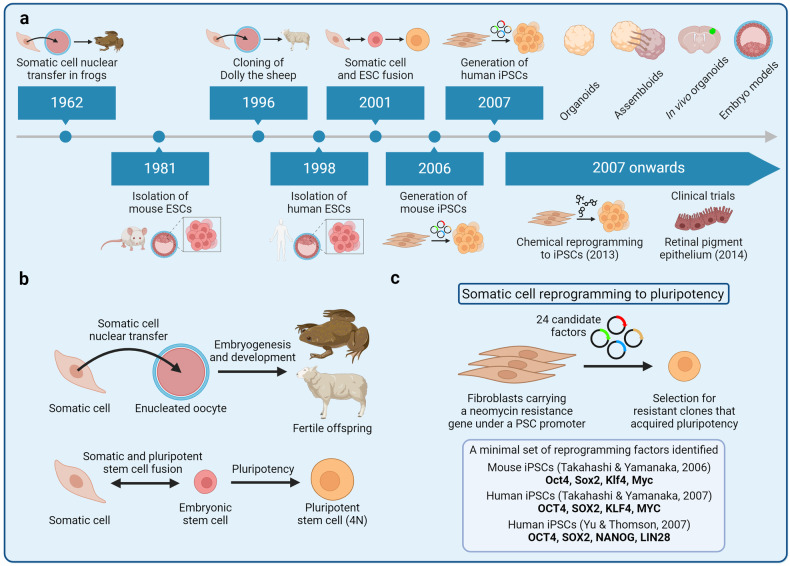
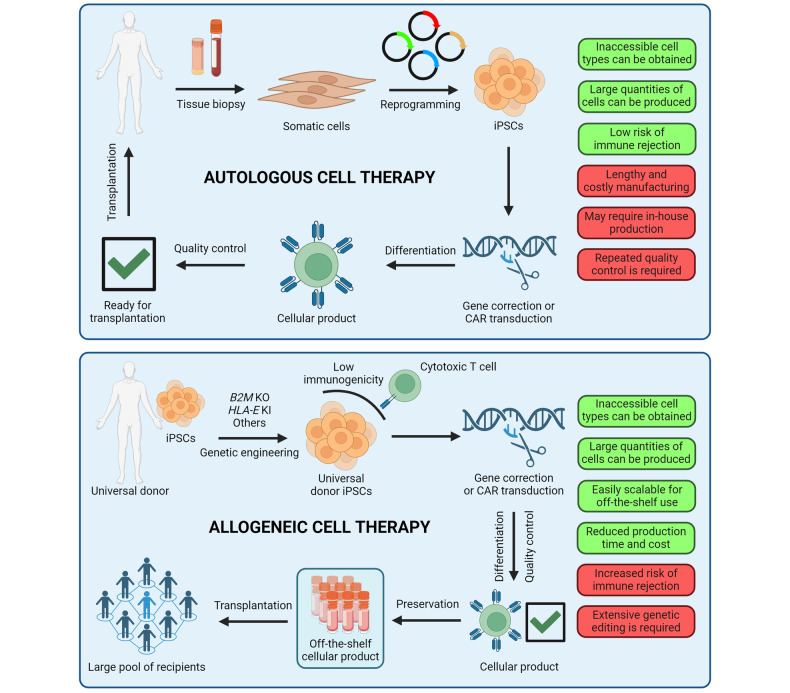
The induced pluripotent stem cell (iPSC) technology has transformed in vitro research and holds great promise to advance regenerative medicine. iPSCs have the capacity for an almost unlimited expansion, are amenable to genetic engineering, and can be differentiated into most somatic cell types. iPSCs have been widely applied to model human development and diseases, perform drug screening, and develop cell therapies. In this review, we outline key developments in the iPSC field and highlight the immense versatility of the iPSC technology for in vitro modeling and therapeutic applications. We begin by discussing the pivotal discoveries that revealed the potential of a somatic cell nucleus for reprogramming and led to successful generation of iPSCs. We consider the molecular mechanisms and dynamics of somatic cell reprogramming as well as the numerous methods available to induce pluripotency. Subsequently, we discuss various iPSC-based cellular models, from mono-cultures of a single cell type to complex three-dimensional organoids, and how these models can be applied to elucidate the mechanisms of human development and diseases. We use examples of neurological disorders, coronavirus disease 2019 (COVID-19), and cancer to highlight the diversity of disease-specific phenotypes that can be modeled using iPSC-derived cells. We also consider how iPSC-derived cellular models can be used in high-throughput drug screening and drug toxicity studies. Finally, we discuss the process of developing autologous and allogeneic iPSC-based cell therapies and their potential to alleviate human diseases.
Overview
The claims and statistics of this paper haven’t been checked yet.
Free: it reads the open-access text and checks the first 5 claims that cite a source we can check. Create a free account to check every claim.
Integrity signals
Registry
Cites
Statistics
Figures
Verification
Claims the paper makes
The claims and statistics of this paper haven’t been checked yet.
Free: it reads the open-access text and checks the first 5 claims that cite a source we can check. Create a free account to check every claim.
Claims other papers make about this one
Each is checked against this paper’s own text: does it say what the citing paper says it does?
The source backs part of the claim, not all of it — or backs it for a different population, condition or comparison.
In the citing paper
“In addition, iPSC-derived cells often display immature or fetal-like phenotypes and may not fully recapitulate adult tissue physiology, particularly for functions that depend on cellular maturation, aging, long-term environmental exposure, or tissue-specific niche cues (Cerneckis et al. 2024;Jiang et al. 2024).”
From Primary cell cultures versus immortalized cell lines: critical comparative insights into biological fidelity and translational applications (2026) · cites this paper as Cerneckis et al. 2024
Experimental — accuracy not yet measuredThe cited source says what the claim attributes to it.
In the citing paper
“It also makes iPSC-derived models particularly valuable for studying inherited disorders, modeling diseases involving inaccessible tissues, screening therapeutic candidates, and developing patient-matched regenerative strategies (McTague et al. 2021;Cerneckis et al. 2024;Singh et al. 2024).”
From Primary cell cultures versus immortalized cell lines: critical comparative insights into biological fidelity and translational applications (2026) · cites this paper as Cerneckis et al. 2024
The cited source says what the claim attributes to it.
In the citing paper
“Patient-derived iPSCs retain the donor genetic background and can be expanded before differentiation into disease-relevant cell types, including cells that are otherwise difficult to access, such as neurons, cardiomyocytes, and pancreatic β-like cells (Volpato and Webber 2020;Cerneckis et al. 2024;Joshi et al. 2024).”
From Primary cell cultures versus immortalized cell lines: critical comparative insights into biological fidelity and translational applications (2026) · cites this paper as Cerneckis et al. 2024
Self-check
Percentages, sums and reported differences re-computed from the paper’s own numbers.
The self-check needs the paper’s full text.
Citations
Cites
Items 201–400 of 503
Modelling human hepato-biliary-pancreatic organogenesis from the foregut–midgut boundary
Koike, H., Iwasawa, K., Ouchi, R., Maezawa, M., Giesbrecht, K., Saiki, N., Ferguson, A., Kimura, M., Thompson, W. L., Wells, J. M., et al. (2019) · Nature · doi:10.1038/s41586-019-1598-0 · Cited by 325
Vitamin C modulates TET1 function during somatic cell reprogramming
Chen, J., Guo, L., Zhang, L., Wu, H., Yang, J., Liu, H., Wang, X., Hu, X., Gu, T., Zhou, Z., et al. (2013) · Nature Genetics · doi:10.1038/ng.2807 · Cited by 323
Hu, X., Zhang, L., Mao, S.-Q., Li, Z., Chen, J., Zhang, R.-R., Wu, H.-P., Gao, J., Guo, F., Liu, W., et al. (2014) · Cell Stem Cell · doi:10.1016/j.stem.2014.01.001 · Cited by 322
Self-citationHuman iPSC-Derived Cardiomyocytes Are Susceptible to SARS-CoV-2 Infection
Sharma, A., Garcia, G., Wang, Y., Plummer, J. T., Morizono, K., Arumugaswami, V., & Svendsen, C. N. (2020) · Cell Reports Medicine · doi:10.1016/j.xcrm.2020.100052 · Cited by 318
SARS-CoV-2 infects human neural progenitor cells and brain organoids
Zhang, B.-Z., Chu, H., Han, S., Shuai, H., Deng, J., Hu, Y.-F., Gong, H.-R., Lee, A. C.-Y., Zou, Z., Yau, T., et al. (2020) · Cell Research · doi:10.1038/s41422-020-0390-x · Cited by 318
Lipid accumulation induced by APOE4 impairs microglial surveillance of neuronal-network activity
Victor, M. B., Leary, N., Luna, X., Meharena, H. S., Scannail, A. N., Bozzelli, P. L., Samaan, G., Murdock, M. H., von Maydell, D., Effenberger, A. H., et al. (2022) · Cell Stem Cell · doi:10.1016/j.stem.2022.07.005 · Cited by 316
Inferring and perturbing cell fate regulomes in human brain organoids
Fleck, J. S., Jansen, S. M. J., Wollny, D., Zenk, F., Seimiya, M., Jain, A., Okamoto, R., Santel, M., He, Z., Camp, J. G., et al. (2023) · Nature · doi:10.1038/s41586-022-05279-8 · Cited by 315 · cited 1×
“251,252 Spinal cord organoids recapitulate certain features of neural tube development by undergoing neurulation-like morphogenesis, 253 whereas cardiac organoids co-cultured with epicardial-like cells mimic the envelopment of the myocardium by the epicardium that occurs during heart development.”
BackgroundGlis1 facilitates induction of pluripotency via an epigenome–metabolome–epigenome signalling cascade
Li, L., Chen, K., Wang, T., Wu, Y., Xing, G., Chen, M., Hao, Z., Zhang, C., Zhang, J., Ma, B., et al. (2020) · Nature Metabolism · doi:10.1038/s42255-020-0267-9 · Cited by 315
Lipid Accumulation Induced by APOE4 Impairs Microglial Surveillance of Neuronal-Network Activity
Victor, M. B., Leary, N., Luna, X., Meharena, H. S., Bozzelli, P. L., Samaan, G., Murdock, M. H., von Maydell, D., Effenberger, A. H., Cerit, O., et al. (2022) · doi:10.1101/2022.03.21.484146 · Cited by 311 · cited 1×
“327 – 331 Non-genetic effectors originating from outside the brain also in fl uence progression of neurodegenerative diseases.”
BackgroundTranscriptional Signature and Memory Retention of Human-Induced Pluripotent Stem Cells
Marchetto, M. C. N., Yeo, G. W., Kainohana, O., Marsala, M., Gage, F. H., & Muotri, A. R. (2009) · PLoS ONE · doi:10.1371/journal.pone.0007076 · Cited by 310
A reference human induced pluripotent stem cell line for large-scale collaborative studies
Pantazis, C. B., Yang, A., Lara, E., McDonough, J. A., Blauwendraat, C., Peng, L., Oguro, H., Kanaujiya, J., Zou, J., Sebesta, D., et al. (2022) · Cell Stem Cell · doi:10.1016/j.stem.2022.11.004 · Cited by 310
Evaluating cell reprogramming, differentiation and conversion technologies in neuroscience
Mertens, J., Marchetto, M. C., Bardy, C., & Gage, F. H. (2016) · Nature Reviews Neuroscience · doi:10.1038/nrn.2016.46 · Cited by 307
Mesenchymal–epithelial transition in development and reprogramming
Pei, D., Shu, X., Gassama-Diagne, A., & Thiery, J. P. (2019) · Nature Cell Biology · doi:10.1038/s41556-018-0195-z · Cited by 304
Kwart, D., Gregg, A., Scheckel, C., Murphy, E. A., Paquet, D., Duffield, M., Fak, J., Olsen, O., Darnell, R. B., & Tessier-Lavigne, M. (2019) · Neuron · doi:10.1016/j.neuron.2019.07.010 · Cited by 304
A nomenclature consensus for nervous system organoids and assembloids
Pașca, S. P., Arlotta, P., Bateup, H. S., Camp, J. G., Cappello, S., Gage, F. H., Knoblich, J. A., Kriegstein, A. R., Lancaster, M. A., Ming, G.-L., et al. (2022) · Nature · doi:10.1038/s41586-022-05219-6 · Cited by 303
Population-scale single-cell RNA-seq profiling across dopaminergic neuron differentiation
Jerber, J., Seaton, D. D., Cuomo, A. S. E., Kumasaka, N., Haldane, J., Steer, J., Patel, M., Pearce, D., Andersson, M., Bonder, M. J., et al. (2021) · Nature Genetics · doi:10.1038/s41588-021-00801-6 · Cited by 300
Multi-lineage human iPSC-derived platforms for disease modeling and drug discovery
Sharma, A., Sances, S., Workman, M. J., & Svendsen, C. N. (2020) · Cell Stem Cell · doi:10.1016/j.stem.2020.02.011 · Cited by 296 · cited 1×
“200 205 In this way, the advantages of iPSC-derived cells, including their human origin and donor-speci fi c genetic background, can be combined with the advantages of animal models, such as their physiological complexity, ability to exhibit cognitive phenotypes, and others.”
BackgroundSchafer, S. T., Paquola, A. C. M., Stern, S., Gosselin, D., Ku, M., Pena, M., Kuret, T. J. M., Liyanage, M., Mansour, A. A., Jaeger, B. N., et al. (2019) · Nature Neuroscience · doi:10.1038/s41593-018-0295-x · Cited by 288 · cited 1×
“284,285 Various assays can be used to assess neuronal network connectivity in cell culture, which is used as a proxy for cognitive dysfunction.”
BackgroundKiefer, J. C. (2007) · Developmental Dynamics · doi:10.1002/dvdy.21094 · Cited by 285
The neurological manifestations of COVID-19: a review article
Niazkar, H. R., Zibaee, B., Nasimi, A., & Bahri, N. (2020) · Neurological Sciences · doi:10.1007/s10072-020-04486-3 · Cited by 284
Identification of neural oscillations and epileptiform changes in human brain organoids
Samarasinghe, R. A., Miranda, O. A., Buth, J. E., Mitchell, S., Ferando, I., Watanabe, M., Allison, T. F., Kurdian, A., Fotion, N. N., Gandal, M. J., et al. (2021) · Nature Neuroscience · doi:10.1038/s41593-021-00906-5 · Cited by 281
The generation of diversity and pattern in animal development
Gurdon, J. B. (1992) · Cell · doi:10.1016/0092-8674(92)90465-o · Cited by 280
Conservation and divergence of cortical cell organization in human and mouse revealed by MERFISH
Fang, R., Xia, C., Close, J. L., Zhang, M., He, J., Huang, Z., Halpern, A. R., Long, B., Miller, J. A., Lein, E. S., et al. (2022) · Science · doi:10.1126/science.abm1741 · Cited by 277
Brain organoid reservoir computing for artificial intelligence
Cai, H., Ao, Z., Tian, C., Wu, Z., Liu, H., Tchieu, J., Gu, M., Mackie, K., & Guo, F. (2023) · Nature Electronics · doi:10.1038/s41928-023-01069-w · Cited by 277
Self-citationSeet, C. S., He, C., Bethune, M. T., Li, S., Chick, B., Gschweng, E. H., Zhu, Y., Kim, K., Kohn, D. B., Baltimore, D., et al. (2017) · Nature Methods · doi:10.1038/nmeth.4237 · Cited by 276
Single cell transcriptional profiling reveals heterogeneity of human induced pluripotent stem cells
Narsinh, K. H., Sun, N., Sanchez-Freire, V., Lee, A. S., Almeida, P., Hu, S., Jan, T., Wilson, K. D., Leong, D., Rosenberg, J., et al. (2011) · Journal of Clinical Investigation · doi:10.1172/jci44635 · Cited by 273
Regulation of Pluripotency and Cellular Reprogramming by the Ubiquitin-Proteasome System
Buckley, S. M., Aranda-Orgilles, B., Strikoudis, A., Apostolou, E., Loizou, E., Moran-Crusio, K., Farnsworth, C. L., Koller, A. A., Dasgupta, R., Silva, J. C., et al. (2012) · Cell Stem Cell · doi:10.1016/j.stem.2012.09.011 · Cited by 272
The histone chaperone CAF-1 safeguards somatic cell identity
Cheloufi, S., Elling, U., Hopfgartner, B., Jung, Y. L., Murn, J., Ninova, M., Hubmann, M., Badeaux, A. I., Euong Ang, C., Tenen, D., et al. (2015) · Nature · doi:10.1038/nature15749 · Cited by 272
Self-citationEngineered cellular immunotherapies in cancer and beyond
Finck, A. V., Blanchard, T., Roselle, C. P., Golinelli, G., & June, C. H. (2022) · Nature Medicine · doi:10.1038/s41591-022-01765-8 · Cited by 269
An in vivo neuroimmune organoid model to study human microglia phenotypes
Schafer, S. T., Mansour, A. A., Schlachetzki, J. C. M., Pena, M., Ghassemzadeh, S., Mitchell, L., Mar, A., Quang, D., Stumpf, S., Ortiz, I. S., et al. (2023) · Cell · doi:10.1016/j.cell.2023.04.022 · Cited by 267
Nucleosome-bound SOX2 and SOX11 structures elucidate pioneer factor function
Dodonova, S. O., Zhu, F., Dienemann, C., Taipale, J., & Cramer, P. (2020) · Nature · doi:10.1038/s41586-020-2195-y · Cited by 265
A XEN-like State Bridges Somatic Cells to Pluripotency during Chemical Reprogramming
Zhao, Y., Zhao, T., Guan, J., Zhang, X., Fu, Y., Ye, J., Zhu, J., Meng, G., Ge, J., Yang, S., et al. (2015) · Cell · doi:10.1016/j.cell.2015.11.017 · Cited by 263
Perez-Bermejo, J. A., Kang, S., Rockwood, S. J., Simoneau, C. R., Joy, D. A., Silva, A. C., Ramadoss, G. N., Flanigan, W. R., Fozouni, P., Li, H., et al. (2021) · Science Translational Medicine · doi:10.1126/scitranslmed.abf7872 · Cited by 259
A CRISPRi/a platform in human iPSC-derived microglia uncovers regulators of disease states
Dräger, N. M., Sattler, S. M., Huang, C. T.-L., Teter, O. M., Leng, K., Hashemi, S. H., Hong, J., Aviles, G., Clelland, C. D., Zhan, L., et al. (2022) · Nature Neuroscience · doi:10.1038/s41593-022-01131-4 · Cited by 258 · cited 1×
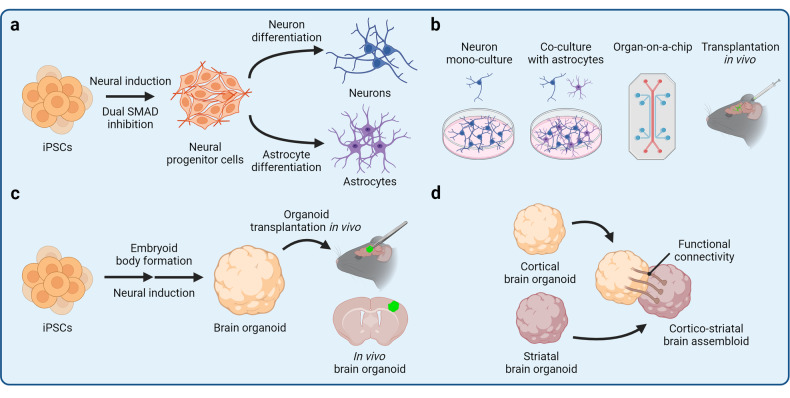
“154 Cellular models of varying complexity can be assembled from iPSC-derived cells (Fig.”
BackgroundHuman iPSC Glial Mouse Chimeras Reveal Glial Contributions to Schizophrenia
Windrem, M. S., Osipovitch, M., Liu, Z., Bates, J., Chandler-Militello, D., Zou, L., Munir, J., Schanz, S., McCoy, K., Miller, R. H., et al. (2017) · Cell Stem Cell · doi:10.1016/j.stem.2017.06.012 · Cited by 257
SARS-CoV-2 infects and induces cytotoxic effects in human cardiomyocytes
Bojkova, D., Wagner, J. U. G., Shumliakivska, M., Aslan, G. S., Saleem, U., Hansen, A., Luxán, G., Günther, S., Pham, M. D., Krishnan, J., et al. (2020) · Cardiovascular Research · doi:10.1093/cvr/cvaa267 · Cited by 257
MYC Oncogene Contributions to Release of Cell Cycle Brakes
García-Gutiérrez, L., Delgado, M. D., & León, J. (2019) · Genes · doi:10.3390/genes10030244 · Cited by 255
Human Naive Pluripotent Stem Cells Model X Chromosome Dampening and X Inactivation
Sahakyan, A., Kim, R., Chronis, C., Sabri, S., Bonora, G., Theunissen, T. W., Kuoy, E., Langerman, J., Clark, A. T., Jaenisch, R., et al. (2017) · Cell Stem Cell · doi:10.1016/j.stem.2016.10.006 · Cited by 254
Múnera, J. O., Sundaram, N., Rankin, S. A., Hill, D., Watson, C., Mahe, M., Vallance, J. E., Shroyer, N. F., Sinagoga, K. L., Zarzoso-Lacoste, A., et al. (2017) · Cell Stem Cell · doi:10.1016/j.stem.2017.05.020 · Cited by 254
Chromatin Accessibility Dynamics during iPSC Reprogramming
Li, D., Liu, J., Yang, X., Zhou, C., Guo, J., Wu, C., Qin, Y., Guo, L., He, J., Yu, S., et al. (2017) · Cell Stem Cell · doi:10.1016/j.stem.2017.10.012 · Cited by 251
Genetic and epigenetic stability of human pluripotent stem cells
Lund, R. J., Närvä, E., & Lahesmaa, R. (2012) · Nature Reviews Genetics · doi:10.1038/nrg3271 · Cited by 250
Marton, R. M., & Pașca, S. P. (2020) · Trends in Cell Biology · doi:10.1016/j.tcb.2019.11.004 · Cited by 250
Organs-on-a-chip models for biological research
Vunjak-Novakovic, G., Ronaldson-Bouchard, K., & Radisic, M. (2021) · Cell · doi:10.1016/j.cell.2021.08.005 · Cited by 248 · cited 1×
“187 188 – 194 OoCs have separate compartments and are constantly perfused, enabling controlled tissue assembly, exposure to shear fl uid forces, and separation of culture medium reservoirs.”
BackgroundQi, Y., Zhang, X.-J., Renier, N., Wu, Z., Atkin, T., Sun, Z., Ozair, M. Z., Tchieu, J., Zimmer, B., Fattahi, F., et al. (2017) · Nature Biotechnology · doi:10.1038/nbt.3777 · Cited by 248 · cited 2×
“152,153 Furthermore, various morphogens can be applied to instruct regional identity of the differentiating neural cells to obtain specialized cell subtypes; for example, inhibition of the WNT signaling pathways speci fi es forebrain identity of neural cells.”
BackgroundCichocki, F., Bjordahl, R., Gaidarova, S., Mahmood, S., Abujarour, R., Wang, H., Tuininga, K., Felices, M., Davis, Z. B., Bendzick, L., et al. (2020) · Science Translational Medicine · doi:10.1126/scitranslmed.aaz5618 · Cited by 244
Guttikonda, S. R., Sikkema, L., Tchieu, J., Saurat, N., Walsh, R. M., Harschnitz, O., Ciceri, G., Sneeboer, M., Mazutis, L., Setty, M., et al. (2021) · Nature Neuroscience · doi:10.1038/s41593-020-00796-z · Cited by 243
Age-dependent instability of mature neuronal fate in induced neurons from Alzheimer’s patients
Mertens, J., Herdy, J. R., Traxler, L., Schafer, S. T., Schlachetzki, J. C. M., Böhnke, L., Reid, D. A., Lee, H., Zangwill, D., Fernandes, D. P., et al. (2021) · Cell Stem Cell · doi:10.1016/j.stem.2021.04.004 · Cited by 240 · cited 3×
“316,357,358 Finally, iPSC-derived cellular models can also be used to study age-related events by mimicking various cell non-autonomous conditions associated with aging.”
BackgroundYoon, K.-J., Nguyen, H. N., Ursini, G., Zhang, F., Kim, N.-S., Wen, Z., Makri, G., Nauen, D., Shin, J. H., Park, Y., et al. (2014) · Cell Stem Cell · doi:10.1016/j.stem.2014.05.003 · Cited by 240
Pluripotent stem cell-derived model of the post-implantation human embryo
Weatherbee, B. A. T., Gantner, C. W., Iwamoto-Stohl, L. K., Daza, R. M., Hamazaki, N., Shendure, J., & Zernicka-Goetz, M. (2023) · Nature · doi:10.1038/s41586-023-06368-y · Cited by 238
Generation and isolation of oligodendrocyte progenitor cells from human pluripotent stem cells
Douvaras, P., & Fossati, V. (2015) · Nature Protocols · doi:10.1038/nprot.2015.075 · Cited by 235
Transcription Factors Drive Tet2-Mediated Enhancer Demethylation to Reprogram Cell Fate
Sardina, J. L., Collombet, S., Tian, T. V., Gómez, A., Di Stefano, B., Berenguer, C., Brumbaugh, J., Stadhouders, R., Segura-Morales, C., Gut, M., et al. (2018) · Cell Stem Cell · doi:10.1016/j.stem.2018.08.016 · Cited by 234
Engineering universal cells that evade immune detection
Lanza, R., Russell, D. W., & Nagy, A. (2019) · Nature Reviews Immunology · doi:10.1038/s41577-019-0200-1 · Cited by 230
Iriguchi, S., Yasui, Y., Kawai, Y., Arima, S., Kunitomo, M., Sato, T., Ueda, T., Minagawa, A., Mishima, Y., Yanagawa, N., et al. (2021) · Nature Communications · doi:10.1038/s41467-020-20658-3 · Cited by 229
Integrative Analyses of Human Reprogramming Reveal Dynamic Nature of Induced Pluripotency
Cacchiarelli, D., Trapnell, C., Ziller, M. J., Soumillon, M., Cesana, M., Karnik, R., Donaghey, J., Smith, Z. D., Ratanasirintrawoot, S., Zhang, X., et al. (2015) · Cell · doi:10.1016/j.cell.2015.06.016 · Cited by 226
ApoE-Isoform-Dependent SARS-CoV-2 Neurotropism and Cellular Response
Wang, C., Zhang, M., Garcia, G., Tian, E., Cui, Q., Chen, X., Sun, G., Wang, J., Arumugaswami, V., & Shi, Y. (2021) · Cell Stem Cell · doi:10.1016/j.stem.2020.12.018 · Cited by 223
Self-citationThe Use of Induced Pluripotent Stem Cells in Drug Development
Inoue, H., & Yamanaka, S. (2011) · Clinical Pharmacology & Therapeutics · doi:10.1038/clpt.2011.38 · Cited by 221
Sridharan, R., Gonzales-Cope, M., Chronis, C., Bonora, G., McKee, R., Huang, C., Patel, S., Lopez, D., Mishra, N., Pellegrini, M., et al. (2013) · Nature Cell Biology · doi:10.1038/ncb2768 · Cited by 220 · cited 1×
“82,83 Global remodeling of histone modi fi cations can be driven by metabolic reprogramming during the induction of pluripotency.”
BackgroundA transcription factor atlas of directed differentiation
Joung, J., Ma, S., Tay, T., Geiger-Schuller, K. R., Kirchgatterer, P. C., Verdine, V. K., Guo, B., Arias-Garcia, M. A., Allen, W. E., Singh, A., et al. (2023) · Cell · doi:10.1016/j.cell.2022.11.026 · Cited by 219
Wnt/β-catenin promotes gastric fundus specification in mice and humans
McCracken, K. W., Aihara, E., Martin, B., Crawford, C. M., Broda, T., Treguier, J., Zhang, X., Shannon, J. M., Montrose, M. H., & Wells, J. M. (2017) · Nature · doi:10.1038/nature21021 · Cited by 217
Transgenerational inheritance of acquired epigenetic signatures at CpG islands in mice
Takahashi, Y., Morales Valencia, M., Yu, Y., Ouchi, Y., Takahashi, K., Shokhirev, M. N., Lande, K., Williams, A. E., Fresia, C., Kurita, M., et al. (2023) · Cell · doi:10.1016/j.cell.2022.12.047 · Cited by 217
Park, J.-C., Jang, S.-Y., Lee, D., Lee, J., Kang, U., Chang, H., Kim, H. J., Han, S.-H., Seo, J., Choi, M., et al. (2021) · Nature Communications · doi:10.1038/s41467-020-20440-5 · Cited by 211
Lin, Y.-T., Seo, J., Gao, F., Feldman, H. M., Wen, H.-L., Penney, J., Cam, H. P., Gjoneska, E., Raja, W. K., Cheng, J., et al. (2018) · Neuron · doi:10.1016/j.neuron.2018.06.011 · Cited by 210 · cited 1×
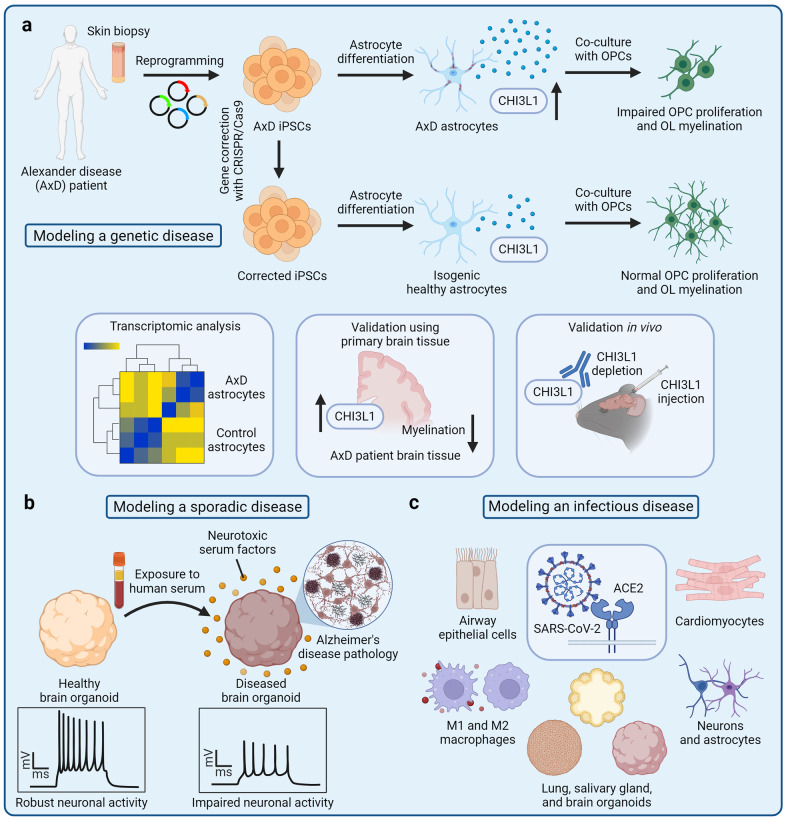
“265,266 For example, astrocytes derived from iPSCs of patients with Alexander ’ s disease reveal disease-speci fi c phenotypes caused by GFAP mutations, whereas isogenic gene-corrected controls exhibit normal cellular function (Fig.”
BackgroundPodocyte Biology and Pathogenesis of Kidney Disease
Reiser, J., & Sever, S. (2013) · Annual Review of Medicine · doi:10.1146/annurev-med-050311-163340 · Cited by 209
Herdy, J. R., Traxler, L., Agarwal, R. K., Karbacher, L., Schlachetzki, J. C. M., Boehnke, L., Zangwill, D., Galasko, D., Glass, C. K., Mertens, J., et al. (2022) · Cell Stem Cell · doi:10.1016/j.stem.2022.11.010 · Cited by 208 · cited 1×
“316,357,358 Finally, iPSC-derived cellular models can also be used to study age-related events by mimicking various cell non-autonomous conditions associated with aging.”
BackgroundAssembling human brain organoids
Paşca, S. P. (2019) · Science · doi:10.1126/science.aau5729 · Cited by 208
Svoboda, D. S., Barrasa, M. I., Shu, J., Rietjens, R., Zhang, S., Mitalipova, M., Berube, P., Fu, D., Shultz, L. D., Bell, G. W., et al. (2019) · Proceedings of the National Academy of Sciences · doi:10.1073/pnas.1913541116 · Cited by 206
Recapitulating the human segmentation clock with pluripotent stem cells
Matsuda, M., Yamanaka, Y., Uemura, M., Osawa, M., Saito, M. K., Nagahashi, A., Nishio, M., Guo, L., Ikegawa, S., Sakurai, S., et al. (2020) · Nature · doi:10.1038/s41586-020-2144-9 · Cited by 206
iPSC-based disease modeling and drug discovery in cardinal neurodegenerative disorders
Okano, H., & Morimoto, S. (2022) · Cell Stem Cell · doi:10.1016/j.stem.2022.01.007 · Cited by 202
Improving the safety of cell therapy products by suicide gene transfer
Jones, B. S., Lamb, L. S., Goldman, F., & Di Stasi, A. (2014) · Frontiers in Pharmacology · doi:10.3389/fphar.2014.00254 · Cited by 201
Modeling Sporadic Alzheimer's Disease in Human Brain Organoids under Serum Exposure
Chen, X., Sun, G., Tian, E., Zhang, M., Davtyan, H., Beach, T. G., Reiman, E. M., Blurton‐Jones, M., Holtzman, D. M., & Shi, Y. (2021) · Advanced Science · doi:10.1002/advs.202101462 · Cited by 200 · cited 1×
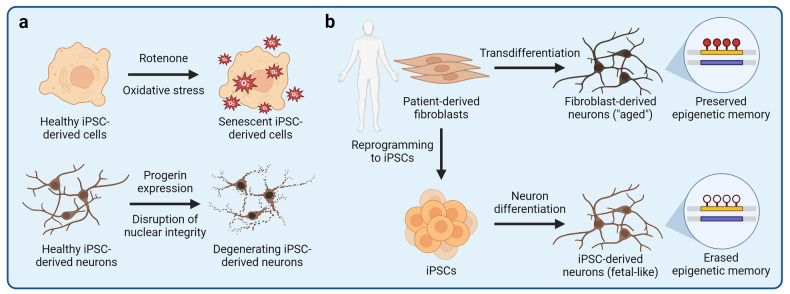
“364 We anticipate that novel approaches to induce aging-associated phenotypes and model age-related events using iPSC-derived cells will provide new insights into both neurodegenerative and other age-related diseases.”
BackgroundSelf-citationXu, R., Li, X., Boreland, A. J., Posyton, A., Kwan, K., Hart, R. P., & Jiang, P. (2020) · Nature Communications · doi:10.1038/s41467-020-15411-9 · Cited by 195
Xu, R., Brawner, A. T., Li, S., Liu, J.-J., Kim, H., Xue, H., Pang, Z. P., Kim, W.-Y., Hart, R. P., Liu, Y., et al. (2019) · Cell Stem Cell · doi:10.1016/j.stem.2019.04.014 · Cited by 193 · cited 1×
“298,299 An important advantage of using brain organoids for the study of neurological disorders is their complex electrophysiological phenotypes that emerge as a result of improved neuronal maturation and 3D con fi guration.”
BackgroundCRISPR-Cas Tools and Their Application in Genetic Engineering of Human Stem Cells and Organoids
Hendriks, D., Clevers, H., & Artegiani, B. (2020) · Cell Stem Cell · doi:10.1016/j.stem.2020.10.014 · Cited by 192
Biomanufacturing for clinically advanced cell therapies
Aijaz, A., Li, M., Smith, D., Khong, D., LeBlon, C., Fenton, O. S., Olabisi, R. M., Libutti, S., Tischfield, J., Maus, M. V., et al. (2018) · Nature Biomedical Engineering · doi:10.1038/s41551-018-0246-6 · Cited by 191
Wang, B., Iriguchi, S., Waseda, M., Ueda, N., Ueda, T., Xu, H., Minagawa, A., Ishikawa, A., Yano, H., Ishi, T., et al. (2021) · Nature Biomedical Engineering · doi:10.1038/s41551-021-00730-z · Cited by 189
Young, J. E., Boulanger-Weill, J., Williams, D. A., Woodruff, G., Buen, F., Revilla, A. C., Herrera, C., Israel, M. A., Yuan, S. H., Edland, S. D., et al. (2015) · Cell Stem Cell · doi:10.1016/j.stem.2015.02.004 · Cited by 188
Programming and Reprogramming Cellular Age in the Era of Induced Pluripotency
Studer, L., Vera, E., & Cornacchia, D. (2015) · Cell Stem Cell · doi:10.1016/j.stem.2015.05.004 · Cited by 187
CAR T cell therapy: inroads to response and resistance
Brown, C. E., & Mackall, C. L. (2019) · Nature Reviews Immunology · doi:10.1038/s41577-018-0119-y · Cited by 187
Regenerating the field of cardiovascular cell therapy
Chien, K. R., Frisén, J., Fritsche-Danielson, R., Melton, D. A., Murry, C. E., & Weissman, I. L. (2019) · Nature Biotechnology · doi:10.1038/s41587-019-0042-1 · Cited by 185
In Vitro and Animal Models for SARS-CoV-2 research
Takayama, K. (2020) · Trends in Pharmacological Sciences · doi:10.1016/j.tips.2020.05.005 · Cited by 184
Maxwell, K. G., Augsornworawat, P., Velazco-Cruz, L., Kim, M. H., Asada, R., Hogrebe, N. J., Morikawa, S., Urano, F., & Millman, J. R. (2020) · Science Translational Medicine · doi:10.1126/scitranslmed.aax9106 · Cited by 183
Sabate‐Soler, S., Nickels, S. L., Saraiva, C., Berger, E., Dubonyte, U., Barmpa, K., Lan, Y. J., Kouno, T., Jarazo, J., Robertson, G., et al. (2022) · Glia · doi:10.1002/glia.24167 · Cited by 183
Role of progerin-induced telomere dysfunction in HGPS premature cellular senescence
Benson, E. K., Lee, S. W., & Aaronson, S. A. (2010) · Journal of Cell Science · doi:10.1242/jcs.067306 · Cited by 182
Induction of Human Trophoblast Stem Cells from Somatic Cells and Pluripotent Stem Cells
Castel, G., Meistermann, D., Bretin, B., Firmin, J., Blin, J., Loubersac, S., Bruneau, A., Chevolleau, S., Kilens, S., Chariau, C., et al. (2020) · Cell Reports · doi:10.1016/j.celrep.2020.108419 · Cited by 182
COVID-19: Pulmonary and Extra Pulmonary Manifestations
Elrobaa, I. H., & New, K. J. (2021) · Frontiers in Public Health · doi:10.3389/fpubh.2021.711616 · Cited by 182
Modeling and Rescue of RP2 Retinitis Pigmentosa Using iPSC-Derived Retinal Organoids
Lane, A., Jovanovic, K., Shortall, C., Ottaviani, D., Panes, A. B., Schwarz, N., Guarascio, R., Hayes, M. J., Palfi, A., Chadderton, N., et al. (2020) · Stem Cell Reports · doi:10.1016/j.stemcr.2020.05.007 · Cited by 181
Di Giammartino, D. C., Kloetgen, A., Polyzos, A., Liu, Y., Kim, D., Murphy, D., Abuhashem, A., Cavaliere, P., Aronson, B., Shah, V., et al. (2019) · Nature Cell Biology · doi:10.1038/s41556-019-0390-6 · Cited by 180
Traxler, L., Herdy, J. R., Stefanoni, D., Eichhorner, S., Pelucchi, S., Szücs, A., Santagostino, A., Kim, Y., Agarwal, R. K., Schlachetzki, J. C. M., et al. (2022) · Cell Metabolism · doi:10.1016/j.cmet.2022.07.014 · Cited by 179 · cited 1×
“316,357,358 Finally, iPSC-derived cellular models can also be used to study age-related events by mimicking various cell non-autonomous conditions associated with aging.”
BackgroundYoshida, S., Miyagawa, S., Fukushima, S., Kawamura, T., Kashiyama, N., Ohashi, F., Toyofuku, T., Toda, K., & Sawa, Y. (2018) · Molecular Therapy · doi:10.1016/j.ymthe.2018.08.012 · Cited by 178 · cited 2×
“214 That cell-cell interactions promote maturation of iPSC-derived cells is also evident in 3D in vitro cellular assemblies, including organoids and OoCs that generally exhibit improved maturation over 2D cellular models.”
BackgroundHuman brain organoids assemble functionally integrated bilateral optic vesicles
Gabriel, E., Albanna, W., Pasquini, G., Ramani, A., Josipovic, N., Mariappan, A., Schinzel, F., Karch, C. M., Bao, G., Gottardo, M., et al. (2021) · Cell Stem Cell · doi:10.1016/j.stem.2021.07.010 · Cited by 178
Nagamoto, Y., Takayama, K., Ohashi, K., Okamoto, R., Sakurai, F., Tachibana, M., Kawabata, K., & Mizuguchi, H. (2016) · Journal of Hepatology · doi:10.1016/j.jhep.2016.01.004 · Cited by 177
Soldner, F., & Jaenisch, R. (2012) · Science · doi:10.1126/science.1227682 · Cited by 175
Modeling medulloblastoma in vivo and with human cerebellar organoids
Ballabio, C., Anderle, M., Gianesello, M., Lago, C., Miele, E., Cardano, M., Aiello, G., Piazza, S., Caron, D., Gianno, F., et al. (2020) · Nature Communications · doi:10.1038/s41467-019-13989-3 · Cited by 175
SHANK2 mutations associated with autism spectrum disorder cause hyperconnectivity of human neurons
Zaslavsky, K., Zhang, W.-B., McCready, F. P., Rodrigues, D. C., Deneault, E., Loo, C., Zhao, M., Ross, P. J., El Hajjar, J., Romm, A., et al. (2019) · Nature Neuroscience · doi:10.1038/s41593-019-0365-8 · Cited by 174 · cited 1×
“291 Recently, MEA has also been combined with machine learning to create simulated environments, where neural cell cultures perform complex tasks and undergo synaptic remodeling — an in vitro assay for learning.”
BackgroundGagliardi, G., Ben M'Barek, K., Chaffiol, A., Slembrouck-Brec, A., Conart, J.-B., Nanteau, C., Rabesandratana, O., Sahel, J.-A., Duebel, J., Orieux, G., et al. (2018) · Stem Cell Reports · doi:10.1016/j.stemcr.2018.07.005 · Cited by 174
Animal models of mechanisms of SARS‐CoV‐2 infection and COVID‐19 pathology
Cleary, S. J., Pitchford, S. C., Amison, R. T., Carrington, R., Robaina Cabrera, C. L., Magnen, M., Looney, M. R., Gray, E., & Page, C. P. (2020) · British Journal of Pharmacology · doi:10.1111/bph.15143 · Cited by 174
Modeling Neurological Diseases With Human Brain Organoids
Wang, H. (2018) · Frontiers in Synaptic Neuroscience · doi:10.3389/fnsyn.2018.00015 · Cited by 173
MBD3/NuRD Facilitates Induction of Pluripotency in a Context-Dependent Manner
dos Santos, R. L., Tosti, L., Radzisheuskaya, A., Caballero, I. M., Kaji, K., Hendrich, B., & Silva, J. C. R. (2014) · Cell Stem Cell · doi:10.1016/j.stem.2014.04.019 · Cited by 172
Hu, X., White, K., Olroyd, A. G., DeJesus, R., Dominguez, A. A., Dowdle, W. E., Friera, A. M., Young, C., Wells, F., Chu, E. Y., et al. (2024) · Nature Biotechnology · doi:10.1038/s41587-023-01784-x · Cited by 169
Liu, P., Chen, M., Liu, Y., Qi, L. S., & Ding, S. (2018) · Cell Stem Cell · doi:10.1016/j.stem.2017.12.001 · Cited by 168
Production of human spinal-cord organoids recapitulating neural-tube morphogenesis
Lee, J.-H., Shin, H., Shaker, M. R., Kim, H. J., Park, S.-H., Kim, J. H., Lee, N., Kang, M., Cho, S., Kwak, T. H., et al. (2022) · Nature Biomedical Engineering · doi:10.1038/s41551-022-00868-4 · Cited by 168
Human organoids: New strategies and methods for analyzing human development and disease
Corsini, N. S., & Knoblich, J. A. (2022) · Cell · doi:10.1016/j.cell.2022.06.051 · Cited by 168
The oncogene c-Jun impedes somatic cell reprogramming
Liu, J., Han, Q., Peng, T., Peng, M., Wei, B., Li, D., Wang, X., Yu, S., Yang, J., Cao, S., et al. (2015) · Nature Cell Biology · doi:10.1038/ncb3193 · Cited by 167
Ackermann, M., Kempf, H., Hetzel, M., Hesse, C., Hashtchin, A. R., Brinkert, K., Schott, J. W., Haake, K., Kühnel, M. P., Glage, S., et al. (2018) · Nature Communications · doi:10.1038/s41467-018-07570-7 · Cited by 165
Matsa, E., Burridge, P. W., Yu, K.-H., Ahrens, J. H., Termglinchan, V., Wu, H., Liu, C., Shukla, P., Sayed, N., Churko, J. M., et al. (2016) · Cell stem cell · doi:10.1016/j.stem.2016.07.006 · Cited by 164
Protein structure prediction with in-cell photo-crosslinking mass spectrometry and deep learning
Stahl, K., Graziadei, A., Dau, T., Brock, O., & Rappsilber, J. (2023) · Nature Biotechnology · doi:10.1038/s41587-023-01704-z · Cited by 162
Human embryonic stem cell research: ethical and legal issues
Robertson, J. A. (2001) · Nature Reviews Genetics · doi:10.1038/35047594 · Cited by 158
Blood–brain barrier link to human cognitive impairment and Alzheimer’s disease
Barisano, G., Montagne, A., Kisler, K., Schneider, J. A., Wardlaw, J. M., & Zlokovic, B. V. (2022) · Nature Cardiovascular Research · doi:10.1038/s44161-021-00014-4 · Cited by 157 · cited 1×
“For 359 – 363 Mimicking the BBB breakdown by exposure of iPSC-derived brain organoids to human serum induces a rapid onset of Alzheimer ’ s disease-like pathology, including accumulation of amyloid β and phosphorylated tau as well as impaired neuronal activity (Fig.”
BackgroundPhase separation of OCT4 controls TAD reorganization to promote cell fate transitions
Wang, J., Yu, H., Ma, Q., Zeng, P., Wu, D., Hou, Y., Liu, X., Jia, L., Sun, J., Chen, Y., et al. (2021) · Cell Stem Cell · doi:10.1016/j.stem.2021.04.023 · Cited by 156
Molecular features of cellular reprogramming and development
Smith, Z. D., Sindhu, C., & Meissner, A. (2016) · Nature Reviews Molecular Cell Biology · doi:10.1038/nrm.2016.6 · Cited by 155
Human pluripotent stem-cell-derived islets ameliorate diabetes in non-human primates
Du, Y., Liang, Z., Wang, S., Sun, D., Wang, X., Liew, S. Y., Lu, S., Wu, S., Jiang, Y., Wang, Y., et al. (2022) · Nature Medicine · doi:10.1038/s41591-021-01645-7 · Cited by 155 · cited 1×
“440 Similarly, human iPSC-derived OPCs rescue myelination in myelin-de fi cient mice upon transplantation, indicating the potential application of OPC-based cell therapy for treating demyelinating white matter disorders.”
BackgroundLeng, K., Rose, I. V. L., Kim, H., Xia, W., Romero-Fernandez, W., Rooney, B., Koontz, M., Li, E., Ao, Y., Wang, S., et al. (2022) · Nature Neuroscience · doi:10.1038/s41593-022-01180-9 · Cited by 155
Baxi, E. G., Thompson, T., Li, J., Kaye, J. A., Lim, R. G., Wu, J., Ramamoorthy, D., Lima, L., Vaibhav, V., Matlock, A., et al. (2022) · Nature Neuroscience · doi:10.1038/s41593-021-01006-0 · Cited by 154
Tissue-Engineered Vascular Grafts with Advanced Mechanical Strength from Human iPSCs
Luo, J., Qin, L., Zhao, L., Gui, L., Ellis, M. W., Huang, Y., Kural, M. H., Clark, J. A., Ono, S., Wang, J., et al. (2020) · Cell Stem Cell · doi:10.1016/j.stem.2019.12.012 · Cited by 150
Insights into Alzheimer’s disease from single-cell genomic approaches
Murdock, M. H., & Tsai, L.-H. (2023) · Nature Neuroscience · doi:10.1038/s41593-022-01222-2 · Cited by 148
Engineering of human cardiac muscle electromechanically matured to an adult-like phenotype
Ronaldson-Bouchard, K., Yeager, K., Teles, D., Chen, T., Ma, S., Song, L., Morikawa, K., Wobma, H. M., Vasciaveo, A., Ruiz, E. C., et al. (2019) · Nature Protocols · doi:10.1038/s41596-019-0189-8 · Cited by 144 · cited 1×
“197,200,227 Overall, paracrine signaling and mechanical cues can be readily applied to achieve advanced maturation of iPSC-derived cells.”
BackgroundHurley, K., Ding, J., Villacorta-Martin, C., Herriges, M. J., Jacob, A., Vedaie, M., Alysandratos, K. D., Sun, Y. L., Lin, C., Werder, R. B., et al. (2020) · Cell Stem Cell · doi:10.1016/j.stem.2019.12.009 · Cited by 141
Li, L., Tian, E., Chen, X., Chao, J., Klein, J., Qu, Q., Sun, G., Sun, G., Huang, Y., Warden, C. D., et al. (2018) · Cell Stem Cell · doi:10.1016/j.stem.2018.07.009 · Cited by 137
Self-citationH3.3-K27M drives neural stem cell-specific gliomagenesis in a human iPSC-derived model
Haag, D., Mack, N. L., da Silva, P. B. G., Statz, B., Clark, J., Tanabe, K., Sharma, T., Jäger, N., Jones, D., Kawauchi, D., et al. (2021) · Cancer Cell · doi:10.1016/j.ccell.2021.01.005 · Cited by 137
Highly efficient and rapid generation of human pluripotent stem cells by chemical reprogramming.
Liuyang, S., Wang, G., Wang, Y., He, H., Lyu, Y., Cheng, L., Yang, Z., Guan, J., Fu, Y., Zhu, J., et al. (2023) · Cell Stem Cell · doi:10.1016/j.stem.2023.02.008 · Cited by 136
Yoshida, S., Kato, T. M., Sato, Y., Umekage, M., Ichisaka, T., Tsukahara, M., Takasu, N., & Yamanaka, S. (2023) · Med · doi:10.1016/j.medj.2022.10.003 · Cited by 134
Nguyen, P. K., Neofytou, E., Rhee, J.-W., & Wu, J. C. (2016) · JAMA Cardiology · doi:10.1001/jamacardio.2016.2750 · Cited by 133
Excluding Oct4 from Yamanaka Cocktail Unleashes the Developmental Potential of iPSCs
Velychko, S., Adachi, K., Kim, K.-P., Hou, Y., MacCarthy, C. M., Wu, G., & Schöler, H. R. (2019) · Cell Stem Cell · doi:10.1016/j.stem.2019.10.002 · Cited by 131
Electrophysiological Analysis of Brain Organoids: Current Approaches and Advancements
Passaro, A. P., & Stice, S. L. (2021) · Frontiers in Neuroscience · doi:10.3389/fnins.2020.622137 · Cited by 129
Li, Q. V., Dixon, G., Verma, N., Rosen, B. P., Gordillo, M., Luo, R., Xu, C., Wang, Q., Soh, C.-L., Yang, D., et al. (2019) · Nature Genetics · doi:10.1038/s41588-019-0408-9 · Cited by 128
Knaupp, A. S., Buckberry, S., Pflueger, J., Lim, S. M., Ford, E., Larcombe, M. R., Rossello, F. J., de Mendoza, A., Alaei, S., Firas, J., et al. (2017) · Cell Stem Cell · doi:10.1016/j.stem.2017.11.007 · Cited by 127
Autologous Induced Pluripotent Stem Cell–Based Cell Therapies: Promise, Progress, and Challenges
Madrid, M., Sumen, C., Aivio, S., & Saklayen, N. (2021) · Current Protocols · doi:10.1002/cpz1.88 · Cited by 127
Shao, Z., Noh, H., Kim, W. B., Ni, P., Nguyen, C. L., Cote, S. E., Noyes, E. A., Zhao, J., Parsons, T. J., Park, J. M., et al. (2019) · Nature Neuroscience · doi:10.1038/s41593-018-0313-z · Cited by 124
Continuous human iPSC-macrophage mass production by suspension culture in stirred tank bioreactors
Ackermann, M., Hashtchin, A. R., Manstein, F., Oliveira, M. C., Kempf, H., Zweigerdt, R., & Lachmann, N. (2022) · Nature Protocols · doi:10.1038/s41596-021-00654-7 · Cited by 123
Dysregulation of miRNA-9 in a Subset of Schizophrenia Patient-Derived Neural Progenitor Cells
Topol, A., Zhu, S., Hartley, B. J., English, J., Hauberg, M. E., Tran, N., Rittenhouse, C. A., Simone, A., Ruderfer, D. M., Johnson, J., et al. (2016) · Cell Reports · doi:10.1016/j.celrep.2016.03.090 · Cited by 122
De novo mutations in mitochondrial DNA of iPSCs produce immunogenic neoepitopes in mice and humans
Deuse, T., Hu, X., Agbor-Enoh, S. T., Koch, M., Spitzer, M. H., Gravina, A., Alawi, M., Marishta, A., Peters, B., Koşaloğlu‐Yalçın, Z., et al. (2019) · Nature Biotechnology · doi:10.1038/s41587-019-0227-7 · Cited by 122
Stem-cell-derived human microglia transplanted into mouse brain to study human disease
Fattorelli, N., Martínez‐Muriana, A., Wolfs, L., Geric, I., Strooper, B. D., & Mancuso, R. (2021) · Nature Protocols · doi:10.1038/s41596-020-00447-4 · Cited by 121
Cell competition during reprogramming gives rise to dominant clones
Shakiba, N., Fahmy, A., Jayakumaran, G., McGibbon, S., David, L., Trcka, D., Elbaz, J., Puri, M. C., Nagy, A., van der Kooy, D., et al. (2019) · Science · doi:10.1126/science.aan0925 · Cited by 118
Taubes, A., Nova, P., Zalocusky, K. A., Kosti, I., Bicak, M., Zilberter, M. Y., Hao, Y., Yoon, S. Y., Oskotsky, T., Pineda, S., et al. (2021) · Nature Aging · doi:10.1038/s43587-021-00122-7 · Cited by 118 · cited 2×
“413 Furthermore, Theodoris et al. used machine learning to identify small-molecule compounds that could reverse aberrant gene expression associated with haploin-suf fi ciency for the NOTCH1 gene in calci fi c aortic disease.”
BackgroundWilson, M. N., Thunemann, M., Liu, X., Lu, Y., Puppo, F., Adams, J. W., Kim, J., Ramezani, M., Pizzo, D. P., Djurovic, S., et al. (2022) · Nature Communications · doi:10.1038/s41467-022-35536-3 · Cited by 117
En masse organoid phenotyping informs metabolic-associated genetic susceptibility to NASH
Kimura, M., Iguchi, T., Iwasawa, K., Dunn, A., Thompson, W. L., Yoneyama, Y., Chaturvedi, P., Zorn, A. M., Wintzinger, M., Quattrocelli, M., et al. (2022) · Cell · doi:10.1016/j.cell.2022.09.031 · Cited by 115 · cited 1×
“269,270 These iPSC cohorts can also be used to perform high-content screening to rapidly detect and compare disease-relevant pathology as well as evaluate therapeutic candidates.”
BackgroundHaridhasapavalan, K. K., Borgohain, M. P., Dey, C., Saha, B., Narayan, G., Kumar, S., & Thummer, R. P. (2019) · Gene · doi:10.1016/j.gene.2018.11.069 · Cited by 115
The rise of epitranscriptomics: recent developments and future directions
Cerneckis, J., Ming, G., Song, H., He, C., & Shi, Y. (2023) · Trends in Pharmacological Sciences · doi:10.1016/j.tips.2023.11.002 · Cited by 115
Self-citationHuman cerebral organoids establish subcortical projections in the mouse brain after transplantation
Dong, X., Xu, S.-B., Chen, X., Tao, M., Tang, X.-Y., Fang, K.-H., Xu, M., Pan, Y., Chen, Y., He, S., et al. (2021) · Molecular Psychiatry · doi:10.1038/s41380-020-00910-4 · Cited by 114
Resolving Cell Fate Decisions during Somatic Cell Reprogramming by Single-Cell RNA-Seq
Guo, L., Lin, L., Wang, X., Gao, M., Cao, S., Mai, Y., Wu, F., Kuang, J., Liu, H., Yang, J., et al. (2019) · Molecular Cell · doi:10.1016/j.molcel.2019.01.042 · Cited by 113
Strategies for Improving the Maturity of Human Induced Pluripotent Stem Cell-Derived Cardiomyocytes
Tu, C., Chao, B. S., & Wu, J. C. (2018) · Circulation Research · doi:10.1161/circresaha.118.313472 · Cited by 113
Yassin, A., Nawaiseh, M. B., Shaban, A., Alsherbini, K. A., El‐Salem, K., Soudah, O., & Abu-Rub, M. (2021) · BMC Neurology · doi:10.1186/s12883-021-02161-4 · Cited by 113
Giacomelli, E., Vahsen, B. F., Calder, E. L., Xu, Y., Scaber, J., Gray, E., Dafinca, R., Talbot, K., & Studer, L. (2022) · Cell stem cell · doi:10.1016/j.stem.2021.12.008 · Cited by 112
Kanton, S., & Paşca, S. P. (2022) · Development · doi:10.1242/dev.201120 · Cited by 112
iPSC Preparation and Epigenetic Memory: Does the Tissue Origin Matter?
Scesa, G., Adami, R., & Bottai, D. (2021) · Cells · doi:10.3390/cells10061470 · Cited by 110 · cited 1×
“, 115 – 119 Viral vectors can be classi fi ed as either integrating or non-integrating non-integrating lentiviral or retroviral delivery of the reprogramming”
BackgroundChromatin Accessibility Dynamics during Chemical Induction of Pluripotency
Cao, S., Yu, S., Li, D., Ye, J., Yang, X., Li, C., Wang, X., Mai, Y., Qin, Y., Wu, J., et al. (2018) · Cell Stem Cell · doi:10.1016/j.stem.2018.03.005 · Cited by 110
Humanized mouse models of immunological diseases and precision medicine
Shultz, L. D., Keck, J., Burzenski, L., Jangalwe, S., Vaidya, S., Greiner, D. L., & Brehm, M. A. (2019) · Mammalian Genome · doi:10.1007/s00335-019-09796-2 · Cited by 109
Modeling Human Cytomegalovirus-Induced Microcephaly in Human iPSC-Derived Brain Organoids
Sun, G., Chiuppesi, F., Chen, X., Wang, C., Tian, E., Nguyen, J., Kha, M., Trinh, D., Zhang, H., Marchetto, M. C., et al. (2020) · Cell Reports Medicine · doi:10.1016/j.xcrm.2020.100002 · Cited by 109
Self-citationMurai, K., Sun, G., Ye, P., Tian, E., Yang, S., Cui, Q., Sun, G., Trinh, D., Sun, O., Hong, T., et al. (2016) · Nature Communications · doi:10.1038/ncomms10965 · Cited by 108
Self-citationEfficient derivation of human trophoblast stem cells from primed pluripotent stem cells
Wei, Y., Wang, T., Ma, L., Zhang, Y., Zhao, Y., Lye, K., Lu, X., Chen, C., Wang, Z., Ma, Y., et al. (2021) · Science Advances · doi:10.1126/sciadv.abf4416 · Cited by 108
Álvarez, Z., Ortega, J. A., Sato, K., Sasselli, I. R., Kolberg-Edelbrock, A. N., Qiu, R., Marshall, K. A., Nguyen, T. P., Smith, C. S., Quinlan, K. A., et al. (2023) · Cell Stem Cell · doi:10.1016/j.stem.2022.12.010 · Cited by 108
3D Brain Organoids: Studying Brain Development and Disease Outside the Embryo
Velasco, S., Paulsen, B., & Arlotta, P. (2020) · Annual Review of Neuroscience · doi:10.1146/annurev-neuro-070918-050154 · Cited by 107
Rouhani, F. J., Zou, X., Danecek, P., Badja, C., Amarante, T. D., Koh, G., Wu, Q., Memari, Y., Durbin, R., Martincorena, I., et al. (2022) · Nature Genetics · doi:10.1038/s41588-022-01147-3 · Cited by 105 · cited 2×
“109 Age-related heteroplasmic variants of mitochondria can also in fl uence the mitochondrial genetic makeup of iPSCs derived from different donors.”
BackgroundWang, M., Wei, P.-C., Lim, C. K., Gallina, I. S., Marshall, S., Marchetto, M. C., Alt, F. W., & Gage, F. H. (2020) · Cell Stem Cell · doi:10.1016/j.stem.2019.12.013 · Cited by 105
Network-based screen in iPSC-derived cells reveals therapeutic candidate for heart valve disease
Theodoris, C. V., Zhou, P., Liu, L., Zhang, Y., Nishino, T., Huang, Y., Kostina, A., Ranade, S. S., Gifford, C. A., Uspenskiy, V., et al. (2021) · Science · doi:10.1126/science.abd0724 · Cited by 105 · cited 2×
“414 iPSC-derived cellular models can also be used to evaluate drug toxicity, which is a major cause of drug attrition in therapeutic development.”
BackgroundWhen orthologs diverge between human and mouse
Gharib, W. H., & Robinson‐Rechavi, M. (2011) · Briefings in Bioinformatics · doi:10.1093/bib/bbr031 · Cited by 104
A New Era of Cardiac Cell Therapy: Opportunities and Challenges
Huang, K., Hu, S., & Cheng, K. (2018) · Advanced Healthcare Materials · doi:10.1002/adhm.201801011 · Cited by 104
Cheng, X.-Y., Biswas, S., Li, J., Mao, C.-J., Chechneva, O., Chen, J., Li, K., Li, J., Zhang, J.-R., Liu, C.-F., et al. (2020) · Translational Neurodegeneration · doi:10.1186/s40035-020-00190-6 · Cited by 104
Animal models in SARS-CoV-2 research
Chu, H., Chan, J. F.-W., & Yuen, K.-Y. (2022) · Nature Methods · doi:10.1038/s41592-022-01447-w · Cited by 103
The transplantation of nuclei between two species of Xenopus
Gurdon, J. B. (1962) · Developmental Biology · doi:10.1016/0012-1606(62)90004-0 · Cited by 103
Upgrading the Physiological Relevance of Human Brain Organoids
Del Dosso, A., Urenda, J.-P., Nguyen, T., & Quadrato, G. (2020) · Neuron · doi:10.1016/j.neuron.2020.08.029 · Cited by 103
Do all roads lead to Oct4? The emerging concepts of induced pluripotency
Radzisheuskaya, A., & Silva, J. C. R. (2014) · Trends in Cell Biology · doi:10.1016/j.tcb.2013.11.010 · Cited by 101
Small-molecule-mediated reprogramming: a silver lining for regenerative medicine
Kim, Y., Jeong, J., & Choi, D. (2020) · Experimental & Molecular Medicine · doi:10.1038/s12276-020-0383-3 · Cited by 101
ALS disrupts spinal motor neuron maturation and aging pathways within gene co-expression networks
Ho, R., Sances, S., Gowing, G., Amoroso, M. W., O'Rourke, J. G., Sahabian, A., Wichterle, H., Baloh, R. H., Sareen, D., & Svendsen, C. N. (2016) · Nature Neuroscience · doi:10.1038/nn.4345 · Cited by 100
Lee, S., Huh, J. Y., Turner, D. M., Lee, S., Robinson, J., Stein, J. E., Shim, S. H., Hong, C. P., Kang, M. S., Nakagawa, M., et al. (2018) · Stem Cells · doi:10.1002/stem.2865 · Cited by 99
Systematic Identification of Barriers to Human iPSC Generation
Qin, H., Diaz, A., Blouin, L., Lebbink, R. J., Patena, W., Tanbun, P., LeProust, E. M., McManus, M. T., Song, J. S., & Ramalho-Santos, M. (2014) · Cell · doi:10.1016/j.cell.2014.05.040 · Cited by 95
Large-scale differentiation of iPSC-derived motor neurons from ALS and control subjects
Workman, M. J., Lim, R. G., Wu, J., Frank, A., Ornelas, L., Panther, L., Galvez, E., Perez, D., Meepe, I., Lei, S., et al. (2023) · Neuron · doi:10.1016/j.neuron.2023.01.010 · Cited by 95
Chen, J., Chen, X., Li, M., Liu, X., Gao, Y., Kou, X., Zhao, Y., Zheng, W., Zhang, X., Huo, Y., et al. (2016) · Cell Reports · doi:10.1016/j.celrep.2016.01.013 · Cited by 94 · cited 2×
“56,57 Notably, the chromatin and DNA methylation landscape is restrictive early in reprogramming, requiring pioneering activity of the OSKM factors to access closed chromatin and initiate gene expression.”
BackgroundModelling protein complexes with crosslinking mass spectrometry and deep learning
(2024) · doi:10.1038/s41467-024-51771-2 · Cited by 94
Multiplexed blood–brain barrier organ-on-chip
Zakharova, M., do Carmo, M. A. P., van der Helm, M. W., The, H. L., de Graaf, M. N. S., Orlova, V. V., van den Berg, A., van der Meer, A. D., Broersen, K., & Segerink, L. I. (2020) · Lab on a Chip · doi:10.1039/d0lc00399a · Cited by 93
Getting rid of DNA methylation
Piccolo, F. M., & Fisher, A. G. (2013) · Trends in Cell Biology · doi:10.1016/j.tcb.2013.09.001 · Cited by 92
Targeted removal of epigenetic barriers during transcriptional reprogramming
Baumann, V., Wiesbeck, M. F., Breunig, C., Braun, J. M., Köferle, A., Ninkovic, J., Götz, M., & Stricker, S. H. (2019) · Nature Communications · doi:10.1038/s41467-019-10146-8 · Cited by 92
Lian, Q., Zhang, K., Zhang, Z., Duan, F., Guo, L., Luo, W., Mok, B. W.-Y., Thakur, A., Ke, X., Motallebnejad, P., et al. (2022) · Nature Communications · doi:10.1038/s41467-022-29731-5 · Cited by 92
MacArthur, C. C., Fontes, A., Ravinder, N., Kuninger, D., Kaur, J., Bailey, M., Taliana, A., Vemuri, M. C., & Lieu, P. T. (2012) · Stem Cells International · doi:10.1155/2012/564612 · Cited by 91
Liu, Q., Waltz, S., Woodruff, G., Ouyang, J., Israel, M. A., Herrera, C., Sarsoza, F., Tanzi, R. E., Koo, E. H., Ringman, J. M., et al. (2014) · JAMA Neurology · doi:10.1001/jamaneurol.2014.2482 · Cited by 91
Ning, Q., Wu, D., Wang, X., Xi, D., Chen, T., Chen, G., Wang, H., Lü, H., Wang, M., Zhu, L., et al. (2022) · Signal Transduction and Targeted Therapy · doi:10.1038/s41392-022-00907-1 · Cited by 91
Direct generation of human naive induced pluripotent stem cells from somatic cells in microfluidics
Giulitti, S., Pellegrini, M., Zorzan, I., Martini, P. G. V., Gagliano, O., Mutarelli, M., Ziller, M. J., Cacchiarelli, D., Romualdi, C., Elvassore, N., et al. (2018) · Nature Cell Biology · doi:10.1038/s41556-018-0254-5 · Cited by 90
Li, L., Chao, J., & Shi, Y. (2018) · Cell and Tissue Research · doi:10.1007/s00441-017-2713-x · Cited by 89 · cited 2×
“2,259,260 A key advantage of the iPSC technology for modeling human diseases is that iPSCs can be derived from somatic cells of patients af fl icted with a particular disease and carrying causal disease mutations or genetic risk factors.”
BackgroundSelf-citationGeneration of human antral and fundic gastric organoids from pluripotent stem cells
Broda, T. R., McCracken, K. W., & Wells, J. M. (2019) · Nature Protocols · doi:10.1038/s41596-018-0080-z · Cited by 88
Stem Cell Models for Drug Discovery and Toxicology Studies
Liu, W., Deng, Y., Liu, Y., Gong, W., & Deng, W. (2013) · Journal of Biochemical and Molecular Toxicology · doi:10.1002/jbt.21470 · Cited by 87
Evolutionary conservation and divergence of the human brain transcriptome
Pembroke, W. G., Hartl, C., & Geschwind, D. H. (2021) · Genome biology · doi:10.1186/s13059-020-02257-z · Cited by 87
Clinical Translation of Pluripotent Stem Cell Therapies: Challenges and Considerations
Desgres, M., & Menasché, P. (2019) · Cell Stem Cell · doi:10.1016/j.stem.2019.10.001 · Cited by 84
Engineering a living cardiac pump on a chip using high-precision fabrication
Michas, C., Karakan, M. Ç., Nautiyal, P., Seidman, J. G., Seidman, C. E., Agarwal, A., Ekinci, K., Eyckmans, J., White, A. E., & Chen, C. S. (2022) · Science Advances · doi:10.1126/sciadv.abm3791 · Cited by 82
Sone, N., Konishi, S., Igura, K., Tamai, K., Ikeo, S., Korogi, Y., Kanagaki, S., Namba, T., Yamamoto, Y., Xu, Y., et al. (2021) · Science Translational Medicine · doi:10.1126/scitranslmed.abb1298 · Cited by 79
Zeleniak, A. E., Wiegand, C., Liu, W., McCormick, C., Ravikumar, K., Alavi, A., Guan, H., Bertera, S., Lakomy, R., Tajima, A., et al. (2022) · Nature Methods · doi:10.1038/s41592-022-01583-3 · Cited by 79
Identification of Oct4-activating compounds that enhance reprogramming efficiency
Li, W., Tian, E., Chen, Z.-X., Sun, G., Ye, P., Yang, S., Lu, D., Xie, J., Ho, T.-V., Tsark, W. M., et al. (2012) · Proceedings of the National Academy of Sciences · doi:10.1073/pnas.1219181110 · Cited by 77
Self-citationLee, C.-Y., & Lowen, A. C. (2021) · Current Opinion in Virology · doi:10.1016/j.coviro.2021.03.009 · Cited by 76
Wang, T., Pine, A. R., Kotini, A. G., Yuan, H., Zamparo, L., Starczynowski, D. T., Leslie, C., & Papapetrou, E. P. (2021) · Cell Stem Cell · doi:10.1016/j.stem.2021.01.011 · Cited by 75
Regev, A., Teichmann, S. A., Lander, E. S., Amit, I., Benoist, C., Birney, E., Bodenmiller, B., Campbell, P., Carninci, P., Clatworthy, M., et al. (2017) · bioRxiv (Cold Spring Harbor Laboratory) · doi:10.1101/121202 · Cited by 74
The development of a functional human small intestinal epithelium model for drug absorption
Kwon, O., Jung, K. B., Lee, K., Son, Y. S., Lee, H., Kim, J.-J., Kim, K., Lee, S., Song, Y.-K., Jung, J., et al. (2021) · Science Advances · doi:10.1126/sciadv.abh1586 · Cited by 73
Generation of 3D lacrimal gland organoids from human pluripotent stem cells
Hayashi, R., Okubo, T., Kudo, Y., Ishikawa, Y., Imaizumi, T., Suzuki, K., Shibata, S., Katayama, T., Park, S., Young, R. D., et al. (2022) · Nature · doi:10.1038/s41586-022-04613-4 · Cited by 73
Prospective Isolation of Poised iPSC Intermediates Reveals Principles of Cellular Reprogramming
Schwarz, B. A., Cetinbas, M., Clement, K., Walsh, R. M., Cheloufi, S., Gu, H., Langkabel, J., Kamiya, A., Schorle, H., Meissner, A., et al. (2018) · Cell Stem Cell · doi:10.1016/j.stem.2018.06.013 · Cited by 72
Motazedian, A., Bruveris, F., Kumar, S. V. R., Schiesser, J. V., Chen, T., Ng, E., Chidgey, A. P., Wells, C. A., Elefanty, A. G., & Stanley, E. G. (2020) · Nature Cell Biology · doi:10.1038/s41556-019-0445-8 · Cited by 72
Kathuria, A., Lopez-Lengowski, K., Watmuff, B., McPhie, D. L., Cohen, B. M., & Karmacharya, R. (2019) · Translational Psychiatry · doi:10.1038/s41398-019-0660-x · Cited by 71
Dppa2/4 Facilitate Epigenetic Remodeling during Reprogramming to Pluripotency
Hernandez, C. C., Wang, Z., Ramazanov, B. R., Tang, Y., Mehta, S. S., Dambrot, C., Lee, Y.-W., Tessema, K. K., Kumar, I., Astudillo, M. G., et al. (2018) · Cell stem cell · doi:10.1016/j.stem.2018.08.001 · Cited by 70
Towards Advanced iPSC-based Drug Development for Neurodegenerative Disease
Pasteuning-Vuhman, S., de Jongh, R., Timmers, A., & Pasterkamp, R. J. (2021) · Trends in Molecular Medicine · doi:10.1016/j.molmed.2020.09.013 · Cited by 70
Virdi, G. S., Choi, M. L., Evans, J. R., Yao, Z., Athauda, D. S., Strohbuecker, S., Nirujogi, R. S., Wernick, A. I., Pelegrina‐Hidalgo, N., Leighton, C., et al. (2022) · npj Parkinson's Disease · doi:10.1038/s41531-022-00423-7 · Cited by 70
De novo identification of essential protein domains from CRISPR-Cas9 tiling-sgRNA knockout screens
He, W., Zhang, L., Villarreal, O. D., Fu, R., Bedford, E., Dou, J., Patel, A. Y., Bedford, M. T., Shi, X., Chen, T., et al. (2019) · Nature Communications · doi:10.1038/s41467-019-12489-8 · Cited by 69
Wu, Y., Chen, K., Xing, G., Li, L., Ma, B., Hu, Z., Duan, L., & Liu, X. (2019) · Science Advances · doi:10.1126/sciadv.aax7525 · Cited by 69
Normal Somatic Mutations in Cancer Transformation
Wijewardhane, N., Dressler, L., & Ciccarelli, F. D. (2021) · Cancer Cell · doi:10.1016/j.ccell.2020.11.002 · Cited by 68
Research works printed but not linked: 2
- Roe, S. A. Matter, life, and generation: eighteen-century embryology and the Haller-Wolff Debate, (Cambridge University Press, 1981).
- Waddington, C. H. The Strategy of the Genes; A Discussion of Some Aspects of Theoretical Biology, (Cambridge: Cambridge University Press, 1957).
Cited by
Bone Defect Treatment in Regenerative Medicine: Exploring Natural and Synthetic Bone Substitutes
Santoro, A., Voto, A., Fortino, L., Guida, R., Laudisio, C., Cillo, M., & D’Ursi, A. M. (2025) · International Journal of Molecular Sciences · doi:10.3390/ijms26073085 · Cited by 107
Gong, L., Zhang, Y., Zhu, Y., Lee, U., Luo, A. C., Li, X., Wang, X., Chen, D., Pu, W. T., Lin, R., et al. (2025) · Cell stem cell · doi:10.1016/j.stem.2025.05.014 · Cited by 81
Tissue Engineering and Regenerative Medicine: Perspectives and Challenges
Hoang, V. T., Nguyen, Q. T., Phan, T. T. K., Pham, T. H., Dinh, N. T. H., Anh, L. P. H., Dao, L. T. M., Bui, V. D., Dao, H., Le, D. S., et al. (2025) · MedComm · doi:10.1002/mco2.70192 · Cited by 78
Bioprinted Constructs in the Regulatory Landscape: Current State and Future Perspectives
Perin, F., Ouyang, L., Lim, K. S., Motta, A., Maniglio, D., Moroni, L., & Mota, C. (2025) · Advanced Materials · doi:10.1002/adma.202504037 · Cited by 75
Grabowska, W. A., Bijak, M., Szelenberger, R., Gorniak, L., Podogrocki, M., Harmata, P., & Cichoń, N. (2025) · International Journal of Molecular Sciences · doi:10.3390/ijms26178726 · Cited by 75
Metadata
- Authors
- Cerneckis, J., Cai, H., & Shi, Y.
- Affiliations
- City Of Hope National Medical Center (US)
- Corresponding author
- Shi, Yanhong
- Venue
- Signal Transduction and Targeted Therapy
- Published
- 2024-04-26
- Volume
- 9
- Issue
- 1
- Pages
- 112-112
- ISSN
- 2059-3635 (ISSN-L)
- PMC
- PMC11053163
- OpenAlex
- W4395676185
- Cited by
- 452
- References
- 501
- Citations by year
- 2026: 224 · 2025: 194 · 2024: 34
- FWCI
- 18.48
- Type
- journal article
- Language
- en
- Open access
- gold
- doi.org
- Licence
- cc-by
- creativecommons.org/licenses/by/4.0 (tdm)
- creativecommons.org/licenses/by/4.0 (vor)
- Locations
- Signal Transduction and Targeted Therapy (publishedVersion, cc-by)
- PubMed Central (publishedVersion, cc-by)
- PubMed (publishedVersion)
- DOAJ (DOAJ: Directory of Open Access Journals) (submittedVersion, cc-by-sa)
- Funders
- U.S. Department of Health & Human Services | NIH | National Institute of Neurological Disorders and Stroke (U01 NS122101)
- U.S. Department of Health & Human Services | NIH | National Institute on Aging (R01 AG072291, RF1 AG079307)
- Topics
- Life Sciences › Biochemistry, Genetics and Molecular Biology › Molecular Biology › Pluripotent Stem Cells Research
- Life Sciences › Biochemistry, Genetics and Molecular Biology › Molecular Biology › CRISPR and Genetic Engineering
- Life Sciences › Biochemistry, Genetics and Molecular Biology › Cell Biology › Mesenchymal stem cell research
- Keywords
- induced pluripotent stem cells, somatic cell reprogramming, induced pluripotency, iPSC-derived organoids, disease modeling, drug screening, drug toxicity, neurological disorders, COVID-19 pandemic, cancer, human development
- MeSH terms
- COVID-19, SARS-CoV-2, Cell Differentiation, Humans, Neoplasms, Nervous System Diseases, Regenerative Medicine, Induced Pluripotent Stem Cells, Cellular Reprogramming
About these checks
Registry, retraction, Cites and statistics results are computed, not judged, with one exception: a printed reference that no index lists is read once by a model before it counts as a citation error. Claims are extracted by a model and kept only when their quote appears verbatim in the text; each cited source is then checked, with a model’s help, for whether it says what the claim relies on. Those verdicts can be wrong — read the claim’s quote and the cited source before relying on one.
Statistics and arithmetic are recomputed, not judged.
Confidence bands are shown only for fields calibrated on our annotated test set. None is calibrated yet, so no band is shown.
What counts as a claim ›How we measure confidence ›How we check this ›
Are you an author, or do you see a problem with this page? Request a review
Data sources
Bibliographic data: Semantic Scholar, OpenAlex, Crossref.
Contains information from the Semantic Scholar Academic Graph Datasets, made available under the ODC Attribution License (ODC-BY 1.0).
Semantic Scholar’s data is described in: Kinney, R., et al. (2023). The Semantic Scholar Open Data Platform. arXiv:2301.10140.
