

Induced pluripotent stem cells (iPSCs): molecular mechanisms of induction and applications
Open accessThe DOI matches its Crossref record; 503 of the 503 references it cites were found in a registry or an index.
Abstract
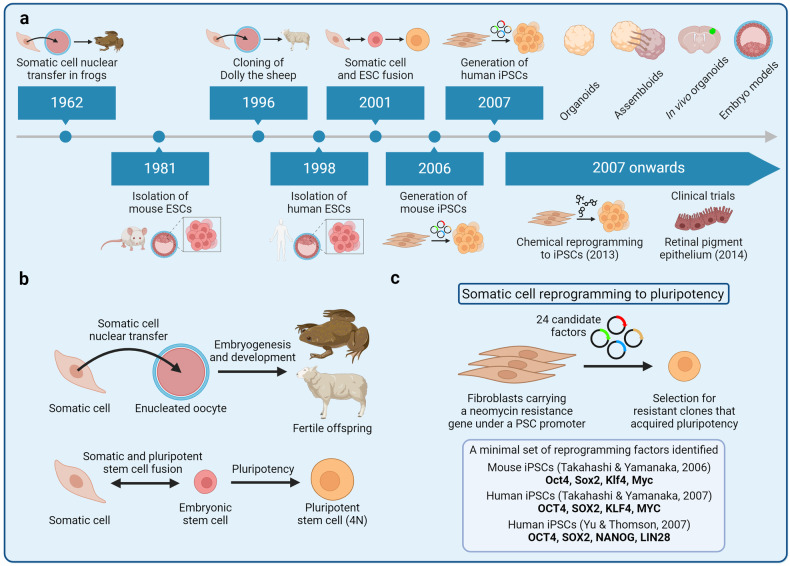
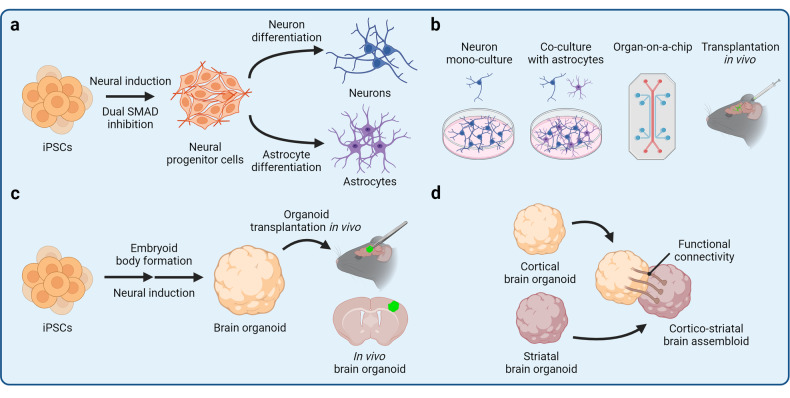
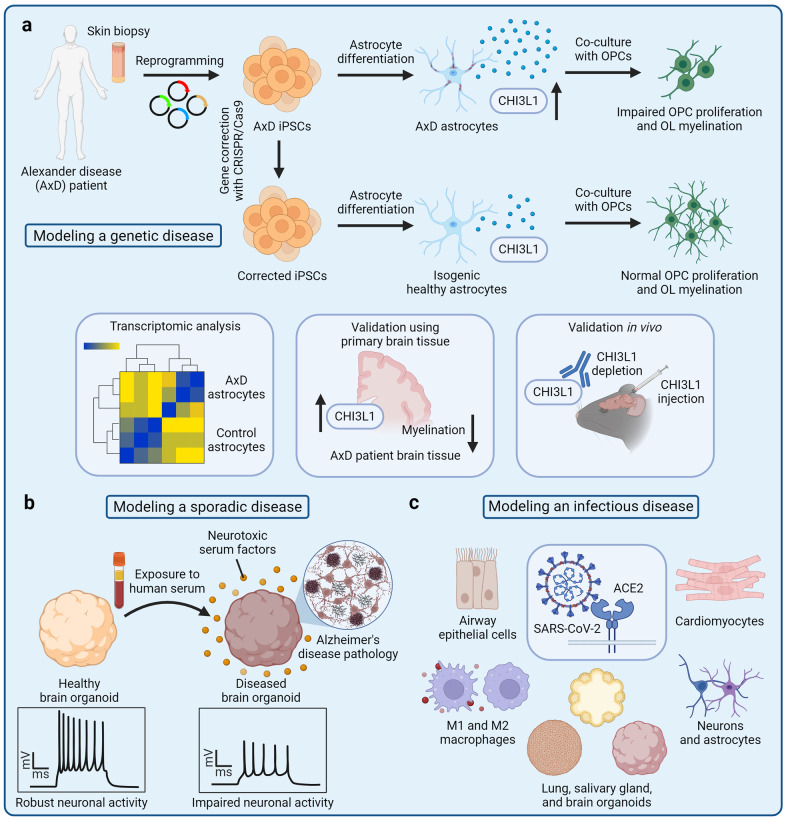
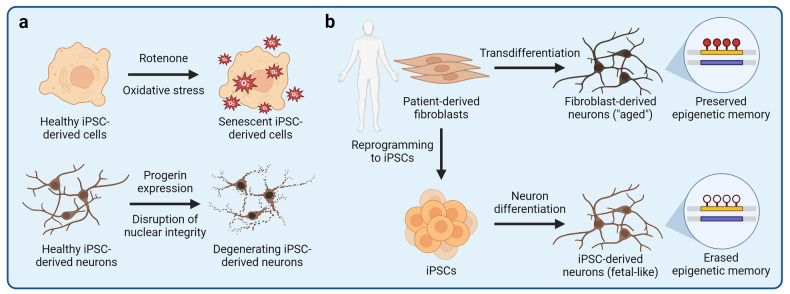
The induced pluripotent stem cell (iPSC) technology has transformed in vitro research and holds great promise to advance regenerative medicine. iPSCs have the capacity for an almost unlimited expansion, are amenable to genetic engineering, and can be differentiated into most somatic cell types. iPSCs have been widely applied to model human development and diseases, perform drug screening, and develop cell therapies. In this review, we outline key developments in the iPSC field and highlight the immense versatility of the iPSC technology for in vitro modeling and therapeutic applications. We begin by discussing the pivotal discoveries that revealed the potential of a somatic cell nucleus for reprogramming and led to successful generation of iPSCs. We consider the molecular mechanisms and dynamics of somatic cell reprogramming as well as the numerous methods available to induce pluripotency. Subsequently, we discuss various iPSC-based cellular models, from mono-cultures of a single cell type to complex three-dimensional organoids, and how these models can be applied to elucidate the mechanisms of human development and diseases. We use examples of neurological disorders, coronavirus disease 2019 (COVID-19), and cancer to highlight the diversity of disease-specific phenotypes that can be modeled using iPSC-derived cells. We also consider how iPSC-derived cellular models can be used in high-throughput drug screening and drug toxicity studies. Finally, we discuss the process of developing autologous and allogeneic iPSC-based cell therapies and their potential to alleviate human diseases.
Overview
The claims and statistics of this paper haven’t been checked yet.
Free: it reads the open-access text and checks the first 5 claims that cite a source we can check. Create a free account to check every claim.
Integrity signals
Registry
Cites
Statistics
Figures
Verification
Claims the paper makes
The claims and statistics of this paper haven’t been checked yet.
Free: it reads the open-access text and checks the first 5 claims that cite a source we can check. Create a free account to check every claim.
Claims other papers make about this one
Each is checked against this paper’s own text: does it say what the citing paper says it does?
The source backs part of the claim, not all of it — or backs it for a different population, condition or comparison.
In the citing paper
“In addition, iPSC-derived cells often display immature or fetal-like phenotypes and may not fully recapitulate adult tissue physiology, particularly for functions that depend on cellular maturation, aging, long-term environmental exposure, or tissue-specific niche cues (Cerneckis et al. 2024;Jiang et al. 2024).”
From Primary cell cultures versus immortalized cell lines: critical comparative insights into biological fidelity and translational applications (2026) · cites this paper as Cerneckis et al. 2024
Experimental — accuracy not yet measuredThe cited source says what the claim attributes to it.
In the citing paper
“It also makes iPSC-derived models particularly valuable for studying inherited disorders, modeling diseases involving inaccessible tissues, screening therapeutic candidates, and developing patient-matched regenerative strategies (McTague et al. 2021;Cerneckis et al. 2024;Singh et al. 2024).”
From Primary cell cultures versus immortalized cell lines: critical comparative insights into biological fidelity and translational applications (2026) · cites this paper as Cerneckis et al. 2024
The cited source says what the claim attributes to it.
In the citing paper
“Patient-derived iPSCs retain the donor genetic background and can be expanded before differentiation into disease-relevant cell types, including cells that are otherwise difficult to access, such as neurons, cardiomyocytes, and pancreatic β-like cells (Volpato and Webber 2020;Cerneckis et al. 2024;Joshi et al. 2024).”
From Primary cell cultures versus immortalized cell lines: critical comparative insights into biological fidelity and translational applications (2026) · cites this paper as Cerneckis et al. 2024
Self-check
Percentages, sums and reported differences re-computed from the paper’s own numbers.
The self-check needs the paper’s full text.
Citations
Cites
Highly accurate protein structure prediction with AlphaFold
Jumper, J., Evans, R., Pritzel, A., Green, T., Figurnov, M., Ronneberger, O., Tunyasuvunakool, K., Bates, R., Žídek, A., Potapenko, A., et al. (2021) · Nature · doi:10.1038/s41586-021-03819-2 · Cited by 43,764
Takahashi, K., & Yamanaka, S. (2006) · Cell · doi:10.1016/j.cell.2006.07.024 · Cited by 26,673
Induction of Pluripotent Stem Cells from Adult Human Fibroblasts by Defined Factors
Takahashi, K., Tanabe, K., Ohnuki, M., Narita, M., Ichisaka, T., Tomoda, K., & Yamanaka, S. (2007) · Cell · doi:10.1016/j.cell.2007.11.019 · Cited by 20,221
Embryonic Stem Cell Lines Derived from Human Blastocysts
Thomson, J. A., Itskovitz-Eldor, J., Shapiro, S. S., Waknitz, M. A., Swiergiel, J. J., Marshall, V. S., & Jones, J. M. (1998) · Science · doi:10.1126/science.282.5391.1145 · Cited by 15,926
Induced Pluripotent Stem Cell Lines Derived from Human Somatic Cells
Yu, J., Vodyanik, M. A., Smuga-Otto, K., Antosiewicz-Bourget, J., Frane, J. L., Tian, S., Nie, J., Jonsdottir, G. A., Ruotti, V., Stewart, R., et al. (2007) · Science · doi:10.1126/science.1151526 · Cited by 10,310 · cited 2×
“3,5 These combinations of reprogramming factors remain widely used today, whereas Gurdon and Yamanaka were awarded the 2012 Nobel Prize in Physiology or Medicine for their discoveries.”
BackgroundMethodEstablishment in culture of pluripotential cells from mouse embryos
Evans, M. J., & Kaufman, M. H. (1981) · Nature · doi:10.1038/292154a0 · Cited by 8,607
Hallmarks of aging: An expanding universe
López-Otín, C., Blasco, M. A., Partridge, L., Serrano, M., & Kroemer, G. (2023) · Cell · doi:10.1016/j.cell.2022.11.001 · Cited by 6,549 · cited 1×
“313 However, iPSC-derived cells are fetal-like and do not naturally exhibit aging-associated phenotypes.”
BackgroundKalia, L. V., & Lang, A. E. (2015) · The Lancet · doi:10.1016/s0140-6736(14)61393-3 · Cited by 6,184
Martin, G. R. (1981) · Proceedings of the National Academy of Sciences · doi:10.1073/pnas.78.12.7634 · Cited by 5,746
Detection of SARS-CoV-2 in Different Types of Clinical Specimens
Wang, W., Xu, Y., Gao, R., Lu, R., Han, K., Wu, G., & Tan, W. (2020) · JAMA · doi:10.1001/jama.2020.3786 · Cited by 5,028
Research works printed but not linked: 2
- Roe, S. A. Matter, life, and generation: eighteen-century embryology and the Haller-Wolff Debate, (Cambridge University Press, 1981).
- Waddington, C. H. The Strategy of the Genes; A Discussion of Some Aspects of Theoretical Biology, (Cambridge: Cambridge University Press, 1957).
Cited by
Bone Defect Treatment in Regenerative Medicine: Exploring Natural and Synthetic Bone Substitutes
Santoro, A., Voto, A., Fortino, L., Guida, R., Laudisio, C., Cillo, M., & D’Ursi, A. M. (2025) · International Journal of Molecular Sciences · doi:10.3390/ijms26073085 · Cited by 107
Gong, L., Zhang, Y., Zhu, Y., Lee, U., Luo, A. C., Li, X., Wang, X., Chen, D., Pu, W. T., Lin, R., et al. (2025) · Cell stem cell · doi:10.1016/j.stem.2025.05.014 · Cited by 81
Tissue Engineering and Regenerative Medicine: Perspectives and Challenges
Hoang, V. T., Nguyen, Q. T., Phan, T. T. K., Pham, T. H., Dinh, N. T. H., Anh, L. P. H., Dao, L. T. M., Bui, V. D., Dao, H., Le, D. S., et al. (2025) · MedComm · doi:10.1002/mco2.70192 · Cited by 78
Bioprinted Constructs in the Regulatory Landscape: Current State and Future Perspectives
Perin, F., Ouyang, L., Lim, K. S., Motta, A., Maniglio, D., Moroni, L., & Mota, C. (2025) · Advanced Materials · doi:10.1002/adma.202504037 · Cited by 75
Grabowska, W. A., Bijak, M., Szelenberger, R., Gorniak, L., Podogrocki, M., Harmata, P., & Cichoń, N. (2025) · International Journal of Molecular Sciences · doi:10.3390/ijms26178726 · Cited by 75
Clinical translation of human iPSC technologies: advances, safety concerns, and future directions
Dhaiban, S., Chandran, S., Noshi, M., & Sajini, A. A. (2025) · Frontiers in Cell and Developmental Biology · doi:10.3389/fcell.2025.1627149 · Cited by 63
Du, L., Lin, C., Hu, H., Zhao, Y., Liao, J., Al-Smadi, F., Mi, B., Hu, Y., & Liu, G. (2025) · Theranostics · doi:10.7150/thno.117949 · Cited by 52
Liu, G., Xue, J., Zhou, X., Gui, M., Xia, R., Zhang, Y., Cai, Y., Li, S., Shi, S., Mao, X., et al. (2025) · Bioactive Materials · doi:10.1016/j.bioactmat.2025.03.009 · Cited by 43
Organoids for tissue repair and regeneration
Yu, B., Zhou, D., Wang, F., Chen, X., Li, M., & Su, J. (2025) · Materials Today Bio · doi:10.1016/j.mtbio.2025.102013 · Cited by 40
Novel human iPSC models of neuroinflammation in neurodegenerative disease and regenerative medicine
Summers, R. A., Fagiani, F., Rowitch, D. H., Absinta, M., & Reich, D. S. (2024) · Trends in Immunology · doi:10.1016/j.it.2024.08.004 · Cited by 39
Sun, C., Zhu, J., Sun, X., Zhang, Z., Sun, Y., Jin, Y., & Wu, T. (2025) · Journal of Advanced Research · doi:10.1016/j.jare.2025.12.032 · Cited by 36
Unveiling exosomes in combating skin aging: insights into resources, mechanisms and challenges
Chen, L., Yi, Y., Li, J., Aghayants, S., Chen, X., Cao, W., & Zhang, Q. (2025) · Stem Cell Research & Therapy · doi:10.1186/s13287-025-04620-y · Cited by 35
A comprehensive analysis of induced pluripotent stem cell (iPSC) production and applications
Matiukhova, M., Ryapolova, A., Andriianov, V. S., Reshetnikov, V. V., Zhuravleva, S., Ivanov, R. A., Karabelsky, A. V., & Minskaia, E. (2025) · Frontiers in Cell and Developmental Biology · doi:10.3389/fcell.2025.1593207 · Cited by 30
Stem cell therapies in the clinic
Acharya, S., Shaha, S., Bibbey, M. G., Mukherji, M., Zhao, Z., & Mitragotri, S. (2025) · Bioengineering & Translational Medicine · doi:10.1002/btm2.70000 · Cited by 30
Functional regeneration strategies of hair follicles: advances and challenges
Chu, X., Zhou, Z., Qian, X., Shen, H., Cheng, H., & Zhang, J. (2025) · Stem Cell Research & Therapy · doi:10.1186/s13287-025-04210-y · Cited by 29
Brain organoids: A new tool for modelling of neurodevelopmental disorders
Aili, Y., Maimaitiming, N., Wang, Z., & Wang, Y. (2024) · Journal of Cellular and Molecular Medicine · doi:10.1111/jcmm.18560 · Cited by 29
Panferov, E., Dodina, M., Reshetnikov, V. V., Ryapolova, A., Ivanov, R. A., Karabelsky, A. V., & Minskaia, E. (2025) · International Journal of Molecular Sciences · doi:10.3390/ijms26125617 · Cited by 28
Cell reprogramming: methods, mechanisms and applications
Zhu, F., & Nie, G. (2025) · Cell Regeneration · doi:10.1186/s13619-025-00229-x · Cited by 28
The Roles of Micro‐ and Nanoscale Materials in Cell‐Engineering Systems
Jiang, Y., Harberts, J. I., Assadi, A., Chen, Y., Spatz, J. P., Duan, W., Nisbet, D. R., Voelcker, N. H., & Elnathan, R. (2024) · Advanced Materials · doi:10.1002/adma.202410908 · Cited by 28
Liver organoids: Current advances and future applications for hepatology
Kim, Y., Kang, M., Mamo, M. G., Adisasmita, M., Huch, M., & Choi, D. (2025) · Clinical and Molecular Hepatology · doi:10.3350/cmh.2024.1040 · Cited by 26
The Role of Oligodendrocytes in Neurodegenerative Diseases: Unwrapping the Layers
Panichi, L. B., Stanca, S., Dolciotti, C., & Bongioanni, P. (2025) · International Journal of Molecular Sciences · doi:10.3390/ijms26104623 · Cited by 26
Targeting Drug Delivery System to Skeletal Muscles: A Comprehensive Review of Different Approaches
Li, X., Xu, J., Yao, S., Zhang, N., Zhang, B., & Zhang, Z. (2025) · Journal of Cachexia Sarcopenia and Muscle · doi:10.1002/jcsm.13691 · Cited by 26
Madan, A., Saini, R., Dhiman, N., Juan, S., & Satapathy, M. K. (2025) · Organoids · doi:10.3390/organoids4040023 · Cited by 25
Somatic piRNA and PIWI-mediated post-transcriptional gene regulation in stem cells and disease
Patel, M. Z., Jiang, Y., & Kakumani, P. K. (2024) · Frontiers in Cell and Developmental Biology · doi:10.3389/fcell.2024.1495035 · Cited by 25
Cell Therapy for Retinal Degenerative Diseases: Progress and Prospects
Wu, K. Y., Dhaliwal, J. K., Sasitharan, A., & Kalevar, A. (2024) · Pharmaceutics · doi:10.3390/pharmaceutics16101299 · Cited by 25
Deciphering the physiopathology of neurodevelopmental disorders using brain organoids
Dionne, O., Sabatié, S., & Laurent, B. (2024) · Brain · doi:10.1093/brain/awae281 · Cited by 24
Stem cell therapy for diabetes: Advances, prospects, and challenges
Zuo, D., Wang, C., Sang, M., Sun, X., Chen, G., & Ji, K. (2025) · World Journal of Diabetes · doi:10.4239/wjd.v16.i7.107344 · Cited by 24
Self-driving bioprinting laboratories
Liu, S., Kaur, N., Song, D.-H., Moses, J. C., & Ozbolat, I. T. (2026) · Biofabrication · doi:10.1088/1758-5090/ae3645 · Cited by 23
Generation of Neural Organoids and Their Application in Disease Modeling and Regenerative Medicine
Huang, R., Gao, F., Yu, L., Chen, H., & Zhu, R. (2025) · Advanced Science · doi:10.1002/advs.202501198 · Cited by 23
Zhao, G., Dai, J., & Hu, Y. (2025) · Science China Life Sciences · doi:10.1007/s11427-024-2842-6 · Cited by 23
Advancing hepatotoxicity assessment: current advances and future directions
Kim, Y., Kim, Y., & Kim, Y. (2025) · Toxicological Research · doi:10.1007/s43188-025-00289-w · Cited by 23
Human iPSCs-derived mesenchymal stem cells promote skin regeneration and burn wound healing
Farahat, M., Brosset, S., Chen, Y. A., Aijaz, A., Rix, G., Challagundla, B., Elloso, M. S., Hutter, M. F., Rogers, I. M., & Jeschke, M. G. (2025) · npj Regenerative Medicine · doi:10.1038/s41536-025-00427-w · Cited by 23
Advances in Longevity: The Intersection of Regenerative Medicine and Cosmetic Dermatology
Haykal, D., Flament, F., Shadev, M., Mora, P., Puyat, C., Dréno, B., Zheng, Q., Cartier, H., Gold, M. H., & Cohen, S. M. (2025) · Journal of Cosmetic Dermatology · doi:10.1111/jocd.70356 · Cited by 22
Optimizing homology-directed repair for gene editing: the potential of single-stranded DNA donors
Jin, Y.-Y., Zhang, P., & Liu, D. (2025) · Trends in Genetics · doi:10.1016/j.tig.2025.04.014 · Cited by 22
Solana‐Manrique, C., Sánchez‐Pérez, A. M., Paricio, N., & Muñoz‐Descalzo, S. (2025) · International Journal of Molecular Sciences · doi:10.3390/ijms26020620 · Cited by 22
Yu, P., Liu, B., Dong, C., & Chang, Y. (2025) · Cells · doi:10.3390/cells14080619 · Cited by 20
Organoids: A new frontier in precision medicine and engineering
Gao, Q., Wu, Y., Mao, Y., Chen, X., Geng, Z., & Su, J. (2025) · Precision medicine and engineering. · doi:10.1016/j.preme.2025.100049 · Cited by 20
Advances and applications of organ-on-a-chip technology
Kong, J. S., Kim, J., Jang, J., & Cho, D.-W. (2026) · Cell Reports Methods · doi:10.1016/j.crmeth.2026.101361 · Cited by 20
The Rise of Mechanobiology for Advanced Cell Engineering and Manufacturing
Ong, H. T., Sriram, M., Susapto, H. H., Li, Y., Jiang, Y., Voelcker, N. H., Young, J. L., Holle, A. W., & Elnathan, R. (2025) · Advanced Materials · doi:10.1002/adma.202501640 · Cited by 20
Next-Generation Joint-on-a-Chip: Toward Precision Mechanical Control in Multi-Tissue Systems
Lv, Z., Chai, Y., Zhang, X., Lan, W., Wei, J., Li, L., Chen, W. Y., Lei, Y., Liu, J., Li, Z. A., et al. (2026) · Nano-Micro Letters · doi:10.1007/s40820-025-02031-5 · Cited by 20
Model Organoids: Integrated Frameworks for the Next Frontier of Healthcare Advancements
Bhattacharya, R., Bose, D., Kaur, T., Patel, R., Renuka, O., & Rodriguez, R. V. (2024) · Stem Cell Reviews and Reports · doi:10.1007/s12015-024-10814-3 · Cited by 19
Gut aging: A wane from the normal to repercussion and gerotherapeutic strategies
Abankwah, J. K., Wang, Y., Wang, J., Enechojo, O. S., Pozzo, L. D., Chu, X., & Bian, Y. (2024) · Heliyon · doi:10.1016/j.heliyon.2024.e37883 · Cited by 19
Kumar, D., Gupta, S., Gupta, V., Tanwar, R., & Chandel, A. (2025) · Stem Cell Reviews and Reports · doi:10.1007/s12015-025-10893-w · Cited by 19
Mishra, H. K., & Kalyuzhny, A. E. (2024) · Cells · doi:10.3390/cells13181516 · Cited by 18
Varghese, N., Szabo, L., Cader, M. Z., Lejri, I., Grimm, A., & Eckert, A. (2025) · Communications Biology · doi:10.1038/s42003-025-08152-2 · Cited by 17
Repair mechanisms of the central nervous system: From axon sprouting to remyelination
Gluck, L., Gerstein, B., & Kaunzner, U. W. (2025) · Neurotherapeutics · doi:10.1016/j.neurot.2025.e00583 · Cited by 17
Chemical-based epigenetic reprogramming to advance pluripotency and totipotency
Wen, S., Zheng, R., Cai, C., & Jiang, W. (2025) · Nature Chemical Biology · doi:10.1038/s41589-025-01874-8 · Cited by 17
Current Development of iPSC-Based Modeling in Neurodegenerative Diseases
Guo, X., Wang, X., Wang, J., Ma, M., & Ren, Q. (2025) · International Journal of Molecular Sciences · doi:10.3390/ijms26083774 · Cited by 17
Sun, J. Q. J., Elliott, M. R., & Souza-Fonseca-Guimarães, F. (2025) · Clinical & Translational Immunology · doi:10.1002/cti2.70045 · Cited by 17
Advancing cell therapies with artificial intelligence and synthetic biology
Choudhury, M., Deans, A. J., Candland, D. R., & Deans, T. L. (2025) · Current Opinion in Biomedical Engineering · doi:10.1016/j.cobme.2025.100580 · Cited by 17
Redefining cellular reprogramming with advanced genomic technologies
Morris, S. A. (2025) · Nature Reviews Genetics · doi:10.1038/s41576-025-00899-y · Cited by 16
Integrating Mitochondrial Biology into Innovative Cell Therapies for Neurodegenerative Diseases
Ore, A., Angelastro, J. M., & Giulivi, C. (2024) · Brain Sciences · doi:10.3390/brainsci14090899 · Cited by 16
Hydrogen Peroxide-Releasing Hydrogel-Mediated Cellular Senescence Model for Aging Research
Wei, S., Thi, P. L., Zhang, Y., Park, M.-Y., Do, K.-H., Thi, T. T. H., Morgan, N., Dao, T., Heo, J., Jo, Y., et al. (2025) · Biomaterials Research · doi:10.34133/bmr.0161 · Cited by 15
Greșiță, A., Hermann, D. M., Boboc, I. K. Ş., Doeppner, T. R., Petcu, E. B., Ghinea, F. S., & Popa‐Wagner, A. (2025) · Translational Stroke Research · doi:10.1007/s12975-025-01331-7 · Cited by 15
Shi, M., Chu, F., & Zhu, J. (2025) · Pharmacological Research · doi:10.1016/j.phrs.2025.107960 · Cited by 15
Designing immunity with cytokines: A logic-based framework for programmable CAR therapies
Upadhyay, S., Upmanyu, K., & Gabr, M. T. (2025) · Cytokine & Growth Factor Reviews · doi:10.1016/j.cytogfr.2025.09.004 · Cited by 15
Steinberg, T., Jung, B. A., Husari, A., Bai, S., & Tomakidi, P. (2025) · International Journal of Molecular Sciences · doi:10.3390/ijms26178203 · Cited by 15
Engineering Extracellular Microenvironments: The Impact of Fibrous Materials on Cell Behavior
Lamberger, Z., & Lang, G. (2025) · Advanced Healthcare Materials · doi:10.1002/adhm.202501942 · Cited by 14
Developments and Applications of Liver-on-a-Chip Technology—Current Status and Future Prospects
Mugaanyi, J., Huang, J., Fang, J., Musinguzi, A., Lu, C., & Chen, Z. (2025) · Biomedicines · doi:10.3390/biomedicines13061272 · Cited by 14
An, L., Yuan, S., Cheng, L., Huo, F., Yang, C., & Tian, W. (2025) · Stem Cell Research & Therapy · doi:10.1186/s13287-025-04818-0 · Cited by 14
Cardiometabolic disease and cardio-oncology: Insights from iPSC models and tissue engineering
Kojic, A., Moslehi, J. J., Ky, B., & Wu, J. C. (2025) · Cell Reports Medicine · doi:10.1016/j.xcrm.2025.102261 · Cited by 14
Organoid models: applications and research advances in colorectal cancer
Wu, Y., Yu, S., Guo, X., Gao, L., Huang, J., & Liu, S. (2025) · Frontiers in Oncology · doi:10.3389/fonc.2025.1432506 · Cited by 14
Granjeiro, J. M., Borchio, P. G. D. M., Ribeiro, I. P. B., & Paiva, K. B. S. (2024) · World Journal of Stem Cells · doi:10.4252/wjsc.v16.i10.860 · Cited by 14
Guan, X., Sun, W., Ma, Z., Du, G., Chen, J., & Zhou, J. (2025) · Trends in Food Science & Technology · doi:10.1016/j.tifs.2025.105040 · Cited by 14
Stankovic, I., Smit, P., Cross, J., Rai, A., Wolujewicz, P., Greening, D. W., & Colak, D. (2025) · Translational Psychiatry · doi:10.1038/s41398-025-03607-w · Cited by 13
A Concise Review of Organoid Tissue Engineering: Regenerative Applications and Precision Medicine
Makesh, K. Y., Navaneethan, A., Ajay, M., Munuswamy‐Ramanujam, G., Chinnasamy, A., Gnanasampanthapandian, D., & Palaniyandi, K. (2025) · Organoids · doi:10.3390/organoids4030016 · Cited by 13
Bridging process diversity in cell therapies toward standardization of manufacturing workflows
Costa, M. H. G., Carrondo, M. J. T., Alves, P. M., & Serra, M. (2026) · Cytotherapy · doi:10.1016/j.jcyt.2025.102041 · Cited by 13
Bjørklund, G., Butnariu, M., Caunii, A., & Peana, M. (2026) · Molecular Neurobiology · doi:10.1007/s12035-026-05672-8 · Cited by 13
Choudhary, A., Rosh, I., Hussein, Y., Netser, S., Shemen, A., Suliman, T., Rike, W. A., Simchi, L., Shklyar, B., Abu-Akel, A. M., et al. (2026) · Cell Death and Disease · doi:10.1038/s41419-026-08474-x · Cited by 13
Recent Advances in Orthopedic Tissue Engineering: Bridging Stem Cells and 3D Printing
Lee, J. J., Park, S., Kim, I., & Lee, S. S. (2026) · Small Structures · doi:10.1002/sstr.202500724 · Cited by 13
Bottom-up Biomaterial strategies for creating tailored stem cells in regenerative medicine
Cruz-Gonzalez, B., Johandes, E., Gramm, D., & Hanjaya‐Putra, D. (2025) · Frontiers in Bioengineering and Biotechnology · doi:10.3389/fbioe.2025.1581292 · Cited by 12
Rosell‐Cardona, C., Cryan, J. F., Clarke, G. A., & Kittel‐Schneider, S. (2025) · npj Biofilms and Microbiomes · doi:10.1038/s41522-025-00749-z · Cited by 12
Fontanelli, L., Castronovo, A., Ferri, C., Vozzi, F., Recchia, F. A., & Borghini, A. (2026) · International Journal of Molecular Sciences · doi:10.3390/ijms27020780 · Cited by 12
Stem cell-mediated recovery in stroke: partnering with the immune system
McMillan, N., McMillan, A., Kiliaan, P. C. J., Yahya, T., Thakkar, R., Weiner, H. L., Smirnakis, S. M., Yavagal, D. R., & Izzy, S. (2025) · Nature reviews. Neuroscience · doi:10.1038/s41583-025-00985-4 · Cited by 12
Yao, X., Zhang, K., Na, T., Wang, Y., Guo, Y., Xi, J., Li, X., Meng, S., & Xu, M. (2025) · Cell Death and Disease · doi:10.1038/s41419-025-07961-x · Cited by 12
Beyond the baseline: mapping the context-specific regulatory landscape of disease
Gilad, Y., & Battle, A. J. (2026) · Trends in Genetics · doi:10.1016/j.tig.2026.01.010 · Cited by 12
Shi, L., Jiang, L., Xing, T., Liu, K., Chen, C., Ma, P., Winkler, T., Qin, A., & Zhao, J. (2026) · Journal of Orthopaedic Translation · doi:10.1016/j.jot.2025.101041 · Cited by 12
Zheng, Z., Xie, J., Zeng, J., Kang, Z., Liu, Z., Qi, M., Yu, C., & Wei, H. (2026) · Regenerative Biomaterials · doi:10.1093/rb/rbag009 · Cited by 12
Advancing Cardiovascular Drug Screening Using Human Pluripotent Stem Cell-Derived Cardiomyocytes
Oh, J., Kwon, O.-B., Park, S.-W., Kim, J., Lee, H., Kim, Y.-K., Choi, E., Jung, H., Choi, D. K., Oh, B. J., et al. (2024) · International Journal of Molecular Sciences · doi:10.3390/ijms25147971 · Cited by 11
Ivanova, M. I., Rosa, C. L., & Ramamoorthy, A. (2026) · Protein Science · doi:10.1002/pro.70525 · Cited by 11
Decoding Aging through iPSC Reprogramming: Advances and Challenges
Li, R., Zou, Y., & Kang, S. (2025) · Aging and Disease · doi:10.14336/ad.2025.0438 · Cited by 11
Hao, Y., Li, Z., Lara, E., Ramos, D. M., Santiana, M., Jin, B., Epstein, J., Kowal, I., Camacho, J., Carmiol, N., et al. (2026) · Science Signaling · doi:10.1126/scisignal.adx8680 · Cited by 10
Ahmed, A., Molfetta, D. D., Iaconisi, G. N., Caponio, A., Singh, A., Bibi, A., Dolce, V., Palmieri, L., Coppola, V., & Fiermonte, G. (2026) · Cells · doi:10.3390/cells15010081 · Cited by 10
Hereditary spastic paraplegia: from decades of therapy to future innovations
Cipriano, L., Angelini, C. I., & Santorelli, F. M. (2026) · Therapeutic Advances in Neurological Disorders · doi:10.1177/17562864251406589 · Cited by 10
Pluripotent Stem Cells: Recent Advances and Emerging Trends
Wang, A. Y. L., Aviña, A. E., Liu, Y., & Kao, H. (2025) · Biomedicines · doi:10.3390/biomedicines13040765 · Cited by 10
Engineering interferons for cancer immunotherapy
Lim, J., & Lee, H. K. (2024) · Biomedicine & Pharmacotherapy · doi:10.1016/j.biopha.2024.117426 · Cited by 10
Sissoko, C. A., Spitz, S., Zhang, Z., Abedi, K., Kamm, R. D., & Barrile, R. (2026) · Advanced Drug Delivery Reviews · doi:10.1016/j.addr.2026.115881 · Cited by 9
Pinto, H. N., Kok, N., Hauger, P. C., Diepen, M. K.-V., de Kok, M., Paauw, N. J., van der Pol, S. M. A., Nugteren‐Boogaard, J. P., Hordijk, P. L., Beekhuis-Hoekstra, S. D., et al. (2026) · Small Methods · doi:10.1002/smtd.202502114 · Cited by 9
Laurindo, L. F., de Lima, E. P., Araújo, A. C., Rodrigues, V. D., Dias, J. A., Filho, M. B. T., Zuccari, D. A. P. D. C., Laurindo, L. F., Miglino, M. A., Chagas, E. F. B., et al. (2025) · Cells · doi:10.3390/cells14100683 · Cited by 9
Clinical Applications of Corneal Cells Derived from Induced Pluripotent Stem Cells
Luan, Y., Musayeva, A., Kim, J., Blon, D. L., den Bogerd, B. V., Dickman, M. M., LaPointe, V. L. S., Dhubhghaill, S. N., & Oellerich, S. (2025) · Biomolecules · doi:10.3390/biom15081139 · Cited by 9
Cell and Hydrogel‐Integrated Therapies for Intervertebral Disc Regeneration
Tang, Y., Lin, X., Som, A., & Zhang, M. (2025) · Advanced Healthcare Materials · doi:10.1002/adhm.202502354 · Cited by 9
Stem Cells to Organoids: Pioneering the Future of Regenerative Therapies
Kumar, D., Gupta, S., Gupta, V., Tanwar, R., Rani, P., & Bansal, V. (2025) · Stem Cell Reviews and Reports · doi:10.1007/s12015-025-10985-7 · Cited by 9
Immunomodulation in Autoimmune Disorders
Kamboj, N., Kumar, R., & Mitra, D. (2025) · Wiley eBooks · doi:10.1002/9781394313785.ch9 · Cited by 9
Naffaa, M. M. (2025) · Regenerative medicine reports . · doi:10.4103/regenmed.regenmed-d-25-00013 · Cited by 8
Stem cell and gene therapies for leukodystrophies
Lin, W., Zhang, M., Zheng, S., & Lian, Q. (2025) · Molecular Therapy — Methods & Clinical Development · doi:10.1016/j.omtm.2025.101527 · Cited by 8
SMN2 as a therapeutic target in spinal muscular atrophy: advances in gene expression modulation
Virata, M. J., Abello, R. M. R., Brillante, E. M. B., & Corneta, M. B. (2025) · Journal of Translational Genetics and Genomics · doi:10.20517/jtgg.2025.56 · Cited by 8
Contreras, O., Thekkedam, C. G., Zaunders, J., Aguirre-MacLennan, I., Murray, N. J., Gonzalez-Cordero, A., & Harvey, R. P. (2025) · iScience · doi:10.1016/j.isci.2025.113380 · Cited by 8
Nakayama, M., Moriya, Y., Ueno, H., Watanabe, T., Hirabayashi, H., & Yamamoto, S. (2025) · Molecular Therapy — Methods & Clinical Development · doi:10.1016/j.omtm.2025.101538 · Cited by 8
Neural crest-derived mesenchymal stem cells: Fates and perspectives
He, Y., Chen, S., Xia, D., & Song, W. (2025) · World Journal of Stem Cells · doi:10.4252/wjsc.v17.i9.107689 · Cited by 8
The feasibility of 3D bioprinting for bone regeneration: key challenges and future directions
Stocco, T. D., de Carvalho, R. P., Silva, H. C. O., & Sousa, T. S. D. M. (2025) · Regenerative Medicine · doi:10.1080/17460751.2025.2572218 · Cited by 8
Metadata
- Authors
- Cerneckis, J., Cai, H., & Shi, Y.
- Affiliations
- City Of Hope National Medical Center (US)
- Corresponding author
- Shi, Yanhong
- Venue
- Signal Transduction and Targeted Therapy
- Published
- 2024-04-26
- Volume
- 9
- Issue
- 1
- Pages
- 112-112
- ISSN
- 2059-3635 (ISSN-L)
- PMC
- PMC11053163
- OpenAlex
- W4395676185
- Semantic Scholar
- c74d513cb8e9a29f0a4c3aaf851798a18c9b9f17
- Cited by
- 452
- References
- 501
- Citations by year
- 2026: 224 · 2025: 194 · 2024: 34
- FWCI
- 18.48
- Type
- journal article
- Language
- en
- Open access
- gold
- doi.org
- Licence
- cc-by
- creativecommons.org/licenses/by/4.0 (tdm)
- creativecommons.org/licenses/by/4.0 (vor)
- Locations
- Signal Transduction and Targeted Therapy (publishedVersion, cc-by)
- PubMed Central (publishedVersion, cc-by)
- PubMed (publishedVersion)
- DOAJ (DOAJ: Directory of Open Access Journals) (submittedVersion, cc-by-sa)
- Funders
- U.S. Department of Health & Human Services | NIH | National Institute of Neurological Disorders and Stroke (U01 NS122101)
- U.S. Department of Health & Human Services | NIH | National Institute on Aging (R01 AG072291, RF1 AG079307)
- Topics
- Life Sciences › Biochemistry, Genetics and Molecular Biology › Molecular Biology › Pluripotent Stem Cells Research
- Life Sciences › Biochemistry, Genetics and Molecular Biology › Molecular Biology › CRISPR and Genetic Engineering
- Life Sciences › Biochemistry, Genetics and Molecular Biology › Cell Biology › Mesenchymal stem cell research
- Keywords
- induced pluripotent stem cells, somatic cell reprogramming, induced pluripotency, iPSC-derived organoids, disease modeling, drug screening, drug toxicity, neurological disorders, COVID-19 pandemic, cancer, human development
- MeSH terms
- COVID-19, SARS-CoV-2, Cell Differentiation, Humans, Neoplasms, Nervous System Diseases, Regenerative Medicine, Induced Pluripotent Stem Cells, Cellular Reprogramming
About these checks
Registry, retraction, Cites and statistics results are computed, not judged, with one exception: a printed reference that no index lists is read once by a model before it counts as a citation error. Claims are extracted by a model and kept only when their quote appears verbatim in the text; each cited source is then checked, with a model’s help, for whether it says what the claim relies on. Those verdicts can be wrong — read the claim’s quote and the cited source before relying on one.
Statistics and arithmetic are recomputed, not judged.
Confidence bands are shown only for fields calibrated on our annotated test set. None is calibrated yet, so no band is shown.
What counts as a claim ›How we measure confidence ›How we check this ›
Are you an author, or do you see a problem with this page? Request a review
Data sources
Bibliographic data: Semantic Scholar, OpenAlex, Crossref.
Contains information from the Semantic Scholar Academic Graph Datasets, made available under the ODC Attribution License (ODC-BY 1.0).
Semantic Scholar’s data is described in: Kinney, R., et al. (2023). The Semantic Scholar Open Data Platform. arXiv:2301.10140.
