

Glucagon-like peptide-1 receptor: mechanisms and advances in therapy
Open accessThe DOI matches its Crossref record; 519 of the 519 references it cites were found in a registry or an index; 274 of the 463 sources its claims cite were checked for support.
Abstract
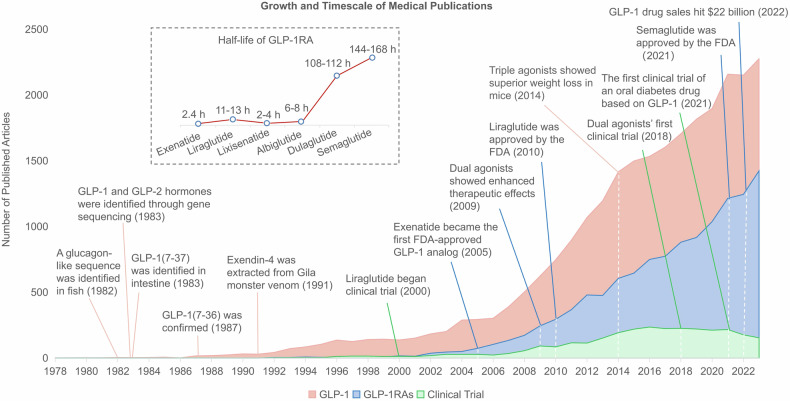
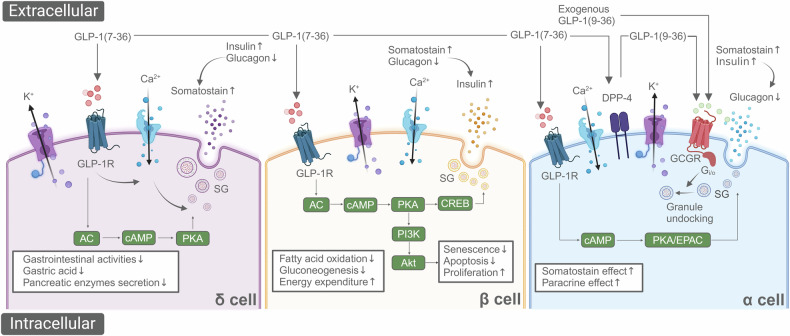
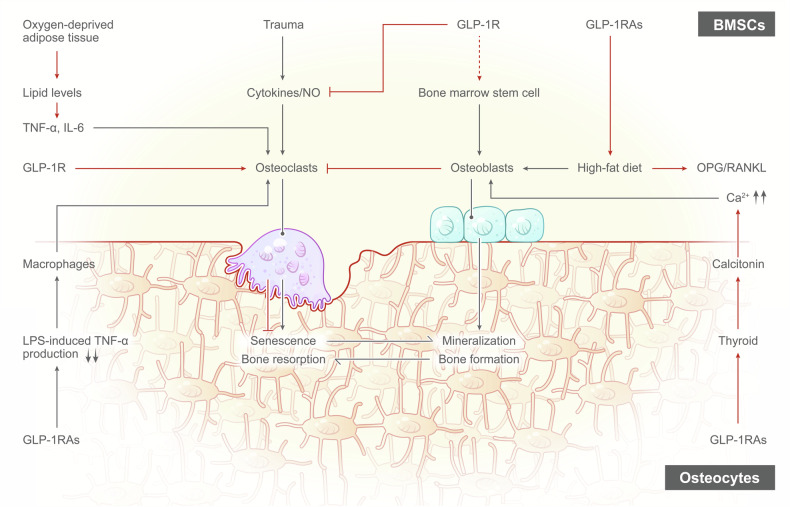
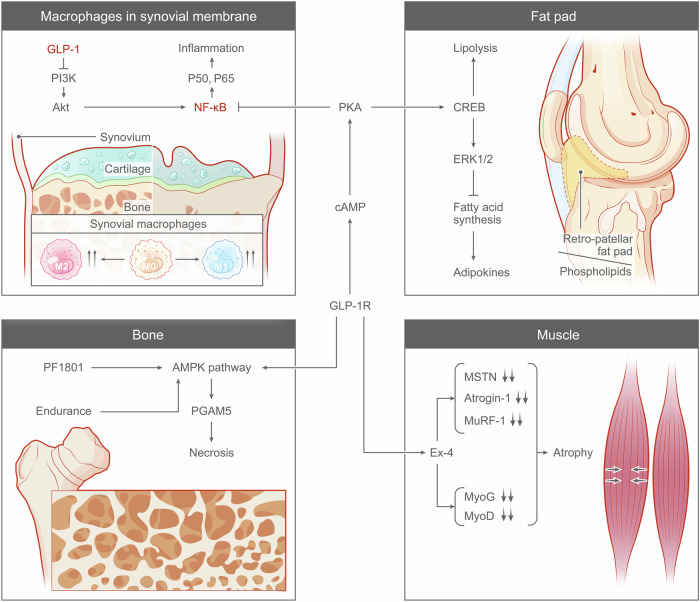
The glucagon-like peptide-1 (GLP-1) receptor, known as GLP-1R, is a vital component of the G protein-coupled receptor (GPCR) family and is found primarily on the surfaces of various cell types within the human body. This receptor specifically interacts with GLP-1, a key hormone that plays an integral role in regulating blood glucose levels, lipid metabolism, and several other crucial biological functions. In recent years, GLP-1 medications have become a focal point in the medical community due to their innovative treatment mechanisms, significant therapeutic efficacy, and broad development prospects. This article thoroughly traces the developmental milestones of GLP-1 drugs, from their initial discovery to their clinical application, detailing the evolution of diverse GLP-1 medications along with their distinct pharmacological properties. Additionally, this paper explores the potential applications of GLP-1 receptor agonists (GLP-1RAs) in fields such as neuroprotection, anti-infection measures, the reduction of various types of inflammation, and the enhancement of cardiovascular function. It provides an in-depth assessment of the effectiveness of GLP-1RAs across multiple body systems-including the nervous, cardiovascular, musculoskeletal, and digestive systems. This includes integrating the latest clinical trial data and delving into potential signaling pathways and pharmacological mechanisms. The primary goal of this article is to emphasize the extensive benefits of using GLP-1RAs in treating a broad spectrum of diseases, such as obesity, cardiovascular diseases, non-alcoholic fatty liver disease (NAFLD), neurodegenerative diseases, musculoskeletal inflammation, and various forms of cancer. The ongoing development of new indications for GLP-1 drugs offers promising prospects for further expanding therapeutic interventions, showcasing their significant potential in the medical field.
Overview
CoChat Summary
## TL;DR
This is a narrative review of GLP-1 receptor biology and GLP-1 receptor agonists (GLP-1RAs), summarizing their mechanisms, drug development, and expanding therapeutic uses. It argues that beyond diabetes, GLP-1RAs show promise for obesity, cardiovascular disease, NAFLD/NASH, neurodegenerative disease, musculoskeletal inflammation, and some cancers.
## Key findings
- GLP-1 is described as a short-lived incretin hormone with a circulatory half-life of only 1–2 min, rapidly degraded by DPP-4.
- The review states that GLP-1RAs lower blood glucose without increasing hypoglycemia risk and have been approved mainly as adjuncts to diet and exercise for type 2 diabetes mellitus (T2DM).
- The paper highlights clinical trial signals for newer agents:
- Orforglipron: 8.6% to 12.6% weight loss at 26 weeks vs 2.0% with placebo; 9.4% to 14.7% by week 36 vs 2.3% placebo.
- In a T2DM study, orforglipron produced an average A1C reduction of 2.1% and 10.1 kg weight loss at 26 weeks; 65% to 96% achieved A1C < 7.0%.
- Danuglipron: at the highest dose (120 mg twice daily), average HbA1c fell by 1.16 percentage points and weight fell by 4.17 kg over 16 weeks.
- GSBR-1290: placebo-adjusted HbA1c reduction of 1.01% to 1.02% and body-weight reduction of 3.26% to 3.51% after 12 weeks in T2DM; 4.74% weight reduction at week 8 in obesity.
- For obesity and cardiometabolic disease, the review cites a semaglutide HFpEF trial in 529 patients with BMI ≥30, randomized to 2.4 mg weekly semaglutide or placebo for 52 weeks, with improvement in symptoms, motor function, and weight loss.
## Methods
- This is a narrative review, not an original experimental study; it synthesizes prior literature on GLP-1/GLP-1R biology, GLP-1RAs, and related diseases.
- The article integrates mechanistic studies, animal experiments, and clinical trials across multiple systems, including metabolic, nervous, cardiovascular, musculoskeletal, and digestive disease contexts.
- The main analysis is descriptive and integrative, organizing evidence by receptor biology, signaling pathways, drug classes, and disease areas; no single primary dataset or statistical model is reported.
## Limitations
- The paper does not state explicit study limitations typical of an original research article; this is evident from the text because it is a review.
- Evident from the text: much of the evidence cited is preclinical or early-phase clinical, and several uses are described as “promising,” “potential,” or under investigation, so many conclusions remain provisional.
- Evident from the text: the review is broad and heterogeneous, combining findings from different species, disease models, and trial designs, which makes direct comparison across findings difficult.
Model-written summary of a shortened version of the paper’s full text (it is longer than we read). Check it against the paper before relying on it.
Integrity signals
Registry
Cites
Statistics
Figures
Verification
Claims the paper makes
175 Valid · 32 Not valid · 93 Not checked · 28 Own results and interpretations
At least one cited source doesn’t support this claim or points to a different paper, and none confirmed it — see the verdicts below.
In the paper
“The average half-life of lixisenatide is approximately 3–4 h.95”
§ Glucagon-like peptide-1 receptor: mechanisms and advances in therapy > GLP-1RAs > Current GLP-1RAs
What the sources say
- Disputedcites [95] Xie, P. et al. Pharmacokinetics and safety of Iglarlixi in healthy chinese participants: Results of a phase 1 randomized study. Diab Ther. 14, 1387–1397 (2023). PMC10299984 37329393 sourceExperimental — accuracy not yet measured
The Results (Pharmacokinetics, Table 2) report mean terminal half-lives of 2.16 and 2.17 h for lixisenatide in the two dose groups, not approximately 3–4 h. The paper separately reports times to peak concentration of about 2–3 h; those are not half-lives. (LLM, conf=0.90)
Checked by a reasoning model — may be wrong.
plain- Asserted: passes — The authors put it forward as true.
- Checkable: passes — It can be checked against evidence.
- Load-bearing: unclear — It is unclear whether the paper’s conclusions depend on it.
- Based: passes — The paper gives a reason why it holds.
- Disputed
At least one cited source doesn’t support this claim or points to a different paper, and none confirmed it — see the verdicts below.
In the paper
“Furthermore, GLP-1 can slow down gastric emptying by activating the vagus nerve, a part of the autonomic nervous system crucial for regulating the activities of the gastrointestinal tract.268”
§ Glucagon-like peptide-1 receptor: mechanisms and advances in therapy > Classical pathophysiological mechanisms of GLP-1 > The pathophysiological mechanism of GLP-1 in metabolic diseases
What the sources say
- Disputedcites [268] Nauck, M. A., Kemmeries, G., Holst, J. J. & Meier, J. J. Rapid tachyphylaxis of the glucagon-like peptide 1-induced deceleration of gastric emptying in humans. Diabetes 60, 1561–1565 (2011). 21430088 PMC3292331 sourceExperimental — accuracy not yet measured
The Results report that GLP-1 slowed gastric emptying, but the Discussion says it seems to do so primarily through inhibition—not activation—of the vagal nerve. The reported suppression of pancreatic polypeptide, a marker of vagal activation, is consistent with that interpretation. Page numbers are not provided in our copy. (LLM, conf=0.89)
Checked by a reasoning model — may be wrong.
plainstates a cause- Asserted: passes — The authors put it forward as true.
- Checkable: passes — It can be checked against evidence.
- Load-bearing: unclear — It is unclear whether the paper’s conclusions depend on it.
- Based: passes — The paper gives a reason why it holds.
- Disputed
At least one cited source doesn’t support this claim or points to a different paper, and none confirmed it — see the verdicts below.
In the paper
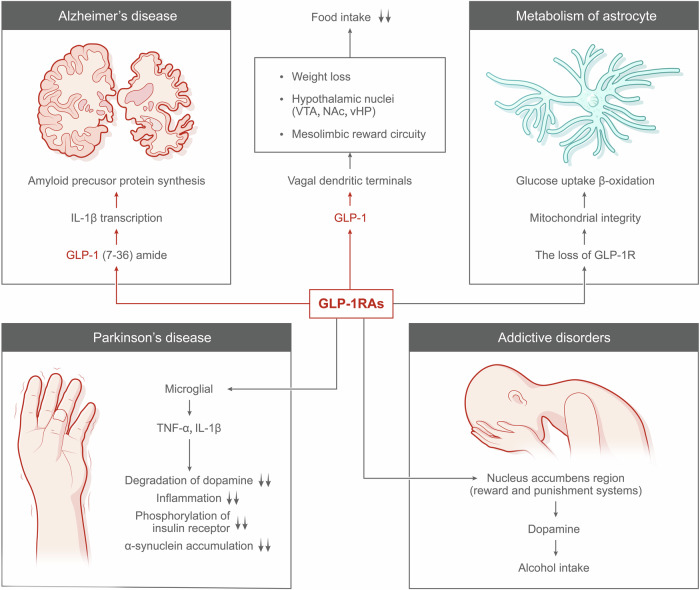
“By interacting with receptors in the hypothalamus, GLP-1 influences satiety and reduces the consumption of food in both animals and humans.262”
§ Glucagon-like peptide-1 receptor: mechanisms and advances in therapy > Classical pathophysiological mechanisms of GLP-1 > The pathophysiological mechanism of GLP-1 in metabolic diseases
What the sources say
- Disputedcites [262] Ando, H. et al. Glucagon-like peptide-1 reduces pancreatic β-cell mass through hypothalamic neural pathways in high-fat diet-induced obese rats. Sci. Rep. 7, 5578 (2017). 28717164 PMC5514038 sourceExperimental — accuracy not yet measured
The Discussion reports that chronic GLP-1 or liraglutide treatment activated hypothalamic pathways in rats but did not alter food intake or body weight. The paper therefore does not support the claimed reduction in food consumption in its animals, and it provides no human satiety or food-intake finding. (LLM, conf=0.83)
Checked by a reasoning model — may be wrong.
plainstates a cause- Asserted: passes — The authors put it forward as true.
- Checkable: passes — It can be checked against evidence.
- Load-bearing: passes — The paper’s conclusions depend on it.
- Based: passes — The paper gives a reason why it holds.
- Disputed
The cited sources support only part of this claim — read each source’s verdict below.
In the paper
“while their anti-inflammatory properties offer new hope for conditions such as osteoarthritis (OA), rheumatoid arthritis (RA) and cardiovascular diseases.13–15”
§ Glucagon-like peptide-1 receptor: mechanisms and advances in therapy > Introduction
What the sources say
- Partly supportedcites [13] Du, H., Meng, X., Yao, Y. & Xu, J. The mechanism and efficacy of GLP-1 receptor agonists in the treatment of Alzheimer’s disease. Front Endocrinol. (Lausanne) 13, 1033479 (2022). 36465634 PMC9714676 sourceExperimental — accuracy not yet measured
The “Anti-inflammatory effects” section (page not provided) reports that GLP-1 receptor agonists reduce neuroinflammation in Alzheimer’s disease models. It does not address their potential for osteoarthritis, rheumatoid arthritis, or cardiovascular diseases, so the disease-specific extension is unsupported by this source. (LLM, conf=0.87)
- Partly supportedcites [14] Reich, N. & Hölscher, C. The neuroprotective effects of glucagon-like peptide 1 in Alzheimer’s and Parkinson’s disease: An in-depth review. Front Neurosci. 16, 970925 (2022). 36117625 PMC9475012 sourceExperimental — accuracy not yet measured
The review’s “Inflammation > In vivo evidence for the anti-inflammatory effects of GLP-1 receptor agonists” section says GLP-1 analogs have potent anti-inflammatory effects, principally in brain models of Alzheimer’s and Parkinson’s disease. The passages do not extend that promise to osteoarthritis, rheumatoid arthritis, or cardiovascular disease. (LLM, conf=0.86)
- Partly supportedcites [15] Meurot, C. et al. Targeting the GLP-1/GLP-1R axis to treat osteoarthritis: A new opportunity? J. Orthop. Transl. 32, 121–129 (2022). PMC8888891 35280931 sourceExperimental — accuracy not yet measured
Our copy strongly supports the OA part: the Introduction states 'GLP-1 analogues may be good therapeutic candidates for treating OA' and the Conclusion that the anti-inflammatory/immunoregulatory properties of GLP-1 analogues 'raises the hypothesis of their potential interest to treat OA'; the Introduction > Multiple biological activities of GLP-1 also lists vascular diseases and OA among conditions where GLP-1–based therapies downregulate pro-inflammatory responses. However, the source does not extend the 'new hope'/therapeutic-opportunity framing to rheumatoid arthritis — the RA material (Introduction > GLP-1/GLP-1R functions in different knee joint tissues) is only in vitro data in fibroblast-like RA synoviocytes with lixisenatide, cited to another work [56] and used to argue GLP-1R is a whole-joint target for OA — and the cardiovascular passage is a mouse model of angiotensin II-induced hypertension [37], not a clinical prospect. So two of the three conditions in the claim are supported only as mechanistic/animal findings, not as therapeutic hope. (LLM, conf=0.72)
hedgedstates a possible cause- Asserted: passes — The authors put it forward as true.
- Checkable: passes — It can be checked against evidence.
- Load-bearing: passes — The paper’s conclusions depend on it.
- Based: passes — The paper gives a reason why it holds.
- Partly supported
The cited sources support only part of this claim — read each source’s verdict below.
In the paper
“in the treatment of Alzheimer’s diseases (AD) and Parkinson’s diseases (PD), GLP-1RAs have shown potential in slowing disease progression”
§ Glucagon-like peptide-1 receptor: mechanisms and advances in therapy > Introduction
What the sources say
- Partly supportedcites [13] Du, H., Meng, X., Yao, Y. & Xu, J. The mechanism and efficacy of GLP-1 receptor agonists in the treatment of Alzheimer’s disease. Front Endocrinol. (Lausanne) 13, 1033479 (2022). 36465634 PMC9714676 sourceExperimental — accuracy not yet measured
The ‘Application of GLP-1R agonists in AD’ section says liraglutide might reduce or delay Alzheimer’s disease progression and describes GLP-1R agonists as promising for preventing AD processes. The copy does not make the corresponding claim about slowing Parkinson’s disease progression; Parkinson’s disease appears in reference titles, not in a reported finding here. Page numbers were not available in the indexed passages. (LLM, conf=0.88)
- Supportedcites [14] Reich, N. & Hölscher, C. The neuroprotective effects of glucagon-like peptide 1 in Alzheimer’s and Parkinson’s disease: An in-depth review. Front Neurosci. 16, 970925 (2022). 36117625 PMC9475012 source
The review’s clinical-trials section reports that liraglutide reduced cognitive impairment and brain-volume loss relative to placebo in patients with mild cognitive impairment or Alzheimer’s disease. Its exenatide subsection reports that treated Parkinson’s patients did not deteriorate on motor measures while the placebo group did, with a difference persisting after treatment stopped. These findings support the cautious claim that GLP-1 receptor agonists have shown potential to slow progression in both diseases; they do not establish that the drugs are proven treatments. (LLM, conf=0.92)
- Partly supportedcites [15] Meurot, C. et al. Targeting the GLP-1/GLP-1R axis to treat osteoarthritis: A new opportunity? J. Orthop. Transl. 32, 121–129 (2022). PMC8888891 35280931 sourceExperimental — accuracy not yet measured
In the Introduction ('Multiple biological activities of GLP-1'), Meurot et al. state that the anti-neuroinflammatory activity of GLP-1 analogues has been investigated in animal models of neurodegenerative disease 'with encouraging results', and that liraglutide, lixisenatide, semaglutide and exenatide 'are being tested in clinical trials for Alzheimer's and Parkinson's diseases', with the reported patient-level effect being that they 'have improved coordination and motor activity in patients'. That supports GLP-1RAs showing potential in AD/PD, but the source nowhere attributes disease-modification or slowed progression of AD/PD to them — its human-data statement is symptomatic (coordination/motor activity), and its mechanistic statement is downregulation of pro-inflammatory responses in neurodegenerative brain disorders. The specific qualifier 'slowing disease progression' therefore goes beyond what this paper says. (LLM, conf=0.72)
hedgedstates a possible cause- Asserted: passes — The authors put it forward as true.
- Checkable: passes — It can be checked against evidence.
- Load-bearing: passes — The paper’s conclusions depend on it.
- Based: passes — The paper gives a reason why it holds.
- Partly supported
169 more claims · 103 with their cited sources checked
Create a free account to see all 328 claims and to verify the 4 references still open.
- It may state two separate claims as one. 148
- Probably not a substantial claim. 19
Claims other papers make about this one
Each is checked against this paper’s own text: does it say what the citing paper says it does?
The source backs part of the claim, not all of it — or backs it for a different population, condition or comparison.
In the citing paper
“Centrally, GLP-1 activates GLP-1 receptors located in the nucleus tractus solitarius and dorsal motor nucleus of the vagus within the brainstem, leading to inhibition of parasympathetic output and a reduction in gastric smooth muscle tone [2, 28].”
From Delayed gastric emptying induced by glucagon-like peptide-1 receptor agonists and its implications for perioperative risk during anesthesia (2026) · cites this paper as [28]
Experimental — accuracy not yet measuredThe source backs part of the claim, not all of it — or backs it for a different population, condition or comparison.
In the citing paper
“GLP-1 RAs delay gastric emptying by inhibiting gastrointestinal motility through both PNS and CNS.”
From Delayed gastric emptying induced by glucagon-like peptide-1 receptor agonists and its implications for perioperative risk during anesthesia (2026) · cites this paper as [28]
Experimental — accuracy not yet measuredThe source backs part of the claim, not all of it — or backs it for a different population, condition or comparison.
In the citing paper
“Large cardiovascular outcome trials, including LEADER (Liraglutide Effect and Action in Diabetes: Evaluation of Cardiovascular Outcome Results), and AMPLITUDE-O (Effect of Efpeglenatide on Cardiovascular Outcomes), among others, consistently show reductions in major adverse cardiovascular events, particularly myocardial infarction, stroke, and cardiovascular mortality, among patients with establis”
From Unequal Access to Evidence-Based Cardiometabolic Therapies: Racial Disparities in SGLT2 Inhibitor and GLP-1 Receptor Agonist Use Among Patients With Type 2 Diabetes and Cardiovascular Disease (2026) · cites this paper as [7]
Experimental — accuracy not yet measuredThe cited source says what the claim attributes to it.
In the citing paper
“Structural modifications of the GLP-1 molecule led to the development of GLP-1RAs with prolonged half-life, enabling sustained glycemic control and weight reduction [33,38,40]”
From Nutritional Approaches to Enhance GLP-1 Analogue Therapy in Obesity: A Narrative Review (2025) · cites this paper as [33]
The cited source says what the claim attributes to it.
In the citing paper
“Activation of GLP-1 receptors enhances glucose-dependent insulin secretion, suppresses inappropriate glucagon release, slows gastric emptying, and lowers appetite, collectively reducing glycemic load.10”
From The Triple‐Agonist Revolution: Retatrutide and the Paradigm Shift in Multi‐Hormonal Pharmacotherapy for Obesity and Cardiometabolic Comorbidities (2026) · cites this paper as [10]
2 more claims about this paper
Create a free account to see every claim other papers make about this one.
Citations
Cites
Atherosclerosis--an inflammatory disease
Ross, R. (1999) · New England Journal of Medicine · doi:10.1056/nejm199901143400207 · Cited by 21,725
Liraglutide and Cardiovascular Outcomes in Type 2 Diabetes
Marso, S. P., Daniels, G. H., Brown-Frandsen, K., Kristensen, P., Mann, J. F. E., Nauck, M. A., Nissen, S. E., Pocock, S., Poulter, N. R., Ravn, L. S., et al. (2016) · New England Journal of Medicine · doi:10.1056/nejmoa1603827 · Cited by 7,629 · cited 1×
“39,40,446 Notably, GLP-1RAs exhibit pronounced ef fi cacy in optimizing blood lipid pro fi les by effectively suppressing chylomicron secretion in the intestine, thereby mitigating the occurrence of postprandial hyperlipidemia.”
BackgroundDapagliflozin in Patients with Heart Failure and Reduced Ejection Fraction
McMurray, J. J. V., Solomon, S. D., Inzucchi, S. E., Køber, L., Kosiborod, M. N., Martinez, F. A., Ponikowski, P., Sabatine, M. S., Anand, I. S., Bělohlávek, J., et al. (2019) · New England Journal of Medicine · doi:10.1056/nejmoa1911303 · Cited by 7,140
Semaglutide and Cardiovascular Outcomes in Patients with Type 2 Diabetes
Marso, S. P., Bain, S. C., Consoli, A., Eliaschewitz, F. G., Jódar, E., Leiter, L. A., Lingvay, I., Rosenstock, J., Seufert, J., Warren, M. L., et al. (2016) · New England Journal of Medicine · doi:10.1056/nejmoa1607141 · Cited by 6,900 · cited 1×
“467 Under hyperglycemic conditions, GLP-1RAs regulate hypertension by inhibiting carotid body function.”
BackgroundInsulin signalling and the regulation of glucose and lipid metabolism
Saltiel, A. R., & Kahn, C. R. (2001) · Nature · doi:10.1038/414799a · Cited by 5,326 · cited 1×
“238 The high concentration of insulin in the local pancreatic environment creates a negative feedback effect, reducing the amount of glucagon secreted by α -cells.”
BackgroundCardiovascular and renal outcomes with empagliflozin in heart failure
Packer, M., Anker, S. D., Butler, J., Filippatos, G., Pocock, S. J., Carson, P., Januzzi, J., Verma, S., Tsutsui, H., Brueckmann, M., et al. (2020) · New England Journal of Medicine · doi:10.1056/nejmoa2022190 · Cited by 5,206
The National Center for Biotechnology Information
Benson, D., Boguski, M., Lipman, D. J., & Ostell, J. (1990) · Genomics · doi:10.1016/0888-7543(90)90583-g · Cited by 5,126
AMPK: a nutrient and energy sensor that maintains energy homeostasis
Hardie, D. G., Ross, F. A., & Hawley, S. A. (2012) · Nature Reviews Molecular Cell Biology · doi:10.1038/nrm3311 · Cited by 4,602
NF-κB regulation in the immune system
Li, Q., & Verma, I. M. (2002) · Nature Reviews Immunology · doi:10.1038/nri910 · Cited by 4,007
NF-κB: a key role in inflammatory diseases
Tak, P. P., & Firestein, G. S. (2001) · Journal of Clinical Investigation · doi:10.1172/jci11830 · Cited by 3,918
Research works printed but not linked: 1
- Elfeki, M. A. & Alkhouri, N. Triple-hormone-receptor agonist retatrutide for obesity. N. Engl. J. Med. 389, 1629 (2023). 37888926
Cited by
Items 901–1,000 of 1,004
Burmeister, M. A., Brown, S. A., Greer, J. J., Hoggatt, T. J., & Zumwalt, W. (2026) · Frontiers in Endocrinology · doi:10.3389/fendo.2026.1925534
Kurowski, M., Rekiel, K., Marcinkowska, A., Ratajczyk, O., Urbanowicz, P., Iwankiewicz, S., Grzelczak, W., & mierczak, Z. K. (2026) · Medical Journal of Cell Biology · doi:10.2478/acb-2026-0005
Wu, J., Lee, K.-W., Huang, S.-C., Chang, H.-Y., & Lin, Y. (2026) · Frontiers in Pharmacology · doi:10.3389/fphar.2026.1877392
Safety of glucagon-like peptide-1 receptor agonists in neuroendocrine neoplasms
Rajan, L., Hofland, J., Mulugeta, E., & de Herder, W. W. (2026) · European Journal of Endocrinology · doi:10.1093/ejendo/lvag135
Effects of liraglutide on gut bacterial community dynamics
Bull, J., Durham, P. L., & Mirza, B. S. (2026) · Microbiology Spectrum · doi:10.1128/spectrum.00343-26 · Cited by 2
“Similar to other incretin hormone drugs, chronic use is associated with an increased risk of negative side effects, including nausea, vomiting, diarrhea, abdomi nal pain, and constipation (9, 10).”
Overweight and obesity induce Toll-like receptor 2-induced Type I IFN signaling
Elkins, M., Al-Musa, A., Chiñas, M., Woods, B., Bourdine, A., Ludwig-Radtke, L., LaBere, B., Habiballah, S. B., Nguyen, A. A., Ohsumi, T. K., et al. (2026) · npj Metabolic Health and Disease · doi:10.1038/s44324-026-00125-1
“These observations are consistent with prior studies showing that GLP-1R and GIPR agonists activate CREB signaling, while GIP de fi ciency enhances S100A8expressioninmyeloidcells 45,46 .”
Chen, M., Li, R., Xiang, Y., Ma, X., Yu, X., Zhao, J., & Ren, D. (2026) · Journal of the Science of Food and Agriculture · doi:10.1002/jsfa.70969
The therapeutic approach to cardiovascular–kidney–metabolic syndrome
Rangaswami, J., Lo, K. B., & Ndumele, C. E. (2026) · Nature Reviews Nephrology · doi:10.1038/s41581-026-01109-6 · Cited by 4
Gatua, W., Yi, L., Lawlor, D. A., Higgins, J. P. T., & Gaunt, T. R. (2026) · Wellcome Open Research · doi:10.12688/wellcomeopenres.26912.1
Discerning protein pools by selective staining with self‐labeling tags
Fischermanns, K., & Broichhagen, J. (2026) · FEBS Letters · doi:10.1002/1873-3468.70425
“The receptor is widely known as target for the treatment of type 2 diabetes and obesity as it regulates the release of insulin in pancreatic beta cells under high glucose conditions, and regulates satiety within the hypothalamus [20].”
Arduino, I., Iacobazzi, R. M., Pontrelli, A., Racaniello, G. F., Siliqi, D., Tiboni, M., Cutrignelli, A., Lopedota, A., & Denora, N. (2026) · International Journal of Pharmaceutics · doi:10.1016/j.ijpharm.2026.127291
Liu, X., Zhao, Y., 夏国玺, Zhang, M., Wang, J., Bu, Y., & Xie, X. (2026) · Analytical Chemistry · doi:10.1021/acs.analchem.6c03110
Piguet, C. E. M., Nucci, R., & Beaudry, J. L. (2026) · The Journal of Physiology · doi:10.1113/jp291081 · Cited by 1
Hernández‐Pérez, J. G., Abdelgadir, O., Jang, S., Ernest, D. K., Zhang, X., Shah, D. P., Hong, A. S., Almandoz, J. P., Cowell, L. G., Messiah, S. E., et al. (2026) · Hepatology International · doi:10.1007/s12072-026-11138-9
Chen, H. A., McIntyre, M. K., Kakadiya, J., Rai, P., Azzam, A. Y., Essibayi, M. A., Salim, H. A., Mandel, D. M., Buzzelli, M., Yedavalli, V. S., et al. (2026) · Neurosurgery · doi:10.1227/neu.0000000000004193
Zhong, X., Zhao, Y., Han, M., Zheng, Q., Cheng, Q., Shi, B., & Zhang, Y. (2026) · Hormone and Metabolic Research · doi:10.1055/a-2923-3830
For Weight Loss: Why Do GLP-1 Agonists Work, and How Can We Make Them Work Better?
Giang, C., Meng, J., Mohammad, M. A., Liu, Z., Wu, X., & Zhu, Y. (2026) · Biology · doi:10.3390/biology15161395 · Cited by 1
“GLP-1 receptors are expressed in mesolimbic reward circuits, including the ventral tegmental area (VTA), nucleus accumbens, and other regions involved in hedonic feeding and reinforcement [16].”
Heifetz, A., Pillai, G. G., Taimoory, S. M. D., Birch, L., & Smith, C. S. (2026) · Methods in molecular biology · doi:10.1007/978-1-0716-5420-0_6
Advancing Medicinal Chemistry Through FMO: Sygnature’s Platform
Heifetz, A., Pillai, G. G., Cavalleri, A., Taimoory, S. M. D., Birch, L., & Smith, C. S. (2026) · Methods in molecular biology · doi:10.1007/978-1-0716-5420-0_4
Møller, A. L., Thöni, S., Keller, F., Sharifli, S., Genovese, F., Karsdal, M. A., Rasmussen, D. G. K., & Mayer, G. (2026) · American Journal of Physiology-Cell Physiology · doi:10.1152/ajpcell.00526.2025 · Cited by 1
Beyond One-Size-Fits-All: Individually Tailored Dietary Interventions in Modern Obesity Care
Cozma-Petruț, A. P., Gherghel, M., Banc, R., Tișa, I. B., Stanciu, O., Coldea, T. E., Mudura, E., Miere, D., & Filip, L. A. (2026) · Nutrients · doi:10.3390/nu18162691 · Cited by 1
“By targeting multiple pathways implicated in obesity and metabolic dysfunction, dual agonists may enhance appetite regulation, glucose metabolism, and body-weight control, helping explain their superior therapeutic efficacy relative to GLP-1 RAs alone [157,160].”
Read, D., Smith, A. C. T., Mountjoy, M. L., van Rensburg, D. C. J., Dijkstra, H. P., & Taylor, L. K. (2026) · Sports Medicine · doi:10.1007/s40279-026-02514-4
Papastathopoulou, N. S., Neri, S., Assirelli, E., D’Amuri, A., Greco, S., Ciaffi, J., & Ursini, F. (2026) · Rheumatology Advances in Practice · doi:10.1093/rap/rkag105
Orphan GPCRs in diabetes mellitus: metabolic control, inflammation, and drug development
Sureka, C., Muniyandi, V., Geddawy, A., Ramesh, T., Murugesan, A., & Kandhavelu, M. (2026) · Frontiers in Endocrinology · doi:10.3389/fendo.2026.1916297
“Notably, the second functional cluster of oGPCRs shares several functional characteristics with GLP1R-targeted therapies in regulating metabolism and reducing chronic in fl ammation associated with diabetes (87).”
Adly, A. A. M., Ismail, E. A. R., Kader, M. S. E. M. A., Sadeq, M. R., & Salah, N. Y. (2026) · Diabetologia · doi:10.1007/s00125-026-06835-x
“The glycaemic improvement on dulaglutide could be attributed to its effect on insulin secretion promotion, enhancing insulin sensitivity, delaying gastric emptying and inhibiting glucagon production from pancreatic α-cells [23].”
Hyun, J., Je, J.-G., Lee, H.-G., Ryu, B., Jeong, S. M., Kang, M., & Jeon, Y. (2026) · Algal Research · doi:10.1016/j.algal.2026.104916
Giorgi, R. D., Lipunova, N., Mathias, E., Shang, F., & Taquet, M. (2026) · BMJ Mental Health · doi:10.1136/bmjment-2026-302828
“23 Taken together, these findings support the role of the GLP-1 system in cognitive functioning 8 and suggest that GLP-1RAs may offer more robust benefits than DPP-4 inhibitors for more pronounced cognitive impairment.”
Jeyavelkumaran, R., Keerthivasan, N., & Saravanan, M. D. (2026) · Folia Microbiologica · doi:10.1007/s12223-026-01577-0
Wang, J., Guo, F., Wu, L., Qin, Q., Wang, J., Huang, F. Y., Ma, S., Wang, H., Dou, X., Xing, J., et al. (2026) · Journal of Endocrinological Investigation · doi:10.1007/s40618-026-03008-w
Biswas, S., Rani, F., Bhardwaj, K., Bera, C., & Yadav, S. (2026) · International Journal of Basic & Clinical Pharmacology · doi:10.18203/2319-2003.ijbcp20262889
Bergqvist, K., Imberg, H., Hallström, S., Michelsen, J., Liljebäck, H., Franzén, S., Norhammar, A., Rosengren, A., & Lind, M. (2026) · Cardiovascular Diabetology · doi:10.1186/s12933-026-03319-5 · Cited by 2
“Over the past decades, new pharmacological treatments for type 2 diabetes have been developed that not only reduce cardiovascular morbidity and mortality but also exert anti-inflammatory and direct vascular effects [17–19].”
Subedi, L., Bamjan, A. D., Kim, E., Phuyal, S., Sapkota, B., Kim, K.-T., Cho, S., Shim, J., Seo, J. B., & Park, J. W. (2026) · Journal of Controlled Release · doi:10.1016/j.jconrel.2026.115297
Chen, S.-C., Huang, Y., Li, P.-Y., Chen, J.-C., Meyerowitz‐Katz, G., Yang, S., & Su, P. (2026) · Diabetes Obesity and Metabolism · doi:10.1111/dom.71266
“Possible explanations include reduced glucotoxicity, lower systemic and vascular inflammation, improved endothelial function and direct myocardial and renal effects of incretin-based therapy [30, 32, 33].”
Cardiometabolic drugs after stroke: time to embrace SGLT2 inhibitors and incretin-based therapies?
Ihle‐Hansen, H., Ihle-Hansen, H., Blauenfeldt, R. A., Dawson, J., Diederichsen, S. Z., & Hagberg, G. (2026) · Frontiers in Stroke · doi:10.3389/fstro.2026.1918465
Mei, X., & Lu, D. (2026) · BIO Web of Conferences · doi:10.1051/bioconf/202625001013
“The glucagon-like peptide-1 receptor (GLP-1R) is a key therapeutic target for type 2 diabetes and obesity [1-3] .”
Yang, X., Wu, J., Gao, B., Zhu, Y., Sun, Y., Ouyang, L., Wu, B., Lan, W., Zhang, J., Zhang, Y., et al. (2026) · Frontiers in Endocrinology · doi:10.3389/fendo.2026.1880819 · Cited by 1
Prakash, S., Dhama, N., & Kumar, A. (2026) · Journal of Pharmaceutical Innovation · doi:10.1007/s12247-026-10999-9
“…glycaemic benefits, studies have shown that some GLP-1RAs help to prevent cardiovascular morbidity and protect the kidneys in people with T2DM; hence, their inclusion in guidelines for the management of T2DM in those with obesity, existing cardiovascular dis - ease, or chronic kidney disease [ 3 ].”
Hernández‐Pérez, J. G., Abdelgadir, O., Albayyaa, M., Ernest, D. K., Chen, J., DeSantis, S. M., Hong, A. S., Cowell, L. G., Almandoz, J. P., Messiah, S. E., et al. (2026) · Nephrology Dialysis Transplantation · doi:10.1093/ndt/gfag197
Scavone, C., Cerasuolo, M., Gaio, M., Lettera, N., Bernardi, F. F., Capuano, A., & Rinaldi, B. (2026) · Frontiers in Pharmacology · doi:10.3389/fphar.2026.1882225
Teoh, B. K., Nguyen, T. T. H., Peddanna, K., Quach, T. V. B., Lin, J., & Chen, Y. (2026) · Brain Sciences · doi:10.3390/brainsci16090914
“Other spinal mechanisms involving α 7nAChR [92], GLP-1R [93], GABAergic signaling [94], and P2X4R–BDNF regulation [75] may similarly interact with descending modulation or reduce the ascending nociceptive drive reaching supraspinal regions [101–106].”
Smith, C. R. (2026) · Considerations in Medicine · doi:10.1136/conmed-2026-000055
Turkar, M. K., Ahirwar, R., Sahu, R., Bhadane, R. N., Jain, S., & Jain, D. (2026) · ACS Omega · doi:10.1021/acsomega.5c13626
Melnikov, I., Borodko, D. D., & Alekseev, V. (2026) · Cells · doi:10.3390/cells15171578
“Studies in GLP-1R knockout models, and clinical trials comparing GLP-1RAs with weight loss-matched interventions, may help resolve this question [42].”
Xu, X., Trigo‐Mouriño, P., Gao, Q., Liang, Y., McCoy, M. A., & Reibarkh, M. (2026) · Analytical Chemistry · doi:10.1021/acs.analchem.5c07959
Overview of weight loss medicines and practical advice for patients
Boocock, R. C. (2026) · Nursing Standard · doi:10.7748/ns.2026.e12753
Barton, K. I., Boyle, R. J., Dennis, D. A., & Jennings, J. M. (2026) · Journal of the American Academy of Orthopaedic Surgeons · doi:10.5435/jaaos-d-25-00892
Nascimento, G. L. M., da Silva, B. W. V., de Souza, F. V., Corrêa, S. B. P., Machado, V. D. F., SILVA, I. R. D., Lopatiuk, C. E., SILVA, T. O. D., Andrade, A. N. D., & Castro, M. A. D. A. (2026) · Aracê. · doi:10.56238/arev8n8-136
The longevity dividend: Why governments and markets must catch up
Grzesiak, N., Kern‐Libera, S., Faragher, R., Jenkins, A., Coughlan, G. D., Bailey, D. M., & Kern, C. C. (2026) · Experimental Physiology · doi:10.1113/ep092866
“…introduced for the treatment of type 2 diabetes, these therapies have since expanded to obesity and are now being evaluated for cardiovascular disease and multiple other conditions, with emerging interest in their potential effects on healthy ageing (Ryan et al., 2024; Zheng et al., 2024).”
O’Brien, H., Byrne, A. J., Franciosi, A. N., & Butler, M. W. (2026) · Pulmonary Therapy · doi:10.1007/s41030-026-00380-z
“GLP-1 receptors are found in several extra-pancreatic tissues including ASM, the cardiovascular system, central nervous system, renal tract, and beyond [60, 64].”
Lee, J. J., Brothers, T. N., Kim, L. A., Ward, K. E., Yusuf, H., & Wen, X. (2026) · Ophthalmology Retina · doi:10.1016/j.oret.2026.08.029
Adhikari, S., Carlyle, B. C., & de Wet, H. (2026) · The Journal of Precision Medicine Health and Disease · doi:10.1016/j.premed.2026.100057
Vitamin C Encapsulation in Dairy Foods: A Review
Toronto, M., Spence, K. R., & McDougal, O. M. (2026) · Dairy · doi:10.3390/dairy7050074
Al‐Majmuei, A., Alatoom, M., Abdullahi, F., Marza, L., Murjan, N. A., Qasmi, R. A., Al-Rahbi, T., AlOmar, H., Alsherooqi, R., & Arekat, D. Z. (2026) · SN Comprehensive Clinical Medicine · doi:10.1007/s42399-026-02671-7 · Cited by 1
“Many patients within this population receive GLP-1 RAs as part of long-term therapy [1].”
InfluentialYang, L., Wang, S., Luo, L., Jiang, X., Ren, T., Liu, W., Hai, J., Zhou, X., & Li, Y. (2026) · Pharmacological Research · doi:10.1016/j.phrs.2026.108440 · Cited by 1
Han, Y., Shon, J., & Park, Y. J. (2026) · Critical Reviews in Food Science and Nutrition · doi:10.1080/10408398.2026.2728313
GLP-1 Receptor Agonists: The Next Multifunctional Class of Drugs
MARBADE, S. (2026) · International Journal of Medical and Health Sciences · doi:10.64823/ijmhs.2601007
“This downstream cascade induces apoptosis (programmed cell death) by modulating caspase cascades and downregulating oncogenic cell-cycle drivers, such as cyclins [33], [38], [39].”
Ulusu, N. N. (2026) · Antioxidants · doi:10.3390/antiox15091143 · Cited by 1
“Berberine, quercetin, curcumin, EGCG, flavonoids, terpenoids, alkaloids, and polyphenols operate as natural GLP-1 enhancers [282,283] or secretagogues that stimulate endogenous GLP-1 secretion from intestinal L-cells or potentially decrease its enzymatic degradation [284].”
Król, M., Woźniak, A., Straszewska, A., Sobantka, P., Mokrzecki, S., Mamach, A., Aleksandrowicz, K., Grodzka, Z., Meszka, M., Bełc, E., et al. (2026) · International Journal of Innovative Technologies in Social Science · doi:10.31435/ijitss.2(50).2026.6208
Plumieride ameliorates type 2 diabetes and colitis by regulating intestinal functions
Zheng, T., Gao, X., Miao, Y., Yang, J.-Y., Zhang, X., Zhou, C., Zhou, B., Li, J., & 岳建民 (2026) · Journal of Ethnopharmacology · doi:10.1016/j.jep.2026.122372
Next-Generation GLP-1 Agonist Bioassays: Integrating Precision with Biological Relevance
Gräf, C., Reuter, J., Rüggeberg, S., Mohr, S., Petri, J., Gélinas, S., Niederhaus, B., Werner, U., Strebe, N., Zein, Z. E., et al. (2026) · International Journal of Molecular Sciences · doi:10.3390/ijms27188068
“The table summarizes marketed GLP-1 agonist substances and their indications according to [1,18].”
Peng, G., Wang, C., Zhang, H.-W., Xu, T., & Di, J. (2026) · Therapeutic Advances in Endocrinology and Metabolism · doi:10.1177/20420188261467887
Lee, O., Son, Y., López-Gil, J. F., Rahmati, M., Kang, J., Lee, J.-S., & Yon, D. K. (2026) · Diabetes Obesity and Metabolism · doi:10.1111/dom.71325 · Cited by 1
Structural Overview of GLP-1 Analogs
van der Velden, W. J. C., Andresen, A. F., & ROSENKILDE, M. M. (2026) · Biomedical Journal · doi:10.1016/j.bj.2026.101037
Wu, K. A., Choudhury, A., Wu, J. A., Shenoy, D. A., Song, J., Mai, E., Dhanjani, S. A., Shatkin, M. S., Wellman, S. S., Seyler, T. M., et al. (2026) · The Knee · doi:10.1016/j.knee.2026.104639
He, Q., Shan, H., Hu, W., Xu, H. E., & Zhao, L. (2026) · Acta Pharmacologica Sinica · doi:10.1038/s41401-026-01923-5
The Incretin Revolution: Integrating Incretin-Based Therapies into Clinical Care
Wojeck, B. S., & Nokes, B. T. (2026) · Biomedical Journal · doi:10.1016/j.bj.2026.101038
Albino, M., Papini, G., Anceschi, C., Balica, E., Gabbani, A., Innocenti, C., Scavone, F., Formica, N., Ruzzolini, J., Conti, D., et al. (2026) · Materials Today Advances · doi:10.1016/j.mtadv.2026.100972
Myśliwczyk, D., Myśliwiec, M., Minarowska, A., & Wasilewska, E. (2026) · International Journal of Molecular Sciences · doi:10.3390/ijms27188191
“Understanding these pathways has provided the physiological basis for incretin-based therapies, which modulate rather than fully restore the complex mechanisms governing appetite and metabolic homeostasis [4,7,12].”
Influentialde Matos, S. M. S., Faccini, L. S., Vianna, F. S. L., & Fraga, L. R. (2026) · Frontiers in Endocrinology · doi:10.3389/fendo.2026.1911235
Synthesis and Biological Evaluation of 1,3,5-Triazine Derivatives for GPR119 Agonistic Activity
Nhan, B. H. H., Jeon, S. H., Lee, S., et al. (2026) · Molecules · doi:10.3390/molecules31183289
“…[7,8], thiazolidinediones [9,10], sulfonylurea derivatives [11], incretin-modulating agents such as glucagon-like peptide-1 (GLP-1) analogs [12,13], and dipeptidyl peptidase 4 inhibitors [14,15], as well as increasing glucose excretion through sodium–glucose cotransporter 2 inhibitors [16].”
Ong, T. Y. Y., Ng, N. C., Cheng, M. H., Ming, L. C., & Goh, B. H. (2026) · Current Ophthalmology Reports · doi:10.1007/s40135-026-00357-w
Wu, L., Bao, X., Ben, Z., Zhang, Z., Cui, Y., Tan, X., Sun, X., Ying, X., Shen, Y., Yang, Y., et al. (2026) · ACS Nano · doi:10.1021/acsnano.6c08460
Jeske, P., Bobkiewicz, A., Roleder, J., Paszkowski, J., Krokowicz, Ł., & Szmyt, K. (2026) · Research Square · doi:10.21203/rs.3.rs-9910074/v1
Nazari, A., Chinchankar, S., Ambite, I., Chaudhuri, A., Haq, F., Ahmadi, S., Gomes, I., Svanborg, C., & Tran, H. (2026) · Scientific Reports · doi:10.1038/s41598-026-71811-9
“These therapies improve metabolic control by enhancing glucose-dependent insulin secretion, suppressing glucagon release, slowing gastric emptying and inducing satiety of hunger by acting on peripheral and central receptors of the gut-brain axis 10,11 .”
Brucar, L. R., Miller, K. M., & Volkow, N. D. (2026) · Neuroscience & Biobehavioral Reviews · doi:10.1016/j.neubiorev.2026.106990
A multi-reward framework to improve translation in alcohol use disorder
Guerrin, C. G. J., & Ahmed, S. H. (2026) · Drug and Alcohol Dependence · doi:10.1016/j.drugalcdep.2026.113373
Mo'men, M., Saber, S., Amer, A. E., & El‐Kashef, H. A. (2026) · Toxicology and Applied Pharmacology · doi:10.1016/j.taap.2026.118045
Kostecka, N., Otrębska, K., Szredzka, A., Lewandowska, D., Makulec, A., Jóźwik-Szymańska, A., Mikula, L., Bogdan-Groszyk, Z., & Kucharski, J. (2026) · International Journal of Innovative Technologies in Social Science · doi:10.31435/ijitss.3(51).2026.6416
Lau, M., Patel, D., Navrazhina, K., et al. (2026) · Archives of Dermatological Research · doi:10.1007/s00403-026-04968-y
The Intersection of Diabetes and Gastrointestinal Health: A Narrative Review
Bi’aragh, S. H., Afsahi, R., Nasab, A. E., Khani, M., Rasouli, K., Ahangar, M. H., Soltani, A. S., & Pourahmad, R. (2026) · SN Comprehensive Clinical Medicine · doi:10.1007/s42399-026-02712-1
“glucagon-like peptide-1 (GLP-1) enhances glucose-dependent insulin secretion, suppresses glucagon release, delays gastric emptying by relaxing smooth muscle, and reduces appetite [21].”
Hu, S., Guo, Z., Li, C., Nie, X., Wang, J., He, J., Zhuang, C., Zhang, L., Li, D., Lin, Y., et al. (2026) · Cardiovascular Innovations and Applications · doi:10.15212/cvia.2026.0011 · Cited by 1
Moklesur, M., Islam, M. N., Simon, N. P., Islam, T., Naser, A. Z. M., Hafez, S., & Hasan, R. (2026) · Drug Discovery Today · doi:10.1016/j.drudis.2026.104815
Caro, I., Sargurupremraj, M., Yang, C., Akinleye, C. A., Trégouët, D., Akinyemi, R., Shigemizu, D., Coker, M. M., Akinyemi, J. O., Tiwari, H. K., et al. (2026) · Neurology Genetics · doi:10.1212/nxg.0000000000200425 · Cited by 1
“41 GLP-1RAs also have multiple pleiotropic actions as they bind to GLP1 receptors expressed in numerous human tissues, 42 including the brain where they were shown to increase satiety through hypothalamic neuron stimulation, 43 promote neuro-protection, attenuate neuronal apoptosis-related pathways…”
Roach, K. A., Khazaee, M., Mohar, I., Boon, D., Cronin, B., & Gauthier, A. G. (2026) · Regulatory Toxicology and Pharmacology · doi:10.1016/j.yrtph.2026.106252
Durmus, A. B., & YÜCEL, G. S. (2026) · Gynecologic Oncology · doi:10.1016/j.ygyno.2026.09.004
Krupnik, D., Skowron, W., Skowron, M., Łapot, M., Hober, K., Bzdak, W., Szwemińska, P., Górak, J., & Neumann, W. (2026) · International Journal of Innovative Technologies in Social Science · doi:10.31435/ijitss.3(51).2026.6275
“Zheng et al. (2024) noted that GLP-1RAs may reduce macrophage-mediated inflammatory responses in osteoarthritis and thereby alleviate symptoms such as pain and joint stiffness.”
InfluentialPopa, E., Popa, A. E., Poroch, V., Schreiner, T. G., Slănină, A. M., Poroch, M., Hatneanu, A. M., Ungureanu, M. I., Petroaie, A. D., Bacușcă, A. I., et al. (2026) · International Journal of Molecular Sciences · doi:10.3390/ijms27198738
Hemodynamic Compromise Due to Semaglutide-Associated Abdominal Distension
Amdahl, M. B., Bharadiya, V., Obritsch, B., Obadi, O., Wong, M. Y., Rode, M. M., Colletti, J., Puentes, G. A. C., Chen, J., & Dahiya, G. (2026) · JACC Case Reports · doi:10.1016/j.jaccas.2026.110452 · Cited by 1
Glycosylation in Quality and Safety of Therapeutic Proteins
Matsumoto, Y., Kim, J., McKenna, K. R., Biel, T. G., Kirshner, S., Falkowski, V. M., & Ju, T. (2026) · Pharmacological Reviews · doi:10.1016/j.pharmr.2026.100163
Badrealam, K. F., Alameri, R. M., Raouf, Y. S., Maurel, D., Wani, N. A., Shmygol, A., Anwar, I., See, H. B., Johnstone, E. K. M., Dupuis, E., et al. (2026) · British Journal of Pharmacology · doi:10.1111/bph.70677
The immunometabolic basis of chronic metabolic diseases
Sangineto, M., Ciarnelli, M., Bianco, R., Savino, G., Girolamo, G. D., Gioia, G. D., Colangelo, T., & Serviddio, G. (2026) · Trends Open · doi:10.1016/j.treopn.2026.09.003
Khor, W.-T., Chi, K., Chang, Y., et al. (2026) · Neurocritical Care · doi:10.1007/s12028-026-02676-z
Effect of Asprosin on Hypothalamic FTO, GLP-1R and MC4R Expression in Rats Fed a High Fat Emulsion
Behdioğlu, B., Akçılar, R., Koçak, A., Arı, N. S., Koçak, F. E., Kar, F., & Koçak, C. (2026) · Biology Bulletin · doi:10.1134/s1062359026601990
“Glucagon-like peptide-1 (GLP-1) exerts its effects through binding to the GLP-1 receptor (GLP-1R), thereby stimulating insulin secretion, inhibiting glucagon release, reducing food intake and appetite, delaying gastric emptying, and promoting weight loss (Yildirim et al., 2018; Zheng et al., 2024).”
GLP-1 as a Regulator of Oxidative Signalling in Metabolic Health and Disease
Kurhaluk, N., Kołodziejska, R., & Ткаченко, Г. М. (2026) · Antioxidants · doi:10.3390/antiox15101283 · Cited by 1
Elbatreek, M. H., Li, Z., Yu, X., Gehred, N., Gromova, T., Chen, J., Huerta, M., Muraoka, N., Jensen, M. B., Kartha, V. K., et al. (2026) · European Heart Journal · doi:10.1093/eurheartj/ehag732 · Cited by 4
Fan, Z., Chen, Y., Li, Y., Dong, Y., An, X., Li, J., Su, L., & Wu, D. (2026) · Microbiological Research · doi:10.1016/j.micres.2026.128749
Novel Anti-Obesity Drugs: Pharmacokinetics, Pharmacodynamics, and Precision Dosing
Badawoud, A. M., Zaafar, D. K., AlRasheed, H. A., Aldossary, K. M., Alsharif, A. A., & Alsaleh, N. A. (2026) · Current Pharmacology Reports · doi:10.1007/s40495-026-00482-x
“GLP-1 receptor agonists (GLP-1RAs), including liraglutide and semaglutide, exert their PD effects by activating hypothalamic satiety pathways, delaying gastric emptying, enhancing glucose-dependent insulin secretion, and suppressing glucagon secretion [ 17].”
Liraglutide reduces lipid accumulation in human orbital fibroblasts in Graves’ orbitopathy
Shih, C.-W., Shih, S.-R., Wei, Y.-H., LIN, C.-H., Shu-Lang, L., Chou, T.-A., Chu, I., Chen, H.-J., Liao, N.-L., & Tsai, F. (2026) · Frontiers in Endocrinology · doi:10.3389/fendo.2026.1914378
GLP-1R expression and dermatological diseases: a mendelian randomization and real-world study
Duan, X., Liu, W., Ma, J., & Sun, B. (2026) · Endocrine · doi:10.1007/s12020-026-04808-z
“Beyond glycemic control, emerging evidence demonstrated the significant weight-loss benefits and pleiotropic biological activities of GLP-1RAs across multiple organ systems [5–8 ].”
Wang, Z., Xue, S., Zhou, X., Yuan, M., & Sun, X. (2026) · Expert Review of Clinical Immunology · doi:10.1080/1744666x.2026.2747225
Metadata
- Authors
- Zheng, Z., Zong, Y., Ma, Y., Tian, Y., Pang, Y., Zhang, C., & Gao, J.
- Affiliations
- Shanghai Jiao Tong University (CN)
- Corresponding author
- Gao, Junjie
- Venue
- Signal Transduction and Targeted Therapy
- Published
- 2024-09-18
- Volume
- 9
- Issue
- 1
- Pages
- 234-234
- ISSN
- 2059-3635 (ISSN-L)
- PMC
- PMC11408715
- OpenAlex
- W4402620314
- Cited by
- 1,036
- References
- 519
- Citations by year
- 2026: 534 · 2025: 491 · 2024: 11
- FWCI
- 60.43
- Type
- journal article
- Language
- en
- Open access
- gold
- doi.org
- Licence
- cc-by
- creativecommons.org/licenses/by/4.0 (tdm)
- creativecommons.org/licenses/by/4.0 (vor)
- Locations
- Signal Transduction and Targeted Therapy (publishedVersion, cc-by)
- PubMed Central (publishedVersion, cc-by)
- UWA Profiles and Research Repository (UWA) (publishedVersion, cc-by)
- PubMed (publishedVersion)
- DOAJ (DOAJ: Directory of Open Access Journals) (submittedVersion, cc-by-sa)
- Funders
- National Natural Science Foundation of China (82002339, 81820108020)
- Shanghai Frontiers Science Center of Degeneration and Regeneration in Skeletal System
- Topics
- Health Sciences › Medicine › Endocrinology, Diabetes and Metabolism › Diabetes Treatment and Management
- Life Sciences › Biochemistry, Genetics and Molecular Biology › Molecular Biology › Receptor Mechanisms and Signaling
- Life Sciences › Neuroscience › Endocrine and Autonomic Systems › Regulation of Appetite and Obesity
- Keywords
- GLP-1 receptor, GLP-1 receptor agonists, G protein-coupled receptors, glucagon-like peptide-1, glucose homeostasis, lipid metabolism, obesity, cardiovascular disease, non-alcoholic fatty liver disease, neurodegenerative diseases, musculoskeletal inflammation, cancer, neuroprotection, anti-infection, inflammation reduction, cardiovascular function, pharmacological mechanisms, signaling pathways
- MeSH terms
- Glucagon-Like Peptide-1 Receptor, Animals, Humans, Glucagon-Like Peptide 1
About these checks
Registry, retraction, Cites and statistics results are computed, not judged, with one exception: a printed reference that no index lists is read once by a model before it counts as a citation error. Claims are extracted by a model and kept only when their quote appears verbatim in the text; each cited source is then checked, with a model’s help, for whether it says what the claim relies on. Those verdicts can be wrong — read the claim’s quote and the cited source before relying on one.
The claim verdicts this report counts are experimental: their accuracy is not yet measured.
A language model drew the claims from the paper on 2026-09-28, under version 3 of the claim definition (model deepseek-v4.1-flash, prompt extract-v3).
A second model labelled each claim on 2026-09-28 (model jev-1.13-20260917, definition revision gold-guideline-v0.2).
Cited sources are checked with a language model’s help (gpt-6-sol and qwen3.8-omni-flash).
Statistics and arithmetic are recomputed, not judged.
Confidence bands are shown only for fields calibrated on our annotated test set. None is calibrated yet, so no band is shown.
What counts as a claim ›How we measure confidence ›How we check this ›
Are you an author, or do you see a problem with this page? Request a review
Data sources
Bibliographic data: Semantic Scholar, OpenAlex, Crossref.
Contains information from the Semantic Scholar Academic Graph Datasets, made available under the ODC Attribution License (ODC-BY 1.0).
Semantic Scholar’s data is described in: Kinney, R., et al. (2023). The Semantic Scholar Open Data Platform. arXiv:2301.10140.
