

Glucagon-like peptide-1 receptor: mechanisms and advances in therapy
Open accessThe DOI matches its Crossref record; 519 of the 519 references it cites were found in a registry or an index; 274 of the 463 sources its claims cite were checked for support.
Abstract
The glucagon-like peptide-1 (GLP-1) receptor, known as GLP-1R, is a vital component of the G protein-coupled receptor (GPCR) family and is found primarily on the surfaces of various cell types within the human body. This receptor specifically interacts with GLP-1, a key hormone that plays an integral role in regulating blood glucose levels, lipid metabolism, and several other crucial biological functions. In recent years, GLP-1 medications have become a focal point in the medical community due to their innovative treatment mechanisms, significant therapeutic efficacy, and broad development prospects. This article thoroughly traces the developmental milestones of GLP-1 drugs, from their initial discovery to their clinical application, detailing the evolution of diverse GLP-1 medications along with their distinct pharmacological properties. Additionally, this paper explores the potential applications of GLP-1 receptor agonists (GLP-1RAs) in fields such as neuroprotection, anti-infection measures, the reduction of various types of inflammation, and the enhancement of cardiovascular function. It provides an in-depth assessment of the effectiveness of GLP-1RAs across multiple body systems-including the nervous, cardiovascular, musculoskeletal, and digestive systems. This includes integrating the latest clinical trial data and delving into potential signaling pathways and pharmacological mechanisms. The primary goal of this article is to emphasize the extensive benefits of using GLP-1RAs in treating a broad spectrum of diseases, such as obesity, cardiovascular diseases, non-alcoholic fatty liver disease (NAFLD), neurodegenerative diseases, musculoskeletal inflammation, and various forms of cancer. The ongoing development of new indications for GLP-1 drugs offers promising prospects for further expanding therapeutic interventions, showcasing their significant potential in the medical field.
Overview
CoChat Summary
## TL;DR
This is a narrative review of GLP-1 receptor biology and GLP-1 receptor agonists (GLP-1RAs), summarizing their mechanisms, drug development, and expanding therapeutic uses. It argues that beyond diabetes, GLP-1RAs show promise for obesity, cardiovascular disease, NAFLD/NASH, neurodegenerative disease, musculoskeletal inflammation, and some cancers.
## Key findings
- GLP-1 is described as a short-lived incretin hormone with a circulatory half-life of only 1–2 min, rapidly degraded by DPP-4.
- The review states that GLP-1RAs lower blood glucose without increasing hypoglycemia risk and have been approved mainly as adjuncts to diet and exercise for type 2 diabetes mellitus (T2DM).
- The paper highlights clinical trial signals for newer agents:
- Orforglipron: 8.6% to 12.6% weight loss at 26 weeks vs 2.0% with placebo; 9.4% to 14.7% by week 36 vs 2.3% placebo.
- In a T2DM study, orforglipron produced an average A1C reduction of 2.1% and 10.1 kg weight loss at 26 weeks; 65% to 96% achieved A1C < 7.0%.
- Danuglipron: at the highest dose (120 mg twice daily), average HbA1c fell by 1.16 percentage points and weight fell by 4.17 kg over 16 weeks.
- GSBR-1290: placebo-adjusted HbA1c reduction of 1.01% to 1.02% and body-weight reduction of 3.26% to 3.51% after 12 weeks in T2DM; 4.74% weight reduction at week 8 in obesity.
- For obesity and cardiometabolic disease, the review cites a semaglutide HFpEF trial in 529 patients with BMI ≥30, randomized to 2.4 mg weekly semaglutide or placebo for 52 weeks, with improvement in symptoms, motor function, and weight loss.
## Methods
- This is a narrative review, not an original experimental study; it synthesizes prior literature on GLP-1/GLP-1R biology, GLP-1RAs, and related diseases.
- The article integrates mechanistic studies, animal experiments, and clinical trials across multiple systems, including metabolic, nervous, cardiovascular, musculoskeletal, and digestive disease contexts.
- The main analysis is descriptive and integrative, organizing evidence by receptor biology, signaling pathways, drug classes, and disease areas; no single primary dataset or statistical model is reported.
## Limitations
- The paper does not state explicit study limitations typical of an original research article; this is evident from the text because it is a review.
- Evident from the text: much of the evidence cited is preclinical or early-phase clinical, and several uses are described as “promising,” “potential,” or under investigation, so many conclusions remain provisional.
- Evident from the text: the review is broad and heterogeneous, combining findings from different species, disease models, and trial designs, which makes direct comparison across findings difficult.
Model-written summary of a shortened version of the paper’s full text (it is longer than we read). Check it against the paper before relying on it.
Integrity signals
Registry
Cites
Statistics
Figures
Verification
Claims the paper makes
175 Valid · 32 Not valid · 93 Not checked · 28 Own results and interpretations
At least one cited source doesn’t support this claim or points to a different paper, and none confirmed it — see the verdicts below.
In the paper
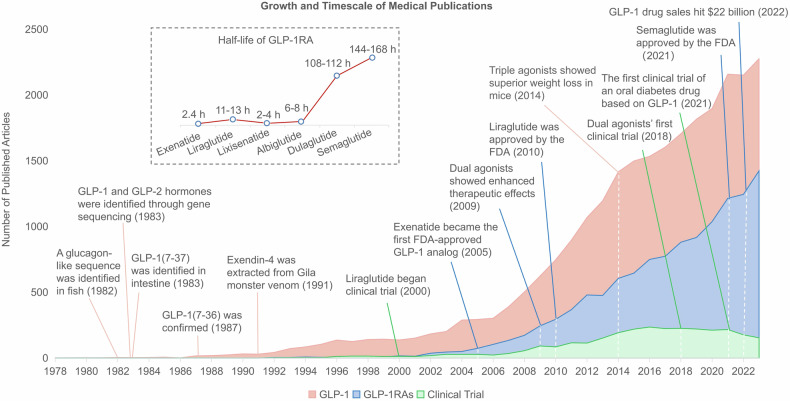
“The average half-life of lixisenatide is approximately 3–4 h.95”
§ Glucagon-like peptide-1 receptor: mechanisms and advances in therapy > GLP-1RAs > Current GLP-1RAs
What the sources say
- Disputedcites [95] Xie, P. et al. Pharmacokinetics and safety of Iglarlixi in healthy chinese participants: Results of a phase 1 randomized study. Diab Ther. 14, 1387–1397 (2023). PMC10299984 37329393 sourceExperimental — accuracy not yet measured
The Results (Pharmacokinetics, Table 2) report mean terminal half-lives of 2.16 and 2.17 h for lixisenatide in the two dose groups, not approximately 3–4 h. The paper separately reports times to peak concentration of about 2–3 h; those are not half-lives. (LLM, conf=0.90)
Checked by a reasoning model — may be wrong.
plain- Asserted: passes — The authors put it forward as true.
- Checkable: passes — It can be checked against evidence.
- Load-bearing: unclear — It is unclear whether the paper’s conclusions depend on it.
- Based: passes — The paper gives a reason why it holds.
- Disputed
At least one cited source doesn’t support this claim or points to a different paper, and none confirmed it — see the verdicts below.
In the paper
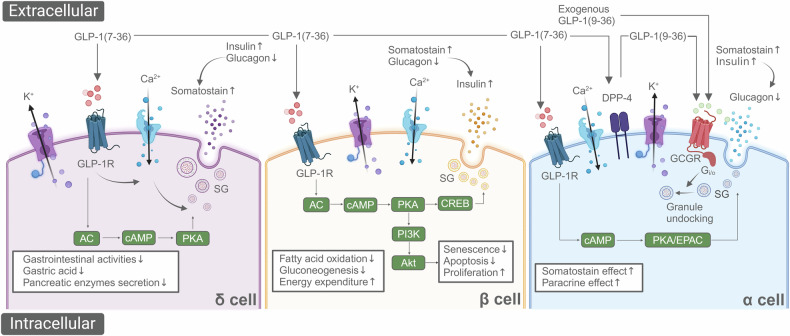
“Furthermore, GLP-1 can slow down gastric emptying by activating the vagus nerve, a part of the autonomic nervous system crucial for regulating the activities of the gastrointestinal tract.268”
§ Glucagon-like peptide-1 receptor: mechanisms and advances in therapy > Classical pathophysiological mechanisms of GLP-1 > The pathophysiological mechanism of GLP-1 in metabolic diseases
What the sources say
- Disputedcites [268] Nauck, M. A., Kemmeries, G., Holst, J. J. & Meier, J. J. Rapid tachyphylaxis of the glucagon-like peptide 1-induced deceleration of gastric emptying in humans. Diabetes 60, 1561–1565 (2011). 21430088 PMC3292331 sourceExperimental — accuracy not yet measured
The Results report that GLP-1 slowed gastric emptying, but the Discussion says it seems to do so primarily through inhibition—not activation—of the vagal nerve. The reported suppression of pancreatic polypeptide, a marker of vagal activation, is consistent with that interpretation. Page numbers are not provided in our copy. (LLM, conf=0.89)
Checked by a reasoning model — may be wrong.
plainstates a cause- Asserted: passes — The authors put it forward as true.
- Checkable: passes — It can be checked against evidence.
- Load-bearing: unclear — It is unclear whether the paper’s conclusions depend on it.
- Based: passes — The paper gives a reason why it holds.
- Disputed
At least one cited source doesn’t support this claim or points to a different paper, and none confirmed it — see the verdicts below.
In the paper
“By interacting with receptors in the hypothalamus, GLP-1 influences satiety and reduces the consumption of food in both animals and humans.262”
§ Glucagon-like peptide-1 receptor: mechanisms and advances in therapy > Classical pathophysiological mechanisms of GLP-1 > The pathophysiological mechanism of GLP-1 in metabolic diseases
What the sources say
- Disputedcites [262] Ando, H. et al. Glucagon-like peptide-1 reduces pancreatic β-cell mass through hypothalamic neural pathways in high-fat diet-induced obese rats. Sci. Rep. 7, 5578 (2017). 28717164 PMC5514038 sourceExperimental — accuracy not yet measured
The Discussion reports that chronic GLP-1 or liraglutide treatment activated hypothalamic pathways in rats but did not alter food intake or body weight. The paper therefore does not support the claimed reduction in food consumption in its animals, and it provides no human satiety or food-intake finding. (LLM, conf=0.83)
Checked by a reasoning model — may be wrong.
plainstates a cause- Asserted: passes — The authors put it forward as true.
- Checkable: passes — It can be checked against evidence.
- Load-bearing: passes — The paper’s conclusions depend on it.
- Based: passes — The paper gives a reason why it holds.
- Disputed
The cited sources support only part of this claim — read each source’s verdict below.
In the paper
“while their anti-inflammatory properties offer new hope for conditions such as osteoarthritis (OA), rheumatoid arthritis (RA) and cardiovascular diseases.13–15”
§ Glucagon-like peptide-1 receptor: mechanisms and advances in therapy > Introduction
What the sources say
- Partly supportedcites [13] Du, H., Meng, X., Yao, Y. & Xu, J. The mechanism and efficacy of GLP-1 receptor agonists in the treatment of Alzheimer’s disease. Front Endocrinol. (Lausanne) 13, 1033479 (2022). 36465634 PMC9714676 sourceExperimental — accuracy not yet measured
The “Anti-inflammatory effects” section (page not provided) reports that GLP-1 receptor agonists reduce neuroinflammation in Alzheimer’s disease models. It does not address their potential for osteoarthritis, rheumatoid arthritis, or cardiovascular diseases, so the disease-specific extension is unsupported by this source. (LLM, conf=0.87)
- Partly supportedcites [14] Reich, N. & Hölscher, C. The neuroprotective effects of glucagon-like peptide 1 in Alzheimer’s and Parkinson’s disease: An in-depth review. Front Neurosci. 16, 970925 (2022). 36117625 PMC9475012 sourceExperimental — accuracy not yet measured
The review’s “Inflammation > In vivo evidence for the anti-inflammatory effects of GLP-1 receptor agonists” section says GLP-1 analogs have potent anti-inflammatory effects, principally in brain models of Alzheimer’s and Parkinson’s disease. The passages do not extend that promise to osteoarthritis, rheumatoid arthritis, or cardiovascular disease. (LLM, conf=0.86)
- Partly supportedcites [15] Meurot, C. et al. Targeting the GLP-1/GLP-1R axis to treat osteoarthritis: A new opportunity? J. Orthop. Transl. 32, 121–129 (2022). PMC8888891 35280931 sourceExperimental — accuracy not yet measured
Our copy strongly supports the OA part: the Introduction states 'GLP-1 analogues may be good therapeutic candidates for treating OA' and the Conclusion that the anti-inflammatory/immunoregulatory properties of GLP-1 analogues 'raises the hypothesis of their potential interest to treat OA'; the Introduction > Multiple biological activities of GLP-1 also lists vascular diseases and OA among conditions where GLP-1–based therapies downregulate pro-inflammatory responses. However, the source does not extend the 'new hope'/therapeutic-opportunity framing to rheumatoid arthritis — the RA material (Introduction > GLP-1/GLP-1R functions in different knee joint tissues) is only in vitro data in fibroblast-like RA synoviocytes with lixisenatide, cited to another work [56] and used to argue GLP-1R is a whole-joint target for OA — and the cardiovascular passage is a mouse model of angiotensin II-induced hypertension [37], not a clinical prospect. So two of the three conditions in the claim are supported only as mechanistic/animal findings, not as therapeutic hope. (LLM, conf=0.72)
hedgedstates a possible cause- Asserted: passes — The authors put it forward as true.
- Checkable: passes — It can be checked against evidence.
- Load-bearing: passes — The paper’s conclusions depend on it.
- Based: passes — The paper gives a reason why it holds.
- Partly supported
The cited sources support only part of this claim — read each source’s verdict below.
In the paper
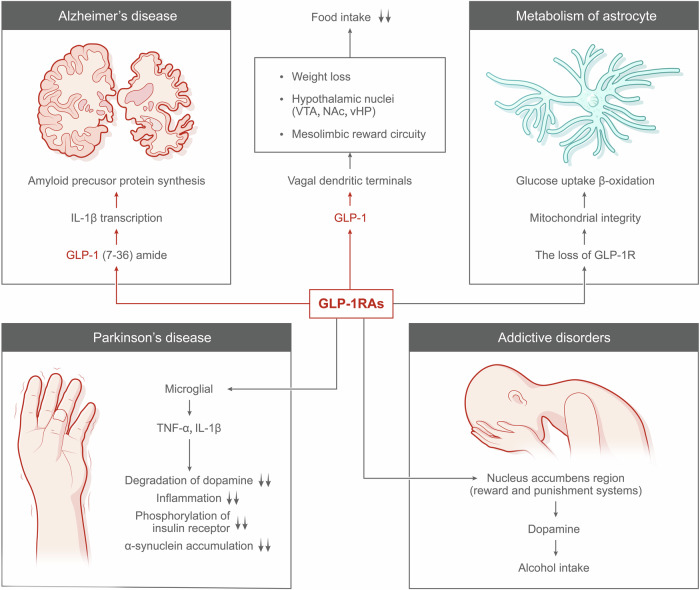
“in the treatment of Alzheimer’s diseases (AD) and Parkinson’s diseases (PD), GLP-1RAs have shown potential in slowing disease progression”
§ Glucagon-like peptide-1 receptor: mechanisms and advances in therapy > Introduction
What the sources say
- Partly supportedcites [13] Du, H., Meng, X., Yao, Y. & Xu, J. The mechanism and efficacy of GLP-1 receptor agonists in the treatment of Alzheimer’s disease. Front Endocrinol. (Lausanne) 13, 1033479 (2022). 36465634 PMC9714676 sourceExperimental — accuracy not yet measured
The ‘Application of GLP-1R agonists in AD’ section says liraglutide might reduce or delay Alzheimer’s disease progression and describes GLP-1R agonists as promising for preventing AD processes. The copy does not make the corresponding claim about slowing Parkinson’s disease progression; Parkinson’s disease appears in reference titles, not in a reported finding here. Page numbers were not available in the indexed passages. (LLM, conf=0.88)
- Supportedcites [14] Reich, N. & Hölscher, C. The neuroprotective effects of glucagon-like peptide 1 in Alzheimer’s and Parkinson’s disease: An in-depth review. Front Neurosci. 16, 970925 (2022). 36117625 PMC9475012 source
The review’s clinical-trials section reports that liraglutide reduced cognitive impairment and brain-volume loss relative to placebo in patients with mild cognitive impairment or Alzheimer’s disease. Its exenatide subsection reports that treated Parkinson’s patients did not deteriorate on motor measures while the placebo group did, with a difference persisting after treatment stopped. These findings support the cautious claim that GLP-1 receptor agonists have shown potential to slow progression in both diseases; they do not establish that the drugs are proven treatments. (LLM, conf=0.92)
- Partly supportedcites [15] Meurot, C. et al. Targeting the GLP-1/GLP-1R axis to treat osteoarthritis: A new opportunity? J. Orthop. Transl. 32, 121–129 (2022). PMC8888891 35280931 sourceExperimental — accuracy not yet measured
In the Introduction ('Multiple biological activities of GLP-1'), Meurot et al. state that the anti-neuroinflammatory activity of GLP-1 analogues has been investigated in animal models of neurodegenerative disease 'with encouraging results', and that liraglutide, lixisenatide, semaglutide and exenatide 'are being tested in clinical trials for Alzheimer's and Parkinson's diseases', with the reported patient-level effect being that they 'have improved coordination and motor activity in patients'. That supports GLP-1RAs showing potential in AD/PD, but the source nowhere attributes disease-modification or slowed progression of AD/PD to them — its human-data statement is symptomatic (coordination/motor activity), and its mechanistic statement is downregulation of pro-inflammatory responses in neurodegenerative brain disorders. The specific qualifier 'slowing disease progression' therefore goes beyond what this paper says. (LLM, conf=0.72)
hedgedstates a possible cause- Asserted: passes — The authors put it forward as true.
- Checkable: passes — It can be checked against evidence.
- Load-bearing: passes — The paper’s conclusions depend on it.
- Based: passes — The paper gives a reason why it holds.
- Partly supported
169 more claims · 103 with their cited sources checked
Create a free account to see all 328 claims and to verify the 4 references still open.
- It may state two separate claims as one. 148
- Probably not a substantial claim. 19
Claims other papers make about this one
Each is checked against this paper’s own text: does it say what the citing paper says it does?
The source backs part of the claim, not all of it — or backs it for a different population, condition or comparison.
In the citing paper
“Centrally, GLP-1 activates GLP-1 receptors located in the nucleus tractus solitarius and dorsal motor nucleus of the vagus within the brainstem, leading to inhibition of parasympathetic output and a reduction in gastric smooth muscle tone [2, 28].”
From Delayed gastric emptying induced by glucagon-like peptide-1 receptor agonists and its implications for perioperative risk during anesthesia (2026) · cites this paper as [28]
Experimental — accuracy not yet measuredThe source backs part of the claim, not all of it — or backs it for a different population, condition or comparison.
In the citing paper
“GLP-1 RAs delay gastric emptying by inhibiting gastrointestinal motility through both PNS and CNS.”
From Delayed gastric emptying induced by glucagon-like peptide-1 receptor agonists and its implications for perioperative risk during anesthesia (2026) · cites this paper as [28]
Experimental — accuracy not yet measuredThe source backs part of the claim, not all of it — or backs it for a different population, condition or comparison.
In the citing paper
“Large cardiovascular outcome trials, including LEADER (Liraglutide Effect and Action in Diabetes: Evaluation of Cardiovascular Outcome Results), and AMPLITUDE-O (Effect of Efpeglenatide on Cardiovascular Outcomes), among others, consistently show reductions in major adverse cardiovascular events, particularly myocardial infarction, stroke, and cardiovascular mortality, among patients with establis”
From Unequal Access to Evidence-Based Cardiometabolic Therapies: Racial Disparities in SGLT2 Inhibitor and GLP-1 Receptor Agonist Use Among Patients With Type 2 Diabetes and Cardiovascular Disease (2026) · cites this paper as [7]
Experimental — accuracy not yet measuredThe cited source says what the claim attributes to it.
In the citing paper
“Structural modifications of the GLP-1 molecule led to the development of GLP-1RAs with prolonged half-life, enabling sustained glycemic control and weight reduction [33,38,40]”
From Nutritional Approaches to Enhance GLP-1 Analogue Therapy in Obesity: A Narrative Review (2025) · cites this paper as [33]
The cited source says what the claim attributes to it.
In the citing paper
“Activation of GLP-1 receptors enhances glucose-dependent insulin secretion, suppresses inappropriate glucagon release, slows gastric emptying, and lowers appetite, collectively reducing glycemic load.10”
From The Triple‐Agonist Revolution: Retatrutide and the Paradigm Shift in Multi‐Hormonal Pharmacotherapy for Obesity and Cardiometabolic Comorbidities (2026) · cites this paper as [10]
2 more claims about this paper
Create a free account to see every claim other papers make about this one.
Citations
Cites
Atherosclerosis--an inflammatory disease
Ross, R. (1999) · New England Journal of Medicine · doi:10.1056/nejm199901143400207 · Cited by 21,725
Liraglutide and Cardiovascular Outcomes in Type 2 Diabetes
Marso, S. P., Daniels, G. H., Brown-Frandsen, K., Kristensen, P., Mann, J. F. E., Nauck, M. A., Nissen, S. E., Pocock, S., Poulter, N. R., Ravn, L. S., et al. (2016) · New England Journal of Medicine · doi:10.1056/nejmoa1603827 · Cited by 7,629 · cited 1×
“39,40,446 Notably, GLP-1RAs exhibit pronounced ef fi cacy in optimizing blood lipid pro fi les by effectively suppressing chylomicron secretion in the intestine, thereby mitigating the occurrence of postprandial hyperlipidemia.”
BackgroundDapagliflozin in Patients with Heart Failure and Reduced Ejection Fraction
McMurray, J. J. V., Solomon, S. D., Inzucchi, S. E., Køber, L., Kosiborod, M. N., Martinez, F. A., Ponikowski, P., Sabatine, M. S., Anand, I. S., Bělohlávek, J., et al. (2019) · New England Journal of Medicine · doi:10.1056/nejmoa1911303 · Cited by 7,140
Semaglutide and Cardiovascular Outcomes in Patients with Type 2 Diabetes
Marso, S. P., Bain, S. C., Consoli, A., Eliaschewitz, F. G., Jódar, E., Leiter, L. A., Lingvay, I., Rosenstock, J., Seufert, J., Warren, M. L., et al. (2016) · New England Journal of Medicine · doi:10.1056/nejmoa1607141 · Cited by 6,900 · cited 1×
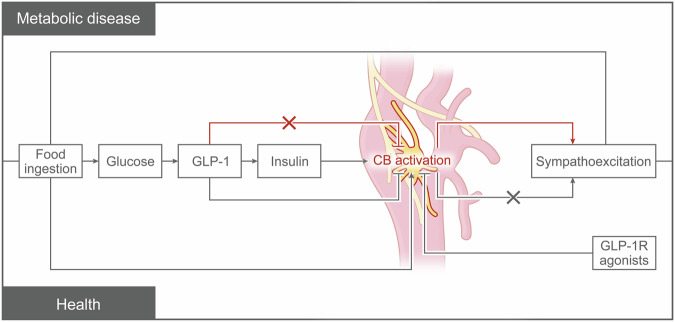
“467 Under hyperglycemic conditions, GLP-1RAs regulate hypertension by inhibiting carotid body function.”
BackgroundInsulin signalling and the regulation of glucose and lipid metabolism
Saltiel, A. R., & Kahn, C. R. (2001) · Nature · doi:10.1038/414799a · Cited by 5,326 · cited 1×
“238 The high concentration of insulin in the local pancreatic environment creates a negative feedback effect, reducing the amount of glucagon secreted by α -cells.”
BackgroundCardiovascular and renal outcomes with empagliflozin in heart failure
Packer, M., Anker, S. D., Butler, J., Filippatos, G., Pocock, S. J., Carson, P., Januzzi, J., Verma, S., Tsutsui, H., Brueckmann, M., et al. (2020) · New England Journal of Medicine · doi:10.1056/nejmoa2022190 · Cited by 5,206
The National Center for Biotechnology Information
Benson, D., Boguski, M., Lipman, D. J., & Ostell, J. (1990) · Genomics · doi:10.1016/0888-7543(90)90583-g · Cited by 5,126
AMPK: a nutrient and energy sensor that maintains energy homeostasis
Hardie, D. G., Ross, F. A., & Hawley, S. A. (2012) · Nature Reviews Molecular Cell Biology · doi:10.1038/nrm3311 · Cited by 4,602
NF-κB regulation in the immune system
Li, Q., & Verma, I. M. (2002) · Nature Reviews Immunology · doi:10.1038/nri910 · Cited by 4,007
NF-κB: a key role in inflammatory diseases
Tak, P. P., & Firestein, G. S. (2001) · Journal of Clinical Investigation · doi:10.1172/jci11830 · Cited by 3,918
Research works printed but not linked: 1
- Elfeki, M. A. & Alkhouri, N. Triple-hormone-receptor agonist retatrutide for obesity. N. Engl. J. Med. 389, 1629 (2023). 37888926
Cited by
Items 801–900 of 1,004
Rojas, K. E., Gee, S., Wernette, C., Wang, E. X., Nguyen, E. T., & Nguyen, J. D. (2026) · bioRxiv (Cold Spring Harbor Laboratory) · doi:10.64898/2026.05.19.726324
Wang, X., Lu, G., Zhou, Y., & Zhao, G. (2026) · Journal of Endocrinological Investigation · doi:10.1007/s40618-026-02891-7 · Cited by 4
“In summary, GLP-1RA treat-ment is associated with reduced inflammatory signaling and lower inflammatory marker burden in both experimental and clinical studies, which may contribute, at least in part, to improvements in steatosis and fibrogenic activity [ 20, 108].”
An antibiotic-free plasmid vector platform for non-viral DNA delivery
Zhao, D., Carden, Z. D., Wang, Y., et al. (2026) · Genes & Diseases · doi:10.1016/j.gendis.2026.102249
Sehrawat, A., Singh, Y., Gupta, K., Thareja, S., & Bhatti, J. S. (2026) · Molecular Diversity · doi:10.1007/s11030-026-11585-4
“…increased slightly in 4GV1 compared to both 4QTB and 6SLG. pathophysiology is not yet clear, standard treatment focuses on glycaemic control (via SGLT2/DPP-4 inhibitors and GLP-1 agonists), blood pressure, weight management along renin–angiotensin–aldosterone system (RAAS) inhibition [15, 72–74].”
Tirzepatide in the management of heart failure with preserved ejection fraction: A narrative review
Bordoloi, M., Bawankule, S., Acharya, S., & Aggarwal, P. (2026) · Journal of Clinical Sciences · doi:10.4103/jcls.jcls_173_25
Enhanced Bioactivities of Fermented Rehmannia glutinosa via Catalpol-Mediated GLP-1R Signaling
You, E.-J., & Kim, B. R. (2026) · Current Issues in Molecular Biology · doi:10.3390/cimb48060559
“Fermented Rehmannia glutinosa extracts (FRGE) have been reported to exhibit enhanced antioxidant and immunomodulatory activities compared with non-fermented extracts [12,13].”
Venkatesan, A., Martin, A., Katragadda, N., Tsui, S., Otten, M., Lee, R., & Sharma, G. (2026) · Cardiology in Review · doi:10.1097/crd.0000000000001330
Kayali, H., Adio, A. A., Parmar, T., Sumiyoshi, N., & Boakye, L. A. T. (2026) · Journal of the American Academy of Orthopaedic Surgeons · doi:10.5435/jaaos-d-26-00153
Chen, J., Gao, D., Lv, X., Zhang, H., Sun, M., Jiang, Y., Lv, Z., Xu, X., & Tang, M. (2026) · International Journal of Surgery · doi:10.1097/js9.0000000000005161
Kennedy, S., Thomas, J., Darcy, S., Odia, I., Kamdar, D., Pereira, L., Scarola, D., Miles, B., Frank, D. K., Taneja, C., et al. (2026) · Frontiers in Oncology · doi:10.3389/fonc.2026.1834606 · Cited by 1
“GLP-1R is a G-protein coupled receptor that activates that phospho-PI3K-Akt pathway in the pancreas, promoting pancreatic b -cell function (14).”
Sazlı, N., & Karataş, D. (2026) · Computational Biology and Chemistry · doi:10.1016/j.compbiolchem.2026.109146
Wang, Z., Zhao, W., Chen, X. M., Zhao, S. P., Li, X., Yang, Q., Zong, F., & Zhang, H. (2026) · Frontiers in Pharmacology · doi:10.3389/fphar.2026.1820128
“GLP-1R, a member of the G Protein-Coupled Receptor (GPCR) family primarily located on the plasma membrane, specifically binds to GLP-1 and plays a key role in regulating blood glucose levels and lipid metabolism (Zheng et al., 2024).”
Woo, K. A., Jang, Y., Kim, H.-J., & Park, P. J. (2026) · Brain · doi:10.1093/brain/awag195
He, B., Chen, Y., Cai, P., Xi, R., Shen, X., Guo, S., Chen, J., Li, S., & Wu, Y. (2026) · Cellular & Molecular Biology Letters · doi:10.1186/s11658-026-00952-6 · Cited by 1
“These subunits phosphorylate cAMP response element–binding protein 1 (CREB1) and other downstream effectors, launching transcriptional programs that promote cellular survival [17].”
InfluentialGanakumar, V., Fernandez, C. J., & Pappachan, J. M. (2026) · World Journal of Diabetes · doi:10.4239/wjd.116477
Zhang, C.-Y., & Yang, M. (2026) · World Journal of Hepatology · doi:10.4254/wjh.120178
Self-citationTicho, A. L., MCRAE, A. N., Cifuentes, L., Fredrick, T. W., Añazco, D., Espinosa, M. A., Cordova, J. M. G., Romanos, M., Villamarin, J. L., Johnson, S., et al. (2026) · Gastroenterology · doi:10.1053/j.gastro.2026.05.019 · Cited by 1
Min, E., Goyette, A., Young, E., Moon, K., Bellini, N. J., & Isaacs, D. M. (2026) · Canadian Journal of Physiology and Pharmacology · doi:10.1139/cjpp-2025-0142 · Cited by 1
Builes-Montaño, C. E., Suarez-Rodriguez, A. F., & Alzate-Vinasco, M. A. (2026) · Diabetes Therapy · doi:10.1007/s13300-026-01886-0 · Cited by 3
Simental‐Mendía, L. E., Simental-Mendía, M. A., Aguillón-Marín, P., & Sánchez‐García, A. (2026) · Journal of Investigative Medicine · doi:10.1177/10815589261460894
Nxumalo, M. B., Kumalo, H. M., Maruma, L. N., Tata, F. Y., Ntanzi, N., & Khan, R. B. (2026) · Health Sciences Review · doi:10.1016/j.hsr.2026.100274 · Cited by 3
Yang, M., & Hung, L. W. (2026) · BMC Musculoskeletal Disorders · doi:10.1186/s12891-026-10059-w
“Glucagon‑like peptide‑1 receptor agonists (GLP‑1RAs) are increasingly prescribed for glycaemic control, weight reduction, and cardiovascular risk reduction in patients with type 2 diabetes mellitus (T2DM) and obesity [1].”
Kelly, H., & Davis, T. (2026) · Movement Disorders Clinical Practice · doi:10.1002/mdc3.70704
Туркина, С. В. (2026) · Consilium Medicum · doi:10.26442/20751753.2026.5.203661
Ferreira, J. G., Veras, G. R. M., Souza, A. L. C. D., Araújo, A. A., Duarte, B. Z. E. S., Monteiro, H. B., Sousa, T. A., & dos Santos, K. N. (2026) · RECIMA21 - Revista Científica Multidisciplinar · doi:10.47820/recima21.v7i6.8139
Zarei, M., & Hajiani, Y. (2026) · Diabetology & Metabolic Syndrome · doi:10.1186/s13098-026-02196-y
“The first clinically approved agent, exenatide, derived from the Gila monster peptide exendin-4, received FDA approval in 2005, marking the beginning of the incretin era in diabetes pharmacotherapy [12, 13].”
Regulators of appetite in mammals—old and new players
Fernandes, J. H., Silva, J. D., Costa, M. D., & Maciel, P. (2026) · Endocrine Reviews · doi:10.1210/endrev/bnag020 · Cited by 1
Fasinu, P. S., Coric, T., & Wilborn, T. W. (2026) · Elsevier eBooks · doi:10.1016/b978-0-443-44037-3.00458-9
Fields, L. G., Tran, V. N. H., Duong, T., et al. (2026) · ACS Chemical Neuroscience · doi:10.1021/acschemneuro.6c00123
Gao, Y., Hong, X., Yang, K., Le, Y., Wei, R., Yang, J., Hong, T., & Tian, Q. (2026) · Journal of Clinical & Translational Endocrinology · doi:10.1016/j.jcte.2026.100447
“Glucagon-like peptide-1 (GLP-1) receptor agonists (GLP-1RAs) not only improve glycemic control but also exert beneficial effects on body weight and lipid metabolism, making them important therapeutic agents in patients with T2DM [4].”
Glucagon-like peptide-1 receptor agonists and rotator cuff disease: a scoping review
Duru, D. O., Zhou, A., Lee, D. K. R., Carroll, P. J., & Elmaraghy, A. (2026) · BMC Musculoskeletal Disorders · doi:10.1186/s12891-026-10092-9
Aggour, Y., & Salguero‐Gómez, R. (2026) · Frontiers in Aging · doi:10.3389/fragi.2026.1800288
“Because appetite suppression is a major component of their action (Zheng et al., 2024), GLP-1RAs are relevant to comparison with CR-like interventions.”
Beyond Weight Loss: The Musculoskeletal Effects of GLP-1 Therapies
Zurowska, A. (2026) · EMJ Rheumatology · doi:10.33590/emjrheumatol/771475ds
Targeting endothelial to mesenchymal transition in atherosclerosis
Ciliberti, G., Sachse, M., & Stellos, K. (2026) · Cardiovascular Research · doi:10.1093/cvr/cvag097
Glucagon‐like peptide‐1 receptor agonist use and violent crime among US adults
Semenza, D. C., & Thomas, C. (2026) · Criminology · doi:10.1111/1745-9125.70058 · Cited by 3
Ramadan, A., Aglan, A., Salama, B., Abdalla, M., Fath, A., Frishman, W. H., & Aronow, W. S. (2026) · Cardiology in Review · doi:10.1097/crd.0000000000001322
Bidirectional relationship between metabolic and thrombotic disease mechanisms
Jameson, A. T., & Hur, W. S. (2026) · Current Opinion in Hematology · doi:10.1097/moh.0000000000000929
Patil, M., Piccinini, F., Johnstone, E. K. M., Casari, I., & Falasca, M. (2026) · Bioscience Reports · doi:10.1042/bsr20250114 · Cited by 1
“They regulate glucose and lipid homeostasis in T2D by enhancing glucose-stimulated insulin secretion, suppressing glucagon and hepatic glucose output, slowing gastric emptying, and reducing appetite [25].”
Sánchez-Thomas, R., Bautista-Perez, S. M., Santana-Martínez, R. A., Silva‐Islas, C. A., Figueroa, A., Barrera‐Oviedo, D., & Maldonado, P. D. (2026) · Elsevier eBooks · doi:10.1016/b978-0-443-44173-8.00015-2
Guo, A., Krishnan, S., Patel, J., Nayeri, R., Chatterjee, D., Srivastava, P. K., & Nayeri, A. (2026) · Next research. · doi:10.1016/j.nexres.2026.102044
Li, R., Zhao, X., Shen, J., Luo, B., Wang, Y., & Duan, Y. (2026) · Preventive Medicine Reports · doi:10.1016/j.pmedr.2026.103548
Frankenfeld, C. L., Movva, N., Hooda, N., Gauthier, J., Reichert, H., & Doepker, C. L. (2026) · Journal of Nutrition · doi:10.1016/j.tjnut.2026.101685
James, F., Li, Q., Somisetty, M., Nguyen, C., Vaughan‐Sarrazin, M., Lund, B. C., Tsai, S. X., Smolderen, K. G. E., Hoffman, R. M., Arya, S., et al. (2026) · medRxiv · doi:10.64898/2026.06.18.26356017
Rationale of renewed efforts in developing MC4R modulators to treat metabolic disorders
Feng, W., Zhou, Q., & Wang, M. (2026) · Acta Pharmaceutica Sinica B · doi:10.1016/j.apsb.2026.06.035
“These drugs produce substantial and durable weight loss by enhancing satiety, delaying gastric emptying, and improving glycemic control 5 .”
Delivery devices and container closure systems for co-formulated and co-administered biologics
Zhou, M., Duffy, K. H., Mitchener, C., Shi, G. H., & Collins, D. S. (2026) · Antibody Therapeutics · doi:10.1093/abt/tbag034
Layer-by-layer polymeric films for buccal GLP-1 delivery
Pantazoglou, E., Bahuon, F., Andresen, A. K., Tollemeto, M., Zhang, Z., Tzitzigiannis, I., Ezazi, N. Z., Sacramento, M. M. A., Mano, J. F., Untracht, G. R., et al. (2026) · Cell Reports Physical Science · doi:10.1016/j.xcrp.2026.103410 · Cited by 1
The systems medicine view of semaglutide: from clinical trials to molecular mechanisms
Vitorino, R. M. P. (2026) · Expert Review of Clinical Pharmacology · doi:10.1080/17512433.2026.2695172
“Clarifying how semaglutide influences molecular networks in metabolically active tissues such as the liver, adipose tissue, intestine, and pancreas is important for explaining its diverse effects [7].”
Doğan, A., Yanılmaz, E. M. B., Karabaş, S. A., & Annac, E. (2026) · Journal of Pharmacy and Pharmacology · doi:10.1093/jpp/rgag065 · Cited by 1
Saponaro, C., Imbernón, M., Louvet, I., Deligia, E., Chen, S., Davies, I., Acosta-Montalvo, A., Moreno-Lopez, M., Wemelle, E., Kothegala, L., et al. (2026) · Diabetologia · doi:10.1007/s00125-026-06779-2
“Their primary mechanism of action involves enhancing insulin release through direct effects on pancreatic beta cells [4, 5].”
GLP-1 receptor agonists in obstructive sleep apnea: A propensity score-matched real-world analysis
Rai, P., Bathla, G., Praveen, N., Chen, H. A., Salim, H. A., Azzam, A. Y., Essibayi, M. A., Altschul, D. J., Dmytriw, A. A., Yedavalli, V. S., et al. (2026) · Respiratory Medicine · doi:10.1016/j.rmed.2026.109001
GLP-1 Receptor Agonists beyond Glycemic Control: Physiology and Pharmacological Evidence
Amate, P. (2026) · Open Journal of Pharmacology and Pharmacotherapeutics · doi:10.17352/ojpp.000029
Zhao, C. (2026) · Pakistan Journal of Pharmaceutical Sciences · doi:10.36721/pjps.2026.39.9.243.1
Goc, A., Sumera, W., & Niedzwiecki, A. (2026) · Nutrients · doi:10.3390/nu18132111
“By comparison, phytochemicals that modulate the GLP-1 system generally produce modest improvements in glycemia and body weight, consistent with enhancement of endogenous GLP-1 rather than pharmacologic receptor agonism [61–63].”
Lunati, M. E., Galesi, G., Bernasconi, D., Tinari, C., & Fiorina, P. (2026) · Frontiers in Endocrinology · doi:10.3389/fendo.2026.1833794
Oriquat, G., Abdulsahib, W. K., Mustafa, W. W., Gajjar, T. B., Hanumanthayya, M., Shukla, S. K., Panigrahi, R., Bainsal, N., & Khaitova, S. (2026) · PROTOPLASMA · doi:10.1007/s00709-026-02235-5 · Cited by 1
Sridhar, A., Iyer, V. N., Orla, G., Flatt, P. R., Moffett, R. C., & Khan, D. (2026) · Exploration of Endocrine and Metabolic Diseases · doi:10.37349/eemd.2026.101475
Simental‐Mendía, L. E., Barragán‐Zuñiga, L. J., & Reyes-Avitia, V. (2026) · High Blood Pressure & Cardiovascular Prevention · doi:10.1007/s40292-026-00812-6
“…by the integrated action of the three targeted hormonal pathways: GLP-1 receptor activation enhances insulin secretion and reduces appetite [ 37]; GIP improves insulin sensitivity and exerts a favorable energy balance [ 38]; and glucagon receptor activation stimulates lipolysis and…”
Varathorn, Y., Chanamarnjuntho, M., Trakoonsenathong, R., Kusoltech, C., Thithuan, K., Sa-Ngiamwibool, P., & Saengboonmee, C. (2026) · Cancer Treatment and Research Communications · doi:10.1016/j.ctarc.2026.101300
Potential of Triazines as Antidiabetic Agents—A Review of Structures and Pharmacological Activity
Łażewska, D., Strelchuk, D., & Handzlik, J. (2026) · Pharmaceuticals · doi:10.3390/ph19071018
“GLP-1 receptor agonists (GLP-1RAs) increase insulin secretion, inhibit glucagon release, delay gastric emptying, and reduce appetite, thereby improving glycaemic control and metabolic health [42].”
Ciancimino, G., Pecorella, F., Viscardi, S. M., Mantia, C. L., Caserta, A., Pennisi, G., & Petta, S. (2026) · Hepatoma Research · doi:10.20517/2394-5079.2026.19
Panchal, P., Daware, S., Guo, Y., Mao, G.-M., Billack, B., Khatri, P., & Patel, K. (2026) · AAPS PharmSciTech · doi:10.1208/s12249-026-03455-x · Cited by 2
“GLP-1 agonists delay stomach emptying, promote satiety by lowering overall food intake, suppressing glucagon release, and increases insulin release and secretion in hyperglycemic states [5, 6].”
Ravi, T., Dash, K., Barman, D. K., Kwon, H., Mishra, M., & Sahoo, H. (2026) · Biopolymers · doi:10.1002/bip.70113
Peripheral targets for neuropathic pain
Afsharipour, A., Ciotu, C. I., Resch, F. J., & Fischer, M. J. M. (2026) · British Journal of Pharmacology · doi:10.1111/bph.70553
Wu, Q., Wei, H., Zhou, H., Du, Y., & Zhao, Q. (2026) · Biomedicine & Pharmacotherapy · doi:10.1016/j.biopha.2026.119726
Chen, J., Liu, K.-W., Huang, Y., Meyerowitz‐Katz, G., Tsai, T., & Su, P. (2026) · Therapeutic Advances in Endocrinology and Metabolism · doi:10.1177/20420188261460592 · Cited by 1
Phenotypic and genomic frameworks for precision pharmacotherapy in obesity: a narrative review
López-Delgado, D. S., Reyes-Zermeño, M. G., Lemus, E. D. S., Acosta-Celis, C. G., Kantún-Marín, M. A., Gomez-Lujan, M., Fallaza-Moya, K., Muñoz-Chuquilín, O., Levano, S. E. T., Gutierrez-Chavez, G., et al. (2026) · Frontiers in Medicine · doi:10.3389/fmed.2026.1803474 · Cited by 2
“However, current effect sizes, replication, and clinical validity remain insufficient for routine implementation (50).”
GLP‐1 Receptor Agonist Effect on Disease Severity in Idiopathic Subglottic Stenosis
Malka, R. E., Collins, S., Triantafillou, V., Saeedi, N., Akst, L. M., Best, S. R., Motz, K., & Hillel, A. T. (2026) · Otolaryngology · doi:10.1002/ohn.70327
Wu, J., Zheng, W., Qi, Q., He, C., Zhai, C., & Fan, H. (2026) · Reviews in Cardiovascular Medicine · doi:10.31083/rcm51234 · Cited by 1
Xu, W., Lu, C., Xu, J., & Wang, L. (2026) · Neuroscience & Biobehavioral Reviews · doi:10.1016/j.neubiorev.2026.106846
Alkhushaym, N., Almutairi, W., ALANAZI, S., Balharith, R., Alhifany, A. A., & Musa, I. R. (2026) · Research Square · doi:10.21203/rs.3.rs-10216709/v1
Body Composition Considerations in Glucagon-Like Peptide-1 Receptor Agonists Treatment
Zydel, D., Sterczala, A. J., Young, M. T., Blakeley, N. L., Forman, D. E., & Herrle, S. R. (2026) · Mayo Clinic Proceedings · doi:10.1016/j.mayocp.2026.07.002
Thottappillil, A., Kouser, S., Badiger, A. V., Pinto, P. G., Ramachandran, S., Janadri, S., Mudagal, M. P., Kukkupuni, S. K., Suma Mohan, S., & Vishnuprasad, C. N. (2026) · Journal of Ayurveda and Integrative Medicine · doi:10.1016/j.jaim.2026.101359 · Cited by 3
“The currently approved GLP1 based therapies have shown to be effective in obesity and also has multiple beneficial effects in addition to weight loss [58].”
Pérez, S. E. M., & Pérez, I. M. M. (2026) · Rheumato · doi:10.3390/rheumato6030016 · Cited by 1
Tristan, C. D., Irnizarifka, I., Kynaya, E. M., Gani, M., Wijayanto, M. A., Asrial, A. A., & Pranata, R. (2026) · American Journal of Cardiovascular Drugs · doi:10.1007/s40256-026-00812-w
“On the other hand, GLP-1 RA supports the activation of the GLP-1 receptor on pancreatic β-cells, endothelial cells, and the hypothalamus, which enhances insulin secretion and suppresses glucagon secretion, thereby improving glycemic control and inducing weight loss [33].”
Mohammad, A., DASHTI, M. H., Malik, M. Z., Rajan, R., & Al‐Mulla, F. (2026) · International Journal of Biological Macromolecules · doi:10.1016/j.ijbiomac.2026.153525
Abegaz, T. M., & Frietze, G. A. (2026) · Frontiers in Artificial Intelligence · doi:10.3389/frai.2026.1861563 · Cited by 2
“Glucagon-like peptide-1 receptor agonists (GLP-1 RAs) have emerged as a cornerstone therapy for the management of type 2 diabetes mellitus (T2DM) and obesity, offering clinically meaningful improvements in glycemic control alongside significant weight reduction (Zheng et al., 2024; Rao, 2026).”
GLP-1 Receptor Agonists and Colorectal Cancer Outcomes: Hype, Hope, or Hidden Confounding?
Murthy, S. S., Mongiu, A. K., Trapani, D., & Sylla, P. (2026) · Annals of Surgical Oncology · doi:10.1245/s10434-026-20206-1
Ritter, A., Kreis, N., Louwen, F., & Yuan, J. (2026) · Endocrine Reviews · doi:10.1210/endrev/bnag029 · Cited by 1
Mitochondrial dysfunction in energy metabolism: Unraveling cardiometabolic diseases
Gao, J., & Yao, M. (2026) · Elsevier eBooks · doi:10.1016/b978-0-443-34186-1.00011-6
Self-citationDu, J., Yang, Z., & Chen, Y. (2026) · Frontiers in Nutrition · doi:10.3389/fnut.2026.1870484 · Cited by 1
“…may further regulate downstream signalling pathways, including protein kinase A (PKA) and exchange protein directly activated by cAMP (EPAC), which may influence afferent excitability, signal gain, or syn-aptic-like communication between taste receptor cells and gustatory nerve endings (39).”
Association between glucagon-like peptide-1 receptor agonist use and ischemic stroke severity
Chen, H. A., Lakhani, D. A., Yaddanapudi, S., Latifikhereshky, S., Rai, P., Kakadiya, J., Malhotra, A., Colasurdo, M., & Gandhi, D. (2026) · Journal of the Neurological Sciences · doi:10.1016/j.jns.2026.126106
Yang, W., Ouyang, G., Zhou, W., Lu, B., & Pang, Z. (2026) · Pharmaceuticals · doi:10.3390/ph19071107
Tong, L. H., Leung, K.-K., & Hung, C.-T. (2026) · Journal of Chromatography A · doi:10.1016/j.chroma.2026.467288
Angelopoulos, A., Fragoulis, G., Papagoras, C., & Daoussis, D. (2026) · Rheumatology International · doi:10.1007/s00296-026-06258-2 · Cited by 2
Li, J., Li, J., Xu, X., Wang, N., Lu, Y., & Wang, B. (2026) · Cardiovascular Diabetology · doi:10.1186/s12933-026-03304-y
“Our findings should therefore be interpreted as evidence for glycemic and adiposity pathways associated with genetic variation at the GLP1R and GIPR loci, whereas effects independent of glucose lowering and weight reduction remain uncaptured [6, 37].”
Metabolism in PTEN hamartoma tumour syndrome
Ambery, P., Bågenholm, R., Pepper, T., Barton, C. M., Whitehead, M. A., Rodriguez, L. H., & Greasley, P. J. (2026) · Metabologia · doi:10.1007/s44357-026-00008-4
“When GLP-1 binds to the GLP-1 receptor, it activates G-proteins, leading to an increase in the intracellular second messenger cAMP, activating protein kinase A, which then promotes the synthesis and secretion of insulin and inhibits the release of glucagon [134].”
Reitz, J., Rosoff, D. B., Pacher, P., & Lohoff, F. W. (2026) · Biological Psychiatry Global Open Science · doi:10.1016/j.bpsgos.2026.100793 · Cited by 1
“GLP1R agonism consistently reduces appetite, improves glycemic control, and dampens mesolimbic dopamine signaling (28), while GIPR agonism enhances insulinotropic effects, modulates adipocyte lipid handling, and may influence reward via GIPR-expressing midbrain neurons (137,138).”
Li, Z., Zhang, S., & Liu, B. (2026) · BMJ Open · doi:10.1136/bmjopen-2026-120259 · Cited by 1
“ZL contributed to the study design, data collection and analysis and manuscript”
Semaglutide and the Heart: Focus on Their Love–Hate Relationship
Khan, E., Fernandes, J., Gohel, V., Jain, R., Jayne, W., Peck, C., Shah, T. S., Shah, R. S., LaBarge, J., Ray, S. D., et al. (2026) · Hearts · doi:10.3390/hearts7030022
“PI3K/Akt activation is generally considered a downstream or indirect signaling event rather than a primary canonical GLP-1R pathway; it is recruited via secondary messengers and crosstalk with growth factor receptors [7].”
InfluentialFrank, A. L., Mohli, I., Kaur, N., & Arnold, W. (2026) · Cureus · doi:10.7759/cureus.113316
“Tirzepatide is a dual glucose-dependent insulinotropic polypeptide (GIP) and glucagon-like peptide-1 (GLP-1) receptor agonist that exerts its effects through coordinated actions on pancreatic, gastrointestinal, and central nervous system pathways [10-12].”
Abdullah‐Zawawi, M., Apparow, S., & Jalal, M. I. A. (2026) · Egyptian Journal of Medical Human Genetics · doi:10.1186/s43042-026-00894-w
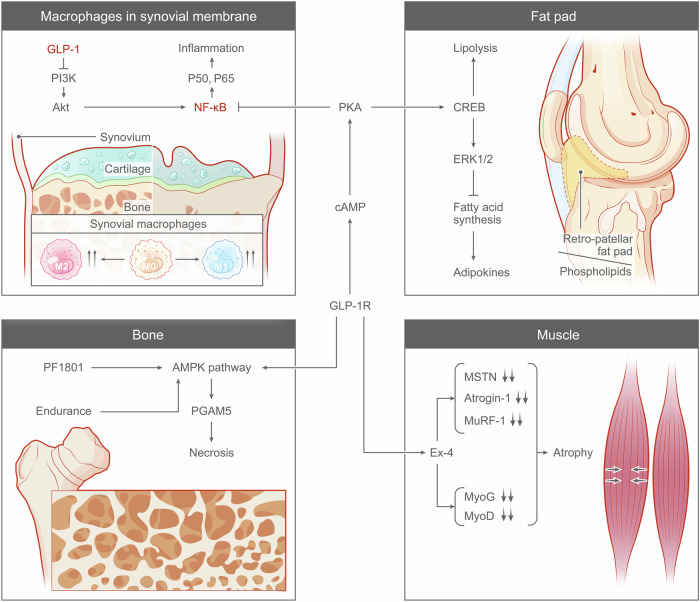
“In parallel, GLP-1 receptor (GLP-1R) signaling via PKA may stabilize IκB or inhibit its phosphorylation, thereby limiting NF-κB activation and nuclear translocation [35].”
Decoding Immunometabolic Dynamics of Adipose Tissue in Obesity: Evolving Evidence and Way Forward
Kumari, K., Verma, K., Yadav, R., Dwivedi, J., Paliwal, S., & Sharma, S. K. (2026) · ACS Pharmacology & Translational Science · doi:10.1021/acsptsci.6c00071
Ahmed, A. K. K., Rodini, S., Alrubyea, F., & Akl, M. M. (2026) · Problems of Endocrinology · doi:10.14341/probl13660
Mills, A. M., & Noble, E. E. (2026) · Appetite · doi:10.1016/j.appet.2026.108729
Vozza, A., Biagi, F., Chiara, R., Vizzutti, F., & Marra, F. (2026) · Internal and Emergency Medicine · doi:10.1007/s11739-026-04456-1 · Cited by 1
Minden, A. (2026) · Springer eBooks · doi:10.1007/978-3-032-20529-2_13
Hyung, S., Park, U. J., Ryu, J. H., & Chung, S. (2026) · Journal of Clinical Medicine · doi:10.3390/jcm15155932
Kim, T., Seo, J., Kang, S., Kim, H. K., Lee, B., Lee, J., & Go, G. (2026) · Food Science and Biotechnology · doi:10.1007/s10068-026-02259-w
Zhang, S., Liu, S., Zhou, M., Wang, J., Zhang, Y., Zhong, H., & Ning, G. (2026) · Molecular Neurobiology · doi:10.1007/s12035-026-06090-6
“SCI is multifactorial, single-target failures, needing pleiotropic agents; incretins fit because of the central nervous sys-tem (CNS) and systemic metabolic complications [13–18].”
InfluentialArvez, M. J. A., Wade, S., Goordeen, D., Ilomäki, J., Cross, A. J., Langiu, M., & Tan, G. S. Q. (2026) · Clinical Pharmacology & Therapeutics · doi:10.1002/cpt.70414
“1,6 These neuroprotective and neuromodulatory properties have sparked significant interest in exploring the use of GLP-1RAs to treat neurological, neurodegenerative, and mental health disorders.”
Metadata
- Authors
- Zheng, Z., Zong, Y., Ma, Y., Tian, Y., Pang, Y., Zhang, C., & Gao, J.
- Affiliations
- Shanghai Jiao Tong University (CN)
- Corresponding author
- Gao, Junjie
- Venue
- Signal Transduction and Targeted Therapy
- Published
- 2024-09-18
- Volume
- 9
- Issue
- 1
- Pages
- 234-234
- ISSN
- 2059-3635 (ISSN-L)
- PMC
- PMC11408715
- OpenAlex
- W4402620314
- Cited by
- 1,036
- References
- 519
- Citations by year
- 2026: 534 · 2025: 491 · 2024: 11
- FWCI
- 60.43
- Type
- journal article
- Language
- en
- Open access
- gold
- doi.org
- Licence
- cc-by
- creativecommons.org/licenses/by/4.0 (tdm)
- creativecommons.org/licenses/by/4.0 (vor)
- Locations
- Signal Transduction and Targeted Therapy (publishedVersion, cc-by)
- PubMed Central (publishedVersion, cc-by)
- UWA Profiles and Research Repository (UWA) (publishedVersion, cc-by)
- PubMed (publishedVersion)
- DOAJ (DOAJ: Directory of Open Access Journals) (submittedVersion, cc-by-sa)
- Funders
- National Natural Science Foundation of China (82002339, 81820108020)
- Shanghai Frontiers Science Center of Degeneration and Regeneration in Skeletal System
- Topics
- Health Sciences › Medicine › Endocrinology, Diabetes and Metabolism › Diabetes Treatment and Management
- Life Sciences › Biochemistry, Genetics and Molecular Biology › Molecular Biology › Receptor Mechanisms and Signaling
- Life Sciences › Neuroscience › Endocrine and Autonomic Systems › Regulation of Appetite and Obesity
- Keywords
- GLP-1 receptor, GLP-1 receptor agonists, G protein-coupled receptors, glucagon-like peptide-1, glucose homeostasis, lipid metabolism, obesity, cardiovascular disease, non-alcoholic fatty liver disease, neurodegenerative diseases, musculoskeletal inflammation, cancer, neuroprotection, anti-infection, inflammation reduction, cardiovascular function, pharmacological mechanisms, signaling pathways
- MeSH terms
- Glucagon-Like Peptide-1 Receptor, Animals, Humans, Glucagon-Like Peptide 1
About these checks
Registry, retraction, Cites and statistics results are computed, not judged, with one exception: a printed reference that no index lists is read once by a model before it counts as a citation error. Claims are extracted by a model and kept only when their quote appears verbatim in the text; each cited source is then checked, with a model’s help, for whether it says what the claim relies on. Those verdicts can be wrong — read the claim’s quote and the cited source before relying on one.
The claim verdicts this report counts are experimental: their accuracy is not yet measured.
A language model drew the claims from the paper on 2026-09-28, under version 3 of the claim definition (model deepseek-v4.1-flash, prompt extract-v3).
A second model labelled each claim on 2026-09-28 (model jev-1.13-20260917, definition revision gold-guideline-v0.2).
Cited sources are checked with a language model’s help (gpt-6-sol and qwen3.8-omni-flash).
Statistics and arithmetic are recomputed, not judged.
Confidence bands are shown only for fields calibrated on our annotated test set. None is calibrated yet, so no band is shown.
What counts as a claim ›How we measure confidence ›How we check this ›
Are you an author, or do you see a problem with this page? Request a review
Data sources
Bibliographic data: Semantic Scholar, OpenAlex, Crossref.
Contains information from the Semantic Scholar Academic Graph Datasets, made available under the ODC Attribution License (ODC-BY 1.0).
Semantic Scholar’s data is described in: Kinney, R., et al. (2023). The Semantic Scholar Open Data Platform. arXiv:2301.10140.
