

Glucagon-like peptide-1 receptor: mechanisms and advances in therapy
Open accessThe DOI matches its Crossref record; 519 of the 519 references it cites were found in a registry or an index; 274 of the 463 sources its claims cite were checked for support.
Abstract
The glucagon-like peptide-1 (GLP-1) receptor, known as GLP-1R, is a vital component of the G protein-coupled receptor (GPCR) family and is found primarily on the surfaces of various cell types within the human body. This receptor specifically interacts with GLP-1, a key hormone that plays an integral role in regulating blood glucose levels, lipid metabolism, and several other crucial biological functions. In recent years, GLP-1 medications have become a focal point in the medical community due to their innovative treatment mechanisms, significant therapeutic efficacy, and broad development prospects. This article thoroughly traces the developmental milestones of GLP-1 drugs, from their initial discovery to their clinical application, detailing the evolution of diverse GLP-1 medications along with their distinct pharmacological properties. Additionally, this paper explores the potential applications of GLP-1 receptor agonists (GLP-1RAs) in fields such as neuroprotection, anti-infection measures, the reduction of various types of inflammation, and the enhancement of cardiovascular function. It provides an in-depth assessment of the effectiveness of GLP-1RAs across multiple body systems-including the nervous, cardiovascular, musculoskeletal, and digestive systems. This includes integrating the latest clinical trial data and delving into potential signaling pathways and pharmacological mechanisms. The primary goal of this article is to emphasize the extensive benefits of using GLP-1RAs in treating a broad spectrum of diseases, such as obesity, cardiovascular diseases, non-alcoholic fatty liver disease (NAFLD), neurodegenerative diseases, musculoskeletal inflammation, and various forms of cancer. The ongoing development of new indications for GLP-1 drugs offers promising prospects for further expanding therapeutic interventions, showcasing their significant potential in the medical field.
Overview
CoChat Summary
## TL;DR
This is a narrative review of GLP-1 receptor biology and GLP-1 receptor agonists (GLP-1RAs), summarizing their mechanisms, drug development, and expanding therapeutic uses. It argues that beyond diabetes, GLP-1RAs show promise for obesity, cardiovascular disease, NAFLD/NASH, neurodegenerative disease, musculoskeletal inflammation, and some cancers.
## Key findings
- GLP-1 is described as a short-lived incretin hormone with a circulatory half-life of only 1–2 min, rapidly degraded by DPP-4.
- The review states that GLP-1RAs lower blood glucose without increasing hypoglycemia risk and have been approved mainly as adjuncts to diet and exercise for type 2 diabetes mellitus (T2DM).
- The paper highlights clinical trial signals for newer agents:
- Orforglipron: 8.6% to 12.6% weight loss at 26 weeks vs 2.0% with placebo; 9.4% to 14.7% by week 36 vs 2.3% placebo.
- In a T2DM study, orforglipron produced an average A1C reduction of 2.1% and 10.1 kg weight loss at 26 weeks; 65% to 96% achieved A1C < 7.0%.
- Danuglipron: at the highest dose (120 mg twice daily), average HbA1c fell by 1.16 percentage points and weight fell by 4.17 kg over 16 weeks.
- GSBR-1290: placebo-adjusted HbA1c reduction of 1.01% to 1.02% and body-weight reduction of 3.26% to 3.51% after 12 weeks in T2DM; 4.74% weight reduction at week 8 in obesity.
- For obesity and cardiometabolic disease, the review cites a semaglutide HFpEF trial in 529 patients with BMI ≥30, randomized to 2.4 mg weekly semaglutide or placebo for 52 weeks, with improvement in symptoms, motor function, and weight loss.
## Methods
- This is a narrative review, not an original experimental study; it synthesizes prior literature on GLP-1/GLP-1R biology, GLP-1RAs, and related diseases.
- The article integrates mechanistic studies, animal experiments, and clinical trials across multiple systems, including metabolic, nervous, cardiovascular, musculoskeletal, and digestive disease contexts.
- The main analysis is descriptive and integrative, organizing evidence by receptor biology, signaling pathways, drug classes, and disease areas; no single primary dataset or statistical model is reported.
## Limitations
- The paper does not state explicit study limitations typical of an original research article; this is evident from the text because it is a review.
- Evident from the text: much of the evidence cited is preclinical or early-phase clinical, and several uses are described as “promising,” “potential,” or under investigation, so many conclusions remain provisional.
- Evident from the text: the review is broad and heterogeneous, combining findings from different species, disease models, and trial designs, which makes direct comparison across findings difficult.
Model-written summary of a shortened version of the paper’s full text (it is longer than we read). Check it against the paper before relying on it.
Integrity signals
Registry
Cites
Statistics
Figures
Verification
Claims the paper makes
175 Valid · 32 Not valid · 93 Not checked · 28 Own results and interpretations
At least one cited source doesn’t support this claim or points to a different paper, and none confirmed it — see the verdicts below.
In the paper
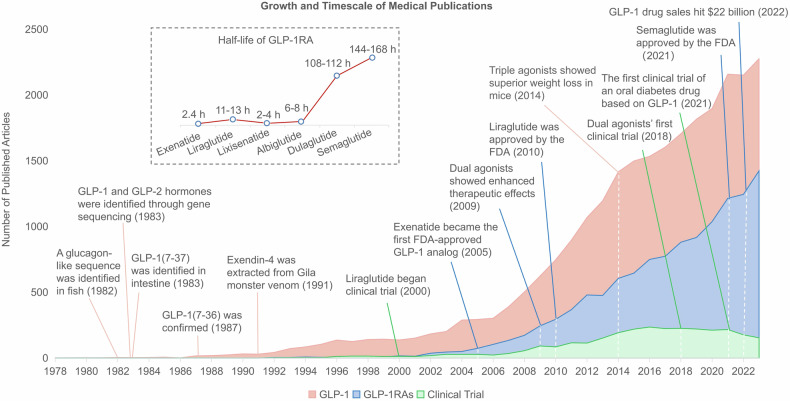
“The average half-life of lixisenatide is approximately 3–4 h.95”
§ Glucagon-like peptide-1 receptor: mechanisms and advances in therapy > GLP-1RAs > Current GLP-1RAs
What the sources say
- Disputedcites [95] Xie, P. et al. Pharmacokinetics and safety of Iglarlixi in healthy chinese participants: Results of a phase 1 randomized study. Diab Ther. 14, 1387–1397 (2023). PMC10299984 37329393 sourceExperimental — accuracy not yet measured
The Results (Pharmacokinetics, Table 2) report mean terminal half-lives of 2.16 and 2.17 h for lixisenatide in the two dose groups, not approximately 3–4 h. The paper separately reports times to peak concentration of about 2–3 h; those are not half-lives. (LLM, conf=0.90)
Checked by a reasoning model — may be wrong.
plain- Asserted: passes — The authors put it forward as true.
- Checkable: passes — It can be checked against evidence.
- Load-bearing: unclear — It is unclear whether the paper’s conclusions depend on it.
- Based: passes — The paper gives a reason why it holds.
- Disputed
At least one cited source doesn’t support this claim or points to a different paper, and none confirmed it — see the verdicts below.
In the paper
“Furthermore, GLP-1 can slow down gastric emptying by activating the vagus nerve, a part of the autonomic nervous system crucial for regulating the activities of the gastrointestinal tract.268”
§ Glucagon-like peptide-1 receptor: mechanisms and advances in therapy > Classical pathophysiological mechanisms of GLP-1 > The pathophysiological mechanism of GLP-1 in metabolic diseases
What the sources say
- Disputedcites [268] Nauck, M. A., Kemmeries, G., Holst, J. J. & Meier, J. J. Rapid tachyphylaxis of the glucagon-like peptide 1-induced deceleration of gastric emptying in humans. Diabetes 60, 1561–1565 (2011). 21430088 PMC3292331 sourceExperimental — accuracy not yet measured
The Results report that GLP-1 slowed gastric emptying, but the Discussion says it seems to do so primarily through inhibition—not activation—of the vagal nerve. The reported suppression of pancreatic polypeptide, a marker of vagal activation, is consistent with that interpretation. Page numbers are not provided in our copy. (LLM, conf=0.89)
Checked by a reasoning model — may be wrong.
plainstates a cause- Asserted: passes — The authors put it forward as true.
- Checkable: passes — It can be checked against evidence.
- Load-bearing: unclear — It is unclear whether the paper’s conclusions depend on it.
- Based: passes — The paper gives a reason why it holds.
- Disputed
At least one cited source doesn’t support this claim or points to a different paper, and none confirmed it — see the verdicts below.
In the paper
“By interacting with receptors in the hypothalamus, GLP-1 influences satiety and reduces the consumption of food in both animals and humans.262”
§ Glucagon-like peptide-1 receptor: mechanisms and advances in therapy > Classical pathophysiological mechanisms of GLP-1 > The pathophysiological mechanism of GLP-1 in metabolic diseases
What the sources say
- Disputedcites [262] Ando, H. et al. Glucagon-like peptide-1 reduces pancreatic β-cell mass through hypothalamic neural pathways in high-fat diet-induced obese rats. Sci. Rep. 7, 5578 (2017). 28717164 PMC5514038 sourceExperimental — accuracy not yet measured
The Discussion reports that chronic GLP-1 or liraglutide treatment activated hypothalamic pathways in rats but did not alter food intake or body weight. The paper therefore does not support the claimed reduction in food consumption in its animals, and it provides no human satiety or food-intake finding. (LLM, conf=0.83)
Checked by a reasoning model — may be wrong.
plainstates a cause- Asserted: passes — The authors put it forward as true.
- Checkable: passes — It can be checked against evidence.
- Load-bearing: passes — The paper’s conclusions depend on it.
- Based: passes — The paper gives a reason why it holds.
- Disputed
The cited sources support only part of this claim — read each source’s verdict below.
In the paper
“while their anti-inflammatory properties offer new hope for conditions such as osteoarthritis (OA), rheumatoid arthritis (RA) and cardiovascular diseases.13–15”
§ Glucagon-like peptide-1 receptor: mechanisms and advances in therapy > Introduction
What the sources say
- Partly supportedcites [13] Du, H., Meng, X., Yao, Y. & Xu, J. The mechanism and efficacy of GLP-1 receptor agonists in the treatment of Alzheimer’s disease. Front Endocrinol. (Lausanne) 13, 1033479 (2022). 36465634 PMC9714676 sourceExperimental — accuracy not yet measured
The “Anti-inflammatory effects” section (page not provided) reports that GLP-1 receptor agonists reduce neuroinflammation in Alzheimer’s disease models. It does not address their potential for osteoarthritis, rheumatoid arthritis, or cardiovascular diseases, so the disease-specific extension is unsupported by this source. (LLM, conf=0.87)
- Partly supportedcites [14] Reich, N. & Hölscher, C. The neuroprotective effects of glucagon-like peptide 1 in Alzheimer’s and Parkinson’s disease: An in-depth review. Front Neurosci. 16, 970925 (2022). 36117625 PMC9475012 sourceExperimental — accuracy not yet measured
The review’s “Inflammation > In vivo evidence for the anti-inflammatory effects of GLP-1 receptor agonists” section says GLP-1 analogs have potent anti-inflammatory effects, principally in brain models of Alzheimer’s and Parkinson’s disease. The passages do not extend that promise to osteoarthritis, rheumatoid arthritis, or cardiovascular disease. (LLM, conf=0.86)
- Partly supportedcites [15] Meurot, C. et al. Targeting the GLP-1/GLP-1R axis to treat osteoarthritis: A new opportunity? J. Orthop. Transl. 32, 121–129 (2022). PMC8888891 35280931 sourceExperimental — accuracy not yet measured
Our copy strongly supports the OA part: the Introduction states 'GLP-1 analogues may be good therapeutic candidates for treating OA' and the Conclusion that the anti-inflammatory/immunoregulatory properties of GLP-1 analogues 'raises the hypothesis of their potential interest to treat OA'; the Introduction > Multiple biological activities of GLP-1 also lists vascular diseases and OA among conditions where GLP-1–based therapies downregulate pro-inflammatory responses. However, the source does not extend the 'new hope'/therapeutic-opportunity framing to rheumatoid arthritis — the RA material (Introduction > GLP-1/GLP-1R functions in different knee joint tissues) is only in vitro data in fibroblast-like RA synoviocytes with lixisenatide, cited to another work [56] and used to argue GLP-1R is a whole-joint target for OA — and the cardiovascular passage is a mouse model of angiotensin II-induced hypertension [37], not a clinical prospect. So two of the three conditions in the claim are supported only as mechanistic/animal findings, not as therapeutic hope. (LLM, conf=0.72)
hedgedstates a possible cause- Asserted: passes — The authors put it forward as true.
- Checkable: passes — It can be checked against evidence.
- Load-bearing: passes — The paper’s conclusions depend on it.
- Based: passes — The paper gives a reason why it holds.
- Partly supported
The cited sources support only part of this claim — read each source’s verdict below.
In the paper
“in the treatment of Alzheimer’s diseases (AD) and Parkinson’s diseases (PD), GLP-1RAs have shown potential in slowing disease progression”
§ Glucagon-like peptide-1 receptor: mechanisms and advances in therapy > Introduction
What the sources say
- Partly supportedcites [13] Du, H., Meng, X., Yao, Y. & Xu, J. The mechanism and efficacy of GLP-1 receptor agonists in the treatment of Alzheimer’s disease. Front Endocrinol. (Lausanne) 13, 1033479 (2022). 36465634 PMC9714676 sourceExperimental — accuracy not yet measured
The ‘Application of GLP-1R agonists in AD’ section says liraglutide might reduce or delay Alzheimer’s disease progression and describes GLP-1R agonists as promising for preventing AD processes. The copy does not make the corresponding claim about slowing Parkinson’s disease progression; Parkinson’s disease appears in reference titles, not in a reported finding here. Page numbers were not available in the indexed passages. (LLM, conf=0.88)
- Supportedcites [14] Reich, N. & Hölscher, C. The neuroprotective effects of glucagon-like peptide 1 in Alzheimer’s and Parkinson’s disease: An in-depth review. Front Neurosci. 16, 970925 (2022). 36117625 PMC9475012 source
The review’s clinical-trials section reports that liraglutide reduced cognitive impairment and brain-volume loss relative to placebo in patients with mild cognitive impairment or Alzheimer’s disease. Its exenatide subsection reports that treated Parkinson’s patients did not deteriorate on motor measures while the placebo group did, with a difference persisting after treatment stopped. These findings support the cautious claim that GLP-1 receptor agonists have shown potential to slow progression in both diseases; they do not establish that the drugs are proven treatments. (LLM, conf=0.92)
- Partly supportedcites [15] Meurot, C. et al. Targeting the GLP-1/GLP-1R axis to treat osteoarthritis: A new opportunity? J. Orthop. Transl. 32, 121–129 (2022). PMC8888891 35280931 sourceExperimental — accuracy not yet measured
In the Introduction ('Multiple biological activities of GLP-1'), Meurot et al. state that the anti-neuroinflammatory activity of GLP-1 analogues has been investigated in animal models of neurodegenerative disease 'with encouraging results', and that liraglutide, lixisenatide, semaglutide and exenatide 'are being tested in clinical trials for Alzheimer's and Parkinson's diseases', with the reported patient-level effect being that they 'have improved coordination and motor activity in patients'. That supports GLP-1RAs showing potential in AD/PD, but the source nowhere attributes disease-modification or slowed progression of AD/PD to them — its human-data statement is symptomatic (coordination/motor activity), and its mechanistic statement is downregulation of pro-inflammatory responses in neurodegenerative brain disorders. The specific qualifier 'slowing disease progression' therefore goes beyond what this paper says. (LLM, conf=0.72)
hedgedstates a possible cause- Asserted: passes — The authors put it forward as true.
- Checkable: passes — It can be checked against evidence.
- Load-bearing: passes — The paper’s conclusions depend on it.
- Based: passes — The paper gives a reason why it holds.
- Partly supported
169 more claims · 103 with their cited sources checked
Create a free account to see all 328 claims and to verify the 4 references still open.
- It may state two separate claims as one. 148
- Probably not a substantial claim. 19
Claims other papers make about this one
Each is checked against this paper’s own text: does it say what the citing paper says it does?
The source backs part of the claim, not all of it — or backs it for a different population, condition or comparison.
In the citing paper
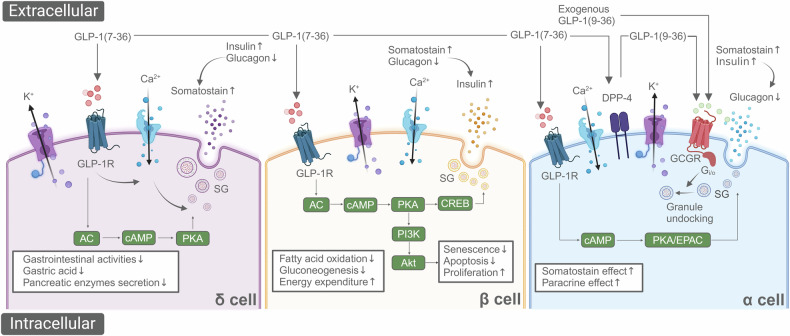
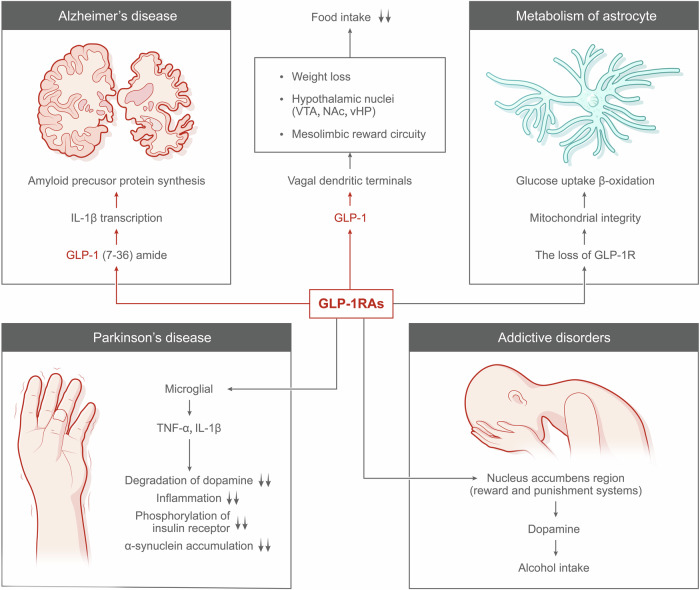
“Centrally, GLP-1 activates GLP-1 receptors located in the nucleus tractus solitarius and dorsal motor nucleus of the vagus within the brainstem, leading to inhibition of parasympathetic output and a reduction in gastric smooth muscle tone [2, 28].”
From Delayed gastric emptying induced by glucagon-like peptide-1 receptor agonists and its implications for perioperative risk during anesthesia (2026) · cites this paper as [28]
Experimental — accuracy not yet measuredThe source backs part of the claim, not all of it — or backs it for a different population, condition or comparison.
In the citing paper
“GLP-1 RAs delay gastric emptying by inhibiting gastrointestinal motility through both PNS and CNS.”
From Delayed gastric emptying induced by glucagon-like peptide-1 receptor agonists and its implications for perioperative risk during anesthesia (2026) · cites this paper as [28]
Experimental — accuracy not yet measuredThe source backs part of the claim, not all of it — or backs it for a different population, condition or comparison.
In the citing paper
“Large cardiovascular outcome trials, including LEADER (Liraglutide Effect and Action in Diabetes: Evaluation of Cardiovascular Outcome Results), and AMPLITUDE-O (Effect of Efpeglenatide on Cardiovascular Outcomes), among others, consistently show reductions in major adverse cardiovascular events, particularly myocardial infarction, stroke, and cardiovascular mortality, among patients with establis”
From Unequal Access to Evidence-Based Cardiometabolic Therapies: Racial Disparities in SGLT2 Inhibitor and GLP-1 Receptor Agonist Use Among Patients With Type 2 Diabetes and Cardiovascular Disease (2026) · cites this paper as [7]
Experimental — accuracy not yet measuredThe cited source says what the claim attributes to it.
In the citing paper
“Structural modifications of the GLP-1 molecule led to the development of GLP-1RAs with prolonged half-life, enabling sustained glycemic control and weight reduction [33,38,40]”
From Nutritional Approaches to Enhance GLP-1 Analogue Therapy in Obesity: A Narrative Review (2025) · cites this paper as [33]
The cited source says what the claim attributes to it.
In the citing paper
“Activation of GLP-1 receptors enhances glucose-dependent insulin secretion, suppresses inappropriate glucagon release, slows gastric emptying, and lowers appetite, collectively reducing glycemic load.10”
From The Triple‐Agonist Revolution: Retatrutide and the Paradigm Shift in Multi‐Hormonal Pharmacotherapy for Obesity and Cardiometabolic Comorbidities (2026) · cites this paper as [10]
2 more claims about this paper
Create a free account to see every claim other papers make about this one.
Citations
Cites
Atherosclerosis--an inflammatory disease
Ross, R. (1999) · New England Journal of Medicine · doi:10.1056/nejm199901143400207 · Cited by 21,725
Liraglutide and Cardiovascular Outcomes in Type 2 Diabetes
Marso, S. P., Daniels, G. H., Brown-Frandsen, K., Kristensen, P., Mann, J. F. E., Nauck, M. A., Nissen, S. E., Pocock, S., Poulter, N. R., Ravn, L. S., et al. (2016) · New England Journal of Medicine · doi:10.1056/nejmoa1603827 · Cited by 7,629 · cited 1×
“39,40,446 Notably, GLP-1RAs exhibit pronounced ef fi cacy in optimizing blood lipid pro fi les by effectively suppressing chylomicron secretion in the intestine, thereby mitigating the occurrence of postprandial hyperlipidemia.”
BackgroundDapagliflozin in Patients with Heart Failure and Reduced Ejection Fraction
McMurray, J. J. V., Solomon, S. D., Inzucchi, S. E., Køber, L., Kosiborod, M. N., Martinez, F. A., Ponikowski, P., Sabatine, M. S., Anand, I. S., Bělohlávek, J., et al. (2019) · New England Journal of Medicine · doi:10.1056/nejmoa1911303 · Cited by 7,140
Semaglutide and Cardiovascular Outcomes in Patients with Type 2 Diabetes
Marso, S. P., Bain, S. C., Consoli, A., Eliaschewitz, F. G., Jódar, E., Leiter, L. A., Lingvay, I., Rosenstock, J., Seufert, J., Warren, M. L., et al. (2016) · New England Journal of Medicine · doi:10.1056/nejmoa1607141 · Cited by 6,900 · cited 1×
“467 Under hyperglycemic conditions, GLP-1RAs regulate hypertension by inhibiting carotid body function.”
BackgroundInsulin signalling and the regulation of glucose and lipid metabolism
Saltiel, A. R., & Kahn, C. R. (2001) · Nature · doi:10.1038/414799a · Cited by 5,326 · cited 1×
“238 The high concentration of insulin in the local pancreatic environment creates a negative feedback effect, reducing the amount of glucagon secreted by α -cells.”
BackgroundCardiovascular and renal outcomes with empagliflozin in heart failure
Packer, M., Anker, S. D., Butler, J., Filippatos, G., Pocock, S. J., Carson, P., Januzzi, J., Verma, S., Tsutsui, H., Brueckmann, M., et al. (2020) · New England Journal of Medicine · doi:10.1056/nejmoa2022190 · Cited by 5,206
The National Center for Biotechnology Information
Benson, D., Boguski, M., Lipman, D. J., & Ostell, J. (1990) · Genomics · doi:10.1016/0888-7543(90)90583-g · Cited by 5,126
AMPK: a nutrient and energy sensor that maintains energy homeostasis
Hardie, D. G., Ross, F. A., & Hawley, S. A. (2012) · Nature Reviews Molecular Cell Biology · doi:10.1038/nrm3311 · Cited by 4,602
NF-κB regulation in the immune system
Li, Q., & Verma, I. M. (2002) · Nature Reviews Immunology · doi:10.1038/nri910 · Cited by 4,007
NF-κB: a key role in inflammatory diseases
Tak, P. P., & Firestein, G. S. (2001) · Journal of Clinical Investigation · doi:10.1172/jci11830 · Cited by 3,918
Research works printed but not linked: 1
- Elfeki, M. A. & Alkhouri, N. Triple-hormone-receptor agonist retatrutide for obesity. N. Engl. J. Med. 389, 1629 (2023). 37888926
Cited by
Items 701–800 of 1,004
Firzani, N. A., Tilaqza, A., & Amalia, Y. (2026) · BIO Web of Conferences · doi:10.1051/bioconf/202620902014
Depression, cognition, and GLP-1 receptors: Heterogeneity and therapeutic prospects
Chen, M., Bai, Y., & Tsai, S. (2026) · Med · doi:10.1016/j.medj.2025.100954
Blagojevic-Stokic, N., Whiteley, P., Marlow, B. P., & Wills, J. (2026) · SSRN Electronic Journal · doi:10.2139/ssrn.6043194
COMPREHENSIVE GENETIC INVESTIGATION REVEALS HETEROGENEOUS PATHWAYS TO OBSTRUCTIVE SLEEP APNEAPreprint
Justice, A. E., Keenan, B. T., Chittoor, G., Pahl, M. C., Hoskens, H., Josyula, N. S., Gupta, S., Kim, S., Þorleifsson, G., Manduchi, E., et al. (2026) · medRxiv · doi:10.64898/2026.01.08.26343696
New and Interesting Benefits with New Molecules in Obesity and Type 2 Diabetes
Páez, F. G., Barrios, S. Z., Bautista, L. E. C., Chong, L. D. P., & Velazquez, X. G. R. (2026) · IntechOpen eBooks · doi:10.5772/intechopen.1009256
Liu, J., Chen, Z., Yang, Q., Lin, H., Wang, S., Li, M., Wang, T., Zhao, Z., Xu, M., Chen, Y., et al. (2026) · Communications Medicine · doi:10.1038/s43856-026-01379-y · Cited by 2
“First, the use of GLP-1R agonists for weight management has been expanding rapidly 78 .”
Karson, J., Chesnel, L., & Acton, S. L. (2026) · Molecular Neurodegeneration Advances · doi:10.1186/s44477-025-00015-8 · Cited by 1
“An example of a recent dramatic success of targeting a GPCR is GLP1; agonists are now broadly used to control type II diabetes and stimulate weight loss [12].”
Kan, W., Wang, Y., Xue, Y., et al. (2026) · Frontiers in Endocrinology · doi:10.3389/fendo.2025.1743282
“Their weight-reducing effects also help improve insulin resistance (7).”
Zahed, M., Alesawy, A. F., Elkohail, A., Ghazi, A., Fell, A., & Hashem, M. (2026) · Cureus · doi:10.7759/cureus.101653 · Cited by 1
“By improving glycaemic regulation and reducing immune dysfunction associated with obesity, GLP-1RA therapy may indirectly decrease the likelihood of postoperative infection; at the same time, its effects on bone metabolism could enhance both fusion success and fracture healing [7,8,11,26].”
Tiwari, P., Park, K. I., & Mandal, S. (2026) · Pharmaceuticals · doi:10.3390/ph19010186
“Recent therapies (GLP-1 RA and SGLT2) significantly improve the condition in Type 2 diabetes, in addition to providing stroke prevention (GLP-1 RA), fewer heart failure incidences, and a lowered risk of cardiovascular disease [15,16].”
Liang, Y., Wang, X., & Meng, Z. (2026) · European Journal of Heart Failure · doi:10.1093/ejhf/xuaf022
Layer-by-Layer Polymeric Films: A Novel Approach to Buccal GLP-1 DeliveryPreprint
Pantazoglou, E., Bahuon, F., Andresen, A. K., et al. (2026) · bioRxiv (Cold Spring Harbor Laboratory) · doi:10.64898/2026.01.19.700335
“7,8 Their clinical use is limited by rapid enzymatic degradation and poor permeability across biological barriers, especially in oral and mucosal delivery routes.”
Effects of Liraglutide on Gut Bacterial Community DynamicsPreprint
Bull, J., Durham, P. L., & Mirza, B. S. (2026) · bioRxiv (Cold Spring Harbor Laboratory) · doi:10.64898/2026.01.26.701836
Beyond Diabetes: A Review of Emerging Indications for Glucagon-Like Peptide-1 Receptor Agonists
West, L. M., Patolia, H. H., Chapman, B., Laffin, L. J., Vest, A. R., Sauer, A. J., & Martyn, T. (2026) · Reviews in Cardiovascular Medicine · doi:10.31083/rcm44528 · Cited by 1
“…conferring benefit to these end organs as described in subsequent sections of this review, reducing epicardial adipose tissue (an essential driver of systemic inflammation) may reduce pericardial restraint, enhance ventricular inter-dependence, and improve right ventricular filling pressures [4,5].”
Zhang, S., Suo, M., Yi, Z., Fu, P., Zhang, C., Yue, C., Li, J., Zeng, Y., & Chen, Y. (2026) · Neuroscience & Biobehavioral Reviews · doi:10.1016/j.neubiorev.2026.106583 · Cited by 3
Self-citationChung, K. H., & Kim, J. (2026) · The Korean Journal of Pancreas and Biliary Tract · doi:10.15279/kpba.2026.31.1.1
Gurholt, T. P., Beck, D., Voldsbekk, I., Parker, N., Askeland-Gjerde, D. E., de Lange, A. G., van der Meer, D., Tamnes, C. K., Thompson, P. M., Sønderby, I. E., et al. (2026) · Brain Communications · doi:10.1093/braincomms/fcag026 · Cited by 1
“…that may involve common body fat-related pathways, and may indicate that a whole-body approach and novel treatment strategies capturing the body–brain link (e.g. possibly GLP1-RA 61 or similar drugs) may be beneficial for treating comorbid brain and cardiometabolic and other physical conditions.”
Heng, Y., & Qiuming, Y. (2026) · Nutrition Clinique et Métabolisme · doi:10.1016/j.nupar.2026.103032
Anti-obesity drugs: comprehensive review and emerging therapies
Marne, P., Patil, S. D., Vora, A., MohdSiddique, M. U., Gadkari, Y. U., & Kurkute, P. (2026) · Endocrine · doi:10.1007/s12020-025-04528-w · Cited by 1
Indennidate, C., Perencin, B., Maso, V. D., Buda, I., Candido, R., Sinagra, G., & Merlo, M. (2026) · Current Cardiology Reports · doi:10.1007/s11886-025-02340-6 · Cited by 1
“…to the modulating role of GLP1RA on MAPK signalling pathway: by inhibiting apoptosis and oxidative stress they exert a cardiomyocyte protective action [111, 112], which could be useful in HCM patients in which p38 and MAPK pathways are associated to pathological hyper - trophy and remodeling [113].”
Ko, M., Jeong, S., Chung, J., et al. (2025) · RIVF International Conference on Computing and Communication Technologies (RIVF) · doi:10.1109/rivf68649.2025.11365105
“Among GPCRs, the glucagon-like peptide-1 receptor (GLP-1R) has emerged as a critical therapeutic target for type 2 diabetes and obesity due to its regulatory function in glucose homeostasis and metabolic control [12].”
Jain, V., McMullen, C. A., Kimbrough, J., Rockich, A. K., Davenport, D. L., Hawk, G. S., Nikolajczyk, B. S., Kern, P. A., Fisher, S. J., Steiner, J. P., et al. (2026) · Journal of Surgical Research · doi:10.1016/j.jss.2026.01.004
Chen, X., Zhang, B., Yang, M., Zhuang, Y., Liao, X., & Shi, G. (2026) · Neurocritical Care · doi:10.1007/s12028-025-02446-3
“GLP-1 can affect neuronal apoptosis through the cAMP/ PKA, PI3K/Akt, and ERK pathways [27, 28].”
Targeting GLP1 receptor for reducing global cardiovascular risk
Curcio, A., Meringolo, F., Marincolo, C., Polimeni, A., & Costanzo, S. (2026) · Journal of Translational Medicine · doi:10.1186/s12967-026-07736-8 · Cited by 2
“In the SURPASS-2 trial, tirzepatide demonstrated superior reductions in HbA1c and body weight compared with semaglutide in patients with T2DM, highlighting the metabolic potency of combined incretin signaling [3, 21].”
Correra, A., Mauriello, A., Cetoretta, V., Maratea, A. C., Riegler, L., Sarno, I. D., Giallauria, F., Guerra, F., Russo, V., & D’Andrea, A. (2026) · Pharmaceuticals · doi:10.3390/ph19020297 · Cited by 3
“In papillary thyroid carcinoma, semaglutide induces macrophage polarization toward the antitumor M1 phenotype via the GLP-1R/PPARG/ACSL1 pathway, inhibiting cancer cell proliferation [11].”
Yu, S.-R., Sun, R., Shi, M.-Y., Yang, M., Chen, K., Pan, Q., Zhao, L., Wu, M.-Y., & Chai, J. (2026) · Liver Research · doi:10.1016/j.livres.2026.02.001 · Cited by 1
“Notably, GLP-1, an enteroendocrine hormone with potent central nervous system effects on metabolic con-trol, 103 exemplifies the critical role of gut-originating signaling molecules in systemic metabolism.”
Huang, C., Lai, E. C., Wu, V., Hsieh, M. H., Li, C.-J., Chang, R., Chen, J.-S., Tsai, Y.-S., & Sung, J. (2026) · Nephrology Dialysis Transplantation · doi:10.1093/ndt/gfag028
Abdulraheem, A., Abujaber, B. A., Ayers, L., Afzal, U., Qarkash, D., Altork, N. A., Zureikat, Q. A., Bashiri, K., Almhanni, G., Peppas, S., et al. (2026) · Clinical Endoscopy · doi:10.5946/ce.2025.137
Hayek, A. A., Robert, A. A., Alburayk, A. K., Alwadai, A. N., Almutairi, A. M., Shabani, A. A., & Dawish, M. A. A. (2026) · Current Diabetes Reviews · doi:10.2174/0115733998428827251223081042
Pang, J., Bai, T., Bai, X., Jie, X., Li, X., Ren, W., Zhu, Y., Wan, C., Liu, Y., Liu, J., et al. (2026) · BMC Endocrine Disorders · doi:10.1186/s12902-026-02195-0
“New hypoglycemic drugs, such as sodium-glucose cotransporter 2 (SGLT2) inhibitors [19] and glucagon-like peptide-1 (GLP-1) receptor [20] agonists, have shown some advantages in improving cardiovascular outcomes, but they are not suitable for all patients, and their long-term safety and…”
GLP-1 RECEPTOR AGONISTS AND COLORECTAL CANCER: BIOLOGICAL PLAUSIBILITY AND CURRENT EVIDENCE
Nowak, B., Kałachurska, M., Rozek, M., Nowakowska, M. K., Kowalewska-Kurek, A., Lisowska, A., Jerzyńska, O., Sierant, M., Gural, M., & Guy, C. E. (2026) · International Journal of Innovative Technologies in Social Science · doi:10.31435/ijitss.1(49).2026.4822
Monnier, L., Schlienger, J.-L., & Colette, C. (2026) · Médecine des Maladies Métaboliques · doi:10.1016/j.mmm.2026.02.002
Kim, E. Y., & Feinstein, M. J. (2026) · Canadian Journal of Cardiology · doi:10.1016/j.cjca.2026.02.024 · Cited by 5
Guo, W., Wang, M., Shin, J., Li, F., O'Brien, E. C., Glover, L. M., Bortfeld, K., Zhao, A., McDevitt, R. C., Kalapura, C., et al. (2026) · medRxiv · doi:10.64898/2026.02.18.26346594
Shokravi, A., Singh, R., Sharma, S., Seth, J., & Mancini, G. B. J. (2026) · CJC Open · doi:10.1016/j.cjco.2026.02.008 · Cited by 1
Pascale, S., & Reinert, J. P. (2026) · Annals of Pharmacotherapy · doi:10.1177/10600280251414107 · Cited by 3
Intra-articular GLP-1 analogues: A new disease-modifying strategy for osteoarthritis?
Berenbaum, F. (2026) · Joint Bone Spine · doi:10.1016/j.jbspin.2026.106045
Cancer Incidence Among Users of Glucagon-Like Peptide-1 Receptor Agonists
Rashid, Z., Woldesenbet, S., Khalil, M., Altaf, A., Zindani, S., Mevawalla, A., Sarfraz, A., Mumtaz, K., & Pawlik, T. M. (2026) · Journal of General Internal Medicine · doi:10.1007/s11606-026-10300-1 · Cited by 1
Whitcher, B. J., Raza, H., Basty, N., et al. (2026) · medRxiv · doi:10.64898/2026.02.25.26347009
Rajkovic, C. J., Jain, A., Shafi, M., Omobhude, O. F., Azad, T. D., Carpenter, A. B., Witham, T. F., Kinon, M. D., & Wainwright, J. V. (2026) · North American Spine Society Journal (NASSJ) · doi:10.1016/j.xnsj.2026.100873 · Cited by 5
Tilici, D.-M., Costinescu, R., Păun, D. L., Stegaru, D., Grecu, B. M., Costea, M., & Guja, C. (2026) · Epidemiologia · doi:10.3390/epidemiologia7020041
“Conversely, recent advancementsin thepharmacological management ofT2DM, notably the introduction of glucagon-like peptide-1 receptor agonists (GLP-1 RAs) such as semaglutide, open upnewtherapeutic options [14].”
InfluentialSaldívar-Cerón, H. I. (2026) · Scientia Pharmaceutica · doi:10.3390/scipharm94010021
“…https://doi.org/10.3390/scipharm94010021 reflected in an impaired incretin effect involving both secretion and β -cell responsiveness [5–9,59 ,64 This variability reframes why “monthly” may matter most as a platform for mechanistic diversification rather than as a simple alternative to…”
InfluentialRetatrutide in type 2 diabetes mellitus and obesity: an overview
Panou, T., Gouveri, E., Popovic, D. S., & Παπάνας, Ν. (2026) · Expert Review of Clinical Pharmacology · doi:10.1080/17512433.2026.2642415
“Liver-specific actions of glucagon-like peptide-1 (GLP-1) have been established, partially attributable to reduced macrophage infiltration [41, 42].”
“Rewiring the hypothalamus: emerging neuroendocrine and neurotechnological approaches to obesity”
Tiwari, G., Mundada, A. B., Mundada, P. A., Maheshwari, R. O. P. N., Singh, S., Kumar, R., Chellammal, H. S. J., & Sharma, P. (2026) · Biological Rhythm Research · doi:10.1080/09291016.2026.2635609 · Cited by 8
“These agents operate through central and peripheral mechanisms to improve the body’s ability to control weight through several avenues (Zheng et al. 2024).”
The evolution of obesity pharmacotherapy from sympathomimetics to incretin-based therapies
Ncube, K. N., Moloi, N., & Malange, T. D. (2026) · SA pharmaceutical journal. · doi:10.36303/sapj.4108 · Cited by 1
Emerging role of novel candidates for diabetes mitigation
Banerjee, A., Chattopadhyay, R., Chatterjee, S., & Sen, T. (2026) · Elsevier eBooks · doi:10.1016/b978-0-443-44665-8.00014-6
Huang, Y., Yang, R., Wang, Y., Lu, X., Wei, L., Cheng, R., Cheng, J., Qiu, Y., Wang, S., Li, B., et al. (2026) · Portal hypertension & cirrhosis · doi:10.1002/poh2.70035 · Cited by 1
Low dose systemic AAV-exendin-4 gene therapy for Prader-Willi syndrome and dietary obesity
Huang, W., Xiao, M., Zou, X., Mohammed, T., Feng, Z., & Cao, L. (2026) · Molecular Therapy Advances · doi:10.1016/j.omta.2026.201718
“73 Adding Ex4 C terminus to native GLP-1 significantly reduces its clearance, indicating the important role of C terminus in the stability of Ex4-related peptides.”
Natural products in the management of type 2 diabetes mediated neurological complications
Kumar, R., Devi, A., Sharma, A., Karadagatla, S., & Ranjan, S. (2026) · Elsevier eBooks · doi:10.1016/b978-0-443-32848-0.00022-4
Buran, K., & Kalay, Ş. (2026) · Journal of Research in Pharmacy · doi:10.12991/jrespharm.1822102
Nazari, A., Cheraghi, M., & Souri, F. (2025) · Epidemiology and Health System Journal · doi:10.34172/ehsj.26451
Medenica, S., Prelević, V., Zanković, N., Maggio, V., & Rizzo, M. (2026) · Expert Opinion on Drug Safety · doi:10.1080/14740338.2026.2648248 · Cited by 1
Rajan, K., Jutley, A., Holliday, M. W., & Navaneethan, S. D. (2026) · International Journal of Nephrology and Renovascular Disease · doi:10.2147/ijnrd.s522424
“16,17 Additionally, GLP-1RA lowers reactive oxygen species, thereby decreasing the imbalance between ROS production and antioxidant activity, which reduces oxidative stress and cellular damage.”
Yang, S.-I., Kim, S. W., Son, K., Lee, S., Kim, J.-G., Roh, J.-I., & Sung, Y. C. (2026) · Nature Communications · doi:10.1038/s41467-026-71080-0 · Cited by 1
“While GLP-1 supports proliferation and limits apoptosis, GLP-2 enhances survivalunder metabolic stressand protectsagainstcellulardamage 1,8 .”
Kazi, M. A. I., Kamal, H., Mufarrih, S. M., Qureshi, I., Singh, S., & Mazer, A. J. (2026) · Advances in respiratory medicine · doi:10.3390/arm94020020 · Cited by 2
Current Biological Approach to Improve Rotator Cuff Muscle Quality
Park, S.-J., Yoon, J. P., & Chung, S. W. (2026) · The Journal of the Korean Orthopaedic Association · doi:10.4055/jkoa.2026.61.1.22
Beyond Weight Loss: Metabolic and Immunologic Power of GLP-1 Agonists in Plastic Surgery
Patel, N. K., Henriksson, T., Sidhu, A., Carruthers, K. H., & Woodberry, K. M. (2026) · Aesthetic Surgery Journal · doi:10.1093/asj/sjag064
Ceramides as Biomarkers and Pharmacological Targets in Heart Failure Pathophysiology
Gaggini, M., & Vassalle, C. (2026) · Biomolecules · doi:10.3390/biom16040521 · Cited by 2
“…obesity (which act by increasing insulin and reducing glucagon secretion), modulate the ceramide profile; e.g., exenatide (10 µ g twice daily) reduced levels of some adverse ceramides previously associated with cardiometabolic risk in subjects with severe obesity without diabetes (Table 1) [47,48].”
GLP-1 and the brain’s powerhouse: a new perspective on the role of mitochondria in neuroprotection
Dasgupta, T., Bhayani, H., Ghoshdastidar, K., Viswanathan, K., & Jain, M. (2026) · Metabolic Brain Disease · doi:10.1007/s11011-026-01839-3 · Cited by 2
Denatonium Benzoate, the Most Bitter Compound, Reduces Weight by Promoting Adipocyte Browning
Niu, Y., Shao, J., Teng, Y., Zhang, C., Xie, X., & Guo, S. (2026) · Metabolites · doi:10.3390/metabo16040242
Self-citationKim, C., Bu, F., Blacketer, C., Ostropolets, A., Duarte‐Salles, T., Viernes, B., Falconer, T., Pistillo, A., Li, J., Yin, C., et al. (2026) · Nature Communications · doi:10.1038/s41467-026-71307-0 · Cited by 4
“GLP1RAs, acting through central and gastrointestinal pathways, are known to cause nausea and vomiting, especially during initiation 35 .”
Zhou, J., Wei, X., Lui, M., & Park, S. (2026) · Journal of Computer-Aided Molecular Design · doi:10.1007/s10822-026-00803-8 · Cited by 1
CİNDOĞLU, Ç., Karaaslan, H., Uyar, N., GÖKÇE, A., GÖKÇE, B. D., & Eren, M. A. (2026) · ASIDE Internal Medicine · doi:10.71079/aside.im.040826358
“…that exenatide may reduce the inflammatory response, as supported by the decrease in MPV and stable trends in NLR and PLR. Recent research has shown that GLP-1RAs promote weight loss through mechanisms including appetite suppression, delayed gastric emptying, and reduced energy intake [8, 9].”
Song, S., Kim, J., Kim, S., Shin, B. S., & Shin, S. (2026) · Biomedicine & Pharmacotherapy · doi:10.1016/j.biopha.2026.119345 · Cited by 2
Zhang, M., Yin, J., Han, Q., & Yin, Y. (2026) · The Innovation Nutrition · doi:10.59717/j.xinn-nutri.2026.100012
Machaba, K. E., & Chuturgoon, A. A. (2026) · Scientific African · doi:10.1016/j.sciaf.2026.e03361
Phutinart, S., Siranart, N., Pajareya, P., Chuanchai, W., Varama, A., Anukoolwittaya, P., Thanprasertsuk, S., & Roddy, G. W. (2026) · Metabolic Syndrome and Related Disorders · doi:10.1177/15578518261442833
“46 Our study is limited by the predominance of nonrandomized designs (especially retrospective cohorts), which are vulnerable to confounding by indication and selection bias despite adjusted estimates.”
Liu, C., Hui, Q., Linchangco, G. V., Dabbs‐Brown, A., Zhou, J. J., Joseph, J., Reaven, P. D., Rhee, M. K., Djoussé, L., Cho, K., et al. (2026) · medRxiv · doi:10.64898/2026.04.10.26350615
ER stress: A putative therapeutic target for diabetes mellitus
Anto, E. M., Adheena, M., & Jayamurthy, P. (2026) · Biochemical and Biophysical Research Communications · doi:10.1016/j.bbrc.2026.153773
Diabetes Mellitus in the 21st century: Challenges, Breakthroughs, and Unmet Needs
Verma, V., Hussain, I., Shafi, T., Malik, S., Haq, S. I. U., & Ashraf, R. (2026) · Pan-African Journal of Health and Psychological Sciences · doi:10.64261/p91hzy25 · Cited by 1
Pacinella, G., Salvo, A., Maida, C. D., Daidone, M., Scaglione, S., Ciaccio, A. M., & Tuttolomondo, A. (2026) · Nutrients · doi:10.3390/nu18081273
“…enhance Glucagon-like peptide-1 (GLP-1) activity: it is an incretin hormone that plays an important role in regulating glucose balance by promoting insulin secretion when glucose is present, slowing gastric emptying, and reducing glucagon release—thus supporting effective management of T2D [39,40].”
Boukind, A., Sharma, A. C., Henriquez, M. J., & Badran, S. M. (2026) · British journal of surgery · doi:10.1093/bjs/znag048
Ritchey, C. R., Peterson, B., Peters, J. H., & Rossi, D. J. (2026) · Neuropharmacology · doi:10.1016/j.neuropharm.2026.110993
GLP-1 nutrition in the age of GLP-1s: When appetite shrinks but responsibility expands
Asghar, W., Javed, K., & Khalid, N. (2026) · Nutrition and Health · doi:10.1177/02601060261446098
“…GLP-1 hormone (the key mediator of the incretin effect), thereby stimulating insulin release, reducing the secretion of glucagon, slowing down the gastric emptying, and enhancing satiety, leading to the cumulative effect of improved blood sugar control and reduced food intake (Zheng et al., 2024).”
Suzuki, H., Noguchi, Y., Watanabe, K., Ying, C., Nakajima, M., Morikawa, R., Matsuo, Y., & Takasu, M. (2026) · BIO Web of Conferences · doi:10.1051/bioconf/202623202001
Al-Tuwairqi, S., Alamer, K., & Malaikah, H. M. (2026) · Mathematical Modelling and Analysis · doi:10.3846/mma.2026.24231
“Plasma FFAs are oxidized (removed) at a rate k 2 , a process enhanced by GLP-1 action [22, 28, 29].”
Weiss, A., & Ding, Y. (2026) · Brain Circulation · doi:10.4103/bc.bc_210_25
Israel, A., Moed, M., Fanne, H. A., Kedem, A., Odeh, M., Rashed, K. A., Marzook, T., Abumouch, I., & Fanne, R. A. (2026) · Frontiers in Nutrition · doi:10.3389/fnut.2026.1833045 · Cited by 1
GLP-1 receptor and Mitochondria-ER Contact Sites: an emerging mechanism of metabolic regulation
Cruz, P., Puebla-Huerta, A., Troncoso, M. F., Silva-Pavez, E., Hidalgo, Y., & Ahumada-Castro, U. (2026) · Frontiers in Physiology · doi:10.3389/fphys.2026.1826699
“The biological actions of GLP-1 across a wide range of tissues, including the pancreas, brain, cardiovascular system, and liver, are mediated through the GLP-1R, a class B1 G protein-coupled receptor (GPCR) (Zheng et al., 2024).”
Cardiac GLP1R gene expression: A cross-species single-cell transcriptomic analysis
Dostal, C., Ernst, M., Reiner, J., Snelling, R., Hu, C., Pokreisz, P., Kiss, A., & Podesser, B. K. (2026) · Advances in Translational Research · doi:10.1556/1661.2026.00113
The potential role for GLP-1 receptor agonists in cancer survivorship: a narrative review
Hatzis, G., McKennitt, A., Gerber, B. S., Quinn, R., & Lee, J. A. (2026) · Postgraduate Medical Journal · doi:10.1093/postmj/qgag044
Belavadi, S., & Kadiri, S. K. (2026) · European Journal of Pharmacology · doi:10.1016/j.ejphar.2026.178913 · Cited by 1
Peng, T., Liang, W., Wei, J., Ding, N., Tang, X., & Zhang, Z. (2026) · Diabetes Metabolic Syndrome and Obesity · doi:10.2147/dmso.s590529
“116,117 Orlistat, a gastrointestinal lipase inhibitor, reduces energy intake by blocking the absorption of fat, representing a pharmacological mechanism distinct from GLP-1 drugs.”
Lipidated peptides and the limits of chemical control
Roque‐Borda, C. A., Sharma, A., Pavan, F. R., de la Torre, B. G., & Alberício, F. (2026) · Frontiers in Chemistry · doi:10.3389/fchem.2026.1807712
wang, F., Yu, D., & Bai, G. (2026) · International Journal of Diabetes in Developing Countries · doi:10.1007/s13410-026-01660-9
Mitochondrial remodeling as a effector of glp-1 therapy in obesity and diabetes: review
Alhindi, Y. Z. (2026) · Journal Of Advanced Pharmacy Education And Research · doi:10.51847/bfye5lnqza
Elghanam, Y., & Kim, E. (2026) · Archives of Pharmacal Research · doi:10.1007/s12272-026-01615-y · Cited by 3
“Recently, glucagon-like peptide-1 receptor agonists (GLP-1RAs) have attracted increasing This emerging clinical signal is biologically plausible, as GLP-1 receptors are expressed in the central nervous system (CNS) and GLP-1RA signaling may exert direct neuroprotective effects (Zheng et al. 2024).”
Pile, T., Kimble, C., Manne, N. D. P. K., & Coustasse, A. (2026) · Journal of the American Pharmacists Association · doi:10.1016/j.japh.2026.103135 · Cited by 2
Xu, P., Dong, C., Xu, X., Zheng, K., Liu, Q., Duan, Y., Hu, Z., Bao, L., & Zhang, B. (2026) · International Journal of Endocrinology · doi:10.1155/ije/7060233 · Cited by 1
“PEG-Loxe injection is the frst self-developed long-term GLP-1 RA in China [18] and was approved by the National Medical Products Administration (NMPA) for release in the Chinese market in 2019 [19].”
Rajan, T., & Schafer, K. A. (2026) · The Journal of Foot & Ankle Surgery · doi:10.1053/j.jfas.2026.05.005
Zheng, X., Xu, Q., Wei, Y., Chen, F., Li, G., Yu, S., & Ge, J. (2026) · Toxicology and Applied Pharmacology · doi:10.1016/j.taap.2026.117866
Khan, A., Mella, R. M., Villacé, P., Roura‐Ferrer, M., Gamiz, J., Poli, A., Redaelli, L., Maresca, G., & Petrangolini, G. (2026) · Biomedicines · doi:10.3390/biomedicines14051111
“Among the pathways implicated in glycemic regulation, GLP-1R signaling has emerged as one of the most clinically relevant therapeutic targets [3].”
Fibrin formation and lysis in hyperglycaemia – molecular and cellular drivers
Gauer, J. S. (2026) · Current Opinion in Hematology · doi:10.1097/moh.0000000000000932 · Cited by 1
ÜNDAĞ, İ., Dik, B., Dönmez, H. H., & Korkmaz, Y. (2026) · Revista Científica de la Facultad de Ciencias Veterinarias · doi:10.52973/rcfcv-e362847
“It plays an important role in regulating glucose homeostasis by stimulating insulin release and supporting the proliferation of pancreatic beta cells [54].”
Aina, K. O. (2026) · Biochemistry and Biophysics Reports · doi:10.1016/j.bbrep.2026.102616
“These therapies follow a classical, randomised, multi-phase clinical development pathway, with stringent efficacy endpoints, mandatory cardiovascular safety evaluation, and region-specific regulatory appro-vals — making them a gold standard for modern metabolic drug development [183] .”
Villaseñor-Tapia, E. C., Mendieta-Condado, E., Curiel-Pedraza, D. A., Reza-Zaldívar, E. E., & Márquez-Aguirre, A. L. (2026) · Biochemistry Research International · doi:10.1155/bri/6641383
“Targeting mitochondrial pathways through pharmacological or lifestyle interventions represents a promising therapeutic approach for the management of metabolic diseases [12, 55, 56].”
Wallentowitz, L., García, M. G., Atorrasagasti, C., Harms, C., Huhn, E. A., Roser, P., Verlohren, S., Giesen, E. M., & Blois, S. M. (2026) · Reviews in Endocrine and Metabolic Disorders · doi:10.1007/s11154-026-10053-6 · Cited by 4
“GLP-1 signaling has been shown to improve mitochondrial efficiency, enhance fatty acid oxidation, and reduce oxidative stress through activation of AMP-activated protein kinase and downstream antioxidant pathways [ 91, 92].”
Nutraceuticals as modulators of genetic, epigenetic and hormonal factors in obesity
Ezzat, M., Handoussa, H., Elsayed, K., Wanas, M., & Mansour, M. (2026) · European Journal of Clinical Nutrition · doi:10.1038/s41430-026-01751-0
“Glucagon-like peptide 1 (GLP-1) is an incretin secreted by intestinal L-cells that lowers blood glucose by enhancing insulin secretion, while simultaneously suppressing appetite via central (hypothalamic ARC and PVN) and peripheral (ileal brake) mechanisms [75, 93, 94].”
Novel Pharmacological and Nanotechnology-Based Therapeutic Strategies for MASLD
Villaseñor-Tapia, E. C., Franco-Acevedo, A., Rosas-Campos, R., & Armendáriz‐Borunda, J. (2026) · Pharmaceutics · doi:10.3390/pharmaceutics18050584
“In postprandially, enhances glucose-dependent insulin secretion, reduces glucagon, slows gastric emptying, and decreases appetite, promoting weight loss and improved insulin resistance; two key determinants of hepatic fat accumulation [16].”
InfluentialA rationally designed 18-amino acid peptide with potential as GLP-1 receptor agonist
Singh, A., Shadangi, S., & Rana, S. (2026) · Frontiers in Pharmacology · doi:10.3389/fphar.2026.1789257
Metadata
- Authors
- Zheng, Z., Zong, Y., Ma, Y., Tian, Y., Pang, Y., Zhang, C., & Gao, J.
- Affiliations
- Shanghai Jiao Tong University (CN)
- Corresponding author
- Gao, Junjie
- Venue
- Signal Transduction and Targeted Therapy
- Published
- 2024-09-18
- Volume
- 9
- Issue
- 1
- Pages
- 234-234
- ISSN
- 2059-3635 (ISSN-L)
- PMC
- PMC11408715
- OpenAlex
- W4402620314
- Cited by
- 1,036
- References
- 519
- Citations by year
- 2026: 534 · 2025: 491 · 2024: 11
- FWCI
- 60.43
- Type
- journal article
- Language
- en
- Open access
- gold
- doi.org
- Licence
- cc-by
- creativecommons.org/licenses/by/4.0 (tdm)
- creativecommons.org/licenses/by/4.0 (vor)
- Locations
- Signal Transduction and Targeted Therapy (publishedVersion, cc-by)
- PubMed Central (publishedVersion, cc-by)
- UWA Profiles and Research Repository (UWA) (publishedVersion, cc-by)
- PubMed (publishedVersion)
- DOAJ (DOAJ: Directory of Open Access Journals) (submittedVersion, cc-by-sa)
- Funders
- National Natural Science Foundation of China (82002339, 81820108020)
- Shanghai Frontiers Science Center of Degeneration and Regeneration in Skeletal System
- Topics
- Health Sciences › Medicine › Endocrinology, Diabetes and Metabolism › Diabetes Treatment and Management
- Life Sciences › Biochemistry, Genetics and Molecular Biology › Molecular Biology › Receptor Mechanisms and Signaling
- Life Sciences › Neuroscience › Endocrine and Autonomic Systems › Regulation of Appetite and Obesity
- Keywords
- GLP-1 receptor, GLP-1 receptor agonists, G protein-coupled receptors, glucagon-like peptide-1, glucose homeostasis, lipid metabolism, obesity, cardiovascular disease, non-alcoholic fatty liver disease, neurodegenerative diseases, musculoskeletal inflammation, cancer, neuroprotection, anti-infection, inflammation reduction, cardiovascular function, pharmacological mechanisms, signaling pathways
- MeSH terms
- Glucagon-Like Peptide-1 Receptor, Animals, Humans, Glucagon-Like Peptide 1
About these checks
Registry, retraction, Cites and statistics results are computed, not judged, with one exception: a printed reference that no index lists is read once by a model before it counts as a citation error. Claims are extracted by a model and kept only when their quote appears verbatim in the text; each cited source is then checked, with a model’s help, for whether it says what the claim relies on. Those verdicts can be wrong — read the claim’s quote and the cited source before relying on one.
The claim verdicts this report counts are experimental: their accuracy is not yet measured.
A language model drew the claims from the paper on 2026-09-28, under version 3 of the claim definition (model deepseek-v4.1-flash, prompt extract-v3).
A second model labelled each claim on 2026-09-28 (model jev-1.13-20260917, definition revision gold-guideline-v0.2).
Cited sources are checked with a language model’s help (gpt-6-sol and qwen3.8-omni-flash).
Statistics and arithmetic are recomputed, not judged.
Confidence bands are shown only for fields calibrated on our annotated test set. None is calibrated yet, so no band is shown.
What counts as a claim ›How we measure confidence ›How we check this ›
Are you an author, or do you see a problem with this page? Request a review
Data sources
Bibliographic data: Semantic Scholar, OpenAlex, Crossref.
Contains information from the Semantic Scholar Academic Graph Datasets, made available under the ODC Attribution License (ODC-BY 1.0).
Semantic Scholar’s data is described in: Kinney, R., et al. (2023). The Semantic Scholar Open Data Platform. arXiv:2301.10140.
