

Glucagon-like peptide-1 receptor: mechanisms and advances in therapy
Open accessThe DOI matches its Crossref record; 519 of the 519 references it cites were found in a registry or an index; 274 of the 463 sources its claims cite were checked for support.
Abstract
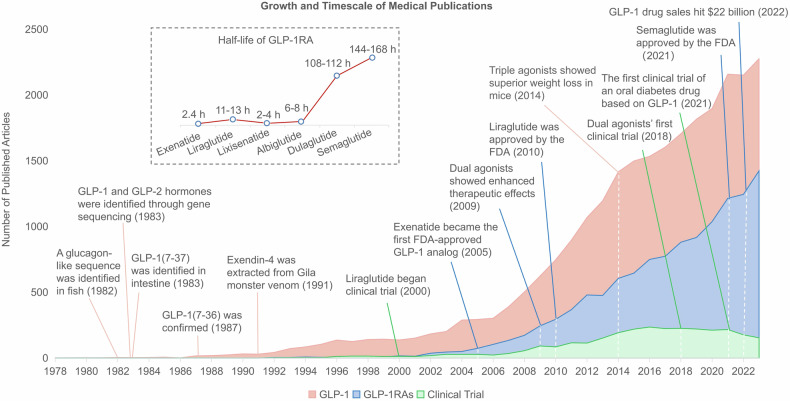
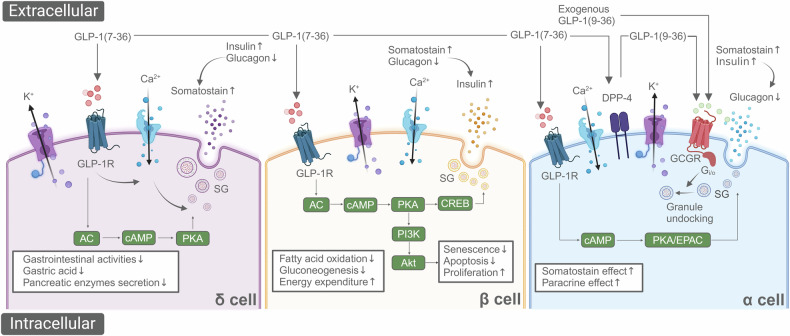
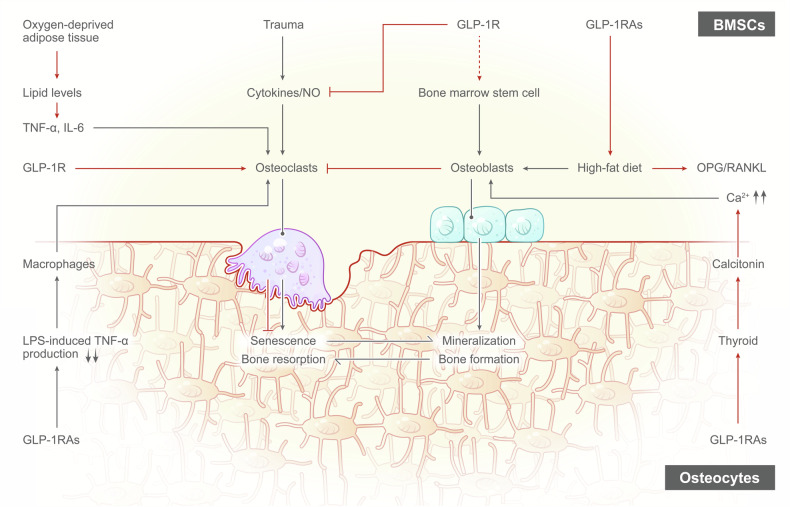
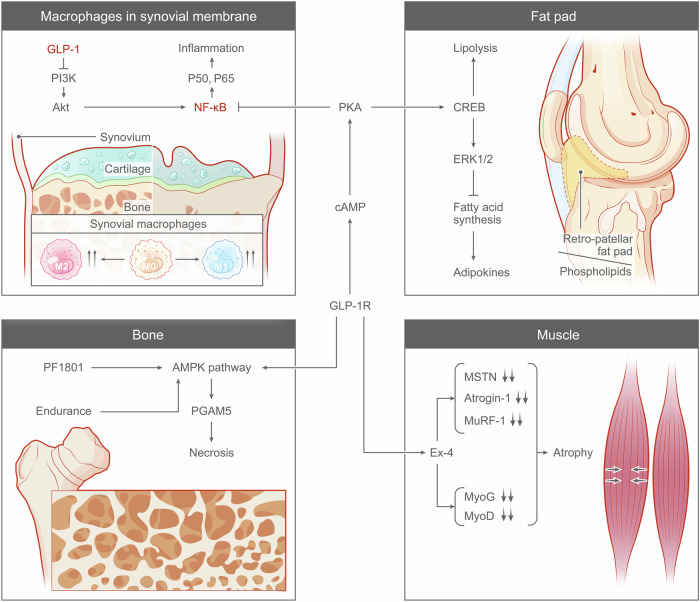
The glucagon-like peptide-1 (GLP-1) receptor, known as GLP-1R, is a vital component of the G protein-coupled receptor (GPCR) family and is found primarily on the surfaces of various cell types within the human body. This receptor specifically interacts with GLP-1, a key hormone that plays an integral role in regulating blood glucose levels, lipid metabolism, and several other crucial biological functions. In recent years, GLP-1 medications have become a focal point in the medical community due to their innovative treatment mechanisms, significant therapeutic efficacy, and broad development prospects. This article thoroughly traces the developmental milestones of GLP-1 drugs, from their initial discovery to their clinical application, detailing the evolution of diverse GLP-1 medications along with their distinct pharmacological properties. Additionally, this paper explores the potential applications of GLP-1 receptor agonists (GLP-1RAs) in fields such as neuroprotection, anti-infection measures, the reduction of various types of inflammation, and the enhancement of cardiovascular function. It provides an in-depth assessment of the effectiveness of GLP-1RAs across multiple body systems-including the nervous, cardiovascular, musculoskeletal, and digestive systems. This includes integrating the latest clinical trial data and delving into potential signaling pathways and pharmacological mechanisms. The primary goal of this article is to emphasize the extensive benefits of using GLP-1RAs in treating a broad spectrum of diseases, such as obesity, cardiovascular diseases, non-alcoholic fatty liver disease (NAFLD), neurodegenerative diseases, musculoskeletal inflammation, and various forms of cancer. The ongoing development of new indications for GLP-1 drugs offers promising prospects for further expanding therapeutic interventions, showcasing their significant potential in the medical field.
Overview
CoChat Summary
## TL;DR
This is a narrative review of GLP-1 receptor biology and GLP-1 receptor agonists (GLP-1RAs), summarizing their mechanisms, drug development, and expanding therapeutic uses. It argues that beyond diabetes, GLP-1RAs show promise for obesity, cardiovascular disease, NAFLD/NASH, neurodegenerative disease, musculoskeletal inflammation, and some cancers.
## Key findings
- GLP-1 is described as a short-lived incretin hormone with a circulatory half-life of only 1–2 min, rapidly degraded by DPP-4.
- The review states that GLP-1RAs lower blood glucose without increasing hypoglycemia risk and have been approved mainly as adjuncts to diet and exercise for type 2 diabetes mellitus (T2DM).
- The paper highlights clinical trial signals for newer agents:
- Orforglipron: 8.6% to 12.6% weight loss at 26 weeks vs 2.0% with placebo; 9.4% to 14.7% by week 36 vs 2.3% placebo.
- In a T2DM study, orforglipron produced an average A1C reduction of 2.1% and 10.1 kg weight loss at 26 weeks; 65% to 96% achieved A1C < 7.0%.
- Danuglipron: at the highest dose (120 mg twice daily), average HbA1c fell by 1.16 percentage points and weight fell by 4.17 kg over 16 weeks.
- GSBR-1290: placebo-adjusted HbA1c reduction of 1.01% to 1.02% and body-weight reduction of 3.26% to 3.51% after 12 weeks in T2DM; 4.74% weight reduction at week 8 in obesity.
- For obesity and cardiometabolic disease, the review cites a semaglutide HFpEF trial in 529 patients with BMI ≥30, randomized to 2.4 mg weekly semaglutide or placebo for 52 weeks, with improvement in symptoms, motor function, and weight loss.
## Methods
- This is a narrative review, not an original experimental study; it synthesizes prior literature on GLP-1/GLP-1R biology, GLP-1RAs, and related diseases.
- The article integrates mechanistic studies, animal experiments, and clinical trials across multiple systems, including metabolic, nervous, cardiovascular, musculoskeletal, and digestive disease contexts.
- The main analysis is descriptive and integrative, organizing evidence by receptor biology, signaling pathways, drug classes, and disease areas; no single primary dataset or statistical model is reported.
## Limitations
- The paper does not state explicit study limitations typical of an original research article; this is evident from the text because it is a review.
- Evident from the text: much of the evidence cited is preclinical or early-phase clinical, and several uses are described as “promising,” “potential,” or under investigation, so many conclusions remain provisional.
- Evident from the text: the review is broad and heterogeneous, combining findings from different species, disease models, and trial designs, which makes direct comparison across findings difficult.
Model-written summary of a shortened version of the paper’s full text (it is longer than we read). Check it against the paper before relying on it.
Integrity signals
Registry
Cites
Statistics
Figures
Verification
Claims the paper makes
175 Valid · 32 Not valid · 93 Not checked · 28 Own results and interpretations
At least one cited source doesn’t support this claim or points to a different paper, and none confirmed it — see the verdicts below.
In the paper
“The average half-life of lixisenatide is approximately 3–4 h.95”
§ Glucagon-like peptide-1 receptor: mechanisms and advances in therapy > GLP-1RAs > Current GLP-1RAs
What the sources say
- Disputedcites [95] Xie, P. et al. Pharmacokinetics and safety of Iglarlixi in healthy chinese participants: Results of a phase 1 randomized study. Diab Ther. 14, 1387–1397 (2023). PMC10299984 37329393 sourceExperimental — accuracy not yet measured
The Results (Pharmacokinetics, Table 2) report mean terminal half-lives of 2.16 and 2.17 h for lixisenatide in the two dose groups, not approximately 3–4 h. The paper separately reports times to peak concentration of about 2–3 h; those are not half-lives. (LLM, conf=0.90)
Checked by a reasoning model — may be wrong.
plain- Asserted: passes — The authors put it forward as true.
- Checkable: passes — It can be checked against evidence.
- Load-bearing: unclear — It is unclear whether the paper’s conclusions depend on it.
- Based: passes — The paper gives a reason why it holds.
- Disputed
At least one cited source doesn’t support this claim or points to a different paper, and none confirmed it — see the verdicts below.
In the paper
“Furthermore, GLP-1 can slow down gastric emptying by activating the vagus nerve, a part of the autonomic nervous system crucial for regulating the activities of the gastrointestinal tract.268”
§ Glucagon-like peptide-1 receptor: mechanisms and advances in therapy > Classical pathophysiological mechanisms of GLP-1 > The pathophysiological mechanism of GLP-1 in metabolic diseases
What the sources say
- Disputedcites [268] Nauck, M. A., Kemmeries, G., Holst, J. J. & Meier, J. J. Rapid tachyphylaxis of the glucagon-like peptide 1-induced deceleration of gastric emptying in humans. Diabetes 60, 1561–1565 (2011). 21430088 PMC3292331 sourceExperimental — accuracy not yet measured
The Results report that GLP-1 slowed gastric emptying, but the Discussion says it seems to do so primarily through inhibition—not activation—of the vagal nerve. The reported suppression of pancreatic polypeptide, a marker of vagal activation, is consistent with that interpretation. Page numbers are not provided in our copy. (LLM, conf=0.89)
Checked by a reasoning model — may be wrong.
plainstates a cause- Asserted: passes — The authors put it forward as true.
- Checkable: passes — It can be checked against evidence.
- Load-bearing: unclear — It is unclear whether the paper’s conclusions depend on it.
- Based: passes — The paper gives a reason why it holds.
- Disputed
At least one cited source doesn’t support this claim or points to a different paper, and none confirmed it — see the verdicts below.
In the paper
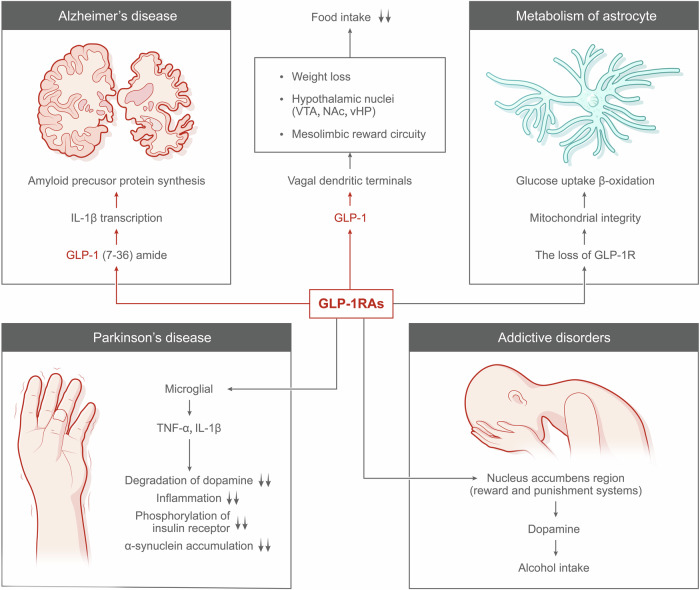
“By interacting with receptors in the hypothalamus, GLP-1 influences satiety and reduces the consumption of food in both animals and humans.262”
§ Glucagon-like peptide-1 receptor: mechanisms and advances in therapy > Classical pathophysiological mechanisms of GLP-1 > The pathophysiological mechanism of GLP-1 in metabolic diseases
What the sources say
- Disputedcites [262] Ando, H. et al. Glucagon-like peptide-1 reduces pancreatic β-cell mass through hypothalamic neural pathways in high-fat diet-induced obese rats. Sci. Rep. 7, 5578 (2017). 28717164 PMC5514038 sourceExperimental — accuracy not yet measured
The Discussion reports that chronic GLP-1 or liraglutide treatment activated hypothalamic pathways in rats but did not alter food intake or body weight. The paper therefore does not support the claimed reduction in food consumption in its animals, and it provides no human satiety or food-intake finding. (LLM, conf=0.83)
Checked by a reasoning model — may be wrong.
plainstates a cause- Asserted: passes — The authors put it forward as true.
- Checkable: passes — It can be checked against evidence.
- Load-bearing: passes — The paper’s conclusions depend on it.
- Based: passes — The paper gives a reason why it holds.
- Disputed
The cited sources support only part of this claim — read each source’s verdict below.
In the paper
“while their anti-inflammatory properties offer new hope for conditions such as osteoarthritis (OA), rheumatoid arthritis (RA) and cardiovascular diseases.13–15”
§ Glucagon-like peptide-1 receptor: mechanisms and advances in therapy > Introduction
What the sources say
- Partly supportedcites [13] Du, H., Meng, X., Yao, Y. & Xu, J. The mechanism and efficacy of GLP-1 receptor agonists in the treatment of Alzheimer’s disease. Front Endocrinol. (Lausanne) 13, 1033479 (2022). 36465634 PMC9714676 sourceExperimental — accuracy not yet measured
The “Anti-inflammatory effects” section (page not provided) reports that GLP-1 receptor agonists reduce neuroinflammation in Alzheimer’s disease models. It does not address their potential for osteoarthritis, rheumatoid arthritis, or cardiovascular diseases, so the disease-specific extension is unsupported by this source. (LLM, conf=0.87)
- Partly supportedcites [14] Reich, N. & Hölscher, C. The neuroprotective effects of glucagon-like peptide 1 in Alzheimer’s and Parkinson’s disease: An in-depth review. Front Neurosci. 16, 970925 (2022). 36117625 PMC9475012 sourceExperimental — accuracy not yet measured
The review’s “Inflammation > In vivo evidence for the anti-inflammatory effects of GLP-1 receptor agonists” section says GLP-1 analogs have potent anti-inflammatory effects, principally in brain models of Alzheimer’s and Parkinson’s disease. The passages do not extend that promise to osteoarthritis, rheumatoid arthritis, or cardiovascular disease. (LLM, conf=0.86)
- Partly supportedcites [15] Meurot, C. et al. Targeting the GLP-1/GLP-1R axis to treat osteoarthritis: A new opportunity? J. Orthop. Transl. 32, 121–129 (2022). PMC8888891 35280931 sourceExperimental — accuracy not yet measured
Our copy strongly supports the OA part: the Introduction states 'GLP-1 analogues may be good therapeutic candidates for treating OA' and the Conclusion that the anti-inflammatory/immunoregulatory properties of GLP-1 analogues 'raises the hypothesis of their potential interest to treat OA'; the Introduction > Multiple biological activities of GLP-1 also lists vascular diseases and OA among conditions where GLP-1–based therapies downregulate pro-inflammatory responses. However, the source does not extend the 'new hope'/therapeutic-opportunity framing to rheumatoid arthritis — the RA material (Introduction > GLP-1/GLP-1R functions in different knee joint tissues) is only in vitro data in fibroblast-like RA synoviocytes with lixisenatide, cited to another work [56] and used to argue GLP-1R is a whole-joint target for OA — and the cardiovascular passage is a mouse model of angiotensin II-induced hypertension [37], not a clinical prospect. So two of the three conditions in the claim are supported only as mechanistic/animal findings, not as therapeutic hope. (LLM, conf=0.72)
hedgedstates a possible cause- Asserted: passes — The authors put it forward as true.
- Checkable: passes — It can be checked against evidence.
- Load-bearing: passes — The paper’s conclusions depend on it.
- Based: passes — The paper gives a reason why it holds.
- Partly supported
The cited sources support only part of this claim — read each source’s verdict below.
In the paper
“in the treatment of Alzheimer’s diseases (AD) and Parkinson’s diseases (PD), GLP-1RAs have shown potential in slowing disease progression”
§ Glucagon-like peptide-1 receptor: mechanisms and advances in therapy > Introduction
What the sources say
- Partly supportedcites [13] Du, H., Meng, X., Yao, Y. & Xu, J. The mechanism and efficacy of GLP-1 receptor agonists in the treatment of Alzheimer’s disease. Front Endocrinol. (Lausanne) 13, 1033479 (2022). 36465634 PMC9714676 sourceExperimental — accuracy not yet measured
The ‘Application of GLP-1R agonists in AD’ section says liraglutide might reduce or delay Alzheimer’s disease progression and describes GLP-1R agonists as promising for preventing AD processes. The copy does not make the corresponding claim about slowing Parkinson’s disease progression; Parkinson’s disease appears in reference titles, not in a reported finding here. Page numbers were not available in the indexed passages. (LLM, conf=0.88)
- Supportedcites [14] Reich, N. & Hölscher, C. The neuroprotective effects of glucagon-like peptide 1 in Alzheimer’s and Parkinson’s disease: An in-depth review. Front Neurosci. 16, 970925 (2022). 36117625 PMC9475012 source
The review’s clinical-trials section reports that liraglutide reduced cognitive impairment and brain-volume loss relative to placebo in patients with mild cognitive impairment or Alzheimer’s disease. Its exenatide subsection reports that treated Parkinson’s patients did not deteriorate on motor measures while the placebo group did, with a difference persisting after treatment stopped. These findings support the cautious claim that GLP-1 receptor agonists have shown potential to slow progression in both diseases; they do not establish that the drugs are proven treatments. (LLM, conf=0.92)
- Partly supportedcites [15] Meurot, C. et al. Targeting the GLP-1/GLP-1R axis to treat osteoarthritis: A new opportunity? J. Orthop. Transl. 32, 121–129 (2022). PMC8888891 35280931 sourceExperimental — accuracy not yet measured
In the Introduction ('Multiple biological activities of GLP-1'), Meurot et al. state that the anti-neuroinflammatory activity of GLP-1 analogues has been investigated in animal models of neurodegenerative disease 'with encouraging results', and that liraglutide, lixisenatide, semaglutide and exenatide 'are being tested in clinical trials for Alzheimer's and Parkinson's diseases', with the reported patient-level effect being that they 'have improved coordination and motor activity in patients'. That supports GLP-1RAs showing potential in AD/PD, but the source nowhere attributes disease-modification or slowed progression of AD/PD to them — its human-data statement is symptomatic (coordination/motor activity), and its mechanistic statement is downregulation of pro-inflammatory responses in neurodegenerative brain disorders. The specific qualifier 'slowing disease progression' therefore goes beyond what this paper says. (LLM, conf=0.72)
hedgedstates a possible cause- Asserted: passes — The authors put it forward as true.
- Checkable: passes — It can be checked against evidence.
- Load-bearing: passes — The paper’s conclusions depend on it.
- Based: passes — The paper gives a reason why it holds.
- Partly supported
169 more claims · 103 with their cited sources checked
Create a free account to see all 328 claims and to verify the 4 references still open.
- It may state two separate claims as one. 148
- Probably not a substantial claim. 19
Claims other papers make about this one
Each is checked against this paper’s own text: does it say what the citing paper says it does?
The source backs part of the claim, not all of it — or backs it for a different population, condition or comparison.
In the citing paper
“Centrally, GLP-1 activates GLP-1 receptors located in the nucleus tractus solitarius and dorsal motor nucleus of the vagus within the brainstem, leading to inhibition of parasympathetic output and a reduction in gastric smooth muscle tone [2, 28].”
From Delayed gastric emptying induced by glucagon-like peptide-1 receptor agonists and its implications for perioperative risk during anesthesia (2026) · cites this paper as [28]
Experimental — accuracy not yet measuredThe source backs part of the claim, not all of it — or backs it for a different population, condition or comparison.
In the citing paper
“GLP-1 RAs delay gastric emptying by inhibiting gastrointestinal motility through both PNS and CNS.”
From Delayed gastric emptying induced by glucagon-like peptide-1 receptor agonists and its implications for perioperative risk during anesthesia (2026) · cites this paper as [28]
Experimental — accuracy not yet measuredThe source backs part of the claim, not all of it — or backs it for a different population, condition or comparison.
In the citing paper
“Large cardiovascular outcome trials, including LEADER (Liraglutide Effect and Action in Diabetes: Evaluation of Cardiovascular Outcome Results), and AMPLITUDE-O (Effect of Efpeglenatide on Cardiovascular Outcomes), among others, consistently show reductions in major adverse cardiovascular events, particularly myocardial infarction, stroke, and cardiovascular mortality, among patients with establis”
From Unequal Access to Evidence-Based Cardiometabolic Therapies: Racial Disparities in SGLT2 Inhibitor and GLP-1 Receptor Agonist Use Among Patients With Type 2 Diabetes and Cardiovascular Disease (2026) · cites this paper as [7]
Experimental — accuracy not yet measuredThe cited source says what the claim attributes to it.
In the citing paper
“Structural modifications of the GLP-1 molecule led to the development of GLP-1RAs with prolonged half-life, enabling sustained glycemic control and weight reduction [33,38,40]”
From Nutritional Approaches to Enhance GLP-1 Analogue Therapy in Obesity: A Narrative Review (2025) · cites this paper as [33]
The cited source says what the claim attributes to it.
In the citing paper
“Activation of GLP-1 receptors enhances glucose-dependent insulin secretion, suppresses inappropriate glucagon release, slows gastric emptying, and lowers appetite, collectively reducing glycemic load.10”
From The Triple‐Agonist Revolution: Retatrutide and the Paradigm Shift in Multi‐Hormonal Pharmacotherapy for Obesity and Cardiometabolic Comorbidities (2026) · cites this paper as [10]
2 more claims about this paper
Create a free account to see every claim other papers make about this one.
Citations
Cites
Atherosclerosis--an inflammatory disease
Ross, R. (1999) · New England Journal of Medicine · doi:10.1056/nejm199901143400207 · Cited by 21,725
Liraglutide and Cardiovascular Outcomes in Type 2 Diabetes
Marso, S. P., Daniels, G. H., Brown-Frandsen, K., Kristensen, P., Mann, J. F. E., Nauck, M. A., Nissen, S. E., Pocock, S., Poulter, N. R., Ravn, L. S., et al. (2016) · New England Journal of Medicine · doi:10.1056/nejmoa1603827 · Cited by 7,629 · cited 1×
“39,40,446 Notably, GLP-1RAs exhibit pronounced ef fi cacy in optimizing blood lipid pro fi les by effectively suppressing chylomicron secretion in the intestine, thereby mitigating the occurrence of postprandial hyperlipidemia.”
BackgroundDapagliflozin in Patients with Heart Failure and Reduced Ejection Fraction
McMurray, J. J. V., Solomon, S. D., Inzucchi, S. E., Køber, L., Kosiborod, M. N., Martinez, F. A., Ponikowski, P., Sabatine, M. S., Anand, I. S., Bělohlávek, J., et al. (2019) · New England Journal of Medicine · doi:10.1056/nejmoa1911303 · Cited by 7,140
Semaglutide and Cardiovascular Outcomes in Patients with Type 2 Diabetes
Marso, S. P., Bain, S. C., Consoli, A., Eliaschewitz, F. G., Jódar, E., Leiter, L. A., Lingvay, I., Rosenstock, J., Seufert, J., Warren, M. L., et al. (2016) · New England Journal of Medicine · doi:10.1056/nejmoa1607141 · Cited by 6,900 · cited 1×
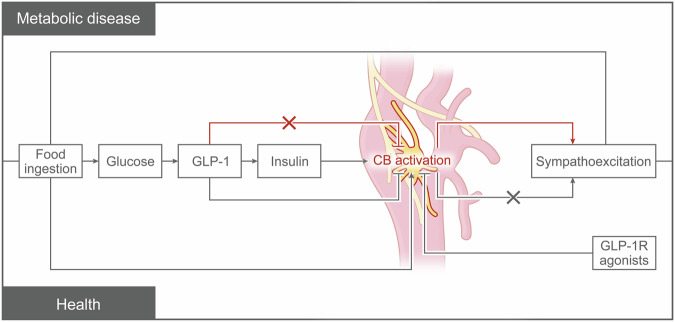
“467 Under hyperglycemic conditions, GLP-1RAs regulate hypertension by inhibiting carotid body function.”
BackgroundInsulin signalling and the regulation of glucose and lipid metabolism
Saltiel, A. R., & Kahn, C. R. (2001) · Nature · doi:10.1038/414799a · Cited by 5,326 · cited 1×
“238 The high concentration of insulin in the local pancreatic environment creates a negative feedback effect, reducing the amount of glucagon secreted by α -cells.”
BackgroundCardiovascular and renal outcomes with empagliflozin in heart failure
Packer, M., Anker, S. D., Butler, J., Filippatos, G., Pocock, S. J., Carson, P., Januzzi, J., Verma, S., Tsutsui, H., Brueckmann, M., et al. (2020) · New England Journal of Medicine · doi:10.1056/nejmoa2022190 · Cited by 5,206
The National Center for Biotechnology Information
Benson, D., Boguski, M., Lipman, D. J., & Ostell, J. (1990) · Genomics · doi:10.1016/0888-7543(90)90583-g · Cited by 5,126
AMPK: a nutrient and energy sensor that maintains energy homeostasis
Hardie, D. G., Ross, F. A., & Hawley, S. A. (2012) · Nature Reviews Molecular Cell Biology · doi:10.1038/nrm3311 · Cited by 4,602
NF-κB regulation in the immune system
Li, Q., & Verma, I. M. (2002) · Nature Reviews Immunology · doi:10.1038/nri910 · Cited by 4,007
NF-κB: a key role in inflammatory diseases
Tak, P. P., & Firestein, G. S. (2001) · Journal of Clinical Investigation · doi:10.1172/jci11830 · Cited by 3,918
Research works printed but not linked: 1
- Elfeki, M. A. & Alkhouri, N. Triple-hormone-receptor agonist retatrutide for obesity. N. Engl. J. Med. 389, 1629 (2023). 37888926
Cited by
Items 301–400 of 1,004
Tang, H., Zhang, B., Lu, Y., Zhang, D., Liu, R., Lu, Y., Cotsarelis, G., Asch, D. A., & Chen, Y. (2026) · BMJ · doi:10.1136/bmj-2026-100077 · Cited by 11
“35 Firstly, a leading explanation.”
Treatment of acromegaly-induced diabetes: an updated proposal
Biagetti, B., Castro, M. A., Marazuela, M., & Puig‐Domingo, M. (2024) · Pituitary · doi:10.1007/s11102-024-01477-x · Cited by 5
Almeida, O. P. (2025) · Current Opinion in Psychiatry · doi:10.1097/yco.0000000000001001 · Cited by 7
Solute carrier family 15 member 4, an emerging therapeutic target for systemic lupus erythematosus
Wang, L., Jiang, J., Yin, H., Wang, X., Li, Q., Li, H., Wu, J., & Lu, Q. (2025) · International Reviews of Immunology · doi:10.1080/08830185.2025.2491644 · Cited by 5
“The glucagon-like peptide-1 receptor (GLP-1R), a G protein-coupled receptor essential for glucose homeostasis and pancreatic β-cell proliferation, is a key therapeutic target for type 2 diabetes [70].”
The Role of Diabetes and SGLT2 Inhibitors in Cerebrovascular Diseases
Moustafa, B., & Trifan, G. (2025) · Current Neurology and Neuroscience Reports · doi:10.1007/s11910-025-01425-7 · Cited by 7
White, A. C., Krout, I. N., Mouhi, S., Blackmer‐Raynolds, L., Chang, J., Kelly, S. D., Caudle, W. M., & Sampson, T. R. (2025) · Toxicological Sciences · doi:10.1093/toxsci/kfaf076 · Cited by 4
“Although the protective mechanisms are currently unclear (Verma and Goyal 2024), there are known roles for GLP-1 and insulin signaling in PD and other neurological disease risk (Han et al. 2023; Ruiz-Pozo et al. 2023; Zheng et al. 2024).”
Choi, J., Jin, D., Smedt, S. C. D., Oh, Y., Lee, J., & Byun, J. (2025) · Journal of Controlled Release · doi:10.1016/j.jconrel.2025.114081 · Cited by 4
Yehualashet, E., Mazroua, M. S., Narvaez, E., Jarosinski, M. C., Liang, N. L., Madigan, M. C., Chaer, R. A., & Sridharan, N. D. (2025) · Annals of Vascular Surgery · doi:10.1016/j.avsg.2025.08.013 · Cited by 5
“12,32,38 In LEADER, liraglutide significantly reduced A1c even in insulin nonresponders, and a meta-analysis found that each 1% decrease in hemoglobin A1C was associated with a 26% reduction in the MACE risk.”
Sharma, T., Kaushal, N., & Garla, R. (2025) · World Journal of Hepatology · doi:10.4254/wjh.v17.i8.108772 · Cited by 6
Liraglutide for adults living with obesity
Meza, N., Bracchiglione, J., Liquitay, C. M. E., Madrid, E., Varela, L. B., Guo, Y., Urrútia, G., er, S. F. S., Tiller, S., Shokraee, K., et al. (2025) · Cochrane Database of Systematic Reviews · doi:10.1002/14651858.cd016017 · Cited by 16
Thyroid Cancer Risk with GLP-1 Receptor Agonists: Evidence, Knowledge Gaps, and the Path Forward
Toro-Tobón, D., Ospina, N. S., & Brito, J. P. (2025) · Thyroid · doi:10.1089/thy.2024.0690 · Cited by 8
Rajab, A. M., Pearson, S. M., & Ajjan, R. (2025) · Diabetes Obesity and Metabolism · doi:10.1111/dom.16332 · Cited by 7
Injectables Pharmacotherapies for Obesity: Mechanisms, Efficacy, and Aesthetic Implications
Gomes, J. M., Ferreira, A. C. M., & Barbosa, A. D. P. (2025) · Obesities · doi:10.3390/obesities5020022 · Cited by 8
“The compounds mimic the effects of naturally occurring incretins primarily by increasing satiety as well as the additional main mechanisms of action which are the major factors leading to their effects, namely, slowing down stomach emptying, hence regulating food consumption [62,63].”
Torchio, S., Siracusano, G., Cuozzo, F., Zamarian, V., Pellegrini, S., Manenti, F., Bonfanti, R., Frontino, G., Sordi, V., Chimienti, R., et al. (2025) · Diabetes · doi:10.2337/db24-0720 · Cited by 8
Toraih, E. A., Alenezy, A. K., Hussein, M. H., Hashmat, S., Mummadi, S., Alrawili, N. F., Abdelmaksoud, A., & Fawzy, M. S. (2025) · Biomedicines · doi:10.3390/biomedicines13051049 · Cited by 8
“Glucagon-like peptide-1 receptor agonists (GLP-1RAs), such as semaglutide (Drug Bank ID: DB13928, Chemical formula: C 187 H 291 N 45 O 59 ) and tirzepatide (DB15171, C 225 H 348 N 48 O 68 ), have become transformative agents in the management of type 2 diabetes mellitus (T2DM) and obesity due to…”
Access to GLP-1s: Where Do Employers Fit in?
Imboden, M. T. (2025) · American Journal of Health Promotion · doi:10.1177/08901171251335507 · Cited by 4
Doiron, J. E., Elbatreek, M. H., Xia, H., Yu, X., Gehred, N. D., Gromova, T., Chen, J., Driver, I. H., Muraoka, N., Jensen, M., et al. (2024) · bioRxiv (Cold Spring Harbor Laboratory) · doi:10.1101/2024.09.16.613349 · Cited by 4
Corley, M. J., Dwaraka, V. B., Pang, A. P. S., Labbato, D. E., Smith, R. S., Eckard, A. R., & McComsey, G. A. (2025) · medRxiv · doi:10.1101/2025.07.09.25331038 · Cited by 4
Orforglipron: A Novel Oral GLP-1 Agonist for the Treatment of Obesity and Diabetes
Pillai, A. A., Sharma, A. M., Krayem, H., Frishman, W. H., & Aronow, W. S. (2025) · Cardiology in Review · doi:10.1097/crd.0000000000001139 · Cited by 3
Woo, K. A., Jang, Y., Kim, H.-J., & Park, P. J. (2026) · Brain · doi:10.1093/brain/awag130 · Cited by 3
Ozempic v Mounjaro: what is the difference between semaglutide and tirzepatide?
Lang, K. (2025) · BMJ · doi:10.1136/bmj.q2636 · Cited by 4
Thiara, D. (2025) · JAMA Neurology · doi:10.1001/jamaneurol.2025.0237 · Cited by 6
Tartau, C. G., Boboc, I. K. Ş., Mititelu-Tarțău, L., Bogdán, M., Bucă, B. R., Pavel, L. L., & Amălinei, C. (2025) · Pharmaceuticals · doi:10.3390/ph18050670 · Cited by 4
“A significant additional benefit is the reduction in the risk of diabetic neuropathy and nephropathy, achieved through decreasing inflammation and oxidative stress [74,75].”
Vujosevic, S., Toma, C., Ferrulli, A., Cillà, S. D., Nucci, P., & Luzi, L. (2025) · Acta Diabetologica · doi:10.1007/s00592-025-02552-w · Cited by 6
Weight Loss That Lasts: Reviewing the Long-Term Impact of GLP-1 Receptor Agonists
Shah, M. Y., Mohammad, A., Samejo, R. B. A., Rana, S., Singla, S., Aurangzeb, R. I., Tariq, M. M., Zamir, M. H., Farooq, U., Aurangzeb, R. F., et al. (2025) · Cureus · doi:10.7759/cureus.88334 · Cited by 12
“GLP-1 receptor agonists (GLP-1 RAs) exert long-term effects on weight and metabolic regulation through a complex interplay of hormonal, neural, and behavioral mechanisms [18].”
January, S. E., Fester, K. A., Escamilla, J. E., & Cano, M. (2025) · Clinical Transplantation · doi:10.1111/ctr.70246 · Cited by 3
Oral Semaglutide: A Step Forward in Cardiovascular Risk Management for Type 2 Diabetes
Ceron, E. L., Kattamuri, L. P. V., Duvvuru, S. R., & Mukherjee, D. (2025) · Cardiovascular & Haematological Disorders - Drug Targets · doi:10.2174/011871529x421551250801194823 · Cited by 3
Güldan, M., Özbek, L., Abdel‐Rahman, S. M., Narin, A. E., Orak, H. İ., Goren, H. K., Afşar, B., Rossing, P. R., & Kanbay, M. (2025) · Diabetes Obesity and Metabolism · doi:10.1111/dom.70019 · Cited by 7
“56 GLP-1 directly inhibits glucagon secretion from α -cells, helping reduce hepatic gluconeogenesis and stabilise postprandial glucose.”
Wen, H., Lan, J., Dang, K., Wang, Y., Pan, D., Gao, X., & Dang, Y. (2025) · Journal of the Science of Food and Agriculture · doi:10.1002/jsfa.70156 · Cited by 3
Obesity and Comorbidity Management in Psoriatic Arthritis
Maharaj, A. B., Eder, L., & Ogdie, A. (2025) · Rheumatic Disease Clinics of North America · doi:10.1016/j.rdc.2025.07.001 · Cited by 4
Tan, X., Harton, J. G., Gutierrez, C., Liang, Y. M., Xie, L., Muhammad, C., Swift, C., & de Havenon, A. (2025) · Diabetes Research and Clinical Practice · doi:10.1016/j.diabres.2025.112473 · Cited by 4
Milushewa, P., Mitreva, Y., Chakarova, N. Y., Tankova, T. I., Naseva, E., & Petkova, V. B. (2025) · Frontiers in Endocrinology · doi:10.3389/fendo.2025.1621892 · Cited by 4
“Among the pharmacological options available, GLP - 1 RAs have demonstrated considerable ef fi cacy in managing both T2DM and obesity (5).”
Kaya, E., Yilmaz, Y., & Alkhouri, N. (2025) · Expert Opinion on Pharmacotherapy · doi:10.1080/14656566.2025.2566258 · Cited by 6
“Thus far, GLP-1 receptor agonists have been utilized in the management of both T2DM and obesity [14,15].”
Scarpa, E. S., Amatori, S., Caprioli, G., Maggi, F., Moroncini, G., Balercia, G., & Giacchetti, G. (2025) · International Journal of Molecular Sciences · doi:10.3390/ijms262010142 · Cited by 3
“The drugs Semaglutide, Liraglutide, and Tirzepatide are GLP-1 RA, which activate the molecular pathway Protein Kinase A (PKA)/p-IRS/PI3K/p-Akt/GLUT4 to exert their therapeutic effects [120].”
Florescu, A. G., Pucerea, S. A., Floria, M., Rusu, E., Cuiban, E., Jinga, M., Galrinho, R. D., & Stanciu, S. M. (2025) · Romanian Journal of Military Medicine · doi:10.55453/rjmm.2025.128.6.9 · Cited by 8
Chen, J., Fang, Y., Liu, Y., Chen, M., & Tsai, M. (2025) · Journal of the American Geriatrics Society · doi:10.1111/jgs.70187 · Cited by 6
Lei, Y., Zhang, J., Xu, G., Wang, A., & Cao, Z. (2025) · Medicinal Research Reviews · doi:10.1002/med.70022 · Cited by 4
“Molecules extracted from venoms have proven to be valuable tools, such as in the development of antihypertensive ACE inhibitors, and have led to the successful creation of drugs such as exenatide, eptifibatide, and echistatin [262, 263].”
Zheng, N., Chen, R., Yang, L., Xu, P., Wang, X., Sun, X., Lin, Y.-X., Qiu, J., Su, X., Wang, Y., et al. (2025) · Journal of Medicinal Chemistry · doi:10.1021/acs.jmedchem.5c02893 · Cited by 4
Jayathilaka, N. S., Weththasinghe, A. V., Ganamurali, N., & Sabarathinam, S. (2025) · Clinical Pharmacology in Drug Development · doi:10.1002/cpdd.1624 · Cited by 3
“35 The receptor is expressed in pancreatic β - cells, CNS regions controlling appetite/metabolism, cardiovascular tissues, kidneys, and gastrointestinal tract.”
Tan, S. Y. T., Sng, G. G. R., & Lee, P. C. (2025) · JMIR Formative Research · doi:10.2196/78289 · Cited by 4
“The advent of novel glucagon-like peptide-1 receptor agonists (GLP1RA) has transformed obesity management, achieving weight loss outcomes that approach those of bariatric procedures [1].”
Minerva, F. (2025) · Bioethics · doi:10.1111/bioe.70068 · Cited by 8
Unraveling the RKIP–YY1 axis: immune crosstalk in the pathogenesis of metabolic disorders
Alzaïd, F., Arefanian, H., Bahman, F., Albeloushi, S., Alhamar, G., Mohammad, A., Hasan, A., Madhoun, A. S. A., Ahmad, R., & Al‐Mulla, F. (2025) · Frontiers in Immunology · doi:10.3389/fimmu.2025.1675699 · Cited by 3
Banji, D., Alshahrani, S., Alfarhan, M., & Banji, O. J. F. (2025) · Saudi Pharmaceutical Journal · doi:10.1007/s44446-025-00050-2 · Cited by 4
“Additionally, they support cardiovascular health, significantly improving patient outcomes (Zheng et al. 2024).”
Noordam, C., Eiholzer, U., Katschnig, C. K., Stasinaki, A., & Dubinski, I. (2025) · Children · doi:10.3390/children12121716 · Cited by 5
“GLP-1 receptor agonists reduce body weight primarily by activating hypothalamic satiety pathways, delaying gastric emptying, suppressing glucagon secretion, and lowering food intake, thereby improving both energy balance and metabolic control [13].”
Fang, J., Wang, X., Su, X., Li, D., Wang, F., Wang, P., Yuan, C., Ji, F., Zhang, D., Cai, X., et al. (2025) · The Innovation Life · doi:10.59717/j.xinn-life.2025.100164 · Cited by 7
Zhou, J., Wang, F., & Li, S. (2025) · Frontiers in Endocrinology · doi:10.3389/fendo.2025.1646956 · Cited by 3
Chan, S.-H., Li, P.-Y., Li, P., Lin, Y.-F., Wang, W.-H., Huang, Y., & Chen, J.-Y. (2025) · Diabetes Research and Clinical Practice · doi:10.1016/j.diabres.2025.113073 · Cited by 6
Santos, P., Filho, A. S. S., Aprigliano, V., Duarte, A. G., Ribeiro, N. A., Lombardo, K. M., Fajemiroye, J. O., Buchholz, A. P., Vaz, V. R., & Chiappa, G. R. (2026) · Pharmaceutics · doi:10.3390/pharmaceutics18010069 · Cited by 7
“Real-world data from a population-based cohort of over 100,000 individuals showed that GLP-1 RAs were associated with a lower incidence of AD and all-cause dementia [21,22].”
Saghafi, S., Yaghoubi, M. A., Safarpour, H., Raeisi, H., & Mousavi, Z. (2026) · Biomedicine & Pharmacotherapy · doi:10.1016/j.biopha.2025.118948 · Cited by 4
Muir, K. C., Stone, C. R., Harris, D. D., Kanuparthy, M., Broadwin, M., Hamze, J., Feng, J., & Sellke, F. W. (2026) · American Journal of Physiology-Heart and Circulatory Physiology · doi:10.1152/ajpheart.00828.2025 · Cited by 5
Potential role of glucagon like peptide 1 in taste receptors
Doval-Caballero, J. L. E., Ferreira‐Hermosillo, A., Eugenio-Ponce, G. D., García-Sáenz, M. R., Ibarra‐Salce, R., Tenorio-Rojo, A. P., Luna-Ávila, E. S., Palacios, P. C. G., Pérez-Hernández, F., Rojas-Milán, E., et al. (2026) · Frontiers in Endocrinology · doi:10.3389/fendo.2025.1683419 · Cited by 10
“Both GLP-1 and its agonists (GLP-1RAs) have been identi fi ed for suppressing appetite, slowing gastric emptying time, and inducing fullness and satiety, thereby reducing caloric intake under ad libitum feeding conditions (139 – 141).”
Currently Approved and Future Regimens for Metabolic Dysfunction-Associated Steatohepatitis
Abreu, E. S., Noureddin, M., Takahashi, H., Schattenberg, J. M., & Abdelmalek, M. F. (2026) · Clinics in Liver Disease · doi:10.1016/j.cld.2026.01.004 · Cited by 4
Song, J., Fang, K., 张运周, Zhang, R., Yin, C., & Gao, D. (2026) · Neurological Research · doi:10.1080/01616412.2026.2640121 · Cited by 3
Hu, Z., Tian, D., Yang, Z., Zhang, J., Zhang, L., Xu, Y., & Lu, X. (2026) · Frontiers in Pharmacology · doi:10.3389/fphar.2026.1754721 · Cited by 7
“These benefits are particularly evident in conditions like nonalcoholic steatohepatitis (NASH), where GLP-1RAs alleviate inflammation and boost insulin sensitivity, leading to improved hepatic glucose management and reduced steatosis (Zheng et al., 2024).”
Mitochondrial Adaptations in Skeletal Muscle Following Incretin‐Based Therapies: In Vitro
Old, V. J., Davies, M. J., Denniff, M. J., Choudhary, P., Eastley, N. C., Ashford, R. U., & Watson, E. (2026) · Journal of Cachexia Sarcopenia and Muscle · doi:10.1002/jcsm.70254 · Cited by 6
Strathe, A., Bomberg, E. M., Jensch, G., Kildegaard, J., Harder-Lauridsen, N. M., Weghuber, D., & Overgaard, R. V. (2026) · Diabetes Obesity and Metabolism · doi:10.1111/dom.70678 · Cited by 4
Fibrillar and Micellar Aggregation of Semaglutide and Formation of a Chiral-Imprinted Glass
Castelletto, V., de Mello, L. R., Seitsonen, J. J. T., & Hamley, I. W. (2026) · Biomacromolecules · doi:10.1021/acs.biomac.5c02669 · Cited by 3
Li, Q., Cheng, W., Zhang, L., Ran, S., Yu, H., Zhou, W., Wang, Y., Lin, J., Liu, Y., Hong, X., et al. (2026) · Diabetology & Metabolic Syndrome · doi:10.1186/s13098-026-02116-0 · Cited by 5
“Incretin-based pharmacotherapies have revolutionized obesity treatment, beginning with GLP-1 receptor agonists such as semaglutide and extending to dual GIP/ GLP-1 agonists like tirzepatide [26, 27].”
Lv, J., Zhou, L., Dai, X., Landberg, R., Meng, H., Tian, H., Zhang, S., Liu, T., Yin, X., Zhang, J., et al. (2026) · Gut Microbes · doi:10.1080/19490976.2026.2668127 · Cited by 4
“The GLP-1 receptor, a member of the G protein-coupled receptor (GPCR) family, 57 exhibits specific affinity for GLP-1 and plays a central role in hepatic glucolipid metabolism.”
Dysesthesia associated with GLP-1 agonist therapies: data-mining analysis and literature review
Laroche, M., Geniaux, H., & Jardou, M. (2026) · European Journal of Clinical Pharmacology · doi:10.1007/s00228-026-04079-7 · Cited by 9
Obstructive Sleep Apneas and Cardiovascular Diseases
Castiglione, V., Morfino, P., Fabiani, I., Gentile, F., Airò, E., Volpi, B., Cardinale, D. M., Passino, C., Giannoni, A., & Emdin, M. (2026) · Clocks & Sleep · doi:10.3390/clockssleep8020028 · Cited by 7
“In particular, the glucagon-like peptide-1 receptor agonists (GLP-1RAs), which were originally studied in the context of type 2 diabetes, have emerged as a novel class of pharmacological agents capable of pleiotropic effects by regulating glucose and lipid metabolism [162].”
Nalbandian, M., Lone, J. B., Moal, E. L., Kim, I., Jeuris, K., Li, Y. K., Kraft, P. E., Zhao, M., Koleckar, K., Zhang, Z., et al. (2026) · Proceedings of the National Academy of Sciences · doi:10.1073/pnas.2606533123 · Cited by 10
“GLP - 1 receptor agonists have revolutionized the treatment of obesity, leading to substantial and sustained weight loss across diverse populations (41).”
Weight-loss dynamics with tirzepatide versus semaglutide
Venkatakrishnan, A., Murugadoss, K., & Soundararajan, V. (2026) · PNAS Nexus · doi:10.1093/pnasnexus/pgag171 · Cited by 10
“Incretin-based therapies have transformed obesity treatment by producing clinically meaningful weight loss, yet real-world responses span a wide range (1).”
Dutta, G., Mishra, P., Mishra, S. P., & Badhai, J. (2026) · Onco · doi:10.3390/onco6030031 · Cited by 7
“Their effects extend beyond glucose metabolism to influence central appetite regulation, gastric emptying, and potentially immune pathways [262,263].”
Newer and novel antidiabetic drug classes across the cardiovascular–kidney–metabolic continuum
Stefanakis, K., Karakasis, P., Vasdeki, D., Popovic, D. S., Patoulias, D., Rizzo, M., & Mantzoros, C. S. (2026) · Endocrine Reviews · doi:10.1210/endrev/bnag022 · Cited by 6
GLP-1 Receptor Agonists: From Clinical Success to Mechanistic Insight
Patel, T., Rose, J., Katsurada, K., Yada, T., Koutakis, P., Salomon, J., Patel, K. P., & Alfaidi, M. (2026) · Circulation Research · doi:10.1161/circresaha.126.327683 · Cited by 5
Morsy, M. M., Hassan, H. A., Morsi, R. M., Nafea, O. E., Farag, A. I., & Ramadan, R. S. (2024) · Reproductive Toxicology · doi:10.1016/j.reprotox.2024.108826 · Cited by 3
Effects of Exendin-4 on diabetic wounds: Direct action on proliferative phase of wound healing
LOTTI, V., Siena, G. D., & Bacci, S. (2024) · Biocell · doi:10.32604/biocell.2024.057904 · Cited by 5
“GLP-1, by binding to the GLR-1 receptor (GLR-1R) stimulates the release of insulin on pancreatic beta cells [18 – 22].”
Wang, A. C., Bitzas, S., Perez, D., Schwartz, J. A., Zaidi, S., Oster, J., & Bergese, S. D. (2025) · Life · doi:10.3390/life15030427 · Cited by 4
“GLP-1 receptor is involved in regulating insulin and glucagon secretion, maintaining glucose homeostasis [15,16].”
InfluentialUnderstanding Diabetes Remission
Velayutham, K., Panneerselvam, G., & Ramanathan, B. (2025) · Apollo Medicine · doi:10.1177/09760016251323727 · Cited by 4
“[49] Moreover, analogues of GLP-1 also increase glucose stimulated insulin secretion and expression of Islet duodenal homeobox 1 (IDX-1) in β-cells that promotes β-cell redifferentiation.”
Semaglutide to remodel mitochondrial dynamics and mitophagy balance for vascular dementia therapy
Yang, X., Feng, P., Zhu, H., Wang, M., Li, N., Bai, B., Sun, Y., Yan, Z., Wei, W., Chang, J., et al. (2025) · View · doi:10.1002/viw.20250013 · Cited by 4
Gliozzi, M., Coppoletta, A. R., Cardamone, A., Carresi, C., Mollace, R., Musolino, V., & Mollace, V. (2025) · Pharmacological Research · doi:10.1016/j.phrs.2025.107744 · Cited by 3
Андреевна, Л. Е., Shevelyova, M. P., Андреевна, В. А., Deryusheva, E. I., Chaplygina, A. V., Rastrygina, V. A., Валериевич, М. А., Alikova, V. D., Nazipova, A. A., Permyakova, M. E., et al. (2025) · International Journal of Molecular Sciences · doi:10.3390/ijms26094095 · Cited by 3
Ayash, R., Kabalan, Y., & Chamaa, S. (2025) · European Journal of Pharmacology · doi:10.1016/j.ejphar.2025.177708 · Cited by 3
Therapeutic strategies, consequences and prospects of glucagon-like peptide-1 agonists
Bobok, N. M. (2025) · INTERNATIONAL JOURNAL OF ENDOCRINOLOGY (Ukraine) · doi:10.22141/2224-0721.21.3.2025.1544 · Cited by 4
Fernández, G., Fittipaldi, A. S., Lufrano, D., Mustafá, E. R., Castrogiovanni, D. C., Barrile, F., Francesco, P. N. D., Tolosa, M. J., Rodríguez, S. S., Lalonde, T. J., et al. (2025) · Endocrinology · doi:10.1210/endocr/bqaf104 · Cited by 5
Comparative cardiovascular outcomes of semaglutide to dulaglutide in patients with type 2 diabetes
Kishimori, T., Kato, T., Wada, A., Tani, A., Yamaji, R., Koike, J., Iwasaki, Y., Matsumoto, T., Yagi, T., & Okada, M. (2025) · Scientific Reports · doi:10.1038/s41598-025-06245-w · Cited by 8
Benefits of Supplementing a GLP-1 Type Medication With Physical Activity
Ablah, E. A., Imboden, M. T., Zendell, A. L., Hosking, M., Anderson, R. E., VanHoose, K., Peterson, N. E., Wojcik, J. R., Pronk, N. P., Harber, M., et al. (2025) · American Journal of Health Promotion · doi:10.1177/08901171251357130 · Cited by 3
“14 Another meta-analysis suggests that these medications do not lead to reductions in bone fracture risk compared to other diabetes medications.”
Chhabria, S., Mathur, S., Vadakan, S., Goswami, D., Prajapati, J., Thaker, K., & Paital, B. (2025) · Biochemical and Biophysical Research Communications · doi:10.1016/j.bbrc.2025.152463 · Cited by 3
Yang, I. G., Kim, J. S., & Kang, M. J. (2025) · Nanomaterials · doi:10.3390/nano15181399 · Cited by 4
Longo, M., Maiorino, M. I., Giugliano, D., Knop, F. K., & Esposito, K. (2025) · Endocrine · doi:10.1007/s12020-025-04243-6 · Cited by 4
The Impact of New Weight-Loss Medications on Bariatric Surgery and Surgeon Employment
Louis, M., & Velazquez, E. J. (2025) · Cureus · doi:10.7759/cureus.83903 · Cited by 6
“Over the past decade, a pivotal shift has occurred in obesity pharmacotherapy, gravitating away from generalized appetite suppressants toward agents with more targeted hormonal and metabolic effects [28].”
GLP-1R agonists protect against Alzheimer’s disease by rewiring energy regulation
Na, D., & Schneeberger, M. (2025) · Nature Aging · doi:10.1038/s43587-025-00881-7 · Cited by 4
Gripshover, T. C., Treves, R. S., & Hardesty, J. (2025) · American Journal Of Pathology · doi:10.1016/j.ajpath.2025.05.013 · Cited by 3
Targeting GLP-1 Signaling Ameliorates Cystogenesis in a Zebrafish Model of Nephronophthisis
Eckert, P., Nöller, M., Müller, M., Haas, R., Ruf, J., Franz, H., Moos, K., Yu, J.-A., Zhao, D., Xie, W., et al. (2025) · International Journal of Molecular Sciences · doi:10.3390/ijms26157366 · Cited by 4
“The primary mechanism of GLP-1 action involves the stimulation of adenylyl cyclase and the elevation of intracellular cAMP levels, a signaling pathway that is fundamentally important for ciliary structure and function [31].”
Elbatreek, M. H., Li, Z., Yu, X., Gehred, N., Gromova, T., Chen, J., Muraoka, N., Jensen, M. B., Kartha, V. K., Carrico, C., et al. (2025) · bioRxiv (Cold Spring Harbor Laboratory) · doi:10.1101/2025.09.26.678829 · Cited by 3
The Real-World Costs of GLP-1 Receptor Agonist TreatmentPreprint
Wennberg, D. E., Coetzer, H., Marr, A. L., Margiotta, C., Hashmi, R., Kay, J., Vats, V., Hagen, S., Anatale‐Tardiff, L., Rao, S., et al. (2025) · medRxiv · doi:10.1101/2025.10.24.25338255 · Cited by 8
(2026) · doi:10.1007/s13668-026-00777-x · Cited by 10
“…including cAMP/PKA, PI3K/Akt, and SIRT1-mediated cascades, influencing glucose uptake, mitochondrial function, and inflammatory responses [ 82], which may contribute to interactions between GLP-1RA therapy and skeletal muscle metabolism, potentially affecting muscle metabolism and quality.”
GLP-1 agonists in Type 1 diabetes – Indications and use
Panjawatanan, P., & Comi, R. J. (2025) · Obesity Medicine · doi:10.1016/j.obmed.2025.100591 · Cited by 3
What is the Role of Primary Prevention of Obesity in an Age of Effective Pharmaceuticals?
Gómez‐Martín, M., Canfell, O. J., Chai, L. K., Jansson, A. K., Littlewood, R., Sullivan, C. M., Power, D. D., Clarke, E. D., Ells, L. J., de Vlieger, N., et al. (2025) · Current Obesity Reports · doi:10.1007/s13679-025-00632-0 · Cited by 4
“New medications targeting the incretin system, have been developed for treatment of Type 2 Diabetes (T2D) and clinical obesity [53]: the GLP-1 and GIP RAs [54, 55].”
Recent Developments in Diabetes Management: Exploring Receptors, Pathways, and Compounds
Pandey, P., Jakhmola, V., Saha, S., & Gaurav, A. (2025) · BIO Integration · doi:10.15212/bioi-2024-0137 · Cited by 5
“For example, the GLP-1 receptor helps stimulate insulin release from pancreatic beta cells and drugs that target this receptor have become a key treatment option for T2D [130].”
Alali, S., Alotaibi, W. S., Ashodian, K., Achour, N., Almulla, A., & Mutlaq, H. (2025) · Frontiers in Nutrition · doi:10.3389/fnut.2025.1590379 · Cited by 5
Glucagon-like peptide-1 receptor agonists in neuropathic pain: hype or hope?
Choi, J. I. (2025) · The Korean journal of pain · doi:10.3344/kjp.25214 · Cited by 2
Oral absorption of semaglutide: pharmacokinetic modeling and molecular dynamics simulations
Agarwal, P., & Haworth, I. S. (2025) · In Silico Pharmacology · doi:10.1007/s40203-025-00393-7 · Cited by 4
“After exertion of its agonist effect, GLP-1 is cleaved by dipeptidylpeptidase IV (Kamakura et al. 2020), with a plasma elimination half-life of only 1–2 min (Zheng et al. 2024).”
Impact of glucagon-like peptide-1 receptor agonists on the incidence of atrial fibrillation
Glaser, K., Glaser, W., Marino, L., Ruchała, M. A., & Bilotta, F. (2025) · World Journal of Cardiology · doi:10.4330/wjc.v17.i7.107510 · Cited by 3
Jeong, M., McColl, T. J., & Clarke, D. C. (2025) · Applied Physiology, Nutrition, and Metabolism · doi:10.1139/apnm-2025-0017 · Cited by 5
SNAPpa: A Photoactivatable SNAP-tag for the Spatiotemporal Control of Protein Labeling
Mandl, S., Maiwald, B., Adlmanninger, E., Birke, R., Schlee, S., Pruška, A., Bittner, P., Zenobi, R., Soykan, T., Beliu, G., et al. (2025) · JACS Au · doi:10.1021/jacsau.5c00603 · Cited by 2
Birda, C. L., & Sebastian, S. (2025) · Indian Journal of Gastroenterology · doi:10.1007/s12664-025-01854-9 · Cited by 2
“GLP1RAs, by affecting the pro-inflammatory NF-κB pathway, lead to reduced production of inflammatory cytokines, reduce oxidative stress, modulate gut microbiota and may result in better disease-specific outcomes for various immune-mediated inflammatory disorders (IMIDs) [2].”
Kushner, P. R., Campos, C., King, A., Kruger, D. F., & Morales, J. (2025) · Clinical Diabetes · doi:10.2337/cd25-0037 · Cited by 3
“Primar-ily, these drugs mimic the action of endogenous GLP-1, thereby activating GLP-1 receptors, which enhance insulin secretion, inhibit glucagon release, delay gastric emptying, and reduce food intake via central appetite suppression (23), all of which improve glucose control and reduce weight.”
Zohora, F. T., Mou, S. S., Haque, M. R., Baidya, M., Jahan, I., & Al-Mamun, M. E. (2025) · Translational Medicine of Aging · doi:10.1016/j.tma.2025.08.005 · Cited by 2
Metadata
- Authors
- Zheng, Z., Zong, Y., Ma, Y., Tian, Y., Pang, Y., Zhang, C., & Gao, J.
- Affiliations
- Shanghai Jiao Tong University (CN)
- Corresponding author
- Gao, Junjie
- Venue
- Signal Transduction and Targeted Therapy
- Published
- 2024-09-18
- Volume
- 9
- Issue
- 1
- Pages
- 234-234
- ISSN
- 2059-3635 (ISSN-L)
- PMC
- PMC11408715
- OpenAlex
- W4402620314
- Cited by
- 1,036
- References
- 519
- Citations by year
- 2026: 534 · 2025: 491 · 2024: 11
- FWCI
- 60.43
- Type
- journal article
- Language
- en
- Open access
- gold
- doi.org
- Licence
- cc-by
- creativecommons.org/licenses/by/4.0 (tdm)
- creativecommons.org/licenses/by/4.0 (vor)
- Locations
- Signal Transduction and Targeted Therapy (publishedVersion, cc-by)
- PubMed Central (publishedVersion, cc-by)
- UWA Profiles and Research Repository (UWA) (publishedVersion, cc-by)
- PubMed (publishedVersion)
- DOAJ (DOAJ: Directory of Open Access Journals) (submittedVersion, cc-by-sa)
- Funders
- National Natural Science Foundation of China (82002339, 81820108020)
- Shanghai Frontiers Science Center of Degeneration and Regeneration in Skeletal System
- Topics
- Health Sciences › Medicine › Endocrinology, Diabetes and Metabolism › Diabetes Treatment and Management
- Life Sciences › Biochemistry, Genetics and Molecular Biology › Molecular Biology › Receptor Mechanisms and Signaling
- Life Sciences › Neuroscience › Endocrine and Autonomic Systems › Regulation of Appetite and Obesity
- Keywords
- GLP-1 receptor, GLP-1 receptor agonists, G protein-coupled receptors, glucagon-like peptide-1, glucose homeostasis, lipid metabolism, obesity, cardiovascular disease, non-alcoholic fatty liver disease, neurodegenerative diseases, musculoskeletal inflammation, cancer, neuroprotection, anti-infection, inflammation reduction, cardiovascular function, pharmacological mechanisms, signaling pathways
- MeSH terms
- Glucagon-Like Peptide-1 Receptor, Animals, Humans, Glucagon-Like Peptide 1
About these checks
Registry, retraction, Cites and statistics results are computed, not judged, with one exception: a printed reference that no index lists is read once by a model before it counts as a citation error. Claims are extracted by a model and kept only when their quote appears verbatim in the text; each cited source is then checked, with a model’s help, for whether it says what the claim relies on. Those verdicts can be wrong — read the claim’s quote and the cited source before relying on one.
The claim verdicts this report counts are experimental: their accuracy is not yet measured.
A language model drew the claims from the paper on 2026-09-28, under version 3 of the claim definition (model deepseek-v4.1-flash, prompt extract-v3).
A second model labelled each claim on 2026-09-28 (model jev-1.13-20260917, definition revision gold-guideline-v0.2).
Cited sources are checked with a language model’s help (gpt-6-sol and qwen3.8-omni-flash).
Statistics and arithmetic are recomputed, not judged.
Confidence bands are shown only for fields calibrated on our annotated test set. None is calibrated yet, so no band is shown.
What counts as a claim ›How we measure confidence ›How we check this ›
Are you an author, or do you see a problem with this page? Request a review
Data sources
Bibliographic data: Semantic Scholar, OpenAlex, Crossref.
Contains information from the Semantic Scholar Academic Graph Datasets, made available under the ODC Attribution License (ODC-BY 1.0).
Semantic Scholar’s data is described in: Kinney, R., et al. (2023). The Semantic Scholar Open Data Platform. arXiv:2301.10140.
