

Signaling pathways involved in colorectal cancer: pathogenesis and targeted therapy
Open accessThe DOI matches its Crossref record; 537 of the 537 references it cites were found in a registry or an index.
Abstract
Colorectal cancer (CRC) remains one of the leading causes of cancer-related mortality worldwide. Its complexity is influenced by various signal transduction networks that govern cellular proliferation, survival, differentiation, and apoptosis. The pathogenesis of CRC is a testament to the dysregulation of these signaling cascades, which culminates in the malignant transformation of colonic epithelium. This review aims to dissect the foundational signaling mechanisms implicated in CRC, to elucidate the generalized principles underpinning neoplastic evolution and progression. We discuss the molecular hallmarks of CRC, including the genomic, epigenomic and microbial features of CRC to highlight the role of signal transduction in the orchestration of the tumorigenic process. Concurrently, we review the advent of targeted and immune therapies in CRC, assessing their impact on the current clinical landscape. The development of these therapies has been informed by a deepening understanding of oncogenic signaling, leading to the identification of key nodes within these networks that can be exploited pharmacologically. Furthermore, we explore the potential of integrating AI to enhance the precision of therapeutic targeting and patient stratification, emphasizing their role in personalized medicine. In summary, our review captures the dynamic interplay between aberrant signaling in CRC pathogenesis and the concerted efforts to counteract these changes through targeted therapeutic strategies, ultimately aiming to pave the way for improved prognosis and personalized treatment modalities in colorectal cancer.
Overview
The claims and statistics of this paper haven’t been checked yet.
Free: it reads the open-access text and checks the first 5 claims that cite a source we can check. Create a free account to check every claim.
Integrity signals
Registry
Cites
Statistics
Figures
Verification
Claims the paper makes
The claims and statistics of this paper haven’t been checked yet.
Free: it reads the open-access text and checks the first 5 claims that cite a source we can check. Create a free account to check every claim.
Claims other papers make about this one
Each is checked against this paper’s own text: does it say what the citing paper says it does?
The source backs part of the claim, not all of it — or backs it for a different population, condition or comparison.
In the citing paper
“Additionally, HER2 is commonly amplified or overexpressed in 7% to 47.4% of CRC patients, activating downstream signaling in a similar manner [81–83].”
From Differential Response and Resistance to KRAS-Targeted Therapy (2025) · cites this paper as [81]
Experimental — accuracy not yet measured
Self-check
Percentages, sums and reported differences re-computed from the paper’s own numbers.
The self-check needs the paper’s full text.
Citations
Cites
Hallmarks of Cancer: The Next Generation
Hanahan, D., & Weinberg, R. A. (2011) · Cell · doi:10.1016/j.cell.2011.02.013 · Cited by 66,590
Bray, F., Laversanne, M., Sung, H., Ferlay, J., Siegel, R. L., Soerjomataram, I., & Jemal, A. (2024) · CA: a cancer journal for clinicians · doi:10.3322/caac.21834 · Cited by 27,064
Coussens, L. M., & Werb, Z. (2002) · Nature · doi:10.1038/nature01322 · Cited by 15,111
Lynch, T. J., Bell, D. W., Sordella, R., Gurubhagavatula, S., Okimoto, R. A., Brannigan, B. W., Harris, P. L., Haserlat, S. M., Supko, J. G., Haluska, F. G., et al. (2004) · New England Journal of Medicine · doi:10.1056/nejmoa040938 · Cited by 11,486
Mantovani, A., Allavena, P., Sica, A., & Balkwill, F. (2008) · Nature · doi:10.1038/nature07205 · Cited by 11,399
Chromatin modifications and their function
Kouzarides, T. (2007) · Cell · doi:10.1016/j.cell.2007.02.005 · Cited by 10,883
Immunity, Inflammation, and Cancer
Grivennikov, S. I., Greten, F. R., & Karin, M. (2010) · Cell · doi:10.1016/j.cell.2010.01.025 · Cited by 10,755
Mutations of the BRAF gene in human cancer
Davies, H., Bignell, G. R., Cox, C., Stephens, P., Edkins, S., Clegg, S., Teague, J., Woffendin, H., Garnett, M. J., Bottomley, W., et al. (2002) · Nature · doi:10.1038/nature00766 · Cited by 10,674
The role of pattern-recognition receptors in innate immunity: update on Toll-like receptors
Kawai, T., & Akira, S. (2010) · Nature Immunology · doi:10.1038/ni.1863 · Cited by 9,304
Shrestha, S., & Offer, S. M. (2016) · Medical Epigenetics · doi:10.1159/000444713 · Cited by 8,914
Research works printed but not linked: 4
- Charifa, A., Jamil, R. T. & Zhang, X. Gardner syndrome. (2018). 29493967
- Garralda, E. et al. (Wolters Kluwer Health, 2021).
- Troyanska, O. & Reich, R. Pacific Symposium on Biocomputing 2022. World Sci, 175–186 (2022).
- Mnih, V., Heess, N. & Graves, A. Recurrent models of visual attention. Adv. Neural Inf. Process Syst. 2204–2212 (2014).
Cited by
Unveiling the link between chronic inflammation and cancer
Tripathi, S., Sharma, Y., & Kumar, D. (2025) · Metabolism Open · doi:10.1016/j.metop.2025.100347 · Cited by 109
“Recent research, however, has shown that inflammation continues to be a critical factor in the initiation and spread of some childhood cancers, especially those with developmental origins [335].”
Galasso, L., Termite, F., Mignini, I., Esposto, G., Borriello, R., Vitale, F., Nicoletti, A., Paratore, M., Ainora, M. E., Gasbarrini, A., et al. (2025) · Cancers · doi:10.3390/cancers17030368 · Cited by 90
“These alterations lead to microsatellite instability (MSI), including MSI-L or elevated microsatellite alterations at selected tetranu-cleotide repeats (EMAST), and facilitate the relocation of the mismatch repair protein MSH3 [14–33].”
Uti, D. E., Atangwho, I. J., Alum, E. U., Ntaobeten, E., Obeten, U. N., Bawa, I., Agada, S. A., Ukam, C. I.-O., & Egbung, G. E. (2025) · Discover Nano · doi:10.1186/s11671-025-04248-0 · Cited by 82
Bautista, J., Maceiras, M. L., Hidalgo‐Tinoco, C., Guerra-Guerrero, A., Betancourt-Velarde, A., & López‐Cortés, A. (2026) · npj Biofilms and Microbiomes · doi:10.1038/s41522-025-00883-8 · Cited by 77
“These transmitters activate β -adrenergic and muscarinic receptors on epithelial and stromal cells, leading to downstream activation of oncogenic pathways, including MAPK, PI3K-AKT,andSTAT3signaling,therebypromotingproliferation, migration, and resistance to apoptosis 111,148 .”
InfluentialPang, B., & Wu, H. (2025) · Cell Death Discovery · doi:10.1038/s41420-025-02623-5 · Cited by 79
“As our understanding of the metabolic-immunological axis in CRC advances, so too will our ability to develop personalized treatment strategies that harness the immune system to combat this disease [79, 80].”
Immunotherapy in microsatellite-stable colorectal cancer: Strategies to overcome resistance
Chen, E., & Zhou, W. (2025) · Critical Reviews in Oncology/Hematology · doi:10.1016/j.critrevonc.2025.104775 · Cited by 74
Wang, R., Zhuang, J., Zhang, Q., Wu, W., Yu, X., Zhang, H., & Xie, Z. (2025) · Experimental Hematology and Oncology · doi:10.1186/s40164-025-00689-6 · Cited by 60
Bi, X., Wang, Y., Wang, J., & Liu, C. (2025) · Pharmaceutics · doi:10.3390/pharmaceutics17091186 · Cited by 62
“These diseases typically involve intricate biological networks with multiple dysregulated genes, signaling pathways, and feedback loops [24].”
Catalano, T., Selvaggi, F., Cotellese, R., & Aceto, G. M. (2025) · Cancers · doi:10.3390/cancers17050752 · Cited by 52
“The efficacy of therapies in CRC is influenced by the complex network of signaling pathways involved in carcinogenesis, which influence the malignant phenotype, the immune response and the TME [174].”
InfluentialCurrent and emerging concepts for systemic treatment of metastatic colorectal cancer
Steup, C., Kennel, K. B., Neurath, M. F., Fichtner-Feigl, S., & Greten, F. R. (2025) · Gut · doi:10.1136/gutjnl-2025-335412 · Cited by 39
“116 Consequently, one of the major current challenges is to identify biomarkers such as the immunoscore (IS) that could help to select those patients with pMMR/MSS mCRC who will respond.”
Zhou, M., Gu, Q., Zhou, M., Yang, S., Liu, Y., Guan, B., Xie, B., Han, A., Xiang, J., & Yan, D. (2025) · International Journal of Surgery · doi:10.1097/js9.0000000000002996 · Cited by 39
“Colorectal cancer (CRC) remains a leading cause of cancer-related mortality worldwide, posing a significant health burden despite advancements in early detection, treatment, and prevention strategies [ 1 ] .”
Guo, X., Ma, S., Wang, J., Fu, Y., & Ma, W. (2026) · Frontiers in Immunology · doi:10.3389/fimmu.2025.1709852 · Cited by 54
“MSI tumors also exhibit distinct cytokine gradients, particularly IL-21 and type I IFNs that sustain progenitor pools yet simultaneously promote terminal exhaustion in high-antigen niches (95, 96).”
Anti-EGFR Therapy in Metastatic Colorectal Cancer: Identifying, Tracking, and Overcoming Resistance
Leite, L. F., Noronha, M. M., de Menezes, J. S. A., da Conceição, L. D., Almeida, L. F. C., Cappellaro, A. P., Belotto, M., Biachi de Castria, T., Peixoto, R. D., & Megid, T. B. C. (2025) · Cancers · doi:10.3390/cancers17172804 · Cited by 32
“In its inactive state, the extracellular domain adopts a folded conformation that holds the receptor in a monomeric and catalytically silent configuration [19,20].”
CD47-Targeted Therapy in Cancer Immunotherapy: At a Crossroads of Promise and Challenge
Guo, X., Fu, Y., Baran, N., & Ma, W. (2025) · Oncology Research Featuring Preclinical and Clinical Cancer Therapeutics · doi:10.32604/or.2025.071708 · Cited by 32
“Companion diagnostics incorporating CD47 expression levels, SIRPα isoforms, and myeloid signatures may further refine patient selection [54,55].”
Hu, S., Heng, H., Yang, F., Wang, M., Liu, G., Xiang, Y., & Miao, H. (2025) · Frontiers in Immunology · doi:10.3389/fimmu.2025.1735873 · Cited by 33
Targeting PI3K signaling in Lung Cancer: advances, challenges and therapeutic opportunities
Zhang, B., Leung, P., Cho, W. C. S., Wong, C. K., & Wang, D. (2025) · Journal of Translational Medicine · doi:10.1186/s12967-025-06144-8 · Cited by 35
“The PI3K/ AKT/mTOR axis governs essential cellular processes such as survival, growth, and metabolism, while also influencing immune checkpoint pathways that tumors exploit to evade immune surveillance [31].”
Advances in Precision Oncology: From Molecular Profiling to Regulatory-Approved Targeted Therapies
Brlek, P., Škaro, V., Hrvatin, N., Bulić, L., Petrović, A., Projić, P., Smolić, M., Shah, P., & Primorac, D. (2025) · Cancers · doi:10.3390/cancers17213500 · Cited by 33
“…by KRAS and BRAF mutations, promotes uncontrolled proliferation and survival, and is therapeutically targeted with EGFR inhibitors (cetuximab, panitumumab) in RAS wild-type tumors and with BRAF inhibitors (encorafenib in combination with cetuximab) in BRAF V600E–mutant disease [4,106,107].”
Impact of micro- and nanoplastics on gastrointestinal diseases: Recent advances
Zhao, H., Guo, L., Yin, Y., Wu, Q., Wang, Y., Tang, N., & Qi, X. (2025) · European Journal of Internal Medicine · doi:10.1016/j.ejim.2025.07.015 · Cited by 28
Radandish, M., Mashhadi, N., Aghayan, A. H., Taghizadeh, M., Salehianfard, S., Yahyazadeh, S., Vakili, O., & Igder, S. (2025) · Experimental Hematology and Oncology · doi:10.1186/s40164-025-00695-8 · Cited by 30
Genetic, Epidemiological, Clinical, and Therapeutic Trajectories in Colon and Rectal Cancers
Capuozzo, M., Picone, C., Sabbatino, F., Santorsola, M., Caraglia, F., Iervolino, D., Sirica, R., Gualillo, O., Mauro, G. D., Castiello, R., et al. (2025) · Cancers · doi:10.3390/cancers17213438 · Cited by 28
Modern therapeutic approaches for hepatic tumors: progress, limitations, and future directions
Sadrinasab, S., Saket, S., Pourmohammadi, N., Khosravi, F., & Fakhr, M. S. (2025) · Discover Oncology · doi:10.1007/s12672-025-02773-z · Cited by 30
Effect of Gut Dysbiosis on Onset of GI Cancers
Kumari, S., Srilatha, M., & Nagaraju, G. P. (2024) · Cancers · doi:10.3390/cancers17010090 · Cited by 23
“Over time, repeated DNA damage and failure to repair the genetic material properly can accumulate, fostering an environment conducive to cancer development, particularly in tissues exposed to these bacterial strains [74].”
Zeng, S., Wang, J., Shi, Z., Zhao, H., Gao, J., & Li, J. (2025) · Frontiers in Pharmacology · doi:10.3389/fphar.2025.1560714 · Cited by 26
“Over time, these polyps evolve into highly dysplastic advanced adenomas, leading to the loss of epithelial structure and function, and ultimately progressing to invasive carcinomas (Li et al., 2024; Angarita et al., 2018).”
Yang, Z., Yang, Z., Bakar, M. Z. A., & Deng, X. (2025) · Microchemical Journal · doi:10.1016/j.microc.2025.112917 · Cited by 22
Serum uric acid and its metabolism-a vital factor in the inflammatory transformation of cancer
Li, Z., Su, Y., Su, H., Pan, J., Li, S., Lu, L., Ji, G., & Xu, H. (2025) · Journal of Advanced Research · doi:10.1016/j.jare.2025.08.031 · Cited by 25
Molecular Mechanisms of Probiotic Action Against Gastrointestinal Cancers
Thoda, C., & Touraki, M. (2025) · International Journal of Molecular Sciences · doi:10.3390/ijms26167857 · Cited by 26
“Conventional probiotics are frequently found in traditional fermented foods and primarily comprise bacterial strains from the genera Lactobacillus , Bifidobacterium , Lactococcus , Pediococcus , Streptococcus , Bacillus , and Enterococcus , as well as the yeast Saccharomyces [83].”
The immune microenvironment of pathogen-associated cancers and current clinical therapeutics
Wei, X., Feng, H., Zhu, Y.-Y., Guo, S.-J., Wang, H., Li, M., & Mei, Q. (2025) · Molecular Cancer · doi:10.1186/s12943-025-02448-x · Cited by 23
“NK cell cytotoxicity is a crucial aspect of antitumor immunity [44]; however, NK cell function is often dysfunctional in pathogen-associated cancers.”
Kananivand, M., Nouri, F., Yousefi, M. H., Pajouhi, A., Ghorbani, H., Afkhami, H., & Razavi, Z. S. (2025) · Journal of Molecular Histology · doi:10.1007/s10735-025-10394-7 · Cited by 22
The Immune Environment in Colorectal Adenoma: A Systematic Review
Šilinskaitė, U., Valciukiene, J., Jakubauskas, M., & Poškus, T. (2025) · Biomedicines · doi:10.3390/biomedicines13030699 · Cited by 22
“…CD8+ T cell/Treg ratio, therefore, may contribute to the immunosuppressive environment suitable for the progression of adenomas to CRC. Tregs also induce myeloid suppressor cells by interacting with them, leading to a suppressive phenotype that promotes tumor angiogenesis and immune evasion [90].”
Monge, C., Waldrup, B., Carranza, F., & Velazquez-Villarreal, E. I. (2025) · Cancers · doi:10.3390/cancers17081325 · Cited by 20
“The RTK/RAS pathway, which regulates cell proliferation, survival, and differentiation, is frequently altered in CRC. Mutations in KRAS, NRAS, and BRAF are among the most common genetic alterations in CRC, with KRAS mutations occurring in approximately 40% of cases [26].”
The Impact of the Microbiota on the Immune Response Modulation in Colorectal Cancer
Neagu, A. I., Bostan, M., Ionescu, V., Gheorghe, G., Hotnog, C. M., Roman, V., Mihaila, M. A., Stoica, S. I., Diaconu, C. C., Diaconu, C. C., et al. (2025) · Biomolecules · doi:10.3390/biom15071005 · Cited by 24
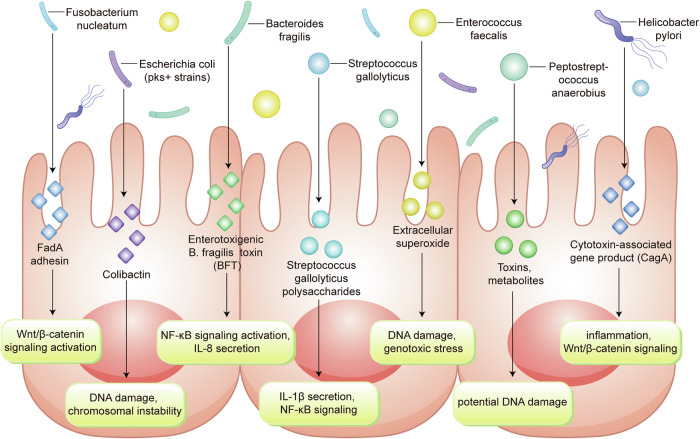
“E. coli pks+, capable of secreting colibactin, intervenes in the activation of the Wnt/ β -catenin pathway and TGF-β that affects EMT and induces intestinal barrier dysfunction, thus promoting CRC progression [75,76].”
RNA methyltransferase METTL16: From molecular mechanisms to therapeutic prospects in cancers
Shi, Z., Cao, X., Ma, Y., Li, K., Wang, X., Lin, J., Tang, H., & Zhu, X. (2025) · Cancer Letters · doi:10.1016/j.canlet.2025.217698 · Cited by 23
Huang, Q., Jing, Y., Xiong, L., Li, L., Feng, J., & Cheng, J. G. (2025) · Journal of Translational Medicine · doi:10.1186/s12967-025-06640-x · Cited by 19
“Early mutations in APC are often seen in precursor lesions, such as adenomas, and their presence is considered a critical step in the adenoma-carcinoma sequence, which underpins much of CRC pathogenesis [25].”
Tumor Necrosis Factor-Alpha’s Role in the Pathophysiology of Colon Cancer
Khan, S., Aldawood, Y. O., Shaikh, A. H., Zobairi, A., Nabilah, U., Alqahtani, H. M., & Vaali‐Mohammed, M. (2025) · Diseases · doi:10.3390/diseases13060185 · Cited by 19
Chen, G., Wu, J., Huang, S., Gong, Z., & Wang, H. (2025) · Annals of Medicine · doi:10.1080/07853890.2025.2534098 · Cited by 23
“For instance, in high-income countries, the use of advanced imaging technologies and targeted therapies has improved the prognosis of CRC patients [24].”
Aslam, R., Richards, C. E., Fay, J., Hudson, L., Workman, J. A., Lee, C. L., Murphy, A. G., O’Neill, B. P., Toomey, S., & Hennessy, B. T. (2024) · International Journal of Molecular Sciences · doi:10.3390/ijms252413264 · Cited by 19
“The MAPK and PI3K pathways are among the most frequently activated signalling pathways in human cancers, including CRC, and are closely interconnected [11,12].”
Bridging technology and medicine: artificial intelligence in targeted anticancer drug delivery
Khorsandi, D., Farahani, A., Zarepour, A., Khosravi, A., Iravani, S., & Zarrabi, A. (2025) · RSC Advances · doi:10.1039/d5ra03747f · Cited by 23
Yang, Z., Yang, Z., Bakar, M. Z. A., & Deng, X. (2025) · Food Bioscience · doi:10.1016/j.fbio.2025.105853 · Cited by 19
Distinct immunophenotypic profiles and neutrophil heterogeneity in colorectal cancer
Bai, M., Jin, Y., Jin, Z., Xie, Y., Chen, J., Zhong, Q., Wang, Z., Zhang, Q., Cai, Y., Qun, F., et al. (2025) · Cancer Letters · doi:10.1016/j.canlet.2025.217570 · Cited by 17
Gut microbiome-based machine learning model for early colorectal cancer and adenoma screening
Tsai, Y.-J., Lyu, W.-N., Liao, N.-S., Chen, P., Tsai, M., & Chuang, E. Y.-Y. (2025) · Gut Pathogens · doi:10.1186/s13099-025-00750-z · Cited by 18
“CRC typically develops from precancerous lesions such as adenoma-tous polyps, progressing into advanced adenoma (AA) and invasive cancers if undetected [3].”
The mechanism of AKT activation in cancer
Meng, F., Li, H., Wang, Y., Zheng, Z., & Chen, Y. (2025) · Cell investigation. · doi:10.1016/j.clnves.2025.100046 · Cited by 20
Hong, Y., Li, J., Xu, N., Shu, W., Chen, F., Mi, Y., Geng, H., & Li, Q. (2025) · Frontiers in Immunology · doi:10.3389/fimmu.2025.1604154 · Cited by 17
Self-citationTargeting Cancer Cell Fate: Apoptosis, Autophagy, and Gold Nanoparticles in Treatment Strategies
Kouri, M. A., Tsaroucha, A. K., Axakali, T. M., Varelas, P., Kouloulias, V., Platoni, K., & EFSTATHOPOULOS, E. P. (2025) · Current Issues in Molecular Biology · doi:10.3390/cimb47060460 · Cited by 20
“Importantly, these responses appear to occur independently, suggesting a lack of inhibitory crosstalk and allowing both pathways to contribute to therapeutic cytotoxicity [300,301].”
The hallmarks of oncogenic signaling: From pathways to resistance in cancer therapy
Tufail, M., Gong, K., Ijaz, B., Patel, H. H., Lui, W., Wang, X., & Li, J. (2026) · Drug Resistance Updates · doi:10.1016/j.drup.2026.101355 · Cited by 20
Dewan, A., Tattoli, I., & Mascellino, M. T. (2025) · International Journal of Molecular Sciences · doi:10.3390/ijms26146958 · Cited by 16
“These exist in CRC at rates of 30%, 70%, and 15%, respectively [8–11].”
RetractedWang, Y., Huang, P., Li, C., Tu, S., & Yang, H. (2025) · Frontiers in Pharmacology · doi:10.3389/fphar.2025.1714460 · Cited by 20
“These patients will be exposed to systematic treatment regimens, which include chemotherapy, targeted therapy, and radiation therapy (Singh et al., 2024; Li et al., 2024).”
Monge, C., Waldrup, B., Manjarrez, S., Carranza, F., & Velazquez-Villarreal, E. I. (2025) · Cancer Medicine · doi:10.1002/cam4.70791 · Cited by 15
“Our findings provide compelling evidence of ethnic-specific variations in PI3K and TP53 pathway alterations, which could have significant implications for CRC progression and treatment strategies [23, 24].”
Seaweeds as emerging functional foods and therapeutics for colorectal cancer management
Gengatharan, A., Mohamad, N.-V., Zahari, C. N. M. C., & Vijayakumar, R. (2025) · Discover Food · doi:10.1007/s44187-025-00383-w · Cited by 17
“Given that the Wnt/β-catenin pathway is pivotal in colorectal carcinogenesis [7], its modulation by seaweed components presents a promising strategy for CRC prevention.”
Dietary polyphenols as modulators of cell signaling and inflammation in colorectal carcinogenesis
Tan, B. L., Zulkifli, F., & Norhaizan, M. E. (2025) · Frontiers in Nutrition · doi:10.3389/fnut.2025.1691590 · Cited by 14
Neutrophils in inflammatory bowel disease: disease-promoting versus protective functions
Yu, S., Zhang, M., Niu, W., Huang, Y., Dou, Z., Tian, B., Yang, L., & Lu, J. (2026) · Frontiers in Immunology · doi:10.3389/fimmu.2025.1750743 · Cited by 15
Prognostic Differences Between Early-Onset and Late-Onset Colorectal Cancer
Ionescu, V. A., Gheorghe, G., Baban, I.-A., Barbu, A., Georgescu, T. F., Tiucă, L.-C., Antonie, N. I., & Diaconu, C. C. (2025) · Medicina · doi:10.3390/medicina61030390 · Cited by 15
“HER2 overexpression in EO-CRC may drive tumor aggressiveness through activation of key oncogenic pathways, including phospho-inositide 3-kinase (PI3K)/AKT and mitogen-activated protein kinase (MAPK) signaling, which promote cell proliferation, survival, and metastasis [41,42].”
Monge, C., Waldrup, B., Carranza, F., & Velazquez-Villarreal, E. I. (2025) · Cancers · doi:10.3390/cancers17071075 · Cited by 14
Tallei, T. E., Kapantow, N. H., Niode, N. J., Hessel, S. S., Savitri, M., Fatimawali, F., Kang, S., Park, M. N., Raihan, M., Hardiyanti, W., et al. (2025) · Scientific Reports · doi:10.1038/s41598-025-02999-5 · Cited by 14
“Previous studies suggest that multi-targeted therapies can either enhance or impair treatment responses depending on the molecular context and pathway crosstalk 50 .”
Yang, E.-W., Waldrup, B., & Velazquez-Villarreal, E. I. (2025) · AI · doi:10.3390/ai6070137 · Cited by 14
Establishment of a novel mouse model of colorectal cancer by orthotopic transplantation
Chen, C., Fu, Q., Wang, L., Tanaka, S., & Imajo, M. (2025) · BMC Cancer · doi:10.1186/s12885-025-13834-5 · Cited by 13
“These alterations confer niche independency on cancer cells, resulting in their massive outgrowth from the epithelial stem cell compartment [24, 25].”
Self-citationThe role of inflammation in colorectal Cancer and the preventive potential of natural compounds
Omari, N. E., Fessikh, M. E., Aboulaghras, S., Bakrim, S., Khalid, A., Abdalla, A. N., Goh, K. W., & Bouyahya, A. (2025) · Journal of Functional Foods · doi:10.1016/j.jff.2025.106857 · Cited by 14
The shadow of cancer therapeutic resistance: Unveiling the role of S-palmitoylation
Yang, X., Xu, M., Deng, Z., & Xu, B. (2025) · Drug Resistance Updates · doi:10.1016/j.drup.2025.101264 · Cited by 14
Self-citationThe Colonic Crypt: Cellular Dynamics and Signaling Pathways in Homeostasis and Cancer
Nguyen, A. L., Lausten, M. A., & Boman, B. M. (2025) · Cells · doi:10.3390/cells14181428 · Cited by 14
“These molecular changes not only expand the TA cell compartment but also enable these cells to contribute directly to the malignant epithelial population, sometimes bypassing normal lineage restrictions [97,104–106].”
InfluentialPatnaik, R., Varghese, R. L., Al-Kabani, A., Jannati, S., & Banerjee, Y. (2025) · Cells · doi:10.3390/cells14181451 · Cited by 15
Exploring and bypassing resistance to targeted therapies in colorectal cancer
Favier, S., Xiong, W., Chalabi-Dchar, M., Chettab, K., Piercey, O., Wu, T., Fenouil, T., Albaret, M.-A., Jordheim, L. P., Diaz, J.-J., et al. (2025) · Biomedicine & Pharmacotherapy · doi:10.1016/j.biopha.2025.118741 · Cited by 12
CRISPR/Cas9-directed epigenetic editing in colorectal cancer
Gupta, M. K., Gouda, G., Moazzam‐Jazi, M., Vadde, R., Nagaraju, G. P., & El‐Rayes, B. F. (2025) · Biochimica et Biophysica Acta (BBA) - Reviews on Cancer · doi:10.1016/j.bbcan.2025.189338 · Cited by 13
Włodarczyk, J. (2025) · International Journal of Molecular Sciences · doi:10.3390/ijms26157242 · Cited by 14
Luo, S., Gong, J., Zhu, Y., Wang, L., & Zhang, K. (2025) · BMC Gastroenterology · doi:10.1186/s12876-025-04184-4 · Cited by 13
Self-citationFu, D., Fu, H., Wang, Y., Yang, K., Nie, B., & Lu, X. (2025) · International Journal of Oncology · doi:10.3892/ijo.2025.5813 · Cited by 12
“…number of cascading signaling pathways, including signal transducer and activator of transcription 3 (STAT3), transforming growth factor‑ β (TGF‑ β ), phosphoinositide 3‑kinase/protein kinase (PI3K/ Akt) and Wnt/ β ‑catenin, characterized by aberrant silencing or activation of specific targets (6).”
Chidananda, C., Thakur, G., Datta, D., & Popat, K. C. (2025) · 3 Biotech · doi:10.1007/s13205-025-04535-8 · Cited by 12
“The PI3K/AKT/mTOR pathway is a crucial signaling network that, when disrupted, promotes increased cellular growth, survival, and metabolism, thereby giving cancer cells a proliferative edge (Li et al. 2024).”
Huang, W., Zhou, J., Liang, Y., Saladin, R. J., Li, L., Kang, L., Hua, C., & Cai, W. (2025) · Coordination Chemistry Reviews · doi:10.1016/j.ccr.2025.216641 · Cited by 12
Haffez, H., Sanad, H. H., Ebrahim, H. Y., & Hassan, Z. A. (2025) · Scientific Reports · doi:10.1038/s41598-025-99616-2 · Cited by 11
“…may have a higher baseline toxicity in normal cells due to differences in cellular metabolism, proliferation rates, or the presence of specific pathways that make them more susceptible to the compounds 90 , especially Raptinal that is known for its rapid induction of apoptosis 20,21,91,92 .”
Molavand, M., Montazer, M., Ghareghomi, S., Yousefi, B., & Majidinia, M. (2025) · Expert Review of Anticancer Therapy · doi:10.1080/14737140.2025.2519860 · Cited by 13
“Targeted therapy, by targeting dysregulated signaling pathways, is effective in mitigating oncogenic aspects of CRC such as proliferation, metastasis, and drug resistance [1,20–22].”
Gut microbiota interplay with autophagy-EMT dynamics in colorectal cancer
Vescovo, T., Bontempi, G., Bayat, M., Piredda, L., Fidaleo, M., Strippoli, R., & Antonioli, M. (2025) · Frontiers in Cell and Developmental Biology · doi:10.3389/fcell.2025.1608248 · Cited by 11
Cui, Z., & Shang, Q. (2025) · Frontiers in Pharmacology · doi:10.3389/fphar.2025.1691011 · Cited by 11
Cancer and Environmental Xenobiotics: Mechanisms, Controversies, and Innovations
Mafe, A. N., & Büsselberg, D. (2025) · Journal of Xenobiotics · doi:10.3390/jox16010002 · Cited by 13
“These genotoxic insults can result in point mutations, chromosomal aberrations, and microsatellite instability, which are recognized as molecular hallmarks of early-stage carcinogenesis [24,25].”
Emerging nano-immunotherapeutic strategies achieve metastatic colorectal cancer precision therapy
Jiang, S., Zhang, Z., Mao, Y., Xia, X., Luo, J., Zhang, Y., & Yuan, Y. (2026) · Journal of Nanobiotechnology · doi:10.1186/s12951-025-03933-7 · Cited by 13
“Additional stromal programs, including TGF-β–SMAD signaling, WNT/β-catenin-driven APC exclusion, and VEGF-mediated endothelial anergy, further restrict cytotoxic infiltration [15–17].”
Gut microbiome and colorectal cancer: From pathogenesis to treatment
Lahouty, M., Fadaee, M., Aghaei, R., Alizadeh, F., Jafari, A., & Sharifi, Y. (2025) · Pathology - Research and Practice · doi:10.1016/j.prp.2025.156034 · Cited by 11
Lifting the veil on tumor metabolism: A GDH1-focused perspective
Zhou, S., Wu, H., Chen, Y., Lv, J., Chen, S., Yu, H., Shi, T., Wang, X., & Xiao, L. (2025) · iScience · doi:10.1016/j.isci.2025.112551 · Cited by 12
Terzi, A., Maqoud, F., Guido, D., Mallardi, D., Aloisio, M., Ura, B., Gualandi, N., Russo, F., & Giannelli, G. (2025) · International Journal of Molecular Sciences · doi:10.3390/ijms26115147 · Cited by 11
Chen, Y., Liu, X., Chen, J., Kuang, L., Zhang, N., Li, D., Zhao, D., Xue, D., Lei, J., Zhang, J., et al. (2025) · Journal for ImmunoTherapy of Cancer · doi:10.1136/jitc-2025-013027 · Cited by 12
Khan, M. U., Aslam, H., Sohail, M. J., Umar, A., Ullah, A., & Ullah, H. (2025) · Discover Oncology · doi:10.1007/s12672-025-02714-w · Cited by 11
Kashif, M. (2025) · Computational Biology and Chemistry · doi:10.1016/j.compbiolchem.2025.108349 · Cited by 11
Soulat, A., Mohsenpour, T., Roshangar, L., Moaddab, S. Y., & Soulat, F. (2025) · ACS Omega · doi:10.1021/acsomega.4c10378 · Cited by 10
Huo, J., Nie, K., Yang, T., Zhang, S., Zhu, Z., Peng, X., & Zhang, Y. (2025) · Journal of Ethnopharmacology · doi:10.1016/j.jep.2025.119820 · Cited by 9
Ran, Z., Li, Y., Lin, X., & He, Q. (2025) · Chemical Engineering Journal · doi:10.1016/j.cej.2025.162953 · Cited by 9
Feng, Y., Liu, G., Cai, Q., & Zhou, J. (2025) · Frontiers in Immunology · doi:10.3389/fimmu.2025.1591359 · Cited by 10
Lu, Z., Zhu, W., & Liu, X. (2025) · Seminars in Oncology · doi:10.1016/j.seminoncol.2025.152399 · Cited by 9
Yang, E.-W., Waldrup, B., & Velazquez-Villarreal, E. I. (2025) · Cancers · doi:10.3390/cancers17172865 · Cited by 9
“TP53 mutations—present in up to 74% of CRC tumors [13,16–21]—are strongly associated with poor prognosis, aggressive biology, and treatment resistance [22–25].”
Molavand, M., Majidinia, M., & Yousefi, B. (2025) · IUBMB Life · doi:10.1002/iub.70074 · Cited by 10
Shukla, A. K., Shukla, S., Suryawanshi, S. P., Upadhyay, A. M., Ray, N., Thiruppathi, G., Dutta, S. D., & Mongre, R. K. (2025) · Current Oncology · doi:10.3390/curroncol32120653 · Cited by 10
“To study oncogenic drivers and therapeutic targets in a controlled environment, researchers are also investigating the use of gene-editing technologies, such as CRISPR/Cas9, to introduce or correct mutations in bioprinted organoids [188–190].”
Advanced oral therapies for colorectal cancer via nanomedicine and microbiota modulation
Wang, Y., Chen, C., Xiao, X. H., Kang, Y., He, J., Beloqui, A., & Xu, Y. (2025) · Advanced Drug Delivery Reviews · doi:10.1016/j.addr.2025.115741 · Cited by 10
Fan, Y., Gu, X., Yang, H., Chen, Y., Fang, C., Deng, H., & Dai, L. (2025) · Molecular Biomedicine · doi:10.1186/s43556-025-00376-2 · Cited by 10
Agüera-Sánchez, A., Ros, E. P., Martínez‐Martínez, I., & García-Molina, F. (2026) · Journal of Personalized Medicine · doi:10.3390/jpm16010048 · Cited by 11
“While not part of routine testing, the detection of an EGFR S492R mutation in ctDNA of a progressing patient would suggest that panitumumab could still be effective (since that mutation only interferes with cetuximab binding) [150,151].”
Pavalean, M. C., Lambrescu, I. M., Pavalean, M. I., Gaina, G. F., Ceafalan, L. C., & Hinescu, M. E. (2026) · International Journal of Molecular Sciences · doi:10.3390/ijms27052251 · Cited by 9
“These assays typically focus on recurrent driver mutations in genes essential for colorectal tumor development, including KRAS, APC, TP53, and BRAF [46].”
Yao, L., Gu, C., Ge, R., Zhang, X., Meng, X., Wang, L., Peng, D., & Li, G. (2025) · Frontiers in Oncology · doi:10.3389/fonc.2025.1529868 · Cited by 8
Self-citationDevangan, P., Sharma, A., Wadate, N., Mourya, A., & Madan, J. (2025) · AAPS PharmSciTech · doi:10.1208/s12249-025-03073-z · Cited by 9
“These mutations impact the key genes involved in growth factors such as EGF, VEGF, IGF-1, EGFR, and protein kinases (Src) [5].”
Monge, C., Waldrup, B., Carranza, F., & Velazquez-Villarreal, E. I. (2025) · Cancers · doi:10.3390/cancers17081309 · Cited by 8
“KRAS, NRAS, and BRAF mutations drive the constitutive activation of downstream MAPK and PI3K pathways, promoting tumor progression and drug resistance [11].”
Maqsoodi, R., Saberpour, M., Bakhshi, B., & Fallah, F. (2025) · BMC Gastroenterology · doi:10.1186/s12876-025-03923-x · Cited by 8
“…3-kinase ( PI3K ) ( PTEN ), transforming growth factor ( TGF-β ), and Notch ( HES1 ), Hedgehog (SHH) ( Bcl2 , Gli2 ), and Epidermal growth factor receptor (EGFR) ( TGF-α ), and genes such as interleukin 6 ( IL-6 ), Toll-like receptor 4 ( TLR4 ), and carcinoembryonic antigen ( CEA ) [18].”
Qanash, H., Bazaid, A. S., Binsaleh, N. K., Alshammari, A. S., & Eltayeb, R. (2025) · Plants · doi:10.3390/plants14121813 · Cited by 11
Therapeutic Colorectal Cancer Vaccines: Emerging Modalities and Translational Opportunities
Muthukutty, P., Woo, H. Y., & Yoo, S. Y. (2025) · Vaccines · doi:10.3390/vaccines13070689 · Cited by 8
“Genetic mutations affecting key signaling pathways such as Wnt/ β -catenin, p53, TGF-β , and EGFR are pivotal drivers of CRC initiation and progression [36].”
Expanding arsenal against colorectal cancer using guar gum-based nanocarriers: A review
Kumbhar, P., Kolekar, K. A., Khandale, N. B., Vishwas, S., Nadaf, S., Patil, K. S., Shete, A. S., Gupta, G., Gurav, S. S., Singh, S. K., et al. (2025) · International Journal of Biological Macromolecules · doi:10.1016/j.ijbiomac.2025.145765 · Cited by 10
Upasana, U., & Bhattacharya, S. (2025) · ACS Applied Bio Materials · doi:10.1021/acsabm.5c00714 · Cited by 8
Advances and challenges in drug repurposing in precision therapeutics of colorectal cancer
Yu, X., Wu, H.-T., Wu, B., Zhi, S.-F., Lan, Y.-Z., Chen, W.-J., & Liu, J. (2025) · World Journal of Gastrointestinal Oncology · doi:10.4251/wjgo.v17.i7.107681 · Cited by 9
“In the development of anti-cancer therapies for CRC, some targeted therapies have demonstrated promising efficacy in preclinical studies[134].”
Obesity as a Systems‐Level Driver of Cancer: Mechanisms and Nutritional Reprogramming
Munteanu, C., & Dhanasekaran, D. N. (2025) · Obesity Reviews · doi:10.1111/obr.70075 · Cited by 9
“Hypermethylation of tumor suppressor genes such as PTEN, BRCA1 silences protective checkpoints, whereas hypomethylation of oncogenes promotes their over-expression, leading to uncontrolled proliferation and invasion [139, 140].”
Metadata
- Authors
- Li, Q., Geng, S., Luo, H., Wang, W., Mo, Y.-Q., Luo, Q., Wang, L., Song, G.-B., Sheng, J.-P., & Xu, B.
- Affiliations
- Chongqing University (CN)
- Chongqing Medical University (CN)
- Army Medical University (CN)
- Chongqing Municipal Health Commission (CN)
- Corresponding author
- Xu, Bo
- Venue
- Signal Transduction and Targeted Therapy
- Published
- 2024-10-07
- Volume
- 9
- Issue
- 1
- Pages
- 266-266
- ISSN
- 2059-3635 (ISSN-L)
- PMC
- PMC11456611
- OpenAlex
- W4403163174
- Cited by
- 546
- References
- 537
- Citations by year
- 2026: 275 · 2025: 263 · 2024: 7
- FWCI
- 29.22
- Type
- journal article
- Language
- en
- Open access
- gold
- doi.org
- Licence
- cc-by
- creativecommons.org/licenses/by/4.0 (tdm)
- creativecommons.org/licenses/by/4.0 (vor)
- Locations
- Signal Transduction and Targeted Therapy (publishedVersion, cc-by)
- PubMed Central (publishedVersion, cc-by)
- PubMed (publishedVersion)
- DOAJ (DOAJ: Directory of Open Access Journals) (submittedVersion, cc-by-sa)
- Funders
- National Natural Science Foundation of China (61906022, 82203066)
- Topics
- Health Sciences › Medicine › Oncology › Colorectal Cancer Treatments and Studies
- Health Sciences › Medicine › Pathology and Forensic Medicine › Genetic factors in colorectal cancer
- Life Sciences › Biochemistry, Genetics and Molecular Biology › Molecular Biology › Wnt/β-catenin signaling in development and cancer
- Keywords
- colorectal cancer, signal transduction, oncogenic signaling, colorectal cancer pathogenesis, colorectal cancer progression, targeted therapy, immunotherapy, epigenomics, microbiome, patient stratification
- MeSH terms
- Humans, Colorectal Neoplasms, Signal Transduction, Precision Medicine, Molecular Targeted Therapy
About these checks
Registry, retraction, Cites and statistics results are computed, not judged, with one exception: a printed reference that no index lists is read once by a model before it counts as a citation error. Claims are extracted by a model and kept only when their quote appears verbatim in the text; each cited source is then checked, with a model’s help, for whether it says what the claim relies on. Those verdicts can be wrong — read the claim’s quote and the cited source before relying on one.
Statistics and arithmetic are recomputed, not judged.
Confidence bands are shown only for fields calibrated on our annotated test set. None is calibrated yet, so no band is shown.
What counts as a claim ›How we measure confidence ›How we check this ›
Are you an author, or do you see a problem with this page? Request a review
Data sources
Bibliographic data: Semantic Scholar, OpenAlex, Crossref.
Contains information from the Semantic Scholar Academic Graph Datasets, made available under the ODC Attribution License (ODC-BY 1.0).
Semantic Scholar’s data is described in: Kinney, R., et al. (2023). The Semantic Scholar Open Data Platform. arXiv:2301.10140.
