

Signaling pathways involved in colorectal cancer: pathogenesis and targeted therapy
Open accessThe DOI matches its Crossref record; 537 of the 537 references it cites were found in a registry or an index.
Abstract
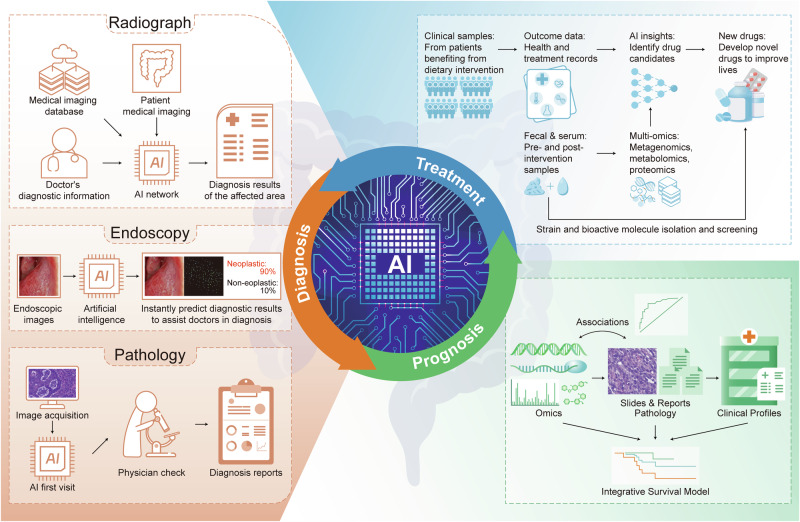
Colorectal cancer (CRC) remains one of the leading causes of cancer-related mortality worldwide. Its complexity is influenced by various signal transduction networks that govern cellular proliferation, survival, differentiation, and apoptosis. The pathogenesis of CRC is a testament to the dysregulation of these signaling cascades, which culminates in the malignant transformation of colonic epithelium. This review aims to dissect the foundational signaling mechanisms implicated in CRC, to elucidate the generalized principles underpinning neoplastic evolution and progression. We discuss the molecular hallmarks of CRC, including the genomic, epigenomic and microbial features of CRC to highlight the role of signal transduction in the orchestration of the tumorigenic process. Concurrently, we review the advent of targeted and immune therapies in CRC, assessing their impact on the current clinical landscape. The development of these therapies has been informed by a deepening understanding of oncogenic signaling, leading to the identification of key nodes within these networks that can be exploited pharmacologically. Furthermore, we explore the potential of integrating AI to enhance the precision of therapeutic targeting and patient stratification, emphasizing their role in personalized medicine. In summary, our review captures the dynamic interplay between aberrant signaling in CRC pathogenesis and the concerted efforts to counteract these changes through targeted therapeutic strategies, ultimately aiming to pave the way for improved prognosis and personalized treatment modalities in colorectal cancer.
Overview
The claims and statistics of this paper haven’t been checked yet.
Free: it reads the open-access text and checks the first 5 claims that cite a source we can check. Create a free account to check every claim.
Integrity signals
Registry
Cites
Statistics
Figures
Verification
Claims the paper makes
The claims and statistics of this paper haven’t been checked yet.
Free: it reads the open-access text and checks the first 5 claims that cite a source we can check. Create a free account to check every claim.
Claims other papers make about this one
Each is checked against this paper’s own text: does it say what the citing paper says it does?
The source backs part of the claim, not all of it — or backs it for a different population, condition or comparison.
In the citing paper
“Additionally, HER2 is commonly amplified or overexpressed in 7% to 47.4% of CRC patients, activating downstream signaling in a similar manner [81–83].”
From Differential Response and Resistance to KRAS-Targeted Therapy (2025) · cites this paper as [81]
Experimental — accuracy not yet measured
Self-check
Percentages, sums and reported differences re-computed from the paper’s own numbers.
The self-check needs the paper’s full text.
Citations
Cites
Hallmarks of Cancer: The Next Generation
Hanahan, D., & Weinberg, R. A. (2011) · Cell · doi:10.1016/j.cell.2011.02.013 · Cited by 66,590
Bray, F., Laversanne, M., Sung, H., Ferlay, J., Siegel, R. L., Soerjomataram, I., & Jemal, A. (2024) · CA: a cancer journal for clinicians · doi:10.3322/caac.21834 · Cited by 27,064
Coussens, L. M., & Werb, Z. (2002) · Nature · doi:10.1038/nature01322 · Cited by 15,111
Lynch, T. J., Bell, D. W., Sordella, R., Gurubhagavatula, S., Okimoto, R. A., Brannigan, B. W., Harris, P. L., Haserlat, S. M., Supko, J. G., Haluska, F. G., et al. (2004) · New England Journal of Medicine · doi:10.1056/nejmoa040938 · Cited by 11,486
Mantovani, A., Allavena, P., Sica, A., & Balkwill, F. (2008) · Nature · doi:10.1038/nature07205 · Cited by 11,399
Chromatin modifications and their function
Kouzarides, T. (2007) · Cell · doi:10.1016/j.cell.2007.02.005 · Cited by 10,883
Immunity, Inflammation, and Cancer
Grivennikov, S. I., Greten, F. R., & Karin, M. (2010) · Cell · doi:10.1016/j.cell.2010.01.025 · Cited by 10,755
Mutations of the BRAF gene in human cancer
Davies, H., Bignell, G. R., Cox, C., Stephens, P., Edkins, S., Clegg, S., Teague, J., Woffendin, H., Garnett, M. J., Bottomley, W., et al. (2002) · Nature · doi:10.1038/nature00766 · Cited by 10,674
The role of pattern-recognition receptors in innate immunity: update on Toll-like receptors
Kawai, T., & Akira, S. (2010) · Nature Immunology · doi:10.1038/ni.1863 · Cited by 9,304
Shrestha, S., & Offer, S. M. (2016) · Medical Epigenetics · doi:10.1159/000444713 · Cited by 8,914
Research works printed but not linked: 4
- Charifa, A., Jamil, R. T. & Zhang, X. Gardner syndrome. (2018). 29493967
- Garralda, E. et al. (Wolters Kluwer Health, 2021).
- Troyanska, O. & Reich, R. Pacific Symposium on Biocomputing 2022. World Sci, 175–186 (2022).
- Mnih, V., Heess, N. & Graves, A. Recurrent models of visual attention. Adv. Neural Inf. Process Syst. 2204–2212 (2014).
Cited by
Items 501–600 of 634
Roney, M., Issahaku, A. R., Hamim, S. M. I., Wilhelm, A., & Aluwi, M. F. F. M. (2026) · Biointerface Research in Applied Chemistry · doi:10.33263/briac163.084
Jafari-Gharabaghlou, D., Alali, U., Al-Tu’ma, F. J., Babavalian, H., Mohammadi, M., & Hashemzadeh, M. S. (2026) · Advanced Pharmaceutical Bulletin · doi:10.34172/apb.46393
p27 Expression in Wild‐Type KRAS Colon Cancer
Marinović, S., Paladin, I., Škrtić, A., Ivković, T. C., Verbanac, D., & Kapitanović, S. (2026) · Journal of Cellular and Molecular Medicine · doi:10.1111/jcmm.71248
Chaiwichien, A., Osotprasit, S., Samrit, T., Smith, S. J., Suwansa‐ard, S., Cummins, S. F., Kueakhai, P., & Changklungmoa, N. (2026) · International Journal of Molecular Sciences · doi:10.3390/ijms27125606
“The lethal progression of CRC is largely driven by metastasis, a highly demanding cellular journey dependent on motility and extracellular matrix (ECM) degradation [27].”
Yang, Y., Gao, Z., Song, P., Wang, C., Wang, K., Xi, Z., & Jing, R. (2026) · Frontiers in Immunology · doi:10.3389/fimmu.2026.1829723
Gao, X., Li, S., Ren, X., & Yan, L. (2026) · Bioorganic Chemistry · doi:10.1016/j.bioorg.2026.110157
Ilhami, R. F., Pertiwi, D., Arisanty, D., & Rahayu, Y. (2026) · Biology Medicine & Natural Product Chemistry · doi:10.14421/biomedich.2026.151.1129-1138
“CRC is a multifactorial disease arising from complex interactions between genetic predisposition, lifestyle factors, medical conditions, and environmental exposures (Anbari and Ghanadi, 2025; Li et al., 2024).”
Liu, J., Fu, C., Wu, Q., Kan, J., Cui, Z., Dong, R., Zheng, Z., Kong, Y., Zhang, Y. Y., Liu, L. F., et al. (2026) · MedMat. · doi:10.1097/mm9.0000000000000049
Plasma Protein Biomarkers for Early Risk Prediction of Colorectal Cancer
Chen, W., 葛贤秀, Hu, C., Shen, Y., Miao, L., Hang, D., & Zhao, W. H. (2026) · Cancer Epidemiology Biomarkers & Prevention · doi:10.1158/1055-9965.epi-26-0341
Foundations of artificial intelligence in biomedical research
Aijaz, A., Ji, A., Iqbal, G., Qayoom, H., & Mir, M. F. (2026) · Elsevier eBooks · doi:10.1016/b978-0-443-49109-2.00004-3
Khanna, K., Maki, M. A. M. A., Karwasra, R., Sharma, I., Bahere, M. H., Tayyab, S., Sharma, N., Rajagopal, M. S., Goel, B., & Raza, K. (2026) · Elsevier eBooks · doi:10.1016/b978-0-443-43846-2.00021-0
Padubidri, S. R., Singh, M. K., & Dehury, B. (2026) · Computers in Biology and Medicine · doi:10.1016/j.compbiomed.2026.111826
Gürsoy, G., & Çiçek, Z. (2026) · Çukurova medical journal (Online)/Çukurova medical journal · doi:10.17826/cumj.1912929
Moris, D. P., Nguyen, B., Kroemer, A., Ziogas, I. A., Giannou, A. D., Fishbein, T. M., Genyk, Y., & Pk, G. (2026) · Cancer Genomics & Proteomics · doi:10.21873/cgp.20592 · Cited by 1
Jodat, J., Aghaei, M., Ekrami, A., Dayer, D., & Far, M. A. J. (2026) · BMC Gastroenterology · doi:10.1186/s12876-026-05048-1
Engineered Salmonella expressing IL-18 as a therapeutic strategy for colorectal cancerPreprint
Quiarim, T. M., Fragelli, B. D. D. L., Silva, A., Novo‐Mansur, M. T. M., Kesselring, R., & Aníbal, F. F. (2026) · Research Square · doi:10.21203/rs.3.rs-10047645/v1
МОЛЕКУЛЯРНЫЙ ЛАНДШАФТ ЗЛОКАЧЕСТВЕННЫХ ОПУХОЛЕЙ ТОЛСТОЙ КИШКИ: ИНТЕГРАТИВНЫЙ АНАЛИЗ ИЗМЕНЕНИЙ
Кутилин, Д. С., Khudyna, Y. E., Маслов, А. А., Kolesnikov, E. N., Legenko, N. N., Фомин, А. А., Anisimov, A. E., Arakelova, A. Y., Chalkhakhyan, L. K., & Владимирович, Д. А. (2026) · Современные проблемы науки и образования · doi:10.17513/spno.34641
Jeon, J., Jang, J., Moon, C. Y., Lee, J., Hong, V. S., Kang, H., Park, J. T., Heo, N. H., Park, J. T., Park, J., et al. (2026) · Pharmaceuticals · doi:10.3390/ph19070985
“Although single-target kinase inhibitors have shown therapeutic potential in cancer treatment, inhibition of a single target may be insufficient to effectively suppress tumor growth, as multiple signaling pathways are involved in CRC development and progression [2,8,9].”
Wang, T., Fei, H., Liu, X., Zhang, L., Liang, W., Wei, X., & Fei, F. (2026) · Biochemical and Biophysical Research Communications · doi:10.1016/j.bbrc.2026.154238
Kyrochristou, I. D., Kyrochristou, G. D., Georgios, A., Mitsis, M. C., Bali, C. D., Vlachos, K., & Lianos, G. D. (2026) · Surgery · doi:10.1016/j.surg.2026.110430
Nutrition and gastrointestinal tract malignancies
Βουλγαράκη, Α. Θ. (2026) · University of Thessaly Institutional Repository (University of Thessaly)
Kitaplı, S., Alkan, A., & Tanrıverdi, Ö. (2026) · Helicobacter · doi:10.1111/hel.70150
Wan, S., Fan, X., Jin, P., Wei, M., Yang, Q., Yu, Y., Shao, H., Widodo, R. T., Wu, Y. J., & Luo, L. (2026) · Bioorganic Chemistry · doi:10.1016/j.bioorg.2026.110237
Chen, K., Li, N., Ren, A., Yang, L., Xie, P., Gao, Y., Li, Y., Tang, Y. F., Zhang, R. Y., Pan, H., et al. (2026) · Chemical Engineering Journal · doi:10.1016/j.cej.2026.179188
RHOA at the intersection of inflammation-driven and sporadic colorectal cancer
Muccioli, S. E., Hidalgo‐Garcia, L., Ngo, P. A., Neurath, M. F., & López-Posadas, R. (2026) · Frontiers in Immunology · doi:10.3389/fimmu.2026.1844372
“Mechanistically, CRC primarily arises from two pathways (18, 19).”
IQGAP Family Proteins in Colorectal Cancer: Molecular Mechanisms and Prognostic Implications
Gunawan, C. K., Sumarpo, A., Raharjo, B., & Parwati, I. (2026) · Diagnostics · doi:10.3390/diagnostics16142153
Khan, M. M., Hossain, M. A., Hossain, M. S., Gupta, D. D., Showrov, N. A., & Parvin, S. (2026) · Computers in Biology and Medicine · doi:10.1016/j.compbiomed.2026.111854
Cancer Signaling Pathways and Cancer Biology
Nair, A., Prasad, A. P., Anand, A. V., Shyl, D., & Yesupatham, S. K. (2026) · Studies in Rhythm Engineering · doi:10.1007/978-981-95-8938-8_7
Kamal, S., Chen, Q., Wang, Y., He, R., Kamal, M., & Li, W. (2026) · Bioinformatics Advances · doi:10.1093/bioadv/vbag164
“…interactions and high interaction fractions are critical determinants of ligand stability and functional modulation in cancer-related proteins (Li et al. 2024), recent computational studies, where lupenone derivatives demonstrated stable binding dynamics against HPV-associated targets,…”
Liu, Y., Siegfried, G., Pernot, S., He, Z., Martín-Bórnez, M., Tejpar, S., Castanet, F., Desolneux, G., Évrard, S., Steinmetzer, T., et al. (2026) · Oncogene · doi:10.1038/s41388-026-03875-w
Long Non-coding RNAs in Gastrointestinal Diseases
Nambidi, S., Banerjee, A., & Pathak, S. (2026) · Epigenetics and human health · doi:10.1007/978-3-032-19668-2_8
Abouelenein, M. G., El‐Hussieny, M., Hussien, A. G., Shaban, E., Ghazal, B., & Elsayed, G. H. (2026) · Journal of Molecular Structure · doi:10.1016/j.molstruc.2026.147061
Huang, M., Chen, R., Wen, Y., Lan, M., Lian, S., Xie, J., Liu, Q., Liu, Y., Lu, W., Xu, G., et al. (2026) · Journal of Translational Medicine · doi:10.1186/s12967-026-08608-x
“The EGFR signaling axis is a well-validated driver of CRC progression, fostering cell proliferation, survival, and metastasis [20, 21].”
Wang, D., Ma, R., Feng, Z., Zuo, Y., Chen, M., & Zhang, X. (2026) · Bioorganic Chemistry · doi:10.1016/j.bioorg.2026.110251
Bartolini, M., Algaze, S. D., & Lenz, H. (2026) · ESMO Open · doi:10.1016/j.esmoop.2026.108304
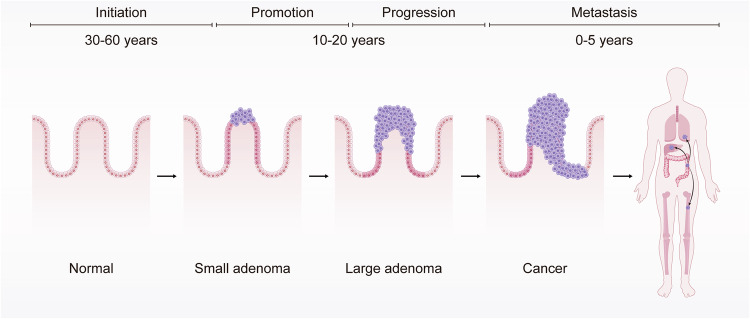
“17-21 This review focuses on emerging targets beyond RAS and RAF , highlighting strategies that exemplify this evolving landscape and aim to translate expanding biological insight into meaningful clinical benefit for patients with CRC (Figure 1).”
Guoyu-Li, Xudong-Yang, Qing-Feng, Enshan-Zhu, Lixing-Zhang, Rong-Ding, Xuan-Zhang, Xiaoqiong-Chen, & Yunfeng-Li (2026) · Cellular Signalling · doi:10.1016/j.cellsig.2026.112745
Raeisi, H., Khodashahi, R., Niasar, M. S., Saghafi, S., Abdollahi, A., Sadeghi, A., & Safarpour, H. (2026) · Scientific Reports · doi:10.1038/s41598-026-62474-7
Ye, L., Yu, M., & Liu, H. (2026) · The Journal of Immunology · doi:10.1093/jimmun/vkag176
Cui, Q., Gao, X., Wu, X., & Zhang, D. (2026) · Frontiers in Cell and Developmental Biology · doi:10.3389/fcell.2026.1874138 · Cited by 2
“In spite of notable progress in surgery, targeted therapy, and immunotherapy, outcomes for patients with advanced CRC are still poor because of its strong invasive and metastatic potential (Li Q. et al., 2024; Singh et al., 2024; Zhang et al., 2025; Yuan et al., 2024; Li Z. et al., 2024).”
Withaferin a Inhibits EGF and ERK Signaling to Induce Programmed Cell Death in Colon Cancer Cells
Abdelrahman, N., Roshdy, T. M., Abdel‐Aziz, A., Guirgis, A. A., & Khalil, H. (2026) · Scholars International Journal of Biochemistry · doi:10.36348/sijb.2026.v09i02.001
Ganguly, D., GHOSH, S., Deka, H., Sarmah, J., Majumdar, S., Mahanti, K., Hoque, N., & Ghosh, S. (2026) · Clinical & Translational Oncology · doi:10.1007/s12094-026-04516-0
Doermann, A. S., Caspi, A., Evans, A. E., Feci, A., Entezari, A. A., Snook, A. E., & Waldman, S. A. (2026) · Cancer Biology & Therapy · doi:10.1080/15384047.2026.2683096 · Cited by 1
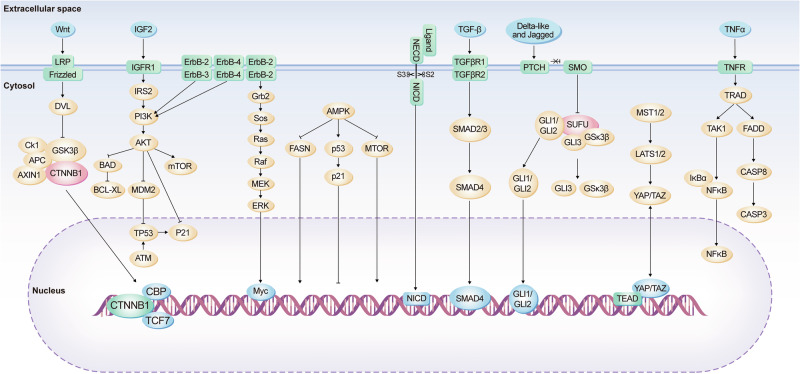
“118 See Figure 3 for a graphical depiction of the pathway.”
InfluentialAmin, I., Elgebaly, A. S., Mohamed, H. H., Abuelhaded, K., Alam-ElDein, K. M., Ibrahim, A. K., Farag, S. A., Adel, A., Hamdy, M., Elkhawanky, M., et al. (2026) · Clinical & Translational Oncology · doi:10.1007/s12094-026-04500-8
Lysosome-Targeted Degradation of LRG1: A Novel Chemosensitization Strategy for Colorectal Cancer
Zhang, K. J., Xing, A., Zhang, Y. M., Xie, T. H., Li, Y. Y., & Wu, G. (2026) · International Conference on Bioinformatics and Computational Biology (ICBCB) · doi:10.1109/icbcb69424.2026.11621281
“Leucine-rich α -2-glycoprotein 1 (LRG1) has emerged as a multifunctional oncoprotein upregulated in CRC and correlates with poor patient prognosis [7,8].”
Role of CMTM6 in disease pathogenesis and clinical translation potential (Review)
Huang, R., Mo, D., Huang, H., ZHANG, M., Yu, W., & Cao, B. (2026) · Molecular Medicine Reports · doi:10.3892/mmr.2026.13977
“…its complexity is driven by diverse signal transduction networks that regulate cellular proliferation, survival, differentiation and apoptosis (65). cMTM6 expression has been reported to be elevated in crc tissues compared with that in matched normal tissues, with high cMTM6 levels associated…”
Fan, S., Zhao, J., Liu, S., Xu, B., & Cheng, X. (2026) · Hereditas · doi:10.1186/s41065-026-00715-5
“The pathogenesis of CRC involves a complex, multi-step progression driven by the interplay of various genetic alterations [3].”
Self-citationGenomic landscape and clinical characteristics of ERBB2/HER2 -mutated colorectal cancers
Aksu, M., Peniche, P. Z., Baytar, D. K., Jambunathan, B., Jan, Y. J., Hsieh, R. W., Rahman, S., Krauss, J., Veenstra, C. M., & Şahin, İ. H. (2026) · The Oncologist · doi:10.1093/oncolo/oyag302
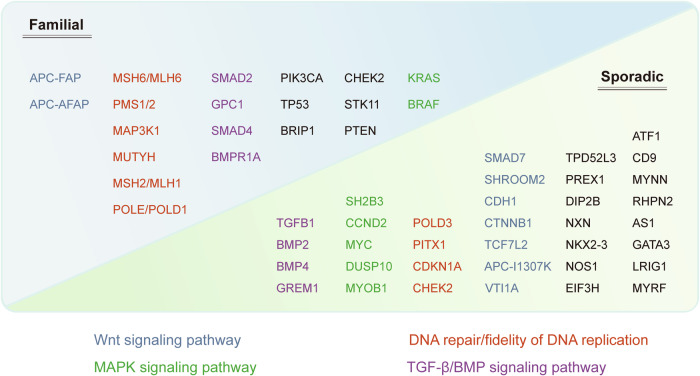
“39 These genes encompass tumorigenesis (CRC core and WNT, RAS-RAF-MAPK, TGF-β /SMAD, BMP/SMAD), therapeutic targeting (PI3K-AKT-mTOR, receptor tyrosine kinases, cell cycle, and growth control), and immune evasion (immune regulation and antigen presentation): CRC core and WNT ( APC , ARID1A , AXIN2…”
Cunha, A., Robalo, C., Lemos, C., Lamas, N. J., & Santos, M. D. (2026) · International Journal of Molecular Sciences · doi:10.3390/ijms27156930
“…adenoma–carcinoma sequence is commonly associated with chromosomal instability and stepwise accumulation of alterations involving APC / WNT / β -catenin signalling, RAS / RAF / MAPK activation, PI3K / AKT / mTOR signalling, TGF-β / SMAD disruption and TP53/cell-cycle dysregulation [12,13,15–17].”
InfluentialUti, D. E., Alum, E. U., Ogbu, C. O., Ugwu, O. P.-C., Egbung, G. E., Atangwho, I. J., Dagnaw, M., & Jan, A. (2026) · Discover Nano · doi:10.1186/s11671-026-04831-z
Lin, J., Liu, W., & Wang, Z. (2026) · Theoretical and Natural Science · doi:10.54254/2753-8818/2026.hz35818
Abedi, P., Shiravi, S., Mottaghi-Dastjerdi, N., Soltany‐Rezaee‐Rad, M., Shahbazi, B., Ahmadi, N., Niazi, M.-J., Sabet, B., Montazeri, V., Montazeri, H., et al. (2026) · Discover Oncology · doi:10.1007/s12672-026-05688-5
“The results are in line with previous research by Malki [39] and Li [41] emphasizing dysregulated cell cycle and growth factor signaling as characteristics of CRC progression.”
Colorectal cancer organoid co-culture systems and their applications in drug screening
徐永强, Xing, T., Zhang, S., Zheng, S., Liu, C., Li, X., & Jia, J. (2026) · Chemico-Biological Interactions · doi:10.1016/j.cbi.2026.112277
Rogacz, Z., Pacuła, W., Janas, W., Markiewka, M., Wala, P., Madej, M., & Strzałka‐Mrozik, B. (2026) · Cancers · doi:10.3390/cancers18152507
Raut, R., Anwar, S., Alromaihi, R. A., & Alrumaihi, F. (2026) · Current Issues in Molecular Biology · doi:10.3390/cimb48080807
“The anti-inflammatory activity of cinnamon bark extract was assessed using the albumin denaturation inhibition assay [22].”
Saulis, G., Vitkin, E. I., Saulė, R., Wise, J., Gulbinas, A., Dambrauskas, Ž., Ivanauskienė, S., Žilinskas, J., Poškienė, L., & Golberg, A. (2026) · Cancer Medicine · doi:10.1002/cam4.71922
“Observations include up-regulation of TfR1 [50] and ERK [51], alongside changes in associated signaling proteins, which disrupt canonical pathway functions [51].”
Qu, N., Chen, J., Chen, Y., Zhao, S., Wu, Y., Wei, J., Lou, S., Liao, Y., Yan, Y., Luo, T., et al. (2026) · iScience · doi:10.1016/j.isci.2026.117129
Zenón-Meléndez, C. N., Acevedo, S. N. L., Pérez‐Santiago, J., Ortiz-Maldonado, Y. N., Centeno‐Girona, H., & Caraballo, E. V. (2026) · Frontiers in Immunology · doi:10.3389/fimmu.2026.1838210
Xu, Y., 谢双锋, He, F., Song, F., Mao, Y.-H., Wang, R., Ni, H., & Yang, Y. (2026) · Experimental Gerontology · doi:10.1016/j.exger.2026.113279
Paje, N., Itharat, A., Chanvimalueng, W., Tiyao, V., Pipatrattanaseree, W., Makchuchit, S., Kuropakornpong, P., & Davies, N. M. (2026) · International Journal of Molecular Sciences · doi:10.3390/ijms27167239
“…relevant to treatment resistance in HNSCC. Cisplatin resistance has been associated with NRF2-driven antioxidant responses, downregulation of copper transporters, and reactivation of MAPK/AKT signaling, which intersect with the antioxidant and multi-target activities observed in this study [46].”
Wang, L., Liu, C., Xie, J., Liu, J.-S., Zhou, X., Liu, F., Xiang, C.-Y., Zhao, J.-N., Liu, X., Liu, X.-Y., et al. (2026) · World Journal of Gastroenterology · doi:10.3748/wjg.123195
Self-citationLi, H., Koh, C. K. T., Zhang, T., Lu, Y., Png, C. W., Hoang, D. V., Oon, M. H., Chong, C. S., Zhuang, K., Yu, G., et al. (2026) · Nature Communications · doi:10.1038/s41467-026-76779-8
“Intracellular signaling pathways act as fundamental regulators of processes such as proliferation, differentiation, survival, and apoptosis, and dysregulation of these pathways is well-recognized as a hallmark of cancer development and progression 22 .”
Self-citationLi, S., Huang, J., Fang, R., Zhang, M., Jin, Y., Zhu, Y., & Ma, C. (2026) · Seminars in Oncology · doi:10.1016/j.seminoncol.2026.152541
Wu, Y., Bian, K., Lü, X., Kong, Y., Lou, S., Xie, J., Huang, Y., Nong, L., Li, S., Jiang, Q., et al. (2026) · Digestive Diseases and Sciences · doi:10.1007/s10620-026-10182-7
“The pathogenesis of CRC is complex, involving aberrant activation of signaling pathways, genetic and epigenetic alterations, etc. [3].”
Expression of ADAM10, 12, 17, and 28 Genes in Colorectal Cancer
Kalita, A., Sikora-Skrabaka, M., Gołąbek, K., Blaszkowska, M., Strzelczyk, J. K., Waniczek, D., Witkoś, A., & Nowakowska‐Zajdel, E. (2026) · International Journal of Molecular Sciences · doi:10.3390/ijms27167441 · Cited by 1
“…Growth Factor (EGF), Fibroblast Growth Factor (FGF), Insulin-Like Growth Factor (IGF); system activation and dysfunction of pathways associated with inflammatory processes include Tumor Necrosis Factor Alpha (TNF α ), Intercellular Adhesion Molecule (ICAM-1), and Interleukin-6 (IL-6) [1–4].”
Telmisartan Repurposing Targets Novel Biomarkers for Precision Colorectal Cancer Therapy
Hunachagi, S., Alqudihi, H. H., AbdulAzeez, S., Borgio, J. F., & Almohazey, D. (2026) · Pharmaceutics · doi:10.3390/pharmaceutics18081029
“Identifying these genes and their related proteins is crucial for understanding the pathogenesis of malignant transformation, cancer diagnosis, prognosis and evaluating the potential success of treatment [5–8].”
Li, M., Wang, C., Li, Z., Long, W., Sun, K., Hu, Y., Sun, P., & Tang, D. (2026) · Food and Chemical Toxicology · doi:10.1016/j.fct.2026.116340
Wang, H., Liu, S., Zhang, M., Deng, C., & Han, Z. (2026) · Frontiers in Oncology · doi:10.3389/fonc.2026.1912866
Luo, L., Wu, J., & Du, S. (2026) · Life Sciences in Space Research · doi:10.1016/j.lssr.2026.08.002
Diaz-Ruano, A. B., Gomez-Jimenez, E., Hidalgo-Ramirez, A., Xavier-Reis, G., Casillas-Ruiz, N., Garcia-Mascaraque, N., Rubio‐Navarro, A., Zafra, M. P., Marchal, J. A., & Picon‐Ruiz, M. (2026) · International Journal of Molecular Sciences · doi:10.3390/ijms27177614
“The involvement of estrogen metabolism in CRC has gained significant attention due to its implications in tumorigenesis [11,13,25].”
Kozak, K., & Zajkowska, M. (2026) · Biomedicines · doi:10.3390/biomedicines14091908
“APC inactivation may promote the Notch signaling pathway, which can further modulate Wnt signaling, and affect cell proliferation, stem cell maintenance, and apoptosis [21].”
Exercise-associated epigenetic remodeling and TCR repertoire dynamics in Lynch syndrome carriers
Wang, J., Deng, N., Martel-Martel, A., Reyes-Uribe, L., Thirumurthi, S., Düzağaç, F., Sinha, K. M., Gilchrist, S. C., & Vilar, E. (2026) · iScience · doi:10.1016/j.isci.2026.117364
Lu, J., Sun, Y., Zeng, Y., Lau, E. Y. T., Lan, Z., Ye, S., Zhang, R., Hu, R., Cui, C., & Liang, Q. (2026) · Gut Microbes · doi:10.1080/19490976.2026.2724227
Alsaedi, A. M. R., Alnjaa, A. M. A., Younes, A. S., Muhammad, Z. A., Al‐Hussain, S. A., Zaki, M. E. A., & Farghaly, T. A. (2026) · Future Medicinal Chemistry · doi:10.1080/17568919.2026.2726191
Zhu, L., Liang, Y., Mao, Q., & Zhang, J. (2026) · Biochimica et Biophysica Acta (BBA) - Reviews on Cancer · doi:10.1016/j.bbcan.2026.189699
Qureshi, M. A., Amir, M., Shafi, Z., Jameel, M., Haque, S., Javed, S., Akram, M., & Siddique, H. R. (2026) · Gene Reports · doi:10.1016/j.genrep.2026.102628
In silico analysis of SH3BP2 genomic alterations and expression profiles in CRC
Jothimani, M., & Muthusamy, K. (2026) · Personalized Medicine · doi:10.1080/17410541.2026.2723766
Lin, J., Lin, H., Zhang, Z., & Wang, H. (2026) · Frontiers in Immunology · doi:10.3389/fimmu.2026.1892843
“…suppressor cells; TLR4, Toll-like receptor 4; NF-k B, nuclear factor kappa B; STAT3, signal transducer and activator of transcription 3; FXR, farnesoid X receptor; AhR, aryl hydrocarbon receptor; GPR43, G protein-coupled receptor 43; PAMPs, pathogen-associated molecular patterns;…”
Nugraha, P., Sribudiani, Y., Rudiman, R., Susanti, S., Usman, H. A., Helen, A., Primastari, E., Sulthana, B. A. A. S., Azhar, R. Y., & Lukman, K. (2026) · Cancer Management and Research · doi:10.2147/cmar.s629872
“8,9 Today, biomarkers have become clinically significant tools used to predict tumor progression and prognosis.”
Araujo-Blesa, M., Pabón‐Carrasco, M., García‐Muñoz, C., Aguado-Domínguez, E., Alonso-Bellido, I. M., Fernández-Tenorio, M., Ronquillo, L. G., & Ruiz‐Íñiguez, R. (2026) · European Journal of Oncology Nursing · doi:10.1016/j.ejon.2026.103322
Lipid-based systems for colorectal cancer: advances in early diagnosis and therapeutic efficacy
Coelho, M., Soares, P. I. P., Borges, J. P., Rodrigues, C. M. P., & Gaspar, M. M. (2026) · International Journal of Pharmaceutics · doi:10.1016/j.ijpharm.2026.127391
Szczygielski, O., Dąbrowska, E., Safiejko, K., Juchimiuk, M., Orywal, K., & Zajkowska, M. (2026) · International Journal of Molecular Sciences · doi:10.3390/ijms27188077
Zhou, J., Meng, L., Zhao, J., Yang, Y., Xie, M., Zhang, L., Ding, S., Yan, X., Wu, T., & Liao, L. (2026) · Journal of Ethnopharmacology · doi:10.1016/j.jep.2026.122378
Lin, Y., Chen, G.-Z., Lin, B., & Lin, S. (2026) · Journal of physiological investigation. · doi:10.4103/ejpi.ejpi-d-26-00023
Wu, J., Song, Y., Gao, M., Duan, J., Ma, X., Xue, D., & Zhang, C. (2026) · Frontiers in Nutrition · doi:10.3389/fnut.2026.1907770
“…studies have suggested that these compounds may influence several biological pathways implicated in colorectal carcinogenesis, including oxidative stress, chronic inflammation, intestinal barrier dysfunction, insulin resistance, adipokine signaling, and alterations in the gut microbiota (9, 10).”
应慧敏, & Wu, X. (2026) · International Conference on Health Big Data · doi:10.1145/3833450.3833489
Kaviya, S., Arockiasamy, S., Srinivas, K. S., & Shirley, S. (2026) · Molecular Biology Reports · doi:10.1007/s11033-026-12769-9
The shifting balance: innate lymphoid cell plasticity in chronic gut diseases
Ling, P., Fang, J., Wang, J., Xu, Y., Huang, N.-F., Mu, R., Shen, Y., & Zheng, H. (2026) · Frontiers in Immunology · doi:10.3389/fimmu.2026.1826115
“Its onset and progression result from the interplay of multiple factors, including genetic mutations, epigenetic dysregulation, chronic in fl ammation, and gut microbiota imbalance (124, 125).”
Analysis of exosomal mRNA profile in cancer tissue from patients with colorectal cancer
Li, X., Kang, Y., Xue, M., Wang, J., Sun, F., Zhang, J., Ding, D., Wang, Y., Zhang, M., Shuai, J., et al. (2026) · Biomedical Reports · doi:10.3892/br.2026.2205
“The majority of proteins encoded by the candidate key genes are reported to be involved in CRC tumorigenesis (48).”
Merkel Cell Polyomavirus in colorectal cancer: exploring the Wnt/β-catenin pathway
Passerini, S., Dolci, M., Messina, S., Caterina, V. A., Signorini, L., Camurri, F., Graziani, M., Gallo, G., Nardo, G. D., Delbue, S., et al. (2026) · Virus Research · doi:10.1016/j.virusres.2026.199809
Beyond a binary RTK-RAS biomarker: context-aware precision oncology in early-onset colorectal cancer
Velazquez-Villarreal, E. I. (2026) · Journal of Cancer Biology · doi:10.46439/cancerbiology.7.085
“The RTK-RAS signaling network is central to colorectal carcinogenesis and interacts with multiple oncogenic pathways controlling tumor initiation, progression, and therapeutic response [7].”
Ebili, H. O., Adetona, A. E., Akintola, P. A., Ezenkwa, U. S., Adegboyejo, K. A., Ale, A. O., & Abdullahi, Y. (2026) · Nigerian Journal of Oncology · doi:10.67579/njo.2026.xy08qc97
Tai, C. J. Q., Arifin, A. H., Gunasekaran, B., & Salvamani, S. (2026) · Advanced Pharmaceutical Bulletin · doi:10.34172/apb.46798
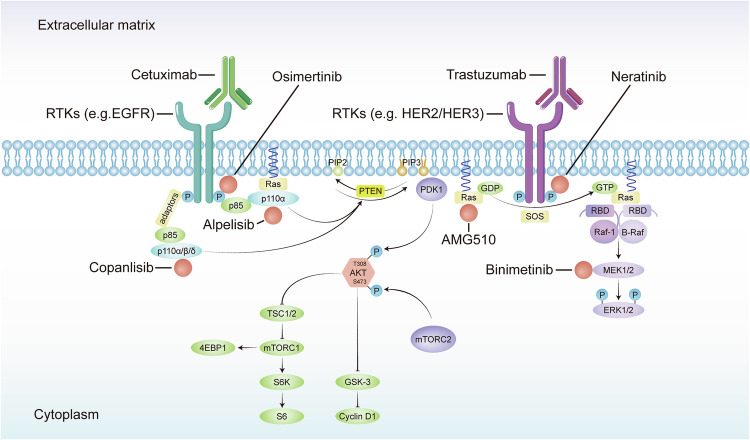
“83,84 EGFRs are receptor tyrosine kinases that allow the binding of EGF, facilitating the recruitment of adaptor proteins to activate Ras-GTP, which further activates RAF.”
Implications of cellular prion protein in tumor biology
Damra, A. (2026) · Frontiers in Oncology · doi:10.3389/fonc.2026.1906977
“CRC progression is strongly shaped by dysregulated signaling pathways such as Wnt/ b -catenin, EGFR/RAS/RAF/MEK/ERK, and PI3K/AKT/mTOR, many of which overlap directly with the pathways PrP c has already been shown to engage in other cancer contexts discussed above (24).”
Abo-alazm, H., Nasr, M., Bassiouny, K., Zaki, A., Rashad, N., Tabl, A. M., & Khalil, H. (2026) · Asian Pacific Journal of Cancer Prevention · doi:10.31557/apjcp.2026.27.9.3421
“consumption, a high-fat and low-fiber diet, inflammatory bowel disease (IBD), adenomatous polyps, and diabetes [4, 5].”
Isacco, C. G., Pham, V. H., Nguyen, K. C. D., Tran, C. T., Jirillo, E., & Santacroce, L. (2026) · Bioengineering · doi:10.3390/bioengineering13101139
“The impaired metabolism increases reactive oxygen species (ROS), which cause the genomic instability (mutations) often seen in cancer cells, rather than the mutations that cause cancer [5,6].”
InfluentialHarmych, S. J., & Singh, B. (2026) · Cancer Medicine · doi:10.1002/cam4.72305
Amos, Y., Nsengimaana, B., Faleyimu, M. B., Olorundunsi, A. P., Lawal, A. A., Kenou, O. M., Martin, D. R., Jawali, A., & Awe, O. I. (2026) · Beni-Suef University Journal of Basic and Applied Sciences · doi:10.1186/s43088-026-00840-0
CSN3 promotes colorectal cancer cell progression through activation of the PI3K/AKT/mTOR pathway
Chen, C., Tu, T., Xu, H., Wang, G., Lu, Y., & Huang, G. (2026) · Molecular Biology Reports · doi:10.1007/s11033-026-12825-4
Wan, K., Tang, K., Wang, L., Tian, Q., Zheng, M., Qian, C., & 刘丽梅 (2026) · MedComm · doi:10.1002/mco2.71028
Self-citation
Metadata
- Authors
- Li, Q., Geng, S., Luo, H., Wang, W., Mo, Y.-Q., Luo, Q., Wang, L., Song, G.-B., Sheng, J.-P., & Xu, B.
- Affiliations
- Chongqing University (CN)
- Chongqing Medical University (CN)
- Army Medical University (CN)
- Chongqing Municipal Health Commission (CN)
- Corresponding author
- Xu, Bo
- Venue
- Signal Transduction and Targeted Therapy
- Published
- 2024-10-07
- Volume
- 9
- Issue
- 1
- Pages
- 266-266
- ISSN
- 2059-3635 (ISSN-L)
- PMC
- PMC11456611
- OpenAlex
- W4403163174
- Cited by
- 546
- References
- 537
- Citations by year
- 2026: 275 · 2025: 263 · 2024: 7
- FWCI
- 29.22
- Type
- journal article
- Language
- en
- Open access
- gold
- doi.org
- Licence
- cc-by
- creativecommons.org/licenses/by/4.0 (tdm)
- creativecommons.org/licenses/by/4.0 (vor)
- Locations
- Signal Transduction and Targeted Therapy (publishedVersion, cc-by)
- PubMed Central (publishedVersion, cc-by)
- PubMed (publishedVersion)
- DOAJ (DOAJ: Directory of Open Access Journals) (submittedVersion, cc-by-sa)
- Funders
- National Natural Science Foundation of China (61906022, 82203066)
- Topics
- Health Sciences › Medicine › Oncology › Colorectal Cancer Treatments and Studies
- Health Sciences › Medicine › Pathology and Forensic Medicine › Genetic factors in colorectal cancer
- Life Sciences › Biochemistry, Genetics and Molecular Biology › Molecular Biology › Wnt/β-catenin signaling in development and cancer
- Keywords
- colorectal cancer, signal transduction, oncogenic signaling, colorectal cancer pathogenesis, colorectal cancer progression, targeted therapy, immunotherapy, epigenomics, microbiome, patient stratification
- MeSH terms
- Humans, Colorectal Neoplasms, Signal Transduction, Precision Medicine, Molecular Targeted Therapy
About these checks
Registry, retraction, Cites and statistics results are computed, not judged, with one exception: a printed reference that no index lists is read once by a model before it counts as a citation error. Claims are extracted by a model and kept only when their quote appears verbatim in the text; each cited source is then checked, with a model’s help, for whether it says what the claim relies on. Those verdicts can be wrong — read the claim’s quote and the cited source before relying on one.
Statistics and arithmetic are recomputed, not judged.
Confidence bands are shown only for fields calibrated on our annotated test set. None is calibrated yet, so no band is shown.
What counts as a claim ›How we measure confidence ›How we check this ›
Are you an author, or do you see a problem with this page? Request a review
Data sources
Bibliographic data: Semantic Scholar, OpenAlex, Crossref.
Contains information from the Semantic Scholar Academic Graph Datasets, made available under the ODC Attribution License (ODC-BY 1.0).
Semantic Scholar’s data is described in: Kinney, R., et al. (2023). The Semantic Scholar Open Data Platform. arXiv:2301.10140.
