

Signaling pathways involved in colorectal cancer: pathogenesis and targeted therapy
Open accessThe DOI matches its Crossref record; 537 of the 537 references it cites were found in a registry or an index.
Abstract
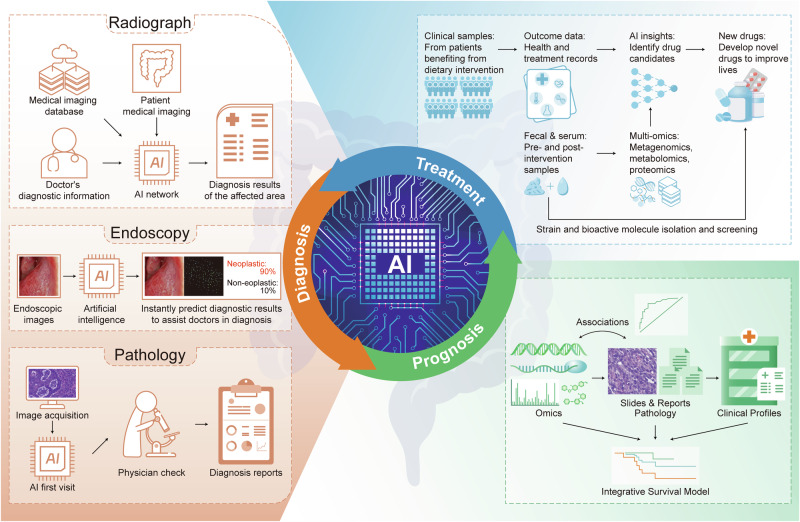
Colorectal cancer (CRC) remains one of the leading causes of cancer-related mortality worldwide. Its complexity is influenced by various signal transduction networks that govern cellular proliferation, survival, differentiation, and apoptosis. The pathogenesis of CRC is a testament to the dysregulation of these signaling cascades, which culminates in the malignant transformation of colonic epithelium. This review aims to dissect the foundational signaling mechanisms implicated in CRC, to elucidate the generalized principles underpinning neoplastic evolution and progression. We discuss the molecular hallmarks of CRC, including the genomic, epigenomic and microbial features of CRC to highlight the role of signal transduction in the orchestration of the tumorigenic process. Concurrently, we review the advent of targeted and immune therapies in CRC, assessing their impact on the current clinical landscape. The development of these therapies has been informed by a deepening understanding of oncogenic signaling, leading to the identification of key nodes within these networks that can be exploited pharmacologically. Furthermore, we explore the potential of integrating AI to enhance the precision of therapeutic targeting and patient stratification, emphasizing their role in personalized medicine. In summary, our review captures the dynamic interplay between aberrant signaling in CRC pathogenesis and the concerted efforts to counteract these changes through targeted therapeutic strategies, ultimately aiming to pave the way for improved prognosis and personalized treatment modalities in colorectal cancer.
Overview
The claims and statistics of this paper haven’t been checked yet.
Free: it reads the open-access text and checks the first 5 claims that cite a source we can check. Create a free account to check every claim.
Integrity signals
Registry
Cites
Statistics
Figures
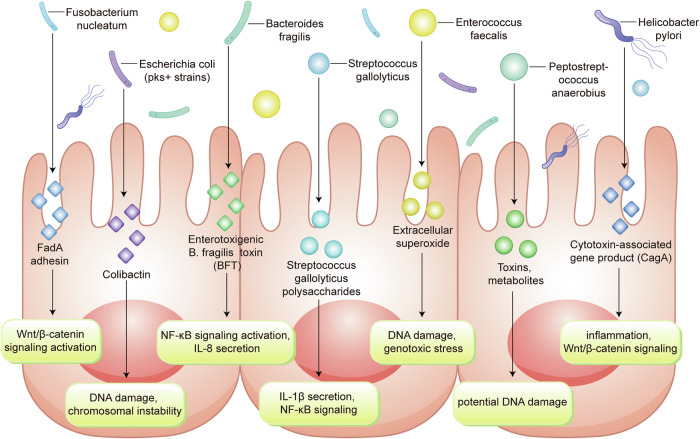
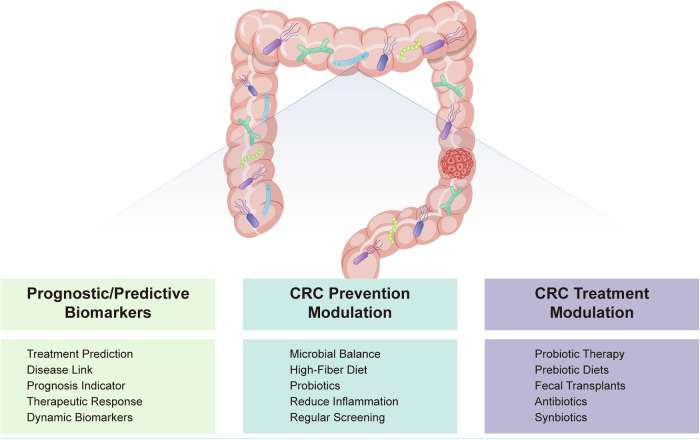
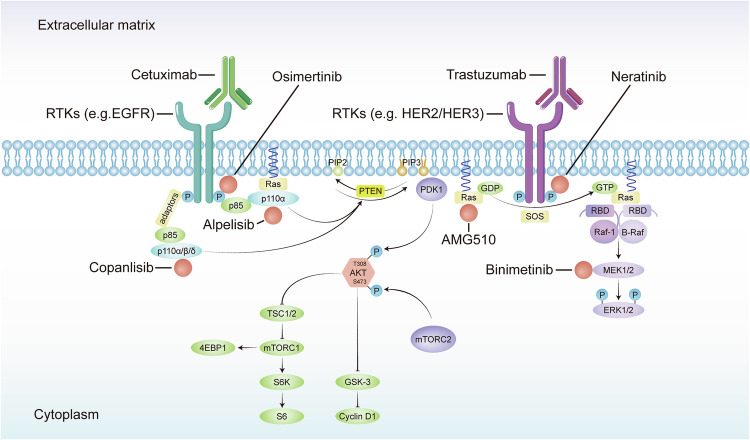
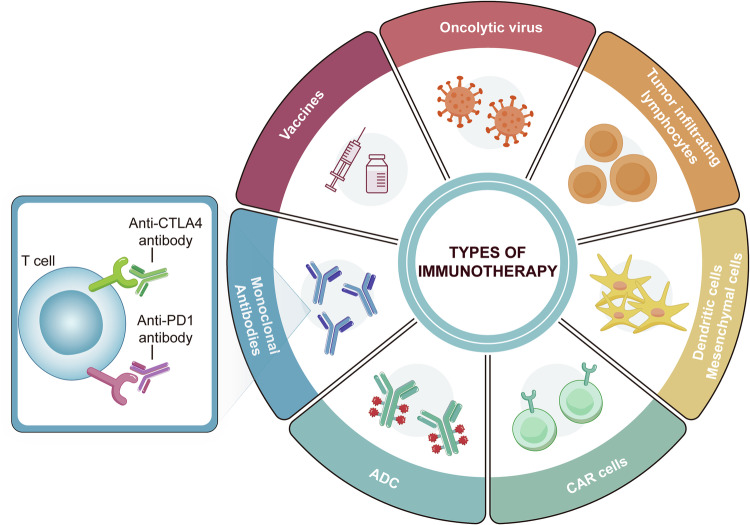
Verification
Claims the paper makes
The claims and statistics of this paper haven’t been checked yet.
Free: it reads the open-access text and checks the first 5 claims that cite a source we can check. Create a free account to check every claim.
Claims other papers make about this one
Each is checked against this paper’s own text: does it say what the citing paper says it does?
The source backs part of the claim, not all of it — or backs it for a different population, condition or comparison.
In the citing paper
“Additionally, HER2 is commonly amplified or overexpressed in 7% to 47.4% of CRC patients, activating downstream signaling in a similar manner [81–83].”
From Differential Response and Resistance to KRAS-Targeted Therapy (2025) · cites this paper as [81]
Experimental — accuracy not yet measured
Self-check
Percentages, sums and reported differences re-computed from the paper’s own numbers.
The self-check needs the paper’s full text.
Citations
Cites
Hallmarks of Cancer: The Next Generation
Hanahan, D., & Weinberg, R. A. (2011) · Cell · doi:10.1016/j.cell.2011.02.013 · Cited by 66,590
Bray, F., Laversanne, M., Sung, H., Ferlay, J., Siegel, R. L., Soerjomataram, I., & Jemal, A. (2024) · CA: a cancer journal for clinicians · doi:10.3322/caac.21834 · Cited by 27,064
Coussens, L. M., & Werb, Z. (2002) · Nature · doi:10.1038/nature01322 · Cited by 15,111
Lynch, T. J., Bell, D. W., Sordella, R., Gurubhagavatula, S., Okimoto, R. A., Brannigan, B. W., Harris, P. L., Haserlat, S. M., Supko, J. G., Haluska, F. G., et al. (2004) · New England Journal of Medicine · doi:10.1056/nejmoa040938 · Cited by 11,486
Mantovani, A., Allavena, P., Sica, A., & Balkwill, F. (2008) · Nature · doi:10.1038/nature07205 · Cited by 11,399
Chromatin modifications and their function
Kouzarides, T. (2007) · Cell · doi:10.1016/j.cell.2007.02.005 · Cited by 10,883
Immunity, Inflammation, and Cancer
Grivennikov, S. I., Greten, F. R., & Karin, M. (2010) · Cell · doi:10.1016/j.cell.2010.01.025 · Cited by 10,755
Mutations of the BRAF gene in human cancer
Davies, H., Bignell, G. R., Cox, C., Stephens, P., Edkins, S., Clegg, S., Teague, J., Woffendin, H., Garnett, M. J., Bottomley, W., et al. (2002) · Nature · doi:10.1038/nature00766 · Cited by 10,674
The role of pattern-recognition receptors in innate immunity: update on Toll-like receptors
Kawai, T., & Akira, S. (2010) · Nature Immunology · doi:10.1038/ni.1863 · Cited by 9,304
Shrestha, S., & Offer, S. M. (2016) · Medical Epigenetics · doi:10.1159/000444713 · Cited by 8,914
Research works printed but not linked: 4
- Charifa, A., Jamil, R. T. & Zhang, X. Gardner syndrome. (2018). 29493967
- Garralda, E. et al. (Wolters Kluwer Health, 2021).
- Troyanska, O. & Reich, R. Pacific Symposium on Biocomputing 2022. World Sci, 175–186 (2022).
- Mnih, V., Heess, N. & Graves, A. Recurrent models of visual attention. Adv. Neural Inf. Process Syst. 2204–2212 (2014).
Cited by
Items 101–200 of 634
Engineering microbial metabolites to modulate tumor immunity and advance cancer immunotherapy
Chigozie, V. U., & Esimone, C. O. (2026) · Discover Immunity. · doi:10.1007/s44368-026-00019-w · Cited by 11
“…while in melanoma and lung settings, moderate propionate exposure has been associated with enhanced dendritic cell maturation and improved T-cell priming; excessive systemic propionate, however, can dampen effector responses in tumors with pronounced immunosuppressive myeloid infiltration [80, 98].”
Natural compounds as regulators of miRNAs: exploring a new avenue for treating colorectal cancer
Doghish, A. S., Mageed, S. S. A., Mohammed, O. A., Abdel‐Reheim, M. A., Zaki, M. B., Mohamed, A. H., Rizk, N. I., Abulsoud, A. I., Abdelmaksoud, N. M., El‐Dakroury, W. A., et al. (2025) · Functional & Integrative Genomics · doi:10.1007/s10142-025-01547-8 · Cited by 10
“In most developed nations, colorectal cancer (CRC) is a leading cause of cancer-related death, affecting both men and women (Li et al. 2024).”
Therapeutic Potential of Prunus Species in Gastrointestinal Oncology
Mitea, G., Iancu, I. M., Schröder, V., Roșca, A. C., Iancu, V., Crețu, R., & Mireşan, H. (2025) · Cancers · doi:10.3390/cancers17060938 · Cited by 8
“The synergism that possibly influences apoptosis and cell growth in CRC is expressed through the transcriptional regulation of Yes-associated protein (YAP), an effector of the Hippo pathway, by the β -catenin/T-cell factor 4 (TCF4) complex [4,73–78].”
InfluentialInvestigating the PI3K/AKT/mTOR axis in Buzhong Yiqi Decoction’s anti-colorectal cancer activity
Qiao, S., Li, X., Yang, S., Hua, H., Mao, C., & Lu, W. (2025) · Scientific Reports · doi:10.1038/s41598-025-89018-9 · Cited by 11
Differential Response and Resistance to KRAS-Targeted Therapy
Liu, Z., Lenz, H., Yu, J., & Zhang, L. (2025) · Molecular Carcinogenesis · doi:10.1002/mc.23908 · Cited by 7
“Additionally, HER2 is commonly amplified or overexpressed in 7% to 47.4% of CRC patients, activating downstream signaling in a similar manner [83 – 85].”
InfluentialDeng, X., Xie, R., & Gong, J. (2025) · Cellular Signalling · doi:10.1016/j.cellsig.2025.111996 · Cited by 8
Nie, W., Zhang, W., Xiahou, Z., Meng, Y., Liu, Y., Zhang, J., Wang, Z., & Wang, Y. (2025) · Frontiers in Immunology · doi:10.3389/fimmu.2025.1637144 · Cited by 8
Drug Delivery Strategies for the Lower GI Tract: A Review
Munter, B. D., Brebels, J., & Mignon, A. (2025) · Advanced Healthcare Materials · doi:10.1002/adhm.202501540 · Cited by 9
Yang, M., Huo, Y., Huasng, Y., He, W., Luo, Q., & Zhang, L. (2025) · International Journal of Surgery · doi:10.1097/js9.0000000000003426 · Cited by 7
“Among them, human papillomavirus (HPV), a double-stranded DNA virus with established oncogenicity in cervical, anal, and oropharyngeal cancers, has been recurrently detected in colorectal tumors [ 4 , 5 ] .”
Self-citationInvestigation of galangin against colorectal cancer through MAPK signaling pathway modulation
Wu, Y., Luo, J., & Xu, B. (2025) · International Immunopharmacology · doi:10.1016/j.intimp.2025.115636 · Cited by 8
Self-citationShin, J. H., Kim, J. Y., Kim, S. H., Kang, Y.-T., Lee, H.-J., Kim, M., Choi, J., Jeong, S., Park, S.-O., Cho, Y. B., et al. (2025) · Cell Death and Disease · doi:10.1038/s41419-025-08266-9 · Cited by 8
“Two signaling pathways — epidermal growth factor receptor (EGFR) and toll-like receptor (TLR) pathways — have emerged as key regulators of CRC growth, survival, and invasiveness [3, 4].”
Vorontsov, A., Kruglov, A., & Gubernatorova, E. O. (2026) · Frontiers in Immunology · doi:10.3389/fimmu.2025.1733575 · Cited by 7
Marinescu, R. A., Marinescu, D., Preda, D., Ciurea, A.-M., Popa, P., Boldeanu, L., Bică, M., Boldeanu, M. V., Pătraşcu, Ş., & Șurlin, M. V. (2026) · Life · doi:10.3390/life16030424 · Cited by 10
“This feedback loop activates redox-sensitive pathways, including NF-κ B and STAT3, promotes secretion of pro-inflammatory cytokines such as IL-6 and TNF-α , and induces epigenetic and metabolic alterations that facilitate angiogenesis and accelerate colorectal tumor development [53].”
Fan, X., Shi, J., Shang, Y., & Xu, H. (2026) · Frontiers in Molecular Biosciences · doi:10.3389/fmolb.2026.1795133 · Cited by 8
“…liquid biopsy CRC initiation and progression involve coordinated dysregulation across multiple layers—including genomic alterations, epigenetic regulation, transcriptional reprogramming, protein expression, and metabolic remodeling, forming a complex network (Stefani et al., 2021; Li et al., 2024).”
Induction of cell death by the CXCR2 antagonist SB225002 in colorectal cancer and stromal cells
Bazzichetto, C., Martile, M. D., Bufalo, D. D., Milella, M., & Conciatori, F. (2025) · Biomedicine & Pharmacotherapy · doi:10.1016/j.biopha.2025.118203 · Cited by 7
Geltz, A., Geltz, J., & Kasprzak, A. (2025) · International Journal of Molecular Sciences · doi:10.3390/ijms26115336 · Cited by 9
Willie, Y. B. A., Gunawan, M., Hadad, Y., Ramadon, D., Saputri, F. C., Jansook, P., Boonkanokwong, V., & Iswandana, R. (2025) · Journal of Drug Delivery Science and Technology · doi:10.1016/j.jddst.2025.107319 · Cited by 12
Yang, E.-W., Waldrup, B., & Velazquez-Villarreal, E. I. (2025) · Biomedicines · doi:10.3390/biomedicines13081835 · Cited by 9
Zhou, J., Feng, Y.-C., Zhao, M.-L., Guo, Q., & Zhao, X. (2025) · Frontiers in Pharmacology · doi:10.3389/fphar.2025.1586948 · Cited by 9
Agentic RAG-Driven Multi-Omics Analysis for PI3K/AKT Pathway Deregulation in Precision Medicine
Arowolo, M. O., Abdulsalam, S. O., Isiaka, R. M., Igulu, K. T., Balogun, B. F., Popescu, M., & Xu, D. H. (2025) · Algorithms · doi:10.3390/a18090545 · Cited by 7
Recent progress in the development of small molecule pyruvate kinase M2 inhibitors: 2020–2025
Das, R., Sharma, S. K., Ambast, P. K., & Shard, A. (2025) · Future Medicinal Chemistry · doi:10.1080/17568919.2025.2571029 · Cited by 6
Wu, D., Chen, L., Yan, Z., Zhao, L., Li, L., Ye, M., Wang, M., Zhai, Q., Wang, N., Wang, Z., et al. (2025) · Experimental Hematology and Oncology · doi:10.1186/s40164-025-00724-6 · Cited by 6
Molecular Mechanisms Driving Metastatic Progression Within the Aged Tumor Microenvironment
Kumar, S., Chand, J., Sharma, P., Singh, S., Khanal, P., Chellammal, H. S. J., Suhail, A., & Mittal, S. (2025) · International Journal of Molecular Sciences · doi:10.3390/ijms262311508 · Cited by 6
“The aged colonic epithelium exhibits reduced regenerative capacity and increased genomic instability, while the underlying stroma becomes progressively fibrotic due to activation of CAFs and excess extracellular matrix deposition [103].”
Hu, J., Tang, Z., Beeraka, N. M., Xu, R., Liu, J., Zhao, X., Li, L., Wang, R., Gayathri, T., Padmanabha Reddy, Y., et al. (2025) · Journal of drug targeting · doi:10.1080/1061186x.2025.2600679 · Cited by 8
“Hallmark molecular alterations span genomic instability, epig-enomic remodelling, and interactions with gut microbiota, all contributing to the multifaceted cRc phenotype [221].”
InfluentialLiu, Y., Yang, L., Liu, J., He, Z., Wang, J., Zhang, Y. X., Wang, K., & Wang, J. (2025) · Frontiers in Pharmacology · doi:10.3389/fphar.2025.1725716 · Cited by 7
Kermanshahi, A. Z., Ebrahimi, F., Taherpoor, A., Kazemi, E. K., Nahand, J. S., Poortahmasebi, V., Jafari-Sales, A., & Baghi, H. B. (2025) · Journal of Ovarian Research · doi:10.1186/s13048-025-01948-0 · Cited by 6
“Heterogeneous ovarian tumors require personalized analysis, and the integration of transcriptomic, epigenomic, and proteomic data has enabled the identification of tailored treatments such as targeting MAPK/PI3K pathways in preclinical settings [281].”
Ge, M., Sun, S., Chen, W. L., Xu, Z., Kang, D., Wang, Z., & Guo, Y. (2026) · Journal of Translational Medicine · doi:10.1186/s12967-025-07636-3 · Cited by 8
“CRC is the most common gastrointestinal malignancy and one of the leading causes of cancer-related mortality worldwide [1, 2].”
Yang, L., Akbarabadi, P., & Babashah, S. (2026) · Biochimica et Biophysica Acta (BBA) - Reviews on Cancer · doi:10.1016/j.bbcan.2026.189545 · Cited by 6
Bandegi, M., Biltekin, E., Akay, Y. M., Ozpolat, B., & Akay, M. (2026) · IEEE Open Journal of Engineering in Medicine and Biology · doi:10.1109/ojemb.2026.3678868 · Cited by 6
Sulaiman, S. H., Omer, R. A., Barzani, K. I. S., Barzani, H. A. H., Ashfaq, M., Smerat, A., & Feizi‐Dehnayebi, M. (2026) · Chemical Physics Impact · doi:10.1016/j.chphi.2026.101054 · Cited by 6
Nanomedicine for colorectal cancer therapy by remodeling the immune microenvironment
Wu, Y., Su, Y., Wei, Y., Shui, M., Li, W., Yang, L., & Luo, K. (2026) · Journal of Controlled Release · doi:10.1016/j.jconrel.2026.114915 · Cited by 6
Multi Omics Integration in Colorectal Cancer: From Molecular Insights to Precision Oncology
Liu, Z., Ang, M. Y., & Kue, C. S. (2026) · Cancers · doi:10.3390/cancers18101504 · Cited by 7
“CRC itself is shaped by interactions across multiple biological layers, including genomic alterations, transcriptional programs, proteomic signaling, metabolic rewiring, and host–microbiome dynamics [8].”
Perfetto, C., Aprile, M., Cataldi, S., Giovannetti, E., & Costa, V. (2025) · Cancer Drug Resistance · doi:10.20517/cdr.2024.213 · Cited by 10
Chen, J., Su, R., He, Y., & Chen, J. (2025) · Frontiers in Microbiology · doi:10.3389/fmicb.2025.1563224 · Cited by 7
Lee, Y.-J., Kim, J. H., Kim, T. Y., Park, H. H., Kim, M. E., Park, S., Sin, S.-I., Chung, J. H., & Park, K. (2025) · Food Research International · doi:10.1016/j.foodres.2025.116894 · Cited by 6
Madej, M., Halama, A., Chrobak, E., & Gola, J. M. (2025) · International Journal of Molecular Sciences · doi:10.3390/ijms26136186 · Cited by 6
“As a result of the reaction, they secrete chemotactic factors that attract other cells to the site of injury [16,17].”
Chen, Y., & Tang, D. (2025) · Future Oncology · doi:10.1080/14796694.2025.2558287 · Cited by 6
Hamouda, S. B., Zakraoui, O., Souissi, S., Bouzeyen, R., Essafi, M., & Essafi‐Benkhadir, K. (2025) · International Journal of Molecular Sciences · doi:10.3390/ijms26188876 · Cited by 6
“It is well known that the two major signaling pathways (ERK and p38 MAPK and the PI3K/AKT) are constitutively activated in colorectal cancers due to genetic alterations [104] and are regulated by receptor tyrosine kinases (RTKs) and heterotrimeric G-protein-coupled receptors (GPCR).”
Tang, W., Li, J., Zhou, Y., Li, J., Ma, Z., Li, X., Wang, H., Xiong, M., Chen, W., Li, X., et al. (2024) · International Immunopharmacology · doi:10.1016/j.intimp.2024.113615 · Cited by 6
Exploring the Role of Chemicals and Environmental Factors for Cancer Proliferation
Ullah, A., Arif, M., Waqas, M. S., Hasnain, M., Saira, A., Rariq, R., Shahzad, F., & Khaliq, H. (2024) · OALib · doi:10.4236/oalib.1112607 · Cited by 6
Raf-kinase inhibitor protein (RKIP): A therapeutic target in colon cancer
Kumari, S., Peela, S., Bramhachari, P. V., Mallikarjuna, K., Nagaraju, G. P., & Srilatha, M. (2025) · Biochimica et Biophysica Acta (BBA) - Reviews on Cancer · doi:10.1016/j.bbcan.2025.189387 · Cited by 6
Wu, N., Jia, W., Ning, J., Zhou, L., Li, Z., Zhang, A. L., & Song, X. (2025) · Frontiers in Immunology · doi:10.3389/fimmu.2025.1628005 · Cited by 6
Etiopathogenesis and Treatment of Colorectal Cancer
Bocchi, M., Fernandes, E. V., Pereira, N. D. S., & Amarante, M. K. (2025) · Immuno · doi:10.3390/immuno5030031 · Cited by 5
Ho, P.-Y., Koh, Y., Lin, W., Ho, C., Majeed, A., Ho, C., & Pan, M. (2025) · Journal of Agricultural and Food Chemistry · doi:10.1021/acs.jafc.5c05807 · Cited by 5
Sun, J., Shi, J., Zhang, J., Sun, X., Du, S., Wang, X., Liu, G., Li, X., Feng, X., Wang, J., et al. (2025) · Journal of Ethnopharmacology · doi:10.1016/j.jep.2025.120696 · Cited by 5
Zhou, H., Zhang, Z., Liu, Z., Xiong, L., Ran, X., Liu, J., Ran, Y., Wen, Y., Chen, W., & Xu, J. (2025) · Molecular Biomedicine · doi:10.1186/s43556-025-00322-2 · Cited by 5
“Moreover, surgical resection may leave residual tumor cells, increasing the risk of metastasis [8].”
Jin, S., Zhou, A., Zhang, Q., Zhao, D., Dong, X., Meng, H., Yu, Z., & Li, Z. (2025) · International Journal of Nanomedicine · doi:10.2147/ijn.s558675 · Cited by 5
Dai, C.-S., Qi, T.-T., Shang, H.-L., Xie, R., Liu, H., Liu, Z., Yi-min, C., & Zhang, Y.-H. (2025) · iScience · doi:10.1016/j.isci.2025.114202 · Cited by 8
Unveiling hidden players: the role of intratumoral microbiota in gastrointestinal cancer dynamics
Tang, W., Li, F., Zheng, H., Zhou, S., Li, C., Xu, X., & Fu, J. (2025) · Journal of Cancer Research and Clinical Oncology · doi:10.1007/s00432-025-06401-9 · Cited by 5
“…activity, promoting a CpG island methylator phenotype (CIMP) and the hypermethylation of tumour suppressor genes (TSGs), thereby contributing to high-level microsatellite instability (MSI-H) and the silencing of mismatch repair genes such as MLH1(Ranjbar et al. 2021; Li et al. 2024).”
Zhai, Q., Cui, J., Tan, Z., Wu, H., Yu, Y., & Sun, J. (2026) · Frontiers in Immunology · doi:10.3389/fimmu.2026.1726329 · Cited by 6
“Beyond expression pro fi les, the target strategy requires a critical synthesis of mechanistic synergy, molecular strati fi cation, and clinical druggability to maximize the therapeutic window (35, 55, 75).”
Yao, N., Li, W., Duan, N., Han, F., Yu, G., & Qu, J. (2026) · Discover Oncology · doi:10.1007/s12672-026-04575-3 · Cited by 6
“Oncogenic drivers and CMS. RAS/BRAF status, CMS subtypes and WNT-β-catenin activation correlate with exclusion; such features should guide inclusion/enrichment or rational combination choice (e.g., EGFR-IO rechallenge in ctDNA-confirmed RAS-WT) [75, 76].”
Cytokine and chemokine networks in colorectal cancer
Zhang, X., Zhang, Y., & Wang, R. (2026) · Frontiers in Immunology · doi:10.3389/fimmu.2026.1822271 · Cited by 6
“In established tumors, dysregulated TGF-b engages non-canonical cascades (PI3K/AKT, TAK1/p38 MAPK, RhoA/ ROCK) that synergize with oncogenic mutations to enhance cell survival, metabolic adaptation, and therapy resistance (134, 135).”
Yadav, V., Singh, R., Chaturvedi, M., Siddhanta, S., & Chaturvedi, R. (2025) · Analytical Chemistry · doi:10.1021/acs.analchem.5c01028 · Cited by 5
Hashemiyan, M. K., Ardekani, R. M., Razavizade, M., Rafat, A., & Hemmati-Dinarvand, M. (2025) · Molecular Biology Reports · doi:10.1007/s11033-025-10696-9 · Cited by 5
“Its overactivation leads to the expression of progress has enabled researchers to identify various dysregulated signaling pathways that play a role in CRC development [21 ].”
Mohammed, M. A., Soffar, A. A., Yousef, A. I., Salama, M., Ibrahim, F. A. R., El-Sewedy, T., & Elmetwalli, A. (2025) · Functional & Integrative Genomics · doi:10.1007/s10142-025-01663-5 · Cited by 5
“…epigenetic modifi - cations, dysregulated signaling pathways (Vaiopoulos et al. 2014), and alterations in the tumor microenvironment, mak - ing it imperative to uncover novel molecular regulators that drive tumor progression and resistance to therapy (Li et al. 2024; Postwala et al. 2023).”
Wang, Z., Fu, Y., Zhang, H., Liu, N., & Lei, N. (2025) · Discover Oncology · doi:10.1007/s12672-025-03415-0 · Cited by 6
“…mechanisms in CRC. GSEA results highlighted significant up-regulation of the VEGF and MAPK signaling pathways in CRC. VEGF pathway activation in CRC is strongly associated with tumor progression and metastasis, as elevated VEGF levels promote angiogenesis, enabling tumor growth and invasion [23].”
Abbas, N., Mourad, M., Smaily, H., Al Mahmasani, L., & Shamseddine, A. (2026) · International Journal of Molecular Sciences · doi:10.3390/ijms27073265 · Cited by 4
“These aberrations may occur in RAS WT tumors and partially explain heterogeneous responses to cetuximab and panitumumab, with PIK3CA exon 20 mutations in particular being associated with reduced response and poorer outcomes [137].”
Shaath, H., Vishnubalaji, R., Ouararhni, K., & Alajez, N. M. (2025) · International Journal of Molecular Sciences · doi:10.3390/ijms26094146 · Cited by 4
“The presence of these shared DEGs suggests the existence of overlapping molecular alterations and pathways that may contribute to disease initiation and progression [25], with polyp development potentially serving as principal precursors to CRC [26].”
Morgan, R. B., Tork, M. A. B., Lin, Z., Wild, C. E., Frietze, L. R., Huang, S., Roh, M., Olivas, A. D., Steele, C. W., Pan, T., et al. (2025) · Cancer Letters · doi:10.1016/j.canlet.2025.217943 · Cited by 4
Chen, J.-S., Enwolo-Chibueze, C. G., Chinyama, H. A., Lai, C.-T., Ezeala, I. C., Huang, P.-Y., Wu, A. T. H., & Huang, Y.-J. (2025) · International Journal of Molecular Sciences · doi:10.3390/ijms26188780 · Cited by 4
“…and KSR2, which activate Raf/MEK/ERK pro-tumorigenic signaling in RAS-dependent cancers [44,45]; RALGDS, a mediator of KRAS oncogenic signaling [46]; and MAP2K2, which instigates the MAPK/ERK pathway upregulated in tumors more than normal tissue in colorectal cancer studies [47,48] (Figure 7D).”
Liu, Z., Cai, L., Liao, B., Wang, B., Xia, T., & Wu, X. (2025) · Scientific Reports · doi:10.1038/s41598-025-18267-5 · Cited by 6
The bridging role of neutrophils in the progression of inflammation-induced colorectal cancer
Wang, J., Xiao, H., Cui, S., Wu, C., & Xiang, D. (2025) · Biochimica et Biophysica Acta (BBA) - Reviews on Cancer · doi:10.1016/j.bbcan.2025.189460 · Cited by 4
Wang, T., Liu, P., Zhang, D., Song, Z., Yu, M., Feng, D., Yu, X., Liu, N., Tang, G., & Yang, J. (2025) · Experimental Hematology and Oncology · doi:10.1186/s40164-025-00715-7 · Cited by 4
Circular RNA-based liquid biopsy: a promising approach for monitoring drug resistance in cancer
Singh, D. D., Yadav, D. K., & Shin, D. (2025) · Cancer Drug Resistance · doi:10.20517/cdr.2025.142 · Cited by 4
Ferroptosis modulation by METTL14 in cancers: From molecular insights to therapeutic strategies
Huang, B., Zhu, C., Zhang, X., Zhang, Q., & Wang, H. (2025) · Cellular Signalling · doi:10.1016/j.cellsig.2025.112212 · Cited by 5
Zhao, W., Zhao, L., Lian, Y., Liu, Z., Li, Y., Wang, X., Zhang, M., Li, N., Guo, J., Shen, D., et al. (2025) · Advanced Science · doi:10.1002/advs.202511744 · Cited by 5
β-catenin/TCF4/NANOG axis controls miR-302 transcription in colorectal cancer cells
Saleki, K., Xue, M., Mazloomi, A., Spencer‐Dene, B., & Nateri, A. S. (2025) · Gene · doi:10.1016/j.gene.2025.149890 · Cited by 4
Lo, Y., Lin, H.-C., Li, C.-Y., Huang, B., Yang, C., Chuang, H., & Chou, T. (2025) · Pharmaceutics · doi:10.3390/pharmaceutics17111503 · Cited by 8
“Colorectal cancer (CRC) remains a leading cause of cancer-related mortality world-wide, with microsatellite-stable (MSS) tumors representing the majority of cases and showing poor responsiveness to current immunotherapies [1].”
InfluentialXu, L., Zhang, J., Xiao, Y., Jin, P., & Zhang, J. (2025) · Biochemical and Biophysical Research Communications · doi:10.1016/j.bbrc.2025.153014 · Cited by 4
Yan, T., Gao, M., Yuan, W., Su, J., Zhang, Y., Gao, J., & Wu, K. (2025) · Microchemical Journal · doi:10.1016/j.microc.2025.116421 · Cited by 4
Marvalim, C., & Chan, D. K. H. (2025) · Human Genomics · doi:10.1186/s40246-025-00889-5 · Cited by 4
“Similarly, TP53 and KRAS mutations often co-occur after FBXW7 mutation [33, 101], suggesting that certain sequences are preferentially selected for CRC tumor formation.”
Hashemzadeh, H., Eshkiki, Z. S., Kelkawi, A. H. A., Rafati, N., Gaaib, J. N., Agah, S., Tabaeian, S. P., Beigi, S. N., Namazi, A., Akbari, A., et al. (2026) · Coordination Chemistry Reviews · doi:10.1016/j.ccr.2025.217556 · Cited by 4
Zheng, B., Chen, Z.-X., Wang, Y.-K., Dong, J.-P., She, M., Zheng, Y., Zeng, Y.-X., Zheng, W.-D., Long, W. S., & Wong, W. (2026) · Journal of Medicinal Chemistry · doi:10.1021/acs.jmedchem.5c03088 · Cited by 4
Vásquez, A., Zúñiga, P., Torres, K., Quest, A. F. G., & Simón, L. (2026) · Frontiers in Immunology · doi:10.3389/fimmu.2026.1736018 · Cited by 4
Nie, J., Liu, X., Xu, M., Gu, X., Hu, S., Sun, H., Zhou, L., Xu, T., Pan, Y., & Wang, S. (2026) · Neoplasia · doi:10.1016/j.neo.2026.101287 · Cited by 4
“The primary contributor to the high mortality rate in CRC patients is metastasis, with a significant proportion of newly diagnosed patients already presenting with metastatic disease [3,4].”
Targeting cancer signaling pathways and their therapeutic strategies
Salem, M. M., & Mohamed, T. M. (2026) · Discover Oncology · doi:10.1007/s12672-026-04708-8 · Cited by 4
“The hallmarks of cancer cells thus develop apoptosis resistance, prolonged proliferative signaling, invasion and metastasis activation, growth suppressor evasion, and angiogenesis induction, all of which are essential for tumor progression [3] (Fig.”
Kawczak, P., & Bączek, T. (2026) · Journal of Clinical Medicine · doi:10.3390/jcm15062387 · Cited by 6
Ambrish, T., Jayaswamy, P. K., Haridas, V., Kellarai, A., Shetty, S., & Shetty, P. K. (2026) · Autoimmunity Reviews · doi:10.1016/j.autrev.2026.104085 · Cited by 5
Ding, L., Du, W., Zhu, J., Zhang, Y., Wang, X., Li, L., Liu, B., Wang, X., Wang, Q., & Pei, D. (2026) · Proceedings of the National Academy of Sciences · doi:10.1073/pnas.2524594123 · Cited by 4
Zhang, Y., Li, Y., Hu, X.-Q., Xue, C., Li, S., Gao, Z., & Qin, K. (2025) · Bulletin of Mathematical Biology · doi:10.1007/s11538-025-01424-2 · Cited by 4
Burgos-Bragado, J. M., la Cruz, N. B., Carpallo‐Porcar, B., Blas-Laína, J. L., Calvo, S., & Jiménez‐Sánchez, C. (2025) · Reports — Medical Cases Images and Videos · doi:10.3390/reports8020060 · Cited by 5
“Despite significant advances in cancer therapies that have improved survival rates and reduced local recurrence in CRC [4], functional outcomes have not improved at the same pace.”
Copper(I) complexes inhibit colorectal cancer cells by inducing oxidative stress and cell apoptosis
Teow, S., Yin, Y., Brianna, B., Neerooa, B. N. H. M., Lim, J. Y., Tan, Y. S., & Yeo, C. I. (2025) · Journal of Molecular Structure · doi:10.1016/j.molstruc.2025.142616 · Cited by 4
Sharma, D., & Arumugam, S. (2025) · Computers in Biology and Medicine · doi:10.1016/j.compbiomed.2025.111068 · Cited by 5
Østergaard, L., Dahl, A., Chamat‐Hedemand, S., Ståhl, A., Pries‐Heje, M. M., Moser, C. E., Søgaard, K. K., Agergaard, C. N., Mortensen, K. K., Iversen, K. K., et al. (2025) · Journal of Infection · doi:10.1016/j.jinf.2025.106644 · Cited by 4
Acetylsalicylic acid and cancer: updates on the new potential of a nature-inspired drug
Rauf, A., Olatunde, A., Islam, M. R., Ahmad, Z., Hafeez, N., Hemeg, H. A., Imran, M., Mubarak, M. S., & Ribaudo, G. (2025) · Naunyn-Schmiedeberg s Archives of Pharmacology · doi:10.1007/s00210-025-03959-6 · Cited by 5
“Additionally, ASA has been found to impact DNA repair pathways, a mechanism that is particularly relevant to colo-rectal cancers (Li et al. 2024a).”
Zhang, P., Jia, R., Wang, Y., Tang, Y., Li, Q., & Hou, F. (2025) · Frontiers in Pharmacology · doi:10.3389/fphar.2025.1633286 · Cited by 3
Self-citationLiu, H., Shi, X., Wang, D., Zhang, H., Xu, Z., & Tan, Z. (2025) · ACS Biomaterials Science & Engineering · doi:10.1021/acsbiomaterials.5c00263 · Cited by 4
Impact of cardiovascular disease on colorectal cancer morbidity and prognosis
Li, S., Wang, L., Liu, X., Liu, X., & Xie, L. (2025) · BMC Cancer · doi:10.1186/s12885-025-14905-3 · Cited by 3
Self-citationCagliano, S., Potenza, M., Vecchia, M. L., Ellis, S. R., Dianzani, I., & Aspesi, A. (2025) · International Journal of Molecular Sciences · doi:10.3390/ijms262010105 · Cited by 3
“Second, elucidating the molecular pathways driving CRC in IBMFS may yield novel insights into the mechanisms of colorectal carcinogenesis more broadly, potentially uncovering new biomarkers or therapeutic targets [42].”
Madej, M., Halama, A., Chrobak, E., Bębenek, E., & Gola, J. M. (2025) · Frontiers in Molecular Biosciences · doi:10.3389/fmolb.2025.1704804 · Cited by 3
Patel, A., Tiboni, M., Casettari, L., & Patel, K. R. (2025) · International Journal of Pharmaceutics · doi:10.1016/j.ijpharm.2025.126358 · Cited by 3
Shimpi, A. N., Sonawane, Y. D., & Bhattacharya, S. (2025) · Nanotechnology · doi:10.1088/1361-6528/ae2a3d · Cited by 3
Unlocking the Epigenetic Landscape of Colorectal Cancer: A Step Toward Epigenetics to Precision
Elbrashy, M. M., Farouk, S., Hamdy, N. Μ., Metwally, H., & Din, N. G. B. E. (2026) · Sub-cellular biochemistry/Subcellular biochemistry · doi:10.1007/978-3-032-08530-6_4 · Cited by 3
Rong, L. Y., Zhan, Y., Jing, L., Chao, S., & Gui, T. X. (2026) · Journal of Materials Chemistry B · doi:10.1039/d5tb02175h · Cited by 5
Advances in Colorectal Cancer Cell Biology and Clonal Evolution
Toghey, S., Harvey-Jones, E. J., Towler, J. D., Hafkamp, C. J. H., & Chong, I. Y.-S. (2026) · International Journal of Molecular Sciences · doi:10.3390/ijms27020953 · Cited by 5
“From a therapeutic perspective, this data supports the exploration of disrupting epigenetic pathways as a novel strategy to enhance the response to immunotherapy in CRC [34].”
Oyelami, M., Mgbeke, O. E., Obadiah, A. A., Egbeyemi, A., & Marshall, E. (2026) · Clinical Medicine Insights Oncology · doi:10.1177/11795549261417367 · Cited by 3
Zhang, W., Su, Q., Shi, H., Sun, Y., Li, X., Li, M., Wang, H. M., Yu, J., Wong, N., Chan, F. K. L., et al. (2026) · Journal of Translational Medicine · doi:10.1186/s12967-026-07886-9 · Cited by 5
Abediasl, M., Siavash, M., Esfahani, S. S., Amini, Z., Amiri, K., Saket, S., Esmaeili, E., Rafizadeh, F., Saraei, R., & Fakhr, M. S. (2026) · Clinical & Translational Oncology · doi:10.1007/s12094-026-04225-8 · Cited by 3
“The dysregulation of iron metabolism in colorectal cancer (CRC) reflects not only the metabolic demand of the tumor but also its capacity to reprogram host iron homeostasis to support proliferation, oxidative stress adaptation, and immune evasion [91].”
Zhao, L., Xie, R., Li, L., Lu, X., Wang, L., Wang, H., & Liu, L. (2026) · Cell & Bioscience · doi:10.1186/s13578-026-01539-6 · Cited by 4
Self-citationThe evolving role of OMICS in gastrointestinal tumor biology and clinical practice
Li, Q., Zhang, J., Chen, J., Zhang, Q., Liu, R., Zhu, J., Qing, Y., Wei, X., & Sheng, J. (2026) · Molecular Cancer · doi:10.1186/s12943-026-02658-x · Cited by 3
“The second significant barrier is the complexity of data analysis and interpretation; multi-omics datasets are also, by definition, high-dimensional, heterogeneous, and noisy and each platform contains distinct technical biases [229, 230].”
Self-citation
Metadata
- Authors
- Li, Q., Geng, S., Luo, H., Wang, W., Mo, Y.-Q., Luo, Q., Wang, L., Song, G.-B., Sheng, J.-P., & Xu, B.
- Affiliations
- Chongqing University (CN)
- Chongqing Medical University (CN)
- Army Medical University (CN)
- Chongqing Municipal Health Commission (CN)
- Corresponding author
- Xu, Bo
- Venue
- Signal Transduction and Targeted Therapy
- Published
- 2024-10-07
- Volume
- 9
- Issue
- 1
- Pages
- 266-266
- ISSN
- 2059-3635 (ISSN-L)
- PMC
- PMC11456611
- OpenAlex
- W4403163174
- Cited by
- 546
- References
- 537
- Citations by year
- 2026: 275 · 2025: 263 · 2024: 7
- FWCI
- 29.22
- Type
- journal article
- Language
- en
- Open access
- gold
- doi.org
- Licence
- cc-by
- creativecommons.org/licenses/by/4.0 (tdm)
- creativecommons.org/licenses/by/4.0 (vor)
- Locations
- Signal Transduction and Targeted Therapy (publishedVersion, cc-by)
- PubMed Central (publishedVersion, cc-by)
- PubMed (publishedVersion)
- DOAJ (DOAJ: Directory of Open Access Journals) (submittedVersion, cc-by-sa)
- Funders
- National Natural Science Foundation of China (61906022, 82203066)
- Topics
- Health Sciences › Medicine › Oncology › Colorectal Cancer Treatments and Studies
- Health Sciences › Medicine › Pathology and Forensic Medicine › Genetic factors in colorectal cancer
- Life Sciences › Biochemistry, Genetics and Molecular Biology › Molecular Biology › Wnt/β-catenin signaling in development and cancer
- Keywords
- colorectal cancer, signal transduction, oncogenic signaling, colorectal cancer pathogenesis, colorectal cancer progression, targeted therapy, immunotherapy, epigenomics, microbiome, patient stratification
- MeSH terms
- Humans, Colorectal Neoplasms, Signal Transduction, Precision Medicine, Molecular Targeted Therapy
About these checks
Registry, retraction, Cites and statistics results are computed, not judged, with one exception: a printed reference that no index lists is read once by a model before it counts as a citation error. Claims are extracted by a model and kept only when their quote appears verbatim in the text; each cited source is then checked, with a model’s help, for whether it says what the claim relies on. Those verdicts can be wrong — read the claim’s quote and the cited source before relying on one.
Statistics and arithmetic are recomputed, not judged.
Confidence bands are shown only for fields calibrated on our annotated test set. None is calibrated yet, so no band is shown.
What counts as a claim ›How we measure confidence ›How we check this ›
Are you an author, or do you see a problem with this page? Request a review
Data sources
Bibliographic data: Semantic Scholar, OpenAlex, Crossref.
Contains information from the Semantic Scholar Academic Graph Datasets, made available under the ODC Attribution License (ODC-BY 1.0).
Semantic Scholar’s data is described in: Kinney, R., et al. (2023). The Semantic Scholar Open Data Platform. arXiv:2301.10140.
