

Signaling pathways involved in colorectal cancer: pathogenesis and targeted therapy
Open accessThe DOI matches its Crossref record; 537 of the 537 references it cites were found in a registry or an index.
Abstract
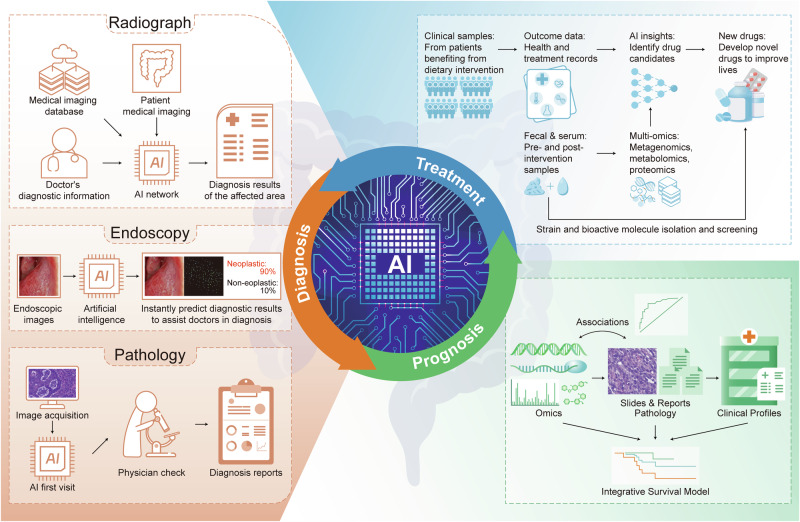
Colorectal cancer (CRC) remains one of the leading causes of cancer-related mortality worldwide. Its complexity is influenced by various signal transduction networks that govern cellular proliferation, survival, differentiation, and apoptosis. The pathogenesis of CRC is a testament to the dysregulation of these signaling cascades, which culminates in the malignant transformation of colonic epithelium. This review aims to dissect the foundational signaling mechanisms implicated in CRC, to elucidate the generalized principles underpinning neoplastic evolution and progression. We discuss the molecular hallmarks of CRC, including the genomic, epigenomic and microbial features of CRC to highlight the role of signal transduction in the orchestration of the tumorigenic process. Concurrently, we review the advent of targeted and immune therapies in CRC, assessing their impact on the current clinical landscape. The development of these therapies has been informed by a deepening understanding of oncogenic signaling, leading to the identification of key nodes within these networks that can be exploited pharmacologically. Furthermore, we explore the potential of integrating AI to enhance the precision of therapeutic targeting and patient stratification, emphasizing their role in personalized medicine. In summary, our review captures the dynamic interplay between aberrant signaling in CRC pathogenesis and the concerted efforts to counteract these changes through targeted therapeutic strategies, ultimately aiming to pave the way for improved prognosis and personalized treatment modalities in colorectal cancer.
Overview
The claims and statistics of this paper haven’t been checked yet.
Free: it reads the open-access text and checks the first 5 claims that cite a source we can check. Create a free account to check every claim.
Integrity signals
Registry
Cites
Statistics
Figures
Verification
Claims the paper makes
The claims and statistics of this paper haven’t been checked yet.
Free: it reads the open-access text and checks the first 5 claims that cite a source we can check. Create a free account to check every claim.
Claims other papers make about this one
Each is checked against this paper’s own text: does it say what the citing paper says it does?
The source backs part of the claim, not all of it — or backs it for a different population, condition or comparison.
In the citing paper
“Additionally, HER2 is commonly amplified or overexpressed in 7% to 47.4% of CRC patients, activating downstream signaling in a similar manner [81–83].”
From Differential Response and Resistance to KRAS-Targeted Therapy (2025) · cites this paper as [81]
Experimental — accuracy not yet measured
Self-check
Percentages, sums and reported differences re-computed from the paper’s own numbers.
The self-check needs the paper’s full text.
Citations
Cites
Hallmarks of Cancer: The Next Generation
Hanahan, D., & Weinberg, R. A. (2011) · Cell · doi:10.1016/j.cell.2011.02.013 · Cited by 66,590
Bray, F., Laversanne, M., Sung, H., Ferlay, J., Siegel, R. L., Soerjomataram, I., & Jemal, A. (2024) · CA: a cancer journal for clinicians · doi:10.3322/caac.21834 · Cited by 27,064
Coussens, L. M., & Werb, Z. (2002) · Nature · doi:10.1038/nature01322 · Cited by 15,111
Lynch, T. J., Bell, D. W., Sordella, R., Gurubhagavatula, S., Okimoto, R. A., Brannigan, B. W., Harris, P. L., Haserlat, S. M., Supko, J. G., Haluska, F. G., et al. (2004) · New England Journal of Medicine · doi:10.1056/nejmoa040938 · Cited by 11,486
Mantovani, A., Allavena, P., Sica, A., & Balkwill, F. (2008) · Nature · doi:10.1038/nature07205 · Cited by 11,399
Chromatin modifications and their function
Kouzarides, T. (2007) · Cell · doi:10.1016/j.cell.2007.02.005 · Cited by 10,883
Immunity, Inflammation, and Cancer
Grivennikov, S. I., Greten, F. R., & Karin, M. (2010) · Cell · doi:10.1016/j.cell.2010.01.025 · Cited by 10,755
Mutations of the BRAF gene in human cancer
Davies, H., Bignell, G. R., Cox, C., Stephens, P., Edkins, S., Clegg, S., Teague, J., Woffendin, H., Garnett, M. J., Bottomley, W., et al. (2002) · Nature · doi:10.1038/nature00766 · Cited by 10,674
The role of pattern-recognition receptors in innate immunity: update on Toll-like receptors
Kawai, T., & Akira, S. (2010) · Nature Immunology · doi:10.1038/ni.1863 · Cited by 9,304
Shrestha, S., & Offer, S. M. (2016) · Medical Epigenetics · doi:10.1159/000444713 · Cited by 8,914
Research works printed but not linked: 4
- Charifa, A., Jamil, R. T. & Zhang, X. Gardner syndrome. (2018). 29493967
- Garralda, E. et al. (Wolters Kluwer Health, 2021).
- Troyanska, O. & Reich, R. Pacific Symposium on Biocomputing 2022. World Sci, 175–186 (2022).
- Mnih, V., Heess, N. & Graves, A. Recurrent models of visual attention. Adv. Neural Inf. Process Syst. 2204–2212 (2014).
Cited by
Items 201–300 of 634
Al‐Tamimi, A. O., Elemam, N. M., Hafezi, S., Saber-Ayad, M. M., & Talaat, I. M. (2026) · Frontiers in Pharmacology · doi:10.3389/fphar.2026.1807304 · Cited by 3
Khan, M. S., Saeed, M., Arham, M., Zafar, I., Hussian, M., Jamal, A., Usman, M., Bahwerth, F. S., Yang, G., & Kang, K. S. (2026) · International Journal of Molecular Sciences · doi:10.3390/ijms27094028 · Cited by 3
“These insights then support frameworks that set research priorities [47,48].”
Shi, Z., Zou, D., Hong, S., Yu, Y., & Guo, Z. (2026) · Journal of Gastroenterology and Hepatology · doi:10.1111/jgh.70412 · Cited by 3
Wang, J., Qian, J., Yang, X., Huang, C., Wei, T., Zhou, J., Zhong, G., Zh, Z., & Zhang, Y. (2026) · Journal of Experimental & Clinical Cancer Research · doi:10.1186/s13046-026-03735-1 · Cited by 3
“This is particularly relevant because ASCL2 itself is also a well-established Wnt-responsive transcription factor [61, 62].”
Mishra, S. P., Jacobson, R., Wang, B., Prajapati, S. K., Sanberg, P., Bréchot, C., Jain, S., & Yadav, H. (2026) · Frontiers in Pharmacology · doi:10.3389/fphar.2026.1850919 · Cited by 3
“…barrier integrity (ZO-1), with potential secondary effects on mucus-layer organization, and by facilitating microbial translocation, thereby perpetuating the continuous activation of inflammatory and proliferative signaling pathways (Mishra et al., 2023; Li et al., 2024; Song et al., 2024).”
Aziz, T., Owona, E. P., Okoa, N. A., Sandrine, M. N. Y., Rahman, I. U., Sarwar, A., Zhao, L., Yang, Z., Alharbi, M., & Alasmari, A. F. (2026) · Frontiers in Nutrition · doi:10.3389/fnut.2026.1844467 · Cited by 4
“By blocking BRAF, these metabolites could prevent too much MAPK activation in the intestinal lining, which would then lead to less inflammatory signaling cascades and the promotion of epithelial homeostasis (67).”
Fan, R., Lu, X. Y., Zhang, B., Hou, Z., Zhao, T., Hai, Y., Chen, Y., Wang, W., Chen, Y., Sun, Q., et al. (2026) · Nature Communications · doi:10.1038/s41467-026-75208-0 · Cited by 3
“CRCismarkedbymetabolicheterogeneityandanimmunosuppressive TME, which limit the ef fi cacy of existing therapies 1,2 .”
Self-citationHDAC2 promotes colorectal tumorigenesis by triggering dysregulation of lipid metabolism through YAP1
Chen, Z., Hong, W., Li, B., He, D.-L., Ren, Z., Cai, M., Cheng, Y., Liu, J., Xu, E., Du, Y., et al. (2025) · Cellular Signalling · doi:10.1016/j.cellsig.2025.111627 · Cited by 4
Computational analysis of DEHP’s oncogenic role in colorectal cancer
Zhu, Z., Qin, J., He, C., Wang, S. G., Lu, Y., Wang, S., & Zhong, X. (2025) · Discover Oncology · doi:10.1007/s12672-025-02616-x · Cited by 4
Davoody, S., Tayebi, Z., Sharif-zak, M., Looha, M. A., Ferizhandy, N. M., Mofrad, S. S., & Houri, H. (2025) · Molecular Biology Reports · doi:10.1007/s11033-025-10921-5 · Cited by 4
Wu, Y., Liu, J., Luo, J., & Xu, B. (2025) · International Journal of Molecular Sciences · doi:10.3390/ijms26167664 · Cited by 3
“Colorectal cancer (CRC) is a leading cause of cancer-related mortality worldwide, posing significant challenges to public health [1].”
Self-citationAyeldeen, G. M., Badr, B. M., Shaker, O. G., Diab, K. R., Ahmed, T., Hassan, E., Nagaty, R. A., Galal, S., & Hasona, N. A. (2025) · Oncology Letters · doi:10.3892/ol.2025.14863 · Cited by 4
Coevolutionary dynamics of 53BP1 and its impact on TP53 interaction for DNA damage repair
Kumari, K., Prakash, G., Shriya, S., Khan, N., Ola, M. S., Shanker, A., & Haque, R. (2025) · Computational Biology and Chemistry · doi:10.1016/j.compbiolchem.2025.108508 · Cited by 4
ALOXE3 expression predicts poor prognosis and modulates immune infiltration in colon adenocarcinoma
Zhao, L., Zhao, L., Ye, S., Jing, S., Yang, H., Qi, Y., Li, Z., Jiang, Z., Yan, X., Wang, K., et al. (2025) · World Journal of Surgical Oncology · doi:10.1186/s12957-025-03939-3 · Cited by 2
“Several molecular markers, including KRAS, BRAF, TP53, and microsatellite instability status, are currently used to guide COAD prognosis and treatment decisions [5–7].”
Epidemiology, molecular biology, and genetics of sporadic young onset colorectal cancer
Taghikhan, Y., & Flynn, S. (2025) · Seminars in Colon and Rectal Surgery · doi:10.1016/j.scrs.2025.101122 · Cited by 2
Awadalla, M., AlRawi, H. Z., Alahmadi, R. M., Khojah, O. T., Al‐Shouli, S. T., Almansour, M. I., & Alosaimi, B. (2025) · Tumour Virus Research · doi:10.1016/j.tvr.2025.200327 · Cited by 2
“The analysis identified several cancer-related pathways, suggesting that their dysregulation may contribute to tumorigenesis, consistent with existing literature on aberrant signaling in cancer progression [40,41].”
FOXP2/SOS1/AKT negative feedback loop inhibits cell proliferation in KRAS-mutant colorectal cancer
Liu, J., Wang, Y., Liu, Y., Mei, H., Zhang, Q., Gao, Z., Zhang, M., Yang, Z., Wang, H., & Qiu, M. (2025) · APOPTOSIS · doi:10.1007/s10495-025-02154-5 · Cited by 4
Bodoque-Villar, R., Roldán-Díaz, E. M., Serrano‐Oviedo, L., Garzón-Quintero, H. D., Cañete-Rodríguez, M., Gómez, L. A., Gracia, I., Rodríguez, J. F., Ramírez, N. B., Verdugo-Moreno, G., et al. (2025) · Biomedicines · doi:10.3390/biomedicines13081968 · Cited by 2
“Despite advances in treatment strategies, including surgery, chemotherapy, and targeted therapies, CRC remains a significant public health challenge due to its aggressive nature and high recurrence rates [2].”
Zhang, Z., Wang, Z., Jiang, Y., Wang, Z., Xie, D., Ma, P., Huang, Y., Liu, N., Ye, G., & Sun, M. (2025) · Journal of Ethnopharmacology · doi:10.1016/j.jep.2025.120515 · Cited by 2
Alahmadi, R. M., AlRawi, H. Z., Awadalla, M., Saeed, B., Abdelazeem, B., Alshanbari, H. M., & Alosaimi, B. (2025) · OncoTargets and Therapy · doi:10.2147/ott.s537872 · Cited by 2
“50,51 The enrichment of terms related to cellular processes and the regulation of cell migration aligns with literature indicating that TME notably impacts patients’ clinical outcomes.”
Jin, C., Gao, X., Chen, C., Chen, Z., Zhang, Y., & Ji, D. (2025) · Journal of Colloid and Interface Science · doi:10.1016/j.jcis.2025.139206 · Cited by 2
Zhang, Y., Li, J., & Liu, J. (2025) · International Immunopharmacology · doi:10.1016/j.intimp.2025.115622 · Cited by 3
Samadi, P., Rahbarizadeh, F., Nouri, F., Soleimani, M., Najafi, R., & Jalali, A. (2025) · Advanced Pharmaceutical Bulletin · doi:10.34172/apb.025.45741 · Cited by 5
“However, similar to PEG derivatives, an elevation in the degree of succinylation (45 or 55 degrees) may lead to diminished interactions, stemming either from electrostatic repulsion or physical shielding through hydrated branches.”
Shi, Y., Zhou, Z., Liu, C., Liu, J., Xie, M., Chen, X., Dixon, D. A., Wu, X., & Yang, L. (2025) · Frontiers in Immunology · doi:10.3389/fimmu.2025.1658526 · Cited by 2
“Recent advancements in molecular biology and genomics have enhanced our understanding of CRC pathogenesis, particularly in gene expression regulation (4).”
Niu, F., Ren, Y., Li, Y., Li, Z., Li, Z., Wang, J., Yu, Y., Zheng, A., Li, X., & Xiong, Y. (2025) · Biochemical Pharmacology · doi:10.1016/j.bcp.2025.117446 · Cited by 2
Kholodenko, I. V., Saidova, A. A., Potashnikova, D. M., Arzumanian, V. A., Romashin, D. D., Tvorogova, A. V., Poverennaya, E. V., Yarygin, K. N., & Kim, Y. S. (2025) · International Journal of Molecular Sciences · doi:10.3390/ijms262210862 · Cited by 2
“Indeed, growth factor signaling via EGFR and downstream MAPK/PI3K cascades is a critical driver of cell proliferation and drug sensitivity in colorectal cancer [59,60], and its attenuation is consistent with the reduced responsiveness of TRIM28-KO cells to cytotoxic agents.”
Todescato, A. P., de Oliveira, P. F., Ávila, P. F., do Vale-Oliveira, M., Martins, J. P., Reis, I. B., Souza, B. L. D. S., Carvalho, M. O., Menon, I. C., Custódio, F. B., et al. (2025) · European Journal of Nutrition · doi:10.1007/s00394-025-03834-3 · Cited by 2
“These molecular events lead to uncontrolled cellular proliferation, formation of adenomatous polyps, and ultimately the development of invasive carcinoma [10]).”
Ameya, K. P., Ross, K., & Sekar, D. (2025) · Medical Oncology · doi:10.1007/s12032-025-03091-8 · Cited by 2
“Importantly, miRNA expression is highly dynamic and can change vis-à-vis external stimuli as well as the cellular environment—making real-time monitoring of disease status and treatment responses an ideal application for miRNAs [13, 14].”
The Two-Way Role of Jagged1 in Cancer: A Focus on CRC
Zema, S., Fazio, F. D., Palermo, R., Talora, C., & Bellavia, D. (2025) · Cells · doi:10.3390/cells14221815 · Cited by 2
“The loss of APC function, a key negative regulator of Wnt signaling, results in constitutive activation of the β -catenin/TCF transcriptional complex, leading to sustained expression of Wnt/TCF target genes such as MYC and CCND1 [36–38].”
Greenstein, S. J., Ramlogan‐Steel, C. A., Wise, I. A., Wilson, R. J., & Steel, J. C. (2025) · Clinical & Experimental Metastasis · doi:10.1007/s10585-025-10385-8 · Cited by 2
“The challenges in developing effective therapies stem from the multi-factorial, heterogeneous nature of CRC pathogenesis, characterized by dysregulation of numerous signal transduction networks that control cell survival, proliferation, differen - tiation, and apoptosis [4].”
He, H., Wang, Y., Kuang, H., Tian, L., Wang, Z., Wang, L., Lv, F., Liu, Z., Wei, W., & Zhang, Y. (2025) · Discover Oncology · doi:10.1007/s12672-025-04262-9 · Cited by 2
“Originating from uncontrolled epithelial cell proliferation in the colon or rectum, CRC is driven by a complex interplay of genetic predisposition and environmental factors, including high-fat diets, chronic inflammation, sedentary lifestyles, and genetic mutations [2, 3].”
Self-citationEvaluating Pancreatic Cancer Treatment Strategies Using a Novel Polytopic Fuzzy Tensor Approach
Bilal, M., Li, C., Alzahrani, A. K., & Aljahdali, A. K. (2025) · Bioengineering · doi:10.3390/bioengineering13010002 · Cited by 2
“Targeted Therapy-( Z 5 ): [34] A cutting-edge therapeutic strategy for pancreatic cancer is targeted therapy, which makes use of medications created especially to recognize and target particular chemicals or pathways that are essential to the survival and proliferation of cancer cells.”
Xu, J., Chen, J., Zhang, X., Zhang, Z., & Wang, G. (2025) · Scientific Reports · doi:10.1038/s41598-025-28261-6 · Cited by 2
“…deaths worldwide, and more than 90% of all colorectal cancer cases are adenocarcinomas arising from glandular epithelial cells of the colon and/or rectum, which occur when these epithelial cells acquire epigenetic or genetic mutations that allow them to replicate and survive excessively 14,15 .”
Bie, L., Lei, X. G., Wu, D., Zhang, Y., He, C., Liu, L., Zhou, J., 周昕, Lu, Y., & Xu, Z. (2026) · Phytotherapy Research · doi:10.1002/ptr.70172 · Cited by 2
FAM117B Promotes Colorectal Cancer Progression by Enhancing DYRK1A‐mediated Phosphorylation of PLK2
Yu, Z., Zhou, C., Chen, H., Xu, K., & Li, C. (2026) · Cell Biology International · doi:10.1002/cbin.70122 · Cited by 2
“adjuvant chemotherapy, radiotherapy, immunotherapy, and targeted therapy (Li et al. 2024a).”
Bernacchi, A., Valerii, M. C., Spigarelli, R., Dussias, N. K., Rizzello, F., & Spisni, E. (2026) · International Journal of Molecular Sciences · doi:10.3390/ijms27020649 · Cited by 3
“Each year, it accounts for 1.8 million new cases and nearly 900,000 deaths worldwide [1].”
InfluentialAlamri, A. M., Assiri, A. A., & Khan, N. U. (2026) · Current Pharmaceutical Analysis · doi:10.1016/j.cpan.2025.12.010 · Cited by 2
SIAH2–WNK1 Signaling Drives Glycolytic Metabolism and Therapeutic Resistance in Colorectal Cancer
Kiu, K., Chu, C.-Y., Cheng, Y., Yen, M.-H., Chen, Y.-W., Pikatan, N. W., Yadav, V. K., & Chang, T. (2026) · International Journal of Molecular Sciences · doi:10.3390/ijms27021065 · Cited by 2
“This observation suggests that SIAH2 may amplify oncogenic signaling within the TME, thereby reinforcing CAF-driven tumor support and fostering a pro-tumorigenic niche [26].”
Prabhakaran, R., Muthu, R., Rajkumar, M., Subramanian, V., & Mahendran, K. (2026) · Frontiers in Molecular Biosciences · doi:10.3389/fmolb.2025.1736094 · Cited by 4
LncRNAs at the Crossroads of Precision Nutrition and Cancer Chemoprevention
Munteanu, C., Nadhan, R., Turti, S., Prifti, E., Achim, L., Basu, S., Ferraresi, A., Ha, J. H., Isidoro, C., & Dhanasekaran, D. N. (2026) · Cancers · doi:10.3390/cancers18030430 · Cited by 3
“Numerous oncogenic lncRNAs promote sustained proliferative signaling by reinforcing pathways such as PI3K– AKT, MAPK, Wnt/ β -catenin, and STAT3, while tumor-suppressive lncRNAs restrain cell cycle progression and maintain genomic integrity [38,39].”
Li, H., Zhang, W., Yan, W., Wang, K., Chen, S., Li, Y., Sheng, A., Shang, A., & Zeng, B. (2026) · Frontiers in Immunology · doi:10.3389/fimmu.2026.1668737 · Cited by 5
“…challenges demonstrate that both the progression of CRC and the response to its treatment are not direct outcomes of tumor cell-autonomous genetic alterations, but are instead holistically in fl uenced by persistent and dynamic interactions with the complex surrounding microenvironment (7, 8).”
Wang, H., Yan, X., Xia, C., Chen, D., Pan, B., Zhang, Y., & Zhang, Q. (2026) · Frontiers in Bioengineering and Biotechnology · doi:10.3389/fbioe.2026.1756741 · Cited by 3
Han, M., Shi, S., Guan, Z., Ma, W., Wang, X., Jiang, H., & Man, S. (2026) · Tissue and Cell · doi:10.1016/j.tice.2026.103379 · Cited by 2
CXCL1 as a novel prognostic biomarker and immune regulator in colon adenocarcinoma
Li, J., Tang, H., & Tu, W. (2026) · Discover Oncology · doi:10.1007/s12672-026-04522-2 · Cited by 2
“COAD, the predominant subtype of CRC, poses a persistent therapeutic challenge, particularly in advanced stages where treatment resistance and metastasis remain major obstacles to improving patient survival [2, 3].”
Functional role of small extrachromosomal circular DNA in colorectal cancer
Hariprakash, J. M., Zole, E., Feng, W., Hao, D., Hansen, L. B., Bandyopadhyay, N., Mohiyuddin, M., Wu, S., Johansen, A. Z., Johansen, J. S., et al. (2026) · Proceedings of the National Academy of Sciences · doi:10.1073/pnas.2523047123 · Cited by 2
“Like many cancers, CRC exhibits substantial molecular and genetic heterogeneity (17–19).”
Tsokkou, S., Konstantinidis, I. K., Chatzikomnitsa, P., Papakonstantinou, M., Gkaitatzi, A. D., Toutziari, E., Alexandrou, D., Giakoustidis, D. E., Papadopoulos, V., & Giakoustidis, A. E. (2026) · International Journal of Molecular Sciences · doi:10.3390/ijms27073289 · Cited by 2
“Further multiomics analysis revealed LRRC26 and REP15 as novel prognosis-related driver genes in CRC, alongside the identification of 66 putative susceptibility genes, including DIP2B and SFMBT1 [33,34].”
Pastor, P. G., Gonzalez, N. S., Salvà, F., Ros, J., Baraibar, I., Rodríguez-Castells, M., de Torres, C. S., García, A., Alcaráz, A., Vaghi, C., et al. (2026) · Genes · doi:10.3390/genes17040460 · Cited by 4
Sípos, F., & Műzes, G. (2026) · Medical Sciences · doi:10.3390/medsci14020202 · Cited by 2
“These cytokines have been demonstrated to promote epithelial proliferation, inhibit apoptosis, and activate oncogenic signaling pathways like STAT3 and NF-κ B [19,52,83].”
Voros, C., Chatzinikolaou, F. G., Papadimas, G. K., Karpouzos, A., Papapanagiotou, I., Koulakmanidis, A.-M., Athanasiou, D., Bananis, K., Athanasiou, A. I., Athanasiou, A. V., et al. (2026) · Current Issues in Molecular Biology · doi:10.3390/cimb48040429 · Cited by 2
Tothanarungroj, P., Suparan, K., Danpanichkul, P., Wijarnpreecha, K., Yang, J. D., & Singal, A. G. (2026) · Journal of Gastroenterology and Hepatology · doi:10.1111/jgh.70404 · Cited by 2
“While the development of CRC is complex and influenced by both modifiable and non-modifiable factors, such as genetics [46], this cancer still ex-emplifies how effective screening programs, including fecal occult blood and immunochemical tests that detect hemoglobin, as well as colonoscopy for…”
Wu, G., Zhang, K. W., Min, H., Du, L., Li, J., Li, W., Zhang, Y., Du, S., Qi, Y., & Zhang, W. (2026) · Journal of Controlled Release · doi:10.1016/j.jconrel.2026.114962 · Cited by 3
Wei, N., Thielen, N., Mohammadi, M., Bhat, M. A., Li, T., Sun, Y., Kitamura, S., Chu, E., & Kuang, C. (2026) · Acta Pharmaceutica Sinica B · doi:10.1016/j.apsb.2026.05.008 · Cited by 2
“PDOs are capable of predicting responses to standard therapies in mCRC patients with 100% sensitivity and 93% specificity 51 .”
Synbiotics as a Microbiome-Based Strategy in Colorectal Cancer
Procopciuc, L. M., Hangan, A. C., & Lucaciu, R. L. (2026) · Nutrients · doi:10.3390/nu18101591 · Cited by 3
“These combined effects lead to inhibition of tumor cell growth, restoration of apoptosis, and suppression of metabolic adaptations that support cancer progression, highlighting the importance of synbiotics in modulating key oncogenic pathways in CRC [113,143,155,156].”
InfluentialBridging aging and colorectal cancer: synergistic roles of inflammaging and immunosenescence
Zaongo, S. D., Yang, Q., Han, M., Xi, T., Luo, Z., Wang, X., Yang, J., & Ouyang, J. (2026) · Frontiers in Immunology · doi:10.3389/fimmu.2026.1792954 · Cited by 2
“Chronic in fl ammation affects key cytokine receptor-mediated signaling pathways known for their putative roles in tumor-initia-tion and tumor-promoting processes (38).”
Song, P., Wu, L., Qiu, H., Luo, L., Qiu, J., Xiao, S., & He, J. (2026) · Annals of Gastroenterological Surgery · doi:10.1002/ags3.70232 · Cited by 3
“pro-inflammatory cytokines and altered macrophage infiltration, suggesting that early inflammatory processes within polyps may contribute to neoplastic progression [3].”
Wang, K., Zhang, B.-X., Li, K.-J., Guan, J.-M., Li, B., Ze-hao, H., Zeng, X., Zhao, Z.-L., & Chen, Y. (2026) · World Journal of Gastroenterology · doi:10.3748/wjg.119360 · Cited by 2
Batool, Z., Naseer, I., Ateşoğlu, Ş., Çakır, F., Akbaş, F., Albekairi, N. A., Şenol, H., Rasool, A., Shafiq, Z., & Alshammari, A. (2026) · Scientific Reports · doi:10.1038/s41598-026-56442-4 · Cited by 2
Koustas, E., Trifylli, E.-M., Oraiopoulos, V., Karamouzis, M. V., & Sarantis, P. (2026) · Genes · doi:10.3390/genes17060674 · Cited by 3
“Under these conditions, MHC machinery is also compromised, as MHC class I expression is often reduced, thereby impairing effective antigen presentation and promoting inefficient cytotoxic T-cell-mediated antitumor activity [25].”
Maurya, A. K., & Mirza, S. (2026) · Frontiers in Immunology · doi:10.3389/fimmu.2026.1872130 · Cited by 2
“…studies have shed light on the development and progression of CRC, they are based on static features of individual cells and have limited ability to reveal dynamic intercellular communication processes, which play an important role in tumour development, metastasis, and treatment response (3, 4).”
Yuan, Y., Peng, Z., & Yucheng, S. (2026) · Molecular and Cellular Probes · doi:10.1016/j.mcp.2026.102078 · Cited by 2
Biswal, S., Dash, J. J., Patra, J., Biswal, P., Lalruatfela, A., Sahoo, S., Mishra, S. C., Behera, S. K., Behera, D. K., Nehra, M., et al. (2026) · Computational Biology and Chemistry · doi:10.1016/j.compbiolchem.2026.109211 · Cited by 2
Qiao, X., Liu, J. T., Bai, J., Xu, C., Zhao, Q., Guo, S., Ding, L., Ma, D., Zhang, X., & Tian, B. (2026) · Journal of Nanobiotechnology · doi:10.1186/s12951-026-04756-w · Cited by 2
Kim, N. H., Cho, G. Y., Kim, I.-T., Choi, Y., Park, K., Kang, K., Choi, J., & Lee, S. (2026) · Biomolecules & Therapeutics · doi:10.4062/biomolther.2026.111 · Cited by 2
Khodadadi, G., Saberpour, M., Bakhshi, B., & Minaeian, S. (2025) · Cytotechnology · doi:10.1007/s10616-025-00756-0 · Cited by 2
“These genes play a critical role in tumor development and metastasis (Li et al. 2024).”
Public Health Crisis Management using Java And AI
Murikipudi, A. (2025) · doi:10.55948/ijermca.2025.0205 · Cited by 3
Recent advances in novel targeting mechanisms for colorectal cancer
Li, Z., Wang, H., Liu, Y., Gemingnuer, A., Wang, Y., & Meng, X. (2025) · Clinical & Translational Oncology · doi:10.1007/s12094-025-03990-2 · Cited by 3
“According to Li et al. (2024), central CRC signaling pathways including Wnt/β-catenin, PI3K/AKT, RAS/RAF/ MEK/ERK, and TGF-β regulate tumor metabolism, immune evasion, and cell proliferation, making them attractive targets for the development of synergistic therapeutic strategies [139].”
Small extracellular vesicles-based drug delivery systems for therapies of gastrointestinal tumours
Luo, L., Wang, D., Xu, W., & Jiang, J. (2025) · Journal of drug targeting · doi:10.1080/1061186x.2025.2535375 · Cited by 4
“…from benign precursor lesions known as polyps, which appear as protrusions from the colonic mucosa. the malignant transformation of cRc is driven by three principal genetic and epigenetic pathways: chromosomal instability, the cpG island methylator phenotype and microsatellite instability [5].”
Neural Network Implementation for CRC Awareness Prediction
Hejase, A. J., Haidous, A. A., HejaseBazzi, A. A., & Hejase, H. (2025) · Applied Science and Innovative Research · doi:10.22158/asir.v9n3p23 · Cited by 2
Wang, H. (2025) · Frontiers in Medicine · doi:10.3389/fmed.2025.1614012 · Cited by 3
“In cases where surgical resection is not an option, systemic therapies—including cytotoxic chemotherapy, targeted agents such as anti-growth factor receptor antibodies, immunotherapy, or their combinations—remain the cornerstone of treatment (5).”
Closing Editorial: Colorectal Cancer—A Molecular Genetics Perspective
Gharib, E. (2024) · International Journal of Molecular Sciences · doi:10.3390/ijms252312604 · Cited by 2
Making sense of human colorectal cancer molecular subtypes: mice are stepping in
Green, C., Roccia, P., & Rufini, A. (2025) · Cell Death Discovery · doi:10.1038/s41420-025-02594-7 · Cited by 2
“A recent publication from Torang et al. [3] aimed to untangle the mechanisms underpinning the establishment of CMS, exploiting an outstanding array of 16 genetically engineered murine intestinal organoids carrying different combinations of colorectal driver mutations [4].”
Sun, X., Yu, Z., Wang, K., Yu, Y., Cao, X., Chen, X., Negm, S., Arafa, S. Z., & El-kott, A. F. (2024) · Journal of Molecular Structure · doi:10.1016/j.molstruc.2024.141240 · Cited by 1
Liu, Z., Chang, S., Chen, S., Gu, R., & Guo, S. (2025) · Discover Oncology · doi:10.1007/s12672-025-02081-6 · Cited by 1
Liu, Y., Huang, M., Tian, X., & Huang, X. (2025) · Current Issues in Molecular Biology · doi:10.3390/cimb47040267 · Cited by 2
“…pathogenesis, including, but not limited to, the Wnt/ β -catenin signaling pathway, RAS/MAPK signaling pathway, PI3K/AKT/mTOR signaling pathway, JAK/STAT signaling pathway, TGF-β /Smad signaling pathway, Notch signaling pathway, Hippo signaling pathway, and Hedgehog signaling pathway [33,42,43].”
Oladapo, O. B., & Moussa, M. R. (2025) · Genes · doi:10.3390/genes16060620 · Cited by 1
An Overview of Advancements in Screening Methods and Point-of-care Diagnostics for Colorectal Cancer
Kumar, P., Zargar, Z. B., Sharma, R., Kumar, S., Chopra, K., & Pawar, S. V. (2025) · Cancer Screening and Prevention · doi:10.14218/csp.2025.00006 · Cited by 3
Han, Z., & Wen, L. (2025) · World Journal of Gastroenterology · doi:10.3748/wjg.v31.i21.106057 · Cited by 1
Moosavy, S. H., Darmadi, D., Fakhri, Y., Hosseini, S. M., & Yumashev, A. V. (2025) · International Journal of Environmental Health Research · doi:10.1080/09603123.2025.2527318 · Cited by 2
“Colorectal cancer (CRC) is a widespread and deadly disease, causing approximately 900,000 deaths annually and ranking as the second leading cause of cancer-related deaths worldwide (Li et al. 2024).”
Wu, J., Li, Q., Cheng, X., Dai, C., Huang, Q., & Wang, Y. (2025) · Current Cancer Drug Targets · doi:10.2174/0115680096388633250704101500 · Cited by 1
Self-citationJin, Y., Lahcen, M. A., Gong, T., Fang, H., Yue, Y., Ma, Y., Adardour, M., Cheng, Z., Xu, N., Baouid, A., et al. (2025) · European Journal of Pharmacology · doi:10.1016/j.ejphar.2025.178069 · Cited by 1
The Role of Pathogenic Mutations in Colorectal Cancer
Merie, G. M. S., & Al-hashimi, H. (2025) · International Journal of Pathology and Biomarkers · doi:10.71428/ijpb.2025.0102 · Cited by 1
Naz, S. S., & Ortega, J. S. (2025) · Probiotics and Antimicrobial Proteins · doi:10.1007/s12602-025-10745-6 · Cited by 1
Murad, K., & Al-Talib, H. I. (2025) · Molecular Biology Reports · doi:10.1007/s11033-025-10992-4 · Cited by 1
“This condition may cause aberrant disruption of canonical signalling pathways, including cell cycle, Hippo signalling, Myc signalling, Wnt/β-catenin, Notch, EGFR/MAPK, PI3K/Akt, JAK/STAT, TGFβ, NF-κB, RTK-RAS, and p53 suppression [ 22, 23].”
Li, Y., & Zeng, Y. (2025) · International Journal of General Medicine · doi:10.2147/ijgm.s541575 · Cited by 1
HAMIL : Hierarchical Attention Multi‐Instance Learning for Label‐Free Colorectal Cancer Typing
Ye, Z., Mei, S., Tao, L., Wang, D., Mei, L., & Lei, C. (2025) · Microscopy Research and Technique · doi:10.1002/jemt.70069 · Cited by 2
Okotel, M., & Huang, C. (2025) · Critical Reviews™ in Oncogenesis · doi:10.1615/critrevoncog.2025060830 · Cited by 1
Alatwi, H. E., Alharbi, A. A., Mir, R., Alzahrani, O. R., Alessa, A. H., Hawsawi, Y. M., Arishi, M., & Albalawi, A. D. (2025) · Frontiers in Oncology · doi:10.3389/fonc.2025.1679528 · Cited by 1
Wang, H., Li, D., Yu, Z., Zhang, J., Luo, S., & Zhang, Y. (2025) · Cellular Signalling · doi:10.1016/j.cellsig.2025.112175 · Cited by 1
Yang, H., Yue, G. G., Leung, P.-C., Wong, C. K., Zhang, Y., & Lau, C. B. (2025) · Journal of Pharmacy and Pharmacology · doi:10.1093/jpp/rgaf098 · Cited by 1
Circular RNAs in colorectal cancer: Emerging insights and future perspectives
Behera, R., Khandelwal, A., Devi, V., Mascarenhas, R., Bhat, S., Mukhopadhyay, A., & Kabekkodu, S. P. (2025) · Biochemical Pharmacology · doi:10.1016/j.bcp.2025.117495 · Cited by 2
Ding, X., Zhang, N., Zhan, S., & Ding, W. (2025) · Experimental Cell Research · doi:10.1016/j.yexcr.2025.114812 · Cited by 1
Pricope, D. L., Grigoraş, A., Dimofte, G. M., & Amălinei, C. (2025) · Medical Sciences · doi:10.3390/medsci13040263 · Cited by 1
“Moreover, aberrant activation of this signaling cascade is closely associated with chemoresistance [183,184], with ANXA1 contributing to this process by autophagy inhibition via modulation of the PI3K/mTOR pathway [183,184].”
InfluentialMetabolic Syndrome Fuels Genomic Instability? Insights from a Pilot Study on Colorectal Cancer
Pezzino, S., Scuderi, M. C., Coco, O., Luca, T., Magro, G. G., Castorina, M., Puleo, S., & Castorina, S. (2025) · Cancers · doi:10.3390/cancers17223682 · Cited by 1
“Chronic inflammation linked to MS may affect DNA repair mechanisms, particularly the MMR system that maintains microsatellite stability [6,23,24].”
InfluentialCrotonoside exerts anti-colorectal cancer effects by suppressing KIF20A to regulate the cell cycle
Zhang, Y. X., Sun, J., & Chen, Z. (2025) · Scientific Reports · doi:10.1038/s41598-025-24969-7 · Cited by 2
Sevic, I., Vitale, D. L., Maidana, C. M., Rosales, P., Icardi, A., Latina, C., Romano, L., Brandone, A., Giannoni, P., & Alaniz, L. D. (2025) · International Journal of Molecular Sciences · doi:10.3390/ijms262311328 · Cited by 1
“Breast cancer is one of the five leading causes of cancer death worldwide [1], while colorectal cancer still ranks as the third most prevalent and second most lethal cancer worldwide [2].”
A case report of multiple primary malignant tumors: breast cancer and colorectal cancer
Kaicaier, M., Liu, S., Zhang, Y., Hou, X., Wang, Y., Aikelaimu, A., Ma, L., & Jiang, W. (2025) · Frontiers in Oncology · doi:10.3389/fonc.2025.1713186 · Cited by 1
Functionalized nanocarriers via surface biomolecules ligation for colorectal cancer treatment
Srivastava, P., Sharma, A., Sharma, N., Ghosh, M., Pathak, S., Bera, R., Arora, A., & Karwasra, R. (2025) · Journal of Drug Delivery Science and Technology · doi:10.1016/j.jddst.2025.107890 · Cited by 1
Colorectal Cancer Pathogenesis and Treatment Strategies: Insights into the Role of p53
Kordkatouli, M., Heidari, M., Azami, N., & Poursamimi, J. (2025) · Multidisciplinary Cancer Investigation · doi:10.61882/mci.8.2.1 · Cited by 1
“In CRC, both genetic mutations and epigenetic modifications play critical roles in tumor initiation and progression, with frequent alterations observed in pivotal genes such as the tumor suppressor TP53 [6].”
Huang, B., Yin, Z., Gao, G., Li, L., & Miao, Y. (2025) · Frontiers in Oncology · doi:10.3389/fonc.2025.1707092 · Cited by 1
Metadata
- Authors
- Li, Q., Geng, S., Luo, H., Wang, W., Mo, Y.-Q., Luo, Q., Wang, L., Song, G.-B., Sheng, J.-P., & Xu, B.
- Affiliations
- Chongqing University (CN)
- Chongqing Medical University (CN)
- Army Medical University (CN)
- Chongqing Municipal Health Commission (CN)
- Corresponding author
- Xu, Bo
- Venue
- Signal Transduction and Targeted Therapy
- Published
- 2024-10-07
- Volume
- 9
- Issue
- 1
- Pages
- 266-266
- ISSN
- 2059-3635 (ISSN-L)
- PMC
- PMC11456611
- OpenAlex
- W4403163174
- Cited by
- 546
- References
- 537
- Citations by year
- 2026: 275 · 2025: 263 · 2024: 7
- FWCI
- 29.22
- Type
- journal article
- Language
- en
- Open access
- gold
- doi.org
- Licence
- cc-by
- creativecommons.org/licenses/by/4.0 (tdm)
- creativecommons.org/licenses/by/4.0 (vor)
- Locations
- Signal Transduction and Targeted Therapy (publishedVersion, cc-by)
- PubMed Central (publishedVersion, cc-by)
- PubMed (publishedVersion)
- DOAJ (DOAJ: Directory of Open Access Journals) (submittedVersion, cc-by-sa)
- Funders
- National Natural Science Foundation of China (61906022, 82203066)
- Topics
- Health Sciences › Medicine › Oncology › Colorectal Cancer Treatments and Studies
- Health Sciences › Medicine › Pathology and Forensic Medicine › Genetic factors in colorectal cancer
- Life Sciences › Biochemistry, Genetics and Molecular Biology › Molecular Biology › Wnt/β-catenin signaling in development and cancer
- Keywords
- colorectal cancer, signal transduction, oncogenic signaling, colorectal cancer pathogenesis, colorectal cancer progression, targeted therapy, immunotherapy, epigenomics, microbiome, patient stratification
- MeSH terms
- Humans, Colorectal Neoplasms, Signal Transduction, Precision Medicine, Molecular Targeted Therapy
About these checks
Registry, retraction, Cites and statistics results are computed, not judged, with one exception: a printed reference that no index lists is read once by a model before it counts as a citation error. Claims are extracted by a model and kept only when their quote appears verbatim in the text; each cited source is then checked, with a model’s help, for whether it says what the claim relies on. Those verdicts can be wrong — read the claim’s quote and the cited source before relying on one.
Statistics and arithmetic are recomputed, not judged.
Confidence bands are shown only for fields calibrated on our annotated test set. None is calibrated yet, so no band is shown.
What counts as a claim ›How we measure confidence ›How we check this ›
Are you an author, or do you see a problem with this page? Request a review
Data sources
Bibliographic data: Semantic Scholar, OpenAlex, Crossref.
Contains information from the Semantic Scholar Academic Graph Datasets, made available under the ODC Attribution License (ODC-BY 1.0).
Semantic Scholar’s data is described in: Kinney, R., et al. (2023). The Semantic Scholar Open Data Platform. arXiv:2301.10140.
