

Serotonin depletion amplifies distinct human social emotions as a function of individual differences in personality
Open accessPublished version of a preprint
The DOI matches its Crossref record; 90 of the 90 references it cites were found in a registry or an index.
Abstract
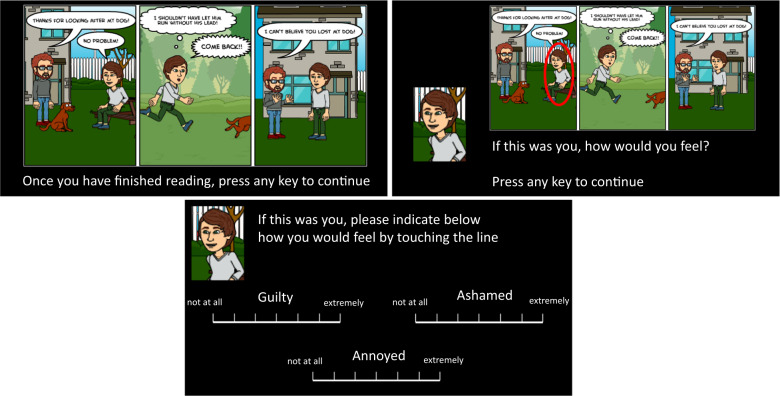
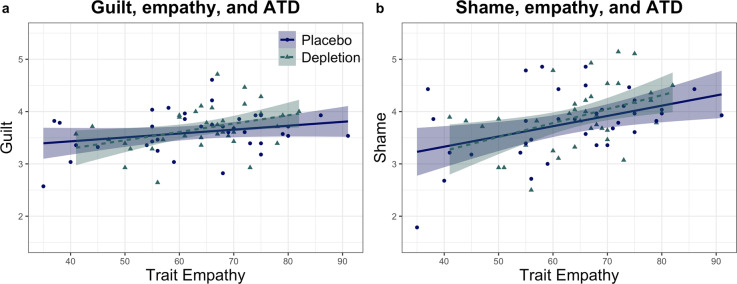
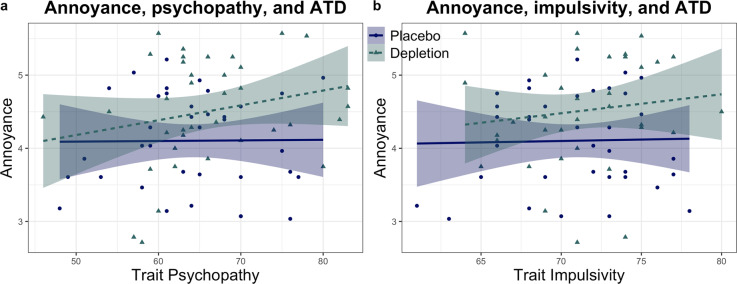
Serotonin is involved in a wide range of mental capacities essential for navigating the social world, including emotion and impulse control. Much recent work on serotonin and social functioning has focused on decision-making. Here we investigated the influence of serotonin on human emotional reactions to social conflict. We used a novel computerised task that required mentally simulating social situations involving unjust harm and found that depleting the serotonin precursor tryptophan—in a double-blind randomised placebo-controlled design—enhanced emotional responses to the scenarios in a large sample of healthy volunteers ( n = 73), and interacted with individual differences in trait personality to produce distinctive human emotions. Whereas guilt was preferentially elevated in highly empathic participants, annoyance was potentiated in those high in trait psychopathy, with medium to large effect sizes. Our findings show how individual differences in personality, when combined with fluctuations of serotonin, may produce diverse emotional phenotypes. This has implications for understanding vulnerability to psychopathology, determining who may be more sensitive to serotonin-modulating treatments, and casts new light on the functions of serotonin in emotional processing.
Overview
The claims and statistics of this paper haven’t been checked yet.
Free: it reads the open-access text and checks the first 5 claims that cite a source we can check. Create a free account to check every claim.
Integrity signals
Registry
Cites
Statistics
Figures
Verification
Claims the paper makes
The claims and statistics of this paper haven’t been checked yet.
Free: it reads the open-access text and checks the first 5 claims that cite a source we can check. Create a free account to check every claim.
Claims other papers make about this one
Each is checked against this paper’s own text: does it say what the citing paper says it does?
The cited source says what the claim attributes to it.
In the citing paper
“ATD has been shown to affect measures of both ‘cold’ (rational and non-emotional), and ‘hot’ (social and emotional) cognition [13–18].”
From Chronic escitalopram in healthy volunteers has specific effects on reinforcement sensitivity: a double-blind, placebo-controlled semi-randomised study (2023) · cites this paper as [17]
Self-check
Percentages, sums and reported differences re-computed from the paper’s own numbers.
The self-check needs the paper’s full text.
Citations
Cites
Diagnostic and Statistical Manual of Mental Disorders
American Psychiatric Association (2013) · doi:10.1176/appi.books.9780890425596 · Cited by 116,369
(1998) · The Journal of Clinical Psychiatry · Cited by 19,139
(1998) · PubMed · Cited by 10,216
Comparison of Beck Depression Inventories -IA and -II in psychiatric outpatients
Beck, A. T., Steer, R. A., Ball, R., & Ranieri, W. F. (1996) · Journal of Personality Assessment · doi:10.1207/s15327752jpa6703_13 · Cited by 5,965
(1980) · Medical Entomology and Zoology · Cited by 4,712
Moral Emotions and Moral Behavior
Tangney, J. P., Stuewig, J., & Mashek, D. J. (2007) · Annual Review of Psychology · doi:10.1146/annurev.psych.56.091103.070145 · Cited by 3,222
Toward the future of psychiatric diagnosis: the seven pillars of RDoC
Cuthbert, B. N., & Insel, T. R. (2013) · BMC Medicine · doi:10.1186/1741-7015-11-126 · Cited by 3,053
Assessing psychopathic attributes in a noninstitutionalized population.
Levenson, M. R., Kiehl, K. A., & Fitzpatrick, C. M. (1995) · Journal of Personality and Social Psychology · doi:10.1037//0022-3514.68.1.151 · Cited by 1,768
Linnoila, M., Virkkunen, M., Scheinin, M., Nuutila, A., Rimon, R., & Goodwin, F. K. (1983) · Life Sciences · doi:10.1016/0024-3205(83)90344-2 · Cited by 1,308
Differences between males and females in rates of serotonin synthesis in human brain
Nishizawa, S., Benkelfat, C., Young, S. N., Leyton, M., Mzengeza, S., de Montigny, C., Blier, P., & Diksic, M. (1997) · Proceedings of the National Academy of Sciences · doi:10.1073/pnas.94.10.5308 · Cited by 900
Unfairness, Anger, and Spite: Emotional Rejections of Ultimatum Offers
Pillutla, M. M., & Murnighan, J. K. (1996) · Organizational Behavior and Human Decision Processes · doi:10.1006/obhd.1996.0100 · Cited by 877
Marsh, A. A., Finger, E. C., Mitchell, D. G. V., Reid, M. E., Sims, C., Kosson, D. S., Towbin, K. E., Leibenluft, E., Pine, D. S., & Blair, R. J. R. (2008) · American Journal of Psychiatry · doi:10.1176/appi.ajp.2007.07071145 · Cited by 852
Serotoninergic regulation of emotional and behavioural control processes
Cools, R., Roberts, A. C., & Robbins, T. W. (2008) · Trends in Cognitive Sciences · doi:10.1016/j.tics.2007.10.011 · Cited by 656
Self-citationJones, A. P., Happé, F. G. E., Gilbert, F., Burnett, S., & Viding, E. (2010) · Journal of Child Psychology and Psychiatry · doi:10.1111/j.1469-7610.2010.02280.x · Cited by 638
Tangney, J. P., Wagner, P. E., Hill-Barlow, D., Marschall, D. E., & Gramzow, R. (1996) · Journal of Personality and Social Psychology · doi:10.1037//0022-3514.70.4.797 · Cited by 618
Koenigs, M., & Tranel, D. (2007) · The Journal of Neuroscience · doi:10.1523/jneurosci.4606-06.2007 · Cited by 592
The evolutionary psychology of the emotions and their relationship to internal regulatory variables.
Tooby, J., & Cosmides, L. (2008) · Cited by 548
Serotonin selectively influences moral judgment and behavior through effects on harm aversion
Crockett, M. J., Clark, L., Hauser, M. D., & Robbins, T. W. (2010) · Proceedings of the National Academy of Sciences · doi:10.1073/pnas.1009396107 · Cited by 526
Self-citationDopamine, serotonin and impulsivity
Dalley, J. W., & Roiser, J. P. (2012) · Neuroscience · doi:10.1016/j.neuroscience.2012.03.065 · Cited by 501
Anatomically defined and functionally distinct dorsal raphe serotonin sub-systems
Ren, J., Friedmann, D., Xiong, J., Liu, C. D., Ferguson, B. R., Weerakkody, T., DeLoach, K. E., Ran, C., Pun, A., Sun, Y., et al. (2018) · Cell · doi:10.1016/j.cell.2018.07.043 · Cited by 498
Swainson, R., Rogers, R. D., Sahakian, B. J., Summers, B. A., Polkey, C. E., & Robbins, T. W. (2000) · Neuropsychologia · doi:10.1016/s0028-3932(99)00103-7 · Cited by 494
Self-citationNiedenthal, P. M., Tangney, J. P., & Gavanski, I. (1994) · Journal of Personality and Social Psychology · doi:10.1037//0022-3514.67.4.585 · Cited by 458
Serotonin Modulates Behavioral Reactions to Unfairness
Crockett, M. J., Clark, L., Tabibnia, G., Lieberman, M. D., & Robbins, T. W. (2008) · Science · doi:10.1126/science.1155577 · Cited by 421
Self-citationShining light on motivation, emotion, and memory processes
Ilango, A., & Lobo, M. K. (2015) · Frontiers in Behavioral Neuroscience · doi:10.3389/fnbeh.2015.00001 · Cited by 402
Serotonin in Affective Control
Dayan, P., & Huys, Q. J. M. (2009) · Annual Review of Neuroscience · doi:10.1146/annurev.neuro.051508.135607 · Cited by 381
Winstanley, C. A., Dalley, J. W., Theobald, D. E., & Robbins, T. W. (2004) · Neuropsychopharmacology · doi:10.1038/sj.npp.1300434 · Cited by 371
Self-citationStuewig, J., & McCloskey, L. A. (2005) · Child Maltreatment · doi:10.1177/1077559505279308 · Cited by 358
MDMA enhances emotional empathy and prosocial behavior
Hysek, C. M., Schmid, Y., Simmler, L. D., Domes, G., Heinrichs, M., Eisenegger, C., Preller, K. H., Quednow, B. B., & Liechti, M. E. (2014) · Social Cognitive and Affective Neuroscience · doi:10.1093/scan/nst161 · Cited by 356
Guilt, fear, submission, and empathy in depression
O’Connor, L. E., Berry, J. W., Weiss, J., & Gilbert, P. (2002) · Journal of Affective Disorders · doi:10.1016/s0165-0327(01)00408-6 · Cited by 349
Reduced Prefrontal Connectivity in Psychopathy
Motzkin, J. C., Newman, J. P., Kiehl, K. A., & Koenigs, M. (2011) · The Journal of Neuroscience · doi:10.1523/jneurosci.4215-11.2011 · Cited by 342
The Persistence of Shame Following Sexual Abuse: A Longitudinal Look at Risk and Recovery
Feiring, C., & Taska, L. S. (2005) · Child Maltreatment · doi:10.1177/1077559505276686 · Cited by 338
Brewin, C. R., Andrews, B., & Rose, S. (2000) · Journal of Traumatic Stress · doi:10.1023/a:1007741526169 · Cited by 315
A population-specific HTR2B stop codon predisposes to severe impulsivity
Bevilacqua, L., Doly, S., Kaprio, J., Yuan, Q., Tikkanen, R., Paunio, T., Zhou, Z., Wedenoja, J., Maroteaux, L., Diaz, S., et al. (2010) · Nature · doi:10.1038/nature09629 · Cited by 299
Tryptophan Depletion During Continuous CSF Sampling in Healthy Human Subjects
Carpenter, M. D. (1998) · Neuropsychopharmacology · doi:10.1016/s0893-133x(97)00198-x · Cited by 298
Overlapping neural systems mediating extinction, reversal and regulation of fear
Schiller, D., & Delgado, M. R. (2010) · Trends in Cognitive Sciences · doi:10.1016/j.tics.2010.04.002 · Cited by 294
Adjustment following sexual abuse discovery: The role of shame and attributional style.
Feiring, C., Taska, L., & Lewis, M. (2002) · Developmental Psychology · doi:10.1037//0012-1649.38.1.79 · Cited by 291 · cited 2×
“…2002; Orsillo et al. 1996), eating disorders (Murray et al. 2000; Sanftner et al. 1995), as well as more specific symptoms such as low self-esteem (Feiring et al. 2002), suicidal ideation (Bryan et al. 2013), anger (Harper & Arias 2004; Tangney et al. 1996), and aggression (Tangney et al. 1996).”
BackgroundMaking Decisions under Ambiguity: Judgment Bias Tasks for Assessing Emotional State in Animals
Roelofs, S., Boleij, H., Nordquist, R. E., & van der Staay, F. J. (2016) · Frontiers in Behavioral Neuroscience · doi:10.3389/fnbeh.2016.00119 · Cited by 267
Biggio, G., Fadda, F., Fanni, P., Tagliamonte, A., & Gessa, G. L. (1974) · Life Sciences · doi:10.1016/0024-3205(74)90440-8 · Cited by 265
Functional neuroimaging of avoidance habits in obsessive-compulsive disorder
Gillan, C. M., Apergis-Schoute, A. M., Morein-Zamir, S., Urcelay, G. P., Sule, A., Fineberg, N. A., Sahakian, B. J., & Robbins, T. W. (2015) · American Journal of Psychiatry · doi:10.1176/appi.ajp.2014.14040525 · Cited by 265
Self-citationShame and posttraumatic stress disorder
Leskela, J., Dieperink, M., & Thuras, P. (2002) · Journal of Traumatic Stress · doi:10.1023/a:1015255311837 · Cited by 262
Frankle, W. G., Lombardo, I., New, A. S., Goodman, M., Talbot, P. S., Huang, Y., Hwang, D.-R., Slifstein, M., Curry, S., Abi-Dargham, A., et al. (2005) · American Journal of Psychiatry · doi:10.1176/appi.ajp.162.5.915 · Cited by 262
Economic Games Quantify Diminished Sense of Guilt in Patients with Damage to the Prefrontal Cortex
Krajbich, I., Adolphs, R., Tranel, D., Denburg, N. L., & Camerer, C. F. (2009) · The Journal of Neuroscience · doi:10.1523/jneurosci.5086-08.2009 · Cited by 260
LSD Acutely Impairs Fear Recognition and Enhances Emotional Empathy and Sociality
Dolder, P. C., Schmid, Y., Müller, F., Borgwardt, S., & Liechti, M. E. (2016) · Neuropsychopharmacology · doi:10.1038/npp.2016.82 · Cited by 247
Psychopathy, frustration, and reactive aggression: The role of ventromedial prefrontal cortex
Blair, R. J. R. (2010) · British Journal of Psychology · doi:10.1348/000712609x418480 · Cited by 239 · cited 7×
“Whilst some aggression can be impulsive (Bevilacqua et al. 2010), aggression can also be goal-directed (e.g. planning a crime), which is more closely associated with psychopathy (Blair 2010).”
BackgroundResultInfluentialTheory of Mind in the psychopath
Blair, J., Sellars, C., Strickland, I., Clark, F., Williams, A., Smith, M., & Jones, L. (1996) · The Journal of Forensic Psychiatry · doi:10.1080/09585189608409914 · Cited by 235
I can see what you feel, but I can’t deal with it: impaired theory of mind in depression
Wolkenstein, L., Schönenberg, M., Schirm, E., & Hautzinger, M. (2011) · Journal of Affective Disorders · doi:10.1016/j.jad.2011.02.010 · Cited by 209
Bryan, C. J., Morrow, C. E., Etienne, N., & Ray-Sannerud, B. (2013) · Depression and Anxiety · doi:10.1002/da.22002 · Cited by 202
Bubier, J. A., Wilcox, T. D., Jay, J. J., Langston, M. A., Baker, E. J., & Chesler, E. J. (2016) · Frontiers in Behavioral Neuroscience · doi:10.3389/fnbeh.2016.00001 · Cited by 198
Effect of Psilocybin on Empathy and Moral Decision-Making
Pokorny, T., Preller, K. H., Kometer, M., Dziobek, I., & Vollenweider, F. X. (2017) · International Journal of Neuropsychopharmacology · doi:10.1093/ijnp/pyx047 · Cited by 197
Madeira, C., Vargas-Lopes, C., Brandão, C. O., Reis, T., Laks, J., Panizzutti, R., & Ferreira, S. T. (2018) · Frontiers in Psychiatry · doi:10.3389/fpsyt.2018.00561 · Cited by 193
Feelings of shame, embarrassment and guilt and their neural correlates: A systematic review
Bastin, C., Harrison, B. J., Davey, C. G., Moll, J., & Whittle, S. (2016) · Neuroscience & Biobehavioral Reviews · doi:10.1016/j.neubiorev.2016.09.019 · Cited by 192
Economic decision-making in psychopathy: A comparison with ventromedial prefrontal lesion patients
Koenigs, M., Kruepke, M., & Newman, J. P. (2010) · Neuropsychologia · doi:10.1016/j.neuropsychologia.2010.04.012 · Cited by 173 · cited 4×
“The studies on retaliatory behaviour to unfairness employed the Ultimatum Game as a laboratory model (e.g. Crockett et al. 2008, 2010a, 2010b, Koenigs et al. 2007; Koenigs et al. 2010; Krajbich et al. 2009): One player, programmed by the experiment, proposes to split a sum of money with the study participant who can e…”
MethodResultInfluentialCrockett, M. J., Clark, L., Lieberman, M. D., Tabibnia, G., & Robbins, T. W. (2010) · Emotion · doi:10.1037/a0019861 · Cited by 159
Self-citationPerfectionism, Shame, and Depressive Symptoms
Ashby, J. S., Rice, K. G., & Martin, J. L. (2006) · Journal of Counseling & Development · doi:10.1002/j.1556-6678.2006.tb00390.x · Cited by 156
The Relation of Shame and Guilt to Eating Disorder Symptomatology
Sanftner, J. L., Hill-Barlow, D., Marschall, D. E., & Tangney, J. P. (1995) · Journal of Social and Clinical Psychology · doi:10.1521/jscp.1995.14.4.315 · Cited by 154
Harper, F. W. K., & Arias, I. (2004) · Journal of Family Violence · doi:10.1007/s10896-004-0681-x · Cited by 153
Dale, E., Pehrson, A. L., Jeyarajah, T., Li, Y., Leiser, S. C., Smagin, G., Olsen, C. K., & Sanchez, C. (2016) · CNS Spectrums · doi:10.1017/s1092852915000425 · Cited by 148
Mechanism of acute tryptophan depletion: is it only serotonin?
van Donkelaar, E. L., Blokland, A., Ferrington, L., Kelly, P. A. T., Steinbusch, H. W. M., & Prickaerts, J. (2011) · Molecular Psychiatry · doi:10.1038/mp.2011.9 · Cited by 141
Guilt-Specific Processing in the Prefrontal Cortex
Wagner, U., N'Diaye, K., Ethofer, T., & Vuilleumier, P. (2011) · Cerebral Cortex · doi:10.1093/cercor/bhr016 · Cited by 138
Passamonti, L., Crockett, M. J., Apergis-Schoute, A. M., Clark, L., Rowe, J. B., Calder, A. J., & Robbins, T. W. (2012) · Biological Psychiatry · doi:10.1016/j.biopsych.2011.07.033 · Cited by 138
Self-citationAcute Tryptophan Depletion. Part I: Rationale and Methodology
Hood, S. D., Bell, C. J., & Nutt, D. J. (2005) · Australian & New Zealand Journal of Psychiatry · doi:10.1080/j.1440-1614.2005.01627.x · Cited by 135
Worbe, Y., Savulich, G., Voon, V., Fernandez-Egea, E., & Robbins, T. W. (2014) · Neuropsychopharmacology · doi:10.1038/npp.2013.351 · Cited by 125
Self-citationNazar, B. P., Trindade, A. P., Leslie, M., Malloy-Diniz, L. F., Sergeant, J., Treasure, J., & Mattos, P. (2018) · Frontiers in Psychiatry · doi:10.3389/fpsyt.2018.00531 · Cited by 121
Distinct Circuits Underlie the Effects of 5-HT1B Receptors on Aggression and Impulsivity
Nautiyal, K. M., Tanaka, K. F., Barr, M. M., Tritschler, L., Le Dantec, Y., David, D. J., Gardier, A. M., Blanco, C., Hen, R., & Ahmari, S. E. (2015) · Neuron · doi:10.1016/j.neuron.2015.03.041 · Cited by 115
Sky Compass Orientation in Desert Locusts—Evidence from Field and Laboratory Studies
Homberg, U. (2015) · Frontiers in Behavioral Neuroscience · doi:10.3389/fnbeh.2015.00346 · Cited by 115
Bland, A. R., Roiser, J. P., Mehta, M. A., Schei, T., Boland, H., Campbell-Meiklejohn, D. K., Emsley, R. A., Munafo, M. R., Penton-Voak, I. S., Seara-Cardoso, A., et al. (2016) · Frontiers in Behavioral Neuroscience · doi:10.3389/fnbeh.2016.00025 · Cited by 104
Self-citationAcute Tryptophan Depletion. Part II: Clinical Effects and Implications
Bell, C. J., Hood, S. D., & Nutt, D. J. (2005) · Australian & New Zealand Journal of Psychiatry · doi:10.1080/j.1440-1614.2005.01628.x · Cited by 101
Relationship of weight and eating disorders in type 2 diabetic patients: A multicenter study
Herpertz, S., Albus, C., Lichtblau, K., K�hle, K., Mann, K., & Senf, W. (2000) · International Journal of Eating Disorders · doi:10.1002/(sici)1098-108x(200007)28:1<68::aid-eat8>3.0.co;2-r · Cited by 101
Empathy and depression: the moral system on overdrive
O'Connor, L. E., Berry, J. W., Lewis, T., Mulherin, K., & Crisostomo, P. S. (2007) · Empathy in Mental Illness · doi:10.1017/cbo9780511543753.005 · Cited by 99
Serotonin Modulates the Effects of Pavlovian Aversive Predictions on Response Vigor
Crockett, M. J., Clark, L., Apergis-Schoute, A. M., Morein-Zamir, S., & Robbins, T. W. (2012) · Neuropsychopharmacology · doi:10.1038/npp.2012.75 · Cited by 96
Self-citationNord, M., Finnema, S. J., Halldin, C., & Farde, L. (2013) · International Journal of Neuropsychopharmacology · doi:10.1017/s1461145712001617 · Cited by 92
Skandali, N., Rowe, J. B., Voon, V., Deakin, J. B., Cardinal, R. N., Cormack, F., Passamonti, L., Bevan-Jones, W. R., Regenthal, R., Chamberlain, S. R., et al. (2018) · Neuropsychopharmacology · doi:10.1038/s41386-018-0229-z · Cited by 89
Self-citationSocial phobia and PTSD in Vietnam veterans
Orsillo, S. M., Heimberg, R. G., Juster, H. R., & Garrett, J. (1996) · Journal of Traumatic Stress · doi:10.1002/jts.2490090207 · Cited by 86 · cited 2×
“traumatic stress disorder (Andrews et al. 2000; Brewin et al. 2000; Feiring & Taska 2005; Leskela et al. 2002; Orsillo et al. 1996), eating disorders (Murray et al.”
BackgroundGoal-directed, habitual and Pavlovian prosocial behavior
GÄTMsiarz, F., & Crockett, M. J. (2015) · Frontiers in Behavioral Neuroscience · doi:10.3389/fnbeh.2015.00135 · Cited by 85 · cited 4×
“ANOVA with serotonin status (ATD versus placebo) as a betweensubjects factor, and the four components as levels of a within-subjects factor, revealed a significant serotonin × component interaction (F(3,213)= 3.”
BackgroundMethodResultInfluentialBel, N., & Artigas, F. (1996) · Journal of Neurochemistry · doi:10.1046/j.1471-4159.1996.67020669.x · Cited by 84
Converging evidence for central 5-HT effects in acute tryptophan depletion
Crockett, M. J., Clark, L., Roiser, J. P., Robinson, O. J., Cools, R., Chase, H. W., den Ouden, H. E. M., Apergis-Schoute, A. M., Campbell-Meiklejohn, D. K., Seymour, B., et al. (2011) · Molecular Psychiatry · doi:10.1038/mp.2011.106 · Cited by 82
Self-citationSerotonin transporter polyadenylation polymorphism modulates the retention of fear extinction memory
Hartley, C. A., McKenna, M. C., Salman, R., Holmes, A., Casey, B. J., Phelps, E. A., & Glatt, C. E. (2012) · Proceedings of the National Academy of Sciences · doi:10.1073/pnas.1202044109 · Cited by 82
Depression and antisocial personality disorder: two contrasting disorders of 5HT function
Deakin, J. F. W. (2003) · Journal of Neural Transmission. Supplementa · doi:10.1007/978-3-7091-6020-6_5 · Cited by 65
da Cunha‐Bang, S., Hjordt, L. V., Perfalk, E., Beliveau, V., Bock, C., Lehel, S., Thomsen, C. E., Sestoft, D. M., Svarer, C., & Knudsen, G. M. (2016) · Biological Psychiatry · doi:10.1016/j.biopsych.2016.02.030 · Cited by 63
Hippocampal Damage Increases Deontological Responses during Moral Decision Making
McCormick, C., Rosenthal, C. R., Miller, T. D., & Maguire, E. A. (2016) · Journal of Neuroscience · doi:10.1523/jneurosci.0707-16.2016 · Cited by 60
The origins of ‘5-HT and mechanisms of defence’ by Deakin and Graeff: A personal perspective
Deakin, J. (2013) · Journal of Psychopharmacology · doi:10.1177/0269881113503508 · Cited by 59 · cited 1×
“The hippocampus is involved in the experience of shame (Bastin et al. 2016), and failure of hippocampal serotonin is suggested to contribute to rumination (Deakin 2013).”
BackgroundConverging evidence for central 5-HT effects in acute tryptophan depletion?
Plasse, G. (2012) · Molecular Psychiatry · doi:10.1038/mp.2012.44 · Cited by 53
Fernstrom, J. D. (1979) · Springer eBooks · doi:10.1007/978-3-7091-2243-3_5 · Cited by 47
The Neuronatomy of the Serotonergic System
Hornung, J.-P. (2010) · Handbook of Behavioral Neuroscience · doi:10.1016/s1569-7339(10)70071-0 · Cited by 45
The Influence of Serotonin on Fear Learning
Hindi Attar, C., Finckh, B., & Büchel, C. (2012) · PLoS ONE · doi:10.1371/journal.pone.0042397 · Cited by 42
The experience of shame in older psychiatric patients: A preliminary enquiry
Crossley, D. R., & Rockett, K. (2005) · Aging & Mental Health · doi:10.1080/13607860500131252 · Cited by 40
Neural mechanisms underlying the integration of situational information into attribution outcomes
Brosch, T., Schiller, D., Mojdehbakhsh, R., Uleman, J. S., & Phelps, E. A. (2013) · Social Cognitive and Affective Neuroscience · doi:10.1093/scan/nst019 · Cited by 37
The Hippocampus and Social Impairment in Psychiatric Disorders
Schafer, M., & Schiller, D. (2018) · Cold Spring Harbor Symposia on Quantitative Biology · doi:10.1101/sqb.2018.83.037614 · Cited by 33
Moral Emotions and Social Economic Games in Paranoia
Savulich, G., Jeanes, H., Rossides, N., Kaur, S., Zacharia, A., Robbins, T. W., & Sahakian, B. J. (2018) · Frontiers in Psychiatry · doi:10.3389/fpsyt.2018.00615 · Cited by 22
Self-citationFactor structure of the Barratt impulsiveness scale
Patton, J. H., Stanford, M. S., & Barratt, E. S. (1995) · Journal of Clinical Psychology · doi:10.1002/1097-4679(199511)51:6<768::aid-jclp2270510607>3.0.co;2-1
Cited by
Alcohol, Aggression, and Violence: From Public Health to Neuroscience
Sontate, K. V., Rahim Kamaluddin, M., Naina Mohamed, I., Mohamed, R. M. P., Shaikh, M. F., Kamal, H., & Kumar, J. (2021) · Frontiers in Psychology · doi:10.3389/fpsyg.2021.699726 · Cited by 161
“Aggression is a complex behavior involving interactions between the gene, environment, personality, and physiology (Armstrong et al., 2017; Zhang et al., 2017; Kanen et al., 2021).”
BackgroundPark, J.-I., Lee, I.-H., Lee, S., Kwon, R.-W., Choo, E.-A., Nam, H.-W., & Lee, J. (2023) · BMC Complementary Medicine and Therapies · doi:10.1186/s12906-022-03832-6 · Cited by 133
Serotonin regulation of behavior via large-scale neuromodulation of serotonin receptor networks
Salvan, P., Fonseca, M., Winkler, A. M., Beauchamp, A., Lerch, J. P., & Johansen-Berg, H. (2023) · Nature Neuroscience · doi:10.1038/s41593-022-01213-3 · Cited by 101
Langley, C., Cirstea, B. I., Cuzzolin, F., & Sahakian, B. J. (2022) · Frontiers in Artificial Intelligence · doi:10.3389/frai.2022.778852 · Cited by 61
“Serotonin has also been implicated in ToM abilities, specifically in moral judgements (Crockett et al., 2010, 2015; Kanen et al., 2021).”
BackgroundSelf-citationLangley, C., Armand, S., Luo, Q., Savulich, G., Segerberg, T., Søndergaard, A., Pedersen, E. B., Svart, N., Overgaard-Hansen, O., Johansen, A., et al. (2023) · Neuropsychopharmacology · doi:10.1038/s41386-022-01523-x · Cited by 58
“Effects of ATD have also been seen on reinforcement behaviour [13], reversal learning [9, 14], learning and memory [15], affective and social cognition [9, 16, 17] and moral judgement [18].”
BackgroundSelf-citation
Metadata
- Authors
- Kanen, J. W., Arntz, F. E., Yellowlees, R., Cardinal, R. N., Price, A., Christmas, D. M., Apergis-Schoute, A. M., Sahakian, B. J., & Robbins, T. W.
- Affiliations
- University of Cambridge (GB)
- Leiden University (NL)
- King's College London (GB)
- University of Leicester (GB)
- Corresponding author
- Kanen, Jonathan W.
- ORCID
- Venue
- Translational Psychiatry
- Published
- 2021-02-01
- Volume
- 11
- Issue
- 1
- Pages
- 81-81
- ISSN
- 2158-3188 (ISSN-L)
- PMC
- PMC7847998
- OpenAlex
- W3128854223
- Cited by
- 50
- References
- 90
- Citations by year
- 2026: 9 · 2025: 9 · 2024: 9 · 2023: 10 · 2022: 6 · 2021: 7
- FWCI
- 3.69
- Type
- journal article
- Language
- en
- Open access
- gold
- doi.org
- Licence
- cc-by
- creativecommons.org/licenses/by/4.0 (tdm)
- creativecommons.org/licenses/by/4.0 (vor)
- Locations
- Translational Psychiatry (publishedVersion, cc-by)
- bioRxiv (Cold Spring Harbor Laboratory) (acceptedVersion, cc-by-nc-nd)
- Europe PMC (PubMed Central) (publishedVersion, other-oa)
- PubMed Central (publishedVersion, cc-by)
- PubMed (publishedVersion)
- DOAJ (DOAJ: Directory of Open Access Journals) (submittedVersion, cc-by-sa)
- Apollo (University of Cambridge) (submittedVersion, cc-by)
- Apollo (cc-by)
- Funders
- Gates Cambridge Trust
- Wellcome Trust (104631/Z/14/Z)
- Topics
- Life Sciences › Neuroscience › Cellular and Molecular Neuroscience › Neurotransmitter Receptor Influence on Behavior
- Life Sciences › Neuroscience › Cognitive Neuroscience › Neural and Behavioral Psychology Studies
- Life Sciences › Neuroscience › Biological Psychiatry › Tryptophan and brain disorders
- Keywords
- serotonin, tryptophan depletion, social emotions, guilt, annoyance, empathy, personality differences, social conflict, emotional processing
- MeSH terms
- Double-Blind Method, Emotions, Empathy, Humans, Individuality, Personality, Serotonin, Tryptophan, Healthy Volunteers
About these checks
Registry, retraction, Cites and statistics results are computed, not judged, with one exception: a printed reference that no index lists is read once by a model before it counts as a citation error. Claims are extracted by a model and kept only when their quote appears verbatim in the text; each cited source is then checked, with a model’s help, for whether it says what the claim relies on. Those verdicts can be wrong — read the claim’s quote and the cited source before relying on one.
Statistics and arithmetic are recomputed, not judged.
Confidence bands are shown only for fields calibrated on our annotated test set. None is calibrated yet, so no band is shown.
What counts as a claim ›How we measure confidence ›How we check this ›
Are you an author, or do you see a problem with this page? Request a review
Data sources
Bibliographic data: Semantic Scholar, OpenAlex, Crossref.
Contains information from the Semantic Scholar Academic Graph Datasets, made available under the ODC Attribution License (ODC-BY 1.0).
Semantic Scholar’s data is described in: Kinney, R., et al. (2023). The Semantic Scholar Open Data Platform. arXiv:2301.10140.
