

The DOI matches its Crossref record; 137 of the 139 references it cites were found in a registry or an index.
Deep learning in mental health outcome research: a scoping review
Open accessAbstract
Mental illnesses, such as depression, are highly prevalent and have been shown to impact an individual’s physical health. Recently, artificial intelligence (AI) methods have been introduced to assist mental health providers, including psychiatrists and psychologists, for decision-making based on patients’ historical data (e.g., medical records, behavioral data, social media usage, etc.). Deep learning (DL), as one of the most recent generation of AI technologies, has demonstrated superior performance in many real-world applications ranging from computer vision to healthcare. The goal of this study is to review existing research on applications of DL algorithms in mental health outcome research. Specifically, we first briefly overview the state-of-the-art DL techniques. Then we review the literature relevant to DL applications in mental health outcomes. According to the application scenarios, we categorize these relevant articles into four groups: diagnosis and prognosis based on clinical data, analysis of genetics and genomics data for understanding mental health conditions, vocal and visual expression data analysis for disease detection, and estimation of risk of mental illness using social media data. Finally, we discuss challenges in using DL algorithms to improve our understanding of mental health conditions and suggest several promising directions for their applications in improving mental health diagnosis and treatment.
Overview
The claims and statistics of this paper haven’t been checked yet.
Run the check — free, no account needed. It reads the open-access text and checks the sources it cites.
Integrity signals
Registry
Cites
Statistics
Figures
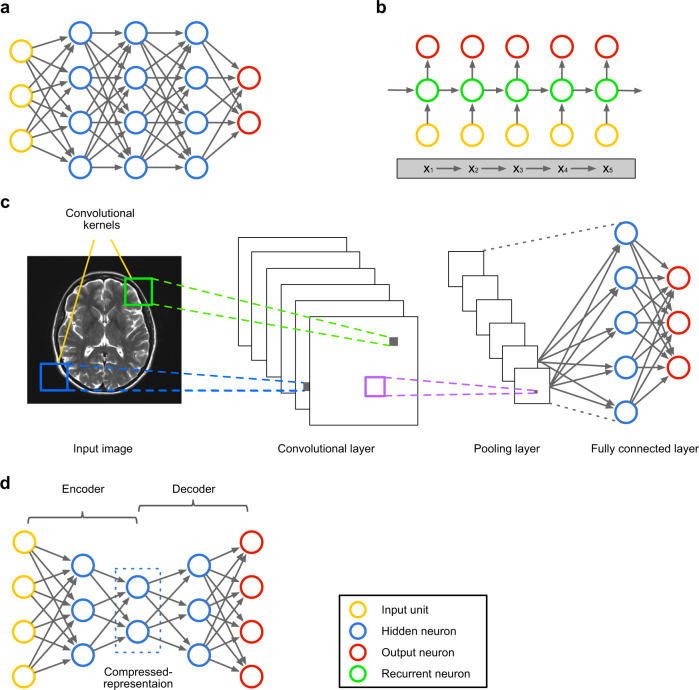
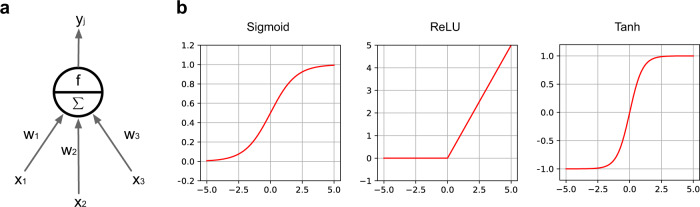
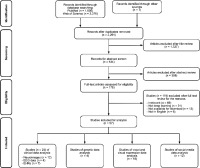
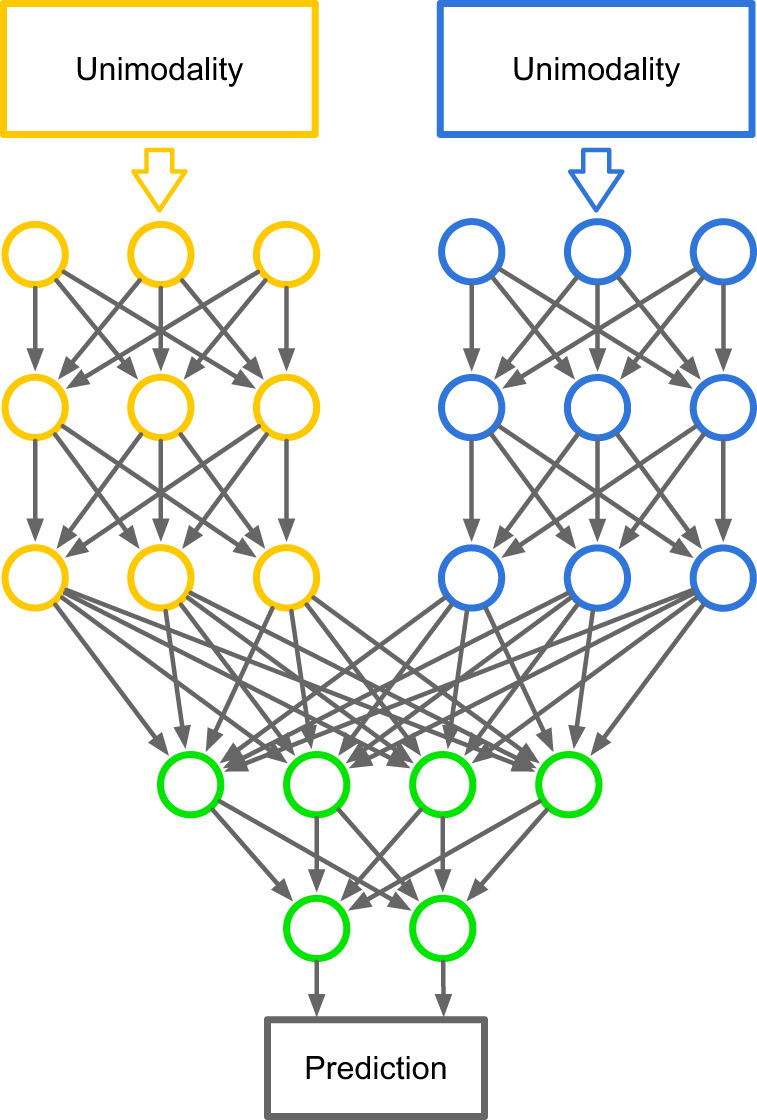
Verification
Claims the paper makes
The claims and statistics of this paper haven’t been checked yet.
Run the check — free, no account needed. It reads the open-access text and checks the sources it cites.
Claims other papers make about this one
Each is checked against this paper’s own text: does it say what the citing paper says it does?
In the citing paper
“This “black box” nature of some ML models raises concerns about their transparency and accountability, particularly in the context of public health interventions that can have far-reaching consequences [55, 56].”
From Integrating machine learning and artificial intelligence in life-course epidemiology: pathways to innovative public health solutions (2024) · cites this paper as [56]
Self-check
Percentages, sums and reported differences re-computed from the paper’s own numbers.
The self-check needs the paper’s full text.
Citations
Cites
Diagnostic and Statistical Manual of Mental Disorders
American Psychiatric Association (2013) · doi:10.1176/appi.books.9780890425596 · Cited by 116,369
Hochreiter, S., & Schmidhuber, J. (1997) · Neural Computation · doi:10.1162/neco.1997.9.8.1735 · Cited by 102,318
LeCun, Y., Bengio, Y., & Hinton, G. (2015) · Nature · doi:10.1038/nature14539 · Cited by 84,126
Preferred Reporting Items for Systematic Reviews and Meta-Analyses: the PRISMA statement
Moher, D., Liberati, A., Tetzlaff, J., Altman, D. G., & for the PRISMA Group (2009) · BMJ · doi:10.1136/bmj.b2535 · Cited by 83,823
Gradient-based learning applied to document recognition
Lecun, Y., Bottou, L., Bengio, Y., & Haffner, P. (1998) · Proceedings of the IEEE · doi:10.1109/5.726791 · Cited by 58,805
Preferred reporting items for systematic reviews and meta-analyses: the PRISMA Statement.
(2009) · PubMed Central · Cited by 44,859
Preferred reporting items for systematic reviews and meta-analyses: The PRISMA statement
Moher, D., Liberati, A., Tetzlaff, J., Altman, D. G., & the PRISMA Group* (2009) · Annals of Internal Medicine · doi:10.7326/0003-4819-151-4-200908180-00135 · Cited by 37,554
Learning representations by back-propagating errors
Rumelhart, D. E., Hinton, G. E., & Williams, R. J. (1986) · Nature · doi:10.1038/323533a0 · Cited by 31,892 · cited 1×
“2a, there is a weight parameter associated with each edge in the DFNN, which needs to be optimized by minimizing some training loss measured on a speci fi c training dataset (usually through back-propagation 17 ).”
MethodThe Elements of Statistical Learning
Hastie, T., Tibshirani, R., & Friedman, J. (2009) · Springer Series in Statistics · doi:10.1007/978-0-387-84858-7 · Cited by 25,970
Semi-supervised classification with graph convolutional networks
Kipf, T. N., & Welling, M. (2016) · arXiv · doi:10.48550/arxiv.1609.02907 · Cited by 24,853
Research works printed but not linked: 7
- Biship, C. M. Pattern Recognition and Machine Learning (Information Science and Statistics) (Springer-Verlag, Berlin, 2007).
- McGuffin, P., Owen, M. J. & Gottesman, I. I. Psychiatric Genetics and Genomics (Oxford Univ. Press, New York, 2004).
- Yue, T. & Wang, H. Deep learning for genomics: a concise overview. Preprint at arXiv:1802.00810 (2018). · arXiv
- Salakhutdinov, R. & Hinton, G. Deep Boltzmann machines. In Proc. 12th Int. Conference on Artificial Intelligence and Statistics 448–455 (Clearwater, Florida, USA, 2009).
- Sadeque, F., Xu, D. & Bethard, S. UArizona at the CLEF eRisk 2017 pilot task: linear and recurrent models for early depression detection. CEUR Workshop Proc. 1866 (2017).
- Yosinski, J., Clune, J., Bengio, Y. & Lipson, H. How transferable are features in deep neural networks? In Proc. Advances in Neural Information Processing Systems 3320–3328 (Montreal, Canada, 2014).
- Srivastava, N., Mansimov, E. & Salakhudinov, R. Unsupervised learning of video representations using LSTMs. In Proc. Int. Conference on Machine Learning 843–852 (Lille, France, 2015).
Cited by
Sorted by citations
Prefrontal cortex and depression
Pizzagalli, D. A., & Roberts, A. C. (2022) · Neuropsychopharmacology · doi:10.1038/s41386-021-01101-7 · Cited by 667
“Finally, we believe embracing a computational psychiatry approach – including the use of deep learning and artificial neural network to diagnose MDD [266, 267] and predict treatment response [268] – offers unprecedented opportunities, particularly when coupled with improved experimental design to isolate precise psych…”
BackgroundNatural language processing applied to mental illness detection: a narrative review
Zhang, T., Schoene, A. M., Ji, S., & Ananiadou, S. (2022) · npj Digital Medicine · doi:10.1038/s41746-022-00589-7 · Cited by 476
“For the task of mental illness detection from text, deep learning techniques have recently attracted more attention and shown better performance compared to machine learning ones 116 .”
MethodFrom promise to practice: towards the realisation of AI-informed mental health care
Koutsouleris, N., Hauser, T. U., Skvortsova, V., & De Choudhury, M. (2022) · The Lancet Digital Health · doi:10.1016/s2589-7500(22)00153-4 · Cited by 251
Machine learning model to predict mental health crises from electronic health records
Garriga, R., Mas, J., Abraha, S., Nolan, J., Harrison, O., Tadros, G., & Matic, A. (2022) · Nature Medicine · doi:10.1038/s41591-022-01811-5 · Cited by 229
MentalBERT: Publicly Available Pretrained Language Models for Mental Healthcare
Ji, S., Zhang, T., Ansari, L., Fu, J., Tiwari, P., & Cambria, E. (2022) · Proceedings of the Language Resources and Evaluation Conference · doi:10.63317/2d7umxifj8wz · Cited by 233
BrainGB: A Benchmark for Brain Network Analysis with Graph Neural Networks
Cui, H., Dai, W., Zhu, Y., Kan, X., Gu, A. A. C., Lukemire, J., Zhan, L., He, L., Guo, Y., & Yang, C. (2023) · IEEE Transactions on Medical Imaging · doi:10.1109/tmi.2022.3218745 · Cited by 218
“In recent years, the analysis of brain networks has become increasingly important in neuroimaging studies to understand human brain organization across different groups of individuals [19–23].”
Modern views of machine learning for precision psychiatry
Chen, Z. S., Kulkarni, P., Galatzer‐Levy, I. R., Bigio, B., Nasca, C., & Zhang, Y. (2022) · Patterns · doi:10.1016/j.patter.2022.100602 · Cited by 241
“The past two decades have witnessed substantial growth of ML applications for psychiatry in the literature, reflected in many applications and reviews [10, 11, 12, 13, 14, 15, 16, 17, 18, 19, 20].”
BackgroundSu, C., Aseltine, R. H., Doshi, R., Chen, K., Rogers, S. C., & Wang, F. (2020) · Translational Psychiatry · doi:10.1038/s41398-020-01100-0 · Cited by 163
Self-citationArtificial intelligence in psychiatry research, diagnosis, and therapy
Sun, J., Dong, Q., Wang, S.-W., Zheng, Y., Liu, X., Lu, T., Yuan, K., Shi, J., Hu, B., Hu, B., et al. (2023) · Asian Journal of Psychiatry · doi:10.1016/j.ajp.2023.103705 · Cited by 173
Automatic sleep staging of EEG signals: recent development, challenges, and future directions
Phan, H., & Mikkelsen, K. B. (2022) · Physiological Measurement · doi:10.1088/1361-6579/ac6049 · Cited by 161
“…(Ting et al 2018), clinical outcome prediction (Rajkomar et al 2018), automatic ECG analysis (Ribeiro et al 2020), automatic sleep analysis (Stephansen et al 2018), mental health screening (Su et al 2020), intelligent assistive technologies for dementia care (Ienca et al 2017), tomention a few.”
BackgroundTejaswini, V., Babu, K. S., & Sahoo, B. (2022) · ACM Transactions on Asian and Low-Resource Language Information Processing · doi:10.1145/3569580 · Cited by 139
“The advent of Deep Neural networks [35,36] has shown its mark in various text processing, speech, and image analysis tasks.”
BackgroundAlhuwaydi, A. M. (2024) · Risk Management and Healthcare Policy · doi:10.2147/rmhp.s461562 · Cited by 158
Large language models for disease diagnosis: a scoping review
Zhou, S., Xu, Z., Zhang, M., Xu, C., Guo, Y., Zhan, Z., Fang, Y., Ding, S., Wang, J., Xu, K., et al. (2025) · npj Artificial Intelligence · doi:10.1038/s44387-025-00011-z · Cited by 184
Self-citationKhare, S. K., March, S., Barua, P. D., Gadre, V. M., & Acharya, U. R. (2023) · Information Fusion · doi:10.1016/j.inffus.2023.101898 · Cited by 113
Application of Artificial Intelligence on Psychological Interventions and Diagnosis: An Overview
Zhou, S., Zhao, J., & Zhang, L. (2022) · Frontiers in Psychiatry · doi:10.3389/fpsyt.2022.811665 · Cited by 147
“Recent AI studies suggested promising directions for employing technology including deep learning in improving our understanding of mental health diagnosis and treatment (2, 3).”
Toward explainable AI (XAI) for mental health detection based on language behavior
Kerz, E., Zanwar, S., Qiao, Y., & Wiechmann, D. (2023) · Frontiers in Psychiatry · doi:10.3389/fpsyt.2023.1219479 · Cited by 129
“Although the field of MIDAS has made significant progress, recent studies have prioritized predictive accuracy over model interpretability by relying on deep learning techniques and architectures, as noted by Su et al. (23), Zhang et al. (11), and Greco et al. (24).”
MethodLee, S., Hussein, R., Ward, R. K., Wang, Z. J., & McKeown, M. J. (2021) · Journal of Neuroscience Methods · doi:10.1016/j.jneumeth.2021.109282 · Cited by 112
Application of Deep Learning on Single-Cell RNA Sequencing Data Analysis: A Review
Brendel, M., Su, C., Bai, Z., Zhang, H., Elemento, O., & Wang, F. (2022) · Genomics Proteomics & Bioinformatics · doi:10.1016/j.gpb.2022.11.011 · Cited by 103
“…high-dimensional heterogeneous multi-omics feature space, and the flexible architecture that can model each modality separately using small DNNs ( e.g. , autoencoders) and combine them later to aggregate information extracted from each modality appropriately to learn a joint representation [170].”
BackgroundSelf-citationKim, A. Y., Jang, E. H., Lee, S., Choi, K., Park, J. G., & Shin, H. (2022) · Journal of Medical Internet Research · doi:10.2196/34474 · Cited by 97
“…deep learning techniques have achieved high success in audio and video recognition tasks, and many studies have reported that deep learning approaches in depression detection have significantly improved performance compared with conventional approaches that use partial representation [27].”
Abd-Alrazaq, A. A., Alhuwail, D., Schneider, J., Toro, C. T., Ahmed, A., Alzubaidi, M. S., Alajlani, M., & Househ, M. S. (2022) · npj Digital Medicine · doi:10.1038/s41746-022-00631-8 · Cited by 113
Depression diagnosis by deep learning using EEG signals: A systematic review
Safayari, A., & Bolhasani, H. (2021) · Medicine in Novel Technology and Devices · doi:10.1016/j.medntd.2021.100102 · Cited by 89
Emotion fusion for mental illness detection from social media: A survey
Zhang, T., Yang, K., Ji, S., & Ananiadou, S. (2022) · Information Fusion · doi:10.1016/j.inffus.2022.11.031 · Cited by 91
“A good model should not only exhibit high levels of performance, but should also possess strong interpretability, since this can be valuable in guiding psychiatrists to better understand how certain textual features can be indicative of mental illness [25].”
BackgroundAdler, D. A., Wang, F., Mohr, D. C., & Choudhury, T. (2022) · PLoS ONE · doi:10.1371/journal.pone.0266516 · Cited by 90
Self-citationA scoping review on monitoring mental health using smart wearable devices
Long, N., Lei, Y., Peng, L., Xu, P., & Mao, P. (2022) · Mathematical Biosciences & Engineering · doi:10.3934/mbe.2022369 · Cited by 78
Chen, S., Yu, J., Chamouni, S., Wang, Y., & Li, Y. (2024) · BMC Medicine · doi:10.1186/s12916-024-03566-x · Cited by 73
“This “black box” nature of some ML models raises concerns about their transparency and accountability, particularly in the context of public health interventions that can have far-reaching consequences [55, 56].”
BackgroundMuñoz, S., & Iglesias, C. Á. (2022) · Information Processing & Management · doi:10.1016/j.ipm.2022.103011 · Cited by 67
Artificial intelligence-assisted psychosis risk screening in adolescents: Practices and challenges
Cao, X., & Liu, X. (2022) · World Journal of Psychiatry · doi:10.5498/wjp.v12.i10.1287 · Cited by 65
A Smart Healthcare System Based on Classifier DenseNet 121 Model to Detect Multiple Diseases
Chhabra, M., & Kumar, R. (2022) · Lecture notes in networks and systems · doi:10.1007/978-981-16-7018-3_23 · Cited by 61
Hassantabar, S., Zhang, J., Yin, H., & Jha, N. K. (2022) · ACM Transactions on Embedded Computing Systems · doi:10.1145/3527170 · Cited by 71
“Deep learning approaches have been applied to various types of data: mainly clinical data and social media usage data [51].”
MethodRethinking scarcity and poverty: Building bridges for shared insight and impact
Blocker, C., Zhang, J. Z., Hill, R. P., Roux, C., Corus, C., Hutton, M., Dorsey, J. D., & Minton, E. A. (2022) · Journal of Consumer Psychology · doi:10.1002/jcpy.1323 · Cited by 55
Prakash, V. G., Kohli, M., Kohli, S., Prathosh, A. P., Wadhera, T., Das, D., Panigrahi, D., & Kommu, J. V. S. (2023) · IEEE Access · doi:10.1109/access.2023.3269027 · Cited by 59
“In the past decade, computer vision-based behavior imaging and facial analysis have shown promising results in assisting clinicians with the diagnosis of multiple medical conditions including ASD [16], [17], [18].”
MethodArtificial Intelligence in Pregnancy: A Scoping Review
Oprescu, A. M., Amarante, G. M., García‐Díaz, L., Beltrán, L. M., Rey, V. E., & Ternero, M. D. C. R. (2020) · IEEE Access · doi:10.1109/access.2020.3028333 · Cited by 59
“Moreover, reviews on different AI health applications are being published, such as cardiovascular health care [7], Human immunodeficiency virus (HIV) prevention [8], mental health [9], dementia [10], type 1 diabetes [11] and aging societies [12].”
BackgroundMulti task opinion enhanced hybrid BERT model for mental health analysis
Hossain, M. M., Hossain, M. J., Mridha, M. F., Safran, M., & Alfarhood, S. (2025) · Scientific Reports · doi:10.1038/s41598-025-86124-6 · Cited by 54
“Su et al. 19 conducted a scoping review on deep learning applications in mental health, categorizing studies across clinical, genetic, vocal, and social media data, underscoring DL’s potential for early detection, while noting challenges in model interpretability and data diversity.”
Maharjan, S. M., Poudyal, A., van Heerden, A. C., Byanjankar, P., Thapa, A., Islam, C., Kohrt, B. A., & Hagaman, A. K. (2021) · BMC Medical Informatics and Decision Making · doi:10.1186/s12911-021-01473-2 · Cited by 56
“Moreover, unobtrusively collected audio has the potential to reveal vocal biomarkers for depression and other mental illnesses thanks to advances in deep learning and other artificial intelligence applications [11, 12].”
BackgroundNilsén, P., Svedberg, P., Nygren, J., Frideros, M., Johansson, J., & Schueller, S. M. (2022) · Implementation Research and Practice · doi:10.1177/26334895221112033 · Cited by 67
“AI has a potentially important role in improving our understanding of mental illness to achieve improved detection, prevention, treatment, and monitoring of mental health disorders (Graham et al., 2019; Lee et al., 2021; Su et al., 2020).”
BackgroundInfluentialBalcombe, L., & Leo, D. D. (2020) · JMIR Formative Research · doi:10.2196/22755 · Cited by 60
“The VR concept will be adapted to pioneer digital mental health solutions, including artificial intelligence and deep learning algorithms [66-69], offering promise as a supplementary approach to boosting mental skills and improving the diagnosis and treatment of patients with mental health conditions.”
BackgroundMining genetic and transcriptomic data using machine learning approaches in Parkinson’s disease
Su, C., Tong, J., & Wang, F. (2020) · npj Parkinson s Disease · doi:10.1038/s41531-020-00127-w · Cited by 56
“Though preliminary studies have reported a greater computational capacity and fl exibility of deep learning in genetics and genomics 38,75 as well as health care 76 , it ’ s encountering a larger challenge in model interpretation.”
BackgroundSelf-citationArtificial intelligence in perinatal mental health research: A scoping review
Kwok, W. H., Zhang, Y., & Wang, G. (2024) · Computers in Biology and Medicine · doi:10.1016/j.compbiomed.2024.108685 · Cited by 52
Digital phenotyping in depression diagnostics: Integrating psychiatric and engineering perspectives
Kamath, J., León-Barriera, R., Jain, N., Keisari, E. J., & Wang, B. (2022) · World Journal of Psychiatry · doi:10.5498/wjp.v12.i3.393 · Cited by 56
Zhu, Y., Cui, H., He, L., Sun, L., & Yang, C. (2022) · Annual International Conference of the IEEE Engineering in Medicine and Biology Society (EMBC) · doi:10.1109/embc48229.2022.9871118 · Cited by 48
“With the rapid development of modern neuroimaging technology, recent years have witnessed a growing academic interest in brain network analysis, which has demonstrates its effectiveness in mental health analysis [1].”
BackgroundUyanık, H., Şengür, A., Salvi, M., Tan, R., Tan, J. H., & Acharya, U. R. (2025) · Wiley Interdisciplinary Reviews Data Mining and Knowledge Discovery · doi:10.1002/widm.70002 · Cited by 53
“Especially recently, very high success rates have been achieved with ML and DL methods, which have experienced an explosion in development (Su et al. 2020).”
The rise of memtransistors for neuromorphic hardware and In-memory computing
Bae, J., Won, J., & Shim, W. (2024) · Nano Energy · doi:10.1016/j.nanoen.2024.109646 · Cited by 45
Artificial intelligence for COVID-19: battling the pandemic with computational intelligence
Xu, Z., Su, C., Xiao, Y., & Wang, F. (2021) · Intelligent Medicine · doi:10.1016/j.imed.2021.09.001 · Cited by 48
Self-citationChen, X., & Pan, Z. (2021) · International Journal of Environmental Research and Public Health · doi:10.3390/ijerph18126441 · Cited by 42
“In addition to the traditional psychotherapy methods, such as cognitive behavioral therapy (CBT), interpersonal relationship therapy (IPT), and psychodynamic therapy, artificial intelligence technology has also been used in the psychotherapy of depression in recent years, such as VR psychological intervention and mobi…”
MethodShen, J. G., Li, K., Liang, H., Zhao, Z., Ma, Y., Wu, J., Zhang, J., Zhang, Y., & Hu, B. (2024) · IEEE Journal of Biomedical and Health Informatics · doi:10.1109/jbhi.2024.3404664 · Cited by 45
“Although manual feature extraction and machine learning methods have shown reasonable classification performance, they still have some limitations [41], [42].”
Deep Learning for Mobile Mental Health: Challenges and recent advances
Han, J., Zhang, Z., Mascolo, C., André, E., Tao, J., Zhao, Z., & Schuller, B. W. (2021) · IEEE Signal Processing Magazine · doi:10.1109/msp.2021.3099293 · Cited by 41
“Albeit the heterogeneity and asynchronicity of collected data, previous studies consistently emphasised the benefit of multimodal exploration for mental health analysis due to the complementary information [13].”
BackgroundResultInfluentialOthmani, A., Zeghina, A. O., & Muzammel, M. (2022) · Computer Methods and Programs in Biomedicine · doi:10.1016/j.cmpb.2022.107132 · Cited by 37
Artificial intelligence in adolescents mental health disorder diagnosis, prognosis, and treatment
Andrew, J., Rudra, M., Jennifer Eunice, R., & Robinson, B. (2023) · Frontiers in Public Health · doi:10.3389/fpubh.2023.1110088 · Cited by 42
Automatic depression severity assessment with deep learning using parameter-efficient tuning
Lau, C., Zhu, X., & Chan, W.-Y. (2023) · Frontiers in Psychiatry · doi:10.3389/fpsyt.2023.1160291 · Cited by 39
Decoding emotions: Exploring the validity of sentiment analysis in psychotherapy
Eberhardt, S. T., Schaffrath, J., Moggia, D., Schwartz, B., Jaehde, M., Rubel, J. A., Baur, T., André, E., & Lutz, W. (2024) · Psychotherapy Research · doi:10.1080/10503307.2024.2322522 · Cited by 38
“Machine learning has been useful in mental health research (e.g., mental health detection: Abd Rahman et al., 2020; mental health outcome: Su et al., 2020; mobile mental health: Han et al., 2021; treatment recommendations: Lutz et al., 2022; for a review, see: Shatte et al., 2019) and could…”
Exploring Large-Scale Language Models to Evaluate EEG-Based Multimodal Data for Mental Health
Hu, Y. '., Zhang, S., Dang, T., Jia, H. G., Salim, F. D., Hu, W. S., & Quigley, A. J. (2024) · ACM International Joint Conference on Pervasive and Ubiquitous Computing (UbiComp) · doi:10.1145/3675094.3678494 · Cited by 36
“We chose audio and facial expression features because they were the among the most prevalent modalities in mental health analysis [28, 37].”
Artificial intelligence in mental healthcare: an overview and future perspectives
Jin, K. W., Li, Q., Xie, Y., & Xiao, G. (2023) · British Journal of Radiology · doi:10.1259/bjr.20230213 · Cited by 33
Ho, C. S. H., Wang, J., Tay, G. W. N., Ho, R., Husain, S. F., Chiang, S. K., Lin, H., Cheng, X., Li, Z., & Chen, N. (2024) · Asian Journal of Psychiatry · doi:10.1016/j.ajp.2023.103901 · Cited by 31
Critical review of self‐diagnosis of mental health conditions using artificial intelligence
Wimbarti, S., Kairupan, B. H. R., & Tallei, T. E. (2024) · International Journal of Mental Health Nursing · doi:10.1111/inm.13303 · Cited by 36
Explainable artificial intelligence systems for predicting mental health problems in autistics
Atlam, E.-S., Rokaya, M., Masud, M., Meshref, H., Alotaibi, R. S., Almars, A. M., Assiri, M., & Gad, I. (2025) · Alexandria Engineering Journal · doi:10.1016/j.aej.2024.12.120 · Cited by 43
SetembroBR: a social media corpus for depression and anxiety disorder prediction
dos Santos, W. R., de Oliveira, R. L., & Paraboni, I. (2023) · Language Resources and Evaluation · doi:10.1007/s10579-022-09633-0 · Cited by 32
“Comprehensive surveys on methods for mental health prediction from text and other sources have been covered in a number of studies (Ernala et al., 2019; Giuntini et al., 2020; Chancellor & Choudhury, 2020; Su et al., 2020).”
Review on modeling the societal impact of infrastructure disruptions due to disasters
Yang, Y., Liu, H., Mostafavi, A., & Tatano, H. (2025) · Reliability Engineering & System Safety · doi:10.1016/j.ress.2025.110879 · Cited by 30
Mental Health Analysis of Employees using Machine Learning Techniques
Sujal, B. H., Neelima, K., Chandrasekaran, D., Bhuvanashree, P., Duraipandian, K., Rajan, S., & Sathiyanarayanan, M. (2022) · International Conference on Communication Systems & Networks (COMSNETS) · doi:10.1109/comsnets53615.2022.9668526 · Cited by 31
Current perspectives on galvanic vestibular stimulation in the treatment of Parkinson’s disease
Lee, S., Liu, A., & McKeown, M. J. (2021) · Expert Review of Neurotherapeutics · doi:10.1080/14737175.2021.1894928 · Cited by 27
“Recent progress made in deep learning applications to brain dynamics [124] shows how it can be a valuable tool in the field of neurological disorders, but issues such as generalizability to a large cohort and Figure 3.”
BackgroundPredictive structured–unstructured interactions in EHR models: A case study of suicide prediction
Bayramli, I., Castro, V. M., Barak‐Corren, Y., Madsen, E. M., Nock, M. K., Smoller, J. W., & Reis, B. Y. (2022) · npj Digital Medicine · doi:10.1038/s41746-022-00558-0 · Cited by 27
Nikolaidis, A., Lancelotta, R., Gukasyan, N., Griffiths, R. R., Barrett, F. S., & Davis, A. K. (2022) · Journal of Affective Disorders · doi:10.1016/j.jad.2022.12.042 · Cited by 26
Ajith, M., Aycock, D. M., Tone, E. B., Liu, J., Misiura, M. B., Ellis, R., Plis, S., King, T. Z., Dotson, V. M., & Calhoun, V. D. (2024) · Brain Imaging and Behavior · doi:10.1007/s11682-024-00857-y · Cited by 29
“Nevertheless,recentadvancesindeeplearningapproaches show that, particularly for complex high-dimensional datasets such as fMRI data, the deep models show a signifi-cant improvement in performance over standard ML models (Su et al., 2020).”
Large Language Models in Psychiatry: Current Applications, Limitations, and Future Scope
Liu, Z., Bao, Y., Zeng, S., Qian, R., Deng, M., Gu, A., Li, J., Wang, W., Cai, W., Li, W., et al. (2024) · Big Data Mining and Analytics · doi:10.26599/bdma.2024.9020046 · Cited by 25
Zhai, S., Zhang, S., Rong, Y., & Rong, G. (2025) · Education and Information Technologies · doi:10.1007/s10639-025-13352-8 · Cited by 32
“The use of DL algorithms in health and medicine is increasing, and they can diagnose and improve the treatment of patients with MH conditions (Su et al., 2020).”
Machine Learning and Pharmacogenomics at the Time of Precision Psychiatry
CASALE, A. D., Sarli, G., Bargagna, P., Polidori, L., Alcibiade, A., Zoppi, T., Borro, M., Gentile, G., Zocchi, C., Ferracuti, S., et al. (2023) · Current Neuropharmacology · doi:10.2174/1570159x21666230808170123 · Cited by 24
“Ideally, this process would be automated, but it may be challenging if the ML models rely on predictors from different sources [64].”
BackgroundWalsh, J., Cave, J. A. K., & Griffiths, F. E. (2024) · Journal of Medical Internet Research · doi:10.2196/54321 · Cited by 25
Liu, Y., Qu, H., Mentch, F. D., Qu, J., Chang, X., Nguyen, K., Tian, L., Glessner, J., Abou‐Sleiman, P. M., & Hakonarson, H. H. (2022) · Molecular Psychiatry · doi:10.1038/s41380-021-01418-1 · Cited by 25
“, clinical data, genetic/genomic data, vocal and visual expression data, and social media data [14].”
BackgroundReview of Advancements in Depression Detection Using Social Media Data
Dalal, S., Jain, S., & Dave, M. (2024) · IEEE Transactions on Computational Social Systems · doi:10.1109/tcss.2024.3448624 · Cited by 27
Quantum deep learning in neuroinformatics: a systematic review
Orka, N. A., Awal, M. A., Lió, P., Pogrebna, G., Ross, A. G., & Moni, M. A. (2025) · Artificial Intelligence Review · doi:10.1007/s10462-025-11136-7 · Cited by 27
“…(Valliani et al. 2019 ), brain-computer interfacing (Aggarwal and Chugh 2022 ), connectomics (Anbarasi et al. 2024 ), mental health assessments (Su et al. 2020 ), neurofeedback and rehabilitation therapy (Le Franc 2022 ), consciousness and awareness modeling (Lee 2022 ), and neurocognition…”
Deep Learning based techniques for Neuro-degenerative disorders detection
Kasyap, V. L. V. S. K. B., & Dasari, C. M. (2023) · Engineering Applications of Artificial Intelligence · doi:10.1016/j.engappai.2023.106103 · Cited by 23
Predicting mental health using social media: A roadmap for future development
Safa, R., Edalatpanah, S. A., & Sorourkhah, A. (2023) · Elsevier eBooks · doi:10.1016/b978-0-443-19413-9.00014-x · Cited by 29
Depression clinical detection model based on social media: a federated deep learning approach
Liu, Y. (2023) · The Journal of Supercomputing · doi:10.1007/s11227-023-05754-7 · Cited by 24
“For the task of detecting depression from social media, DL has recently attracted more attention and has shown better performance than machine learning [17].”
Jibon, F. A., Tasbir, A., Talukder, M. A., Uddin, M. A., Rabbi, F., Uddin, M. S., Alanazi, F. K., & Kazi, M. (2024) · Digital Health · doi:10.1177/20552076241297355 · Cited by 22
“14,15 Its capacity to run unattended and extract pertinent characteristics makes it a viable tool for feature extraction in PD. 16 It examines the EEG data and extracts hidden, signi fi cant aspects that successfully capture the underlying illness signs.”
Osman, A. B., Tabassum, F., Patwary, M. J. A., Imteaj, A., Alam, T., Bhuiyan, M. A. S., & Miraz, M. H. (2022) · Annals of Emerging Technologies in Computing · doi:10.33166/aetic.2022.02.005 · Cited by 21
Overview of the role of big data in mental health: A scoping review
Ahmed, A., Agus, M., Alzubaidi, M. S., Aziz, S., Abd-Alrazaq, A. A., Giannicchi, A., & Househ, M. S. (2022) · Computer Methods and Programs in Biomedicine Update · doi:10.1016/j.cmpbup.2022.100076 · Cited by 21
Anxiety Prediction and Analysis- A Machine Learning Based Approach
Farooq, S. A., Konda, O., Kunwar, A., & Rajeev, N. (2023) · International Conference for Emerging Technology (INCET) · doi:10.1109/incet57972.2023.10170115 · Cited by 21
“In an article written by Chang Su [25], that studied the application of deep learning in mental health research, many deep learning techniques were analyzed.”
BackgroundAdvancing Naturalistic Affective Science with Deep Learning
Lin, C., Bulls, L. S., Tepfer, L. J., Vyas, A. D., & Thornton, M. A. (2023) · Affective Science · doi:10.1007/s42761-023-00215-z · Cited by 22
“…such as how information is represented in the visual cortex (Cichy & Kaiser, 2019; Dobs et al., 2022; Khaligh-Razavi & Kriegeskorte, 2014; Kohoutová et al., 2020; Konkle & Alvarez, 2022; Mehta et al., 2020; Perconti & Plebe, 2020; Richards et al., 2019; Saxe et al., 2021; Su et al., 2020).”
BackgroundMansourian, M., Khademi, S., & Marateb, H. R. (2021) · Diagnostics · doi:10.3390/diagnostics11030393 · Cited by 21
Huang, Y., Wang, W., Zhou, J., Zhang, L., Lin, J., Liu, H., Hu, X., Zhou, Z., & Dong, W. (2025) · Information Processing & Management · doi:10.1016/j.ipm.2025.104152 · Cited by 22
A machine learning algorithm for classification of mental tasks
Manoharan, H., Haleem, S. L. A., Selvarajan, S., Kshirsagar, P. R., Tirth, V., Thangamani, M., & Chandan, R. R. (2022) · Computers & Electrical Engineering · doi:10.1016/j.compeleceng.2022.107785 · Cited by 20
Sutranggono, A. N., Sarno, R., & Ghozali, I. (2024) · Journal of Information and Communication Technology · doi:10.32890/jict2024.23.1.4 · Cited by 26
Mazzolenis, M. V., Mourra, G. N., Moreau, S., Mazzolenis, M. E., Cerda, I. H., Vega, J., Khan, J. S., & Thérond, A. (2024) · Current Pain and Headache Reports · doi:10.1007/s11916-024-01270-2 · Cited by 24
AI-Assisted Diagnosing, Monitoring and Treatment of Mental Disorders: A Survey
Muetunda, F., Sabry, S., Jamil, M. L., Pais, S., Dias, G. H., & Cordeiro, J. (2024) · ACM Transactions on Computing for Healthcare · doi:10.1145/3681794 · Cited by 24
Nag, P. K., Bhagat, A., & Priya, R. V. (2025) · IEEE Access · doi:10.1109/access.2025.3562131 · Cited by 25
“Reference [23] presented the recent developments of deep learning methods for mental illness diagnostic and therapeutic purposes.”
A scoping review on deep learning for next-generation RNA-Seq. data analysis
Pandey, D., & Perumal, P. O. (2023) · Functional & Integrative Genomics · doi:10.1007/s10142-023-01064-6 · Cited by 20
“As the state-of-the-art wave of AI and ML technologies, deep learning tactics aim to develop a real-time mapping of raw input features directly into output via utilising multi-layer networks and identifying hidden patterns in the large datasets (Su et al. 2020).”
BackgroundYang, H., Zhu, D., He, S., Xu, Z., Liu, Z., Zhang, W., & Cai, J. (2024) · Psychiatry Research · doi:10.1016/j.psychres.2024.115896 · Cited by 20
Self-citationDifferential Privacy Preservation in Robust Continual Learning
Hassanpour, A., Moradikia, M., Yang, B., Abdelhadi, A., Busch, C., & Fiérrez, J. (2022) · IEEE Access · doi:10.1109/access.2022.3154826 · Cited by 23
“(2) implies that if we change a tuple in the database slightly, the output distribution does not vary significantly.”
BackgroundMethodInfluentialCorponi, F., Li, B. M., Anmella, G., Mas, A., Pacchiarotti, I., Valentí, M., Grande, I., Benabarre, A., Garriga, M., Vieta, E., et al. (2024) · Translational Psychiatry · doi:10.1038/s41398-024-02876-1 · Cited by 19
“Current advances in machine learning (ML) [9] and the widespread adoption of increasingly miniaturized and powerful wearable devices offer the opportunity for personal sensing, which could help mitigate the above problems [10].”
The reanimation of pseudoscience in machine learning and its ethical repercussions
Andrews, M., Smart, A., & Birhane, A. (2024) · Patterns · doi:10.1016/j.patter.2024.101027 · Cited by 18
“…identity, or behavioral features from human likenesses have proposed applications for their methods in surveillance, 8 law enforcement, 7,17,33 the identification of military targets, 22 early prediction of mental illness, 8,16 detection of academic dishonesty, 17,24 and hiring, 17,33 among others.”
Radež, J., Waite, F., Izon, E., & Johns, L. (2023) · Early Intervention in Psychiatry · doi:10.1111/eip.13365 · Cited by 16
“…using statistical modelling of patients' medical health records to improve the identification of certain mental health problems (most commonly using ‘deep learning’ – a form of artificial intelligence) has been effective in identifying mental health problems (Pham et al., 2017; Su et al., 2020).”
MethodGarg, M., Shahbandegan, A., Chadha, A., & Mago, V. (2023) · Findings of the Association for Computational Linguistics: ACL (Findings of ACL) · doi:10.18653/v1/2023.findings-acl.757 · Cited by 27
Advancing mental health care with AI-enabled precision psychiatry tools: A patent review
Kleine, A., Lermer, E., Cecil, J., Heinrich, A., & Gaube, S. (2023) · Computers in Human Behavior Reports · doi:10.1016/j.chbr.2023.100322 · Cited by 19
Scoping review on natural language processing applications in counselling and psychotherapy
Laricheva, M., Liu, Y., Shi, E., & Wu, A. D. (2024) · British Journal of Psychology · doi:10.1111/bjop.12721 · Cited by 22
“For example, NLP has been used to improve patients' psychological well-being by assisting in the diagnostics of mental disorders and personalizing pharmacological treatment (Su et al., 2020).”
Drira, M., Hassine, S. B., Zhang, M., & Smith, S. M. (2024) · Applied Sciences · doi:10.3390/app142411738 · Cited by 24
Walsh, J., Dwumfour, C., Cave, J. A. K., & Griffiths, F. E. (2022) · BMC Medical Research Methodology · doi:10.1186/s12874-022-01610-z · Cited by 17
“…methods of processing are developing, the unstructured nature, noise, domain specific content, problems with language usage, understanding semantics and the complexities of informal speech mean that there is still a lot of work to be done in developing methods to maximise its usage [44, 45, 66].”
BackgroundMethodInfluentialPopat, R., & Ive, J. (2023) · Frontiers in Digital Health · doi:10.3389/fdgth.2023.1188338 · Cited by 18
Evaluation of Electronic Health Record-Based Suicide Risk Prediction Models on Contemporary Data
Walker, R. L., Shortreed, S. M., Ziebell, R. A., Johnson, E., Boggs, J. M., Lynch, F. L., Daida, Y. G., Ahmedani, B. K., Rossom, R. C., Coleman, K. J., et al. (2021) · Applied Clinical Informatics · doi:10.1055/s-0041-1733908 · Cited by 16
Role of Deep Learning in Predicting Aging-Related Diseases: A Scoping Review
Wassan, J. T., Zheng, H., & Wang, H. (2021) · Cells · doi:10.3390/cells10112924 · Cited by 15
“To the best of our knowledge, previous studies have conducted a scoping review of DL applications in detecting a particular disease, such as Alzheimer’s [64], lung diseases [8] and mental health issues [65].”
ResultJensen, K. H. R., Dam, V. H., Ganz, M., Fisher, P. M., Ip, C.-T., Sankar, A., Marstrand-Joergensen, M. R., Ozenne, B., Osler, M., Penninx, B. W. J. H., et al. (2023) · BMC Psychiatry · doi:10.1186/s12888-023-04618-x · Cited by 16
“However, the number of patients in the cohort (N = 800) represents one of the largest cohorts to date, looking to determine prediction classifiers in MDD [84].”
Background
Metadata
- Authors
- Su, C., Xu, Z., Pathak, J., & Wang, F.
- Affiliations
- Weill Cornell Medicine (US)
- Corresponding author
- Wang, Fei
- Venue
- Translational Psychiatry
- Published
- 2020-04-22
- Volume
- 10
- Issue
- 1
- Pages
- 116-116
- ISSN
- 2158-3188 (ISSN-L)
- PMC
- PMC7293215
- OpenAlex
- W3034674374
- Cited by
- 368
- References
- 139
- Citations by year
- 2026: 35 · 2025: 83 · 2024: 74 · 2023: 73 · 2022: 60 · 2021: 38 · 2020: 5
- FWCI
- 6.73
- Type
- journal article
- Language
- en
- Open access
- gold
- doi.org
- Locations
- Translational Psychiatry (publishedVersion, cc-by)
- PubMed Central (publishedVersion, cc-by)
- PubMed (publishedVersion)
- Funders
- National Science Foundation
- U.S. Department of Health & Human Services | NIH | National Institute of Mental Health
- Topics
- Health Sciences › Health Professions › Health Information Management › Artificial Intelligence in Healthcare
- Physical Sciences › Computer Science › Artificial Intelligence › Machine Learning in Healthcare
- Health Sciences › Medicine › Health Informatics › Artificial Intelligence in Healthcare and Education
- Keywords
- deep learning, mental health outcomes, depression, artificial intelligence in psychiatry, medical data analysis, social media data, diagnosis and prognosis, clinical decision support
- MeSH terms
- Deep Learning, Algorithms, Artificial Intelligence, Humans, Mental Health, Outcome Assessment, Health Care
About these checks
Registry, retraction, Cites and statistics results are computed, not judged, with one exception: a printed reference that no index lists is read once by a model before it counts as a citation error. Claims are extracted by a model and kept only when their quote appears verbatim in the text; each cited source is then checked, with a model’s help, for whether it says what the claim relies on. Those verdicts can be wrong — read the claim’s quote and the cited source before relying on one.
Statistics and arithmetic are recomputed, not judged.
Confidence bands are shown only for fields calibrated on our annotated test set. None is calibrated yet, so no band is shown.
What counts as a claim ›How we measure confidence ›How we check this ›
Are you an author, or do you see a problem with this page? Request a review
