

Propofol directly induces caspase-1-dependent macrophage pyroptosis through the NLRP3-ASC inflammasome
Open accessThe DOI matches its Crossref record; 42 of the 42 references it cites were found in a registry or an index.
Abstract
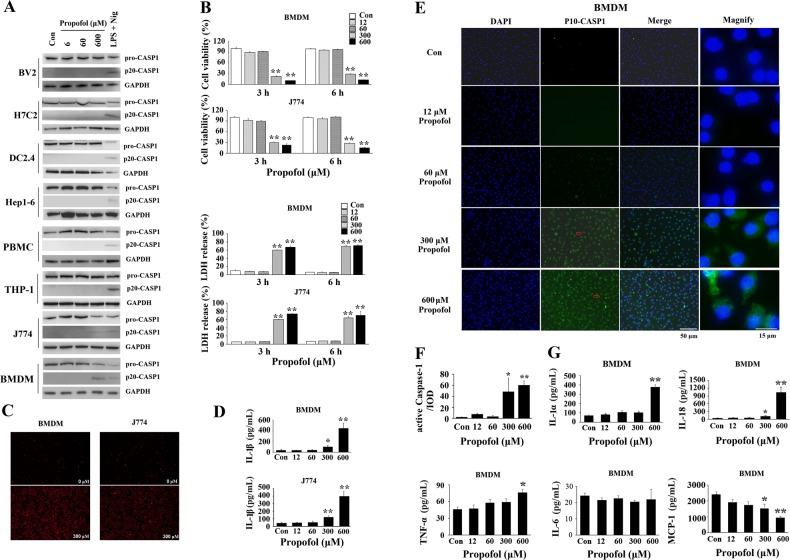
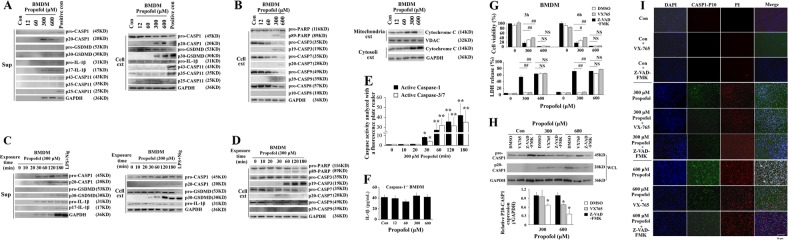
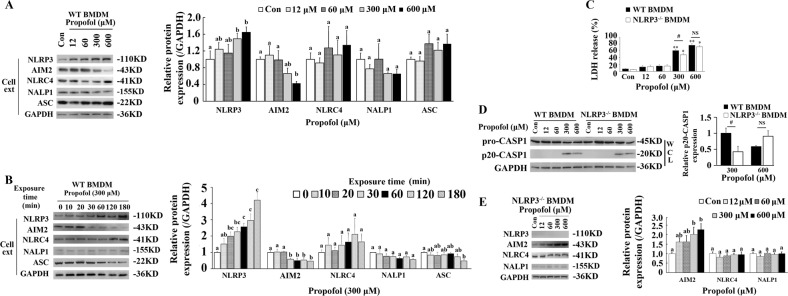
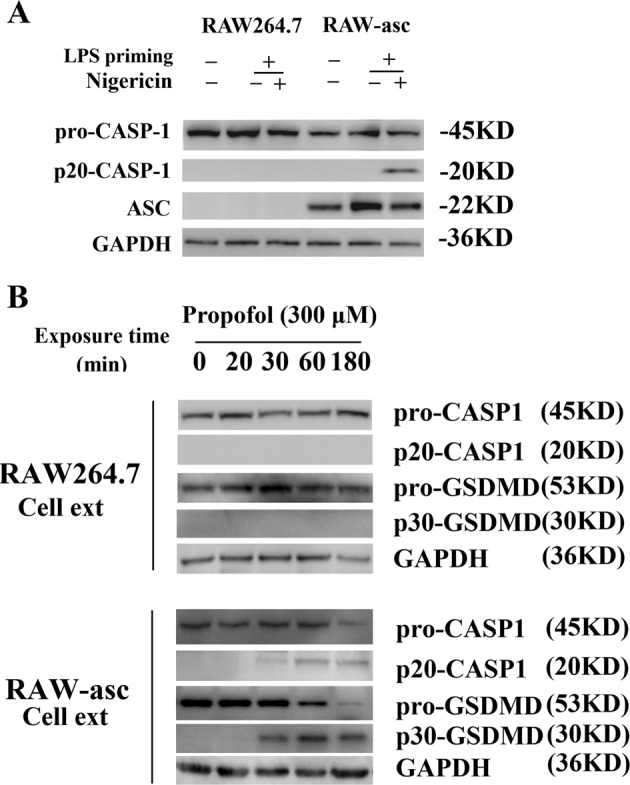
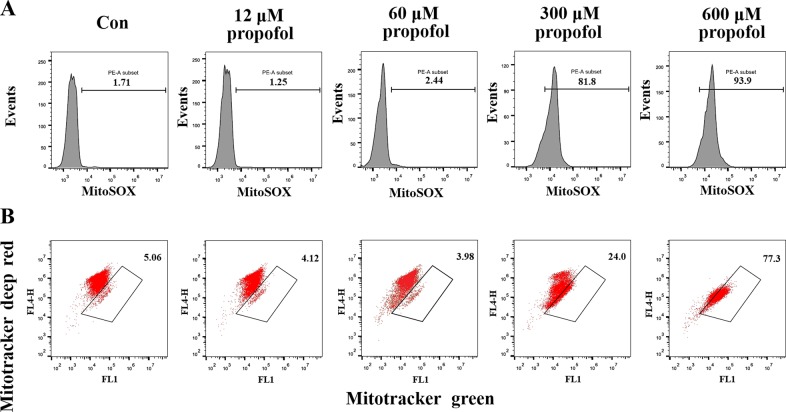
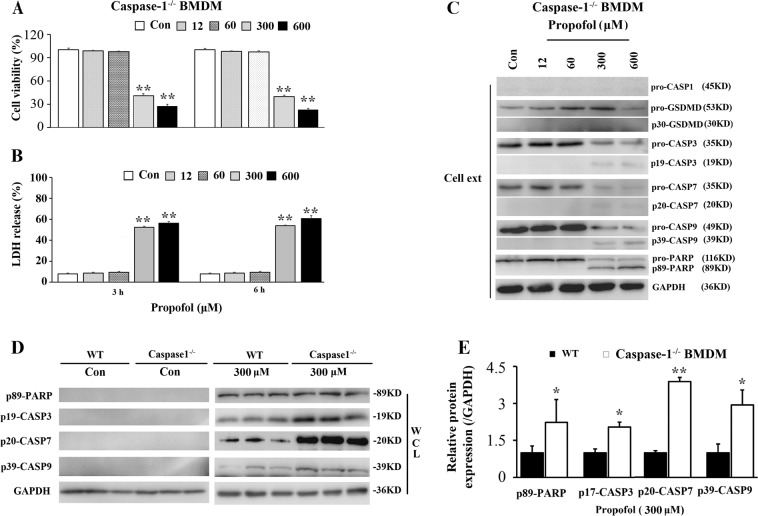
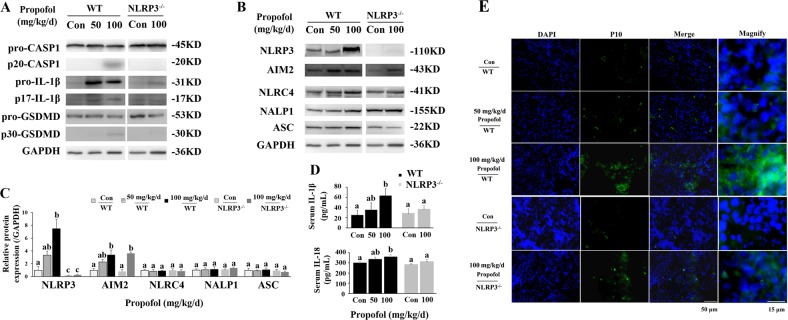
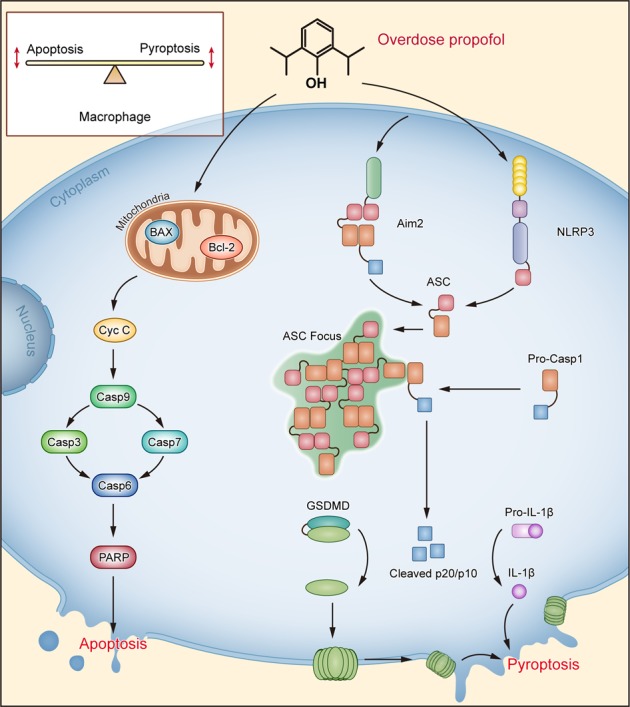
Propofol infusion syndrome (PRIS) is an uncommon life-threatening complication observed most often in patients receiving high-dose propofol. High-dose propofol treatment with a prolonged duration can damage the immune system. However, the associated molecular mechanisms remain unclear. An increasing number of clinical and experimental observations have demonstrated that tissue-resident macrophages play a critical role in immune regulation during anaesthesia and procedural sedation. Since the inflammatory response is essential for mediating propofol-induced cell death and proinflammatory reactions, we hypothesised that propofol overdose induces macrophage pyroptosis through inflammasomes. Using primary cultured bone marrow-derived macrophages, murine macrophage cell lines (RAW264.7, RAW-asc and J774) and a mouse model, we investigated the role of NLRP3 inflammasome activation and secondary pyroptosis in propofol-induced cell death. We found that high-dose propofol strongly cleaved caspase-1 but not caspase-11 and biosynthesis of downstream interleukin (IL)-1β and IL-18. Inhibition of caspase-1 activity blocks IL-1β production. Moreover, NLRP3 deletion moderately suppressed cleaved caspase-1 as well as the proportion of pyroptosis, while levels of AIM2 were increased, triggering a compensatory pathway to pyroptosis in NLRP3-/- macrophages. Here, we show that propofol-induced mitochondrial reactive oxygen species (ROS) can trigger NLRP3 inflammasome activation. Furthermore, apoptosis-associated speck-like protein (ASC) was found to mediate NLRP3 and AIM2 signalling and contribute to propofol-induced macrophage pyroptosis. In addition, our work shows that propofol-induced apoptotic initiator caspase (caspase-9) subsequently cleaved effector caspases (caspase-3 and 7), indicating that both apoptotic and pyroptotic cellular death pathways are activated after propofol exposure. Our studies suggest, for the first time, that propofol-induced pyroptosis might be restricted to macrophage through an NLRP3/ASC/caspase-1 pathway, which provides potential targets for limiting adverse reactions during propofol application. These findings demonstrate that propofol overdose can trigger cell death through caspase-1 activation and offer new insights into the use of anaesthetic drugs.
Overview
The claims and statistics of this paper haven’t been checked yet.
Free: it reads the open-access text and checks the first 5 claims that cite a source we can check. Create a free account to check every claim.
Integrity signals
Registry
Cites
Statistics
Figures
Verification
Claims the paper makes
The claims and statistics of this paper haven’t been checked yet.
Free: it reads the open-access text and checks the first 5 claims that cite a source we can check. Create a free account to check every claim.
Claims other papers make about this one
Each is checked against this paper’s own text: does it say what the citing paper says it does?
The source backs part of the claim, not all of it — or backs it for a different population, condition or comparison.
In the citing paper
“The nucleotide-binding domain and leucine-rich repeat protein-3 (NLRP3) inflammasome is one of the largest typical inflammasomes discovered thus far. It is composed of pro-Casp-1 protein, NLRP3, and apoptosis-associated speck-like protein (ASC). 152”
From Major depressive disorder: hypothesis, mechanism, prevention and treatment (2024) · cites this paper as [152]
Experimental — accuracy not yet measuredThe source backs part of the claim, not all of it — or backs it for a different population, condition or comparison.
In the citing paper
“The classical pathway of cellular pyroptosis is the caspase-1 pathway, which recruits and activates cysteinyl asparagin-1 through NLRP3 inflammasome sensing the danger, which cleaves and activates inflammatory factors such as IL-18, IL-1β and cleaves the N-terminal sequences of the GSDMD so that it binds to the membrane and forms a membrane pore, leading to cellular pyroptosis [51].”
From Picroside II suppresses chondrocyte pyroptosis through MAPK/NF-κB/NLRP3 signaling pathway alleviates osteoarthritis (2024) · cites this paper as [51]
Experimental — accuracy not yet measured
Self-check
Percentages, sums and reported differences re-computed from the paper’s own numbers.
The self-check needs the paper’s full text.
Citations
Cites
A role for mitochondria in nlrp3 inflammasome activation
Zhou, R., Yazdi, A. S., Menu, P., & Tschopp, J. (2011) · Nature · doi:10.1038/nature09663 · Cited by 5,602
Macrophages in Tissue Repair, Regeneration, and Fibrosis
Wynn, T. A., & Vannella, K. M. (2016) · Immunity · doi:10.1016/j.immuni.2016.02.015 · Cited by 4,481
Nakahira, K., Haspel, J. A., Rathinam, V. A. K., Lee, S.-J., Dolinay, T., Lam, H. C., Englert, J. A., Rabinovitch, M., Cernadas, M., Kim, H. P., et al. (2011) · Nature Immunology · doi:10.1038/ni.1980 · Cited by 3,049
Gasdermin D is an executor of pyroptosis and required for interleukin-1β secretion
He, W.-T., Wan, H., Hu, L., Chen, P., Wang, X., Huang, Z., Yang, Z.-H., Zhong, C.-Q., & Han, J. (2015) · Cell Research · doi:10.1038/cr.2015.139 · Cited by 2,517
Oxidized mitochondrial DNA activates the NLRP3 inflammasome during apoptosis
Shimada, K., Crother, T. R., Karlin, J., Dagvadorj, J., Chiba, N., Chen, S., Ramanujan, V. K., Wolf, A. J., Vergnes, L., Ojcius, D. M., et al. (2012) · Immunity · doi:10.1016/j.immuni.2012.01.009 · Cited by 2,282
AIM2 activates the inflammasome and cell death in response to cytoplasmic DNA
Fernandes-Alnemri, T., Yu, J.-W., Datta, P., Wu, J., & Alnemri, E. S. (2009) · Nature · doi:10.1038/nature07710 · Cited by 1,831
Satoh, T., Takeuchi, O., Vandenbon, A., Yasuda, K., Tanaka, Y., Kumagai, Y., Miyake, T., Matsushita, K., Okazaki, T., Saitoh, T., et al. (2010) · Nature Immunology · doi:10.1038/ni.1920 · Cited by 1,156
Wree, A., Eguchi, A., McGeough, M. D., Pena, C. A., Johnson, C. D., Canbay, A., Hoffman, H. M., & Feldstein, A. E. (2014) · Hepatology · doi:10.1002/hep.26592 · Cited by 945
Mitochondrial Cardiolipin Is Required for Nlrp3 Inflammasome Activation
Iyer, S. S., He, Q., Janczy, J. R., Elliott, E. I., Zhong, Z., Olivier, A. K., Sadler, J. J., Knepper-Adrian, V., Han, R., Qiao, L., et al. (2013) · Immunity · doi:10.1016/j.immuni.2013.08.001 · Cited by 931
Initiation and perpetuation of NLRP 3 inflammasome activation and assembly
Elliott, E. I., & Sutterwala, F. S. (2015) · Immunological Reviews · doi:10.1111/imr.12286 · Cited by 821
Cited by
Items 201–296 of 296
Huang, H., Cui, J., Tang, D., Xiang, X., Mao, J., He, Z., Hu, H.-J., He, Z., He, L., & Tang, H. (2025) · Acta Biochimica et Biophysica Sinica · doi:10.3724/abbs.2025116 · Cited by 3
“Among inflammasomes, the NLRP3 inflammasome is the most extensively studied and representative, and comprises NLRP3, apoptosis - associated speck - like protein (ASC), and pro - caspase 1 [11].”
Chen, J., Yang, Y., Yang, F., Gao, X., Hu, G., Xiong, Z., Al-Mutairi, K. A., Yan, L., Li, J., & Dai, X. (2025) · BioMetals · doi:10.1007/s10534-025-00728-z · Cited by 4
“Cu exposure led to the splenic structural damage and increased pro-inflammatory cytokines (IL-18, IL-1β), and activated the NFκB signaling pathway, which ultimately led topyroptosis and inflammation (Quan et al. 2025).”
InfluentialGSDMD deficiency mitigates intestinal damage via macrophage pyroptosis control in experimental NEC
Yang, Y., Yang, X., Ma, Y., Liu, X., Mo, D., Ye, C., Deng, Q., Han, W., Ding, X., & Guo, C. (2025) · Inflammation Research · doi:10.1007/s00011-025-02062-z · Cited by 3
“In these studies, suppression of IL-1β production and bacterial sepsis were similarly observed [23].”
Alsharbaty, M. H. M., Alazragi, R. S., yaseen, S. M., Hussein, U. A.-R., Mudhafar, M., & Alsailawi, H. A. (2026) · Spinal Cord · doi:10.1038/s41393-026-01177-2 · Cited by 3
“Collectively, our fi ndings suggest that nano-fi ngolimod represents a promising candidate for further exploration toward the development of clinically relevant neuroprotective strategies for spinal cord injury.”
Ren, H., Zhu, A., Yang, W., Jia, Y., Cheng, H., Wu, Y., Tang, Z., Ye, W., Sun, M., Xie, Y., et al. (2024) · Advanced Science · doi:10.1002/advs.202405729 · Cited by 4
Tang, D., Wang, G., Liu, Z., Wang, B., Yao, M., Wang, Q., Hou, X., Zheng, Y., Sheng, C., & Zhou, Z. (2023) · Oncology Letters · doi:10.3892/ol.2023.13753 · Cited by 3
Wei, H., Liu, R., Zhao, M., Ma, Y., He, Y., & Sun, X. (2023) · Biochemistry and Biophysics Reports · doi:10.1016/j.bbrep.2023.101567 · Cited by 3
“During typical inflammasome-induced pyroptotic death, GSDMD is hydrolytically cleaved by activated caspase-1 to release its N-terminal domain (GSDMD-N), which can punch holes in the cell membrane, allowing the release of IL-1 β via unconventional protein secretion [10].”
BackgroundElabela mitigates the early stage of inflammation in sepsis by inhibiting pyroptosis
Huang, Y. (2024) · American Journal of Translational Research · doi:10.62347/hczj5883 · Cited by 3
Exploring the potential of drug repurposing for treating depression
Verma, C., Jain, K., Saini, A., Mani, I., & Singh, V. (2024) · Progress in molecular biology and translational science · doi:10.1016/bs.pmbts.2024.03.037 · Cited by 3
An Anionic Cathelicidin Exerts Antimelanoma Effects in Mice by Promoting Pyroptosis
Chen, Q., Feng, G., Shen, Y., Li, X., Pei, Q., Wang, H., Li, T. X., Cao, Y., Wu, J., Yang, H., et al. (2025) · Journal of Medicinal Chemistry · doi:10.1021/acs.jmedchem.5c00281 · Cited by 2
Yang, K., Song, Y., Yuan, H., Yang, Z., He, H., Nie, L., Mahmmod, Y. S., Zhang, X., Yu, M., & Yuan, Z. (2025) · International Journal of Biological Macromolecules · doi:10.1016/j.ijbiomac.2025.145343 · Cited by 2
Yuan, R., Gui, M., Huang, S., Ciren, Y., Dongzhi, Z., Yang, G., Zhang, W., Wang, S., & Li, B. (2025) · Frontiers in Pharmacology · doi:10.3389/fphar.2025.1622178 · Cited by 2
Li, Y., Fang, Q., Feng, P., Li, Y., Sun, Q., Huang, Y., Li, S., Oladejo, A. O., & Fu, Q. (2025) · Microorganisms · doi:10.3390/microorganisms13112566 · Cited by 2
Shao, Y., Liu, Q., Jiang, Y., Zhou, G., Gu, X., Zhang, S., Chen, S., Xue, J., & Tang, L. (2025) · Food and Chemical Toxicology · doi:10.1016/j.fct.2025.115855 · Cited by 2
Zhang, P., Liu, Y., Lv, M., Pan, H., Zhang, M., Liu, Z., Wei, W., & Yan, A. (2026) · ACS Chemical Neuroscience · doi:10.1021/acschemneuro.5c00875 · Cited by 2
Wen, T., Shi, J., Guo, M., Ma, B., Zhang, C., Zhao, Y., & Xu, F. (2026) · Journal of Advanced Research · doi:10.1016/j.jare.2026.05.011 · Cited by 3
Cai, L., Deng, W., Liu, B., Wang, J., Chen, X. N., & Ding, Y. (2026) · Journal of Translational Medicine · doi:10.1186/s12967-026-08565-5 · Cited by 4
“In addition, regulatory proteins, immune checkpoint signals, anti-inflammatory cytokines, and metabolic inhibitory signals may suppress NLRP3 activity directly or indirectly [29, 30].”
Hsing, C., Hung, Y.-P., Lin, M.-C., Chen, C., Wang, Y.-T., Tseng, P., Satria, R. D., & Lin, C. (2023) · Toxicology in Vitro · doi:10.1016/j.tiv.2023.105729 · Cited by 2
Huang, Y., & Yuan, X. (2024) · Renal Failure · doi:10.1080/0886022x.2024.2409331 · Cited by 3
“…receptor molecule, produces a polymer compound Caspase-1, which leads to the cleavage of Gasdermin d (GSdMd) protein and the outflow of cytoplasm from the ruptured cell membrane, eventually leading to chromosomal dNA degradation and release of pro-inflammatory factor IL-1βand IL-18 [49].”
BackgroundRan, F., Mu, K., Zhou, L., Peng, L., Liu, G., Liu, Y., Pang, Y., Feng, G., Guo, C., Wang, T., et al. (2025) · Gels · doi:10.3390/gels11020104 · Cited by 2
“…and anti-inflammatory processes [40]; CASP1, CASP8, and CASP9, as key nodes in the apoptosis pathway, may promote wound healing by regulating the release of inflammatory factors [41–43]; MMP8 is involved in wound tissue repair by modulating extracellular matrix degradation and remodeling [44,45].”
Meng, Q., Huang, Y., Long, X., Liu, L., Tang, Y., He, J., & Luo, Y. (2025) · Endocrine Journal · doi:10.1507/endocrj.ej24-0505 · Cited by 2
“This degradation of NLRP3 influences macrophage pyroptosis, a form of cell death associated with inflammation [16].”
Zhou, Y., & Guo, Y. (2025) · Journal of Cardiothoracic Surgery · doi:10.1186/s13019-025-03457-z · Cited by 2
Genetic basis of metabolism and inflammation in PCOS
Pang, Y., Zhao, Y., & Qiao, J. (2023) · Elsevier eBooks · doi:10.1016/b978-0-323-91380-5.00002-2 · Cited by 3
Tian, L., Wang, L., Wang, Y., Liu, W., Zhao, W., & Wang, Y. (2025) · Annals of Medicine · doi:10.1080/07853890.2025.2581157 · Cited by 1
“When its assembly is triggered, it can cause the caspase-1 (pro-caspase-1) precursor to be split into its activated form (cleaved caspase-1) [17,18].”
Wu, Y., Liu, J., Yu, C., Zhang, S., & Zhang, M. (2025) · Computational Biology and Chemistry · doi:10.1016/j.compbiolchem.2025.108799 · Cited by 1
Sun, M., Ni, F., Yao, Y. S., & Yang, H.-Y. (2025) · PeerJ · doi:10.7717/peerj.20345 · Cited by 1
“Furthermore, active caspase-1 cleaves the pore-forming protein gasdermin-D (GSDMD), resulting in a lytic form associated with pyroptosis, which contributes to in fl ammatory necrosis of cells ( Sun et al., 2019 ).”
Jiang, Y., Fei, F., Wang, X., Jiang, Y., Liu, K., Guo, L., Cui, L., Wang, H., Dong, J., & Li, J. (2025) · Animals · doi:10.3390/ani15243513 · Cited by 2
“The mature Caspase-1 then processes Pro-IL-1 β into bioactive IL-1 β (Cleaved-IL-1 β ), thereby initiating downstream inflammatory cascades [15,16].”
Feng, Z., Sun, J., Geng, Q., He, B., Zhang, J., Ainiwaer, Y., Zhang, B., & Zhang, Y. (2025) · Scientific Reports · doi:10.1038/s41598-025-31983-2 · Cited by 1
“NLRP3 inflammasomes are predominantly assembled by NLRP3, ASC, and Caspase-1 7 , and they have been shown to mediate pyroptosis of cardiomyocytes 8 .”
Xue, H., Lei, S., Wang, Q., Nong, W., Zhang, Z., Wei, Y., Huang, Q., Yang, J., Tan, Y., & Lei, X. (2025) · The FASEB Journal · doi:10.1096/fj.202503167r · Cited by 3
“NLRP3 is expressed in granulosa cells, follicles, and oocytes, with research indicating that its expression in rat follicles increases progressively with follicular development [26, 27], suggesting a close association between NLRP3 in-flammasomes and ovarian growth and development.”
Self-citationTian, D., Liu, L. H., Zeng, G.-G., He, J., Liu, H., Ma, D., Yang, Z., Ma, X., Cao, Y., & Xu, C. (2026) · Reviews in Cardiovascular Medicine · doi:10.31083/rcm44518 · Cited by 1
“When activated, NLRP3 triggers the activation of caspase-1, which subsequently processes pro-IL-1 β and pro-IL-18 into their active forms [119,120].”
Overdose Propofol Emulsion-induced PANoptosis in Human Peripheral Neutrophils: An Ex Vivo Model
Mp, L., Hung, Y.-P., Liu, Y., Chen, C., Wang, Y.-T., Tseng, P., Satria, R. D., Hsing, C., & Lin, C. (2026) · Anesthesiology · doi:10.1097/aln.0000000000005978 · Cited by 2
Dual Mechanisms of Naru Sanwei Pills in Gout: NLRP3 Inflammasome Inhibition and Uric Acid Regulation
Liu, Z., Chu, A., Gao, S., Ma, W., & Liu, P. (2026) · Journal of Inflammation Research · doi:10.2147/jir.s589729 · Cited by 1
“44 The findings of our investigation indicate that Naru-3 effectively suppresses the activation of the NLRP3 inflammasome, as demonstrated by a significant decrease in the protein expression levels of NLRP3, ASC, IL-1β, and caspase-1.”
Self-citationRv1983 promotes mycobacterial dissemination by triggering ferroptosis through GPX4 ubiquitination
Qu, Z., Zhou, Y., Cai, Q., Chen, T., Xiang, Y., Chen, L., & Yuan, C. (2026) · Cellular & Molecular Biology Letters · doi:10.1186/s11658-026-00942-8 · Cited by 1
“7 is an apoptosis-associated speck-like protein containing a caspase recruitment domain, an inflammasome component (ASC)-deficient mouse macrophage cell line, and it is unable to mediate pyroptosis [31].”
Self-citationSun, Y., Shu, X., & Guo, F. (2026) · Antioxidants and Redox Signaling · doi:10.1177/15230864261449248 · Cited by 1
“The activation of the NLRP3 in fl ammasome and its down-stream effector GSDMD is a recognized mechanism in sepsis and other in fl ammatory conditions (Rao et al., 2022; Sun et al., 2019; Vasudevan et al., 2023).”
Zhou, F., Wu, F., Wang, X., Yu, S., Tian, W., & Lv, O. (2023) · Molecular & Cellular Toxicology · doi:10.1007/s13273-023-00398-3 · Cited by 1
“The activation of NLRP3/ASC/caspase-1 can result in pyroptosis (Sun et al. 2019).”
Ren, H., ZHU, M., Yu, H., Weng, Y., & YU, W. (2024) · In Vivo · doi:10.21873/invivo.13551 · Cited by 1
Global trends of purinergic receptors and depression: A bibliometric analysis from 2003 to 2023
Chen, W., Peng, C., Shen, X., Li, H., Chen, W., Chen, W., Yan, C., & Huang, B. (2025) · World Journal of Psychiatry · doi:10.5498/wjp.v15.i2.102344 · Cited by 1
Tang, Z., Zhou, X., Rao, Y., & Wu, J. (2025) · International Journal of General Medicine · doi:10.2147/ijgm.s534284 · Cited by 1
“35 Therefore, as the core part of the inflammatory response, NLRP3 inflammasome may provide a new target for the treatment of various inflammatory diseases.”
Aliskiren promotes skin-flap survival
Lin, Y., Wang, K., Zhou, T., Meng, Z., Lan, Q., Jiang, Z., Lin, Y.-T., Chen, J., & Lin, D. (2023) · International Immunopharmacology · doi:10.1016/j.intimp.2023.109851 · Cited by 1
Wang, C., Wang, L., Huang, C., Liu, Y., Kuang, H., Pang, Q., Han, H., & Fan, R. (2021) · Research Square · doi:10.21203/rs.3.rs-722221/v1 · Cited by 1
Yi, X., Wang, Y., Zhang, J., Huang, S., & Liu, M. (2022) · Canadian Journal of Physiology and Pharmacology · doi:10.1139/cjpp-2021-0738
A multi-omics analysis and clinical relevance of regualted cell death in bladder cancerPreprint
Li, J. (2022) · Research Square · doi:10.21203/rs.3.rs-1864357/v1
Wei, J., Hu, L., Xu, S., Li, Y., Liao, F., Zhang, X., Fang, X., Ding, L., Wang, T., Chen, Z., et al. (2022) · Research Square · doi:10.21203/rs.3.rs-2348942/v1
Luo, F., & Lin, J. (2022) · Indian Journal of Pharmaceutical Sciences · doi:10.36468/pharmaceutical-sciences.1098
Propofol Affects H/R Induced Alveolar Macrophage Death via TLR4/NF-κB/NLRP3 Signaling Pathway
Shen, Q., Zhou, W., Wang, F., Zhang, Z., & Xu, B. (2023) · Science of Advanced Materials · doi:10.1166/sam.2023.4434 · Cited by 1
Self-citationCao, Z., Yang, Q., Xiao, J., Liu, Y., Yang, Z., Wang, C., Sun, J., Wang, H., Liu, H., Wang, X., et al. (2024) · Research Square · doi:10.21203/rs.3.rs-3981894/v1
Global Trends Of Purinergic Receptors And Depression: A Bibliometric Analysis From 2003 to 2023Preprint
Chen, W., Peng, C., Shen, X., Li, H., Chen, W., Chen, W., Yan, C., & Biao, H. (2024) · SSRN Electronic Journal · doi:10.2139/ssrn.4822543
Liu, W., Chen, H., Xia, F., Lu, L., Reyimu, A., Paerhati, P., Li, Y., Xu, A., & Zou, X. (2024) · International Journal of Immunopathology and Pharmacology · doi:10.1177/03946320241272550
Li, Z., Ju, J., Jia, X., Peng, X., Zhang, A., Wang, J., & Gao, F. (2024) · Journal of Anesthesia and Translational Medicine · doi:10.1016/j.jatmed.2024.09.001
“16,83,84 Specifically, intracellular lipopolysaccharide (LPS) from Gram-negative bacterial infections can activate caspases.”
Guo, J., & Li, C.-G. (2024) · Frontiers in Immunology · doi:10.3389/fimmu.2024.1528731
Li, S., Huang, Y., Sun, Q., Li, Y., Xie, H., & Fu, Q. (2025) · Microbial Pathogenesis · doi:10.1016/j.micpath.2025.107499
李, 东. (2025) · Advances in Clinical Medicine · doi:10.12677/acm.2025.1541086
Qin, Z., Zhang, H., Zhang, J., Li, T., Kuča, K., Liu, J., & Wu, W. (2025) · Toxicon · doi:10.1016/j.toxicon.2025.108418
Wang, L., Chen, H., Lu, C., Ding, Y., He, Y., Xu, J. Z., Xu, J., & Zhang, Z. (2025) · International Immunopharmacology · doi:10.1016/j.intimp.2025.114819
Self-citationTherapeutic and clinical potential of thiolutin microneedles on Alzheimer’s disease mitigation
Khan, G. J., & Malik, A. M. (2025) · International Journal of Pharmaceutics · doi:10.1016/j.ijpharm.2025.125898 · Cited by 1
Zou, Y., Bai, S., Han, M., Yang, X., Cheng, X., Wu, J., Xia, Z., & Yang, R. (2025) · Fungal Genetics and Biology · doi:10.1016/j.fgb.2025.104021
Self-citationGDF11 regulates hypoxia-induced pulmonary endothelial cell pyroptosis through SOX2/NLRP3 axis
Li, S., Pan, H., Wei, L., Guo, X., Yang, M., Jia, J., Zhao, Y., Zhang, J., Zheng, X., Ran, Y., et al. (2026) · European Journal of Pharmacology · doi:10.1016/j.ejphar.2026.179112
Research Status of Intravenous Anesthetic Drugs and Cell Pyroptosis
高, 李. (2025) · Advances in Clinical Medicine · doi:10.12677/acm.2025.1582268
Li, X.-Y., Mai, F., Guo, J., & Li, C.-G. (2025) · International Immunopharmacology · doi:10.1016/j.intimp.2025.115616
Bai, W., & Li, C.-G. (2025) · Inflammation Research · doi:10.1007/s00011-025-02136-y
“7 cells failed to induce cleavage of caspase-1 and gasdermin D, whereas exogenous ASC expression in these cells was identified as a prerequisite for propofol-mediated pyroptosis [6].”
Sun, C. K., Zhang, Y., Wang, J., Wang, B., Gu, A., Wang, Y., & Gu, C. (2025) · Journal of Neuroinflammation · doi:10.1186/s12974-025-03653-7
“…receptor protein 3 (NLRP3) inflammasome, which recruits the ASC adaptor protein to assemble pro-caspase−1 into oligomeric complexes, ultimately driving Gasdermin D (GSDMD) cleavage, plasma membrane pore formation, and maturation/ release of interleukin−1β (IL−1β) and interleukin−18 (IL−18) [4, 5].”
Chen, B., Yin, X.-Y., Jiang, L.-H., Liu, J.-H., Shi, Y.-Y., & Yuan, B.-Y. (2022) · Figshare · doi:10.6084/m9.figshare.20430560
Xu, X., & Qiu, H. (2024) · Figshare · doi:10.6084/m9.figshare.25876246
Yong, C., Zhang, J., Li, J., Liu, C., & Tan, L. (2026) · International Journal of General Medicine · doi:10.2147/ijgm.s566116
Wang, Y., He, F., & Guo, F. (2026) · Frontiers in Neurology · doi:10.3389/fneur.2025.1615897
Shen, C., Zhang, Y., Wei, C., Wang, H., & Zhou, Y. (2026) · APOPTOSIS · doi:10.1007/s10495-025-02250-6 · Cited by 1
“In recent years, with the burgeoning research on pyrop - tosis, other inflammatory families have been uncovered [ 200 ].”
Fu, X., Long, Q., Wang, Z., Yan, S., Li, L., Liu, L., Hu, Z., Zeng, X., Zhu, X., Jiang, J., et al. (2026) · Journal of Ethnopharmacology · doi:10.1016/j.jep.2026.121209
Gao, H., Yang, S., Ouyang, Z., Wang, Y., Tang, J., Hou, Q., Fang, Z., Shao, N., & Cai, B. (2026) · 3 Biotech · doi:10.1007/s13205-025-04679-7
“Among these pyroptotic executors, NLRP3 defi - ciency moderately suppresses ASC oligomerization, Cas-pase-1 cleavage, and GSDMD processing (Sun et al. 2019; Wang et al. 2021b ).”
Liang, J.-R., Guo, J., Mai, F., Xue, A.-G., & Li, C.-G. (2025) · Journal of Cellular Immunology · doi:10.33696/immunology.7.240
Al-Juhaishi, M. H. K., Al-Juhaishi, N. M. H., & Al-Juhaishi, A. M. H. (2024) · Neurophysiology · doi:10.1007/s11062-025-09989-3 · Cited by 1
“Propofol demonstrates the capacity to activate the NLRP3 inflammasome, resulting in increased IL-1 β production and induction of pyroptosis, a pro-inflammatory form of programmed cell death [68, 96, 97].”
Advantages of Ciprofol with Special Consideration of Pediatric Anesthesia
Vittori, A., Fabio, C. D., Cascella, M., Marinangeli, F., Francia, E., Mascilini, I., Pizzo, C. M., Cecchetti, C., Conza, V. D., Capitello, T. G., et al. (2026) · Children · doi:10.3390/children13020188
“International guidelines recommend “light” sedation for critically ill patients, using standardized monitoring tools such as the Richmond Agitation–Sedation Scale (RASS) to assess the level of sedation [34,39–41].”
Wang, G., Tao, Z., Gao, J., Jiang, Z., Wang, F., Zhou, J., Wang, R., Kang, S., & Wang, M. (2026) · International Immunopharmacology · doi:10.1016/j.intimp.2026.116304
Non-apoptotic Regulated Cell Death Mechanisms in Sepsis and their Therapeutic Potential
Mitre, A. O., Neag, M. A., Bâldea, I., Filip, G. A., Mitre, B., & Pârvu, A. E. (2026) · Inflammation · doi:10.1007/s10753-025-02356-8 · Cited by 3
“Moreover, high-dose propofol can induce pyroptosis via caspase-1 cleavage and NLRP3 activation [ 215].”
Activation of Caspase-1 by NLRP3 Inflammasome Drives Malignant Progression in Prostate Cancer
Mwangi, G. W., & Otieno, L. A. (2025) · Archive of International Journal of Cancer and Allied Science · doi:10.51847/1yhmtnqiyc
Nedel, W. L., & Portela, L. V. (2026) · Critical Care Science · doi:10.62675/2965-2774.20260273
“(6) Interestingly, in the perioperative setting, propofol is associated with higher anti-inflammatory cytokine levels, (7) and in animal models of acute kidney injury, propofol attenuates oxidative renal damage, (8) suggesting potential organ-protective and immunomodulatory properties beyond its…”
Dong, P.-Y., Li, Z.-B., Liang, S.-L., Zhang, X., Feng, Y., & You, W. (2026) · Food Bioscience · doi:10.1016/j.fbio.2026.108920
Xu, Z., Huang, Y., Chen, H., Ye, Z., Huang, Y., & Zhu, J. (2026) · DNA and Cell Biology · doi:10.1177/10445498261454150
Liang, H., Qian, Y., Diao, F., Bo, J., Fan, L., Zhu, X., Xu, T., & Li, W. (2026) · Journal of Pharmacological Sciences · doi:10.1016/j.jphs.2026.06.009
Huang, Y., Wen, S., Chen, L., Gao, Y., Xu, S., Fang, C., Tang, J., Yuan, Y., Feng, Y., Ma, S., et al. (2026) · Inflammation Research · doi:10.1007/s00011-026-02272-z
“Recent studies have shown that NLRP3 regulates multiple inflam - mation-related diseases by activating pyroptosis [ 36].”
Self-citationZhang, A., Han, R., Han, K., Li, T., Zhu, J., Wang, Y., Zhou, J., Chen, J., Shangguan, W., Wong, S. S. C., et al. (2026) · Mediators of Inflammation · doi:10.1155/mi/6298056
Self-citationLin, H., Liu, Y., Gao, Y., Xu, W., Li, Q., Li, M., & Wang, K. (2026) · Iranian journal of pharmaceutical research · doi:10.5812/ijpr-171161
“This membrane disruption enables the extracellular release of processed inflammatory cytokines, particularly IL-1 β and IL-18 (9, 10).”
InfluentialWang, W., Xia, R., ZHANG, C., Cheng, M., Zheng, Y., Ji, H., Xu, F., Lv, S., Xu, N. W., Mao, Y., et al. (2026) · Inflammation · doi:10.1007/s10753-026-02552-0
“Although propofol is used primarily for anesthesia and sedation, accumulating evidence suggests that it may also exert organ-pro-tective effects in diverse pathophysiological settings through anti-inflammatory, antioxidant, and anti-apoptotic mecha - nisms [12, 13 ].”
Deep brain stimulation and neuroimmune mechanisms in major depressive disorder
Zhou, L., Saw, Y. L., Aquili, L., Kocabıçak, E., Temel, Y., Zhang, Y., Lu, J., Kalueff, A. V., Lu, Z., Tang, X., et al. (2026) · Progress in Neuro-Psychopharmacology and Biological Psychiatry · doi:10.1016/j.pnpbp.2026.111851
Mardi, A., Ahmadi, H., Abdolmohammadi‐Vahid, S., Zahmatkesh, P., Savari, G., Soltani‐Zangbar, M. S., & Maleki, L. A. (2026) · Journal of Ovarian Research · doi:10.1186/s13048-026-02221-8
“It regulates RIPK1-caspase-8-RIPK3 pathways, which in turn trigger PANoptosis, and acts as a center for regulating inflammatory cell death [71].”
Yan, X., Nian, L., Zhu, L., Yan, Z., Bi, Y., Liu, J., & Ai, Y. (2026) · Immunobiology · doi:10.1016/j.imbio.2026.153223
Role of pyroptosis in melanoma: Molecular mechanisms and therapeutic potentials
Zhang, X.-H., Zhang, K., Qu, X.-C., Zhang, J., Laila, U. E., Wang, B., Si, W.-R., Jiang, Q., & Wu, D.-D. (2026) · APOPTOSIS · doi:10.1007/s10495-026-02403-1
Mandinov, L., & Learn, C. A. (2026) · Reviews in Cardiovascular Medicine · doi:10.31083/rcm52626 · Cited by 1
“Pyroptosis and necroptosis are both pro-inflammatory, but pyroptosis uniquely involves inflammasome activation and requires caspase-1 activity [68].”
Chen, N., Hu, C., Huang, X., & Zhao, L. (2026) · Letters in Drug Design & Discovery · doi:10.1016/j.lddd.2026.100568
Ma, X., Deng, Y., Jin, J., An, S., Luo, Z., Tian, N., Zhang, S., Zhang, M., & Zhang, M. (2026) · Pathology - Research and Practice · doi:10.1016/j.prp.2026.156694
Qiaoliang, D., Tai, H., Shen, Y., & Zhang, Y. (2026) · Research Square · doi:10.21203/rs.3.rs-11042412/v1
Microplastics and cardiac health
Jyoti, D., Sobti, R. C., & Giri, A. (2026) · Elsevier eBooks · doi:10.1016/b978-0-443-45635-0.00011-2
Ye, J., Deng, M., Liao, Y., Li, J., Jia, X., Li, C., & Wu, K. (2026) · European Journal of Pharmacology · doi:10.1016/j.ejphar.2026.179401
Sklifasovskaya, A. P., Blagonravov, M. L., Мухамедовна, А. М., Karpov, R. M., Ovechkina, V. S., Andrianova, S. K., Staroverov, D. B., Belousov, V. V., & Mozhaev, A. A. (2026) · Journal of Physiology and Biochemistry · doi:10.1007/s13105-026-01249-0
Metadata
- Authors
- Sun, L., Ma, W., Gao, W., Xing, Y., Chen, L., Xia, Z., Zhang, Z., & Dai, Z.
- Affiliations
- Jinan University (CN)
- University of Hong Kong (HK)
- Corresponding author
- Dai, Zhongliang
- Venue
- Cell Death & Disease
- Published
- 2019-07-17
- Volume
- 10
- Issue
- 8
- Pages
- 542-542
- ISSN
- 2041-4889 (ISSN-L)
- PMC
- PMC6637184
- OpenAlex
- W2961112538
- Semantic Scholar
- c2178b1a5995c3678f996778690cbaa2aa711d58
- Cited by
- 296
- References
- 41
- Citations by year
- 2026: 40 · 2025: 54 · 2024: 64 · 2023: 55 · 2022: 42 · 2021: 26 · 2020: 13 · 2019: 2
- FWCI
- 6.86
- Type
- journal article
- Language
- en
- Open access
- gold
- doi.org
- Licence
- cc-by
- creativecommons.org/licenses/by/4.0 (tdm)
- creativecommons.org/licenses/by/4.0 (vor)
- Locations
- Cell Death and Disease (publishedVersion, cc-by)
- Europe PMC (PubMed Central) (publishedVersion, cc-by)
- PubMed Central (publishedVersion, cc-by)
- PubMed (publishedVersion)
- DOAJ (DOAJ: Directory of Open Access Journals) (submittedVersion)
- Funders
- Shenzhen Science and Technology Innovation Commission (JCYJ20170307100314152, SZXJ2017029, JCYJ20170307095506831)
- China Postdoctoral Science Foundation (2017M620402, 2018T110928)
- National Natural Science Foundation of China (81703263, 81600320)
- Topics
- Life Sciences › Biochemistry, Genetics and Molecular Biology › Molecular Biology › Inflammasome and immune disorders
- Life Sciences › Neuroscience › Developmental Neuroscience › Anesthesia and Neurotoxicity Research
- Health Sciences › Medicine › Anesthesiology and Pain Medicine › Anesthesia and Sedative Agents
- Keywords
- macrophage pyroptosis, NLRP3 inflammasome, caspase-1, ASC, AIM2, IL-1β, IL-18, mitochondrial reactive oxygen species, caspase-9, caspase-3, caspase-7, bone marrow-derived macrophages
- MeSH terms
- RAW 264.7 Cells, Pyroptosis, NLR Family, Pyrin Domain-Containing 3 Protein, THP-1 Cells, Animals, Cell Survival, Humans, Macrophages, Male, Mice, Inbred C57BL, Transfection, Signal Transduction, Propofol, Caspase 1, Mice, CARD Signaling Adaptor Proteins, Gene Knockout Techniques, Inflammasomes
About these checks
Registry, retraction, Cites and statistics results are computed, not judged, with one exception: a printed reference that no index lists is read once by a model before it counts as a citation error. Claims are extracted by a model and kept only when their quote appears verbatim in the text; each cited source is then checked, with a model’s help, for whether it says what the claim relies on. Those verdicts can be wrong — read the claim’s quote and the cited source before relying on one.
Statistics and arithmetic are recomputed, not judged.
Confidence bands are shown only for fields calibrated on our annotated test set. None is calibrated yet, so no band is shown.
What counts as a claim ›How we measure confidence ›How we check this ›
Are you an author, or do you see a problem with this page? Request a review
Data sources
Bibliographic data: Semantic Scholar, OpenAlex, Crossref.
Contains information from the Semantic Scholar Academic Graph Datasets, made available under the ODC Attribution License (ODC-BY 1.0).
Semantic Scholar’s data is described in: Kinney, R., et al. (2023). The Semantic Scholar Open Data Platform. arXiv:2301.10140.
