

The effect of fluoxetine on astrocyte autophagy flux and injured mitochondria clearance in a mouse model of depression
Open accessThe DOI matches its Crossref record; 43 of the 43 references it cites were found in a registry or an index.
Abstract
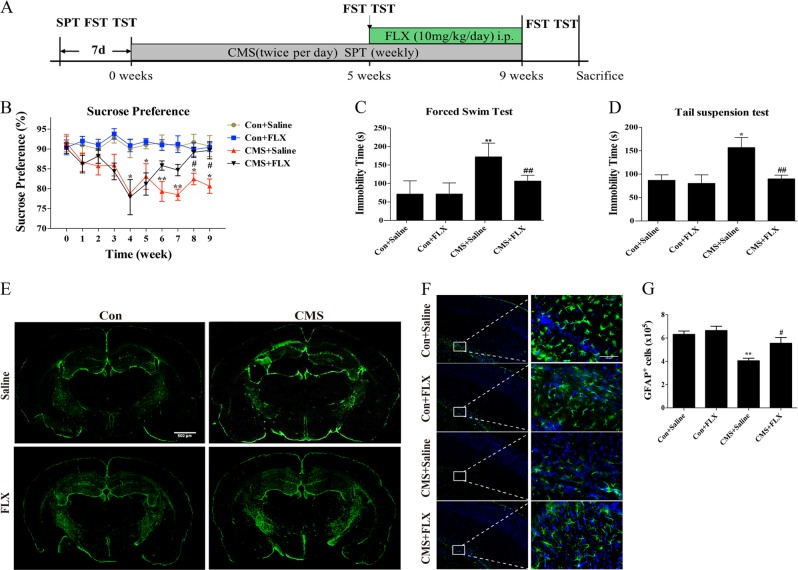
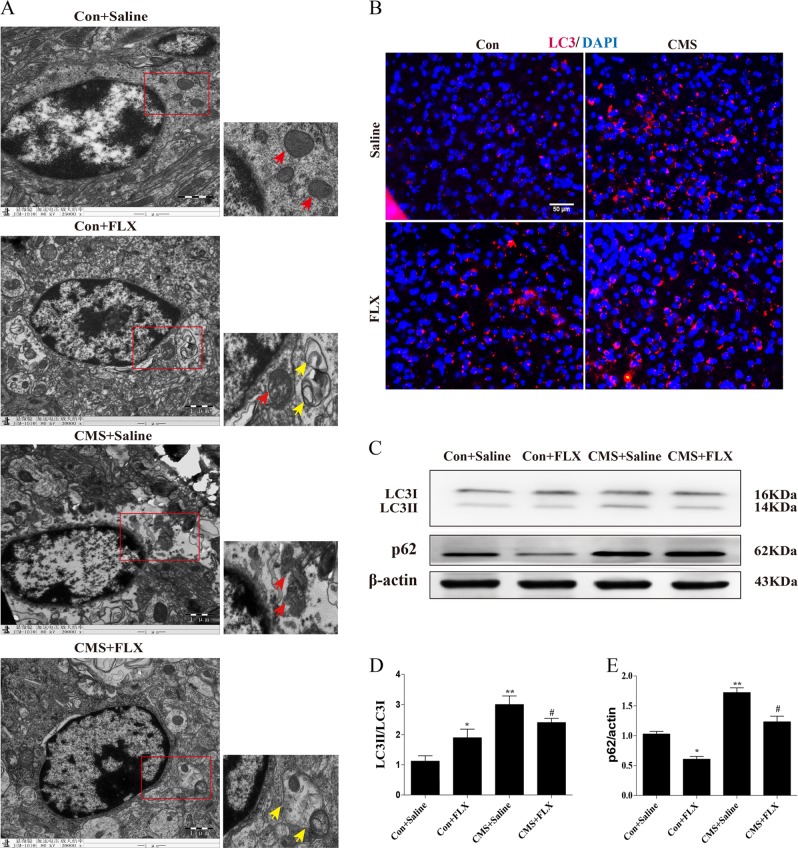
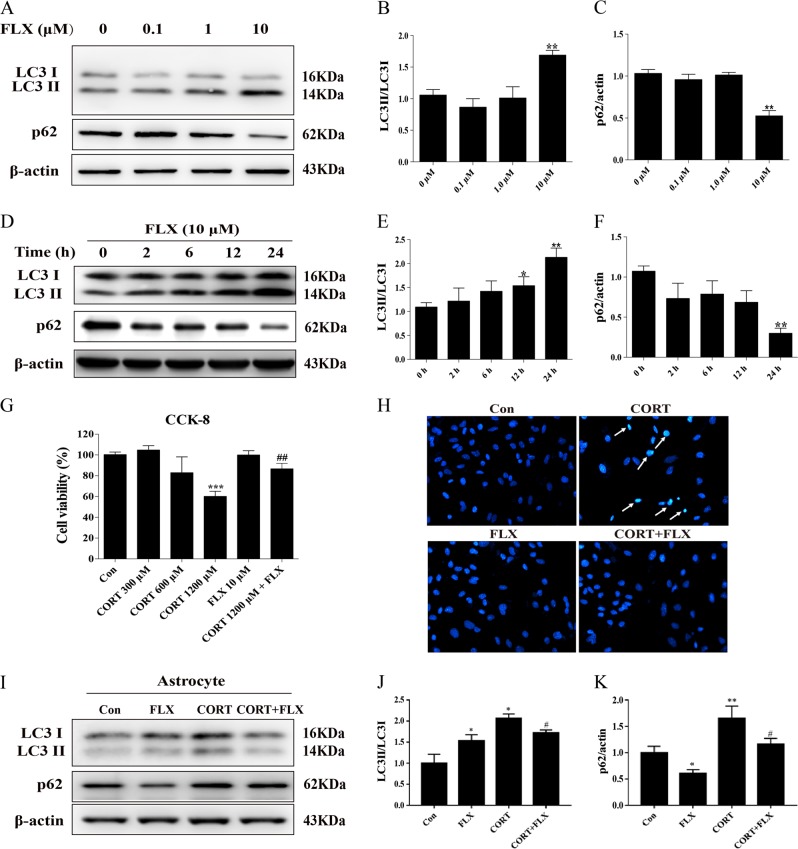
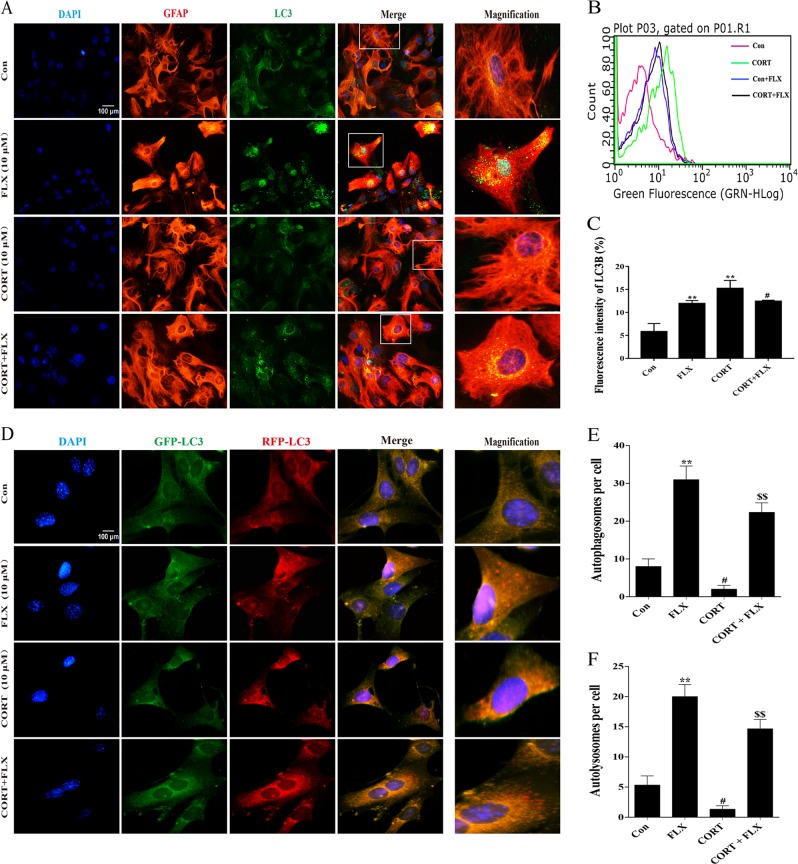
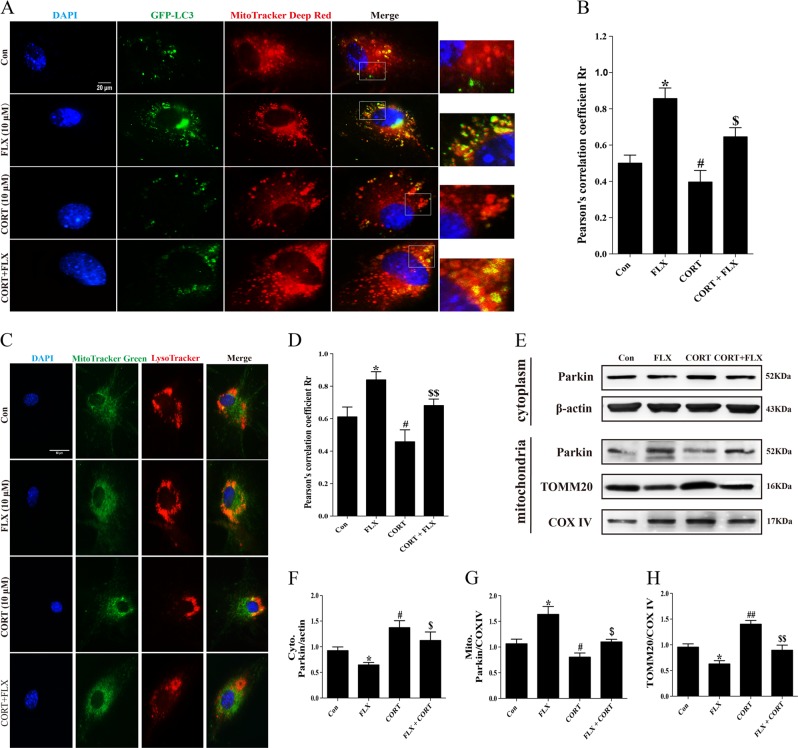
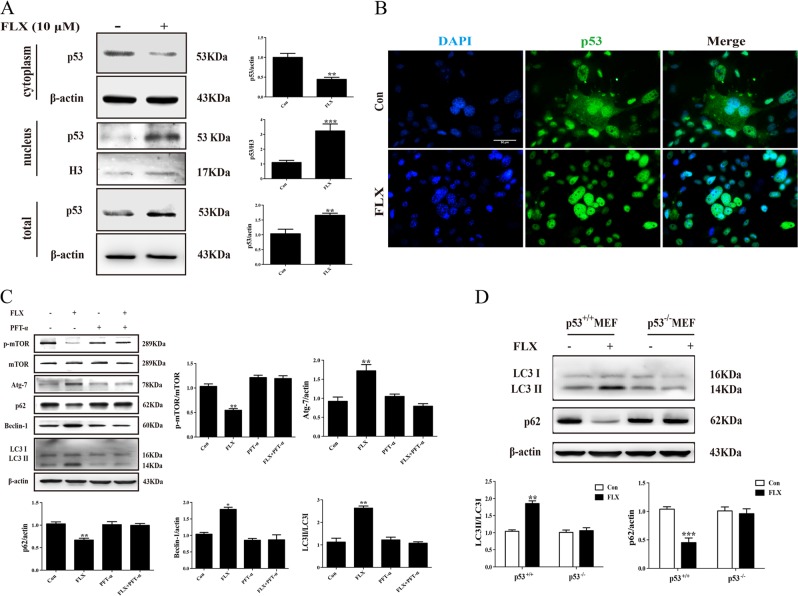
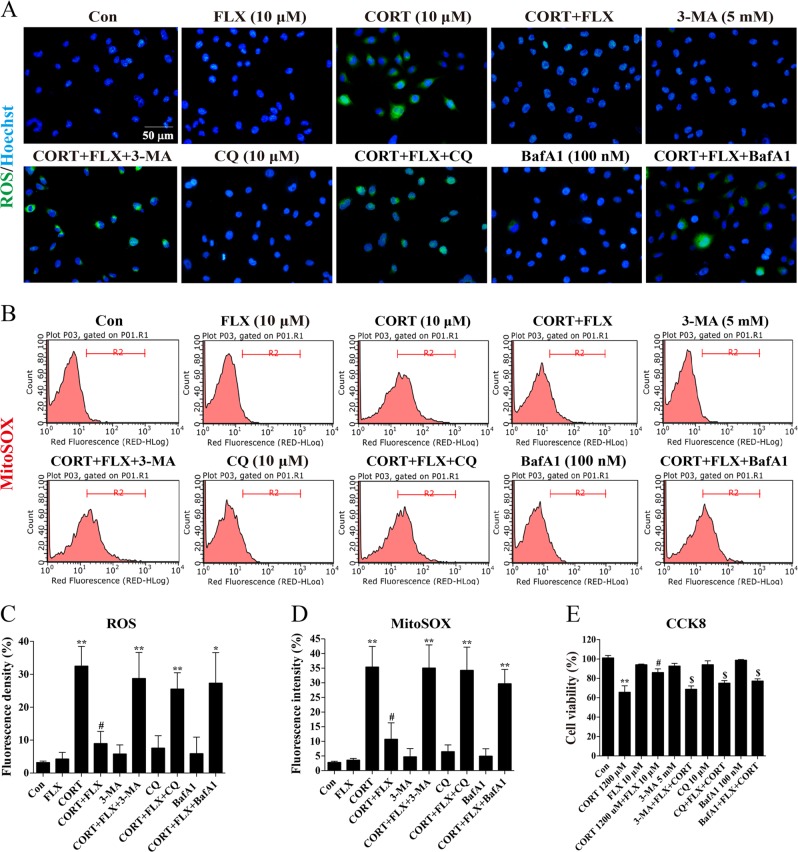
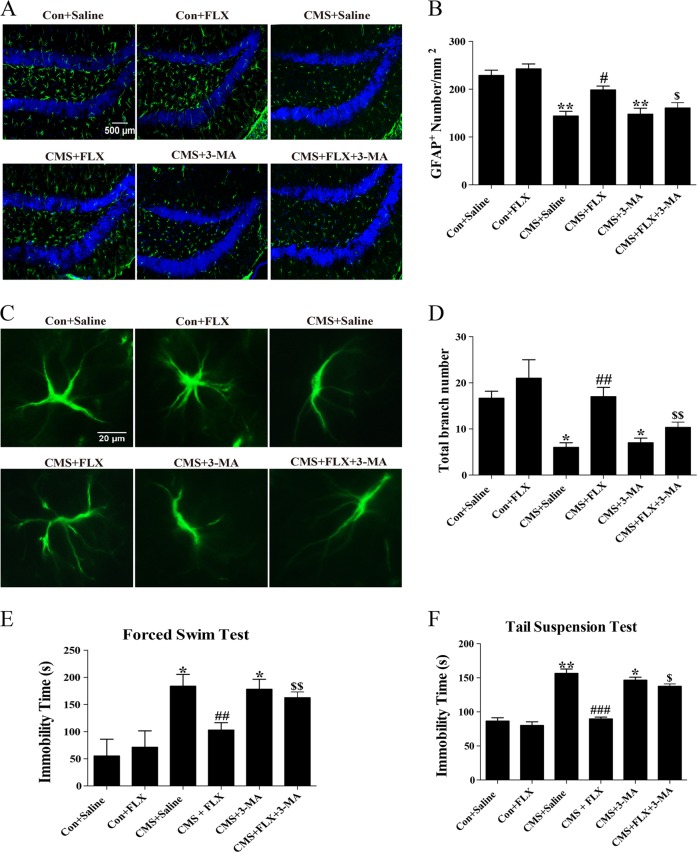
Although multiple hypotheses had been proposed to clarify the causes of depression, the accurate pathogenesis and effective treatment of depression still need to be solved. Pathological change of astrocytes has been recognized to play a pivotal role in depression. Fluoxetine is the first selective serotonin reuptake inhibitor, however, the underlying mechanisms of fluoxetine are incompletely excavated. Emerging evidence shows that fluoxetine promotes autophagic processes in tumor cells. However, whether astrocytic autophagy gets involved in the cytoprotection of fluoxetine on astrocytes in depression treatment remains unexplored. Here we prepared chronic mild stress (CMS)-induced mouse model and treated mice with fluoxetine (10 mg/kg) for 4 weeks to determine the correlation between proautophagic effect of fluoxetine and astrocyte protection in depression. Primary hippocampal astrocytes were cultured to investigate the potential mechanism of fluoxetine in regulating astrocyte autophagy. We found that fluoxetine (10 mg/kg) treatment promoted autophagosome formation and increased clearance of injured mitochondria, consequently protected astrocytes in CMS model mice. Fluoxetine (10 μM) could also promote the autophagic flux unblocked via enhancing fusion of autophagosomes with lysosomes in primary astrocytes. Moreover, fluoxetine promoted mitophagy by increased colocalization of autophagosomes and mitochondria, eliminating damaged mitochondria in corticosterone-treated astrocytes. Further in vitro study showed that p53 presence is required for fluoxetine activated autophagy flux and fluoxetine promotes astrocytic autophagy in a p53-dependent mechanism. Collectively, this work gives us insights into a novel approach to treat depression depending on astrocytes, and provides a promising molecular target for the development of antidepressant drugs besides regulating neurotransmitters.
Overview
The claims and statistics of this paper haven’t been checked yet.
Free: it reads the open-access text and checks the first 5 claims that cite a source we can check. Create a free account to check every claim.
Integrity signals
Registry
Cites
Statistics
Figures
Verification
Claims the paper makes
The claims and statistics of this paper haven’t been checked yet.
Free: it reads the open-access text and checks the first 5 claims that cite a source we can check. Create a free account to check every claim.
Claims other papers make about this one
Each is checked against this paper’s own text: does it say what the citing paper says it does?
The cited source says what the claim attributes to it.
In the citing paper
“Administering fluoxetine reversed the loss of GFAP-positive astrocytes and ameliorated depressive behaviors (96).”
From Chronic stress, neuroinflammation, and depression: an overview of pathophysiological mechanisms and emerging anti-inflammatories (2023) · cites this paper as [96]
Self-check
Percentages, sums and reported differences re-computed from the paper’s own numbers.
The self-check needs the paper’s full text.
Citations
Cites
Molecular Mechanisms of Depression: Perspectives on New Treatment Strategies
Lang, U. E., & Borgwardt, S. (2013) · Cellular Physiology and Biochemistry · doi:10.1159/000350094 · Cited by 8,475
Kessler, R. C., Berglund, P., Demler, O., Jin, R., Koretz, D., Merikangas, K. R., Rush, A. J., Walters, E. E., & Wang, P. S. (2003) · JAMA · doi:10.1001/jama.289.23.3095 · Cited by 7,988
Parkin is recruited selectively to impaired mitochondria and promotes their autophagy
Narendra, D., Tanaka, A., Suen, D.-F., & Youle, R. J. (2008) · The Journal of Cell Biology · doi:10.1083/jcb.200809125 · Cited by 4,026
Trivedi, M. H., Rush, A. J., Wisniewski, S. R., Nierenberg, A. A., Warden, D., Ritz, L., Norquist, G., Howland, R. H., Lebowitz, B., McGrath, P. J., et al. (2006) · American Journal of Psychiatry · doi:10.1176/appi.ajp.163.1.28 · Cited by 3,879
Autophagy: cellular and molecular mechanisms
Glick, D., Barth, S., & Macleod, K. F. (2010) · The Journal of Pathology · doi:10.1002/path.2697 · Cited by 3,802
Youle, R. J., & Narendra, D. P. (2011) · Nature Reviews Molecular Cell Biology · doi:10.1038/nrm3028 · Cited by 3,273
Kimura, S., Noda, T., & Yoshimori, T. (2007) · Autophagy · doi:10.4161/auto.4451 · Cited by 2,278
Belmaker, R. H., & Agam, G. (2008) · New England Journal of Medicine · doi:10.1056/nejmra073096 · Cited by 2,166
Astrocytes, from brain glue to communication elements: the revolution continues
Volterra, A., & Meldolesi, J. (2005) · Nature Reviews Neuroscience · doi:10.1038/nrn1722 · Cited by 1,770
Autophagy, mitochondria and oxidative stress: cross-talk and redox signalling.
Lee, J., Giordano, S., & Zhang, J. (2012) · Biochemical Journal · doi:10.1042/bj20111451 · Cited by 1,438
Cited by
Items 101–200 of 204
Wang, S., Cai, Q., Xu, L., Sun, Y., Wang, M., Wang, Y., Zhang, L., Li, K., & Ni, Z. (2023) · Psychopharmacology · doi:10.1007/s00213-023-06413-8 · Cited by 16
“dissolved in distilled sterile saline and used at a final concentration of 10 mg/kg as described previously (Li et al. 2021; Shu et al. 2019).”
MethodSelf-citationUrolithin A alleviates neuropathic pain and activates mitophagy
Wang, C., Wang, Z., Xue, S., Zhu, Y.-T., Jin, J., Ren, Q., & Shi, X. (2023) · Molecular Pain · doi:10.1177/17448069231190815 · Cited by 15
Li, Y., Luo, Y., Zhu, P., Liang, X., Li, J., Dou, X., Liu, L., Qin, L., Zhou, M., Deng, Y., et al. (2024) · Pharmacology Biochemistry and Behavior · doi:10.1016/j.pbb.2024.173750 · Cited by 14
Zhao, W., Li, Y., Zhou, Y., Zhao, J., Lu, Y., & Xu, Z. (2025) · Brain Research Bulletin · doi:10.1016/j.brainresbull.2025.111308 · Cited by 12
“This finding represents a promising molecular target for the development of anti-depressant drugs, in addition to the regulation of neurotransmitters (Shu et al., 2019).”
Self-citationAn, P., Zhao, X., Liu, M.-J., You, Y.-Q., & Li, J.-Y. (2022) · Neurochemistry International · doi:10.1016/j.neuint.2022.105276 · Cited by 12
The Role of Astrocytes in the Mechanism of Perioperative Neurocognitive Disorders
Cao, Y., Lin, X., Liu, X., Yu, K., Miao, H., & Li, T. (2022) · Brain Sciences · doi:10.3390/brainsci12111435 · Cited by 12
Yuan, Q., Lei, Y., Yu, K., Wu, J., Xu, Z., Wen, C., Liu, Y., Wang, W., & He, J. (2023) · The World Journal of Biological Psychiatry · doi:10.1080/15622975.2023.2279958 · Cited by 16
“Pathological change of astrocytes has been recognised to play a pivotal role in depression, and mito-phagy as a selective autophagy may play a crucial role in determining the fate of astrocytes in depression (Shu et al. 2019).”
Advancements in the study of synaptic plasticity and mitochondrial autophagy relationship
Zhu, Y., Hui, Q., Zhang, Z., Fu, H., Qin, Y., Zhao, Q., Li, Q., Zhang, J., Guo, L., He, W., et al. (2024) · Journal of Neuroscience Research · doi:10.1002/jnr.25309 · Cited by 13
“These proteins play essential roles in regulating neurotransmitter release and various aspects of synaptic plasticity (Fouke et al., 2021; Gao et al., 2023; Somasundaram & Taraska, 2018; Sun et al., 2019 ; Yan, Jiang, et al., 2022) ( (Corradi et al., 2013).”
BackgroundUnveiling the hidden pathways: Exploring astrocytes as a key target for depression therapy
Liu, Y., Chen, L., Lin, L., Xu, C., Xiong, Y., Qiu, H., Li, X., Li, S., & Cao, H. (2024) · Journal of Psychiatric Research · doi:10.1016/j.jpsychires.2024.04.003 · Cited by 13
Yuan, G., Xiao, L., Xie, Y., Si, L., Xu, H. W., Xu, W., & Wang, G. (2023) · Neuroscience Letters · doi:10.1016/j.neulet.2023.137058 · Cited by 11
“suggested that fluoxetine enhanced the antidepressant effect by regulating autophagy in astrocytes and microglia [43,44].”
BackgroundZhang, Y., Zhang, X., Liu, N., Ren, S., Xia, C., Yang, X., Lou, Y., Wang, H., Zhang, N., Xu, Y., et al. (2021) · Frontiers in Neuroscience · doi:10.3389/fnins.2021.675430 · Cited by 13
He, J., Han, D., Jia, C., Xie, J., Zhu, F., Wei, J., Li, D., Wei, D., Li, Y., Li, T., et al. (2023) · Drug Design Development and Therapy · doi:10.2147/dddt.s399183 · Cited by 12
Ulecia-Morón, C., Bris, Á. G., MacDowell, K. S., Cerveró-García, P., Madrigal, J. L. M., García‐Bueno, B., Pereira, M. P., Leza, J. C., & Caso, J. R. (2025) · European Neuropsychopharmacology · doi:10.1016/j.euroneuro.2025.02.005 · Cited by 13
Zhang, W., Wang, T., Li, L., Xu, J., Wang, J., Wang, G., & Du, J. (2025) · Molecular Neurobiology · doi:10.1007/s12035-025-04872-y · Cited by 13
“Another study, conducted by Shu et al., demonstrated that fluoxetine treatment can enhance autophago-some formation and promote the clearance of damaged mitochondria from astrocytes in mouse models of CMS-induced depression [64].”
Autophagy—Unlocking New Dimensions in the Pathology and Treatment of Depression
Luo, Q., Zhao, Y., Ren, P., Liu, X., Chen, Y., Ying, Q., & Zhou, J. (2025) · Cells · doi:10.3390/cells14110795 · Cited by 12
“Similarly, astrocytes, the most abundant glial cells in the CNS, have also been found to promote mitophagy in CMS mice and primary astrocytes, where fluoxetine was found to remove damaged mitochondria from the cells [150].”
Song, T., Chen, W., Chen, X., Zhang, H., Zou, Y., Wu, H., Lin, F., Ren, L., Kang, Y., & Lei, H. C. (2021) · Progress in Neuro-Psychopharmacology and Biological Psychiatry · doi:10.1016/j.pnpbp.2021.110252 · Cited by 10
Tsoi, B., Gao, C., Yan, S., Du, Q., Yu, H., Li, P., Deng, J., & Shen, J. (2022) · Journal of Functional Foods · doi:10.1016/j.jff.2022.105199 · Cited by 12
Wang, D., Gao, Y., Li, Y., Zhao, Y. P., Du, X., Li, X., Zhang, Y., Liu, S., & Xu, Y. D. (2023) · Journal of Pharmaceutical and Biomedical Analysis · doi:10.1016/j.jpba.2023.115419 · Cited by 10
Pharmacological mechanism of natural antidepressants: The role of mitochondrial quality control
Lv, S., Zhang, G., Lu, Y., Zhong, X., Huang, Y., Ma, Y., Yan, W., Teng, J., & Wei, S. (2024) · Phytomedicine · doi:10.1016/j.phymed.2024.155669 · Cited by 10
He, A., Wu, M., Pu, Y., Li, R., Zhang, Y., He, J., Xia, Y., & Ma, Y. (2024) · Journal of Cancer · doi:10.7150/jca.95592 · Cited by 9
“FXT, a widely used antidepressant medication, has been extensively applied in clinical practice for the treatment of depression [49].”
BackgroundSultana, O. F., Bandaru, M., Bushra, M. A., Reddy, P. H., & Reddy, A. P. (2025) · Ageing Research Reviews · doi:10.1016/j.arr.2025.102957 · Cited by 12
Liu, X., Gu, X., Zheng, L., Xu, L.-J., Yang, Y., Yang, G., Wu, H., Chen, Z., & Wang, W. (2022) · Experimental Cell Research · doi:10.1016/j.yexcr.2022.113298 · Cited by 11
Liu, Y., Jin, X., Li, C., Bu, J., Wang, B., Bai, M., Su, P., Xu, E., & Li, Y. (2024) · European Journal of Pharmacology · doi:10.1016/j.ejphar.2024.177091 · Cited by 13
Chen, Y., Chen, Y., Hwang, L.-L., Yang, L., & Lu, D. (2021) · Molecules · doi:10.3390/molecules26206250 · Cited by 8
“The antidepressant fluoxetine has also been suggested to promote autophagic flux and enhance autophagosome fusion in astrocytes [92].”
BackgroundGuo, P., Wang, Z., Sun, L. M., He, Z., Li, J., Geng, J., Zong, Y., Chen, W., & Du, R. (2024) · Molecules · doi:10.3390/molecules29215085 · Cited by 8
“Fluoxetine protects astrocytes by promoting autophagosome formation and clearing damaged mitochondria in CMS mice [30].”
BackgroundRegulation of adult neurogenesis: the crucial role of astrocytic mitochondria
Liu, D., Guo, P., Wang, Y., & Li, W. (2024) · Frontiers in Molecular Neuroscience · doi:10.3389/fnmol.2024.1516119 · Cited by 9
Gut microbiota: A new window for the prevention and treatment of neuropsychiatric disease
Tang, Y., Zhang, Y., Chen, C., Cao, Y., Wang, Q., & Tang, C. (2025) · Journal of Central Nervous System Disease · doi:10.1177/11795735251322450 · Cited by 10
NDUFB9 ameliorates CUMS-induced depression-like behavior by promoting mitophagy
Sun, Y., Li, L., Yang, X., Yin, S., & Xiao, Z. (2025) · Translational Psychiatry · doi:10.1038/s41398-025-03502-4 · Cited by 9
Self-citationZhang, G., Lv, S., Bao, S., Zhao, W., Yi, Y., Gao, H., Zhong, X., Li, X., Liu, F., Lu, Y., et al. (2025) · Journal of Pharmaceutical Analysis · doi:10.1016/j.jpha.2025.101356 · Cited by 10
The Emerging Role of Astrocytic Autophagy in Central Nervous System Disorders
Zhou, Z., Zhou, J., Liao, J., Chen, Z., & Zheng, Y. (2022) · Neurochemical Research · doi:10.1007/s11064-022-03714-w · Cited by 8
Shen, W., Li, Z., Tao, Y., Zhou, H., Wu, H., Shi, H., Huang, F., & Wu, X. (2024) · Naunyn-Schmiedeberg s Archives of Pharmacology · doi:10.1007/s00210-024-03637-z · Cited by 9
“Research indicates that CORT can cause damage to glial cells; specifically, CORT can directly harm astrocytes (Shu et al. 2019) and affect their uptake of glutamate (Liu et al. 2021).”
The Multifaceted Roles of Autophagy in Infectious, Obstructive, and Malignant Airway Diseases
Carinci, M., Palumbo, L., Pellielo, G., Agyapong, E. D., Morciano, G., Patergnani, S., Giorgi, C., Pinton, P., & Rimessi, A. (2022) · Biomedicines · doi:10.3390/biomedicines10081944 · Cited by 12
“First, their consumption is well-known to modulate the autophagic flux [63,64], and second, there are many retrospective studies available for analysis, in which patients who are affected by SARS-CoV-2 simultaneously consume antidepressants.”
BackgroundQin, L., Liang, X., Qi, Y., Luo, Y., Xiao, Q., Huang, D., Zhou, C., Jiang, L. H., Zhou, M., Zhou, Y., et al. (2023) · Neuropharmacology · doi:10.1016/j.neuropharm.2023.109669 · Cited by 10
Self-citationYang, M., Qin, X., & Liu, X. (2025) · Neuroscience & Biobehavioral Reviews · doi:10.1016/j.neubiorev.2025.106087 · Cited by 8
Yue, R.-Z., Guo, X., Li, C.-J., Wu, L.-J., Liu, Y., Hu, J., Yan, B.-K., Lin, H.-T., Tang, Y., Yan, W., et al. (2025) · Journal of Neuroinflammation · doi:10.1186/s12974-025-03603-3 · Cited by 8
“Astrocytes in EM analysis is distinguished from other cell types by their oval nucleus, deep chromatin, and �lament in cytoplasm [31].”
Hypothalamic circuits and aging: keeping the circadian clock updated
Vázquez-Lizárraga, R., Mendoza-Viveros, L., Cid‐Castro, C., Ruiz-Montoya, S., Carreño‐Vázquez, E., & Orozco-Solís, R. (2023) · Neural Regeneration Research · doi:10.4103/1673-5374.389624 · Cited by 8
“Moreover, in depressed mice, fluoxetine also exerts its antidepressant effects via a neurotransmitter-independent mechanism inducing the autophagy flux in the hippocampal astrocytes (Shu et al., 2019).”
BackgroundJiang, W., Zhang, J., Zhang, Y., & Huang, Z. (2025) · International Journal of General Medicine · doi:10.2147/ijgm.s506593 · Cited by 7
Zhang, W., Wu, Y., Guo, Y., Wang, C., Long, X., & Jiang, P. (2022) · Clinical and Translational Discovery · doi:10.1002/ctd2.161 · Cited by 8
Fessel, J. (2023) · Discover Mental Health · doi:10.1007/s44192-022-00029-8 · Cited by 6
Fessel, J. (2023) · Journal of Clinical Medicine · doi:10.3390/jcm12041680 · Cited by 8
“Fluoxetine activates astrocytes to produce BDNF and VEGF [16,103,110] and promotes the clearance of astrocytes with damaged mitochondria [111].”
BackgroundJi, Q., Zhang, Y., Zhang, Z., Cui, K., Zhao, L., Sun, X., Qu, H., Song, J., Xiao, J., Zhang, X., et al. (2025) · Journal of Neuroinflammation · doi:10.1186/s12974-025-03633-x · Cited by 7
“Yielded > 92% GFAP ⁺ astrocytes as confirmed by immunofluorescence [46, 47].”
Self-citationWu, K., Huang, C., Zheng, W., Wu, Y., Huang, Q., Lin, M., Gao, R., Qi, L., He, G., Liu, X., et al. (2023) · Molecular and Cellular Endocrinology · doi:10.1016/j.mce.2023.112109 · Cited by 6
Modulation of autophagy by melatonin and its receptors: implications in brain disorders
Zhu, C., Li, G., Lyu, H.-F., Lu, Y., Li, Y., & Zhang, X. (2024) · Acta Pharmacologica Sinica · doi:10.1038/s41401-024-01398-2 · Cited by 190
Park, H., Park, J., Kim, T., Heo, H., Chang, J., Blackstone, C. D., & Lee, S. (2025) · Molecular Neurobiology · doi:10.1007/s12035-025-04897-3 · Cited by 6
“However, recent studies suggest that autophagy may also contribute to the pathogenesis of MDD. Treatment of some antidepressants led to induction of autophagy, while inhibition of autophagy diminished the effects of antidepressants [63–65].”
Targeting the complement-mTOR-autophagy axis: the role of apolipoprotein E in depression
Li, Y., Xu, C., Liu, J., Guo, M., Wang, J., Bai, X., Cheng, Y., Luan, X., Pei, H., Zhang, C., et al. (2025) · BMC Biology · doi:10.1186/s12915-025-02301-z · Cited by 5
“Furthermore, certain antidepressants, such as fluoxetine and sertraline, have been shown to enhance autophagy, which may contribute to their therapeutic effects [24].”
Σκώκου, Μ., Oikonomakis, V., Andreopoulou, O., Kypreos, K. E., Gourzis, P., & Halaris, A. E. (2023) · Journal of Affective Disorders Reports · doi:10.1016/j.jadr.2023.100634 · Cited by 7
Sun, Y., Cai, H., Yang, D., Yu, N., Sun, L., Xu, J., Yuan, H., Yang, R., Song, L., Liu, H., et al. (2024) · European Journal of Pharmacology · doi:10.1016/j.ejphar.2024.176693 · Cited by 6
Self-citationGouda, A. S., & Mégarbane, B. (2022) · Journal of Personalized Medicine · doi:10.3390/jpm12091487 · Cited by 5
“IRSS antidepressants have been shown to induce an autophagic response in various animal models such as early brain injury after subarachnoid hemorrhage [23] and depression-related pathological alterations in astrocytes [36].”
BackgroundMa, W., Chu, S., Ma, Y., Wang, S., & Ma, X. (2025) · Current Neuropharmacology · doi:10.2174/011570159x386374250623095520 · Cited by 6
“In a mouse model of depression, fluoxetine attenuated cell death by enhancing the clearance of impaired mitochondria, promoting mitophagic flux in astrocytes, and decreasing the accumulation of mtROS [98].”
Exploring genetic associations and drug targets for mitochondrial proteins and schizophrenia risk
Sun, W., Sun, P., Li, J., Yang, Q., Tian, Q., Yuan, S., Zhang, X., Chen, P., Li, C., & Zhang, X. (2025) · Schizophrenia · doi:10.1038/s41537-025-00559-4 · Cited by 5
Lin, M., Xie, D., Luo, Y., Dong, L., Wei, Y., Gong, Q., Zhu, Y. Z., & Gao, J.-M. (2025) · Journal of Agricultural and Food Chemistry · doi:10.1021/acs.jafc.4c05431 · Cited by 7
Depression: epigenetics and epitranscriptomic modifications
Banerjee, S., Shrilaxmi, M. S., Banerjee, S., Prajwal, B. G., Smith, C., D’Mello, S. R., & Dastidar, S. G. (2025) · The World Journal of Biological Psychiatry · doi:10.1080/15622975.2025.2602171 · Cited by 5
“Other studies have described the crucial contributions of astrocytes and microglia to the pathogenesis of depression (Shu et al. 2019; Durkee et al. 2021; S Li et al. 2021b; Anderson 2022; Dolotov et al. 2022; Li et al. 2022b).”
Liu, Y., Wang, L., Jiao, S., Yang, X., Liu, G., Fan, K., Zhao, H., & Ma, J. (2025) · Journal of Applied Physiology · doi:10.1152/japplphysiol.00275.2024 · Cited by 5
Tavakoli, M. A., Soleimani, M., Marzban, H., Shabani, R., Moradi, F., Ajdary, M., & Mehdizadeh, M. (2022) · Molecular Neurobiology · doi:10.1007/s12035-022-03170-1 · Cited by 5
“The effect of FLX on reduced symptoms of the EAE model with reduced scores of the disease and apoptosis has been mentioned in different studies [11].”
BackgroundResultInfluentialJi, J., Chen, Y., Hong, C., Ren, X., Xu, H., Cai, Z., Dong, Y., & Sun, X. (2025) · Journal of Neurochemistry · doi:10.1111/jnc.70013 · Cited by 3
“Therefore, numerous studies have been conducted in which exogenous corticosterone has been applied to both cellular and animal models (Ji et al. 2022; Shin et al. 2024; Zhang et al. 2023; Shu et al. 2019).”
Self-citationYue, X., Wu, S., Yin, Y., Zhao, X. J., Li, E., Liu, G., Zan, X., Yu, Q., He, P. F., & Zhang, C. (2025) · European Journal of Pharmacology · doi:10.1016/j.ejphar.2025.178007 · Cited by 3
Targeting ferroptosis as a novel strategy for depressive mental disorders
Qian, L., Yao, Q., Jiang, Y., Liu, W., Xiong, L., Shi, H., & Shi, Y. (2025) · Psychopharmacology · doi:10.1007/s00213-025-06934-4 · Cited by 3
Shi, L., Jingya, W., Chen, R., Liu, Y., Zou, M., Luo, J., He, K., Liu, S., Wang, Y., Meng, P., et al. (2026) · Frontiers in Immunology · doi:10.3389/fimmu.2026.1803956 · Cited by 6
Sun, L.-H., Liao, Y., Chan, Y.-H., Yu, A. E., Wu, C.-H., Kuo, I.-T., & Yu, L. (2023) · International Journal of Molecular Sciences · doi:10.3390/ijms24031983 · Cited by 3
The role and therapeutic potential of mitophagy in major depressive disorder
Shi, X.-N., Liu, C., Lin, L., Yao, M.-L., Zhong, Z., & Jiang, Y.-M. (2025) · Frontiers in Pharmacology · doi:10.3389/fphar.2025.1564276 · Cited by 5
Zhang, K., Yan, L., Lin, X., Li, C., Yi, X., Shi, Z., Lin, C.-H., & Sun, G. (2025) · European Journal of Pharmacology · doi:10.1016/j.ejphar.2025.177834 · Cited by 4
Identification of the antidepressive properties of C1, a specific inhibitor of Skp2, in mice
Li, F., Huang, C., Lu, X., Xiang, H., Wang, D., Chen, Z., Chen, J., He, H., & Yuan, X. (2021) · Behavioural Pharmacology · doi:10.1097/fbp.0000000000000604 · Cited by 3
“Moreover, since the herein-used positive drug, fluoxetine, can also promote autophagy (Alcocer-Gómez et al., 2017; Shu et al., 2019) and neurogenesis (McAllister et al.”
BackgroundmiR-124 Exacerbates depressive-like behavior by targeting Ezh2 to induce autophagy
Zeng, D., Shi, Y., Li, S., Xu, F., Zhu, W., Li, H., Shen, H., & Yuan, Q. (2022) · Behavioural Pharmacology · doi:10.1097/fbp.0000000000000716 · Cited by 4
“Ezh2 regulated autophagy-related proteins to participate in depression-like behavior Previous studies have found that Ezh2 could regulate the expression of LC3, P62, and Atg7 autophagy proteins (Ma et al., 2018; Shu et al., 2019; Zhang et al., 2020; Sakai et al., 2022).”
BackgroundAcupuncture for treating adolescent depression: Study protocol for a randomized controlled trial
Jiang, J., Liang, F., Xu, Z., Jin, W., Ji, B., & Li, L. (2023) · Medicine in Novel Technology and Devices · doi:10.1016/j.medntd.2023.100273 · Cited by 2
Di, S., Luo, N., Shi, W., Yang, Z., Sui, J., Jiang, R., Cui, Y. J., Du, Z., Zhang, J., Ma, Y., et al. (2025) · Neuroscience Bulletin · doi:10.1007/s12264-025-01501-5 · Cited by 2
Balbi, T., Valbonesi, P., Profita, M., Ciacci, C., Fabbri, E., & Canesi, L. (2026) · Aquatic Toxicology · doi:10.1016/j.aquatox.2026.107717 · Cited by 2
Li, J., Li, Y., Zhang, Y., Li, H., Liu, C., Du, Y., Chang, M., & Guan, S. (2026) · Progress in Neuro-Psychopharmacology and Biological Psychiatry · doi:10.1016/j.pnpbp.2026.111641 · Cited by 3
Yang, J., 袁光辉, Shuang, R., Chen, C., Zhang, J., Wu, T., & Tao, W. (2026) · Journal of Ethnopharmacology · doi:10.1016/j.jep.2026.121388 · Cited by 3
Wu, W., Chen, Z., Xu, Y., Xie, X., Tan, A., Hu, M., Xu, D., Lv, X., Chen, W., Zhou, J., et al. (2026) · Free Radical Biology and Medicine · doi:10.1016/j.freeradbiomed.2026.03.024 · Cited by 2
The Role of Curcumin as an Anti-Aging Compound
Karthika, C., Akter, R., Rahman, M. H., Zehravi, M., Ramproshad, S., Mondal, B., & Sweilam, S. H. (2023) · Springer eBooks · doi:10.1007/978-981-19-7443-4_11 · Cited by 3
Trovò, L., Vaucher, A., Pan, Y., Steiner, P., Flunkert, S., Fleming, S. A., & Preitner, N. (2023) · Journal of Functional Foods · doi:10.1016/j.jff.2023.105855 · Cited by 2
Sun, L., Li, C., Shi, J., Zeng, W., Wu, L., Wan, S., & Wang, Y. (2025) · BMC Neuroscience · doi:10.1186/s12868-025-00968-2 · Cited by 2
NSC689857, an inhibitor of Skp2, produces antidepressant-like effects in mice
Liu, Q., Cheng, L., Li, F., Zhu, H., Lu, X., Huang, C., & Yuan, X. (2024) · Behavioural Pharmacology · doi:10.1097/fbp.0000000000000773 · Cited by 1
“Since fluoxetine can also promote neurogenesis (Alcocer-Gómez et al ., 2017; Shu et al ., 2019; McAllister et al ., 2020; Yohn et al ., 2020), the promotion of autophagy and neurogenesis may be a common mechanism for the antidepressant-like effect of NSC689857 and fluoxetine.”
BackgroundJúnior, J. A. C. N., Frank, L. A., Santos, A. B., Santos, A. M., Andrade, T. D. A., Menezes, P. D. P., Contri, R. V., & Serafini, M. R. (2024) · Critical Reviews in Therapeutic Drug Carrier Systems · doi:10.1615/critrevtherdrugcarriersyst.2024048938 · Cited by 1
The autophagy proteome in the brain
Ito‐Silva, V. I., Smith, B. J., & Martins‐de‐Souza, D. (2024) · Journal of Neurochemistry · doi:10.1111/jnc.16204 · Cited by 2
“This result strengthens a previous study associating fluoxetine treatment in an MDD mouse model with the regulation of autophagy flux and mitochondria clearance in astrocytes (Shu et al., 2019).”
1-Octen-3-ol exacerbates depression-induced neurotoxicity via the TLR4/NF-κB and Nrf2/HO-1 pathways
Song, H., Wang, Y., Ren, L., Su, A., Xie, M., Xu, H., Liu, J., Liu, Y. A., & Yang, W. (2025) · NeuroToxicology · doi:10.1016/j.neuro.2025.03.002 · Cited by 1
Jin, Y., Wang, H., Zhang, Z., Jin, E., Yang, C., Meng, J., Wu, T., & Zhang, M. (2025) · npj Science of Food · doi:10.1038/s41538-025-00455-2 · Cited by 1
Autophagy Modulation by Antidepressants: Mechanisms and Implications
Zheng, Y., Ma, Y., Pan, Y., Ali, T., Zheng, C., Miu, K. K., Wang, Z., Zhang, L., Li, S., & Tan, Z. (2025) · Neurochemical Research · doi:10.1007/s11064-025-04534-4 · Cited by 3
“Similarly, fluoxetine has been shown to rescue stress-induced autophagy deficits, further support - ing the role of autophagic clearance in mood regulation [ 17 , 107 , 108 , 113–116 ].”
Distinct genetic responses to fluoxetine sertraline and citalopram in mouse cortical neurons
Yamamoto, H., & Abe, K. (2025) · iScience · doi:10.1016/j.isci.2025.113800 · Cited by 1
“Furthermore, although research on antidepressant pharmacology across brain areas, cell types, and types of antidepressants has advanced, 25–28 studies specifically comparing the molecular effects within the same pharmacological category, SSRI, remain scarce.”
Hippocampal GPR17 down regulation ameliorates CMS-induced depression-like behaviors in mice
Xie, Z., Fan, B., Zhi, T., Wu, Y., Yang, Y., Wu, L., & Wu, X. G. (2025) · Neuropharmacology · doi:10.1016/j.neuropharm.2025.110757 · Cited by 1
Chen, C.-Y., Wang, Y., Liu, L., & Zhang, Y. (2025) · Progress in Neuro-Psychopharmacology and Biological Psychiatry · doi:10.1016/j.pnpbp.2025.111563 · Cited by 1
From metabolism to mood regulation: astrocytes as a driver of depression
Nasu, Y., & Terunuma, M. (2026) · Frontiers in Cellular Neuroscience · doi:10.3389/fncel.2026.1776649 · Cited by 2
Qin, Q., Zhang, H., Li, X., Ruan, H., Liu, S., Chen, Y., Xu, Z., Wāng, Y., Yan, X., & Jiang, X. (2025) · PLoS ONE · doi:10.1371/journal.pone.0322715 · Cited by 2
“Recent evidence has implicated astrocyte dysfunction in the pathogenesis of major depressive disorder (MDD) [19].”
Sun, W., Pan, X., Yang, H., Wang, X., Zhang, X., Pan, S., Li, Z., & Zhang, X. (2025) · Journal of Affective Disorders · doi:10.1016/j.jad.2025.120122 · Cited by 1
Huntington, T. E., & Sriniv, R. (2020) · doi:10.21203/rs.3.rs-37291/v1 · Cited by 1
Thorne, B. N. (2023) · Open Access Victoria University of Wellington | Te Herenga Waka (Figshare) · doi:10.26686/wgtn.22714660 · Cited by 2
Su, D., Song, Y., Liao, Z., Liu, Y., Liao, L., Zhang, Z., Zhu, G., Yang, M., luo, X., & Ai, Z. (2022) · Authorea · doi:10.22541/au.165157026.67760952/v1
Zhang, Y., Jiang, L. H., Tang, Y. C., Chen, W., & Chao, F. (2023) · Research Square · doi:10.21203/rs.3.rs-3713955/v1
Zhang, J., Xie, S., Xiao, R., Yang, D., Zhi, Z., & Li, Y. (2023) · Figshare · doi:10.6084/m9.figshare.22697040
Di, S., Luo, N., Shi, W., Yang, Z., Jing Sui (Beijing Normal University), my correct affiliation is beijing normal university, N. Q. U. O. S. A. T., Jiang, R., Cui, Y. J., Du, Z., Zhang, J., Ma, Y., et al. (2025) · bioRxiv (Cold Spring Harbor Laboratory) · doi:10.1101/2025.03.04.641424
Necroptosis, Autophagy and Parthanatos in the Pathogenesis of Brain Diseases
Golushko, N. I., Martynov, D. D., Lebedev, A. S., Ilyin, N. P., Galstyan, D. S., & Kalueff, A. V. (2025) · Journal of Evolutionary Biochemistry and Physiology · doi:10.1134/s0022093025020085
“Many antidepres(cid:2) sants (e.g., fluoxetine, amitriptyline, and citalo(cid:2) pram) can modulate autophagy, enhancing the degradation of damaged organelles and proteins [136].”
Li, Y., Guan, J., Zhang, Y., Lin, N., wei, Y., & Wang, R. (2025) · SSRN Electronic Journal · doi:10.2139/ssrn.5334206
VPS25 alleviates depression-like behavior in rats by inhibiting apoptosis in the hippocampus
Yuan, L., Huang, X., Wang, Q., Hou, B., Xu, S., Zhou, Z., Wu, Y., & Tong, J. (2025) · Brain Research Bulletin · doi:10.1016/j.brainresbull.2025.111705 · Cited by 1
Effect of Venlafaxine on Inflammatory Level in Patients with Depression
Zhang, H., Huang, N., Ma, X., & Liu, Y. (2026) · Neuropsychiatric Disease and Treatment · doi:10.2147/ndt.s543189
“6,7 Yet, it is still unclear the exact mechanism of venlafaxine on improving depression.”
Xing, Z. Y., Li, X.-M., Wang, Y.-C., Chen, P.-Y., Yang, X., Wang, H., Zhang, M., Chen, A., Chu, S.-F., Wang, Z., et al. (2026) · International Immunopharmacology · doi:10.1016/j.intimp.2026.116243 · Cited by 1
Astroglia and depression: A Gliocentric perspective from rodent models to therapeutic insights
Subba, R., Ellappan, S., Banerjee, S., & Mondal, A. C. (2026) · Progress in Neuro-Psychopharmacology and Biological Psychiatry · doi:10.1016/j.pnpbp.2026.111627 · Cited by 2
Guo, M., Fan, T., Li, Y., Yi, W., Wang, J., Hu, Y., Yan, F., Huang, Y., Gong, Y., Chen, C., et al. (2026) · Brain Behavior and Immunity · doi:10.1016/j.bbi.2026.106491 · Cited by 2
Depression and antidepressant drugs: Beyond a purely neurotransmitter approach
Contreras, C. M., & Gutiérrez-García, A. G. (2026) · World Journal of Psychiatry · doi:10.5498/wjp.v16.i4.115720
La sérotonine intestinale : un acteur essentiel de la régulation de l'homéostasie du fer
Falabrègue, M. (2020) · theses.fr (ABES) · doi:10.70675/911bf09czfa11z4227zacfaz2f72ec7a7582
Pajović, S. B., & Filipović, D. (2026) · Reviews in the Neurosciences · doi:10.1515/revneuro-2025-0152
“These proteomic changes align with previous observations of Flx-induced hippocampal LC3 expression and autophagosome formation, alleviating mitochondrial dysfunction and contributing to neuroprotection under chronic stress (Shu et al. 2019).”
Metadata
- Authors
- Shu, X., Sun, Y., Sun, X., Zhou, Y., Bian, Y., Shu, Z., Ding, J., Lu, M., & Hu, G.
- Affiliations
- Nanjing Medical University (CN)
- Nanjing University of Chinese Medicine (CN)
- Corresponding author
- Lu, Ming
- Hu, Gang
- Venue
- Cell Death & Disease
- Published
- 2019-08-02
- Volume
- 10
- Issue
- 8
- Pages
- 577-577
- ISSN
- 2041-4889 (ISSN-L)
- PMC
- PMC6675792
- OpenAlex
- W2965167108
- Cited by
- 203
- References
- 43
- Citations by year
- 2026: 16 · 2025: 43 · 2024: 29 · 2023: 41 · 2022: 30 · 2021: 23 · 2020: 19 · 2019: 2
- FWCI
- 14.08
- Type
- journal article
- Language
- en
- Open access
- gold
- doi.org
- Licence
- cc-by
- creativecommons.org/licenses/by/4.0 (tdm)
- creativecommons.org/licenses/by/4.0 (vor)
- Locations
- Cell Death and Disease (publishedVersion, cc-by)
- Europe PMC (PubMed Central) (publishedVersion, cc-by)
- PubMed Central (publishedVersion, cc-by)
- PubMed (publishedVersion)
- DOAJ (DOAJ: Directory of Open Access Journals) (submittedVersion)
- Funders
- National Natural Science Foundation of China (81573403, 81630099, 81773706, 81473196)
- Topics
- Life Sciences › Biochemistry, Genetics and Molecular Biology › Cell Biology › Autophagy in Disease and Therapy
- Health Sciences › Medicine › Pharmacology (medical) › Treatment of Major Depression
- Life Sciences › Neuroscience › Behavioral Neuroscience › Stress Responses and Cortisol
- Keywords
- fluoxetine, astrocytes, autophagic flux, mitophagy, mitochondrial clearance, chronic mild stress, depression, selective serotonin reuptake inhibitors, autophagosome-lysosome fusion, p53, corticosterone, hippocampal astrocytes, antidepressant mechanism
- MeSH terms
- Autophagosomes, Animals, Antidepressive Agents, Astrocytes, Autophagy, Corticosterone, Depression, Disease Models, Animal, Fluoxetine, Hippocampus, Humans, Mitochondria, Mice, Primary Cell Culture
About these checks
Registry, retraction, Cites and statistics results are computed, not judged, with one exception: a printed reference that no index lists is read once by a model before it counts as a citation error. Claims are extracted by a model and kept only when their quote appears verbatim in the text; each cited source is then checked, with a model’s help, for whether it says what the claim relies on. Those verdicts can be wrong — read the claim’s quote and the cited source before relying on one.
Statistics and arithmetic are recomputed, not judged.
Confidence bands are shown only for fields calibrated on our annotated test set. None is calibrated yet, so no band is shown.
What counts as a claim ›How we measure confidence ›How we check this ›
Are you an author, or do you see a problem with this page? Request a review
Data sources
Bibliographic data: Semantic Scholar, OpenAlex, Crossref.
Contains information from the Semantic Scholar Academic Graph Datasets, made available under the ODC Attribution License (ODC-BY 1.0).
Semantic Scholar’s data is described in: Kinney, R., et al. (2023). The Semantic Scholar Open Data Platform. arXiv:2301.10140.
