

The effect of fluoxetine on astrocyte autophagy flux and injured mitochondria clearance in a mouse model of depression
Open accessThe DOI matches its Crossref record; 43 of the 43 references it cites were found in a registry or an index.
Abstract
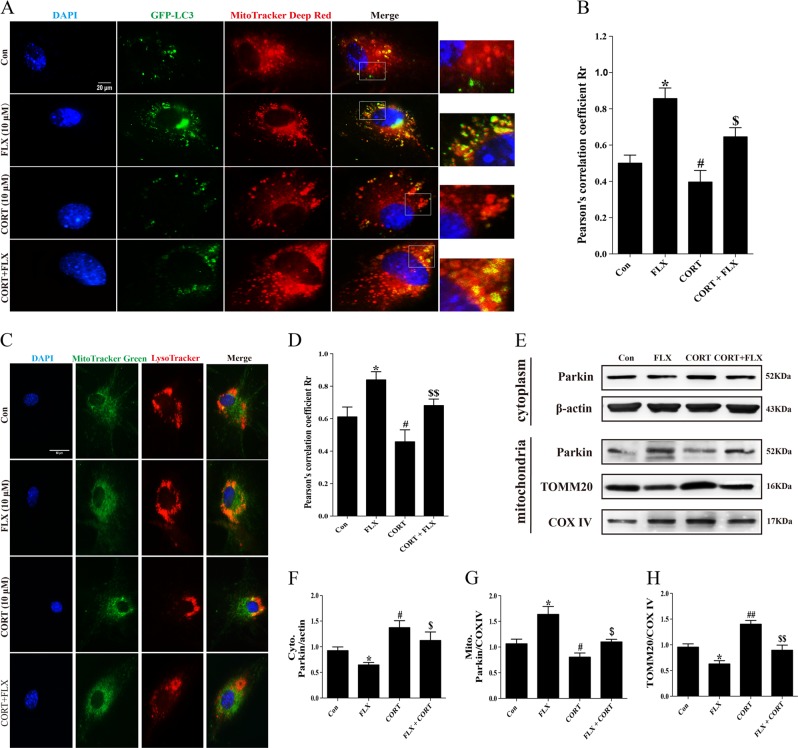
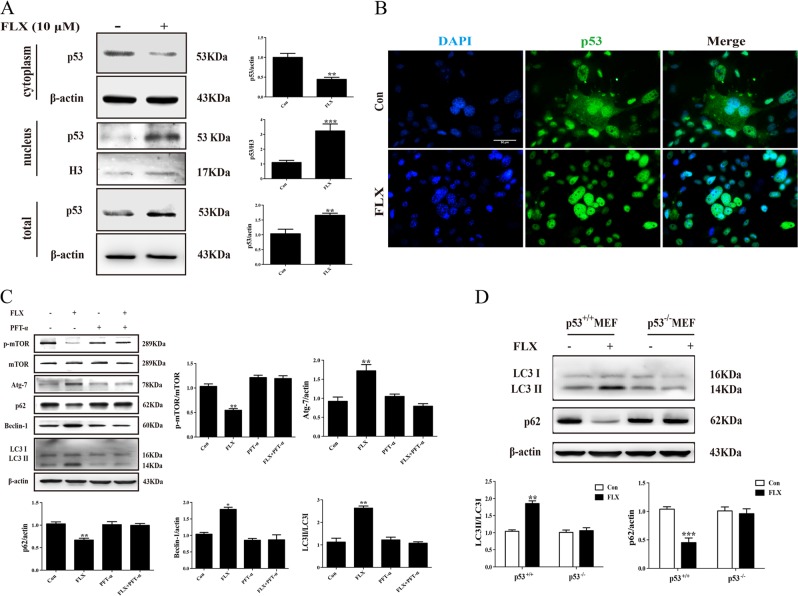
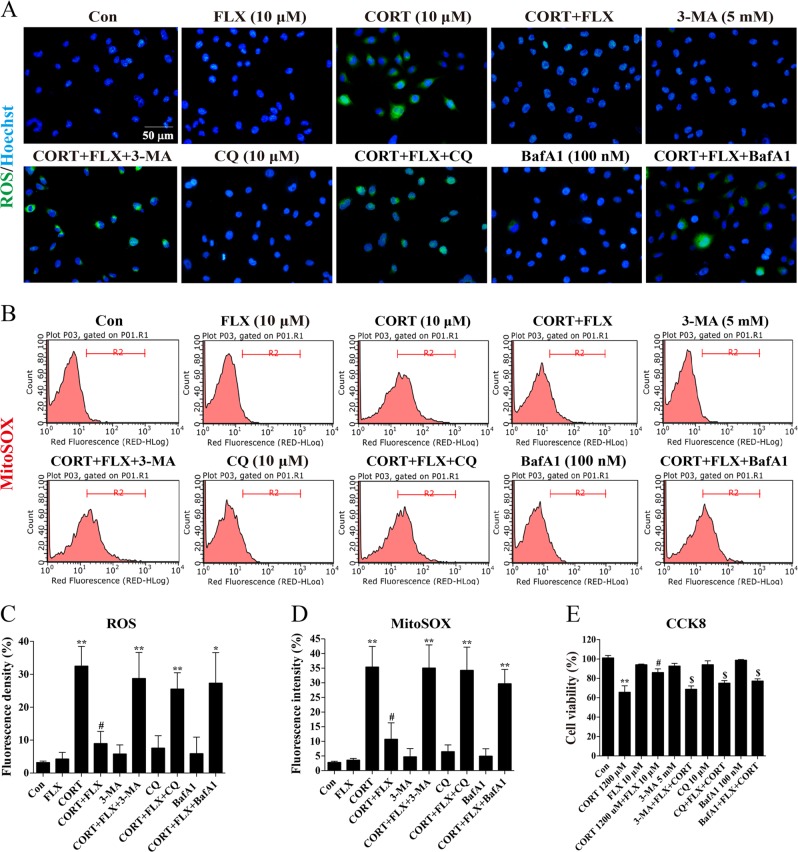
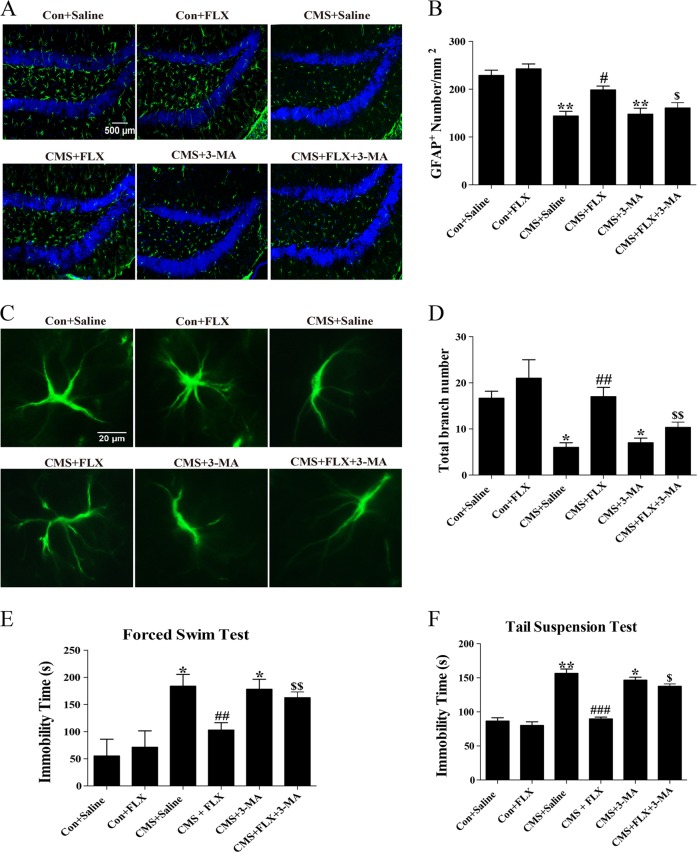
Although multiple hypotheses had been proposed to clarify the causes of depression, the accurate pathogenesis and effective treatment of depression still need to be solved. Pathological change of astrocytes has been recognized to play a pivotal role in depression. Fluoxetine is the first selective serotonin reuptake inhibitor, however, the underlying mechanisms of fluoxetine are incompletely excavated. Emerging evidence shows that fluoxetine promotes autophagic processes in tumor cells. However, whether astrocytic autophagy gets involved in the cytoprotection of fluoxetine on astrocytes in depression treatment remains unexplored. Here we prepared chronic mild stress (CMS)-induced mouse model and treated mice with fluoxetine (10 mg/kg) for 4 weeks to determine the correlation between proautophagic effect of fluoxetine and astrocyte protection in depression. Primary hippocampal astrocytes were cultured to investigate the potential mechanism of fluoxetine in regulating astrocyte autophagy. We found that fluoxetine (10 mg/kg) treatment promoted autophagosome formation and increased clearance of injured mitochondria, consequently protected astrocytes in CMS model mice. Fluoxetine (10 μM) could also promote the autophagic flux unblocked via enhancing fusion of autophagosomes with lysosomes in primary astrocytes. Moreover, fluoxetine promoted mitophagy by increased colocalization of autophagosomes and mitochondria, eliminating damaged mitochondria in corticosterone-treated astrocytes. Further in vitro study showed that p53 presence is required for fluoxetine activated autophagy flux and fluoxetine promotes astrocytic autophagy in a p53-dependent mechanism. Collectively, this work gives us insights into a novel approach to treat depression depending on astrocytes, and provides a promising molecular target for the development of antidepressant drugs besides regulating neurotransmitters.
Overview
The claims and statistics of this paper haven’t been checked yet.
Free: it reads the open-access text and checks the first 5 claims that cite a source we can check. Create a free account to check every claim.
Integrity signals
Registry
Cites
Statistics
Figures
Verification
Claims the paper makes
The claims and statistics of this paper haven’t been checked yet.
Free: it reads the open-access text and checks the first 5 claims that cite a source we can check. Create a free account to check every claim.
Claims other papers make about this one
Each is checked against this paper’s own text: does it say what the citing paper says it does?
The cited source says what the claim attributes to it.
In the citing paper
“Administering fluoxetine reversed the loss of GFAP-positive astrocytes and ameliorated depressive behaviors (96).”
From Chronic stress, neuroinflammation, and depression: an overview of pathophysiological mechanisms and emerging anti-inflammatories (2023) · cites this paper as [96]
Self-check
Percentages, sums and reported differences re-computed from the paper’s own numbers.
The self-check needs the paper’s full text.
Citations
Cites
Molecular Mechanisms of Depression: Perspectives on New Treatment Strategies
Lang, U. E., & Borgwardt, S. (2013) · Cellular Physiology and Biochemistry · doi:10.1159/000350094 · Cited by 8,475
Kessler, R. C., Berglund, P., Demler, O., Jin, R., Koretz, D., Merikangas, K. R., Rush, A. J., Walters, E. E., & Wang, P. S. (2003) · JAMA · doi:10.1001/jama.289.23.3095 · Cited by 7,988
Parkin is recruited selectively to impaired mitochondria and promotes their autophagy
Narendra, D., Tanaka, A., Suen, D.-F., & Youle, R. J. (2008) · The Journal of Cell Biology · doi:10.1083/jcb.200809125 · Cited by 4,026
Trivedi, M. H., Rush, A. J., Wisniewski, S. R., Nierenberg, A. A., Warden, D., Ritz, L., Norquist, G., Howland, R. H., Lebowitz, B., McGrath, P. J., et al. (2006) · American Journal of Psychiatry · doi:10.1176/appi.ajp.163.1.28 · Cited by 3,879
Autophagy: cellular and molecular mechanisms
Glick, D., Barth, S., & Macleod, K. F. (2010) · The Journal of Pathology · doi:10.1002/path.2697 · Cited by 3,802
Youle, R. J., & Narendra, D. P. (2011) · Nature Reviews Molecular Cell Biology · doi:10.1038/nrm3028 · Cited by 3,273
Kimura, S., Noda, T., & Yoshimori, T. (2007) · Autophagy · doi:10.4161/auto.4451 · Cited by 2,278
Belmaker, R. H., & Agam, G. (2008) · New England Journal of Medicine · doi:10.1056/nejmra073096 · Cited by 2,166
Astrocytes, from brain glue to communication elements: the revolution continues
Volterra, A., & Meldolesi, J. (2005) · Nature Reviews Neuroscience · doi:10.1038/nrn1722 · Cited by 1,770
Autophagy, mitochondria and oxidative stress: cross-talk and redox signalling.
Lee, J., Giordano, S., & Zhang, J. (2012) · Biochemical Journal · doi:10.1042/bj20111451 · Cited by 1,438
Cited by
Hassamal, S. (2023) · Frontiers in Psychiatry · doi:10.3389/fpsyt.2023.1130989 · Cited by 578
“Administering fluoxetine reversed the loss of GFAP-positive astrocytes and ameliorated depressive behaviors (96).”
BackgroundLi, S., Sun, Y., Song, M., Song, Y., Fang, Y., Zhang, Q., Li, X., Song, N., Ding, J., Lu, M., et al. (2021) · JCI Insight · doi:10.1172/jci.insight.146852 · Cited by 321
“Beyond their influence on the monoaminergic neurotransmission, FLX and CIT also exhibited the potential impacts on rescuing depression-like behaviors via improving astrocyte loss (28, 29).”
BackgroundSelf-citationZheng, Z.-H., Tu, J.-L., Li, X.-H., Hua, Q., Liu, W.-Z., Liu, Y., Pan, B.-X., Hu, P., & Zhang, W.-H. (2021) · Brain, Behavior, and Immunity · doi:10.1016/j.bbi.2020.11.007 · Cited by 304
Three-Dimensional Cell Cultures: The Bridge between In Vitro and In Vivo Models
Urzì, O., Gasparro, R., Costanzo, E., De Luca, A., Giavaresi, G., Fontana, S., & Alessandro, R. (2023) · International Journal of Molecular Sciences · doi:10.3390/ijms241512046 · Cited by 224
Doblado, L., Lueck, C., Rey, C., Samhan-Arias, A. K., Prieto, I., Stacchiotti, A., & Monsalve, M. (2021) · International Journal of Molecular Sciences · doi:10.3390/ijms22083903 · Cited by 228
Microglial NLRP3 inflammasome activates neurotoxic astrocytes in depression-like mice
Li, S., Fang, Y., Zhang, Y., Song, M., Zhang, X., Ding, X., Yao, H., Chen, M., Sun, Y., Ding, J., et al. (2022) · Cell Reports · doi:10.1016/j.celrep.2022.111532 · Cited by 225
Self-citationNeuron-Astrocyte Interactions in Parkinson’s Disease
Miyazaki, I., & Asanuma, M. (2020) · Cells · doi:10.3390/cells9122623 · Cited by 186
Mitochondrial dysfunction: A fatal blow in depression
Song, Y., Cao, H., Zuo, C., Gu, Z., Huang, Y., Miao, J., Fu, Y., Guo, Y., Jiang, Y., & Wang, F. (2023) · Biomedicine & Pharmacotherapy · doi:10.1016/j.biopha.2023.115652 · Cited by 156
Fang, Y., Ding, X., Zhang, Y., Cai, L., Ge, Y., Ma, K., Xu, R., Li, S., Song, M., Zhu, H., et al. (2022) · Journal of Neuroinflammation · doi:10.1186/s12974-022-02389-y · Cited by 96
“Cells were pre-treated with PBS or fluoxetine (10 μM) for 2 h as described previously [26].”
MethodSelf-citationAutophagy in Neuronal Development and Plasticity
Fleming, A., & Rubinsztein, D. C. (2020) · Trends in Neurosciences · doi:10.1016/j.tins.2020.07.003 · Cited by 93
He, J., Ma, Y., Niu, X., Pei, J., Yan, R., Xu, F., Ma, J., Xiao-juan, M., Jia, S., & Ma, W. (2024) · Toxicology · doi:10.1016/j.tox.2024.153734 · Cited by 100
Jiang, M., Wang, L., & Sheng, H. (2024) · CNS Neuroscience & Therapeutics · doi:10.1111/cns.14576 · Cited by 111
“Shu et al. 17 reported that glucocorticoid inhibits the mitochondrial translocation of Parkin and TOMM20 degradation in primary hippocampal astrocytes of chronic mild stress mice model, which disrupts the process of mitophagy and contributes to depression.”
BackgroundAstrocytes autophagy in aging and neurodegenerative disorders
Wang, J.-L., & Xu, C.-J. (2020) · Biomedicine & Pharmacotherapy · doi:10.1016/j.biopha.2019.109691 · Cited by 88
Xu, K., Wang, M., Wang, H., Zhao, S., Tu, D., Gong, X., Li, W., Liu, X., Zhong, L., Chen, J., et al. (2023) · Journal of Advanced Research · doi:10.1016/j.jare.2023.06.003 · Cited by 89
García-García, M. L., Tovilla‐Zárate, C. A., Villar-Soto, M., Juárez‐Rojop, I. E., González‐Castro, T. B., Mendoza, A. D. G., Ramos-Méndez, M. Á., López‐Narváez, M. L., Saucedo-Osti, A. S., Ruiz-Quiñones, J. A., et al. (2021) · Psychiatry Research · doi:10.1016/j.psychres.2021.114317 · Cited by 95
Jin, X., Zhu, L., Lu, S., Li, C., Bai, M., Xu, E., Shen, J.-D., & Li, Y. (2022) · European Journal of Pharmacology · doi:10.1016/j.ejphar.2022.175435 · Cited by 79
Mitophagy in depression: Pathophysiology and treatment targets
Tripathi, A., Scaini, G., Barichello, T., Quevedo, J., & Pillai, A. (2021) · Mitochondrion · doi:10.1016/j.mito.2021.08.016 · Cited by 75
Yang, F., Wang, X., Qi, J., Zhang, K., Jiang, Y., Feng, B., Lv, T., Yang, L., Yang, Q., Zhao, M., et al. (2022) · Nutrients · doi:10.3390/nu15010038 · Cited by 77
“The balance between ROS production and ROS scavenging relies on the cellular clearance and degradation pathway, called autophagy [51].”
BackgroundAffective Immunology: The Crosstalk Between Microglia and Astrocytes Plays Key Role?
Yang, L., Zhou, Y., Jia, H., Qi, Y., Tu, S., & Shao, A. (2020) · Frontiers in Immunology · doi:10.3389/fimmu.2020.01818 · Cited by 62
“Fluoxetine (63, 95, 96), mirtazapine (97), ketamine (98, 99), as well as repetitive high-frequency transcranial magnetic stimulation (TMS) (100) have been shown to have a beneficial impact on astrocytes, paralleled by improvement of depressive symptoms.”
BackgroundSelf-citationGut Microbiota Regulate Astrocytic Functions in the Brain: Possible Therapeutic Consequences
Zhao, Y.-F., Wei, D., & Tang, Y. (2021) · Current Neuropharmacology · doi:10.2174/1570159x19666210215123239 · Cited by 66
“Fluoxetine, another SSRI, has been suggested to protect astrocytes in mice, subjected to chronic unpredictable mild stress, by promoting autophagosome formation and increasing clearance of injured mitochondria [99].”
BackgroundBGP-15 alleviates LPS-induced depression-like behavior by promoting mitophagy
Liu, Q. R., Zhao, J., Fang, Z., Wang, X., Zhang, B., He, Y., Liu, R., Chen, J., & Liu, G. (2024) · Brain Behavior and Immunity · doi:10.1016/j.bbi.2024.04.036 · Cited by 61
Reddy, A. P., Yin, X., Sawant, N., & Reddy, P. H. (2021) · Human Molecular Genetics · doi:10.1093/hmg/ddab054 · Cited by 54
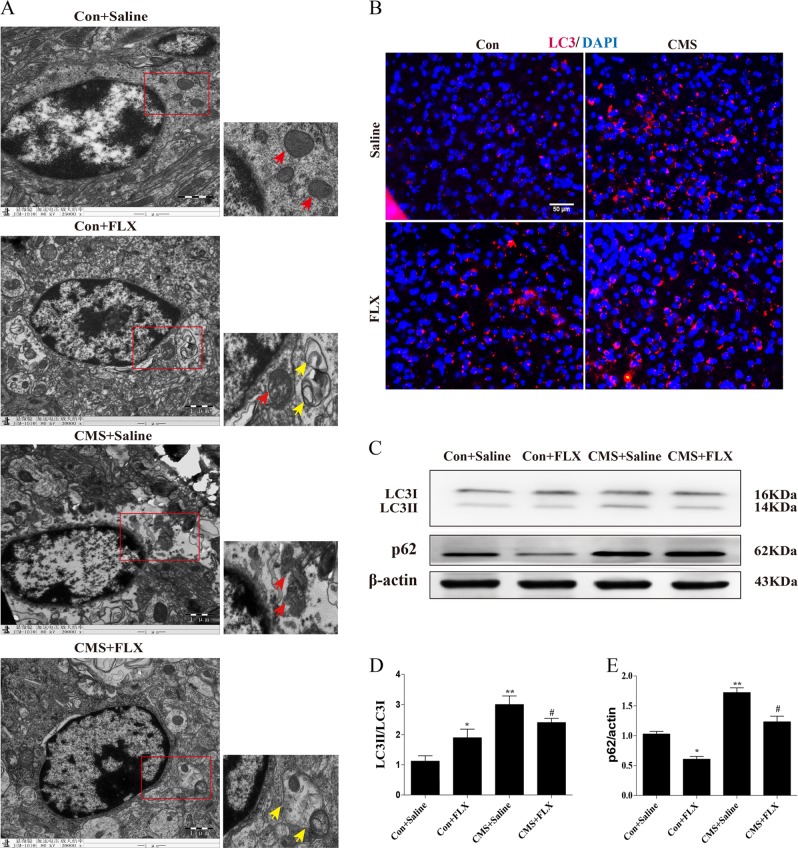
“Electron microscopy and protein studies indicate an increased colocalization of autophagosomes and mitochondria and a consequent autophagic clearance of dysfunctional mitochondria (66,68).”
BackgroundImmunotherapy for depression: Recent insights and future targets
Bai, Y., Cai, Y., Chang, D., Li, D., Huo, X., & Zhu, T. (2024) · Pharmacology & Therapeutics · doi:10.1016/j.pharmthera.2024.108624 · Cited by 58
Naringin Mediates Adult Hippocampal Neurogenesis for Antidepression via Activating CREB Signaling
Gao, C., Wu, M., Du, Q., Deng, J., & Shen, J. (2022) · Frontiers in Cell and Developmental Biology · doi:10.3389/fcell.2022.731831 · Cited by 51
“As a result, the CORT-induced depression mouse model has been widely used for antidepression studies (David et al., 2009; Myers et al., 2014; Brachman et al., 2016; Gao et al., 2018b; Kinlein et al., 2019; Shu et al., 2019).”
MethodAstrocytes in rapid ketamine antidepressant action
Stenovec, M., Li, B., Verkhratsky, A., & Zorec, R. (2020) · Neuropharmacology · doi:10.1016/j.neuropharm.2020.108158 · Cited by 54
Si, L., Xiao, L., Xie, Y., Xu, H., Yuan, G., Xu, W., & Wang, G. (2022) · Journal of Affective Disorders · doi:10.1016/j.jad.2022.12.092 · Cited by 50
Astrocytes in depression and Alzheimer’s disease
Liao, Y., Xing, Q., Li, Q., Zhang, J., Pan, R., & Yuan, Z. (2021) · Frontiers of Medicine · doi:10.1007/s11684-021-0875-0 · Cited by 49
Lu, J.-J., Wu, P., He, J., Li, Y.-K., Long, L., Yao, X.-P., Yang, J.-H., Chen, H.-S., Zhang, X., Hu, Z., et al. (2023) · Molecular Psychiatry · doi:10.1038/s41380-023-02008-z · Cited by 49
Ghosh, S., Choudhury, S., Chowdhury, O., Mukherjee, S., Das, A., Sain, A., Gupta, P., Adhikary, A., & Chattopadhyay, S. (2019) · Cellular Signalling · doi:10.1016/j.cellsig.2019.109521 · Cited by 48
Wang, Y., Ni, J., Gao, T., Gao, C., Guo, L., & Yin, X. (2020) · Glia · doi:10.1002/glia.23850 · Cited by 42
“In the past few decades, most of the anti-MDD targets are considered to act on neurons such as monoaminergic, glutamatergic or GABAergic neurons, although recently growing bodies of studies reveal astrocytic responses to antidepressants (Cui et al., 2018; Shu et al., 2019).”
BackgroundCircular RNAs in depression: Biogenesis, function, expression, and therapeutic potential
Gan, H., Lei, Y., Yuan, N., Tang, K., Hao, W., Ma, Q., Wu, M., Zhou, X., Li, X., Huang, J., et al. (2021) · Biomedicine & Pharmacotherapy · doi:10.1016/j.biopha.2021.111244 · Cited by 41
Su, L., Lu, H., Zhang, D., Zhu, X., Li, J., Zong, Y., Zhao, Y., He, Z., Chen, W., & Du, R. (2024) · Phytomedicine · doi:10.1016/j.phymed.2024.155519 · Cited by 46
Prasanth, M. I., Malar, D. S., Tencomnao, T., & Brimson, J. M. (2021) · Expert Opinion on Therapeutic Targets · doi:10.1080/14728222.2021.1939681 · Cited by 43
Liu, J., Liu, L., Han, Y., Yi, J., Guo, C., Zhao, H., Ling, J., & Wang, Y. (2021) · Journal of Cellular and Molecular Medicine · doi:10.1111/jcmm.16763 · Cited by 40
Brimson, J. M., Prasanth, M. I., Malar, D. S., Brimson, S., Thitilertdecha, P., & Tencomnao, T. (2021) · Expert Opinion on Therapeutic Targets · doi:10.1080/14728222.2021.1952987 · Cited by 37
The Contribution of Astrocyte Autophagy to Systemic Metabolism
Ortiz‐Rodriguez, A., & Arévalo, M. (2020) · International Journal of Molecular Sciences · doi:10.3390/ijms21072479 · Cited by 41
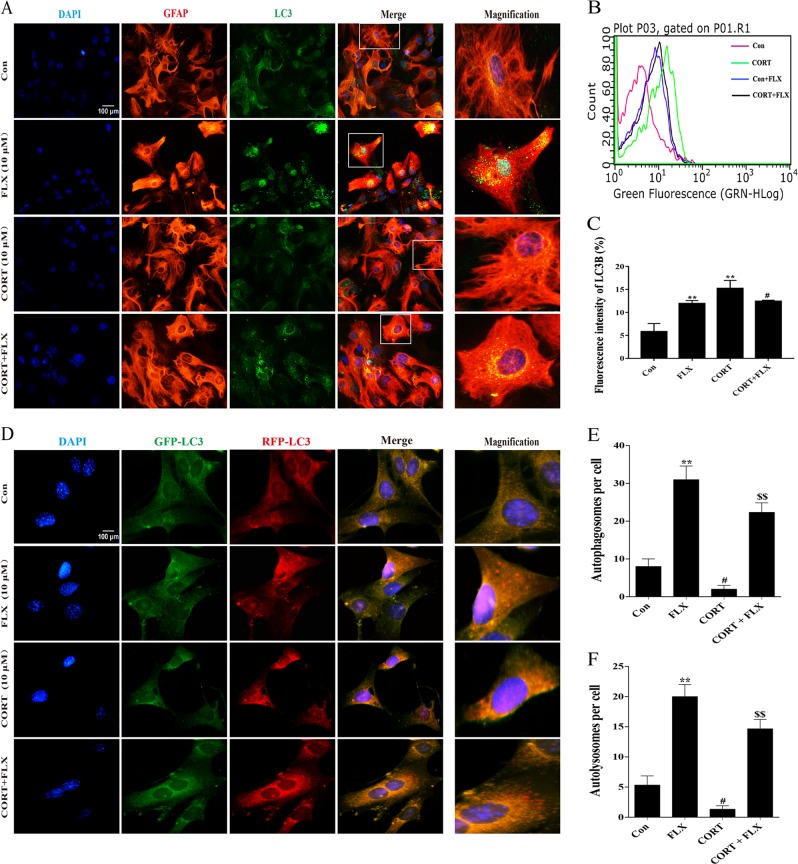
“Fluoxetine concretely increases mitophagy, which allows the elimination of damaged mitochondria and alleviates ROS production induced by corticosterone in astrocytes [83].”
BackgroundDeficient Autophagy in Microglia Aggravates Repeated Social Defeat Stress-Induced Social Avoidance
Sakai, M., Yu, Z., Hirayama, R., Nakasato, M., Kikuchi, Y., Ono, C., Komatsu, H., Nakanishi, M., Yoshii, H., Stellwagen, D., et al. (2022) · Neural Plasticity · doi:10.1155/2022/7503553 · Cited by 38
“Astrocytic autophagic flux involves mitochondrial clearance in a chronic mild stress murine model of depression [14].”
BackgroundLiang, L., Wang, H., Hu, Y. C., Bian, H., Xiao, L., & Wang, G. (2022) · Phytotherapy Research · doi:10.1002/ptr.7518 · Cited by 38
“However, some recent animal experiments have shown that CUMS reduced the expression of autophagy-related proteins (Shu et al., 2019; Zhao et al., 2017).”
BackgroundMitochondrial dynamics and psychiatric disorders: The missing link
Papageorgiou, M. P., & Filiou, M. D. (2024) · Neuroscience & Biobehavioral Reviews · doi:10.1016/j.neubiorev.2024.105837 · Cited by 43
Qian, L., Huang, S., Liu, X., Jiang, Y., Jiang, Y., Hu, Y., & Zhou, Y. (2023) · Phytomedicine · doi:10.1016/j.phymed.2023.155224 · Cited by 38
Self-citationZhu, J., & Tang, J. Y. (2020) · Bioscience Reports · doi:10.1042/bsr20200672 · Cited by 40
Potential Role of the Antidepressants Fluoxetine and Fluvoxamine in the Treatment of COVID-19
Mahdi, M., Hermán, L., Réthelyi, J., & Bálint, B. L. (2022) · International Journal of Molecular Sciences · doi:10.3390/ijms23073812 · Cited by 37
“Decreasing the acidity of endosomal pH adversely affects endosomal function and trafficking and inhibits the activity of the endosomal proteases [29].”
BackgroundOsborne, L. M., Payne, J. L., Sherer, M. L., & Sabunciyan, S. (2022) · Molecular Psychiatry · doi:10.1038/s41380-022-01794-2 · Cited by 37
Song, D., Chen, X., Zhou, N., Yuan, Y., Geng, S., Zhang, C., Zhao, Z., Wang, X., Bao, X., Lan, X., et al. (2023) · Journal of Translational Medicine · doi:10.1186/s12967-022-03824-7 · Cited by 35
“Hippocampal primary astrocytes cultures were obtained and purified from C57BL/6J mouse pups within 24 h after birth as previously documented [34].”
MethodRole of microglia autophagy and mitophagy in age-related neurodegenerative diseases
Lin, M., Yu, H., Xie, Q., Xu, Z., & Shang, P. (2023) · Frontiers in Aging Neuroscience · doi:10.3389/fnagi.2022.1100133 · Cited by 43
Yang, Z., Zhao, Y., Wang, Y., Liu, X., Jiang, Y., Jiang, Y., Liu, T., Hu, Y., & Chang, H. M. (2024) · Phytomedicine · doi:10.1016/j.phymed.2024.155433 · Cited by 41
Liang, X., Tang, J., Qi, Y., Luo, Y., Yang, C., Dou, X., Jiang, L. H., Xiao, Q., Zhang, L., Chao, F., et al. (2022) · Experimental Neurology · doi:10.1016/j.expneurol.2022.114103 · Cited by 36
Ye, S., Fang, L., Xie, S., Hu, Y., Chen, S., Amin, N., Fang, M., & Hu, Z. (2022) · Behavioural Brain Research · doi:10.1016/j.bbr.2022.114208 · Cited by 35
Neurobiological mechanisms of mood disorders: Stress vulnerability and resilience
Pereira, C. M., Castro, F. C. D. A. Q., Barcelos, R. M., Chiepe, K. C. M. B., Rossoni, J. V., Ambrósio, R. P., Chiarelli-Neto, O., & Pesarico, A. P. (2022) · Frontiers in Behavioral Neuroscience · doi:10.3389/fnbeh.2022.1006836 · Cited by 43
“, 2016) may block autophagic flow, mitophagy (Kurz et al., 2008; Shu et al., 2019; Tripathi et al., 2021) and apoptosis (Kim et al.”
BackgroundHuntington, T. E., & Srinivasan, R. (2021) · Cell Calcium · doi:10.1016/j.ceca.2021.102383 · Cited by 31
Targeting autophagy to counteract neuroinflammation: A novel antidepressant strategy
Gan, H. T., Ma, Q., Hao, W., Yang, N., Chen, Z., Deng, L., & Chen, J. (2024) · Pharmacological Research · doi:10.1016/j.phrs.2024.107112 · Cited by 32
Camargo, A., Dalmagro, A. P., Platt, N., Rosado, A. F., Neis, V. B., Zeni, A. L. B., Kaster, M. P., & Rodrigues, A. L. S. (2020) · Pharmacology Biochemistry and Behavior · doi:10.1016/j.pbb.2020.172971 · Cited by 33
Stress and signaling pathways regulating autophagy: From behavioral models to psychiatric disorders
Pierone, B. C., Pereira, C. A., Garcez, M. L., & Kaster, M. P. (2020) · Experimental Neurology · doi:10.1016/j.expneurol.2020.113485 · Cited by 33
Ciubuc-Batcu, M. T., Stapelberg, N. J. C., Headrick, J. P., & Renshaw, G. M. C. (2023) · Biochimica et Biophysica Acta (BBA) - Molecular Basis of Disease · doi:10.1016/j.bbadis.2023.166920 · Cited by 34
Tang, J., Liang, X., Dou, X., Qi, Y., Yang, C., Luo, Y., Chao, F., Zhang, L., Xiao, Q., Jiang, L. H., et al. (2021) · Translational Psychiatry · doi:10.1038/s41398-021-01747-3 · Cited by 36
Kaplan, G. B., Dadhi, N. A., & Whitaker, C. S. (2023) · Frontiers in Physiology · doi:10.3389/fphys.2023.1105839 · Cited by 31
Neuroinflammation and major depressive disorder: astrocytes at the crossroads
Puentes-Orozco, M., Albarracín, S. L., & Toledo, M. M. V. (2024) · Frontiers in Cellular Neuroscience · doi:10.3389/fncel.2024.1504555 · Cited by 35
“Furthermore, fluoxetine has been shown to promote autophagosome formation and remove damaged mitochondria in astrocytes in a CMS model, providing protection through a p53-dependent mechanism (Shu et al., 2019).”
Targeting mitophagy for depression amelioration: a novel therapeutic strategy
Xu, W., Gao, W.-P., Guo, Y., Feng, X., Di, L., Fang, S., Fan, L., He, Y., Zhou, Y., Xie, X., et al. (2023) · Frontiers in Neuroscience · doi:10.3389/fnins.2023.1235241 · Cited by 31
Self-citationMitochondria-targeting therapeutic strategies in the treatment of depression
Głombik, K., Budziszewska, B., & Basta‐Kaim, A. (2021) · Mitochondrion · doi:10.1016/j.mito.2021.03.006 · Cited by 27
Jing, D., Hou, X., Guo, X., Zhao, X., Zhang, K., Zhang, J., Kan, C., Han, F., Liu, J., & Sun, X. (2023) · Cellular and Molecular Neurobiology · doi:10.1007/s10571-023-01386-w · Cited by 30
“2022), and regulated astrocytes autophagy in depression model mice (Shu et al. 2019).”
BackgroundSelf-citationFluoxetine ameliorates mucopolysaccharidosis type IIIA
Capuozzo, A., Montefusco, S., Cacace, V., Sofia, M., Esposito, A., Napolitano, G., Nusco, E., Polishchuk, E., Pizzo, M. T., Risi, M. D., et al. (2022) · Molecular Therapy · doi:10.1016/j.ymthe.2022.01.037 · Cited by 25
Zhang, H., Liu, S., Qin, Q., Xu, Z., Qu, Y., Wang, Y., Wang, J., Du, Z., Yuan, S., Hong, S., et al. (2022) · Advanced Science · doi:10.1002/advs.202204463 · Cited by 35
The involvement of neuroinflammation in an animal model of dementia and depression
Zabot, G. C., Medeiros, E. B., Macarini, B. M. N., Peruchi, B. B., Keller, G. S., Lídio, A. V., Boaventura, A. L., de Jesus, L. C., Silveira, G. D. B., Silveira, P. C. L., et al. (2024) · Progress in Neuro-Psychopharmacology and Biological Psychiatry · doi:10.1016/j.pnpbp.2024.110999 · Cited by 26
Zeb, S., Ye, H., Liu, Y., Du, H., Guo, Y., Zhu, Y., Ni, Y., Zhang, H.-L., & Xu, Y. (2023) · Frontiers in Pharmacology · doi:10.3389/fphar.2022.1060954 · Cited by 30
“According to theWorld Health Organization, depression will be the second most likely leading cause of disability, mortality, and death in 2030 (Shu et al., 2019).”
BackgroundZheng, Z.-H., Lin, X.-C., Lu, Y., Cao, S.-R., Liu, X.-K., Dong, L., Yang, F.-H., Zhang, Y.-B., Tu, J., Pan, B., et al. (2023) · International Immunopharmacology · doi:10.1016/j.intimp.2023.110208 · Cited by 28
Maprotiline Prompts an Antitumour Effect by Inhibiting PD-L1 Expression in Mice with Melanoma
Liang, L., Li, Y., Jiao, Y., Zhang, C., Shao, M., Jiang, H., Wu, Z., Chen, H., Guo, J., Jia, H., et al. (2023) · Current Molecular Pharmacology · doi:10.2174/0118761429259562230925055749 · Cited by 25
Zhang, L., Sun, Y., Xu, W. G., Geng, Y., Su, Y., Wang, Q., & Wang, J. (2020) · Basic & Clinical Pharmacology & Toxicology · doi:10.1111/bcpt.13497 · Cited by 24
Self-citationSun, L., Liu, T., Liu, J., Gao, C., & Zhang, X. (2022) · Frontiers in Neurology · doi:10.3389/fneur.2022.929781 · Cited by 33
“SSRIs (selective serotonin reuptake inhibitors) like the antidepressant fluoxetine could promote mitophagy by increasing colocalization of autophagosomes and mitochondria, which thereby eliminates damagedmitochondria in corticosterone-treated astrocytes (64).”
BackgroundBougea, A. M., Angelopoulou, E., Vasilopoulos, E., Gourzis, P., & Papageorgiou, S. G. (2024) · International Journal of Molecular Sciences · doi:10.3390/ijms25126542 · Cited by 25
The Ketamine Antidepressant Story: New Insights
Alshammari, T. K. (2020) · Molecules · doi:10.3390/molecules25235777 · Cited by 23
“In preclinical settings, pretreatment with NBQX, an AMPAR antagonist, significantly reduced the immobility time during a forced swim test, suggesting that NBQX prevents the antidepressant-like effect of ketamine [78,81].”
BackgroundShi, Y., Chen, M., Zhao, Z., Pan, J., & Huang, S. (2021) · Evidence-based Complementary and Alternative Medicine · doi:10.1155/2021/5704578 · Cited by 27
“mammalian cell “gatekeeper,” is a pro-apoptotic factor [69, 70] that plays a critical role in regulating astrocytic autophagy and neuronal apoptosis, which may explain the mechanisms underlying the antidepressant effects of fluoxetine [70, 71].”
BackgroundConnexin 43: A novel ginsenoside Rg1-sensitive target in a rat model of depression
Xia, C., Wang, Z., Wang, H., Ren, S., Lou, Y.-X., Jin, C., Qu, T., Feng, S., Zhang, Y., Chu, S., et al. (2020) · Neuropharmacology · doi:10.1016/j.neuropharm.2020.108041 · Cited by 24
Yang, F., Zhu, X.-X., Kong, M.-W., Zou, X., Ma, Q., Li, X., & Chen, J. (2022) · Frontiers in Pharmacology · doi:10.3389/fphar.2022.873646 · Cited by 27
“Second, studies have shown that fluoxetine can promote the formation of autophagosomes in CUMS mice and exert its antidepressant effect by enhancing the level of autophagy (Shu et al., 2019).”
BackgroundResultDu, Y., Wang, Y., Chen, L., Li, Q., & Cheng, Y. (2023) · Frontiers in Pharmacology · doi:10.3389/fphar.2023.1143286 · Cited by 22
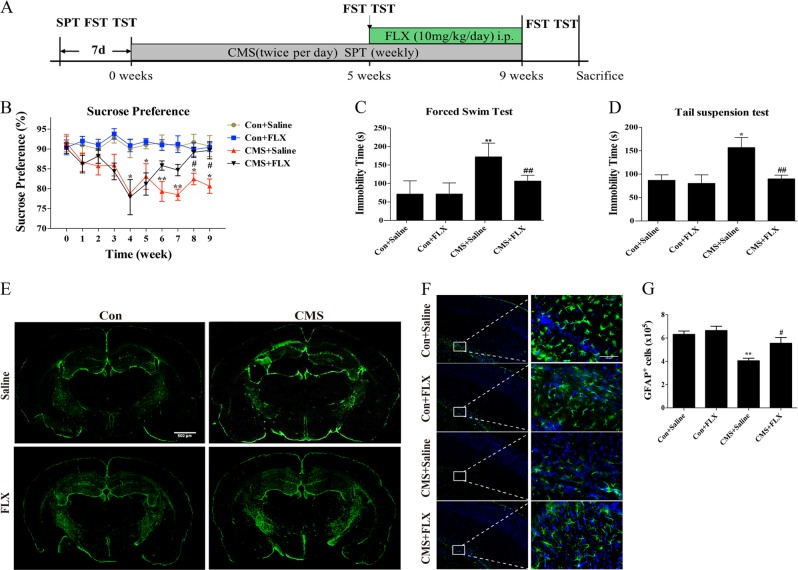
“We then tested astrocyte number in the mice under various treatments, and the results showed that the astrocyte number in the CA1 region of CUMS-treated mice was decreased (Figures 6A, B), which is consistent with the previous reports (Jiang et al., 2018; Shu et al., 2019).”
ResultShen, H., Shi, Y., Ye, J., Yin, J., Yang, Y., Liu, D., Shen, T., Zeng, D., Zhang, M., Li, S., et al. (2023) · Translational Psychiatry · doi:10.1038/s41398-023-02665-2 · Cited by 26
Chronic mild stress disrupts mitophagy and mitochondrial status in rat frontal cortex
Ulecia-Morón, C., Bris, Á. G., MacDowell, K. S., Madrigal, J. L. M., García‐Bueno, B., Leza, J. C., & Caso, J. R. (2025) · Journal of Translational Medicine · doi:10.1186/s12967-025-06604-1 · Cited by 22
“Studies have highlighted the role of mitochondrial dysfunction in the pathophysiology of MDD [31, 34, 35] and antidepressant actions [36].”
Wei, Q., Zhou, W., Zheng, J., Li, D., Wang, M., Feng, L., Huang, W., Yang, N., Han, M., Ma, X., et al. (2020) · Basic & Clinical Pharmacology & Toxicology · doi:10.1111/bcpt.13452 · Cited by 22
Chen, B., Zhang, M., Ji, M., Gong, W., Chen, B., Zorec, R., Stenovec, M., Verkhratsky, A., & Li, B. (2021) · Neurochemical Research · doi:10.1007/s11064-020-03225-6 · Cited by 23
“Shu 2019 C57/BL6J (male,18– 25 g), n = 15 CMS Fluoxetine (10 mg/kg, 4 weeks) GFAP, LC3 SPT, FST, TST Zhao 2018 C57BL/6J (male,18– 22 g), n = 10 CORT (20 mg/kg; i.p.”
Duarte-Silva, E. P., Araújo, S. M. D. R., de Oliveira, W. H., Lós, D. B., Bonfanti, A. P., Peron, G., Thomaz, L. D. L., Verinaud, L. M. C., & Peixoto, C. A. (2021) · Frontiers in Immunology · doi:10.3389/fimmu.2021.671511 · Cited by 18
Su, L., Guo, P., Guo, X., He, Z., Zhao, Y., Zong, Y., Li, J., Chen, W., & Du, R. (2024) · Chinese Journal of Natural Medicines · doi:10.1016/s1875-5364(24)60654-0 · Cited by 31
Zhang, G., Xu, S., Yuan, Z., & Shen, L. (2020) · Neuropsychiatric Disease and Treatment · doi:10.2147/ndt.s244452 · Cited by 21
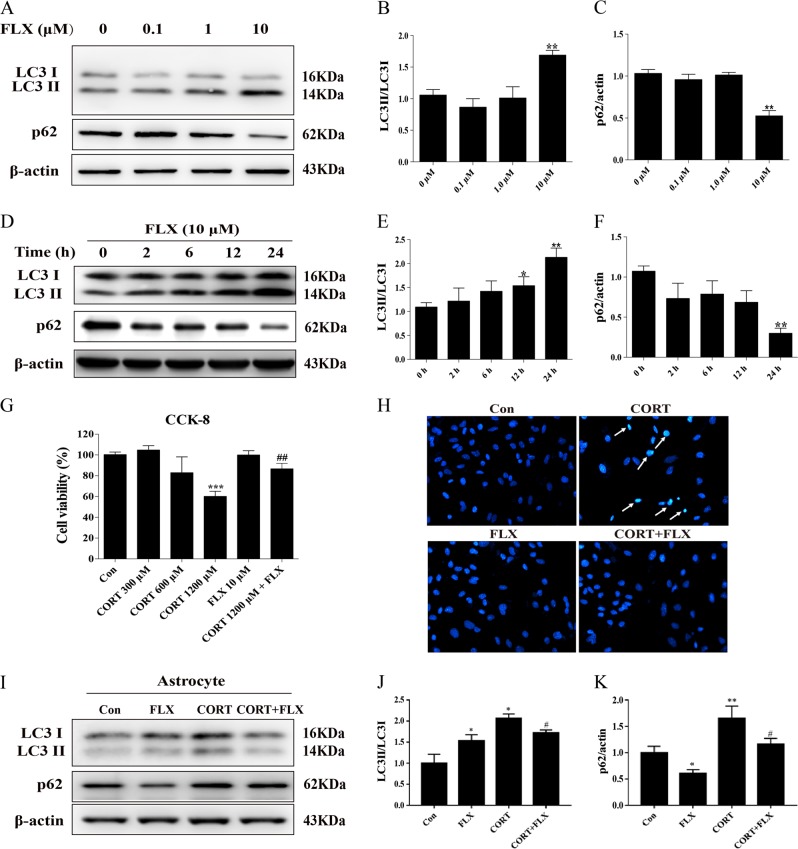
“One finding supporting the role of antidepressants in autophagy was that fluoxetine (10 μM), a selective serotonin reuptake inhibitor (SSRI), could promote unblocked autophagic flux by enhancing the fusion of autophagosomes with lysosomes in primary astrocytes.(45) The tricyclic antidepressant amitriptyline was found…”
BackgroundChen, F., Chen, S., Liu, J., Amin, N., Jin, W., & Fang, M. (2021) · BioMed Research International · doi:10.1155/2021/6664591 · Cited by 21
“Existing research shows that fluoxetine could promote the autophagic flux unblocked in the way of enhancing fusion of autophagosomes with lysosomes in primary astrocytes and finally ameliorates depression [21].”
BackgroundRetractedLiu, Y., Li, Y., Li, J., Hui, R., Sun, J., Xiu, J., & Wu, N. (2024) · Journal of Ethnopharmacology · doi:10.1016/j.jep.2024.118823 · Cited by 23
Molecular Basis of Neuronal Autophagy in Ageing: Insights from Caenorhabditis elegans
Konstantinidis, G., & Tavernarakis, N. (2021) · Cells · doi:10.3390/cells10030694 · Cited by 19
Wu, X., Zhang, X., Sun, L., Lu, X., & Shen, C. (2023) · Cellular and Molecular Biology · doi:10.14715/cmb/2023.69.7.32 · Cited by 18
Liu, Y., Fu, X., Sun, J., Cui, R., & Yang, W. (2024) · International Immunopharmacology · doi:10.1016/j.intimp.2024.113011 · Cited by 19
Lam, H. Y. P., Liang, T.-R., Jiang, S., & Peng, S.-Y. (2020) · Biomolecules · doi:10.3390/biom10071001 · Cited by 18
“Previous study indicated a role for REDD1 in controlling autophagy and mitochondrial function [44], which may affect mice behaviors [45,46].”
BackgroundFrom energy metabolism to mood regulation: The rise of lactate as a therapeutic target
Zhang, S., Xia, J., He, W., Zou, Y., Liu, W., Li, L., Huang, Z., Li, Q., Li, Q. X., & Liu, W. (2025) · Journal of Advanced Research · doi:10.1016/j.jare.2025.04.018 · Cited by 32
Systematic review of Kaixinsan in treating depression: Efficacy and pharmacological mechanisms
Bo, M., Zhang, H., Xu, J., Zhao, H., Jia, X., Wang, G.-D., & Lu, Z. (2022) · Frontiers in Behavioral Neuroscience · doi:10.3389/fnbeh.2022.1061877 · Cited by 17
“TP53 was involved in astrocyte autophagy and neuronal apoptosis, which was the antidepressant mechanism of fluoxetine (Shu et al., 2019).”
BackgroundCure of Alzheimer’s Dementia Requires Addressing All of the Affected Brain Cell Types
Fessel, J. (2023) · Journal of Clinical Medicine · doi:10.3390/jcm12052049 · Cited by 22
“Fluoxetine activated astrocytes to produce BDNF [78,87,88] and promoted clearance of astrocytes with damaged mitochondria [89].”
BackgroundIdentification of mitophagy-related biomarkers and immune infiltration in major depressive disorder
Zhang, J., Xie, S., Xiao, R., Yang, D., Zhi, Z., & Li, Y. (2023) · BMC Genomics · doi:10.1186/s12864-023-09304-6 · Cited by 16
“Mitophagy has also been considered the emerging mechanism of action for some antidepressants [12, 13].”
BackgroundWang, Y., Lai, H., Zhang, T., Wu, J., Tang, H., Liang, X., Ren, D., Huang, J., & Li, W. (2023) · Neuroscience & Biobehavioral Reviews · doi:10.1016/j.neubiorev.2023.105403 · Cited by 17
“Under hypoxia, IEC regulates gut barrier-related gene expression through HIFs, such as connexins, antimicrobial proteins, and mucus, and deletion of HIF-1 α leads to abnormalities in IEC, the intestinal barrier (Singhal and Shah, 2020; Sun et al., 2019).”
Zhang, Y. (2024) · Neurochemistry International · doi:10.1016/j.neuint.2024.105808 · Cited by 15
Chen, X., Gao, R., Song, Y., Xu, T., Jin, L.-Y., Zhang, W., Chen, Z., Wang, H., Wu, W., Zhang, G., et al. (2023) · Progress in Neurobiology · doi:10.1016/j.pneurobio.2023.102489 · Cited by 15
Antidepressant pharmacological mechanisms: focusing on the regulation of autophagy
Lv, S., Zhang, G., Huang, Y., Li, J., Yang, N., Lu, Y., Ma, H., Ma, Y., & Jing, T. (2023) · Frontiers in Pharmacology · doi:10.3389/fphar.2023.1287234 · Cited by 15
Park, B., & Choi, G. E. (2025) · Progress in Neurobiology · doi:10.1016/j.pneurobio.2025.102786 · Cited by 16
Therapeutic Potential of the Purinergic System in Major Depressive Disorder Associated with COVID-19
Simões, J. L. B., Galvan, A. C. L., da Silva, E. L. M., Ignácio, Z. M., & Bagatini, M. D. (2022) · Cellular and Molecular Neurobiology · doi:10.1007/s10571-022-01215-6 · Cited by 13
“For the treatment of depression, fluoxetine works as a selective serotonin reuptake inhibitor (SSRI), while it regulates the 5-HT synaptic cleft, that is, it acts as a method for monoaminergic response (Shu et al. 2019).”
BackgroundMethodThe Unfolded Protein Response and Autophagy as Drug Targets in Neuropsychiatric Disorders
Srinivasan, V., Korhonen, L., & Lindholm, D. (2020) · Frontiers in Cellular Neuroscience · doi:10.3389/fncel.2020.554548 · Cited by 14
“However, promising data has also been obtained in different models by the use of anti-depressants and antipsychotic drugs (Gulbins et al., 2018; Shu et al., 2019; Lundberg et al., 2020), specific compounds like sphingomyelin synthases inhibitor—tricyclodecan-9-ylxanthogenate (D609; Gulbins et al.”
BackgroundIcariin mitigates depressive-like behavior in rats by regulating mitochondrial function
Zhao, H., Zhang, S., Gong, Z., Chen, T., Guo, H., Yang, M., Wang, L., Zhou, X., Xie, J., Li, H., et al. (2025) · Journal of Ethnopharmacology · doi:10.1016/j.jep.2025.120036 · Cited by 14
Mitochondrial dysfunction in depression: Mechanisms and targeted therapy strategies
Xue, X., Li, K., Jiang, B., Zou, W., & Wang, L. (2025) · Asian Journal of Psychiatry · doi:10.1016/j.ajp.2025.104694 · Cited by 23
Metadata
- Authors
- Shu, X., Sun, Y., Sun, X., Zhou, Y., Bian, Y., Shu, Z., Ding, J., Lu, M., & Hu, G.
- Affiliations
- Nanjing Medical University (CN)
- Nanjing University of Chinese Medicine (CN)
- Corresponding author
- Lu, Ming
- Hu, Gang
- Venue
- Cell Death & Disease
- Published
- 2019-08-02
- Volume
- 10
- Issue
- 8
- Pages
- 577-577
- ISSN
- 2041-4889 (ISSN-L)
- PMC
- PMC6675792
- OpenAlex
- W2965167108
- Cited by
- 203
- References
- 43
- Citations by year
- 2026: 16 · 2025: 43 · 2024: 29 · 2023: 41 · 2022: 30 · 2021: 23 · 2020: 19 · 2019: 2
- FWCI
- 14.08
- Type
- journal article
- Language
- en
- Open access
- gold
- doi.org
- Licence
- cc-by
- creativecommons.org/licenses/by/4.0 (tdm)
- creativecommons.org/licenses/by/4.0 (vor)
- Locations
- Cell Death and Disease (publishedVersion, cc-by)
- Europe PMC (PubMed Central) (publishedVersion, cc-by)
- PubMed Central (publishedVersion, cc-by)
- PubMed (publishedVersion)
- DOAJ (DOAJ: Directory of Open Access Journals) (submittedVersion)
- Funders
- National Natural Science Foundation of China (81573403, 81630099, 81773706, 81473196)
- Topics
- Life Sciences › Biochemistry, Genetics and Molecular Biology › Cell Biology › Autophagy in Disease and Therapy
- Health Sciences › Medicine › Pharmacology (medical) › Treatment of Major Depression
- Life Sciences › Neuroscience › Behavioral Neuroscience › Stress Responses and Cortisol
- Keywords
- fluoxetine, astrocytes, autophagic flux, mitophagy, mitochondrial clearance, chronic mild stress, depression, selective serotonin reuptake inhibitors, autophagosome-lysosome fusion, p53, corticosterone, hippocampal astrocytes, antidepressant mechanism
- MeSH terms
- Autophagosomes, Animals, Antidepressive Agents, Astrocytes, Autophagy, Corticosterone, Depression, Disease Models, Animal, Fluoxetine, Hippocampus, Humans, Mitochondria, Mice, Primary Cell Culture
About these checks
Registry, retraction, Cites and statistics results are computed, not judged, with one exception: a printed reference that no index lists is read once by a model before it counts as a citation error. Claims are extracted by a model and kept only when their quote appears verbatim in the text; each cited source is then checked, with a model’s help, for whether it says what the claim relies on. Those verdicts can be wrong — read the claim’s quote and the cited source before relying on one.
Statistics and arithmetic are recomputed, not judged.
Confidence bands are shown only for fields calibrated on our annotated test set. None is calibrated yet, so no band is shown.
What counts as a claim ›How we measure confidence ›How we check this ›
Are you an author, or do you see a problem with this page? Request a review
Data sources
Bibliographic data: Semantic Scholar, OpenAlex, Crossref.
Contains information from the Semantic Scholar Academic Graph Datasets, made available under the ODC Attribution License (ODC-BY 1.0).
Semantic Scholar’s data is described in: Kinney, R., et al. (2023). The Semantic Scholar Open Data Platform. arXiv:2301.10140.
