

The effect of fluoxetine on astrocyte autophagy flux and injured mitochondria clearance in a mouse model of depression
Open accessThe DOI matches its Crossref record; 43 of the 43 references it cites were found in a registry or an index.
Abstract
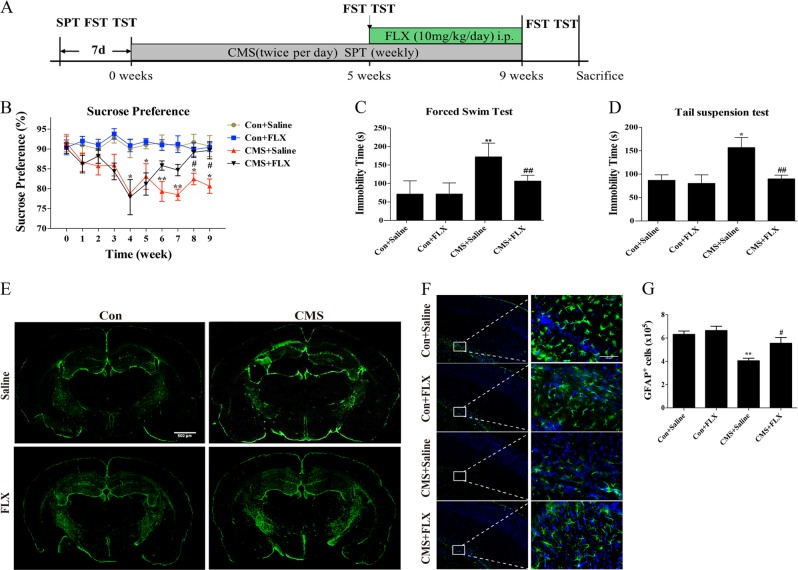
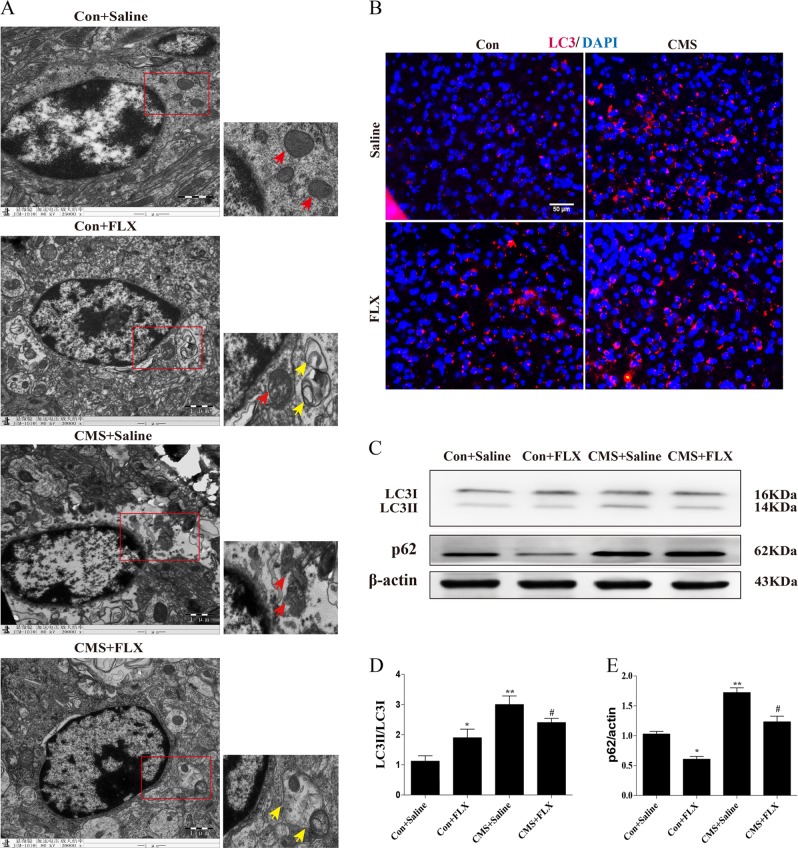
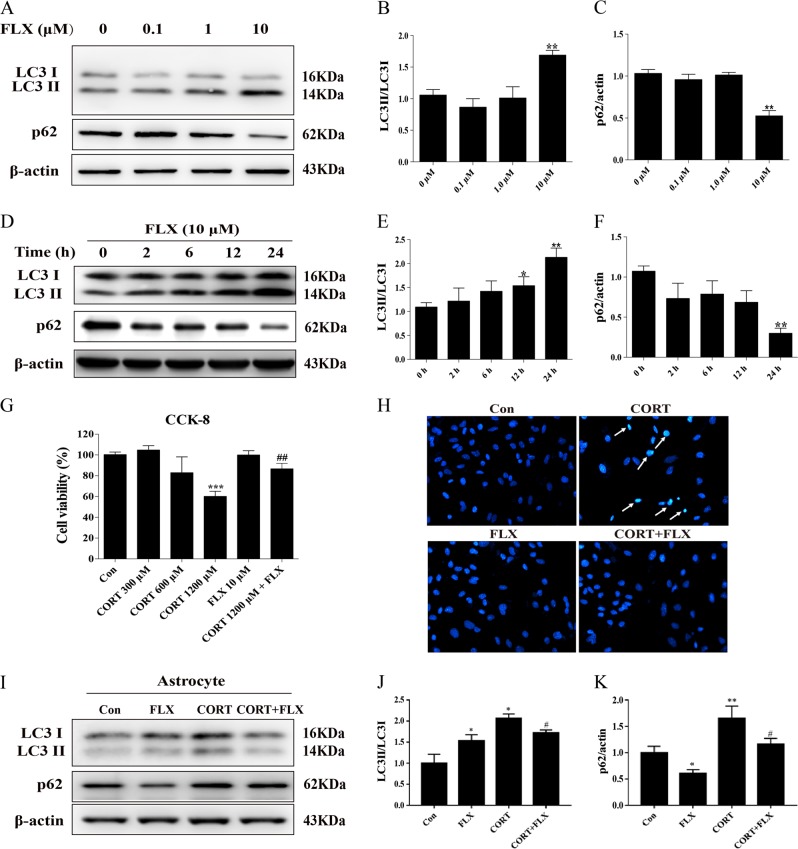
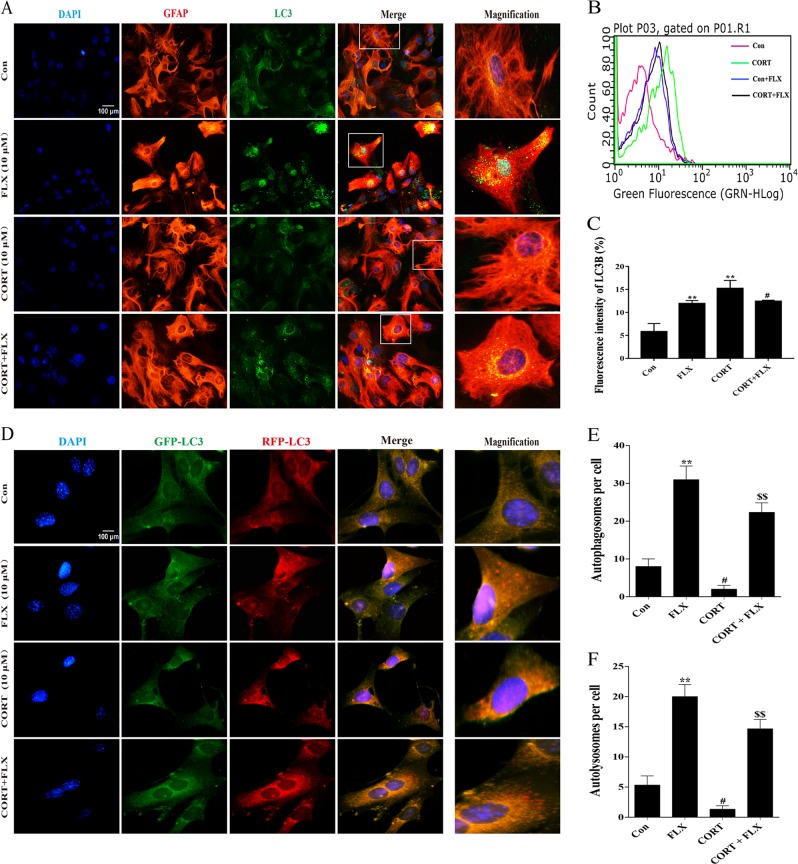
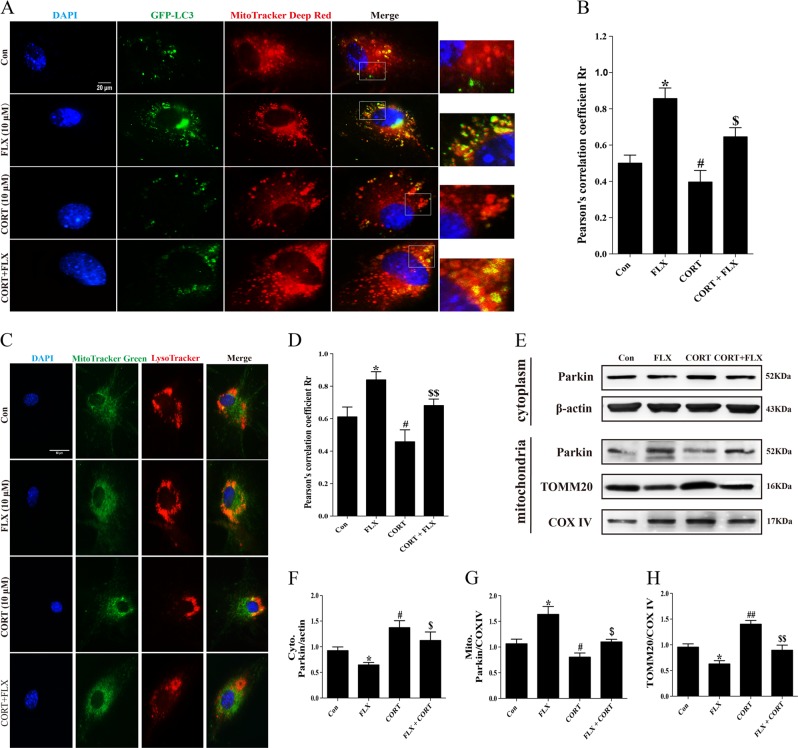
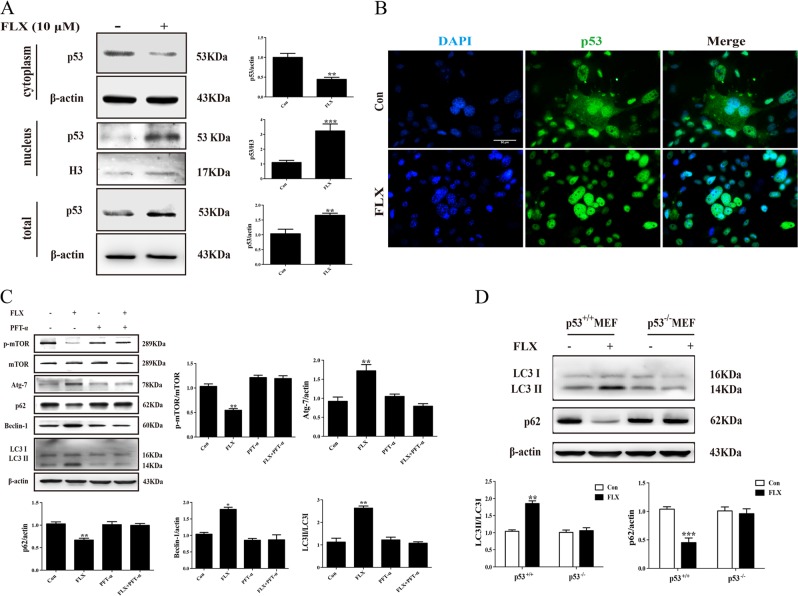
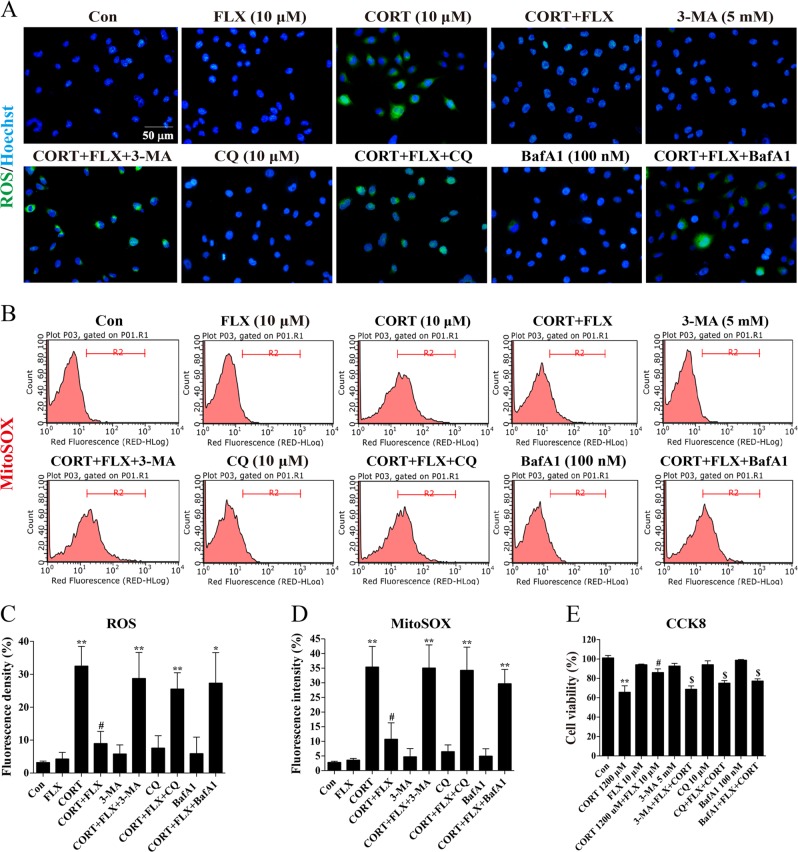
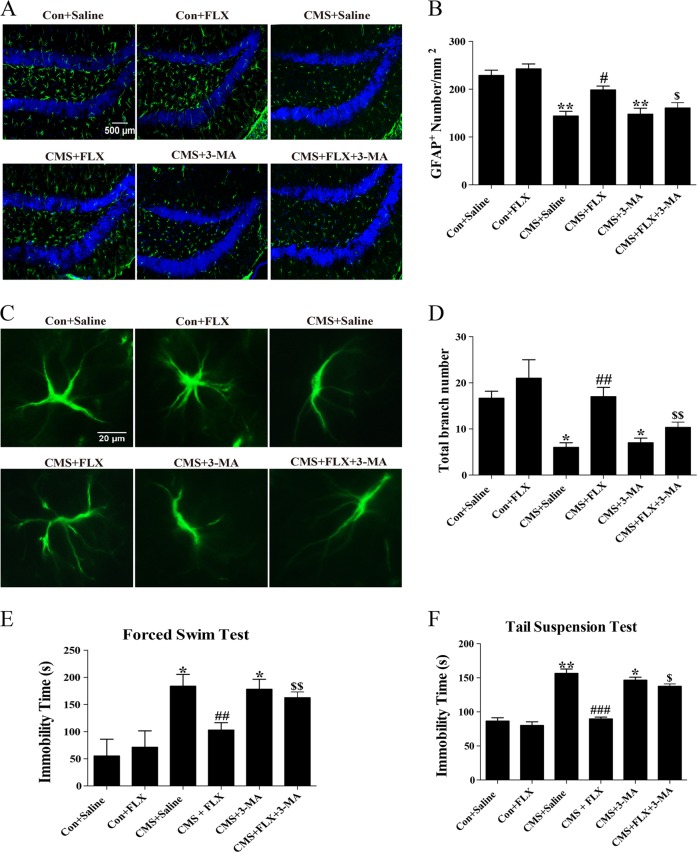
Although multiple hypotheses had been proposed to clarify the causes of depression, the accurate pathogenesis and effective treatment of depression still need to be solved. Pathological change of astrocytes has been recognized to play a pivotal role in depression. Fluoxetine is the first selective serotonin reuptake inhibitor, however, the underlying mechanisms of fluoxetine are incompletely excavated. Emerging evidence shows that fluoxetine promotes autophagic processes in tumor cells. However, whether astrocytic autophagy gets involved in the cytoprotection of fluoxetine on astrocytes in depression treatment remains unexplored. Here we prepared chronic mild stress (CMS)-induced mouse model and treated mice with fluoxetine (10 mg/kg) for 4 weeks to determine the correlation between proautophagic effect of fluoxetine and astrocyte protection in depression. Primary hippocampal astrocytes were cultured to investigate the potential mechanism of fluoxetine in regulating astrocyte autophagy. We found that fluoxetine (10 mg/kg) treatment promoted autophagosome formation and increased clearance of injured mitochondria, consequently protected astrocytes in CMS model mice. Fluoxetine (10 μM) could also promote the autophagic flux unblocked via enhancing fusion of autophagosomes with lysosomes in primary astrocytes. Moreover, fluoxetine promoted mitophagy by increased colocalization of autophagosomes and mitochondria, eliminating damaged mitochondria in corticosterone-treated astrocytes. Further in vitro study showed that p53 presence is required for fluoxetine activated autophagy flux and fluoxetine promotes astrocytic autophagy in a p53-dependent mechanism. Collectively, this work gives us insights into a novel approach to treat depression depending on astrocytes, and provides a promising molecular target for the development of antidepressant drugs besides regulating neurotransmitters.
Overview
The claims and statistics of this paper haven’t been checked yet.
Free: it reads the open-access text and checks the first 5 claims that cite a source we can check. Create a free account to check every claim.
Integrity signals
Registry
Cites
Statistics
Figures
Verification
Claims the paper makes
The claims and statistics of this paper haven’t been checked yet.
Free: it reads the open-access text and checks the first 5 claims that cite a source we can check. Create a free account to check every claim.
Claims other papers make about this one
Each is checked against this paper’s own text: does it say what the citing paper says it does?
The cited source says what the claim attributes to it.
In the citing paper
“Administering fluoxetine reversed the loss of GFAP-positive astrocytes and ameliorated depressive behaviors (96).”
From Chronic stress, neuroinflammation, and depression: an overview of pathophysiological mechanisms and emerging anti-inflammatories (2023) · cites this paper as [96]
Self-check
Percentages, sums and reported differences re-computed from the paper’s own numbers.
The self-check needs the paper’s full text.
Citations
Cites
Molecular Mechanisms of Depression: Perspectives on New Treatment Strategies
Lang, U. E., & Borgwardt, S. (2013) · Cellular Physiology and Biochemistry · doi:10.1159/000350094 · Cited by 8,475
Kessler, R. C., Berglund, P., Demler, O., Jin, R., Koretz, D., Merikangas, K. R., Rush, A. J., Walters, E. E., & Wang, P. S. (2003) · JAMA · doi:10.1001/jama.289.23.3095 · Cited by 7,988
Parkin is recruited selectively to impaired mitochondria and promotes their autophagy
Narendra, D., Tanaka, A., Suen, D.-F., & Youle, R. J. (2008) · The Journal of Cell Biology · doi:10.1083/jcb.200809125 · Cited by 4,026
Trivedi, M. H., Rush, A. J., Wisniewski, S. R., Nierenberg, A. A., Warden, D., Ritz, L., Norquist, G., Howland, R. H., Lebowitz, B., McGrath, P. J., et al. (2006) · American Journal of Psychiatry · doi:10.1176/appi.ajp.163.1.28 · Cited by 3,879
Autophagy: cellular and molecular mechanisms
Glick, D., Barth, S., & Macleod, K. F. (2010) · The Journal of Pathology · doi:10.1002/path.2697 · Cited by 3,802
Youle, R. J., & Narendra, D. P. (2011) · Nature Reviews Molecular Cell Biology · doi:10.1038/nrm3028 · Cited by 3,273
Kimura, S., Noda, T., & Yoshimori, T. (2007) · Autophagy · doi:10.4161/auto.4451 · Cited by 2,278
Belmaker, R. H., & Agam, G. (2008) · New England Journal of Medicine · doi:10.1056/nejmra073096 · Cited by 2,166
Astrocytes, from brain glue to communication elements: the revolution continues
Volterra, A., & Meldolesi, J. (2005) · Nature Reviews Neuroscience · doi:10.1038/nrn1722 · Cited by 1,770
Autophagy, mitochondria and oxidative stress: cross-talk and redox signalling.
Lee, J., Giordano, S., & Zhang, J. (2012) · Biochemical Journal · doi:10.1042/bj20111451 · Cited by 1,438
Regulation of autophagy by cytoplasmic p53
Tasdemir, E., Maiuri, M. C., Galluzzi, L., Vitale, I., Djavaheri-Mergny, M., D'Amelio, M., Criollo, A., Morselli, E., Zhu, C., Harper, F., et al. (2008) · Nature Cell Biology · doi:10.1038/ncb1730 · Cited by 1,132
Mitophagy: mechanisms, pathophysiological roles, and analysis
Ding, W.-X., & Yin, X.-M. (2012) · bchm · doi:10.1515/hsz-2012-0119 · Cited by 1,032
Depression as a Microglial Disease
Yirmiya, R., Rimmerman, N., & Reshef, R. (2015) · Trends in Neurosciences · doi:10.1016/j.tins.2015.08.001 · Cited by 944
Astrocytes: a central element in neurological diseases
Pekny, M., Pekna, M., Messing, A., Steinhäuser, C., Lee, J.-M., Parpura, V., Hol, E. M., Sofroniew, M. V., & Verkhratsky, A. (2016) · Acta Neuropathologica · doi:10.1007/s00401-015-1513-1 · Cited by 755
Astrocyte Pathology in Major Depressive Disorder: Insights from Human Postmortem Brain Tissue
Rajkowska, G., & Stockmeier, C. (2013) · Current Drug Targets · doi:10.2174/13894501113149990156 · Cited by 603
Glial Loss in the Prefrontal Cortex Is Sufficient to Induce Depressive-like Behaviors
Banasr, M., & Duman, R. S. (2008) · Biological Psychiatry · doi:10.1016/j.biopsych.2008.06.008 · Cited by 602
Hertz, L., Peng, L., & Dienel, G. A. (2007) · Journal of Cerebral Blood Flow & Metabolism · doi:10.1038/sj.jcbfm.9600343 · Cited by 587
Neuroimmune mechanisms of depression
Hodes, G. E., Kana, V., Menard, C., Merad, M., & Russo, S. J. (2015) · Nature Neuroscience · doi:10.1038/nn.4113 · Cited by 585
Kreiss, D. S., & Lucki, I. (1995) · The Journal of Pharmacology and Experimental Therapeutics · doi:10.1016/s0022-3565(25)10650-2 · Cited by 277
An excitatory synapse hypothesis of depression
Thompson, S. M., Kallarackal, A. J., Kvarta, M. D., Van Dyke, A. M., LeGates, T. A., & Cai, X. (2015) · Trends in Neurosciences · doi:10.1016/j.tins.2015.03.003 · Cited by 265
Antidepressants act by inducing autophagy controlled by sphingomyelin–ceramide
Gulbins, A., Schumacher, F., Becker, K. A., Wilker, B., Soddemann, M., Boldrin, F., Müller, C. P., Edwards, M. J., Goodman, M., Caldwell, C. C., et al. (2018) · Molecular Psychiatry · doi:10.1038/s41380-018-0090-9 · Cited by 230
Autophagy in the physiology and pathology of the central nervous system
Nikoletopoulou, V, Papandreou, M.-E., & Tavernarakis, N. (2015) · Cell Death & Differentiation · doi:10.1038/cdd.2014.204 · Cited by 207
Fluoxetine: a case history of its discovery and preclinical development
Perez-Caballero, L., Torres-Sanchez, S., Bravo, L., Mico, J. A., & Berrocoso, E. (2014) · Expert Opinion on Drug Discovery · doi:10.1517/17460441.2014.907790 · Cited by 178
Gassen, N. C., Hartmann, J., Zschocke, J., Stepan, J., Hafner, K., Zellner, A., Kirmeier, T., Kollmannsberger, L., Wagner, K. V., Dedic, N., et al. (2014) · PLoS Medicine · doi:10.1371/journal.pmed.1001755 · Cited by 177
A mitochondrial bioenergetic basis of depression
Klinedinst, N. J., & Regenold, W. T. (2014) · Journal of Bioenergetics and Biomembranes · doi:10.1007/s10863-014-9584-6 · Cited by 164
p53-Mediated Molecular Control of Autophagy in Tumor Cells
Mrakovcic, M., & Fröhlich, L. (2018) · Biomolecules · doi:10.3390/biom8020014 · Cited by 156
Rutter, J. J., Gundlah, C., & Auerbach, S. B. (1994) · Neuroscience Letters · doi:10.1016/0304-3940(94)90635-1 · Cited by 153
Zhang, H., Zhang, Y., Zhu, X., Chen, C., Zhang, C., Xia, Y., Zhao, Y., ANDRISANI, O. M., & Kong, L. (2019) · Hepatology · doi:10.1002/hep.30300 · Cited by 134
Invernizzi, R. W., Bramante, M., & SAMANIN, R. (1996) · Pharmacology Biochemistry and Behavior · doi:10.1016/0091-3057(95)02159-0 · Cited by 127
Nahon, E., Israelson, A., Abu-Hamad, S., & Shoshan-Barmatz, V. (2005) · FEBS Letters · doi:10.1016/j.febslet.2005.08.020 · Cited by 101
Molecular network of neuronal autophagy in the pathophysiology and treatment of depression
Jia, J., & Le, W. (2015) · Neuroscience Bulletin · doi:10.1007/s12264-015-1548-2 · Cited by 96
Cloonan, S. M., & Williams, D. C. (2011) · International Journal of Cancer · doi:10.1002/ijc.25477 · Cited by 96
FKBP5/FKBP51 enhances autophagy to synergize with antidepressant action
Gassen, N. C., Hartmann, J., Schmidt, M. V., & Rein, T. (2015) · Autophagy · doi:10.1080/15548627.2015.1017224 · Cited by 95
Lee, J. Y., Lee, H. E., Kang, S. R., Choi, H. Y., Ryu, J. H., & Yune, T. Y. (2013) · Neuropharmacology · doi:10.1016/j.neuropharm.2013.11.011 · Cited by 85
Nortriptyline Protects Mitochondria and Reduces Cerebral Ischemia/Hypoxia Injury
Zhang, W.-H., Wang, H., Wang, X., Narayanan, M. V., Stavrovskaya, I. G., Kristal, B. S., & Friedlander, R. M. (2008) · Stroke · doi:10.1161/strokeaha.107.496810 · Cited by 80
Kong, H., Zeng, X., Fan, Y., Yuan, S., Ge, S., Xie, W., Wang, H., & Hu, G. (2014) · CNS Neuroscience & Therapeutics · doi:10.1111/cns.12222 · Cited by 72
Self-citationScaini, G., Maggi, D. D., De-Nês, B. T., Gonçalves, C. L., Ferreira, G. K., Teodorak, B. P., Bez, G. D., Ferreira, G. C., Schuck, P. F., Quevedo, J., et al. (2011) · Acta Neuropsychiatrica · doi:10.1111/j.1601-5215.2011.00548.x · Cited by 52
Cell-Based Screening Identifies Paroxetine as an Inhibitor of Diabetic Endothelial Dysfunction
Gerő, D., Szoleczky, P., Suzuki, K., Módis, K., Oláh, G., Coletta, C., & Szabó, C. (2013) · Diabetes · doi:10.2337/db12-0789 · Cited by 51
Fluoxetine protects against IL-1β-induced neuronal apoptosis via downregulation of p53
Han, S., Bian, Y., Shu, Z., Zhang, L., Zhu, J., Ding, J., Lu, M., Xiao, M., & Hu, G. (2016) · Neuropharmacology · doi:10.1016/j.neuropharm.2016.03.019 · Cited by 47
Self-citationIs Autophagy Involved in the Diverse Effects of Antidepressants?
Rein, T. (2019) · Cells · doi:10.3390/cells8010044 · Cited by 46
Fluoxetine modulates breast cancer metastasis to the brain in a murine model
Shapovalov, Y., Zettel, M. L., Spielman, S. C., Amico-Ruvio, S. A., Kelly, E. A., Sipe, G. O., Dickerson, I. M., Majewska, A. K., & Brown, E. B. (2014) · BMC Cancer · doi:10.1186/1471-2407-14-598 · Cited by 39
Du, R.-W., Du, R., & Bu, W.-G. (2014) · Journal of Neuroimmune Pharmacology · doi:10.1007/s11481-014-9556-y · Cited by 36
Sun, B., Kim, J. H., Choi, J.-S., Hwang, S.-J., & Sung, J.-H. (2015) · International Journal of Molecular Sciences · doi:10.3390/ijms160716655 · Cited by 25
Cited by
Hassamal, S. (2023) · Frontiers in Psychiatry · doi:10.3389/fpsyt.2023.1130989 · Cited by 578
“Administering fluoxetine reversed the loss of GFAP-positive astrocytes and ameliorated depressive behaviors (96).”
BackgroundLi, S., Sun, Y., Song, M., Song, Y., Fang, Y., Zhang, Q., Li, X., Song, N., Ding, J., Lu, M., et al. (2021) · JCI Insight · doi:10.1172/jci.insight.146852 · Cited by 321
“Beyond their influence on the monoaminergic neurotransmission, FLX and CIT also exhibited the potential impacts on rescuing depression-like behaviors via improving astrocyte loss (28, 29).”
BackgroundSelf-citationZheng, Z.-H., Tu, J.-L., Li, X.-H., Hua, Q., Liu, W.-Z., Liu, Y., Pan, B.-X., Hu, P., & Zhang, W.-H. (2021) · Brain, Behavior, and Immunity · doi:10.1016/j.bbi.2020.11.007 · Cited by 304
Three-Dimensional Cell Cultures: The Bridge between In Vitro and In Vivo Models
Urzì, O., Gasparro, R., Costanzo, E., De Luca, A., Giavaresi, G., Fontana, S., & Alessandro, R. (2023) · International Journal of Molecular Sciences · doi:10.3390/ijms241512046 · Cited by 224
Doblado, L., Lueck, C., Rey, C., Samhan-Arias, A. K., Prieto, I., Stacchiotti, A., & Monsalve, M. (2021) · International Journal of Molecular Sciences · doi:10.3390/ijms22083903 · Cited by 228
Metadata
- Authors
- Shu, X., Sun, Y., Sun, X., Zhou, Y., Bian, Y., Shu, Z., Ding, J., Lu, M., & Hu, G.
- Affiliations
- Nanjing Medical University (CN)
- Nanjing University of Chinese Medicine (CN)
- Corresponding author
- Lu, Ming
- Hu, Gang
- Venue
- Cell Death & Disease
- Published
- 2019-08-02
- Volume
- 10
- Issue
- 8
- Pages
- 577-577
- ISSN
- 2041-4889 (ISSN-L)
- PMC
- PMC6675792
- OpenAlex
- W2965167108
- Cited by
- 203
- References
- 43
- Citations by year
- 2026: 16 · 2025: 43 · 2024: 29 · 2023: 41 · 2022: 30 · 2021: 23 · 2020: 19 · 2019: 2
- FWCI
- 14.08
- Type
- journal article
- Language
- en
- Open access
- gold
- doi.org
- Licence
- cc-by
- creativecommons.org/licenses/by/4.0 (tdm)
- creativecommons.org/licenses/by/4.0 (vor)
- Locations
- Cell Death and Disease (publishedVersion, cc-by)
- Europe PMC (PubMed Central) (publishedVersion, cc-by)
- PubMed Central (publishedVersion, cc-by)
- PubMed (publishedVersion)
- DOAJ (DOAJ: Directory of Open Access Journals) (submittedVersion)
- Funders
- National Natural Science Foundation of China (81573403, 81630099, 81773706, 81473196)
- Topics
- Life Sciences › Biochemistry, Genetics and Molecular Biology › Cell Biology › Autophagy in Disease and Therapy
- Health Sciences › Medicine › Pharmacology (medical) › Treatment of Major Depression
- Life Sciences › Neuroscience › Behavioral Neuroscience › Stress Responses and Cortisol
- Keywords
- fluoxetine, astrocytes, autophagic flux, mitophagy, mitochondrial clearance, chronic mild stress, depression, selective serotonin reuptake inhibitors, autophagosome-lysosome fusion, p53, corticosterone, hippocampal astrocytes, antidepressant mechanism
- MeSH terms
- Autophagosomes, Animals, Antidepressive Agents, Astrocytes, Autophagy, Corticosterone, Depression, Disease Models, Animal, Fluoxetine, Hippocampus, Humans, Mitochondria, Mice, Primary Cell Culture
About these checks
Registry, retraction, Cites and statistics results are computed, not judged, with one exception: a printed reference that no index lists is read once by a model before it counts as a citation error. Claims are extracted by a model and kept only when their quote appears verbatim in the text; each cited source is then checked, with a model’s help, for whether it says what the claim relies on. Those verdicts can be wrong — read the claim’s quote and the cited source before relying on one.
Statistics and arithmetic are recomputed, not judged.
Confidence bands are shown only for fields calibrated on our annotated test set. None is calibrated yet, so no band is shown.
What counts as a claim ›How we measure confidence ›How we check this ›
Are you an author, or do you see a problem with this page? Request a review
Data sources
Bibliographic data: Semantic Scholar, OpenAlex, Crossref.
Contains information from the Semantic Scholar Academic Graph Datasets, made available under the ODC Attribution License (ODC-BY 1.0).
Semantic Scholar’s data is described in: Kinney, R., et al. (2023). The Semantic Scholar Open Data Platform. arXiv:2301.10140.
