

A structurally distinct TGF-β mimic from an intestinal helminth parasite potently induces regulatory T cells
Open accessThe DOI matches its Crossref record; 67 of the 67 references it cites were found in a registry or an index.
Abstract
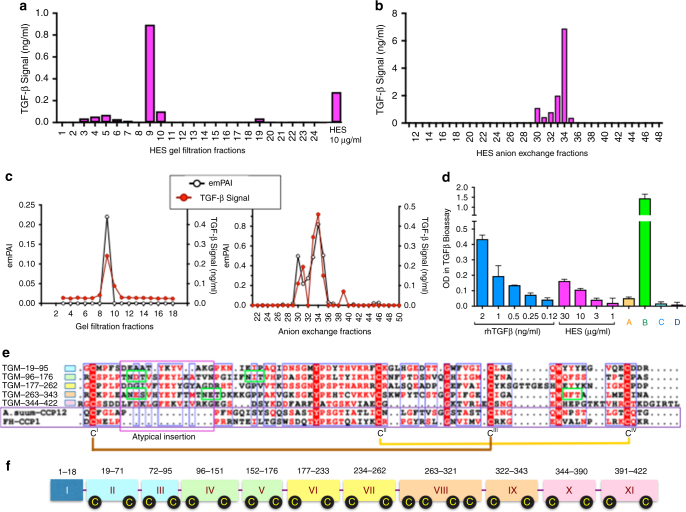
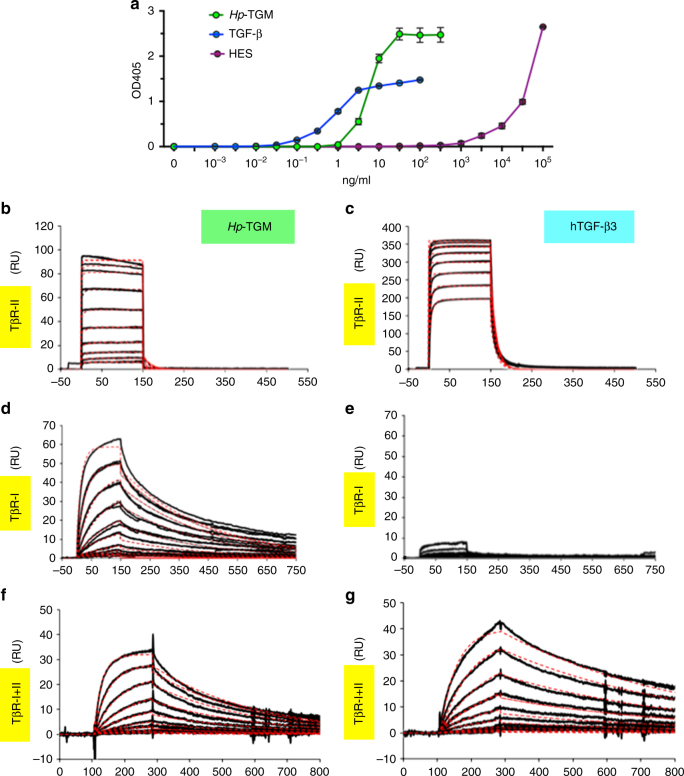
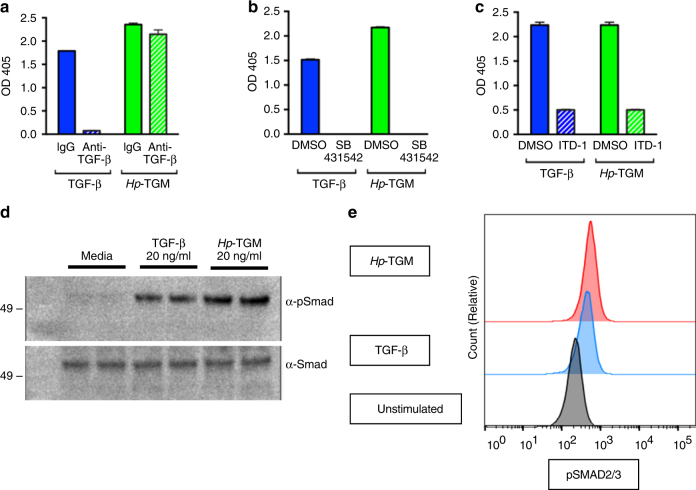
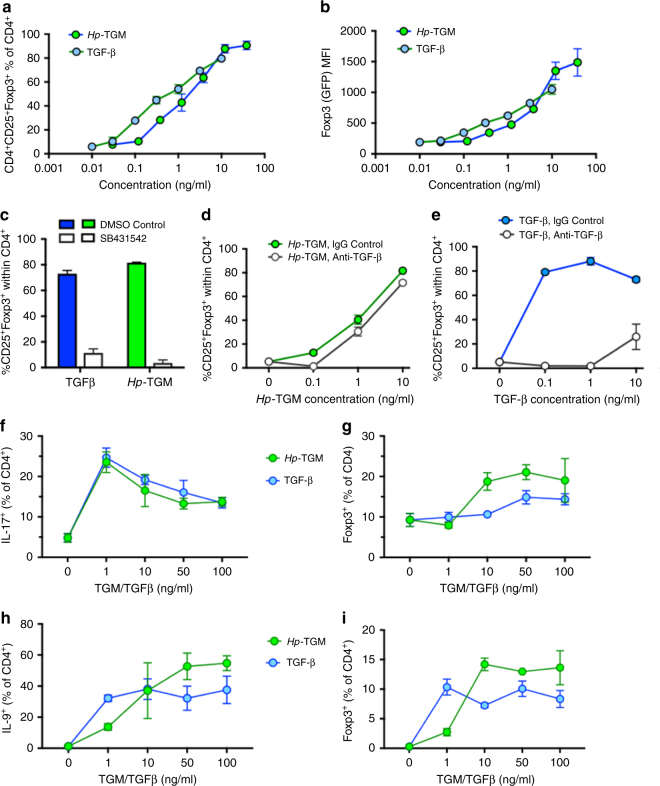
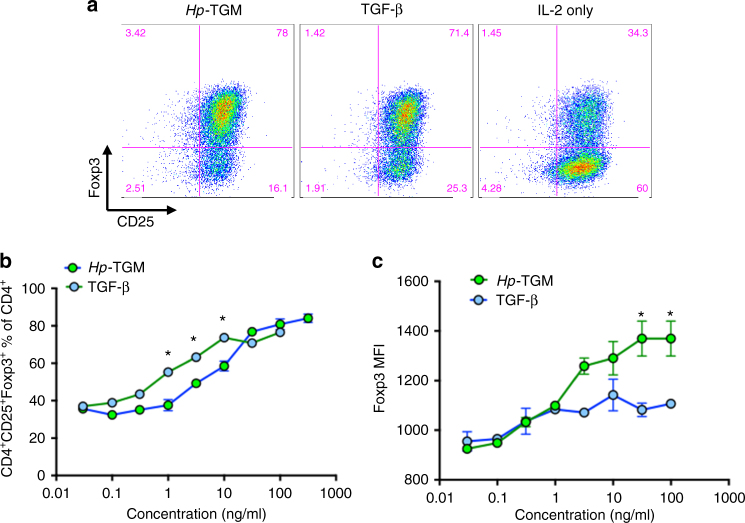
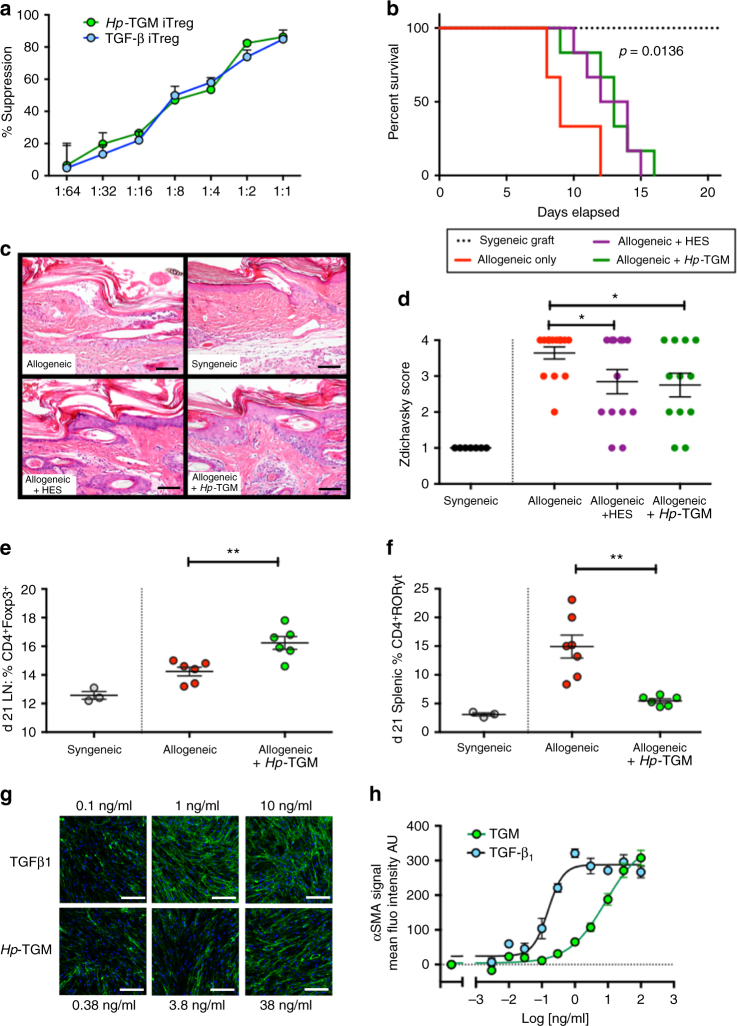
Helminth parasites defy immune exclusion through sophisticated evasion mechanisms, including activation of host immunosuppressive regulatory T (Treg) cells. The mouse parasite Heligmosomoides polygyrus can expand the host Treg population by secreting products that activate TGF-β signalling, but the identity of the active molecule is unknown. Here we identify an H. polygyrus TGF-β mimic ( Hp- TGM) that replicates the biological and functional properties of TGF-β, including binding to mammalian TGF-β receptors and inducing mouse and human Foxp3 + Treg cells. Hp- TGM has no homology with mammalian TGF-β or other members of the TGF-β family, but is a member of the complement control protein superfamily. Thus, our data indicate that through convergent evolution, the parasite has acquired a protein with cytokine-like function that is able to exploit an endogenous pathway of immunoregulation in the host.
Overview
The claims and statistics of this paper haven’t been checked yet.
Free: it reads the open-access text and checks the first 5 claims that cite a source we can check. Create a free account to check every claim.
Integrity signals
Registry
Cites
Statistics
Figures
Verification
Claims the paper makes
The claims and statistics of this paper haven’t been checked yet.
Free: it reads the open-access text and checks the first 5 claims that cite a source we can check. Create a free account to check every claim.
Claims other papers make about this one
Each is checked against this paper’s own text: does it say what the citing paper says it does?
The cited source says what the claim attributes to it.
In the citing paper
“It was recently discovered that, rather than adapt a pre-existing TGF-β homolog to interact with host receptors, H. polygyrus has convergently evolved an unrelated structure in the form of Hp-TGM, a protein consisting of five atypical complement control protein (CCP) domains with no homology to TGF-β, which ligates host TGF-β receptor (Johnston et al., 2017, Smyth et al., 2018).”
From Modulation of Host Immunity by Helminths: The Expanding Repertoire of Parasite Effector Molecules (2018) · cites this paper as Johnston et al., 2017
Self-check
Percentages, sums and reported differences re-computed from the paper’s own numbers.
The self-check needs the paper’s full text.
Citations
Cites
Bettelli, E., Carrier, Y., Gao, W., Korn, T., Strom, T. B., Oukka, M., Weiner, H. L., & Kuchroo, V. K. (2006) · Nature · doi:10.1038/nature04753 · Cited by 6,992
Chen, W., Jin, W., Hardegen, N., Lei, K.-J., Li, L., Marinos, N., McGrady, G., & Wahl, S. M. (2003) · The Journal of Experimental Medicine · doi:10.1084/jem.20030152 · Cited by 4,699
Veldhoen, M., Hocking, R. J., Atkins, C. J., Locksley, R. M., & Stockinger, B. (2006) · Immunity · doi:10.1016/j.immuni.2006.01.001 · Cited by 3,605
Roberts, A. B., Sporn, M. B., Assoian, R. K., Smith, J. M., Roche, N. S., Wakefield, L. M., Heine, U. I., Liotta, L. A., Falanga, V, & Kehrl, J. H. (1986) · Proceedings of the National Academy of Sciences · doi:10.1073/pnas.83.12.4167 · Cited by 2,866
Regulatory T Cell Lineage Specification by the Forkhead Transcription Factor Foxp3
Fontenot, J. D., Rasmussen, J. P., Williams, L. M., Dooley, J. L., Farr, A. G., & Rudensky, A. Y. (2005) · Immunity · doi:10.1016/j.immuni.2005.01.016 · Cited by 2,279
TRANSFORMING GROWTH FACTOR-β REGULATION OF IMMUNE RESPONSES
Li, M. O., Wan, Y. Y., Sanjabi, S., Robertson, A.-K. L., & Flavell, R. A. (2006) · Annual Review of Immunology · doi:10.1146/annurev.immunol.24.021605.090737 · Cited by 2,206
TGF-β-induced Foxp3 inhibits TH17 cell differentiation by antagonizing RORγt function
Zhou, L., Lopes, J. E., Chong, M. M. W., Ivanov, I. I., Min, R., Victora, G. D., Shen, Y., Du, J., Rubtsov, Y. P., Rudensky, A. Y., et al. (2008) · Nature · doi:10.1038/nature06878 · Cited by 1,863
Inman, G. J., Nicolás, F. J., Callahan, J. F., Harling, J. D., Gaster, L. M., Reith, A. D., Laping, N. J., & Hill, C. S. (2002) · Molecular Pharmacology · doi:10.1124/mol.62.1.65 · Cited by 1,634
Sanford, L. P., Ormsby, I., Groot, A. C. G.-D., Sariola, H., Friedman, R., Boivin, G. P., Cardell, E. L., & Doetschman, T. (1997) · Development · doi:10.1242/dev.124.13.2659 · Cited by 1,447
Molecular Antagonism and Plasticity of Regulatory and Inflammatory T Cell Programs
Yang, X. O., Nurieva, R., Martinez, G. J., Kang, H. S., Chung, Y., Pappu, B. P., Shah, B., Chang, S. H., Schluns, K. S., Watowich, S. S., et al. (2008) · Immunity · doi:10.1016/j.immuni.2008.05.007 · Cited by 1,136
Cited by
Items 101–200 of 201
Pérez, M. G., Gillan, V., Anderson, W. M., Gerbe, F., Herbert, F., McNeilly, T. N., Maizels, R. M., Jay, P., Devaney, E., & Britton, C. (2025) · Frontiers in Immunology · doi:10.3389/fimmu.2025.1558132 · Cited by 13
Self-citationWu, Z., Zhang, L.-Y., Mao, X., Zhu, J., Li, J., Wang, C., Jiang, W., Zhang, Y., Huang, X., Zhuang, H., et al. (2025) · Journal of the American Chemical Society · doi:10.1021/jacs.5c04246 · Cited by 11
Bu, Y., Cao, M., Tian, X., Lu, M., Li, J., Mao, D., Yu, L., Memon, M. A., Li, Z., Xu, L., et al. (2020) · Veterinary Parasitology · doi:10.1016/j.vetpar.2020.109236 · Cited by 11
Smith, H., Forman, R. A., Mair, I., & Else, K. J. (2018) · Expert Review of Gastroenterology & Hepatology · doi:10.1080/17474124.2018.1505498 · Cited by 11
Lee, J. H., Zou, L., Yang, R., Han, J., Wan, Q., Zhang, X., el Baghdady, S., Roman, A. R., Elly, C., Jin, H., et al. (2020) · Journal of Allergy and Clinical Immunology · doi:10.1016/j.jaci.2020.10.042 · Cited by 10
Facile induction of immune tolerance by an interleukin-2–TGFβ surrogate agonist
Sun, Q., Barrett, A. K., Ogishi, M., Lyu, H., Jiang, H., Liu, H., Zhao, Y., Rodriguez, G. E., Tao, P., Obenaus, M., et al. (2026) · Nature · doi:10.1038/s41586-026-10208-0 · Cited by 10
Host-microbiota interactions shaping T-cell response and tolerance in type 1 diabetes
Majumdar, S., Lin, Y., & Bettini, M. L. (2022) · Frontiers in Immunology · doi:10.3389/fimmu.2022.974178 · Cited by 11
Yordanova, I. A., Jürchott, K., Steinfelder, S., Vogt, K., Krüger, U., Kühl, A. A., Sawitzki, B., & Hartmann, S. (2022) · Frontiers in Immunology · doi:10.3389/fimmu.2022.842870 · Cited by 11
Maizels, R. M., & Newfeld, S. J. (2023) · Genome Biology and Evolution · doi:10.1093/gbe/evad158 · Cited by 9
“The TGM family was discovered in the murine intestinal roundworm Heligmosomoides polygyrus roughly 5 years ago (Johnston et al. 2017).”
InfluentialSelf-citationMpaka-Mbatha, M. N., Naidoo, P., Bhengu, K. N., Islam, M. M., Singh, R., Nembe-Mafa, N., & Mkhize‐Kwitshana, Z. L. (2023) · Diagnostics · doi:10.3390/diagnostics13152475 · Cited by 9
Getting around the roundworms: Identifying knowledge gaps and research priorities for the ascarids
Wolstenholme, A. J., Andersen, E. C., Choudhary, S., Ebner, F., Hartmann, S., Holden-Dye, L. M., Kashyap, S. S., Krücken, J., Martin, R. J., Midha, A., et al. (2024) · Advances in Parasitology/Advances in parasitology · doi:10.1016/bs.apar.2023.12.002 · Cited by 10
Vaccination against helminth IL-33 modulators permits immune-mediated parasite ejection
Smyth, D. J., Hodge, S. H., Ong, N. W. P., Richards, J., Colomb, F., Carmine, S. D., Shek, V., Frangova, T. G., Poveda, M. C., Maizels, R. M., et al. (2025) · Cell Reports · doi:10.1016/j.celrep.2025.115721 · Cited by 9
Self-citationMierzejewski, K., Stryiński, R., Łopieńska–Biernat, E., Mateos, J., Bogacka, I., & Carrera, M. (2021) · Molecular & Cellular Proteomics · doi:10.1016/j.mcpro.2021.100166 · Cited by 9
How to train your myeloid cells: a way forward for helminth vaccines?
Doolan, R., Putananickal, N., Tritten, L., & Bouchery, T. (2023) · Frontiers in Immunology · doi:10.3389/fimmu.2023.1163364 · Cited by 10
“Hpb-TGM Fox3 Treg cells Induces Foxp3 Treg cells to interact with TGF-b receptor (126)”
BackgroundZarek, C. M., Dende, C., Coronado, J., Pendse, M., Dryden, P., Hooper, L. V., & Reese, T. A. (2023) · PLoS Pathogens · doi:10.1371/journal.ppat.1011691 · Cited by 9
Szabo, E. K., Bowhay, C., Forrester, E., Liu, H., Dong, B., Leon‐Coria, A., Perera, S., Fung, B., Badawadagi, N., Gaio, C., et al. (2024) · PLoS ONE · doi:10.1371/journal.pone.0292408 · Cited by 9
Parasitic worms affect virus coinfection: a mechanistic overview
Petrellis, G., Piedfort, O., Katsandegwaza, B., & Dewals, B. G. (2023) · Trends in Parasitology · doi:10.1016/j.pt.2023.02.007 · Cited by 8
Rab31-dependent regulation of transforming growth factor ß expression in breast cancer cells
Soelch, S., Beaufort, N., Loessner, D., Kotzsch, M., Reuning, U., Luther, T., Kirchner, T., & Magdolen, V. (2021) · Molecular Medicine · doi:10.1186/s10020-021-00419-8 · Cited by 8
Jiang, J., Li, J., Zhang, Y., Zhou, C., Guo, C., Zhou, Z., & Ming, Y. (2022) · Frontiers in Immunology · doi:10.3389/fimmu.2022.884006 · Cited by 8
“Helminths and their secreted products are capable of regulating host immune responses to achieve their ongoing survival, as well as to provide benefit to the host with allergy or autoimmune disorders (3, 4).”
BackgroundChuong, J. J. H., Livstone, E. M., & Barwick, K. W. (1982) · PubMed · Cited by 8
Molecular mechanism of Activin receptor inhibition by DLK1
Antfolk, D., Ming, Q., Manturova, A., Goebel, E. J., Thompson, T. B., & Luca, V. C. (2025) · Nature Communications · doi:10.1038/s41467-025-60634-3 · Cited by 8
Draft genome of the bluefin tuna blood fluke, Cardicola forsteri
Coff, L., Guy, A. J., Campbell, B. E., Nowak, B. F., Ramsland, P. A., & Bott, N. J. (2022) · PLoS ONE · doi:10.1371/journal.pone.0276287 · Cited by 7
Genome assembly variation and its implications for gene discovery in nematodes
Mariene, G. M., & Wasmuth, J. D. (2025) · International Journal for Parasitology · doi:10.1016/j.ijpara.2025.01.004 · Cited by 8
Can Microbes Boost Tregs to Suppress Food Sensitivities?
Siller, M., Zeng, Y., & Hinterleitner, R. (2020) · Trends in Immunology · doi:10.1016/j.it.2020.09.005 · Cited by 7
Wei, Z., Yuan, J., Chen, Q., Pang, J., Shi, Q., Peng, B., Wei, M., Wei, Y., Zhang, Z., Lu, X., et al. (2025) · EBioMedicine · doi:10.1016/j.ebiom.2025.105685 · Cited by 6
Worming into infancy: Exploring helminth-microbiome interactions in early life
Bogza, A., King, I. L., & Maurice, C. F. (2024) · Cell Host & Microbe · doi:10.1016/j.chom.2024.04.009 · Cited by 6
HpBoRB, a helminth-derived CCP domain protein which binds RELMβ
Shek, V., Jamwal, A., Smyth, D. J., Frangova, T. G., Savage, A. R., Kelly, S., Wright, G. J., Toth, R. L., Schwarz, E. M., Maizels, R. M., et al. (2025) · International Journal for Parasitology · doi:10.1016/j.ijpara.2025.09.006 · Cited by 6
Self-citationImportance of TGFβ in Cancer and Nematode Infection and Their Interaction—Opinion
Maruszewska‐Cheruiyot, M., Stear, M. J., Machcińska, M., & Donskow‐Łysoniewska, K. (2022) · Biomolecules · doi:10.3390/biom12111572 · Cited by 6
“Hp-TGM has high immunomodulatory potential [81] and consists of five atypical domains.”
BackgroundInfluentialGut Helminth Infection-Induced Immunotolerance and Consequences for Human Papillomavirus Persistence
Clark, E. H., Gilman, R. H., Chiao, E. Y., & Gravitt, P. E. (2021) · American Journal of Tropical Medicine and Hygiene · doi:10.4269/ajtmh.21-0191 · Cited by 6
Meli, A. P., Russell, G. A., Swaminathan, S., Weichselbaum, L., MacMahon, C. A., Pernet, E., Karo‐Atar, D., Rogers, D., Rochette, A., Fontès, G., et al. (2023) · Mucosal Immunology · doi:10.1016/j.mucimm.2023.08.004 · Cited by 6
Identification of potential molecular mimicry in pathogen-host interactions
(2023) · doi:10.7717/peerj.16339 · Cited by 6
“Helminths are known to modulate their hosts’ immune systems (reviewed in [40]) and one recent protein candidate from Heligmosomoides bakeri (at the time misclassified as Heligmosomoides polygyrus [41,42]) was named TGF-b mimic (TGM) [43].”
BackgroundIdentification of potential molecular mimicry in pathogen-host interactions
Rich, K. D., Srivastava, S., Muthye, V., & Wasmuth, J. D. (2023) · doi:10.1101/2023.06.14.544818 · Cited by 6
Lins, J. G. G., de Albuquerque, A. C. A., Louvandini, H., & do Amarante, A. F. T. (2024) · Developmental & Comparative Immunology · doi:10.1016/j.dci.2024.105259 · Cited by 6
Heparan sulphate binding controls in vivo half-life of the HpARI protein family
Colomb, F., Jamwal, A., Ogunkanbi, A., Frangova, T. G., Savage, A. R., Kelly, S., Wright, G. J., Higgins, M. K., & McSorley, H. J. (2024) · eLife · doi:10.7554/elife.99000.3 · Cited by 6
Self-citationEuropean Respiratory Society Research Seminar on Preventing Pediatric Asthma
Grigg, J., Barratt, B., Bønnelykke, K., Čustović, A., Ege, M. J., Pasquali, C., Palomares, Ó., Shaheen, S. O., Sokołowska, M., Vercelli, D., et al. (2024) · Pediatric Pulmonology · doi:10.1002/ppul.27401 · Cited by 5
Self-citationModulation of the Immune Response by Nematode Derived Molecules
Stear, M. J., Maruszewska‐Cheruiyot, M., & Donskow‐Łysoniewska, K. (2025) · International Journal of Molecular Sciences · doi:10.3390/ijms26125600 · Cited by 5
“TGM1 has 422 amino acids including a signal peptide of 18 amino acids [76].”
InfluentialWang, Q., Muhammad, T. A., Muhammad, W. H., Muhammad, A. M., Haseeb, M., Yan, R., Xu, L., Song, X., & Li, X. (2022) · Microbial Pathogenesis · doi:10.1016/j.micpath.2022.105614 · Cited by 5
Cressler, C. E., Metz, D. C. G., van Oordt, D. C., & Graham, A. L. (2024) · Proceedings of the Royal Society B Biological Sciences · doi:10.1098/rspb.2024.0934 · Cited by 6
“Some parasites, rather than inducing an inappropriate Th1 response to achieve chronic infection, do so by inducing a regulatory T-cell response that keeps both Th1 and Th2 immunity suppressed [48–50].”
BackgroundColombo, S. A. P., Thompson, S., Bancroft, A. J., & Grencis, R. K. (2022) · Parasite Immunology · doi:10.1111/pim.12936 · Cited by 4
Ruppova, K., Lim, J., Fodelianaki, G., August, A., & Neuwirth, A. (2021) · Immunology Letters · doi:10.1016/j.imlet.2021.09.001 · Cited by 4
Japa, O., Prakhammin, K., & Flynn, R. J. (2022) · Parasitology Research · doi:10.1007/s00436-022-07679-1 · Cited by 4
“The crossspecies interaction of these conserved proteins and receptors between host and parasite is evident in some species (Johnston et al. 2017; Sulaiman et al. 2016) and it is likely that TGF-β family members from the host may promote growth and development of the parasite (Adalid-Peralta et al.”
BackgroundMusah-Eroje, M., Hoyle, R. C., Japa, O., Hodgkinson, J. E., Haig, D. M., & Flynn, R. J. (2021) · International Journal for Parasitology · doi:10.1016/j.ijpara.2020.11.005 · Cited by 4
Nutrition and Gut Microbiome in the Prevention of Food Allergy
Binti, M. A. N., & Varga, J. T. (2025) · Nutrients · doi:10.3390/nu17213320 · Cited by 5
“In allergic reactions, they may work together to inhibit the Fc ε RI on mast cells and counteract IgE [73].”
Cancer in disguise: a parasite within
Wagner, M., & Koyasu, S. (2026) · The EMBO Journal · doi:10.1038/s44318-025-00691-y · Cited by 3
“For example, H. polygyrus produces Hp-TGM, a TGF-β mimic that drives Treg expansion in both mice and humans (Johnston et al, 2017).”
van Dinther, M., Schwartze, T. A., Zhang, J., Fan, K., van der Zon, G., Power, L., Hinck, C. S., Ciancia, C., Mukundan, A., González‐Prieto, R., et al. (2026) · Advanced Science · doi:10.1002/advs.75322 · Cited by 3
“Its prototypic member, TGM1, phenocopies the immunosuppressive effects of TGF β by stimulating T regulatory cells [ 8 ].”
InfluentialSelf-citationProcessing and release of endogenous immunogenic peptide signals
Koenig, M., Laia, H., Doehlemann, G., & Villamil, J. C. M. (2026) · The Plant Journal · doi:10.1111/tpj.70897 · Cited by 3
“The helminth Heligmosomoides polygyrus , a naturally occurring intestinal roundworm, secretes Hp-TGM, a functional TGF-b mimic that binds mammalian TGF-b receptors and drives regulatory T-cell induction, dampening host inflammation (Johnston et al., 2017; White et al., 2021).”
Orrego, M. A., Verástegui, M., & Garcia, H. H. (2022) · Frontiers in Immunology · doi:10.3389/fimmu.2022.1025599 · Cited by 3
Ricciardi, A., Hassan, S. A., Kamenyeva, O., Bennuru, S., Andersen, J. F., & Nutman, T. B. (2022) · PNAS Nexus · doi:10.1093/pnasnexus/pgac184 · Cited by 3
Rajamanickam, A., & Babu, S. (2024) · Results and problems in cell differentiation · doi:10.1007/978-3-031-65944-7_13 · Cited by 5
Identification of chlorophyll a-b binding protein AB96 as a novel TGFβ1 neutralizing agent
Lynham, S., Freile, F. G., Puri, N. M., O’Reilly, N., Mitchell, G. H., Wells, T. N. C., Willcox, M. L., & Beatson, R. (2021) · Scientific Reports · doi:10.1038/s41598-021-87454-x · Cited by 3
Mukundan, A., Byeon, C., Hinck, C. S., Smyth, D. J., Maizels, R. M., & Hinck, A. P. (2020) · bioRxiv (Cold Spring Harbor Laboratory) · doi:10.1101/2020.12.08.416701 · Cited by 4
Self-citationNew Perspectives on Classical Alarmin Responses to Intestinal Helminth Infection
Lynch, C. P., & Grencis, R. K. (2025) · Parasite Immunology · doi:10.1111/pim.70027 · Cited by 3
Tonic for your GIN: gastrointestinal nematode immunomodulator vaccines
McSorley, H. J., Smyth, D. J., & Fisher, G. (2026) · Trends in Parasitology · doi:10.1016/j.pt.2026.01.012 · Cited by 3
Self-citationMorales-Ruiz, V., López-Recinos, D., Castañeda, M. G., Guevara‐Salinas, A., Parada-Colin, C., Gómez-Fuentes, S., Espitia-Pinzón, C., Hernández-González, M., & Adalid-Peralta, L. V. (2023) · Parasitology Research · doi:10.1007/s00436-023-07847-x · Cited by 2
“Although Hp-TGM has no structural homology to mammalian TGF-β, it is a potent inducer of mouse and human Foxp3+ Tregs in vitro (Johnston et al. 2017; White et al. 2020).”
BackgroundGrainger, J. R., & Daw, R. H. (2022) · The Journal of Experimental Medicine · doi:10.1084/jem.20221183 · Cited by 2
“Other molecules include VAL proteins that bind sterols with potential immunomodulatory benefit (Asojo et al., 2018) and TGF-β mimics (Johnston et al., 2017).”
BackgroundInfluentialFirmanty, P., Doligalska, M., Król, M., & Taciak, B. (2024) · Veterinary Sciences · doi:10.3390/vetsci11020069 · Cited by 2
Prah, D. A., Mensah-Brown, H. E., Aniweh, Y., Nii, E., & Kafintu-kwashie, A. A. (2024) · IntechOpen eBooks · doi:10.5772/intechopen.1007859 · Cited by 2
Intestinal Nematode Infection Affects Metastasis of EL4 Lymphoma Cells
Donskow‐Łysoniewska, K., Krawczak, K., Machcińska, M., & Brodaczewska, K. K. (2020) · Archivum Immunologiae et Therapiae Experimentalis · doi:10.1007/s00005-020-00594-2 · Cited by 2
Poveda, M. C., Hardy, O. M., Laidlaw, R. F., Otto, T. D., & Maizels, R. M. (2024) · bioRxiv (Cold Spring Harbor Laboratory) · doi:10.1101/2024.02.09.579622 · Cited by 5
Self-citationHeparan sulphate binding controls in vivo half-life of the HpARI protein familyPreprint
Colomb, F., Jamwal, A., Ogunkanbi, A., Frangova, T. G., Savage, A. R., Kelly, S., Wright, G. J., Higgins, M. K., & McSorley, H. J. (2024) · eLife · doi:10.7554/elife.99000.1 · Cited by 2
Self-citationMejía, R., Bennuru, S., Oksov, Y., Lustigman, S., Munirathinam, G., Kalyanasundaram, R., & Nutman, T. B. (2022) · Infection and Immunity · doi:10.1128/iai.00317-21 · Cited by 1
Oligonol enhances brain cognitive function in high-fat diet-fed mice
Choi, S. Y., Ahn, S. Y., Jo, D., Kim, O. Y., & Song, J. (2024) · Biomedicine & Pharmacotherapy · doi:10.1016/j.biopha.2024.117322 · Cited by 1
Chaimon, S., Phuphisut, O., Reamtong, O., Ampawong, S., Fongsodsri, K., Chantree, P., Thanongsaksrikul, J., Malaithong, P., Sreesai, S., Maleewong, W., et al. (2024) · Scientific Reports · doi:10.1038/s41598-024-82599-x · Cited by 1
“Heligmosomoides polygyrus TGF-β mimic (Hp-TGM) identified in ES products of the adult parasite interacted with mammalian TGF-β receptors and induced mouse and human Foxp3 + Treg cell development 50 .”
Wang, L., Wu, K., Li, L., Amuda, T. O., Wu, Y., Pu, G., Liu, T.-L., Cao, S., Yin, H., Fu, B., et al. (2025) · The FASEB Journal · doi:10.1096/fj.202403437r · Cited by 2
Mardahl, M., Hansen, E. P., Fromm, B., Borup, A., Whitehead, B. J., Boysen, A. T., Stensballe, A., Andersen, K. L., Williams, A. R., Jex, A. R., et al. (2025) · International Journal for Parasitology · doi:10.1016/j.ijpara.2025.10.006 · Cited by 1
Adrenergic signaling during parasitic infections
Gardias, P., & Bąska, P. (2026) · Frontiers in Immunology · doi:10.3389/fimmu.2025.1691005 · Cited by 1
Maurice, N. J., Dalzell, T. S., Tankersley, T. N., Rhee, K. H., Block, K. E., Jarjour, N. N., DePauw, T. A., Wall, S. M., Hamilton, S. E., & Jameson, S. C. (2026) · Nature Immunology · doi:10.1038/s41590-026-02430-9 · Cited by 1
Dynamics of Interleukin-9 Producing Lymphocytes in Strongyloides ratti-Infected Mice
Hartmann, W., Heepmann, L., Linnemann, L. C., Licona-Limón, P., Colomb, F., Frangova, T. G., McSorley, H. J., & Breloer, M. (2026) · Pathogens · doi:10.3390/pathogens15030257 · Cited by 1
“For instance, the intestinal parasite Heligmosomoides polygyrus secretes proteins that induce expansion of Treg [40,41] or antagonize IL-33 function [42].”
Self-citationGastrointestinal tuft cells: Recent insights and next questions
Thompson, T. W., & von Moltke, J. (2026) · Science Immunology · doi:10.1126/sciimmunol.aea8740 · Cited by 1
Karo‐Atar, D., Olsen, K. A., Eliahu, T., Asculai, A., Callejas, B. E., Westfall, S., Teslak, H. E., Lee, J., Czubik, J., Joumier, L., et al. (2026) · Mucosal Immunology · doi:10.1016/j.mucimm.2026.100372 · Cited by 1
Andrusaite, A. T., Ridgewell, O. J., Ahlback, A., Webster, H. C., Yamaguchi, H., Peel, M., Frede, A., Al-Khalidi, S., Farthing, A., Heawood, A. L. L., et al. (2024) · bioRxiv (Cold Spring Harbor Laboratory) · doi:10.1101/2024.09.11.612410 · Cited by 1
Self-citationModulation of innate and adaptive immunity by Fasciola hepatica
Quinn, S. M. (2018) · Arrow@dit (Dublin Institute of Technology)
Modulation of immune responses by Fasciola hepatica-derived products
Walsh, R. (2019) · Arrow@dit (Dublin Institute of Technology)
Properties and function of Heligmosomoides polygurus secreted apyrases
Berkachy, R. (2018) · Spiral (Imperial College London) · doi:10.25560/75537
Control of regulatory T cell activity by endogenous and pathogen-derived EGFR ligand
McCrae, J. (2020) · ERA · doi:10.7488/era/332
The importance of measuring biomarkers in asthma
Greener, M. (2020) · Prescriber · doi:10.1002/psb.1869
Helminths make themselves at home
Wojno, E. D. T. (2021) · The Journal of Experimental Medicine · doi:10.1084/jem.20212207
“A TGF-β mimic in HpES also strongly promotes the emergence of T regulatory cells that in turn suppress the host immune response (Johnston et al., 2017).”
BackgroundPhysiopathologie de l'échinococcose alvéolaire : IL-33 et pistes thérapeutiques
Autier, B. (2022) · theses.fr (ABES) · doi:10.70675/9e3715c7z07abz4456z99a0z0af8f982e6f1
Ni, A., Li, Y., Isa, A. M., Wang, P., Shi, L., Fan, J., Ge, P., Jiang, L., Sun, Y., Ma, H., et al. (2024) · Animals · doi:10.3390/ani14131869
“Heligmosomoides polygyrus could also secrete TGF-β during the invasion phase to induce the production of regulatory T cells in mice [25].”
BackgroundHeparan sulphate binding controls in vivo half-life of the HpARI protein familyPreprint
Colomb, F., Jamwal, A., Ogunkanbi, A., Frangova, T. G., Savage, A. R., Kelly, S., Wright, G. J., Higgins, M. K., & McSorley, H. J. (2024) · eLife · doi:10.7554/elife.99000.2
Self-citationDevelopment of Regulatory T Cells in the Thymus and Periphery
van der Veeken, J. (2024) · Elsevier eBooks · doi:10.1016/b978-0-128-24465-4.00093-4
Adé, K., Zhao, K., & Bowdish, D. M. E. (2025) · Elsevier eBooks · doi:10.1016/b978-0-12-824465-4.00171-x
Ahdab, N. E. (2021) · eScholarship@McGill (McGill) · doi:10.82308/52253
Cunningham, K. (2021) · Arrow@dit (Dublin Institute of Technology)
Jiménez, M. D. L. R. (2020) · Publication Server of Goethe University Frankfurt am Main (Goethe University Frankfurt)
Selective Immune Silencing by Targeted TGF-β MimicsPreprint
Sun, Q., Ogishi, M., Barrett, A. K., Jiang, H., Yan, H., Solà, E., Zhang, J., Xiao, P., Lyu, H., Salehi, A., et al. (2026) · bioRxiv (Cold Spring Harbor Laboratory) · doi:10.64898/2026.01.19.700410
Wieteska, Ł., Hinck, C. S., Mukundan, A., Krzysiak, T. C., van Dinther, M., Vantieghem, T., Maizels, R. M., ten Dijke, P., Hill, C. S., & Hinck, A. P. (2026) · bioRxiv (Cold Spring Harbor Laboratory) · doi:10.64898/2026.03.23.713733
Self-citationOng, N. W. P., Hodge, S. H., Baker, C. P., Smyth, D. J., Frangova, T. G., & McSorley, H. J. (2026) · Parasite Immunology · doi:10.1111/pim.70076
“…( Hpb ), these include the secretion of various immunomodulatory protein families including the HpARIs (which bind IL-33) [5], the HpBARIs (which bind the IL-33 receptor, ST2) [6], the TGMs (which bind the TGF-β receptor) [7] and HpBoRB (which binds to the anthel-mintic effector protein RELMβ) [8].”
Self-citationCunningham, K. T., Ciancia, C., Campion, T., van Dinther, M., Davis, N., Duffy, A., Heawood, A. L. L., Power, L., Sanders, A., Singh, S. P., et al. (2026) · The FASEB Journal · doi:10.1096/fj.202503194r · Cited by 1
Self-citationSu, J., Hamway, Y., Mistretta, D., Liao, B., Ma, Z., Schluckebier, J., Xie, Z., Polezhaeva, O., Jradi, W., Braun, S., et al. (2026) · Frontiers in Immunology · doi:10.3389/fimmu.2026.1827532 · Cited by 1
“H . polygyrus is a potent immunomodulator that directly drives regulatory T-cell conversion using a secreted TGF-b mimic (52) and modulates dendritic cell function, including reduced CD86 and MHC-II expression (53).”
In vivo reduction of Treg expansion in rodent helminth–malaria coinfection
Bourbon, L., Dusuel, A., Pernet, N., Rialland, M., Roche, B., Faivre, B., & Sorci, G. (2026) · Parasites & Vectors · doi:10.1186/s13071-026-07465-3
Orkwis, J. A., Manjula, R., & Lolis, E. (2026) · iScience · doi:10.1016/j.isci.2026.116513
“45,46 Native MIF functionality is still not totally understood due to a lack of co-crystal structural models examining MIF with its receptors CD74, CXCR2, and CXCR4.”
Anisakiasis: A Decade of Molecular and Diagnostic Advancements (2015–2026)
González‐Fernández, J., Cuéllar, C., Daschner, Á., & Nieuwenhuizen, N. E. (2026) · International Journal of Molecular Sciences · doi:10.3390/ijms27146456
Fletcher, R. B., Chen, H., Post, Y., Yang, Y., Dhaliwal, N., Fan, Y., Fisher, T., Lee, S., Suen, N., Smith, M., et al. (2026) · bioRxiv (Cold Spring Harbor Laboratory) · doi:10.64898/2026.08.11.744117
Impact of Chronic Infection‐Induced Inflammation on TREG Cell Homeostasis
Lanzar, Z. R., Aldridge, D. L., Eberhard, J. N., Cruz-Morales, E., Conway, I. O., Bunkofske, M. E., Pereira, J. A., Parker, M., Kanellopoulou, C., & Hunter, C. A. (2026) · European Journal of Immunology · doi:10.1002/eji.70265
Kemter, A. M., Grainger, J. R., Smyth, D. J., Forss, C., Phythian‐Adams, A., White, R. F., Raponi, A., Ivens, A. C., MacDonald, A. S., McSorley, H. J., et al. (2026) · PLoS Pathogens · doi:10.1371/journal.ppat.1014528
Self-citationIntestinal helminths skew dendritic cell development to counter the anti-helminth immune response
Andrusaite, A. T., White, R. F., Heawood, A. L. L., Ridgewell, O. J., Lints, D., Frede, A., Ahlback, A., Wasowska, N. L., Webster, H. C., Cunningham, K. T., et al. (2026) · Mucosal Immunology · doi:10.1016/j.mucimm.2026.100402
Self-citationMicrobiome and Gut Immunity: T Cells
Palatella, M., Wagner, S., Busch, D. H., & Huehn, J. (2026) · Springer eBooks · doi:10.1007/978-3-032-26410-7_9
Kim, S. J., Lim, S., & Yang, C. (2026) · Biomedicine & Pharmacotherapy · doi:10.1016/j.biopha.2026.119932
Nasiri, V., & Jameie, F. (2026) · Acta Tropica · doi:10.1016/j.actatropica.2026.108362
Metadata
- Authors
- Johnston, C. J. C., Smyth, D. J., Kodali, R. B., White, M. P. J., Harcus, Y., Filbey, K. J., Hewitson, J. P., Hinck, C. S., Ivens, A., Kemter, A. M., Kildemoes, A. O., Le Bihan, T., Soares, D. C., Anderton, S. M., Brenn, T., Wigmore, S. J., Woodcock, H. V., Chambers, R. C., Hinck, A. P., McSorley, H. J., & Maizels, R. M.
- Affiliations
- Centre for Immunity, Infection and Evolution (GB)
- Wellcome Centre for Molecular Parasitology (GB)
- University of Pittsburgh (US)
- Malaghan Institute of Medical Research (NZ)
- University of Copenhagen (DK)
- Centre for Inflammation Research (GB)
- Western General Hospital (GB)
- University of Edinburgh (GB)
- University College London (GB)
- Corresponding author
- Maizels, Rick M.
- ORCID
- Venue
- Nature Communications
- Published
- 2017-11-23
- Volume
- 8
- Issue
- 1
- Pages
- 1741-1741
- ISSN
- 2041-1723 (ISSN-L)
- PMC
- PMC5701006
- OpenAlex
- W2770927276
- Semantic Scholar
- f265c0df43e78a2a961ce8314c0071e0b875cd94
- Cited by
- 197
- References
- 67
- Citations by year
- 2026: 19 · 2025: 20 · 2024: 25 · 2023: 24 · 2022: 24 · 2021: 24 · 2020: 31 · 2019: 10 · 2018: 19
- FWCI
- 14.21
- Type
- journal article
- Language
- en
- Open access
- gold
- doi.org
- Licence
- cc-by
- creativecommons.org/licenses/by/4.0 (tdm)
- creativecommons.org/licenses/by/4.0 (vor)
- Locations
- Nature Communications (publishedVersion, cc-by)
- PubMed Central (publishedVersion, cc-by)
- PubMed (publishedVersion)
- Discovery Research Portal (University of Dundee) (publishedVersion, cc-by)
- Research at the University of Copenhagen (University of Copenhagen) (publishedVersion, cc-by)
- White Rose Research Online (University of Leeds, The University of Sheffield, University of York) (acceptedVersion)
- ENLIGHTEN (Jurnal Bimbingan dan Konseling Islam) (acceptedVersion)
- RePEc: Research Papers in Economics (submittedVersion)
- DOAJ (DOAJ: Directory of Open Access Journals) (submittedVersion, cc-by-sa)
- UCL Discovery (University College London) (submittedVersion)
- Research Explorer (The University of Manchester) (submittedVersion, other-oa)
- Edinburgh Research Explorer (University of Edinburgh) (submittedVersion, cc-by)
- Funders
- Welch Foundation (AQ1842)
- Kenneth Rainin Foundation (2015-64)
- Wellcome Trust (Ref 106122, 106122, 100555, 100555/Z/12/Z, 104111, 106122/A/14/Z, 106122/Z/14/Z)
- Royal College of Surgeons of Edinburgh
- Tenovus
- University of Oxford
- National Institutes of Health (104111, CA172886, GM58670)
- Medical Research Council (MR/K024078/1)
- National Cancer Institute (R01CA172886)
- National Institute of General Medical Sciences (R01GM058670)
- Topics
- Life Sciences › Immunology and Microbiology › Parasitology › Parasites and Host Interactions
- Life Sciences › Immunology and Microbiology › Immunology › T-cell and B-cell Immunology
- Life Sciences › Biochemistry, Genetics and Molecular Biology › Molecular Biology › TGF-β signaling in diseases
- Keywords
- Heligmosomoides polygyrus, regulatory T cells, Foxp3, helminth immune evasion, immunosuppression, convergent evolution, host-parasite interactions
- MeSH terms
- Protein Domains, Amino Acid Sequence, Animals, Antigens, Helminth, Female, Humans, Mice, Inbred BALB C, Mice, Inbred C57BL, Mice, Transgenic, Nematospiroides dubius, Protein Binding, Helminth Proteins, Transforming Growth Factor beta, Strongylida Infections, Receptors, Transforming Growth Factor beta, Molecular Mimicry, T-Lymphocytes, Regulatory, Mice, Host-Pathogen Interactions, Immune Evasion
About these checks
Registry, retraction, Cites and statistics results are computed, not judged, with one exception: a printed reference that no index lists is read once by a model before it counts as a citation error. Claims are extracted by a model and kept only when their quote appears verbatim in the text; each cited source is then checked, with a model’s help, for whether it says what the claim relies on. Those verdicts can be wrong — read the claim’s quote and the cited source before relying on one.
Statistics and arithmetic are recomputed, not judged.
Confidence bands are shown only for fields calibrated on our annotated test set. None is calibrated yet, so no band is shown.
What counts as a claim ›How we measure confidence ›How we check this ›
Are you an author, or do you see a problem with this page? Request a review
Data sources
Bibliographic data: Semantic Scholar, OpenAlex, Crossref.
Contains information from the Semantic Scholar Academic Graph Datasets, made available under the ODC Attribution License (ODC-BY 1.0).
Semantic Scholar’s data is described in: Kinney, R., et al. (2023). The Semantic Scholar Open Data Platform. arXiv:2301.10140.
