

A structurally distinct TGF-β mimic from an intestinal helminth parasite potently induces regulatory T cells
Open accessThe DOI matches its Crossref record; 67 of the 67 references it cites were found in a registry or an index.
Abstract
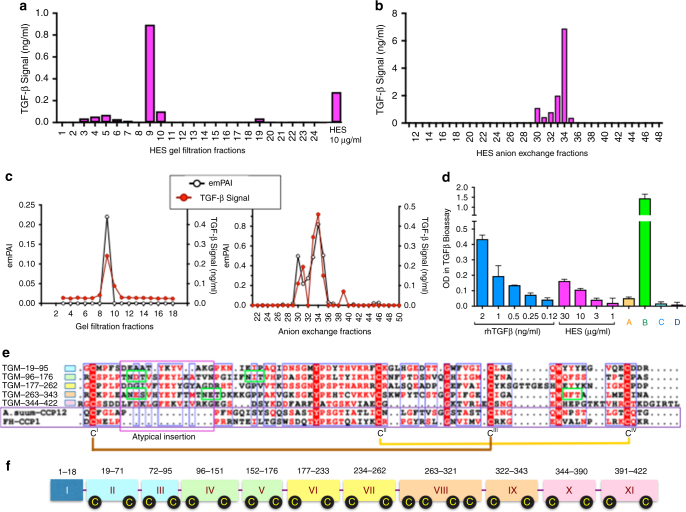
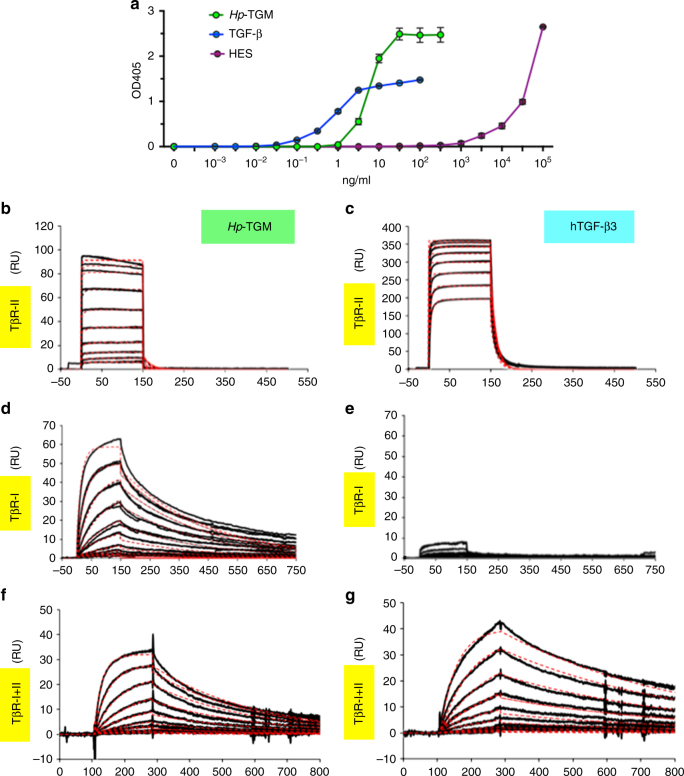
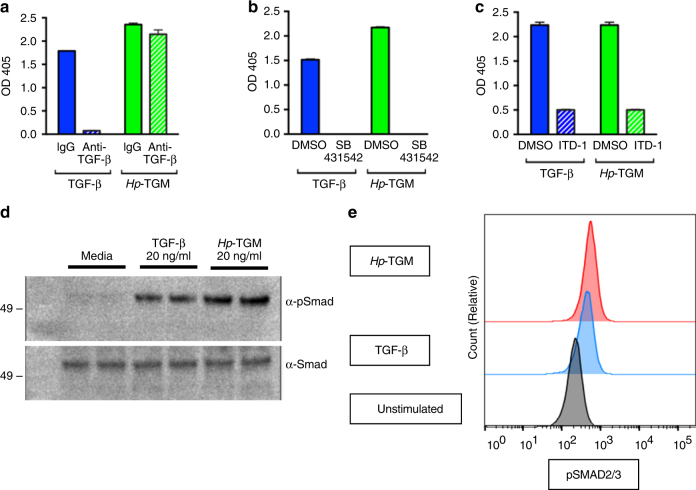
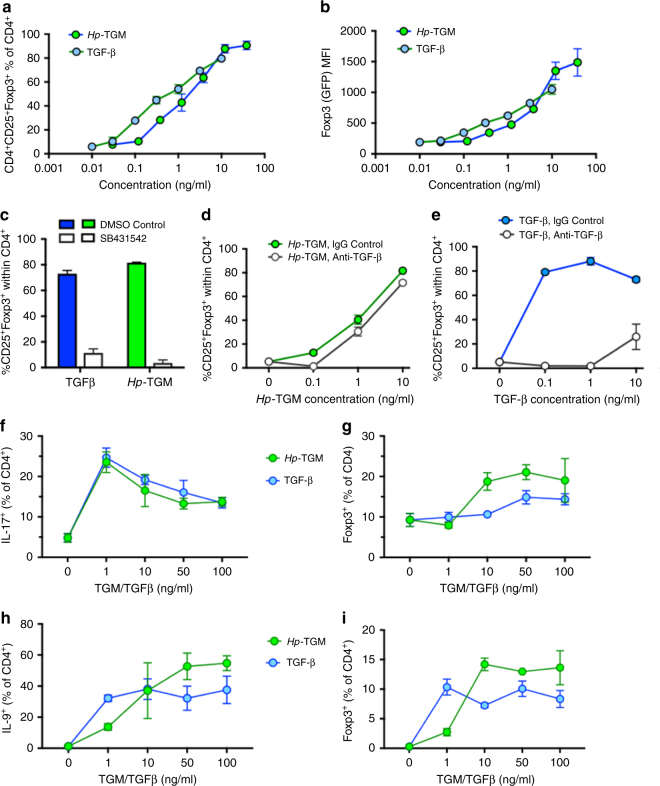
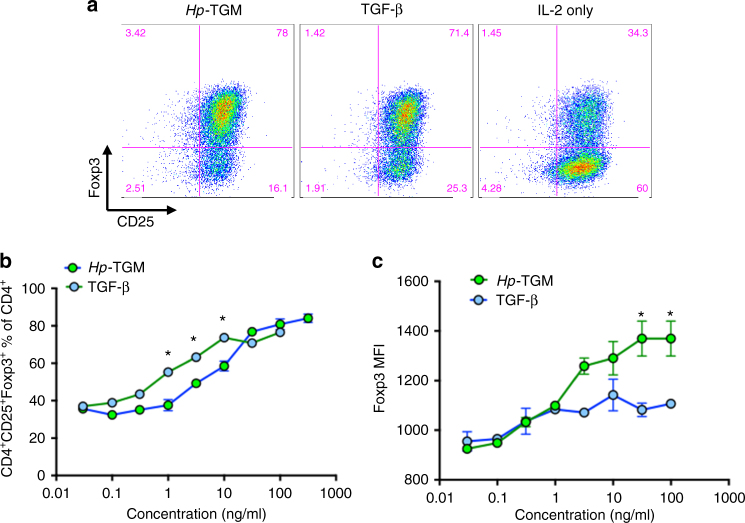
Helminth parasites defy immune exclusion through sophisticated evasion mechanisms, including activation of host immunosuppressive regulatory T (Treg) cells. The mouse parasite Heligmosomoides polygyrus can expand the host Treg population by secreting products that activate TGF-β signalling, but the identity of the active molecule is unknown. Here we identify an H. polygyrus TGF-β mimic ( Hp- TGM) that replicates the biological and functional properties of TGF-β, including binding to mammalian TGF-β receptors and inducing mouse and human Foxp3 + Treg cells. Hp- TGM has no homology with mammalian TGF-β or other members of the TGF-β family, but is a member of the complement control protein superfamily. Thus, our data indicate that through convergent evolution, the parasite has acquired a protein with cytokine-like function that is able to exploit an endogenous pathway of immunoregulation in the host.
Overview
The claims and statistics of this paper haven’t been checked yet.
Free: it reads the open-access text and checks the first 5 claims that cite a source we can check. Create a free account to check every claim.
Integrity signals
Registry
Cites
Statistics
Figures
Verification
Claims the paper makes
The claims and statistics of this paper haven’t been checked yet.
Free: it reads the open-access text and checks the first 5 claims that cite a source we can check. Create a free account to check every claim.
Claims other papers make about this one
Each is checked against this paper’s own text: does it say what the citing paper says it does?
The cited source says what the claim attributes to it.
In the citing paper
“It was recently discovered that, rather than adapt a pre-existing TGF-β homolog to interact with host receptors, H. polygyrus has convergently evolved an unrelated structure in the form of Hp-TGM, a protein consisting of five atypical complement control protein (CCP) domains with no homology to TGF-β, which ligates host TGF-β receptor (Johnston et al., 2017, Smyth et al., 2018).”
From Modulation of Host Immunity by Helminths: The Expanding Repertoire of Parasite Effector Molecules (2018) · cites this paper as Johnston et al., 2017
Self-check
Percentages, sums and reported differences re-computed from the paper’s own numbers.
The self-check needs the paper’s full text.
Citations
Cites
Bettelli, E., Carrier, Y., Gao, W., Korn, T., Strom, T. B., Oukka, M., Weiner, H. L., & Kuchroo, V. K. (2006) · Nature · doi:10.1038/nature04753 · Cited by 6,992
Chen, W., Jin, W., Hardegen, N., Lei, K.-J., Li, L., Marinos, N., McGrady, G., & Wahl, S. M. (2003) · The Journal of Experimental Medicine · doi:10.1084/jem.20030152 · Cited by 4,699
Veldhoen, M., Hocking, R. J., Atkins, C. J., Locksley, R. M., & Stockinger, B. (2006) · Immunity · doi:10.1016/j.immuni.2006.01.001 · Cited by 3,605
Roberts, A. B., Sporn, M. B., Assoian, R. K., Smith, J. M., Roche, N. S., Wakefield, L. M., Heine, U. I., Liotta, L. A., Falanga, V, & Kehrl, J. H. (1986) · Proceedings of the National Academy of Sciences · doi:10.1073/pnas.83.12.4167 · Cited by 2,866
Regulatory T Cell Lineage Specification by the Forkhead Transcription Factor Foxp3
Fontenot, J. D., Rasmussen, J. P., Williams, L. M., Dooley, J. L., Farr, A. G., & Rudensky, A. Y. (2005) · Immunity · doi:10.1016/j.immuni.2005.01.016 · Cited by 2,279
TRANSFORMING GROWTH FACTOR-β REGULATION OF IMMUNE RESPONSES
Li, M. O., Wan, Y. Y., Sanjabi, S., Robertson, A.-K. L., & Flavell, R. A. (2006) · Annual Review of Immunology · doi:10.1146/annurev.immunol.24.021605.090737 · Cited by 2,206
TGF-β-induced Foxp3 inhibits TH17 cell differentiation by antagonizing RORγt function
Zhou, L., Lopes, J. E., Chong, M. M. W., Ivanov, I. I., Min, R., Victora, G. D., Shen, Y., Du, J., Rubtsov, Y. P., Rudensky, A. Y., et al. (2008) · Nature · doi:10.1038/nature06878 · Cited by 1,863
Inman, G. J., Nicolás, F. J., Callahan, J. F., Harling, J. D., Gaster, L. M., Reith, A. D., Laping, N. J., & Hill, C. S. (2002) · Molecular Pharmacology · doi:10.1124/mol.62.1.65 · Cited by 1,634
Sanford, L. P., Ormsby, I., Groot, A. C. G.-D., Sariola, H., Friedman, R., Boivin, G. P., Cardell, E. L., & Doetschman, T. (1997) · Development · doi:10.1242/dev.124.13.2659 · Cited by 1,447
Molecular Antagonism and Plasticity of Regulatory and Inflammatory T Cell Programs
Yang, X. O., Nurieva, R., Martinez, G. J., Kang, H. S., Chung, Y., Pappu, B. P., Shah, B., Chang, S. H., Schluns, K. S., Watowich, S. S., et al. (2008) · Immunity · doi:10.1016/j.immuni.2008.05.007 · Cited by 1,136
Cited by
TGF-β signaling in health and disease
Massagué, J., & Sheppard, D. (2023) · Cell · doi:10.1016/j.cell.2023.07.036 · Cited by 890
Modulation of Host Immunity by Helminths: The Expanding Repertoire of Parasite Effector Molecules
Maizels, R. M., Smits, H. H., & McSorley, H. J. (2018) · Immunity · doi:10.1016/j.immuni.2018.10.016 · Cited by 435
Self-citationPrimary prevention of asthma: from risk and protective factors to targeted strategies for prevention
von Mutius, E., & Smits, H. H. (2020) · The Lancet · doi:10.1016/s0140-6736(20)31861-4 · Cited by 220
Engineering universal cells that evade immune detection
Lanza, R., Russell, D. W., & Nagy, A. (2019) · Nature Reviews Immunology · doi:10.1038/s41577-019-0200-1 · Cited by 230
The impact of a helminth-modified microbiome on host immunity
Brosschot, T. P., & Reynolds, L. A. (2018) · Mucosal Immunology · doi:10.1038/s41385-018-0008-5 · Cited by 183
Shu, S.-A., Yuen, A. W. T., Woo, E., Chu, K. H., Kwan, H. S., Yang, G., Yang, Y., & Leung, P. S. C. (2018) · Clinical Reviews in Allergy & Immunology · doi:10.1007/s12016-018-8723-y · Cited by 179
Regulation of immunity and allergy by helminth parasites
Maizels, R. M. (2020) · Allergy · doi:10.1111/all.13944 · Cited by 162
Self-citationHelminth parasites and immune regulation
Gazzinelli-Guimaraes, P. H., & Nutman, T. B. (2018) · F1000Research · doi:10.12688/f1000research.15596.1 · Cited by 145
Immunomodulation by Helminths: Intracellular Pathways and Extracellular Vesicles
Zakeri, A., Hansen, E. P., Andersen, S. D., Williams, A. R., & Nejsum, P. (2018) · Frontiers in Immunology · doi:10.3389/fimmu.2018.02349 · Cited by 131
Regulatory T cells in the face of the intestinal microbiota
Ramanan, D., Pratama, A., Zhu, Y., Venezia, O., Sassone-Corsi, M., Chowdhary, K., Galván-Peña, S., Sefik, E., Brown, C., Gélineau, A., et al. (2023) · Nature Reviews Immunology · doi:10.1038/s41577-023-00890-w · Cited by 126
“The parasite Heligmosomoides polygyrus can expand T reg cells by secreting a molecule that mimics TGFβ 84,85 .”
BackgroundHarnessing helminth-driven immunoregulation in the search for novel therapeutic modalities
Ryan, S. M., Eichenberger, R. M., Ruscher, R., Giacomin, P. R., & Loukas, A. (2020) · PLOS Pathogens · doi:10.1371/journal.ppat.1008508 · Cited by 123
Heterogeneity in the initiation, development and function of type 2 immunity
Gause, W. C., Rothlin, C., & Loke, P. (2020) · Nature Reviews Immunology · doi:10.1038/s41577-020-0301-x · Cited by 119
Regulatory T‐cells in helminth infection: induction, function and therapeutic potential
White, M. P. J., McManus, C. M., & Maizels, R. M. (2020) · Immunology · doi:10.1111/imm.13190 · Cited by 114
Self-citationThe yin and yang of human soil-transmitted helminth infections
Loukas, A. C., Maizels, R. M., & Hotez, P. J. (2021) · International Journal for Parasitology · doi:10.1016/j.ijpara.2021.11.001 · Cited by 143
Self-citationHelminth extracellular vesicles: Interactions with the host immune system
Drurey, C., & Maizels, R. M. (2021) · Molecular Immunology · doi:10.1016/j.molimm.2021.06.017 · Cited by 120
“Increased expression of Foxp3 was found in colonic tissue, with an increase in Foxp3+ Tregs in the MLN, suggesting a role for Tregs in reduction of TNBS-induced colitis (Yang et al., 2020).”
BackgroundSelf-citationTissue-specific immunity in helminth infections
Vacca, F., & Le Gros, G. (2022) · Mucosal Immunology · doi:10.1038/s41385-022-00531-w · Cited by 86
Helminth–Bacterial Interactions: Cause and Consequence
Rapin, A., & Harris, N. L. (2018) · Trends in Immunology · doi:10.1016/j.it.2018.06.002 · Cited by 98
Immunomodulation and Immune Escape Strategies of Gastrointestinal Helminths and Schistosomes
Wiedemann, M., & Voehringer, D. (2020) · Frontiers in Immunology · doi:10.3389/fimmu.2020.572865 · Cited by 84
Shi, J., Wang, Y., Cheng, L., Wang, J., & Raghavan, V. (2022) · Critical Reviews in Food Science and Nutrition · doi:10.1080/10408398.2022.2160962 · Cited by 82
“It is bound to FcεRI on mast cells and basophils upon re-exposure to the allergen to release mediators, such as histamine, that ultimately trigger acute symptoms (Figure 2) (Johnston et al. 2017).”
BackgroundFasciola hepatica-Derived Molecules as Regulators of the Host Immune Response
Ryan, S. M., Shiels, J., Taggart, C. C., Dalton, J. P., & Weldon, S. (2020) · Frontiers in Immunology · doi:10.3389/fimmu.2020.02182 · Cited by 83
Intestinal epithelial tuft cell induction is negated by a murine helminth and its secreted products
Drurey, C., Lindholm, H. T., Coakley, G., Poveda, M. C., Löser, S., Doolan, R., Gerbe, F., Jay, P., Harris, N. L., Oudhoff, M. J., et al. (2021) · The Journal of Experimental Medicine · doi:10.1084/jem.20211140 · Cited by 80
Self-citationA helminth-derived suppressor of ST2 blocks allergic responses
Vacca, F., Chauché, C., Jamwal, A., Hinchy, E. C., Heieis, G., Webster, H., Ogunkanbi, A., Sekne, Z., Gregory, W. F., Wear, M., et al. (2020) · eLife · doi:10.7554/elife.54017 · Cited by 68
“…factor in HES HES size and charge fractions were then tested in this 24 hr culture assay, and candidate proteins which correlated with ST2 suppression identified by LC-MS/MS (as used to identify HpARI and HpTGM [Johnston et al., 2017; McSorley et al., 2014; Figure 2—figure supplement 1A]).”
BackgroundMethodInfluentialSelf-citationThe aryl hydrocarbon receptor contributes to tissue adaptation of intestinal eosinophils in mice
Diny, N. L., Schonfeldova, B., Shapiro, M., Winder, M. L., Varsani-Brown, S., & Stockinger, B. (2022) · The Journal of Experimental Medicine · doi:10.1084/jem.20210970 · Cited by 74
“Helminth-derived products can directly induce regulatory T cell differentiation during infection (Grainger et al., 2010; Johnston et al., 2017), which may have masked the effect of eosinophils.”
BackgroundExtracellular vesicles: new targets for vaccines against helminth parasites
Drurey, C., Coakley, G., & Maizels, R. M. (2020) · International Journal for Parasitology · doi:10.1016/j.ijpara.2020.04.011 · Cited by 74
Self-citationTGF-β mimic proteins form an extended gene family in the murine parasite Heligmosomoides polygyrus
Smyth, D. J., Harcus, Y., White, M. P. J., Gregory, W. F., Nahler, J., Stephens, I., Toke-Bjolgerud, E., Hewitson, J. P., Ivens, A., McSorley, H. J., et al. (2018) · International Journal for Parasitology · doi:10.1016/j.ijpara.2017.12.004 · Cited by 66
Self-citationBancroft, A. J., Levy, C. W., Jowitt, T. A., Hayes, K. S., Thompson, S., Mckenzie, E. A., Ball, M. D., Dubaissi, E., France, A. P., Bellina, B., et al. (2019) · Nature Communications · doi:10.1038/s41467-019-09996-z · Cited by 65
Rolot, M., & Dewals, B. G. (2018) · Journal of Immunology Research · doi:10.1155/2018/2790627 · Cited by 75
“As an example, the intestinal nematode Heligmosomoides polygyrus produces a TGF-β mimic during its invasive stages causing the induction of regulatory T cells (Tregs) in mice [9], a T cell subset that controls immunity in infection, allergy, and autoimmunity [10].”
BackgroundCan microorganisms assist the survival and parasitism of plant-parasitic nematodes?
Topalović, O., & Vestergård, M. (2021) · Trends in Parasitology · doi:10.1016/j.pt.2021.05.007 · Cited by 61
The hygiene hypothesis: immunological mechanisms of airway tolerance
Haspeslagh, E., Heyndrickx, I., Hammad, H., & Lambrecht, B. N. (2018) · Current Opinion in Immunology · doi:10.1016/j.coi.2018.06.007 · Cited by 68
“Other molecules secreted by the parasite are more related to TGFb and can induce a Foxp3+ Treg population with immunoregulatory potential [54].”
BackgroundMyhill, L. J., Stolzenbach, S., Hansen, T. V. A., Skovgaard, K., Stensvold, C. R., Andersen, L. O., Nejsum, P. L., Mejer, H., Thamsborg, S. M., & Williams, A. R. (2018) · Frontiers in Immunology · doi:10.3389/fimmu.2018.02557 · Cited by 57
“The production of regulatory molecules, such as IL-10 is important for maintenance of gut homeostasis, and some helminths and their ES products are known to induce regulatory responses that are key to modulating susceptibility and response to allergens (57, 58).”
Jiménez, M. D. L. R., Lechner, A., Alessandrini, F., Bohnacker, S., Schindela, S., Trompette, A., Haimerl, P., Thomas, D., Henkel, F. D. R., Mourão, A., et al. (2020) · Science Translational Medicine · doi:10.1126/scitranslmed.aay0605 · Cited by 59
Deng, L., Wojciech, Ł., Png, C. W., Kioh, D. Y. Q., Gu, Y., Aung, T. T., Malleret, B., Chan, E. C. Y., Peng, G., Zhang, Y., et al. (2023) · Theranostics · doi:10.7150/thno.81583 · Cited by 56
“On the other hand, secreted products can induce Foxp3 + Tregs by activating TGF-β signaling [59].”
BackgroundImmunity to Soil-Transmitted Helminths: Evidence From the Field and Laboratory Models
Colombo, S. A. P., & Grencis, R. K. (2020) · Frontiers in Immunology · doi:10.3389/fimmu.2020.01286 · Cited by 59
Nono, J. K., Lutz, M. B., & Brehm, K. (2020) · Frontiers in Immunology · doi:10.3389/fimmu.2020.00798 · Cited by 49
“Although the precise molecule has now been identified in this study as a non-TGF-β superfamily member (59), these authors demonstrated that their molecule acted via the host TGF-β signaling cascade to mediate its effect.”
BackgroundBobardt, S. D., Dillman, A. R., & Nair, M. G. (2020) · Frontiers in Microbiology · doi:10.3389/fmicb.2020.577846 · Cited by 51
“Some of these molecules are homologous to host molecules, allowing the parasite to manipulate immune cell function by mimicking host proteins or producing miRNAs that target host gene expression (Buck et al., 2014; Johnston et al., 2017).”
BackgroundLaboratory mice with a wild microbiota generate strong allergic immune responses
Ma, J., Urgard, E., Runge, S., Classon, C., Mathä, L., Stark, J. M., Cheng, L., Álvarez, J. A., von Zedtwitz, S., Balevičiūtė, A., et al. (2023) · Science Immunology · doi:10.1126/sciimmunol.adf7702 · Cited by 49
Protection against allergies: Microbes, immunity, and the farming effect
Deckers, J., Marsland, B. J., & von Mutius, E. (2021) · European Journal of Immunology · doi:10.1002/eji.202048938 · Cited by 51
Helminth Therapy for Immune-Mediated Inflammatory Diseases: Current and Future Perspectives
Shi, W., Xu, N., Wang, X., Vallée, I., Liu, M., & Liu, X. (2022) · Journal of Inflammation Research · doi:10.2147/jir.s348079 · Cited by 46
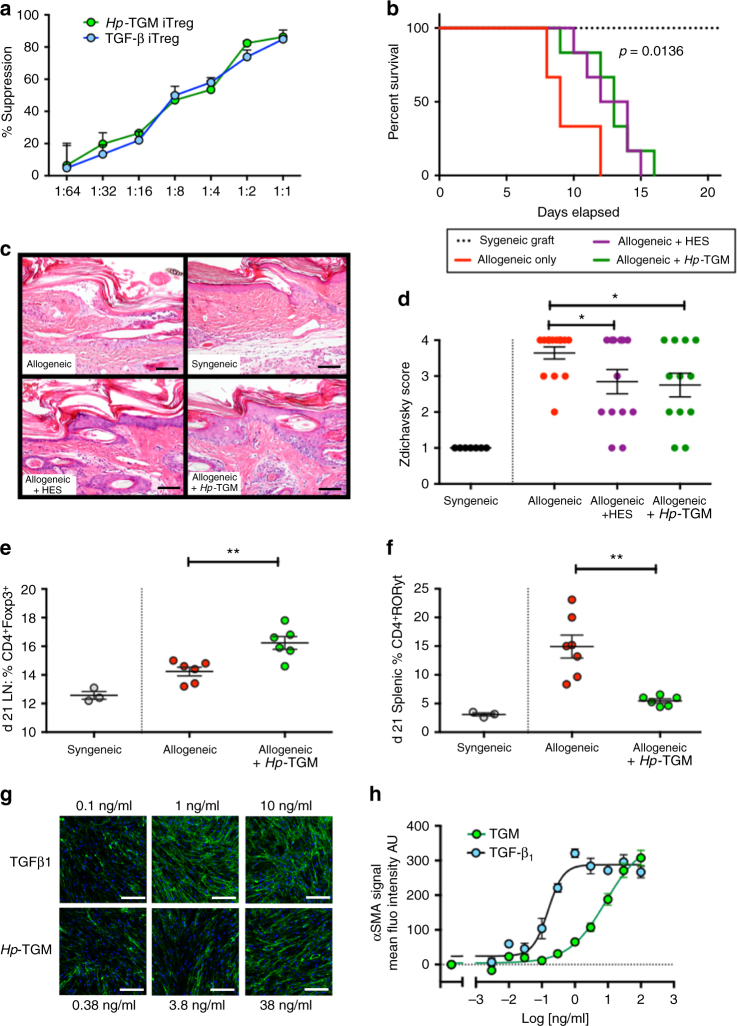
“A Heligmosomoides polygyrus TGF-β mimic can directly bind to TGF-β receptors in humans and mice, and induce differentiation of Treg cells, which alleviates pathological damage in the allograft rejection and DSS-induced colitis models in mice.(128,129) Cell therapy using Treg cells to treat allergic asthma has been rep…”
BackgroundYap, G. S., & Gause, W. C. (2018) · Frontiers in Immunology · doi:10.3389/fimmu.2018.02135 · Cited by 50
IL-33: A central cytokine in helminth infections
McSorley, H. J., & Smyth, D. J. (2021) · Seminars in Immunology · doi:10.1016/j.smim.2021.101532 · Cited by 47
“If HpARI can indeed suppress only epithelial necrotic IL-33 release, this would be advantageous to the parasite, as it would allow dendritic cell-derived IL-33 to continue to mediate Treg induction (along with other helminth-derived factors such as Hp-TGM [151]), suppressing anti-parasite type 2 immune responses [34]…”
BackgroundSelf-citationMacrophage regulation & function in helminth infection
Lechner, A., Bohnacker, S., & Bieren, J. E. (2021) · Seminars in Immunology · doi:10.1016/j.smim.2021.101526 · Cited by 47
Parasitic helminths and the host microbiome – a missing ‘extracellular vesicle-sized’ link?
Rooney, J., Northcote, H. M., Williams, T., Cortés, A., Cantacessi, C., & Morphew, R. M. (2022) · Trends in Parasitology · doi:10.1016/j.pt.2022.06.003 · Cited by 42
Regulatory T cells in parasite infections: susceptibility, specificity and specialisation
McManus, C. M., & Maizels, R. M. (2023) · Trends in Parasitology · doi:10.1016/j.pt.2023.04.002 · Cited by 44
Self-citationThe Untapped Pharmacopeic Potential of Helminths
Kahl, J., Brattig, N., & Liebau, E. (2018) · Trends in Parasitology · doi:10.1016/j.pt.2018.05.011 · Cited by 40
What Can Parasites Tell Us About the Pathogenesis and Treatment of Asthma and Allergic Diseases
Bohnacker, S., Troisi, F., de los Reyes Jiménez, M., & Esser-von Bieren, J. (2020) · Frontiers in Immunology · doi:10.3389/fimmu.2020.02106 · Cited by 39
Helminth-induced regulatory T cells and suppression of allergic responses
Logan, J., Navarro, S., Loukas, A., & Giacomin, P. (2018) · Current Opinion in Immunology · doi:10.1016/j.coi.2018.05.007 · Cited by 38
Jin, X., Yang, Y., Bai, X., Shi, H., Zhang, W., Zhang, Z., Jia, W., Lin, J., Liu, M., & Liu, X. (2019) · International Immunopharmacology · doi:10.1016/j.intimp.2019.02.028 · Cited by 38
The Immune Response to Nematode Infection
Stear, M. J., Preston, S., Piedrafita, D. M., & Donskow‐Łysoniewska, K. (2023) · International Journal of Molecular Sciences · doi:10.3390/ijms24032283 · Cited by 43
“These immunomodulators affect the immune response in many different ways, including hindering the induction of immune responses [80], inhibiting the expression of protective mechanisms such as mast cell degranulation [79,81] and promoting the induction of regulatory T cells [82].”
BackgroundRodent Models for the Study of Soil-Transmitted Helminths: A Proteomics Approach
Montaño, K. J., Cuéllar, C., & Sotillo, J. (2021) · Frontiers in Cellular and Infection Microbiology · doi:10.3389/fcimb.2021.639573 · Cited by 39
“Hp-TGM has been shown to drive Treg production in mice and humans by binding to the mammalian TGF-b complex, despite it has no sequence homology to mammalian TGF-b (Johnston et al., 2017).”
BackgroundInfluentialInduction of stable human FOXP3+ Tregs by a parasite‐derived TGF‐β mimic
Cook, L. E., Reid, K. T., Häkkinen, E., de Bie, B., Tanaka, S., Smyth, D. J., White, M. P. J., Wong, M. Q., Huang, Q., Gillies, J. K., et al. (2021) · Immunology and Cell Biology · doi:10.1111/imcb.12475 · Cited by 33
Self-citationA critical analysis of helminth immunotherapy in multiple sclerosis
Charabati, M., Donkers, S. J., Kirkland, M. C., & Osborne, L. C. (2020) · Multiple Sclerosis Journal · doi:10.1177/1352458519899040 · Cited by 33
White, R. F., Kumar, S., Chow, F. W., Robertson, E., Hayes, K. S., Grencis, R. K., Correa, M. A. D., & Buck, A. H. (2020) · International Journal for Parasitology · doi:10.1016/j.ijpara.2020.06.002 · Cited by 36
Mining Helminths for Novel Therapeutics
Lothstein, K. E., & Gause, W. C. (2021) · Trends in Molecular Medicine · doi:10.1016/j.molmed.2020.12.010 · Cited by 34
Sardinha-Silva, A., Gazzinelli-Guimarães, P. H., Ajakaye, O. G., Oliveira, F. M. S., Ferreira, T. R., Alves‐Ferreira, E. V. C., Tjhin, E. T., Gregg, B., Fink, M. Y., Coelho, C. H., et al. (2025) · Nature Microbiology · doi:10.1038/s41564-025-02051-2 · Cited by 29
“In addition, the murine nematode H. polygyrus expresses TGM1, a parasite factor that structurally mimics the TGF-β cytokine to bind the host TGF-β receptor on naïve T cells, promoting FoxP3 + Treg differentiation and suppressing intestinal inflammation 58 .”
A Truncated Form of HpARI Stabilizes IL-33, Amplifying Responses to the Cytokine
Chauché, C., Vacca, F., Chia, S. L., Richards, J., Gregory, W. F., Ogunkanbi, A., Wear, M. A., & McSorley, H. J. (2020) · Frontiers in Immunology · doi:10.3389/fimmu.2020.01363 · Cited by 29
“In order to negate this response, and allow persistence of the parasite in the host, H. polygyrus secretes multiple immunomodulatory factors, including Hp-TGM, a protein mimic of host TGF-β (5), and microRNA-containing extracellular vesicles (6) which modulate transcription of multiple host genes, including suppressio…”
BackgroundSelf-citationWhite, M. P. J., Smyth, D. J., Cook, L. E., Ziegler, S. F., Levings, M. K., & Maizels, R. M. (2021) · Immunology and Cell Biology · doi:10.1111/imcb.12479 · Cited by 29
Self-citationThe Helminth Parasite Heligmosomoides polygyrus Attenuates EAE in an IL-4Rα-Dependent Manner
White, M. P. J., Johnston, C. J. C., Grainger, J. R., Konkel, J. E., O’Connor, R. A., Anderton, S. M., & Maizels, R. M. (2020) · Frontiers in Immunology · doi:10.3389/fimmu.2020.01830 · Cited by 28
“Hp-TGM was prepared as previously described (22) and 1 mg/mouse was injected intraperitoneally either on days 1, 1, 3, 5 or days 10, 12, 14 as indicated in the Figure legend.”
BackgroundMethodInfluentialSelf-citationChakraborty, P., Aravindhan, V., & Mukherjee, S. (2023) · International Journal of Biological Macromolecules · doi:10.1016/j.ijbiomac.2023.124649 · Cited by 29
van Dinther, M., Cunningham, K. T., Singh, S. P., White, M. P. J., Campion, T., Ciancia, C., van Veelen, P. A., de Ru, A. H., González‐Prieto, R., Mukundan, A., et al. (2023) · Proceedings of the National Academy of Sciences · doi:10.1073/pnas.2302370120 · Cited by 29
Self-citationThe Roles of Various Immune Cell Populations in Immune Response against Helminths
Lekki-Jóźwiak, J., & Bąska, P. (2023) · International Journal of Molecular Sciences · doi:10.3390/ijms25010420 · Cited by 31
“It also serves as a potent inducer of both mouse and human Foxp3+ T reg cells in vitro [139].”
BackgroundApproaches in Immunotherapy, Regenerative Medicine, and Bioengineering for Type 1 Diabetes
Kopan, C., Tucker, T. R., Alexander, M., Mohammadi, M. R., Pone, E. J., & Lakey, J. R. T. (2018) · Frontiers in Immunology · doi:10.3389/fimmu.2018.01354 · Cited by 33
Gosens, R., Hiemstra, P. S., Adcock, I. M., Bracke, K. R., Dickson, R. P., Hansbro, P. M., Krauss‐Etschmann, S., Smits, H. H., Stassen, F. R. M., & Bartel, S. (2020) · European Respiratory Journal · doi:10.1183/13993003.02320-2019 · Cited by 31
Voskamp, A. L., Kormelink, T. G., van Wijk, R. G., Hiemstra, P. S., Taube, C., de Jong, E. C., & Smits, H. H. (2020) · Seminars in Immunopathology · doi:10.1007/s00281-020-00782-4 · Cited by 30
Impact of Helminth Infections on Female Reproductive Health and Associated Diseases
Chetty, A., Omondi, M. A., Butters, C., Smith, K. A., Katawa, G., Ritter, M., Layland, L. E., & Horsnell, W. G. C. (2020) · Frontiers in Immunology · doi:10.3389/fimmu.2020.577516 · Cited by 30
“For example, Heligmosomoides polygyrus excretory/secretory products (HES) contain a TGF-b mimic, the importance of this is supported by blockade of HES TGF-b mimic in vivo resulting in parasite expulsion in susceptible C57BL/6 mice (41).”
BackgroundInfluentialWhipworm secretions and their roles in host-parasite interactions
Shears, R. K., & Grencis, R. K. (2022) · Parasites & Vectors · doi:10.1186/s13071-022-05483-5 · Cited by 27
Worms: Pernicious parasites or allies against allergies?
McSorley, H. J., Chayé, M. A. M., & Smits, H. H. (2018) · Parasite Immunology · doi:10.1111/pim.12574 · Cited by 30
Self-citationIsolated Schistosoma mansoni eggs prevent allergic airway inflammation
Obieglo, K., Schuijs, M. J., Ozir‐Fazalalikhan, A., Otto, F., van Wijck, Y., Boon, L., Lambrecht, B. N., Taube, C., & Smits, H. H. (2018) · Parasite Immunology · doi:10.1111/pim.12579 · Cited by 26
Tian, X., Lu, M., Wang, W., Jia, C., Ehsan, M., Yan, R., Xu, L., Song, X., & Li, X. (2019) · Veterinary Research · doi:10.1186/s13567-019-0661-z · Cited by 24
Oral delivery of a functional algal-expressed TGF-β mimic halts colitis in a murine DSS model
Smyth, D. J., Ren, B., White, M. P. J., McManus, C. M., Webster, H. C., Shek, V., Evans, C. A., Pandhal, J., Fields, F. J., Maizels, R. M., et al. (2021) · Journal of Biotechnology · doi:10.1016/j.jbiotec.2021.08.006 · Cited by 24
“Purified mammalian TGF-β (Peprotech), HEK293T expressed TGM1 (expressed and purified as previously described, (Johnston et al., 2017))”
BackgroundMethodInfluentialSelf-citationSystemic Immune Modulation by Gastrointestinal Nematodes
Kasal, D. N., Warner, L. M., Bryant, A. S., Wojno, E. D. T., & von Moltke, J. (2024) · Annual Review of Immunology · doi:10.1146/annurev-immunol-090222-101331 · Cited by 24
“Screening of HES fractions identified the protein responsible for this activity: Hp-TGM, a structurally distinct TGF-β mimic with TGF-β receptor–binding capability encoded by H. polygyrus (111).”
Mukundan, A., Byeon, C., Hinck, C. S., Cunningham, K. T., Campion, T., Smyth, D. J., Maizels, R. M., & Hinck, A. P. (2022) · Journal of Biological Chemistry · doi:10.1016/j.jbc.2022.101994 · Cited by 22
“polygyrus encodes a highly expanded family of CCP-containing proteins, several of which have been identified in its secretome to regulate host immune responses (15, 37, 39, 53).”
BackgroundMethodInfluentialSelf-citationMaruszewska‐Cheruiyot, M., Szewczak, L., Krawczak, K., Głaczyńska, M., & Donskow‐Łysoniewska, K. (2021) · Parasites & Vectors · doi:10.1186/s13071-021-04613-9 · Cited by 21
Ebner, F., Balster, K., Janek, K., Niewienda, A., Małecki, P. H., Weiss, M. S., Sutherland, T. E., Heuser, A., Kühl, A. A., Zentek, J., et al. (2021) · Journal of Immunology Research · doi:10.1155/2021/6234836 · Cited by 20
“We and others have identified secreted products with immunosuppressive effects in autoimmune and inflammatory diseases from diverse parasitic helminths such as Acanthocheilonema viteae [4–11], Schistosoma [12–15], Fasciola hepatica [16, 17], Heligmosomoides polygyrus [18, 19], and Wuchereria bancrofti [20, 21].”
He, L., Liu, H., Zhang, B.-Y., Li, F., Di, W., Wang, C., Zhou, C., Liu, L., Li, T., Zhang, T., et al. (2020) · Parasites & Vectors · doi:10.1186/s13071-020-04196-x · Cited by 25
The multi-faceted roles of TGF-β in regulation of immunity to infection
Maizels, R. M. (2021) · Advances in immunology · doi:10.1016/bs.ai.2021.05.001 · Cited by 20
Self-citationSuppression of airway allergic eosinophilia by Hp‐TGM , a helminth mimic of TGF ‐β
Chauché, C., Raşid, O., Donachie, A., McManus, C. M., Löser, S., Campion, T., Richards, J., Smyth, D. J., McSorley, H. J., & Maizels, R. M. (2022) · Immunology · doi:10.1111/imm.13528 · Cited by 19
“His tags [53].”
Self-citationCytokines from parasites: manipulating host responses by molecular mimicry
Maizels, R. M., McSorley, H. J., Smits, H. H., ten Dijke, P., & Hinck, A. P. (2025) · Biochemical Journal · doi:10.1042/bcj20253061 · Cited by 22
Self-citationWen, Z., Zhang, Y., Feng, J., Aimulajiang, K., Aleem, M. T., Lu, M., Xu, L., Song, X., Li, X., & Yan, R. (2022) · Frontiers in Immunology · doi:10.3389/fimmu.2022.1013159 · Cited by 21
“The helminth parasite fights immune rejection through complex evasion mechanisms, including activation of host immunosuppressive Treg cells (66).”
BackgroundSmyth, D. J., White, M. P. J., Johnston, C. J. C., Donachie, A., Poveda, M. C., McSorley, H. J., & Maizels, R. M. (2023) · Discovery Immunology · doi:10.1093/discim/kyad001 · Cited by 19
Self-citationClark, E. H., Fredricks, K., Woc-Colburn, L. E., Bottazzi, M. E., & Weatherhead, J. E. (2020) · American Journal of Public Health · doi:10.2105/ajph.2020.306047 · Cited by 18
He, L., Gasser, R. B., Li, T., Di, W., Li, F., Zhang, H., Zhou, C., Fang, R., & Hu, M. (2019) · PLoS neglected tropical diseases · doi:10.1371/journal.pntd.0007913 · Cited by 17
Jacobs, B., Prince, S., & Smith, K. A. (2020) · International Journal of Molecular Sciences · doi:10.3390/ijms21217845 · Cited by 17
“This disparity may result due to the mechanism of action of the differing antigens; HES and Hp-TGM were reported to directly bind to TGF-β receptors and phosphorylate Smad, whereas SEA induced TGF-β expression and increased surface-bound TGF-β on CD4+ T cells [49,55,57].”
BackgroundRedgrave, R. E., Singh, E., Tual‐Chalot, S., Park, C., Hall, D. H., Bennaceur, K., Smyth, D. J., Maizels, R. M., Spyridopoulos, I., & Arthur, H. M. (2023) · American Journal Of Pathology · doi:10.1016/j.ajpath.2023.09.014 · Cited by 16
Self-citationWhite, S. E., Schwartze, T. A., Mukundan, A., Schoenherr, C., Singh, S. P., van Dinther, M., Cunningham, K. T., White, M. P. J., Campion, T., Pritchard, J., et al. (2025) · Nature Communications · doi:10.1038/s41467-025-56954-z · Cited by 17
Self-citationStructural basis for IL-33 recognition and its antagonism by the helminth effector protein HpARI2
Jamwal, A., Colomb, F., McSorley, H. J., & Higgins, M. K. (2024) · Nature Communications · doi:10.1038/s41467-024-49550-0 · Cited by 15
“H. polygyrus bakeri secretes a cocktail of molecules, known as the H. polygyrus bakeri excretory/secretory products (HES), which have a range of immuno-modulatory activities 14 – 16 .”
Self-citationAn injectable subcutaneous colon-specific immune niche for the treatment of ulcerative colitis
Au, K. M., Wilson, J. E., Ting, J. P.-Y., & Wang, A. Z. (2023) · Nature Biomedical Engineering · doi:10.1038/s41551-023-01136-9 · Cited by 15
Vanhamme, L., Souopgui, J., Ghogomu, S. M., & Njume, F. N. (2020) · Pathogens · doi:10.3390/pathogens9110975 · Cited by 16
Inhibition of skin fibrosis via regulation of Th17/Treg imbalance in systemic sclerosis
Sekiguchi, A., Shimokawa, C., Kato, T., Uchiyama, A., Yokoyama, Y., Ogino, S., Torii, R., Hisaeda, H., Ohno, H., & Motegi, S. (2025) · Scientific Reports · doi:10.1038/s41598-025-85895-2 · Cited by 15
“Further analysis has identified an active protein, H. polygyrus TGF-β mimic (Hp-TGM), which mimics the function of TGF-β by binding to the TGF-β receptor and inducing Smad signaling 43 .”
Douglas, B. B., Wei, Y. Q., Li, X., Ferguson, A. A., Hung, L., Pastore, C., Kurtz, J. R., McLachlan, J. B., Nolan, T. J., Lok, J. B., et al. (2021) · PLoS Pathogens · doi:10.1371/journal.ppat.1009709 · Cited by 15
Nagai, K., & Goto, Y. (2022) · Frontiers in Immunology · doi:10.3389/fimmu.2022.824695 · Cited by 14
Helminth protein enhances wound healing by inhibiting fibrosis and promoting tissue regeneration
Lothstein, K. E., Chen, F., Mishra, P. K., Smyth, D. J., Wu, W., Lemenze, A. D., Kumamoto, Y., Maizels, R. M., & Gause, W. C. (2024) · Life Science Alliance · doi:10.26508/lsa.202302249 · Cited by 13
“In vitro studies suggest that TGM can induce Foxp3+ regulatory T cells in vitro (21, 22) and TGM exerts anti-in fl ammatory effects in vivo in models of colitis (23), graft rejection (18), and airway allergy (24).”
BackgroundMethodInfluentialSelf-citationCharacterisation of the secreted apyrase family of Heligmosomoides polygyrus
Berkachy, R., Smyth, D. J., Schnoeller, C., Harcus, Y. M., Maizels, R. M., Selkirk, M. E., & Gounaris, K. (2020) · International Journal for Parasitology · doi:10.1016/j.ijpara.2020.07.011 · Cited by 13
Self-citationA Deep View of the Biological Property of Interleukin-33 and Its Dysfunction in the Gut
Wang, Y., He, C., Xin, S., Liu, X., Zhang, S., Qiao, B., Shang, H., Gao, L., & Xu, J. (2023) · International Journal of Molecular Sciences · doi:10.3390/ijms241713504 · Cited by 14
“Hp-TGM is a TGF-β-like molecule that can exert TGF-β effects [121].”
BackgroundHookworms dynamically respond to loss of Type 2 immune pressure
Ferguson, A. A., Inclan-Rico, J. M., Lu, D., Bobardt, S. D., Hung, L., Gouil, Q. A., Baker, L., Ritchie, M. E., Jex, A. R., Schwarz, E. M., et al. (2023) · PLoS Pathogens · doi:10.1371/journal.ppat.1011797 · Cited by 14
Maternal helminth infections and the shaping of offspring immunity
Dewals, B. G., Layland, L. E., da Costa, C. P., & Horsnell, W. G. C. (2018) · Parasite Immunology · doi:10.1111/pim.12599 · Cited by 13
The TGF-β mimic TGM4 achieves cell specificity through combinatorial surface co-receptor binding
Singh, S. P., Smyth, D. J., Cunningham, K. T., Mukundan, A., Byeon, C., Hinck, C. S., White, M. P. J., Ciancia, C., Wąsowska, N., Sanders, A., et al. (2024) · EMBO Reports · doi:10.1038/s44319-024-00323-2 · Cited by 12
“The novel TGF-β mimic (TGM) family from H. polygyrus was fi rst identi fi ed by activation of the TGF-β - responsive fi broblast-derived reporter cell line MFB-F11, and subsequently shown to induce the transcription factor Foxp3 in naive murine splenic T cells (Johnston et al, 2017; Smyth et al, 2018).”
InfluentialSelf-citationSilva, E. A. C., Puyssegur, J., & Errasti, A. E. (2025) · eLife · doi:10.7554/elife.105393 · Cited by 13
“This molecule, which mimics endogenous proteins, exhibits potent immunoregulatory properties, including the expansion of Tregs ( Johnston et al., 2017 ).”
Fasciola hepatica, TGF-β and host mimicry: the enemy within
Musah-Eroje, M., & Flynn, R. J. (2018) · Current Opinion in Microbiology · doi:10.1016/j.mib.2018.09.002 · Cited by 12
Strategies to achieve immune tolerance in allogeneic solid organ transplantation
Zeng, S., Xiao, Z., Wang, Q., Guo, Y., He, Y., Zhu, Q. K., & Zou, Y. (2019) · Transplant Immunology · doi:10.1016/j.trim.2019.101250 · Cited by 12
Protein families secreted by nematodes to modulate host immunity
Colomb, F., & McSorley, H. J. (2025) · Current Opinion in Microbiology · doi:10.1016/j.mib.2025.102582 · Cited by 11
Self-citation
Metadata
- Authors
- Johnston, C. J. C., Smyth, D. J., Kodali, R. B., White, M. P. J., Harcus, Y., Filbey, K. J., Hewitson, J. P., Hinck, C. S., Ivens, A., Kemter, A. M., Kildemoes, A. O., Le Bihan, T., Soares, D. C., Anderton, S. M., Brenn, T., Wigmore, S. J., Woodcock, H. V., Chambers, R. C., Hinck, A. P., McSorley, H. J., & Maizels, R. M.
- Affiliations
- Centre for Immunity, Infection and Evolution (GB)
- Wellcome Centre for Molecular Parasitology (GB)
- University of Pittsburgh (US)
- Malaghan Institute of Medical Research (NZ)
- University of Copenhagen (DK)
- Centre for Inflammation Research (GB)
- Western General Hospital (GB)
- University of Edinburgh (GB)
- University College London (GB)
- Corresponding author
- Maizels, Rick M.
- ORCID
- Venue
- Nature Communications
- Published
- 2017-11-23
- Volume
- 8
- Issue
- 1
- Pages
- 1741-1741
- ISSN
- 2041-1723 (ISSN-L)
- PMC
- PMC5701006
- OpenAlex
- W2770927276
- Cited by
- 197
- References
- 67
- Citations by year
- 2026: 19 · 2025: 20 · 2024: 25 · 2023: 24 · 2022: 24 · 2021: 24 · 2020: 31 · 2019: 10 · 2018: 19
- FWCI
- 14.21
- Type
- journal article
- Language
- en
- Open access
- gold
- doi.org
- Licence
- cc-by
- creativecommons.org/licenses/by/4.0 (tdm)
- creativecommons.org/licenses/by/4.0 (vor)
- Locations
- Nature Communications (publishedVersion, cc-by)
- PubMed Central (publishedVersion, cc-by)
- PubMed (publishedVersion)
- Discovery Research Portal (University of Dundee) (publishedVersion, cc-by)
- Research at the University of Copenhagen (University of Copenhagen) (publishedVersion, cc-by)
- White Rose Research Online (University of Leeds, The University of Sheffield, University of York) (acceptedVersion)
- ENLIGHTEN (Jurnal Bimbingan dan Konseling Islam) (acceptedVersion)
- RePEc: Research Papers in Economics (submittedVersion)
- DOAJ (DOAJ: Directory of Open Access Journals) (submittedVersion, cc-by-sa)
- UCL Discovery (University College London) (submittedVersion)
- Research Explorer (The University of Manchester) (submittedVersion, other-oa)
- Edinburgh Research Explorer (University of Edinburgh) (submittedVersion, cc-by)
- Funders
- Welch Foundation (AQ1842)
- Kenneth Rainin Foundation (2015-64)
- Wellcome Trust (Ref 106122, 106122, 100555, 100555/Z/12/Z, 104111, 106122/A/14/Z, 106122/Z/14/Z)
- Royal College of Surgeons of Edinburgh
- Tenovus
- University of Oxford
- National Institutes of Health (104111, CA172886, GM58670)
- Medical Research Council (MR/K024078/1)
- National Cancer Institute (R01CA172886)
- National Institute of General Medical Sciences (R01GM058670)
- Topics
- Life Sciences › Immunology and Microbiology › Parasitology › Parasites and Host Interactions
- Life Sciences › Immunology and Microbiology › Immunology › T-cell and B-cell Immunology
- Life Sciences › Biochemistry, Genetics and Molecular Biology › Molecular Biology › TGF-β signaling in diseases
- Keywords
- Heligmosomoides polygyrus, regulatory T cells, Foxp3, helminth immune evasion, immunosuppression, convergent evolution, host-parasite interactions
- MeSH terms
- Protein Domains, Amino Acid Sequence, Animals, Antigens, Helminth, Female, Humans, Mice, Inbred BALB C, Mice, Inbred C57BL, Mice, Transgenic, Nematospiroides dubius, Protein Binding, Helminth Proteins, Transforming Growth Factor beta, Strongylida Infections, Receptors, Transforming Growth Factor beta, Molecular Mimicry, T-Lymphocytes, Regulatory, Mice, Host-Pathogen Interactions, Immune Evasion
About these checks
Registry, retraction, Cites and statistics results are computed, not judged, with one exception: a printed reference that no index lists is read once by a model before it counts as a citation error. Claims are extracted by a model and kept only when their quote appears verbatim in the text; each cited source is then checked, with a model’s help, for whether it says what the claim relies on. Those verdicts can be wrong — read the claim’s quote and the cited source before relying on one.
Statistics and arithmetic are recomputed, not judged.
Confidence bands are shown only for fields calibrated on our annotated test set. None is calibrated yet, so no band is shown.
What counts as a claim ›How we measure confidence ›How we check this ›
Are you an author, or do you see a problem with this page? Request a review
Data sources
Bibliographic data: Semantic Scholar, OpenAlex, Crossref.
Contains information from the Semantic Scholar Academic Graph Datasets, made available under the ODC Attribution License (ODC-BY 1.0).
Semantic Scholar’s data is described in: Kinney, R., et al. (2023). The Semantic Scholar Open Data Platform. arXiv:2301.10140.
