

Co-expression of CD39 and CD103 identifies tumor-reactive CD8 T cells in human solid tumors
Open accessThe DOI matches its Crossref record; 52 of the 52 references it cites were found in a registry or an index.
Abstract
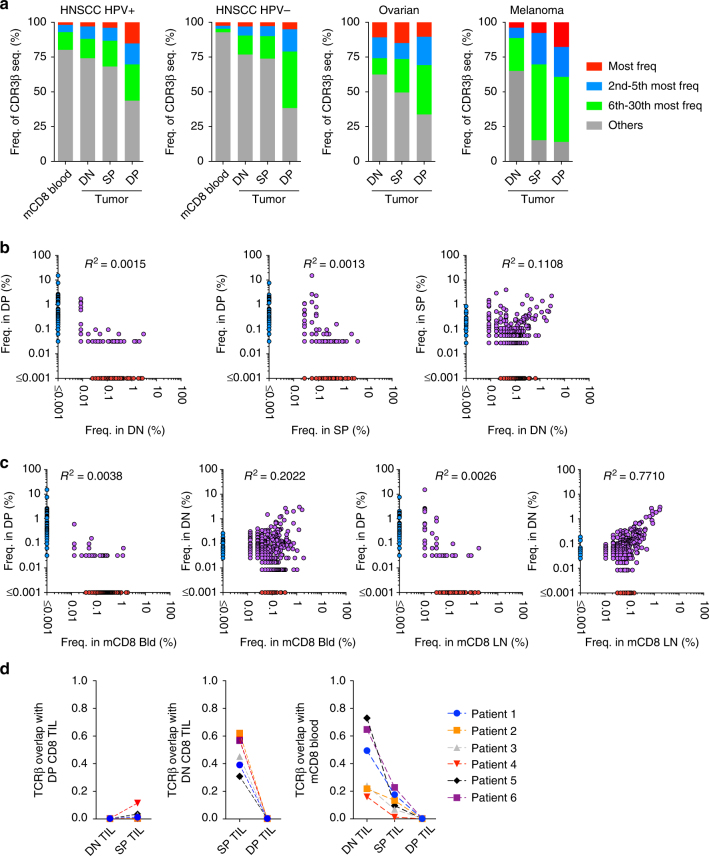
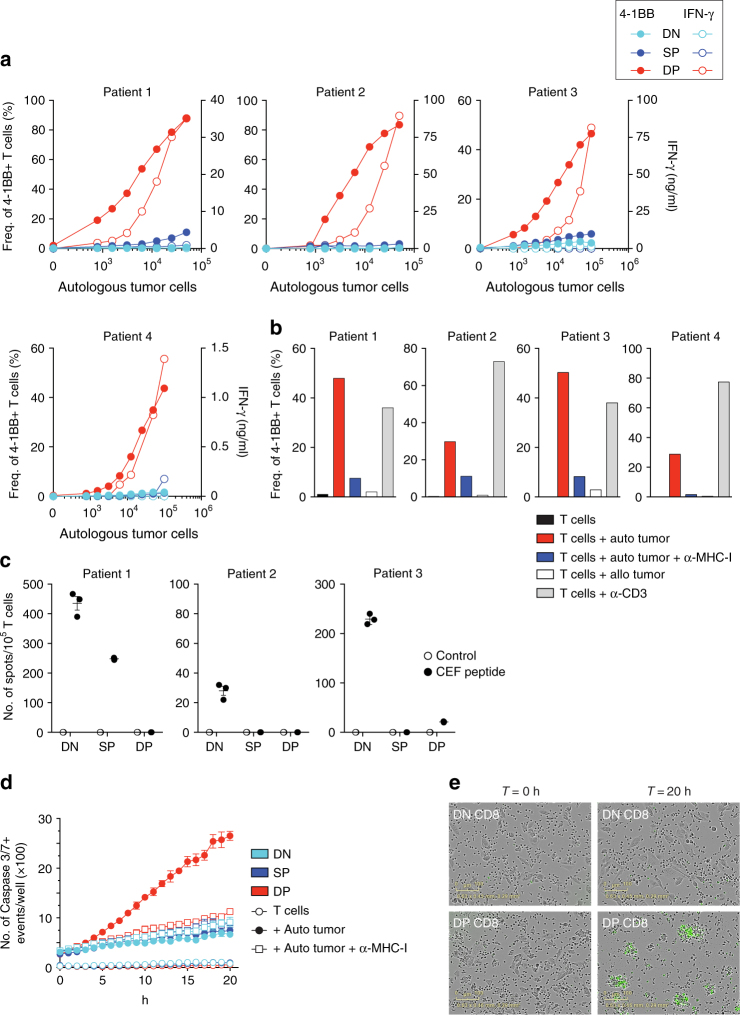
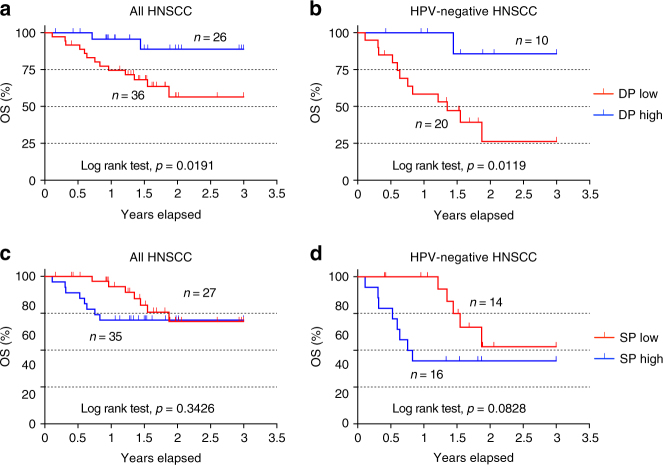
Identifying tumor antigen-specific T cells from cancer patients has important implications for immunotherapy diagnostics and therapeutics. Here, we show that CD103+CD39+ tumor-infiltrating CD8 T cells (CD8 TIL) are enriched for tumor-reactive cells both in primary and metastatic tumors. This CD8 TIL subset is found across six different malignancies and displays an exhausted tissue-resident memory phenotype. CD103+CD39+ CD8 TILs have a distinct T-cell receptor (TCR) repertoire, with T-cell clones expanded in the tumor but present at low frequencies in the periphery. CD103+CD39+ CD8 TILs also efficiently kill autologous tumor cells in a MHC-class I-dependent manner. Finally, higher frequencies of CD103+CD39+ CD8 TILs in patients with head and neck cancer are associated with better overall survival. Our data thus describe an approach for detecting tumor-reactive CD8 TILs that will help define mechanisms of existing immunotherapy treatments, and may lead to future adoptive T-cell cancer therapies.
Overview
The claims and statistics of this paper haven’t been checked yet.
Free: it reads the open-access text and checks the first 5 claims that cite a source we can check. Create a free account to check every claim.
Integrity signals
Registry
Cites
Statistics
Figures
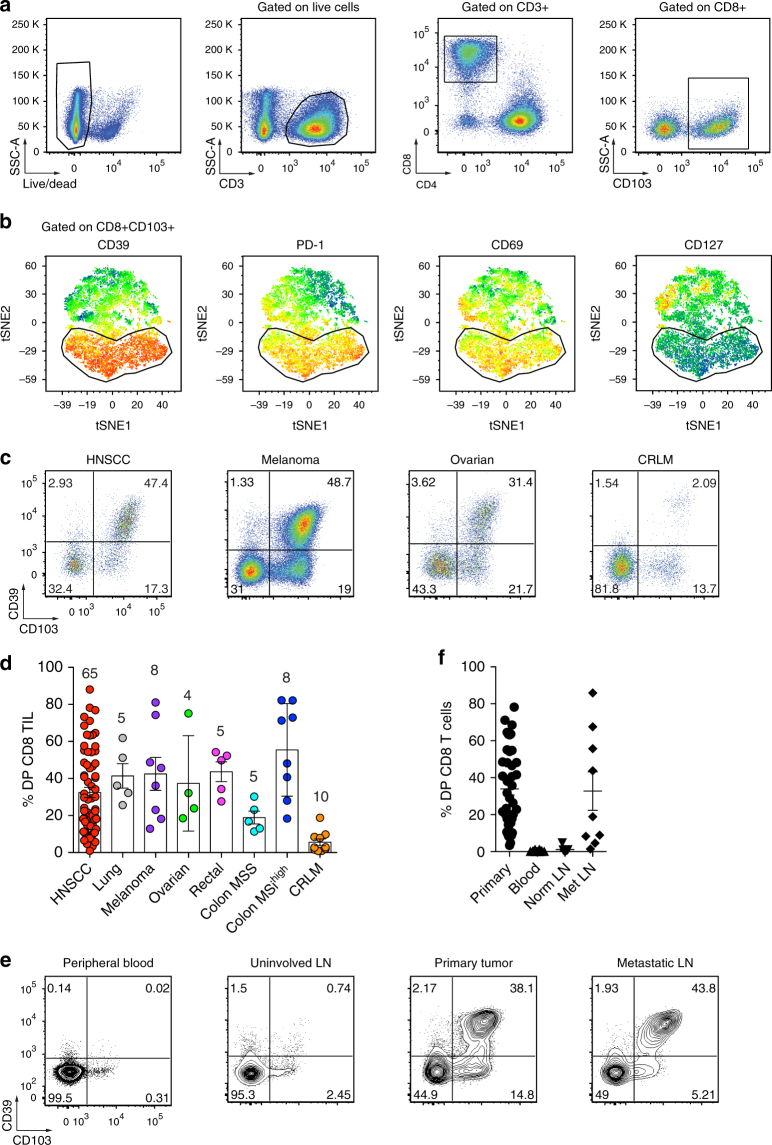
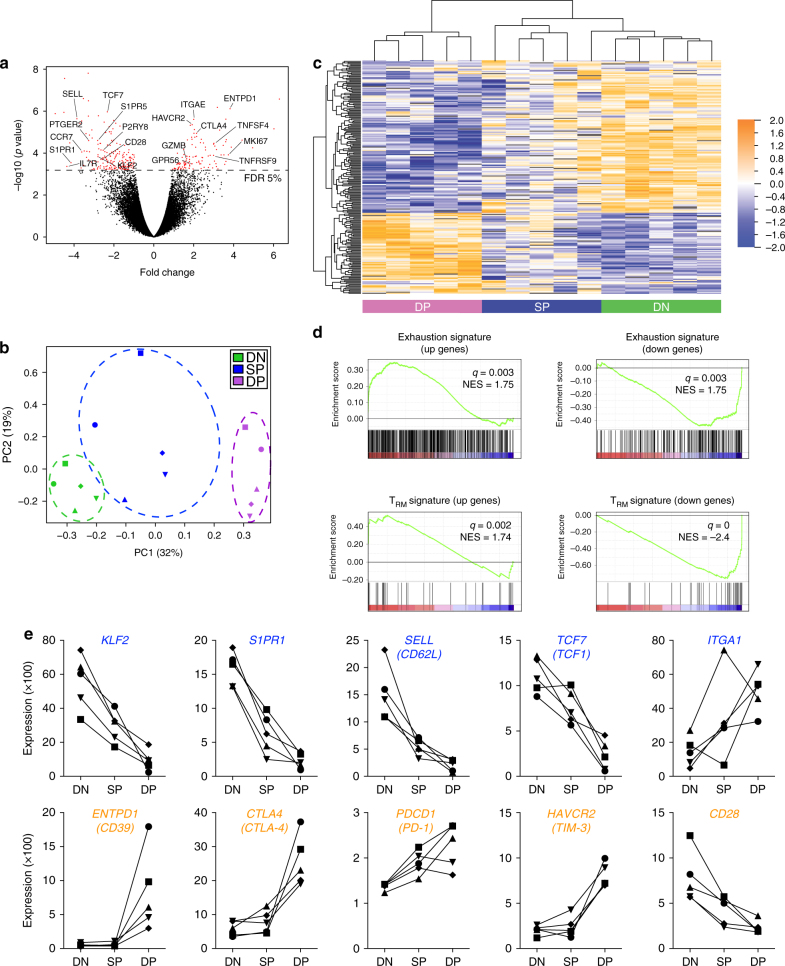
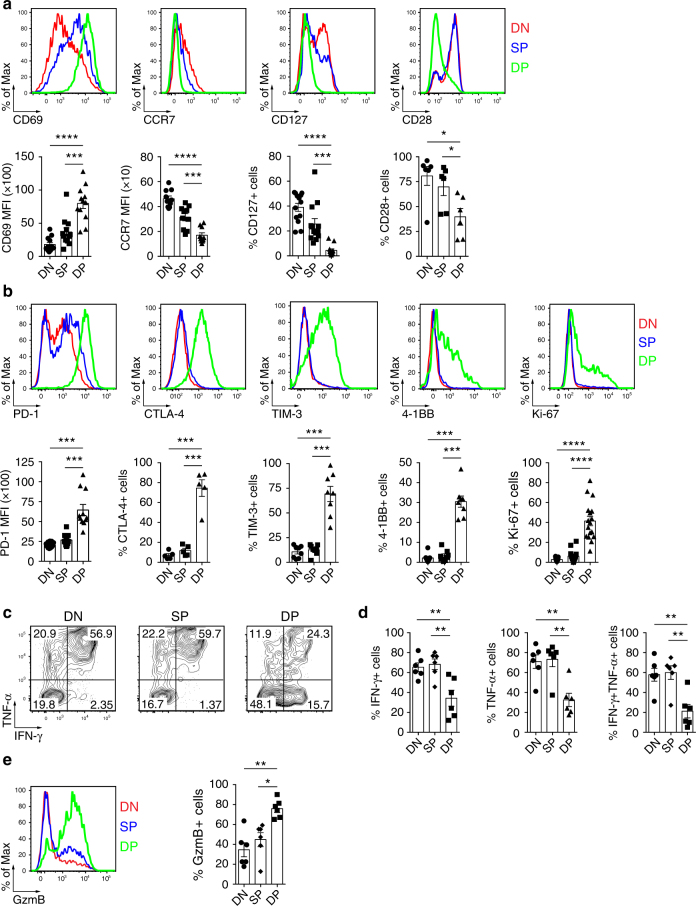
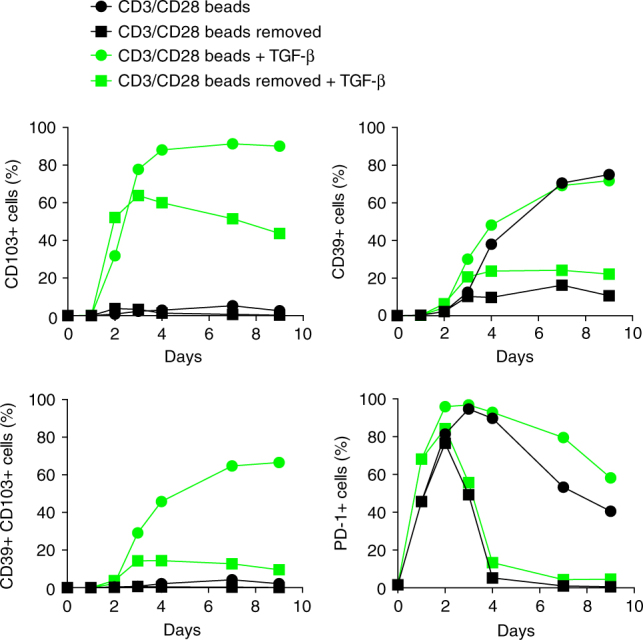
Verification
Claims the paper makes
The claims and statistics of this paper haven’t been checked yet.
Free: it reads the open-access text and checks the first 5 claims that cite a source we can check. Create a free account to check every claim.
Claims other papers make about this one
Each is checked against this paper’s own text: does it say what the citing paper says it does?
In the citing paper
“Previous studies demonstrated that enhanced CD8+CD103+ TRM TILs correlate with improved survival in patients with early stage NSCLC18 and with other types of cancer19.”
From Neoadjuvant nivolumab or nivolumab plus ipilimumab in operable non-small cell lung cancer: the phase 2 randomized NEOSTAR trial (2021) · cites this paper as [19]
Self-check
Percentages, sums and reported differences re-computed from the paper’s own numbers.
The self-check needs the paper’s full text.
Citations
Cites
Subramanian, A., Tamayo, P., Mootha, V. K., Mukherjee, S., Ebert, B. L., Gillette, M. A., Paulovich, A., Pomeroy, S. L., Golub, T. R., Lander, E. S., et al. (2005) · Proceedings of the National Academy of Sciences · doi:10.1073/pnas.0506580102 · Cited by 53,625
limma powers differential expression analyses for RNA-sequencing and microarray studies
Ritchie, M. E., Phipson, B., Wu, D., Hu, Y., Law, C. W., Shi, W., & Smyth, G. K. (2015) · Nucleic Acids Research · doi:10.1093/nar/gkv007 · Cited by 40,458
PD-1 Blockade in Tumors with Mismatch-Repair Deficiency
Le, D. T., Uram, J. N., Wang, H., Bartlett, B. R., Kemberling, H., Eyring, A. D., Skora, A. D., Luber, B. S., Azad, N. S., Laheru, D., et al. (2015) · New England Journal of Medicine · doi:10.1056/nejmoa1500596 · Cited by 9,377
Mismatch repair deficiency predicts response of solid tumors to PD-1 blockade
Le, D. T., Durham, J. N., Smith, K. N., Wang, H., Bartlett, B. R., Aulakh, L. K., Lu, S., Kemberling, H., Wilt, C., Luber, B. S., et al. (2017) · Science · doi:10.1126/science.aan6733 · Cited by 6,645
Massagué, J. (2008) · Cell · doi:10.1016/j.cell.2008.07.001 · Cited by 3,907
Cancer Regression and Autoimmunity in Patients After Clonal Repopulation with Antitumor Lymphocytes
Dudley, M. E., Wunderlich, J. R., Robbins, P. F., Yang, J. C., Hwu, P., Schwartzentruber, D. J., Topalian, S. L., Sherry, R., Restifo, N. P., Hubicki, A. M., et al. (2002) · Science · doi:10.1126/science.1076514 · Cited by 2,823
Cancer regression in patients after transfer of genetically engineered lymphocytes
Morgan, R. A., Dudley, M. E., Wunderlich, J. R., Hughes, M. S., Yang, J. C., Sherry, R. M., Royal, R. E., Topalian, S. L., Kammula, U. S., Restifo, N. P., et al. (2006) · Science · doi:10.1126/science.1129003 · Cited by 2,603
Deaglio, S., Dwyer, K. M., Gao, W., Friedman, D., Usheva, A., Erat, A., Chen, J.-F., Enjyoji, K., Linden, J., Oukka, M., et al. (2007) · The Journal of Experimental Medicine · doi:10.1084/jem.20062512 · Cited by 2,470
Landon, M., Saam, J., Brown, K. L., Moyes, K., Evans, B., & Wenstrup, R. (2015) · Oncology · doi:10.1159/000430097 · Cited by 1,939
Ahmadzadeh, M., Johnson, L. A., Heemskerk, B., Wunderlich, J. R., Dudley, M. E., White, D. E., & Rosenberg, S. A. (2009) · Blood · doi:10.1182/blood-2008-12-195792 · Cited by 1,766
Cited by
Items 601–700 of 972
Devall, M. A. M., & Casey, G. (2021) · Oncotarget · doi:10.18632/oncotarget.27935 · Cited by 8
“CD8+T tumor infiltrating lymphocytes (TIL) s were also seen in greater number in MSI-H tumors [35].”
BackgroundDong, D.-N., Fan, P.-W., Feng, Y.-N., Liu, G.-H., Peng, Y.-C., Dong, T., Wang, R., & Yu, J. (2021) · Chinese Medical Journal · doi:10.1097/cm9.0000000000001745 · Cited by 8
“CD39 expression has recently been proposed as a marker for tumor-specific T cells,([9-12]) and was shown to distinguish tumor-specific T cells from bystander CD8+ tumor-infiltrating lymphocytes with diverse phenotypes that overlap with tumor-specific cells, such as cytomegalovirus and flu-specific T cells.([9,10]) In…”
BackgroundMethodAdoptive tumor infiltrating lymphocyte transfer as personalized immunotherapy
Díaz-Cano, I., Paz-Ares, L. G., & Otano, I. (2022) · International review of cytology · doi:10.1016/bs.ircmb.2022.04.003 · Cited by 9
Single-cell analysis of myeloid cells in HPV+ tonsillar cancer
Jimenez, D. G., Altunbulakli, C., Swoboda, S., Sobti, A., Askmyr, D., Ali, A., Greiff, L., & Lindstedt, M. (2023) · Frontiers in Immunology · doi:10.3389/fimmu.2022.1087843 · Cited by 9
“All in all, our data suggest a key interaction of cDC1 and a small subpopulation of TRM CD8 T-cells that has been reported to a exert tumor-reactive function in the TME of several cancer types including HNC, but also ovarian, lung, and colon cancer (52).”
ResultJönsson, V. D., Ng, R. H., Dullerud, N., Wong, R. A., Hibbard, J. C., Wang, D., Aguilar, B., Starr, R., Weng, L., Alizadeh, D., et al. (2021) · bioRxiv (Cold Spring Harbor Laboratory) · doi:10.1101/2021.09.22.460392 · Cited by 9
Advances in TIL therapy: Expanding the horizons beyond melanoma
Wiertsema, P., Tan, Y., Haanen, J. B. A. G., Seijkens, T. T. P., & Jedema, I. (2025) · Med · doi:10.1016/j.medj.2025.100702 · Cited by 8
Tumor-infiltrating lymphocyte expansion protocols for adoptive cell therapy in cancer
Manzano, D. T., Subhi‐Issa, N., Pereiro-Rodríguez, A., Cade, I. G. L., González, M. M., Fernández‐Arquero, M., Segura, P. P., Ujaldón‐Miró, C., Sánchez‐Ramón, S., Ocaña, A., et al. (2025) · Cellular Oncology · doi:10.1007/s13402-025-01112-2 · Cited by 9
“A higher frequency of CD103 + CD39 + CD8 + TILs has been associated with an enhanced ability to destroy tumor cells in a major histocompatibility complex (MHC)-dependent manner [83].”
Cell Therapies and Bispecific Engagers: Redefining Strategies against Checkpoint Resistance
Laubli, H. P., König, D., Donia, M., Binder, M., & Zippelius, A. (2026) · Clinical Cancer Research · doi:10.1158/1078-0432.ccr-24-3694 · Cited by 7
Yu, S., Wang, K., Cao, C., Zhang, B., Chen, Y., Wu, C. Y., Li, C., Tang, J., & Luo, W. (2023) · Clinical Immunology · doi:10.1016/j.clim.2023.109860 · Cited by 7
Witzleben, A. V., Grages, A., Thomas, J., Ezić, J., Brunner, C., Schuler, P. J., Kraus, J. M., Kestler, H. A., Vahl, J. M., Doescher, J., et al. (2024) · Oral Oncology · doi:10.1016/j.oraloncology.2024.107107 · Cited by 7
“On the other hand, some studies have indicated that CD39 expression, especially in combination with CD103 expression, identifies antigen-experienced TIL, so-called tissue-resident memory cells, in the TME [47 – 49].”
Metformin as an immunomodulatory agent in enhancing head and neck squamous cell carcinoma therapies
Li, W., Liu, N., Chen, M., Liu, D., & Liu, S. (2025) · Biochimica et Biophysica Acta (BBA) - Reviews on Cancer · doi:10.1016/j.bbcan.2025.189262 · Cited by 7
Defining the Quality Attributes for Tumor-Infiltrating Lymphocyte Medicinal Products
Lievense, J., Nijenhuis, C. M., Jedema, I., Jonker-Hoogerkamp, A., Moyers, J. T., Hamid, O., Beijnen, J. H., Haanen, J. B. A. G., & Nuijen, B. (2025) · Transplantation and Cellular Therapy · doi:10.1016/j.jtct.2024.04.015 · Cited by 7
Approaches to overcome the current treatment plateau in immunotherapy
Giacomo, A. M. D., Canetta, R. M., Connolly, J., Leidner, R. S., Zheng, W., Kim, Y., Ibrahim, R. A., Lahn, M., Smith, M., Eggermont, A. M. M., et al. (2025) · European Journal of Cancer · doi:10.1016/j.ejca.2025.115605 · Cited by 7
Self-citationZhang, T., Song, J., Li, Y., Shen, K., Xuan, J., Gao, Y., Lu, L., Pang, Z., Wang, L., Yang, Y., et al. (2025) · Clinical and Translational Medicine · doi:10.1002/ctm2.70464 · Cited by 8
“Some researchers have refined the phenotypic definition of CD103 + CD8 + TRM cells by incorporating additional molecular markers such as CD39, 52–54 an effector marker, and CD49a, a molecule associated with adhesion.”
Wang, S., Zhang, X., Zou, X., Wen, M., Gan, C., Jiang, X., Li, M., Shen, R., Zhu, D., Yao, A., et al. (2022) · Cancer Immunology Immunotherapy · doi:10.1007/s00262-022-03335-w · Cited by 7
Self-citationWang, Z., & Chen, K. (2023) · Brain‐X · doi:10.1002/brx2.33 · Cited by 7
Fan, X., Ważyńska, M. A., Kol, A., Holland, N. P., Fernandes, B., van Duijnhoven, S. M. J., Plat, A., van Eenennaam, H., Elsinga, P. H., Nijman, H. W., et al. (2023) · EJNMMI Research · doi:10.1186/s13550-023-01043-9 · Cited by 7
Schadeck, J., Oberg, H., Peipp, M., Hedemann, N., Schamel, W. W. A., Bauerschlag, D., & Wesch, D. (2024) · Frontiers in Immunology · doi:10.3389/fimmu.2023.1286097 · Cited by 8
“CD39 and CD73 are enzymes which mediate a gradual hydrolysis of danger signals of ATP and ADP to anti-in fl ammatory adenosine, which induce exhaustion of cells (48 – 50).”
BackgroundCombined cancer immunotherapy based on targeting adenosine pathway and PD-1/PDL-1 axis
Fathi, M., Zarei, A., Moghimi, A., Jalali, P., Salehi, Z., Gholamin, S., & Jadidi‐Niaragh, F. (2024) · Expert Opinion on Therapeutic Targets · doi:10.1080/14728222.2024.2405090 · Cited by 7
“In addition, CD39 was found to be an indicator of exhausted T cells in people with ongoing viral infections [25,26].”
Castenmiller, S. M., de Groot, R., Guislain, A., Monkhorst, K., Hartemink, K. J., Veenhof, A. A. F. A., Smit, E. F., Haanen, J. B. A. G., & Wolkers, M. C. (2022) · Immuno-Oncology Technology · doi:10.1016/j.iotech.2022.100090 · Cited by 7
Moving beyond the T cell synapse for combination neoadjuvant immunotherapy in head and neck cancer
Bell, R. B., Gough, M. J., Crittenden, M. R., & Young, K. H. (2022) · Journal of Clinical Investigation · doi:10.1172/jci162733 · Cited by 8
“Recent studies have shown that subpopulations of neoantigen-reactive CD8+ and CD4+ tumor infiltrating lymphocytes (TILs) have a Trm phenotype and are highly prognostic for patients with HNSCC and other cancer types (11, 12).”
BackgroundSelf-citationZhao, Z., Guo, H., & Yang, R. L. (2022) · European Urology · doi:10.1016/j.eururo.2022.08.037 · Cited by 7
Advances in cancer immunotherapy: adoptive cell therapy and immune cell engagers in solid tumours
Panasci, J., Park, C. L., Tran, B., & Siu, L. L. (2026) · British Journal of Cancer · doi:10.1038/s41416-026-03450-w · Cited by 8
Intratumoral T cell activation kills tumors regardless of T cell specificity
Smith, O. C. G., Dao, T. T., Gavil, N. V., O’Flanagan, S. D., Rubin, A. J., Nguyen, S., Watowich, M., Liu, N., Weyu, E., Quarnstrom, C. F., et al. (2026) · Nature Immunology · doi:10.1038/s41590-026-02642-z · Cited by 8
“Several recent studies reported that virus-specific T cells extend their surveillance to transformed tissue, including memory T cells that were naturally established because of previous exposures to influenza A virus (IAV), Epstein–Barr virus (EBV) and cytomegalovirus (CMV) 11–13 .”
Kim, S., Jeon, S. H., Kim, Y., Park, N., & Kim, I. A. (2025) · Radiotherapy and Oncology · doi:10.1016/j.radonc.2025.110932 · Cited by 6
Lyu, X., Han, J., Chen, L., Zhou, Y., & Wang, W. (2025) · International Journal of Oncology · doi:10.3892/ijo.2025.5762 · Cited by 6
“These cells often exhibit exhaustion due to chronic stimulation (34), character‑ ized by markers such as CD39 (31,35,36,37), CD103 (38‑40) and programmed cell death protein 1 (PD‑1) (41,42).”
Bergero, G., Mazzocco, Y. L., Rosso, S. D., Liu, R., Gallardo, Z. M. C., Robson, S. C., Rottenberg, M. E., & Aoki, M. P. (2025) · Journal of Clinical Investigation · doi:10.1172/jci186785 · Cited by 7
“Although their expressions have also been reported in nonregulatory T cells (17, 18), the role of these enzymes in the function of effector T cells, as in T. cruzi infection, needs further detailed investigation.”
Ye, J., Chen, L., Patel, S., Ming, P., Li, C., Waltermire, J., Zhao, J., Ren, J., Bartlett, D. L., & Liu, Z. (2025) · Molecular Therapy Oncology · doi:10.1016/j.omton.2025.201022 · Cited by 7
Xing, Y., Zhou, Y., Wang, R., Chen, J., Yang, L., Meng, X., Wang, J., Ouyang, Q., Zhao, J., Chen, F., et al. (2025) · Developmental Cell · doi:10.1016/j.devcel.2025.08.003 · Cited by 6
Sharon, S., Baird, J. R., Bambina, S., Kramer, G. F., Blair, T. C., Jensen, S. M., Leidner, R. S., Bell, R. B., Casap, N., Crittenden, M. R., et al. (2021) · Oncotarget · doi:10.18632/oncotarget.27982 · Cited by 6
“We recently demonstrated that anti-CD40L prevented the generation of resident memory phenotype T-cells [19], which are highly impactful to the outcome of patients with HNSCC following treatment conventional therapies [25].”
BackgroundSelf-citationDuhen, T. M., Gough, M. J., Leidner, R. S., & Stanton, S. E. (2022) · Frontiers in Oral Health · doi:10.3389/froh.2022.902160 · Cited by 6
Self-citationHill, S. L., Sugiyarto, G., Harrington, J., James, E., Underwood, T., & Elliott, T. J. (2024) · Cancer Immunology Immunotherapy · doi:10.1007/s00262-024-03799-y · Cited by 6
“Additionally, tumour associated TRM express surface markers of lymphocyte exhaustion such as PD-1, TIM3 and CD39 [6, 10].”
BackgroundMultifaceted functions of tissue-resident memory T cells in tumorigenesis and cancer immunotherapy
Seo, E. S., Lee, S., & Son, Y. M. (2025) · Cancer Immunology Immunotherapy · doi:10.1007/s00262-025-04035-x · Cited by 6
“Lung tumor-infiltrating T RM cells are distinguished from other T cell subsets by the elevated expression of immune checkpoint molecules, including LAG-3, PD-1, TIM-3, CTLA-4, CD39, and TIGIT [35, 80, 81].”
David, M., Schiele, P., Monteferrario, D., Saviane, G., Martelli, A. E., Dupont, C. F., Jeanneau, C., Marchetti, I., Tadi, S. K., Vahldick, J., et al. (2025) · Molecular Therapy Oncology · doi:10.1016/j.omton.2025.200989 · Cited by 7
“6,8 To enhance TIL functionality after transduction with a PD-1 ZFR repressor, T cells from tumor biopsies of CRLMs patients were isolated (Figure 2A).”
Chronic Viral Liver Diseases: Approaching the Liver Using T Cell Receptor-Mediated Gene Technologies
Healy, K., Pasetto, A., Sobkowiak, M. J., Soon, C. F., Cornberg, M., Aleman, S., & Chen, M. (2020) · Cells · doi:10.3390/cells9061471 · Cited by 6
“To date, most of the techniques used to identify TCRs for immunotherapy have primarily been performed when investigating tumor-reactive TCRs from the TIL populations of cancer patients.”
BackgroundInfluentialSingle‐Use Bioreactors for Manufacturing of Immune Cell Therapeutics
Pörtner, R., Sebald, C., Parida, S. K., & Hoffmeister, H. (2019) · Wiley eBooks · doi:10.1002/9781119477891.ch30 · Cited by 7
Liang, F., Rezapour, A., Szeponik, L., Alsén, S., Wettergren, Y., Lindskog, E. B., Quiding‐Järbrink, M., & Yrlid, U. (2021) · Cancers · doi:10.3390/cancers13205247 · Cited by 7
“unclear if CD103 and CD39 on colonic CD8 T cells correspond to specificity for colonic antige s as co-exp ession of these markers on CD8 TIL suggest tumor specificity [6,7].”
BackgroundInfluentialTissue-resident memory T cells in urinary tract diseases
Xu, G., Li, Y., Lu, G., & Xie, D. (2025) · Frontiers in Immunology · doi:10.3389/fimmu.2025.1535930 · Cited by 5
Shang, Y., He, Y., Zhang, X., He, W., Hua, H., Feng, Y., Zhou, X., Li, Y., Zhong, W., Wu, G. S., et al. (2025) · Immunology · doi:10.1111/imm.13924 · Cited by 5
Kos, M., Mertowska, P., Mertowski, S., Roliński, J., Krasińska-Płachta, A., Urbanowicz, T. K., Gogacz, M., & Grywalska, E. (2025) · International Journal of Molecular Sciences · doi:10.3390/ijms26094041 · Cited by 5
“Their exhaustion and loss of function in the context of ovarian cancer emphasize the importance of TILs in the dynamic regulation of EMT [110–112].”
Towards the development of next-generation lung cancer immunotherapy
Ichiki, Y., Saito, N., Taguchi, R., Umesaki, T., Nitanda, H., Sakaguchi, H., Ishida, H., Kawasaki, T., Imai, H., Kaira, K., et al. (2025) · Translational Lung Cancer Research · doi:10.21037/tlcr-2024-1097 · Cited by 6
“Using resected specimens from patients with lung cancer, CD103 + lymphocytes were confirmed by immunostaining in the local tumor area and associated lymph nodes.”
InfluentialLiu, D., Zhang, T., Sun, Q., Cai, D., Lou, Y., Wang, G., Xie, B., Zhu, Y., Wang, C., Lu, Z., et al. (2025) · Science China Life Sciences · doi:10.1007/s11427-025-2958-3 · Cited by 5
“…CD8 + and CD4 + T cells are predominantly enriched in CXCL13 - expressing cells with pronounced exhaustion features (Caushi et al., 2021; Duhen et al., 2018; Gros et al., 2014; Hanada et al., 2022; Lowery et al., 2022; Oliveira et al., 2022; Oliveira et al., 2021; Veatch et al., 2022;…”
Ito, K., Iida, K., Hirano, T., Leong, M. M., Morii, K., Menju, T., Date, H., Ozasa, H., Yoshida, H., Hirai, T., et al. (2026) · Nature Communications · doi:10.1038/s41467-026-69680-x · Cited by 6
Ao, Z., Al-Marayaty, R., Aksoy, B. A., Obeidin, F., Burga, R. A., Attar, S., Peabody, T. D., de Viveiros, P. H., Ng, J. C. K., Jing, W., et al. (2026) · Cancer Immunology Research · doi:10.1158/2326-6066.cir-25-1016 · Cited by 5
“…IL12, knocking out the immune checkpoint PD-1 or the negative regulator of cytokine signaling SOCS1, and TIL selection using surface markers or co-cultures with neoantigens prior to ex vivo expansion (4–6) However, clinically, some of these methods have had unacceptable safety issues (IL12; ref.”
Liapopoulos, D., Sarantis, P., Zogas, G., Trifylli, E.-M., Bousou, T.-E., Kamitaki, K., Anastasiou, I. A., Kokkali, S., Mavromatis, S., Koustas, E., et al. (2026) · International Journal of Molecular Sciences · doi:10.3390/ijms27104630 · Cited by 5
“…offers another lever relevant to Tregs in HCC. Tregs in HCC frequently express the ectonucleotidases CD39 and CD73, feeding into A2A receptor-mediated suppression; intratumoral CD39 also marks dysfunctional but tumor-reactive T cells, highlighting the currency of adenosine in liver tumors [11,70].”
Increased IFN-β indicates better survival in hepatocellular carcinoma treated with radiotherapy
Zhang, Y., Hong, W., Zheng, D.-X., Li, Z., Hu, Y., Chen, Y., Yang, P., Zeng, Z., & Du, S. (2024) · Clinical & Experimental Immunology · doi:10.1093/cei/uxae075 · Cited by 5
Impact of multiple hits with cognate antigen on memory CD8+ T-cell fate
Takamura, S. (2020) · International Immunology · doi:10.1093/intimm/dxaa039 · Cited by 5
Ding, B., Yan, W., Shen, S., Meng, D., Xue, C., Wang, S., & Shen, Y. (2023) · Cancer Control · doi:10.1177/10732748231168756 · Cited by 6
A therapeutic regimen using neoantigen-specific TCR-T cells for HLA-A*2402-positive solid tumors
Bei, Y., Huang, Y., Wu, N., Li, Y., Xu, R., Liu, B., & Li, R. (2025) · EMBO Molecular Medicine · doi:10.1038/s44321-024-00184-1 · Cited by 5
“Recently, multiple lines of evidence have discovered that NRT cells are enriched in some T-cell subclones characterized by high expressions of CD103 (Duhen et al, 2018), CD137 (Eiva et al, 2022), PD-1 (Purcarea et al, 2022) or CD39 (Chatani et al, 2023).”
Chung, D. C., Shakfa, N., Vakharia, J., Warner, K., Jacquelot, N., Sayad, A., Han, S., Ghaedi, M., Garcia-Batres, C. R., Sotty, J., et al. (2025) · Cancer Immunology Research · doi:10.1158/2326-6066.cir-24-0151 · Cited by 5
“Duhen and colleagues (115) and others have previously found that CD39 + CD103 + cells are enriched for tumor-reactive T cells in human solid tumors (116).”
Guan, J., Liu, X., Wang, K., Jia, Y., & Yang, B. (2022) · Open Medicine · doi:10.1515/med-2022-0575 · Cited by 5
“In the low - risk group, immune pathways such as T cell receptor signaling pathway and B cell receptor signaling pathway were upregulated, which were proven to play signi fi cant roles in the suppression of HNSCC [ 35,36 ] .”
Implantable biomaterials to provide local immunotherapy following surgical resection
Gough, M. J., Baird, J. R., & Bell, R. B. (2018) · Oncotarget · doi:10.18632/oncotarget.26487 · Cited by 5
Self-citationRegional and clonal T cell dynamics at single cell resolution in immune checkpoint blockadePreprint
Pai, J. A., Chow, A. T., Sauter, J. L., Mattar, M. S., Rizvi, H. A., Woo, H. J., Shah, N., Uddin, F. Z., Quintanal-Villalonga, À., Chan, J. M., et al. (2021) · bioRxiv (Cold Spring Harbor Laboratory) · doi:10.1101/2021.09.27.461389 · Cited by 5
Honigsberg, R., Cruz, T., Yoffe, L., Tang, M. S., Dicle, O., Markowitz, G. J., Michael, M. M., Singh, A., Altorki, N. K., Elemento, O., et al. (2025) · bioRxiv (Cold Spring Harbor Laboratory) · doi:10.1101/2025.04.27.650862 · Cited by 6
Pinho, M. P., Antoun, E., Sandhar, B. S., Shu, T., Gao, F., Yang, X., Bates, A., Cerundolo, L., Hamid, M. A., Maldonado‐Pérez, D., et al. (2025) · Cell Reports Medicine · doi:10.1016/j.xcrm.2025.102252 · Cited by 5
Zhang, Q., Liu, Y., Xuan, H., Zhan, S., Shen, Y., Wang, R., Chen, S., Ding, S., Liu, C., Huang, L., et al. (2025) · Technology in Cancer Research & Treatment · doi:10.1177/15330338251380957 · Cited by 4
Single-cell mapping of alternative splicing linked to checkpoint immunotherapy response
Xiong, J., Bricard, O., Arijs, I., Demeulemeester, J., Gu, C., Thienpont, B., Daaboul, D., Bassez, A., Bechter, O. E., Poźniak, J., et al. (2025) · Nucleic Acids Research · doi:10.1093/nar/gkaf1171 · Cited by 4
GPR25 promotes the formation of lung and liver tissue-resident memory CD8 T cells
Han, F., Park, S., Shin, J. W., Castañeda-Castro, F. E., Hernández, J., Schmiedel, B. J., Liu, C., Jackson, M. R., Ottensmeier, C. H. H., & Vijayanand, P. (2025) · Science Immunology · doi:10.1126/sciimmunol.adu2089 · Cited by 4
Papagiannis, A., Majjaj, S., Duhoux, F. P., Agostinetto, E., Stanciu, A., Vanhulst, T., Buisseret, L., Larsimont, D., Veys, I., Paesmans, M., et al. (2025) · Nature Communications · doi:10.1038/s41467-025-66590-2 · Cited by 4
“The markers selected in this panel aimed to validate our snRNA-seq fi ndings on the decrease in T-cell proliferation and TRMs. CD39 was included in the panel based on published data showing that co-expression of CD103 and CD39 identi fi es a subset of tumor-reactive T cells in solid tumors 35 .”
Tissue‐Resident Memory T Cells: Pioneering New Avenues in Cancer Immunotherapy
Xiao, Y., Yang, Q., & Sun, Z. (2025) · Cancer Medicine · doi:10.1002/cam4.71429 · Cited by 4
Circulating T-lymphocyte subsets as biomarkers for immune checkpoint inhibitors in solid tumors
Kong, Y., Chen, R., Zhang, J., & Zhang, L. (2026) · Clinical & Experimental Immunology · doi:10.1093/cei/uxag002 · Cited by 4
“These CD39 + CD8 + T cells have been linked to clinical benefits in several cancers [56, 57].”
Li, T., Ilano, A., Arias-Badia, M., Luong, D., Chang, H., Kwek, S. S., Allaire, K. M., Chumber, A. K., Sakamoto, M., Clark, M., et al. (2026) · Proceedings of the National Academy of Sciences · doi:10.1073/pnas.2506168123 · Cited by 5
“Intratumoral DP T cells were observed to be in a cytotoxic state, expressing high levels of both CD39 and CD103 which are markers of tumor - reactive CD8 + T cells in human solid tumors (50).”
Gilmour, C., Delaney, E., Parthasarathy, P. B., Roy, D., Ta, H. M., Zakeri, A., Grandez, P. E., Patnaik, S., Zhang, K., Juric, I., et al. (2026) · Journal of Clinical Investigation · doi:10.1172/jci195668 · Cited by 4
“Expression of PD-1, 4-1BB, or CD103 may mark tumor-specific subsets within polyclonal CD8 + TIL populations (19–21).”
Hallmarks and correlates of effective adoptive cell immunotherapy for cancer
Krishna, S., Robbins, P. F., Lowery, F. J., & Rosenberg, S. A. (2026) · Nature reviews. Immunology · doi:10.1038/s41577-026-01312-3 · Cited by 5
“Given the high enrichment within TME of neoantigen-specific CD39 + TILs in patients with epithelial cancers 37,95,97,98 , TIL terminal dysfunction is a significant problem in this patient population.”
Cytotoxic CD39 + tumor-associated NK cells respond to NKG2A blockade in lung cancer
Serger, C., Rebuffet, L., Sandholzer, M. T., Rackwitz, W., Fusi, I., Herzig, P., Brüggemann, A., Pawlow, C. A., Chichelnitskiy, E., Hajnal, D., et al. (2026) · Science Immunology · doi:10.1126/sciimmunol.aeb6645 · Cited by 5
Latent effector T cells mediate immunotherapy responses in the bone marrow microenvironment
Kehl, N., Wagner, T. R., Steiger, S., Boschert, T., Kilian, M., Schach, A., Michel, J. J., Foster, K. A., Hernandez, G. M., Ctortecka, C., et al. (2026) · Cancer Cell · doi:10.1016/j.ccell.2026.07.011 · Cited by 4
Lv, L.-L., Wang, H., Zhang, Y.-X., Zhai, J., Shen, Y., Qu, Q., & Chen, C. (2023) · BMC Immunology · doi:10.1186/s12865-023-00590-z · Cited by 4
“Thomas Duhen also demonstrated that CD103 + CD39 + CD8 + TILs possess a distinct TCR repertoire and can be identified as tumour-reactive CD8 + T cells in human solid tumours [28].”
BackgroundTissue-Resident Memory T Cells in Tumor Immunity and Immunotherapy of Digestive System Tumors
Cheng, M., Liu, J., Liang, Y., Xu, J., Ma, L., & Liang, J. (2025) · Immunological Investigations · doi:10.1080/08820139.2024.2447780 · Cited by 4
“…various solid malignancies express immune checkpoint proteins, including programmed cell death 1 (PD-1), LAG-3, CTLA-4, and TIM-3, suggesting that TRM cells can stimulate immune responses that inhibit cancer progression and development (Duhen et al., 2018; Edwards et al., 2018; Savas et al., 2018).”
InfluentialLiu, A., Liu, D., Liu, X., Chi, Y., Guo, L., Li, D., Wang, Q., Li, Y., Li, Y., Zheng, G., et al. (2025) · Cancer Immunology Immunotherapy · doi:10.1007/s00262-025-03988-3 · Cited by 4
“Recent researches demonstrated a significant correlation between CD8 + TRM cells and improved outcomes from anti-PD-1 therapy in a various of tumors, including melanoma [21] and non-small cell lung cancer (NSCLC) [22].”
Kwek, S. S., Yang, H., Li, T. Y., Ilano, A., Chow, E. D., Zhang, L., Chang, H., Luong, D., Lea, A., Clark, M., et al. (2025) · JCI Insight · doi:10.1172/jci.insight.177373 · Cited by 6
A pan-cancer comparative analysis of the cancer genome atlas transcriptomic TIL-immune signatures
Hitscherich, K. J., Nousome, D., Dinerman, A. J., Dulemba, V., Lowery, F. J., & Nilubol, N. (2025) · Cancer Immunology Immunotherapy · doi:10.1007/s00262-025-04102-3 · Cited by 4
“Perhaps the most investigated goal has been a signature describing CD4 and CD8 lymphocytes that recognize tumor-specific neoantigens [7, 10, 26, 31, 36, 37].”
Bargmann, T., Konzok, S., Liguori, R., Fuchs, M., Sommer, C., Schaudien, D., Schob, C., Halle, S., Werlein, C., Zardo, P., et al. (2025) · European Journal of Immunology · doi:10.1002/eji.70060 · Cited by 4
“Tissue-resident CD8 + /CD103 + /CD39 + T cells are suggested to be tumor-specific in other contexts, which we support in finding that these secrete IFN-γ upon stimulation with Nivolumab [6, 7].”
InfluentialPietro, A. D., Au, L., Crock, P., Thio, N., Pizzolla, A., Nguyen, T. N., Macdonald, S., Chalmers, H., Zhu, R., Airaghi, A., et al. (2026) · Nature Communications · doi:10.1038/s41467-026-74076-y · Cited by 5
Developing synthetic tools to decipher the tumor–immune interactome
Weizman, O.-E., Luyten, S., Lu, P., Song, E., Qin, K., Mostaghimi, D., Ring, A. M., & Iwasaki, A. (2023) · Proceedings of the National Academy of Sciences · doi:10.1073/pnas.2306632120 · Cited by 4
“S2 E ), consistent with chronic TCR engagement (25, 26).”
Comment on “An Injectable Hydrogel to Modulate T Cells for Cancer Immunotherapy”
Lin, L., Zhang, S., & Yang, W. (2023) · Small · doi:10.1002/smll.202302812 · Cited by 4
Cao, Y., Chang, T., Sahni, S., & Ruppin, E. (2024) · Nature Machine Intelligence · doi:10.1038/s42256-024-00804-y · Cited by 4
Engineered Cellular Therapies for the Treatment of Thoracic Cancers
Erickson, S. M., Manning, B. M., Kumar, A., & Patel, M. R. (2024) · Cancers · doi:10.3390/cancers17010035 · Cited by 4
“Attempts to identify biomarkers associated with ideal TILs have identified CD39 and CD107 co-expression, as well as CD137 expression on T cells to be associated with tumor-reactive TILs [225,226].”
Nunes, V. B. D. S., Dias, C. K., Scholl, J. N., Sant’Ana, A. N., Dias, A. D. F., Farias, M. G., Alegretti, A. P., Sosnoski, M., Daudt, L. E., Michalowski, M. B., et al. (2022) · Discover Oncology · doi:10.1007/s12672-022-00602-1 · Cited by 4
“A recent study highlights that the co-expression of CD39 and CD103 (which is involved in adhesion and activation) identifies a subset of tumor-reactive CD8 + T-cells in solid human tumors [53].”
BackgroundWang, P., Zhuang, W., Zheng, Z., Zhang, L., Zhang, X., & Chen, Q. (2023) · Clinical & Experimental Immunology · doi:10.1093/cei/uxad073 · Cited by 4
Lama, G. I. G., Noel, G. L., López-Márquez, F. C., González-Galarza, F. F., Hinojosa, A. I. P., Nava‐Rivera, L. E., Willard-Gallo, K. E., & Arguello, J. R. (2023) · Current Pharmaceutical Biotechnology · doi:10.2174/1389201025666230901094219 · Cited by 4
Kitanovski, S., Srinivas, N., Schrama, D., Hoffmann, D. E., & Becker, J. C. (2026) · eLife · doi:10.7554/elife.112593 · Cited by 4
Immune Monitoring during Cancer Immunotherapy
Shehata, H. M., Dogra, P., & Sanjabi, S. (2024) · Wiley eBooks · doi:10.1002/9781683674023.ch105 · Cited by 3
Liu, C., Chen, Y., Li, X., Bai, Z., Jiang, M., Sheng, D., Zou, W., Huang, R., Huang, Q., Wang, F., et al. (2025) · Cancer Immunology Immunotherapy · doi:10.1007/s00262-024-03935-8 · Cited by 3
“Researchers found that CD39 + CD103 + CD8 + tumor-infiltrating T cells (TILs) with selective reactivity to autologous tumor cells and enhanced cytotoxicity also expressed high levels of inhibition markers (PD-1, CTLA-4 and TIM-3) [45].”
Stockem, C. F., Gil-Jimenez, A., Ali, H., van Dorp, J., van Dijk, N., van Montfoort, M. L., Alkemade, M., Broeks, A., Seignette, I. M., Hooijberg, E., et al. (2025) · Clinical Cancer Research · doi:10.1158/1078-0432.ccr-25-0419 · Cited by 3
Going with the Flow: Circulating Tumor-Reactive Lymphocytes Stream into Cancer Therapy
Álvarez-Rodríguez, R., Vuchkovska, A., Wang, Z., Chartier, C., Hege, K. M., Kalos, M. D., & Kelley, S. O. (2025) · Clinical Cancer Research · doi:10.1158/1078-0432.ccr-25-0882 · Cited by 3
An, Y., Zhou, J., Su, L., Cong, L., Mao, X., Chen, B., Gong, Y., Xu, Y., Chen, H., Wang, C., et al. (2025) · Journal of the National Cancer Center · doi:10.1016/j.jncc.2025.06.006 · Cited by 3
Regulation of T cell tissue residency and activation in human PCLS
Bargmann, T., Sommer, C., Stowasser, L., Jacob, S., Jürgen, L., Konzok, S., Werlein, C., Zardo, P., Neubert, L., Jonigk, D. D., et al. (2025) · Respiratory Research · doi:10.1186/s12931-025-03397-1 · Cited by 3
“One study revealed that upregulation of the tissue residency marker, CD103, on PBMC T cells requires both TCR stimulation as well as TGFβ [29].”
Dai, S., Liu, Y., Guo, T., Luo, H., Yang, G., Yu, S., Zhang, S., Jiang, L., Liu, J., Wang, Y., et al. (2025) · British Journal of Cancer · doi:10.1038/s41416-025-03160-9 · Cited by 4
Application and characterization of the multiple instance learning framework in flow cytometry
Ding, Z., & Baras, A. S. (2026) · Scientific Reports · doi:10.1038/s41598-025-32093-9 · Cited by 3
“However, with appropriate network configurations, the identified cellular populations consistently follow the same pattern across dataset splits (e.g. in M1 Spearman Correlation ρ s = 0 .”
Park, J. O., & Ryu, H. (2026) · Immune Network · doi:10.4110/in.2026.26.e12 · Cited by 3
“They express high CD39 ectonucleotidase alongside inhibitory receptors ( Table 1 ) (11,44 orchestrating tertiary lymphoid structure (TLS) formation within tumors (46,47).”
InfluentialChen, Z., Li, W., Guo, Y., Zhu, Y., Song, Y., Wu, J., Zheng, W., Tseng, Y., Lin, L., Tang, F., et al. (2026) · BMC Medicine · doi:10.1186/s12916-026-04758-3 · Cited by 3
“These CD39 + CD8 + T cells have been shown to react to neoantigens and tumor-associated antigens in lung cancer and melanoma [70, 71].”
CD8+ TEMRA cells: A double-edged sword in immunity and disease—Mechanisms and therapeutic targets
Ma, J., Wu, Y., Chen, L., & Zheng, X. (2026) · International Immunopharmacology · doi:10.1016/j.intimp.2026.116614 · Cited by 5
Su, Z., Li, H., Zhang, D., Shi, N., Song, C., Huang, Y., He, W., Yin, Z., & Li, L. (2026) · Journal of Translational Medicine · doi:10.1186/s12967-026-07706-0 · Cited by 3
“Furthermore, the inclusion of a TIL-alone control group served as an internal benchmark for specificity, distinguishing tumor-driven activation from the non-specific bystander responses identified in human solid tumors [52].”
Tumor organoid-immune cell co-culture systems for precision oncology
Cai, L., Xiao, Y., Xie, F., & Yang, Z. (2026) · Frontiers in Cell and Developmental Biology · doi:10.3389/fcell.2026.1865487 · Cited by 4
“CD39 is a valuable marker for identifying antitumor immune cells across multiple cancer types (Duhen et al., 2018).”
Usman, H. A., Sholihah, F., Dewayani, B. M., & Giovani, O. (2024) · Journal of Cutaneous Pathology · doi:10.1111/cup.14771 · Cited by 3
“In human melanoma, CD103+ and CD39+ are often co-expressed in CD8+ tumor-infiltrating lymphocytes, but it is yet to be studied whether this mechanism affects the expression of CD8+ [48].”
Host Tissue Factors Predict Immune Surveillance and Therapeutic Outcomes in Gastric Cancer
Abate, M., Stroobant, E. E., Fei, T., Lin, Y.-H., Shimada, S., Drebin, H. M., Chen, E., Tang, L. H., Shah, S. P., Wolchok, J. D., et al. (2025) · Cancer Immunology Research · doi:10.1158/2326-6066.cir-23-0563 · Cited by 3
Huang, A., Wu, Y., Cui, J., Cai, M., Xie, Y., Zou, J., Alenzi, M., Yang, H., Huang, P., & Huang, M. (2025) · Cancer Immunology Immunotherapy · doi:10.1007/s00262-025-04087-z · Cited by 3
“The interplay between CD103 and E-cadherin significantly influences the recruitment and stimulation of CD8 + TRM cells within tumor tissues, leading to the secretion of per-forin and granzyme B and subsequently bolstering the anti-tumor immune response[11].”
Brummel, K., Requesens, M., van Rooij, N., Workel, H. H., Eggink, F. A., Plat, A., Wardenaar, R., Spierings, D. C. J., Foijer, F., Church, D. N., et al. (2025) · Cancer Immunology Research · doi:10.1158/2326-6066.cir-25-0083 · Cited by 3
γδ T cells modulate anti-tumor immunity in small cell lung cancer
Ng, J., You, Y., Zhang, T. Z., Hess, J. B., Best, S. A., Caneborg, A., Schmiel, M., Diepstraten, S. T., Spelman, T., Gray, J. I., et al. (2026) · Cancer Cell · doi:10.1016/j.ccell.2026.08.015 · Cited by 3
Shen, Y., Yeh, C.-P., Jeng, Y., Hsu, C., Hsu, C., Lin, Z., Shao, Y., Lu, L., Liu, T., Chen, C., et al. (2021) · Cancers · doi:10.3390/cancers13205142 · Cited by 3
Metadata
- Authors
- Duhen, T., Duhen, R., Montler, R., Moses, J., Moudgil, T., de Miranda, N. F., Goodall, C. P., Blair, T. C., Fox, B. A., McDermott, J. E., Chang, S.-C., Grunkemeier, G., Leidner, R., Bell, R. B., & Weinberg, A. D.
- Affiliations
- Providence Portland Medical Center (US)
- Pacific Northwest National Laboratory (US)
- Corresponding author
- Duhen, Thomas
- Weinberg, Andrew D.
- ORCID
- Venue
- Nature Communications
- Published
- 2018-07-13
- Volume
- 9
- Issue
- 1
- Pages
- 2724-2724
- ISSN
- 2041-1723 (ISSN-L)
- PMC
- PMC6045647
- OpenAlex
- W2849303123
- Semantic Scholar
- 6ef850a94cc9de6931a8a014bd6b31b5aa68fc04
- Cited by
- 938
- References
- 52
- Citations by year
- 2026: 92 · 2025: 137 · 2024: 120 · 2023: 148 · 2022: 140 · 2021: 137 · 2020: 102 · 2019: 49 · 2018: 12
- FWCI
- 28.19
- Type
- journal article
- Language
- en
- Open access
- gold
- doi.org
- Licence
- cc-by
- creativecommons.org/licenses/by/4.0 (tdm)
- creativecommons.org/licenses/by/4.0 (vor)
- Locations
- Nature Communications (publishedVersion, cc-by)
- Europe PMC (PubMed Central) (publishedVersion, other-oa)
- PubMed Central (publishedVersion, cc-by)
- PubMed (publishedVersion)
- Leiden Repository (Leiden University) (submittedVersion)
- OSTI OAI (U.S. Department of Energy Office of Scientific and Technical Information) (submittedVersion)
- Data Archiving and Networked Services (DANS) (submittedVersion, other-oa)
- RePEc: Research Papers in Economics (submittedVersion)
- DOAJ (DOAJ: Directory of Open Access Journals) (submittedVersion, cc-by-sa)
- DOAJ (DOAJ: Directory of Open Access Journals) (submittedVersion)
- Funders
- AgonOx, Inc. Providence Medical Foundation
- Topics
- Health Sciences › Medicine › Oncology › Cancer Immunotherapy and Biomarkers
- Life Sciences › Immunology and Microbiology › Immunology › T-cell and B-cell Immunology
- Life Sciences › Immunology and Microbiology › Immunology › Immunotherapy and Immune Responses
- Keywords
- CD39, CD103, CD8+ T cells, tumor-infiltrating lymphocytes, tumor-reactive T cells, tissue-resident memory T cells, T cell exhaustion, T cell receptor repertoire, MHC class I restriction, head and neck cancer, metastatic cancer, adoptive T cell therapy, cancer immunotherapy, prognostic factors
- MeSH terms
- Adenocarcinoma of Lung, Squamous Cell Carcinoma of Head and Neck, Apyrase, Carcinoma, Squamous Cell, Female, Humans, Male, Melanoma, Ovarian Neoplasms, Antigens, CD, Survival Analysis, Immunophenotyping, Lymphocytes, Tumor-Infiltrating, Receptors, Antigen, T-Cell, alpha-beta, CD8 Antigens, CD8-Positive T-Lymphocytes, Integrin alpha Chains, Transcriptome
About these checks
Registry, retraction, Cites and statistics results are computed, not judged, with one exception: a printed reference that no index lists is read once by a model before it counts as a citation error. Claims are extracted by a model and kept only when their quote appears verbatim in the text; each cited source is then checked, with a model’s help, for whether it says what the claim relies on. Those verdicts can be wrong — read the claim’s quote and the cited source before relying on one.
Statistics and arithmetic are recomputed, not judged.
Confidence bands are shown only for fields calibrated on our annotated test set. None is calibrated yet, so no band is shown.
What counts as a claim ›How we measure confidence ›How we check this ›
Are you an author, or do you see a problem with this page? Request a review
Data sources
Bibliographic data: Semantic Scholar, OpenAlex, Crossref.
Contains information from the Semantic Scholar Academic Graph Datasets, made available under the ODC Attribution License (ODC-BY 1.0).
Semantic Scholar’s data is described in: Kinney, R., et al. (2023). The Semantic Scholar Open Data Platform. arXiv:2301.10140.
