

Co-expression of CD39 and CD103 identifies tumor-reactive CD8 T cells in human solid tumors
Open accessThe DOI matches its Crossref record; 52 of the 52 references it cites were found in a registry or an index.
Abstract
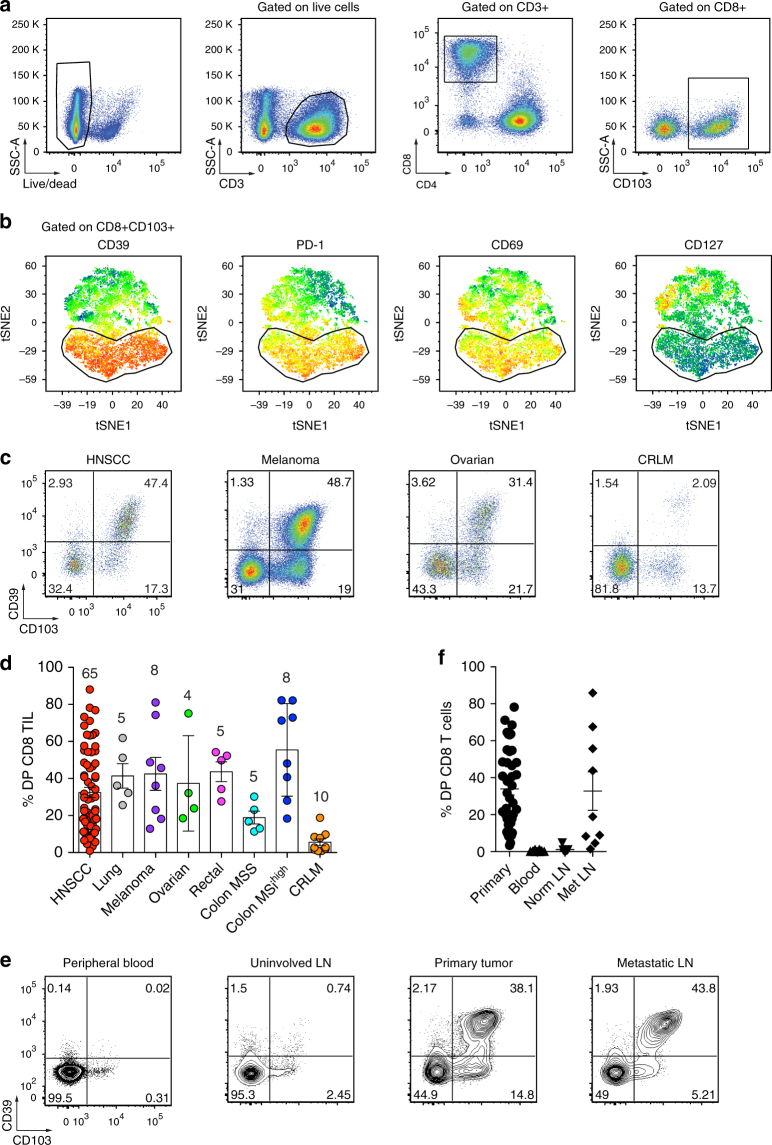
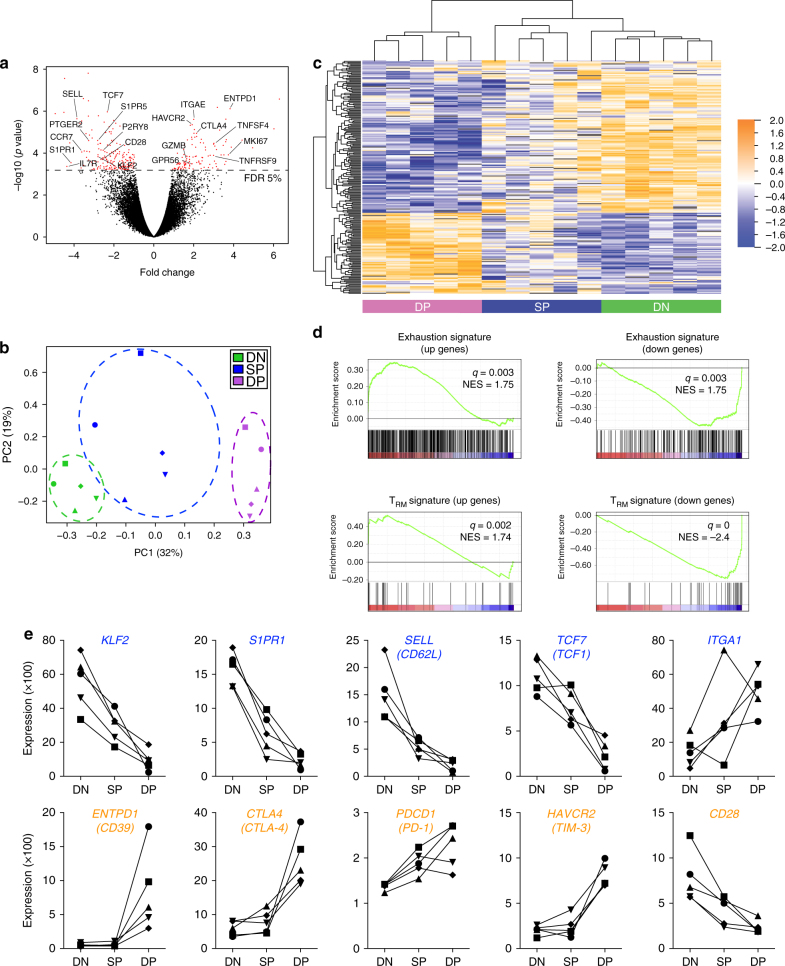
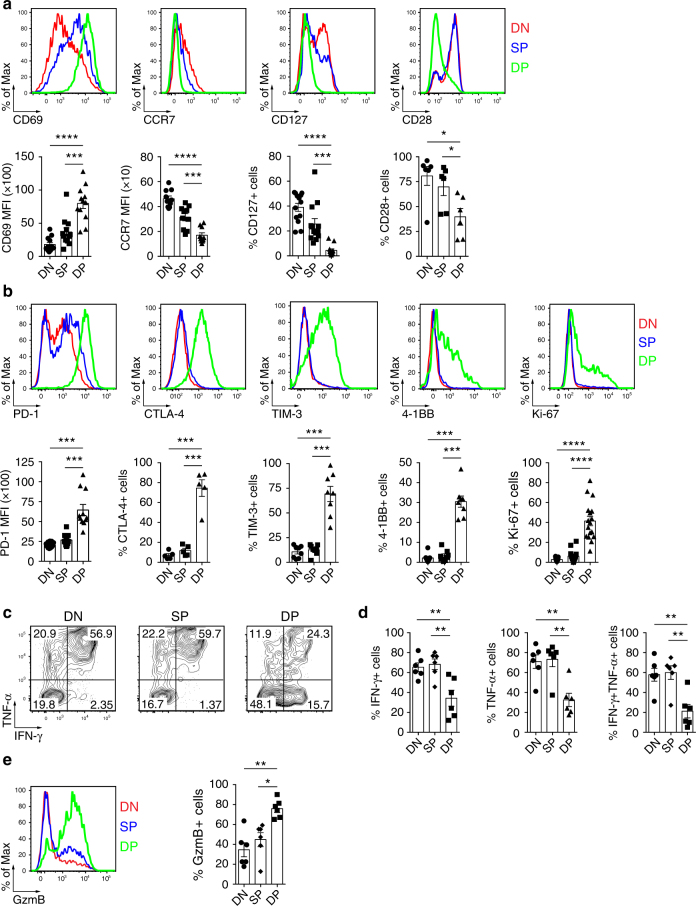
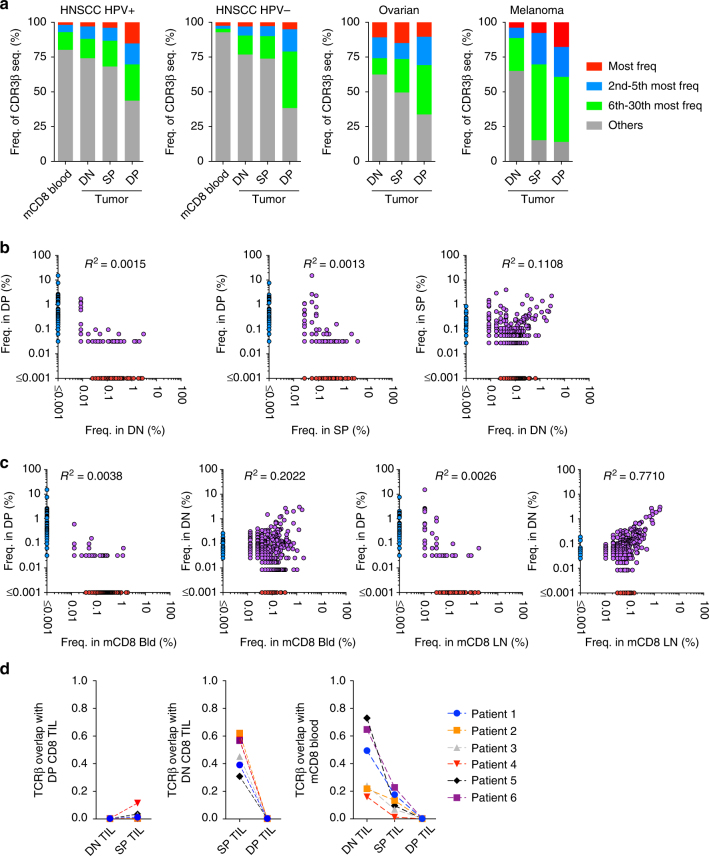
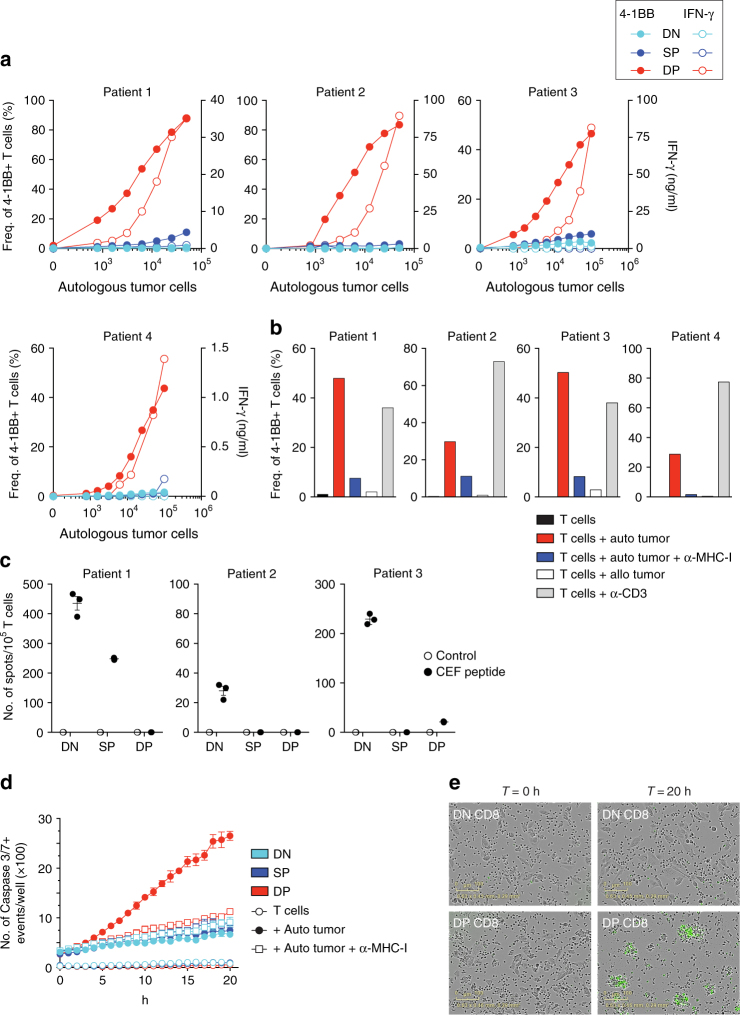
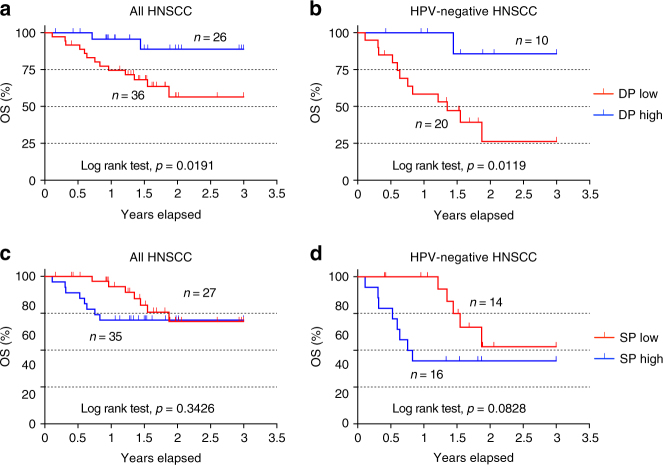
Identifying tumor antigen-specific T cells from cancer patients has important implications for immunotherapy diagnostics and therapeutics. Here, we show that CD103+CD39+ tumor-infiltrating CD8 T cells (CD8 TIL) are enriched for tumor-reactive cells both in primary and metastatic tumors. This CD8 TIL subset is found across six different malignancies and displays an exhausted tissue-resident memory phenotype. CD103+CD39+ CD8 TILs have a distinct T-cell receptor (TCR) repertoire, with T-cell clones expanded in the tumor but present at low frequencies in the periphery. CD103+CD39+ CD8 TILs also efficiently kill autologous tumor cells in a MHC-class I-dependent manner. Finally, higher frequencies of CD103+CD39+ CD8 TILs in patients with head and neck cancer are associated with better overall survival. Our data thus describe an approach for detecting tumor-reactive CD8 TILs that will help define mechanisms of existing immunotherapy treatments, and may lead to future adoptive T-cell cancer therapies.
Overview
The claims and statistics of this paper haven’t been checked yet.
Free: it reads the open-access text and checks the first 5 claims that cite a source we can check. Create a free account to check every claim.
Integrity signals
Registry
Cites
Statistics
Figures
Verification
Claims the paper makes
The claims and statistics of this paper haven’t been checked yet.
Free: it reads the open-access text and checks the first 5 claims that cite a source we can check. Create a free account to check every claim.
Claims other papers make about this one
Each is checked against this paper’s own text: does it say what the citing paper says it does?
In the citing paper
“Previous studies demonstrated that enhanced CD8+CD103+ TRM TILs correlate with improved survival in patients with early stage NSCLC18 and with other types of cancer19.”
From Neoadjuvant nivolumab or nivolumab plus ipilimumab in operable non-small cell lung cancer: the phase 2 randomized NEOSTAR trial (2021) · cites this paper as [19]
Self-check
Percentages, sums and reported differences re-computed from the paper’s own numbers.
The self-check needs the paper’s full text.
Citations
Cites
Subramanian, A., Tamayo, P., Mootha, V. K., Mukherjee, S., Ebert, B. L., Gillette, M. A., Paulovich, A., Pomeroy, S. L., Golub, T. R., Lander, E. S., et al. (2005) · Proceedings of the National Academy of Sciences · doi:10.1073/pnas.0506580102 · Cited by 53,625
limma powers differential expression analyses for RNA-sequencing and microarray studies
Ritchie, M. E., Phipson, B., Wu, D., Hu, Y., Law, C. W., Shi, W., & Smyth, G. K. (2015) · Nucleic Acids Research · doi:10.1093/nar/gkv007 · Cited by 40,458
PD-1 Blockade in Tumors with Mismatch-Repair Deficiency
Le, D. T., Uram, J. N., Wang, H., Bartlett, B. R., Kemberling, H., Eyring, A. D., Skora, A. D., Luber, B. S., Azad, N. S., Laheru, D., et al. (2015) · New England Journal of Medicine · doi:10.1056/nejmoa1500596 · Cited by 9,377
Mismatch repair deficiency predicts response of solid tumors to PD-1 blockade
Le, D. T., Durham, J. N., Smith, K. N., Wang, H., Bartlett, B. R., Aulakh, L. K., Lu, S., Kemberling, H., Wilt, C., Luber, B. S., et al. (2017) · Science · doi:10.1126/science.aan6733 · Cited by 6,645
Massagué, J. (2008) · Cell · doi:10.1016/j.cell.2008.07.001 · Cited by 3,907
Cancer Regression and Autoimmunity in Patients After Clonal Repopulation with Antitumor Lymphocytes
Dudley, M. E., Wunderlich, J. R., Robbins, P. F., Yang, J. C., Hwu, P., Schwartzentruber, D. J., Topalian, S. L., Sherry, R., Restifo, N. P., Hubicki, A. M., et al. (2002) · Science · doi:10.1126/science.1076514 · Cited by 2,823
Cancer regression in patients after transfer of genetically engineered lymphocytes
Morgan, R. A., Dudley, M. E., Wunderlich, J. R., Hughes, M. S., Yang, J. C., Sherry, R. M., Royal, R. E., Topalian, S. L., Kammula, U. S., Restifo, N. P., et al. (2006) · Science · doi:10.1126/science.1129003 · Cited by 2,603
Deaglio, S., Dwyer, K. M., Gao, W., Friedman, D., Usheva, A., Erat, A., Chen, J.-F., Enjyoji, K., Linden, J., Oukka, M., et al. (2007) · The Journal of Experimental Medicine · doi:10.1084/jem.20062512 · Cited by 2,470
Landon, M., Saam, J., Brown, K. L., Moyes, K., Evans, B., & Wenstrup, R. (2015) · Oncology · doi:10.1159/000430097 · Cited by 1,939
Ahmadzadeh, M., Johnson, L. A., Heemskerk, B., Wunderlich, J. R., Dudley, M. E., White, D. E., & Rosenberg, S. A. (2009) · Blood · doi:10.1182/blood-2008-12-195792 · Cited by 1,766
Cited by
Clonal replacement of tumor-specific T cells following PD-1 blockade
Yost, K. E., Satpathy, A. T., Wells, D. K., Qi, Y., Wang, C., Kageyama, R., McNamara, K. L., Granja, J. M., Sarin, K. Y., Brown, R. A., et al. (2019) · Nature Medicine · doi:10.1038/s41591-019-0522-3 · Cited by 1,534
CD8+ T cell states in human cancer: insights from single-cell analysis
van der Leun, A. M., Thommen, D. S., & Schumacher, T. N. (2020) · Nature Reviews Cancer · doi:10.1038/s41568-019-0235-4 · Cited by 1,472
Li, H., van der Leun, A. M., Yofe, I., Lubling, Y., Gelbard-Solodkin, D., van Akkooi, A. C. J., van den Braber, M., Rozeman, E. A., Haanen, J. B. A. G., Blank, C. U., et al. (2019) · Cell · doi:10.1016/j.cell.2018.11.043 · Cited by 1,101
CD8+ T cell differentiation and dysfunction in cancer
Philip, M., & Schietinger, A. (2022) · Nature Reviews Immunology · doi:10.1038/s41577-021-00574-3 · Cited by 1,052
Clinical implications of T cell exhaustion for cancer immunotherapy
Chow, A., Perica, K., Klebanoff, C. A., & Wolchok, J. D. (2022) · Nature Reviews Clinical Oncology · doi:10.1038/s41571-022-00689-z · Cited by 1,044
Advances in the development of personalized neoantigen-based therapeutic cancer vaccines
Blass, E., & Ott, P. A. (2021) · Nature Reviews Clinical Oncology · doi:10.1038/s41571-020-00460-2 · Cited by 1,042
Neoantigens: promising targets for cancer therapy
Xie, N., Shen, G., Gao, W., Huang, Z., Huang, C., & Fu, L. (2023) · Signal Transduction and Targeted Therapy · doi:10.1038/s41392-022-01270-x · Cited by 1,020
“Persistent exposure to TSAs promotes the exhaustion of CD8+ T cells, which characteristically expressed high levels of PD-1 and CD39.”
BackgroundTumor-infiltrating lymphocytes in the immunotherapy era
Paijens, S. T., Vledder, A., de Bruyn, M., & Nijman, H. W. (2021) · Cellular & Molecular Immunology · doi:10.1038/s41423-020-00565-9 · Cited by 880
“, these DP CTLs exhibited more cytotoxic potential than DN CTLs, as more cells were granzyme-B positive, although this was not reflected in the production of IFNγ and TNFα.(28) CD4 TRM cells are also characterized by high expression of CD103, CD69, and CD49a and inhibitory molecules such as PD1, CTLA-4, and B24.”
BackgroundInfluentialA single-cell map of intratumoral changes during anti-PD1 treatment of patients with breast cancer
Bassez, A., Vos, H., Van Dyck, L., Floris, G., Arijs, I., Desmedt, C., Boeckx, B., Vanden Bempt, M., Nevelsteen, I., Lambein, K., et al. (2021) · Nature Medicine · doi:10.1038/s41591-021-01323-8 · Cited by 867
Zhang, Y., Chen, H., Mo, H., Hu, X., Gao, R., Zhao, Y., Liu, B., Niu, L., Sun, X., Yu, X., et al. (2021) · Cancer Cell · doi:10.1016/j.ccell.2021.09.010 · Cited by 783
Intratumoral CD4+ T Cells Mediate Anti-tumor Cytotoxicity in Human Bladder Cancer
Oh, D. Y., Kwek, S. S., Raju, S. S., Li, T., McCarthy, E., Chow, E., Aran, D., Ilano, A., Pai, C.-C. S., Rancan, C., et al. (2020) · Cell · doi:10.1016/j.cell.2020.05.017 · Cited by 734
Tumor and immune reprogramming during immunotherapy in advanced renal cell carcinoma
Bi, K., He, M. X., Bakouny, Z., Kanodia, A., Napolitano, S., Wu, J., Grimaldi, G., Braun, D. A., Cuoco, M. S., Mayorga, A., et al. (2021) · Cancer Cell · doi:10.1016/j.ccell.2021.02.015 · Cited by 618
“CD8+ T cells formed four distinct clusters, including a population progressing through the cell cycle, a small population marked by expression of the interferon-stimulated gene MX1, and two populations differentiated by their expression of a set of genes including TNFRSF9 (encoding the activation marker 4-1BB) (Figure…”
BackgroundSelf-citationCascone, T., William, W. N., Weissferdt, A., Leung, C. H., Lin, H. Y., Pataer, A., Godoy, M. C. B., Carter, B. W., Federico, L., Reuben, A., et al. (2021) · Nature Medicine · doi:10.1038/s41591-020-01224-2 · Cited by 618
Dynamics and specificities of T cells in cancer immunotherapy
Oliveira, G., & Wu, C. J. (2023) · Nature Reviews Cancer · doi:10.1038/s41568-023-00560-y · Cited by 616
Phenotype, specificity and avidity of antitumour CD8+ T cells in melanoma
Oliveira, G., Stromhaug, K., Klaeger, S., Kula, T., Frederick, D. T., Le, P. M., Forman, J., Huang, T., Li, S., Zhang, W., et al. (2021) · Nature · doi:10.1038/s41586-021-03704-y · Cited by 558
Stem-like CD8 T cells mediate response of adoptive cell immunotherapy against human cancer
Krishna, S., Lowery, F. J., Copeland, A. R., Bahadiroglu, E., Mukherjee, R., Jia, L., Anibal, J. T., Sachs, A., Adebola, S. O., Gurusamy, D., et al. (2020) · Science · doi:10.1126/science.abb9847 · Cited by 547
Association of COVID-19 inflammation with activation of the C5a–C5aR1 axis
Carvelli, J., Demaria, O., Vély, F., Batista, L., Chouaki Benmansour, N., Fares, J., Carpentier, S., Thibult, M.-L., Morel, A., Remark, R., et al. (2020) · Nature · doi:10.1038/s41586-020-2600-6 · Cited by 526
Precursor exhausted T cells: key to successful immunotherapy?
Kallies, A., Zehn, D., & Utzschneider, D. T. (2020) · Nature Reviews Immunology · doi:10.1038/s41577-019-0223-7 · Cited by 465
Immune suppressive landscape in the human esophageal squamous cell carcinoma microenvironment
Zheng, Y., Chen, Z., Han, Y., Han, L., Zou, X., Zhou, B., Hu, R., Hao, J., Bai, S., Xiao, H., et al. (2020) · Nature Communications · doi:10.1038/s41467-020-20019-0 · Cited by 456
Liu, B., Hu, X., Feng, K., Gao, R., Xue, Z., Zhang, S., Zhang, Y., Corse, E., Hu, Y., Han, W., et al. (2021) · Nature Cancer · doi:10.1038/s43018-021-00292-8 · Cited by 473
Molecular signatures of antitumor neoantigen-reactive T cells from metastatic human cancers
Lowery, F. J., Krishna, S., Yossef, R., Parikh, N. B., Chatani, P. D., Zacharakis, N., Parkhurst, M. R., Levin, N., Sindiri, S., Sachs, A., et al. (2022) · Science · doi:10.1126/science.abl5447 · Cited by 447
Rahim, M. K., Okholm, T. L. H., Jones, K. B., McCarthy, E. E., Liu, C. C., Yee, J. L., Tamaki, S. J., Marquez, D. M., Tenvooren, I., Wai, K., et al. (2023) · Cell · doi:10.1016/j.cell.2023.02.021 · Cited by 455
Connolly, K. A., Kuchroo, M., Venkat, A., Khatun, A., Wang, J., William, I., Hornick, N. I., Fitzgerald, B. L., Damo, M., Kasmani, M. Y., et al. (2021) · Science Immunology · doi:10.1126/sciimmunol.abg7836 · Cited by 402
Cervical Cancer Immunotherapy: Facts and Hopes
Ferrall, L., Lin, K. Y., Roden, R. B. S., Hung, C.-F., & Wu, T.-C. (2021) · Clinical Cancer Research · doi:10.1158/1078-0432.ccr-20-2833 · Cited by 395
Luoma, A. M., Suo, S., Wang, Y., Gunasti, L., Porter, C. B. M., Nabilsi, N., Tadros, J., Ferretti, A. P., Liao, S., Gurer, C., et al. (2022) · Cell · doi:10.1016/j.cell.2022.06.018 · Cited by 385
Dissecting esophageal squamous-cell carcinoma ecosystem by single-cell transcriptomic analysis
Zhang, X., Peng, L., Luo, Y., Zhang, S., Pu, Y., Chen, Y., Guo, W., Yao, J., Shao, M., Fan, W., et al. (2021) · Nature Communications · doi:10.1038/s41467-021-25539-x · Cited by 363
An ex vivo tumor fragment platform to dissect response to PD-1 blockade in cancer
Voabil, P., de Bruijn, M., Roelofsen, L. M., Hendriks, S. H., Brokamp, S., van den Braber, M., Broeks, A., Sanders, J., Herzig, P., Zippelius, A., et al. (2021) · Nature Medicine · doi:10.1038/s41591-021-01398-3 · Cited by 380
Li, J., Wu, C., Hu, H., Qin, G., Wu, X., Bai, F., Zhang, J., Cai, Y., Huang, Y., Wang, C., et al. (2023) · Cancer Cell · doi:10.1016/j.ccell.2023.04.011 · Cited by 366
Moesta, A. K., Li, X.-Y., & Smyth, M. J. (2020) · Nature Reviews Immunology · doi:10.1038/s41577-020-0376-4 · Cited by 322
T cell receptor‐based cancer immunotherapy: Emerging efficacy and pathways of resistance
Chandran, S. S., & Klebanoff, C. A. (2019) · Immunological Reviews · doi:10.1111/imr.12772 · Cited by 323
Improving head and neck cancer therapies by immunomodulation of the tumour microenvironment
Ruffin, A. T., Li, H., Vujanovic, L., Zandberg, D. P., Ferris, R. L., & Bruno, T. C. (2023) · Nature Reviews Cancer · doi:10.1038/s41568-022-00531-9 · Cited by 305
γδ T cells are effectors of immunotherapy in cancers with HLA class I defects
de Vries, N. L., van de Haar, J., Veninga, V., Chalabi, M., Ijsselsteijn, M. E., van der Ploeg, M., van den Bulk, J., Ruano, D., van den Berg, J. G., Haanen, J. B., et al. (2023) · Nature · doi:10.1038/s41586-022-05593-1 · Cited by 311
Tissue-resident memory T cells in breast cancer control and immunotherapy responses
Byrne, A., Savas, P., Sant, S., Li, R., Virassamy, B., Luen, S. J., Beavis, P. A., Mackay, L. K., Neeson, P. J., & Loi, S. (2020) · Nature Reviews Clinical Oncology · doi:10.1038/s41571-020-0333-y · Cited by 301
Liu, B., Zhang, Y., Wang, D., Hu, X., & Zhang, Z. (2022) · Nature Cancer · doi:10.1038/s43018-022-00433-7 · Cited by 309
Virus-specific memory T cells populate tumors and can be repurposed for tumor immunotherapy
Rosato, P. C., Wijeyesinghe, S., Stolley, J. M., Nelson, C. E., Davis, R. L., Manlove, L. S., Pennell, C. A., Blazar, B. R., Chen, C. C., Geller, M. A., et al. (2019) · Nature Communications · doi:10.1038/s41467-019-08534-1 · Cited by 304
Antitumour dendritic cell vaccination in a priming and boosting approach
Harari, A., Graciotti, M., Bassani-Sternberg, M., & Kandalaft, L. E. (2020) · Nature Reviews Drug Discovery · doi:10.1038/s41573-020-0074-8 · Cited by 271
Promises and challenges of adoptive T-cell therapies for solid tumours
Morotti, M., Albukhari, A., Alsaadi, A., Artibani, M., Brenton, J. D., Curbishley, S. M., Dong, T., Dustin, M. L., Hu, Z., McGranahan, N., et al. (2021) · British Journal of Cancer · doi:10.1038/s41416-021-01353-6 · Cited by 269
Wang, F., Long, J., Li, L., Wu, Z.-X., Da, T.-T., Wang, X.-Q., Huang, C., Jiang, Y.-H., Yao, X.-Q., Ma, H.-Q., et al. (2023) · Science Advances · doi:10.1126/sciadv.adf5464 · Cited by 222
Targeting CD39 in Cancer Reveals an Extracellular ATP- and Inflammasome-Driven Tumor Immunity
Li, X.-Y., Moesta, A. K., Xiao, C., Nakamura, K., Casey, M., Zhang, H., Madore, J., Lepletier, A., Aguilera, A. R., Sundarrajan, A., et al. (2019) · Cancer Discovery · doi:10.1158/2159-8290.cd-19-0541 · Cited by 264
“Recent reports also suggest that CD39 is a marker of tumor-reactive effector T-cell subsets (25, 26) and is increasingly appreciated as a regulatory marker (27).”
BackgroundLoi, S., Michiels, S., Adams, S., Loibl, S., Budczies, J., Denkert, C., & Salgado, R. (2021) · Annals of Oncology · doi:10.1016/j.annonc.2021.07.007 · Cited by 255
Determinants of anti-PD-1 response and resistance in clear cell renal cell carcinoma
Au, L., Hatipoglu, E., Robert de Massy, M., Litchfield, K., Beattie, G., Rowan, A., Schnidrig, D., Thompson, R., Byrne, F., Horswell, S., et al. (2021) · Cancer Cell · doi:10.1016/j.ccell.2021.10.001 · Cited by 260
Hypoxia drives CD39-dependent suppressor function in exhausted T cells to limit antitumor immunity
Vignali, P. D. A., DePeaux, K., Watson, M. J., Ye, C., Ford, B. R., Lontos, K., McGaa, N. K., Scharping, N. E., Menk, A. V., Robson, S. C., et al. (2023) · Nature Immunology · doi:10.1038/s41590-022-01379-9 · Cited by 269
Tumour-infiltrating lymphocytes: from prognosis to treatment selection
Brummel, K., Eerkens, A. L., de Bruyn, M., & Nijman, H. W. (2023) · British Journal of Cancer · doi:10.1038/s41416-022-02119-4 · Cited by 242
Grosskopf, A. K., Labanieh, L., Klysz, D. D., Roth, G. A., Xu, P., Adebowale, O., Gale, E. C., Jons, C. K., Klich, J. H., Yan, J., et al. (2022) · Science Advances · doi:10.1126/sciadv.abn8264 · Cited by 253
Single-cell transcriptomic analysis of tissue-resident memory T cells in human lung cancer
Clarke, J., Panwar, B., Madrigal, A., Singh, D., Gujar, R., Wood, O., Chee, S. J., Eschweiler, S., King, E. V., Awad, A. S., et al. (2019) · Journal of Experimental Medicine · doi:10.1084/jem.20190249 · Cited by 256
Virassamy, B., Caramia, F., Savas, P., Sant, S., Wang, J., Christo, S. N., Byrne, A., Clarke, K., Brown, E., Teo, Z. L., et al. (2023) · Cancer Cell · doi:10.1016/j.ccell.2023.01.004 · Cited by 230
Tietscher, S., Wagner, J., Anzeneder, T., Langwieder, C., Rees, M., Sobottka, B., de Souza, N., & Bodenmiller, B. (2023) · Nature Communications · doi:10.1038/s41467-022-35238-w · Cited by 221
Developing neoantigen-targeted T cell–based treatments for solid tumors
Yamamoto, T. N., Kishton, R. J., & Restifo, N. P. (2019) · Nature Medicine · doi:10.1038/s41591-019-0596-y · Cited by 238
Fatty Acid Oxidation Controls CD8+ Tissue-Resident Memory T-cell Survival in Gastric Adenocarcinoma
Lin, R., Zhang, H., Yuan, Y., He, Q., Zhou, J., Li, S., Sun, Y., Li, D. Y., Qiu, H.-B., Wang, W., et al. (2020) · Cancer Immunology Research · doi:10.1158/2326-6066.cir-19-0702 · Cited by 231
Tissue-resident memory T cells in tumor immunity and immunotherapy
Okła, K., Farber, D. L., & Zou, W. (2021) · Journal of Experimental Medicine · doi:10.1084/jem.20201605 · Cited by 228
Stem-like exhausted and memory CD8+ T cells in cancer
Gebhardt, T., Park, S. L., & Parish, I. A. (2023) · Nature Reviews Cancer · doi:10.1038/s41568-023-00615-0 · Cited by 215
“Although CD39 expression has been shown to demarcate tumour-reactive T RM -like cells 19,188 , it also typifies T TEX cell subsets 24,189,190 .”
Background‘Stem-like’ precursors are the fount to sustain persistent CD8+ T cell responses
Zehn, D., Thimme, R., Lugli, E., de Almeida, G. P., & Oxenius, A. (2022) · Nature Immunology · doi:10.1038/s41590-022-01219-w · Cited by 226
Tumor Infiltrating Lymphocyte (TIL) Therapy for Solid Tumor Treatment: Progressions and Challenges
Zhao, Y., Deng, J., Rao, S., Guo, S., Shen, J., Du, F., Wu, X., Chen, Y., Li, M., Chen, M., et al. (2022) · Cancers · doi:10.3390/cancers14174160 · Cited by 197
“Abbreviations ACT: adoptive cell therapy; APC: antigen presenting cell; BRAF: v-raf murine sarcoma viral oncogene homolog B1; b.i.d.: bis in die; CD: cluster of differentiation; Cy: cyclophosphamide; d: day; CXCR: c-x-c chemokine receptor; CRR: complete response rate; CTLA-4: cytotoxic T lymphocyte associated antigen-…”
BackgroundInfluentialThe activation of bystander CD8+ T cells and their roles in viral infection
Kim, T.-S., & Shin, E.-C. (2019) · Experimental & Molecular Medicine · doi:10.1038/s12276-019-0316-1 · Cited by 187
In vivo CD8+ T cell CRISPR screening reveals control by Fli1 in infection and cancer
Chen, Z., Arai, E., Khan, O., Zhang, Z., Ngiow, S. F., He, Y., Huang, H., Manne, S., Cao, Z., Baxter, A. E., et al. (2021) · Cell · doi:10.1016/j.cell.2021.02.019 · Cited by 207
Targeting Adenosine Receptor Signaling in Cancer Immunotherapy
Sek, K., Mølck, C., Stewart, G. D., Kats, L., Darcy, P. K., & Beavis, P. A. (2018) · International Journal of Molecular Sciences · doi:10.3390/ijms19123837 · Cited by 204
“These T cells express a resident memory T cell gene signature and high levels of exhaustion markers, and blockade of CD39/CD73 alone or combination with checkpoint blockade may be a promising therapeutic strategy to improve the anti-tumor potency of these CD103+ CD39+ T cells [158].”
BackgroundGunderson, A. J., Rajamanickam, V., Bui, C., Bernard, B., Pucilowska, J., Ballesteros-Merino, C., Schmidt, M., McCarty, K., Philips, M., Piening, B., et al. (2021) · OncoImmunology · doi:10.1080/2162402x.2021.1900635 · Cited by 197
Liu, Z., Zhang, Y., Ma, N., Yang, Y., Ma, Y., Wang, F., Wang, Y., Wei, J., Chen, H., Tartarone, A., et al. (2023) · Cancer Cell · doi:10.1016/j.ccell.2023.09.011 · Cited by 182
Neoantigen-targeted CD8+ T cell responses with PD-1 blockade therapy
Puig-Saus, C., Sennino, B., Peng, S., Wang, C. L., Pan, Z., Yuen, B., Purandare, B., An, D., Quach, B. B., Nguyen, D., et al. (2023) · Nature · doi:10.1038/s41586-023-05787-1 · Cited by 190
A phenotypic signature that identifies neoantigen-reactive T cells in fresh human lung cancers
Hanada, K.-I., Zhao, C., Gil-Hoyos, R., Gartner, J. J., Chow-Parmer, C., Lowery, F. J., Krishna, S., Prickett, T. D., Kivitz, S., Parkhurst, M. R., et al. (2022) · Cancer Cell · doi:10.1016/j.ccell.2022.03.012 · Cited by 200
Tissue-Resident Memory T Cells in Cancer Immunosurveillance
Park, S. L., Gebhardt, T., & Mackay, L. K. (2019) · Trends in Immunology · doi:10.1016/j.it.2019.06.002 · Cited by 193
Tim-4+ cavity-resident macrophages impair anti-tumor CD8+ T cell immunity
Chow, A., Schad, S., Green, M. D., Hellmann, M. D., Allaj, V., Ceglia, N., Zago, G., Shah, N. S., Sharma, S. K., Mattar, M., et al. (2021) · Cancer Cell · doi:10.1016/j.ccell.2021.05.006 · Cited by 180
Corgnac, S., Malenica, I., Mezquita, L., Auclin, E., Voilin, E., Kacher, J., Halse, H., Grynszpan, L., Signolle, N., Dayris, T., et al. (2020) · Cell Reports Medicine · doi:10.1016/j.xcrm.2020.100127 · Cited by 182
“7,8 Exhausted PD1CD8 TILs from human melanoma are also TCF7 and enriched with CD39- and CD103-expressing cells.(20,32) Notably, the activation of TCR leads to the downregulation of TCF-1 in human CD8 T cells,(33) suggesting recent TCR engagement of TCF-1 NSCLC TRM cells.”
BackgroundCD39 Regulation and Functions in T Cells
Timperi, E., & Barnaba, V. (2021) · International Journal of Molecular Sciences · doi:10.3390/ijms22158068 · Cited by 186
“However, the frequency of CD39+ CD8+ TILs is enhanced in many cancer types [23,28,44,60].”
BackgroundInfluentialInosine induces stemness features in CAR-T cells and enhances potency
Klysz, D. D., Fowler, C., Malipatlolla, M., Stuani, L., Freitas, K. A., Chen, Y., Meier, S., Daniel, B., Sandor, K., Xu, P., et al. (2024) · Cancer Cell · doi:10.1016/j.ccell.2024.01.002 · Cited by 171
Transcriptional mediators of treatment resistance in lethal prostate cancer
He, M. X., Cuoco, M. S., Crowdis, J., Bosma-Moody, A., Zhang, Z., Bi, K., Kanodia, A., Su, M.-J., Ku, S.-Y., Garcia, M. M., et al. (2021) · Nature Medicine · doi:10.1038/s41591-021-01244-6 · Cited by 184
Dovedi, S. J., Elder, M. J., Yang, C., Sitnikova, S. I., Irving, L., Hansen, A., Hair, J., Jones, D. C., Hasani, S., Wang, B., et al. (2021) · Cancer Discovery · doi:10.1158/2159-8290.cd-20-1445 · Cited by 186
“Moreover, we show that these PD-1+CTLA4+ TILs also express CD39, a marker of antigen experience and exhaustion (39, 48), suggesting that these cells may be relevant contributory effectors of CTLA4-mediated antitumor activity.”
BackgroundThe Promise of Neoadjuvant Immunotherapy and Surgery for Cancer Treatment
O'Donnell, J. S., Hoefsmit, E. P., Smyth, M. J., Blank, C. U., & Teng, M. W. L. (2019) · Clinical Cancer Research · doi:10.1158/1078-0432.ccr-18-2641 · Cited by 182
Noël, G., Fontsa, M. L., Garaud, S., De Silva, P., de Wind, A., Van den Eynden, G. G., Salgado, R., Boisson, A., Locy, H., Thomas, N., et al. (2021) · Journal of Clinical Investigation · doi:10.1172/jci139905 · Cited by 174
“Genes associated with CD8 T cell functions (18, 30, 31) were comparatively analyzed in subpopulations sorted on PD-1 and ICOS (Figure 5B; note: TIL were too limited to sort individual subpopulations of CXCR5 and CXCR5).”
BackgroundMethodGueguen, P., Metoikidou, C., Dupic, T., Lawand, M., Goudot, C., Baulande, S., Lameiras, S., Lantz, O., Girard, N., Seguin-Givelet, A., et al. (2021) · Science Immunology · doi:10.1126/sciimmunol.abd5778 · Cited by 173
Pai, J. A., Hellmann, M. D., Sauter, J. L., Mattar, M., Rizvi, H., Woo, H. J., Shah, N., Nguyen, E. M., Uddin, F. Z., Quintanal-Villalonga, A., et al. (2023) · Cancer Cell · doi:10.1016/j.ccell.2023.03.009 · Cited by 156
van Elsas, M. J., Middelburg, J., Labrie, C., Roelands, J., Schaap, G., Sluijter, M., Tonea, R., Ovcinnikovs, V., Lloyd, K., Schuurman, J., et al. (2024) · Cancer Cell · doi:10.1016/j.ccell.2024.04.011 · Cited by 163
Jin, M., Fang, J., Peng, J., Wang, X., Xing, P., Jia, K., Hu, J., Wang, D., Ding, Y., Wang, X., et al. (2024) · Molecular Cancer · doi:10.1186/s12943-024-02176-8 · Cited by 190
PD-1 blockade restores helper activity of tumor-infiltrating, exhausted PD-1hiCD39+ CD4 T cells
Balança, C.-C., Salvioni, A., Scarlata, C.-M., Michelas, M., Martinez-Gomez, C., Gomez-Roca, C., Sarradin, V., Tosolini, M., Valle, C., Pont, F., et al. (2021) · JCI Insight · doi:10.1172/jci.insight.142513 · Cited by 143
“We and others found that exhausted CD8 TILs express the Trm markers CD103, CD69 and CD49a (7, 8, 21).”
Bystander T cells in cancer immunology and therapy
Meier, S. L., Satpathy, A. T., & Wells, D. K. (2022) · Nature Cancer · doi:10.1038/s43018-022-00335-8 · Cited by 172
T cell receptor therapeutics: immunological targeting of the intracellular cancer proteome
Klebanoff, C. A., Chandran, S. S., Baker, B. M., Quezada, S. A., & Ribas, A. (2023) · Nature Reviews Drug Discovery · doi:10.1038/s41573-023-00809-z · Cited by 154
“120,122) or the immune checkpoint receptors PD1 (refs.”
BackgroundKhalsa, J. K., Cheng, N., Keegan, J., Chaudry, A., Driver, J., Bi, W. L., Lederer, J., & Shah, K. (2020) · Nature Communications · doi:10.1038/s41467-020-17704-5 · Cited by 158
The evolving role of tissue-resident memory T cells in infections and cancer
Yenyuwadee, S., Lopez, J. L. S.-T., Shah, R., Rosato, P. C., & Boussiotis, V. A. (2022) · Science Advances · doi:10.1126/sciadv.abo5871 · Cited by 179
“In lung cancer (103), ovarian cancer (135), and other solid tumors (106), CD103+ TIL correlates with improved patient survival rate.”
BackgroundVeatch, J. R., Lee, S. M., Shasha, C., Singhi, N., Szeto, J. L., Moshiri, A. S., Kim, T. S., Smythe, K. S., Kong, P., Fitzgibbon, M., et al. (2022) · Cancer Cell · doi:10.1016/j.ccell.2022.03.006 · Cited by 165
Self-citationPhase II Trial of IL-12 Plasmid Transfection and PD-1 Blockade in Immunologically Quiescent Melanoma
Algazi, A. P., Twitty, C. G., Tsai, K. K., Le, M., Pierce, R., Browning, E., Hermiz, R., Canton, D. A., Bannavong, D., Oglesby, A., et al. (2020) · Clinical Cancer Research · doi:10.1158/1078-0432.ccr-19-2217 · Cited by 147
Self-citationT cell antigen discovery via trogocytosis
Li, G., Bethune, M. T., Wong, S., Joglekar, A. V., Leonard, M. T., Wang, J. K., Kim, J. T., Cheng, D., Peng, S., Zaretsky, J. M., et al. (2019) · Nature Methods · doi:10.1038/s41592-018-0305-7 · Cited by 161
Intratumoral CD103+ CD8+ T cells predict response to PD-L1 blockade
Banchereau, R., Chitre, A. S., Scherl, A., Wu, T. D., Patil, N. S., de Almeida, P. E., Kadel, E. E., Madireddi, S., Au‐Yeung, A., Takahashi, C., et al. (2021) · Journal for ImmunoTherapy of Cancer · doi:10.1136/jitc-2020-002231 · Cited by 163
“35 36 Thus, CD103+ tumor-infiltrating T cells may be the progeny of lymph node-activated and recirculating T effector (T EFF ) or T stem-cell memory (T SCM ) cells that have recently migrated into tumor tissues and differentiated as a result of exposure to these cytokines and tumor antigens.”
Cell Therapy With TILs: Training and Taming T Cells to Fight Cancer
Kumar, A., Watkins, R., & Vilgelm, A. E. (2021) · Frontiers in Immunology · doi:10.3389/fimmu.2021.690499 · Cited by 160
Transcriptomic profiles of neoantigen-reactive T cells in human gastrointestinal cancers
Zheng, C., Fass, J. N., Shih, Y.-P., Gunderson, A. J., Sanjuan Silva, N., Huang, H., Bernard, B. M., Rajamanickam, V., Slagel, J., Bifulco, C. B., et al. (2022) · Cancer Cell · doi:10.1016/j.ccell.2022.03.005 · Cited by 149
Duhen, R., Ballesteros‐Merino, C., Frye, A. K., Tran, E., Rajamanickam, V., Chang, S., Koguchi, Y., Bifulco, C. B., Bernard, B. M., Leidner, R. S., et al. (2021) · Nature Communications · doi:10.1038/s41467-021-21383-1 · Cited by 156
Self-citationThe Multifaceted Role of Tissue-Resident Memory T Cells
Christo, S. N., Park, S. L., Mueller, S. N., & Mackay, L. K. (2024) · Annual Review of Immunology · doi:10.1146/annurev-immunol-101320-020220 · Cited by 155
Kinker, G. S., Vitiello, G. A. F., Diniz, A. B., Cabral-Piccin, M. P., Pereira, P. H. B., Carvalho, M. L. R., Ferreira, W. A. S., Chaves, A. S., Rondinelli, A. J., Gusmão, A. F., et al. (2023) · Gut · doi:10.1136/gutjnl-2022-328697 · Cited by 154
Detecting Tumor Antigen-Specific T Cells via Interaction-Dependent Fucosyl-Biotinylation
Liu, Z., Li, J. P., Chen, M., Wu, M., Shi, Y., Li, W., Teijaro, J. R., & Wu, P. (2020) · Cell · doi:10.1016/j.cell.2020.09.048 · Cited by 148
“These bystander CD8+ TILs have diverse phenotypes that overlap with those of the tumor antigen-specific T cells, but are not tumor reactive (Duhen et al., 2018; Yossef et al., 2018).”
BackgroundInfluentialNKG2A and HLA-E define an alternative immune checkpoint axis in bladder cancer
Salomé, B., Sfakianos, J. P., Ranti, D. L., Daza, J., Bieber, C., Charap, A., Hammer, C., Banchereau, R., Farkas, A. M., Ruan, D. F., et al. (2022) · Cancer Cell · doi:10.1016/j.ccell.2022.08.005 · Cited by 156
Verschoor, Y. L., van de Haar, J., van den Berg, J. G., van Sandick, J. W., Kodach, L. L., van Dieren, J. M., Balduzzi, S., Grootscholten, C., Ijsselsteijn, M. E., Veenhof, A. A. F. A., et al. (2024) · Nature Medicine · doi:10.1038/s41591-023-02758-x · Cited by 162
“Both PD-1 and CD103 are considered surrogates of presumed tumor-reactive T cells 34,35 .”
BackgroundLiu, T., Tan, J., Wu, M., Fan, W., Wei, J., Zhu, B., Guo, J. M., Wang, S., Zhou, P., Zhang, H., et al. (2020) · Gut · doi:10.1136/gutjnl-2020-322196 · Cited by 157
Localization, tissue biology and T cell state — implications for cancer immunotherapy
Schenkel, J. M., & Pauken, K. E. (2023) · Nature reviews. Immunology · doi:10.1038/s41577-023-00884-8 · Cited by 152
“The integrin CD103, which is required to maintain CD8 + T RM cells in the small intestine epithelium and epidermis, is expressed by CD8 + T EX cells in multiple cancer types 117,141–146 .”
BackgroundChow, A. T., Uddin, F. Z., Liu, M., Dobrin, A., Nabet, B. Y., Mangarin, L. M. B., Lavin, Y., Rizvi, H. A., Tischfield, S. E., Quintanal-Villalonga, À., et al. (2022) · Immunity · doi:10.1016/j.immuni.2022.12.001 · Cited by 153
Yang, R., Elsaadi, S., Misund, K., Abdollahi, P., Vandsemb, E. N., Moen, S. H., Kuśnierczyk, A., Slupphaug, G., Standal, T., Waage, A., et al. (2020) · Journal for ImmunoTherapy of Cancer · doi:10.1136/jitc-2020-000610 · Cited by 142
Thompson, J. C., Hwang, W.-T., Davis, C., Deshpande, C., Jeffries, S., Rajpurohit, Y., Krishna, V., Smirnov, D., Verona, R., Lorenzi, M. V., et al. (2020) · Lung Cancer · doi:10.1016/j.lungcan.2019.10.012 · Cited by 136
Determinants for Neoantigen Identification
Garcia-Garijo, A., Fajardo, C. A., & Gros, A. (2019) · Frontiers in Immunology · doi:10.3389/fimmu.2019.01392 · Cited by 137
“In line with this, a recent study has shown that co-expression of CD39 and CD103 favors the identification of tumor-reactive T cells (128).”
ResultCD39 Identifies the CD4+ Tumor-Specific T-cell Population in Human Cancer
Kortekaas, K. E., Santegoets, S. J. A. M., Sturm, G., Ehsan, I., van Egmond, S. L., Finotello, F., Trajanoski, Z., Welters, M. J. P., van Poelgeest, M. I. E., & van der Burg, S. H. (2020) · Cancer Immunology Research · doi:10.1158/2326-6066.cir-20-0270 · Cited by 155
Tissue-resident lymphocytes: from adaptive to innate immunity
Sun, H., Sun, C., Xiao, W., & Sun, R. (2019) · Cellular and Molecular Immunology · doi:10.1038/s41423-018-0192-y · Cited by 146
“CD103CD39 CD8 tumorinfiltrating lymphocytes (TILs) from HNSCC patients kill autologous tumor cells in an MHC class I-dependent manner.(47) Binding of the adhesion-associated protein paxillin (Pxn) to the subunit tail of CD103 expressed on tumor-specific cytotoxic T lymphocyte (CTL) clones may alter both adhesion and s…”
BackgroundInfluentialOn the mechanism of anti-CD39 immune checkpoint therapy
Allard, D., Allard, B., & Stagg, J. (2020) · Journal for ImmunoTherapy of Cancer · doi:10.1136/jitc-2019-000186 · Cited by 142
Quah, H. S., Cao, E. Y., Suteja, L., Li, C. H., Leong, H. S., Chong, F. T., Gupta, S., Arcinas, C., Ouyang, J. F., Ang, V., et al. (2023) · Nature Communications · doi:10.1038/s41467-023-37379-y · Cited by 143
Metadata
- Authors
- Duhen, T., Duhen, R., Montler, R., Moses, J., Moudgil, T., de Miranda, N. F., Goodall, C. P., Blair, T. C., Fox, B. A., McDermott, J. E., Chang, S.-C., Grunkemeier, G., Leidner, R., Bell, R. B., & Weinberg, A. D.
- Affiliations
- Providence Portland Medical Center (US)
- Pacific Northwest National Laboratory (US)
- Corresponding author
- Duhen, Thomas
- Weinberg, Andrew D.
- ORCID
- Venue
- Nature Communications
- Published
- 2018-07-13
- Volume
- 9
- Issue
- 1
- Pages
- 2724-2724
- ISSN
- 2041-1723 (ISSN-L)
- PMC
- PMC6045647
- OpenAlex
- W2849303123
- Semantic Scholar
- 6ef850a94cc9de6931a8a014bd6b31b5aa68fc04
- Cited by
- 938
- References
- 52
- Citations by year
- 2026: 92 · 2025: 137 · 2024: 120 · 2023: 148 · 2022: 140 · 2021: 137 · 2020: 102 · 2019: 49 · 2018: 12
- FWCI
- 28.19
- Type
- journal article
- Language
- en
- Open access
- gold
- doi.org
- Licence
- cc-by
- creativecommons.org/licenses/by/4.0 (tdm)
- creativecommons.org/licenses/by/4.0 (vor)
- Locations
- Nature Communications (publishedVersion, cc-by)
- Europe PMC (PubMed Central) (publishedVersion, other-oa)
- PubMed Central (publishedVersion, cc-by)
- PubMed (publishedVersion)
- Leiden Repository (Leiden University) (submittedVersion)
- OSTI OAI (U.S. Department of Energy Office of Scientific and Technical Information) (submittedVersion)
- Data Archiving and Networked Services (DANS) (submittedVersion, other-oa)
- RePEc: Research Papers in Economics (submittedVersion)
- DOAJ (DOAJ: Directory of Open Access Journals) (submittedVersion, cc-by-sa)
- DOAJ (DOAJ: Directory of Open Access Journals) (submittedVersion)
- Funders
- AgonOx, Inc. Providence Medical Foundation
- Topics
- Health Sciences › Medicine › Oncology › Cancer Immunotherapy and Biomarkers
- Life Sciences › Immunology and Microbiology › Immunology › T-cell and B-cell Immunology
- Life Sciences › Immunology and Microbiology › Immunology › Immunotherapy and Immune Responses
- Keywords
- CD39, CD103, CD8+ T cells, tumor-infiltrating lymphocytes, tumor-reactive T cells, tissue-resident memory T cells, T cell exhaustion, T cell receptor repertoire, MHC class I restriction, head and neck cancer, metastatic cancer, adoptive T cell therapy, cancer immunotherapy, prognostic factors
- MeSH terms
- Adenocarcinoma of Lung, Squamous Cell Carcinoma of Head and Neck, Apyrase, Carcinoma, Squamous Cell, Female, Humans, Male, Melanoma, Ovarian Neoplasms, Antigens, CD, Survival Analysis, Immunophenotyping, Lymphocytes, Tumor-Infiltrating, Receptors, Antigen, T-Cell, alpha-beta, CD8 Antigens, CD8-Positive T-Lymphocytes, Integrin alpha Chains, Transcriptome
About these checks
Registry, retraction, Cites and statistics results are computed, not judged, with one exception: a printed reference that no index lists is read once by a model before it counts as a citation error. Claims are extracted by a model and kept only when their quote appears verbatim in the text; each cited source is then checked, with a model’s help, for whether it says what the claim relies on. Those verdicts can be wrong — read the claim’s quote and the cited source before relying on one.
Statistics and arithmetic are recomputed, not judged.
Confidence bands are shown only for fields calibrated on our annotated test set. None is calibrated yet, so no band is shown.
What counts as a claim ›How we measure confidence ›How we check this ›
Are you an author, or do you see a problem with this page? Request a review
Data sources
Bibliographic data: Semantic Scholar, OpenAlex, Crossref.
Contains information from the Semantic Scholar Academic Graph Datasets, made available under the ODC Attribution License (ODC-BY 1.0).
Semantic Scholar’s data is described in: Kinney, R., et al. (2023). The Semantic Scholar Open Data Platform. arXiv:2301.10140.
