

Fecal pollution can explain antibiotic resistance gene abundances in anthropogenically impacted environments
Open accessPublished version of a preprint
The DOI matches its Crossref record; 76 of the 77 references it cites were found in a registry or an index.
Abstract
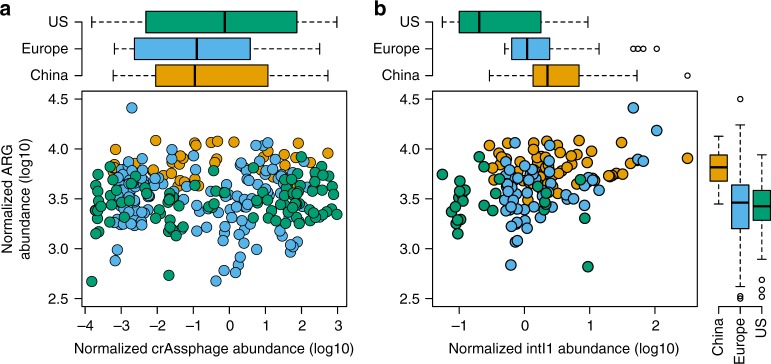
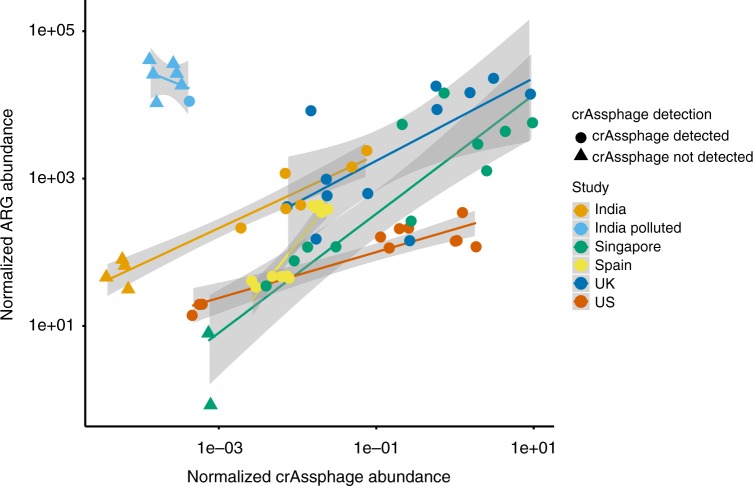
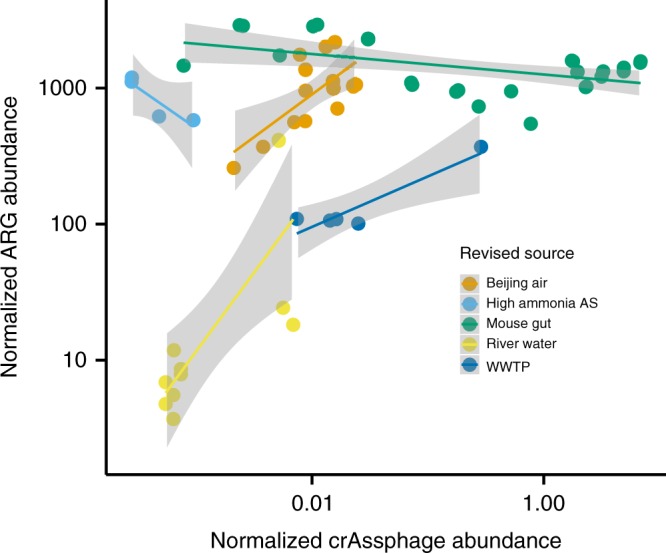
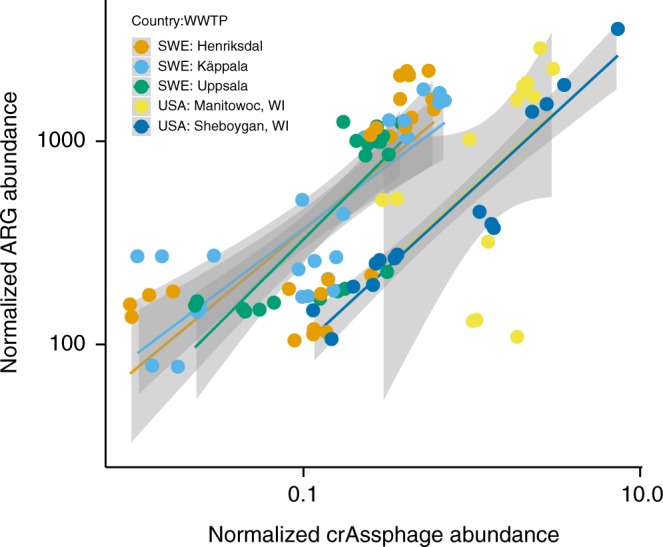
Discharge of treated sewage leads to release of antibiotic resistant bacteria, resistance genes and antibiotic residues to the environment. However, it is unclear whether increased abundance of antibiotic resistance genes in sewage and sewage-impacted environments is due to on-site selection pressure by residual antibiotics, or is simply a result of fecal contamination with resistant bacteria. Here we analyze relative resistance gene abundance and accompanying extent of fecal pollution in publicly available metagenomic data, using crAssphage sequences as a marker of human fecal contamination (crAssphage is a bacteriophage that is exceptionally abundant in, and specific to, human feces). We find that the presence of resistance genes can largely be explained by fecal pollution, with no clear signs of selection in the environment, with the exception of environments polluted by very high levels of antibiotics from manufacturing, where selection is evident. Our results demonstrate the necessity to take into account fecal pollution levels to avoid making erroneous assumptions regarding environmental selection of antibiotic resistance.
Overview
The claims and statistics of this paper haven’t been checked yet.
Free: it reads the open-access text and checks the first 5 claims that cite a source we can check. Create a free account to check every claim.
Integrity signals
Registry
Cites
Statistics
Figures
Verification
Claims the paper makes
The claims and statistics of this paper haven’t been checked yet.
Free: it reads the open-access text and checks the first 5 claims that cite a source we can check. Create a free account to check every claim.
Claims other papers make about this one
Each is checked against this paper’s own text: does it say what the citing paper says it does?
The cited source says what the claim attributes to it.
In the citing paper
“Recent metagenomic surveys have shown that human fecal pollution increases the abundance of antimicrobial resistance genes in the environment 88 , and that sewage microbial communities contain a diversity of AMR genes and resistant gut commensals that can potentially”
From Urban informal settlements as hotspots of antimicrobial resistance and the need to curb environmental transmission. (2020) · cites this paper as [88]
Self-check
Percentages, sums and reported differences re-computed from the paper’s own numbers.
The self-check needs the paper’s full text.
Citations
Cites
R: A Language and Environment for Statistical Computing
R Core Team (2025) · doi:10.32614/r.manuals · Cited by 352,181
The Sequence Alignment/Map format and SAMtools
Li, H., Handsaker, B., Wysoker, A., Fennell, T., Ruan, J., Homer, N., Marth, G., Abecasis, G., Durbin, R., & 1000 Genome Project Data Processing Subgroup (2009) · Bioinformatics · doi:10.1093/bioinformatics/btp352 · Cited by 62,041
Fast gapped-read alignment with Bowtie 2
Langmead, B., & Salzberg, S. L. (2012) · Nature Methods · doi:10.1038/nmeth.1923 · Cited by 56,400
ggplot2: Elegant Graphics for Data Analysis
Wickham, H. (2009) · doi:10.1007/978-0-387-98141-3 · Cited by 14,447
Fast and sensitive protein alignment using DIAMOND
Buchfink, B., Xie, C., & Huson, D. H. (2015) · Nature Methods · doi:10.1038/nmeth.3176 · Cited by 14,201
Identification of acquired antimicrobial resistance genes
Zankari, E., Hasman, H., Cosentino, S., Vestergaard, M., Rasmussen, S., Lund, O., Aarestrup, F. M., & Larsen, M. V. (2012) · Journal of Antimicrobial Chemotherapy · doi:10.1093/jac/dks261 · Cited by 4,980
Rizzo, L., Manaia, C., Merlin, C., Schwartz, T., Dagot, C., Ploy, M. C., Michael, I., & Fatta-Kassinos, D. (2013) · Science of The Total Environment · doi:10.1016/j.scitotenv.2013.01.032 · Cited by 2,493
Tackling antibiotic resistance: the environmental framework
Berendonk, T. U., Manaia, C. M., Merlin, C., Fatta-Kassinos, D., Cytryn, E., Walsh, F., Bürgmann, H., Sørum, H., Norström, M., Pons, M.-N., et al. (2015) · Nature Reviews Microbiology · doi:10.1038/nrmicro3439 · Cited by 2,338
Environmental pollution by antibiotics and by antibiotic resistance determinants
Martinez, J. L. (2009) · Environmental Pollution · doi:10.1016/j.envpol.2009.05.051 · Cited by 1,912
Antibiotics and Antibiotic Resistance Genes in Natural Environments
Martínez, J. L. (2008) · Science · doi:10.1126/science.1159483 · Cited by 1,795
Cited by
Items 101–200 of 629
Doyle, C., Wall, K. D., Fanning, S., & McMahon, B. J. (2025) · Journal of Applied Microbiology · doi:10.1093/jambio/lxaf017 · Cited by 78
Characterization and source-tracking of antibiotic resistomes in the sediments of a peri-urban river
Chen, H., Bai, X., Li, Y., Jing, L., Chen, R., & Teng, Y. (2019) · The Science of The Total Environment · doi:10.1016/j.scitotenv.2019.05.063 · Cited by 65
Co-Occurrence of crAssphage with Antibiotic Resistance Genes in an Impacted Urban Watershed
Stachler, E. N., Crank, K. C., & Bibby, K. J. (2019) · Environmental Science & Technology Letters · doi:10.1021/acs.estlett.9b00130 · Cited by 64
Yin, X., Li, L., Chen, X., Liu, Y., Lam, T. T., Topp, E., & Zhang, T. (2023) · Water Research · doi:10.1016/j.watres.2023.119875 · Cited by 70
Integrating global microbiome data into antibiotic resistance assessment in large rivers
Gao, F.-Z., He, L.-Y., Liu, Y., Zhao, J., Zhang, T., & Ying, G. (2023) · Water Research · doi:10.1016/j.watres.2023.121030 · Cited by 69
Singer, A. C., Xu, Q., & Keller, V. D. J. (2019) · PLoS ONE · doi:10.1371/journal.pone.0221568 · Cited by 68
“However, because antibiotics are nearly always found associated with antibiotic-resistant faecal bacteria in wastewater, it is difficult to distinguish the selective role of effluent antibiotics within a ‘sea’ of gut-derived resistance genes [19,20].”
BackgroundDelgado‐Blas, J. F., Ovejero, C. M., David, S., Montero, N., Calero‐Cáceres, W., Garcillán-Barcia, M. P., de la Cruz, F., Muniesa, M., Aanensen, D. M., & González‐Zorn, B. (2021) · Communications Biology · doi:10.1038/s42003-021-01949-x · Cited by 70
Pharmaceuticals, drugs, and resistant microorganisms — environmental impact on population health
Mackuľak, T., Čerňanský, S., Fehér, M., Bírošová, L., & Gál, M. (2019) · Current Opinion in Environmental Science & Health · doi:10.1016/j.coesh.2019.04.002 · Cited by 77
Kneis, D., Berendonk, T. U., Forslund, S. K., & Heß, S. (2022) · Environmental Science & Technology · doi:10.1021/acs.est.2c00370 · Cited by 64
Liu, C., Chen, J., Shan, X., Yang, Y., Song, L., Teng, Y., & Chen, H. (2022) · The Science of The Total Environment · doi:10.1016/j.scitotenv.2022.160513 · Cited by 66
Biochar suppresses conjugative transfer of antibiotic resistance genes in manure-amended soils
Fang, J. S., Chen, Z., Yu, Z., Shan, S., Hou, Y., Liu, L., Huang, J., Li, B. J., & Guo, J. (2025) · The ISME Journal · doi:10.1093/ismejo/wraf187 · Cited by 64
“Although many deaths associate with ARB occur in clinic settings, there is increasing evidence that environmental reservoirs such as animal husbandry and wastewater are also considered significant contributors [5, 6, 9].”
Manaia, C. M., Aga, D. S., Cytryn, E. J., Gaze, W. H., Graham, D. W., Guo, J., Leonard, A. F. C., Li, L., Murray, A. K., Nunes, O. C., et al. (2022) · Environmental Toxicology and Chemistry · doi:10.1002/etc.5555 · Cited by 67
“Domestic wastewater, including hospital ef fl uents, are important niches where complex mixtures of chemical contaminants are mixed with human ‐ derived bacteria, which is probably a major source of environmental antibiotic resistance (Karkman et al., 2019).”
BackgroundLiang, H., de Haan, W. P., Cerdà-Domènech, M., Méndez, J., Lucena, F., García‐Aljaro, C., Sànchez‐Vidal, A., & Ballesté, E. (2022) · Environmental Pollution · doi:10.1016/j.envpol.2022.120983 · Cited by 70
“In the present study, the three ARGs: sul I , tet W and bla TEM were detected in the seawater column of both areas, showing the contribution of human pollution in the dispersion of ARGs (Karkman et al., 2019).”
Li, Y., Li, R., Hou, J., Sun, X., Wang, Y., Li, L., Yang, F., Yao, Y., & An, Y. (2023) · Environmental Research · doi:10.1016/j.envres.2023.117801 · Cited by 66
Rutgersson, C., Ebmeyer, S., Lassen, S. B., Karkman, A., Fick, J. B., Kristiansson, E., Brandt, K. K., Flach, C., & Larsson, D. G. J. (2020) · Environment International · doi:10.1016/j.envint.2019.105339 · Cited by 71
“that elevated levels of resistance identified in those milieus could be due mainly to fecal contamination from the continuous STP discharges (Karkman et al., 2019).”
BackgroundSelf-citationManoharan, R. K., Srinivasan, S., Shanmugam, G., & Ahn, Y. (2021) · Journal of Environmental Management · doi:10.1016/j.jenvman.2021.113270 · Cited by 59
Dagher, L. A., Hassan, J. W., Kharroubi, S. A., Jaafar, H. H., & Kassem, I. I. (2021) · Antibiotics · doi:10.3390/antibiotics10070883 · Cited by 67
“It is known that even the discharge of treated sewage can release antibiotic-resistant bacteria, transmissible genetic elements that encode resistance, and antibiotics residue into environments [84,85].”
BackgroundRout, A. K., Tripathy, P. S., Dixit, S., Behera, D. U., Behera, B., Das, B. K., & Behera, B. K. (2023) · Antibiotics · doi:10.3390/antibiotics12121735 · Cited by 67
“Recent studies have linked the widespread occurrence of resistance genes primarily to fecal contamination [22].”
BackgroundWhat Water Professionals Should Know about Antibiotics and Antibiotic Resistance: An Overview
Jovanović, O., Amábile-Cuevas, C. F., Shang, C., Wang, C., & Ngai, K. W. (2021) · ACS ES&T Water · doi:10.1021/acsestwater.0c00308 · Cited by 61
Gain and loss of antibiotic resistant genes in multidrug resistant bacteria: One Health perspective
Kim, M.-S., Park, J.-E., Kang, M., Yang, J.-H., & Park, W. (2021) · The Journal of Microbiology · doi:10.1007/s12275-021-1085-9 · Cited by 64
Guo, X., Tang, N., Lei, H., Fang, Q., Liu, L., Zhou, Q., & Song, C. (2021) · Frontiers in Microbiology · doi:10.3389/fmicb.2021.709051 · Cited by 67
Pallarés-Vega, R., Leal, L. H., Fletcher, B. N., Vias-Torres, E., van Loosdrecht, M. C. M., Weissbrodt, D. G., & Schmitt, H. (2020) · Water Research · doi:10.1016/j.watres.2020.116752 · Cited by 58
Manaia, C. M. (2022) · Critical Reviews in Environmental Science and Technology · doi:10.1080/10643389.2022.2085956 · Cited by 61
“Karkman et al. (2019); 4.”
Zhao, Y., Sun, Q. F., Zhang, J., & Sheng, J. (2023) · Separation and Purification Technology · doi:10.1016/j.seppur.2023.123127 · Cited by 55
Gwenzi, W., Marumure, J., Makuvara, Z., Simbanegavi, T. T., Njomou-Ngounou, E. L., Nya, E. L., Kaetzl, K., Noubactep, C., & Rzymski, P. (2023) · The Science of The Total Environment · doi:10.1016/j.scitotenv.2023.163179 · Cited by 69
Powers, N. C., Wallgren, H. R., Marbach, S., & Turner, J. W. (2020) · Applied and Environmental Microbiology · doi:10.1128/aem.01229-20 · Cited by 56
“Antimicrobial resistance in aquatic environments has been linked to fecal waste, which is a source of antimicrobial-resistant bacteria and residual antimicrobial compounds (15, 16).”
BackgroundLai, F. Y., Muziasari, W. I., Virta, M., Wiberg, K., & Ahrens, L. (2021) · Environmental Pollution · doi:10.1016/j.envpol.2021.117651 · Cited by 54
Liao, H., Li, H., Duan, C.-S., Zhou, X., An, X., Zhu, Y., & Su, J. (2022) · Environment International · doi:10.1016/j.envint.2022.107595 · Cited by 57
Modelling environmental antibiotic-resistance gene abundance: A meta-analysis
Duarte, D. J., Oldenkamp, R., & Ragas, A. M. J. (2018) · The Science of The Total Environment · doi:10.1016/j.scitotenv.2018.12.233 · Cited by 59
Peng, L., Yang, X., Wang, S., Chan, Y. K., Chen, Y., Yang, Z., Mao, Y., Li, L., Yang, W., & Deng, Y. (2022) · Nanoscale · doi:10.1039/d1nr07611f · Cited by 55
Antibiotic resistance genes in food production systems support One Health opinions
Tiedje, J. M., Fu, Y., Mei, Z., Schäffer, A., Dou, Q., Amelung, W., Elsner, M., Adu-Gyamfi, J. J., Lee, H., Virta, M., et al. (2023) · Current Opinion in Environmental Science & Health · doi:10.1016/j.coesh.2023.100492 · Cited by 72
Thakali, O., Brooks, J. P., Shahin, S. A., Sherchan, S. P., & Haramoto, E. (2020) · Water · doi:10.3390/w12061729 · Cited by 51
“Despite the presence of bacteria that harbor antibiotic resistance genes (ARGs) in a pristine environment [1], studies have reported that an increase in ARGs is related to anthropogenic activities, such as discharge of feces in sewage and untreated wastewater [2,3].”
BackgroundGros, M., Mas‐Pla, J., Sànchez-Melsió, A., Čelić, M., Castaño-Trias, M., Rodríguez‐Mozaz, S., Borrego, C., Balcázar, J. L., & Petrović, M. (2022) · The Science of The Total Environment · doi:10.1016/j.scitotenv.2022.159202 · Cited by 50
Tackling AMR from a multidisciplinary perspective: a primer from education and psychology
Calvo‐Villamañán, A., Millán, Á. S., & Carrilero, L. (2022) · International Microbiology · doi:10.1007/s10123-022-00278-1 · Cited by 66
Managing pollution from antibiotics manufacturing: charting actors, incentives and disincentives
Nijsingh, N., Munthe, C., & Larsson, D. G. J. (2019) · Environmental Health · doi:10.1186/s12940-019-0531-1 · Cited by 61
Self-citationPyroligneous acid mitigated dissemination of antibiotic resistance genes in soil
Zheng, H., Wang, R., Zhang, Q., Zhao, J. L., Li, F., Luo, X., & Xing, B. (2020) · Environment International · doi:10.1016/j.envint.2020.106158 · Cited by 53
Shi, B., Zhao, R., Su, G., Liu, B., Liu, W., Xu, J. F., Li, Q., & Meng, J. (2023) · The Science of The Total Environment · doi:10.1016/j.scitotenv.2023.162031 · Cited by 53
Hu, Z., Yang, L., Liu, Z., Han, J., Zhao, Y., Jin, Y., Sheng, Y., Zhu, L., & Hu, B. (2023) · The Science of The Total Environment · doi:10.1016/j.scitotenv.2023.163598 · Cited by 50
“Excretions from human, the major source of antibiotic and ARGs in the environment, explained the high correlation between each other (Karkman and Parnanen, 2019).”
BackgroundBiodegradation pathway of penicillins by β-lactamase encapsulated in metal-organic frameworks
Yang, L., Hu, D., Liu, H., Wang, X., Liu, Y., Xia, Q., Deng, S., Hao, Y., Jin, Y., & Xie, M. (2021) · Journal of Hazardous Materials · doi:10.1016/j.jhazmat.2021.125549 · Cited by 49
Use of antimicrobials in Chilean Salmon farming: Facts, myths and perspectives
Avendaño-Herrera, R. E., Mancilla, M., & Miranda, C. D. (2022) · Reviews in Aquaculture · doi:10.1111/raq.12702 · Cited by 53
Xu, J., Zhang, X., Zhou, Z., Ye, G., & Wu, D. (2023) · Journal of Hazardous Materials · doi:10.1016/j.jhazmat.2023.132714 · Cited by 51
Davis, B. C., Riquelme, M. V., Ramírez‐Toro, G., Bandaragoda, C., Garner, E., Rhoads, W. J., Vikesland, P. J., & Pruden, A. J. (2020) · Environmental Science & Technology · doi:10.1021/acs.est.0c05567 · Cited by 54
Huang, J., Zhu, J., Liu, S., Luo, Y., Zhao, R., Guo, F., & Li, B. J. (2021) · The Science of The Total Environment · doi:10.1016/j.scitotenv.2021.151390 · Cited by 49
Zhang, Y., Hu, Y., Li, X., Gao, L., Wang, S., Jia, S., Shi, P., & Li, A. (2024) · Environmental Pollution · doi:10.1016/j.envpol.2024.123800 · Cited by 49
Laffite, A., Salah, D. M. M. A., Slaveykova, V. I., Otamonga, J., & Poté, J. W. (2020) · The Science of The Total Environment · doi:10.1016/j.scitotenv.2020.138129 · Cited by 50
Li, H., Li, Q., Zhao, S., Wang, X., & Li, F. (2022) · Journal of Agricultural and Food Chemistry · doi:10.1021/acs.jafc.1c06476 · Cited by 47
Bacterial dynamics of the plastisphere microbiome exposed to sub-lethal antibiotic pollution
Joannard, B., & Sanchez-Cid, C. (2024) · Microbiome · doi:10.1186/s40168-024-01803-2 · Cited by 51
Aged Microplastics and Antibiotic Resistance Genes: A Review of Aging Effects on Their Interactions
Tang, K. H. D., & Li, R. (2024) · Antibiotics · doi:10.3390/antibiotics13100941 · Cited by 60
Chakraborty, J., Sapkale, V., Shah, M., Rajput, V., Mehetre, G. T., Agawane, S. B., Kamble, S. P., & Dharne, M. S. (2019) · Ecological Indicators · doi:10.1016/j.ecolind.2019.105827 · Cited by 48
The future of water and sanitation: global challenges and the need for greater ambition
Howard, G. (2021) · AQUA - Water Infrastructure Ecosystems and Society · doi:10.2166/aqua.2021.127 · Cited by 81
Li, L., Nesme, J., Quintela‐Baluja, M., Balboa, S., Hashsham, S. A., Williams, M. R., Yu, Z., Sørensen, S. J., Graham, D. W., Romalde, J. L., et al. (2021) · Environmental Science & Technology · doi:10.1021/acs.est.0c08548 · Cited by 45
Yu, D. S., Ryu, K., Zhi, S., Otto, S. J. G., & Neumann, N. (2022) · Frontiers in Microbiology · doi:10.3389/fmicb.2022.810312 · Cited by 45
Muurinen, J., Muziasari, W. I., Hultman, J., Pärnänen, K. M. M., Narita, V., Lyra, C., Fadlillah, L. N., Rizki, L. P., Nurmi, W., Tiedje, J. M., et al. (2022) · Environmental Science & Technology · doi:10.1021/acs.est.2c01570 · Cited by 55
Self-citationReynolds, L. J., Sala‐Comorera, L., Martin, N. A., Nolan, T. M., Stephens, J. H., Gitto, A., O’Hare, G. M. P., O’Sullivan, J., & Meijer, W. G. (2020) · The Science of The Total Environment · doi:10.1016/j.scitotenv.2020.140242 · Cited by 48
Zhang, D., Peng, Y., Chan, C.-L., On, H., Wai, H. K.-F., Shekhawat, S. S., Gupta, A. B., Varshney, A. K., Chuanchuen, R., Zhou, X., et al. (2021) · Frontiers in Microbiology · doi:10.3389/fmicb.2021.712843 · Cited by 53
Keely, S. P., Brinkman, N. E., Wheaton, E. A., Jahne, M. A., Siefring, S. D., Varma, M., Hill, R. A., Leibowitz, S. G., Martin, R. W., Garland, J. L., et al. (2022) · Environmental Science & Technology · doi:10.1021/acs.est.2c00813 · Cited by 50
Damashek, J., Westrich, J. R., McDonald, J. M. B., Teachey, M. E., Jackson, C. R., Frye, J. G., Lipp, E. K., Capps, K. A., & Ottesen, E. A. (2022) · Water Research · doi:10.1016/j.watres.2022.118853 · Cited by 50
Salazar, C., Giménez, M., Riera, N., Parada, A., Puig, J., Galiana, A., Grill, F., Vieytes, M., Mason, C. E., Antelo, V., et al. (2022) · Microbiome · doi:10.1186/s40168-022-01407-8 · Cited by 52
Dissemination and persistence of antimicrobial resistance (AMR) along the wastewater-river continuum
Read, D. S., Gweon, H. S., Bowes, M. J., Anjum, M. F., Crook, D. W., Chau, K., Shaw, L. P., Hubbard, A. T. M., AbuOun, M., Tipper, H. J., et al. (2024) · Water Research · doi:10.1016/j.watres.2024.122204 · Cited by 61
“…AMR in water and sediments within river networks (Pruden et al., 2012), there are numerous other potential sources of ARB, ARGs, and selective anthropogenic chemicals, including livestock farming, urban runoff, and one-off anthropogenic pollution events (Amos et al., 2015; Karkman et al., 2019).”
Brown, P. C., Borowska, E., Peschke, R., Schwartz, T., & Horn, H. (2019) · The Science of The Total Environment · doi:10.1016/j.scitotenv.2019.135861 · Cited by 45
Makkaew, P., Kongprajug, A., Chyerochana, N., Sresung, M., Precha, N., Mongkolsuk, S., & Sirikanchana, K. (2021) · International Journal of Hygiene and Environmental Health · doi:10.1016/j.ijheh.2021.113859 · Cited by 45
Localized effect of treated wastewater effluent on the resistome of an urban watershed
Thornton, C. N., Tanner, W. D., VanDerslice, J. A., & Brazelton, W. J. (2020) · GigaScience · doi:10.1093/gigascience/giaa125 · Cited by 42
Antibiotic resistant bacteria: A bibliometric review of literature
Sun, G., Zhang, Q., Dong, Z., Dong, D., Fang, H., Wang, C., Dong, Y., Wu, J., Tan, X., Zhu, P., et al. (2022) · Frontiers in Public Health · doi:10.3389/fpubh.2022.1002015 · Cited by 52
Suttner, B., Johnston, E. R., Orellana, L. H., Rodriguez‐R, L. M., Hatt, J. K., Carychao, D. K., Carter, M. Q., Cooley, M. B., & Konstantinidis, K. T. (2020) · Applied and Environmental Microbiology · doi:10.1128/aem.02525-19 · Cited by 42
Kumar, H., Park, W., Lim, D., Srikanth, K., Kim, J., Jia, X., Han, J.-L., Hanotte, O., Park, J., & Oyola, S. O. (2019) · Genomics · doi:10.1016/j.ygeno.2019.11.011 · Cited by 58
Rousham, E. K., Asaduzzaman, M., Mozmader, T. I. M. A., Amin, M. A., Rahman, M., Hossain, M. I., Islam, M. R., Mahmud, Z. H., UNICOMB, L. E., & Islam, M. A. (2021) · Environmental Health Perspectives · doi:10.1289/ehp7670 · Cited by 49
“Fecal contamination is likely to be one of the largest contributors of antibiotic-resistant bacteria and genes to the environment in Bangladesh, with extreme population densities and most sewage entering the environment untreated, a recognized pathway for AMR transmission (Karkman et al. 2019).”
Liu, S., Wang, P., Wang, X., & Chen, J. (2021) · Environmental Pollution · doi:10.1016/j.envpol.2021.117101 · Cited by 42
The Microplastic-Antibiotic Resistance Connection
Marathe, N. P., & Bank, M. S. (2021) · Environmental contamination remediation and management · doi:10.1007/978-3-030-78627-4_9 · Cited by 49
Kasuga, I., Nagasawa, K., Suzuki, M., Kurisu, F., & Furumai, H. (2022) · Frontiers in Environmental Science · doi:10.3389/fenvs.2022.825372 · Cited by 51
“The significantly positive correlation between intI1 and crAssphage in the studied rivers suggests that class 1 integrons and the associated ARGs and MGEs could be originated from human feces (Chen et al., 2019a; Karkman et al., 2019; Agramont et al., 2020; Nguyen et al., 2021).”
BackgroundMcInnes, R. S., uz‐Zaman, M. H., Alam, I. T., Ho, S. F. S., Moran, R. A., Clemens, J. D., Islam, M. S., & van Schaik, W. (2021) · mSystems · doi:10.1128/msystems.00137-21 · Cited by 48
“Our study thus extends on previous observations that link the introduction of human sewage into river and lake systems to high levels of antibiotic resistance genes (51).”
ResultLau, C. H., Tien, Y.-C., Stedtfeld, R. D., & Topp, E. (2020) · The Science of The Total Environment · doi:10.1016/j.scitotenv.2020.138520 · Cited by 44
Bacteriophages as antibiotic resistance genes carriers in agro‐food systems
Jebri, S., Rahmani, F., & Hmaïed, F. (2020) · Journal of Applied Microbiology · doi:10.1111/jam.14851 · Cited by 46
Xue, X., Wang, L., Xing, H., Zhao, Y., Li, X., Wang, G., & Wang, Z. (2021) · The Science of The Total Environment · doi:10.1016/j.scitotenv.2021.146452 · Cited by 41
Li, W., Liu, Z., Hu, B., & Zhu, L. (2021) · Environment International · doi:10.1016/j.envint.2021.106620 · Cited by 39
The oral microbiota of wild bears in Sweden reflects the history of antibiotic use by humans
Brealey, J. C., Leitão, H. G., Hofstede, T., Kalthoff, D. C., & Guschanski, K. (2021) · Current Biology · doi:10.1016/j.cub.2021.08.010 · Cited by 51
Genome plasticity as a paradigm of antibiotic resistance spread in ESKAPE pathogens
Das, S. B., Bombaywala, S., Srivastava, S., Kapley, A., Dhodapkar, R., & Dafale, N. A. (2022) · Environmental Science and Pollution Research · doi:10.1007/s11356-022-19840-5 · Cited by 42
“Further knowledge about the influence of CRISPR-cas on ARG spread is therefore necessary as, despite their unquestionable role in bacterial immunity, CRISPRs are considered leaky barriers (under selection pressure) that affect the ARG mobilization in environment (Karkman et al. 2019; Wang and Chen 2020).”
BackgroundEnzyme-Linked Metal Organic Frameworks for Biocatalytic Degradation of Antibiotics
Saddique, Z., Imran, M., Javaid, A., Rizvi, N. B., Akhtar, M. N., Iqbal, H. M. N., & Bilal, M. (2023) · Catalysis Letters · doi:10.1007/s10562-022-04261-3 · Cited by 42
“Abuse of antibiotics is an emerging and serious threat to ecosystem and heath of living organisms [42–44].”
Cesare, A. D., Corno, G., Manaia, C. M., & Rizzo, L. (2020) · Journal of environmental chemical engineering · doi:10.1016/j.jece.2020.104393 · Cited by 40
Chen, Z., Duan, Y., Yin, L., Chen, Y., Xue, Y., Wang, X., Mao, D., & Luo, Y. (2022) · Journal of Hazardous Materials · doi:10.1016/j.jhazmat.2022.130005 · Cited by 42
Liao, H., Bai, Y., Liu, C., Wen, C., Yang, Q., Chen, Z., Banerjee, S., Zhou, S., & Friman, V. (2021) · Environmental Microbiology · doi:10.1111/1462-2920.15672 · Cited by 37
Evaluation of FEAST for metagenomics-based source tracking of antibiotic resistance genes
Chen, J., Chen, H., Liu, C., Huan, H., & Teng, Y. (2022) · Journal of Hazardous Materials · doi:10.1016/j.jhazmat.2022.130116 · Cited by 37
Kuppusamy, S., Venkateswarlu, K., Megharaj, M., Kanmani, S., & Lee, Y. B. (2023) · Applied Soil Ecology · doi:10.1016/j.apsoil.2023.105106 · Cited by 36
Zagui, G. S., Andrade, L. N., Moreira, N. C., Silva, T. V., Machado, G. P., Darini, A. L. D. C., & Segura-Muñoz, S. I. (2020) · Environmental Monitoring and Assessment · doi:10.1007/s10661-020-08319-w · Cited by 39
Qi, X., Ru, S., & Xiong, J.-Q. (2022) · Environmental Technology & Innovation · doi:10.1016/j.eti.2022.102278 · Cited by 39
Pradier, L., & Bedhomme, S. (2023) · eLife · doi:10.7554/elife.77015 · Cited by 43
Williams, N. L. R., Siboni, N., McLellan, S. L., Potts, J., Scanes, P., Johnson, C., James, M., McCann, V., & Seymour, J. R. (2022) · Environmental Pollution · doi:10.1016/j.envpol.2022.119456 · Cited by 40
Private and well drinking water are reservoirs for antimicrobial resistant bacteria
Alawi, M., Smyth, C., Drissner, D., Zimmerer, A., Leupold, D., Müller, D., Thùy, T., Velasco‐Torrijos, T., & Walsh, F. (2024) · npj Antimicrobials and Resistance · doi:10.1038/s44259-024-00024-9 · Cited by 52
“However, we focused on AMR analysis as faecal contamination has been previously positively correlated with ARGs 26,27 .”
Xu, T., Zhao, W., Guo, X., Zhang, H., Hu, S., Huang, Z., & Yin, D. (2020) · Environmental Sciences Europe · doi:10.1186/s12302-020-00357-y · Cited by 36
Hou, L., Wang, H., Chen, Q., Su, J., Gad, M. A., Li, J., Mulla, S. I., Yu, C., & Hu, A. (2021) · Journal of Hazardous Materials · doi:10.1016/j.jhazmat.2021.126083 · Cited by 43
Antelo, V., Giménez, M., Azzíz, G., Valdespino-Castillo, P. M., Falcón, L. I., Ruberto, L. A. M., Cormack, W. P. M., Mazel, D., & Batista, S. B. (2021) · MicrobiologyOpen · doi:10.1002/mbo3.1219 · Cited by 35
Ahmed, W., Gyawali, P., Hamilton, K. A., Joshi, S., Aster, D., Donner, E., Simpson, S. L., & Symonds, E. M. (2021) · Frontiers in Microbiology · doi:10.3389/fmicb.2021.632850 · Cited by 39
Ma, X., Xu, D., Cai, J., Fu, C., Yang, J., Liu, Y., Zhang, Y., Wan, T., Lin, S., Lou, Y., et al. (2022) · Frontiers in Microbiology · doi:10.3389/fmicb.2022.848167 · Cited by 44
“The human gut microbes predominant in influent may originate from residues of human feces released into wastewater and may even include pathogens from patients (Karkman et al., 2019).”
BackgroundMacrolide-Selective Electrochemical Sensor Built from Dual-Functional Molecularly Imprinted Polymer
Nguyen, V. B. C., Ayankojo, A. G., Reut, J., Rappich, J., Furchner, A., Hinrichs, K., & Syritski, V. (2022) · Sensors and Actuators B Chemical · doi:10.1016/j.snb.2022.132768 · Cited by 36
Mao, C., Wang, X., Li, X., Kong, Q., Xu, E. G., & Huang, J. (2023) · Journal of Hazardous Materials Advances · doi:10.1016/j.hazadv.2023.100233 · Cited by 42
Givens, C. E., Kolpin, D. W., Hubbard, L. E., Meppelink, S. M., Cwiertny, D. M., Thompson, D. A., Lane, R. F., & Wilson, M. C. (2023) · The Science of The Total Environment · doi:10.1016/j.scitotenv.2023.166753 · Cited by 36
Rillig, M. C., Li, C., del Río, Á. R., Zhu, Y., & Jin, L. N. (2024) · Global Change Biology · doi:10.1111/gcb.17419 · Cited by 37
“This happens, for instance, by airborne particles from hospitals (Wu et al., 2022) or through human and animal fecal contamination (Karkman et al., 2019).”
Wu, Z. L., Wang, M., Bai, Y., Song, H. D., Lv, J., Mo, X., Li, X., & Lin, Z. (2023) · Chemical Engineering Journal · doi:10.1016/j.cej.2023.142532 · Cited by 36
Anthropogenic pollution drives the bacterial resistome in a complex freshwater ecosystem
Cesare, A. D., Sabatino, R., Sbaffi, T., Fontaneto, D., Brambilla, D., Beghi, A., Pandolfi, F., Borlandelli, C., Fortino, D., Biccai, G., et al. (2023) · Chemosphere · doi:10.1016/j.chemosphere.2023.138800 · Cited by 37
Liu, S., Deng, W.-K., Niu, S.-H., Mo, C., Liao, X.-D., & Xing, S.-C. (2022) · Chemical Engineering Journal · doi:10.1016/j.cej.2022.140530 · Cited by 38
Interplay Between Antimicrobial Resistance and Global Environmental Change
Zambrano, M. M. (2023) · Annual Review of Genetics · doi:10.1146/annurev-genet-022123-113904 · Cited by 40
Metadata
- Authors
- Karkman, A., Pärnänen, K., & Larsson, D. G. J.
- Affiliations
- University of Helsinki (FI)
- University of Gothenburg (SE)
- Corresponding author
- Karkman, Antti
- Venue
- Nature Communications
- Published
- 2019-01-08
- Volume
- 10
- Issue
- 1
- Pages
- 80-80
- ISSN
- 2041-1723 (ISSN-L)
- PMC
- PMC6325112
- OpenAlex
- W2949973543
- Cited by
- 628
- References
- 77
- Citations by year
- 2026: 64 · 2025: 85 · 2024: 87 · 2023: 88 · 2022: 95 · 2021: 98 · 2020: 68 · 2019: 38
- FWCI
- 22.47
- Type
- journal article
- Language
- en
- Open access
- gold
- doi.org
- Licence
- cc-by
- creativecommons.org/licenses/by/4.0 (tdm)
- creativecommons.org/licenses/by/4.0 (vor)
- Locations
- Nature Communications (publishedVersion, cc-by)
- bioRxiv (Cold Spring Harbor Laboratory) (acceptedVersion, cc-by-nc-nd)
- Europe PMC (PubMed Central) (publishedVersion, other-oa)
- PubMed Central (publishedVersion, cc-by)
- PubMed (publishedVersion)
- RePEc: Research Papers in Economics (submittedVersion)
- DOAJ (DOAJ: Directory of Open Access Journals) (submittedVersion)
- DOAJ (DOAJ: Directory of Open Access Journals) (submittedVersion, cc-by-sa)
- Työväentutkimus Vuosikirja (submittedVersion)
- Funders
- Svenska Forskningsrådet Formas (942-2015-750, 942-2015, 2015-750)
- Vetenskapsrådet (2015-02492)
- Göteborgs Universitet
- Centre for Antibiotic Resistance Research, University of Gothenburg
- Topics
- Physical Sciences › Environmental Science › Pollution › Pharmaceutical and Antibiotic Environmental Impacts
- Health Sciences › Medicine › Microbiology (medical) › Antibiotic Resistance in Bacteria
- Health Sciences › Medicine › Infectious Diseases › Antibiotic Use and Resistance
- Keywords
- antibiotic resistance genes, fecal contamination, crAssphage, human fecal contamination, wastewater discharge, antibiotic residues, selection pressure, metagenomics
- MeSH terms
- Anti-Bacterial Agents, Bacteria, Bacteriophages, DNA, Viral, Drug Resistance, Microbial, Feces, Humans, Sewage, Water Microbiology, Water Pollution, Metagenomics, Water Quality
About these checks
Registry, retraction, Cites and statistics results are computed, not judged, with one exception: a printed reference that no index lists is read once by a model before it counts as a citation error. Claims are extracted by a model and kept only when their quote appears verbatim in the text; each cited source is then checked, with a model’s help, for whether it says what the claim relies on. Those verdicts can be wrong — read the claim’s quote and the cited source before relying on one.
Statistics and arithmetic are recomputed, not judged.
Confidence bands are shown only for fields calibrated on our annotated test set. None is calibrated yet, so no band is shown.
What counts as a claim ›How we measure confidence ›How we check this ›
Are you an author, or do you see a problem with this page? Request a review
Data sources
Bibliographic data: Semantic Scholar, OpenAlex, Crossref.
Contains information from the Semantic Scholar Academic Graph Datasets, made available under the ODC Attribution License (ODC-BY 1.0).
Semantic Scholar’s data is described in: Kinney, R., et al. (2023). The Semantic Scholar Open Data Platform. arXiv:2301.10140.
