

Fecal pollution can explain antibiotic resistance gene abundances in anthropogenically impacted environments
Open accessPublished version of a preprint
The DOI matches its Crossref record; 76 of the 77 references it cites were found in a registry or an index.
Abstract
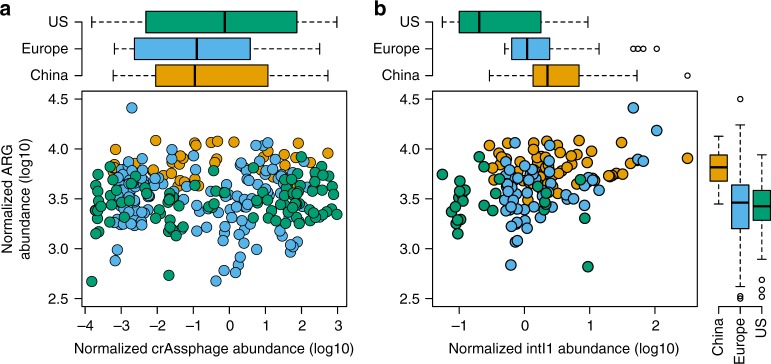
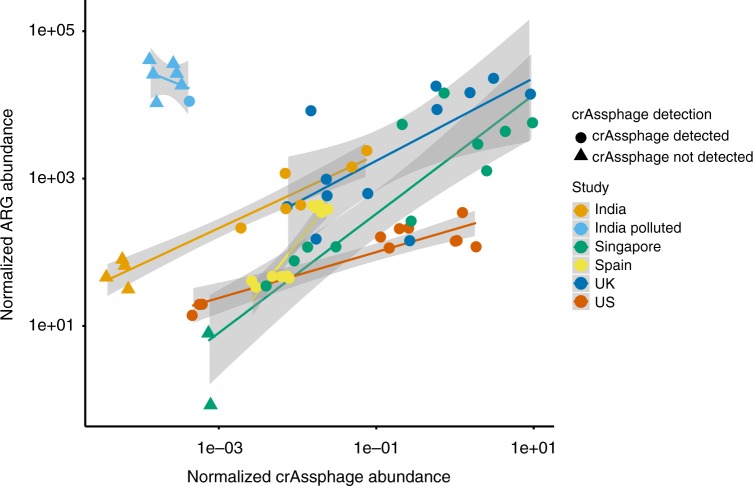
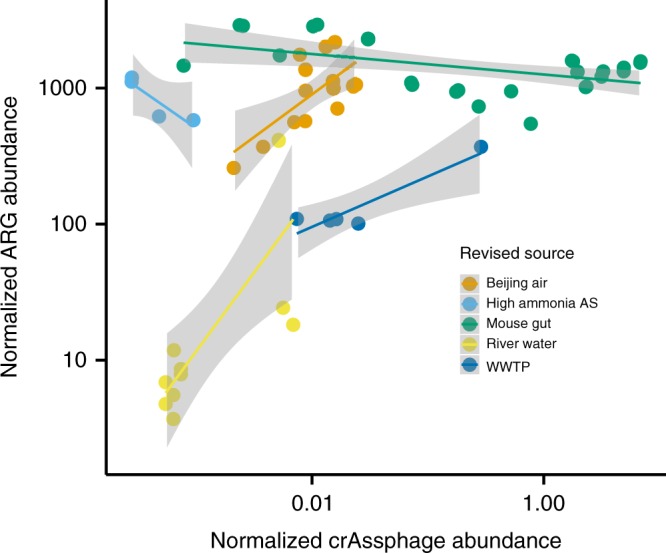
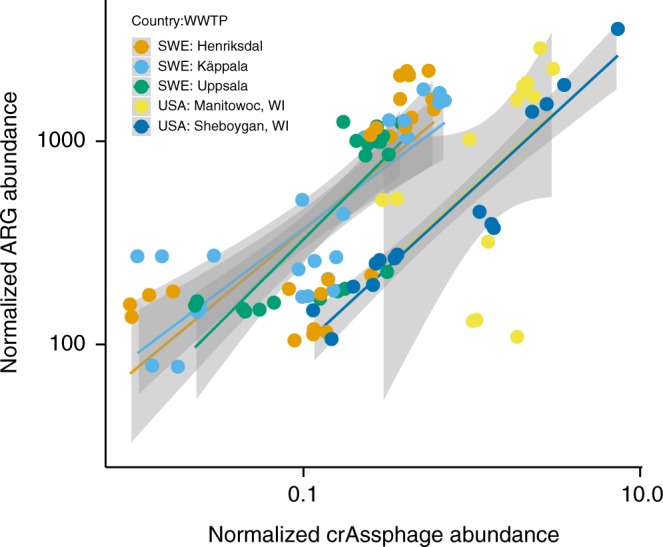
Discharge of treated sewage leads to release of antibiotic resistant bacteria, resistance genes and antibiotic residues to the environment. However, it is unclear whether increased abundance of antibiotic resistance genes in sewage and sewage-impacted environments is due to on-site selection pressure by residual antibiotics, or is simply a result of fecal contamination with resistant bacteria. Here we analyze relative resistance gene abundance and accompanying extent of fecal pollution in publicly available metagenomic data, using crAssphage sequences as a marker of human fecal contamination (crAssphage is a bacteriophage that is exceptionally abundant in, and specific to, human feces). We find that the presence of resistance genes can largely be explained by fecal pollution, with no clear signs of selection in the environment, with the exception of environments polluted by very high levels of antibiotics from manufacturing, where selection is evident. Our results demonstrate the necessity to take into account fecal pollution levels to avoid making erroneous assumptions regarding environmental selection of antibiotic resistance.
Overview
The claims and statistics of this paper haven’t been checked yet.
Free: it reads the open-access text and checks the first 5 claims that cite a source we can check. Create a free account to check every claim.
Integrity signals
Registry
Cites
Statistics
Figures
Verification
Claims the paper makes
The claims and statistics of this paper haven’t been checked yet.
Free: it reads the open-access text and checks the first 5 claims that cite a source we can check. Create a free account to check every claim.
Claims other papers make about this one
Each is checked against this paper’s own text: does it say what the citing paper says it does?
The cited source says what the claim attributes to it.
In the citing paper
“Recent metagenomic surveys have shown that human fecal pollution increases the abundance of antimicrobial resistance genes in the environment 88 , and that sewage microbial communities contain a diversity of AMR genes and resistant gut commensals that can potentially”
From Urban informal settlements as hotspots of antimicrobial resistance and the need to curb environmental transmission. (2020) · cites this paper as [88]
Self-check
Percentages, sums and reported differences re-computed from the paper’s own numbers.
The self-check needs the paper’s full text.
Citations
Cites
R: A Language and Environment for Statistical Computing
R Core Team (2025) · doi:10.32614/r.manuals · Cited by 352,181
The Sequence Alignment/Map format and SAMtools
Li, H., Handsaker, B., Wysoker, A., Fennell, T., Ruan, J., Homer, N., Marth, G., Abecasis, G., Durbin, R., & 1000 Genome Project Data Processing Subgroup (2009) · Bioinformatics · doi:10.1093/bioinformatics/btp352 · Cited by 62,041
Fast gapped-read alignment with Bowtie 2
Langmead, B., & Salzberg, S. L. (2012) · Nature Methods · doi:10.1038/nmeth.1923 · Cited by 56,400
ggplot2: Elegant Graphics for Data Analysis
Wickham, H. (2009) · doi:10.1007/978-0-387-98141-3 · Cited by 14,447
Fast and sensitive protein alignment using DIAMOND
Buchfink, B., Xie, C., & Huson, D. H. (2015) · Nature Methods · doi:10.1038/nmeth.3176 · Cited by 14,201
Identification of acquired antimicrobial resistance genes
Zankari, E., Hasman, H., Cosentino, S., Vestergaard, M., Rasmussen, S., Lund, O., Aarestrup, F. M., & Larsen, M. V. (2012) · Journal of Antimicrobial Chemotherapy · doi:10.1093/jac/dks261 · Cited by 4,980
Rizzo, L., Manaia, C., Merlin, C., Schwartz, T., Dagot, C., Ploy, M. C., Michael, I., & Fatta-Kassinos, D. (2013) · Science of The Total Environment · doi:10.1016/j.scitotenv.2013.01.032 · Cited by 2,493
Tackling antibiotic resistance: the environmental framework
Berendonk, T. U., Manaia, C. M., Merlin, C., Fatta-Kassinos, D., Cytryn, E., Walsh, F., Bürgmann, H., Sørum, H., Norström, M., Pons, M.-N., et al. (2015) · Nature Reviews Microbiology · doi:10.1038/nrmicro3439 · Cited by 2,338
Environmental pollution by antibiotics and by antibiotic resistance determinants
Martinez, J. L. (2009) · Environmental Pollution · doi:10.1016/j.envpol.2009.05.051 · Cited by 1,912
Antibiotics and Antibiotic Resistance Genes in Natural Environments
Martínez, J. L. (2008) · Science · doi:10.1126/science.1159483 · Cited by 1,795
Cited by
Items 401–500 of 629
Li, J., Zhang, L., Li, Y., Liu, K., Liu, Y., Huang, S., Li, F., Chen, C. A., Zhang, Y., & Hu, A. (2022) · Sustainability · doi:10.3390/su14031776 · Cited by 10
Identifying Novel Antibiotic Resistance Genes (ARGs): Important Aspect of Metagenomic Research
Rout, A. K., Das, R., Mahanandia, N. C., Dey, S., Parida, S. N., Mondal, M., Panda, S. P., Jena, R., Behera, B., & Behera, B. K. (2023) · Springer eBooks · doi:10.1007/978-981-99-2981-8_12 · Cited by 8
Shen, W., Yu, Y., Zhou, R., Song, N., Liu, R., & Bu, Y. (2021) · Environmental Engineering Science · doi:10.1089/ees.2020.0432 · Cited by 8
“Manure pollution causes bacterial contamination that can affect human health (Garcia et al. , 2014; Hatvani et al. , 2018; Katarzyte et al. , 2018; Nshimyi-mana et al. , 2018; Kapembo et al. , 2019; Karkman et al. , 2019; Toribio-Avedillo et al. , 2019).”
Zhao, F., Wang, Y., Shi, Y., Dong, Y., & Liu, X. (2022) · New Journal of Chemistry · doi:10.1039/d1nj06218b · Cited by 8
Zhang, L., Bai, J., Zhang, K., Wei, Z., Wang, Y., Liu, H., Xiao, R., & Jorquera, M. A. (2023) · Ecohydrology & Hydrobiology · doi:10.1016/j.ecohyd.2023.03.004 · Cited by 8
Ezzat, S. M., & Elkorashey, R. M. (2019) · Human and Ecological Risk Assessment An International Journal · doi:10.1080/10807039.2019.1671167 · Cited by 8
Stolarska, M., Glowacka-Sobotta, A., Ziental, D., Długaszewska, J., Falkowski, M., Gośliński, T. A., & Sobotta, Ł. (2021) · Inorganica Chimica Acta · doi:10.1016/j.ica.2021.120321 · Cited by 8
Yuan, Y., Zeng, M., Sun, J., Li, X., Yao, F., Shafiq, M., Guo, X., Wang, M., Lu, T., Wong, N.-K., et al. (2022) · Journal of environmental chemical engineering · doi:10.1016/j.jece.2022.109216 · Cited by 8
Alkali-Activated Foams Coated with Colloidal Ag for Point-of-Use Water Disinfection
Hossain, M. A., Karkman, A., Prokkola, H., Chen, B., Perumal, P., & Luukkοnen, T. (2024) · ACS ES&T Water · doi:10.1021/acsestwater.3c00711 · Cited by 7
Self-citationYang, D., Sun, Y., Ding, B., Luo, Q., Han, M., Hu, C., & Lyu, L. (2025) · Environmental Science & Technology · doi:10.1021/acs.est.5c01344 · Cited by 8
Zhang, Y., Zhang, B., Ahmed, I., Zhang, H., & He, Y. (2022) · Fundamental Research · doi:10.1016/j.fmre.2022.11.011 · Cited by 10
“Anthropogenic activities promote the occurrence and transmission of antibiotic resistance genes (ARGs) in the environment [ 3 , 4 ].”
Chen, T., Wang, Z., & Ruan, X. (2024) · The Science of The Total Environment · doi:10.1016/j.scitotenv.2024.175580 · Cited by 7
Singh, D. N., Pandey, P., Singh, V. S., & Tripathi, A. K. (2024) · Gene · doi:10.1016/j.gene.2024.148991 · Cited by 14
Effects of Antibiotics on Impacted Aquatic Environment Microorganisms
de Araújo, L. C. A., da Silva, S. M., de Sá, R. A. D. Q. C., Lima, A. V. A., Barbosa, A. V., Silva, J. D. S., Leite, K. M., Júnior, W. J. D. N., Silveira-Filho, V. D. M., Mendes-Marques, C. L., et al. (2021) · IntechOpen eBooks · doi:10.5772/intechopen.93910 · Cited by 9
“[72] Karkman A, Pärnänen K, Larsson DGJ.”
Coertze, R. D., & Bezuidenhout, C. C. (2020) · The Science of The Total Environment · doi:10.1016/j.scitotenv.2020.144119 · Cited by 9
Shareefdeen, H., & Hynes, A. P. (2021) · Anaerobe · doi:10.1016/j.anaerobe.2021.102319 · Cited by 8
Janssen, L., de Almeida, F. M., Damasceno, T. A. S., Baptista, R. P., Pappas, G. J., Jr., de Campos, T. A., & Martins, V. D. P. (2021) · Frontiers in Microbiology · doi:10.3389/fmicb.2021.732324 · Cited by 9
Antibiotics Stress Response of Bacteria as Mechanism of Development of Drug Resistance
Sharma, R., Thakur, A., Saini, A., Giri, S. K., Kumar, A., Priya, K., & Singh, G. (2023) · ACS symposium series · doi:10.1021/bk-2023-1434.ch002 · Cited by 9
Wang, Z., Xiao, M.-Y., Tang, J.-F., Li, M.-Q., Yin, X.-Y., Wang, T., Zhu, Y., Pang, D., & Wang, H. (2023) · Journal of Hazardous Materials · doi:10.1016/j.jhazmat.2023.131844 · Cited by 9
Kaiser, R. A., Polk, J., Taing, L., & Datta, T. (2023) · Environmental Science & Policy · doi:10.1016/j.envsci.2023.07.004 · Cited by 11
Microbial analysis of sewage sludge shows closer monitoring needed for landfill waste
Dregulo, A. M., Shapkin, V., & Kichko, A. A. (2021) · Proceedings of the Institution of Civil Engineers - Waste and Resource Management · doi:10.1680/jwarm.21.00023 · Cited by 7
Microbiome diversity: A barrier to the environmental spread of antimicrobial resistance?Preprint
Klümper, U., Gionchetta, G., Catão, E. C. P., Bellanger, X., Dielacher, I., Fang, P., Galazka, S., Goryluk-Salmonowicz, A., Kneis, D., Okoroafor, U., et al. (2023) · bioRxiv (Cold Spring Harbor Laboratory) · doi:10.1101/2023.03.30.534382 · Cited by 8
Limited ARG removal but stable resistome dynamics in a surface flow constructed wetland
Davis, B. C., Linz, D. M., McMinn, B. R., & Korajkic, A. (2025) · Journal of Environmental Management · doi:10.1016/j.jenvman.2025.126986 · Cited by 6
Faruk, O., Rana, M. R. K., Fatema, B., Paul, J. C., & Islam, M. R. (2025) · Annals of Microbiology · doi:10.1186/s13213-025-01820-y · Cited by 6
“Accordingly, the lower prevalence at Site 2 is compatible with reduced anthropogenic loading or different local selective pressures (Karkman et al. 2019; Tiwari et al. 2022).”
Hu, X., Gu, H., Wang, Y., Xu, Y., Li, Y., Yu, Z., Liu, J., Jin, J., Liu, X., & Wang, G. (2025) · Environment International · doi:10.1016/j.envint.2025.109855 · Cited by 7
Xue, X., Li, X., Liu, J., Zhu, L., Zhou, L., Jia, J., & Wang, Z. (2023) · Aquatic Toxicology · doi:10.1016/j.aquatox.2023.106459 · Cited by 8
Monaco, A., Caruso, M., Bellantuono, L., Gatti, R. C., Fania, A., Lacalamita, A., Rocca, M. L., Maggipinto, T., Pantaleo, E., Tangaro, S., et al. (2025) · Environmental Pollution · doi:10.1016/j.envpol.2024.125620 · Cited by 8
Liu, Y., Guo, R. H., Li, J., Cheng, Y., Wang, C., Wang, W., & Zheng, H. (2025) · Separations · doi:10.3390/separations12010015 · Cited by 6
Zhao, B., Zhang, R., Jin, B., Yu, Z., Wen, W., Zhao, T., Quan, Y., & Zhou, J. (2025) · Frontiers in Microbiology · doi:10.3389/fmicb.2025.1492128 · Cited by 13
de Sousa, T., Machado, S., Caniça, M., Ramos, M. J. N., Santos, D., Ribeiro, M., Hébraud, M., Igrejas, G., Alves, O., Costa, E., et al. (2025) · Journal of Applied Microbiology · doi:10.1093/jambio/lxaf037 · Cited by 7
Projahn, M., Sachsenroeder, J., Carreira, G. C., Becker, E., Martin, A., Thomas, C., Hobe, C., Reich, F., Robé, C., Roesler, U. H., et al. (2021) · Antibiotics · doi:10.3390/antibiotics10030228 · Cited by 6
“Although these bacteria might not affect the health of the broiler chickens, they are spread along the broiler production chain [1,2] and can contribute to the dissemination of antibiotic resistance determinants into the environment [3].”
BackgroundAwad, M., Tian, Z., Han, Z., Luan, X., Zhang, Y., Yang, M., & Dong, L. (2022) · Journal of Soils and Sediments · doi:10.1007/s11368-021-03123-6 · Cited by 5
Zhang, K., Li, K., Liu, Z., Li, Q., Li, W., Chen, Q., Xia, Y., Hu, F., & Yang, F. (2022) · International Journal of Environmental Research and Public Health · doi:10.3390/ijerph191610420 · Cited by 6
“In particular, fecal pollution sources are considered to be one of the important sources of ARG in the environment [18,19].”
BackgroundHenriot, C. P., Celle‐Jeanton, H., Klaba, V., Biguenet, A., Miège, C., Daval, A., Amiotte‐Suchet, P., Beugnot, J., Karbowiak, T., & Bertrand, X. (2023) · Water Research · doi:10.1016/j.watres.2023.119582 · Cited by 7
Xu, K., Liu, X., Pang, L., Yue, Y., Chatzisymeon, E., & Yang, P. (2023) · The Science of The Total Environment · doi:10.1016/j.scitotenv.2023.166994 · Cited by 6
Ying, H., Zhang, Y., Hu, W., Wu, W., & Mao, G. (2025) · Biocontaminant · doi:10.48130/biocontam-0025-0022 · Cited by 8
Abass, S. A. E., Altamimi, A. S. A., Aldakhil, T., & Prajapati, P. (2026) · Critical Reviews in Analytical Chemistry · doi:10.1080/10408347.2026.2694610 · Cited by 6
Guajardo‐Leiva, S., Mendez, K. N., Meneses, C., Dı́ez, B., & Castro‐Nallar, E. (2023) · Microorganisms · doi:10.3390/microorganisms11040904 · Cited by 5
“Recent studies reveal the global prevalence of ARGs in natural systems such as mangroves [18], rivers [19], and other water bodies, and some link their prevalence to fecal as well as industrial pollution [20,21].”
BackgroundZhou, X., Zhou, S., Huang, F.-Y., Zhu, L., & Su, J. (2023) · Journal of Hazardous Materials · doi:10.1016/j.jhazmat.2023.133392 · Cited by 5
Gonçalves, D. L. D. R., Chang, M. R., Nóbrega, G. D., Venancio, F. A., Júnior, M. G. H., & Fava, W. S. (2024) · Brazilian Journal of Biology · doi:10.1590/1519-6984.277750 · Cited by 12
Duan, Y., She, H., Jing, L., Duan, L., Zheng, J., Shao, Y., Che, Y., Shi, Y., Guo, C., Zhao, W., et al. (2025) · Environmental Pollution · doi:10.1016/j.envpol.2025.126296 · Cited by 5
Victor, M. P., Radisic, V., Grevskott, D. H., & Marathe, N. P. (2025) · Ecotoxicology and Environmental Safety · doi:10.1016/j.ecoenv.2025.118390 · Cited by 6
Antarctic Environmental Resistomes Closely Associated with Human and Animal Waste Releases
Wu, D., Goethem, M. W. V., Graham, D. W., Zhang, X. L., Li, Z., & Shi, G. (2025) · Environmental Science & Technology · doi:10.1021/acs.est.5c06023 · Cited by 7
Yang, J., Zeng, Z., Hu, J., Liu, Z., Gu, J., Chen, X., Sun, Z.-L., & Li, J. (2022) · Veterinary Medicine and Science · doi:10.1002/vms3.950 · Cited by 4
“The residual antibiotics and drugresistant bacteria can be discharged into the environment via faeces, placing vast antibiotic pressure on the environment owing to the spread of the resistance gene (Karkman et al., 2019).”
BackgroundRajasekar, A., Vadde, K. K., Murava, R. T., Qiu, M., Guo, S., Yu, T., Wang, R., & Zhao, C. (2023) · Environmental Research Communications · doi:10.1088/2515-7620/acbd8c · Cited by 5
Embed Multisectoral Governance Mechanisms in the Pandemic Instrument for One Health Action
Palkovits, M., Katwyk, S. R. V., & Hoffman, S. J. (2022) · The Journal of Law Medicine & Ethics · doi:10.1017/jme.2023.30 · Cited by 4
Unveiling Rare Pathogens and Antibiotic Resistance in Tanzanian Cholera Outbreak Waters
Baraka, V., Andersson, T., Makenga, G., Francis, F. T., Minja, D. T. R., Overballe‐Petersen, S., Tang, M. E., Fuursted, K., & Lood, R. (2023) · Microorganisms · doi:10.3390/microorganisms11102490 · Cited by 5
On composite sampling for monitoring generic and antibiotic-resistant coliforms in irrigation ponds
Stocker, M., Smith, J. E., & Pachepsky, Y. A. (2024) · Frontiers in Water · doi:10.3389/frwa.2024.1397630 · Cited by 5
Xu, F., Liu, T., Deng, Z., Li, J., Zhang, Y., Wu, Y., Xiao, S., Mai, B., Ke, C., & Wu, R. (2025) · Environmental Research · doi:10.1016/j.envres.2025.121162 · Cited by 5
Zhou, D., Chen, L., Huang, F., Yan, B., Zhou, Z., Wang, B., Liu, F., Dong, F., & Ren, D. (2025) · Environmental Research · doi:10.1016/j.envres.2025.121762 · Cited by 5
Sethi, M., Mohanty, V., Mishra, S., Dash, J., Mahapatra, S., Parida, D., Mohapatra, A. P., Mishra, R., Prasad, P., Parida, A. K., et al. (2021) · Letters in Applied Microbiology · doi:10.1111/lam.13642 · Cited by 6
“Various metagenomic studies from sewage, water, animals, and human faeces, etc. have confirmed the presence of a large reservoir of new ARG subsets collectively known as intrinsic resistome (Hu et al. 2013; Rolain 2013; Karkman et al. 2019).”
BackgroundBagra, K., Bellanger, X., Merlin, C., Singh, G., Berendonk, T. U., & Klümper, U. (2022) · bioRxiv (Cold Spring Harbor Laboratory) · doi:10.1101/2022.11.19.517188 · Cited by 5
Teng, M., Huo, Z., Zhang, Z., Xie, M., Wang, X., Wu, Q., Yang, Z., Bowen, C., Zhang, W., Liu, G., et al. (2025) · The Innovation · doi:10.1016/j.xinn.2025.101145 · Cited by 8
“90 When coexisting with antibiotic-resistant bacteria (ARB), the pathogen can capture the released antibiotic-resistant genes (ARGs) from ARB through a process of horizontal gene transfer.”
Zhang, X., He, R., Pan, M., Sun, J., & Zhou, M. (2025) · Chemical Engineering Journal · doi:10.1016/j.cej.2025.169552 · Cited by 4
Chen, T., Zhao, M., Chen, M., Tang, X., Qian, Y., Li, X., Wang, Y., Liao, X., & Wu, Y. (2024) · Animals · doi:10.3390/ani15010070 · Cited by 7
Stange, C., Kalyetsi, R., Owokuhaisa, J., Ntaro, M., Leon, A., Hunter, P. R., Tiehm, A., & Mulogo, E. M. (2025) · Journal of Global Antimicrobial Resistance · doi:10.1016/j.jgar.2025.09.002 · Cited by 5
Srathongneam, T., Paisantham, P., Singer, A. C., Sukchawalit, R., Mongkolsuk, S., & Sirikanchana, K. (2026) · BioTechniques · doi:10.1080/07366205.2026.2649861 · Cited by 4
Future directions of material chemistry and energy chemistry
Cao, J., Ma, D., & Yu, S. (2021) · Pure and Applied Chemistry · doi:10.1515/pac-2020-1011 · Cited by 5
Sun, Q. F., Yu, J., Zhao, Y., Liu, H., Li, C., Tao, J., Zhang, J., & Sheng, J. (2024) · Environmental Science and Pollution Research · doi:10.1007/s11356-024-32947-1 · Cited by 4
“Currently, many antibiotics exist in natural environments in the form of maternal and pharmacological activity and have become a global environmental issue due to their potentially devastating effects on human health (Karkman et al. 2019; Rossiter et al. 2017; Sun et al. 2021a).”
Characterization and Abundance of Plasmid-Dependent Alphatectivirus Bacteriophages
Parra, B., Lutz, V. T., Brøndsted, L., Carmona, J. L., Palomo, A., Nesme, J., Le, V. V. H., Smets, B. F., & Dechesne, A. (2024) · Microbial Ecology · doi:10.1007/s00248-024-02401-3 · Cited by 4
Song, M., Wang, K., Xie, Y., Wen, X., Tu, Y., Teng, T., Luo, C., & Zhang, D. (2024) · Environmental Pollution · doi:10.1016/j.envpol.2024.125582 · Cited by 4
Elmarghani, E. D., Spörndly, R., Mourkas, E., & Järhult, J. D. (2025) · Next research. · doi:10.1016/j.nexres.2025.100436 · Cited by 5
“An increase in ARGs in surface waters has been attributed primarily to fecal contamination of the receiving waters, rather than natural selection [ 25 ].”
Cheng, S., Zhang, C., Pan, X., Zhang, K., Li, Y., Zhuang, Q., Dong, W., & Xie, A. (2022) · ACS Applied Nano Materials · doi:10.1021/acsanm.2c00115 · Cited by 4
Antibiotics, antibiotic-resistant bacteria, and the environment
Yadav, S. S., Arora, U., & Zaman, K. (2023) · Elsevier eBooks · doi:10.1016/b978-0-323-99866-6.00001-5 · Cited by 8
Zhang, L., Bai, J., Zhai, Y., Zhang, K., Wei, Z., Wang, Y., Liu, H., Xiao, R., & Jorquera, M. A. (2023) · Frontiers in Microbiology · doi:10.3389/fmicb.2023.1155526 · Cited by 6
“australis region and further affect the bacterial community (Karkman et al., 2019).”
BackgroundElucidating the role of two types of essential oils in regulating antibiotic resistance in soil
Wei, H., Wu, D., Zheng, M., Wang, W., & Wang, D. (2023) · Journal of Hazardous Materials · doi:10.1016/j.jhazmat.2023.131443 · Cited by 4
Hill, M. S., & Gilbert, J. A. (2023) · Microbiology and Molecular Biology Reviews · doi:10.1128/mmbr.00121-21 · Cited by 6
“Antibiotic-resistant bacteria can accumulate through direct deposition from fecal matter or indirectly through selection after ingestion and passing of antibiotics into the environment (47, 48).”
BackgroundSantra, H., & Bhadury, P. (2024) · Clean Energy Production Technologies · doi:10.1007/978-981-97-3458-0_1 · Cited by 5
Cавенко, М. В., & Кривцова, М. В. (2021) · Transylvanian Review of Systematical and Ecological Research · doi:10.2478/trser-2021-0009 · Cited by 4
“A likely source of resistance genes in a given area is municipal wastewater, which, as it is known, can act as reservoirs of resistant forms of microorganisms and genetic determinants of resistance, as well as a determining factor in the formation of environmental resistance (Karkman et al., 2019).”
BackgroundHobeika, W., Gaschet, M., Ploy, M.-C., Buelow, E., Sarkis, D. K., & Dagot, C. (2022) · Antibiotics · doi:10.3390/antibiotics11030306 · Cited by 5
“Studies in lower income countries with lack of sanitation measures and operational wastewater treatment systems have shown high levels of ARB and ARGs that were significantly correlated with human gut bacteria and pathogens [23,47,48].”
BackgroundOnalenna, O., & Rahube, T. O. (2019) · Journal of Experimental Biology and Agricultural Sciences · doi:10.18006/2019.7(5).481.488 · Cited by 5
“A trans-European surveillance of antibiotic resistance in discharged wastewater effluent showed that antibiotic resistance profiles of effluent mirrored the pattern of antibiotic resistance prevalence in clinical settings (Karkman et al., 2019).”
BackgroundBarrantes, K., Chacón, L., Mora, E. M., & Ramírez-Carvajal, L. (2020) · Microbiology Resource Announcements · doi:10.1128/mra.01015-19 · Cited by 4
The Fate of Antibiotic-Resistant Bacteria in the Environment
Henriot, C. P., Martak, D., Dagot, C., Petit, F., Topp, E., Bertrand, X., Bornette, G., & Hocquet, D. (2021) · Environmental chemistry for a sustainable world · doi:10.1007/978-3-030-69079-3_4 · Cited by 9
McInnes, R. S., uz‐Zaman, M. H., Alam, I. T., Ho, S. F. S., Moran, R. A., Clemens, J. D., Islam, M. S., & van Schaik, W. (2021) · bioRxiv (Cold Spring Harbor Laboratory) · doi:10.1101/2021.02.04.429629 · Cited by 4
“Our study thus 280 extends on previous observations that link the introduction of human sewage into river and lake 281 systems to high levels of antibiotic resistance genes (42).”
Lu, X., Yu, S., Zhang, L., Liu, S., & Lu, H. (2025) · iScience · doi:10.1016/j.isci.2025.113133 · Cited by 3
The Effects of Antibiotic Residues in The Environment: A Comprehensive Bibliometric Review
Wu, S., Fan, Z., Sun, G., Shou, B., Fang, H., Zhang, Y., Dong, Z., & Wan, Y. (2025) · Water Air & Soil Pollution · doi:10.1007/s11270-025-08366-4 · Cited by 3
“…et al. (2017), published in NATURE MICRO-BIOLOGY, and a research paper on faecal pollution levels affecting the abundance of antibiotic resistance genes published in NATURE COMMUNICATIONS by Karkman et al. (2019), which has been constantly referenced and cited by relevant scholars in recent years.”
Farinas, L. M., Peña, L. B. R. O. D., & Rivera, W. L. (2026) · Frontiers in Microbiology · doi:10.3389/fmicb.2026.1742578 · Cited by 3
“Additionally, human and animal wastes can introduce ARBs that evolved endogenously within hosts as a result of widespread antibiotic use in both human and veterinary medicine (Karkman et al., 2019; Czatzkowska et al., 2022; Larsson and Flach, 2022).”
Secker, B., Nayak, A. R., Husain, A. A., Arora, S., Nag, A., Shrivastava, S. K., Singer, A. C., Gomes, R. L., Acheampong, E. A., Chidambaram, S. B., et al. (2026) · Frontiers in Microbiology · doi:10.3389/fmicb.2025.1722229 · Cited by 4
Liu, H., Zhai, L., Wang, P., Li, Y., & Gu, Y. (2022) · International Journal of Environmental Research and Public Health · doi:10.3390/ijerph192315632 · Cited by 4
Antimicrobial Resistance in the Terrestrial Environment of Agricultural Landscapes in Norway
Nesse, L. L., Forfang, K., Slettemeås, J. S., Hagen, S. B., Sunde, M., Elameen, A., Johannessen, G. S., Stenrød, M., Tessema, G. T., Almvik, M., et al. (2024) · Microorganisms · doi:10.3390/microorganisms12091854 · Cited by 3
“Fecal pollution has been reported to be a major contributor to ARG abundances in the environment [3].”
BackgroundKubera, Ł., Rolbiecki, D., Harnisz, M., Kotlarska, E., & Perliński, P. (2025) · Environmental Pollution · doi:10.1016/j.envpol.2025.125793 · Cited by 3
Bachá, L., Oliveira, M. D. A. P., Landuci, F. S., Vicente, A. C., da Paz, P. H. C., Lima, M. S., Hilário, M. O. E., Campos, L. S., Thompson, M., Chueke, C., et al. (2025) · The Science of The Total Environment · doi:10.1016/j.scitotenv.2025.178778 · Cited by 4
Zheng, Q., Wu, R., Chen, X., Liu, P., Li, K., Ke, C., Wu, Y., Zhang, Y., Xiao, S., & Huang, J. (2025) · Environmental Science Processes & Impacts · doi:10.1039/d5em00070j · Cited by 3
Moretto, J. A. S., Furlan, J. P. R., Braz, V. S., Bitencourt, T. A., & Stehling, E. G. (2020) · Pedosphere · doi:10.1016/s1002-0160(20)60005-4 · Cited by 3
Salmonella in Wild Animals: A Public Health Concern
dos Santos, E. J. E., Lopes, A. T. S., & Maciel, B. M. (2022) · IntechOpen eBooks · doi:10.5772/intechopen.102618 · Cited by 11
Zhao, R., Si-yuan, C. H. E. N., Tong, C., Hao, J., Pei-si, L. I., Xie, L., Xiao, D., Zeng, Z., & Xiong, W. (2022) · Journal of Integrative Agriculture · doi:10.1016/j.jia.2022.11.006 · Cited by 5
Christopher, M. S., Gazdag, Z., & Melegh, S. (2022) · Vide Leaf, Hyderabad eBooks · doi:10.37247/paimmu2ed.2.22.27 · Cited by 5
Gunjyal, N., Singh, G., & Ojha, C. S. P. (2023) · Journal of Environmental Quality · doi:10.1002/jeq2.20453 · Cited by 4
Microbial Source Tracking: an Emerging Technology for Microbial Water Quality Assessment: A Review
Job, O., Bala, J. D., Abdulraham, A. A., Friday, N. N., Ibekie, S. A., Tsebam, C. J., & Abudullahi, D. (2023) · UMYU Journal of Microbiology Research (UJMR) · doi:10.47430/ujmr.2381.014 · Cited by 3
Stehling, E. G., Furlan, J. P. R., Lopes, R., Chodkowski, J. L., Stopnišek, N., Savazzi, E. A., & Shade, A. L. (2024) · Environmental Pollution · doi:10.1016/j.envpol.2024.123849 · Cited by 3
Liu, S., Yu, J., Jian, M., Hu, Q., & Zou, L. (2024) · Polish Journal of Environmental Studies · doi:10.15244/pjoes/183425 · Cited by 3
“Among the ARG subtypes, the uppP , MuxB, and ileS posed high risks to human health [40].”
BackgroundHuamán, M., Salvador-Luján, G., Morales, L., Luna, J. R. A., Garcia, L. V., Pérez, J., & Pons, M. J. (2024) · Revista Peruana de Medicina Experimental y Salud Pública · doi:10.17843/rpmesp.2024.412.13246 · Cited by 3
“The presence of E. coli in aquatic environments has been rela-ted to the discharge of wastewater, whether from domestic or industrial use, releasing antibiotic-resistant bacteria into the environment (21) .”
BackgroundInfluentialCuntín‐Abal, C., Jurado‐Sánchez, B., & Escarpa, A. (2024) · Environmental Science Nano · doi:10.1039/d4en00863d · Cited by 5
[Neonatal diabetes mellitus and microcephaly. Indications for autosomal recessive inheritance].
Reus, S., Egidi, R., Otten, A., & Aulepp, U. (1992) · PubMed · Cited by 3
Fecal Waste Drives Antimicrobial Resistance
Gomes, E. L., Vallio, G. V. M., Tovar, L. P., de Oliveira, L. B., Longo, L. S., Alves, S. I. P. M. D. N., Macedo, V. M. S., & Fernandez-Felisbino, R. (2024) · Wiley eBooks · doi:10.1002/9781119904991.ch4 · Cited by 3
Brooks, C., Mitchell, E., Brown, J., O'Donovan, S., Carnaghan, K.-A., Bleakney, E., & Arnscheidt, J. (2024) · Letters in Applied Microbiology · doi:10.1093/lambio/ovae062 · Cited by 2
Mapiki, P., Laiser, E., Mufungwe, J., Shawa, M., Siamujompa, M., Johnson, T., Namukonde, N., Mwaanga, P., & Hang’ombe, B. M. (2025) · Microbiology Spectrum · doi:10.1128/spectrum.00570-24 · Cited by 3
“As observed elsewhere (40), an increase in the relative numbers of AMR bacteria and antibiotic resistance genes can partly be related to the environmental antibiotic selection pressure from enteric bacteria emanating from livestock.”
CrAssphage as a Human Enteric Viral Contamination Bioindicator in Marketed Bivalve Mollusks
Negreiros, I. R., Santos, N. L. D., de Paula, B. B., Figueiredo, B. L., Brandão, M. L. L., Leite, J. P. G., Miagostovich, M. P., & Cantelli, C. P. (2025) · Viruses · doi:10.3390/v17071012 · Cited by 2
“Studies have demonstrated the prevalence and environmental stability of crAssphage compared to other viral microbial source tracking (MST) candidates [17,50].”
Resistome Flux in the Environment: A 3Es and 3Ds Perspective with emphasis on Wastewater-Human Nexus
Javvadi, Y., & Mohan, S. V. (2025) · Total Environment Microbiology · doi:10.1016/j.temicr.2025.100036 · Cited by 2
Choi, J., Lee, S., Ko, H., Kim, J., Seo, S., Noh, S., Kim, T., Silambarasan, P., Han, Y., Joung, S., et al. (2025) · Nano Letters · doi:10.1021/acs.nanolett.5c04894 · Cited by 3
Metadata
- Authors
- Karkman, A., Pärnänen, K., & Larsson, D. G. J.
- Affiliations
- University of Helsinki (FI)
- University of Gothenburg (SE)
- Corresponding author
- Karkman, Antti
- Venue
- Nature Communications
- Published
- 2019-01-08
- Volume
- 10
- Issue
- 1
- Pages
- 80-80
- ISSN
- 2041-1723 (ISSN-L)
- PMC
- PMC6325112
- OpenAlex
- W2949973543
- Cited by
- 628
- References
- 77
- Citations by year
- 2026: 64 · 2025: 85 · 2024: 87 · 2023: 88 · 2022: 95 · 2021: 98 · 2020: 68 · 2019: 38
- FWCI
- 22.47
- Type
- journal article
- Language
- en
- Open access
- gold
- doi.org
- Licence
- cc-by
- creativecommons.org/licenses/by/4.0 (tdm)
- creativecommons.org/licenses/by/4.0 (vor)
- Locations
- Nature Communications (publishedVersion, cc-by)
- bioRxiv (Cold Spring Harbor Laboratory) (acceptedVersion, cc-by-nc-nd)
- Europe PMC (PubMed Central) (publishedVersion, other-oa)
- PubMed Central (publishedVersion, cc-by)
- PubMed (publishedVersion)
- RePEc: Research Papers in Economics (submittedVersion)
- DOAJ (DOAJ: Directory of Open Access Journals) (submittedVersion)
- DOAJ (DOAJ: Directory of Open Access Journals) (submittedVersion, cc-by-sa)
- Työväentutkimus Vuosikirja (submittedVersion)
- Funders
- Svenska Forskningsrådet Formas (942-2015-750, 942-2015, 2015-750)
- Vetenskapsrådet (2015-02492)
- Göteborgs Universitet
- Centre for Antibiotic Resistance Research, University of Gothenburg
- Topics
- Physical Sciences › Environmental Science › Pollution › Pharmaceutical and Antibiotic Environmental Impacts
- Health Sciences › Medicine › Microbiology (medical) › Antibiotic Resistance in Bacteria
- Health Sciences › Medicine › Infectious Diseases › Antibiotic Use and Resistance
- Keywords
- antibiotic resistance genes, fecal contamination, crAssphage, human fecal contamination, wastewater discharge, antibiotic residues, selection pressure, metagenomics
- MeSH terms
- Anti-Bacterial Agents, Bacteria, Bacteriophages, DNA, Viral, Drug Resistance, Microbial, Feces, Humans, Sewage, Water Microbiology, Water Pollution, Metagenomics, Water Quality
About these checks
Registry, retraction, Cites and statistics results are computed, not judged, with one exception: a printed reference that no index lists is read once by a model before it counts as a citation error. Claims are extracted by a model and kept only when their quote appears verbatim in the text; each cited source is then checked, with a model’s help, for whether it says what the claim relies on. Those verdicts can be wrong — read the claim’s quote and the cited source before relying on one.
Statistics and arithmetic are recomputed, not judged.
Confidence bands are shown only for fields calibrated on our annotated test set. None is calibrated yet, so no band is shown.
What counts as a claim ›How we measure confidence ›How we check this ›
Are you an author, or do you see a problem with this page? Request a review
Data sources
Bibliographic data: Semantic Scholar, OpenAlex, Crossref.
Contains information from the Semantic Scholar Academic Graph Datasets, made available under the ODC Attribution License (ODC-BY 1.0).
Semantic Scholar’s data is described in: Kinney, R., et al. (2023). The Semantic Scholar Open Data Platform. arXiv:2301.10140.
