

CXCR3 enables recruitment and site-specific bystander activation of memory CD8(+) T cells
Open accessThe DOI matches its Crossref record; 49 of the 49 references it cites were found in a registry or an index.
Abstract
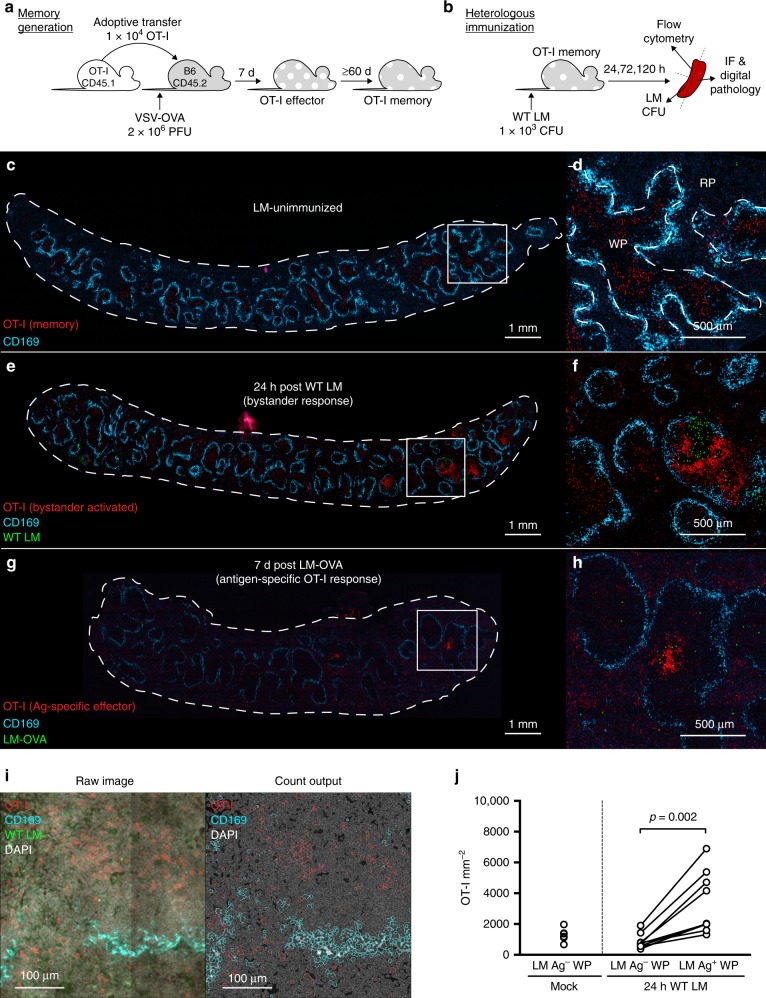
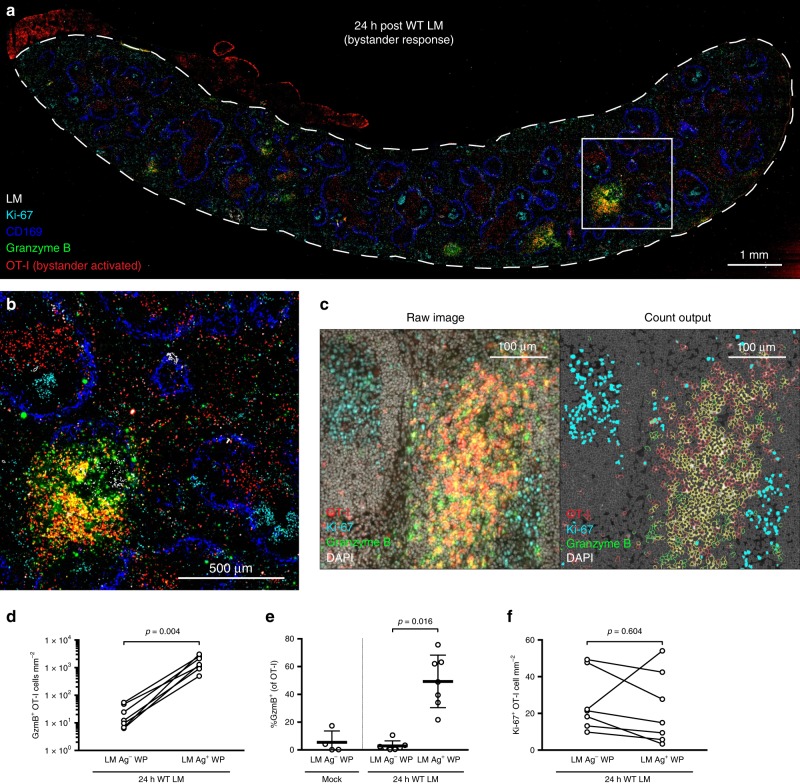
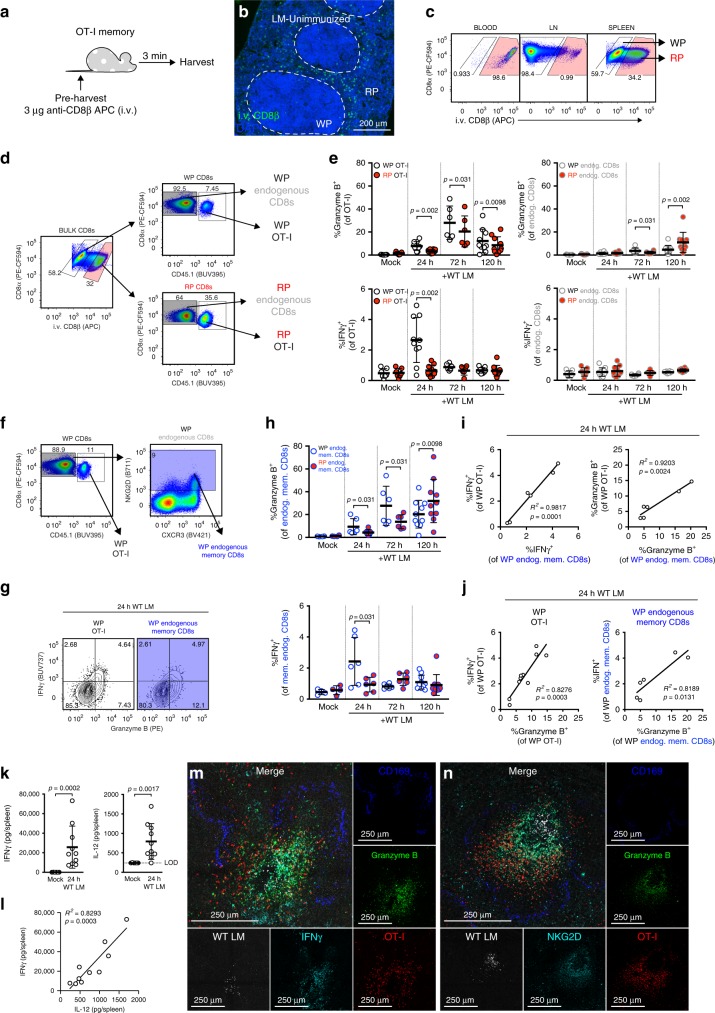
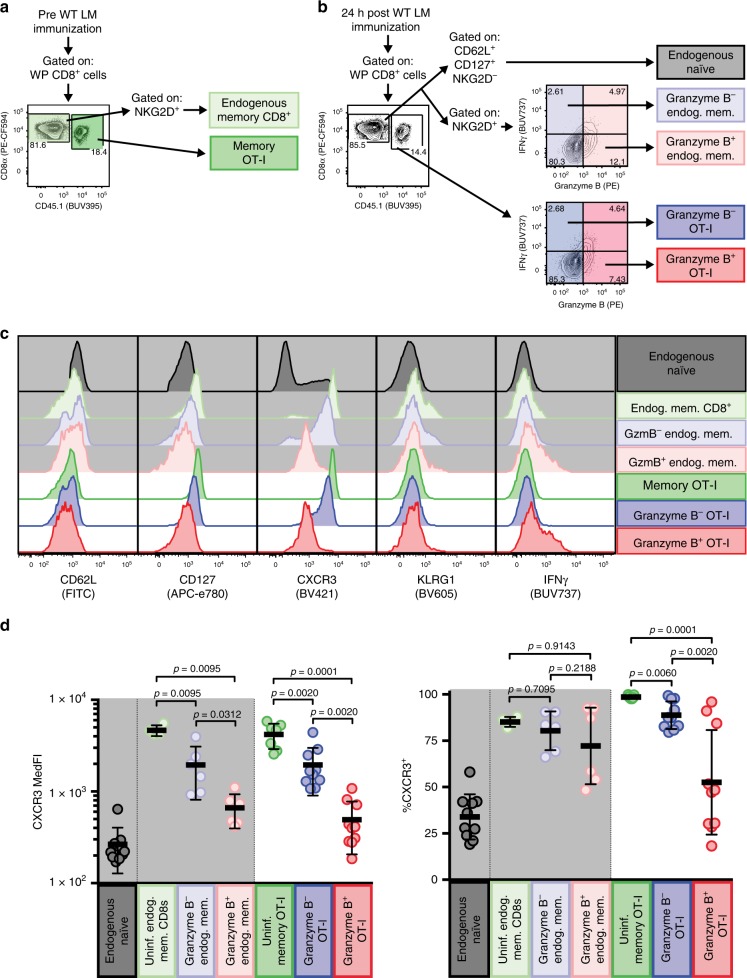
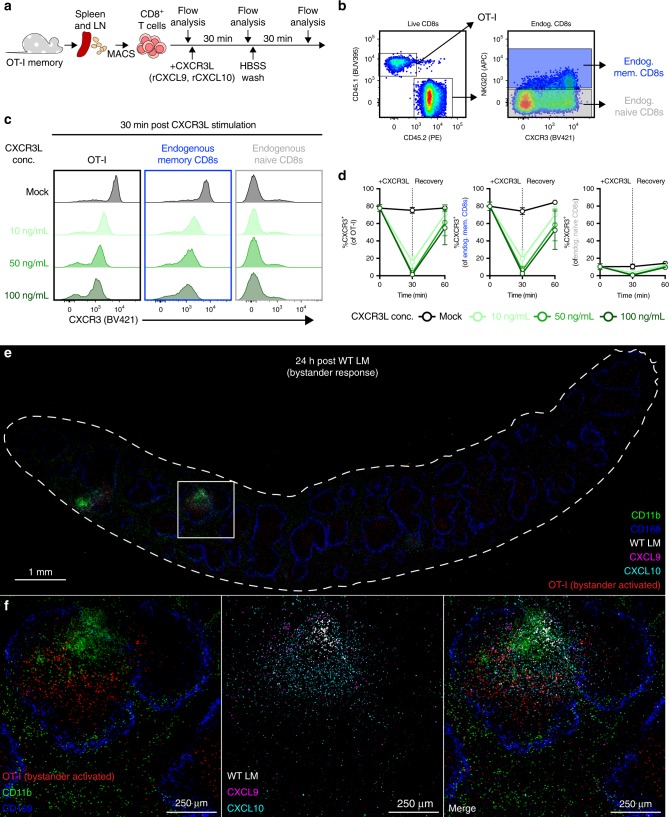
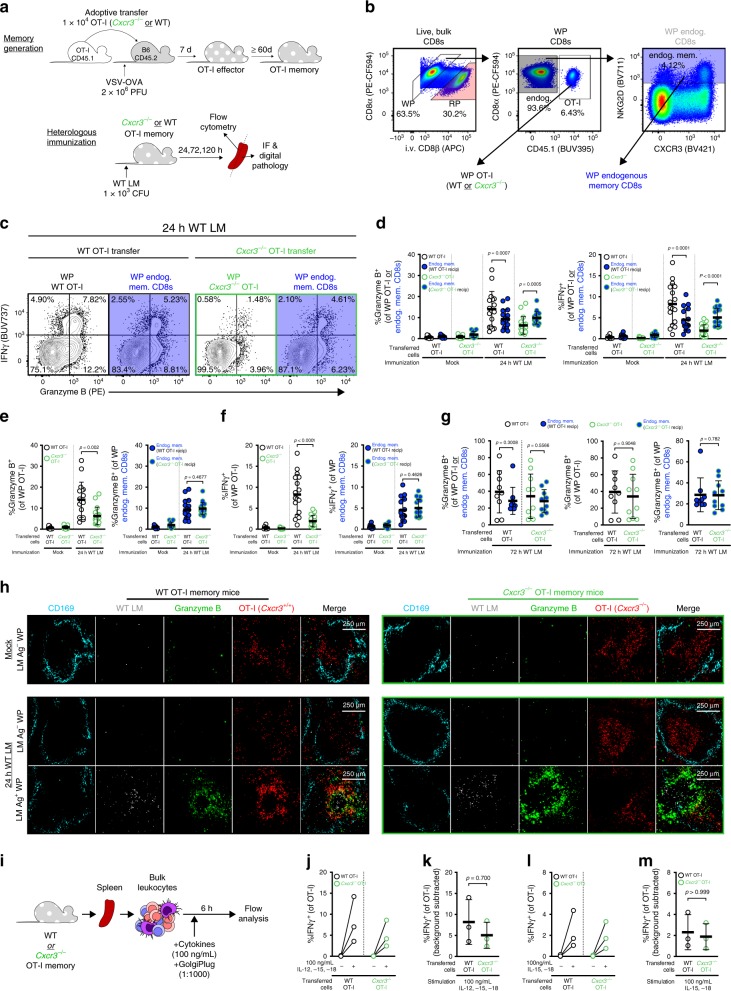
Bystander activation of memory T cells occurs in the absence of cognate antigen during infections that elicit strong systemic inflammatory responses, which subsequently affect host immune responses. Here we report that memory T cell bystander activation is not limited to induction by systemic inflammation. We initially observe potential T cell bystander activation in a cohort of human vaccine recipients. Using a mouse model system, we then find that memory CD8+ T cells are specifically recruited to sites with activated antigen-presenting cells (APCs) in a CXCR3-dependent manner. In addition, CXCR3 is also necessary for T cell clustering around APCs and T cell bystander activation, which temporospatially overlaps with the subsequent antigen-specific T cell response. Our data thus suggest that bystander activation is part of the initial localized immune response, and is mediated by a site-specific recruitment process of memory T cells.
Overview
The claims and statistics of this paper haven’t been checked yet.
Free: it reads the open-access text and checks the first 5 claims that cite a source we can check. Create a free account to check every claim.
Integrity signals
Registry
Cites
Statistics
Figures
Verification
Claims the paper makes
The claims and statistics of this paper haven’t been checked yet.
Free: it reads the open-access text and checks the first 5 claims that cite a source we can check. Create a free account to check every claim.
Claims other papers make about this one
Each is checked against this paper’s own text: does it say what the citing paper says it does?
In the citing paper
“However, CXCR3 in CD8+ T cells is necessary to trigger initial effector responses in bystander CD8+ T cells (67), although not required for sustained IFNγ effector responses (68).”
Self-check
Percentages, sums and reported differences re-computed from the paper’s own numbers.
The self-check needs the paper’s full text.
Citations
Cites
Wherry, E. J., Blattman, J. N., Murali-Krishna, K., van der Most, R., & Ahmed, R. (2003) · Journal of Virology · doi:10.1128/jvi.77.8.4911-4927.2003 · Cited by 1,610
Bystander CD8+ T cells are abundant and phenotypically distinct in human tumour infiltrates
Simoni, Y., Becht, E., Fehlings, M., Loh, C. Y., Koo, S.-L., Teng, K. W. W., Yeong, J. P. S., Nahar, R., Zhang, T., Kared, H., et al. (2018) · Nature · doi:10.1038/s41586-018-0130-2 · Cited by 1,370
Induction of Bystander T Cell Proliferation by Viruses and Type I Interferon in Vivo
Tough, D. F., Borrow, P., & Sprent, J. (1996) · Science · doi:10.1126/science.272.5270.1947 · Cited by 1,077
Meresse, B., Chen, Z., Ciszewski, C., Tretiakova, M., Bhagat, G., Krausz, T. N., Raulet, D. H., Lanier, L. L., Groh, V., Spies, T., et al. (2004) · Immunity · doi:10.1016/j.immuni.2004.06.020 · Cited by 855
Intravascular staining for discrimination of vascular and tissue leukocytes
Anderson, K. G., Mayer-Barber, K., Sung, H., Beura, L., James, B. R., Taylor, J. J., Qunaj, L., Griffith, T. S., Vezys, V., Barber, D. L., et al. (2014) · Nature Protocols · doi:10.1038/nprot.2014.005 · Cited by 812
The Role of the NKG2D Immunoreceptor in Immune Cell Activation and Natural Killing
Jamieson, A. M., Diefenbach, A., McMahon, C. W., Xiong, N., Carlyle, J. R., & Raulet, D. H. (2002) · Immunity · doi:10.1016/s1074-7613(02)00333-3 · Cited by 647
Sensing and alarm function of resident memory CD8+ T cells
Schenkel, J. M., Fraser, K. A., Vezys, V., & Masopust, D. (2013) · Nature Immunology · doi:10.1038/ni.2568 · Cited by 640
Ussher, J. E., Bilton, M., Attwod, E., Shadwell, J., Richardson, R., de Lara, C., Mettke, E., Kurioka, A., Hansen, T. H., Klenerman, P., et al. (2014) · European Journal of Immunology · doi:10.1002/eji.201343509 · Cited by 543
MAIT cells are activated during human viral infections
van Wilgenburg, B., Scherwitzl, I., Hutchinson, E. C., Leng, T., Kurioka, A., Kulicke, C., de Lara, C., Cole, S., Vasanawathana, S., Limpitikul, W., et al. (2016) · Nature Communications · doi:10.1038/ncomms11653 · Cited by 509
Youngblood, B., Oestreich, K. J., Ha, S.-J., Duraiswamy, J., Akondy, R. S., West, E. E., Wei, Z., Lu, P., Austin, J. W., Riley, J. L., et al. (2011) · Immunity · doi:10.1016/j.immuni.2011.06.015 · Cited by 419
Cited by
Chemokines and the immune response to cancer
Ozga, A. J., Chow, M. T., & Luster, A. D. (2021) · Immunity · doi:10.1016/j.immuni.2021.01.012 · Cited by 830
Cold and hot tumors: from molecular mechanisms to targeted therapy
Wu, B., Zhang, B., Li, B., Wu, H., & Jiang, M. (2024) · Signal Transduction and Targeted Therapy · doi:10.1038/s41392-024-01979-x · Cited by 682
Dendritic Cells and Their Role in Immunotherapy
Gardner, A., de Mingo Pulido, Á., & Ruffell, B. (2020) · Frontiers in Immunology · doi:10.3389/fimmu.2020.00924 · Cited by 485
“In secondary lymphoid organs and in non-tumor models of immunity, the organization of immune cells is critical for effective signaling (41, 42).”
BackgroundImproving CAR-T immunotherapy: Overcoming the challenges of T cell exhaustion
Gumber, D., & Wang, L. D. (2022) · eBioMedicine · doi:10.1016/j.ebiom.2022.103941 · Cited by 396
Insights Gained from Single-Cell Analysis of Immune Cells in the Tumor Microenvironment
Ren, X., Zhang, L., Zhang, Y., Li, Z., Siemers, N., & Zhang, Z. (2021) · Annual Review of Immunology · doi:10.1146/annurev-immunol-110519-071134 · Cited by 370
T cells specific for α-myosin drive immunotherapy-related myocarditis
Axelrod, M. L., Meijers, W. C., Screever, E. M., Qin, J., Carroll, M. G., Sun, X., Tannous, E., Zhang, Y., Sugiura, A., Taylor, B. C., et al. (2022) · Nature · doi:10.1038/s41586-022-05432-3 · Cited by 367
Park, L. M., Lannigan, J., & Jaimes, M. C. (2020) · Cytometry Part A · doi:10.1002/cyto.a.24213 · Cited by 350
Bergamaschi, L., Mescia, F., Turner, L., Hanson, A. L., Kotagiri, P., Dunmore, B. J., Ruffieux, H., De Sa, A., Huhn, O., Morgan, M. D., et al. (2021) · Immunity · doi:10.1016/j.immuni.2021.05.010 · Cited by 338
Inflammation and Cell Death of the Innate and Adaptive Immune System during Sepsis
Nedeva, C. (2021) · Biomolecules · doi:10.3390/biom11071011 · Cited by 265
Peña-Romero, A. C., & Orenes-Piñero, E. (2022) · Cancers · doi:10.3390/cancers14071681 · Cited by 257
Moreno Ayala, M. A., Campbell, T. F., Zhang, C., Dahan, N., Bockman, A., Prakash, V., Feng, L., Sher, T., & DuPage, M. (2023) · Immunity · doi:10.1016/j.immuni.2023.06.003 · Cited by 241
Jorfi, M., Park, J., Hall, C. K., Lin, C.-C. J., Chen, M., von Maydell, D., Kruskop, J. M., Kang, B., Choi, Y., Prokopenko, D., et al. (2023) · Nature Neuroscience · doi:10.1038/s41593-023-01415-3 · Cited by 214
Gomes-Santos, I. L., Amoozgar, Z., Kumar, A. S., Ho, W. W., Roh, K., Talele, N. P., Curtis, H., Kawaguchi, K., Jain, R. K., & Fukumura, D. (2021) · Cancer Immunology Research · doi:10.1158/2326-6066.cir-20-0499 · Cited by 181
“However, CXCR3 in CD8þT cells is necessary to trigger initial effector responses in bystander CD8þ T cells (67), although not required for sustained IFNg effector responses (68).”
BackgroundZagorulya, M., Yim, L., Morgan, D. M., Edwards, A. W., Torres-Mejia, E., Momin, N., McCreery, C. V., Zamora, I., Horton, B. L., Fox, J. G., et al. (2023) · Immunity · doi:10.1016/j.immuni.2023.01.010 · Cited by 180
Bystander T cells in cancer immunology and therapy
Meier, S. L., Satpathy, A. T., & Wells, D. K. (2022) · Nature Cancer · doi:10.1038/s43018-022-00335-8 · Cited by 172
“The topic of bystander activated T cells in the context of infection has been reviewed in depth recently by Maurice et al.19.”
BackgroundSignificance of bystander T cell activation in microbial infection
Lee, H., Jeong, S., & Shin, E.-C. (2022) · Nature Immunology · doi:10.1038/s41590-021-00985-3 · Cited by 134
Recruitment and activation of type 3 innate lymphoid cells promote antitumor immune responses
Bruchard, M., Geindreau, M., Perrichet, A., Truntzer, C., Ballot, E., Boidot, R., Racoeur, C., Barsac, E., Chalmin, F., Hibos, C., et al. (2022) · Nature Immunology · doi:10.1038/s41590-021-01120-y · Cited by 106
Castiglioni, A., Yang, Y., Williams, K., Gogineni, A., Lane, R. S., Wang, A. W., Shyer, J. A., Zhang, Z., Mittman, S., Gutierrez, A., et al. (2023) · Nature Communications · doi:10.1038/s41467-023-40398-4 · Cited by 116
“Clusters T1 and T7 showed high expression of memory T cells genes ( Ccl5, Zfp36l2, Cxcr3, Gpr183 45 – 52 ) and exhibited elevated expression of a T stem cell memory (T SCM ) signature ( Tcf7, Sell, Il2rb, Cxcr3, Ly6a, Bcl2 and Klf2 53 – 57 ), but lacked expression of Cd44 (Fig.”
Jia, Y., Zhang, B., Zhang, C., Kwong, D. L., Chang, Z., Li, S., Wang, Z., Han, H., Li, J., Zhong, Y., et al. (2023) · Advanced Science · doi:10.1002/advs.202204565 · Cited by 105
Zhang, B., Liu, J., Mo, Y., Zhang, K., Huang, B., & Shang, D. (2024) · Frontiers in Immunology · doi:10.3389/fimmu.2024.1476904 · Cited by 111
Macrophage and T cell networks in adipose tissue
Jacks, R. D., & Lumeng, C. N.-K. (2023) · Nature Reviews Endocrinology · doi:10.1038/s41574-023-00908-2 · Cited by 87
The Ugly Duckling Turned to Swan: A Change in Perception of Bystander-Activated Memory CD8 T Cells
Maurice, N. J., Taber, A. K., & Prlic, M. (2021) · The Journal of Immunology · doi:10.4049/jimmunol.2000937 · Cited by 61
“vector elicits an inflammatory response that is sufficient to bystander activate CD8 Tmem in a human cohort and can be measured 3 days post immunization, using a pre-immunization blood draw as a baseline reference (6).”
InfluentialSelf-citationRausch, L., & Kallies, A. (2025) · Annual Review of Immunology · doi:10.1146/annurev-immunol-082223-044122 · Cited by 70
Vitiello, G. A. F., Ferreira, W. A. S., de Lima, V. C. C., & Medina, T. D. S. (2021) · Frontiers in Immunology · doi:10.3389/fimmu.2021.782852 · Cited by 59
CD73 Ectonucleotidase Restrains CD8+ T Cell Metabolic Fitness and Anti-tumoral Activity
Briceño, P., Rivas-Yáñez, E., Rosemblatt, M. V., Parra-Tello, B., Farías, P., Vargas, L., Simon, V., Cárdenas, C., Lladser, Á., Salazar‐Onfray, F., et al. (2021) · Frontiers in Cell and Developmental Biology · doi:10.3389/fcell.2021.638037 · Cited by 52
“On the other hand, we evaluated the expression of CXCR3, a chemokine receptor that is required for rapid migration to inflamed tissues (Maurice et al., 2019).”
BackgroundMurphy, H. L., & Ly, H. (2021) · Virulence · doi:10.1080/21505594.2021.2000290 · Cited by 49
“shows evidence of nonspecific T-cell activation [107,108].”
Vollmer, T., Schlickeiser, S., Amini, L., Schulenberg, S., Wendering, D. J., Banday, V., Jurisch, A., Noster, R., Kunkel, D., Brindle, N. R., et al. (2021) · Science Translational Medicine · doi:10.1126/scitranslmed.abb3735 · Cited by 45
“CXCR3 plays an established role in the localization of antigenspecific memory CD8+ T cells within inflamed tissue (27, 58, 59).”
BackgroundBangs, D. J., Tsitsiklis, A., Steier, Z., Chan, S. W., Kaminski, J., Streets, A., Yosef, N., & Robey, E. A. (2022) · Cell Reports · doi:10.1016/j.celrep.2021.110266 · Cited by 50
“…entry of activated T cells into inflamed tissues, more recent studies have highlighted its role in local T cell positioning and effector differentiation within lymph nodes and the spleen (Kohlmeier et al., 2011; Kurachi et al., 2011; Sung et al., 2012; Shah et al., 2015; Maurice et al., 2019).”
A review concerning the breast cancer-related tumour microenvironment
Rodríguez-Bejarano, O. H., Parra-López, C., & Patarroyo, M. A. (2024) · Critical Reviews in Oncology/Hematology · doi:10.1016/j.critrevonc.2024.104389 · Cited by 57
Structural insights into the activation and inhibition of CXC chemokine receptor 3
Jiao, H., Pang, B., Liu, A., Chen, Q., Pan, Q., Wang, X., Xu, Y., Chiang, Y., Ren, R., & Hu, H. (2024) · Nature Structural & Molecular Biology · doi:10.1038/s41594-023-01175-5 · Cited by 48
Mechanisms governing bystander activation of T cells
Yosri, M., Dokhan, M., Aboagye, E., Moussawy, M. A., & Abdelsamed, H. A. (2024) · Frontiers in Immunology · doi:10.3389/fimmu.2024.1465889 · Cited by 48
Seo, I., Eun, H. S., Kim, J. K., Lee, H., Jeong, S., Choi, S. J., Lee, J., Lee, B. S., Kim, S. H., Rou, W. S., et al. (2021) · Cell Reports · doi:10.1016/j.celrep.2021.109438 · Cited by 42
Immune Cell Migration to Cancer
Ryan, A. T., Kim, M., & Lim, K. (2024) · Cells · doi:10.3390/cells13100844 · Cited by 38
Strohmeier, V., Andrieux, G., Unger, S., Reguant, A. P., Klocperk, A., Seidl, M., Cabral-Marques, O., Eckert, M., Gräwe, K., Shabani, M., et al. (2022) · Journal of Clinical Immunology · doi:10.1007/s10875-022-01379-2 · Cited by 39
Balint, E., Feng, E., Giles, E. C., Ritchie, T. M., Qian, A. S., Vahedi, F., Montemarano, A., Portillo, A. L., Monteiro, J. K., Trigatti, B. L., et al. (2024) · Nature Communications · doi:10.1038/s41467-023-44667-0 · Cited by 39
Port, J. R., Wozniak, D. M., Oestereich, L., Pallasch, E., Becker‐Ziaja, B., Müller, J., Rottstegge, M., Olal, C., Gómez‐Medina, S., Oyakhliome, J., et al. (2020) · Journal of Virology · doi:10.1128/jvi.01367-20 · Cited by 35
Liechti, T., Iftikhar, Y., Mangino, M., Beddall, M. H., Goss, C. W., O’Halloran, J. A., Mudd, P. A., & Roederer, M. (2022) · Nature Communications · doi:10.1038/s41467-022-34638-2 · Cited by 33
Chen, J., Amoozgar, Z., Liu, X., Aoki, S., Liu, Z., Shin, S. M., Matsui, A., Hernandez, A., Pu, Z., Halvorsen, S. C., et al. (2024) · Cancer Immunology Research · doi:10.1158/2326-6066.cir-23-0486 · Cited by 30
Schoppmeyer, R., van Steen, A. C. I., Kempers, L., Timmerman, A. L., Nolte, M. A., Hombrink, P., & van Buul, J. D. (2022) · Cell Reports · doi:10.1016/j.celrep.2021.110243 · Cited by 27
Understanding Immune Responses to Lassa Virus Infection and to Its Candidate Vaccines
Murphy, H. L., & Ly, H. (2022) · Vaccines · doi:10.3390/vaccines10101668 · Cited by 27
Memory T cells possess an innate-like function in local protection from mucosal infection
Arkatkar, T., Davé, V., Cruz Talavera, I., Graham, J. B., Swarts, J. L., Hughes, S. M., Bell, T. A., Hock, P., Farrington, J., Shaw, G. D., et al. (2023) · Journal of Clinical Investigation · doi:10.1172/jci162800 · Cited by 25
Self-citationNon-Human Primate-Derived Adenoviruses for Future Use as Oncolytic Agents?
Bots, S. T. F., & Hoeben, R. C. (2020) · International Journal of Molecular Sciences · doi:10.3390/ijms21144821 · Cited by 26
“In a recent study, vaccination with MVA resulted in the recruitment of resident memory CD8+ T cells to APCs and led to the activation of the memory T cells, which preceded the recruitment of antigen-specific CD8+ T cell responses in a temporospatial manner [64].”
BackgroundPersistent antigen exposure via the eryptotic pathway drives terminal T cell dysfunction
Watkins, E. A., Antane, J. T., Roberts, J., Lorentz, K. M., Zuerndorfer, S., Dunaif, A., Bailey, L. J., Tremain, A. C., Nguyen, M., Loera, R. D., et al. (2021) · Science Immunology · doi:10.1126/sciimmunol.abe1801 · Cited by 28
Lee, K.-J., Choi, D., Tae, N., Song, H. W., Kang, Y., Lee, M., Moon, D., Oh, Y., Park, S., Kim, J., et al. (2024) · Cell Reports Medicine · doi:10.1016/j.xcrm.2024.101567 · Cited by 31
Clinical correlates for immune checkpoint therapy: significance for CNS malignancies
Ratnam, N. M., Frederico, S. C., Gonzalez, J., & Gilbert, M. R. (2020) · Neuro-Oncology Advances · doi:10.1093/noajnl/vdaa161 · Cited by 23
Boutet, M., Benet, Z. L., Guillen, E., Koch, C., Soudja, S. M., Delahaye, F., Fooksman, D., & Lauvau, G. S. (2021) · Science Advances · doi:10.1126/sciadv.abf9975 · Cited by 18
“A large majority of CD8+ TM cells express CXCR3 and CCR5 and thus can be readily mobilized for rapid migration, independent from cognate Ag encounter (26).”
BackgroundWestmeier, J., Brochtrup, A., Paniskaki, K., Karakoese, Z., Werner, T., Sutter, K., Dolff, S., Limmer, A., Mittermüller, D., Liu, J., et al. (2023) · Frontiers in Immunology · doi:10.3389/fimmu.2023.1236374 · Cited by 17
“It was shown that activated bystander CD8+ T cells can produce pro-in fl ammatory cytokines and cytotoxic molecules such as perforin and GzmB (29, 35, 36).”
Ogese, M. O., Lister, A., Gardner, J., Meng, X., Alfirevic, A., Pirmohamed, M., Park, B. K., & Naisbitt, D. J. (2021) · Toxicological Sciences · doi:10.1093/toxsci/kfab084 · Cited by 21
“its ligands (CXCL9 and CXCL10) results in the trafficking of activated effector CD8þ T cells to target sites including skin where they are involved in Th1 cytokine-mediated inflammation (Groom and Luster, 2011; Maurice et al., 2019).”
BackgroundSingle-cell analysis of the adaptive immune response to SARS-CoV-2 infection and vaccination
Qi, F., Cao, Y., Zhang, S., & Zhang, Z. (2022) · Frontiers in Immunology · doi:10.3389/fimmu.2022.964976 · Cited by 17
“Since CD8 TTE cells are less enriched in SARS-CoV-2 specific CD8 T cells (71), they may be bystander-activated and contribute to disease control in other settings (77, 78).”
BackgroundImmunity in Alzheimer’s disease: From mechanisms to therapies
Chen, X., Holtzman, D. M., & Colonna, M. (2026) · Immunity · doi:10.1016/j.immuni.2026.02.004 · Cited by 23
From the Skin to Distant Sites: T Cells in Psoriatic Disease
Reali, E., & Ferrari, D. (2023) · International Journal of Molecular Sciences · doi:10.3390/ijms242115707 · Cited by 15
The Epithelial Immune Response to Human Papillomavirus Infection
Roy-Biswas, S., & Hibma, M. H. (2025) · Pathogens · doi:10.3390/pathogens14050464 · Cited by 22
“Bystander T cell activation may also occur [159].”
Regulation of inflammation and immunity in sepsis by E3 ligases
Shao, S., Zhou, D., Feng, J., Liu, Y., Baturuhu, Yin, H., & Zhan, D. (2023) · Frontiers in Endocrinology · doi:10.3389/fendo.2023.1124334 · Cited by 14
Jeong, S., Jeon, M., Lee, H., Kim, S., Park, S., & Shin, E. (2022) · The Journal of Immunology · doi:10.4049/jimmunol.2100629 · Cited by 12
CXCL12/CXCR4 axis mediates CD8 + T cell overactivation in the progression of viral myocarditis
Zhang, L., Liu, K., Duan, X., Zhou, S. Y., Jia, H., You, Y., & Han, B. (2025) · Journal of Translational Medicine · doi:10.1186/s12967-025-06394-6 · Cited by 16
“Instead, they may recognize autoantigens, leading to collateral damage of normal tissues [25].”
Solid Tumor Microenvironment Can Harbor and Support Functional Properties of Memory T Cells
Sullivan, P. M., Reed, S. J., Kalia, V., & Sarkar, S. (2021) · Frontiers in Immunology · doi:10.3389/fimmu.2021.706150 · Cited by 13
“That the bystander memory T cells showed a dependency on CXCR3 for effective tumor migration is consistent with these results and reinforces that CXCR3-mediated T cell trafficking to tumors can occur in an antigen-independent manner (46).”
ResultMagnusen, A. F., Rani, R., McKay, M. A., Hatton, S. L., Nyamajenjere, T. C., Magnusen, D. N. A., Köhl, J., Grabowski, G. A., & Pandey, M. K. (2021) · International Journal of Molecular Sciences · doi:10.3390/ijms222312712 · Cited by 12
Montico, G., Mingozzi, F., Casciano, F., Protti, G., Gornati, L., Marzola, E., Banfi, G., Guerrini, R., Secchiero, P., Volinia, S., et al. (2023) · European Journal of Immunology · doi:10.1002/eji.202149702 · Cited by 12
Tasis, A., Papaioannou, N. E., Grigoriou, M. E., Paschalidis, N., Loukogiannaki, C., Filia, A., Katsiki, K., Lamprianidou, E., Papadopoulos, V. P., Rimpa, C. M., et al. (2024) · Cancer Research Communications · doi:10.1158/2767-9764.crc-24-0310 · Cited by 12
DeJong, C. S., Maurice, N. J., McCartney, S. A., & Prlic, M. (2020) · Cells · doi:10.3390/cells9122699 · Cited by 15
Self-citationTo Remember or to Forget: The Role of Good and Bad Memories in Adoptive T Cell Therapy for Tumors
Mondino, A., & Manzo, T. (2020) · Frontiers in Immunology · doi:10.3389/fimmu.2020.01915 · Cited by 14
Yilmaz, A., Haerri, L., Granda, M. E., Coquoz, O., Lan, Q., & Rüegg, C. (2026) · npj Breast Cancer · doi:10.1038/s41523-026-00903-6 · Cited by 13
Hwang, S., Yang, Y., Jung, J., Kim, J. W., & Kim, Y. (2024) · Cell & Bioscience · doi:10.1186/s13578-024-01308-3 · Cited by 9
Schmiechen, Z. C., Nanda, H. A., Burrack, A. L., Hickok, G. H., Butler, J. Z., Cruz-Hinojoza, E., Maurice, N. J., Geuenich, M. J., Yu, C., Tsai, A. K., et al. (2025) · Cancer Immunology Research · doi:10.1158/2326-6066.cir-24-0758 · Cited by 13
“OT-I memory mice were generated as previously described (28).”
Self-citationLiu, X., Jiang, R., Xu, Y., Xu, X., Fang, L., Gao, G., Han, L., Chen, Y., Du, H., Cai, Y., et al. (2025) · International Immunopharmacology · doi:10.1016/j.intimp.2025.114725 · Cited by 10
Zhao, X., Qin, X., Wang, R., Wang, Y., He, Y., Wang, Y., Li, K., Zhang, P., Yang, C., Wang, M., et al. (2025) · Advanced Materials · doi:10.1002/adma.202502800 · Cited by 10
Zeng, L., & Yan, J. (2025) · Frontiers in Neurology · doi:10.3389/fneur.2025.1645906 · Cited by 13
Recurrent infection transiently expands human tissue T cells while maintaining long-term homeostasis
Davé, V. A., Richert-Spuhler, L. E., Arkatkar, T., Warrier, L., Pholsena, T., Johnston, C., Schiffer, J. T., Prlic, M., & Lund, J. M. (2023) · The Journal of Experimental Medicine · doi:10.1084/jem.20210692 · Cited by 11
Self-citationThe Role and Safety of Aluminum Adjuvants in Childhood Vaccines
Nirenberg, E., Maldonado, Y., & Hoffman, S. A. (2026) · PEDIATRICS · doi:10.1542/peds.2025-074874 · Cited by 9
Role of immunity and inflammation in sarcopenic obesity
Ma, Y. F., Li, X., Lin, X., Zhang, K., & Leng, J. (2025) · The Journal of Nutritional Biochemistry · doi:10.1016/j.jnutbio.2025.110077 · Cited by 8
Heimes, A., Brodhagen, J., Weikard, R., Becker, D., Meyerholz, M., Petzl, W., Zerbe, H., Schuberth, H., Hoedemaker, M., Schmicke, M., et al. (2020) · Journal of Dairy Science · doi:10.3168/jds.2019-17612 · Cited by 8
A Novel lncRNA Mediates the Delayed Tooth Eruption of Cleidocranial Dysplasia
Xin, Y., Liu, Y., Li, J., Liu, D., Zhang, C., Wang, Y., & Zheng, S. (2022) · Cells · doi:10.3390/cells11172729 · Cited by 6
A Virus-Specific Immune Rheostat in the Immunome of Patients Recovering From Mild COVID-19
Yeo, J. G., Leong, J. Y., Tay, S. H., Nadua, K. D., Anderson, D. E., Lim, A. J. M., Ng, X. W., Poh, S. L., Guo, D., Yaung, K. N., et al. (2021) · Frontiers in Immunology · doi:10.3389/fimmu.2021.674279 · Cited by 8
“Previous studies have indicated that CXCR3 monocytes and antigen-specific memory T cell subsets function collectively to promote successful disease resolution (42).”
BackgroundSampson, O. L., Jay, C., Adland, E., Csala, A., Lim, N. T. Y., Ebbrecht, S. M., Gilligan, L. C., TAYLOR, A. E. R., George, S. S., Longet, S., et al. (2024) · Frontiers in Immunology · doi:10.3389/fimmu.2024.1329805 · Cited by 7
Naorem, N., Manna, S., Studnitzer, B., Shen, J., & Esser-Kahn, A. P. (2021) · Chemical Science · doi:10.1039/d1sc00964h · Cited by 5
Karaliota, S., Moussa, M., Rosati, M., Devasundaram, S., Sengupta, S., Goldfarbmuren, K. C., Burns, R., Bear, J., Stellas, D., Urban, E., et al. (2025) · iScience · doi:10.1016/j.isci.2025.112232 · Cited by 4
“78,79 CXCR3 neg sub-sets significantly increased overtime, indicative of their potential retention in LN (Figures 6E and S6C).”
Qi, Y., Ge, H., Sun, X., Wei, Y., Zhai, J., Qian, H., Mo, H., & Ma, F. (2025) · Journal of Autoimmunity · doi:10.1016/j.jaut.2025.103423 · Cited by 5
Kokolus, K. M., Huck, C. J., Connors, E., Gomez, E. C., Wang, J., Obermajer, N., Basse, P. H., & Kaliński, P. (2025) · Journal for ImmunoTherapy of Cancer · doi:10.1136/jitc-2025-012307 · Cited by 5
da Silva, H. B. (2021) · ImmunoHorizons · doi:10.4049/immunohorizons.2000102 · Cited by 4
Schenk, T. J. C., Vos, M. W., van Sleen, Y., van Baarle, D., & Guichelaar, T. (2025) · iScience · doi:10.1016/j.isci.2025.114551 · Cited by 4
Liu, J., & Huang, J. J. (2023) · Springer eBooks · doi:10.1007/978-3-031-50977-3_3 · Cited by 4
Postvaccination immune-mediated hepatitis: what do we really know?
Lasagna, A., Pedrazzoli, P., Bruno, R., & Sacchi, P. (2023) · Immunotherapy · doi:10.2217/imt-2023-0038 · Cited by 3
Oderbolz, J., Zangger, N. S., Zimmermann, L., Sandu, I., Starruß, J., Graw, F., & Oxenius, A. (2021) · bioRxiv (Cold Spring Harbor Laboratory) · doi:10.1101/2021.01.14.426650 · Cited by 5
ChAdOx1 nCoV‐19 vaccination generates spike‐specific CD8+ T cells in aged mice
Foster, W. S., Newman, J., Thakur, N., Spencer, A. J., Davies, S., Woods, D., Godfrey, L., Ross, S. H., Sharpe, H. J., Richard, A. C., et al. (2023) · Immunology and Cell Biology · doi:10.1111/imcb.12645 · Cited by 4
“These cells can then provide protective immunity in a nonantigen-specific manner, being recruited into secondary lymphoid organs during active immune responses by cues such as CXCR3 signaling and providing bystander killing in an interleukin15–dependent manner.(29,30) The virtual memory CD8 T-cell pool that forms in a…”
BackgroundMaurice, N. J., Erickson, J. R., DeJong, C. S., Mair, F., Taber, A. K., Frutoso, M., Islas, L., Vigil, A.-L. B. G., Lawler, R. L., McElrath, M. J., et al. (2025) · The Journal of Immunology · doi:10.1093/jimmun/vkaf093 · Cited by 6
Self-citationCai, Z., Kozai, M., Mita, H., Takeuchi, H., Mizuno, S., Matsuo, K., & Takada, K. (2025) · Frontiers in Immunology · doi:10.3389/fimmu.2025.1647746 · Cited by 3
CXCL10 Regulates Pressure Overload–Induced Heart Failure
Souza-Neto, F., Le, P., Abdrabbo, M., Alamgir, A., Wang, H., de Araújo, N. F., Mikkila, J. L., Sanches, B., Parthiban, P., Moon, R. A., et al. (2026) · JACC Basic to Translational Science · doi:10.1016/j.jacbts.2025.101462 · Cited by 3
Merino, J. J., Rodriguez, J. J., Busquets, X., Álvarez-Vicente, I., Cabaña-Muñoz, M. E., Flores, A. I., & Tolédano, A. (2026) · Biomolecules · doi:10.3390/biom16060855 · Cited by 2
“The CXCR3 chemokine receptor enables the recruitment of specific memory CD8 + T cells to areas of the cortex of 5xFAD AD transgenic mice [18] containing activated APCs that express CXCL9/10/11 [139,140].”
Gut barrier-microbiota crosstalk in sepsis: from pathogenesis to potential therapies
Meng, L., Liu, Y., Wang, N., Li, T., Wang, Y., & Li, M. (2026) · Frontiers in Immunology · doi:10.3389/fimmu.2026.1865498 · Cited by 4
“At the same time, activated CD8+ T cells undergo massive proliferation and acquire potent cytotoxic activity in mouse experiments (91).”
(2021) · Frontiers research topics · doi:10.3389/978-2-88966-718-5 · Cited by 3
Zeng, Q., Wang, X., Chen, J., Yan, L., Zhu, H., & Liang, Y. (2023) · Integrative Medicine in Nephrology and Andrology · doi:10.1097/imna-d-23-00009 · Cited by 3
“[15] CXCR3 and CCR6 are preferentially expressed in effector/memory T cells, which migrate to receptive tissues and perform immediate effector functions.[16,17] Thus, the examination of CXCR3 and CCR6 expression using flow cytometry not only allows us to make a preliminary assessment of the immune status of peripheral…”
Biological Sex Influences Human Bystander CD8+ T Cell Activation
Balint, E., Adaimy, M. J., Montemarano, A., Portillo, A. L., & Ashkar, A. A. (2025) · European Journal of Immunology · doi:10.1002/eji.202451673 · Cited by 2
Ayala, M. A. M., Campbell, T. F., Zhang, C., Dahan, N. E., Danford, A. K., Prakash, V., Feng, L., Sher, T., & DuPage, M. J. P. (2022) · SSRN Electronic Journal · doi:10.2139/ssrn.4170185 · Cited by 2
Maurice, N. J., Erickson, J. R., DeJong, C. S., Mair, F., Taber, A. K., Frutoso, M., Islas, L., Vigil, A.-L. B. G., Lawler, R. L., McElrath, M. J., et al. (2024) · bioRxiv (Cold Spring Harbor Laboratory) · doi:10.1101/2024.06.10.598377 · Cited by 2
“We found the chemokine, CXCL10, which can recruit Ag-specific and -nonspecific CD8+ Tmem through CXCR3(54, 55), was elevated in both IVB plasma and tissue lysates ( Figure 3C, Supplemental figure 3B ).”
Self-citationMaurice, N. J., Dalzell, T. S., Tankersley, T. N., Rhee, K. H., Block, K. E., Jarjour, N. N., DePauw, T. A., Wall, S. M., Hamilton, S. E., & Jameson, S. C. (2026) · Nature Immunology · doi:10.1038/s41590-026-02430-9 · Cited by 1
Self-citationChen, X., Ma, W., Guan, Y., Jin, X., Yu, J., Zhang, S. M., & Zhang, N. (2026) · Cell Death and Disease · doi:10.1038/s41419-026-08695-0 · Cited by 2
An overview of current research on exercise interventions in aging and aging-related disease
Jain, A., Johnston, C., Zhang, Y., Oh, J., Tsung, C., Kent, E., & Zhang, H. (2026) · Frontiers in Aging · doi:10.3389/fragi.2026.1832962 · Cited by 2
Laboureur, R., Dumont, C., Koça, D., Lugand, L., Bossis, M., Artru, E., Jacquier, A., Verine, J., Bouhidel, F. A., Djouadou, M., et al. (2026) · Cancer Immunology Research · doi:10.1158/2326-6066.cir-25-1109 · Cited by 1
Gone but not forgotten: lung infection history shapes future respiratory immunity
Dirlam, A., Iliakis, C. S., & Wack, A. (2026) · Mucosal Immunology · doi:10.1016/j.mucimm.2026.100386 · Cited by 1
Ellis-Connell, A. L., Balgeman, A. J., Harwood, O. E., Moriarty, R. V., Safrit, J. T., Weiler, A. M., Friedrich, T. C., & O’Connor, S. L. (2022) · bioRxiv (Cold Spring Harbor Laboratory) · doi:10.1101/2022.06.02.494515 · Cited by 1
Metadata
- Authors
- Maurice, N. J., McElrath, M. J., Andersen-Nissen, E., Frahm, N., & Prlic, M.
- Affiliations
- University of Washington (US)
- Fred Hutch Cancer Center (US)
- Corresponding author
- Prlic, Martin
- Venue
- Nature Communications
- Published
- 2019-11-01
- Volume
- 10
- Issue
- 1
- Pages
- 4987-4987
- ISSN
- 2041-1723 (ISSN-L)
- PMC
- PMC6825240
- OpenAlex
- W2988372882
- Cited by
- 117
- References
- 49
- Citations by year
- 2026: 18 · 2025: 19 · 2024: 16 · 2023: 18 · 2022: 16 · 2021: 22 · 2020: 8
- FWCI
- 4.59
- Type
- journal article
- Language
- en
- Open access
- gold
- doi.org
- Licence
- cc-by
- creativecommons.org/licenses/by/4.0 (tdm)
- creativecommons.org/licenses/by/4.0 (vor)
- Locations
- Nature Communications (publishedVersion, cc-by)
- PubMed Central (publishedVersion, cc-by)
- PubMed (publishedVersion)
- RePEc: Research Papers in Economics (submittedVersion)
- DOAJ (DOAJ: Directory of Open Access Journals) (submittedVersion, cc-by-sa)
- DOAJ (DOAJ: Directory of Open Access Journals) (submittedVersion)
- Funders
- Division of Intramural Research, National Institute of Allergy and Infectious Diseases (R01 AI 123323)
- Topics
- Life Sciences › Immunology and Microbiology › Immunology › T-cell and B-cell Immunology
- Health Sciences › Medicine › Oncology › Chemokine receptors and signaling
- Life Sciences › Immunology and Microbiology › Immunology › Immune Response and Inflammation
- Keywords
- CXCR3, bystander activation, memory CD8+ T cells, T cell recruitment, antigen-presenting cells, T cell clustering, vaccine recipients, systemic inflammation, T cell homing
- MeSH terms
- Animals, Antigen-Presenting Cells, Antigens, Female, Humans, Immunization, Immunologic Memory, Inflammation, Lymphocyte Activation, Mice, Inbred C57BL, Mice, Knockout, CD8-Positive T-Lymphocytes, Bystander Effect, Receptors, CXCR3
About these checks
Registry, retraction, Cites and statistics results are computed, not judged, with one exception: a printed reference that no index lists is read once by a model before it counts as a citation error. Claims are extracted by a model and kept only when their quote appears verbatim in the text; each cited source is then checked, with a model’s help, for whether it says what the claim relies on. Those verdicts can be wrong — read the claim’s quote and the cited source before relying on one.
Statistics and arithmetic are recomputed, not judged.
Confidence bands are shown only for fields calibrated on our annotated test set. None is calibrated yet, so no band is shown.
What counts as a claim ›How we measure confidence ›How we check this ›
Are you an author, or do you see a problem with this page? Request a review
Data sources
Bibliographic data: Semantic Scholar, OpenAlex, Crossref.
Contains information from the Semantic Scholar Academic Graph Datasets, made available under the ODC Attribution License (ODC-BY 1.0).
Semantic Scholar’s data is described in: Kinney, R., et al. (2023). The Semantic Scholar Open Data Platform. arXiv:2301.10140.
