

The DOI matches its Crossref record; 51 of the 51 references it cites were found in a registry or an index.
Synergistic lipid compositions for albumin receptor mediated delivery of mRNA to the liver
Open accessAbstract
Lipid-like nanoparticles (LNPs) have potential as non-viral delivery systems for mRNA therapies. However, repeated administrations of LNPs may lead to accumulation of delivery materials and associated toxicity. To address this challenge, we have developed biodegradable lipids which improve LNPs clearance and reduce toxicity. We modify the backbone structure of Dlin-MC3-DMA by introducing alkyne and ester groups into the lipid tails. We evaluate the performance of these lipids when co-formulated with other amine containing lipid-like materials. We demonstrate that these formulations synergistically facilitate robust mRNA delivery with improved tolerability after single and repeated administrations. We further identify albumin-associated macropinocytosis and endocytosis as an ApoE-independent LNP cellular uptake pathway in the liver. Separately, the inclusion of alkyne lipids significantly increases membrane fusion to enhance mRNA release, leading to synergistic improvement of mRNA delivery. We believe that the rational design of LNPs with multiple amine-lipids increases the material space for mRNA delivery.
Overview
The claims and statistics of this paper haven’t been checked yet.
Run the check — free, no account needed. It reads the open-access text and checks the sources it cites.
Integrity signals
Registry
Cites
Statistics
Figures
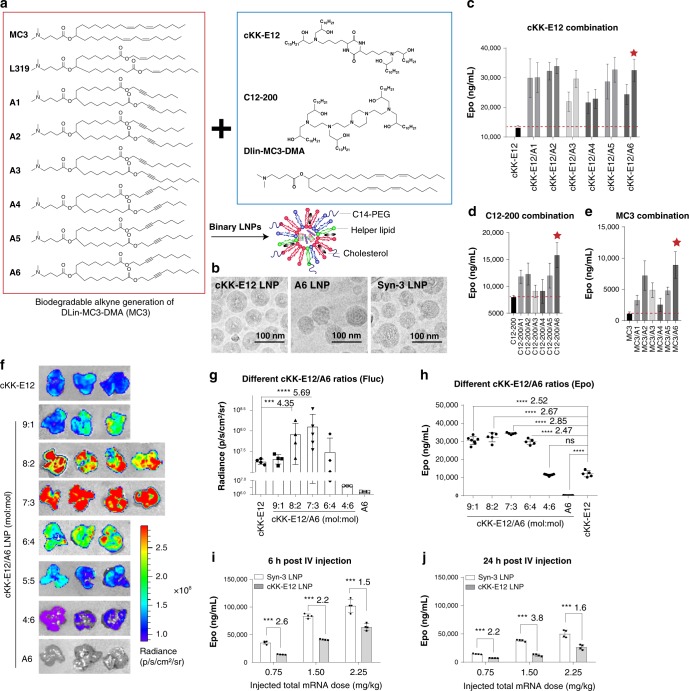
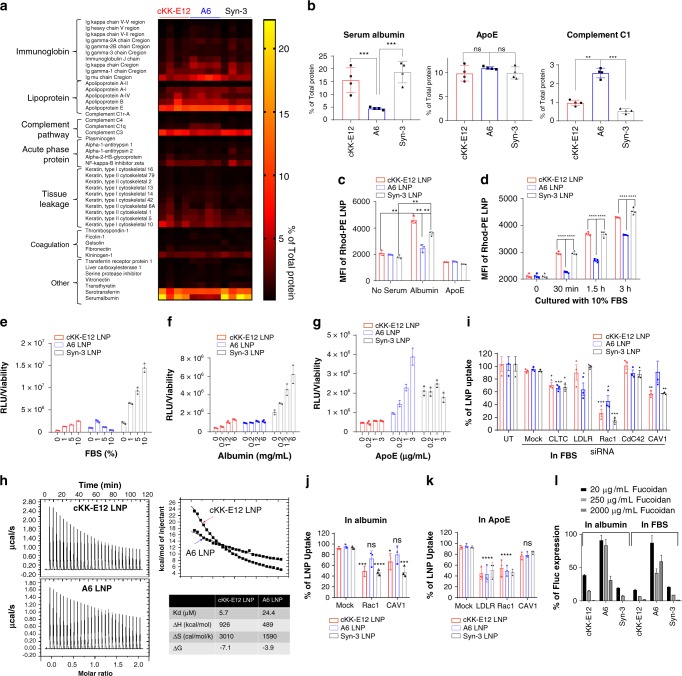
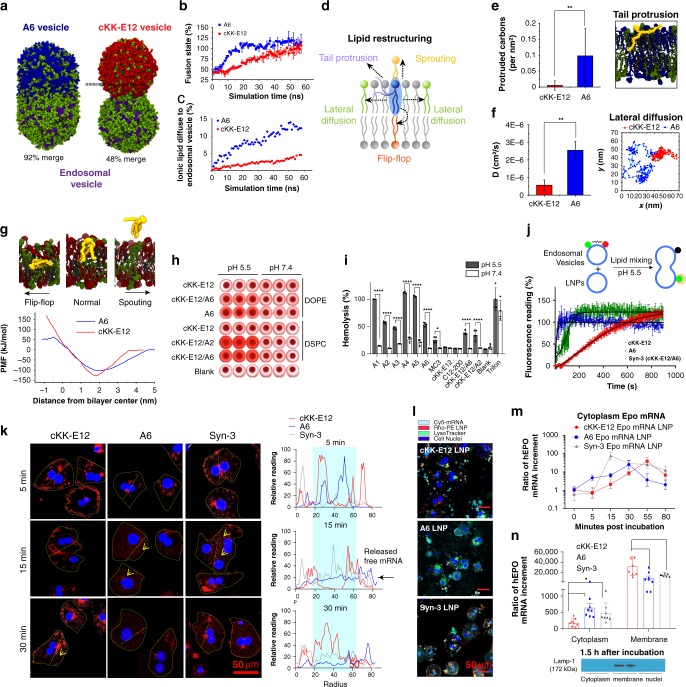
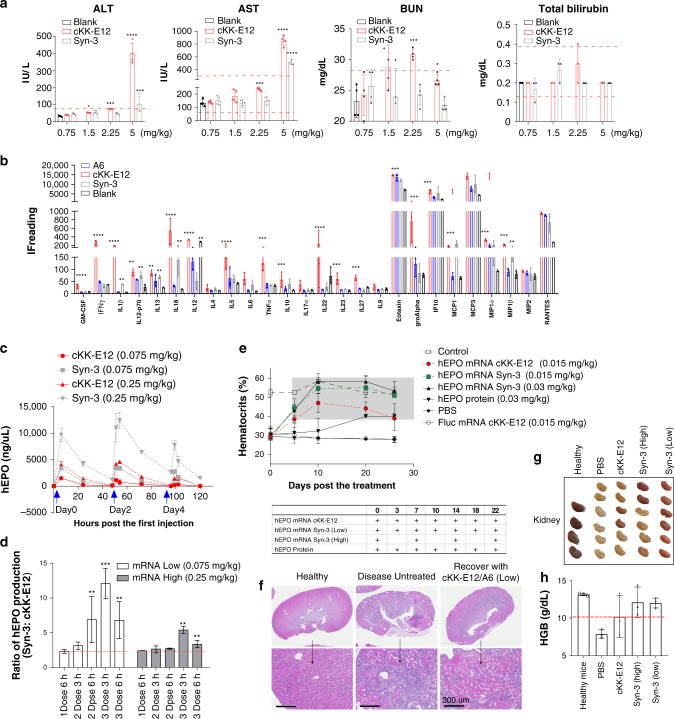
Verification
Claims the paper makes
The claims and statistics of this paper haven’t been checked yet.
Run the check — free, no account needed. It reads the open-access text and checks the sources it cites.
Claims other papers make about this one
Each is checked against this paper’s own text: does it say what the citing paper says it does?
In the citing paper
“Endosomal escape can be increased by optimizing the pKa values of ionizable lipids66,76–78,88,100,140.”
From Lipid nanoparticles for mRNA delivery (2021) · cites this paper as [100]
In the citing paper
“Moreover, the delivery efficacy of mRNA could be improved, for example, by rational design of lipids through modulation of head groups and hydrophobic tails to increase cellular uptake and endosomal escape of lipid nanoparticle–mRNA formulations64,66,76–78,88,97,100,114,140,141.”
From Lipid nanoparticles for mRNA delivery (2021) · cites this paper as [100]
Self-check
Percentages, sums and reported differences re-computed from the paper’s own numbers.
The self-check needs the paper’s full text.
Citations
Cites
Comparison of simple potential functions for simulating liquid water
Jorgensen, W. L., Chandrasekhar, J., Madura, J., Impey, R., & Klein, M. (1983) · The Journal of Chemical Physics · doi:10.1063/1.445869 · Cited by 38,397
GROMACS: Fast, flexible, and free
van der Spoel, D., Lindahl, E. R., Hess, B., Groenhof, G., Mark, A. E., & Berendsen, H. J. C. (2005) · Journal of Computational Chemistry · doi:10.1002/jcc.20291 · Cited by 19,461
Jorgensen, W. L., Maxwell, D. S., & Tirado-Rives, J. (1996) · Journal of the American Chemical Society · doi:10.1021/ja9621760 · Cited by 14,078
Membrane lipids: where they are and how they behave
van Meer, G., Voelker, D. R., & Feigenson, G. W. (2008) · Nature Reviews Molecular Cell Biology · doi:10.1038/nrm2330 · Cited by 7,157
THE weighted histogram analysis method for free‐energy calculations on biomolecules. I. The method
Kumar, S., Rosenberg, J. M., Bouzida, D., Swendsen, R. H., & Kollman, P. A. (1992) · Journal of Computational Chemistry · doi:10.1002/jcc.540130812 · Cited by 6,808
In-gel digestion for mass spectrometric characterization of proteins and proteomes
Shevchenko, A., Tomas, H., Havli, J., Olsen, J. V., & Mann, M. (2006) · Nature Protocols · doi:10.1038/nprot.2006.468 · Cited by 4,947
mRNA vaccines — a new era in vaccinology
Pardi, N., Hogan, M. J., Porter, F. W., & Weissman, D. (2018) · Nature Reviews Drug Discovery · doi:10.1038/nrd.2017.243 · Cited by 4,667
Ross, P. L., Huang, Y. N., Marchese, J. N., Williamson, B., Parker, K., Hattan, S., Khainovski, N., Pillai, S., Dey, S., Daniels, S., et al. (2004) · Molecular & Cellular Proteomics · doi:10.1074/mcp.m400129-mcp200 · Cited by 4,401
Self-citationRapid formation of plasma protein corona critically affects nanoparticle pathophysiology
Tenzer, S., Docter, D., Kuharev, J., Musyanovych, A., Fetz, V., Hecht, R., Schlenk, F., Fischer, D., Kiouptsi, K., Reinhardt, C., et al. (2013) · Nature Nanotechnology · doi:10.1038/nnano.2013.181 · Cited by 2,283
Rational design of cationic lipids for siRNA delivery
Semple, S. C., Akinc, A., Chen, J., Sandhu, A. P., Mui, B. L., Cho, C. K., Sah, D. W. Y., Stebbing, D., Crosley, E. J., Yaworski, E., et al. (2010) · Nature Biotechnology · doi:10.1038/nbt.1602 · Cited by 1,822
Research works printed but not linked: 3
- Kauffman, K. J. et al. Optimization of lipid nanoparticle formulations for mRNA delivery in vivo with fractional factorial and definitive screening designs. Nano Lett. 15, 7300–7306 (2015). · DOI · Paper page
- Jorgensen, W. L. M. D. S. & Tirado-Rives, J. Development and testing of the OPLS all-atom force field on conformational energetics and properties of organic liquids. J. Am. Chem. Soc. 118, 12 (1996).
- Jorgensen, W., Gao, J. & Carlo, M. Simulations of the hydration of ammonium and carboxylate ions. J. Phys. Chem. 47907, 9 (1986).
Cited by
Sorted by citations
Lipid nanoparticles for mRNA delivery
Hou, X., Zaks, T., Langer, R., & Dong, Y. (2021) · Nature Reviews Materials · doi:10.1038/s41578-021-00358-0 · Cited by 4,076
mRNA vaccines for infectious diseases: principles, delivery and clinical translation
Chaudhary, N., Weissman, D., & Whitehead, K. A. (2021) · Nature Reviews Drug Discovery · doi:10.1038/s41573-021-00283-5 · Cited by 1,555
Drug delivery systems for RNA therapeutics
Paunovska, K., Loughrey, D., & Dahlman, J. E. (2022) · Nature Reviews Genetics · doi:10.1038/s41576-021-00439-4 · Cited by 1,349
On the mechanism of tissue-specific mRNA delivery by selective organ targeting nanoparticles
Dilliard, S. A., Cheng, Q., & Siegwart, D. J. (2021) · Proceedings of the National Academy of Sciences · doi:10.1073/pnas.2109256118 · Cited by 1,018
mRNA vaccine for cancer immunotherapy
Miao, L., Zhang, Y., & Huang, L. (2021) · Molecular Cancer · doi:10.1186/s12943-021-01335-5 · Cited by 966
“have shown that loading of mRNA cancer vaccines into LNPs with intrinsic STING-IFN activation function produced a potent and prolonged CD8 T cells response [57].”
BackgroundInfluentialSelf-citationChemistry of Lipid Nanoparticles for RNA Delivery
Eygeris, Y., Gupta, M., Kim, J., & Sahay, G. (2021) · Accounts of Chemical Research · doi:10.1021/acs.accounts.1c00544 · Cited by 917
mRNA-based therapeutics: powerful and versatile tools to combat diseases
Qin, S., Tang, X., Chen, Y., Chen, K., Fan, N., Xiao, W., Zheng, Q., Li, G., Teng, Y., Wu, M., et al. (2022) · Signal Transduction and Targeted Therapy · doi:10.1038/s41392-022-01007-w · Cited by 852
“The transfection efficiency of alkyne lipids outperformed MC3, cKK-E12, and C12-200 in vitro but not in vivo.(163) In addition, encapsulation of different mRNAs delivered extracellular displayed different distributions; OF-Deg-Lin LNPs loaded with Cy5 mRNA were transported predominantly to the liver, whereas OFDeg-Lin…”
BackgroundMethodInfluentialCancer vaccines as promising immuno-therapeutics: platforms and current progress
Liu, J., Fu, M., Wang, M., Wan, D., Wei, Y., & Wei, X. (2022) · Journal of Hematology & Oncology · doi:10.1186/s13045-022-01247-x · Cited by 762
“The uptake pathways of LNPs mainly contain apolipoprotein or albumin receptor-mediated endocytosis and non-specific pinocytosis [202].”
BackgroundDilliard, S. A., & Siegwart, D. J. (2023) · Nature Reviews Materials · doi:10.1038/s41578-022-00529-7 · Cited by 744
Lipids and Lipid Derivatives for RNA Delivery
Zhang, Y., Sun, C., Wang, C., Jankovic, K. E., & Dong, Y. (2021) · Chemical Reviews · doi:10.1021/acs.chemrev.1c00244 · Cited by 649
An ionizable lipid toolbox for RNA delivery
Han, X., Zhang, H., Butowska, K., Swingle, K. L., Alameh, M.-G., Weissman, D., & Mitchell, M. J. (2021) · Nature Communications · doi:10.1038/s41467-021-27493-0 · Cited by 628
“clinical trials have not been publicly disclosed, so one of the possible structures (Acuitas A946, Arcturus Lipid 2,2 (8,8) 4C CH347, Genevant CL148 and LP0149,50) is shown, respectively.”
BackgroundNanomaterial Delivery Systems for mRNA Vaccines
Buschmann, M. D., Carrasco, M. J., Alishetty, S., Paige, M., Alameh, M. G., & Weissman, D. (2021) · Vaccines · doi:10.3390/vaccines9010065 · Cited by 582
Kim, J., Eygeris, Y., Gupta, M., & Sahay, G. (2021) · Advanced Drug Delivery Reviews · doi:10.1016/j.addr.2020.12.014 · Cited by 514
The landscape of mRNA nanomedicine
Huang, X., Kong, N., Zhang, X., Cao, Y., Langer, R., & Tao, W. (2022) · Nature Medicine · doi:10.1038/s41591-022-02061-1 · Cited by 511
Lipid Nanoparticle (LNP) Enables mRNA Delivery for Cancer Therapy
Zong, Y., Lin, Y., Wei, T., & Cheng, Q. (2023) · Advanced Materials · doi:10.1002/adma.202303261 · Cited by 506
Cytosolic delivery of nucleic acids: The case of ionizable lipid nanoparticles
Schlich, M., Palomba, R., Costabile, G., Mizrahy, S., Pannuzzo, M., Peer, D., & Decuzzi, P. (2021) · Bioengineering & Translational Medicine · doi:10.1002/btm2.10213 · Cited by 387
“bution of electrostatic interactions in endosomal escape, related to the charged headgroups in LNPs and the asymmetric distribution of charges in the endosomal membrane.(91,93) First, MD simulations were”
BackgroundLipid nanoparticle technology for therapeutic gene regulation in the liver
Witzigmann, D., Kulkarni, J. A., Leung, J., Chen, S., Cullis, P. R., & van der Meel, R. (2020) · Advanced Drug Delivery Reviews · doi:10.1016/j.addr.2020.06.026 · Cited by 376
“A recent publication suggested that the ionizable lipid composition plays a major role in the corona formed [165].”
Combinatorial design of nanoparticles for pulmonary mRNA delivery and genome editing
Li, B., Manan, R. S., Liang, S., Gordon, A. G. R., Jiang, A. Y., Varley, A., Gao, G., Langer, R., Xue, W., & Anderson, D. G. (2023) · Nature Biotechnology · doi:10.1038/s41587-023-01679-x · Cited by 298
Self-citationChemical and Biophysical Signatures of the Protein Corona in Nanomedicine
Ren, J., Andrikopoulos, N., Velonia, K., Tang, H., Cai, R., Ding, F., Ke, P. C., & Chen, C. (2022) · Journal of the American Chemical Society · doi:10.1021/jacs.2c02277 · Cited by 295
Lipid Nanoparticle–mRNA Formulations for Therapeutic Applications
Wang, C., Zhang, Y., & Dong, Y. (2021) · Accounts of Chemical Research · doi:10.1021/acs.accounts.1c00550 · Cited by 276
From influenza to COVID-19: Lipid nanoparticle mRNA vaccines at the frontiers of infectious diseases
Pilkington, E. H., Suys, E. J. A., Trevaskis, N. L., Wheatley, A. K., Zukancic, D., Algarni, A., Al-Wassiti, H. A., Davis, T. P., Pouton, C. W., Kent, S. J., et al. (2021) · Acta Biomaterialia · doi:10.1016/j.actbio.2021.06.023 · Cited by 271
Zhang, R., El-Mayta, R. D., Murdoch, T. J., Warzecha, C. C., Billingsley, M. M., Shepherd, S. J., Gong, N., Wang, L., Wilson, J. M., Lee, D., et al. (2020) · Biomaterials Science · doi:10.1039/d0bm01609h · Cited by 267
Advances in Lipid Nanoparticles for mRNA-Based Cancer Immunotherapy
Guevara, M. L., Persano, F., & Persano, S. (2020) · Frontiers in Chemistry · doi:10.3389/fchem.2020.589959 · Cited by 261
“Different types of nanoparticles have been proposed for mRNA delivery, but lipid-based nanoparticles have shown the most promising results and currently represent the gold standard for precise in vivo delivery of mRNA into immune cells (Kranz et al., 2016; Oberli et al., 2017; Persano et al., 2017; Miao et al., 2020).”
BackgroundEmerging mRNA technologies: delivery strategies and biomedical applications
Xiao, Y., Tang, Z., Huang, X., Chen, W., Zhou, J., Liu, H., Liu, C., Kong, N., & Tao, W. (2022) · Chemical Society Reviews · doi:10.1039/d1cs00617g · Cited by 255
Effect of mRNA-LNP components of two globally-marketed COVID-19 vaccines on efficacy and stability
Zhang, L., More, K. R., Ojha, A., Jackson, C. B., Quinlan, B. D., Li, H., He, W., Farzan, M., Pardi, N., & Choe, H. (2023) · npj Vaccines · doi:10.1038/s41541-023-00751-6 · Cited by 244
“This explains, at least partially, why Fluc expression mediated by SM-102 (pKa = 6.68) 51 was more ef fi cient than that mediated by ALC-0315 (pKa = 6.09) 52 or cKK-E12 (pKa = 6.5) 53 , as our study shows (Fig.”
ResultInfluentialEndosomal escape of delivered mRNA from endosomal recycling tubules visualized at the nanoscale
Paramasivam, P., Franke, C., Stöter, M., Höijer, A., Bartesaghi, S., Sabirsh, A., Lindfors, L., Arteta, M. Y., Dahlén, A., Bak, A., et al. (2021) · The Journal of Cell Biology · doi:10.1083/jcb.202110137 · Cited by 238
Liam‐Or, R., Faruqu, F. N., Walters, A. A., Han, S., Xu, L., Wang, J. T.-W., Oberlaender, J., Fueyo, A. S., Lombardi, G., Dazzi, F., et al. (2024) · Nature Nanotechnology · doi:10.1038/s41565-023-01585-y · Cited by 238
“In line with this, the albumin-dominated corona formed on lipid-like NPs was shown to preferentially bind to gp18 and gp30 expressed on primary hepatocytes, leading to enhanced cellular uptake via macropinocytosis and endocytosis 42 .”
Functional siRNA Delivery by Extracellular Vesicle–Liposome Hybrid Nanoparticles
Evers, M. J. W., van de Wakker, S. I., de Groot, E. M., de Jong, O. G., Gitz-Francois, J. J., Seinen, C. W., Sluijter, J. P. G., Schiffelers, R. M., & Vader, P. (2021) · Advanced Healthcare Materials · doi:10.1002/adhm.202101202 · Cited by 229
Artificial intelligence-driven rational design of ionizable lipids for mRNA delivery
Wang, W., Chen, K., Jiang, T. S., Wu, Y., Wu, Z., Ying, H., Yu, H., Lu, J., Lin, J., & Ouyang, D. (2024) · Nature Communications · doi:10.1038/s41467-024-55072-6 · Cited by 247
“The weight of mice was monitored on Days 1, 2, 3, 4, 7, 9, 11, 13, and 14 after administration (Fig.9aand b).”
InfluentialSelf-citationHan, J. P., Kim, M., Choi, B. S., Lee, J. H., Lee, G. S., Jeong, M., Lee, Y., Kim, E.-A., Oh, H.-K., Go, N., et al. (2022) · Science Advances · doi:10.1126/sciadv.abj6901 · Cited by 193
“Several potent LNPs such as C12-200, MC3, and cKK-E12 have been reported to target the liver effectively ( 51 ), and these could be further optimized by the partial application of a biodegradable form of lipid ( 52 ).”
Recent Advances in the Lipid Nanoparticle-Mediated Delivery of mRNA Vaccines
Swetha, K., Kotla, N. G., Tunki, L., Jayaraj, A., Bhargava, S. K., Hu, H., Bonam, S. R., & Kurapati, R. (2023) · Vaccines · doi:10.3390/vaccines11030658 · Cited by 196
“Dlin-MC3-DMA Used in albumin receptor-mediated delivery of mRNA to the liver [34]”
Nucleic acid drugs: recent progress and future perspectives
Sun, X., Setrerrahmane, S., Li, C., Hu, J., & Xu, H. (2024) · Signal Transduction and Targeted Therapy · doi:10.1038/s41392-024-02035-4 · Cited by 225
Liu, S., Wang, X., Yu, X., Cheng, Q., Johnson, L. T., Chatterjee, S., Zhang, D., Lee, S. M., Sun, Y., Lin, T., et al. (2021) · Journal of the American Chemical Society · doi:10.1021/jacs.1c09822 · Cited by 175
Drug delivery systems for CRISPR-based genome editors
Madigan, V. J., Zhang, F., & Dahlman, J. E. (2023) · Nature Reviews Drug Discovery · doi:10.1038/s41573-023-00762-x · Cited by 193
“More recently, alternative endogenous trafficking pathways have been explored 175 , leading to the identification of LNPs that are albumin-dependent in cell culture 176 as well as LNPs that act independently of the lipid trafficking genes ApoE , Ldlr , Vldlr and Pcsk9 in mice 177–179 .”
BackgroundNanotechnology-based mRNA vaccines
Chen, S., Huang, X., Xue, Y., Álvarez‐Benedicto, E., Shi, Y., Chen, W., Koo, S., Siegwart, D. J., Dong, Y., & Tao, W. (2023) · Nature Reviews Methods Primers · doi:10.1038/s43586-023-00246-7 · Cited by 177
Self-citationDeveloping Biodegradable Lipid Nanoparticles for Intracellular mRNA Delivery and Genome Editing
Qiu, M., Li, Y., Bloomer, H., & Xu, Q. (2021) · Accounts of Chemical Research · doi:10.1021/acs.accounts.1c00500 · Cited by 168
Li, B., Jiang, A. Y., Raji, I. O., Atyeo, C. G., Raimondo, T. M., Gordon, A. G. R., Rhym, L. H., Samad, T. S., MacIsaac, C., Witten, J. J., et al. (2023) · Nature Biomedical Engineering · doi:10.1038/s41551-023-01082-6 · Cited by 176
“We selected cKK-E12 as the ionizable lipid for this experiment as we had previously reported that it provides a potent mRNA delivery system 42,43 .”
MethodSelf-citationArtificial intelligence-guided design of lipid nanoparticles for pulmonary gene therapy
Witten, J. J., Raji, I. O., Manan, R. S., Beyer, E., Bartlett, S., Tang, Y., Ebadi, M., Lei, J., Nguyen, D., Oladimeji, F. A., et al. (2024) · Nature Biotechnology · doi:10.1038/s41587-024-02490-y · Cited by 197
Self-citationComparison of DLin-MC3-DMA and ALC-0315 for siRNA Delivery to Hepatocytes and Hepatic Stellate Cells
Ferraresso, F., Strilchuk, A. W., Juang, L. J., Poole, L. G., Luyendyk, J. P., & Kastrup, C. J. (2022) · Molecular Pharmaceutics · doi:10.1021/acs.molpharmaceut.2c00033 · Cited by 155
Mrksich, K., Padilla, M. S., & Mitchell, M. J. (2024) · Advanced Drug Delivery Reviews · doi:10.1016/j.addr.2024.115446 · Cited by 162
Lee, S. M., Cheng, Q., Yu, X., Liu, S., Johnson, L. T., & Siegwart, D. J. (2020) · Angewandte Chemie International Edition · doi:10.1002/anie.202013927 · Cited by 142
Nanomaterials for Therapeutic RNA Delivery
Han, X., Mitchell, M. J., & Nie, G. (2020) · Matter · doi:10.1016/j.matt.2020.09.020 · Cited by 139
Rhym, L. H., Manan, R. S., Koller, A. A., Stephanie, G., & Anderson, D. G. (2023) · Nature Biomedical Engineering · doi:10.1038/s41551-023-01030-4 · Cited by 137
Self-citationPhysiological Barriers and Strategies of Lipid‐Based Nanoparticles for Nucleic Acid Drug Delivery
Hu, M., Li, X., You, Z., Cai, R., & Chen, C. (2023) · Advanced Materials · doi:10.1002/adma.202303266 · Cited by 142
Liu, K., Nilsson, R. G., Lázaro‐Ibáñez, E., Duàn, H., Miliotis, T., Strimfors, M., Lerche, M., Ribeiro, A. R. S., Ulander, J., Lindén, D., et al. (2023) · Nature Communications · doi:10.1038/s41467-023-39768-9 · Cited by 141
“Among allLNP corona biomolecules, Apolipoprotein E (ApoE) has beenmostintensivelystudied,notablyasatargetingligandtoimprove LNP delivery to the liver in clinical formulations 15,16 .”
Phosphatidylserine Lipid Nanoparticles Promote Systemic RNA Delivery to Secondary Lymphoid Organs
Luozhong, S., Yuan, Z., Sarmiento, T., Chen, Y., Gu, W., McCurdy, C., Gao, W., Li, R., Wilkens, S., & Jiang, S. (2022) · Nano Letters · doi:10.1021/acs.nanolett.2c03234 · Cited by 129
From structural design to delivery: mRNA therapeutics for cancer immunotherapy
Zhou, F., Huang, L., Li, S., Yang, W., Chen, F., Cai, Z., Liu, X., Xu, W., Lehto, V., Lächelt, U., et al. (2023) · Exploration · doi:10.1002/exp.20210146 · Cited by 117
Self-citationLam, K., Leung, A., Martin, A., Wood, M., Schreiner, P., Palmer, L., Daly, O. M., Zhao, W., McClintock, K., & Heyes, J. A. (2023) · Advanced Materials · doi:10.1002/adma.202209624 · Cited by 118
Xu, X., Wang, X., Liao, Y., Luo, L., Xia, T., & Nel, A. E. (2023) · ACS Nano · doi:10.1021/acsnano.2c12420 · Cited by 116
Wu, L., Li, X., Qian, X., Wang, S., Liu, J., & Yan, J. (2024) · Vaccines · doi:10.3390/vaccines12020186 · Cited by 137
Lipid nanoparticles: Composition, formulation, and application
Xu, S., Hu, Z., Song, F., Xu, Y. G., & Han, X. (2025) · Molecular Therapy — Methods & Clinical Development · doi:10.1016/j.omtm.2025.101463 · Cited by 115
Haghighi, E., Abolmaali, S. S., Dehshahri, A., Shaegh, S. A. M., Azarpira, N., & Tamaddon, A. M. (2024) · Journal of Nanobiotechnology · doi:10.1186/s12951-024-02972-w · Cited by 125
‘Passive’ nanoparticles for organ-selective systemic delivery: design, mechanism and perspective
Fu, L., Zhang, Y., Farokhzad, R. A., Mendes, B. B., Conde, J., & Shi, J. (2023) · Chemical Society Reviews · doi:10.1039/d2cs00998f · Cited by 100
A Combinatorial Library of Lipid Nanoparticles for Cell Type‐Specific mRNA Delivery
Naidu, G. S., Yong, S., Ramishetti, S., Rampado, R., Sharma, P., Ezra, A., Goldsmith, M., Hazan‐Halevy, I., Chatterjee, S., Aitha, A., et al. (2023) · Advanced Science · doi:10.1002/advs.202301929 · Cited by 104
Zhang, C., Ma, Y., Zhang, J., Kuo, J. C., Zhang, Z., Xie, H., Zhu, J., & Liu, T. (2022) · Molecules · doi:10.3390/molecules27061943 · Cited by 95
“that the incorporation of ester or alkyne groups rather than double bonds in the lipid tails can enhance the fusogenicity of the ionizable lipids [182].”
BackgroundEvolution of nanomedicine formulations for targeted delivery and controlled release
Puri, S., Mazza, M., Roy, G., England, R., Zhou, L., Nourian, S., & Subramony, J. A. (2023) · Advanced Drug Delivery Reviews · doi:10.1016/j.addr.2023.114962 · Cited by 94
Synthetic modified messenger RNA for therapeutic applications
Gao, M., Zhang, Q., Feng, X.-H., & Liu, J. (2021) · Acta Biomaterialia · doi:10.1016/j.actbio.2021.06.020 · Cited by 89
John, R., monpara, J., Swaminathan, S., & Kalhapure, R. S. (2024) · Pharmaceutics · doi:10.3390/pharmaceutics16010131 · Cited by 99
“The activation of T cells’ ability to destroy tumors is heavily influenced by the checkpoint inhibition resulting from the interaction between PD-1/PD-L1 and CTLA-4 in solid tumors.”
mRNA nanodelivery systems: targeting strategies and administration routes
Yuan, M., Han, Z., Liang, Y., Sun, Y., He, B., Chen, W., & Fan, L. (2023) · Biomaterials Research · doi:10.1186/s40824-023-00425-3 · Cited by 98
“Miao et al. [107] demonstrated that by incorporating alkyne and ester groups into cKK-E12-LNPs, serum albumin gets attached LNP surface instead of ApoE surface, and LNPs entered hepatocytes through CvME and micropinocytosis.”
BackgroundsiRNA Functionalized Lipid Nanoparticles (LNPs) in Management of Diseases
Kalita, T., Dezfouli, S. A., Pandey, L. M., & Uludağ, H. (2022) · Pharmaceutics · doi:10.3390/pharmaceutics14112520 · Cited by 90
The role of protein corona on nanodrugs for organ-targeting and its prospects of application
Wang, S., Zhang, J., Zhou, H., Lu, Y. C., Jin, X., Luo, L., & Jian, Y. (2023) · Journal of Controlled Release · doi:10.1016/j.jconrel.2023.06.014 · Cited by 85
Spotlight on the protein corona of liposomes
Onishchenko, N. R., Tretiakova, D. S., & Vodovozova, E. L. (2021) · Acta Biomaterialia · doi:10.1016/j.actbio.2021.07.074 · Cited by 81
Johnson, L. T., Zhang, D., Zhou, K., Lee, S. M., Liu, S., Dilliard, S. A., Farbiak, L., Chatterjee, S., Lin, Y.-H., & Siegwart, D. J. (2022) · Molecular Pharmaceutics · doi:10.1021/acs.molpharmaceut.2c00442 · Cited by 85
ROS-Responsive Nanoparticle Delivery of mRNA and Photosensitizer for Combinatorial Cancer Therapy
Zhou, H., Liao, Y., Han, X., Chen, D. S., Hong, X., Zhou, K., Jiang, X., Xiao, Y., & Shi, J. (2023) · Nano Letters · doi:10.1021/acs.nanolett.2c03784 · Cited by 83
Ralvenius, W. T., Andresen, J. L., Huston, M. M., Penney, J., Bonner, J. M., Fenton, O. S., Langer, R., & Tsai, L. (2024) · Advanced Materials · doi:10.1002/adma.202309225 · Cited by 78
mRNA in cancer immunotherapy: beyond a source of antigen
Hoecke, L. V., Verbeke, R., Dewitte, H., Lentacker, I., Vermaelen, K. Y., Breckpot, K., & Lint, S. V. (2021) · Molecular Cancer · doi:10.1186/s12943-021-01329-3 · Cited by 85
Suzuki, Y., Miyazaki, T., Muto, H., Kubara, K., Mukai, Y., Watari, R., Sato, S., Kondo, K., Tsukumo, S., Yasutomo, K., et al. (2022) · Molecular Therapy — Nucleic Acids · doi:10.1016/j.omtn.2022.09.017 · Cited by 83
“5 13 However, there is limited understanding regarding which ionizable lipid structures are crucial for locally administered mRNA.”
The role of helper lipids in optimising nanoparticle formulations of self-amplifying RNA
Barbieri, B. D., Peeler, D. J., Samnuan, K., Day, S., Hu, K., Sallah, H., Tregoning, J. S., McKay, P. F., & Shattock, R. J. (2024) · Journal of Controlled Release · doi:10.1016/j.jconrel.2024.08.016 · Cited by 85
Zhang, L., Seow, B. Y. L., Ba, K., Zhang, Y., Liao, K., Wan, Y., & Yang, Y. Y. (2025) · Journal of Controlled Release · doi:10.1016/j.jconrel.2025.01.071 · Cited by 86
Han, X., Xu, J., Xu, Y., Alameh, M., Xue, L., Gong, N., El-Mayta, R. D., Palanki, R., Warzecha, C. C., Zhao, G., et al. (2024) · Nature Communications · doi:10.1038/s41467-024-45537-z · Cited by 85
“This ionization behavior is critical for reducing the toxicity of LNPs and enhancing membrane disruption in the acidic endosome 8,37 .”
BackgroundNaidu, G. S., Rampado, R., Sharma, P., Ezra, A., Kundoor, G. R., Breier, D., & Peer, D. (2025) · ACS Nano · doi:10.1021/acsnano.4c18636 · Cited by 77
Paunovska, K., Sanchez, A. J. D. S., Lokugamage, M. P., Loughrey, D., Echeverri, E. S., Cristian, A., Hatit, M. Z. C., Santangelo, P. J., Zhao, K., & Dahlman, J. E. (2022) · Nano Letters · doi:10.1021/acs.nanolett.2c03741 · Cited by 78
Synergistic potential of immune checkpoint inhibitors and therapeutic cancer vaccines
Oladejo, M., Paulishak, W., & Wood, L. M. (2022) · Seminars in Cancer Biology · doi:10.1016/j.semcancer.2022.12.003 · Cited by 75
Han, X., Alameh, M., Xu, Y., Palanki, R., El-Mayta, R. D., Dwivedi, G., Swingle, K. L., Xu, J., Gong, N., Xue, L., et al. (2024) · Nature Biomedical Engineering · doi:10.1038/s41551-024-01267-7 · Cited by 78
“In addition, due to the nature of A 3 -coupling, all synthesized A 3 -lipids contain an alkyne structure, which has been shown to increase the fusogenicity and endosomal escape of LNPs 12,43 .”
Preparation of Drug‐Loaded Albumin Nanoparticles and Its Application in Cancer Therapy
Meng, R., Zhu, H., Wang, Z., Hao, S., & Wang, B. (2022) · Journal of Nanomaterials · doi:10.1155/2022/3052175 · Cited by 74
Zhang, R., Shao, S., Piao, Y., Xiang, J., Wei, X., Zhang, Z., Zhou, Z., Tang, J., Qiu, N., Xu, X., et al. (2023) · Advanced Materials · doi:10.1002/adma.202303614 · Cited by 72
Non-viral nanoparticles for RNA interference: Principles of design and practical guidelines
Liu, Z., Wang, S., Tapeinos, C., Torrieri, G., Känkänen, V., El‐Sayed, N., Python, A., Hirvonen, J. J., & Santos, H. A. (2021) · Advanced Drug Delivery Reviews · doi:10.1016/j.addr.2021.05.018 · Cited by 73
Deciphering albumin-directed drug delivery by imaging
Hu, H., Quintana, J. M., Weissleder, R., Parangi, S., & Miller, M. A. (2022) · Advanced Drug Delivery Reviews · doi:10.1016/j.addr.2022.114237 · Cited by 71
Advances in Salmonella Typhimurium-based drug delivery system for cancer therapy
Chen, W., Zhu, Y., Zhang, Z., & Sun, X. (2022) · Advanced Drug Delivery Reviews · doi:10.1016/j.addr.2022.114295 · Cited by 70
Lipid Nanoparticles: A Novel Gene Delivery Technique for Clinical Application
Mashima, R., & Takada, S. (2022) · Current Issues in Molecular Biology · doi:10.3390/cimb44100341 · Cited by 73
“Bleeding disorder FVII siRNA [41] Hypercholesterolemia Pcsk9 siRNA [23] Hypercholesterolemia ApoB siRNA [40] Transthyretin-mediated amyloidosis Ttr siRNA [24] Transthyretin-mediated amyloidosis Ttr siRNA [23] Anemia mEPO, pEPO Therapeutic mRNA [26] Anemia hEPO Therapeutic mRNA [27] Anemia hEPO Therapeutic mRNA [28] Fa…”
BackgroundIonizable Lipid Nanoparticles for mRNA Delivery
Tang, X., Zhang, Y., & Han, X. (2023) · Advanced NanoBiomed Research · doi:10.1002/anbr.202300006 · Cited by 76
Advances in Nanoliposomes for the Diagnosis and Treatment of Liver Cancer
Li, Y., Zhang, R., Xu, Z., & Wang, Z. (2022) · International Journal of Nanomedicine · doi:10.2147/ijn.s349426 · Cited by 66
“Such a synergistic formulation was efficacious for gene delivery, with approximately 10-fold higher protein expression compared to unmodified lipids.(101) In some experiments, the protein was infused directly into the tumor, thus, providing unexpected results.”
ResultmRNA-Based Therapeutics in Cancer Treatment
Sun, H., Zhang, Y., Wang, G., Yang, W., & Xu, Y. (2023) · Pharmaceutics · doi:10.3390/pharmaceutics15020622 · Cited by 65
Influence of ionizable lipid tail length on lipid nanoparticle delivery of mRNA of varying length
Mrksich, K., Padilla, M. S., Joseph, R. A., Han, E. L., Kim, D., Palanki, R., Xu, J., & Mitchell, M. J. (2024) · Journal of Biomedical Materials Research Part A · doi:10.1002/jbm.a.37705 · Cited by 67
“24 28 Organ tropisms of LNPs are also guided by ILs due to the formation of protein coronas, 29 – 33 targeted delivery to specific cell types, 34,35 and specific uptake pathways.”
BackgroundmRNA therapies: Pioneering a new era in rare genetic disease treatment
Shen, G., Liu, J., Yang, H., Xie, N., & Yang, Y. (2024) · Journal of Controlled Release · doi:10.1016/j.jconrel.2024.03.056 · Cited by 62
Tissue-specific mRNA delivery and prime editing with peptide–ionizable lipid nanoparticles
Lin, Y., Li, M., Luo, Z., Meng, Y., Zong, Y., Ren, H., Yu, X., Tan, X., Liu, F., Wei, T., et al. (2025) · Nature Materials · doi:10.1038/s41563-025-02320-9 · Cited by 87
“45).”
Yuan, Z., Yan, R., Fu, Z., Wu, T., & Ren, C. (2024) · The Science of The Total Environment · doi:10.1016/j.scitotenv.2024.172240 · Cited by 61
Principles of lipid nanoparticle design for mRNA delivery
Zhang, Y., Zhang, X., Gao, Y., & Liu, S. (2024) · BMEMat · doi:10.1002/bmm2.12116 · Cited by 62
Recent advancements in lipid–mRNA nanoparticles as a treatment option for cancer immunotherapy
Karmacharya, P., Patil, B. R., & Kim, J. O. (2022) · Journal of Pharmaceutical Investigation · doi:10.1007/s40005-022-00569-9 · Cited by 54
“(2020) used LNPs containing combinations of different ionizable lipids to evaluate mRNA expression and indicated that the combination of a protein-binding ionizable lipid with a lipid of high fusogenicity could enhance mRNA expression (Miao et al. 2020).”
MethodNano-bio interactions in mRNA nanomedicine: Challenges and opportunities for targeted mRNA delivery
Saiding, Q., Zhang, Z., Chen, S., Xiao, F., Chen, Y., Li, Y., Zhen, X., Khan, M. M., Chen, W., Koo, S., et al. (2023) · Advanced Drug Delivery Reviews · doi:10.1016/j.addr.2023.115116 · Cited by 59
Targeting strategies for mRNA delivery
Meyer, R. A., Neshat, S. Y., Green, J. J., Santos, J. L., & Tuesca, A. D. (2022) · Materials Today Advances · doi:10.1016/j.mtadv.2022.100240 · Cited by 55
Substituting racemic ionizable lipids with stereopure ionizable lipids can increase mRNA delivery
Sanchez, A. J. D. S., Zhao, K., Huayamares, S. G., Hatit, M. Z. C., Lokugamage, M. P., Loughrey, D., Dobrowolski, C. N., Wang, S., Kim, H., Paunovska, K., et al. (2022) · Journal of Controlled Release · doi:10.1016/j.jconrel.2022.11.037 · Cited by 53
CD47 peptide-cloaked lipid nanoparticles promote cell-specific mRNA delivery
Papp, T. E., Zeng, J., Shahnawaz, H., Akyianu, A., Breda, L., Yadegari, A., Steward, J., Shi, R., Li, Q., Mui, B. L., et al. (2025) · Molecular Therapy · doi:10.1016/j.ymthe.2025.03.018 · Cited by 59
“Then, protein coronas were isolated through column chromatography, as previously reported, 43 followed by LC-MS analysis.”
Robust, Durable Gene Activation In Vivo via mRNA-Encoded Activators
Beyersdorf, J. P., Bawage, S. S., Iglesias, N., Peck, H. E., Hobbs, R. A., Wroe, J. A., Zurla, C., Gersbach, C. A., & Santangelo, P. J. (2022) · ACS Nano · doi:10.1021/acsnano.1c10631 · Cited by 52
High‐Precision Synthesis of RNA‐Loaded Lipid Nanoparticles for Biomedical Applications
Seo, H., Jeon, L., Kwon, J., & Lee, H. (2023) · Advanced Healthcare Materials · doi:10.1002/adhm.202203033 · Cited by 54
Cellular Trafficking of Nanotechnology‐Mediated mRNA Delivery
Huang, P., Deng, H., Wang, C., Zhou, Y., & Chen, X. S. (2023) · Advanced Materials · doi:10.1002/adma.202307822 · Cited by 53
Dynamic mRNA polyplexes benefit from bioreducible cleavage sites for in vitro and in vivo transfer
Levačić, A. K., Berger, S., Müller, J., Wegner, A., Lächelt, U., Dohmen, C., Rudolph, C., & Wagner, E. (2021) · Journal of Controlled Release · doi:10.1016/j.jconrel.2021.09.016 · Cited by 47
mRNA delivery in cancer immunotherapy
Zhong, Y., Du, S., & Dong, Y. (2023) · Acta Pharmaceutica Sinica B · doi:10.1016/j.apsb.2023.03.001 · Cited by 49
Münter, R., Christensen, E., Andresen, T. L., & Larsen, J. B. (2023) · Molecular Therapy — Methods & Clinical Development · doi:10.1016/j.omtm.2023.05.008 · Cited by 51
Yaghmur, A., Østergaard, J., & Mu, H. (2023) · Advanced Drug Delivery Reviews · doi:10.1016/j.addr.2023.115136 · Cited by 49
Metadata
- Authors
- Miao, L., Lin, J., Huang, Y., Li, L., Delcassian, D., Ge, Y., Shi, Y., & Anderson, D. G.
- Affiliations
- Koch Institute for Integrative Cancer Research At MIT (US)
- Karolinska Institutet (SE)
- Boston Children's Hospital (US)
- Harvard University (US)
- Corresponding author
- Anderson, Daniel G.
- ORCID
- Venue
- Nature Communications
- Published
- 2020-05-15
- Volume
- 11
- Issue
- 1
- Pages
- 2424-2424
- ISSN
- 2041-1723 (ISSN-L)
- PMC
- PMC7229004
- OpenAlex
- W3024523552
- Cited by
- 343
- References
- 51
- Citations by year
- 2026: 39 · 2025: 76 · 2024: 77 · 2023: 60 · 2022: 52 · 2021: 31 · 2020: 8
- FWCI
- 12.24
- Type
- journal article
- Language
- en
- Open access
- gold
- doi.org
- Locations
- Nature Communications (publishedVersion, cc-by)
- PubMed Central (publishedVersion, cc-by)
- PubMed (publishedVersion)
- DSpace@MIT (Massachusetts Institute of Technology) (submittedVersion, cc-by)
- RePEc: Research Papers in Economics (submittedVersion)
- DOAJ (DOAJ: Directory of Open Access Journals) (submittedVersion, cc-by-sa)
- Funders
- Juvenile Diabetes Research Foundation (17-2007-1063, 3-PDF-2015-91-A-N)
- Topics
- Life Sciences › Biochemistry, Genetics and Molecular Biology › Molecular Biology › RNA Interference and Gene Delivery
- Physical Sciences › Materials Science › Biomaterials › Nanoparticle-Based Drug Delivery
- Life Sciences › Pharmacology, Toxicology and Pharmaceutics › Pharmaceutical Science › Advancements in Transdermal Drug Delivery
- Keywords
- mRNA delivery, liver targeting, albumin receptor, biodegradable lipids, macropinocytosis, endocytosis, membrane fusion, mRNA release
- MeSH terms
- Alkynes, Amines, Animals, Apolipoproteins E, Biocompatible Materials, Erythrocytes, Erythropoietin, Esters, Humans, Lipids, Liver, Male, Mice, Inbred C57BL, Endosomes, RNA, Messenger, Drug Delivery Systems, Receptors, Albumin, Hepatocytes, RNA, Small Interfering, Mice, Nanoparticles, Molecular Dynamics Simulation
About these checks
Registry, retraction, Cites and statistics results are computed, not judged, with one exception: a printed reference that no index lists is read once by a model before it counts as a citation error. Claims are extracted by a model and kept only when their quote appears verbatim in the text; each cited source is then checked, with a model’s help, for whether it says what the claim relies on. Those verdicts can be wrong — read the claim’s quote and the cited source before relying on one.
Statistics and arithmetic are recomputed, not judged.
Confidence bands are shown only for fields calibrated on our annotated test set. None is calibrated yet, so no band is shown.
What counts as a claim ›How we measure confidence ›How we check this ›
Are you an author, or do you see a problem with this page? Request a review
