

Causality matters in medical imaging
Open accessThe DOI matches its Crossref record; 54 of the 54 references it cites were found in a registry or an index.
Abstract
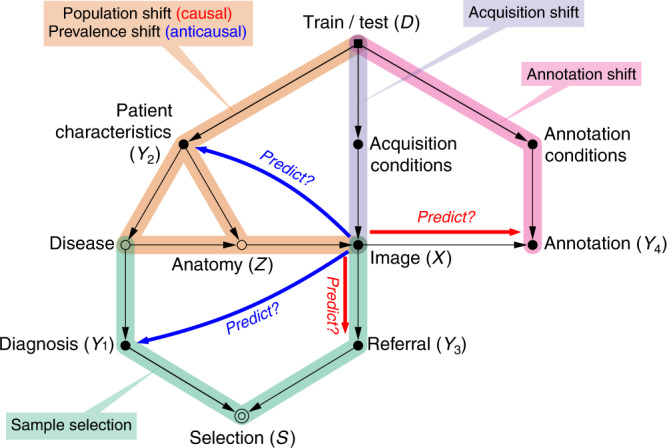
Causal reasoning can shed new light on the major challenges in machine learning for medical imaging: scarcity of high-quality annotated data and mismatch between the development dataset and the target environment. A causal perspective on these issues allows decisions about data collection, annotation, preprocessing, and learning strategies to be made and scrutinized more transparently, while providing a detailed categorisation of potential biases and mitigation techniques. Along with worked clinical examples, we highlight the importance of establishing the causal relationship between images and their annotations, and offer step-by-step recommendations for future studies.
Overview
The claims and statistics of this paper haven’t been checked yet.
Free: it reads the open-access text and checks the first 5 claims that cite a source we can check. Create a free account to check every claim.
Integrity signals
Registry
Cites
Statistics
Figures
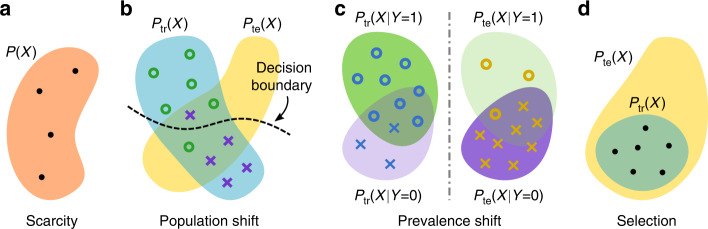
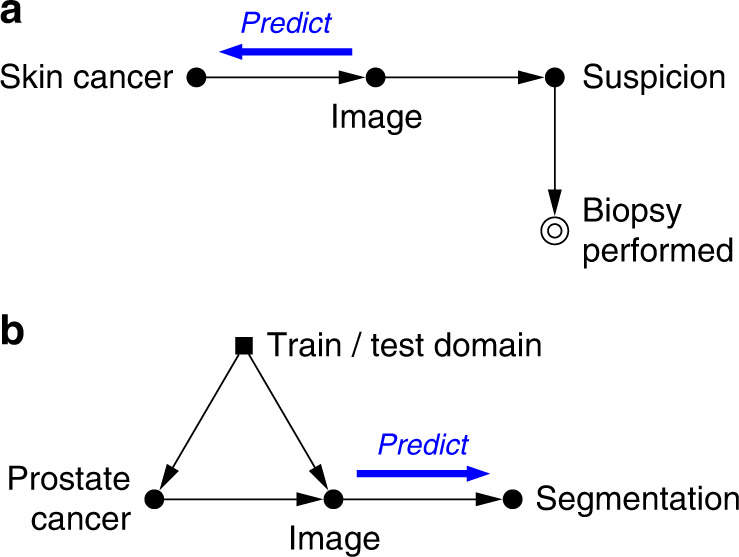
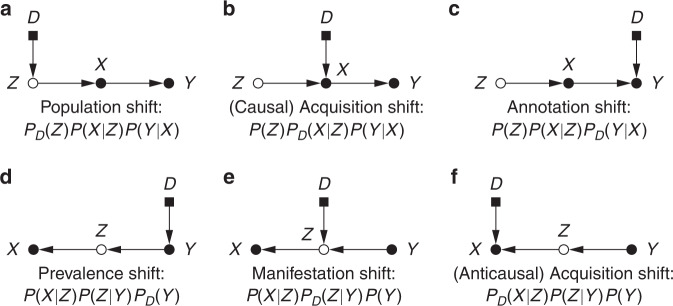
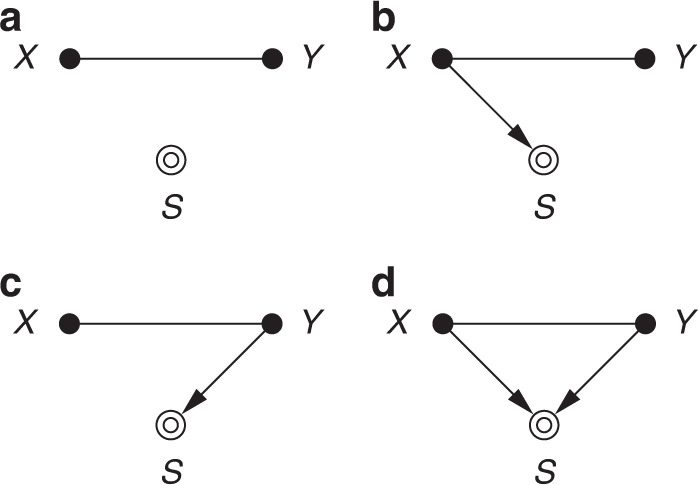
Verification
Claims the paper makes
The claims and statistics of this paper haven’t been checked yet.
Free: it reads the open-access text and checks the first 5 claims that cite a source we can check. Create a free account to check every claim.
Claims other papers make about this one
Each is checked against this paper’s own text: does it say what the citing paper says it does?
The cited source says what the claim attributes to it.
In the citing paper
“In radiology, for example, imaging hardware manufacturer, model, software versions and acquisition parameters all meaningfully alter the characteristics of diagnostic images40.”
From Bias recognition and mitigation strategies in artificial intelligence healthcare applications (2025) · cites this paper as [40]
The cited source says what the claim attributes to it.
In the citing paper
“Nevertheless, causality has recently enjoyed increasing attention again, with discussion about causality in deep learning68 and medical imaging69,70.”
From Orchestrating explainable artificial intelligence for multimodal and longitudinal data in medical imaging (2024) · cites this paper as [70]
The check wasn’t confident either way, so it gives no verdict — never disputed.
In the citing paper
“In the hip fracture detection audit, 20 the risk of false positives in cases of femoral deformities was found to require further monitoring, with a potential modification of the intended use (to exclude cases with deformities) as an appropriate mitigation action, if they were confirmed to cause a failure mode.”
From The medical algorithmic audit (2022) · cites this paper as [20]
Experimental — accuracy not yet measuredThe check wasn’t confident either way, so it gives no verdict — never disputed.
In the citing paper
“In the hip fracture detection audit, 20 the discovery of algorithmic errors in cases with abnormal bones prompted an additional labelling exercise of all hips with abnormal bones and joints to find that the error rate in those cases was 50%, compared with 2•5% in the overall dataset (figure 2).”
From The medical algorithmic audit (2022) · cites this paper as [20]
Experimental — accuracy not yet measured
Self-check
Percentages, sums and reported differences re-computed from the paper’s own numbers.
The self-check needs the paper’s full text.
Citations
Cites
Dermatologist-level classification of skin cancer with deep neural networks
Esteva, A., Kuprel, B., Novoa, R. A., Ko, J., Swetter, S. M., Blau, H. M., & Thrun, S. (2017) · Nature · doi:10.1038/nature21056 · Cited by 14,362
Causality: Models, Reasoning, and Inference
Pearl, J. (2009) · doi:10.1017/cbo9780511803161 · Cited by 11,653
RUBIN, D. B. (1976) · Biometrika · doi:10.1093/biomet/63.3.581 · Cited by 9,925
Domain-Adversarial Training of Neural Networks
Ganin, Y., Ustinova, E., Ajakan, H., Germain, P., Larochelle, H., Laviolette, F., Marchand, M., & Lempitsky, V. (2017) · Advances in Computer Vision and Pattern Recognition · doi:10.1007/978-3-319-58347-1_10 · Cited by 8,318 · cited 1×
“In addition, the increasingly active research area of domain adaptation investigates data harmonization by means of more complex transformations, such as extracting domain-invariant representations 25,26 or translating between imaging modalities 27 (e.g. synthesizing MRI volumes from CT scans 28 ).”
BackgroundThe multimodal brain tumor image segmentation benchmark (BRATS)
Menze, B. H., Jakab, A., Bauer, S., Kalpathy-Cramer, J., Farahani, K., Kirby, J., Burren, Y., Porz, N., Slotboom, J., Wiest, R., et al. (2015) · IEEE Transactions on Medical Imaging · doi:10.1109/tmi.2014.2377694 · Cited by 6,781
Self-citation(2006) · The MIT Press eBooks · doi:10.7551/mitpress/9780262033589.001.0001 · Cited by 4,280
Collins, G. S., Reitsma, J. B., Altman, D. G., & Moons, K. G. M. (2015) · Annals of Internal Medicine · doi:10.7326/m14-0697 · Cited by 3,267
A structural approach to selection bias
Hernán, M. A., Hernández-Díaz, S., & Robins, J. M. (2004) · Epidemiology · doi:10.1097/01.ede.0000135174.63482.43 · Cited by 2,844
Model Cards for Model Reporting
Mitchell, M., Wu, S., Zaldivar, A., Barnes, P., Vasserman, L., Hutchinson, B., Spitzer, E., Raji, I. D., & Gebru, T. (2019) · Proceedings of the Conference on Fairness, Accountability, and Transparency · doi:10.1145/3287560.3287596 · Cited by 2,681 · cited 1×
“Scholars in FAT have proposed checklist-style guidelines for reporting datasets 59 and models 60 , for example, and have been investigating sources of failure for machine-learning models, among which is poor reporting 61 .”
MethodGebru, T., Morgenstern, J., Vecchione, B., Vaughan, J. W., Wallach, H., Daumé, H., & Crawford, K. (2018) · arXiv · doi:10.48550/arxiv.1803.09010 · Cited by 2,474 · cited 1×
“Scholars in FAT have proposed checklist-style guidelines for reporting datasets 59 and models 60 , for example, and have been investigating sources of failure for machine-learning models, among which is poor reporting 61 .”
Method
Research works printed but not linked: 9
- Schölkopf, B. et al. On causal and anticausal learning. In Proc. 29th International Conference on Machine Learning (ICML 2012) 459–466 (2012).
- Oliver, A., Odena, A., Raffel, C. A., Cubuk, E. D. & Goodfellow, I. in Advances in Neural Information Processing Systems Vol. 31 (NeurIPS 2018), 3235–3246 (2018).
- Singh, A., Nowak, R. & Zhu, X. in Advances in Neural Information Processing Systems Vol. 21 (NIPS 2008), 1513–1520 (2008).
- Storkey, A. J. in Dataset Shift in Machine Learning (eds Quiñonero-Candela, J. et al.), Ch. 1, 3–28 (MIT Press, Cambridge, MA, 2009).
- Zhang, K., Schölkopf, B., Muandet, K. & Wang, Z. Domain adaptation under target and conditional shift. In Proc. 30th International Conference on Machine Learning (ICML 2013), Vol. 28, 819–827 (PMLR, 2013).
- Lipton, Z. C., Wang, Y.-X. & Smola, A. J. Detecting and correcting for label shift with black box predictors. In Proc. 35th International Conference on Machine Learning (ICML 2018), Vol. 80, 3122–3130 (PMLR, 2018).
- Mohan, K., Pearl, J. & Tian, J. in Advances in Neural Information Processing Systems Vol. 26 (NIPS 2013), 1277–1285 (2013).
- Subbaswamy, A., Schulam, P. & Saria, S. Preventing failures due to dataset shift: Learning predictive models that transport. In Proc. Twenty-Second International Conference on Artificial Intelligence and Statistics (AISTATS 2019), Vol. 89, 3118–3127 (PMLR, 2019).
- Peters J Janzing D Schölkopf B Elements of Causal Inference: Foundations and Learning Algorithms 2017 Cambridge, MA MIT Press
Cited by
Items 301–400 of 452
Active and Passive Causal Inference LearningPreprint
Im, D. J., & Cho, K. (2023) · arXiv (Cornell University) · doi:10.48550/arxiv.2308.09248 · Cited by 2
“Such a capability of learning a compact representation from a high-dimensional input allows it to work with challenging problems such as those involving raw medical images and complex treatments (Castro et al., 2020; jiwoong Im et al., 2021; Puli et al., 2022; van Amsterdam et al., 2022).”
BackgroundCoinRun: Solving Goal MisgeneralisationPreprint
Armstrong, S., Maranhão, A., Daniels-Koch, O., Leask, P., & Gorman, R. (2023) · arXiv (Cornell University) · doi:10.48550/arxiv.2309.16166 · Cited by 4
“For high-stakes applications, such as autonomous vehicles [1] and healthcare [4], the ability to generalize out-of-distribution is critical for deployment [19].”
BackgroundVowels, M. J., Rochat, M., & Akbari, S. (2026) · International Conference on Learning Representations · doi:10.48550/arxiv.2410.14485 · Cited by 2
“…reduce sensitivity to co-variate shift, and widen their applicability as powerful function approximation techniques across other domains concerned with causality, including medical imaging [12], policy making [44], medicine [21, 63], advertisement [6], social science [32, 68, 93] and many others.”
BackgroundSURE-VQA: Systematic Understanding of Robustness Evaluation in Medical VQA Tasks
Kahl, K.-C., Erkan, S., Traub, J., Lüth, C. T., Maier-Hein, K. H., Maier‐Hein, L., & Jaeger, P. F. (2025) · Transactions on machine learning research · doi:10.48550/arxiv.2411.19688 · Cited by 3
“OVQA The OVQA dataset (Huang et al. (2022)) is used with two shifts: 1) Body part shift : Representing a manifestation shift (Castro et al. (2020)), we train the model on images of the hand, chest, and head, and test it on images of the leg.”
InfluentialKobayashi, Y., Zhang, H., Singh, H., Gichoya, J. W., & Joshi, S. D. (2024) · medRxiv · doi:10.1101/2024.12.16.24319063 · Cited by 4
“To do so, we use a novel decomposition of the observed performance disparity to separate components representing different types of dataset biases 12,13,14 .”
Barman, R. K., Dhruba, S. R., Hoang, D.-T., Shulman, E. D., Campagnolo, E. M., Wang, A. T., Harmon, S. A., Hu, T. C., Papanicolau‐Sengos, A., Nasrallah, M. P., et al. (2025) · bioRxiv (Cold Spring Harbor Laboratory) · doi:10.1101/2025.09.04.674077 · Cited by 2
Shuaibu, I., Khan, M., Alkhamis, D., & Alkhamis, A. (2026) · medRxiv · doi:10.64898/2026.01.17.26344327 · Cited by 2
The Classification of Dermatologic Image and Diagnostic System Based on Deep Learning
Ouyang, H., Jiang, W., Yu, Y., & Li, H. (2023) · International Conference on Information Systems and Computing Technology (ISCTech) · doi:10.1109/isctech60480.2023.00092 · Cited by 1
Causal discovery for image datasets via feature extraction
Rawal, A., Raglin, A. J., Wang, Q., & Tang, Z. (2024) · Artificial Intelligence and Machine Learning for Multi-Domain Operations Applications · doi:10.1117/12.3013191 · Cited by 1
Explainable image recognition models for aiding radiologists in clinical decision making
Michael, A., Vasanth, A., Sagayaradjy, F. A., Feroz, M. N., & Gnanapragasam, R. (2024) · Elsevier eBooks · doi:10.1016/b978-0-443-24028-7.00014-3 · Cited by 1
Non-negative subspace feature representation for few-shot learning in medical imaging
Fan, K., Cai, X., & Niranjan, M. (2024) · Image and Vision Computing · doi:10.1016/j.imavis.2024.105334 · Cited by 1
Migration of Deep Learning Models Across Ultrasound Scanners
Soylu, U., Chandrasekeran, V., Czarnota, G. J., & Oelze, M. L. (2025) · IEEE Transactions on Biomedical Engineering · doi:10.1109/tbme.2025.3564567 · Cited by 1
“Further exacerbating this is the presence of data mismatch, arising from inevitable discrepancies between the development and clinical environments [6].”
Autoencoders to detect manifestation shift in medical images
Freitas, S. A., da Costa, C. A., & Ramos, G. D. O. (2025) · doi:10.5753/sbcas.2025.7227 · Cited by 2
Kurian, N. C., Williams, P. N., Abdulrahman, S., Schrouff, J., Vandersluis, R., Palmer, L. J., & Oakden‐Rayner, L. (2026) · Journal of Imaging Informatics in Medicine · doi:10.1007/s10278-026-02073-0 · Cited by 1
Domain Generalization for Mammogram Classification by Suppressing Domain-Specific Features
Chen, J., Sun, L., Jiang, W., Liu, W., Li, C., Yu, Z., & Liu, B. (2025) · Lecture notes in computer science · doi:10.1007/978-3-032-04981-0_17 · Cited by 1
Assessing the Capabilities of Large Brainwave Foundation Models
Lee, N., Bakas, S., Barmpas, K., Panagakis, Y., Adamos, D. A., Laskaris, N., & Zafeiriou, S. P. (2025) · Machine learning for signal processing ... · doi:10.1109/mlsp62443.2025.11204282 · Cited by 8
“Causal reasoning is the analysis of a task/problem in terms of cause-effect relationships between the different variables of interest [20]: if a variable A is a direct cause of variable B, we express it as A → B .”
GULSTSVM: A fusion of graph information and universum learning in twin SVM
Richhariya, B., Tanveer, M., & Ding, W. (2026) · Information Fusion · doi:10.1016/j.inffus.2025.104114 · Cited by 2
Gil-Rios, M.-A., Cruz-Aceves, I., Hernández-Aguirre, A., de Paz, E. G. G., & López-Hernández, J.-M. (2026) · Algorithms · doi:10.3390/a19010047 · Cited by 1
“In addition, since data augmentation is a standard technique to improve model generalization, its application in medical imaging presents unique challenges that can compromise diagnostic integrity or violate critical data relationships [33,34].”
FVM-UNet: FFT-enhanced VM-UNet for Medical Image Segmentation
Wu, H., & Jin, Q. (2025) · IEEE Intl Conf on Dependable, Autonomic and Secure Computing, Intl Conf on Pervasive Intelligence and Computing, Intl Conf on Cloud and Big Data Computing, Intl Conf on Cyber Science and Technology Congress (DASC/PiCom/CBDCom/CyberSciTech) · doi:10.1109/cyberscitech68397.2025.00010 · Cited by 1
“Current approaches often strike trade-offs between segmentation accuracy and computational efficiency, thus limiting their practical application in clinical settings [6].”
Ghnatios, C., Khene, Z., Attieh, R. M., Mardelli, C., Nedbal, C., Cacciamani, G. E., BACKER, P. D., Kronenberg, P., Tefik, T., Turney, B. W., et al. (2026) · World Journal of Urology · doi:10.1007/s00345-026-06322-3 · Cited by 2
Review of generative AI for lesion localization and automatic report generation
Sun, K.-C., Wang, Y.-L., Huang, S.-J., Liu, Y., Chen, H., Lian, Z.-F., Tan, M.-H., Lin, X., Zhou, W.-L., Qiu, Z.-Y., et al. (2026) · Med-X · doi:10.1007/s44258-026-00076-8 · Cited by 2
“Variations in imaging protocols, scanners, and patient demographics can dramatically degrade model performance [275].”
From diverse CT scans to generalization: towards robust abdominal organ segmentation
Llopis, N. Á., Osorio, F. O., Alzate-Grisales, J. A., Mora-Rubio, A., García, F. G., Tabares-Soto, R., & VAYÁ, M. D. L. D. D. L. I. (2026) · BMC Medical Imaging · doi:10.1186/s12880-026-02206-5 · Cited by 2
“To mitigate data scarcity in medical imaging [47, 48], we employed a patch-based learning strategy (Fig.”
Graphical-Probabilistic Modeling of Generative Flows in LLM-Native Software Systems
Braberman, V. A., & Bonomo, F. (2026) · IEEE/ACM International Conference on AI Engineering – Software Engineering for AI (CAIN) · doi:10.1145/3793653.3793780 · Cited by 1
Moncher, M., Traboulsi, V., Kofler, F., Müller, S., Steinbauer, F., & von See, C. (2026) · Journal of Imaging · doi:10.3390/jimaging12070285 · Cited by 1
“In machine learning, that distinction becomes even more critical because performance is shaped by many nonbiologic factors, including sample size, fold composition, preprocessing, architecture, uncertainty, and hidden confounding [16,18,19].”
Garau, N., Orro, A., Summers, P. E., Maria, L. D., Bertolotti, R., Bassis, D., Minotti, M., Fiori, E. D., Baroni, G., Paganelli, C., et al. (2022) · Journal of Imaging Informatics in Medicine · doi:10.1007/s10278-022-00615-w · Cited by 1
“A critical component in developing applications based on these new technologies is the availability of labelled data in sufficiently large cohorts to identify and validate correlations between radiological imaging and the pathological substrate or patient prognosis [15, 16].”
BackgroundEquivariance Allows Handling Multiple Nuisance Variables When Analyzing Pooled Neuroimaging Datasets
Lokhande, V. S., Chakraborty, R., Ravi, S. N., & Singh, V. (2022) · IEEE Computer Society Conference on Computer Vision and Pattern Recognition/Proceedings - IEEE Computer Society Conference on Computer Vision and Pattern Recognition/Proceedings · doi:10.1109/cvpr52688.2022.01018 · Cited by 9
“These include (i) population bias Dpopul that leads to differences in age or gender distributions of the cohort [7]; (ii) we must also account for acquisition shift Dacqui resulting from different scanners or imaging protocols – this affects X but not XC ; (iii) data are also influenced by a class prevalence bias Dpre…”
BackgroundNICO Challenge: Out-of-Distribution Generalization for Image Recognition Challenges
Zhang, X., He, Y. H., Wang, T., Qi, J., Yu, H., Wang, Z., Peng, J., Xu, R., Shen, Z., Niu, Y., et al. (2023) · Lecture notes in computer science · doi:10.1007/978-3-031-25075-0_29 · Cited by 5
Ly, B., Pop, M., Cochet, H., Duchateau, N., O’Regan, D. P., & Sermesant, M. (2023) · Springer eBooks · doi:10.1007/978-3-031-05071-8_6 · Cited by 1
Machine learning in connectomics: from representation learning to model fitting
Ktena, S. I., Sotiras, A., & Ferrante, E. (2023) · Elsevier eBooks · doi:10.1016/b978-0-323-85280-7.00005-1 · Cited by 2
Synthia’s Melody: A Benchmark Framework for Unsupervised Domain Adaptation in Audio
Lin, C.-H., Jones, C., Schuller, B. W., Coppock, H., & Akman, A. (2024) · IEEE International Conference on Acoustics Speech and Signal Processing · doi:10.1109/icassp48485.2024.10446369 · Cited by 1
“We represent distribution shifts with causal graphs [24, 25], where the shifts are treated as outcomes of interventions.”
Liao, W., & Voldman, J. (2024) · PLOS Digital Health · doi:10.1371/journal.pdig.0000640 · Cited by 2
Causality-Driven Audits of Model Robustness
Drenkow, N. G., Paul, W., Ribaudo, C., & Unberath, M. (2026) · IEEE Winter Conference on Applications of Computer Vision · doi:10.1109/wacv61042.2026.00576 · Cited by 2
“Causal inference for computer vision: Causal inference methods have shown promise for analyzing dataset bias [4, 32], shortcuts [16, 46], and size/composition [3, 57] and generating [15, 21] complex, large-scale datasets.”
Causality: fundamental principles and tools
Balelli, I., Al-Ali, S., Dumas, É., & Abécassis, J. (2025) · Elsevier eBooks · doi:10.1016/b978-0-44-323761-4.00026-2 · Cited by 2
Generating Synthetic Data in Cancer Research
Xing, X., Papanastasiou, G., Dìaz, O., Alberich, L. C., Osuala, R. O., Yang, N., Lekadir, K., & Yang, G. (2025) · Springer eBooks · doi:10.1007/978-3-031-89963-8_4 · Cited by 2
Cheng, Y., Song, X., Wang, Z., Zhong, Q., He, K., & Suo, J. (2026) · Artificial Intelligence in Medicine · doi:10.1016/j.artmed.2026.103478 · Cited by 2
Gordaliza, P. M. (2022) · arXiv (Cornell University) · doi:10.48550/arxiv.2205.15909 · Cited by 3
Advancing standards in biomedical image analysis validation: A perspective on Metrics Reloaded
Reinke, A., Tizabi, M. D., & Maier‐Hein, L. (2025) · Clinical and Translational Medicine · doi:10.1002/ctm2.70237 · Cited by 1
ShortKit-ML : an open toolkit for measuring shortcut potential in medical imaging embeddingsPreprint
Cajas, S. A., Marzullo, A., Kapadia, S., Santos, F., Osorio, F. O., Kong, Q., Quarta, A., Kuo, P., Patel, M., Sillery, R. I. R., et al. (2026) · medRxiv · doi:10.64898/2026.04.29.26352053 · Cited by 2
HealthFound: a health world model for quantitative reasoning on longitudinal health profilesPreprint
Guo, H., Song, L., Ren, P., Han, J., Wang, Y., Li, H., Deng, J., Wang, J., Gong, W., Feng, J., et al. (2026) · medRxiv · doi:10.64898/2026.10.03.26364142 · Cited by 1
Luo, L., Chen, H., Xiao, Y., Zhou, Y., Wang, X., Vardhanabhuti, V., Wu, M., & Heng, P. (2021) · arXiv (Cornell University) · Cited by 1
Analysis of fitness among Korean adults by the cause–effect relation in lump mean scheme
Kang, N. L. (2021) · BMC Sports Science Medicine and Rehabilitation · doi:10.1186/s13102-021-00338-5
Joint probabilistic modelling of images and non-imaging covariates: a causal perspective
Castro, D. C. (2020) · Spiral (Imperial College London) · doi:10.25560/88268
Self-citationKalliokoski, T. E. A. (2021) · IEEE International Conference on Bioinformatics and Biomedicine (BIBM) · doi:10.1109/bibm52615.2021.9669525
“Dataset shifts are discussed with detail in the references [75] and [77].”
BackgroundA Kernel Test for Causal Association via Noise Contrastive Backdoor Adjustment
Hu, R., Sejdinović, D., & Evans, R. J. (2021) · Oxford University Research Archive (ORA) (University of Oxford) · doi:10.48550/arxiv.2111.13226
“These settings are considered in a wide range of applications where randomized controlled trials are not always readily available: epidemiology (Rothman and Greenland, 2005), brain imaging (Castro et al., 2020), retail (Moriyama and Kuwano, 2021), entertainment platforms (Dawen Liang and Blei, 2020).”
BackgroundComputer-aided Diagnosis through Medical Image Retrieval in RadiologyPreprint
Silva, W., Gonçalves, T., Härmä, K., Schröder, E., Obmann, V. C., Barroso, M. C., Poellinger, A., Reyes, M., & Cardoso, J. S. (2022) · Research Square · doi:10.21203/rs.3.rs-1661223/v1
Recognizing Non-small Cell Lung Cancer Subtypes by a Constraint-Based Causal Network from CT Images
Deng, Z., Qian, S., Qi, J., Liu, L., & Xu, B. (2023) · Lecture notes in computer science · doi:10.1007/978-3-031-26422-1_24
Algorithmic Recourse in Mental Healthcare
Lacerda, A. M., Almeida, C., Ferreira, L. A., Pereira, A. C. M., Pappa, G. L., Meira, W., de Miranda, D. M., Romano‐Silva, M. A., & Diniz, L. M. (2023) · International Joint Conference on Neural Networks (IJCNN) · doi:10.1109/ijcnn54540.2023.10191158 · Cited by 3
Tan, Z., Feng, J., Lu, W., Yin, Y., Yang, G., & Zhou, J. (2023) · IEEE International Symposium on Biomedical Imaging (ISBI) · doi:10.1109/isbi53787.2023.10230461 · Cited by 1
Tempering Expectations on the Medical AI Revolution: the medical trainee viewpoint (Preprint)Preprint
Hu, Z., Hu, R., Yau, O., Teng, M. Y., Wang, P., Hu, G., & Singla, R. (2021) · doi:10.2196/preprints.34304
Computer Vision with Causal Inference/Learning: A Deep Learning Approach NotesPreprint
Hambarde, K. (2023) · Preprints.org · doi:10.20944/preprints202312.2087.v1
DEVELOPING NOVEL IMAGING MODALITIES FOR EARLY CANCER DETECTION
Murad, S. F. (2024) · Journal of Higher Education and Academic Advancement · doi:10.61796/ejheaa.v1i3.418
Mitigating annotation shift in cancer classification using single-image generative models
Arcas, M. B., Osuala, R. O., Lekadir, K., & Díaz, O. (2024) · International Workshop on Breast Imaging (IWBI) · doi:10.1117/12.3025548
“6 This can lead to annotation shift, 7 where a model’s performance decreases at test time if test annotations differ from their training counterparts, for example, in size, accuracy, delineation, lesion boundary and margin definition, annotation protocol or sourcing modality.”
BackgroundContainerization on a self-supervised active foveated approach to computer vision
Demattíes, D., Rizzi, S., & Thiruvathukal, G. K. (2024) · Revista Colombiana de Computación · doi:10.29375/25392115.5055
“On the other hand, as is the case in medical imaging, data sets collection and labelling could require extremely skillful staff resulting in data scarcity to train the models (Castro et al., 2020).”
BackgroundApprentissage génératif à bas régime des données pour la segmentation d'images en oncologie
Sallé, G. (2024) · theses.fr (ABES) · doi:10.70675/465e3a07z0f39z4720z8471z09b2dd2add7c
Silva, C. M. B., Gironés, P., Galiana-Bordera, A., Cerdá-Alberich, L., Aguado, D. M., Villar, C. G., & Martí‐Bonmatí, L. (2024) · Radiología · doi:10.1016/j.rx.2024.08.003
SCC-CAM: Weakly Supervised Segmentation on Brain Tumor MRI with Similarity Constraint and Causality
Jiao, P., Tian, Z., Chen, Z., Guo, X., Chen, Z., Dou, L., & Du, S. (2024) · Lecture notes in computer science · doi:10.1007/978-981-97-8490-5_19
Generating high-resolution brain counterfactuals via autoencoders and causal autoregressive flows
Vigneshwaran, V., Ohara, E. Y., Wilms, M., & Forkert, N. D. (2025) · SPIE Medical Imaging: Imaging Informatics for Healthcare, Research, and Applications · doi:10.1117/12.3047018
“2,3 By integrating causal knowledge into deep generative frameworks, causal reasoning can be encoded in a deep learning model, directly providing the capability for explainability through counterfactual inference.”
The importance of data: Monitoring variables in causal inference with medical imaging
Silva, C. M. B., Gironés, P., Galiana-Bordera, A., Cerdá-Alberich, L., Aguado, D. M., Villar, C. G., & Martí‐Bonmatí, L. (2025) · Radiología (English Edition) · doi:10.1016/j.rxeng.2024.08.003
Wei, X. L., Wang, H., He, M., & Wang, N. (2025) · Proceedings of the AAAI Conference on Artificial Intelligence · doi:10.1609/aaai.v39i20.35470
Dimensionality reduction in 3D causal deep learning for neuroimage generation: an evaluation study
Ohara, E. Y., Vigneshwaran, V., Souza, R., Vamosi, F. G., Wilms, M., & Forkert, N. D. (2025) · Journal of medical imaging · doi:10.1117/1.jmi.12.2.024506
“2 Causal models enable the generation and exploration of counterfactual hypothetical scenarios to answer “ What if?”
Causality-Adjusted Data Augmentation for Domain Continual Medical Image Segmentation
Zhu, Z., Dong, Q., Luo, G., Wang, W., Dong, S., Wang, K., Tian, Y., Wang, G., & Li, S. (2025) · IEEE Journal of Biomedical and Health Informatics · doi:10.1109/jbhi.2025.3584068
“2(a)) is a causal analytical approach designed to control variable relationships in domain continual segmentation and manage cross-domain variations while preserving anatomical consistency [11].”
InfluentialSWADA: slide-window-based active domain adaptation for cross-modality medical image segmentation
Wang, Y., Wang, Y., Zhou, Y., Chen, W., & Wen, S. (2025) · Applied Intelligence · doi:10.1007/s10489-025-06554-7
“In numerous real-world healthcare applications, differences in image acquisition methods [1], such as device manufacturer, scanning protocol, and image modality, often lead to a significant gap in data distributions between training and test sets.”
Applications, Challenges, and Future Prospects of Enhancing Medical Imaging With Neural Networks
Dubey, A., Choubey, M., Gupta, Y. K., & Yadav, J. S. (2025) · IGI Global eBooks · doi:10.4018/979-8-3373-6097-3.ch008
Introduction to Next-Generation Biomedical Imaging
Ahmad, M., Luharia, A. A., & Khan, F. (2025) · Advances in computational intelligence and robotics book series · doi:10.4018/979-8-3373-0903-3.ch001
Diversified synthesis with causal-intervened separation for glioblastoma progression diagnosis
Li, Q.-N., Tang, X., Tang, H., & Qian, X. (2025) · Computers in Biology and Medicine · doi:10.1016/j.compbiomed.2025.110989
Causal Representation Learning with Observational Grouping for CXR Classification
Rasal, R., Kori, A., & Glocker, B. (2025) · Lecture notes in computer science · doi:10.1007/978-3-032-05870-6_15 · Cited by 1
Self-citationMitigation of Distribution Shifts for Data-Based Virtual Sensors
Uhlig, K., Hilsch, M., Lenz, E., Woehrle, M., & Findeisen, R. (2025) · European Control Conference (ECC) · doi:10.23919/ecc65951.2025.11186870
Applications in Artificial Intelligence and Robotics
Sucar, L. E. (2025) · Computer science foundations and applied logic · doi:10.1007/978-3-031-98345-0_10
Sample Selection Methods for Federated Continual Learning in a Time Series Context
İckin, S., Lan, X., Angelova, M., Abghari, S., & Boeva, V. (2025) · IEEE Access · doi:10.1109/access.2025.3628353
“In [22] and [23], authors proposed causal discovery-based sample selection methods to address concept drift in FL.”
Searching for Actual Causes: Approximate Algorithms with Adjustable PrecisionPreprint
Reyd, S., Diaconescu, A., & Dessalles, J.-L. (2025) · arXiv (Cornell University) · doi:10.48550/arxiv.2507.07857 · Cited by 3
“Incorporating causal knowledge enhances sample efficiency [6], addressing one of the most important challenges in modern deep learning—namely, data scarcity [3].”
Directed evolution algorithm drives neural predictionPreprint
Wang, Y., Young, N. M., & Wong, P. C. M. (2025) · arXiv (Cornell University) · doi:10.48550/arxiv.2512.01362
“However, aggressive sample filtering can discard clinically meaningful biological variation and may reduce transportability.”
CUSTrack: Causality-Inspired Liver Ultrasound Tracking With Periodic Motion Bias Mitigation
Zhang, S., Zhao, J., Wang, H., Shao, W., Kong, W., Wan, P., & Zhang, D. (2025) · IEEE Transactions on Medical Imaging · doi:10.1109/tmi.2025.3641550
“In medical imaging, causal perspectives have been introduced to handle confounders and improve generalization [25], [26], [27].”
Wang, C., Ye, L., Huang, L., Li, S., Yu, F., & Li, F. (2025) · Research Square · doi:10.21203/rs.3.rs-8227244/v1
Fehr, J., Piccininni, M., Kurth, T., & Konigorski, S. (2023) · Figshare · doi:10.6084/m9.figshare.23994605
Cut it here: Image segmentation for MRI
Chen, C., & Li, Z. (2025) · Advances in magnetic resonance technology and applications · doi:10.1016/b978-0-443-14109-6.00012-2
The cause and effect of an MR image: Robustness and generalizability
Feragen, A., Petersen, E., & Ganz, M. (2025) · Advances in magnetic resonance technology and applications · doi:10.1016/b978-0-443-14109-6.00016-x · Cited by 1
Lang, X., Zhang, R., Yuan, Z., Lyu, Z., Wang, J., Qiao, B., Zhang, Y., Huang, Z., & Yang, F. (2025) · Journal of Dentistry · doi:10.1016/j.jdent.2025.106322
A Domain Adaptation Segmentation Network Based on Pyramid Prototypes and Contrastive Learning
Siqi, W., Hao, W., Chengdong, W., Yu, X., & Meiyu, Y. (2025) · IEEE International Conference on Smart Internet of Things (SmartIoT) · doi:10.1109/smartiot66867.2025.00027
“This challenge is especially pronounced in medical image analysis, where differences in imaging equipment, settings, and protocols can introduce considerable variations in the data, limiting the models’ effectiveness in clinical practice [8].”
Causal inference for reliable chest X-ray report generation
Liu, H., Bao, S., Zhang, S., Wu, J.-C., Cao, C., & Gong, W. (2026) · Knowledge-Based Systems · doi:10.1016/j.knosys.2026.115377
AI Bias in Marketing: Challenges, DEI Concerns, and Mechanisms for Ethical Innovation
Haridasan, A. C., & Xavier, N. (2026) · Advances in computational intelligence and robotics book series · doi:10.4018/979-8-3373-6731-6.ch002
Mohsin Khan, A., & Sharma, V. K. (2025) · International Conference on Responsible, Generative and Explainable AI (ResGenXAI) · doi:10.1109/resgenxai64788.2025.11344014
CDAF: A Causality Driven Analysis Framework for Disease Risk Factor Identification
Zhao, W., Li, P., Yu, C., Wei, W., & Yang, X. (2026) · Tsinghua Science & Technology · doi:10.26599/tst.2026.90100015
Yaswanth, M. S., & Reddy, C. M. K. (2025) · International Conference on Electronics, Communication and Aerospace Technology (ICECA) · doi:10.1109/iceca66444.2025.11382676
“In the absence of standardized interfaces, AI applications will become standalone applications and not integrated parts of clinical decision support systems [37].”
Mitigating Shortcut Learning via Feature Disentanglement in Medical Imaging: A Benchmark StudyPreprint
Müller, S., & Berens, P. (2026) · arXiv (Cornell University) · doi:10.48550/arxiv.2602.18502 · Cited by 1
“1 b ) [12, 46].”
Das, S., & Tan, M. (2026) · arXiv · doi:10.48550/arxiv.2602.23977 · Cited by 1
“These changes induce distribution shifts that are frequently interpreted as statistical nuisances but, from a causal perspective [5], correspond to interventions on the data-generating process [4], [6].”
Synthesizing multidimensional clinical profiles from published Kaplan–Meier imagesPreprint
Zhu, Z., Shen, F., Qian, Y., & Wang, J. (2026) · medRxiv · doi:10.64898/2026.03.17.26348584
Wang, H. J., & Sun, L. (2026) · Sensors · doi:10.3390/s26061941 · Cited by 1
DeepSAM: Self-Awareness to Mitigate Manifestation Shift in Segmentation TasksPreprint
Freitas, S. A., Schmith, J., Zeiser, F. A., da Costa, C. A., & Ramos, G. D. O. (2026) · SSRN Electronic Journal · doi:10.2139/ssrn.6458423
Insights in Human and Medical Genomics 2024
Freidin, M. B., & Roach, J. C. (2026) · Frontiers research topics · doi:10.3389/978-2-8325-7660-1
From Image Synthesis to Digital Twins: A Paradigm Shift in AI-Driven Medical Image Computing
Chen, X., Jing, C., Li, Z., Shen, Y., Huang, G., Liu, Y., Lei, B., Pun, C., & Wang, S. (2026) · IEEE Transactions on Consumer Electronics · doi:10.1109/tce.2026.3677813 · Cited by 3
“To build trust and ensure clinical reliability, models must go beyond correlation and incorporate causal principles [142].”
Alshreef, B. S. (2026) · SSRN Electronic Journal · doi:10.2139/ssrn.6487560
SPICE : Leveraging Soft Probabilistic Causal Intervention for Breast Ultrasound Tumor Segmentation
Chen, H., Wang, C., & Zhang, Q. (2026) · International Journal of Imaging Systems and Technology · doi:10.1002/ima.70350
“…into medical image analysis to address the limitations of conventional deep learning methods in terms of generalization and interpretability [38, 39] Nevertheless, for segmentation tasks under complex imaging conditions, effective frameworks that explicitly disentangle causal features from…”
Mathews, C. W., O'Hara, K. P., Duckers, J. M., & O’Kane, A. A. (2026) · CHI Conference on Human Factors in Computing Systems · doi:10.1145/3772318.3791021 · Cited by 1
“Similar to issues with data shifts and drift in other medical contexts [15], there is a scarcity of data from patients reaching later life stages and a mismatch caused by new modulator therapies.”
Unnikrishnan, B., Brudno, M., & McIntosh, C. (2026) · IEEE Winter Conference on Applications of Computer Vision · doi:10.1109/wacv61042.2026.00132 · Cited by 1
“However, recent studies have revealed that medical imaging models often rely on spurious correlations and shortcuts rather than clinically meaningful features, leading to poor generalization when deployed in new clinical environments [4, 6].”
Shiranthika, C., Hadizadeh, H., & Saeedi, P. (2026) · Proceedings - International Conference on Image Processing · doi:10.1109/icip61757.2026.11630106
AI-Based Fundus Screening for Automated Severity Prediction of Diabetic Retinopathy
Ohri, K., Kumar, M., & Sukheja, D. (2026) · Lecture notes in networks and systems · doi:10.1007/978-3-032-16791-0_6
Understanding Model Behavior in Monocular Polyp Sizing
Xiong, X., Beltran, A. D., Choi, J., McGill, S., Niethammer, M., & Sengupta, R. (2026) · Lecture notes in computer science · doi:10.1007/978-3-032-38233-7_61
Ruba, T. R. R., & Prakasam, P. (2026) · The Egyptian Journal of Radiology and Nuclear Medicine · doi:10.1186/s43055-026-01779-z
“A gap in the liver cancer deep learning literature is the lack of prospective validation studies [97].”
Metadata
- Authors
- Castro, D. C., Walker, I., & Glocker, B.
- Affiliations
- Imperial College London (GB)
- Corresponding author
- Castro, Daniel C.
- Glocker, Ben
- Venue
- Nature Communications
- Published
- 2020-07-22
- Volume
- 11
- Issue
- 1
- Pages
- 3673-3673
- ISSN
- 2041-1723 (ISSN-L)
- PMC
- PMC7376027
- OpenAlex
- W2995750307
- Semantic Scholar
- 57397cd298fb8e8a827cf5b51bc009a503d9c489
- Cited by
- 364
- References
- 49
- Citations by year
- 2026: 70 · 2025: 77 · 2024: 59 · 2023: 72 · 2022: 52 · 2021: 33 · 2020: 1
- FWCI
- 3.02
- Type
- journal article
- Language
- en
- Open access
- gold
- doi.org
- Licence
- cc-by
- creativecommons.org/licenses/by/4.0 (tdm)
- creativecommons.org/licenses/by/4.0 (vor)
- Locations
- Nature Communications (publishedVersion, cc-by)
- PubMed Central (publishedVersion, cc-by)
- PubMed (publishedVersion)
- arXiv (Cornell University) (submittedVersion)
- DOAJ (DOAJ: Directory of Open Access Journals) (submittedVersion, cc-by-sa)
- Spiral (Imperial College London) (submittedVersion, other-oa)
- Spiral (Imperial College London) (submittedVersion, cc-by)
- arXiv (Cornell University)
- Funders
- European Commission (ERC-2017, 757173, HORIZON2020)
- Coordenação de Aperfeiçoamento de Pessoal de Nível Superior
- Natural Environment Research Council (NE/L002515/1)
- Topics
- Health Sciences › Medicine › Health Informatics › Artificial Intelligence in Healthcare and Education
- Physical Sciences › Computer Science › Artificial Intelligence › Explainable Artificial Intelligence (XAI)
- Physical Sciences › Computer Science › Computer Vision and Pattern Recognition › Medical Image Segmentation Techniques
- Keywords
- causal reasoning, diagnostic imaging, annotated data scarcity, domain shift, annotation bias, image annotation, bias mitigation, data collection, image preprocessing, learning strategies
- MeSH terms
- Machine Learning, Diagnostic Imaging, Humans, Image Interpretation, Computer-Assisted, Causality
About these checks
Registry, retraction, Cites and statistics results are computed, not judged, with one exception: a printed reference that no index lists is read once by a model before it counts as a citation error. Claims are extracted by a model and kept only when their quote appears verbatim in the text; each cited source is then checked, with a model’s help, for whether it says what the claim relies on. Those verdicts can be wrong — read the claim’s quote and the cited source before relying on one.
Statistics and arithmetic are recomputed, not judged.
Confidence bands are shown only for fields calibrated on our annotated test set. None is calibrated yet, so no band is shown.
What counts as a claim ›How we measure confidence ›How we check this ›
Are you an author, or do you see a problem with this page? Request a review
Data sources
Bibliographic data: Semantic Scholar, OpenAlex, Crossref.
Contains information from the Semantic Scholar Academic Graph Datasets, made available under the ODC Attribution License (ODC-BY 1.0).
Semantic Scholar’s data is described in: Kinney, R., et al. (2023). The Semantic Scholar Open Data Platform. arXiv:2301.10140.
