

Machine learning identifies candidates for drug repurposing in Alzheimer’s disease
Open accessPublished version of a preprint
The DOI matches its Crossref record; 90 of the 93 references it cites were found in a registry or an index.
Abstract
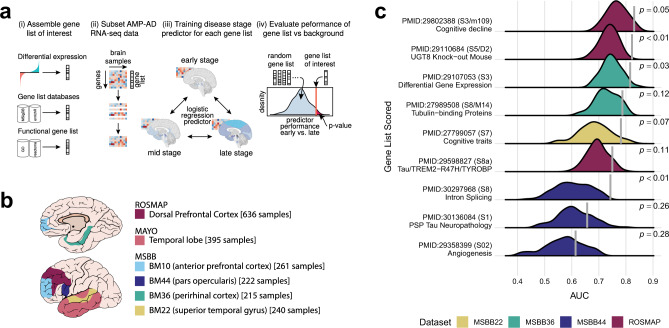
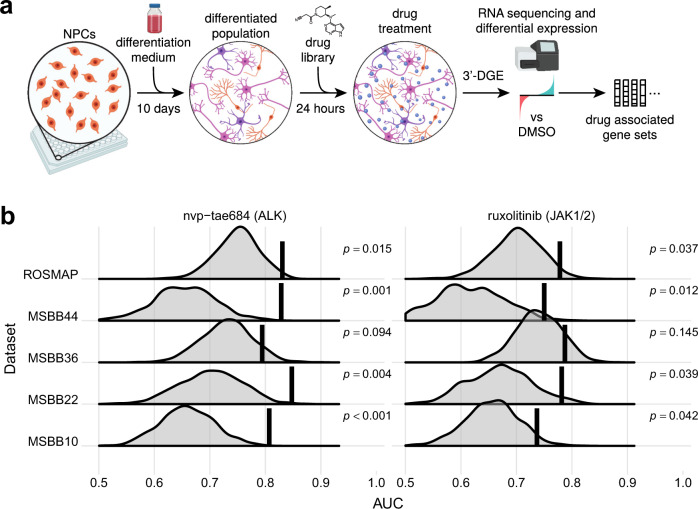
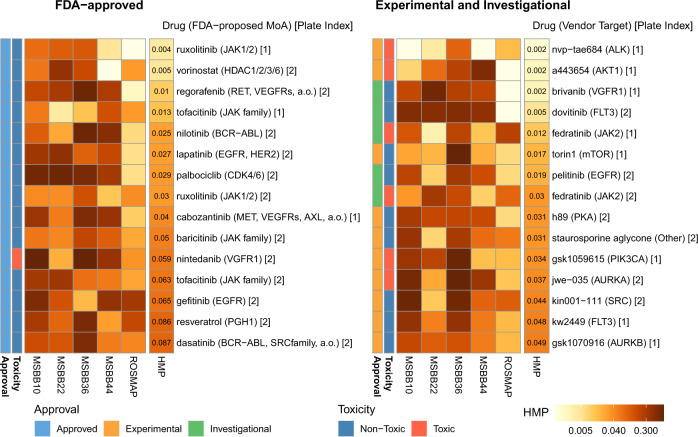
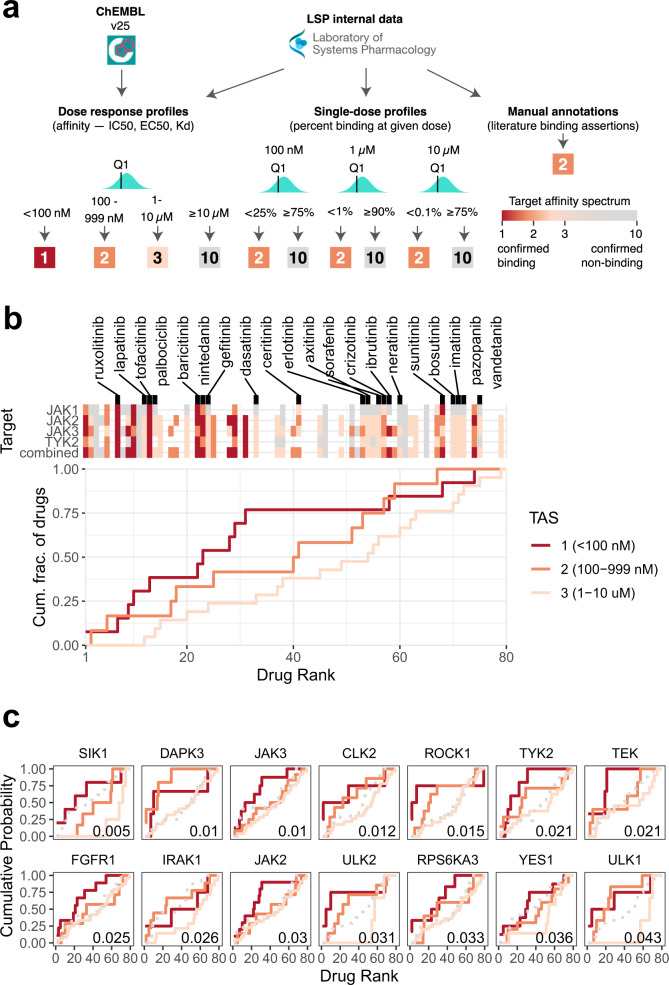
Clinical trials of novel therapeutics for Alzheimer’s Disease (AD) have consumed a large amount of time and resources with largely negative results. Repurposing drugs already approved by the Food and Drug Administration (FDA) for another indication is a more rapid and less expensive option. We present DRIAD (Drug Repurposing In AD), a machine learning framework that quantifies potential associations between the pathology of AD severity (the Braak stage) and molecular mechanisms as encoded in lists of gene names. DRIAD is applied to lists of genes arising from perturbations in differentiated human neural cell cultures by 80 FDA-approved and clinically tested drugs, producing a ranked list of possible repurposing candidates. Top-scoring drugs are inspected for common trends among their targets. We propose that the DRIAD method can be used to nominate drugs that, after additional validation and identification of relevant pharmacodynamic biomarker(s), could be readily evaluated in a clinical trial.
Overview
The claims and statistics of this paper haven’t been checked yet.
Free: it reads the open-access text and checks the first 5 claims that cite a source we can check. Create a free account to check every claim.
Integrity signals
Registry
Cites
Statistics
Figures
Verification
Claims the paper makes
The claims and statistics of this paper haven’t been checked yet.
Free: it reads the open-access text and checks the first 5 claims that cite a source we can check. Create a free account to check every claim.
Claims other papers make about this one
Each is checked against this paper’s own text: does it say what the citing paper says it does?
The cited source says what the claim attributes to it.
In the citing paper
“Additionally, the advancement of artificial intelligence (AI)-based computational tools is facilitating drug repurposing, presenting a promising strategy AD drug development.431–433”
From Recent advances in Alzheimer's disease: Mechanisms, clinical trials and new drug development strategies. (2024) · cites this paper as [432]
The check wasn’t confident either way, so it gives no verdict — never disputed.
In the citing paper
“Other network-centric models, including AlzGPS, map genetic variants onto protein interaction networks to identify modifiable disease nodes. One such node, ATP6V1A, was found to be pharmacologically targetable, with compounds like pioglitazone modulating its associated neuroinflammatory pathways251,334,337,339,340.”
From Artificial intelligence-driven multi-omics approaches in Alzheimer's disease: Progress, challenges, and future directions (2025) · cites this paper as [337]
Experimental — accuracy not yet measured
Self-check
Percentages, sums and reported differences re-computed from the paper’s own numbers.
The self-check needs the paper’s full text.
Citations
Cites
Subramanian, A., Tamayo, P., Mootha, V. K., Mukherjee, S., Ebert, B. L., Gillette, M. A., Paulovich, A., Pomeroy, S. L., Golub, T. R., Lander, E. S., et al. (2005) · Proceedings of the National Academy of Sciences · doi:10.1073/pnas.0506580102 · Cited by 53,625
Robinson, M. D., McCarthy, D. J., & Smyth, G. K. (2010) · Bioinformatics · doi:10.1093/bioinformatics/btp616 · Cited by 41,364
Neuropathological stageing of Alzheimer-related changes.
Braak, H., & Braak, E. (1991) · Acta Neuropathologica · doi:10.1007/bf00308809 · Cited by 16,123
Adjusting batch effects in microarray expression data using empirical Bayes methods
Johnson, W. E., Li, C., & Rabinovic, A. (2007) · Biostatistics · doi:10.1093/biostatistics/kxj037 · Cited by 8,658
Neurotoxic reactive astrocytes are induced by activated microglia
Liddelow, S. A., Guttenplan, K. A., Clarke, L. E., Bennett, F. C., Bohlen, C. J., Schirmer, L., Bennett, M. L., Münch, A. E., Chung, W.-S., Peterson, T. C., et al. (2017) · Nature · doi:10.1038/nature21029 · Cited by 7,971
Structural absorption by barbule microstructures of super black bird of paradise feathers
McCoy, D. E., Feo, T., Harvey, T. A., & Prum, R. O. (2018) · Nature Communications · doi:10.1038/s41467-017-02088-w · Cited by 7,424
Lamb, J., Crawford, E. D., Peck, D., Modell, J. W., Blat, I. C., Wrobel, M. J., Lerner, J., Brunet, J.-P., Subramanian, A., Ross, K. N., et al. (2006) · Science · doi:10.1126/science.1132939 · Cited by 5,257
Drug repurposing: progress, challenges and recommendations
Pushpakom, S., Iorio, F., Eyers, P. A., Escott, K. J., Hopper, S., Wells, A., Doig, A., Guilliams, T., Latimer, J., McNamee, C., et al. (2019) · Nature Reviews Drug Discovery · doi:10.1038/nrd.2018.168 · Cited by 4,718
Alzheimer Disease: An Update on Pathobiology and Treatment Strategies
Long, J. M., & Holtzman, D. M. (2019) · Cell · doi:10.1016/j.cell.2019.09.001 · Cited by 3,204
Alzheimer disease in the United States (2010–2050) estimated using the 2010 census
Hebert, L. E., Weuve, J., Scherr, P. A., & Evans, D. A. (2013) · Neurology · doi:10.1212/wnl.0b013e31828726f5 · Cited by 2,642
Research works printed but not linked: 1
- Rodriguez, S. et al. Machine learning identifies candidates for drug repurposing in Alzheimer’s disease. https://github.com/labsyspharm/DRIAD10.5281/zenodo.4432966 (2021). PMC7884393 33589615 · doi:10.5281/zenodo.4432966
Cited by
Items 201–299 of 299
DTA Atlas: A massive-scale drug repurposing database
Sultanova, M., Vinogradova, E. B., Amantay, A., Molnár, F., & Fazli, S. (2024) · Artificial Intelligence in the Life Sciences · doi:10.1016/j.ailsci.2024.100115 · Cited by 4
Prediction of myeloid malignant cells in Fanconi anemia using machine learning
Flores-Mejía, L. A., Siliceo, P., Juárez, U., Quezada, I. G., Martínez, B. T. B., Sosa, D., Rivera-Osorio, A., Tovar, H., Frías, S., & Rodríguez, A. (2026) · PLoS ONE · doi:10.1371/journal.pone.0340578 · Cited by 3
Machine Learning: A Tool to Shape the Future of Medicine
Hazapi, O., Lаgopati, N., Pezoulas, V. C., Papayiannis, G. I., Fotiadis, D. I., Skaltsas, D., Vergetis, V., Tsirigos, A., Stratis, I. G., Yannacopoulos, A. N., et al. (2022) · Studies in big data · doi:10.1007/978-981-16-9158-4_12 · Cited by 3
Caicedo, A., Castañeda, V., Díaz, J., Haro-Vinueza, A., Park, J., Kim, J. K., Overbey, E. G., Salinas, I., Nardocci, G., Camera, A., et al. (2023) · Research Square · doi:10.21203/rs.3.rs-2819258/v1 · Cited by 4
Li, Y., Serras, C. P., Blumenfeld, J. R., Xie, M., Hao, Y., Deng, E., Chun, Y. Y., Holtzman, J., An, A., Yoon, S. Y., et al. (2024) · bioRxiv (Cold Spring Harbor Laboratory) · doi:10.1101/2024.12.09.627436 · Cited by 3
Lammers‐Lietz, F., Akyuez, L., Boraschi, D., Borchers, F., de Bresser, J., Chatterjee, S., Correia, M., de Lange, N. M., Dschietzig, T. B., Ghosh, S., et al. (2024) · medRxiv · doi:10.1101/2024.12.30.24319760 · Cited by 3
Figueiredo-Pereira, M. E., Serrano, P. A., & Rockwell, P. (2025) · Neural Regeneration Research · doi:10.4103/nrr.nrr-d-25-00256 · Cited by 4
“These cognitive benefits occurred without a corresponding reduction in Aβ plaque load or microgliosis, suggesting that RG2833 may exert its effects through mechanisms other than Aβ plaque clearance or inflammation modulation (Ndukwe et al., 2025).”
Ma, Y., Tian, H., Xiao, W., Ma, Y., Su, H., Zhu, L., Jiang, Y. L., Li, G., Li, Y., Yuan, M., et al. (2025) · ACS Omega · doi:10.1021/acsomega.5c07349 · Cited by 8
Zhang, H., Yu, T., Zhuo, N., Zhu, Z., Lin, S., Zhao, S., Yu, H., Zhang, Y., Wu, A., Wang, J., et al. (2025) · Journal of Advanced Research · doi:10.1016/j.jare.2025.12.004 · Cited by 3
Shoombuatong, W., Schaduangrat, N., Mookdarsanit, L., Mahmud, S. M. H., Kusonmano, K., & Mookdarsanit, P. (2025) · IEEE Access · doi:10.1109/access.2025.3613332 · Cited by 2
“In particular, machine learning (ML) algorithms have demonstrated remarkable potential in expediting both the discovery and refinement of small-molecule drug candidates [9], [10], [11], [12].”
Roney, M., Ahmad, I., Imran, M., Mahmood, A. A. R., & Aluwi, M. F. F. M. (2026) · Future Journal of Pharmaceutical Sciences · doi:10.1186/s43094-026-00963-2 · Cited by 3
Multi-target approaches to prion disease drug discovery: a status update
Nikolić, L., & Legname, G. (2026) · Expert Opinion on Drug Discovery · doi:10.1080/17460441.2026.2667912 · Cited by 2
“…polypharmacology modeling, AI-driven approaches, and emerging paradigms such as quantum-assisted drug discovery, are expected to improve target selection, predict interaction profiles, and accelerate optimization of both combination regimens and single-molecule multi-target agents [164–166].”
Chakraborty, A., Gholap, A. D., Khuspe, P. R., Sundaram, G., Webster, T. J., Khalid, M., Haris, M. S., & Faiyazuddin, M. (2026) · International Journal of Nanomedicine · doi:10.2147/ijn.s600651 · Cited by 3
Drug Repurposing for COVID-19 using Computational Methods
Prakash, O., & Khan, F. (2023) · BENTHAM SCIENCE PUBLISHERS eBooks · doi:10.2174/9789815123197123010010 · Cited by 2
Network Pharmacology for Drug Repositioning in Anti-Alzheimer’s Drug Development
Dash, R., Munni, Y. A., Mitra, S., Dash, N., & Moon, I. S. (2023) · Neuromethods · doi:10.1007/978-1-0716-3311-3_15 · Cited by 5
The Analysis of Nutrition Toxicology Detection Based on Big Data and Deep Learning
Shi, J., Chen, R., Ma, Y., Feng, Y., & Men, K. (2023) · IEEE Access · doi:10.1109/access.2023.3336946 · Cited by 2
“Tanwar et al. [38] proposed an energy theft detection scheme based on DL technology that utilized a data-driven analytical approach to identify various forms of energy theft.”
MethodWang, X., Wang, M., Wang, H., Yin, G., & Zhang, Y. (2025) · Journal of Alzheimer s Disease · doi:10.1177/13872877251360009 · Cited by 4
Repurposing FDA-approved drugs for treatment of amyotrophic lateral sclerosis using machine learning
Dogra, S., Kouznetsova, V. L., & Tsigelny, I. F. (2025) · Amyotrophic Lateral Sclerosis and Frontotemporal Degeneration · doi:10.1080/21678421.2025.2536027 · Cited by 2
Magic bullets: Drug repositioning and drug combinations
Yella, J., & Jegga, A. G. (2021) · Elsevier eBooks · doi:10.1016/b978-0-12-820472-6.00116-x · Cited by 2
DDIT: An Online Predictor for Multiple Clinical Phenotypic Drug-Disease Associations
Lu, L., Qin, J., Chen, J., Wu, H., Zhao, Q., Miyano, S., Zhang, Y., Yu, H., & Li, C. (2022) · Frontiers in Pharmacology · doi:10.3389/fphar.2021.772026 · Cited by 3
“Then, they apply DRIAD, a machine learning framework, to the lists of genes arising from perturbations in differentiated human neural cell cultures by 80 Food and Drug Administration (FDA)-approved and clinically tested drugs, producing a ranked list of possible repurposing candidates (Rodriguez et al., 2021).”
MethodDahiya, M., Kumar, A., Yadav, M., Dhakla, P., & Tushir, S. (2023) · Springer eBooks · doi:10.1007/978-981-19-5399-6_15 · Cited by 3
Repurposing Drugs for Viruses and Cancer: A Novel Drug Repositioning Strategy for COVID-19
Wong, K. H., Lim, C.-M., Yip, A. J. W., Farouk, I. A., Zabidi, N. Z., Low, Z. Y., & Lal, S. K. (2023) · Springer eBooks · doi:10.1007/978-981-19-5399-6_18 · Cited by 3
The usage of transcriptomics datasets as sources of Real-World Data for clinical triallingPreprint
Matos‐Filipe, P., García‐Illarramendi, J. M., Jorba, G., Oliva, B., Farrés, J., & Mas, J. M. (2022) · bioRxiv (Cold Spring Harbor Laboratory) · doi:10.1101/2022.11.10.515995 · Cited by 4
Satish, N., Bukapindi, M., Shreyas, K., Akhil, G., & Malagi, V. P. (2024) · Lecture notes in networks and systems · doi:10.1007/978-981-97-6992-6_20 · Cited by 2
Tanjin, R., Al-Amin, M., Etee, J. M., Siddika, A., Siddiki, A. B. M. I., Mahi, S. I., Toma, S. N., Akter, N., Uddin, M. H., Bristy, N. A., et al. (2025) · PLoS ONE · doi:10.1371/journal.pone.0338211 · Cited by 1
Single‐cell analysis reveals neuroprotective histone deacetylase inhibitor pathways
Peyton, M., Jury, N., Liu, J., Beimfohr, C., Sunil, C., Brooks, S., Zhang, P., McCabe, S., Richardson, T. I., Huang, K., et al. (2026) · Alzheimer s & Dementia · doi:10.1002/alz.71108 · Cited by 2
“Platforms like Drug Repurposing in AD (DRIAD), using bulk RNA sequencing (RNA-seq) data, 12 cannot distinguish whether drugs act on neurons, glia, or vascular cells, which is critical given AD’s multicellular pathology.”
Smart, S. E., Fenner, E., Rhys, H., Wells, A., Fender, K., Bresner, C., Trauzzi, G., Willcocks, I. R., Legge, S. E., Pardiñas, A. F., et al. (2026) · PLoS ONE · doi:10.1371/journal.pone.0340584 · Cited by 1
“For example, we will develop and test for association enrichment, sets derived from multiple databases representing known drug targets, and genes whose expression is perturbed by drugs in cultured cells [109,110].”
Ahmad, H. A., Zafar, M., Khan, T., & Khan, M. I. (2026) · Molecular and Cellular Biochemistry · doi:10.1007/s11010-026-05505-1 · Cited by 2
Hong, R., Han, J., Dong, F., kalsoom, U.-E., Cao, C., Zhou, A., Wu, Q., & Qu, X. (2026) · Frontiers in Cellular Neuroscience · doi:10.3389/fncel.2026.1798965 · Cited by 1
“Unfortunately, numerous clinical trials targeting these pathways have largely failed (Rodriguez et al., 2021; Wojtunik-Kulesza et al., 2023), underscoring the need for deeper exploration of AD pathogenesis and alternative treatment strategies.”
Human organ-on-a-chip technology as a catalyst for drug discovery
Posey, R. R., Özkan, A., & Ingber, D. E. (2026) · Advanced Drug Delivery Reviews · doi:10.1016/j.addr.2026.115920 · Cited by 2
Shoman, N. A., Salama, A., Adel, N., Elnahas, O. S., El-Mancy, S. S., & El-Dahmy, R. M. (2026) · Journal of Drug Delivery Science and Technology · doi:10.1016/j.jddst.2026.108645 · Cited by 1
Kumhar, S. H., Kapula, P. R., Kaur, H., Krishna, R. R., Kirmani, M. M., Athavale, V. A., & Ahmad, M. W. (2022) · Journal of Food Quality · doi:10.1155/2022/1519451 · Cited by 1
“+erefore, ML algorithms are required to be trained effectively with WMC data, Hachinski scores, Fazekas scores, dietary requirements, and other essential demographic values for executing differential analysis [35, 36].”
MethodRetractedImage Classification of Alzheimer’s Disease Based on ViT-Random Forest Model
Mao, W., Feng, G., Wu, Z., Huang, W., & Toe, T. T. (2023) · IEEE International Conference on Computer and Communications (ICCC) · doi:10.1109/iccc59590.2023.10507644 · Cited by 1
Lange, B., Pathak, S., Vijayarani, K. R., DeRuiter, J., Alharbi, H. F., Bhupathyraaj, M., Mohandoss, K., & Dhanasekaran, M. (2024) · Nutritional neurosciences · doi:10.1007/978-981-97-2577-9_1 · Cited by 1
Bridging Cultures and Medicine: Quantitative Insights in Ethnopharmacology
Srivastava, V., Insaf, A., & Ahmad, S. (2024) · Springer eBooks · doi:10.1007/978-981-97-2367-6_7 · Cited by 3
Dhanabalan, A. K., Velmurugan, D., Haribabu, J., & Gunasekaran, K. (2024) · Molecular Diversity · doi:10.1007/s11030-024-10997-4 · Cited by 1
Tetteh, C. N. O.-K., Mensah, A. A., Ampomah, B., Oppong, M. B., Lartey, M., Donkor, P. O., Opuni, K. F. M., & Adutwum, L. A. (2025) · Bioinformatics and Biology Insights · doi:10.1177/11779322251368252 · Cited by 1
Disease Based Computational Drug Repurposing: A Review
Unni, A. P., Sreekumar, A., & Balakrishnan, K. (2021) · International Conference on Information Systems and Computer Networks (ISCON) · doi:10.1109/iscon52037.2021.9702436 · Cited by 2
Sanchez-Rodriguez, L. M., Khan, A. F., Adewale, Q., Bezgin, G., Therriault, J., Arias, J. F., Servaes, S., Rahmouni, N., Tissot, C., Stevenson, J., et al. (2023) · bioRxiv (Cold Spring Harbor Laboratory) · doi:10.1101/2023.09.15.557737 · Cited by 3
“…rheumatoid arthritis drugs with anti-inflammatory properties (from a pool of 80 FDA-approved and clinically tested drugs) were already pinpointed as viable repositioned candidates to halt or reduce AD affectations in a whole-brain transcriptomics machine learning approach (Rodriguez et al., 2021).”
Cui, W., Zhang, L., Zheng, F.-R., Li, X. H., & Xie, G.-L. (2024) · bioRxiv (Cold Spring Harbor Laboratory) · doi:10.1101/2024.01.26.577320 · Cited by 1
Generative AI-assisted Virtual Screening Pipeline for Generalizable and Efficient Drug RepurposingPreprint
Pham, P., Nguyen, V. T. D., Cho, K. H., & Hy, T. S. (2024) · bioRxiv (Cold Spring Harbor Laboratory) · doi:10.1101/2024.12.07.627340 · Cited by 1
Huang, S., & Ding, Y. (2022) · Letters in Drug Design & Discovery · doi:10.2174/1570180819666220114114752
Nair, S. S. K., Shafreen, R. B., Maskari, S. S. N. A., Sivakumar, N., Rajalekshmi, K. G., & Al‐Mawali, A. (2022) · Letters in Drug Design & Discovery · doi:10.2174/1570180819666220124114100
INVESTIGATING TOLFENAMIC ACID AND ITS ANALOGS AS POTENTIAL ALZHEIMER’S DISEASE THERAPEUTICS
Hill, J. (2021) · Digital Commons - URI (University of Rhode Island) · doi:10.23860/diss-hill-jaunetta-2021 · Cited by 1
Review: Applications of Artificial Intelligence in Dementia Research — R0/PR3
(2022) · Cambridge Prisms Precision Medicine · doi:10.1017/pcm.2022.10.pr3
Decision: Applications of Artificial Intelligence in Dementia Research — R1/PR8
(2022) · Cambridge Prisms Precision Medicine · doi:10.1017/pcm.2022.10.pr8
Review: Applications of Artificial Intelligence in Dementia Research — R0/PR2
(2022) · Cambridge Prisms Precision Medicine · doi:10.1017/pcm.2022.10.pr2
Decision: Applications of Artificial Intelligence in Dementia Research — R0/PR5
(2022) · Cambridge Prisms Precision Medicine · doi:10.1017/pcm.2022.10.pr5
Recommendation: Applications of Artificial Intelligence in Dementia Research — R1/PR7
(2022) · Cambridge Prisms Precision Medicine · doi:10.1017/pcm.2022.10.pr7
Author comment: Applications of Artificial Intelligence in Dementia Research — R1/PR6
Tsoi, K. K. F. (2022) · Cambridge Prisms Precision Medicine · doi:10.1017/pcm.2022.10.pr6
Recommendation: Applications of Artificial Intelligence in Dementia Research — R0/PR4
(2022) · Cambridge Prisms Precision Medicine · doi:10.1017/pcm.2022.10.pr4
Author comment: Applications of Artificial Intelligence in Dementia Research — R0/PR1
Tsoi, K. K. F. (2022) · Cambridge Prisms Precision Medicine · doi:10.1017/pcm.2022.10.pr1
Inteligencia artificial en deterioro cognitivo y demencias
Matías‐Guiu, J. A. (2026) · Kranion · doi:10.24875/kranion.m23000054
On the application of Machine Learning and Complex Networks to Neuroscience
Alves, C. L. (2023) · Digital Library of Theses and Dissertations (Universidade de São Paulo) · doi:10.11606/t.55.2023.tde-31082023-145944
Artificial intelligence and deep learning in molecular testing
Levy, J., & Vaickus, L. J. (2023) · Elsevier eBooks · doi:10.1016/b978-0-12-822824-1.00002-x
Ugwuanyi, I., Oladoyin, I. A., Anazor, C. V., Dike, I. D., Ezulu, P. C., & Nwagbata, A. (2024) · African Journal of Mathematics and Statistics Studies · doi:10.52589/ajmss-4wnit6f9 · Cited by 1
Kitani, A., Matsui, Y., & Initiative, T. A. D. N. (2024) · bioRxiv (Cold Spring Harbor Laboratory) · doi:10.1101/2024.08.25.609610
“Machine learning (ML) has emerged as a powerful framework for extracting clinically relevant signatures from high-dimensional omics data, enabling disease prediction, patient stratification, and mechanistic insight [32–36].”
Application of TD-Based Unsupervised FE to Bioinformatics
Taguchi, Y. (2024) · Unsupervised and semi-supervised learning · doi:10.1007/978-3-031-60982-4_7
Artificial intelligence: A regulatory perspective
Branco, F., & Sousa, J. (2024) · Elsevier eBooks · doi:10.1016/b978-0-323-91819-0.00002-6 · Cited by 1
A Note on Logic and the Methodology of Data-Driven Science
Hosni, H., & Landes, J. (2024) · Logic, argumentation & reasoning · doi:10.1007/978-3-031-77892-6_1
Drug Repositioning Based on Cerebrospinal Fluid Proteomes Using Connectivity Map Framework
Cortés, A., Romero-Murillo, S., Anaya‐Cubero, E., Cartas‐Cejudo, P., Extramiana, L., Lachén‐Montes, M., Fernández‐Irigoyen, J., & Santamaría, E. (2025) · Methods in molecular biology · doi:10.1007/978-1-0716-4462-1_22
Vieira, R., Batista, V. H., & de Sousa, K. A. (2025) · Next research. · doi:10.1016/j.nexres.2025.100511
Faasen, S. G., Papale, L. A., Boruch, A. E., Bergmann, P. E., Hogan, K. J., & Alisch, R. S. (2025) · bioRxiv (Cold Spring Harbor Laboratory) · doi:10.1101/2025.06.18.660344
“NEK9 is a serine-246 threonine protein kinase heavily involved in mitosis and has been identified as a potential therapeutic target in AD due to its roles in tauopathy and tau phosphorylation [49].”
Qashqari, F. S., Babalghith, A. O., Johargy, A. K., Faidah, H. S., Aldairi, A. F., Bantun, F., Haque, S., & Yadav, D. K. (2025) · Journal of King Saud University - Science · doi:10.25259/jksus_20_2025
Human aged astrocytes induce neurotoxicity in response to inflammatory stimuliPreprint
Kobayashi, H., Maeda, K., Wakui, T., Kazetani, K., Nabetani, A., Shin, E., Kato, H., & Endoh‐Yamagami, S. (2025) · bioRxiv (Cold Spring Harbor Laboratory) · doi:10.1101/2025.08.17.670762
“JAK inhibitors have been identified as candidates for drug reposing in Alzheimer’s disease through a machine learning framework to study and predict the response of FDA-approved drugs 21 .”
Drug Discovery and Development for Neurodegenerative Diseases Using Induced Pluripotent Stem Cells
Banno, H., Okunomiya, T., & Inoue, H. (2025) · Stem cell biology and regenerative medicine · doi:10.1007/978-3-031-94101-6_11
Drug-repositioning strategies of antidiabetic drugs for Alzheimer's disease
Balaji, B., & Skariyachan, S. (2025) · Elsevier eBooks · doi:10.1016/b978-0-443-40559-4.00010-6
Anti-inflammatory and immunomodulating agents
Britten, J. L. (2025) · Elsevier eBooks · doi:10.1016/b978-0-443-30008-0.00014-4
Hu, E. Y., Li, T. S., Wineinger, N. E., & Su, A. I. (2024) · Figshare · doi:10.6084/m9.figshare.26599405
Hu, E. Y., Li, T. S., Wineinger, N. E., & Su, A. I. (2024) · Figshare · doi:10.6084/m9.figshare.26599402
Hu, E. Y., Li, T. S., Wineinger, N. E., & Su, A. I. (2024) · Figshare · doi:10.6084/m9.figshare.26599399
Korra, B. T., Roffin, K., Singh, S., Kar, S. S., Kundal, K., Sengupta, A., & Kumar, R. (2025) · Springer handbooks · doi:10.1007/978-3-031-81728-1_41 · Cited by 1
Leung, G. H. D., Pun, F. W., Naumov, V., Gennert, D. G., Kamya, P. R. N., Aliper, A., Ren, F., & Zhavoronkov, A. A. (2026) · Springer eBooks · doi:10.1007/978-3-031-98022-0_3 · Cited by 1
Sarwad, A., Housgoudar, S., -, S. B., Patil, V., Akki, A. J., & Parvatikar, P. (2026) · Elsevier eBooks · doi:10.1016/b978-0-443-34059-8.00006-3
Feng, M., Jia, G., Li, Q., Li, J., Wang, C., Han, W., Shi, J., Yan, C. H., Han, Y., & Zhou, Z. (2026) · Life Sciences · doi:10.1016/j.lfs.2026.124259
AI-powered genomic medicine: Technologies and challenges
Ravindran, G., Swami, R., Dugad, S., Nighitha, T. N., Kanskar, S., Mendonça, F. J. B., Scotti, M. T., Scotti, L., & Nayarisseri, A. (2026) · Elsevier eBooks · doi:10.1016/b978-0-443-44415-9.00013-2 · Cited by 1
Iqbal, S., Zheng, X., Hu, S., Pal, D., & Shen, B. (2026) · Elsevier eBooks · doi:10.1016/b978-0-443-44430-2.00009-8
Jenseits von APP, PSEN1, PSEN2 und APOE – was lehrt uns das Genom noch?
Behl, C. (2026) · Springer eBooks · doi:10.1007/978-3-662-72210-7_16
Sahoo, S. K., Tripathy, B., & Khadanga, M. (2026) · Current Bioinformatics · doi:10.2174/0115748936413988251219064552
Arora, H. S., Dhakal, S., Psarellis, Y. M., Chandrasekaran, S., Mavroudis, P. D., & Pillai, N. (2026) · bioRxiv (Cold Spring Harbor Laboratory) · doi:10.64898/2026.04.14.718573
“For instance, tools like DRIAD have quantified molecular associations in Alzheimer’s pathology [15], while frameworks such as DrugRepo have integrated similarity scores to screen drugs across hundreds of diseases [16].”
Enhancing Drug Discovery and Development Through Artificial Intelligence
Espaillat, A. (2026) · Springer eBooks · doi:10.1007/978-3-032-19336-0_12
Probing Allosteric Kinase Modulators as Next Game-Changers in Fighting Neurodegeneration
Roggiolani, E., Rosini, M., Minarini, A., & Basagni, F. (2026) · Journal of Medicinal Chemistry · doi:10.1021/acs.jmedchem.5c03783
Transformation of EEG Signal to Image for Deep Learning Based Stage-Wise Classification of Alzheimer
Srividhya, L., Divya, S., Sowmya, V., Vinayakumar, R., & Gopalakrishnan, E. A. (2026) · Studies in big data · doi:10.1007/978-3-032-21009-8_3
Kuang, H., Li, K., Yang, H., Yang, K. E., Zhang, Z., Zhu, J., Wei, J., Pan, P., Chen, J., Chen, Y., et al. (2026) · Current Molecular Pharmacology · doi:10.1016/j.cmp.2026.06.001
Song, X., Chen, Z., An, Y. F., & Zhang, J. (2026) · British Journal of Pharmacology · doi:10.1111/bph.70592 · Cited by 1
Smeriglio, E., Imbesi, M., Xiao, J., Smeriglio, A., & Trombetta, D. (2026) · Frontiers in Aging Neuroscience · doi:10.3389/fnagi.2026.1924338
Saffour, S., Gül, T. S., & Gul, H. I. (2026) · Future Medicinal Chemistry · doi:10.1080/17568919.2026.2714022
Raju, K. V., Sathvika, A., & Nori, L. P. (2026) · Letters in Applied NanoBioScience · doi:10.33263/lianbs152.082
“Furthermore, by incorporating dynamic molecular descriptors from molecular dynamics simulations into ML models, caspase-8-targeting medications were identified [114].”
AI-driven drug design: a comprehensive review
Dong, Z., Shou, B., Chen, J., Fang, H., Wu, S., Zhang, Y., Wang, C., Sun, G., & Wan, Y. (2026) · Journal of Computer-Aided Molecular Design · doi:10.1007/s10822-026-00923-1
AI-powered medicinal chemistry and translational drug development
Kaicheng, U., Zhang, S. M., Yu, Z., Zhang, Z., Zhang, J., He, C., Liu, A., Chen, R., Wang, S., Yan, L., et al. (2026) · Chemical Society Reviews · doi:10.1039/d5cs01469g · Cited by 1
Erdoğan, M. S., & Çakmakyapan, S. (2026) · Cumhuriyet Science Journal · doi:10.17776/csj.1892289
Reinvigorating the possibilities: Drug repurposing as a strategic access pathway for rare diseases
Jonker, A. H., O’Connor, D. J., Méjat, A., Gribbon, P. M., Crombie, C., Randall, L., Parker, S., & Lo, D. C. (2026) · Translational Science of Rare Diseases · doi:10.1177/22146490261486345
AI-driven transcriptomics for neurodegenerative disease research: A systematic review
Tripathi, A., Yadav, A. K., & Kumar, N. (2026) · Computational Biology and Chemistry · doi:10.1016/j.compbiolchem.2026.109448
Zantis, A., Uliassi, E., Pallara, C., & Li, X. (2026) · Journal of Alzheimer s Disease · doi:10.1177/13872877261497407
A cell-type-directed drug repurposing framework for Alzheimer's disease subtypes
Li, Y., Tang, X., Serras, C. P., Tang, A., Oskotsky, T., & Sirota, M. (2026) · Acta Pharmaceutica Sinica B · doi:10.1016/j.apsb.2026.10.019
Machine learning: Early disease diagnosis, prediction and prevention
Meo, S. A. (2026) · Elsevier eBooks · doi:10.1016/b978-0-443-45973-3.00002-6
Tian, Y., Guo, J., Lin, X., Zhang, F., Xie, J., Hou, X., Deng, J., Hao, E., & Du, Z. (2026) · Journal of Ethnopharmacology · doi:10.1016/j.jep.2026.122574
Li, X., & Gozes, I. (2026) · Frontiers in Pharmacology · doi:10.3389/fphar.2026.1999276
“Baricitinib was nominated by DRIAD as the highest-ranked JAK inhibitor (Rodriguez et al., 2021), and the underlying pathway rationale is well supported.”
Metadata
- Authors
- Rodriguez, S., Hug, C., Todorov, P., Moret, N., Boswell, S. A., Evans, K., Zhou, G., Johnson, N. T., Hyman, B. T., Sorger, P. K., Albers, M. W., & Sokolov, A.
- Affiliations
- Harvard University (US)
- Massachusetts General Hospital (US)
- Corresponding author
- Albers, Mark W.
- Sokolov, Artem
- ORCID
- Venue
- Nature Communications
- Published
- 2021-02-15
- Volume
- 12
- Issue
- 1
- Pages
- 1033-1033
- ISSN
- 2041-1723 (ISSN-L)
- PMC
- PMC7884393
- OpenAlex
- W3130727496
- Semantic Scholar
- cff247795d6218a75bda13185b26d6282c0b8935
- Cited by
- 299
- References
- 93
- Citations by year
- 2026: 42 · 2025: 61 · 2024: 56 · 2023: 61 · 2022: 52 · 2021: 26
- FWCI
- 25.83
- Type
- journal article
- Language
- en
- Open access
- gold
- doi.org
- Licence
- cc-by
- creativecommons.org/licenses/by/4.0 (tdm)
- creativecommons.org/licenses/by/4.0 (vor)
- Locations
- Nature Communications (publishedVersion, cc-by)
- bioRxiv (Cold Spring Harbor Laboratory) (acceptedVersion, cc-by-nd)
- PubMed Central (publishedVersion, cc-by)
- PubMed (publishedVersion)
- RePEc: Research Papers in Economics (submittedVersion)
- DOAJ (DOAJ: Directory of Open Access Journals) (submittedVersion, cc-by-sa)
- Funders
- U.S. Department of Health & Human Services | NIH | National Institute on Aging (R01 AG058063)
- U.S. Department of Health & Human Services | NIH | National Cancer Institute (U54- CA225088-02S1)
- Topics
- Life Sciences › Pharmacology, Toxicology and Pharmaceutics › Drug Discovery › Computational Drug Discovery Methods
- Life Sciences › Neuroscience › Cellular and Molecular Neuroscience › Alzheimer's disease research and treatments
- Health Sciences › Medicine › Psychiatry and Mental health › Dementia and Cognitive Impairment Research
- Keywords
- Alzheimer's disease, drug repurposing, Braak stages, gene list, drug-target interactions, FDA-approved drugs, drug target prioritization, pharmacodynamic biomarkers
- MeSH terms
- Machine Learning, Alzheimer Disease, Cerebral Cortex, Gene Expression Regulation, Humans, Nerve Tissue Proteins, Neurons, Pharmacogenetics, Severity of Illness Index, Drugs, Investigational, Neuroprotective Agents, Nootropic Agents, Gene Expression Profiling, Prescription Drugs, High-Throughput Screening Assays, Drug Repositioning, Primary Cell Culture, Polypharmacology
About these checks
Registry, retraction, Cites and statistics results are computed, not judged, with one exception: a printed reference that no index lists is read once by a model before it counts as a citation error. Claims are extracted by a model and kept only when their quote appears verbatim in the text; each cited source is then checked, with a model’s help, for whether it says what the claim relies on. Those verdicts can be wrong — read the claim’s quote and the cited source before relying on one.
Statistics and arithmetic are recomputed, not judged.
Confidence bands are shown only for fields calibrated on our annotated test set. None is calibrated yet, so no band is shown.
What counts as a claim ›How we measure confidence ›How we check this ›
Are you an author, or do you see a problem with this page? Request a review
Data sources
Bibliographic data: Semantic Scholar, OpenAlex, Crossref.
Contains information from the Semantic Scholar Academic Graph Datasets, made available under the ODC Attribution License (ODC-BY 1.0).
Semantic Scholar’s data is described in: Kinney, R., et al. (2023). The Semantic Scholar Open Data Platform. arXiv:2301.10140.
